




25 of the Most Common Travel Mistakes and How To Avoid Them
25 of the Most Common Travel Mistakes and How To Avoid Them

There’s a lot of preparation that goes into travel — and a lot of missteps that can happen along the way. From finding the best flight deals to fitting everything in your suitcase, complying with TSA rules and regulations, choosing the right plane outfit, and making sure your hotel stay is safe and comfortable, it’s easy to get overwhelmed by it all. With that in mind, we’ve compiled a helpful list from around the website of 25 everyday mistakes we see travelers make all the time, along with tips for what you should do instead. That way, you can embark on your next trip with a solid plan and peace of mind.
1. Not Using Google Flights To Shop for Tickets

We all want the best deal on flights, and travelers have no shortage of options for booking air travel online. While there are many tips and tricks out there for finding the cheapest fares, the pros have a single go-to site: Google Flights. The search engine is not only extremely simple to use, but also offers a number of handy features — like telling you the best time to book, emailing you price alerts, and offering money back if you find a cheaper flight elsewhere.
Read more: The Secret to Finding the Best Deals on Flights
2. Booking Separate Tickets
To reduce the chance of things going wrong, flying nonstop is usually the best option. But sometimes a nonstop flight isn’t available, or it’s much cheaper to book a layover. In that case, you should always make sure to book a through ticket. This means that your entire journey, even if it involves multiple connecting flights or airlines, falls under a single itinerary.
That way, if the inbound leg is canceled or delayed, forcing you to miss your next flight, it will typically be the airline’s responsibility to ensure you make it to your final destination. Conversely, if you choose to book separate tickets (as many do when booking with low-cost carriers) and the first part of your journey doesn’t go according to plan, you’ll usually be on the hook for a costly last-minute replacement ticket for the next leg. If you still need to book separate tickets, be sure to leave yourself an extra-long buffer between flights in case of the first segment is delayed.
Read more: What To Do When You Miss a Connecting Flight
3. Not Studying the Seat Map
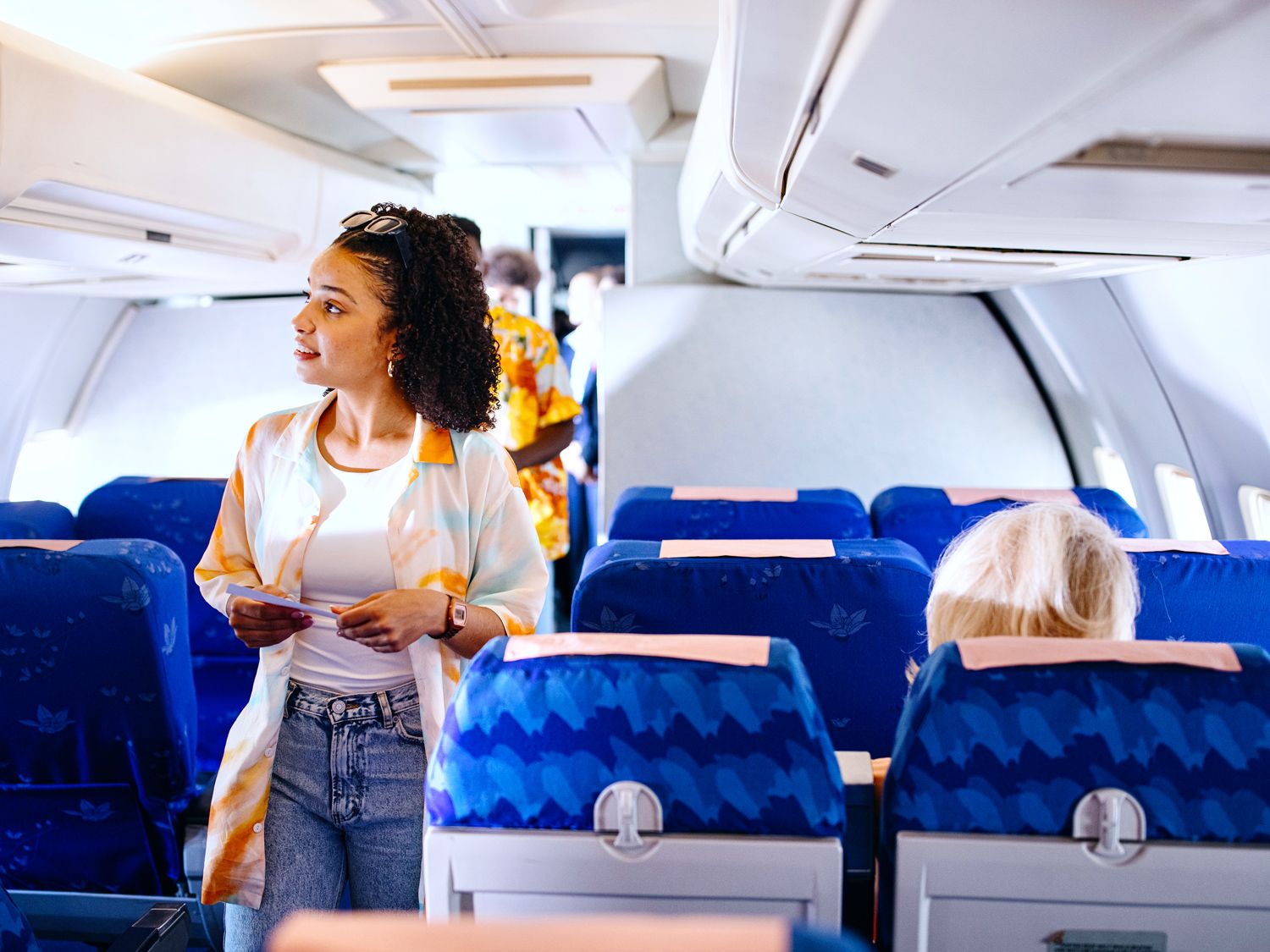
When flying, most travelers do everything possible to avoid being stuck in a middle seat, especially one way at the back of the plane. The first step to scoring a better seat: researching the seat map.
Most airlines have a dedicated section on their website with more detailed aircraft seating plans. When reviewing the seat map, you’ll also get a good sense of what the average legroom is and be able to spot which seats have advantageous locations. For example, some rows might be missing a seat in front or be arranged in a two-by-two configuration instead of the typical three-by-three layout, which can be better for couples. Airline seat maps will also mark specific seats that have limited recline (usually those right in front of an exit row) or more limited width due to their location in the cabin.
Read more: How To Get a Better Seat on Your Next Flight
4. Not Following the Six-Month Passport Rule
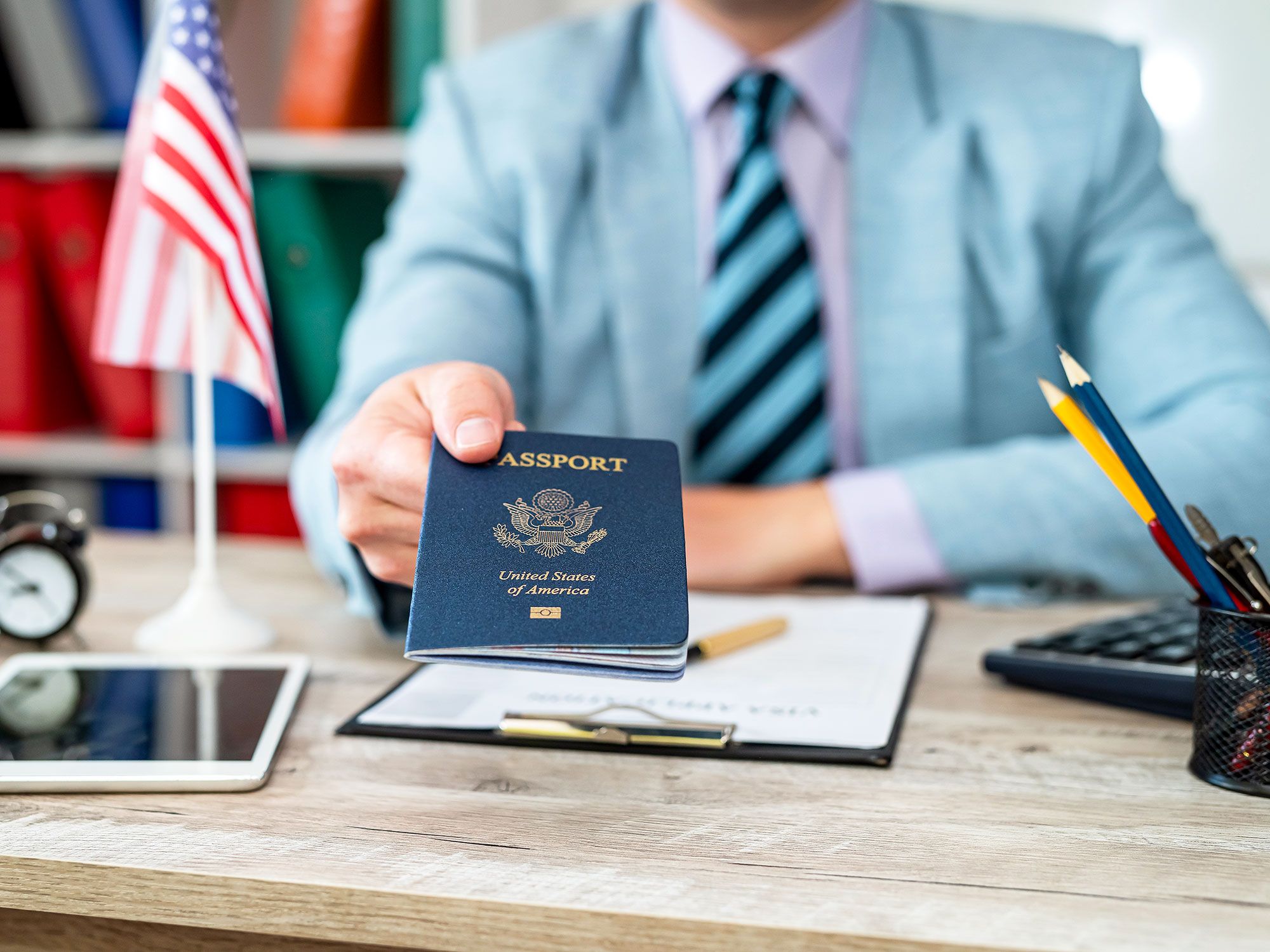
Your flights are booked, your hotels are paid for, and the excitement of an international trip is getting real. But are you sure you’re ready to fly? Even if your passport hasn’t yet expired, it still might not be valid for foreign travel. Some countries require your passport to be valid for at least six months after you enter the country to ensure it doesn’t unexpectedly expire while abroad if you have to extend your trip. It’s important to check each country’s requirements carefully before you travel.
Another passport mistake that can ruin your trip before it even starts? Not having enough blank pages.
Read more: Why You Should Double Check Your Passport — Right Now
5. Not Checking TSA Wait Times
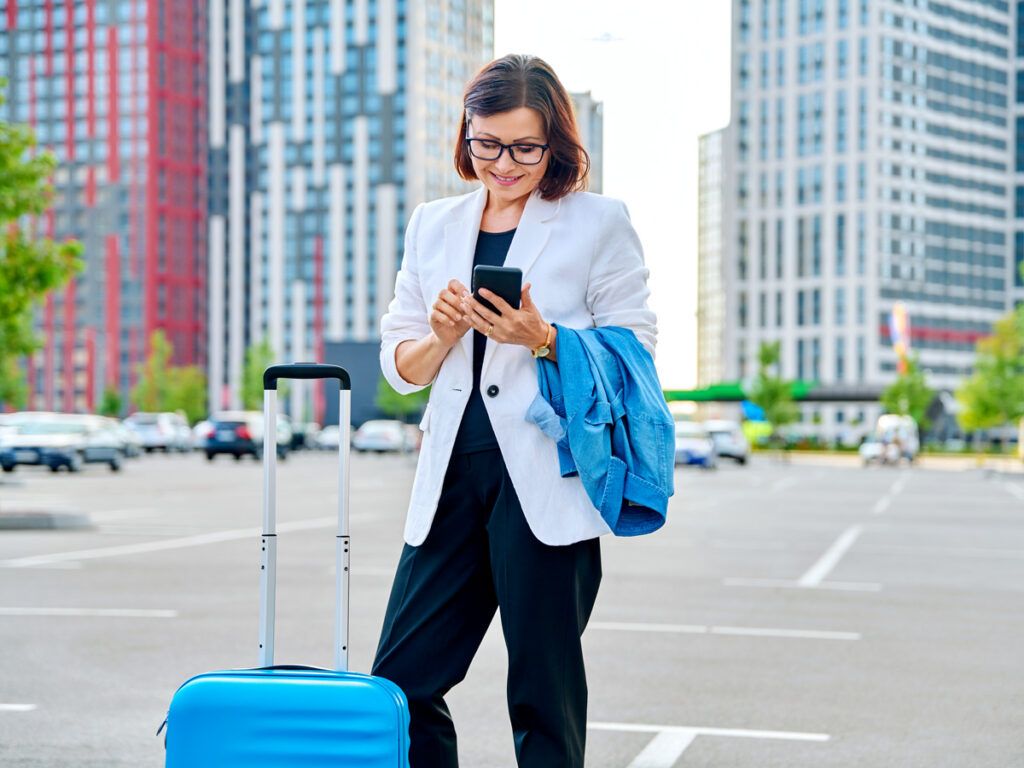
TSA checkpoints are busier than ever, and we’re all looking for ways to decrease the time spent standing in line at the airport. But there’s one simple thing travelers can do before even leaving home to reduce stress at the airport: check TSA wait times. There are several ways to do this, including the My TSA App, airport websites, airline websites and apps, and third-party websites. That way, you know what to expect when you get to the airport — or if you should arrive a little earlier than recommended.
Read more: The One Thing To Check Before Heading to the Airport
6. Not Signing Up for TSA PreCheck
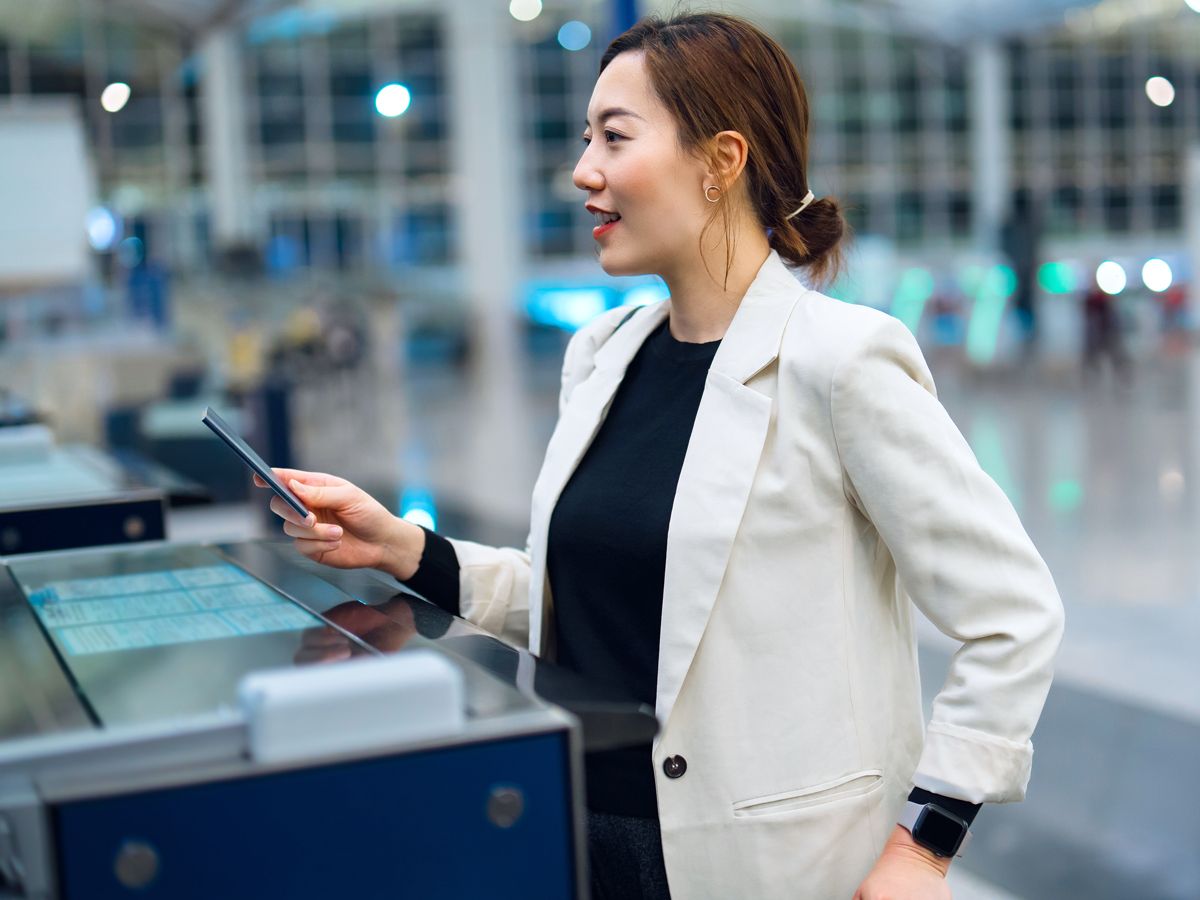
One of the most effective ways to fast-track your journey through security is to enroll in a Trusted Traveler Program. TSA PreCheck offers expedited screening in dedicated security lines and eliminates the need to remove items such as belts, laptops, liquids, and other personal belongings. (If you travel internationally frequently, consider Global Entry, which speeds up your time at customs and includes PreCheck.)
Read more: 4 Things That Will Help Get You Through TSA Faster
7. Not Tracking Your Checked Bag

Most of the time our checked bags will arrive with us, but finding out the airline lost your luggage is a headache that no traveler wants to endure. If you slide an Apple AirTag (or similar Bluetooth tracker) into any luggage that you’re planning to check, you can easily keep tabs on your bags throughout your journey. Often, it can help you figure out where your missing bags are before the airline does.
Read more: The One Gadget You Should Never Travel Without
8. Forgetting To Pack a Change of Clothes in Your Carry-On
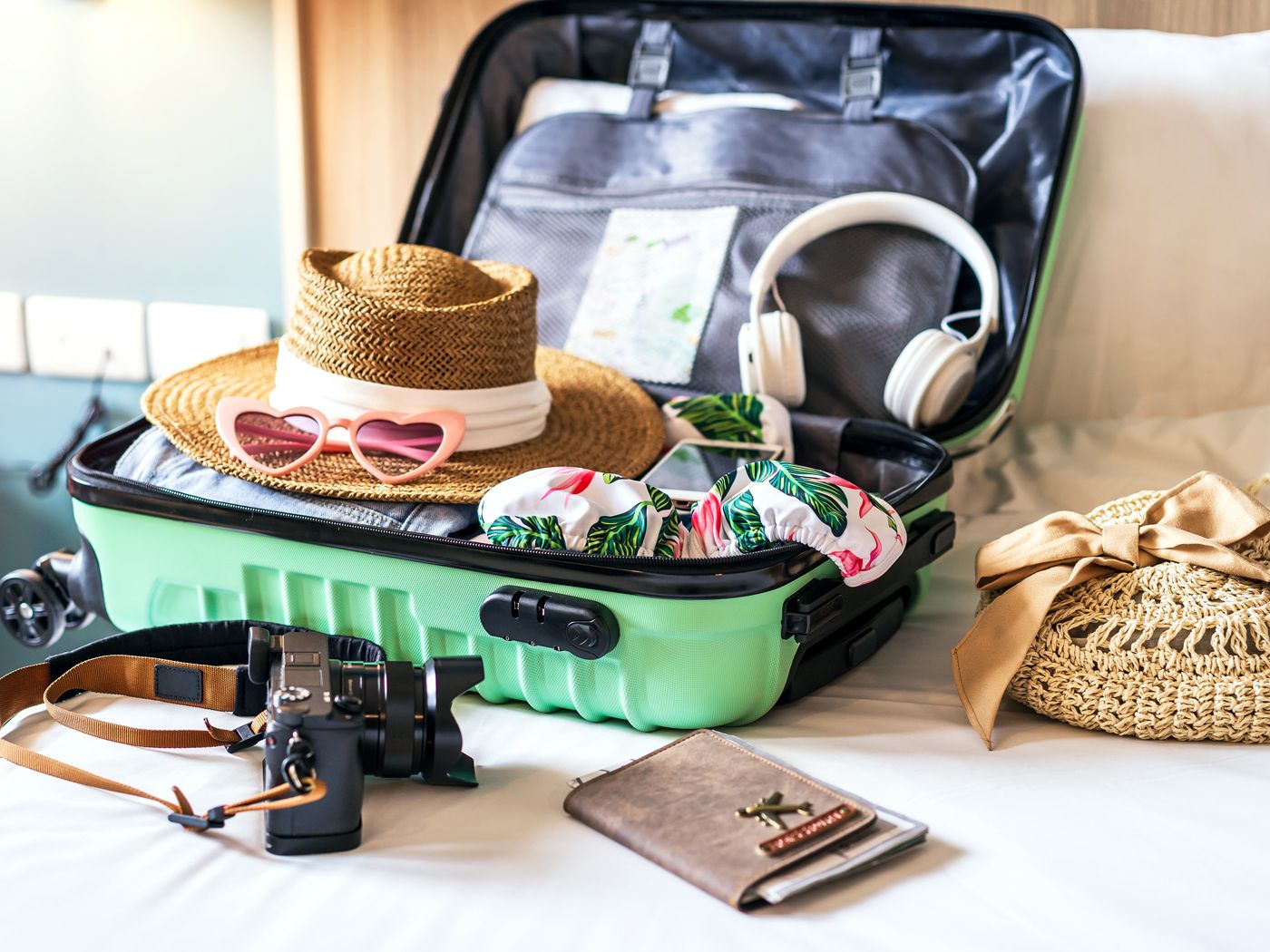
While it’s thankfully rare, if the airline does lose your bag, a missing suitcase can have a big impact on your vacation. Be sure to always pack a change of clothes, especially a spare set of underwear, in your carry-on. This will buy you time until the shops open or the rest of your belongings show up. (Make sure you also pack essentials like medication and important travel documents in your carry-on, too.)
Read more: 8 Things You Should Always Pack in Your Carry-On
9. Spending Too Much on Travel Toiletries
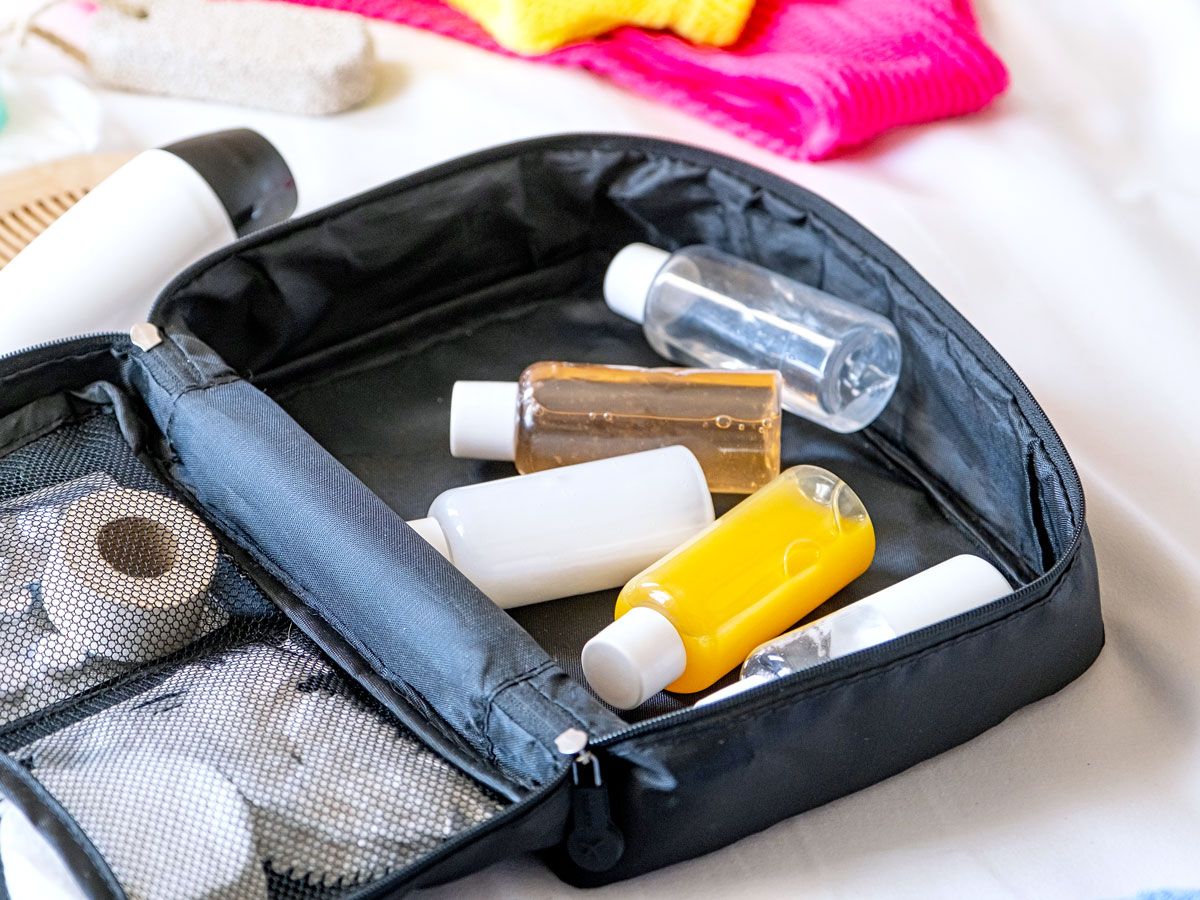
By now, you probably know the ins and outs of the TSA’s 3-1-1 liquid rules. To meet these strict rules for carry-on luggage, many travelers stock up on travel-size toiletries at the drugstore before flying. However, those small plastic bottles are wasteful, and the cost can add up quickly, especially if you travel frequently. Luckily, there are a few easy solutions, from refillable containers to solid forms of popular toiletries.
Read more: How To Stop Wasting Money on Travel Toiletries
10. Having a Disorganized Bag
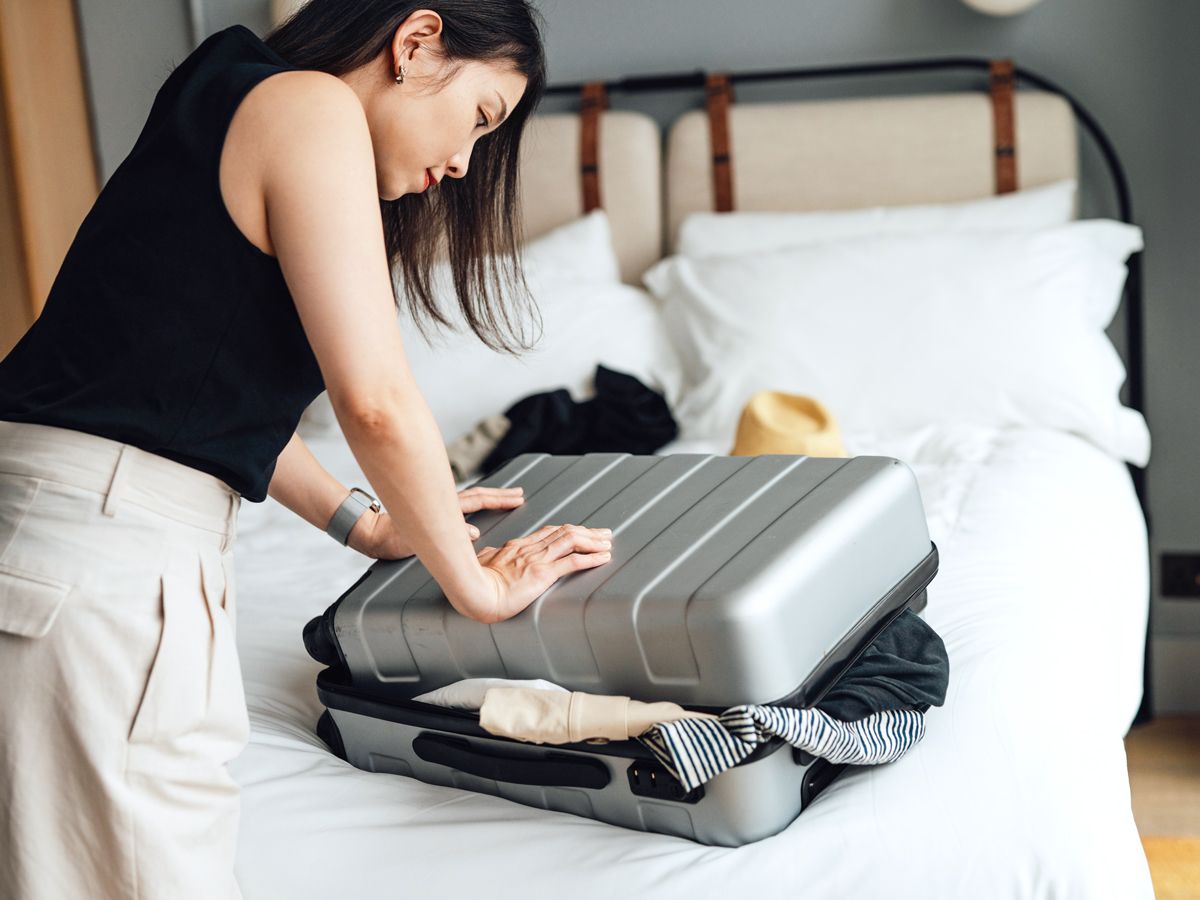
If X-ray scans can’t easily identify items in your luggage, a more thorough search is required, so make sure you keep toiletries, clothes, electronics, and food items separate. The TSA also recommends that travelers use backpacks and purses with laptop compartments to make the screening process quicker. Consider using a set of packing cubes, too, which can help prevent time-consuming TSA searches and allow you to fit more in your carry-on.
Before you head to the airport, you should also make sure you’re not accidentally packing any prohibited items. This includes things that have been recently banned in either carry-on or checked luggage, such as cordless curling irons and lithium-ion batteries.
Read more: 7 Mistakes That Slow You Down at Airport Security
11. Putting Your Phone in the TSA Bin
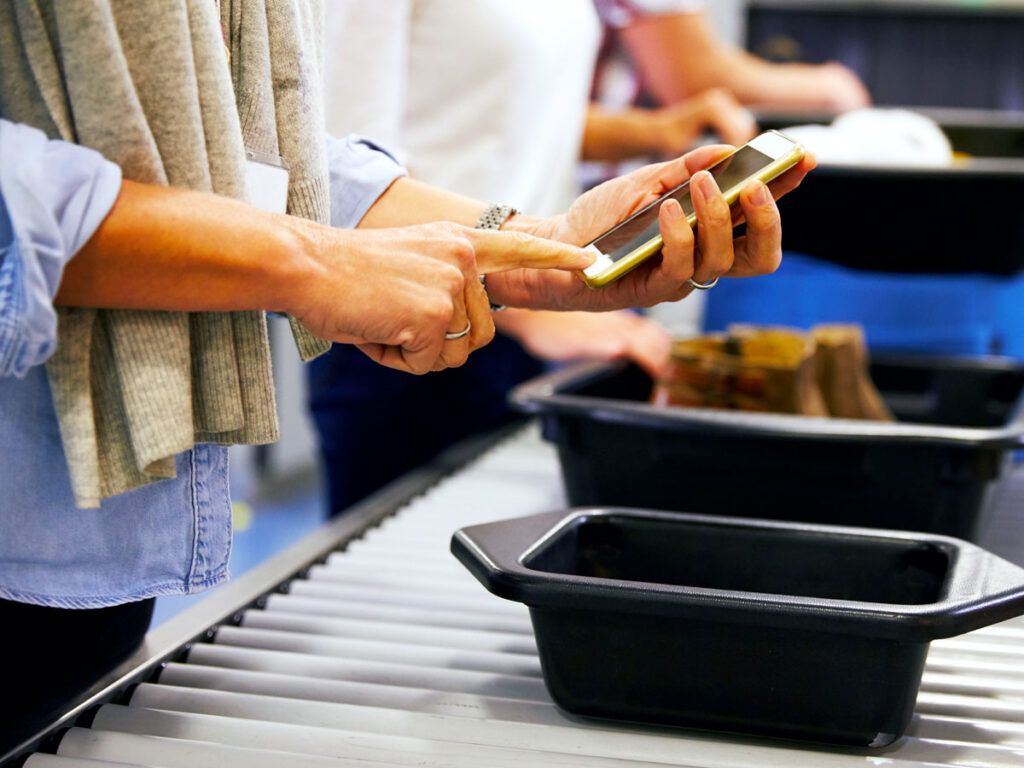
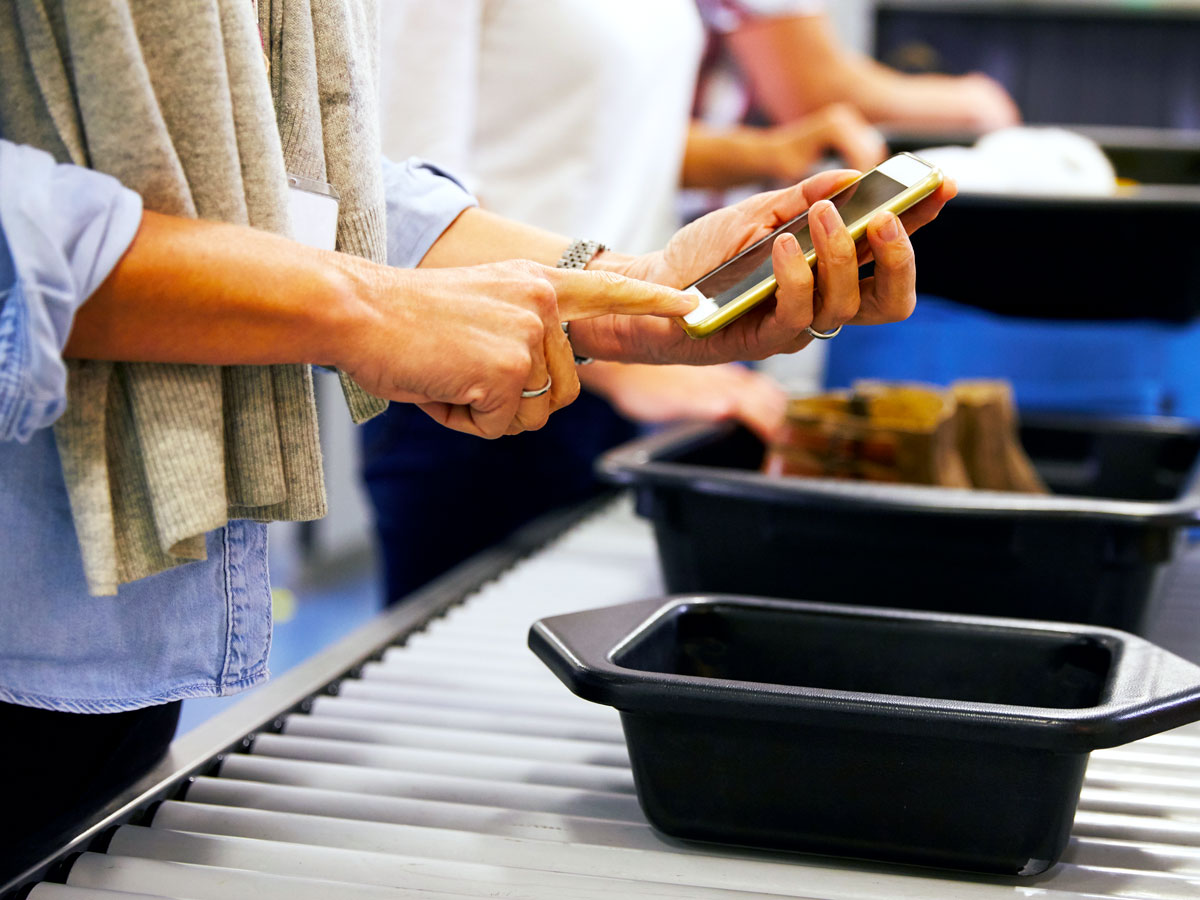
TSA rules can be confusing and seem to change frequently, but there are some airport security tips that never go out of style. Chief among them, according to a recent viral video, is to never put your phone directly in the bin at the security checkpoint. According to TSA officers, they’re the most common item stolen on a regular basis. To avoid sending your phone on a different flight, simply put it inside your bag before your luggage goes through the scanner — and be sure to zip it up.
Read more: The One Item You Should Never Put in a TSA Bin
12. Wearing the Wrong Plane Outfit
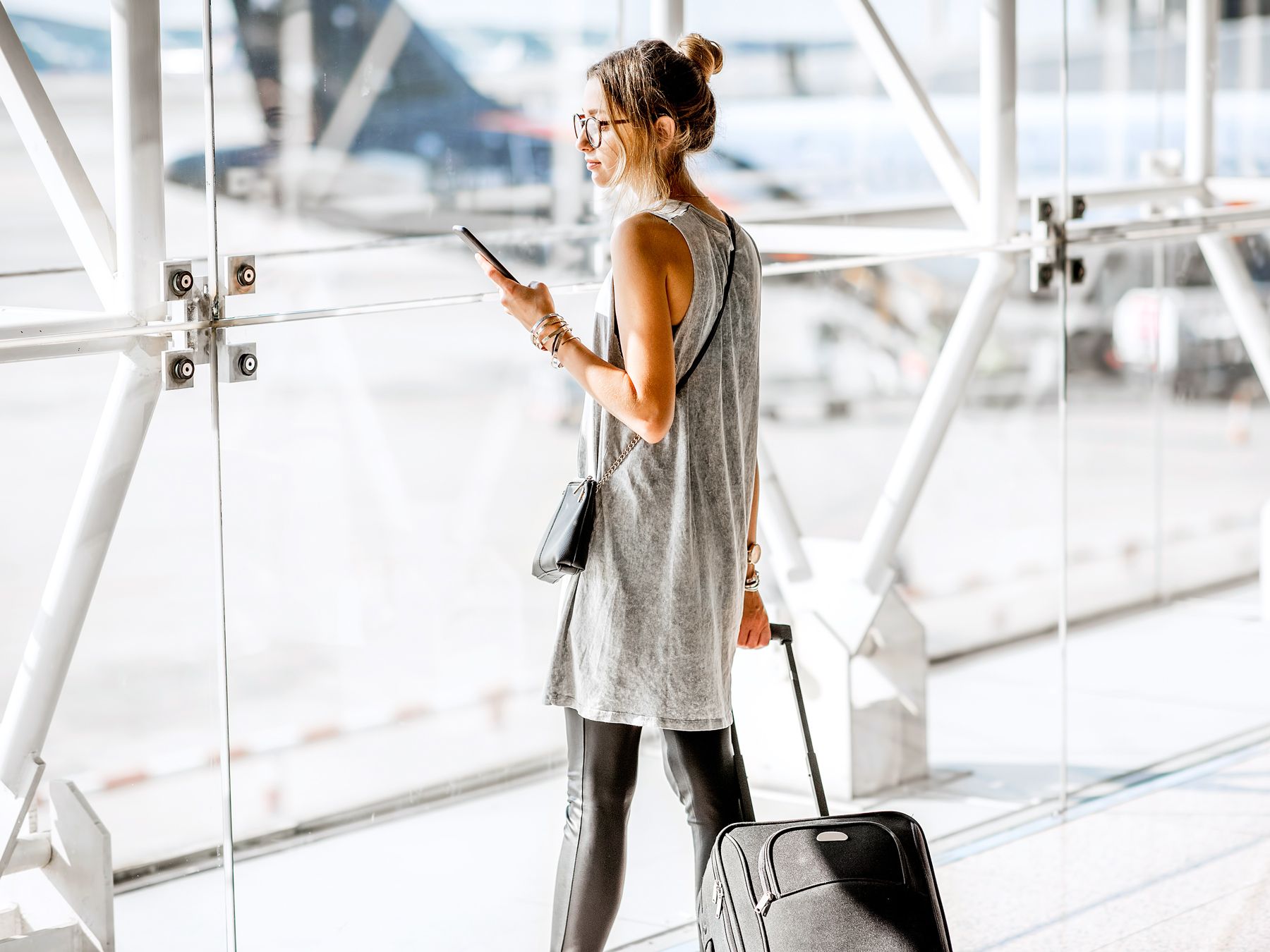
When packing for your next vacation, one of the most essential outfits is your airplane ensemble. You want to be comfortable, especially in cramped airplane seats, but you also need to consider temperature changes, air conditioning in terminals, and getting through airport security without incident.
For example, wearing tight, thick fabric with no give is a surefire way to make a cramped flight even more uncomfortable, and it’s one of the most cited fashion faux pas by flight attendants. Our bodies naturally swell during flights, so dressing in loose clothing is better to keep blood circulating. Avoid fabrics such as denim, wool, corduroy, and leather. Although fashionable, they offer little stretch and can hold heat.
Read more: 6 Things You Should Never Wear on a Flight
13. Forgetting a Plane Comfort Kit
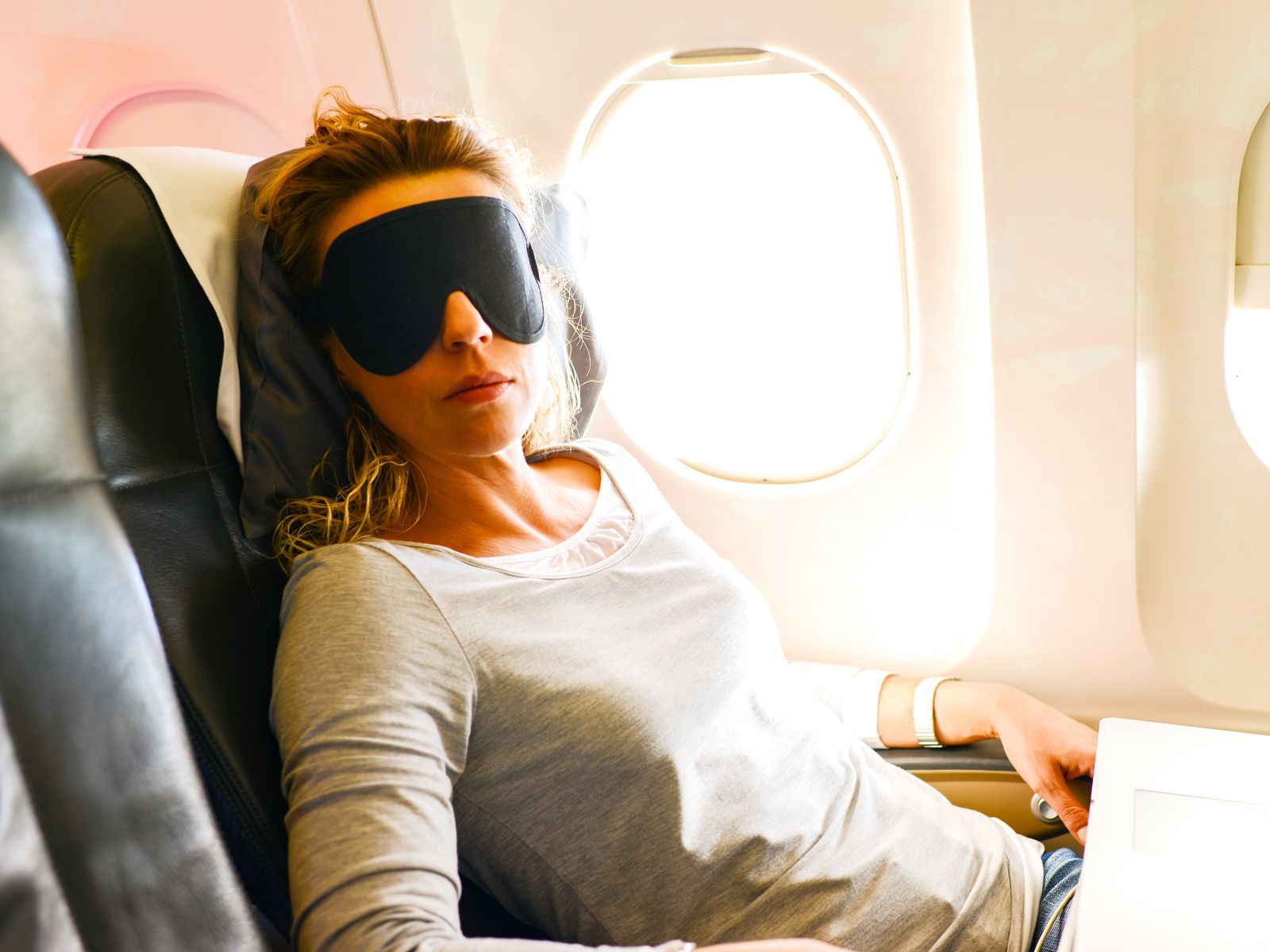
Between turbulence, chatter from other passengers, and in-flight announcements, falling asleep on a plane can be difficult. But getting rest is critical, both to pass the time and to help prevent jet lag. If you’re one of the many flyers who struggle to fall asleep in the air, there are products available that may be able to help, from comfortable ear plugs to inflatable travel pillows, 3D sleep masks, and noise-canceling headphones.
Read more: These Gadgets Will Help You Fall Asleep on Any Plane
14. Buying Water at the Airport
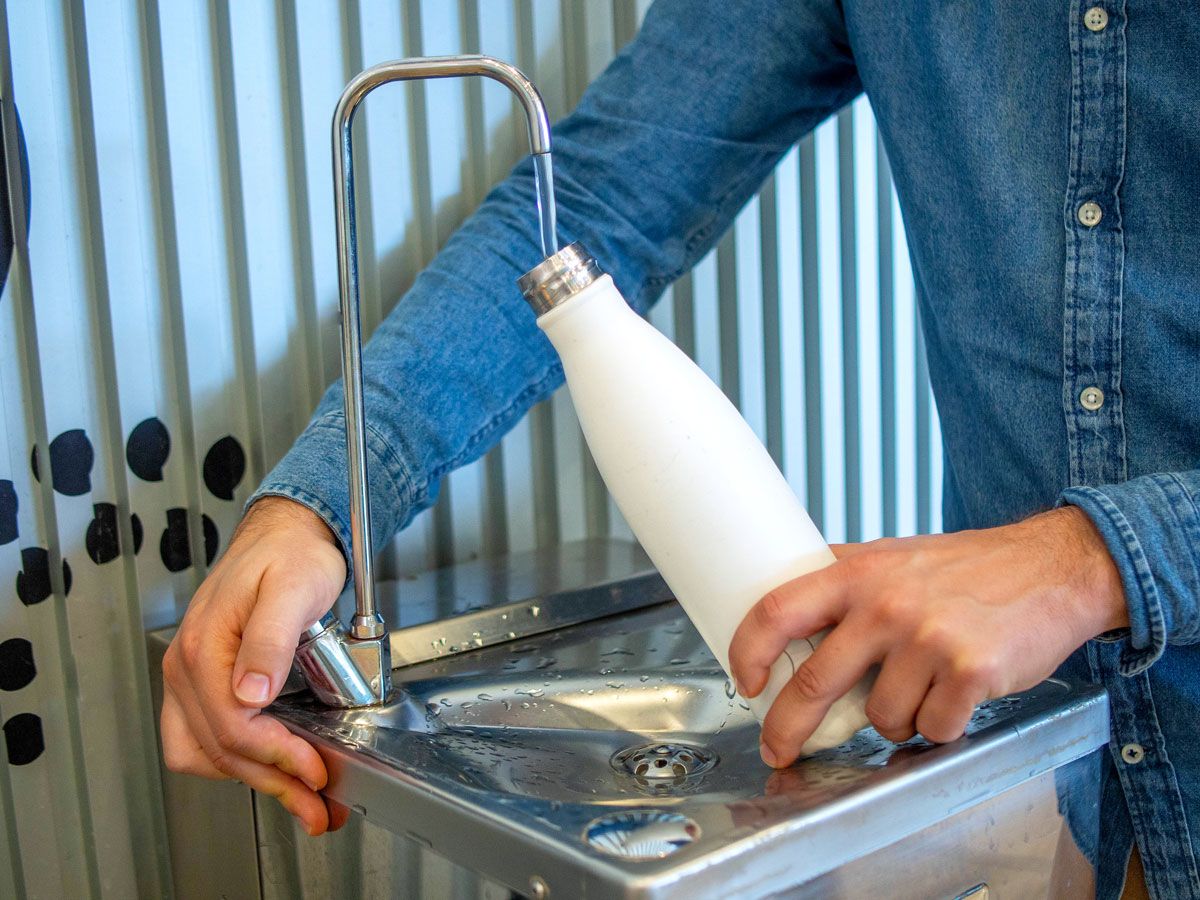
The dry, cool air that is recirculated through the plane cabin has a dehydrating effect on your skin, so it’s always a good idea to drink plenty of water during your flight. But don’t wait until the airport to think about your hydration plan. Bottled water airside is often overpriced compared to what you’d find in a grocery store. Instead, remember to pack an empty refillable bottle and fill it free of charge at a drinking water fountain before you board, which has the added benefit of reducing your consumption of single-use plastics.
Read more: 10 Things You Should Never Buy in an Airport
15. Using the Airport USB Ports
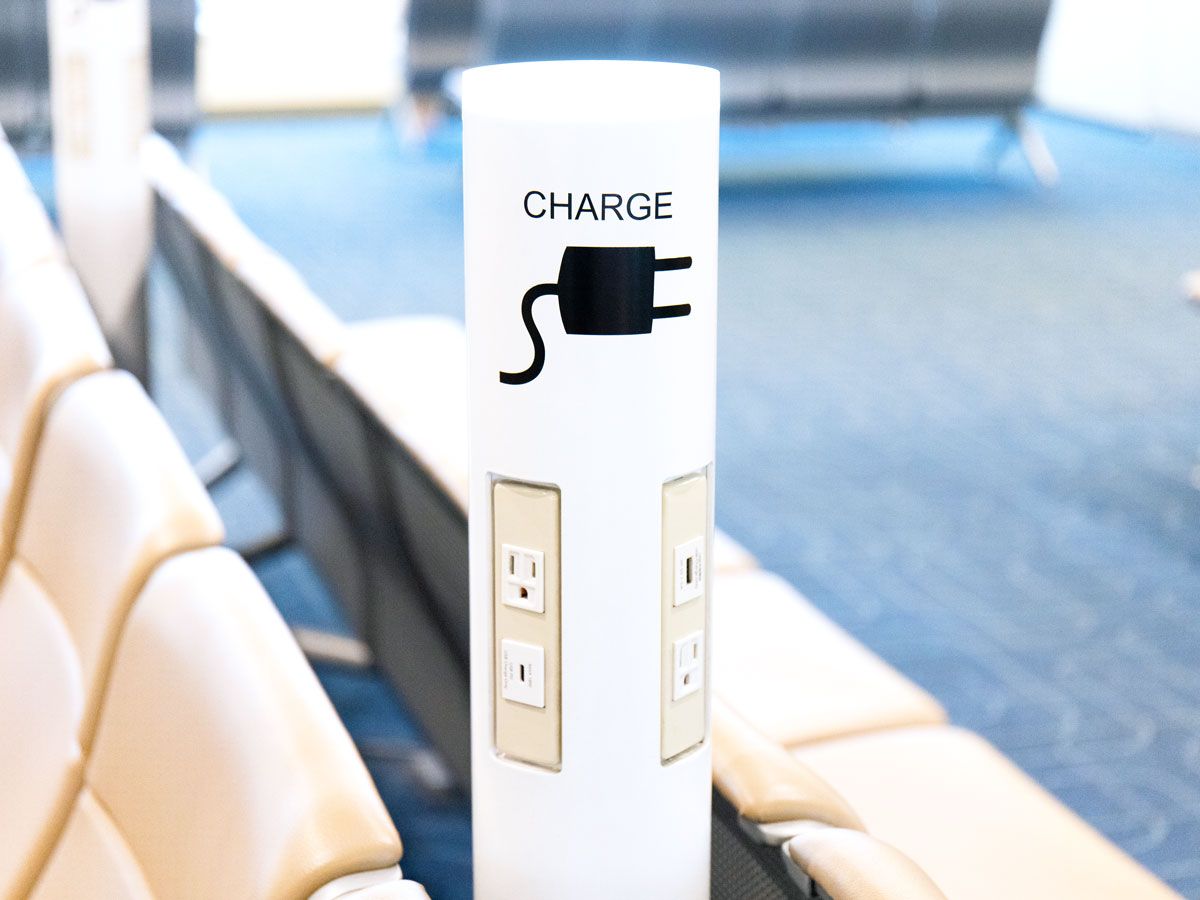
One easily overlooked mistake concerns cybersecurity. Some airports offer USB charging ports to easily power up any electronic device. But according to the TSA, these ports are susceptible to what’s known as “juice jacking,” in which hackers can steal your data or install malware on a connected device. To protect yourself, you should avoid plugging your phone directly into a USB port. Similarly, the agency urges caution when connecting to the airport’s free Wi-Fi, especially when it comes to sharing sensitive information or making online purchases.
Read more: The TSA Warns Against Making These Two Mistakes in Airports
16. Not Acting Quickly After a Flight Delay
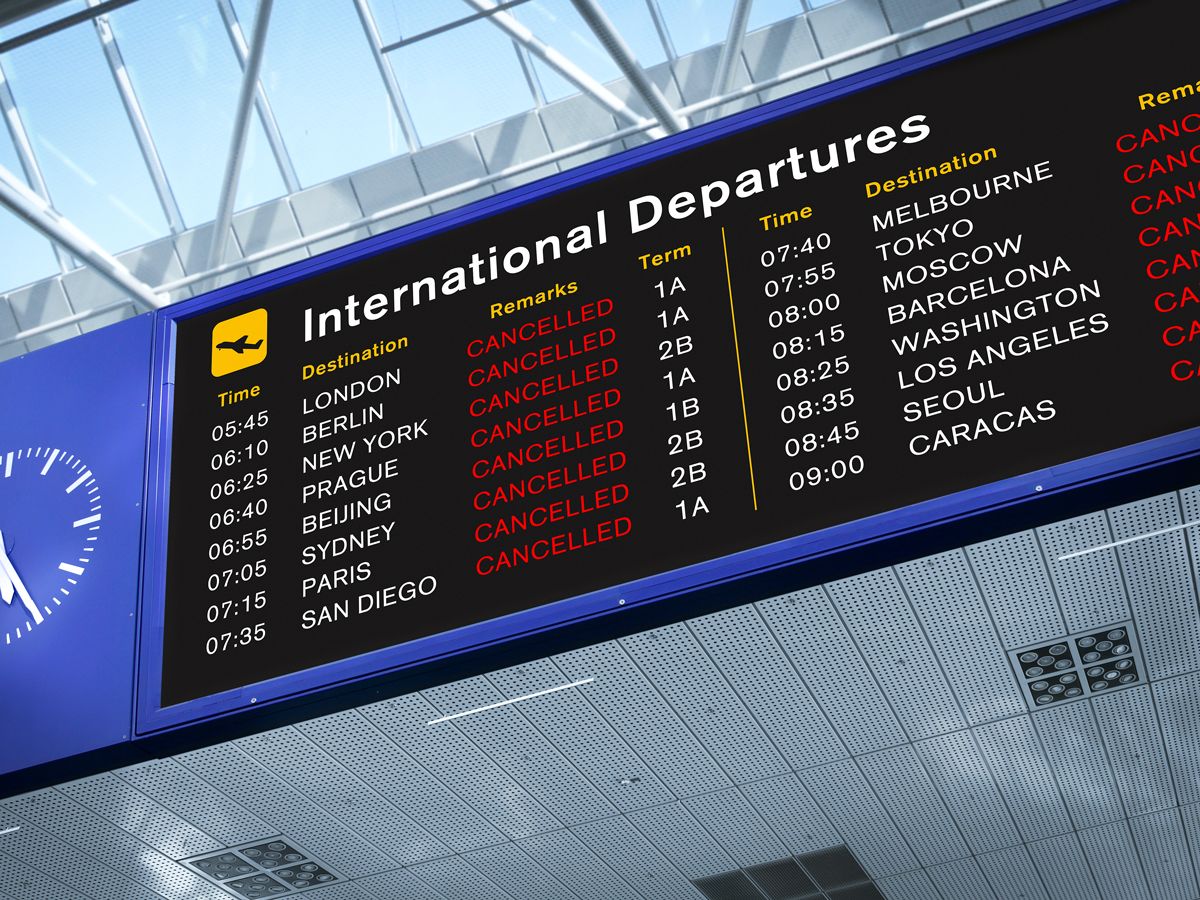
If your flight has been canceled or significantly delayed and you’re already at the gate, you’ll be one of a whole planeload of passengers who will need to be rebooked onto a later flight. Though agents work as quickly as possible, but dealing with a high volume of customers takes time.
While you wait in line, it’s also worth using that time to check the airline’s website or app or to try to get in touch with the airline customer service desk on your cellphone. Even if you don’t get a resolution before you reach the front of the queue, multitasking in this way could secure you the last available seat to reach your destination that night.
Read more: 5 Mistakes Travelers Make When Their Flight Is Delayed or Canceled
17. Ordering the Wrong Drink on the Plane
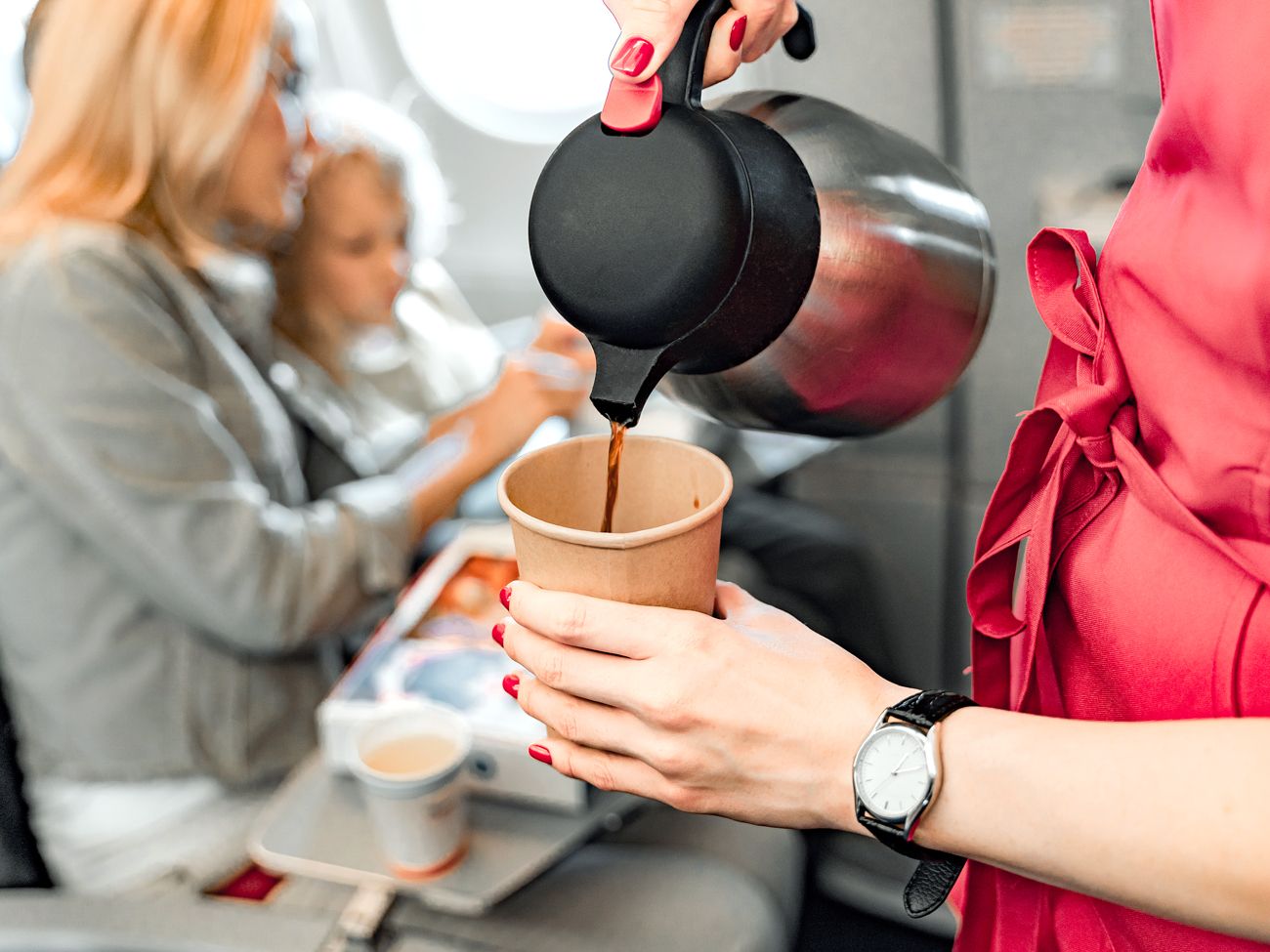
When the flight attendants roll the carts down the aisle, consider your drink choice carefully. While it’s a caffeinated morning favorite, coffee is arguably the riskiest beverage to consume aboard an aircraft, specifically if it’s brewed on the plane. This has little to do with the coffee beans themselves, and more to do with the tap water used during the brewing process.
According to a 2019 study, many major airlines failed to meet proper cleanliness standards with regards to their onboard water tanks. While experts have pushed back on this theory about airplane coffee being unsafe, it may be worth taking extra caution to steer clear of any warm, brewed beverages. Sanitary reasons aside, coffee isn’t the best drink choice on an airplane because it can easily dehydrate you. The same goes for alcoholic beverages.
Read more: The One Drink You Should Never Order on a Plane
18. Not Wearing Enough Sunscreen (Even on the Plane)
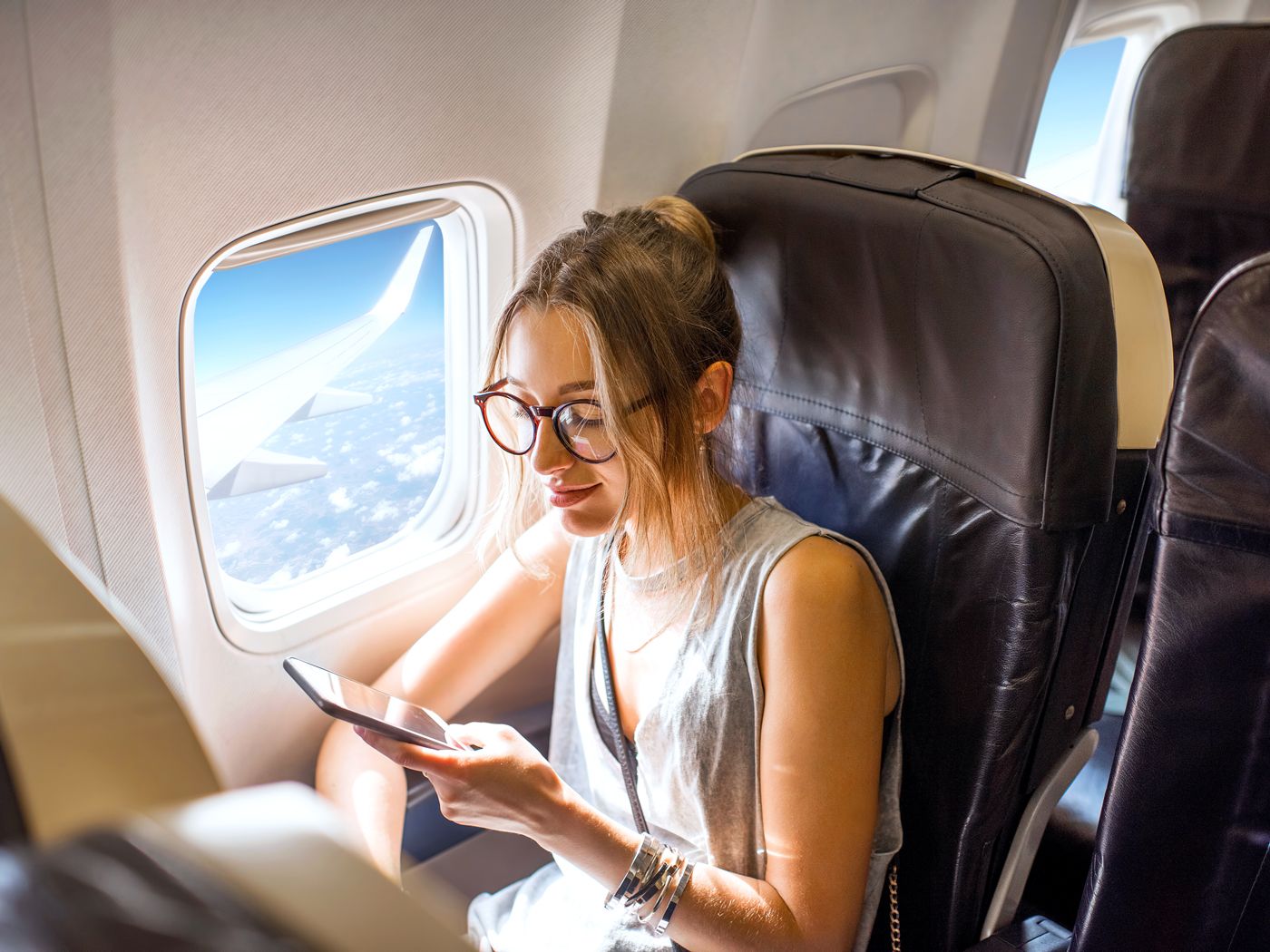
Any dermatologist will tell you that wearing sunscreen is essential for healthy skin. This isn’t just true when you’re outdoors — you may be surprised to know that it’s also important while traveling aboard an aircraft.
The average commercial airliner cruises at over 30,000 feet, meaning passengers are roughly 6 miles closer to the ozone layer than at ground level. UV rays become more intense the closer we get to the sun, and unfortunately, plane windows can only do so much to block them out. The best way to protect yourself is by applying sunscreen 15 minutes prior to takeoff and every two hours thereafter if it’s a particularly long daytime flight.
Read more: Why You Should Wear Sunscreen on Your Next Flight
19. Paying Full Price for Your Rental Car
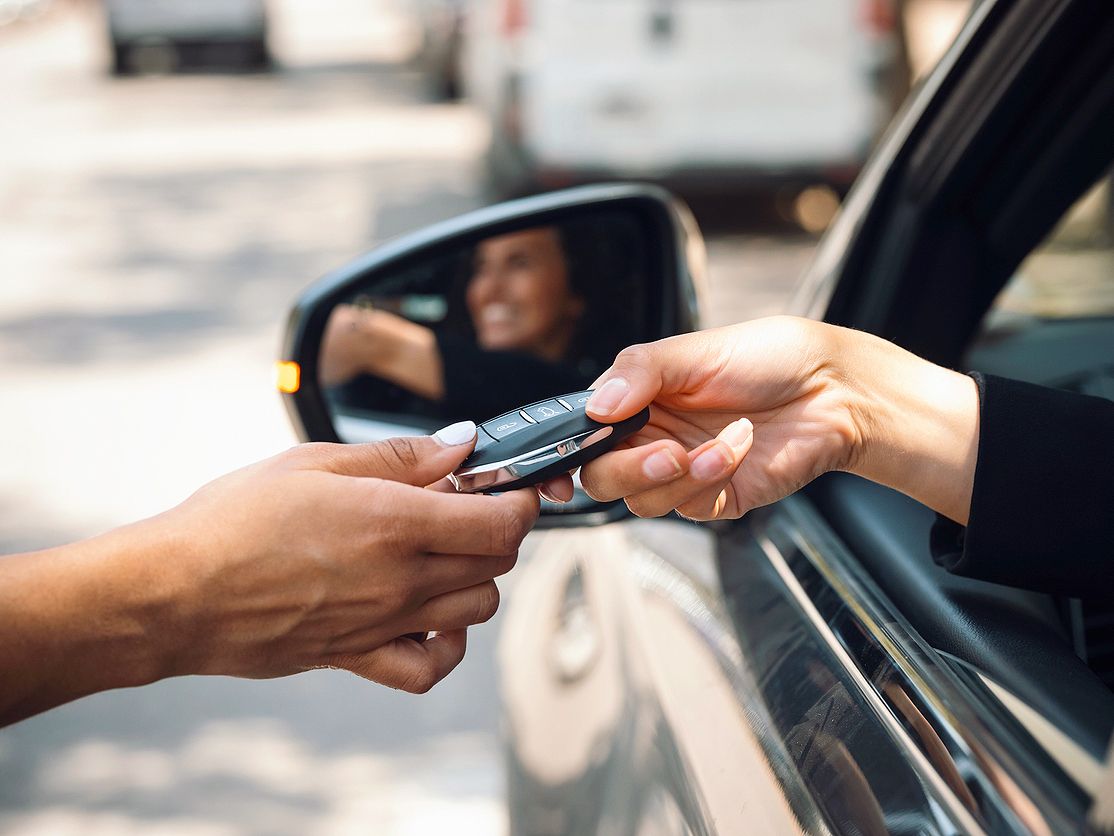
Before you book your rental car, double-check that you’re not already eligible for any discounts. There are a myriad of discounts available for specific corporations, automobile associations like AAA, airline booking portals, credit cards, and more, so there’s rarely ever a reason you should be paying the rack rate for your rental car.
Read more: Why You Should Never Pay Full Price for Your Rental Car
20. Not Checking if the Hotel Room Is Really Clean

When you check in to the hotel, it’s always a good idea to do a quick spot check of the room. While many hotel cleaners do an excellent job tidying rooms between stays, they’re often working on tight schedules and with limited resources, so it’s inevitable that some spots get overlooked. Check the bedding, peek behind fixtures, search for obvious signs of mold, and inspect common touchpoints such as faucets and the TV remotes. It’s never a bad idea to pack a few disinfectant wipes just in case. (Oh, and always wear slippers when walking on hotel carpets.)
Read more: How Can You Tell if a Hotel Room Really Is Clean?
21. Not Requesting Late Checkout Ahead of Time

If you need a late checkout, it’s helpful to request it ahead of time rather than assuming it’s an option on the day you leave. Inquire about it at the front desk when you check in, and your request is more likely to be met. If you have other special requests — such as a crib, an accessible room, or early check-in — reach out to the hotel in advance rather than waiting until you arrive. This helps the staff prepare and prevents delays at the front desk.
Read more: 5 Hotel Etiquette Tips You Should Know
22. Forgetting To Pack the Right Adapter

Most people remember to bring charging cables for their phones, tablets, and laptops. What’s easy to overlook, especially if it’s your first time abroad, is that many of these cords will not work in power outlets outside of the United States. Many countries have their own types of power outlets, and they can differ even within the same continent. For example, Italy’s round-pronged plugs are different than the triangular ones found in the U.K. If you want your cords to work when you’re abroad, make sure to pack the right travel adapters.
Read more: 5 Items You Should Always Bring to a Hotel Room
23. Not Paying in Local Currency
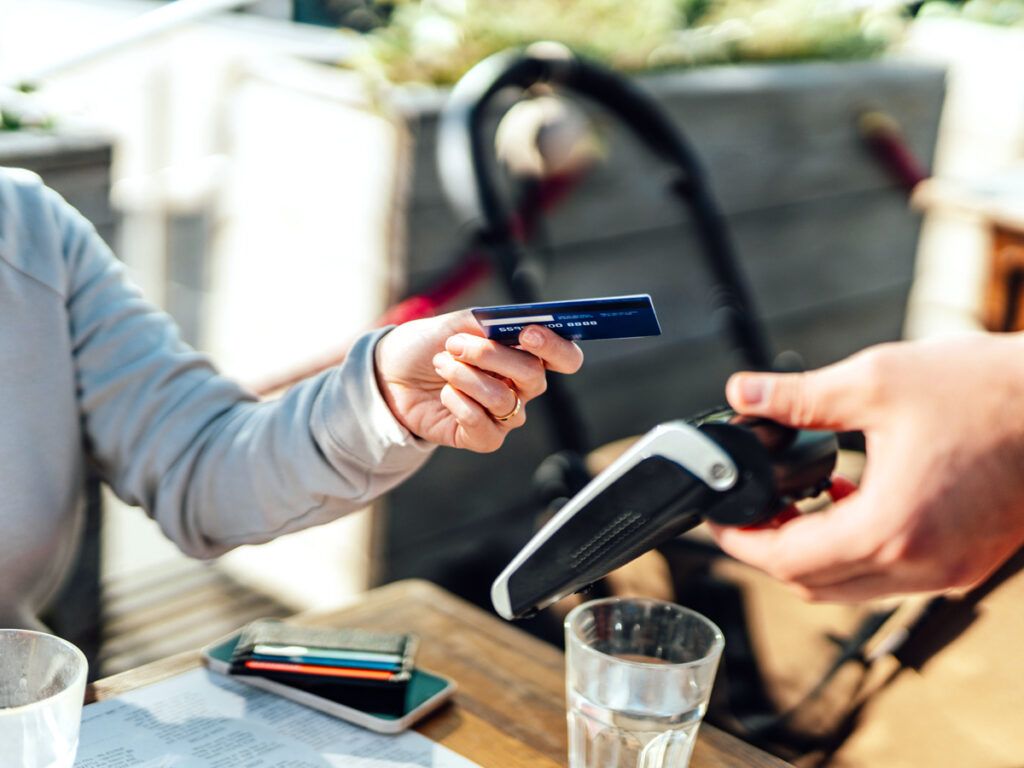
While some countries still prefer cash, cashless purchases are becoming increasingly common around the globe. When you pay by credit card in a foreign country, you’ll have two choices: paying in your home currency (e.g., U.S. dollars if you live in the U.S.) or paying with the local currency of the country in which you’re making the purchase.
Many travelers opt to pay using their home currency, and while that may make sense from a convenience perspective, they actually end up paying more than they would have paid if they’d chosen the local currency. Travel expert Rick Steves warns that paying in home currency may end up costing you up to a 20% markup. The same goes for withdrawing money from a foreign ATM with your debit card. And if you need to exchange cash, make sure not to do it at the airport.
Read more: The Credit Card Mistake That Costs Travelers the Most
24. Tipping at U.S. Rates

Tipping is an essential element of the service industry in the U.S., but the same can’t be said for similar jobs in other destinations, especially in Europe. The amount that customers are expected to tip — if at all — not only is far lower than it is in the U.S., but also varies considerably between countries.
In some places, like the U.K., it’s normal practice to add a 10% to 15% gratuity to the check when dining out. In Germany, however, you can simply round up the total and indicate you aren’t expecting any change. In Iceland, locals won’t add gratuity at all. While your server may appreciate the extra cash, tipping the way you would back home is frowned upon by locals keen not to have to do the same.
Read more: Where Is Tipping Considered Rude? Tipping Rules You Need to Know
25. Not Being Adequately Protected if Things Go Wrong
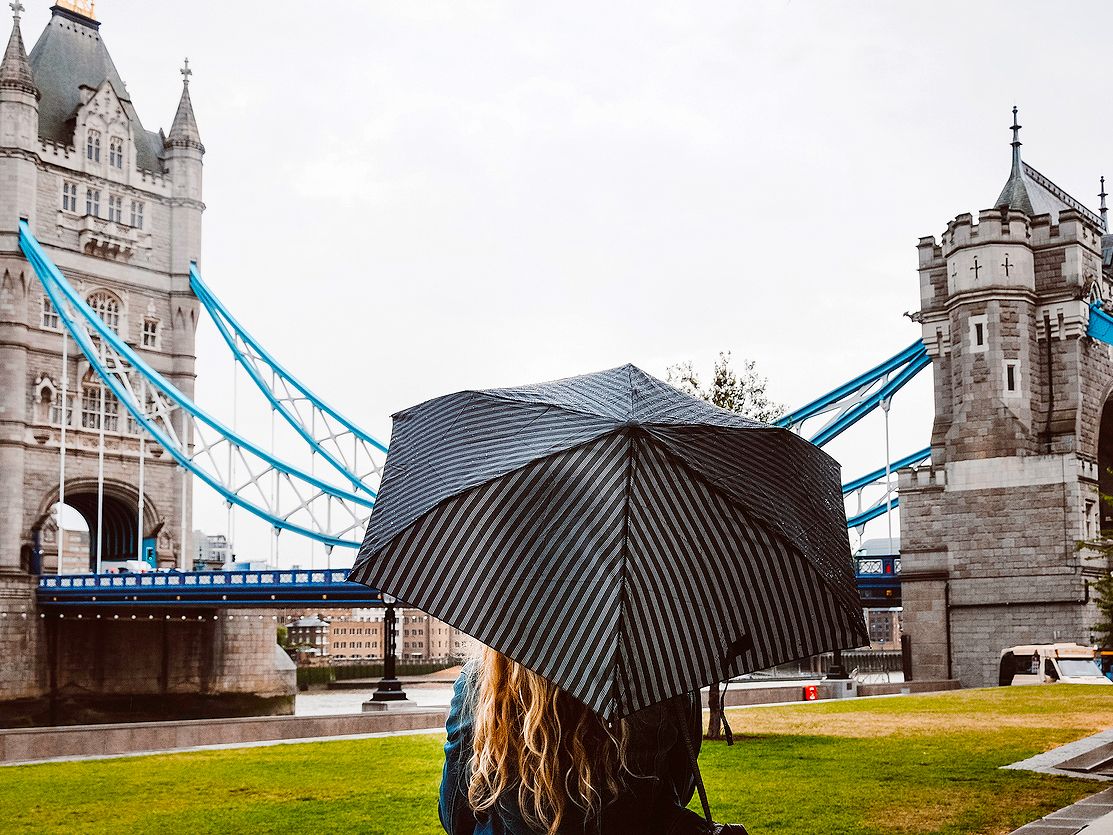
We embark on our travels with optimism, but even the best-laid plans can occasionally go awry. It pays to do your homework before you jet off to avoid unexpected expenses, which can be quite costly. Many private insurance plans in the U.S. cover little once you’re overseas. One way to protect yourself is by purchasing travel insurance, again carefully reviewing the terms and coverage of each policy to make sure it’s suited to your individual circumstances.
Read more: Do You Really Need To Buy Travel Insurance?
More from our network
Daily Passport is part of Inbox Studio, an email-first media company. *Indicates a third-party property.