





Post Banner Image
Tips

Here’s What the TSA Is Looking for When They Swab Your Hands

By Bennett Kleinman
Read time: 3 minutes
November 20, 2025
Updated: November 20, 2025

Here’s What the TSA Is Looking for When They Swab Your Hands

By Bennett Kleinman
Author
Bennett Kleinman
Bennett is a New York City-based staff writer for Daily Passport. He previously contributed to television programs such as the Late Show With David Letterman, as well as digital publications like the Onion. Bennett has traveled to 48 U.S. states and all 30 Major League Baseball stadiums.

Certain TSA rules should make sense to every flyer, such as the need to conduct X-ray scans of luggage to ensure it doesn’t contain any hazardous materials. However, the reasons behind other rules and procedures may be less clear, like being told to take off your belt or remove your electronic devices from your bag. In the latter category, you also may have wondered why TSA officers occasionally swab your hands as part of the screening process. The answer is actually pretty straightforward: They’re checking you for trace evidence of one particular potential hazard.

Explosive Trace Detection

Security officer swabbing traveler's hands at checkpoint
Credit: EvgeniyShkolenko/ iStock via Getty Images Plus 

TSA’s hand swabs are part of a state-of-the-art screening process known as Explosive Trace Detection (ETD). This system was enacted in the wake of a failed explosive attack in 2009 and became commonplace at most U.S. airports the following year. As explained in this video from the Department of Homeland Security, the purpose of ETD is to search for trace amounts of potentially explosive residue caught inside the crevices of the human fingerprint. 

Because you can’t see these traces with the naked eye, they require a swab and machine to analyze. When the swab is placed into a machine, it takes just a few seconds to analyze it and compare it with a library of chemicals tied to explosives. In the event that trace amounts of an unsafe material is discovered, it’s an indicator that something may be amiss and warrants further investigation. TSA officers are empowered to randomly pull aside any passengers for a mandatory hand swab. They may also swab the handle of your bag, shoes, laptop, wheelchair, or any other common touchpoints that may contain trace particles.

False Positives Do Happen

Traveler with clear plastic toiletry bag
Credit: izusek/ iStock via Getty Images Plus 

The process isn’t foolproof. At times, the same ingredients found in certain explosives are also present in everyday objects we often use. For instance, many soaps, cosmetics, sanitizers, and similar hygienic products contain glycerin, nitrates, and other chemicals that are also sometimes used in explosives. 

Furthermore, some improvised explosive devices may contain fertilizer, which means that someone with a green thumb and a home garden may be at risk of being flagged, as there’s likely to be residue on their hands. This can lead to more false positives than real ones, but it’s still up to the TSA to investigate the matter further and clear each passenger.

In any case, if the machine comes back with a false positive, there’s no need to panic. Expect to be pulled aside and patted down by a TSA officer, who’s likely to thoroughly inspect the contents of your bag as well. Once the officer has completed this secondary screening, you’ll be free to proceed.

Can You Decline a TSA Swab?

Traveler receiving hand swab from TSA officer
Credit: AzmanL/ E+ via Getty Images 

Some travelers have wondered if these hand swabs may violate our Fourth Amendment rights, which protect against unreasonable searches and seizures. But according to Jay Stanley, a senior policy analyst for the ACLU who was interviewed on the topic by CNN in 2010, ETDs are a permissible means of keeping flyers safe without violating their privacy. 

However, Stanley added that’s only the case so long as these tests don’t disproportionately target people of specific races or religions. Furthermore, it would be a violation of one’s rights if the TSA used these swabs to detect anything unrelated to airline security — for instance, drugs.

If you’re selected to get your hand swabbed the next time you’re at the TSA checkpoint, complying with the officer’s request is mandatory. If you refuse for any reason, you could be subject to a more intensive secondary screening or even be denied boarding. Keep in mind that the swabs are used only once and disposed of after being analyzed, and it takes just a few extra seconds to perform the test — so you’ll be on your way to your flight in no time.

Post Banner Image
Outdoors

7 of the Prettiest Towns in the Northeast

By Jersey Griggs
Read time: 5 minutes
November 20, 2025
Updated: November 21, 2025

7 of the Prettiest Towns in the Northeast

By Jersey Griggs
Author
Jersey Griggs
Jersey is a travel and lifestyle writer whose work has appeared in publications such as Condé Nast Traveler, Business Insider, and Bust. When she’s not exploring her adopted home state of Maine, she’s likely planning her next big trip.

When it comes to cute towns, many travelers would argue that the Northeast takes the cake. Blending well-preserved architecture, irresistible charm, deep histories, and beautiful backdrops of rolling hills, winding rivers, and rocky coastlines, many towns in this corner of the U.S. are straight out of a storybook. The following towns are some of the prettiest in the Northeast — and the entire country.

Manchester-by-the-Sea, Massachusetts

Buildings reflected in water in Manchester-by-the-Sea, Massachusetts
Credit: DenisTangneyJr/ E+ via Getty Images 

Situated north of Boston on the North Shore, this former fishing community was first settled in 1629, and nearly 400 years later, it’s still known for its history and scenic beauty. By the mid-19th century, Manchester-by-the-Sea evolved into an elite resort destination for wealthy Bay Staters trying to escape the summer heat. 
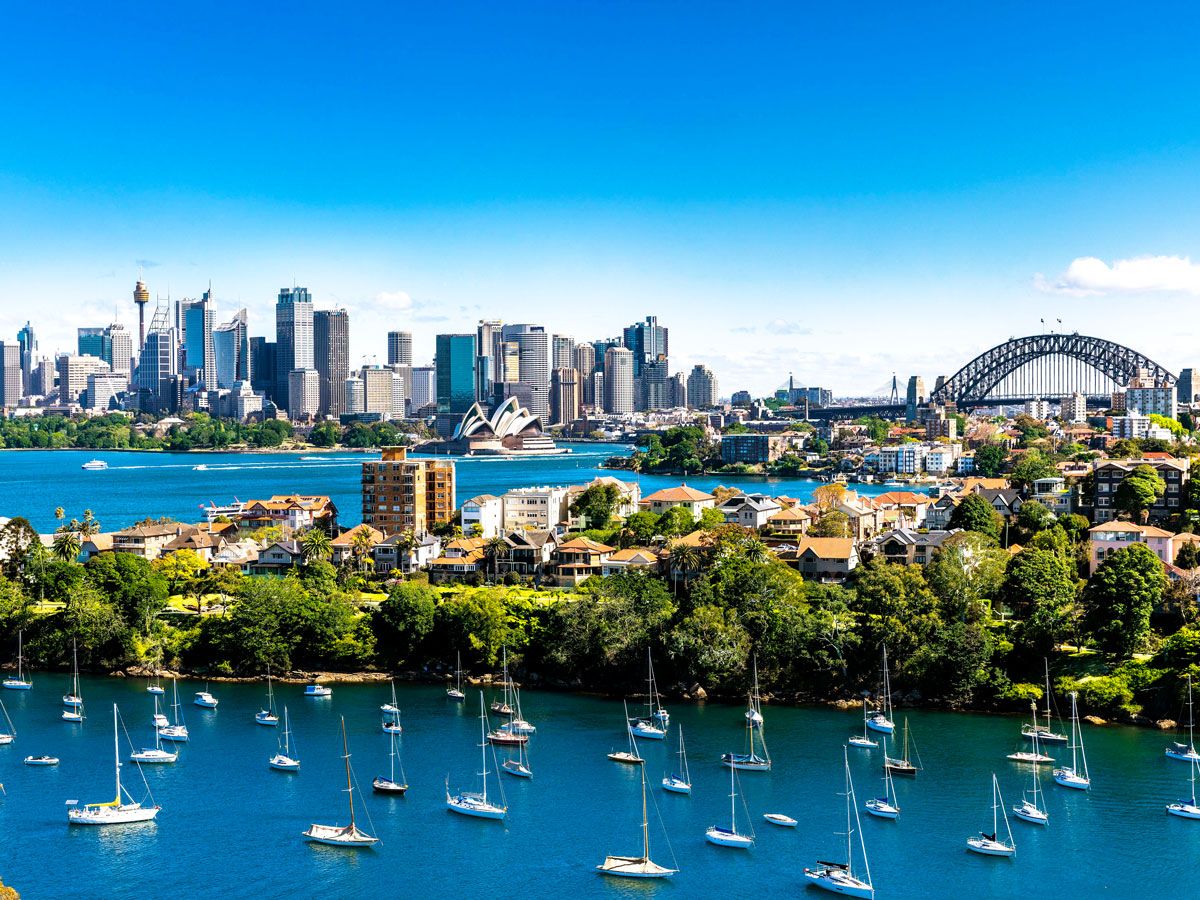
Today, the influx of wealth that went into the town is still apparent, in structures including the 1823 Abigail Hooper Trask House (now the town museum), an 1887 Classic Revival library, and a 39-acre historic district and village center. The town also lives up to its name with one of the prettiest beaches in New England, Singing Beach, which was named for its pristine — and audibly squeaky — sand.

Little Compton, Rhode Island

Rock jetty along harbor of Little Compton, Rhode Island
Credit: John Greim/ LightRocket via Getty Images 

Though it’s located just across the Sakonnet River from bustling Aquidneck Island, Little Compton feels worlds away. This sleepy coastal town is home to miles of surrounding farmland and plenty of fascinating history, with centuries-old stone walls that meander through town and were once used to mark property lines. 

The town’s historic architecture has all the charm travelers have come to expect from New England. That’s especially true of the Wilbor House — built in 1690 and open for tours through the historical society — and the Friends Meeting House, a traditional Quaker structure from the early 19th century. The town is also known for Sakonnet Vineyard, the oldest vineyard in New England, and a well-preserved coastline, which can be explored at Goosewing Beach.

Related: The Fascinating History of New England’s Stone Walls

Clinton, New Jersey

Historic gristmill in Clinton, New Jersey
Credit: KenWiedemann/ iStock via Getty Images Plus 

Much of the beauty of Clinton can be attributed to the South Branch Raritan River, where the town’s historic gristmill was built in 1810. Thanks to the mill’s success, the town flourished, resulting in the construction of Federal, Italianate, and Victorian homes to accommodate a growing population. 

Today, more than 200 properties built between 1810 and 1930 still stand, which earned Clinton a listing on the National Register of Historic Places. After visiting the Red Mill Museum Village and admiring the town’s historic architecture, stroll through Clinton’s quaint downtown, which features artisan shops, boutiques, and cafes, or check out the Hunterdon Art Museum, a contemporary museum housed in a historic mill.

Woodstock, Vermont

Farm and rolling hills outside Woodstock, Vermont
Credit: AlbertPego/ iStock via Getty Images Plus 

Settled in 1761, Woodstock is what’s known as a “shire” town. Although that just means it holds the county seat, one could also argue that it retains the charm and beauty associated with the hobbits’ homeland. The historic downtown village features a mixture of Georgian, Federal, and Greek Revival architecture, with well-preserved red brick buildings lining the main drag and a historic town square called the Green.

Stroll through the square and stop by the town’s 139-year-old general store, F.H. Gillingham and Sons, before exploring Vermont’s rural beauty via car. A scenic drive through the area features rolling farmland, covered bridges, historic barns, and easy access to nature at the nearby Mount Tom and Quechee Gorge.

Lititz, Pennsylvania

Stores in downtown Lititz, Pennsylvania
Credit: Yarvin Pennsylvania Journeys/ Alamy Stock Photo 

Stepping into Lititz feels like stepping back in time. The town was founded in 1756 by a religious community that barred entry from outsiders for nearly a century. By the turn of the 20th century, however, Lititz opened its doors to the public, and evolved into a more welcoming community. 

Whether you’re looking for a place to stay the night or just a cold pint, Lititz Springs Inn will do the trick. Built in 1871, the historic inn was once frequented by gold rush pioneer John Sutter, who lived across the street. (Rumor has it, his ghost still likes to visit.) History buffs can explore the town’s other historic buildings on a walking tour, while foodies should check out America’s oldest pretzel bakery, the Julius Sturgis Pretzel Bakery, or visit in October for the annual Lititz Chocolate Walk.

Stonington, Maine

Marina in Stonington, Maine
Credit: wakr10/ iStock via Getty Images Plus 

Located on Maine’s midcoast, this working fishing village has a ruggedly charming feel — with lobster boats, rocky coastlines, and a bustling harbor. As an unofficial artist haven, Stonington is also home to art galleries, craft studios, and small cafes in the well-appointed downtown, which lacks the rampant commercialization you might find in other popular towns up and down the coast. 

After admiring the pretty clapboard homes and cedar-shingled buildings, check out the nearby Crockett Cove Woods, which are frequently draped in a mystical fog, or hop on the mailboat for a tour of East Penobscot Bay and a trip to Isle au Haut, which contains a section of Acadia National Park.

Cold Spring, New York

View across Hudson River of Cold Spring, New York
Credit: Tyler Shumway/ Alamy Stock Photo 

Located along the Hudson River, Cold Spring is not only one of the prettiest towns in the Northeast, but also an easy day trip from New York City. Start the day by exploring the Cold Spring Historic District, which includes Main Street and well-preserved 19th-century homes, churches, and storefronts.

Next, check out the Cornish Estate Trail, a 1.8-mile hike that leads to ruins of a magnificent old estate from 1910. (If you’re feeling extra motivated, you can extend the hike to a 5-mile loop.) End the day with a trip to Manitoga, a midcentury architectural masterpiece that was inspired by Frank Lloyd Wright and is tucked into a peaceful 75-acre preserve, before hopping on the train back to the city.

Related: 7 Easy Day Trips by Train From Major U.S. Cities
Post Banner Image
Architecture

The New Highest Bridge in the World Just Opened

By Michael Nordine
Read time: 3 minutes
November 20, 2025
Updated: November 20, 2025

The New Highest Bridge in the World Just Opened

By Michael Nordine
Author
Michael Nordine
Michael is a staff writer for Daily Passport and film critic who writes the weekly newsletter Movie Brief. His writing and criticism have also appeared in the Los Angeles Times, Variety, and the Washington Post, among others. A native Angeleno, his favorite countries to visit are Norway and Japan.

As humans continue building bridges, the bridges keep getting bigger. And no country is making them quite like China, which is not only home to half of the 10 longest bridges in the world but also recently broke its own record by once again building the world’s highest bridge. Here’s where you can find this marvel of engineering and why it’s worth seeking out on your future travels.

An “Infrastructure Miracle”

Aerial view of roadway on the Huajiang Grand Canyon Bridge in Guizhou, China
Credit: Qu Honglun/China News Service/ VCG via Getty Images

Guizhou, a mountainous province in southwestern China, has a population of about 38 million people. It’s been home to several high-profile infrastructure projects in recent decades as part of China’s poverty alleviation campaign. The new Huajiang Grand Canyon Bridge is a major part of that effort, along with more than 32,000 other brdiges.

Officially opened to vehicular traffic on September 28, 2025, the Huajiang Grand Canyon Bridge takes the title of “world’s highest bridge” from the previous record holder, the 1,854-foot-high Duge Bridge, also located in Guizhou province. It towers a jaw-dropping 2,050 feet above the Beipan River below. The Empire State Building could stand under it with more than 600 feet to spare. Reminiscent of the Golden Gate Bridge — albeit in a light shade of turquoise rather than red-orange — the bridge also weighs 24,000 tons and has a span of 4,660 feet.

The Huajiang Grand Canyon Bridge has been called an “infrastructure miracle,” not least because it was completed in just three years and eight months (several years ahead of schedule). It cuts travel time between the two sides of the canyon from two hours to a mere two minutes. Guizhou is among China’s least developed regions, and the bridge is meant to change that. In addition to simply getting travelers from point A to point B, it also offers tourist attractions such as one of the world’s highest bungee jumps and a 1,900-foot-high glass walkway. It’s also the world’s longest bridge in a mountainous region.

Higher and Higher

Side profile of Huajiang Grand Canyon Bridge and surrounding mountains
Credit: Brian Overcast/ Alamy Stock Photo 

China is now home to nine of the world’s 10 highest bridges. Others include the Sidu River Bridge (1,627 feet), Puli Bridge (1,591 feet), Jin’an Bridge (1,512 feet), Yachi River Bridge (1,424 feet), and Qingshui River Bridge (1,332 feet). The highest bridge not in China is Mexico’s Baluarte Bridge, which stands 1,279 feet high.

The highest bridge in the U.S. is Colorado’s Royal Gorge Bridge, a suspension bridge standing 956 feet above the Arkansas River. When it was built in 1929, it was the highest bridge in the world — a record it held for more than 70 years until China built the Liuguanghe Bridge in 2001.

Interestingly, there’s a slight nuance in definition between the world’s “tallest” and “highest” bridges. The structural height of the planet’s “highest” bridges may be a greater distance from the lowest point beneath their span, but if they have pillars anchored into a sloping site, the structures themselves may not be as tall. For now, the record holder for tallest bridge is France’s striking Millau Viaduct, which measures 1,125 feet tall.

Related: The 7 Tallest Bridges in the World

Featured image credit: Qu Honglun/China News Service/ VCG via Getty Images

Post Banner Image
Tips

The 10 Best Places To Visit in 2026, According to Our Editors

By Michael Nordine
Read time: 8 minutes
November 20, 2025
Updated: November 20, 2025

The 10 Best Places To Visit in 2026, According to Our Editors

By Michael Nordine
Author
Michael Nordine
Michael is a staff writer for Daily Passport and film critic who writes the weekly newsletter Movie Brief. His writing and criticism have also appeared in the Los Angeles Times, Variety, and the Washington Post, among others. A native Angeleno, his favorite countries to visit are Norway and Japan.

Some of the most memorable trips we take are to destinations we didn’t know we needed to visit until we got there. The likes of Paris, Tokyo, and New York are on everyone’s bucket list for a reason, but there’s something particularly special about arriving in a lesser-known place and instantly feeling at home. With that in mind, our editors set out to determine 10 places that are making a splash in 2026, from America’s newly designated “Creative City of Music” to the stunning Italian island whose residents have cracked the code for a longer, happier life. Check out Daily Passport’s top 10 destinations to visit in 2026.

Philadelphia, Pennsylvania

Road leading to Philadelphia City Hall
Credit: Dmitry Vinogradov/ iStock via Getty Images Plus 

If you’ve never been to the City of Brotherly Love, there’s no time like the 250th anniversary of the Declaration of Independence to visit. Known for its rowdy sports fans, cheesesteaks, and vital role in the birth of the nation, Philly is gritty in all the best ways. History buffs have plenty of fascinating exhibits to delve into at Independence National Historical Park, home to the Liberty Bell and Independence Hall, where both the Constitution and the Declaration of Independence were signed, while art lovers can visit the renowned Philadelphia Museum of Art, home to the famous Rocky steps.

Philly will also host next summer’s MLB All-Star Game at Citizens Bank Park, timed to coincide with America’s birthday celebrations in July. It will be the first All-Star Game since this year’s incredibly dramatic World Series — the most-watched Fall Classic in 34 years.

Adelaide, Australia

Fountain in lake in Adelaide city park
Credit: georgeclerk/ iStock via Getty Images Plus

Adelaide seems happy to let Sydney and Melbourne get more attention as it quietly builds a reputation as one of the most intriguing cities to visit Down Under. South Australia’s capital is home to the country’s biggest arts festival, which takes place from late February to early March and is really four festivals in one — Adelaide Fringe, Writers’ Week, Womadelaide, and the Adelaide Festival. There’s also a world-renowned zoo that’s the only place in the Southern Hemisphere with giant pandas, and architecture buffs have a lot to love, too — Adelaide was named one of the most beautiful cities in the world by Architectural Digest in 2024.

When you’re done exploring the city, globally renowned wine regions like Barossa Valley, McLaren Vale, and the Adelaide Hills are all an easy day trip. Better yet, United Airlines is making it easier to visit by launching the first-ever nonstop route from the U.S. to Adelaide this month on its Boeing 787 Dreamliner.

Bratislava, Slovakia

Homes in Bratislava, Slovakia
Credit: Starcevic/ iStock via Getty Images Plus 

Only one world capital borders two sovereign countries: Bratislava, which is nestled alongside Hungary to the south and Austria to the west. Vienna’s own capital, Austria, is just 45 minutes away by train, but after spending some time in Bratislava, you may want to cancel your multicity plans. The city’s Old Town is a destination unto itself, highlighted by Bratislava Castle, which was built in the 12th century and retains a certain majesty to this day, and the UFO Observation Tower (yes, it’s really called that), offering stunning panoramic views of the city and surrounding area.

If you have a few extra days to spare, catch the hour-long train to Trenčín, another charming historic city that was one of two cities named a European Capital of Culture for 2026.

Hong Kong

Busy scene in Hong Kong
Credit: CHUNYIP WONG/ iStock via Getty Images Plus 

With 75 Michelin-starred restaurants — only Tokyo, Paris, Kyoto, and London have more — Hong Kong is a certified foodie haven, especially since so many of those fine establishments are surprisingly inexpensive. The famed noodle shop Ho Hung Kee, for instance, will set you back only about $20 USD for such delectable Cantonese fare as beef hor fun.

Hong Kong is also famous for its incredibly dense skyline — with more skyscrapers than any other city in the world — but nearly 40% of the city is protected green space. Some of the best vantage points can be found in the mountains surrounding the city, and four of Hong Kong’s Peaks — The Peak, Lantau Peak, Tai Mo Shan, and Sai Kung Hoi — will see their hiking trails upgraded in 2026. Plus, the city is easier to get to than ever before thanks to new flights out of Los Angeles and Seattle.

St. Vincent and the Grenadines

Palm trees along coast of St. Vincent and the Grenadines
Credit: Demetrius Theune/ iStock via Getty Images Plus 

You might think, given its two names, that St. Vincent and the Grenadines is a large place. Quite the opposite, as the Caribbean nation is one of the smallest countries in the world, covering an area that’s only about twice the size of Washington, D.C. It has an island (Bequia) that you can walk across in under an hour and a population of just 100,000 people.

With overtourism becoming more and more of a problem across the world, St. Vincent and the Grenadines is also the rare off-the-beaten-path destination that’s actually off the beaten path (for now). Its international airport didn’t open until 2017, and many of its 32 islands are uninhabited. Delta recently added flights from Atlanta, but for an authentic experience, you might consider arriving via sailboat or ferry.

Chattanooga, Tennessee

Bridge over the Tennessee River leading to downtown Chattanooga
Credit: Sean Pavone/ iStock via Getty Images Plus

Yes, Chattanooga is as fun to visit as it is to say, and there’s no better time than 2026 to discover this underrated Southern gem. This year, it became the first place in America to receive the rare National Park City distinction that honors “special places where we have a better relationship with nature, culture and heritage and can enjoy and develop ourselves.”

That’s quite a turnaround from the late ’60s, when Chattanooga was America’s most polluted city — now, it’s a haven for lovers of the great outdoors, with a revitalized downtown riverfront and a thriving food scene to boot. As Mayor Tim Kelly puts it, Chattanooga is “a city in a park, rather than a city with some parks in it.” Some of the city’s most popular spots include Signal Mountain, Missionary Ridge, and the 16-mile Riverwalk. Six miles outside the city is Lookout Mountain (one of our favorite panoramic viewpoints in America), and underneath the mountain, hidden in a limestone cave, you’ll also find Ruby Falls — the country’s tallest underground waterfall.

Related: Meet America’s First National Park City

Sardinia

Brightly painted buildings on boardwalk in Sardinia, Italy
Credit: Fabiomichelecapelli/ iStock via Getty Images Plus 

Italy is one of the world’s most-visited countries for a reason, but it’s also increasingly crowded, particularly on the mainland. For a slightly more sedate experience, try Sardinia. The country’s second-largest island is one of the five original “Blue Zones,” a term coined for places whose inhabitants have figured out the secret to longer, healthier lives (short version: less meat, more fish and vegetables). The island’s unique way of living is something visitors can absorb alongside the amazing culture and gorgeous sights. With new direct flights from New York taking off next year courtesy of Delta, Sardinia is easier to reach than ever — even if it’s just as difficult to leave.

Related: These Places Have Figured Out the Secret to a Longer, Happier Life

Phu Quoc, Vietnam

Palm trees on sandy beach in Phu Quoc, Vietnam
Credit: HuyThoai/ iStock via Getty Images Plus

There’s a good chance you’ve never heard of Asia’s most beautiful island, but 2026 might be time to change that. Phu Quoc received that coveted designation from Condé Nast Traveler, which placed the “Pearl Island” first among all Asian islands and third overall in its global rankings. More than half of Vietnam’s largest island, located in the Gulf of Thailand near the coast of Cambodia, has been designated as a UNESCO Biosphere Reserve, which means there are hundreds of square miles of unspoiled beaches, coral reefs, and unique wildlife to discover. Go soon before it’s no longer considered a hidden gem — Pho Quoc recently made Expedia’s list of the top trending destinations, so clearly the secret’s getting out.

New Orleans, Louisiana

Evening crowds on Bourbon Street in New Orleans, Louisiana
Credit: travelview/ iStock via Getty Images Plus 

New Orleans is one of those rare places with so much to do it’s hard to even know where to start, but fortunately, it’s even harder to go wrong. In October 2025, America’s most European city was named a UNESCO Creative City of Music, one of only two U.S. cities (along with Kansas City) to be so honored. For proof, look no further than Frenchmen Street, an alternative to the touristy French Quarter, where jazz, blues, reggae, and other live music is on offer seven days a week and (almost) 24 hours a day.

The Big Easy also abounds in uniquely beautiful architecture, cemetery tours (one of which features Nic Cage’s prepurchased mausoleum), and, of course, food. Gumbo, jambalaya, beignets, and po’ boys are all must-eats when visiting, but make sure you also get a whisky grilled cheese and frozen Irish coffee at Erin Rose.

Belize

Maya ruins in Belize
Credit: Keith Levit/ Design Pics via Getty Images 

Costa Rica tends to be the go-to for Americans who want to experience Central America, but our advice for 2026 (and beyond) is: Don’t sleep on Belize. Travelers are spoiled with choice for both budget-friendly accommodations in Belize City and eco-friendly beachfront resorts like Copal Tree Lodge, which offers all-inclusive packages. For those looking to really splurge, Caye Chapel, the first private Four Seasons island in the Americas, also will be debuting next year.

Either way, the Jewel of Central America has all the makings for a great getaway: gorgeous beaches, Maya ruins, the second-largest coral reef in the world, and amazing food. (Once you try fry jacks, you’ll want to eat them every morning.) Plus, English is the country’s official language and U.S. currency is accepted just about everywhere, making a trip to Belize even easier.

Post Banner Image
Tips

The Hidden Airport Rooms Most Passengers Never See

By Julia Hammond
Read time: 4 minutes
November 20, 2025
Updated: November 20, 2025

The Hidden Airport Rooms Most Passengers Never See

By Julia Hammond
Author
Julia Hammond
Julia is a U.K.-based travel writer whose work has been featured in The Independent, The Telegraph, The New Zealand Herald, and Culture Trip, among others. She’s an enthusiastic advocate for independent travel and a passionate geographer who has had the privilege of traveling to more than 130 countries in search of a story.

No matter where you’re flying, you mostly follow the same path at the airport, from the check-in desks in the departure hall to security screening checkpoints and the airside gates. But there’s far more to a large airport than its public parts. Take a look at five areas where public access is restricted and explore the hidden rooms of airports that most passengers never see.

Baggage Handling Spaces

Bags on conveyor belt at airport
Credit: CatEyePerspective/ iStock via Getty Images Plus 

After you check your bags at the counter, they follow a clearly determined path to the plane’s cargo hold via a series of automated conveyors and chutes. According to the International Air Transport Association (IATA), more than 4 billion bags are checked annually, requiring a finely-tuned system to ensure each one makes its intended flight. Under Resolution 753, airlines are required to scan baggage tags so that they can be tracked throughout their journey at the airport. This is achieved using methods such as laser or image optical scanning of barcodes on the tag, manual recording, RFID scanning, optical character recognition, and Bluetooth.

Security measures are also employed, including Explosive Detection Systems (EDS), X-rays, and CT scans, to ensure that all bags are screened for prohibited items — anything suspicious is flagged for a manual search. Once bags pass through these steps, they are loaded into containers or onto open-sided carts to be delivered to the aircraft. At this point, you might see them again through the terminal window or as you board.

Air Traffic Control Centers

Air traffic controller at work
Credit: gorodenkoff/ iStock via Getty Images Plus 

Air traffic controllers are the people responsible for safely managing aircraft departing or on approach to an airport, as well as movements on runways and taxiways. As passengers, we put our trust in these highly skilled individuals who are trained to prevent collisions and keep us safe. According to data published by the FAA, air traffic controllers manage 45,000 planes and an estimated 2.9 million passengers every single day in the U.S. alone. 

Operations specialist Flightworx describes the rooms inside air traffic control towers as “strategic nerve centers for the aviation industry.” Typically, these spaces are designed to maximize visibility and are circular in shape with large windows. They’re equipped with state-of-the-art computer systems, advanced weather modeling systems, and technology such as primary and secondary radar systems to track aircraft movements.

VIP Suites, Lounges, and Terminals

Employee serving passengers drink in airport lounge
Credit: SolStock/ E+ via Getty Images 

If you live your life under public scrutiny, perhaps the greatest luxury of all is privacy. Often, A-list celebrities and the super rich can opt for a more discreet route through a busy airport by taking advantage of a dedicated VIP terminal that is separate from the main airport, allowing them to reach their plane undisturbed.

For travelers to and from London, for instance, the Windsor by Heathrow offers well-heeled clients the option to check in at a more exclusive location. There, they’ll be fast-tracked through security and immigration procedures. Before their flight departs, they might enjoy chauffeur-driven transportation and relax in an elegant lounge with Michelin-quality food. The service costs a cool $5,000 for up to three guests, and similar experiences are available at airports including Atlanta Hartsfield Jackson International Airport and Los Angeles International Airport.

Customs Interview Facilities

Customs interview room
Credit: Connect Images via Getty Images 

When flying internationally, if a traveler’s paperwork isn’t in order, they can be escorted from the regular immigration hall to a private office close by for further questioning. There, passengers can be interviewed to determine whether or not they have legal right to remain in the country. Officers may check to ascertain if they are likely to be in breach of visa conditions, such as having the intention to work when entering the country as a tourist. After their case is assessed, in some instances officials decide that entry will be denied. If this happens, such passengers will require a ticket for a plane out.

Staff Offices, Hangars, and Storage Facilities

Airport employee packaging freight
Credit: AzmanL/ E+ via Getty Images 

It takes a great many people to staff and operate an airport, so it should come as no surprise that on-site break rooms and lounges reserved for crew are available throughout an airport. If flight crew members need to remain at the airport in between flights — for instance, if they are required for multiple short-haul legs within the same working day — they have a comfortable space in which to rest. 

In addition, there are numerous offices hidden from public view that are used by administrators, managers, and other personnel whose job it is to keep the airport functioning smoothly, manage finances, and ensure safety and operating protocols are adhered to. Maintenance staff — encompassing roles from janitors to aircraft engineers — also have dedicated workspaces, including storerooms for parts and other supplies as well as vast hangars. Lastly, specialist facilities are needed for airport operations such as on-site firefighting and animal welfare

Related: 8 Hidden Features of Airplanes You've Probably Never Noticed
Post Banner Image
Tips

This Popular Destination Is Hiking Its Tourist Tax by up to 900%

By Michael Nordine
Read time: 3 minutes
November 19, 2025
Updated: November 21, 2025

This Popular Destination Is Hiking Its Tourist Tax by up to 900%

By Michael Nordine
Author
Michael Nordine
Michael is a staff writer for Daily Passport and film critic who writes the weekly newsletter Movie Brief. His writing and criticism have also appeared in the Los Angeles Times, Variety, and the Washington Post, among others. A native Angeleno, his favorite countries to visit are Norway and Japan.

Kyoto is a hugely popular place to visit, and for good reason. It was Japan’s capital for more than 1,000 years, until Tokyo became the capital in 1869, and it’s still widely considered the country’s cultural capital, seamlessly blending the ancient and the modern. Like much of Japan, however, it’s in some ways a victim of its own success: Kyoto received a record 10.88 million foreign visitors in 2024, resulting in crowded landmarks and unhappy locals. To combat overtourism, the city just announced it will be increasing the cost to visit — here’s when it goes into effect. 

Crunching the Numbers

A festival along the Kamo River in Kyoto, Japan
Credit: Luca Ladi Bucciolini/ iStock via Getty Images Plus 

Kyoto’s increased tax rate applies to the city’s accommodations and is levied on a sliding scale depending on how much your lodging costs. The maximum rate, which applies to hotels that cost more than 100,000 yen (roughly $665 USD) per night, will increase from 1,000 yen ($6.65) to 10,000 yen ($66.55) per night — a princely fee to be sure, but perhaps not a dealbreaker for anyone shelling out that much money in the first place.

Changes in other hotel categories are as follows:

  • Hotels between 50,000 yen ($332) and 100,000 yen per night: Tax increases from 1,000 yen ($6.65) to 4,000 yen ($26.61) nightly
  • Hotels between 20,000 yen ($133) and 50,000 yen per night: Tax increases from 500 yen ($3.33) to 1,000 yen nightly
  • Hotels between 6,000 yen ($40) and 20,000 yen per night: Tax increases from 200 yen ($1.33) to 400 yen ($2.66) nightly
  • Lodging that costs under 6,000 yen per night will not have its tourist tax of 200 yen changed

Too Much of a Good Thing

Crowds of tourists in Kyoto, Japan
Credit: YiuCheung/ iStock via Getty Images Plus 

The new tax was announced on October 3, 2025, and will go into effect on March 1, 2026. The increased tax revenue will be used to “promote tourism that makes use of its diverse and profound charms” and “further promote harmony and compatibility between civic life and tourism,” the city announced on its website, adding that the tax will also help ease “congestion on roads and walkways” in popular areas like the Gion district, the Fushimi Inari-taisha shrine, and the Arashiyama bamboo forest.

Japan is hardly the first place to experiment with tourist taxes. Bhutan charges most foreign visitors a flat rate of $100 per day, which is actually half of what it used to be. New Zealand levies a onetime tax of NZD $100 (about $56 USD) on most visitors, which anyone hoping to do a Lord of the Rings tour should keep in mind. And American cities like New York and Los Angeles also have substantial tourist taxes, as do most of Europe’s most sought-after destinations.

In the case of Kyoto, the city has seen a notable surge of visitors following the lifting of COVID-19 restrictions and the weakening of the yen against the U.S. dollar, and the number of international travelers has been increasing at a rapid rate. Whether the new taxes will change that remains to be seen, but local officials are hoping that it will help ease the negative effects of overtourism. 

As Nicholas Smith, holidays digital director at Thomas Cook online travel agency, explained in an interview with Euronews Travel, “After years of record demand, many destinations are seeking to reduce pressure on infrastructure and local communities while ensuring that the economic benefits of tourism are distributed more fairly. In practice, these taxes are rarely meant to discourage travel — they are designed to reinvest in the very things that make cities attractive: cultural preservation, public transport, cleanliness, and better visitor management.”

Related: Which U.S. Cities and States Have the Highest Tourist Taxes?

Featured image credit: inglabel/ iStock via Getty Images Plus 

Post Banner Image
Culture

10 U.S. Cities With the Best Tippers

By Rachel Gresh
Read time: 6 minutes
November 19, 2025
Updated: November 21, 2025

10 U.S. Cities With the Best Tippers

By Rachel Gresh
Author
Rachel Gresh
Rachel is a Washington, D.C.–based travel and lifestyle writer with roots in the Great Lakes region. When she’s not writing for publications such as The Discoverer and Interesting Facts, you’ll find her wandering through museums or exploring destinations off the beaten path.

Tipping at restaurants is a hallmark of American dining culture, though exactly how much to tip is often debated. The standard gratuity gratuity for dining out typically falls between 15% and 20%, but this varies significantly based on the type of restaurant and the quality of service. To find out which U.S. cities have the most generous tippers, the dining rewards app inKind analyzed data from restaurant-goers across the country. Drawing from 4,500 restaurants and 3 million app users nationwide, the report analyzed everything from Michelin-starred fine dining to fast-casual restaurants and coffee shops. Can you guess which U.S. cities dish out the highest gratuities?

10. Chicago, Illinois

Lincoln Park Pond and Chicago skyline
Credit: jaskoomerovic/ iStock via Getty Images Plus 

Average tip: 19.87%

Chicago is a city with well-established culinary traditions, from deep-dish pizzas and specialty hot dogs (never with ketchup!) to an award-winning fine dining scene. Diners here tip generously, an average of nearly 20% across the board, whether they’re enjoying a Chicago dog at a ballgame or indulging in a multicourse omakase experience.

Chicago’s oldest continuously operating eatery is Daley’s Restaurant, founded by Irish immigrant John Daley in 1892. Today, it serves up homestyle classics like breakfast plates and fried chicken. More recently, Bon Appétit named farm-to-table restaurant Feld America’s Best New Restaurant for 2025.

9. New York, New York

Cars on Manhattan avenue with view of Empire State Building
Credit: Bento Orlando/ iStock via Getty Images Plus 

Average tip: 19.91%

New York City boasts one of the world’s most renowned culinary scenes, where you can enjoy authentic ramen in an underground food hall, experience a tasting menu at a Michelin-starred eatery, or grab a late-night slice, all within the same city block. But convenience and variety come at a price, and the Big Apple ranks as the most expensive city in the U.S. based on the cost of living.

Still, NYC restaurant-goers tip an average of nearly 20%. And there are plenty of places to do so: According to a recent data analysis by the online reservation service OpenTable, it would take 22.7 years to eat at all of the approximately 8,200 New York City restaurants listed on the app — but that’s less than half of the total number of restaurants in the city, which is estimated at around 17,600. If you’re wondering where to start, consider Semma, which The New York Times named the top restaurant in New York City in 2025.  

8. Washington, D.C.

Road leading toward the U.S. Capitol in Washington, D.C.
Credit: SerrNovik/ iStock via Getty Images Plus 

Average tip: 20.1%

While the cost of dining out in the nation’s capital soars to nearly twice the national average, visitors and locals are spoiled with options. D.C. is home to numerous award-winning restaurants, including 25 Michelin-starred establishments and several James Beard Award-winning chefs.

D.C.’s innovative immigrant community has helped transform the city into a global culinary destination, especially for Southeast Asian, Middle Eastern, and Ethiopian dishes. Immigrant Food, a local fast-casual chain, focuses on social activism while offering a menu of dishes from around the world, curated by Michelin-starred chef Enrique Limardo.

7. Phoenix, Arizona

Downtown Phoenix, Arizona
Credit: benedek/ iStock via Getty Images Plus 

Average tip: 20.12%

The only city from the Southwest to make the list of U.S. cities that tip the most, Phoenix stands out from the rest of the region when it comes to tipping. Interestingly, the tipping habits in Arizona’s capital put it ahead of the rest of the state, which ranks among the worst-tipping states in the nation.

Phoenix’s dining scene features a unique mix of American Southwest, Indigenous, and Mexican cuisines. For instance, frybread, a traditional Navajo dish made of fried dough, is a must-try at spots like the James Beard Award-winning Fry Bread House

6. Portland, Oregon

Aerial view of Portland, Oregon
Credit: vitpho/ iStock via Getty Images Plus 

Average tip: 20.2%

Portland is renowned for its food scene, so perhaps it’s no surprise that most diners are willing to tip a little more for a great experience. The city’s chefs create innovative dishes from local, fresh ingredients, reflected in Portland’s recent ranking as one of the best cities in the world for food by Time Out.

Portland is also home to many James Beard Award-winning chefs. In fact, James Beard himself began his career in Portland, where he revolutionized the world of fine dining. For a more casual and affordable experience, head to one of Portland’s food carts or farmers markets, where great meals come without the fine-dining price tag.

5. Houston, Texas

Market Square Clock Tower in Houston Historic District
Credit: P A Thompson/ The Image Bank via Getty Images 

Average tip: 20.28%

The most populous city in Texas boasts around 13,000 restaurants that represent cuisines from more than 70 countries. While Houstonians are willing to tip for great-quality food and service, food prices are relatively affordable compared with those in other major U.S. cities, with a three-course dinner averaging around $80 for two.

As an international destination and a hub for immigration, Houston’s global culinary scene reflects a mix of flavors, including Japanese, Italian, Mexican, Vietnamese, Cajun, French, and Latin American dishes.

4. Miami, Florida

Art deco hotels along Ocean Drive in Miami Beach, Florida
Credit: Alexander Spatari/ Moment via Getty Images 

Average tip: 20.43%

Miami is a top global tourism destination, and one of its greatest draws is its world-class food scene. The financial website WalletHub recently named Miami America’s No. 1 city for foodies, over mainstays including Portland, Oregon, and San Francisco, California.

Every type of global cuisine can be found in this oceanside city, from authentic Latin and Caribbean fare to locally sourced seafood. And while fine dining and Michelin-starred restaurants are popular here, you don’t have to break the bank to experience some of Miami’s best cooking. Food festivals are another popular way to sample the best of what Miami has to offer.

3. Seattle, Washington

Seattle skyline with Mount Rainier in the distance
Credit: @ Didier Marti/ Moment via Getty Images 

Average tip: 20.98%

Seattle is among the most expensive cities in the country for the cost of living, yet diners don’t skimp on tips. In Seattle, tips average nearly 21%, which suggests restaurant-goers must be happy here — and why wouldn’t they be? In a recent survey, Seattle was ranked as the third-best food city in the U.S. and was also listed as the top city for food diversity. This culinary diversity is influenced by the city’s role as an international melting pot of cultures, particularly from Asian countries, while Seattle’s seaside location in the Pacific Northwest allows it access to fresh seafood, which is a staple in restaurants here.

2. Austin, Texas

Entertainment district in downtown Austin, Texas
Credit: benedek/ iStock via Getty Images Plus 

Average tip: 21.06%

Everything’s bigger in Texas, including the tips — especially in Austin, where the average diner adds more than 21% to the bill. The backbone of the Austin culinary scene relies on Tex-Mex, barbecue, food halls, and food trucks. The city’s chefs also prioritize local and seasonal ingredients, sourcing meats from local ranches or produce from nearby farms at establishments such as Franklin Barbecue and Michelin-starred Hestia.

1. Denver, Colorado

Skyline of Denver, Colorado
Credit: Coleman Becker/ iStock via Getty Images Plus

Average tip: 21.18%

Colorado’s capital city is home to the most generous tippers in the U.S. Why are Denverites more inclined to tip? Several factors may influence this trend, particularly relatively affordable restaurant prices compared to those in other major cities. In Denver, a three-course meal for two can set diners back around $85, according to the cost of living database Numbeo, compared with more expensive cities like Miami, where the same meal would cost $120. Thus, Denver diners might be willing to spend a little more on the tip.

Aside from more affordable restaurant prices, Denver offers a diverse range of dining options. This includes 32 Michelin Guide-listed restaurants, most of which hold Bib Gourmand status for providing “good quality and good value,” according to the guide. Some of the city’s most beloved dishes — from Denver omelets to green chile-smothered breakfast burritos — can also be found at classic diners like Sam’s No. 3, featured on the Food Network show Diners, Drive-Ins and Dives.

Post Banner Image
Geography

5 Movements To Change U.S. State Borders

By Nicole Villeneuve
Read time: 5 minutes
November 19, 2025
Updated: November 19, 2025

5 Movements To Change U.S. State Borders

By Nicole Villeneuve
Author
Nicole Villeneuve
Nicole is a writer and researcher with over 15 years of experience seeking out arts, culture, and lifestyle stories in places like remote northern Quebec and the unforgettable streets of Amsterdam. Her work has also appeared in PureWow, Brit + Co, AUX TV, and CBC.

In 1912, Arizona became the final state admitted to the contiguous U.S., which was the last time state borders changed (aside from Alaska and Hawaii joining the Union in 1959). But that’s not for lack of trying. Every once in a while, discussions of state border changes bubble up in the news. Often, it’s because a handful of counties are seeking to form their own state; other times, counties may be looking to join another state across a border line.

The idea is hardly new: Regions that feel culturally, economically, or politically alienated from their state capitals have been floating secession proposals since the United States’ earliest days. While some of these movements have interesting momentum, legally, they are quite a long shot, since state border changes require approval from both Congress and the legislatures of every state involved. Still, there is a chance that some U.S. state borders could change in our lifetimes — here are five of the most likely scenarios.

Idaho and Oregon

Cows on farm in the Palouse region of the Northwest U.S.
Credit: Marsha Williamson Mohr/ iStock via Getty Images Plus 

Of all the modern state boundary change proposals, the “Greater Idaho” campaign seems to have the most traction. Since 2020, organizers have pushed to make 13 rural counties in eastern Oregon part of Idaho. Supporters argue that the move makes cultural, political, and economic sense — eastern Oregon’s farming and ranching communities have more in common with neighboring Idaho than with the Beaver State’s capital, Salem, or coastal cities such as Portland.

The idea has shown surprising persistence. Voters in the relevant Oregon counties have formally endorsed exploring the move through local ballot measures, and Idaho’s Legislature has passed a resolution expressing interest in talks. Oregon lawmakers, for their part, have declined to address the issue. Polls show that public opinion is mixed, and some critics have voiced concern that road funding and schools could suffer under a new state system. 

Illinois and Indiana

Rural landscape in the Midwest
Credit: Curioustiger/ Alamy Stock Photo 

For many years, frustration with Chicago-centric policies have prompted several rural counties in southern Illinois to explore alternatives, including breaking away from Illinois to form a new state. Since 2020, 33 Illinois counties have passed advisory votes supporting some form of secession. 

In Indiana, however, some leaders are suggesting an alternative: Skip making something new and just join the Hoosier State instead. A bill to explore annexation was even floated in the Indiana Legislature, where House Speaker Todd Huston touted their low-tax, family-friendly appeal. In 2025, Indiana also created a commission to study the possibility of absorbing the 33 Illinois counties. However, Illinois has not appointed representatives to participate, and the state has so far shown no interest in losing counties. 

While supporters argue the move could better align governance with local priorities, significant obstacles remain. That includes about $30 billion of Illinois’ debt that Indiana could inherit, according to G.H. Merritt, chairman of the New Illinois group advocating for secession. And even with grassroots momentum and a friendly neighboring state, there is so far no practical path forward without Illinois’ consent.

Maryland and West Virginia

Church in downtown Cumberland, Maryland
Credit: DenisTangneyJr/ iStock via Getty Images Plus 

Chatter of parts of western Maryland leaving the state has been around for decades, mainly driven by residents frustrated with policies set in the capital of Annapolis. In recent years, however, lawmakers and officials have taken a more active role. 

In 2021, legislators from Garrett, Allegany, and Washington counties in Maryland formally asked West Virginia’s leaders to explore letting them join the state. In 2025, West Virginia state Senator Chris Rose introduced a resolution inviting 30 counties across Maryland and Virginia to consider the same move, citing shared Appalachian heritage, rural lifestyles, and regional priorities.

The discussion comes amid Maryland Governor Wes Moore’s recent redistricting commission, aimed at ensuring “fair and representative maps” across the state. Redistricting does not change borders, but in this case, it attempts to address the same underlying concerns driving western Maryland residents’ interest in joining West Virginia: a government that more closely reflects regional priorities. Any actual border change would require approval from state legislatures and Congress; so far, neither Maryland nor Virginia has engaged in formal talks with West Virginia.

California and… California

Clear waters of Lake Tahoe in California
Credit: Chris Demonbreun Photography/ iStock via Getty Images Plus 

California has a long history of secession talk. The proposed state of Jefferson, dating back to the 1940s, sought to combine parts of Northern California and southern Oregon into a new, largely rural state. More recently, Silicon Valley flirted with the idea of forming its own mini-states in the 2010s, though neither effort advanced.

The latest idea suggests splitting the Golden State in two. Assemblyman James Gallagher introduced Assembly Joint Resolution 23 in August 2025, a plan that would create a new state from 35 inland counties, including much of Northern California, the Sierra Nevadas, the Central Valley, and the Inland Empire. Coastal regions would make up their own state. Local officials are divided on the proposal, which, according to Gallagher, is ultimately about proper representation for disparate regions.

Colorado and Wyoming

Oil drill in front of snow-covered peaks in Colorado
Credit: milehightraveler/ iStock via Getty Images Plus 

Over the past 10 years, Colorado has occasionally seen border change proposals pop up from rural counties seeking greater local representation. In 2013, 11 northeastern Colorado counties voted on whether to secede and form a new U.S. state, but only five counties voted in favor. In 2021, Weld County, which voted against secession in 2013, was in the news again looking to instead become part of Wyoming due to Colorado’s regulations on oil and gas drilling, a major industry in the county.

While some counties — in Colorado and across the country — have passed resolutions or held advisory votes on secession, there are rarely formal commissions and legislative action taking place. For now, many of these movements remain symbols of a broader quest for balance between urban and rural residents.

Related: 5 Places That Were Almost States
Post Banner Image
Tips

5 Behaviors That Can Trigger Secondary TSA Screening

By Fiona Mokry
Read time: 5 minutes
November 19, 2025
Updated: April 14, 2026

5 Behaviors That Can Trigger Secondary TSA Screening

By Fiona Mokry
Author
Fiona Mokry
Fiona has spent her career exploring the world and working in the travel industry, turning her lifelong passion into a profession. From planning custom trips to sharing stories as a travel writer for publications such as The Discoverer, she’s all about helping others experience the world in a deeper, more meaningful way.

From what you wear to how you behave or even how you purchase your ticket, certain actions can catch the TSA’s attention and lead to extra security screening. While in many cases, passengers are randomly selected for secondary screening, some common behaviors can hold you up at security longer than necessary, adding stress and delays to your travel day. Make your next trip go as smoothly as possible by understanding what might get you flagged by the TSA.

Traveling on a One-Way Ticket

Traveler sitting in chair holding passport and boarding pass next to bag
Credit: simon2579/ iStock via Getty Images Plus

There are plenty of legitimate reasons to buy a one-way ticket, but sometimes, TSA officers may interpret a one-way ticket as a potential red flag, particularly if you are flying internationally. When combined with other factors (more on those below), a one-way ticket can result in a Secondary Security Screening Selection (SSSS) stamp on your boarding pass. 

While many passengers don’t get flagged, the reason some do is based on past instances in which individuals with one-way tickets were later found to have hijacked a plane, had the intention to join a terrorist organization overseas, or were fleeing the country. If you’re flagged by TSA for additional screening while traveling on a one-way ticket, remember that the agents are simply doing their due diligence to help keep air travel as safe as possible.

Wearing the Wrong Clothing

Person resting hands on suitcase handle
Credit: Astrakan Images/ Connect Images via Getty Images 

When it comes to what triggers a search at TSA checkpoints, what you’re wearing can play an important role. Clothing that is too tight or too bulky may prompt additional screening and lead to a more thorough inspection. Tight clothing can create bulges in certain areas that appear as hidden objects on the scanner, while clothing that is too loose may give the impression that you are trying to conceal something. Any item with enough metal in it can also trigger the alarm. 

While most of us know to remove watches and jewelry before passing through the metal detector, there are less obvious items that can cause issues. For example, women’s underwire bras have been known to set off the detector, as have boots with prominent buckles. With so many clothing items capable of ringing the alarm, the best approach is to dress comfortably, calmly obey instructions, and be aware of your rights if you are selected for a pat-down. You have the right to request a private room, have a witness of your choice present, and ensure that an officer of the same sex conducts the search.

Related: 7 Mistakes That Slow You Down at Airport Security

Excess Reflex Behavior

Traveler yawning in terminal
Credit: BongkarnThanyakij/ iStock via Getty Images Plus 

TSA officers are trained through the SPOT (Screening of Passengers by Observation Techniques) program, which uses a list of behaviors that could indicate high levels of stress, fear, or deception. On that list are common human behaviors such as yawning, rapid blinking, gulping, skin flushing, coughing, throat clearing, and leg shaking, all of which are considered stress indicators that can draw TSA scrutiny. 

Air travel is stressful, and displaying these reflexive behaviors doesn’t mean you’re guilty of anything, but it may attract extra attention from officers. Interestingly, a yawn isn’t just a sign of fatigue — researchers have found that nervous people yawn more as a “displacement activity,” a way to calm their body in a heightened or stressful state. While anxiety and stress can naturally trigger these reflexes, staying calm can help make the process smoother. One practical strategy is to give yourself plenty of time to get through TSA so you avoid rushing, which is a sure way to stress yourself out and potentially prolong your experience.

Talking Too Much

Passengers chatting in line at airport
Credit: shironosov/ iStock via Getty Images Plus 

Most travelers passing through TSA just want to get through quickly and on to their gate. With long wait times, passengers are anxious about making their flights, but TSA officers are extremely busy — they see an estimated 2 million to 3 million passengers every day. They’re focused on their duties, whether that’s monitoring the X-ray machine, manning the metal detector, or keeping the line moving smoothly, and they generally aren’t looking to make small talk. 

Excessive chatting can raise red flags, making it seem like you might have ulterior motives or are trying to distract them from their work. While a joke can sometimes break the tension in a crowded security line, it’s a good strategy to keep your humor to yourself, especially anything off-color. And of course, comments about weapons, bombs, or terrorist activity will almost certainly land you in hot water, leading to extra screening and questioning.

Purchasing a Ticket in Cash

People exchanging $100 bills
Credit: Cunaplus_M.Faba/ iStock via Getty Images Plus 

“Cash is king” is a saying that still holds some truth today, but it’s losing its relevance as the world shifts toward credit cards and digital payments. For large purchases such as a flight ticket, paying with cash can even raise suspicions that wouldn’t have existed a decade ago. 

The reason? Credit card transactions can be easily tracked, allowing authorities to verify a purchaser’s identity if needed. Cash payments, on the other hand, leave little paper trail, making both the money and the buyer more difficult to trace. Combine a cash purchase with other factors — such as a one-way ticket or a last-minute purchase — and you may raise even more suspicion.

Related: How Four Letters on Your Boarding Pass Lead to a Longer TSA Wait
Post Banner Image
History

5 Airport Features You Rarely See Anymore

By Michael Nordine
Read time: 3 minutes
November 19, 2025
Updated: November 21, 2025

5 Airport Features You Rarely See Anymore

By Michael Nordine
Author
Michael Nordine
Michael is a staff writer for Daily Passport and film critic who writes the weekly newsletter Movie Brief. His writing and criticism have also appeared in the Los Angeles Times, Variety, and the Washington Post, among others. A native Angeleno, his favorite countries to visit are Norway and Japan.

Is it just us, or is flying not what it used to be? But in many ways, that’s a good thing — air travel has only gotten safer throughout the years, fares are cheaper (adjusting for inflation), and it’s doubtful that many travelers miss the smoke-filled cabins of yore. Even so, it’s hard not to be nostalgic for some airport features that no longer (or rarely) exist anymore. Here are five airport relics you may remember.

Observation Decks

Historical photo of people standing on observation deck overlooking airport
Credit: Jacques PRAYER/ Gamma-Rapho via Getty Images 

Planespotting is a hobby beloved by many so-called “avgeeks,” but it isn’t as easy to pursue as it once was. Most airports used to have observation decks outside the security area where anyone who wished to while away the day watching commercial airliners depart and arrive could do so to their heart’s content.

In the wake of the 9/11 attacks, most of these decks were closed due to security concerns, but the concept has been making somewhat of a comeback in recent years. At Raleigh/Durham International Airport, there’s Observation Park, which is open to the public, while Denver International Airport has added outdoor viewing decks to its newest concourses, though they’re accessible only to ticketed passengers. 

Tel-A-Chairs

Child enjoying TV chair in vintage photo
Credit: United Archives/ Hulton Archive via Getty Images

Staring at screens while waiting for a flight is nothing new. Back in the 1970s, though, it wasn’t a phone or laptop — it was the coin-operated Tel-A-Chair, which had a small television set affixed to the armrest. A fee of 10 cents got you 10 minutes of TV, but the innovative entertainment option had issues even before advances in technology made it obsolete. Children had a habit of snapping the dials, and some travelers sat (or even slept) in the chairs without paying to watch anything.  

Free Luggage Carts

Empty luggage carts in airport terminal
Credit: ebastien bonaime/ Alamy Stock Photo 

Before Smarte Cartes were introduced in the 1970s and soon became ubiquitous, airports did something that would be considered wild these days: They let travelers use luggage carts for free. That changed (in the U.S., at least) when airports and vendors realized they could make a pretty penny renting carts instead — and now they cost as much as $9 to rent at airports like Miami International.

Smoking Areas

Vintage photo of traveler smoking in airport terminal
Credit: Glasshouse Images/ Alamy Stock Photo 

You used to be able to smoke pretty much anywhere, including in airports and even on planes. That began to change in 1990, when Congress formally banned smoking on U.S. domestic flights for good. Recent legislation even eliminated the need for “no smoking” signs to have an “off” switch, a policy that the Federal Aviation Administration said had become “time-consuming and burdensome.” With the recent rise of e-cigarettes and vapes, many passengers still try to smoke at cruising altitude — they just aren’t as successful as they used to be, and they now face the prospect of heavy fines for attempting to do so.

Related: This Is Why Airplanes Still Have ‘No Smoking’ Signs

Life Insurance Vending Machines

Historical photo of insurance vending machine at airport
Credit: Bettmann Archive via Getty Images 

Yes, you read that right: You used to be able to buy life insurance at vending machines inside airports. In the 1960s, policies could be bought for just $2.50 (paid in quarters, naturally) immediately before flying and featured warnings like this one: “Do Not Purchase More Than a Total of $62,500 Principal Sum — Nor for Travel on Other Than Scheduled Air Carriers. This Policy Covers on One-Way Trip Only Unless Round-Trip Ticket Is Purchased Before Departure.” As air travel grew more common and passengers became less concerned about the risks, the demand for trip insurance at the airport went away.

Related: Vintage Airport Photos From the Golden Age of Air Travel