




Peter is a Toronto-based journalist, editor, content strategist, and self-professed avgeek with 15 years of experience covering all things travel. Prior to joining Daily Passport, he oversaw newsletter publication for Travelzoo. His favorite destinations to explore include Japan, France, Chile, New Zealand, and his adopted home country of Canada.
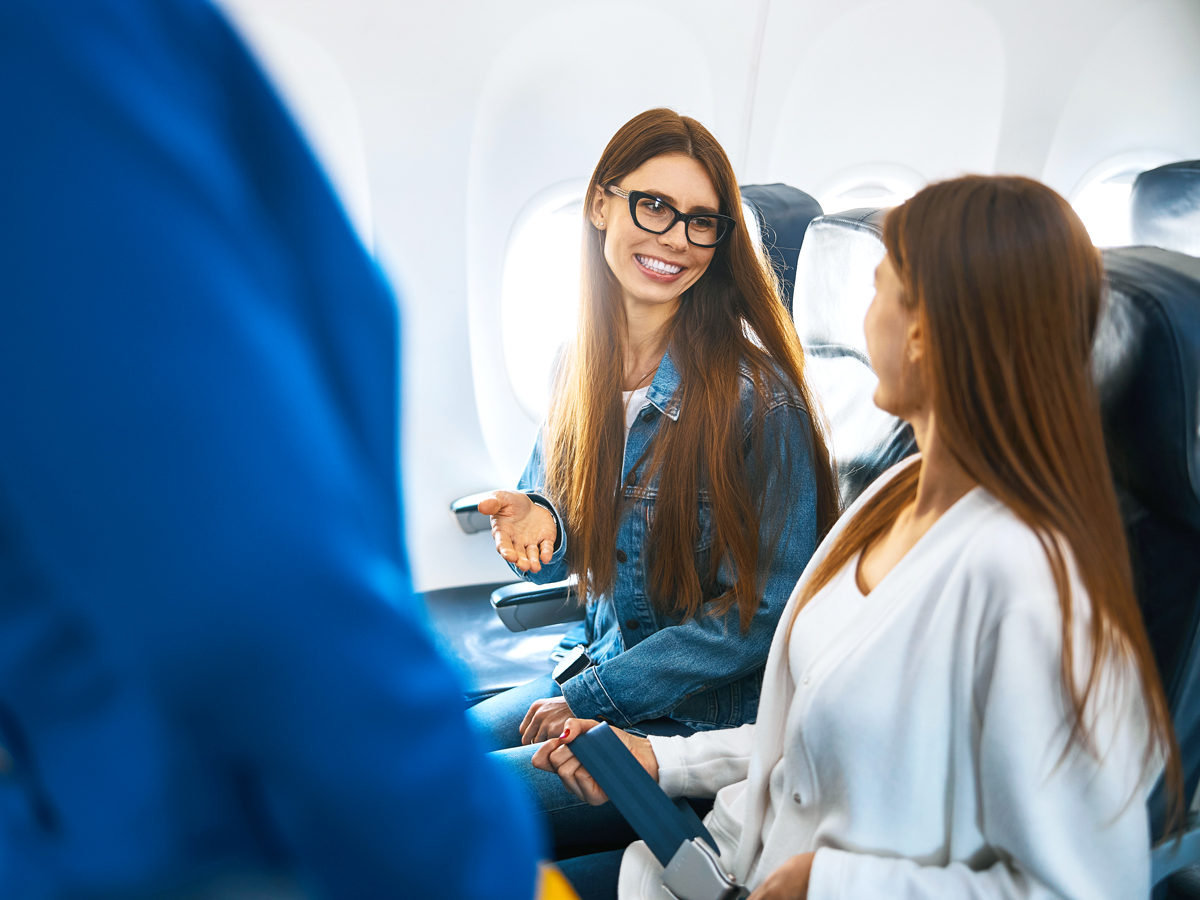
How would you feel about phone calls on your next flight? Though traveling by plane certainly comes with its fair share of annoyances these days, until recently, voice and video calls haven’t been among them. In fact, airplane cabins are — or were — one of the few public places without people loudly gabbing on FaceTime or taking business calls. But one airline recently started permitting voice and video calls over in-flight Wi-Fi for the first time. Could other airlines follow suit?
British Airways Allows In-Flight Calls
Credit: Image courtesy of British Airways
Flying across the pond soon? Aside from being prepared for the new entry requirements, you may want to pack a pair of noise-canceling headphones if you’re traveling with the U.K.’s flag carrier.
In March 2026, British Airways debuted its first plane with free Starlink Wi-Fi, which the airline plans to install on its entire fleet by the end of 2028. Starlink has become a popular choice for airlines as of late, with many opting to install it fleetwide due to its fast speeds, similar to what you’d find on the ground.
As part of the rollout, British Airways updated its Wi-Fi policy to state that, in addition to streaming and scrolling, passengers can now make video calls over Starlink Wi-Fi. Previously, the airline’s website stated that “text and phone call functions can only be used whilst boarding, waiting to leave stand (as instructed by your crew), and taxiing to stand.”
Perhaps in anticipation of the fact that such a move might stir up controversy, the airline added to its policy: “We ask that you’re mindful of volume — use headphones and keep your voice low to avoid disturbing others.”
Are U.S. Airlines Following Suit?
Credit: Image courtesy of British Airways
The short answer: for now, no. But that could change. In the U.S., the Federal Communications Commission bans phone calls using a cellular network during flight. However, there’s no similar rule in the U.S. that explicitly prohibits Wi-Fi calling in-flight. (British Airways’ policy is for calls made over Wi-Fi, so airplane mode stays on.)
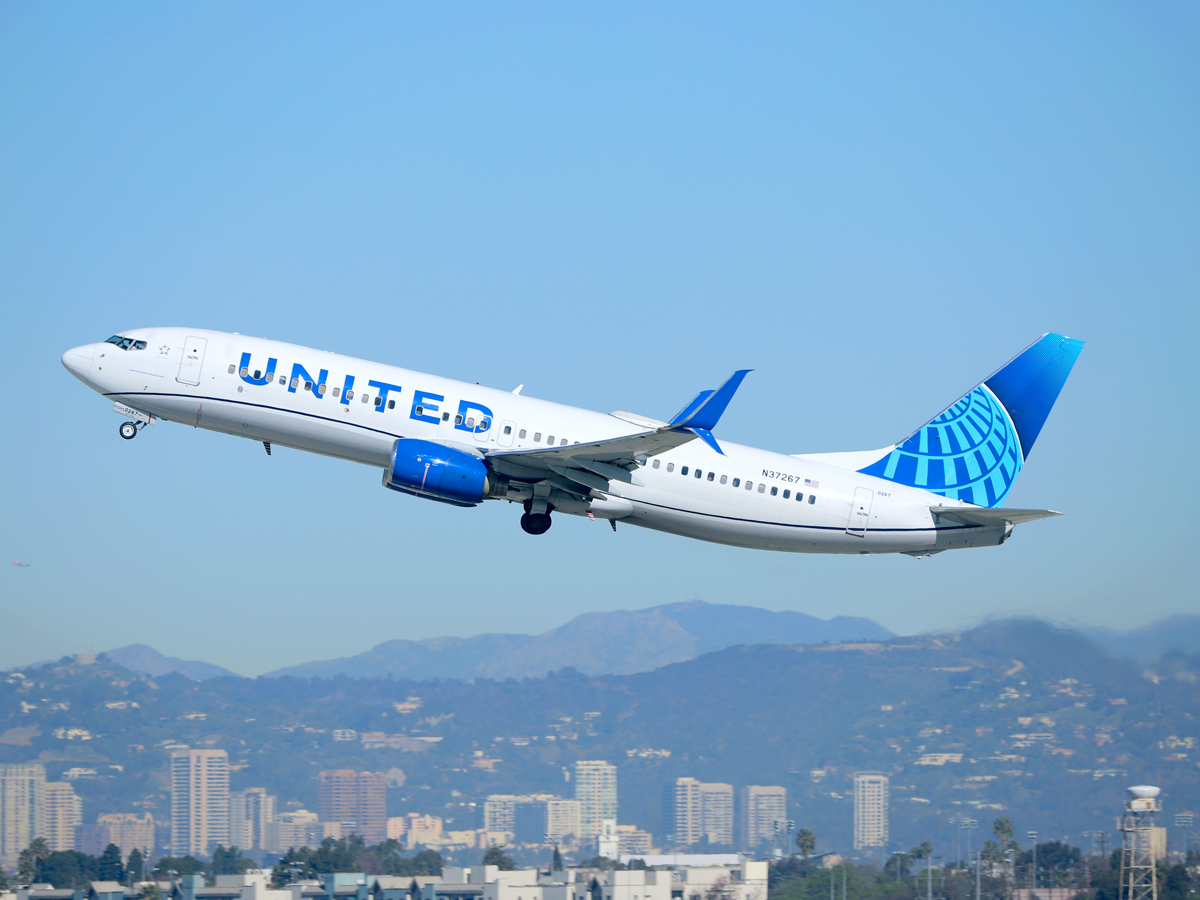
That leaves it up to the airlines, and several of them have announced the rollout of next-gen Wi-Fi with speeds that could support video calls. For example, United Airlines is in the process of rolling out Starlink across its entire fleet; Alaska Airlines will begin installation this fall.
That means we’ll have to wait to see if they follow the lead of British Airways. In the meantime, a spokesperson for United told USA Today that the airline is “not making any changes to its onboard call policy.” (American, a joint-venture partner with British Airways, declined to comment.)
If U.S. airlines do start permitting video calls on board, it will surely ignite another wave of debates about plane etiquette. But on a related front, United recently started cracking down on passengers who don’t use headphones — now, they could be banned from flying with the airline.
Featured image credit: Courtesy of British Airways
Advertisement
More from our network
Daily Passport is part of Inbox Studio, an email-first media company. *Indicates a third-party property.
Julia is a U.K.-based travel writer whose work has been featured in The Independent, The Telegraph, The New Zealand Herald, and Culture Trip, among others. She’s an enthusiastic advocate for independent travel and a passionate geographer who has had the privilege of traveling to more than 130 countries in search of a story.
If you’re planning a European vacation, the vast array of destinations to choose from and the wide variations in everything from climate to culture can seem overwhelming. And then there’s the question of how to really immerse yourself once you get there: No one likes to stick out like a sore thumb, so blending in like a pro is a key element of a successful trip. Next time you venture across the pond, avoid these 10 mistakes American tourists make in Europe, and you’ll fit right in with the locals.
With so much to see and relatively little paid time off, American tourists can be forgiven for wanting to rush around ticking off the sights. But consider the emerging trend of slow travel, which encourages us to spend more time in each place so we can really take it in. After all, travel is better when it’s not simply checking items off a list, and if you won’t have time to see everything anyway, why force it?
Failing to appreciate cultural influences and linguistic differences is a mistake tourists — Americans or otherwise — often make. There are 44 countries in Europe; local etiquette, long-standing traditions, and even architecture vary just as much as the climate and landscape.
Wherever you go, it pays to pick up a few phrases in the local language, as not everyone is going to speak English, particularly in areas not frequented by many overseas tourists. The European Union alone recognizes 24 official languages, and there might be as many as 200 to 300 others spoken across the continent as a whole.
With so much to see and relatively little time to fit it all in, it’s tempting to stick to Europe’s big cities. However, don’t overlook its beautiful countryside, villages, and small towns.
Instead of sightseeing in Munich, for instance, you could hike alongside the Leutasch Gorge and immerse yourself in the delightful frescoed buildings of Mittenwald. Or you could switch out Rome for the fascinating sassi (cave dwellings) of Matera or the craggy peaks and turquoise lakes of the Dolomites. And rather than hit overcrowded Paris, you could hop on a train south to Provence and explore the wildlife-rich Camargue or the lavender fields and vineyards of the Luberon. In Belgium, ditch busy Brussels for the grassy dunes and golden sands of the Vlaamse Kust (Flemish Coast), reaching it via the world’s longest tram route from De Panne to Knokke-Heist.
When it comes to facilities and amenities, there’s often a big difference between chain hotels and independently run guesthouses. While it can be tempting to use your hard-earned points for discounted rates or free nights with the brand you use most regularly, you could find that you miss the most characterful stays as a result.
See: sleeping in a trullo in Puglia, staying in a converted prison that’s now a hostel in Slovenia, or waking up in Rotterdam’s famous cube houses. In fact, many of Europe’s most historic buildings have been repurposed as visitor accommodations. While some may lack amenities such as air conditioning and elevators, it could be worth a little inconvenience to say you’ve slept in a castle, centuries-old monastery, or medieval palace.
Because many of us are used to it at home, and with time at a premium on vacation, it’s easy to understand why quick sit-down meals or even fast-food runs hold such appeal. However, that’s missing the point: Sampling local dishes is as much a part of a European trip as sightseeing. Italy was the birthplace of the Slow Food movement, which started as a knee-jerk reaction to a McDonald’s restaurant opening beside Rome’s Spanish Steps. It has since grown into an organization that has supporters across the continent and beyond.
Many destinations in Europe celebrate sustainable local food and champion artisan producers — an ideal choice for tourists seeking a more authentic experience. Indeed, Europeans embrace the concept of “slow” in all its forms — dinner in many countries tends to be a social affair that lasts all evening (though start times vary). Don’t expect servers to rush you or the check to appear while there’s still food on the table — you’ll have to ask for it.
Tipping is an essential element of the service industry in the U.S., but the same can’t be said for similar jobs in Europe. The amount that customers are expected to tip — if at all — not only is far lower than it is in the U.S., but also varies considerably between countries.
In some places, like the U.K., it’s normal practice to add a 10% to 15% gratuity to the check when dining out. In Germany, however, you can simply round up the total and indicate you aren’t expecting any change. In Iceland, locals won’t add gratuity at all. While your server may appreciate the extra cash, tipping the way you would back home is frowned upon by locals keen not to have to do the same. It can be seen as an unwelcome culture shift, an Americanization of European ways.
In many European countries (Germany’s a notable exception), payment using contactless cards is increasingly the norm, replacing cash altogether. Be sure to select the local currency when given the option, as the exchange rate is more favorable; if you choose the U.S. dollar option on the payment terminal, stores and restaurants can set their own rate or add extra conversion fees.
For those occasions where you may need notes and coins, it’s advisable to withdraw a small amount of cash from an ATM (preferably not one in a busy tourist area) and check to make sure you won’t be charged an additional commission. You’ll pay more to exchange currency at an airport kiosk.
In Europe, more often than not, public transportation is widely available and affordable — throughout Luxembourg, it’s actually free. Driving yourself around in a rental is a rookie error that could translate to bumping over city cobblestones or navigating impossibly narrow alleyways. And finding a space to park while you’re still getting used to a stick shift is guaranteed to suck the fun out of any vacation, so let someone else take the wheel instead.
Do a little homework, though, so you know the basics about how to buy a ticket and when you’ll need to validate it, too. Also check to see if multiday passes are available, which could save you a considerable amount when riding the metro. For example, the Vienna City Card covers unlimited rides for one, two, three, or seven days, plus offers discounts on museum tickets and local attractions.
Sometimes, when exploring a new city, it can be easy to forget that not everyone is on vacation like you are. If you find yourself on the London Underground or Paris Metro when locals are trying to get to work — particularly if you’re carrying heavy luggage with you — you may not experience a warm, friendly welcome. Instead, grab a coffee or enjoy a leisurely breakfast until the morning rush has subsided.
What’s considered a perfectly acceptable volume for conversations in the U.S. is often louder than Europeans would consider polite. In a recent survey, 70% of European respondents described Americans as “loud.” If you’re looking to blend in when out and about, a good tip is to simply listen to those around you and match their decibel level. Tone down the noise in museums, libraries, restaurants, or on public transport.
It also pays not to be too direct, as this can be misconstrued as rudeness in many European cultures (though some, like Dutch, Germans, and Scandinavians actually prefer it — again, it pays to do your research). But most of the time, you can begin with a compliment or a chatty greeting about the weather before your actual query, and always remember to say “please” and “thank you” to those who have taken time out of their day to help you.
Advertisement
More from our network
Daily Passport is part of Inbox Studio, an email-first media company. *Indicates a third-party property.
Michael is a staff writer for Daily Passport and film critic who writes the weekly newsletter Movie Brief. His writing and criticism have also appeared in the Los Angeles Times, Variety, and the Washington Post, among others. A native Angeleno, his favorite countries to visit are Norway and Japan.
Everyone has thoughts on where the worst drivers live, and it’s usually the same city as them. But because such opinions tend to be vibe-based and informed by anecdotal experience — most of us haven’t been to every state, much less lived in them — we need to look elsewhere for definitive answers. Fortunately, there’s data on which states’ drivers get into the most accidents and wreak havoc on the road in general. Before your next road trip, find out which states have the worst (and best) drivers.
In 2025, LendingTree published a study of the states with the best and worst drivers, analyzing “tens of millions” of auto insurance inquiries from January 1 to September 30, 2025. The company flagged accidents, DUIs, speeding-related incidents, and general citations (e.g., improper lane usage, failure to yield, not signaling, or following another vehicle closely).
Perhaps because it wanted to avoid being forgotten, North Dakota is here to claim the title of “worst drivers in the U.S.,” per the study. It had the most incidents per 1,000 drivers last year. The rest of the 10 states with the worst drivers spanned coast to coast, from the Garden State to the Golden State.
North Dakota (64 incidents per 1,000 drivers)
New Jersey (58.8)
Utah (54.6)
Rhode Island (52.2)
Washington (44.9)
Maine (44.1)
Idaho (43.4)
District of Columbia (42.2)
California (41.9)
Montana (40.3)
When we zoom in on individual categories in the study, North Dakota again ranks first for speeding specifically. States that are mostly rural are overrepresented here, likely because there are fewer drivers on the road and perhaps fewer opportunities to get noticed by police.
North Dakota (11.9 incidents per 1,000 drivers)
Utah (9.4)
Vermont (7.7)
Virginia (5.9)
Minnesota (5.4)
Arkansas (4.8)
Wisconsin (4.6)
Maine (4.4)
Kansas (4.2)
Rhode Island (4.2)
If you focus solely on accidents, however, North Dakota drops out of the top 10, and New Jersey has the unenviable distinction of being in first place. (Interestingly, though Garden State drivers seem prone to accidents, New Jersey actually has the lowest number of speeding incidents.)
On the other end of the spectrum are the states with the fewest accidents per 1,000 drivers. Here are the 10 states with the best drivers in the country:
Michigan (10 incidents per 1,000 drivers)
Colorado (11.7)
Florida (11.9)
Mississippi (12.8)
Minnesota (13.3)
West Virginia (13.5)
Arkansas (13.8)
Illinois (13.9)
Missouri (14.2)
Delaware (14.3)
Next on the list are Pennsylvania (14.7), Arizona (14.8), New Mexico (15.0), Connecticut (15.0), and Kentucky (15.1).
Architecture •April 30, 2026•Updated: April 30, 2026
By Julia Hammond
Author
Julia Hammond
Julia is a U.K.-based travel writer whose work has been featured in The Independent, The Telegraph, The New Zealand Herald, and Culture Trip, among others. She’s an enthusiastic advocate for independent travel and a passionate geographer who has had the privilege of traveling to more than 130 countries in search of a story.
In a world where many buildings blend together, unusual architecture can lift travelers’ spirits and provoke a reaction. Love them or hate them, you can’t deny these structures get us talking — whether they appear to defy gravity, tease us with their optical illusions, or please us with their unconventional shapes. Some buildings don’t even look like buildings in the first place, yet manage to function just like any other. Explore six of our favorite examples around the world below.
With its futuristic curves and simple white cladding, the award-winning Heydar Aliyev Center, opened in 2012, makes a bigger statement than your average building. It’s the work of renowned firm Zaha Hadid Architects, which won the contract to design a cultural center for Azerbaijan’s capital. Once the former USSR member country gained independence from the Soviet Union in 1991, there was a concerted effort to leave behind the functionality of the Soviet era and embrace modern architecture.
In a city where skyscrapers are increasingly the norm, the Heydar Aliyev Center’s sleek appearance offers a refreshing change of pace. The use of fluid lines and folds in the building’s fabric is designed to blur the boundary between the building itself and the spacious plaza that surrounds it. The result is an attractive city icon that invites passersby to sit and admire its beauty, or venture inside for regular events and exhibitions.
The central Vietnam resort town of Da Lạt is known for its year-round spring climate and French colonial architecture. Set incongruously in the middle of this delightful destination is the Crazy House, also known as Hằng Nga Guesthouse.
Unconstrained by a client brief, Vietnamese architect Đặng Việt Nga gave her imagination free rein when designing the home, which explains the building’s playfulness. She peppered her unorthodox design with fairy-tale-inspired organic shapes and forms, hoping that those who saw it would feel closer to nature. Indeed, from the outside, the structure looks more like a gnarly old tree than a residence. Inside, each room is dedicated to a different animal, among them kangaroos, tigers, and bears.
Walt Disney Concert Hall – Los Angeles, California
Frank Gehry’s signature style centered on deconstructivist architecture and curvilinear forms. He experimented with shapes and materials, combining them to create something extraordinary. The Walt Disney Concert Hall in downtown Los Angeles is a case in point.
Its key attributes are mirrored in the Gehry-designed Guggenheim Museum in Bilbao, Spain, which is a triumph of titanium cladding. The American building’s radical exterior is mitigated by the use of stainless steel, which reflects light and glitters in the L.A. sunshine. As unusual as it is from the outside, inside, the Walt Disney Concert Hall boasts incredible acoustics, in part because Gehry designed it from the inside out. The result is a joyful and uplifting space that aims to trigger an emotional response in the way that music does.
Traditional wooden houses in the Zaan region of the Netherlands were typically brightly painted in shades of green. They provided the inspiration for this hotel, which somehow manages to be familiar yet outlandish all at once. The firm responsible for the design, Delft-based WAM Architecten, aimed to capture some of the region’s history, including a blue “house” that pays homage to Claude Monet’s work “Het Blauwe Huis”(“The Blue House”).
The building features a striking stacked design, with overhanging sections that might conjure up images of a street performer’s balancing act. Yet, this bold and confident hotel also manages to celebrate classic architectural details — such as those distinctive gable ends — in the process.
This improbably shaped hotel east of Beijing in China’s Hebei province is guaranteed to make an impression one way or another. It commands attention thanks to its unusual design, constructed to resemble a trio of Chinese deities: Fu, Lu, and Shou. These gods represent good fortune, prosperity, and longevity, respectively. Standing around 136 feet high, the hotel (sometimes now referred to as Fulushou Hotel) has become a tourist attraction in its own right since opening in 2000.
Nevertheless, its quirky shape created a headache when fitting out the interiors, which are accessed via Shou’s “shoe.” And don’t expect too many others like it — in 2016, the South China Morning Postreported that the Chinese government had grown tired of weird and wacky buildings, and had issued a directive that banned bizarre architecture.
The National Museum of the United Arab Emirates is as much a piece of sculpture as it is a building. Architects Foster + Partners were tasked with creating an impressive landmark to sit at the heart of the Saadiyat Cultural District in Abu Dhabi. The result is five delicate-seeming towers that take their inspiration from the wings of a falcon.
Together, they provide a “wow” factor but also serve a useful purpose. They are integral to the building’s ventilation system, harnessing a similar technology that’s been used by the Emirates’ traditional barjeel wind towers for centuries. The low-slung structure on which they sit is a representation of the local desert topography — even its color is intentional, reflecting the hues of local sand — while the landscaped garden that surrounds the museum is another reminder of the relationship between people and their environment.
Advertisement
More from our network
Daily Passport is part of Inbox Studio, an email-first media company. *Indicates a third-party property.

Jersey is a travel and lifestyle writer whose work has appeared in publications such as Condé Nast Traveler, Business Insider, and Bust. When she’s not exploring her adopted home state of Maine, she’s likely planning her next big trip.
Your next trip is planned and everything’s covered — the flight is booked, the hotel is reserved, and you’ve budgeted for meals and activities. But if you think that’s the end of your spending, think again. From ground transportation to comfortable walking shoes to the correct identification, here are some frequently overlooked travel costs you should keep in mind.
Layovers can be a sneaky expense when it comes to your budget — the longer you’re en route, the more money you’re likely to spend. Even a short layover could result in costs you may have forgotten to budget for, like buying a meal in between flights, purchasing a book to stay entertained, or paying for Wi-Fi.
Then, there’s always the possibility of a delay or cancellation, which forces you to spend money on food, water, and sometimes overnight accommodations. These costs can add up quickly, especially since airports are notoriously pricey. It may be a better idea to book the nonstop option if it’s not considerably more expensive.
You might have budgeted for food, but have you thought about morning coffees, afternoon matchas, and evening cocktails? They all add up over the course of the week. If you’re traveling internationally, bottled water may need to be tallied on the daily expenses, too, depending on whether the tap water is safe to drink.
You might breathe a sigh of relief when your flight is finally booked — after all, airfare certainly eats up a big chunk of the travel budget. But that’s not the end of your transportation costs; there’s also traveling to and from the airport, plus the price of rental cars, public transportation, taxis, or ride-shares. Don’t forget to factor in sightseeing tours, the cost of gas, and adequate insurance coverage, too.
Traveling often means encountering different climates and environments, and your everyday wardrobe might not be up to the task. First and foremost, you’ll need to make sure your footwear is appropriate for your destination. A good pair of waterproof walking shoes is essential — after racking up thousands of steps each day, you’ll be glad you made the investment. Your preparation should also extend to other wardrobe items, including specialty gear, evening wear, and clothes that generally travel well, all of which can add on to the budget.
Sure, you saved money on that basic-economy ticket, but now you have to pay for it in a different way — 11 long hours in a cramped middle seat. For savvy international travelers, preparing for a long plane ride is a sport in and of itself, with certain items making traveling thousands of miles over the ocean more palatable. Noise-canceling headphones, a reusable water bottle, snacks, a neck pillow, and comfortable travel clothes are a few of the items worth your while — as long as you’re willing to make the investment.
When you leave your furry friends behind, you need to know they’re cared for — and that comes at a price. Boarding dogs in a kennel can cost anywhere between $30 and $75 dollars a night, while in-home pet sitting can exceed $100 a day. These costs can rise during holidays, a popular time to travel, and depending on the number of animals you have. Even if you don’t have animals, you may benefit from home care while you’re away. If you don’t know a neighbor who can water the plants, collect the mail, or check in on the pipes, you may need to hire someone.
These days, there are hidden fees everywhere you look, especially when it comes to travel. Airlines charge you for where you sit and what you bring, TSA levies a fee for going through security (built into the cost of your plane ticket), airport vendors charge way more than street prices, and car rental companies bill you for fuel service and cleaning. Fees are also added to your lodging, your ATM withdrawal, currency conversions, and sometimes even your restaurant bill.
While it may be difficult to get a sense of exactly how much you’ll end up paying in fees, we suggest you leave a comfortable cushion in your budget for these extras and make sure to read the fine print. And speaking of extras, don’t forget to leave room for gratuities, either — tips for bartenders and servers, housekeeping, taxi drivers, and bellhops can add up over the course of your trip.
In addition to raising checked baggage fees, airlines are getting stricter when it comes to baggage size policies, which means your go-to luggage may no longer cut it. Many budget airlines, like Ryanair, are known for rigorously enforcing carry-on size limits, while Spirit and Frontier also carefully monitor the size of your personal item. If you’re forced to gate-check, it could come at an unexpected cost of $65 or more. Some international carriers, like Lufthansa, may weigh your carry-on and force you to check it if it’s too heavy.
Before you leave, research your flight carrier’s requirements to ensure your luggage is the correct size; otherwise, you’ll need to create extra room in the budget to buy a new bag or check your current one.
As of May 2025, travelers are required to have a REAL ID to board a domestic flight within the United States if they don’t already have a passport or another acceptable form of identification. If you don’t have time to get a REAL ID before your next trip, the TSA recently introduced a new option — pay $45 for an identity check that’s good for a 10-day travel period, and you can still board a plane (for a price).
Traveling internationally? Make sure your passport is good for at least six months after your return date — otherwise, you may not be allowed to enter the country you’re visiting, and you could find yourself paying considerably more for an expedited or emergency renewal.
Advertisement
More from our network
Daily Passport is part of Inbox Studio, an email-first media company. *Indicates a third-party property.

Nicole is a writer and researcher with over 15 years of experience seeking out arts, culture, and lifestyle stories in places like remote northern Quebec and the unforgettable streets of Amsterdam. Her work has also appeared in PureWow, Brit + Co, AUX TV, and CBC.
Airport gates can be places of extremes. One minute, they’re a quiet place to pass the time before a flight. The next, they’re a rush of activity, with chaotic boarding lines, muffled announcements overhead, and passengers gathering their things while hoping they’re in the right place at the right time. While travelers are juggling their own stresses, gate agents are managing dozens of moving parts at once on a strict timeline. But a few small actions can make a big difference in keeping the boarding process running smoothly for everyone involved. Here are six things airport gate agents wish travelers would do.
Even well-prepared travelers may need help with things from time to time, whether it’s a seat change, extra assistance while boarding, or gate-check tags for a stroller or car seat. The best time to ask is well before boarding begins, not while it’s happening, according to United Airlines gate agents on Reddit. Once an inbound flight arrives, agents shift into a tightly timed process and interruptions become much trickier to manage. They’ll be juggling not just greeting each passenger at boarding, but also potential scanning issues, standby lists, and last-minute updates all at once.
Of course, gate agents are happy to help, but they’re better able to do so before the rush starts. Agents interviewed by Outside magazine and Huffington Post recommend approaching them upwards of 30 minutes before boarding time. Just make sure it’s not too early — gate agents also appreciate when they’re given a few moments to log into their workstation and review the day’s itinerary when they arrive at the gate.
At the airport, it’s easy to tune out PA announcements, especially since many don’t pertain to your flight or because the terminal is simply too noisy — doubly so when loudspeakers can be a bit tricky to decipher to begin with. But gate agents share timely updates about delays, last-minute gate changes, and boarding over the loudspeaker. Ignoring them can cause unnecessary confusion for passengers and extra work for gate agents.
Often, when passengers miss these updates, they head to the desk to ask questions that have already been answered. While gate agents are certainly there to help, it’s only one of several tasks they’re handling. Before asking, try checking the arrival and departure information board in the terminal, the screen at your gate, or airline apps for updates. During boarding chaos or tight turnaround times, even a few extra interruptions can add pressure to an already-packed workflow.
Boarding moves quickly once it gets going, and gate agents are counting on it. Having your boarding pass out, your ID documents ready, and your group called before approaching the gate podium helps keep the line flowing smoothly. Agents aren’t just scanning you onto the plane — they’re usually troubleshooting and coordinating with crew at the same time, so doing your part to stay organized makes it a more efficient experience for everyone.
One common slowdown is when passengers approach the gate without realizing what they need in hand and end up fumbling for passes or identification. Travelers standing in the wrong group or presenting tickets for the wrong flight segment of a connecting flight (which needs manual correction through the computer) are also common causes of slowdowns. These small hiccups can add up when boarding needs to occur relatively quickly to keep flights on time.
It can feel frustrating when there are delays or changes, and a gate agent is typing away at their computer, barely looking up. To travelers, it might feel like they’re not paying attention, but they are — both to their environment, and to several of the other moving parts of their job.
In just a short timespan, agents are most likely assigning seats, coordinating with flight crew, tracking connecting passengers, arranging preboarding assistance, and preparing the next flight for departure. They’re also physically responsible for parts of the turnaround process: For many airlines, that includes operating the jetway that gets passengers to the plane. A delay of even a few minutes can have a domino effect on a flight’s schedule, so it’s helpful to know they’re working as quickly as they can.
Gate agents are often the face of the airline, particularly during stressful moments, but they’re very rarely the cause of the problem. Delays, cancellations, baggage limits, and missed connections are certainly frustrating, but they are usually out of the agents’ control. What gate agents can control, though, is how they help you. Passengers who are calm, respectful, and patient often get more assistance more quickly than those who get confrontational, according to gate agents’ posts on Reddit.
When it comes to smaller requests such as seat changes or rebooking options, agents are often happy to go the extra mile for patients who treat them well. Try approaching the podium up to 30 minutes before boarding is scheduled to start to make sure they can better focus on your issue.
It’s fairly typical for passengers to need help with issues that may arise, but it’s also common for them to ask for extras such as upgrades, additional compensation if things go awry, or exceptions to rules or regulations. Agents are usually happy to help when they can, but in reality, their authority on these matters is quite limited.
Airline protocols determine things like upgrade priorities, standby lists, and compensation for delays or overbooked flights. In many cases, the computer, not the agent, makes the final call. If the solution feels unsatisfactory, it’s recommended to politely ask if a supervisor can assist. If anything further can be done, it’ll come from above — not from the gate agent whose job it is to focus on the safe and timely departure of flights.
Advertisement
More from our network
Daily Passport is part of Inbox Studio, an email-first media company. *Indicates a third-party property.

Jersey is a travel and lifestyle writer whose work has appeared in publications such as Condé Nast Traveler, Business Insider, and Bust. When she’s not exploring her adopted home state of Maine, she’s likely planning her next big trip.
Why do people in some states tend to live longer? The answer is most likely due to a variety of socioeconomic factors, including income levels, health care access, and health care quality. Lifestyle certainly plays a role as well, with states that eat better, smoke less, and walk more. According to CDC data, the national average is 79 years, as of 2026. Below are the five states that lead the pack when it comes to life expectancy in the U.S. — and the surprising ways travelers can benefit, too.
Though Connecticut ranks at No. 5 for life expectancy, there’s notable inequality between different parts of the state, with wealthier regions — like Fairfield County, which earns over double the income of lower-income areas like Windham County — living four years longer on average. Due to these discrepancies, the U.S. Department of Health and Human Services is paying more attention to the effects of a built environment and how it may affect life expectancy.
In general, however, being intentional in creating a healthy environment goes a long way toward keeping people healthy and happy. Such an environment includes sidewalks, parks, green spaces, and accessible grocery stores.
An important reason New Yorkers live until age 79.5 on average is a robust health care system across the state. Notably, New York has one of the better Medicaid systems in the country, with benefits that offer more comprehensive coverage beyond doctor visits, including dental, vision, and long-term care.
New York is also beginning to shift toward a new health care blueprint, which puts more emphasis on the social determinants of health (SDOH) as opposed to just treating illness. This means addressing social factors like housing, food access, and transportation, all of which strongly contribute to health outcomes. The state is also building Social Care Networks that will connect health care providers, community organizations, and Medicaid systems in a shared program, creating more ease and access throughout New York’s health care system.
The Garden State has the third-highest life expectancy in the country. New Jersey’s location between New York City and Philadelphia means that residents benefit from a wide range of access to providers, including specialists and preventative care. This is coupled with a less dense urban environment, which tends to create communities that are quiet and low-stress. Residents also smoke less tobacco compared with the rest of the country, thanks to the state’s strict smoking ban in public places, including restaurants, beaches, parks, and workplaces.
However, New Jersey’s high life expectancy does vary based on the state’s geography, with an eight-year gap between counties in northern New Jersey, such as Bergen and Hunterdon, versus those in southern New Jersey, like Salem and Cumberland, where hospitals are fewer and farther between.
On the whole, people in Massachusetts live longer, thanks to the fact that Massachusetts has a strong advantage over the rest of the country when it comes to health care. Residents benefit from an excellent health care system, health care education, and a strong local economy — all of which go a long way in lengthening life.
The Bay State is home to robust public health programs and some of the best hospitals in the country, including Massachusetts General Hospital and Brigham and Women’s Hospital. The presence of excellent research universities, including Harvard Medical School, generally improve quality of care and health literacy, while higher income stability makes health care more accessible in general.
Hawaii is the only state in America where the average person lives to be 80 or older. While it’s not surprising that a state with a high happiness index also has a long life expectancy, other data metrics certainly contribute to longevity, including diet.
Hawaiians eat three times more fish than the rest of the country, and are fortunate to have tropical fruits readily available year-round. Anyone who visits can partake in the active local lifestyle that includes hiking, surfing, or simply spending time outside, which contributes to both physical and mental health. The state’s culture also reinforces community and familial bonds, with multigenerational living more common than in the rest of the country, which means elderly people tend to receive more support in their twilight years.
Advertisement
More from our network
Daily Passport is part of Inbox Studio, an email-first media company. *Indicates a third-party property.

Julia is a U.K.-based travel writer whose work has been featured in The Independent, The Telegraph, The New Zealand Herald, and Culture Trip, among others. She’s an enthusiastic advocate for independent travel and a passionate geographer who has had the privilege of traveling to more than 130 countries in search of a story.
Airport security measures can be vexxing, but they are part and parcel of flying in the 21st century. Baggage and personal screening procedures were introduced to help keep us safe while in the air, aimed at detecting dangerous items such as concealed weapons before they’re able to be carried on board an aircraft. For most passengers, these checks are routine. Occasionally, however, TSA officers may pull you aside for a follow-up physical screening known as a pat-down. But is this an optional step in the security process, or are you required to comply? And are there any alternatives? Find out about your rights if the TSA pulls you aside for a pat-down.
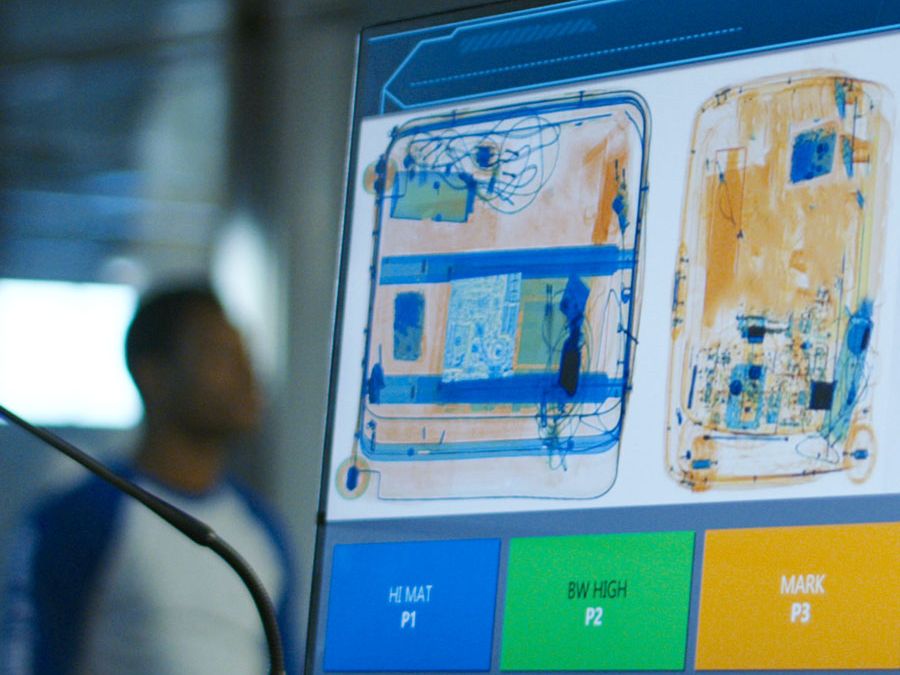
In U.S. airports, the Transportation Security Administration uses a variety of methods to screen passengers. The most familiar is advanced imaging technology (AIT) — colloquially known as a body scanner — which uses nonionizing millimeter-wave radio waves to detect metallic and nonmetallic concealed items. Two antennae rotate around the person’s body to capture an image of a generic human outline (which looks more like a gingerbread figure or paper doll than a real person).
For a small percentage of people, prohibited or forgotten items can show up as they pass through the body scanner. The rules permit TSA officers to then carry out what’s known as a pat-down screening to confirm that nothing’s amiss. Some travelers may actually ask for a pat-down instead of the body scanner if they have any concerns, though the CDC confirms that these machines are safe and not detrimental to people’s health.
A pat-down is a manual inspection that typically happens if a traveler doesn’t pass through the body scanner successfully. If the screening technology flags an anomaly or something that’s not right, the TSA officer may have a brief conversation with the passenger about what it could be, such as a forgotten set of keys or loose coins. Even sweat can produce a false alarm, as moisture can impact readings.
A pat-down screening involves an officer of the same sex inspecting areas of the body such as the head, neck, arms, torso, legs, and feet, applying sufficient pressure to feel if anything is being concealed. The officer may also request that head coverings are removed. In rare cases, officers may need to do a pat-down of more sensitive areas using the back of their hand.
For children under 12, different rules apply. While parents can (and should) carry infants in their arms as they pass through the scanner, other youngsters have to pass through alone but can leave headwear and shoes on. Modified screening procedures such as multiple passes through the body scanner aim to identify anomalies and remove the need for a pat-down.
Travelers over 75 aren’t exempt from a pat-down should something be flagged; however, if you find it painful or tiring to stand for any length of time, you are within your rights to ask for a chair during the process. You should also inform the officer of any medical conditions or areas that are painful to touch.
On the other hand, travelers of any age who have medical conditions that make AIT or metal detector screening inadvisable should inform a TSA officer at the start of the screening process, as a pat-down may be the most suitable method in such cases.
If you’re advised that a pat-down is required, simply put, you have two choices: oblige or leave the airport. Failure to comply means you can’t continue with your journey, though if you remain polite, you’ll simply leave with your possessions and no further action will be taken. Arguing with officers, however, may land you in trouble with the law for causing a disturbance and failing to comply with instructions.
If you don’t wish to undergo a pat-down in front of other travelers, you can request that the inspection be done in private. This must be carried out by a TSA officer of the same sex, and another officer must be present in a supervisory capacity. Additionally, you can ask for a witness of your choice to be present.
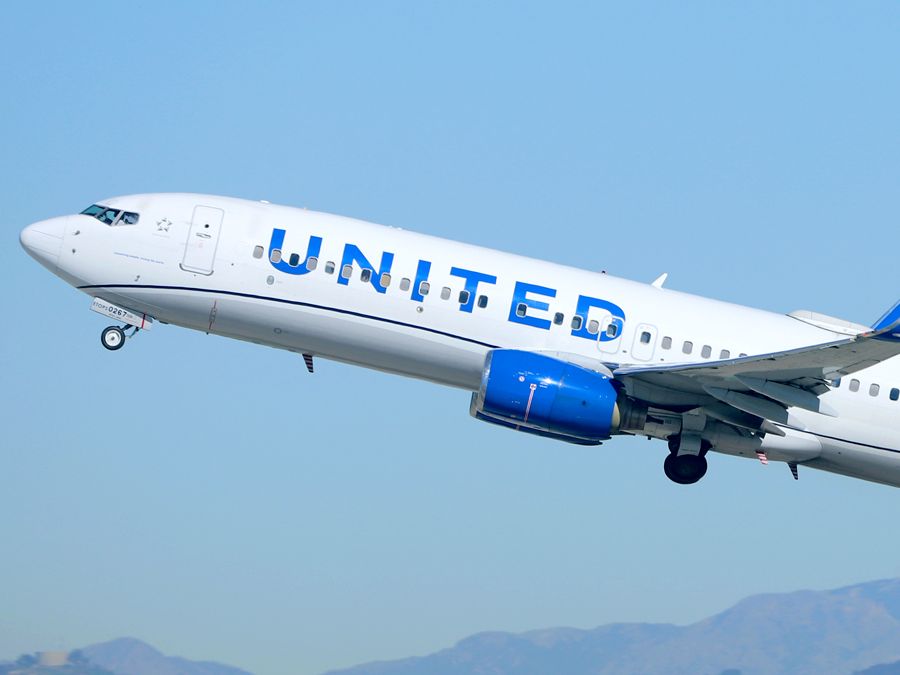
TSA PreCheck is a popular option for frequent travelers, as it enables them to skip the long lines in favor of a priority lane, expediting their progress through the security hall. According to the TSA, 99% of PreCheck travelers pass through security within 10 minutes.
Once approved, you’ll be able to pass through security without taking off shoes, belts, and light jackets, and electronics and liquids of allowable quantities can remain in your bag. However, you can still be selected for a pat-down at the officer’s discretion — TSA PreCheck doesn’t exempt you.
At the end of the day, the TSA officers are only doing their job, and you can make it easier — and hopefully avoid the need for follow-up screening — by following instructions. Remove items such as belts, hats, and coats, and check to ensure your pockets are empty. Also try to dress for the temperature inside the terminal rather than outside to avoid breaking into a sweat. But if you’re told you’ll need a pat-down and you want to fly, there’s no getting around it.

Bennett is a New York City-based staff writer for Daily Passport. He previously contributed to television programs such as the Late Show With David Letterman, as well as digital publications like the Onion. Bennett has traveled to 48 U.S. states and all 30 Major League Baseball stadiums.
Whether you regularly commute to work in your car or enjoy the occasional road trip across the country, gas prices are an important financial consideration. As things stand, the average price for a gallon of gas exceeds $4 nationwide — the first time that’s been the case since 2022. Unfortunately, you won’t find affordable gas anywhere in the U.S. right now, though there are some states where the cost is more prohibitively expensive than in others. Using data provided by the American Automobile Association (AAA), here’s a look at 10 U.S. states with the highest gas prices on average. (Editor’s note: Prices are accurate as of April 30, 2026, and are subject to daily fluctuations.)
The first state to crack the top 10 is Ohio, where the cost for a gallon of regular gasoline is more expensive than in 80% of the country. The Buckeye State ranks even higher for premium gasoline, with the eighth-highest prices in the nation.
Gas prices in Michigan have spiked considerably in recent days, with gas in many areas approaching $5 per gallon. Statewide, the average is around $4.50 per gallon if you’re filling up a tank of regular, but Michigan also ranks in the top 10 most expensive states for mid-grade and premium gas.
The Land of Lincoln has the eighth-most-expensive gallons of regular gasoline in the country. Prices are highest in the city of Chicago, where the cost per gallon is roughly 35 cents more than elsewhere in the state. And expect to pay a pretty penny if you rely on premium gasoline, as Illinois ranks sixth-highest in the nation in that specific category. One reason for the high prices? Illinois imposes the second-highest tax on gasoline in the country at 67 cents per gallon.
The cost per gallon of regular gasoline in Arizona is more than 50 cents higher than the national average. Prices are notably high in Scottsdale, where the current cost is just a few cents shy of the notorious $5 mark. Arizona’s gas prices have jumped more than $1.30 year over year, so be sure to save up some extra cash if you’re planning a family road trip to the Grand Canyon in 2026.
While Alaska produces some of its own gasoline, that isn’t enough to keep prices down. The current cost per gallon of regular gas exceeds $4.50 — roughly a dollar higher than the price this time last year. Expect to pay more than $5 per gallon in remote areas of the state, such as the western part of the Aleutian Islands, which have the highest average price in Alaska as of April 30, 2026.
Nevada is one of five U.S. states where the price for a gallon of regular gasoline exceeds $5 on average. There’s little reprieve in other higher-quality categories, as Nevada ranks fourth for mid-grade, premium, and diesel gasoline. Reno has some of the highest gas prices in the state — you’ll currently pay nearly a quarter more per gallon of regular gasoline here than in the rest of Nevada.
The price for regular gasoline in Oregon has jumped about a dollar year over year, resulting in costs that currently exceed $5 per gallon. This sharp rise in cost is partially attributed to a closure of the Olympic Pipeline this past fall, which caused prices to spike long before the ongoing conflict in Iran.
Washington has the third-highest cost per gallon of gas in the country, particularly in the western part of the state. The average price for a gallon of regular gasoline currently exceeds $5.50 in the Seattle-Bellevue-Everett metropolitan area. While prices have risen higher during the past few tumultuous months, Washington also levies a year-round gasoline tax of 59 cents per gallon — the third-highest of any state.
Despite levying the second-lowest gasoline tax in the country (19 cents per gallon), Hawaii has the second-highest average gas prices nationwide. This is due, in part, to the high shipping costs for delivering gas to the Hawaiian Islands, which are isolated from the rest of the country. In Hawaii, gas prices are currently highest on the island of Kauai, where they are approaching $6 for a gallon of regular gasoline.
Aside from the ongoing turmoil in acquiring gas from the Middle East, Californians regularly pay the highest prices at the pump of any state due to a combination of factors. These include the highest tax on gas in the country at 71 cents per gallon, requirements for a special blend of gasoline designed to reduce pollution and improve air quality, and additional environmental compliance costs. There are a number of metropolitan areas throughout the state where regular gas currently exceeds $6 per gallon, such as the Bay Area cities of San Rafael, Napa, Santa Rosa, and San Francisco.
This Country Is Offering Free National Park Admission All Summer
By
Bennett Kleinman
Read time: 4 minutes
April 28, 2026
Updated: April 28, 2026
This Country Is Offering Free National Park Admission All Summer
Outdoors •April 28, 2026•Updated: April 28, 2026
By Bennett Kleinman
Author
Bennett Kleinman
Bennett is a New York City-based staff writer for Daily Passport. He previously contributed to television programs such as the Late Show With David Letterman, as well as digital publications like the Onion. Bennett has traveled to 48 U.S. states and all 30 Major League Baseball stadiums.
There are more than 6,500 national parks around the world, from majestic natural landscapes to culturally significant monuments. Though you’ll occasionally stumble upon one that offers complimentary admission, these awe-inspiring attractions often charge admission to help cover the cost of maintenance and conservation efforts. But this summer, in one nation close to the U.S., every national park is free to visit. Take a look at the country offering up this special opportunity to see its most stunning natural wonders without paying a dime.
Parks Canada is a federal agency responsible for protecting the natural and cultural heritage of the Great White North. It manages 171 national historic sites, 48 national parks, five national marine conservation areas, and one national urban park, which are spread throughout the nation’s 13 provinces and territories. The organization has existed in its current form since 1998, though it was originally established as the Dominion Parks Branch in 1911, making it the world’s first national park service.
During the 2024-2025 fiscal year (April 1-March 31), more than 15 million people visited Canada’s national parks. The most popular national park in the system is Banff National Park in Alberta, which was Canada’s first national park, established in 1885. The park welcomed 4.23 million visitors in 2024/25. The next most popular park was Pacific Rim National Park Reserve in British Columbia (1.18 million), followed by Saguenay-St. Lawrence Marine Park in Quebec (1.16 million).
In addition to those vast natural landscapes, Park Canada governs historic landmarks such as the Anne of Green Gables house on Prince Edward Island, the Rideau Canal in Ottawa, and the historic fortifications of Quebec City. These are just a few of the many highlights travelers can visit for no cost this summer. And it’s surprisingly easy — find out how below.
For the second year running, Parks Canada is offering what’s called the Canada Strong Pass. Intended to boost domestic tourism and foster national pride, it provides all visitors — whether Canadian or from other countries — free admission to each of the national historic sites, national parks, and national marine conservation areas managed by Parks Canada from June 19, 2026, through September 7, 2026.
While admission rates vary, the cost of a single-day national park pass can be as much as $12.25 CAD ($8.84 USD) for the most popular parks, like Banff and Pacific Rim, and it costs $83.50 CAD ($60.26 USD) for an annual Parks Canada Discovery Pass, which offers unlimited admission for one year to over 80 parks.
There’s no need to buy a pass beforehand. All you have to do is show up and walk in — it’s that simple. In addition to free admission, the program offers 25% off various camping fees for overnight stays, discounted or free entry to museums and galleries (50% off for anyone ages 18 through 24, or free for anyone age 17 or under), plus travel discounts on the VIA Rail Canada train service.
However, there are some restrictions to be aware of. This applies only to sites under the purview of Parks Canada. In other words, the pass excludes provincial, territorial, municipal, and private parks, as well as all parks managed by any third parties or Sépaq — an organization responsible for the management of designated nature areas throughout Quebec. Furthermore, it doesn’t cover any costs associated with accommodations, parking, fishing, guided tours, access to hot springs, or other paid services you may encounter at a national park site. The pass solely covers free admission to Parks Canada’s national parks.
The Canada Strong Pass has both supporters and detractors. Those in favor are proud of the stunning natural wonders that Canada has to offer and want to share those sites with the rest of the world. This pass does just that, while also boosting general tourism revenue. Interestingly, the U.S. has levied a $100 nonresident fee for national park visitors, while Canada is doing the opposite.
But others criticize the Canada Strong Pass for leading to overcrowding. The lack of an entrance fee makes people more likely to visit these parks in large groups, which leads to busier days than normal during an already busy summer season. In turn, this can make it more difficult to book reservations at campsites and other attractions, as there’s increased demand for resources with limited availability. The lack of paid admission also means less revenue for the parks, which can make it more challenging to come up with the funds to support their conservation efforts.
For travelers, though, the Canada Strong Pass provides a unique opportunity to explore Canada’s most awe-inspiring, culturally significant attractions at a discount. Just be prepared for potentially big crowds and try to book accommodations early, as there’s bound to be many other world travelers looking to also take advantage of these bucket-list experiences.