Post Banner Image
Culture

See This, Not That: 5 Alternatives to Crowded Tourist Attractions

By Cynthia Barnes
Read time: 4 minutes
February 1, 2024
Updated: February 1, 2024

See This, Not That: 5 Alternatives to Crowded Tourist Attractions

By Cynthia Barnes
Author
Cynthia Barnes
Cynthia kicked around the world for a while before landing in Colorado. Her work has appeared in Food & Wine, the Boston Globe, and National Geographic, among others. She loves dives — both scuba and bars — baseball, the Oxford comma, and live music.

Though they have plenty of imitators, some landmarks stand in a category of their own. There’s only one true Eiffel Tower (sorry, Paris, Tennessee — yours doesn’t count), one Stonehenge (although Nebraska’s take, called Carhenge, is worth checking out), and one Great Pyramid (nice try, Memphis). But maybe you’ve already visited these legendary landmarks or are just interested in a less stressful, less crowded experience. Luckily, there are many appealing alternatives out there. Here are five of our favorite attractions which — while a little less famous than their counterparts — are well worth visiting in their own right.

Choquequirao – Peru 

Aerial view of Choquequirao archaeological site in Andes mountains of Peru
Photo credit: Rafal Cichawa/ Alamy Stock Photo

Move over, Machu Picchu: The Incan ruins at this site high in the Andes mountains are three times larger than those at its much more famous cousin. Yes, Choquequirao — located around 30 miles away from Machu Picchu — is more difficult to access. But although the trek is longer and more physically demanding, Choquequirao (with a name meaning “Cradle of Gold”) receives fewer than 10,000 visitors a year. In contrast, Machu Picchu sees more than 1.5 million. 

Archaeologists only began excavating Choquequirao in the 1970s, and so far, only about a third of the site has been exposed. A long-promised cable car will eventually make Choquequirao more accessible and drastically increase the number of tourists — so channel your inner Indiana Jones and see it while it’s still untouched.

Herculaneum – Italy

Preserved ruins in Herculaneum, Italy
Photo credit: Sean Pavone/ Alamy Stock Photo

Like Pompeii, this ancient Roman town near modern-day Naples is located in the Campania region of Italy and was likewise decimated by the catastrophic volcanic eruption of Mount Vesuvius in 79 CE. Although both cities were destroyed, working-class Pompeii was blanketed in a relatively soft and shallow layer of ash and pumice, whereas the wealthy seaside resort of Herculaneum was preserved under 65 feet. This included a hard top layer that kept oxygen out, preserving wooden staircases, doors, and other organic materials. Pompeii’s earlier excavation led to its greater fame — and today is visited by around 3 million tourists a year. Modest Herculaneum, on the other hand, sees a mere 300,000 visitors on average.

Frenchmen Street – New Orleans, Louisiana

Buildings and tourists on Frenchman Street in New Orleans, Louisiana
Photo credit: Andriy Blokhin/ Alamy Stock Photo

Anyone who’s ever heard of New Orleans is probably familiar with Bourbon Street. The street in the city’s French Quarter is rightly famous for its party atmosphere (particularly during Mardi Gras), restaurants and music venues, and historic architecture with wrought iron balconies. But locals and in-the-know visitors avoid the often out-of-control revelers on the city’s most famous street and head to Frenchmen Street instead. Once a hidden gem known mostly to residents, this street in the Seventh Ward has a short stretch in the Faubourg Marigny neighborhood offering some of the best music New Orleans has to offer. At the southern end of Frenchmen Street, you’ll find the New Orleans Jazz Musuem.

Bruges – Belgium

Buildings along tree-covered canal in Bruges, Belgium
Photo credit: Pajor Pawel/ Shutterstock

If you’re looking for charming canals and medieval architecture with fewer crowds, this city in northwest Belgium is the place for you. No, it’s not Venice — nor does it need to be. Swans float on peaceful waterways, while sunny flower-bedecked squares sport grand churches, major museums, and restaurants offering the city’s famed chocolates, frites, and Belgian beers. If you still have your heart set on Venice, we recommend at least checking out some of the less popular spots nearby: Take the ferry to Chioggia, an authentic (and canal-crossed) Italian fishing village only 15 miles from the city.

Edge – New York, New York

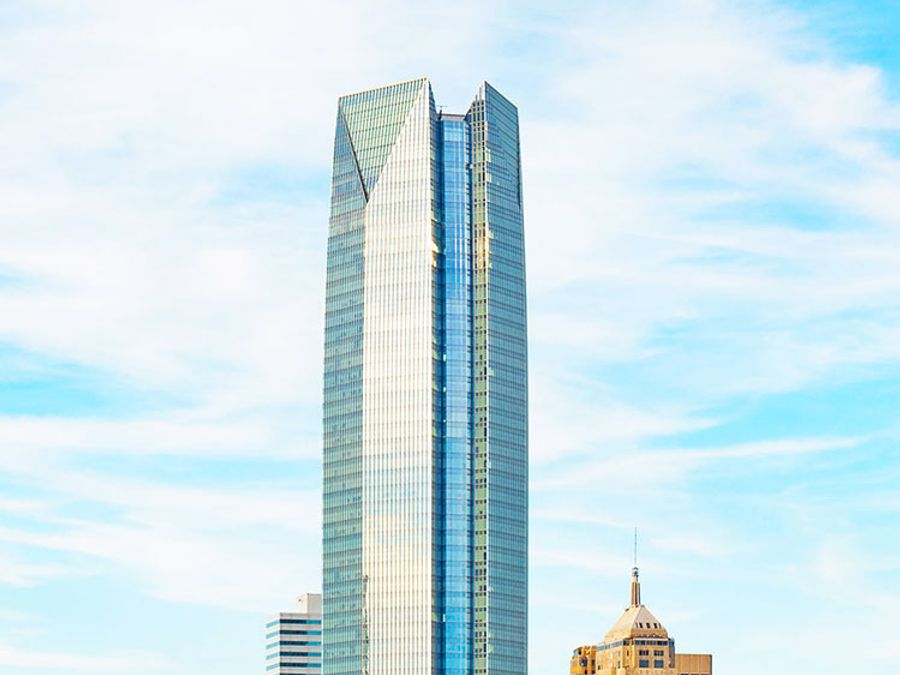
View from street level of triangular Edge observation deck jutting from skyscraper in New York City
Photo credit: Lennart Rieck/ Shutterstock

If you’ve admired the city’s iconic skyline from atop the Empire State Building or sipped a sunset martini from the late, great bar at 30 Rock’s Rainbow Room, you’ve definitely experienced classic New York City views. For something completely different but no less breathtaking, head west to Hudson Yards, a more recent addition to Manhattan’s melting pot of neighborhoods. The high-end 28-acre development — located between Hell’s Kitchen and Chelsea on the banks of the Hudson River — is where you’ll find Edge. Suspended 100 stories above the city, it’s the highest outdoor observation deck in the Western Hemisphere. The glass floor and angled glass walls allow visitors to feel that they’re actually floating above Manhattan. Real daredevils can buy a ticket for City Climb, strap on a harness, and scale up the side of the building. 

Post Banner Image
Culture

8 Underrated UNESCO World Heritage Sites to Visit in the U.S. 

By Daily Passport Team
Read time: 5 minutes
February 1, 2024
Updated: August 27, 2024

8 Underrated UNESCO World Heritage Sites to Visit in the U.S. 

By Daily Passport Team
Author
Daily Passport Team
Daily Passport writers have been seen in publications such as National Geographic, Food & Wine, CBC, Condé Nast Traveler, and Business Insider. They're passionate about uncovering unique destinations and sharing expert tips with curious travelers.

The United Nations Educational, Scientific and Cultural Organization (UNESCO) has earmarked more than 1,100 cultural and natural wonders as World Heritage Sites worthy of preservation. You’ve surely heard of landmarks like Stonehenge or Machu Picchu, but what about the lesser-known wonders closer to home? From a prehistoric site in Illinois once home to 20,000 people to the world’s largest non-polar ice field, check out these eight underrated UNESCO World Heritage Sites to visit in the U.S.

Waterton-Glacier International Peace Park – Montana

Majestic mountainous landscape of Waterton-Glacier International Peace Park in Montana
Photo credit: Stephen Moehle/ Shutterstock

Situated on the border of Montana and Alberta is the world’s first international peace park, commemorating the peaceful relationship between the U.S. and Canada. This UNESCO site — consisting of Alberta’s Waterton Lakes National Park and Montana’s Glacier National Park — was chosen for its ecological significance. In addition to a landscape that includes glaciers, prairie, and alpine forests, the park also features an abundance of distinctive flora and fauna. While most visitors are keen to catch a glimpse of the larger mammals — elk, grizzlies, and bighorn sheep, for example — there is also a rich variety of smaller creatures. Your chances of seeing the tiny pygmy shrew might be slim (it’s the size of a dime), but beavers, turtles, snakes, frogs, and several hundred bird species share this habitat with colorful lichens, ferns, and wildflowers.

Cahokia Mounds – Illinois

Steps leading to Cahokia Mounds in Illinois
Photo credit: RozenskiP/ Shutterstock

The Cahokia Mounds State Historic Site, located about 13 miles from St. Louis, was once the largest pre-Columbian settlement north of Mexico. At its peak around 1150 CE, the population at the settlement site was about 20,000 people, larger than the city of London at the time. According to UNESCO, it is a “pre-eminent example of the cultural, religious, and economic center of Mississippian culture.” The biggest mound is Monks Mound, which is also the largest prehistoric earthen structure in the Americas. It stands about 100 feet tall and covers nearly 15 acres. The onsite interpretive center offers a look at what life would have been like in the Cahokia Mounds settlement.

Papahānaumokuākea Marine National Monument – Hawaii

Seal lying on black sand beach at Papahānaumokuākea Marine National Monument in Hawaii
Photo credit: David Fleetham/ Alamy Stock Photo

Papahānaumokuākea is the only mixed heritage site in the United States, meaning that UNESCO recognizes it for both cultural and natural purposes. This collection of islands and atolls lies 155 miles northwest of the main Hawaiian islands and covers almost 140,000 square miles of ocean habitat. Papahānaumokuākea is home to one of the deepest coral reefs in the world and has an abundance of endangered wildlife, such as Hawaiian monk seals and black-footed albatrosses. The site is also significant to Hawaiian culture: This is where the Hawaiian people believe that life originated and where spirits return after death. At least two of the islands contain evidence of ancient human settlements.

Chaco Culture Park – New Mexico

Circular stone well archaeological site at Chaco Culture Park in New Mexico
Photo credit: Zack Frank/ Shutterstock

This UNESCO site was a ceremonial and political hub for the Pueblo peoples of the Four Corners, from approximately 850 to 1250 CE. Chaco is of particular note for its distinctive architecture and the complexity of its buildings. That such buildings were constructed in the harsh desert climate is even more impressive. Visitors can still trace their way through the carefully engineered roads, which linked each site. From studying the remains at Chaco, archaeologists have learned much about the advanced social structure of Chaco culture. In 2013, that the Chaco Culture National Historical Park was also designated an International Dark Sky Park, meaning it is an ideal spot to camp out and enjoy a view of the stars undisturbed by urban light pollution.

La Fortaleza and San Juan National Historic Site – Puerto Rico

View of bright blue La Fortaleza palace and stone walls overlooking Caribbean Sea in San Juan, Puerto Rico
Photo credit: Photolux/ Alamy Stock Photo

La Fortaleza, now known as Santa Catalina Palace, is the home of the governor of Puerto Rico. It was originally built in 1540 as a fortress to protect the Spanish settlers of the small Caribbean island against raids from the local Indigenous population. Ironically, La Fortaleza was seized twice in its history, by the English in 1598, and by the Dutch in 1625. Through the centuries, additional fortified structures were added, and in 1983, UNESCO chose to recognize the site for its fantastic display of European military architecture, which has been adapted to its island location. A number of different styles — Renaissance, Baroque, and Enlightenment — all chart the history of the nations that sought and ultimately failed to control Puerto Rico.

Monumental Earthworks of Poverty Point – Louisiana

Wooden pathway on grassy hill leading to Monumental Earthworks of Poverty Point in Louisiana
Photo credit: EWY Media/ Shutterstock

The name Poverty Point may come from a nearby 19th-century plantation, but the impressive series of monumental mounds in Louisiana date much further back. The five giant mounds and series of semi-elliptical ridges were constructed between 1700 and 1100 BCE. Archaeologists believe that the hunter-gatherer peoples used this area as a settlement but also as a ceremonial center. At one time, it was part of a vast trade network that expanded for hundreds of miles. Whereas many such sites have been redeveloped or heavily excavated, less than 1% of the land at Poverty Point has been disturbed, allowing visitors to appreciate its size and the work that went into building it.

Wrangell-St. Elias and Glacier Bay – Alaska

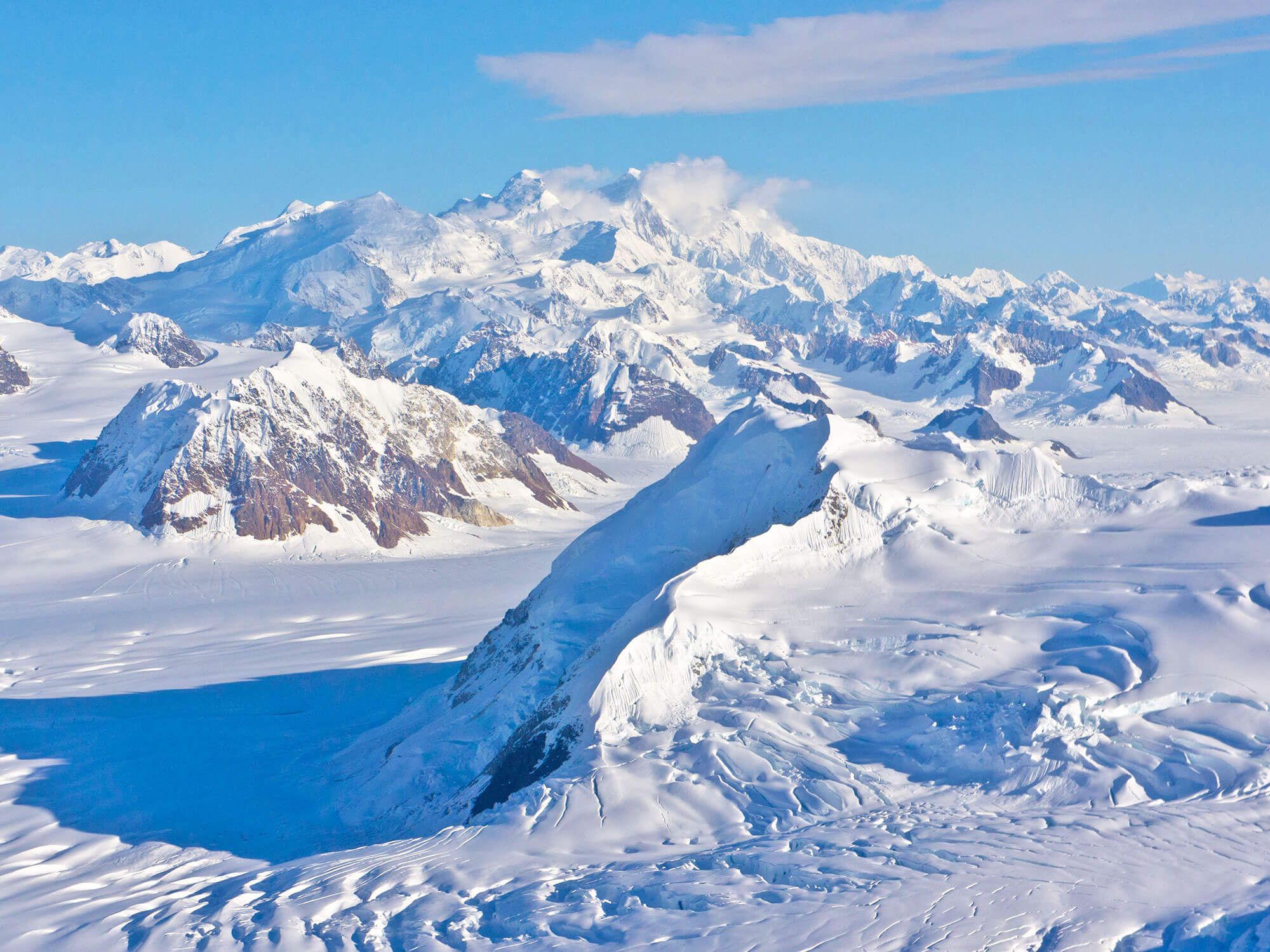
Aerial view of glacier field and snow-capped peaks at Alaska's Wrangell-St. Elias National Park
Photo credit: Benny Marty/ Shutterstock

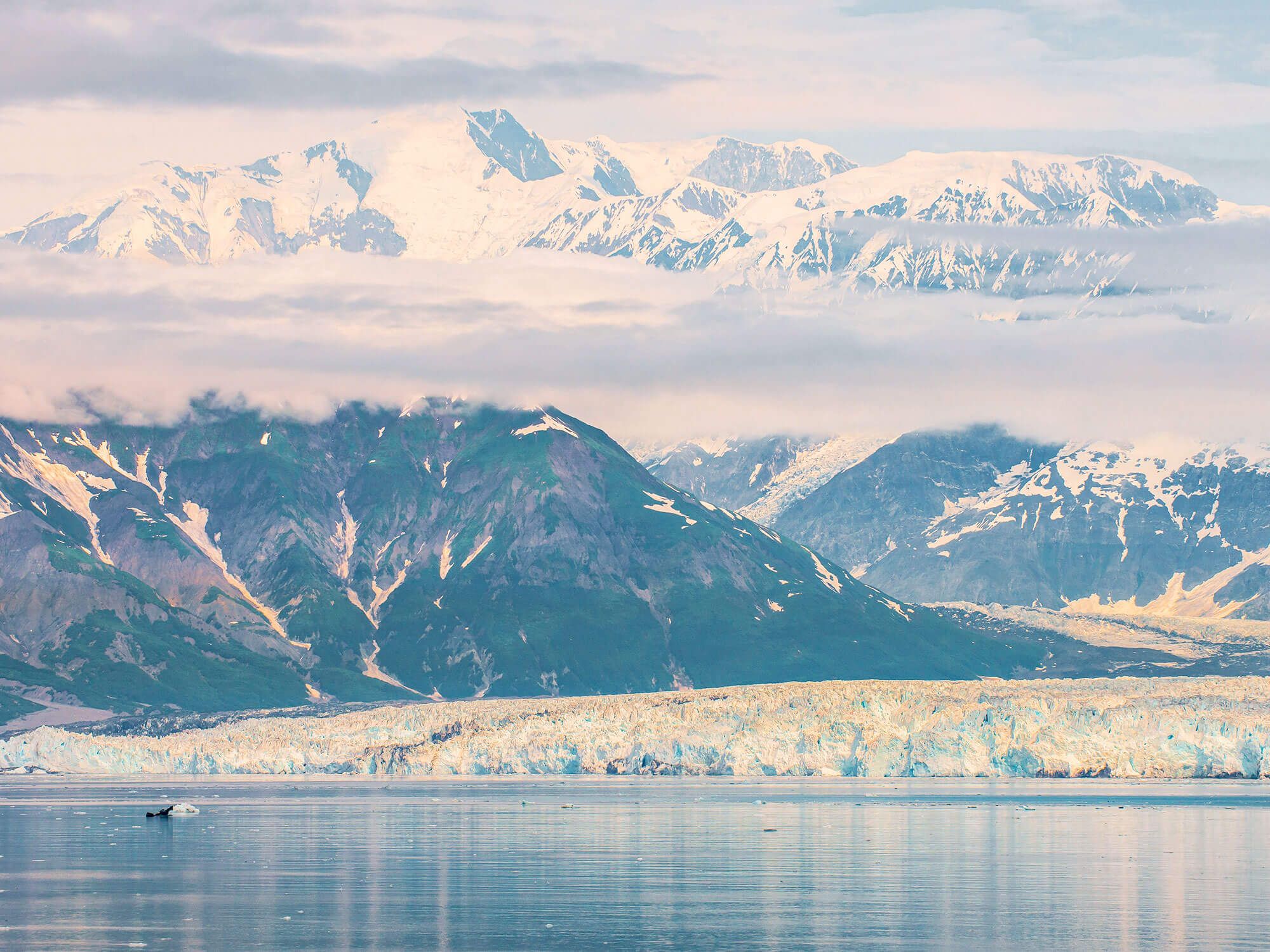
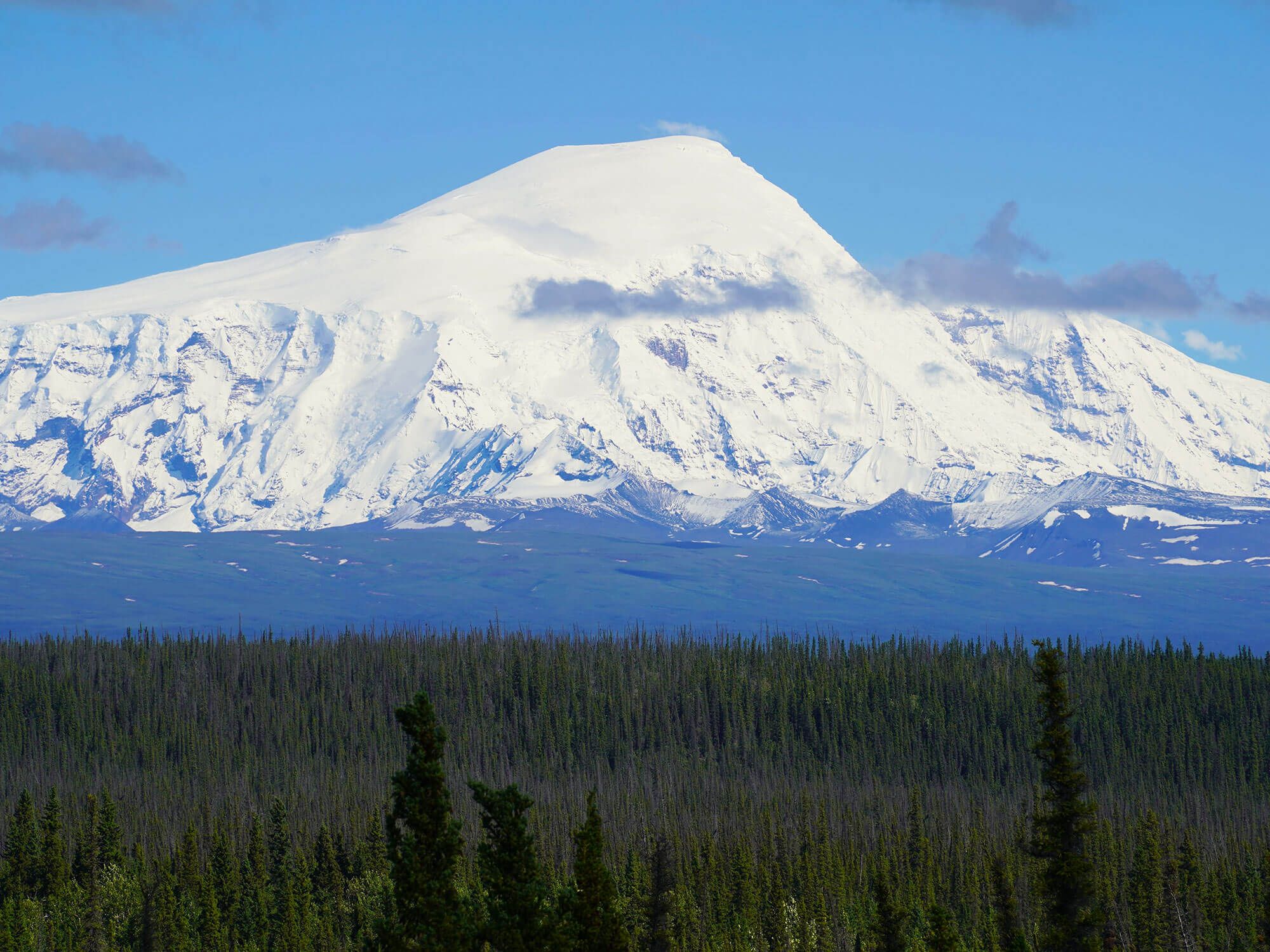
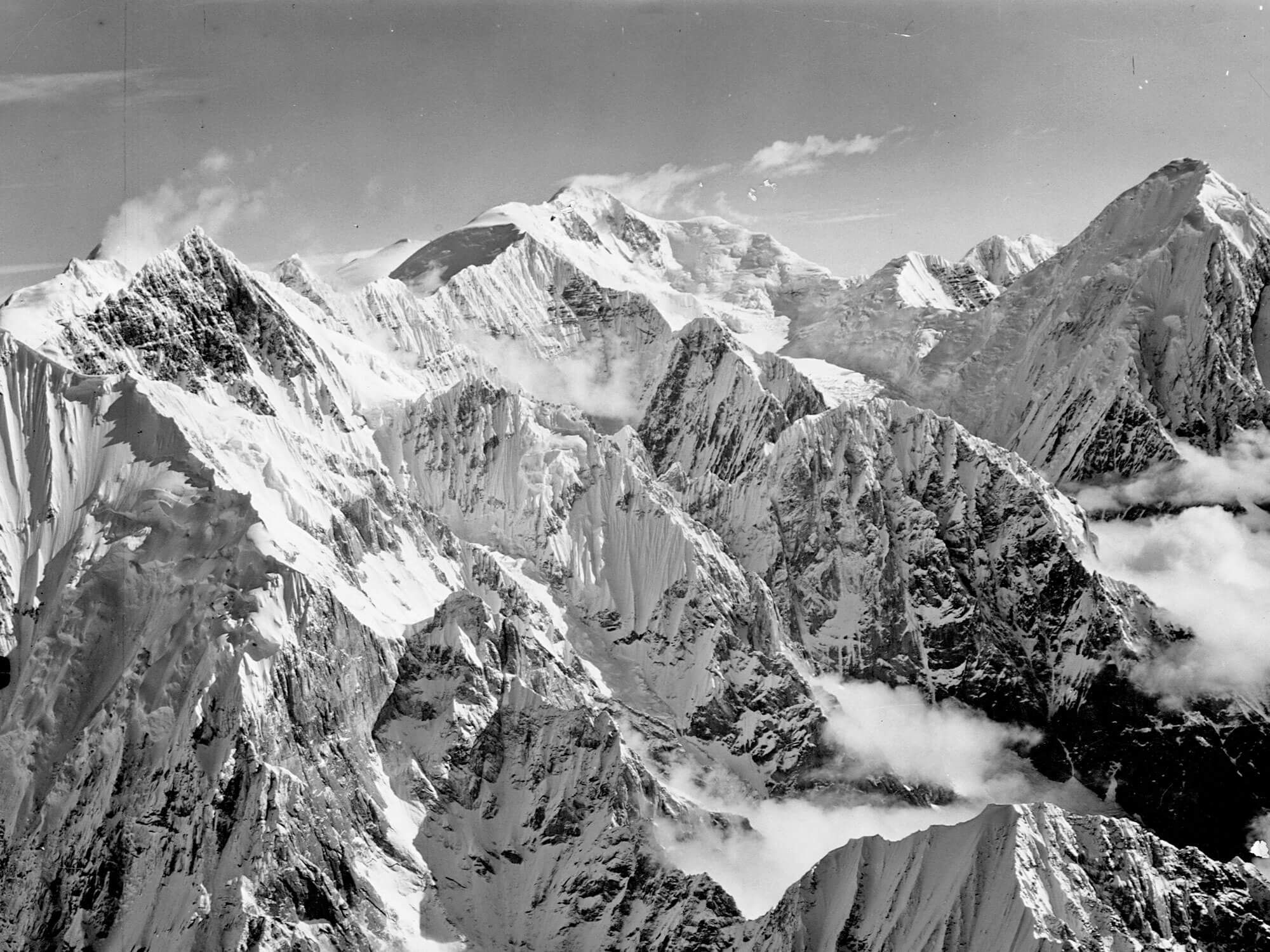
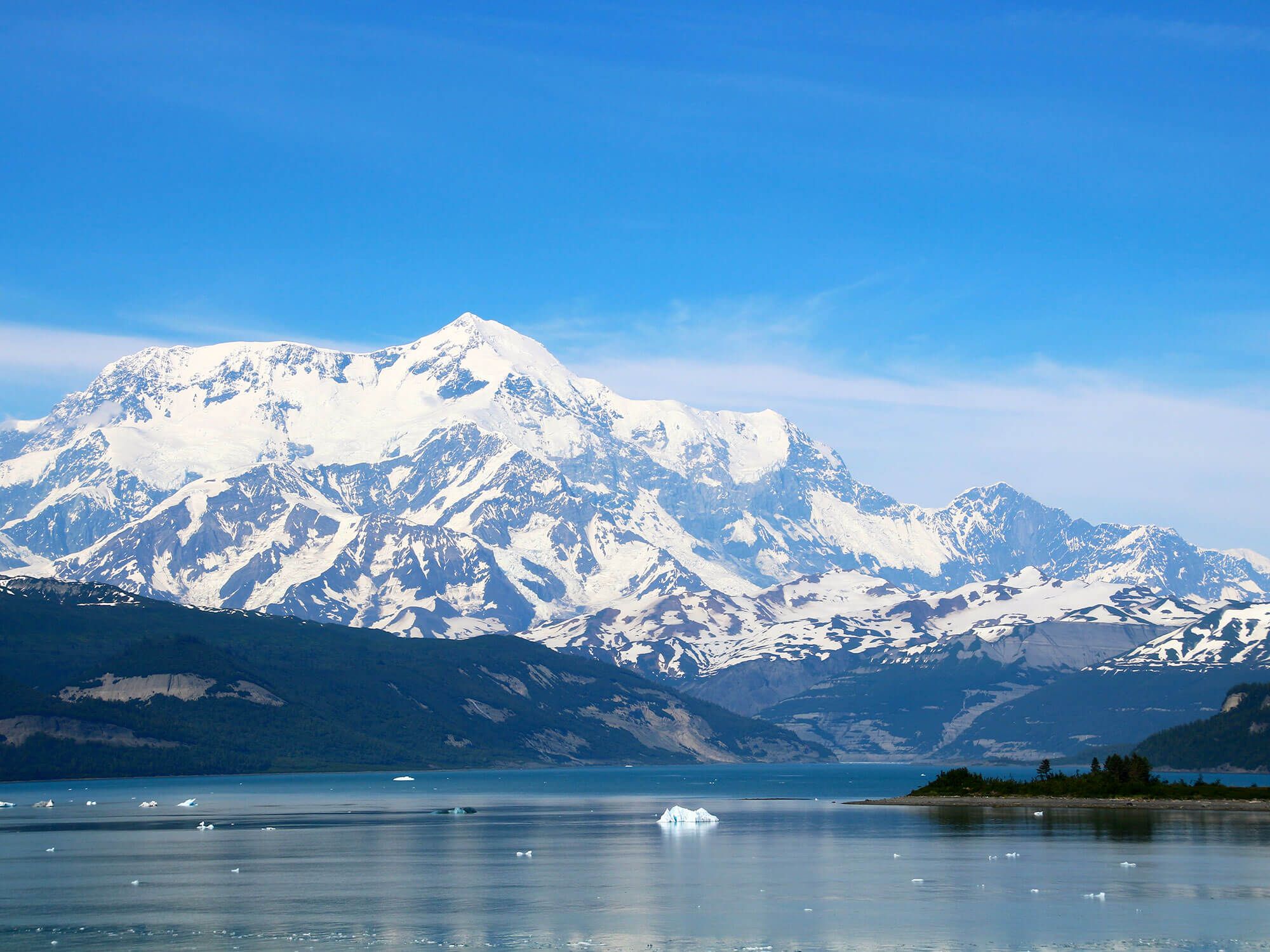
Alaska’s Wrangell-St. Elias and Glacier Bay National Parks combine with Canada’s Kluane National Park and Tatshenshini-Alsek Provincial Park to form a single UNESCO World Heritage Site, covering almost 38,000 square miles. The largest non-polar ice field in the world lies within the site’s borders, as do vast expanses of untouched forest, rugged mountains, and glaciers. Unsurprisingly, this wild land is a habitat for a variety of animal life, including caribou, grizzlies, mountain goats, and polar bears. Along the coast, visitors might spy humpback whales, porpoises, otters, and seals. Park management at both Glacier Bay and Wrangell-St. Elias work in partnership with local tribal management to protect both the natural and cultural heritage of the land and its people.

Hawaii Volcanoes National Park – Hawaii

Lava flowing off cliff into sea at Hawaii Volcanoes National Park
Photo credit: jo Crebbin/ Shutterstock

Hawaii’s second UNESCO World Heritage Site contains two of the world’s most active volcanoes, Mauna Loa and Kilauea. Their level of activity has created an ever-changing landscape that also acts as a haven for rare birds, which has led to the park’s International Biosphere Reserve designation. Access to the park changes according to the local volcanic activity, but during an eruption, visitors often flock to lookout points where they can see fiery magma colliding with the ocean water from a safe distance. Visiting the park during quieter times affords more opportunities for hiking and driving the backtrails, and to see the spectacular geological formations created by millennia of activity.

Post Banner Image
Geography

Did You Know These 6 Countries Have Multiple Capitals? 

By Daily Passport Team
Read time: 5 minutes
January 25, 2024
Updated: January 25, 2024

Did You Know These 6 Countries Have Multiple Capitals? 

By Daily Passport Team
Author
Daily Passport Team
Daily Passport writers have been seen in publications such as National Geographic, Food & Wine, CBC, Condé Nast Traveler, and Business Insider. They're passionate about uncovering unique destinations and sharing expert tips with curious travelers.

A country’s capital is where its government rules from. The cities chosen to be capitals often hold special historic significance, major population centers, or strategic locations within a country. But did you know that not all countries choose just one capital (or even stick to the same one forever)? Unusually, these six countries have multiple capital cities — find out why. 

Bolivia

Aerial tramway over La Paz, Bolivia, seen from above
Photo credit: Julian Peters/ Alamy Stock Photo

One of only two landlocked countries in South America, Bolivia also has two capitals. While La Paz is the bigger (and better-known) capital city, Sucre has an official claim to the title. The two capitals came from the country’s tumultuous past when Spanish colonialists divided it into two large territories. The two territories were respectively ruled from La Paz and Sucre.

When the country began to seek independence from the Spanish in the early 1800s, there were internal conflicts between the Liberal and Conservative parties about which capital should govern the new country. In the end, to make peace, they decided to split the responsibilities. The executive and legislative branches of the government would stay in La Paz, while the judicial branch would remain in Sucre. According to the Bolivian constitution, the official capital is Sucre — though many consider La Paz to be the de facto capital.

South Africa

Tunnel of purple flowering trees over roadway in South Africa
Photo credit: Pranesh Luckan/ Shutterstock

South Africa doesn’t just have two capitals — it actually has three. The reasons stem from the unification of South Africa and the end of the second Anglo-Boer War in 1902. The country operates one branch of the government at each of the capitals. Parliament meets in Cape Town, the judicial branch sits in Bloemfontein, and administration happens in Pretoria. The three capitals were each under either British or Boer control before the second war ended.

Over the years, there have been numerous attempts to consolidate the branches of government into Pretoria. The most recent attempt came during the presidency of former President Jacob Zuma. He claimed the move would be more cost-effective for the government, but the roots of history run deep and led to opposition to the plan.

Malaysia

Connected twin Petronas Towers with park and lake in foreground in Kuala Lumpur, Malaysia
Photo credit: Prisma by Dukas Presseagentur GmbH/ Alamy Stock Photo

While Kuala Lumpur remains the official capital of Malaysia, the de facto seat of the government now sits just 15 miles to the south, in Putrajaya. Construction of the planned city started around 1995, but the idea to move the government to the new capital was formed as early as the 1980s. The final cost of the construction came to over $8 billion.

But why the move? The main issue came down to overcrowding in Kuala Lumpur. It was getting too difficult to find the space and the infrastructure the government needed to function smoothly. The move allowed them to build a city filled with gardens and the technology they required. It’s also now adjacent to Malaysia’s version of Silicon Valley. That gives plenty of direct access to future technology and development opportunities for the country.

The Netherlands

People enjoying patio on sunny day in Amsterdam, the Netherlands
Photo credit: RossHelen editorial/ Alamy Stock Photo

The Netherlands is another country with an official capital as well as one that acts as the de facto capital and seat of the government. The Dutch constitution names Amsterdam as the capital city, and Amsterdam has always played an important role in Dutch history. It was the seat of trade for the country (and a lot of Europe) during the 14th and 15th centuries, earning its residents both prestige and wealth. Even today, it’s the economic and cultural heart of the country.

However, the seat of the government actually lies to the southwest of Amsterdam, in the Hague. The Hague is home to the government and the courts of the Netherlands, as well as to the International Courts of Justice. The Hague is also central to the United Nation’s operations. That gives the de facto capital international significance once enjoyed by Amsterdam hundreds of years ago.

South Korea

Traditional Korean architecture in Seoul, South Korea
Photo credit: Sanga Park/ Shutterstock

Seoul is the official capital of South Korea. In recent years, though, overcrowding in the city has become a major issue. Seoul has a population density that’s twice that of New York City. To help with the congestion, officials developed plans to build a new city to house the government called Sejong. Construction started in 2011, and today the population of the planned city is 325,000. The population boomed as people looked for affordable alternatives to cramped accommodation in Seoul.

The fact that everything is new in the city is appealing to some, while keeping others away. The city has more children than average, due to the number of young families moving in. However, there is still a lack of entertainment and cultural facilities in the new city, leading many to still travel into nearby Seoul for those necessities. But since the city is so new, there is still plenty of time for those amenities to develop. The goal is to have 500,000 residents living there by 2030.

Benin

Turquoise waters off the coast of Benin
Photo credit: Claudiovidri/ Shutterstock

Benin sits on what was once called the Slave Coast. The coast was the main departure point for many ships carrying enslaved peoples to Europe and the Americas. Despite its troubled past, today Benin is one of the African continent’s most stable democracies. While Benin’s official capital is Porto-Novo, the larger city of Cotonou handles most of the country’s administration. Cotonou is the seat of the government in Benin and has been since the country won independence from France in 1960. Porto-Novo was formerly a kingdom in its own right before the French took over. That earned it the official title of the capital city, though later development put much of the power within the borders of Cotonou.

Post Banner Image
Tips

What’s Actually the Difference Between Basic, Regular, and Premium Economy?

By Bennett Kleinman
Read time: 4 minutes
January 25, 2024
Updated: February 8, 2024

What’s Actually the Difference Between Basic, Regular, and Premium Economy?

By Bennett Kleinman
Author
Bennett Kleinman
Bennett is a New York City-based staff writer for Daily Passport. He previously contributed to television programs such as the Late Show With David Letterman, as well as digital publications like the Onion. Bennett has traveled to 48 U.S. states and all 30 Major League Baseball stadiums.

Even frequent fliers may not fully understand all the terminology used when it comes to airplane seating. The branding can become especially overwhelming for economy class, where there are often many different varieties of seating to choose from, each with its own perks and restrictions. If you’ve got a trip on the horizon, there’s no need to book your flight blind — instead, we’ve laid out all your options so you know what to expect in the air. Here are the key differences between basic economy, standard economy, extra-legroom economy, and premium economy.

Standard vs. Basic Economy

Airline passenger standing at window looking at airplane parked at gate
Photo credit: ljubaphoto/ iStock

Economy class — also called “coach” or “main cabin” — is the most affordable seating option that takes up the majority of most airplane cabins. The perks in economy class differ across airlines, but on most carriers, it’s a no-frills option to reach your destination for a low price. 

In 2012, Delta became the first U.S. airline to introduce a subsection of economy class tickets called “basic economy,” and other major carriers quickly followed suit (though not all airlines offer this option). Designed for the most price-sensitive travelers, basic economy will typically save around $50 for a round-trip ticket, but with several notable restrictions.

Depending on the airline, basic economy passengers are often automatically assigned a seat at check-in and won’t be able to earn reward miles on their tickets, while standard economy fares allow for complimentary seat selection and the ability to earn frequent flier points. Typically, basic economy tickets are nonrefundable and non-changeable (or changeable for a fee). Basic economy fliers are also among the last to board the plane.

The greatest benefit of both basic and regular economy seating is the affordability, as these seats are the cheapest option for those who may be on a budget. However, to keep fares low, airlines squeeze in as many seats as possible, and thus seating is typically cramped and uncomfortable. Seats in economy are typically between 17 and 18 inches wide, with 30 to 32 inches of seat pitch (the distance between each row of seats). Furthermore, even standard economy fliers are often susceptible to fees for checked baggage and in-flight food and drinks, which can raise the all-in cost of your trip.

Extra-Legroom Economy 

Close-up of passenger in airplane seat viewing phone with arms resting on tray table
Photo credit: Ivan-balvan/ iStock

Within the economy cabin, many airlines offer dedicated seats with up to six additional inches of legroom. These extra-legroom economy seats go by different names: Economy Plus on United Airlines, Comfort+ on Delta, Main Cabin Extra on American, Premium Class on Alaska, and Even More Space on JetBlue, for example. Whatever they’re called, extra-legroom seats can be an attractive option for passengers looking for added comfort without breaking the bank. 

These economy seats also often have the added perk of being located in the front of the cabin. They cost an additional fee, anywhere from $20 to $300 on domestic flights, depending on the airline and flight length. Paying that added cost gets you more room to stretch your legs, but note that these seats offer the same width as other economy seats. However, some have a greater ability to recline or come with added perks such as free snacks and alcoholic beverages. For people looking to board quicker and secure overhead space for their carry-on bags, Economy Plus and similar products also typically come with priority boarding, allowing you to get comfy in your seat well before the flight takes off.

Premium Economy

Passengers seated in airplane cabin, viewed from behind
Photo credit: AlxeyPnferov/ iStock

If you’re not willing to splurge for first or business class, premium economy is the most luxurious of these three “economy” seating options. Though it can cost upwards of $300 more than a standard economy ticket, premium economy is still an average of 65% less expensive than business class, making it a comparably affordable option. The catch is that this option is typically only available on widebody aircraft used on long-haul international flights (where the extra room will certainly come in handy) and a select few domestic routes such as coast-to-coast or Hawaii flights.

Premium economy sections boast wider, plusher seats that are located in a separate, curtained-off part of the cabin from other economy seating. Legroom is typically around 38 inches, and seat width is typically 2 to 3 inches greater than economy. For example, on United’s Boeing 787 aircraft, there are nine economy class seats per row in a three-three-three configuration, but just seven premium economy seats in a two-three-two configuration. 

In premium economy, you’ll usually receive more attention from dedicated flight attendants, as well as a wider variety of food and drink options than fliers in standard economy. Depending on what airline you fly, premium economy comes with other elevated perks — such as extendable footrests, complimentary Wi-Fi and charging ports, amenity kits with noise-reducing headphones, and two complimentary checked bags. So, if you’re taking a longer flight, the upcharge for premium economy can definitely pay off.

Post Banner Image
Outdoors

7 of the Most Unusual Lakes Around the World

By Daily Passport Team
Read time: 6 minutes
January 25, 2024
Updated: February 8, 2024

7 of the Most Unusual Lakes Around the World

By Daily Passport Team
Author
Daily Passport Team
Daily Passport writers have been seen in publications such as National Geographic, Food & Wine, CBC, Condé Nast Traveler, and Business Insider. They're passionate about uncovering unique destinations and sharing expert tips with curious travelers.

It’s estimated that Earth is home to over 300 million lakes, far more than scientists have been able to fully study. Canada is the country with the most lakes — perhaps over 60% of the world’s lakes — while in the U.S., Alaska is home to more lakes than any other state. With all those lakes on the planet, these remarkable bodies of water can take on many shapes, sizes, and appearances. Here are seven of the most intriguing and unusual lakes around the world. 

Spotted Lake – British Columbia, Canada

Image of Spotted Lake in British Columbia, Canada
Photo credit: Galyna Andrushko/ Shutterstock

Throughout the winter and spring, British Columbia’s Spotted Lake appears much like any other mountain lake. But summertime brings about a magical change, when its evaporating waters give way to a spectacular polka-dotted array of colorful mineral deposits. The reason? Spotted Lake is an endorheic basin (meaning it has no evident outlet), so the lake is refilled each year with mineral-packed snowmelt from the surrounding Okanagan Valley. As temperatures rise, the lake water evaporates, leaving behind a series of yellow and teal-colored mineral deposits that materialize in a circular pattern across the lake bed.

Located a few miles north of the border with Washington state, Spotted Lake has long been known as Khiluk by the region’s First Nations peoples, who consider the waters a sacred site known for their healing properties. During World War I, the lake’s minerals were harvested to manufacture ammunition, though it has since been returned into the hands of tribal members, who work tirelessly to maintain the lake’s ecological beauty. While a fence has been erected as part of the preservation efforts, several vantage points along Canada’s Highway 3 offer stunning views of this otherworldly attraction.

Lake Retba – Senegal

Rowboat on shores of Lake Retba in Senegal
Photo credit: Cyril PAPOT/ Shutterstock

Separated from the Atlantic Ocean by only a thin strip of snow-white sand dunes, Senegal’s Lake Retba is one of the saltiest lakes in the world — more than 10 times saltier than the ocean. Locals call it Lac Rose, which translates to “Pink Lake,” and its startling strawberry hue is thanks to Dunaliella salina, a salt-loving algae in its waters (which have a staggering 40% salinity level). 

Retba was once a freshwater lake, until a severe drought changed the water’s composition. It is now a center of salt harvesting, and workers take care to protect their skin with shea butter before wading into the briny depths. More than 66,000 tons of salt are harvested by hand each year, and it’s primarily used to preserve fish, but dried salt is also sold for cooking in neighboring nations such as Gambia, Mali, and Benin. The lake also draws an increasing number of tourists who come to float (thanks to salt’s increased buoyancy) and photograph the memorably rosy waves.

Hanging Lake – Colorado

Waterfalls and foliage surrounding Hanging Lake in Colorado
Photo credit: CLP Media/ Shutterstock

Suspended 1,000 feet above the edge of Glenwood Canyon, Hanging Lake is an alpine fairyland of turquoise waters, wispy waterfalls, and delicate greenery like few other places in the Colorado Rockies. Fed by waterfalls, its fragile shoreline is made up of travertine deposits which have built up over the ages, even as a geologic fault allowed the cliffs surrounding the lake to fall away into the valley below — so the lake appears suspended or “hanging” above as visitors make the short, steep hike to this unique natural wonder. 

The trail to Hanging Lake is located just off Interstate 70 and is less than a mile long, which, combined with the epic views, makes for one of Colorado’s most popular hikes. To protect the lake’s extremely delicate ecosystem, permits are required, and a shuttle system operates from Glenwood Springs. No dogs, fishing, or swimming is allowed at any time.

Lake Mashu – Japan

Clear waters of Lake Mashu in Japan surrounded by snowy landscape
Photo credit: Roi Shomer/ Shutterstock

Though it’s frequently cited among the clearest lakes in the world, Japan’s Mashu-ko (in local parlance) is actually obscured much of the time — and that’s part of the pilgrimage site’s famed appeal. The dense fog that regularly blankets the surface of this caldera — one of three ancient volcanic crater lakes in Hokkaido’s Akan-Mashu National Park — only adds to the mystical beauty of a place long considered sacred by the Indigenous Ainu peoples, who also use the name “Kamuito,” or lake of the gods, in reference to this female spirit stronghold.

The lake itself is inaccessible to visitors (no boating, swimming, or fishing is allowed), but various viewing towers serve up sweeping vistas, as does the summit of Mount Mashu — the most dramatic of the viewpoints along the hiking trail on the lake’s eastern edge.

Pink Lakes of Murray-Sunset National Park – Australia

Pink salt deposits of lake in Australia's Murray-Sunset National Park
Photo credit: Greg Brave/ Shutterstock

There’s no need for rose-colored glasses in Southern Australia’s Murray-Sunset National Park. That’s because four of its lakes often glisten in eye-popping shades of pink — from rose to fuchsia to bright bubblegum. The rare natural phenomenon is the result of Lakes Crosbie, Becking, Kenyon, and Hardy harboring some of the planet’s saltiest water. Scientists have discovered that certain algae and microorganisms thrive in such saline water and secrete beta carotene, the reddish pigment that tints the lakes pink. Depending on the hour or season, the color can even transform into an opalescent white or amethyst purple. 

The second-largest national park in Victoria and a five-hour drive from Melbourne, Murray-Sunset was formed in 1979 after the area’s salt mines were abandoned. Today, pink lakes aren’t the only attraction — the park’s many campers and hikers may encounter rare animals like the paucident planigale, millewa skink, and regent parrot among the plentiful kangaroos and emus. Just note that the remote and unspoiled park doesn’t have cellphone reception, so photos of wildlife — and of course the pink lakes — will have to be shared afterwards.

Crater Lake – Oregon

View of Crater Lake in Oregon from hilltop
Photo credit: ORCHID LADY/ Shutterstock

Before Crater Lake plunged to depths of almost 2,000 feet in the Cascade Mountains of south-central Oregon, a 12,000-foot-tall volcano called Mount Mazama loomed in its place. When Mount Mazama burst approximately 7,700 years ago, its walls collapsed inward and left a cavernous basin that filled up with water — resulting in the deepest lake in the United States (and ninth-deepest in the world). Without inlets or outlets that bring in sediment or mineral deposits, Crater Lake is fed only by precipitation, which gives it an incredibly clear blue hue — and the nickname “Lake Majesty.”  

It is the centerpiece of a namesake national park that welcomes around 700,000 revelers per year. In the summer, visitors can drive around the rim of Crater Lake, with its dozens of scenic lookouts, or take boat tours around the two small islands that punctuate the lake’s smooth surface. Make sure to disembark to hike to the summit of Wizard Island for a spellbinding view. And if you think you’re brave enough, swimming in the lake is permitted in certain areas for those who can bear the lake’s frigid temperatures.

Lake Baikal – Siberia, Russia

People walking on frozen ice of Lake Baikal in Siberia, Russia
Photo credit: Katvic/ Shutterstock

Located in southern Siberia, Lake Baikal holds a number of impressive records. It is the world’s largest freshwater lake by volume with 5,521 cubic miles of water — more than all of the Great Lakes combined and responsible for approximately 20% of the world’s fresh water. With a maximum depth of 5,354 feet, the Russian body of water is also the world’s deepest lake, with its lowest point lying more than 4,000 feet below sea level. Lake Baikal is estimated to be around 25 million years old, making it the oldest lake on the planet. The lake was named a UNESCO World Heritage Site in 1996 and is home to approximately 1,700 endemic plant and animal species.

The vast majority of seals are found in the world’s oceans, but only one species lives exclusively in freshwater — the Baikal seal. The species is endemic to the lake of the same name in Siberia, Russia. The seals survive in their freshwater environment by eating thousands of tiny marine crustaceans using comblike teeth similar to whales’ baleen. 

Post Banner Image
Tips

How Often Should You Clean Your Suitcase?

By Daily Passport Team
Read time: 6 minutes
January 25, 2024
Updated: January 20, 2026

How Often Should You Clean Your Suitcase?

By Daily Passport Team
Author
Daily Passport Team
Daily Passport writers have been seen in publications such as National Geographic, Food & Wine, CBC, Condé Nast Traveler, and Business Insider. They're passionate about uncovering unique destinations and sharing expert tips with curious travelers.

If you’re a seasoned traveler, your favorite suitcase has probably picked up a few scuffs, stains, or scratches on the road. But while some may consider that a point of pride, there’s a difference between weathered and dirty. Wondering how often you should clean your suitcase? Or how to keep your luggage in tip-top shape no matter where you travel? Read on for these essential (and easy) tips on how to actually keep your luggage looking pristine.
Before, During, and After Every Trip

Person wiping down wheels of suitcase
Credit: Zarina Lukash/ iStock via Getty Images Plus 

Experts typically agree that it’s best to clean your luggage after every trip. While this may seem like overkill, it’s important to prevent harmful bacteria from entering the home. According to one recent study, the wheels of an average suitcase are 58 times dirtier than a public toilet seat, and the bag’s base and handle are also rife with bacteria. It doesn’t matter if you were gone for two days or two weeks — you don’t want to bring these germs inside. 

When you get home, it’s a good idea to leave the suitcase in the driveway, garage, or hallway (if you live in an apartment building, for example). Then, head inside and get whatever appropriate cleaning supplies you’re planning to use (more on that below). When you come back out to give it a thorough clean, pay special attention to the wheels, handle, and other exterior-facing touch points.

This advice applies for after a trip, but it’s also useful before packing a  bag that’s been sitting in the closet unused for months before a trip. Experts say it’s best to wipe down the exterior of any luggage that’s been sitting untouched for an extended period. The issue here isn’t so much bacteria as it is dust, which you want to remove from both the exterior and interior (with a vacuum).

You should also intermittently clean the outside of your luggage (which gets the most dirty) while on vacation, which is why we recommend always traveling with disinfectant wipes. At the very least, make sure to wipe down the handle of your luggage with a disinfectant wipe every now and then, because you’ll be touching this part the most. And when you enter your hotel room, the first place you should put your bag is in the bathtub. That way, you can wipe down the wheels, handle, and exterior.

Cleaning the Outside of Your Luggage

Person rolling yellow suitcase in home
Photo credit: Wiphop Sathawirawong/ iStock

Next, we’ll go over how to actually clean and maintain your luggage. Exactly how to clean your luggage depends on what your particular suitcase or travel bag is made out of, so we’ll break it down by a few types.

While metal or polycarbonate luggage is highly durable, it’s also some of the easiest to show dirt or dust. Fortunately, it’s as easy to clean minor dust and dirt off of this type of luggage as it is for it to acquire it in the first place. All you need is warm (not hot) water, mild soap, and a cloth or rag. Make sure to wash the entire surface, not just the dirty parts, otherwise you can end up with dark spots in the finish. Once you’re done, rinse off the soap residue with damp cloth. Follow this with a dry cloth to remove excess moisture, and you’re good to go.

Nylon or polyester suitcases are lightweight and easy to haul, but they also can be a dust magnet. Some brands will include a bag to cover the luggage when not in use to keep dust off. If yours didn’t come with a bag of its own, just use any bag that fits. Keeping this type of luggage covered is a big part of keeping it looking good as new. That said, if you need to wash it, all you need is a damp cloth or nylon brush. As with hard-shell luggage, make sure to clean the entire exterior, not just any dirty or dusty spots. Once clean, allow the luggage to dry. Don’t place it in sunshine to speed up the process, as this will cause the fabric to fade.

Lastly, leather luggage is meant to age in a way where minor signs of use actually compliment the look, rather than take away from it. If you do need to clean it, though, you can use a non-petroleum-based leather cleaner. Just be sure to check that it doesn’t contain bleach, as this can damage the leather. This is one case where you don’t want to clean the entire surface, unless it actually needs it. Also be sure not to overuse the leather cleaner. Even if you do need to clean the entire bag, do it one section at a time, and make sure to wipe away any residue before moving on to a new section.

Cleaning the Inside of Your Luggage

Person organizing and packing suitcase
Photo credit: Kostikova/ iStock

A simple vacuum should be all you need to keep everything clean inside your luggage. Just be careful to remove everything from the interior first, especially smaller accessories or trinkets that could end up sucked into the vacuum cleaner. If you want to be thorough, make sure to check the pockets and various compartments and vacuum those as well.

Sometimes a deeper clean is in order, whether due to a spill or just from being used over and over. If that’s the case, you can use baking soda with a mixture of vinegar and water. This won’t do much to get rid of stains, but it will help remove any odors your luggage might have picked up over the years.

Dealing With Marks, Scuffs, and Stains

Traveler picking up suitcase off baggage claim belt
Photo credit: izusek/ iStock

Marks and scuffs will tend to happen far more with hard-shell cases like aluminum or polycarbonate. Fortunately, many of these are minor and can be easily removed. All you need is some spot remover or rubbing alcohol (use a lower percentage variety) and a soft cloth. Using gentle motions should be enough to rub most minor scuffs away. Avoid harsh cleaning agents like those that contain ammonia or acetone, and only treat the scuffed area.

Over time, this type of luggage can start to look dull. Fortunately, this can be easily remedied with the use of a little furniture polish. Just polish the case as you would anything else and it should look closer to new in no time.

When it comes to stains, the major thing to keep in mind is to prevent them from happening in the first place. If you spill a glass of wine on your luggage, for example, quickly dampen a paper towel (newspaper will also work in a pinch) and wipe away the stain before it has a chance to set in. If you can’t do anything about it at the time, use a mild laundry detergent and warm water as soon as you can. You might want to test this on a discrete area first to make sure it doesn’t discolor fabric suitcases.

Unfortunately, there may still be times in which you won’t be able to get your luggage looking as clean as you’d like on your own. In that case, you’ll have to turn to a professional cleaner. Hopefully, though, you’ll have enough tricks in your arsenal to make that a rare occurrence.

Featured image credit: Credit: GoodLifeStudio/ E+ via Getty Images 

Post Banner Image
Culture

Why Residents of This Australian Outback Town Live Underground

By Nicole Villeneuve
Read time: 5 minutes
January 24, 2024
Updated: January 24, 2024

Why Residents of This Australian Outback Town Live Underground

By Nicole Villeneuve
Author
Nicole Villeneuve
Nicole is a writer and researcher with over 15 years of experience seeking out arts, culture, and lifestyle stories in places like remote northern Quebec and the unforgettable streets of Amsterdam. Her work has also appeared in PureWow, Brit + Co, AUX TV, and CBC.

Australia might be known for the coastal charm of its major cities and small surf towns, but Coober Pedy decidedly bucks that trend. At first glance, this town — nestled in the sun-scorched expanse of the South Australian Outback — isn’t even entirely visible, giving new meaning to the term “hidden gem.” That’s because in Coober Pedy, the houses are built underground, carved into the soft sandstone that seems to stretch as far as the dry desert landscape. Below, explore the fascinating history behind this subterranean marvel that showcases Australia’s diversity beyond its most popular tourist destinations. 

A Gem of a Town

Opal mines in Coober Pedy, Australia
Photo credit: Photon-Photos/ iStock

The first thing you’ll notice about Coober Pedy is its striking geographic isolation. Located in the middle of the South Australian desert, the town is about 500 miles from the next nearest major city center, with Alice Springs to the north and Adelaide to the south. 

Aboriginal peoples inhabited this land for thousands of years before Scottish explorer John McDouall Stuart arrived in 1858. The town’s modern history, however, only traces back to the early 20th century, when opal was discovered on the site. A 14-year-old named Will Hutchison stumbled upon the precious gemstones in 1915 while accompanying his father on an unsuccessful gold prospecting trip through the harsh Outback landscape. 

According to local history, some of the earliest people to move to the burgeoning community were soldiers returning from the trenches of World War I, bringing with them their knowledge of surviving in underground dugouts. Five years after the first opal discovery, a few hundred miners had moved in. By 1920, the town was officially named Coober Pedy, an Aboriginal term loosely meaning “white man in a hole.”

Underground Relief

Entrance to underground homes in Coober Pedy, Australia
Photo credit: tjs11/ iStock

It isn’t just opal mines that set Coober Pedy apart. The arid landscape is rocky and treeless, and its climate is unforgiving. On a summer day, temperatures can regularly soar to almost 130 degrees Fahrenheit — so hot that locals have claimed to see birds falling from the sky. Miners quickly adapted to the harsh conditions, seeking relief by excavating homes, churches, taverns, and even hair salons into the area’s soft sandstone hillsides. In the early days, this was done with little more than picks and shovels.

Underground, the temperatures are comfortable through the brutal summers and the cold winters, ranging from 66 to 77 degrees day and night throughout the year. The town estimates that about 50% of its 2,500-person population currently lives underground. The homes range from modest to mansion-esque in size, multigenerational in familial makeup and span more than 4,000 square feet underground. The rooms and corridors are often rounded at the ceiling instead of squared off, but otherwise have all the same comforts of a “normal” house: a kitchen, bedrooms, bathrooms.

Luckily, underground moisture isn’t a problem due to Australia’s status as the driest inhabited continent on Earth. Ventilation systems are simple for the dugouts, often consisting of just one oxygen shaft. The tops of these vents poke up out of the surface of the earth everywhere around Coober Pedy, and are sometimes the first sign of a dwelling underfoot. 

The Opal Capital of the World

Sign for Coober Pedy, Australia, on top of sandy hill
Photo credit: magann/ iStock

Millions of years ago, this region was underwater. As the water receded, silica, a common mineral, descended with the lowering water tables and was deposited throughout the earth’s faults and fractures. In the time since, the silica solidified into mesmerizingly colorful opals, one of the rarest gemstones in the world due to the uncommon natural processes that create it. 

Coober Pedy’s opal mining industry has been a cornerstone of its economy, attracting miners from around the globe in pursuit of the iridescent gemstones and the lifestyle that mining success can provide. Mining numbers fluctuate, like every natural-resource rich area that experiences cycles of boom and bust. Today, Coober Pedy has about 100 active miners, and says it produces 85% of the world’s supply of opals, together with nearby Andamooka and Mintabie. 

Ongoing Adaptability

Winding rock tunnel in Coober Pedy, Australia
Photo credit: Torsten Pursche/ Shutterstock

Living in such an arid, unforgiving environment necessitates innovative solutions — a task that, fortunately, the residents of Coober Pedy have met. Recently implemented sustainable practices include a new renewable energy plant in town. Water, however, remains a finite resource — challenges facing residents include the lack of a large natural reservoir, minimal rainfall to supplement it, and aging infrastructure. But Coober Pedy is also establishing itself as a major regional service center for the South Australian Outback, offering essential medical, educational, and leisure services in the area — and reasserting its history as a tiny town that can take care of itself. 

How to Visit This Tucked-Away Town

Exterior of homes built under rock in Coober Pedy, Australia
Photo credit: tjs11/ iStock

Travel options to Coober Pedy are, unsurprisingly, not as plentiful as Australia’s major cities, but with advance planning and a little patience, a trip to Australia’s final frontier is definitely possible — and will certainly be memorable.

There is indeed an airport in Coober Pedy, and regional airline Rex flies direct to and from Adelaide on certain days of the week. Charter flights are also available. Traveling to Coober Pedy by bus is another option, with daily trips from both Adelaide (about 11 hours) and Alice Springs (about eight hours). The scenic Ghan train has a Coober Pedy stop, but it’s about 25 miles outside of the town proper, and transportation the rest of the way must be arranged individually. There are no taxi services nor shuttle buses available in town, so renting a car is your best option when traveling to Coober Pedy. 

Given the Outback’s desert climate, make sure you check the seasonal forecast and plan accordingly. January and February are the hottest months, while July tends to be the coldest month, with temperatures dropping to the freezing mark. The temperatures are more regulated if you’re staying in one of the town’s underground hotels, such as the Comfort Inn Coober Pedy. If you decide to experience Outback camping or one of the town’s charming caravan sites, take weather into account.

Coober Pedy offers several interesting tourist sites throughout the town. Faye’s Historic Underground Home museum offers an inside look at an authentic dugout home experience, and there are several opal mine tours and experiences — including the opportunity to dig for your own opal — that are definite must-sees. If you’ve rented a car, make sure to schedule in a 30-minute drive to the Kanku-Breakaways Conservation Park, where colorful sandstone hills light up the landscape (try to see it at sunset). And finally, the surreal Moon Plain expanse is sure to transport you to an otherworldly experience

Post Banner Image
Architecture

6 Famous Buildings Designed by Trailblazing Black Architects

By Jersey Griggs
Read time: 5 minutes
January 24, 2024
Updated: January 24, 2024

6 Famous Buildings Designed by Trailblazing Black Architects

By Jersey Griggs
Author
Jersey Griggs
Jersey is a travel and lifestyle writer whose work has appeared in publications such as Condé Nast Traveler, Business Insider, and Bust. When she’s not exploring her adopted home state of Maine, she’s likely planning her next big trip.

In 1923, Paul R. Williams broke new ground by becoming the first member of the American Institute of Architects (AIA). In the time since, many notable Black architects have designed famous buildings across America and around the world. Despite this, as of 2022, only 2,535 of the 119,906 licensed architects in the U.S. identify as Black. In honor of Black History Month and to celebrate the trailblazing works of this rarefied group, check out these six cultural landmarks and the Black architects who designed them.

The Beverly Hills Hotel – Beverly Hills, California

Palm trees and sign on facade of Beverly Hills Hotel in California
Photo credit: Gerald Zaffuts/ iStock

Trailblazing Black architect Paul R. Williams designed many historic buildings throughout Los Angeles, perhaps none more famous than the iconic Beverly Hills Hotel. The building’s attention-grabbing cursive sign is based on Williams’ own handwriting, while the hotel’s signature colors — pink and green — were also hand-picked by the architect. Today, guests can book a stay at the Paul Williams Suite, which features the architect’s original design from the 1940s.

In addition to the Beverly Hills Hotel, Williams designed roughly 2,500 buildings, a number that includes the private homes of celebrity clients such as Lucille Ball, Frank Sinatra, and Cary Grant. Today, the elegant homes designed by Williams are considered architectural wonders and remain highly coveted in the L.A. real estate industry.

UNESCO Headquarters – Paris, France

Gardens and exterior of UNESCO Headquarters in Paris, France
Photo credit: UlyssePixel/ iStock

Opened in 1958, the UNESCO Headquarters in Paris was led by architects Bernard Zehrfuss, Marcel Breuer, and Pier Luigi Nervi. The project’s illustrious team also included Beverly Lorraine Green — the first Black woman to become a licensed architect in the U.S. Born in 1912 in Chicago, Illinois, Green was the first Black woman to graduate from the University of Illinois Urbana-Champaign with a bachelor’s in architectural engineering. She later earned a double master’s degree at her alma mater and Columbia University.
With so many achievements, Green was chosen to be on the UNESCO Headquarters team, alongside the likes of world-renowned architects such as Eero Saarinen. Located in the 7th arrondissement of Paris, the building is considered a mid-century marvel, famous for its distinctive Y-shape, concrete columns, and reflective glass exterior.

Hamad International Airport Passenger Terminal Complex – Doha, Qatar

Garden and water feature inside Hamad International Airport in Doha, Qatar
Photo credit: hasan zaidi/ iStock

Named the World’s Best Airport by Skytrax in 2021, Doha’s Hamad International Airport is an impressive piece of modern airport architecture. The HOK firm led the massive, $16-billion project in 2014, with award-winning architect Kimberly Dowdell as one of the principals responsible for its design. The modern, light-filled interior of the terminal features luxurious touches such as wood-paneled ceilings and specialty glass meant to regulate solar heat. The building’s most dramatic design feature — its striking, curved roofline — mimics the undulating waves of Qatar’s sand dunes and seacoast.

Highly esteemed in the field of architecture, Dowdell has garnered several awards and accolades over the years. Most recently, she became the 2024 National President of the AIA, making her the first Black woman to hold the position.

California Science Center – Los Angeles, California

Sculptures and steps at entrance of the California Science Center in Los Angeles
Photo credit: Chon Kit Leong/ Alamy Stock Photo

Although the original California Science Center dates back to 1912, the current iteration was designed in the late 1990s by ZGF Architects and RAW architectural firm, led by Steven Lewis. The 245,000-square-foot complex was a massive project, with three separate galleries, a conference center, and an IMAX theater. The design’s showpiece is the building’s famous cylindrical entrance made of geometrical steel and glass — a visual acknowledgment of the modern technological wonders that await within.

As a founding partner of RAW, Lewis has garnered many accolades throughout his career, including his selection as a Loeb Fellow at Harvard University, where he focused on the issue of race within architecture. In his work as an architect and a civic leader, Lewis is dedicated to using his platform to establish the next generation of Black architects in the field.

National Museum of African American History and Culture – Washington, D.C.

Gold-covered exterior of the National Museum of African American History and Culture in Washington, D.C.
Photo credit: Michael Ventura/ Alamy Stock Photo

It’s only fitting that the National Museum of African American History and Culture was designed by a team of superstar Black architects. Led by industry luminaries David Adjaye and Phil Freelon, the Freelon Adjaye Bond/SmithGroup earned the contract after winning an international competition for the museum’s design in 2009. During the collaboration, Zena Howard served as project manager, while Max Bond Jr. sadly passed away before the museum broke ground. 

Adjaye, the son of a Ghanaian diplomat, paid particular homage to the connection between Africa and the United States throughout the design. The museum’s three-tiered crown can be found in Yorugan West African Art, while the welcoming front porch is reminiscent of the American South and the Caribbean. The intricate metal lattice found on the exterior is a nod to the ironwork often performed by enslaved African Americans in the South.

Pacific Design Center – Los Angeles, California

Exterior of Pacific Design Center in Los Angeles with bright geometric shapes
Photo credit: Mark A. Johnson/ Alamy Stock Photo

Known for its bright colors and striking geometric shapes, the Pacific Design Center was designed by Cesar Pelli and Norma Merrick Sklarek — the first Black woman to become a licensed architect in New York and California. The complex’s interconnected blue, green, and red buildings are lauded as major architectural achievements. Constructed in stages, the project took decades to complete, with the final building completed in 2011.

Nicknamed the “Rosa Parks of Architecture,” Sklarek broke several barriers within the field. Despite impressive technical skills and a disciplined work ethic, she faced discrimination throughout her career, including often being overlooked as a design architect. In collaboration with Pelli, however, Sklarek is credited for not only the Pacific Design Center but also other iconic institutions such as the U.S. Embassy in Tokyo, Japan, and San Bernardino City Hall in California.

Post Banner Image
Tips

This Airline’s New Boarding System Could Speed Up Your Next Flight

By Fiona Mokry
Read time: 5 minutes
January 24, 2024
Updated: January 24, 2024

This Airline’s New Boarding System Could Speed Up Your Next Flight

By Fiona Mokry
Author
Fiona Mokry
Fiona has spent her career exploring the world and working in the travel industry, turning her lifelong passion into a profession. From planning custom trips to sharing stories as a travel writer for publications such as The Discoverer, she’s all about helping others experience the world in a deeper, more meaningful way.
What’s the most efficient way to board an airplane? You likely haven’t given this question a lot of thought, probably because the decision is made for you by the airline and most travelers have no choice but to accept the chaos of the airplane boarding process these days. However, there’s more to aircraft boarding than meets the eye. Studies on how to speed up the boarding process have captured the attention of airlines for years. Discover the science behind airplane boarding and how at least one airline is introducing a new process in an effort to make boarding more efficient. 
Why Does Boarding A Plane Take So Long?

Traveler rolling suitcase next to window overlooking airport tarmac
Photo credit: Volodymyr Kalyniuk/ iStock

Airlines have a vested interest in speeding up the boarding process because they don’t make money when the aircraft is sitting on the tarmac between flights — they make money when it’s flying. With quicker turnaround times on the ground, an aircraft can fly more flights in a given day and bring in more revenue for the airline. 

The primary factor that slows down the boarding process is the time it takes for each passenger to store their overhead carry-on luggage, according to Jason Steffen, an astrophysicist at the University of Nevada. In 2008, rising fuel costs exacerbated the issue of carry-on bags when most major airlines started charging passengers for checked bags, prompting many people to avoid these fees by traveling with a full-size carry-on. 

Additionally, the size of the overhead bins on many aircraft — particularly older models — oftentimes cannot accommodate the size and amount of carry-on luggage travelers tend to bring on board these days. To address this, airlines such as Delta and United are retrofitting aircraft with larger overhead bins. But with less room to store bags on many planes, travelers become anxious awaiting their turn to board and tend to crowd the gate area or try to board before their group is called, further adding to delays. 

And then there’s the airlines themselves, which have introduced increasingly stratified boarding processes — as many as eight or 10 distinct groups — to prioritize high spenders or frequent travelers, which is often at odds with what experiments have shown is the fastest way to board a plane.

How to Efficiently Board an Aircraft

Passengers stowing carry-on luggage on airplane
Photo credit: Anchiy/ iStock

Mathematicians, travel advisory groups, and others have tackled the problem of slow boarding. For example, Steffen, the astrophysicist at the University of Nevada, devised a method through real-life simulations that he says could be four to 10 times more efficient than current processes at major airlines. The Steffen Method calls for boarding in groups sorted by every other row, starting from the back of the plane, in order to reduce logjams in the aisle as people store their luggage in overhead bins.

In an attempt to break from the status quo, airlines have implemented various methods to find the ideal boarding formula. In October 2023, United Airlines launched a new boarding system that organizes economy class passengers in a new order: Travelers seated next to the window board first, followed by those assigned to a middle seat, and finally passengers in aisle seats. United claims that this process, dubbed “WILMA” (which stands for window, middle, aisle), saves them an average of two minutes per flight. To most people, two minutes is a quick scroll through Instagram while waiting in line, but to an airline, two minutes multiplied by hundreds of flights per day can really add up. 

Southwest Airlines has taken a different approach to the boarding process. While they can no longer claim their famous 10-minute aircraft turnaround, Southwest is still one of the most efficient airlines in the industry, turning around a plane in roughly 20 minutes. Southwest swears by its unassigned seat method, in which passengers queue up to board in a first-come first-served fashion (based on time of check-in) and choose a random seat once they’re on the aircraft. Studies show this method speeds boarding up by reducing bottlenecks. 

Why Aren’t More Airlines Following?

Close-up shot of airport departures board
Photo credit: jeshoots/ Unsplash

Ultimately, one of the biggest issues standing in the way of faster boarding are the airlines themselves. In an attempt to increase profits, airlines offer early boarding for those who purchase business and first class seats, as well as priority boarding for frequent fliers and credit card holders — all of which interfere with the careful calculations of the above methods. 

The other piece of the puzzle is carry-on luggage. Atmosphere Research Group analyst Henry Harteveldt says that passengers without carry-on luggage that needs to be stored overhead will always be the fastest to board. More passengers without full-size carry-ons equals faster boarding. Airlines could sway the number of quick-boarding passengers in their favor if they started charging for full-size carry-ons. But Henry also notes that for this to work, airlines need to improve their track record with lost checked luggage

Airlines are often hesitant to eliminate priority boarding because it’s a perk that can increase brand loyalty among their biggest spenders. Using the “WILMA” process or astrophysicist Jason Steffen’s method (boarding by every other row to reduce logjams in the aisle) also runs the risk of splitting up families. Charging for full-size carry-ons certainly wouldn’t sit well with many travelers, either. Until efficient airline boarding equally benefits both the airline and the travelers, we’re likely to be stuck mulling this condrumdum over for a while longer. 

Post Banner Image
Outdoors

6 of the World’s Most Beautiful Outdoor Sculpture Parks

By Cynthia Barnes
Read time: 4 minutes
January 24, 2024
Updated: January 24, 2024

6 of the World’s Most Beautiful Outdoor Sculpture Parks

By Cynthia Barnes
Author
Cynthia Barnes
Cynthia kicked around the world for a while before landing in Colorado. Her work has appeared in Food & Wine, the Boston Globe, and National Geographic, among others. She loves dives — both scuba and bars — baseball, the Oxford comma, and live music.

Some art is too monumental to be constrained within even the largest gallery or museum — only the great outdoors will do. Sculpture parks splash these works against nature’s canvas, displaying them across forests, fields, or even beneath the sea. Here are six of the world’s most beautiful sculpture parks where you can enjoy spectacular outdoor art exhibitions.

Storm King Art Center – New York

People viewing outdoor sculptures at Storm King Art Center in New York
Photo credit: Imago/ Alamy Stock Photo

Established in 1960, Storm King was originally dedicated to showcasing the work of the Hudson River School, a group of 19th-century landscape painters. A 1967 purchase of 13 works from the estate of sculptor David Smith, however, shifted the center’s focus to outdoor art — situated among 500 serene acres of forests, pastures, and rolling hills in New York’s Hudson Valley. Today, it’s the largest collection of contemporary outdoor sculptures in the U.S., with more than 100 monumental works from artists including Alexander Calder, Mark di Suvero, Sol LeWitt, and Isamu Noguchi, whose Momo Taro invites visitors to climb inside. The center is closed for the winter season from December to April.

Château La Coste – France

Giant spider sculpture in lake at France's Château La Coste
Photo credit: Chris Hellier/ Alamy Stock Photo

Outdoor art and architecture come together at this stunning wine estate in the Provence-Alpes-Côte d’Azur region of Southern France. Walk through pavilions designed by legendary architects such as Richard Rogers, Kengo Kuma, and Frank Gehry — who designed New York City’s Guggenheim Museum. Visitors can explore both temporary and permanent installations by artists such as Ai Weiwei, Tracey Emin, Zhou Li, and Louise Bourgeois. If you can’t drag yourself away, the winery’s grounds also house a spa, hotel, and four restaurants.

Museum of Underwater Sculpture – Cyprus

Sculptures resting on seabed floor at Museum of Underwater Sculpture in Cyprus
Photo credit: Rob Atherton/ Alamy Stock Photo

Few museums require masks and fins, but this underwater forest off the coast of the Mediterranean resort town of Ayia Napa is a museum like no other. Beneath the waves, scuba divers and snorkelers drift through a magical landscape of more than 90 figurative and nature-inspired sculptures, which have been submerged about 30 feet beneath the surface. The work of British artist Jason deCaires Taylor, the sculptures are created from natural materials and are intended to regenerate the recovery of coral habitats in the marine protected area.

While you’re there, don’t miss the above-ground Ayia Napa Sculpture Park. Overlooking Famagusta Bay, it contains work from more than 50 artists from around the world. And at nearby Green Bay, divers and snorkelers will find mythologically inspired sculptures (as well as ancient amphora) resting on the seafloor.

Inhotim Museum – Brazil

Cubical sculpture suspended over water at Inhotim Museum in Brazil
Photo credit: galit seligmann/ Alamy Stock Photo

One of the largest outdoor sculpture parks in Latin America, the Instituto De Arte Contemporânea E Jardim Botânico in Brumadinho, Brazil, touts the motto “where art meets nature.” And the 2,000-acre campus lives up to that, with an amazing collection of art surrounded by the lush, tropical jungle of the Atlantic Rainforest. Housing more than 1,300 works, the museum grounds feature 35 gardens with almost 5,000 plant species, along with 700 works by more than 60 artists from around the world.

Naoshima – Japan

Giant pumpkin sculpture on pier on Japan's Naoshima Island
Photo credit: James Talalay/ Alamy Stock Photo

Japanese artist Yayoi Kusama — aka the “princess of polka dots” — created the iconic pumpkins that Naoshima is famed for, but the gourds are by no means the only draw on this art-filled island in Japan’s Seto Inland Sea. The Benesse House is both a contemporary art museum and resort hotel situated on the island. This complex has four distinct buildings: the Museum, Oval, Park, and Beach. All these structures are masterpieces crafted by the renowned architect Ando Tadao, and they feature a number of interesting sculptures, including five works by acclaimed French-American sculptor and painter Nikki de Saint Phalle.

Yorkshire Sculpture Park –  United Kingdom

Artwork among green rolling hills of Yorkshire Sculpture Park in England
Photo credit: foto-zone/ Alamy Stock Photo

This 500-acre park in the 18th-century Bretton Hall estate in West Yorkshire, England, boasts both indoor and outdoor exhibition spaces, including a colossal sculpture by the legendary artist Henry Moore. The park opened in 1977 as the U.K.’s first permanent outdoor sculpture exhibition. Today, it is home to more than 100 sculptures and installations by leading artists, along with a gorgeous restaurant and indoor gallery space.