

Post Banner Image
Geography

Midwest or Northeast — How Are the U.S. Geographical Regions Defined?

By Bennett Kleinman
Read time: 5 minutes
January 10, 2024
Updated: January 24, 2024

Midwest or Northeast — How Are the U.S. Geographical Regions Defined?

By Bennett Kleinman
Author
Bennett Kleinman
Bennett is a New York City-based staff writer for Daily Passport. He previously contributed to television programs such as the Late Show With David Letterman, as well as digital publications like the Onion. Bennett has traveled to 48 U.S. states and all 30 Major League Baseball stadiums.

Have you ever wondered if a state like Kansas is considered part of the Midwest or the West? Fortunately, there’s an answer for that. The United States Census Bureau divides the country into four distinct geographical regions: the Midwest, the Northeast, the South, and the West. Those are further divided up into more specific areas, such as New England and the South Atlantic. All of these regions have vast geological, cultural, and population differences. Here’s how each different region of the U.S. is officially defined, according to the census.

Midwest

Colorful landscapes of Badlands National Park in South Dakota
Photo credit: Kurt Nichols/ Shutterstock

Twelve states are part of the Midwest region, found in the northern center of the United States. The region is broken down further into the East North Central region (which includes Illinois, Indiana, Michigan, Ohio, and Wisconsin) and West North Central region (Iowa, Kansas, Minnesota, Missouri, Nebraska, North Dakota, and South Dakota).

There are nearly 70 million people living throughout the Midwest. Illinois is the Midwest’s most populous state with around 12.5 million residents, while North Dakota is the least populous at around 780,000 people.

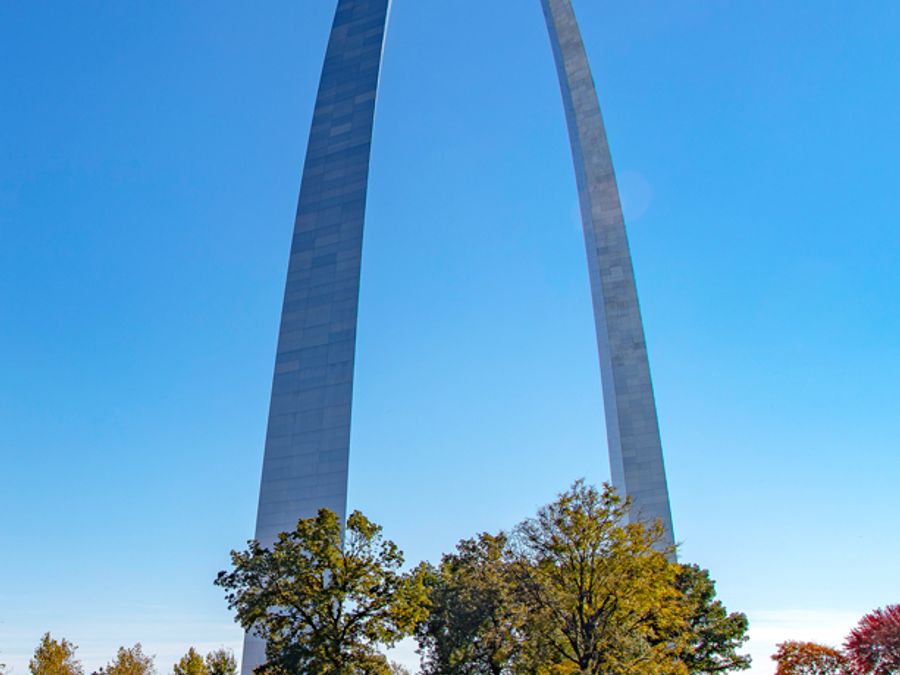
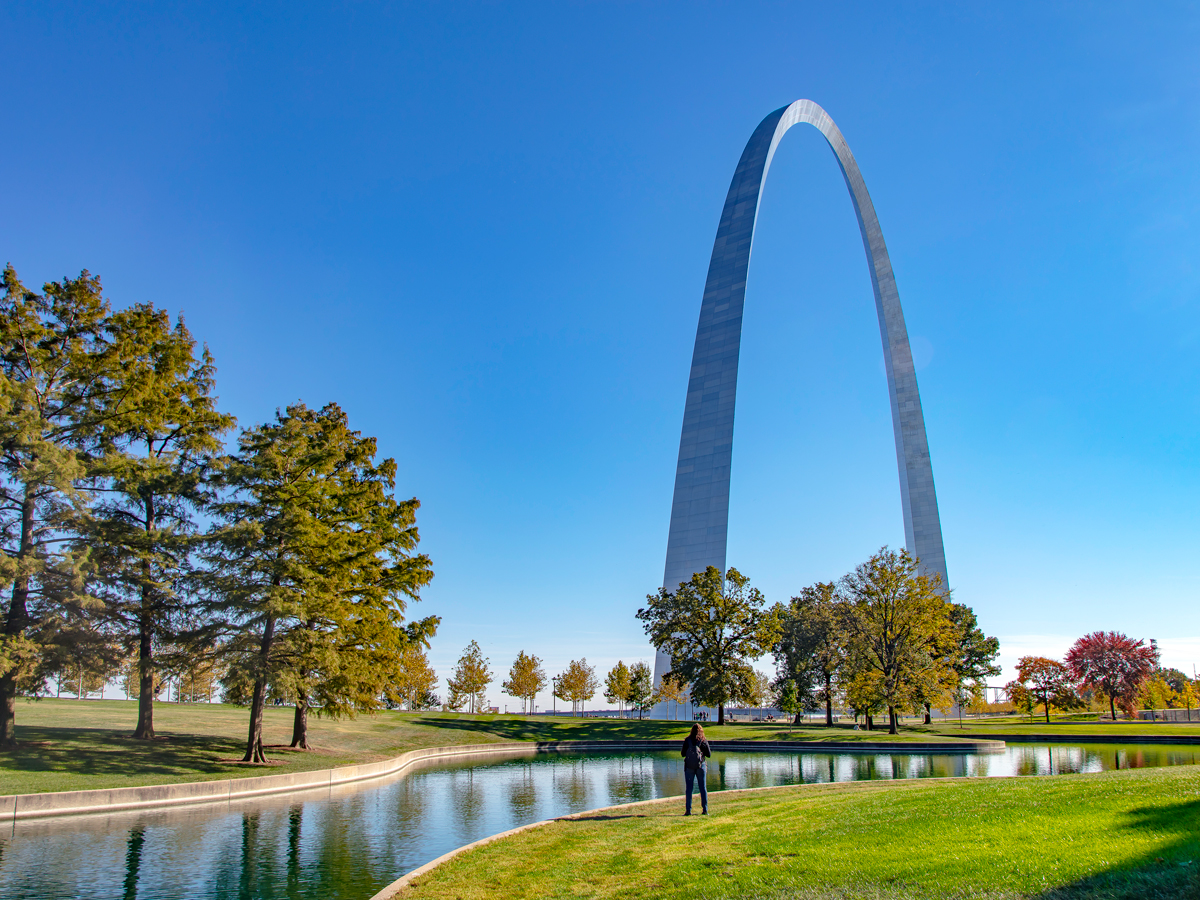
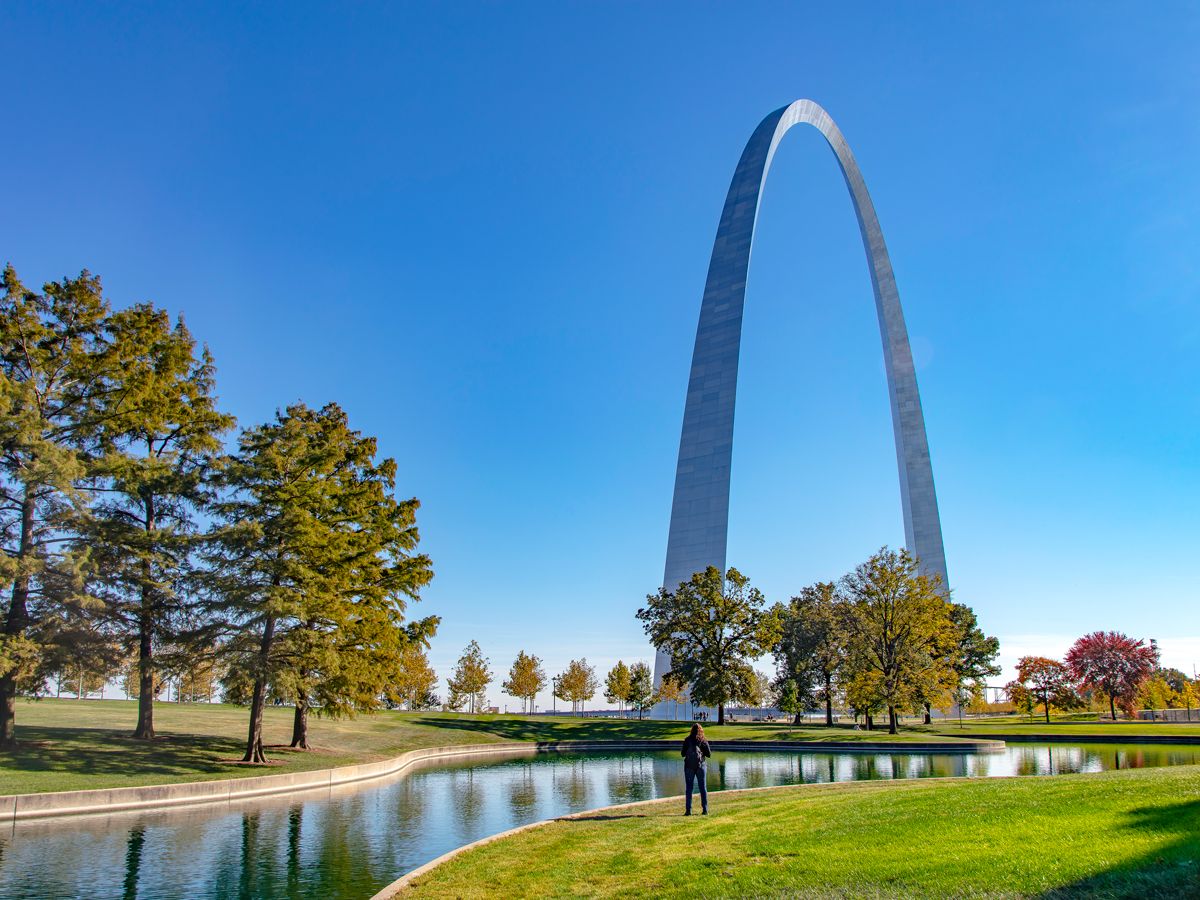
Six of the Midwest states border the Great Lakes, a defining natural feature of the region. Michigan alone borders Lakes Erie, Huron, Michigan, and Superior. The Midwest is also home to eight national parks, including Missouri’s Gateway Arch National Park (the country’s smallest national park) and South Dakota’s Badlands National Park. South Dakota is also where you can find Mount Rushmore, as well as America’s geographic center, located in the town of Belle Fourche. The Midwest also has a strong connection with American political history, as there are 11 presidential birthplaces located throughout the region, including seven in Ohio alone.

Northeast

Lighthouse on sandy beach in Cape Cod, Massachusetts
Photo credit: Lucky-photographer/ Shutterstock

The Northeast, nestled between Canada and the Atlantic Ocean, contains nine states. The region is further divided into two sections: New England (consisting of Connecticut, Maine, Massachusetts, New Hampshire, Rhode Island, and Vermont) and the Middle Atlantic (New Jersey, New York, and Pennsylvania). Seven of these states border the Atlantic Ocean; Pennsylvania and Vermont are the sole exceptions.

The Northeast is home to approximately 57 million residents, which makes it the least populous of the four Census-defined regions. The most populated state in the Northeast is New York, home to roughly 19.5 million people and the country’s largest city, New York City. Interestingly, the Middle Atlantic (with 41 million residents) has more than double the total population of New England (about 16 million residents).

There’s only a single national park located in the Northeast — Maine’s Acadia National Park — but the region has plenty of other incredible natural landmarks. These include Niagara Falls in northern New York, as well as the beach haven of Cape Cod, which extends out into the Atlantic from Massachusetts. There are plenty of historic human-made landmarks, as well, including some of the oldest buildings in the country. Rhode Island is also home to the White Horse Tavern, which is America’s oldest continuously operating restaurant, open since 1673.

South

Art installation in Charlotte, North Carolina, park with skyline in background
Photo credit: digidreamgrafix/ Shutterstock

The South encompasses 16 states, plus Washington, D.C. That includes all of the states bordering below New Jersey and the Mason-Dixon Line, as well as the states that share a border with the Gulf of Mexico. The region is divided into three segments: the South Atlantic region (Delaware, Florida, Georgia, Maryland, North Carolina, South Carolina, Virginia, West Virginia, and also Washington, D.C.), the East South Central region (Alabama, Kentucky, Mississippi, and Tennessee), and finally the West South Central region (Arkansas, Louisiana, Oklahoma, and Texas).

There are roughly 130 million Americans living throughout the South, making it the most heavily populated geographic region in the U.S. Of all the Southern states, Texas leads the pack with 30.5 million people, while Delaware — the country’s first state — brings up the rear with just over a million residents.

There are 11 national parks found throughout the South, including Mammoth Cave in Kentucky, home to the world’s longest known cave system with over 400 miles explored. There are also parks with tremendous ecological importance, such as the Florida Everglades, which is the only place in the world where alligators and crocodiles coexist. For history buffs, there are many important Civil War-era battlefields located throughout the South — including Antietam in Maryland, Harper’s Ferry in West Virginia, and Vicksburg in Mississippi. The South is also a political heavy hitter: Virginia has produced the most Presidents of any state, with eight. 

West

View of Pikes Peak in Colorado through natural stone arch
Photo credit: CG3/ Shutterstock

The fourth and final region of the United States is the West, which is the largest by total area at approximately 1.74 million square miles — accounting for roughly half of the entire country. The American West is broken down into the Mountain zone (Arizona, Colorado, Idaho, Montana, Nevada, New Mexico, Utah, and Wyoming) and the Pacific (Alaska, California, Hawaii, Oregon, and Washington).

The region contains the country’s largest state by area (Alaska and its 586,000 square miles), the country’s most populous state (California and its 39 million residents), and its least populous state (Wyoming, with 583,000 residents). All told, there are around 78 million people who call the West home.

The West contains 41 of the country’s 63 national parks, far more than any other region. A record nine of those are located in California — including sites like Yosemite and Redwood — while there are eight in Alaska, including America’s largest national park, Wrangell St. Elias (13.2 million acres). Yellowstone National Park sits atop an underground supervolcano known as the Yellowstone Caldera. This 1,350-square-mile caldera is unlike any other geological feature known throughout the country, and last erupted around 640,000 years ago. Other unique aspects of Western geography include the towering hoodoo rock formations in Utah’s Bryce Canyon, as well as the country’s deepest lake — Oregon’s Crater Lake, which descends to a depth of 1,943 feet.

Post Banner Image
Culture

The 10 Fastest-Growing Tourism Destinations in 2024

By Bennett Kleinman
Read time: 7 minutes
January 8, 2024
Updated: January 24, 2024

The 10 Fastest-Growing Tourism Destinations in 2024

By Bennett Kleinman
Author
Bennett Kleinman
Bennett is a New York City-based staff writer for Daily Passport. He previously contributed to television programs such as the Late Show With David Letterman, as well as digital publications like the Onion. Bennett has traveled to 48 U.S. states and all 30 Major League Baseball stadiums.

It probably comes as no surprise that countries such as France, Spain, and the United States have historically topped the list when it comes to annual tourism numbers. But there are plenty of lesser-known nations around the world that are growing more attractive to visitors with each passing year. From island paradises to former Yugoslav territories, these burgeoning travel destinations are on the rise at a rapid pace — and they’re only going to get more popular. Here are 10 countries that are poised to see significant increases in tourism in 2024.

North Macedonia

Narrow stone street in the old town of Ohrid, North Macedonia
Photo credit: stoimilov/ Shutterstock

North Macedonia is a relatively new country, having only achieved independence after the breakup of Yugoslavia in 1991. Since then, this once off-the-radar Balkan state has blossomed into one of Europe’s most increasingly attractive tourist destinations. The numbers back it up: Online search volume for trips to North Macedonia grew by 2,835% between 2021 and 2023, while overnight visits increased by 29.3% from September 2022 to September 2023.

There are a multitude of reasons to visit North Macedonia, but perhaps none more compelling than the city of Ohrid. This former Greek colony dates to the second century BCE and once contained a staggering 365 churches within the city limits. While many of those structures have come and gone, several stunning historic sites remain, including the Church of St. John at Kaneo. This church sits atop steep cliffs with awe-inspiring views of the crystal-clear waters of Lake Ohrid below.

Tunisia

Medieval medina in Tunis, Tunisia
Photo credit: Mltz/ Shutterstock

Fun fact: Tunisia isn’t just located in North Africa — the country actually contains the northernmost point on the continent. Tourism in Tunisia has skyrocketed since 2011, when the country’s autocratic government was replaced during the pro-democracy Jasmine Revolution. Post-pandemic, Tunisia’s tourism has only grown further: Total visitors have increased from 6.4 million in 2022 to an estimated 8.5 million people in 2023.

While in Tunisia, it’s well worth visiting the aforementioned northernmost point in Africa — Ras ben Sakka. Located on the shores of Cape Angela, this picturesque site features a monument that denotes its unique geographical location. Tunisia is also home to nine UNESCO World Heritage Sites, including the Amphitheatre of El Jem. This Roman ruin is the largest remaining colosseum in North Africa; at one time, it could hold as many as 35,000 spectators.

Vanuatu

Jungle waterfall in Vanuatu
Photo credit: Martin Valigursky/ Shutterstock

Vanuatu achieved independence in 1980, though the archipelago of 83 islands in the South Pacific Ocean was inhabited by the Melanesian peoples for centuries before then. This beachy paradise has seen a staggering 65% increase in tourism since 2019, including a 42% jump between 2022 and 2023 alone. Part of the reason for these increased tourist numbers are the growing number of flights to Vanuatu, with nonstop service now available to destinations such as Auckland, Brisbane, and Melbourne.

With pristine beaches and vibrant coral reefs, Vanuatu remains a relatively undeveloped destination. Some of the most notable natural sites include active volcanoes such as Mount Yasur and waterfalls such as the Mele Cascades. In 2003, Vanuatu opened the world’s first underwater post office, where travelers can leave letters that are picked up by scuba diving postal workers.

Bhutan

Bridge to Tamchog Lhakhang Monastery across Paro River in Bhutan
Photo credit: Sabine Hortebusch/ Shutterstock

The Kingdom of Bhutan maintains strict tourism rules in an effort to preserve its cultural heritage. This includes a conservative dress code, rigid visa regulation, and a daily fee of $200 USD (temporarily cut to $100 per day through 2027) to offset carbon generated by visitors. Surprisingly, those regulations haven’t deterred many visitors — since first opening to tourists in 1974 and initially receiving just 300 visitors, this remote Himalayan escape now attracts hundreds of thousands of adventurers annually, a number that keeps rising.

Bhutan is home to one of the most strenuous hiking trails in the world: the Snowman Trek. Only 500 hikers have completed this difficult excursion, less than the total number of people who have summited Mount Everest. Those willing to take on the challenge should know that it takes up to a month to complete the 216-mile-long journey, with altitudes ranging anywhere between 14,000 and 18,000 feet above sea level.

Colombia

Brightly painted church framed by buildings covered in flowering plants in Cartagena, Colombia
Photo credit: Jon Chica/ Shutterstock

Forming the connection between Central and South America, Colombia is another burgeoning tourist destination. More than 1.4 million tourists entered the country in the first quarter of 2023, a 49% increase over the previous year. That forecast is expected to only grow — with an 84.6% expected increase in revenue by the time that tourist levels hit their estimated peak in 2028.

While Colombia boasts plenty of appeal, from the high-altitude capital of Bogotá to the Caribbean beaches and historic walled city of Cartagena, a lesser-known secret is San Andrés. This remote island — located closer to Nicaragua than the Colombian mainland — is heralded for its fantastic snorkeling and beaches, which are best experienced between December and April during the dry season. While visiting San Andrés may cost more than traveling to mainland Colombia, it can be worth it to escape the crowds.

Slovenia

Bridge in Ljubljana, Slovenia, with view of hilltop castle in the distance
Photo credit: ecstk22/ Shutterstock

You might not be able to point out Slovenia on a map, but booking a flight there is still plenty easy. This tiny nation bordering Italy, Austria, Hungary, and Croatia has a small coastline along the northern Adriatic Sea and is considered by many to be one of the most scenic countries in all of Europe. The country saw a 38.5% increase in tourism between 2021 to 2022, and an additional 18.7% the following year. And as more people learn about this European gem, those numbers are expected to rise.

Slovenia is a wine lover’s paradise, with an estimated 28,400 wineries — that’s one vineyard for every 70 Slovenians. The capital of Ljubljana is a particularly attractive city break because there are restrictions on car traffic in the city center of Ljubljana, making it a perfect place to walk and bike the historic cobblestone streets.

Senegal

Aerial view of mosque along coastline in Senegal
Photo credit: Michal Izydorczyk/ Shutterstock

Search volume for vacations to Senegal grew 535% between 2021 and 2023, as more and more people consider visiting this West African nation. Prior to the pandemic, tourism made up just 9% of Senegal’s total GDP. But in 2016, tourism officials set a goal of welcoming 1.5 million visitors that year, and they are expected to double the number to 3 million tourists by 2023.

Senegal is home to the westernmost point in continental Africa: Pointe des Almadies. There are also seven Senegalese World Heritage Sites that are worth seeing, including Saint-Louis. This former capital of French West Africa contains some of the most striking French colonial architecture in Senegal, with many colorful houses lining the Senegal River. Saint-Louis also hosts a celebrated jazz festival between April and May each year.

Albania

Fountain in Tirana, Albania, surrounded by city skyline at dusk
Photo credit: Andrew Mayovskyy/ Shutterstock

Albania, which borders North Macedonia to the west, saw its online search trends increase by 1,272% over the last three years, as tourism continues to skyrocket. Albania has become a particularly attractive spot for Italian tourists, with a 50% increase on visits from Italian nationals alone. All told, the country has seen a 25% increase in recent visits year over year. 

Albania’s capital city of Tirana is a particularly stunning destination, and what better way to start your visit than with a cable car ride up to the top of scenic Mount Dajti? It’s also worth checking out Bunk Art, a former military base that’s since been converted into an art museum. Lastly, consider visiting the town of Durrës, which has been inhabited since the seventh century BCE and offers a mix of glistening beaches and fascinating ancient archeological sites.

Sri Lanka

Train on hillside of tea plantation in Sri Lanka
Photo credit: Melinda Nagy/ Shutterstock

While many people visit nearby India, considerably fewer tourists travel to this teardrop-shaped nation just off India’s southeastern coast. That may be changing. In recent years, Sri Lanka’s tourism numbers surpassed 110,000 annual visitors. Foreign tourist arrivals increased a whopping 159.8% between October 2022 and October 2023.

Any visitor to Sri Lanka should try the locally grown Ceylon cinnamon on Ganduwa Island, which is prized worldwide for its light and sweetest flavor profile. Sri Lanka is also known for its diverse ecology — for example, in Bundala National Park, more than 200 species of birds thrive. It’s also worth taking a day trip to Sigiriya, a towering 590-foot rock formation featuring ancient fortifications from the fifth century built on top.

Dominican Republic

Courtyard in old Santo Domingo, Dominican Republic
Photo credit: Daniel Andis/ Shutterstock

The Dominican Republic is certainly no longer a secret, but this Caribbean paradise on the island of Hispaniola continues to shatter tourism records. More than 600,000 people visited in the month of October 2023 alone, thanks to its easy accessibility from dozens of cities in North America. It’s estimated that the Dominican Republic will welcome upwards of 10 million visitors throughout 2023, with even more to come in 2024.

Given its location in the heart of the Caribbean, it should come as no surprise that the Dominican Republic is known for its stunning beaches. But the country also has a rich history, especially at the Colonial City of Santo Domingo. This capital and UNESCO World Heritage Site was founded back in 1498, and pioneered the grid city layout that many other cities have since adopted. There are also several 16th-century churches and fortresses you can visit in Santo Domingo.

Post Banner Image
Architecture

7 Impressive Examples of Roman Architecture (Outside of Italy) 

By Julia Hammond
Read time: 6 minutes
January 8, 2024
Updated: January 24, 2024

7 Impressive Examples of Roman Architecture (Outside of Italy) 

By Julia Hammond
Author
Julia Hammond
Julia is a U.K.-based travel writer whose work has been featured in The Independent, The Telegraph, The New Zealand Herald, and Culture Trip, among others. She’s an enthusiastic advocate for independent travel and a passionate geographer who has had the privilege of traveling to more than 130 countries in search of a story.

At its peak in 117 CE, the Roman Empire had spread far beyond what is now Italy. Its reach extended over 2 million square miles, from northern Britain, around the entire Mediterranean Sea, and into southern Egypt. Fast forward to the 21st century, and many of the buildings and structures that the Romans erected have remarkably survived, though some are little more than ruins. If you’re interested in seeing them for yourself, here are seven stellar examples of ancient Roman architecture located outside of Italy.  

Hadrian’s Wall – England

Hadrian's Wall on rolling green hills in British countryside, seen from above
Photo credit: Dave Head/ Shutterstock

The longest surviving fortification from the Roman Empire, Hadrian’s Wall stretches across northern England, from Bowness-on-Solway in Cumbria to Wallsend on the River Tyne. In 122 CE, during a visit to the province of Britannia on the northern edge of the Roman Empire, Emperor Hadrian ordered his army to build a wall to keep the Barbarians out. The 73-mile-long fortification took about six years to complete. Its design incorporated a string of forts and milecastles, which enabled the soldiers to fend off any attempted incursions. 

When Emperor Hadrian died, his successor Antoninus Pius decided to build the Antonine Wall in 142 CE about 20 miles north of Hadrian’s Wall. But this replacement used turf rather than stone and proved less effective, so it was abandoned in favor of Hadrian’s Wall. Over the centuries, the structure was plundered for its stone, but since the 19th century it has been protected and preserved, and is now part of a UNESCO World Heritage Site

Pont du Gard – France

Pont du Gard aqueduct bridge crossing river in southern France
Photo credit: Bertl123/ Shutterstock

Located in the Occitanie region of southern France, the Pont du Gard is the world’s tallest Roman aqueduct bridge standing today. The historic aqueduct once supplied the city of Nîmes, then the Roman colony of Nemausus, with its water in the first century CE. Built from limestone, it stands around 160 feet tall and would typically have carried about 11 million gallons of water each day. The Pont du Gard took a team of around a thousand builders five years to construct. 

After the fall of the Roman Empire, it was repurposed as an early example of a toll bridge. Now, almost 2,000 years later, an immersive museum explains how it was constructed and why it was so impressive. Guided tours run several days a week, enabling visitors to step inside the third tier of the structure. 

Amphitheater at El Djem – Tunisia

View of Amphitheater of Djem in Tunisia from top row of seats
Photo credit: Romas_Photo/ Shutterstock

Construction on the Roman amphitheater at El Djem (sometimes spelled El Jem) began in 238 CE. It was a tumultuous time in what was then Thysdrus (now a town in northeastern Tunisia). That year, the local population staged a spirited, yet ultimately unsuccessful revolt. Nevertheless, this spectacular landmark — boasting three still-accessible tiers of arcades, as well as a labyrinth of underground rooms and passages — is a testament to the effort the Romans made in providing arenas for spectator events. 

When it was finished, the amphitheater accommodated a crowd of approximately 35,000 people. Historians believe that this makes it the third-largest surviving amphitheater, after the Colosseum in Rome and that of Capua, home to the empire’s first gladiator school. Given that the structure has no foundations and is freestanding, it’s particularly noteworthy that it still stands. 

Porta Nigra – Germany

Flowers in front of Porta Nigra in Trier, Germany
Photo credit: LianeM/ Shutterstock

The Porta Nigra is a remarkably intact Roman gate that stands in the heart of Trier, which is the oldest city in Germany. Construction began in 170 CE, and originally it was one of a quartet of gates. There’s no record of what the Romans themselves called it, but it has been known as the Porta Nigra for at least 900 years. The name of the sandstone structure is Latin for “Black Gate,” most likely a nod to the dirt it acquired during its lifetime. 

For a period, the Porta Nigra was rebuilt and used as a burial place in the 11th century and later converted into a church, but it was returned to its original state on Napoleon’s orders in the early 19th century. Visitors today can admire the gate’s intricate stonework and the iron clamps that held it together. 

Cardo Maximus – Jordan

Columns lining the Cardo Maximus in Jerash, Jordan
Photo credit: volkova natalia/ Shutterstock

The Cardo Maximus was the main north-south street found in many ancient Roman cities and military forts. The one in Jerash — formerly the settlement of Gerasa and considered one of the best-preserved examples of a Roman provincial town — stretches about half a mile between the city’s North Gate and Oval Plaza. 

This Roman road is an impressive feat of engineering in its own right. Despite being constructed in the first century CE, skilled civil engineers knew to include manholes to facilitate underground drainage, and, if the cart ruts are anything to go by, constructed their roads to cope with busy traffic. Back then, around 500 colonnades would have lined the paved street, their heights varying according to the buildings that stood behind them. Some of them remain upright today and were reconstructed in the 20th century. 

Diocletian’s Palace – Croatia

Person standing inside open-air room at Diocletian's Palace in Split, Croatia
Photo credit: Kirk Fisher/ Shutterstock

When he abdicated in 305 CE, Emperor Diocletian did so in style, retiring to a house that was part luxurious villa and part Roman military camp. Today, his sprawling palace dominates the historic core of the Croatian city of Split and draws thousands of tourists every year. 

The palace, built of limestone and white marble, was as secure as a fortress — the walls that face the Adriatic Sea measure up to seven feet thick and 72 feet high. The complex once boasted 16 towers (three survive) and four gates. There was ample space to house guards and servants, as well as store a large quantity of provisions. But as well as being practical it was also fittingly magnificent, with breathtaking views out over the water and a grand gallery to display works of art.  

Temple of Diana – Spain

Temple of Diana in Mérida, Spain, seen at night
Photo credit: Eduardo MT/ Shutterstock

The Temple of Diana stands on a substantial stone pedestal in the city of Mérida, the capital of western Spain’s Extremadura region. Six granite Corinthian columns front this hexagonal structure, which was erected during the first century CE when Mérida was the Roman settlement of Emerita Augusta. 

Today, it is little more than a skeleton of its former self, though it’s surely an eye-catching and intriguing one. Behind, visitors will see the palace of the Duke of Corbos, built in the 16th century. Surrounding the Temple of Diana on the other three sides are modern shops, offices, and houses — whose ordinariness only serves to highlight the sacred significance of the temple. It’s not the only ancient architecture to survive in Mérida, either. Take a stroll and you’ll soon come across a Roman theater, amphitheater, Trajan arch, hippodrome, and aqueduct.

Post Banner Image
Geography

The 10 Most Populous U.S. States Compared to Foreign Countries

By Bennett Kleinman
Read time: 6 minutes
January 8, 2024
Updated: January 24, 2024

The 10 Most Populous U.S. States Compared to Foreign Countries

By Bennett Kleinman
Author
Bennett Kleinman
Bennett is a New York City-based staff writer for Daily Passport. He previously contributed to television programs such as the Late Show With David Letterman, as well as digital publications like the Onion. Bennett has traveled to 48 U.S. states and all 30 Major League Baseball stadiums.

Home to over 335 million people, the United States is the world’s third-largest country by population size, and many of its individual states are home to far more residents than some entire independent nations. That begs the question: What countries come closest to the biggest states in terms of population numbers? Here are the 10 most populous states and which countries they compare most closely to. (And if you’re wondering about the largest states by land area, we’ve compared that, too.) 

10. Michigan – Tajikistan

Partially frozen Iskanderkul Lake in the Tajikistan mountains
Photo credit: Mohamed Waheed Aly/ Shutterstock

As America’s 10th-most populous state, Michigan is home to roughly 10 million people. The Wolverine State has a population density of approximately 178 people per square mile. Michigan’s population numbers are within striking distance of the Central Asian nation of Tajikistan. The landlocked country — bordering Kyrgyzstan, China, Afghanistan, and Uzbekistan — is home to around 10.2 million people and 188 individuals per square mile. Approximately 621,000 Michiganders reside in Detroit, which is the state’s most populous urban area. Tajikistan’s largest city is its capital, Dushanbe, which has around 779,000 residents.

9. North Carolina – Sweden

Colorful row homes along city square in Stockholm, Sweden
Photo credit: Mistervlad/ Shutterstock

Approximately 10.7 million individuals live in North Carolina, enough to make it America’s ninth-most populous state. Those numbers equate to a population density of roughly 214.7 people per square mile. The Tar Heel State’s total population most closely compares to the Scandinavian nation of Sweden, where there are 10.6 million residents. However, Sweden’s density is much more spread out, as there are only an average of 67 Swedes per square mile of land. Charlotte, where approximately 886,000 people reside, is North Carolina’s biggest city, while Raleigh is the state capital. Sweden’s capital city of Stockholm is also its largest city, with upwards of 1.5 million inhabitants.

8. Georgia – South Sudan

Aerial view of city park in Atlanta, Georgia, and skyscrapers in distance, lit at night
Photo credit: Sean Pavone/ Shutterstock

There are just shy of 11 million people living in the state of Georgia (not to be confused with the country of the same name, where only 3.7 million people live). Georgia’s population density is around 185.6 people per square mile. In terms of total population, the state of Georgia aligns most closely with the world’s newest country, South Sudan. Located in Central Africa, South Sudan has upwards of 11.1 million people and a population density of around 47 people per square mile. The largest city in Georgia is the capital of Atlanta (with a population of 499,000), while South Sudan’s most populous city is also its capital, Juba (population: 450,000).

7. Ohio – Haiti

Park, river, and skyscrapers in downtown Columbus, Ohio
Photo credit: f11photo/ Shutterstock

The Buckeye State is home to approximately 11.8 million people, with a population density of around 288.8 people per square mile. Ohio’s total population is about 35,000 people smaller than the Caribbean nation of Haiti. However, the island country’s population density is significantly higher than Ohio, with around 1,102 Haitians per square mile. The most populous city in Ohio is its capital of Columbus, with around 908,000 residents, followed by Cleveland (362,000) and Cincinnati (310,000). The most populous city in Haiti is its capital, Port-au-Prince, with an estimated population of around 987,000 people.

6. Illinois – Tunisia

Aerial view of Chicago River and skyscrapers
Photo credit: Rudy Balasko/ Shutterstock

About 12.6 million people call Illinois home, giving the state a density of approximately 230.8 residents per square mile. That puts Illinois within striking distance of the population of the North African country of Tunisia, where there are roughly 12.5 million residents and around 208 people living within each square mile. A sizable chunk of the Illinois population — some 2.6 million people — live in the city of Chicago, while only 113,000 people reside in the capital city of Springfield. In Tunisia, the largest city is the capital, Tunis, where around 693,000 people live.

5. Pennsylvania – Burundi

Barren tree and hut on stilts on beach on Lake Tanganyika in Burundi
Photo credit: mbrand85/ Shutterstock

The fifth-most populous state in the Union is Pennsylvania, which is home to around 13 million residents. That gives the Keystone State a population density of 290.6 people per square mile. Pennsylvania’s total population is closest in size to the Central African nation of Burundi, which is home to about 13.3 million people at a density of 1,335 people per square mile. Pennsylvania’s most populous city by far is Philadelphia, which has 1.6 million residents, followed by runner-up Pittsburgh, where about 303,000 people live. Burundi has two capital cities: Bujumbura (the economic capital) and Gitega (the political capital). The former is the most populous city in the country, with around 332,000 residents, while Gitega is home to roughly 135,000 people.

4. New York – Kazakhstan

Aerial view of paddle-boarder on river in Almaty, Kazakhstan
Photo credit: Pikoso.kz/ Shutterstock

More than 19 million people call New York home, giving the state a population density of 428.7 people per square mile. The closest country by comparison is Kazakhstan, a Central Asian nation where around 19.7 million people live. However, Kazakhstan’s population is far more distributed over the country’s vast area, with an average of only 19 people per square mile. The Empire State’s largest city is New York City, where over 8.3 million people live. New York’s capital, Albany, is home to just over 100,000 people. The most populous city in Kazakhstan is Almaty with around 2 million residents, while its capital — Astana — is home to roughly 346,000 people.

3. Florida – Sri Lanka

Red brick buildings in Tallahassee, Florida
Photo credit: felixmizioznikov/ iStock

There are approximately 22.2 million Floridians living in the Sunshine State, giving it a density around 401.4 people per square mile. That population closely compares to the island nation of Sri Lanka. Located just off the coast of India, Sri Lanka is home to slightly fewer than 22 million people, with around 904 people living within each square mile. Florida’s most populous city is Jacksonville, with 971,000 residents, while the capital city of Tallahassee is home to approximately 202,000 people. Colombo, the biggest city in Sri Lanka and the country’s financial hub, is home to roughly 5.6 million residents.

2. Texas – Madagascar

Exterior of the Queen's Palace in Antananarivo, Madagascar
Photo credit: Artush/ Shutterstock

There are upwards of 30 million people who reside in Texas, which makes it the second-most populous state in the country. Given its expansive land area, there are only an average of 111.6 people living in each square mile. Madagascar — the country closest in size to Texas — is home to approximately 150,000 residents more than the Lone State State, with roughly 135 people per square mile. Approximately 2.3 million people live in Houston, making it the largest city in Texas. The Malagasy capital city of Antananarivo is the largest city in Madagascar, with approximately 1.4 million residents.

1. California – Canada

Skyline of Calgary, Alberta, Canada
Photo credit: Nick Fox/ Shutterstock

California is America’s most populous state. Home to just under 39 million individuals, the Golden State has a population density of 253.7 people per square mile. California’s size is roughly on par with the entire population of America’s northern neighbor, Canada. However, Canada is the world’s second-biggest country, covering 3.9 million square miles, so you’ll only find around 11 Canucks per square mile. California contains two cities with upwards of a million residents: Los Angeles (3.8 million) and San Diego (1.4 million). The entire country of Canada is only home to three cities with upwards of a million residents: Toronto (2.6 million), Montreal (1.6 million), and Calgary (just over 1 million).

Post Banner Image
Culture

5 of the Oldest Theaters in the World 

By Jersey Griggs
Read time: 4 minutes
January 8, 2024
Updated: December 11, 2024

5 of the Oldest Theaters in the World 

By Jersey Griggs
Author
Jersey Griggs
Jersey is a travel and lifestyle writer whose work has appeared in publications such as Condé Nast Traveler, Business Insider, and Bust. When she’s not exploring her adopted home state of Maine, she’s likely planning her next big trip.

Forget popcorn and recliner seats — theaters have come a long way from their earliest days. Stemming from the Greek word theatron, meaning “viewing place,” these outdoor venues hosted thousands of people in ancient times to watch dramatic plays, listen to musical concerts, and laugh at comedy performances. Check out five of the oldest theaters in the world and the fascinating stories behind them.

Roman Theater of Orange – France

View from side of the stage of the Roman Theater of Orange, France
Photo credit: Gerhard Roethlinger/ Shutterstock

Located in France’s Rhône Valley, the Roman Theater of Orange is perhaps one of the best-preserved ancient theaters in the world. Dating back to the early first century CE, the theater was built during the reign of Emperor Augustus, a statue of whom is set in the theater’s facade. Packed with centuries of history, the theater was pillaged in the fifth century BCE, and also served as a refuge during the religious wars that occurred about a thousand years later.

Featuring seats for 10,000 spectators, the UNESCO World Heritage Site was built into the side of a hill surrounding a central orchestra pit that once housed the choir. The theater’s pièce de résistance is its 121-foot-high wall, once lauded by King Louis XIV as the “most beautiful wall in my Kingdom.” Today, the theater still hosts performances to packed crowds, with many events free to the public. 

Theater of Mérida – Spain

Image of the Theater of Mérida in Spain
Photo credit: WINDCOLORS/ Shutterstock

Constructed in 15 BCE, the Mérida Roman Theater was formerly located in the capital of the Roman province of Lusitania in modern-day Spain. Although the idea of theater was not popular at the time of its construction, the ruling class believed the city required a theater to match its prestige. Thus, Agrippa, the son-in-law of the Emperor, ordered one to be built. The surrounding arena holds a capacity of 6,000 spectators, while the stage is decorated with statues of gods and emperors, including the emperor’s wife, Livia, dressed as the goddess Ceres.

Today, the theater annually hosts the Festival de Mérida, Spain’s oldest classical theater festival. With its ancient walls and outdoor seating still intact, Mérida welcomes talented actors from all over to perform on one of the oldest stages in the world.

Greek Theater of Taormina – Italy

View of Greek Theater of Taormina in Sicily, Italy, overlooking the sea
Photo credit: essevu/ Shutterstock

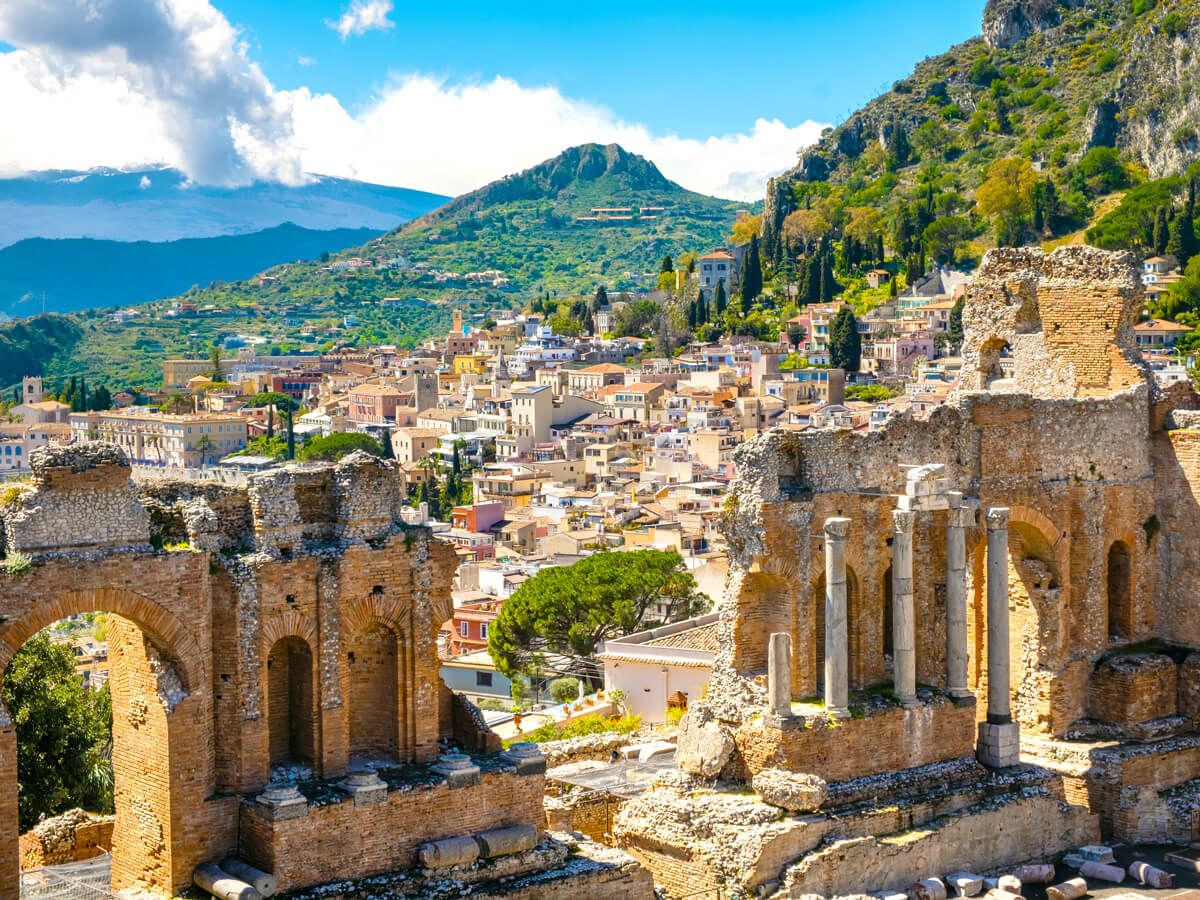
Carved into the side of Mount Tauro during the third century BCE, the Greek Theater of Taormina’s stage today is little more than ruins. Still, its spectacular location on the Sicilian coastline makes it well worth the visit, with views that stretch across the Ionian Sea. The theater once hosted ancient Greek musicals and performances and required 100,000 cubic meters of rock to be excavated from a nearby mountain to build. During the Roman occupation, several columns were added, and the theater transformed into an arena for gladiators with space for 5,400 spectators to watch dramatic scenes unfold.

Once favored by Roman politicians, Taormina continues to thrive as a popular destination for tourists. Thousands of years after it was first built, the theater — having survived earthquakes, wars, and erosion — continues to host seasonal concerts and performances.

Theater of Delphi – Greece

Overview of ruins of Theater of Delphi in Greece with mountains in background
Photo credit: Sergey Novikov/ Shutterstock

Built into the hillside near the Temple of Apollo, the Theater of Delphi was built in the fourth century BCE out of limestone excavated from Mount Parnassus. It had space to accommodate roughly 5,000 ancient spectators. With 35 descending rows, a circular stage, and space for an orchestra, Delphi was a popular site during ancient festivals, with poets, playwrights, and musicians taking to the stage to entertain the public.

The theater lasted through the Hellenistic and Roman periods and was renovated on more than one occasion — including in 159 BCE by Eumenes II, and later in 67 CE to prepare for a visit from Emperor Nero. Offering picturesque views of the mountainside and olive groves below, the ancient theater remains open to the public and often hosts plays during the summer.

Theater of Dionysus – Greece

Theater of Dionysus in Athens, Greece
Photo credit: photooiasson/ iStock 

Dating back to the sixth century BCE, the Theater of Dionysus in Athens, Greece, is considered the oldest theater in the world. With construction that spanned centuries, the theater likely accommodated up to 17,000 spectators at its height during the fourth century BCE. It featured front-row seats carved into elaborate thrones reserved for the upper echelon of society.

The stage — which depicts scenes from the life of the Greek god of wine, Dionysus — was host to the works of ancient playwrights such as Sophocles, Aristophanes, and Euripides. In addition to the first plays of Athens, musicians, dancers, and mimes would often perform on stage to delighted audiences. Located on the south side of the Acropolis, this outdoor theater no longer hosts performances but remains open to visitors.

Post Banner Image
Outdoors

The Single Best Thing To See in the 10 Most Popular U.S. National Parks

By Nicole Villeneuve
Read time: 6 minutes
December 21, 2023
Updated: April 9, 2025

The Single Best Thing To See in the 10 Most Popular U.S. National Parks

By Nicole Villeneuve
Author
Nicole Villeneuve
Nicole is a writer and researcher with over 15 years of experience seeking out arts, culture, and lifestyle stories in places like remote northern Quebec and the unforgettable streets of Amsterdam. Her work has also appeared in PureWow, Brit + Co, AUX TV, and CBC.

The National Park System is one of America’s most important natural treasures. Each year, hundreds of millions of visitors flock to the parks for their recreational opportunities, historical significance, and majestic scenery. The most popular parks are also home to some of the country’s most iconic natural attractions, such as Yellowstone’s Grand Prismatic Spring and Yosemite’s ancient giant sequoia trees. Along with the well-trodden sights, there are some overlooked marvels in the national parks, too. Check out our picks for the single best thing to see in the 10 most popular U.S. national parks.

Big Bend – Glacier National Park, Montana

Flower-filled field with towering mountains in background in Montana's Glacier National Park
Photo credit: Hill Photography/ Shutterstock

For many, the highlight of Glacier National Park’s Going-to-the-Sun Road — one of the most scenic drives in the U.S. — is the spot known as Big Bend. The sweeping curve in the road is located just before Logan Pass, the highest elevation reachable by car in the park. Big Bend is renowned for its Lake McDonald Valley vistas and its spectacular sunset views, set against Mount Oberlin, Mount Canon, and Heavens Peak. If you visit in the mid-summer, you might even be lucky enough to take in the meadows of vibrant wildflowers. 

The Ledges – Cuyahoga Valley National Park, Ohio

Steps up the Ledges in Cuyahoga National Park in Ohio
Photo credit: Wildnerdpix/ Shutterstock

The Ledges (also known as the Ritchie Ledges) are remnants from when Ohio was covered in a tropical ocean millions of years ago. The striking rock formations are made up of a unique regional geological formation known as the Sharon Conglomerate — a sedimentary composition of many rock fragments, including white quartz pebbles, cemented together with sand and mud. The moss-covered cliffs of the Ledges create dozens of narrow pathways and alcoves to explore. Signs of the Ledges’ history are located along the trail, along with remnants of old waterways and honeycomb-like weathering in the rockface. The Ledges also feature the Ice Box Cave, a cavern located 50 feet underground and aptly named for its cool year-round temperature.

Cholla Cactus Garden – Joshua Tree National Park, California

Cholla Cactus Garden in Joshua Tree National Park
Photo credit: JeniFoto/ Shutterstock

It’s difficult to choose just one standout feature among the otherworldly landscape of Joshua Tree, but the Cholla Cactus Garden might just be the most captivating natural attraction of the Southern California national park. The area is known for its dense concentration of cholla cacti. These tight clusters of small, spiky spines appear fuzzy — hence their other name, the teddy-bear cholla. Visitors can enjoy the cactus garden by walking a short loop trail that showcases not only the teddy-bear cacti, but also desert lavender, Starvine, and forget-me-nots. It’s important not to get close to the Chollas, though — despite their cuddly name, their sharp barbs can easily detach and cling to passersby, earning them the nickname “jumping cholla.” 

Grand Prismatic Spring – Yellowstone National Park, Wyoming 

Rainbow-colored Grand Prismatic Spring in Yellowstone National Park, seen from above
Photo credit: EastVillage Images/ Shutterstock

It’s one of the most popular attractions in the park for a reason: Yellowstone’s Grand Prismatic Spring is a vivid pool of turquoise water surrounded by vibrant orange, brown, and green colored rings — the result of microorganisms known as thermophiles which thrive in the near-boiling water. The spring is certainly not hard to spot, either. At 370 feet in diameter, Grand Prismatic is the third-largest spring in the world, measuring larger than a football field. Its hot temperature and cooler ambient air also mean it’s often releasing an ethereal steam that makes it look even more like something out of a sci-fi scene.

The Grizzly Giant – Yosemite National Park, California

Forest of giant Sequoia trees in Yosemite National Park
Photo credit: Beach Creatives/ Shutterstock

Yosemite National Park is home to three ancient Sequoia tree groves. The Mariposa Grove, located in the southern part of the park, is the largest and is home to over 500 mature giant sequoias. The undeniable star of the show is the Grizzly Giant. Estimated to be about 3,000 years old, the tree towers over 200 feet tall, with branches that reach a diameter of six feet. Not only is it the second-oldest tree in the park, but the Grizzly also holds a special charm: In 1903, President Theodore Roosevelt spent a night camping under the giant — an excursion that is said to have helped inspire his legacy of conservation.

Sand Beach – Acadia National Park, Maine 

Rocky cove in Acadia National Park in Maine
Photo credit: Anthony George Visuals/ Shutterstock

Located on the east side of Mount Desert Island in Acadia National Park, Sand Beach is a small but stunning stretch of coastline, popular for its shell-strewn shore nestled between rocky cliffs. The real magic happens after dark, when the sandy beach becomes an ideal viewing location for stargazing. The park boasts the largest expanse of dark sky east of the Mississippi River. Its south-facing view over Newport Cove has unobstructed views and minimal light pollution, and if you visit in July or August, you have a pretty good chance of clearly seeing the Milky Way.

Wild Elk Population – Rocky Mountain National Park, Colorado 

Wild elk grazing in Rocky Mountain National Park
Photo credit: blewulis/ Shutterstock

There’s no shortage of stunning landforms in Colorado’s Rocky Mountain National Park, but one of the most thrilling experiences is spotting the abundant elk population. Several areas in the park are known for elk sightings: the meadows of Moraine Park, the flat lands of Horseshoe Park, and the Kawuneeche Valley (where you might even spot some moose, too). Elk are more likely to be active at dawn or dusk, particularly during the fall mating season in September and October. Of course, it’s crucial to maintain a safe and respectful distance from the animals — some of them stand five feet tall at their shoulders and can weigh several hundred pounds.

The Narrows – Zion National Park, Utah 

View of the Narrows canyon in Zion National Park
Photo credit: Roman Khomlyak/ Shutterstock

It’s one thing to see the awe-inspiring photos of rock formations in Zion National Park — but it’s a whole other experience to get up close and personal with them. A hike through the Narrows will take you through a canyon of small and — you guessed it — narrow paths, where you’ll be surrounded by Navajo sandstone walls that reach over a thousand feet tall. An excursion through the Narrows also involves wading through Utah’s Virgin River, another unique experience of the area’s stunning geology. 

Hopi Point – Grand Canyon National Park, Arizona

Hopi Point lookout over Grand Canyon at sunset
Photo credit: ventdusud/ Shutterstock

The Grand Canyon welcomes some 6 million visitors every year, and many of them head to one of the best lookouts in the park: Hopi Point. This spot offers spectacular panoramic views of the deep and ancient canyon. Protruding further out into the canyon than any of the other South Rim overlooks, Hopi Point offers one of the clearest views of the canyon’s vastness and its intricate geological makeup, shaped over millions of years. The west-facing lookout is particularly popular at sunset. Hopi Point is only accessible by shuttle, and there will likely be a lengthy wait to leave after the sun goes down — but trust us, it’s worth sticking around.

Synchronous Fireflies – Great Smoky Mountains National Park, North Carolina, and Tennessee

Synchronous fireflies seen at night in Great Smoky Mountains National Park
Photo credit: Alisha Bube/ Shutterstock

For a brief period each year, typically in late May to early June, thousands of Photinus carolinus fireflies — also known as synchronous fireflies — gather in the Great Smoky Mountains National Park and synchronize their flashing patterns. The bioluminescent light show, part of the fireflies’ mating practice, typically lasts for two to three weeks and makes for a magical spectacle that is a highly sought-after experience. The park conducts a lottery system for parking passes to manage the crowd and preserve the delicate ecosystem.

Post Banner Image
Tips

Why You Should Double Check Your Passport — Right Now

By Fiona Mokry
Read time: 4 minutes
December 21, 2023
Updated: February 19, 2025

Why You Should Double Check Your Passport — Right Now

By Fiona Mokry
Author
Fiona Mokry
Fiona has spent her career exploring the world and working in the travel industry, turning her lifelong passion into a profession. From planning custom trips to sharing stories as a travel writer for publications such as The Discoverer, she’s all about helping others experience the world in a deeper, more meaningful way.

Your flights are booked, your hotels are paid for, and the excitement of an international trip is getting real. But are you sure you’re ready to fly? Before you pack your bags and head to the airport, you might want to look twice at the expiration date on your passport. Even if your passport hasn’t yet expired, it still might not be valid for foreign travel. Follow these essential tips to ensure you’re fully prepared for your next international trip.

What Is the Six-Month Rule?

Erdene Zuu Monastery in Mongolia
Photo credit: Rachel Poirot/ iStock

Before you travel, it’s a good rule of thumb to make sure your passport’s expiration date is six months beyond the date of your intended stay in your foreign destination(s). For example, if you plan to depart your destination on March 30, your passport should be good through at least September 30. Why six months? Some countries applied this rule to ensure travelers’ passports don’t unexpectedly expire while abroad if they have to extend their trip. If this were to happen, it would take significant time to get a new passport or extend a visa, and remaining in a country longer than you anticipated can lead to a strained and difficult financial situation. The six-month rule provides a buffer that helps avoid a potentially unwanted situation. 

Check the Fine Print

Statue in Old Town Warsaw, Poland
Photo credit: NiseriN/ iStock

It’s important to check each country’s requirements carefully before you travel, as there are some nuances to the six-month rule. Most countries in Asia and South America — like Peru, Thailand, and Turkey — require six months of passport validity from the day of arrival. However, the requirements for Vietnam state your passport must be valid for six months beyond your stay. Others, like Jordan, don’t specify. To be safe, it’s wise to travel to these countries with a passport that’s valid for six months beyond your intended stay.  

There are also plenty of exceptions to the six-month rule — so, a good rule of thumb is to carefully check the entry requirements for each country on the State Department’s website

Related: 26 Rules for Flying in 2026 Every Traveler Should Follow

What Is the Schengen Agreement — and What Does It Mean for European Travel?

Old Lyon, France, along riverfront
Photo credit: Wirestock/ iStock

One notable exception to the six-month rule that many U.S. travelers will come across is the border-free zone called the Schengen Area. Travel to Europe is relatively seamless for U.S. passport holders, but for all 27 Schengen countries (which include popular destinations like Spain, Italy, and Greece), you do need a passport that’s valid for three months beyond your intended departure date. Travelers are permitted to stay in these countries for up to 90 days without a visa. So, if you plan to stay in the Schengen Area for the entire duration of the 90-day tourist visa, then you’ll need to make sure your passport is valid for six months from your intended departure. 

But in general, the State Department recommends sticking on the safe side and traveling with a passport that’s valid for six months beyond departure. Also, the department’s website notes to carefully check the passports of any children you’re traveling with under the age of 16, as those are valid for five years instead of the full 10 years for adult passports. 

Other Exceptions to the Rule

Busy street market in Phuket, Thailand
Photo credit: adisa/ iStock

Some countries take a more lax approach to passport validity requirements. If you’re itching to travel but notice your passport is about to expire, consider destinations such as South Africa and Hong Kong, which both require 30 days of passport validity beyond your intended date of departure. There are also a few countries that will welcome you and your passport at nearly any time: Costa Rica, Australia, U.K. and Ireland, the Bahamas, Canada, and Mexico only require your passport to be valid for the duration of your stay.

My Passport Has Expired — Now What?

Hiker in the Swiss Alps
Photo credit: fokke baarssen/ Shutterstock

If you have travel plans and realize your passport won’t be valid for your upcoming trip, you should renew your passport as soon as possible. Passports can only be renewed by mail (online renewals are currently paused as of early 2024). If you answer “yes” to all five eligibility questions here, you can submit a renewal application by mail. Routine processing time is seven to 10 weeks. If you want your passport back quicker, choose the expedited service, which add another $60 in fees. You should receive your new passport within three to five weeks.

What Do I Do With My Expired Passport?

Giraffe roaming in South Africa
Photo credit: SL_Photography/ iStock

Additionally, you can still use valid visas in expired passports. For example, if you have a five-year, multiple entry visa for India in your expired passport, be sure to carry both your expired passport with the valid visa and your new passport when you travel. 

After you get your new passport, you’ll also receive your expired passport back with either a hole-punch on the cover or the corner cut off. This indicates the passport is invalid. Although the invalid passport can’t be used for travel, it can be a fun keepsake of stamps and visas from the different countries you traveled to. 

Post Banner Image
Tips

7 Countries That Will Pay You To Move There

By Daily Passport Team
Read time: 6 minutes
December 20, 2023
Updated: December 18, 2025

7 Countries That Will Pay You To Move There

By Daily Passport Team
Author
Daily Passport Team
Daily Passport writers have been seen in publications such as National Geographic, Food & Wine, CBC, Condé Nast Traveler, and Business Insider. They're passionate about uncovering unique destinations and sharing expert tips with curious travelers.

Moving can be an expensive process, but what if you could pick up your life and try somewhere new with a little financial help? Some parts of the world are happy to assist if it means attracting skilled labor — with added benefits for the wider local economy and community. Check out these seven countries that offer financial incentives to relocate.

Portugal

Village of Piodao, Portugal, nestled in valley
Credit: TPopova/ iStock via Getty Images Plus 

Portugal has a highly uneven population distribution, with the densest concentrations of settlement along the coast, particularly in cities such as Lisbon and Porto. Head inland and the situation is very different, so the Portuguese government has taken action in an attempt to even out its communities. 

The Emprego Interior MAIS program is aimed at supporting struggling regions by incentivizing migration. The program launched in 2020, and a year later it was extended to foreign nationals. Those who qualify can receive financial support for their move to Portugal’s interior with a payment of 2,633 euros (about $3,090 USD), plus up to 878 euros ($1,030) to subsidize relocation costs.

To qualify, recipients of the grant must have the right to work in Portugal. They must have employment already lined up before the move, and it must be a permanent relocation (defined in this case as a contract covering a period of at least 12 months). The program is also open to remote workers, which makes it an especially attractive prospect for foreigners, particularly when you take into account the relatively low cost of living in Portugal.

United Kingdom

Red telephone booth near Big Ben in London, England
Credit: Mistervlad/ Shutterstock

If you’re searching for countries that pay you to move there, the British government is eager to attract teaching talent from overseas as part of its “Get Into Teaching” program. If you’re a qualified physics or languages teacher, the program offers an international relocation payment of £10,000 GBP (about $12,700 USD) to help with moving costs, accommodation, and related expenses. 

To qualify, you must already be in receipt of a teaching job offer in one of the approved subjects. Other conditions apply, too — for example, you must hold a relevant working visa and you can’t move to the U.K. more than three months before your start date. Applications open at the start of each term.

Italy

Cobblestone street lined with white houses in Puglia, Italy
Credit: nicholas moulds/ iStock via Getty Images Plus

If you’ve ever dreamed of living la dolce vita in Italy, then purchasing one of its 1 Euro Houses could be the answer. Across the country, villages and towns experiencing depopulation faced an unsightly consequence — watching the condition of their abandoned housing stock deteriorate and local businesses close. 

In a radical approach, some local authorities have signed up for a scheme in which outsiders commit to renovating and restoring these empty properties in exchange for an unbelievable bargain of an asking price — yes, really as low as 1 euro (though prices will vary). From the Valle d’Aosta in the north to Puglia in the south, a wide selection of Italian real estate is on offer.

Precise terms and conditions also vary, and fees and taxes will apply. Strictly speaking, Italy isn’t paying you to live there, but if you’re happy to put the work in and meet the necessary requirements, an Italian residence could be yours for a steal.

Chile

Church and hillside homes in Valparaíso, Chile
Credit: Patrick Donovan/ Moment via Getty Images 

Chile’s extraordinary landscapes and vibrant cities make it an enticing destination for travelers. But entrepreneurs from around the world can find out firsthand what it’s like to actually live in Chile by applying for a program that has already given a leg up to startups led by individuals from 85 different countries.

Start-Up Chile launched in 2010 and is backed by CORFO, the Chilean Economic Development Agency. Interested parties can apply for equity-free investment to grow their company, but they need to demonstrate that their businesses are technology-focused, innovative, and scalable. 

It’s not just about the money, as mentorship, networking, co-working space, and other industry support is also part of the package. Once you’re in possession of the requisite temporary resident visa (they’ll help with that, too) you’ll remain in Chile for up to 12 months before you can apply for permanent residency. 

Spain

Arch of the Star in the main square of Caceres, Spain
Credit: Rudolf Ernst/ iStock via Getty Images Plus

In 2023, Spain launched its Digital Nomad visa aimed at non-EU nationals. The application process is relatively straightforward, so long as you meet certain criteria. These include holding a university degree or having at least three years’ work experience in your chosen field. The visa is valid for a year, but it can be renewed for up to five years.

If you’re a digital nomad, you might consider relocating to a region that is one of Spain’s hidden gems: Extremadura. Here, one rural valley is hoping to entice those who can work anywhere with an attractive financial package. Under the “Live in Ambroz” program, remote workers who are eligible to reside in Spain can access grants of up to $16,000 USD.

It’s not the first place in Spain to tackle rural depopulation by advertising financial benefits for eligible outsiders keen to relocate. In the past, places such as Ponga in Asturias, Griegos in Aragon, and Rubia in Galicia have done so, too. But opportunities are limited, and offers don’t tend to last long, so act quickly if you’re interested.

Pitcairn Island

Cruise ship off the coast of Pitcairn Island
Credit: Camillo Cinelli/ Shutterstock 

If you truly wish to get away from it all, it’s possible to get a free parcel of land on Pitcairn Island. One of the most isolated places on Earth, the island is part of a British Overseas Territory in the South Pacific and has a population of around 50 people. There’s no airport, but residents qualify for discounted passage on weekly ship crossings to New Zealand, the nearest major country.

The Pitcairn government acknowledges that life in such a remote place isn’t for everyone. However, faced with challenges such as outward migration and an aging population, it has made it easier for foreigners to secure employment and a home, though, as of early 2025, the immigration process is currently on pause. 

When applications open up again, those approved for settlement or permanent resident status are also eligible to apply for land. “New Migrant Home” plots are offered on a leasehold basis, subject to availability. These sites typically measure about 16,000 square feet in size, sufficient for a family home. The land is free, though you will have to front the cash to build a house on it. 

Ireland

Bridge over the River Lennon in County Donegal, Ireland
Credit: by Andrea Pucci/ Moment via Getty Images 

Island life might be more tempting if home base is just off the Irish mainland. In 2023, Ireland launched the Our Living Islands program in an attempt to repopulate 30 islands with a total combined population of fewer than 3,000 people. The smallest, Inis Bó Finne, is home to just a handful of permanent residents. 

One aspect of the policy encourages people to renovate empty properties and turn them into permanent homes. While you can’t bypass Ireland’s immigration process, those already eligible to live in Ireland can apply for a Vacant Property Refurbishment Grant of up to 60,000 euros (about $62,350 USD) toward the cost of renovations. The payment rises to 84,000 euros ($87,300 USD) if the island property is considered derelict.

Post Banner Image
Outdoors

Visiting the “Polar Bear Capital of the World” in Churchill, Manitoba

By Daily Passport Team
Read time: 6 minutes
December 20, 2023
Updated: January 24, 2024

Visiting the “Polar Bear Capital of the World” in Churchill, Manitoba

By Daily Passport Team
Author
Daily Passport Team
Daily Passport writers have been seen in publications such as National Geographic, Food & Wine, CBC, Condé Nast Traveler, and Business Insider. They're passionate about uncovering unique destinations and sharing expert tips with curious travelers.

Since most of us don’t live anywhere near the North Pole, we don’t get the opportunity to see polar bears in the wild. But in the Canadian province of Manitoba, there’s a small town where polar bears roam close to civilization, allowing visitors the rare opportunity for a closer (but safely distanced) look at the world’s largest land carnivores. Here’s everything you need to know visiting Churchill, Canada — the “polar bear capital of the world.” 

Why It’s Considered the “Polar Bear Capital”

Two polar bears on snow- and grass-covered field at sunset
Photo credit: CherylRamalho/ Shutterstock

The World Wildlife Fund (WWF) estimates there are between 22,000 and 31,000 polar bears remaining in the wild, and 60% to 80% of them live in Canada. The town of Churchill, Manitoba, claims to be the “polar bear capital of the world,” and for good reason. Though there are regions on Earth with greater numbers of polar bears, to find so many congregating close to a single settlement is rare. In terms of accessibility, the title is justified.

Churchill is a small town that reported a population of just 899 people in the 2016 census. Each year, at least as many polar bears (if not more) migrate south across the Hudson Bay to join them. The human population swells dramatically too, as tourists from across the globe descend on the place in search of the ultimate wildlife experience.

How Do You Get There?

Rock formations on icy landscape in Manitoba, Canada
Photo credit: Sophia Granchinho/ Shutterstock

No roads lead to Churchill, so when it comes to transportation, you have a choice between taking a train or flying. Both trains and flights depart from Winnipeg, Manitoba, so it’s possible to use one mode of transport to get there and the other to get back. VIA Rail services depart around midday and pull in to Churchill’s station around 9 a.m. the following morning, so you may want to opt for a comfortable sleeper cabin.

Flying into Churchill is considerably quicker but also pricier. Flights with Calm Air, the only operator to offer a direct connection, take roughly two and a half hours, and you might have a layover in Thompson. Services, though weather-dependent, are generally more reliable than trains, which spent months out of commission in 2017 after unusually severe flooding washed away part of the track.

The Best Times to Visit

Pack of polar bears roaming snowy landscape
Photo credit: Scalia Media/ Shutterstock

Polar bears are the greatest swimmers of the bear family since they live on the ice and regularly swim to hunt for ringed seals and other prey. As temperatures rise, the ice floe breaks — forcing the bears to return to land and wait out the summer.

As with all wildlife travel, there are no guarantees you’ll see polar bears in Churchill, but to give yourself the best chance of an encounter, you should visit in late October or early November. In summer, although there are as many as 1,000 polar bears in the area, they’re spread out along the shoreline. Come October, the polar bears gather near the shore as they wait for the pack ice to encroach into the bay.

What to Expect

The northern lights seen over Canadian forest
Photo credit: davidmarxphoto/ Shutterstock

A summer kayaking excursion or a boat ride occasionally results in a polar bear sighting, but there are other ways to have an encounter in fall. In October and November, most tours take place on specially designed, all-terrain vehicles popularly known as tundra buggies, polar rovers, or arctic crawlers. These high-clearance vehicles are huge, with tires five feet in height.

Tour operators Great White Bear Tours, Frontiers North Adventures, and Lazy Bear Expeditions travel a short distance out of town to the Churchill Wildlife Management Area and Wapusk National Park, where they follow an existing set of trails to reach the bears.

For a chance to spot migrating bears from above, you can hop on a flight from Hudson Bay Helicopters over the taiga, tundra, and boreal forest. If you’re willing to travel a little further, Churchill Wild offers snowmobile and walking safaris from three remote lodges accessible by air from Churchill. Nanuk Polar Bear Lodge, which is a 70-minute flight from Churchill, has  tours to catch a glimpse of mother polar bears with their newborn cubs — an expedition that will satisfy even the most intrepid travelers.

Is It Safe?

Up-close shot of polar bear
Photo credit: Vaclav Sebek/ Shutterstock

Residents and tour operators are used to their ursine visitors. As long as you follow local guidelines, you won’t have a problem. Manitoba’s Polar Bear Alert Program helps protect polar bears, people, and property. Bears that enter Churchill are safely removed out of town by Manitoba Conservation staff. The town also has a procedure for relocating polar bears that get too close and refuse to stay away.
The “intruders” are held in a facility for roughly a month before being tranquilized and relocated to the tundra — a safe distance from downtown Churchill. Since the 1980s, serious polar bear attacks have been rare and the vast majority of tourists visit without incident.

By and large, the polar bears are curious, and it’s not uncommon to see them up on their hind legs to get a closer look at visitors, or sprawled over a tire trying to get a look at what’s underneath the tundra buggies. A study of changes to polar bear behavior in the vicinity of tundra vehicles was conducted in 2001, and a carrying capacity review in 2015 noted that there was no significant impact on the polar bears from tourists in tundra buggies.

What to Pack

Historic Prince of Wales Fort, Churchill, Manitoba, Canada
Photo credit: wlkellar/ Shutterstock

Even in early fall, temperatures plummet in Churchill, so bundling up is imperative. Clothing should be waterproof, windproof, and able to withstand temperatures that might drop below 10 degrees Fahrenheit. Decent winter boots and thick hats, scarves, and gloves are also essential.

If the sun makes an appearance while you’re visiting the tundra, you’ll even need goggles, sunblock, and protective chapstick. And while you’ll probably remember to pack a camera, spare batteries, and a charger, you might overlook the importance of a Ziploc bag, which will help reduce the chance of fogged lenses when you head back indoors.

Nearby Attractions

Polar bear and cub next to snow and lake
Photo credit: Alexey Seafarer/ Shutterstock

Churchill might be the polar bear capital of the world, but it’s definitely not a one-trick pony. A summer trip to the town appeals to visitors keen to spot the thousand or so beluga whales that arrive in July to calf. Pods gather where Hudson Bay meets the Churchill River. These playful, round-nosed, white whales are unfazed by humans kayaking in the water and will even nudge paddles.

In winter, the action shifts from sea to sky. On a clear night, you have a good chance of catching a glimpse of the northern lights as Churchill sits right beneath the Aurora Oval, a massive ring above the Earth’s Geomagnetic North Pole, known for its high aurora activity. Year-round, the Itsanitaq Museum is worth checking out for its collection of Inuit carvings and artifacts. It sounds like an exciting trip to Churchill should be on the horizon!
Post Banner Image
Architecture

5 Famous Clock Towers That Stand the Test of Time

By Fiona Mokry
Read time: 4 minutes
December 20, 2023
Updated: January 24, 2024

5 Famous Clock Towers That Stand the Test of Time

By Fiona Mokry
Author
Fiona Mokry
Fiona has spent her career exploring the world and working in the travel industry, turning her lifelong passion into a profession. From planning custom trips to sharing stories as a travel writer for publications such as The Discoverer, she’s all about helping others experience the world in a deeper, more meaningful way.
These days, it’s easy to glance at your watch or phone to tell the time, but long ago, clock towers were a necessary feature of most towns and cities. While the earliest examples date to ancient Greece, mechanical clock towers became prevalent in medieval Europe and, though they serve more of an ornamental purpose, continue to be constructed today. From recording-breaking modern structures to quirky post-Soviet landmarks, these five timeless clock towers are some of the most famous in the world.

St. Mark’s Clock Tower – Venice, Italy

St. Mark's Clock Tower in Venice, Italy
Photo credit: Inu/ Shutterstock

Piazza San Marco (St. Mark’s Square), Venice’s grand central square, has been the city’s main gathering place since the ninth century. The sheer size of the plaza, along with the intricate architecture of its surrounding buildings such as Doge’s Palace and the Basilica of San Marco, make it a favorite among visitors today. 

Not to be missed is St. Mark’s Clock Tower (Torre dell’Orologio), another architectural marvel commissioned in 1493. Constructed of marble, the clock face is quite complex, and it is used for more than telling time. Encircled with Zodiac signs, constellations, month names, and numbers of days, the clock operates several rotating interfaces to display the hour, date, and phases of the moon. The clock tower — a focal point of Venice for centuries — sits high above an archway that leads from St Mark’s Square to the Mercerie, the city’s main commercial district. 

Big Ben – London, England

Big Ben clock tower along Thames River in London, England
Photo credit: Alexey Fedorenko/ Shutterstock

Most people know this famous English clocktower as Big Ben, but its real name is the Elizabeth Tower. Before it was renamed in 2012 to honor Queen Elizabeth II’s Diamond Jubilee, the iconic 315-foot tower along the Thames River was simply known as the Clock Tower. A structure has existed here, overlooking the Palace of Westminster, in various forms since the 14th century. Londoners affectionately started referring to its large bell as “Big Ben” in the 1850s in honor of Sir Benjamin Hall, who first raised the bell into the tower. The name eventually became a general term for the entire clock tower.

Today, Big Ben is one of the most famous clock towers in the world, attracting about 5 million visitors annually with its dominating presence and Gothic Revival architecture. A 334-step climb up the stone-and-brick tower yields uninterrupted views over the Thames River and the skyline of London. 

Makkah Clock Royal Tower – Mecca, Saudi Arabia

Makkah Clock Royal Tower in Mecca, Saudi Arabia
Photo credit: Nurlan Mammadzada/ Shutterstock

Part of Abraj Al-Bait, a multi-towered skyscraper complex near the Great Mosque of Mecca, the Makkah Clock Royal Tower rises to a staggering 1,972 feet. The adjoining complex houses 16 million square feet of retail space, residential apartments, hotels, and a prayer area big enough for 1,000 people. The Clock Towers, just one of the complex’s hotels, accommodates 4 million guests per year. 

Since its construction in 2012, the complex and clock tower have earned several Guinness World Records, including the world’s largest building by capacity and the world’s tallest clock tower. The clock face is also the biggest in the world, measuring 140 feet across, with the minute hand alone measuring 75 feet long. It’s said you can read the time from over 10 miles away.

Ghanta Ghar – Jodhpur, India

Jodhpur Clock Tower in Jodhpur, India
Photo credit: Richie Chan/ Shutterstock

The Jodhpur Clock Tower (also known as Ghanta Ghar) isn’t known for its height nor size, but rather its detailed architecture and the same enchanting salmon color found throughout the region of Rajasthan. The 60-foot clock tower was constructed in the late 19th century by Maharaja Sardar Singh, who chose to use sandstone so the clock tower would blend with the historic Mehrangarh Fort, one of the largest forts in India and located behind it. 

The clock tower’s location in the heart of Jodhpur’s Sardar Market — known for its handicrafts and spice — makes it a lively and frequently visited spot by both locals and tourists alike. While the tower’s color is perhaps its standout feature, it’s actually Jodhpur’s sister city Jaipur that’s known as “the Pink City” for its prevalence of pink-colored buildings. Jodhpur, on the other hand, is known as “the Blue City” — many of its residents paint their homes blue as a way to keep their homes cool in the extreme heat, and as an ode to Lord Shiva.  

Rezo Gabriadze Theatre Clock Tower – Tbilisi, Georgia 

Rezo Gabriadze Theatre Clock Tower in Tbilisi, Georgia
Photo credit: ARK NEYMAN/ iStock

The crooked clock tower outside the Rezo Gabriadze Theatre in the heart of Old Tbilisi draws in many curious onlookers with its unusual appearance. An off-kilter tower of randomly placed blocks covered in tiles leans casually on a steel beam that seemingly props up the entire structure, presenting the appearance of something haphazardly constructed. 

But in fact, the clock tower was purposefully built this way in 2010 by Rex Gabriadze, the architect behind the marionette theater next to it. Gabriadze constructed the theater and clock tower from refurbished materials he sourced throughout Tbilisi’s Old Town. The construction of the theater took 30 years, and today, it — along with the clock tower — has become a highlight of the Georgian capital. Each hour, an angel comes out to ring the bell with a small hammer.