



Post Banner Image
Tips

No One Likes the Middle Seat — So Why Do Planes Have Them?
By Daily Passport Team
Read time: 5 minutes
March 24, 2026
Updated: April 1, 2026

No One Likes the Middle Seat — So Why Do Planes Have Them?

By Daily Passport Team
Author
Daily Passport Team
Daily Passport writers have been seen in publications such as National Geographic, Food & Wine, CBC, Condé Nast Traveler, and Business Insider. They're passionate about uncovering unique destinations and sharing expert tips with curious travelers.

It’s safe to say that few, if any, travelers like being stuck in the middle seat. But that raises the question: Why do middle seats exist in the first place? The reasons have to do with aerodynamics, operating costs, and safety. Here’s why airplanes have middle seats — and why they’re not going away anytime soon.  

Aircraft Design
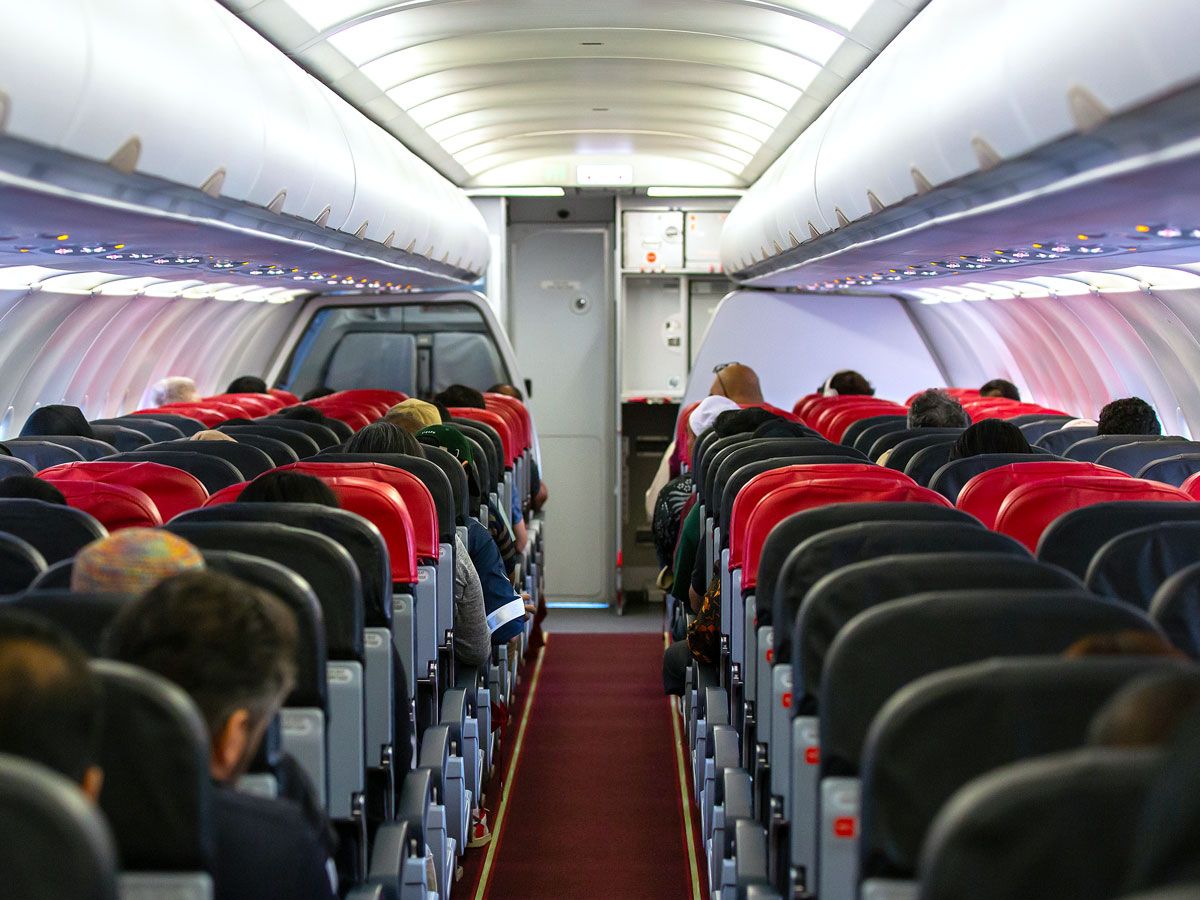
Airplane cabin with three-by-three seating
Credit: © NitShots/stock.adobe.com

Aircraft manufacturers build a wide variety of aircraft so airlines can put the right plane on the right route. Airlines don’t need a 350-seat Boeing 777 to fly from, say, Denver to Wichita, but that high capacity and extended range can come in handy on a route such as Chicago to Tokyo.

The sweet spot for most airlines falls in the 130- to 200-seat range, which is why the Airbus A320 family and Boeing 737 family of aircraft are — by far — the most popular planes flying today, with over 12,000 of each type delivered as of 2025. Both of these aircraft have a single aisle with three seats on either side, meaning there are two middle seats in each row. 

That’s no coincidence. When Boeing engineers were designing the 737 way back in the 1960s, their goal was to introduce jet service to smaller airports for the first time. The fuselage needed to be as narrow as possible to minimize weight, drag, and fuel burn, and short enough to fit airport constraints. Importantly, the aircraft also had to be capable of carrying enough passengers to make flights profitable. The plane’s designers settled on a single aisle with three seats on each side because it struck the perfect balance between operating economics and passenger comfort. 

The 737 was a hit with airlines, and subsequent stretches and newer models within the same family, such as the 737 MAX, kept the same framework for commonality. When Airbus introduced the A320 family in the 1980s, it also followed the pattern that passengers had become used to, though the Airbus cabin was slightly wider — 12 feet, 2 inches, versus 11 feet, 7 inches on the Boeing 737.

Airline Economics

Person working on laptop
Credit: © suwanb/stock.adobe.com

Just because A320s and 737s are designed to naturally fit three seats on each side of the aisle doesn’t mean airlines have to configure them that way, but there’s a reason you’re unlikely to see airlines opting for a roomier two-by-two layout (at least in coach). In short, more seats equals more revenue potential. Airlines make money based on how many seats they can sell on each flight, and the more seats they fit on an aircraft, the lower the costs (measured by a metric called cost per available seat mile, or CASM).

For example, a Boeing 737-800 at American Airlines has 30 rows of seats. The first four rows are dedicated to first class, with seats configured in a two-two configuration. The airline can justify this less efficient layout because a small number of passengers will be willing to pay a hefty premium for more space. 

The remaining 26 rows of economy seats are configured three by three. If economy seats were also configured two by two, instead of three by three, the plane would have only 120 seats in total instead of 172, which is 30% fewer passengers. 

Ultimately, airlines have determined that there simply aren’t enough passengers who are willing to pay higher airfares for a roomier layout, so they need the configuration with middle seats (and tighter legroom) in order to make flights profitable. 

Safety Reasons
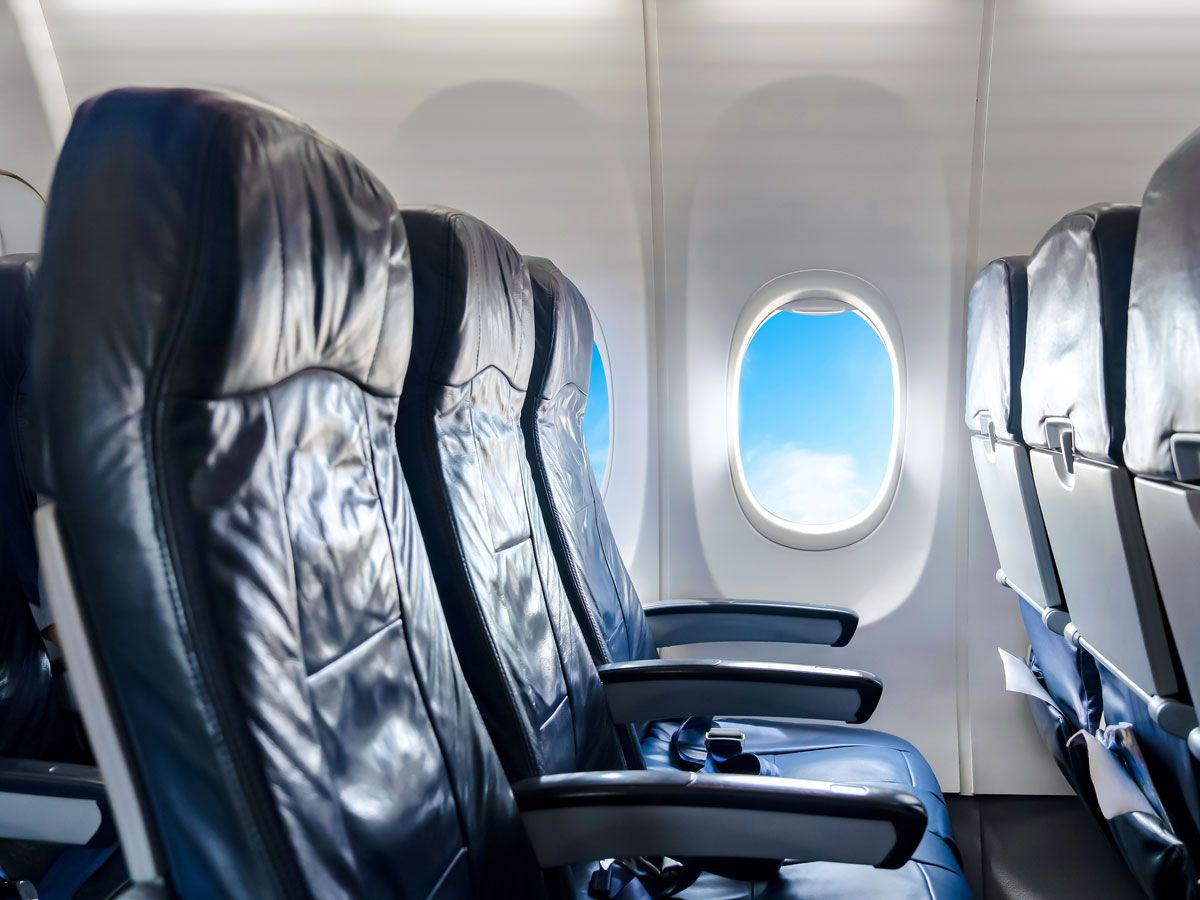
Row of three empty airplane seats
Credit: © Anchalee/stock.adobe.com

The three-by-three layout also works from a safety perspective. Government regulations stipulate minimum widths for aircraft aisles to facilitate a timely evacuation in the event of an emergency. Narrow-body planes like the A320 and 737 aren’t wide enough for airlines to squeeze in another aisle and offer a two-two-two layout to remove the middle seat. Similarly, wide-body aircraft don’t have enough space to accommodate a third aisle. 

Airlines aren’t allowed to squeeze in more seats per row, either. Not only would most passengers not fit in seats that are narrower than the current 17 to 18 inches per seat, but safety rules require that there are no more than three seats on each side of the aisle in any row, so passengers don’t have to squeeze by more than two seats to exit. 

Airplanes With Fewer or No Middle Seats
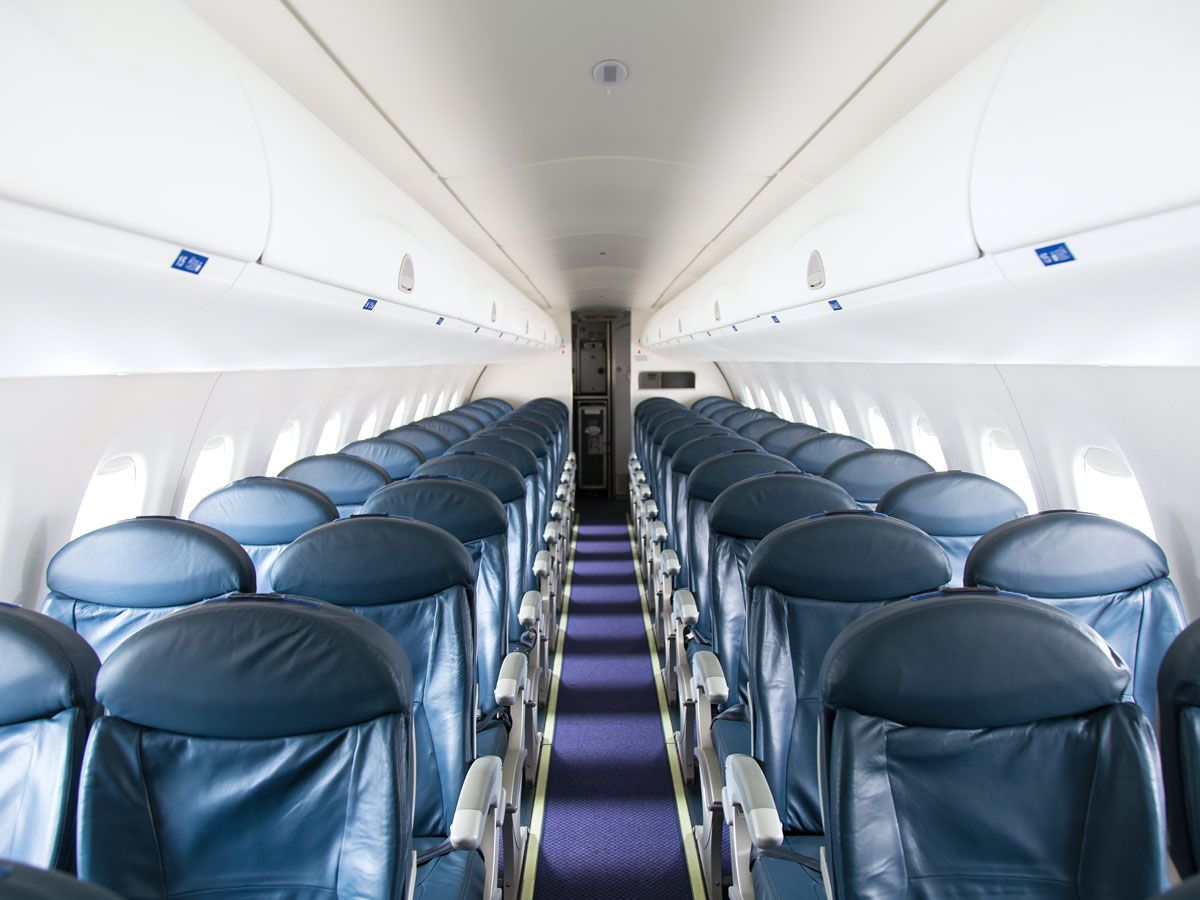
Regional jet cabin with two-by-two seating
Credit: © EvrenKalinbacak—iStock/Getty Images 

Looking to avoid the middle seat if at all possible? Unfortunately, for the reasons explained above, chances are high that you’ll find yourself on a plane with middle seats on your next flight. But there are a few exceptions, particularly for shorter regional hops. 

American Eagle, Delta Connection, and United Express all fly smaller planes without middle seats from the Bombardier CRJ family (e.g., CRJ-700 or CRJ-900) and the Embraer ERJ family (e.g., E-175). Because they are designed for routes to cities with less passenger demand, these aircraft are smaller and have narrower fuselages, with two seats on either side of the aisle instead of three. 

The larger Airbus A220 aircraft — operated by airlines including Air Canada, Delta, and JetBlue — has a two-by-three layout in economy class. This is similar to the DC-9 and MD-80 aircraft, which were originally designed to compete with the Boeing 737 but have since been largely phased out. On the A220, that means there’s only one middle seat per row, and better yet, the cabin is wide enough that each seat can be slightly wider, which makes for a more comfortable flight. But if you do get stuck in the middle seat, at least you’ll get to have both armrests, according to the unwritten rules of airplane etiquette

Related: Why the Type of Plane You Fly Matters
Post Banner Image
Tips

7 U.S. Cities Where You Can Get Around for Free

By Daily Passport Team
Read time: 5 minutes
March 24, 2026
Updated: March 27, 2026

7 U.S. Cities Where You Can Get Around for Free

By Daily Passport Team
Author
Daily Passport Team
Daily Passport writers have been seen in publications such as National Geographic, Food & Wine, CBC, Condé Nast Traveler, and Business Insider. They're passionate about uncovering unique destinations and sharing expert tips with curious travelers.

Public transportation is the lifeblood of many urban environments, providing an essential service to commuters, tourists, and anyone else getting around the city. Subways, buses, and trams typically require riders to pay a fare — but not always. Here’s a look at seven U.S. cities that offer complimentary forms of public transportation.

Tucson, Arizona

Cityscape of Tucson, Arizona
Credit: © jayyuan/stock.adobe.com

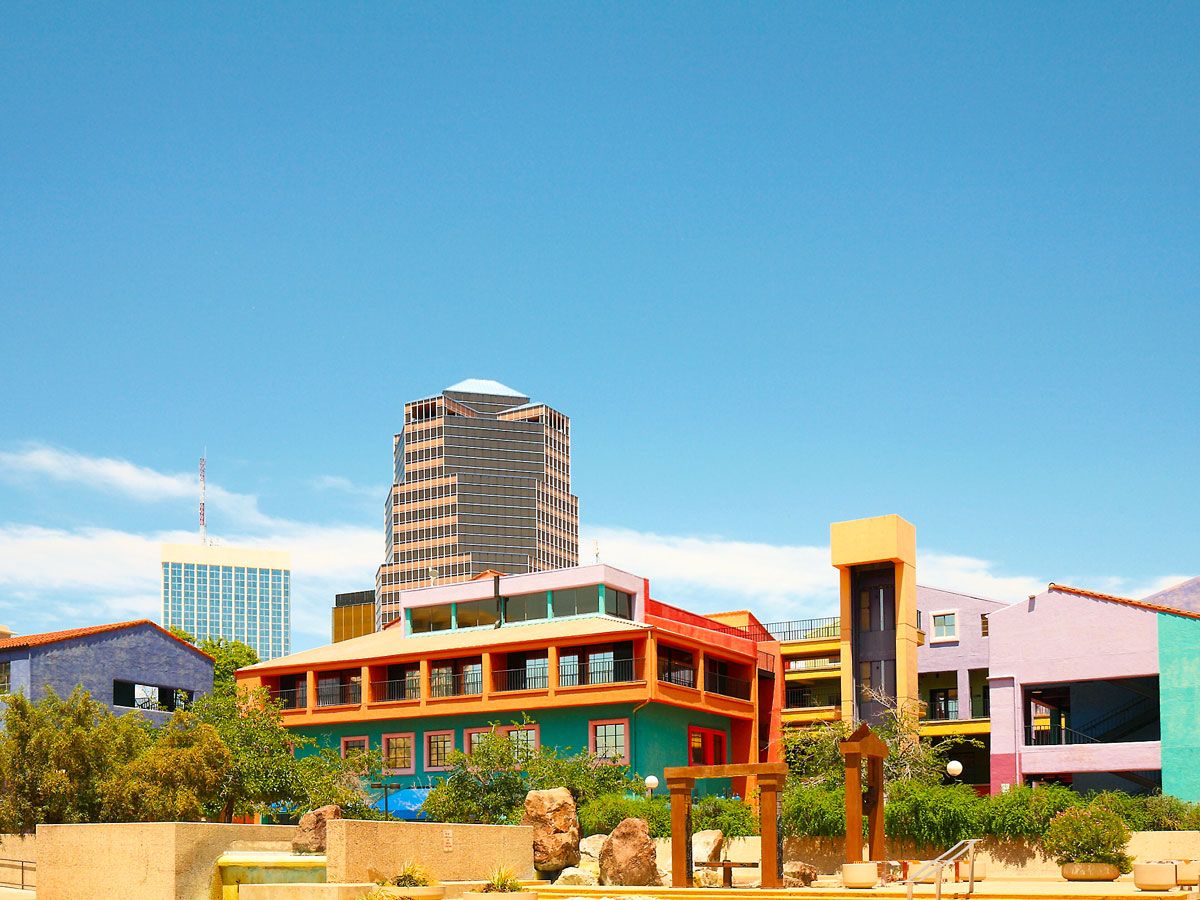
Sun Tran is the official public transit provider for Tucson, offering bus and streetcar service. The entire fleet is designed to burn cleaner fuels and be environmentally friendly, which is important considering that the buses cover more than 28,000 miles each day. Better yet, all Sun Tran vehicles are free to ride.
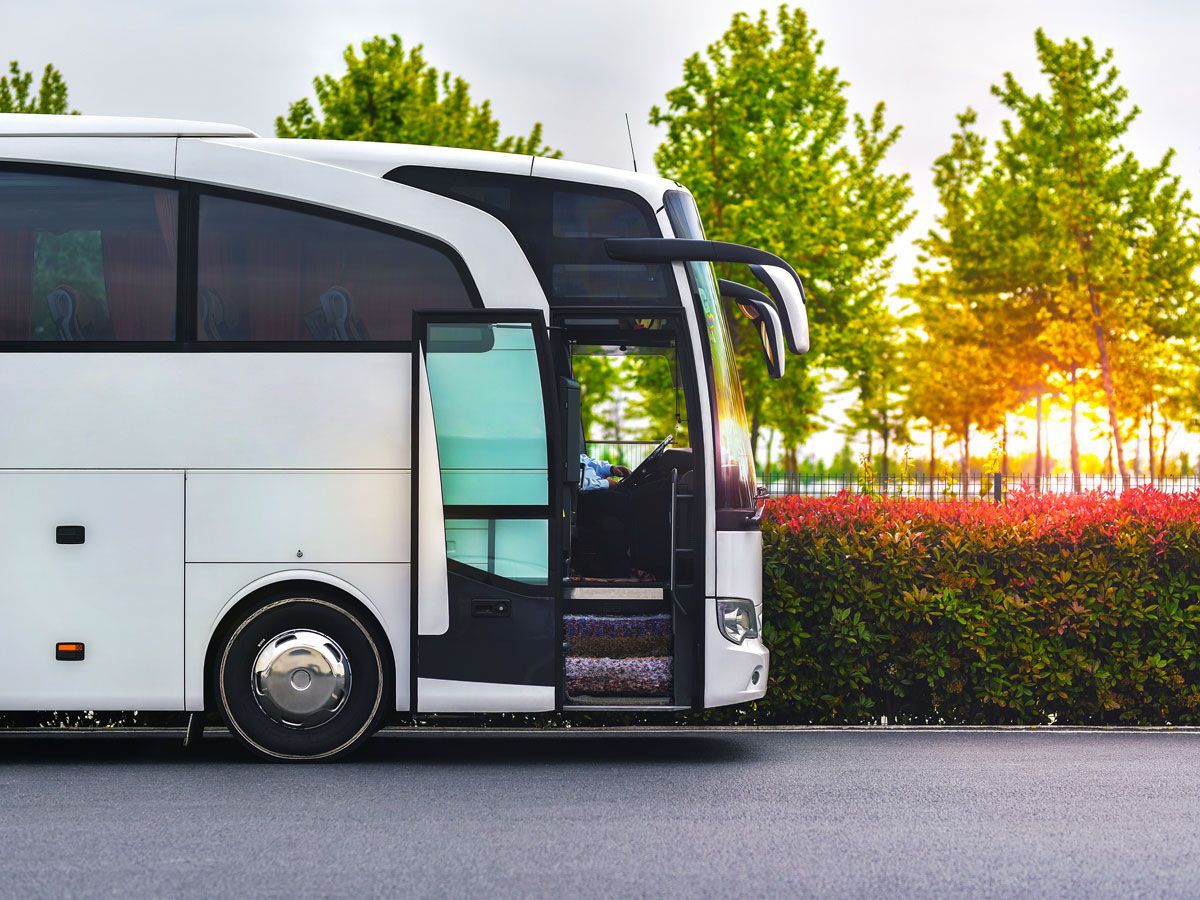
Sun Tran first introduced free service in 2020 amid the pandemic. Based on the success of the program, the city council declared in 2023 that Sun Tran would remain free for the foreseeable future, voting again in 2025 to reaffirm that choice. Riders can take Sun Tran to many popular attractions in Tucson, from the vibrant market district of San Augustin to basketball games at the University of Arizona.

Richmond, Virginia

City bus making stop in Richmond, Virginia
Credit: © Erik González/stock.adobe.com

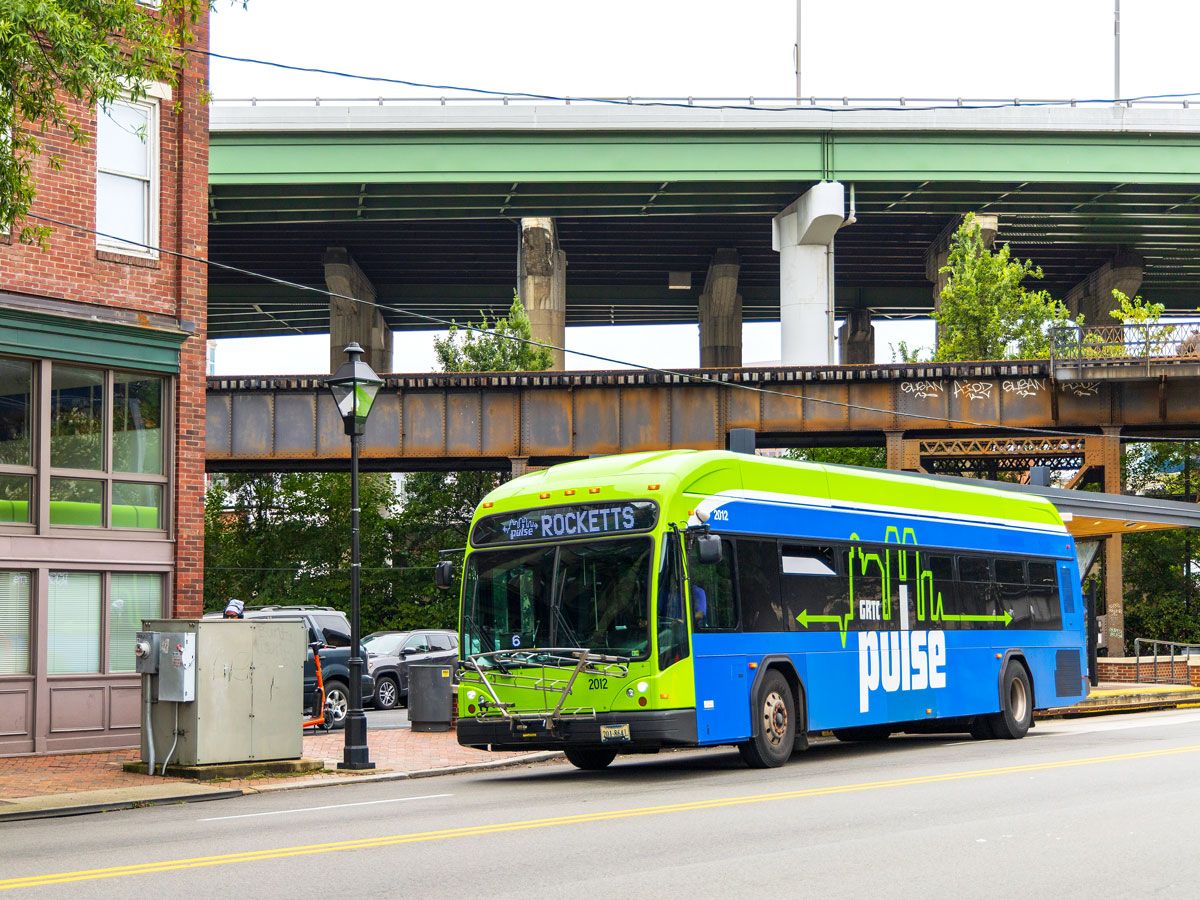
In 2025, officials at the Greater Richmond Transit Company — which operates public transit in the Virginia capital — voted to keep its Zero Fare policy for another fiscal year. This decision was based on the overwhelming success of the city’s free fare program, especially for lower-income households. Richmond saw ridership reach a record high of 11 million passengers in 2024, with an estimated 74% of riders coming from households earning below $40,000 annually.

But the complimentary bus service isn’t merely a boon for locals — it makes Richmond easier to navigate for anyone who visits. These free buses service Richmond International Airport and many popular local attractions, including the downtown arts district. While the Zero Fare program will expire at the end of the fiscal year on June 30, 2026, many are hopeful that the service will be extended yet again.

Tampa, Florida

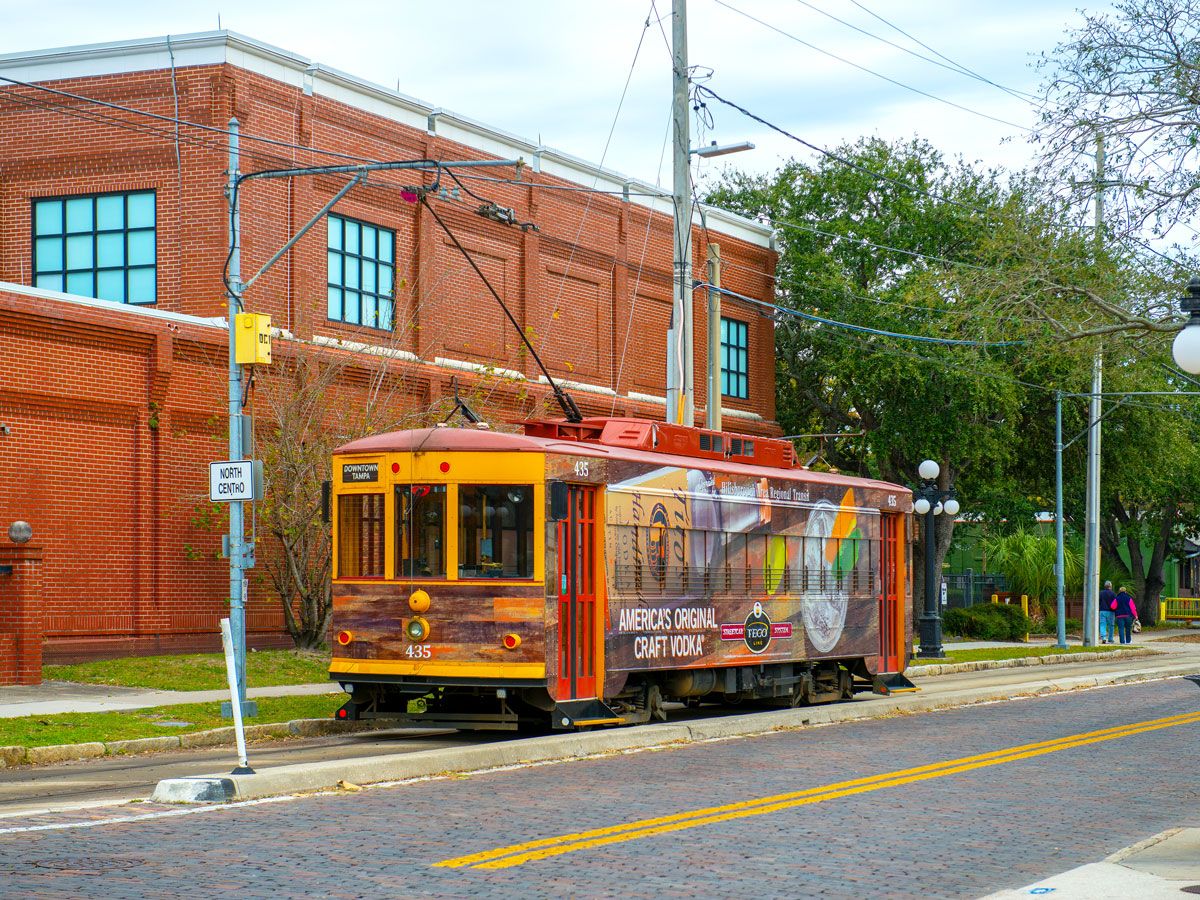
Tampa's TECO Line streetcar
Credit: © Wangkun Jia/stock.adobe.com

Since 2018, the TECO Line Streetcar has been 100% free to ride. Streetcars operate every 15 minutes beginning at 7:00 a.m. on weekdays, 9:00 a.m. on Saturdays, and 8:30 a.m. on Sundays. The service ends at 11:00 p.m. on weeknights and 2:00 a.m. on weekends.

The line connects popular spots in Tampa, such as the vibrant Ybor City neighborhood, Amalie Arena (where the Tampa Bay Lightning hockey team plays home games), the Tampa Museum of Art, and Curtis Hixon Waterfront Park.

Detroit, Michigan

Detroit People Mover on downtown street between high rises
Credit: © Leonid Andronov/stock.adobe.com

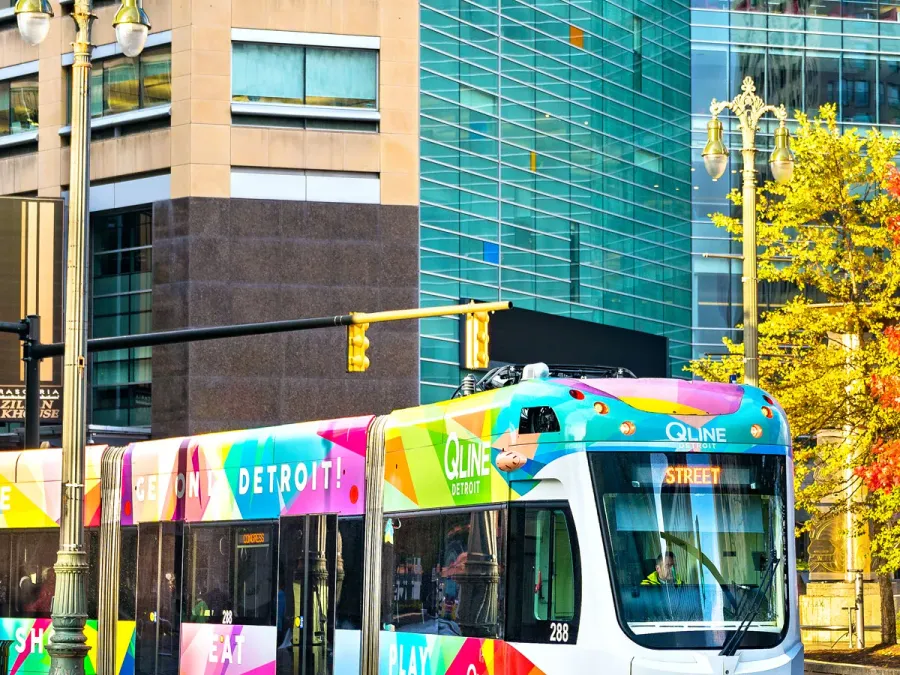
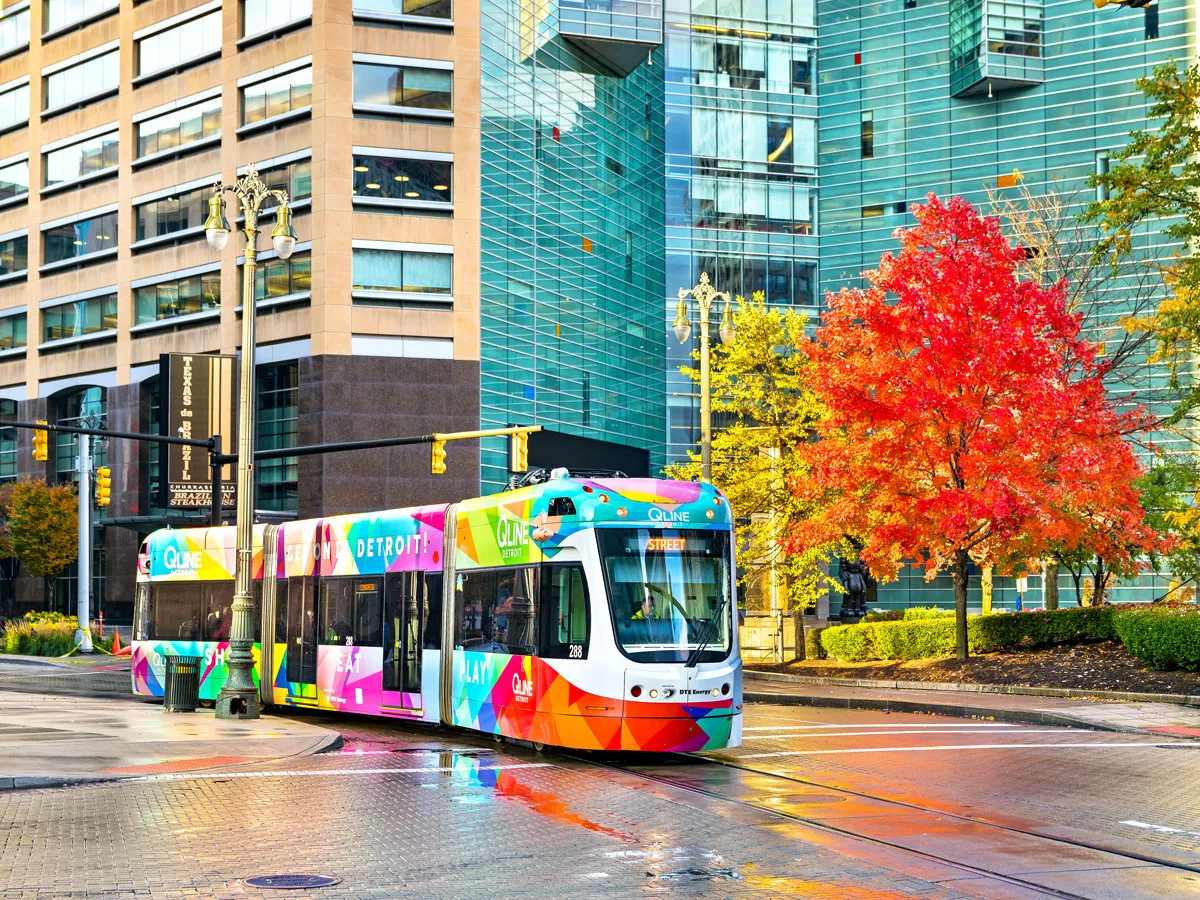
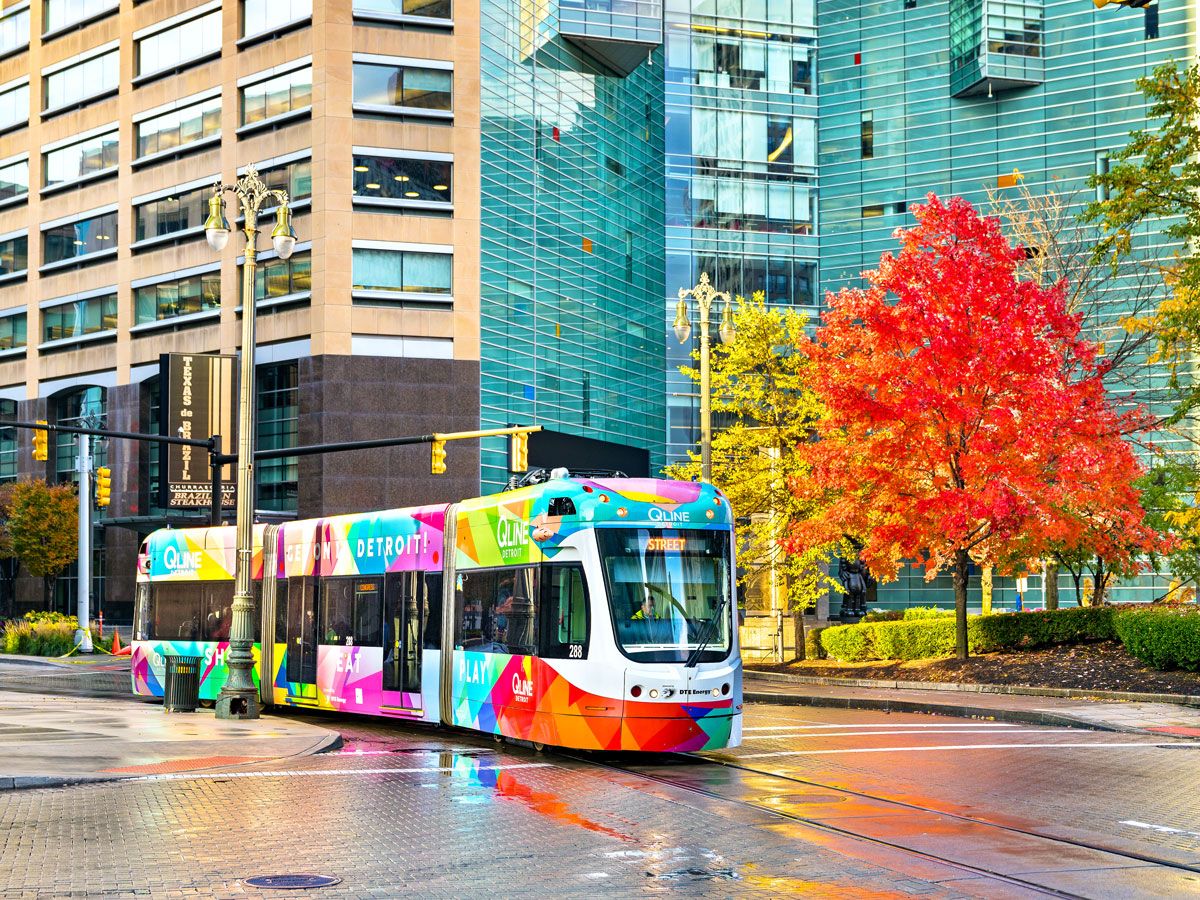
The Detroit People Mover is fully automated, and it takes around 15 minutes to navigate the entire 2.9-mile-long track. While the system used to require payment, the DPM was made 100% free in 2024. Additionally, there’s a 3.3-mile-long streetcar line called the QLINE, which is also free and connects the downtown city with the northern suburbs.

When riding the Detroit People Mover, you can hop off at the Broadway stop and walk over to see any of the city’s four major sports teams — the Tigers, Lions, Red Wings, or Pistons. You can also explore Greektown or head over to the Renaissance Center along the waterfront, where you’ll find Michigan’s tallest building, the 727-foot-tall Detroit Marriott.

Salt Lake City, Utah

TRAX light rail in downtown Salt Lake City, Utah
Credit: © Heidi/stock.adobe.com

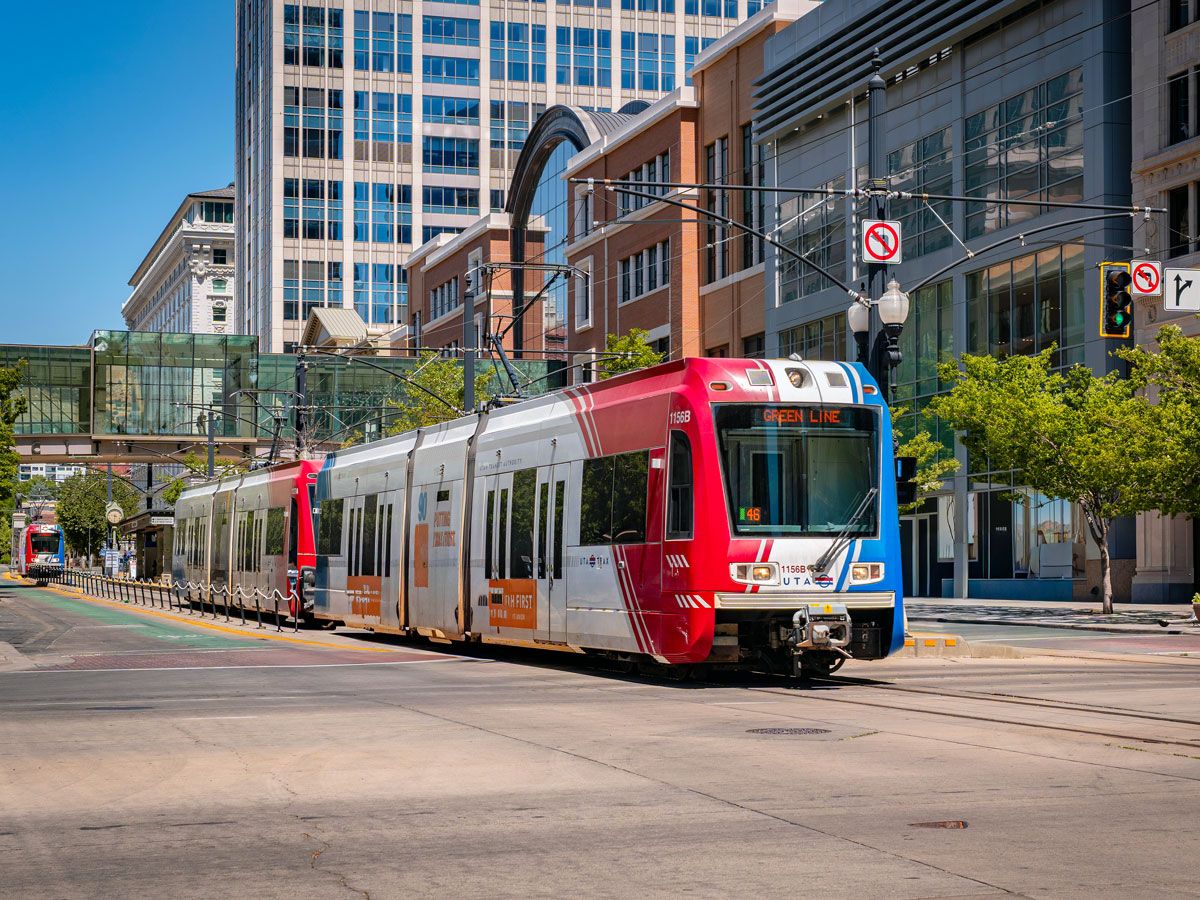
Salt Lake City contains a Free Fare Zone that’s been in existence since 1985. The city’s light rail (TRAX) and bus routes are free to ride so long as passengers enter and exit within the designated boundaries. To ride the bus within the Free Fare Zone, simply inform the driver you plan to exit within the same zone.

The zone covers several major attractions in downtown Salt Lake City, including the Salt Palace Convention Center, the Delta Center (where the NBA’s Utah Jazz and NHL’s Utah Mammoth play), and the Utah State Capitol. The bus also passes by Temple Square, a historic Mormon landmark.

Fayetteville, Arkansas

Downtown Fayetteville with view of courthouse in distance
Credit: © Sono Creative/stock.adobe.com

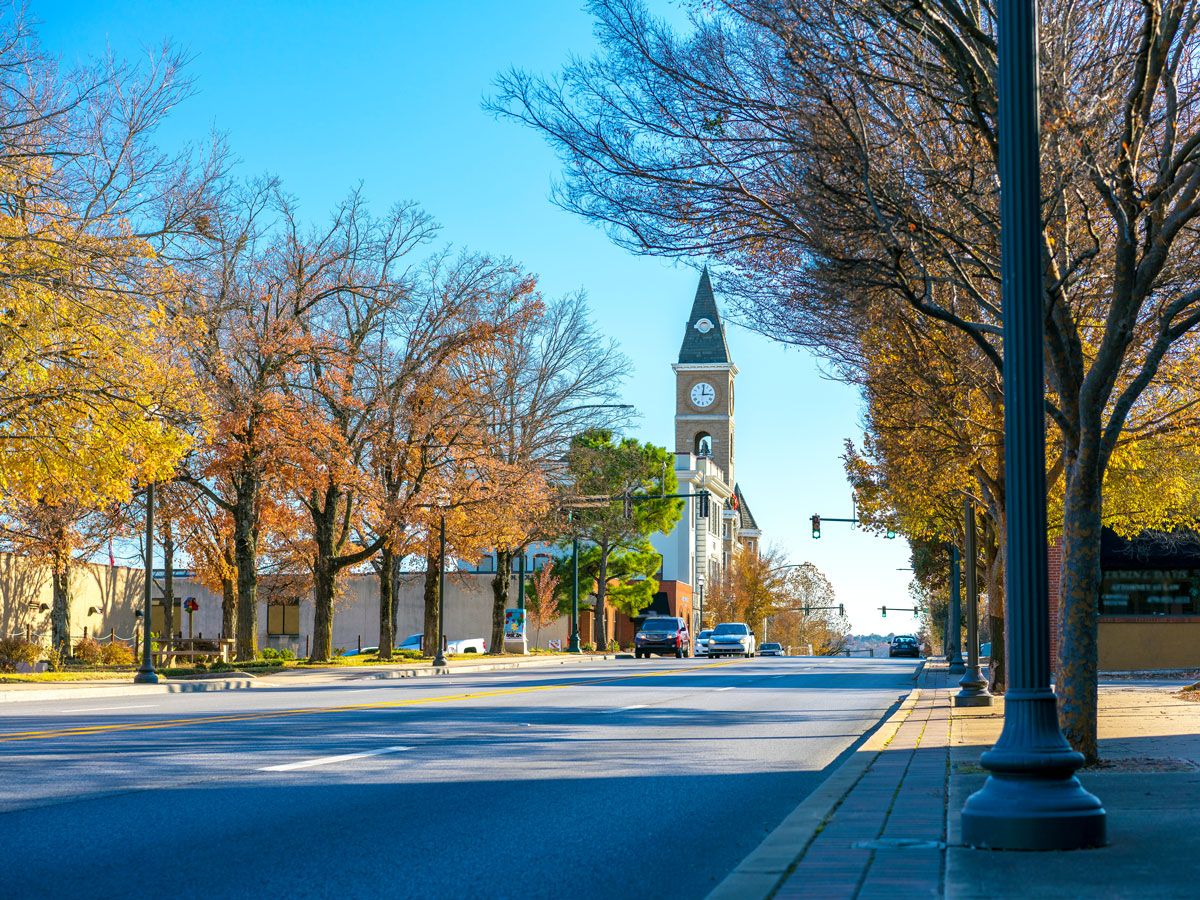
Over 2 million annual passengers use Fayetteville’s two public transit agencies, Ozark Regional Transit and Razorback Transit, both of which are free to ride. Ozark Regional Transit provides service in both the urban and rural areas around the city, while Razorback Transit operates more centrally near the University of Arkansas. (You don’t have to be a student to ride for free.) There are more than 220 stops across both systems, and the city also offers on-demand rides that you can schedule for $1.25.

New York, New York

MTA bus in traffic on NYC street
Credit: © Kristina Blokhin/stock.adobe.com

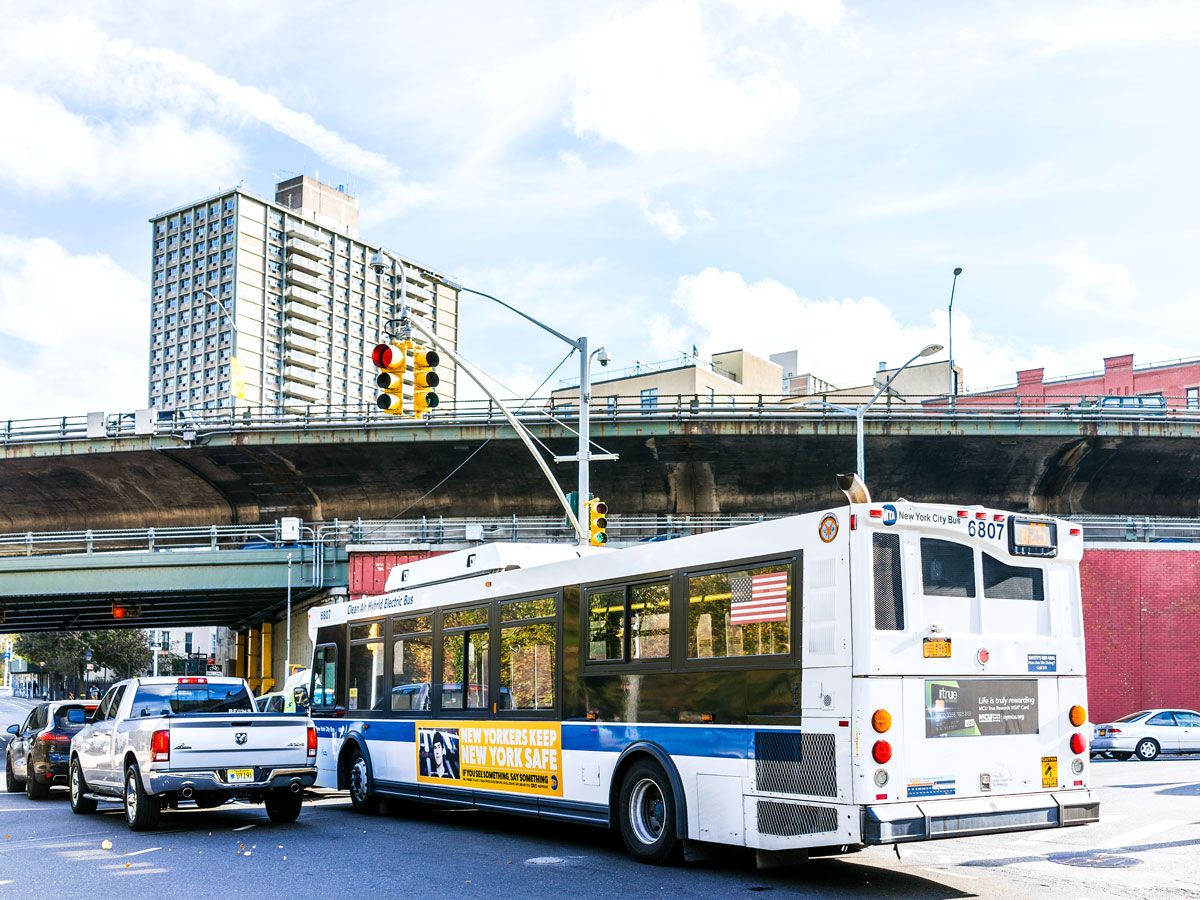
America’s most populous city also has one of the country’s most impressive and extensive public transit networks. While the majority of New York City’s subway and bus lines require a standard $3 fare, there are a handful of individual free routes.

The Q70 bus offers complimentary service for riders between the Woodside neighborhood of Queens and LaGuardia Airport. It’s a convenient way for visitors to get from the airport to both the subway lines into Manhattan and the Long Island Rail Road. (The bus portion is free, but you’ll need to pay a fare to ride the subway or LIRR.) Another free service is the Red Bus on Roosevelt Island, which is located in the Hudson River between Manhattan and Queens. 

Perhaps the most popular form of free public transit in the Big Apple is the Staten Island Ferry, which connects the borough of Staten Island with Manhattan’s Financial District. Not only is the ferry a trusted commuter service, but it also offers stunning views of New York Harbor and even passes by the Statue of Liberty — and it’s completely free to ride.

Related: The 5 Boroughs of NYC: The Ultimate Guide
Post Banner Image
Culture

8 U.S. Regional Dishes You’ve Probably Never Heard Of

By Daily Passport Team
Read time: 6 minutes
March 24, 2026
Updated: March 27, 2026

8 U.S. Regional Dishes You’ve Probably Never Heard Of

By Daily Passport Team
Author
Daily Passport Team
Daily Passport writers have been seen in publications such as National Geographic, Food & Wine, CBC, Condé Nast Traveler, and Business Insider. They're passionate about uncovering unique destinations and sharing expert tips with curious travelers.

Many regional dishes have gone national — you can find a decent Buffalo wing practically anywhere — but others remain firmly rooted to their original locales. So, unless you stumble on a restaurant operated by a homesick transplant, you’re probably not going to find a proper jonnycake in Anchorage or a good garbage plate in L.A. Some dishes seem destined to remain in the places that created them and are best experienced there. Here are eight regional dishes you might not know, each of which is a delicious reason to book a trip.

Lefse – Minnesota

Lefse on cutting board
Credit: © Liudmyla/stock.adobe.com

Norwegian immigrants introduced this whisper-thin flatbread to the upper Midwest in the 1880s. Making lefse is a Scandinavian ritual, and family recipes are closely guarded. The dish consists of riced potatoes, flour, and cream, which are mixed and then cooked on a griddle until freckled like a tortilla. Butter and cinnamon sugar are the classic accompaniments, but you can also enjoy lefse with smoked salmon, ham and cheese, or really any filling that strikes your fancy.

Lutheran church fellowship halls are a great place to find authentic versions, and the city of Fosston holds an annual Lefse Fest each November. If you can’t make it to Minnesota, Norsland Lefse ships nationwide.

Fry Bread – Southwestern U.S.

Traditional fry bread
Credit: © Brent Hofacker/stock.adobe.com

The beginnings of this dish come from tragic circumstances. In 1864, the U.S. government began the forced removal of the Navajo (Diné) people, marching thousands of men, women, and children hundreds of miles to an internment camp at the Bosque Redondo Reservation in New Mexico. The government supplied them with only meager staples such as lard, flour, and sugar, which the Diné transformed into a pillowy fried dough now known as fry bread. 

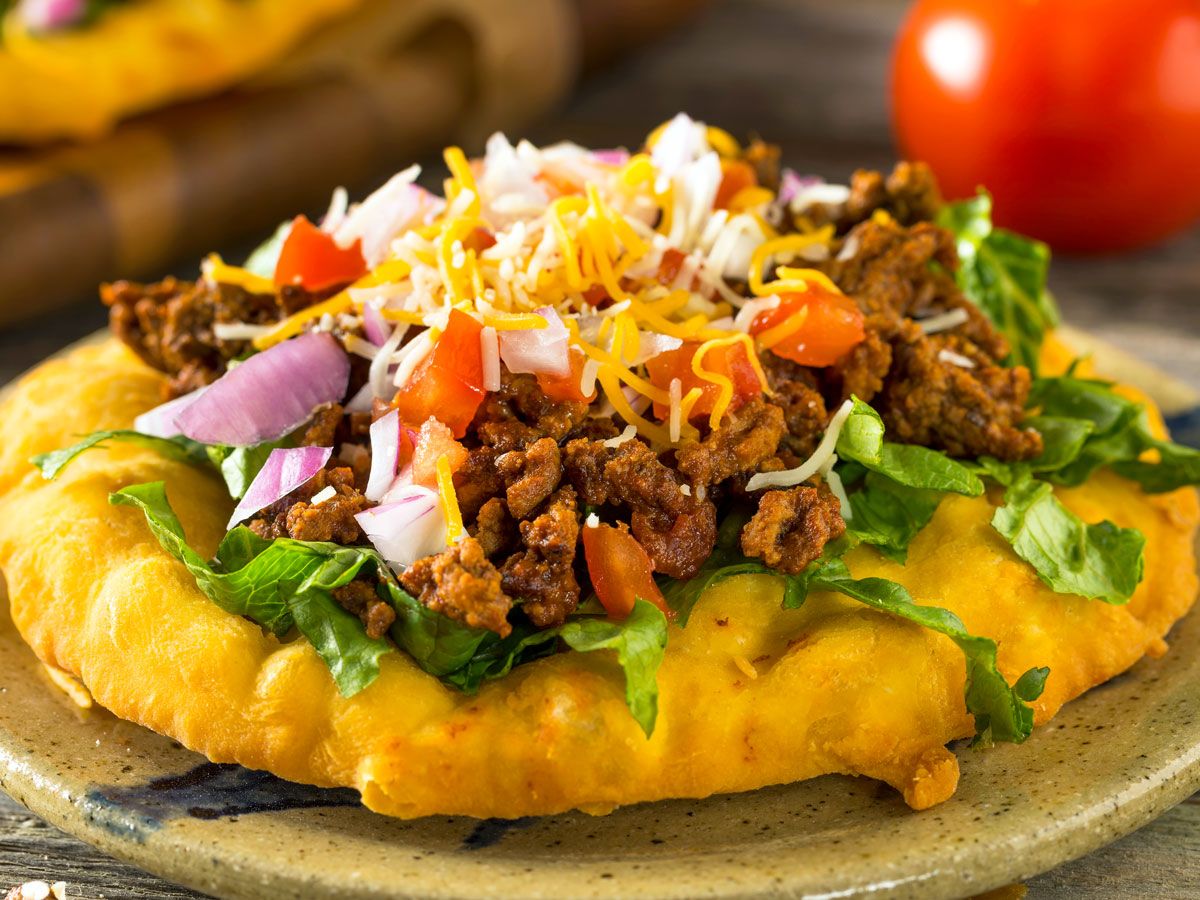
Today, these plate-sized discs are topped with ground meat and beans and garnished with lettuce, tomatoes, shredded cheese, and salsa. The dish was adopted by other tribes, and fry bread tacos remain a favorite across the southwestern U.S. In 2012, Phoenix’s Fry Bread House was honored by the James Beard Foundation.

Cioppino – San Francisco, California

Bowl of cioppino
Credit: © DAVID/stock.adobe.com

A true San Francisco treat, cioppino originated in the late 1800s when Italian immigrants created tasty stews reminiscent of the coastal soups of their homeland, utilizing briny bounty harvested from the city’s numerous piers and fishing boats. To make cioppino, a tomato-and-wine broth fragrant with herbs is packed with seafood of all sorts.

The first recipe was printed in a cookbook to benefit refugees of the 1906 earthquake and fires. Alioto’s, which claimed to be the first restaurant to offer cioppino, has sadly been demolished, but you can still get an exemplary bowl at Sotto Mare.

Jonnycakes – Rhode Island

Stack of jonnycakes on a plate
Credit: © Liudmyla/stock.adobe.com

Purists insist on leaving the “h” out, but you’ll also find these cornmeal pancakes called “johnnycakes” — and even “journey cakes” — in the Ocean State. The arguments don’t stop at spelling: Should a jonnycake be thick or thin? Made with water or milk? Did it originate with colonists or the local Native American tribes? According to The New York Times, a state law enacted in the 1920s dictated that true jonnycake meal must come only from white cap flint corn that’s grown and stone-ground in Rhode Island. 

While Rhode Island is the birthplace of the dish and it remains a beloved staple there, similar renditions have taken hold elsewhere, including in the Caribbean. If you’re looking to make your own version, you can purchase meal ground at a water-powered mill built in 1703 if you’re in Rhode Island, or order online from Kenyon’s Grist Mill in Usquepaug, which has been in business since 1696.

Pasties – Upper Peninsula, Michigan

Plate of pasties, an Upper Peninsula specialty
Credit: © Olga/stock.adobe.com

Handheld meat and vegetable pies can be found in cuisines around the world. They may be baked, fried, or steamed — think empanadas, panzerotti, pierogies, or jiaozi. But diners in Michigan’s Upper Peninsula swear their devotion to pasties, a savory pie that can have a variety of fillings (such as beef, potatoes, and onions) and that arrived courtesy of the Cornish immigrants who came to work in the region’s abundant copper mines in the 1840s. 

The thick, crimped crusts create their own handles, which made for easy eating while working arduous underground shifts. These days, almost all of the mines are closed, but the “Yooper” love for pasties is still strong. Enjoy them at Lehto’s, a U.P. institution that has been serving pasties since 1947. (They ship nationwide, too.)

Pimento Cheese – South Carolina

Pimento cheese on cutting board
Credit: © Liudmyla/stock.adobe.com

If sweetened iced tea is the “house wine of the South,” then pimento cheese is definitely its pâté. Whether slathered on a fancy cracker or piled thickly between slices of soft white bread — a perennial favorite at the Masters golf tournament — this tangy, creamy, cheese-and-pepper spread is a staple of picnics and parties. 

Pimento cheese takes its name from pimiento, the Spanish word for a mild and sweet red pepper. The peppers are chopped and blended with cheddar and grated onion and, traditionally, moistened with South Carolina’s Duke’s Mayonnaise. Founder Eugenia Duke began selling pimento cheese sandwiches with her homemade mayo to soldiers at Camp Sevier in 1917. Find your favorite on Columbia, South Carolina’s Pimento Cheese Trail.

Garbage Plate – Rochester, New York

Classic Rochester garbage plate
Credit: © Brent Hofacker/stock.adobe.com

The name may be unappealing, but don’t let that fool you — the garbage plate is a beloved staple in Rochester. Since it’s trademarked by Nick Tahou, the original creator, you can order it as a “trash plate,” a “Rochester plate,” or even just a “plate” at all the other area restaurants that serve this dubious delicacy. The dish dates back to 1918, when hungry students from the University of Rochester asked Tahou for “the plate with all the garbage on it” when ordering the combination plate at his 24-hour-restaurant. 

The platonic ideal of a garbage plate involves two hamburger patties served atop macaroni salad and fries (home or french), smothered in thin, spiced meat sauce, and scattered with mustard, chopped onion, and ketchup. Check out Nick Tahou Hots for the original, then try a plate at some of the many places that have expanded on the specialty.

Boiled Peanuts – Georgia

Bowl of boiled peanuts on countertop
Credit: © Nguyen/stock.adobe.com

Some of the best snacks in the South are found at stands set up along back roads and byways. Unlike their crispy roasted counterparts, boiled peanuts are soft and salty, more like edamame than the hard-shelled snack found at ballparks and bars. And while you can find them elsewhere in the South, Georgia — the No. 1 producer of peanuts in the country — is the undisputed king of hand-lettered signs boasting “Boiled P-Nuts!” If you don’t happen to pass a roadside stand, you can make your own with nothing more than raw peanuts, water, salt, and time.

Post Banner Image
Tips

The U.S. Airports With the Longest Walking Distances

By Daily Passport Team
Read time: 4 minutes
March 24, 2026
Updated: April 1, 2026

The U.S. Airports With the Longest Walking Distances

By Daily Passport Team
Author
Daily Passport Team
Daily Passport writers have been seen in publications such as National Geographic, Food & Wine, CBC, Condé Nast Traveler, and Business Insider. They're passionate about uncovering unique destinations and sharing expert tips with curious travelers.

Few travel situations test your patience like realizing your flight departs from the farthest possible gate just as boarding starts. At the country’s largest airports, what looks like a simple stroll on the map can feel more like a 5K run with baggage in tow. Add in confusing layouts, hectic terminals, and tight connections, and even seasoned flyers may find themselves transforming from casual pedestrians to Olympic power walkers. Check out which U.S. airports have the longest walking distances — as measured from the main terminal entrance to the farthest gate — according to a recent study from Kuru Footwear

4. Orlando International Airport

Central terminal atrium at Orlando International Airport, Florida
Credit: © Nate Hovee/stock.adobe.com

Maximum walking distance: 0.7 miles

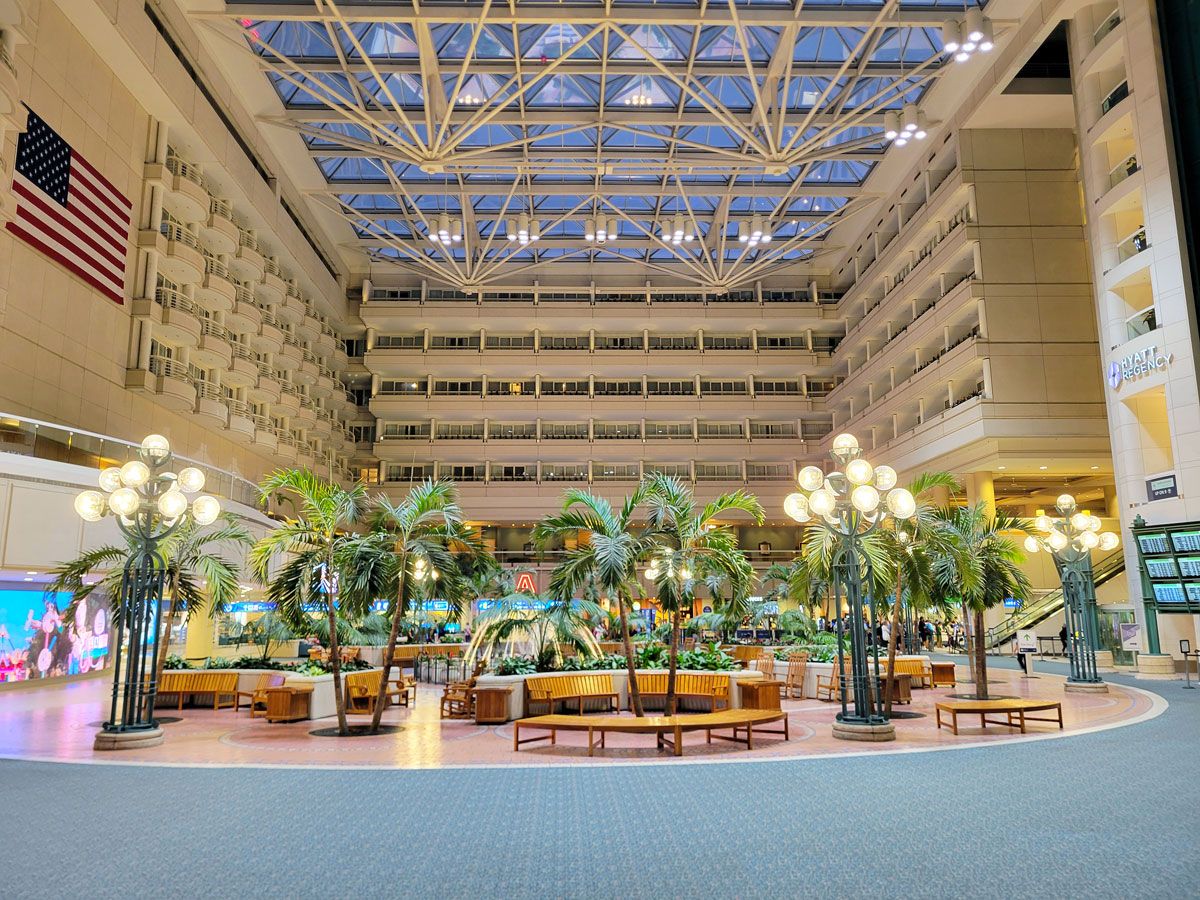
Handling more than 50 million annual passengers, Orlando International Airport is one of America’s busiest airports. The longest possible walking distance from the entrance to a gate is seven-tenths of a mile, but the number of passengers in transit can make it feel even longer. The airport’s 130-plus gates are spread across two main terminals, connected by a free shuttle bus that runs 24 hours a day. Fortunately, a series of moving walkways, escalators, a tram system, and wheelchair services help passengers reach their gates on time. 

If you’re the type of traveler who plans more time than necessary at the airport, there’s plenty to keep you occupied at MCO. Art exhibitions ranging from murals to floor mosaics decorate the terminals, while Movement Vault is an immersive experience transporting passengers into settings such as the deep sea or Mars. Plus, Orlando is one of the cheapest U.S. airports to fly from, which might make the thought of a long walk easier to swallow. 

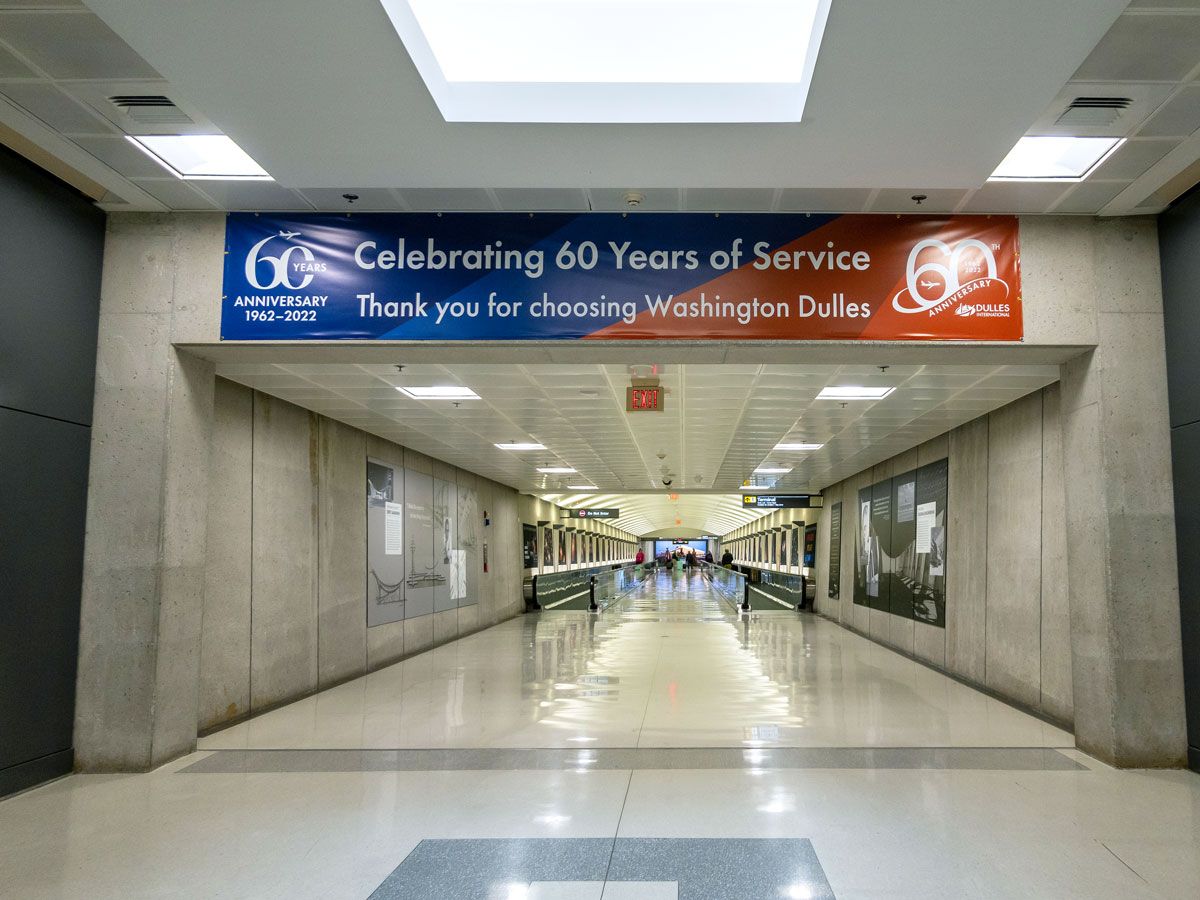
3. Washington Dulles International Airport – Virginia

Underground walkway at Washington Dulles Airport, Virginia
Credit: © Alexander/stock.adobe.com

Maximum walking distance: 0.97 miles

Covering 20.3 square miles, Washington Dulles International Airport has one main terminal that’s split into five concourses, with 113 gates in total. The A and B gates at Dulles are connected to the main terminal building, while the midfield gates in the C and D concourses are connected via the AeroTrain. Within each concourse, you’ll also find moving walkways to cut down on the longest walking distances (which can be up to .97 miles).

Traveling with kids? Keep them entertained at the FunWay aviation-themed play area. There are also more than 100 retail and food outlets at Dulles, with many offering options for preorder. If you have a little extra time to spare before your flight, the National Air and Space Museum Steven F. Udvar-Hazy Center is adjacent to the terminal. This free Smithsonian museum has hands-on exhibits exploring the history of air and space travel. 

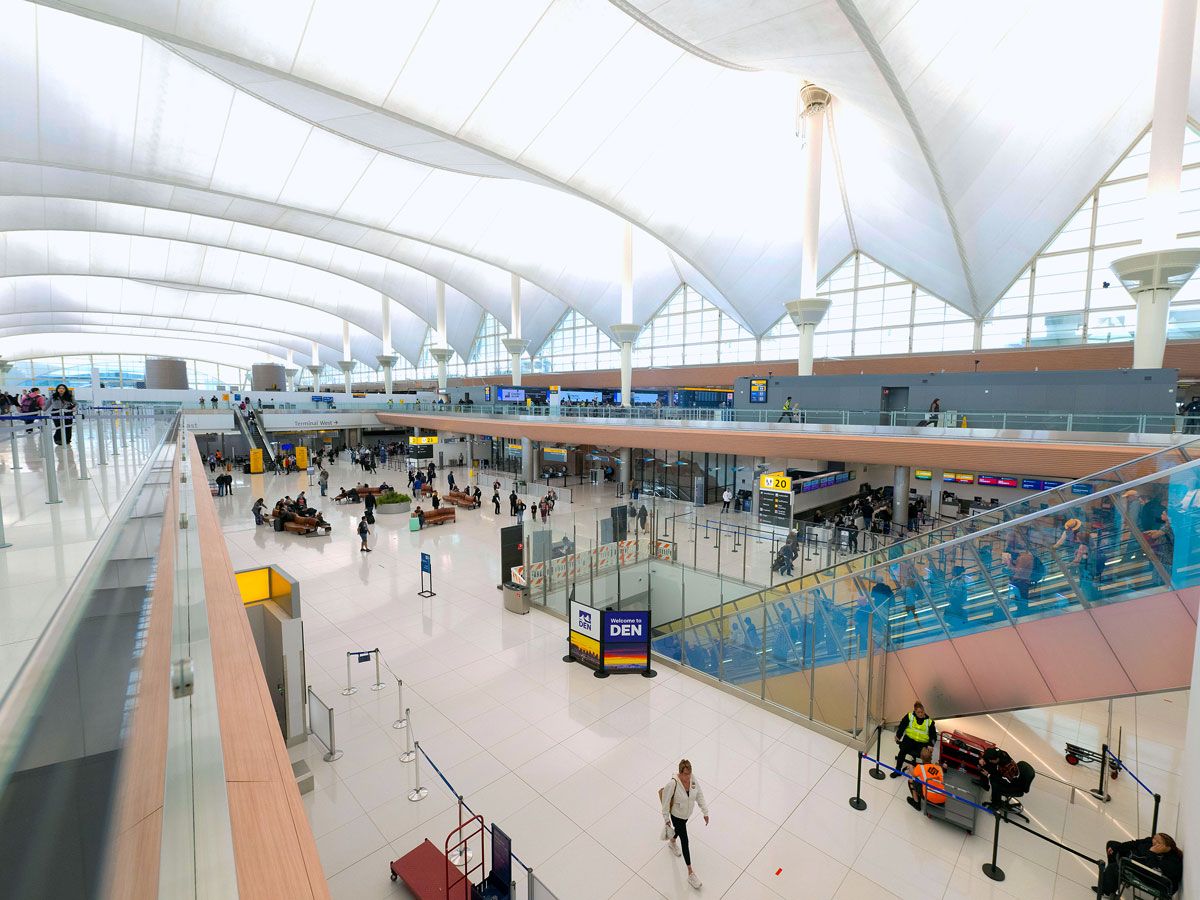
2. Denver International Airport – Colorado

Interior of main terminal building at Denver International Airport, Colorado
Credit: Image courtesy of Denver International Airport 

Maximum walking distance: 1.14 miles

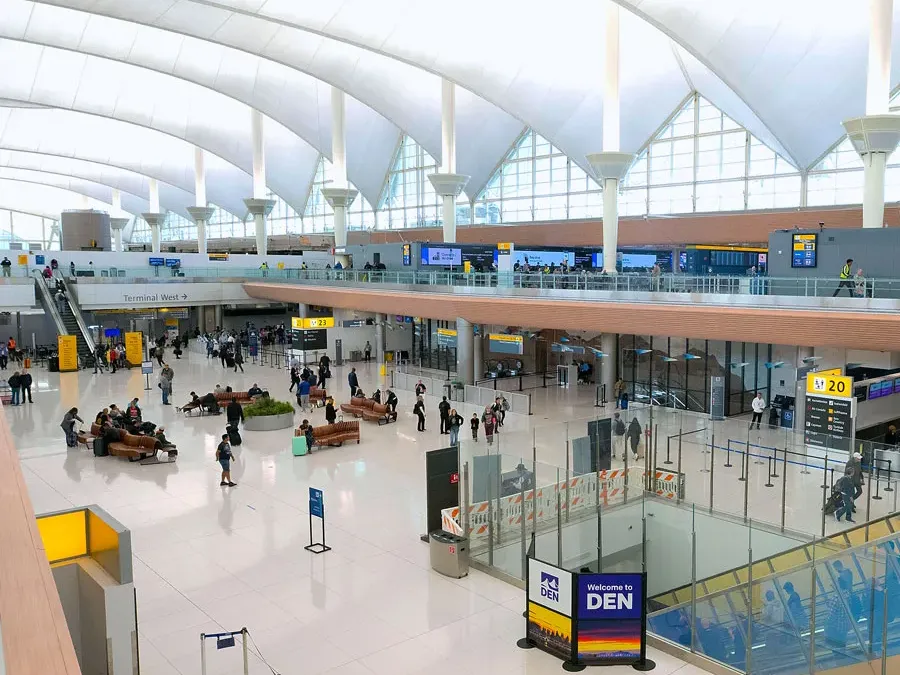
Covering over 50 square miles, Denver International Airport is the largest airport by area in the U.S. Passengers arrive and check in at the main Jeppessen Terminal and then travel via underground train to the gates, which are split into three concourses. The enormity of DIA, as locals call it, means that passengers sometimes have to walk over a mile to reach their departure point, but moving walkways and wheelchair services are available to help mitigate that. Trains also connect regularly with downtown Denver, making your arrival from the city a breeze. 

DIA is famous for its unique architecture, which symbolizes the Rocky Mountains, prairie wagons, and tepee tents. Each concourse has an outdoor deck with firepits, comfortable seating, and views of vast prairies and mountains in the distance. Passengers can also enjoy a virtual golf simulator and Colorado-themed art installations throughout the terminals. 

Related: 10 U.S. Airports With Outdoor Lounges Any Traveler Can Access

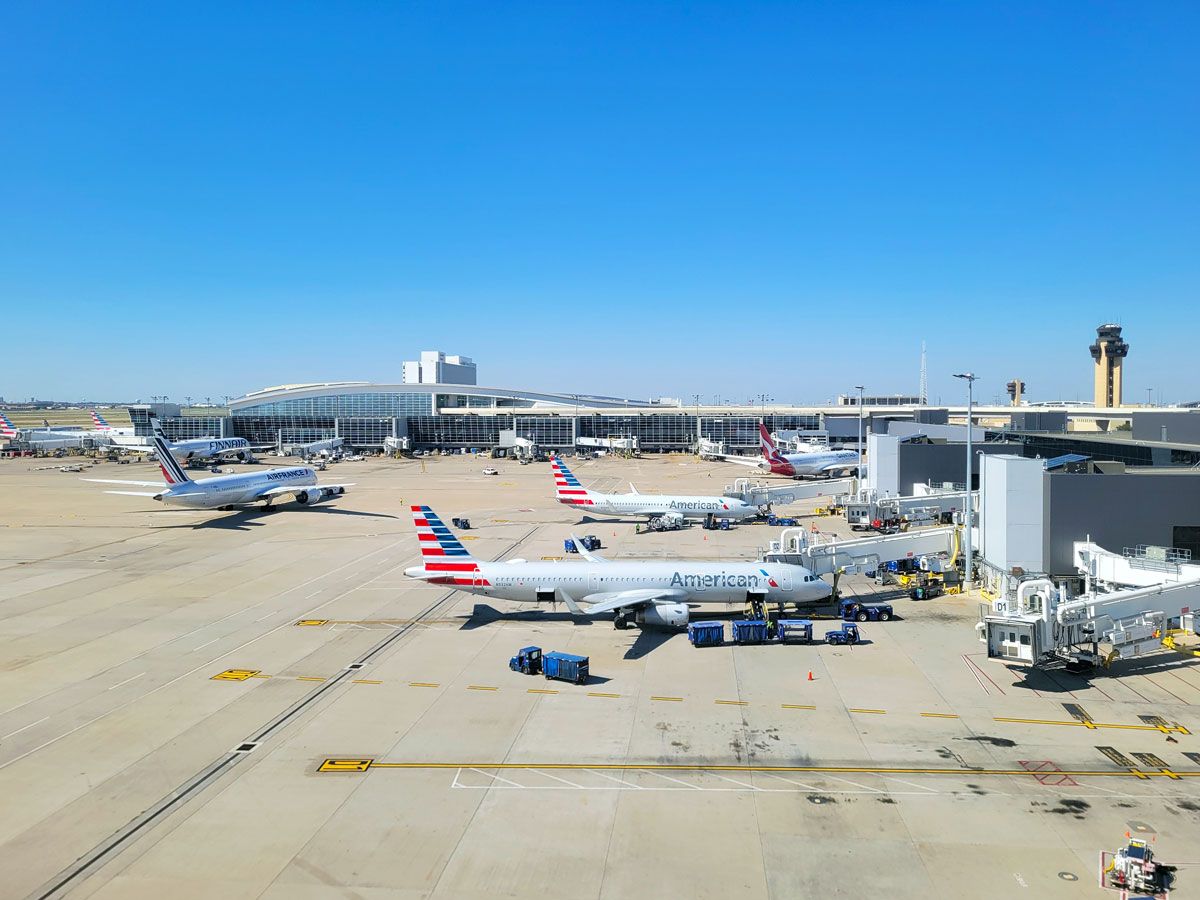
1. Dallas Fort Worth International Airport – Texas

Planes parked at gates at Dallas Fort Worth International Airport, Texas
Credit: © Nate Hovee/stock.adobe.com

Maximum walking distance: 1.5 miles

You’ll have to prepare for a potential 1.5-mile walk at Dallas Fort Worth International Airport, which ranked as the third-busiest airport in the world in 2025. DFW’s 170-plus gates are spread across five terminals, which handle almost 90 million passengers each year. Luckily, travelers can take advantage of the Skylink monorail, which runs 24-hour service between terminals, with a maximum travel time of nine minutes. And if you make a wrong turn, volunteer ambassadors are on hand to guide you.

DFW also makes journeys interesting with an in-house art program and amenities such as yoga spaces and children’s play areas, plus Texas barbecue joints and a Coca-Cola museum. For longer layovers, head to the Founder’s Plaza, an outdoor area with picnic tables, telescopes, and excellent planespotting

U.S. Airports With the Shortest Walks

Terminal building at Harrisburg International Airport, Pennsylvania
Credit: © Mak Studio—iStock Editorial/Getty Images

While big hubs like Denver and Dallas offer more flight options, many travelers prefer the ease of a smaller airport. The 2025 study from Kuru Footwear also determined the U.S. airports that had the shortest walking distances between the terminal entrance and the farthest gate. These were:

  • Harrisburg International Airport (MDT), Pennsylvania — 0.12 miles
  • Lihue Airport (LIH), Hawaii — 0.06 miles
  • Tweed New Haven Airport (HVN), Connecticut — 0.05 miles
  • Paine Field (PAE), Washington — 0.04 miles
  • Trenton-Mercer Airport (TTN), New Jersey — 0.03 miles

Check out the full study here.

Post Banner Image
Tips

The Resort Fee Perks Most Guests Forget To Use

By Daily Passport Team
Read time: 3 minutes
March 24, 2026
Updated: April 1, 2026

The Resort Fee Perks Most Guests Forget To Use

By Daily Passport Team
Author
Daily Passport Team
Daily Passport writers have been seen in publications such as National Geographic, Food & Wine, CBC, Condé Nast Traveler, and Business Insider. They're passionate about uncovering unique destinations and sharing expert tips with curious travelers.

If you’ve booked a night or two in Las Vegas, Miami, or Hawaii, chances are you’ve seen a “resort fee” tacked on to your bill. Often mandatory, this daily charge covers amenities such as Wi-Fi, pool access, fitness center access, and more. These fees — also referred to as destination fees, facility fees, or urban fees — typically amount to anywhere between $25 and $60 per night, and are widely despised by travelers. Although there are a few strategies to avoid resort fees in the first place, most guests end up having to pay them, so you’ll want to make sure you take full advantage of the benefits they cover. Here are some of the perks guests often forget to use before they check out.

Food and Beverage Credits

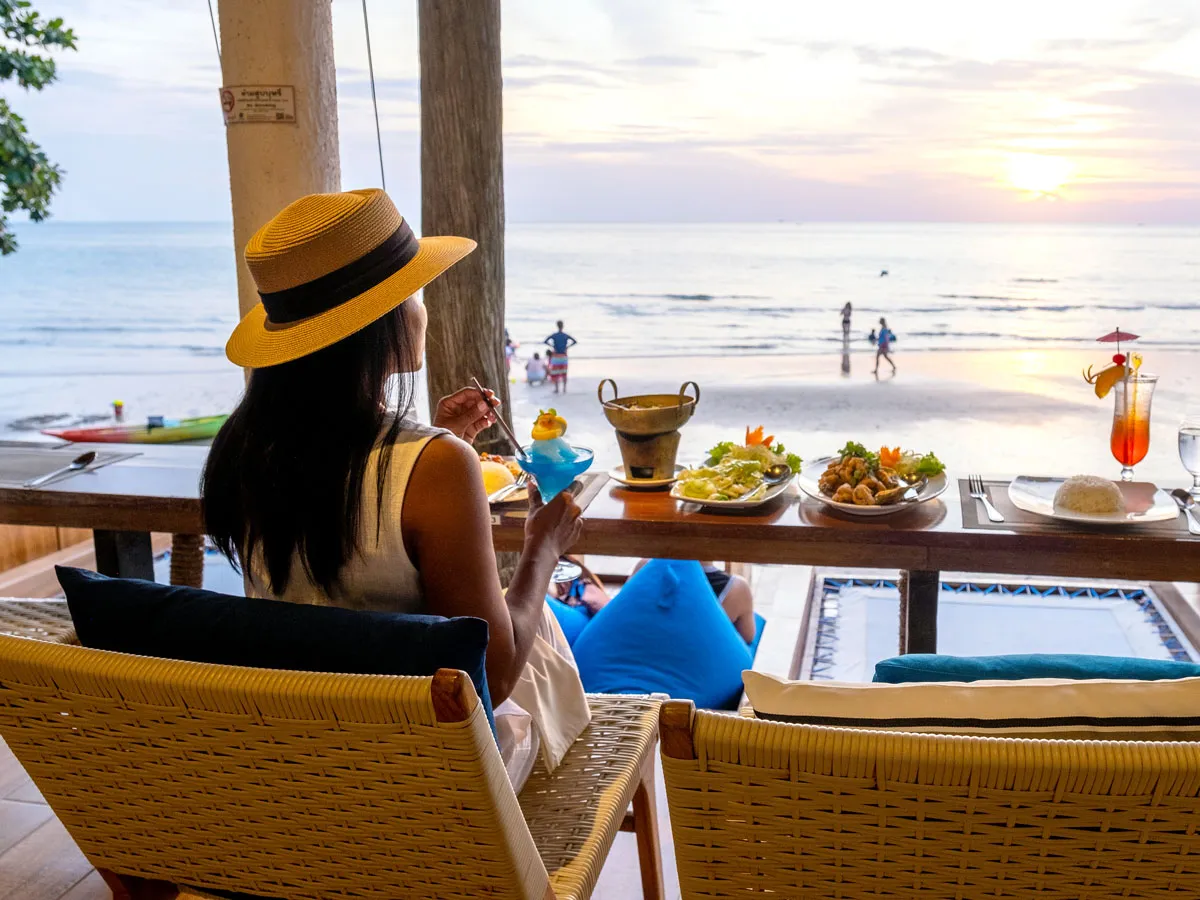
Woman enjoying meal overlooking beach
Credit: © Fokke Baarssen/stock.adobe.com

One of the most overlooked perks often included with a resort fee is a daily food and beverage credit to use at hotel restaurants, bars, or shops. Typically, these credits are “use it or lose it” and can’t be combined over multiple days. So, if you don’t visit the on-site bar or restaurant each day, you’re potentially leaving money on the table. Be sure to double-check which outlets are included with the daily credit, as it may be limited to certain places or items.   

Complimentary Drinks

Man sipping coffee on patio beside marina
Credit: © Fxquadro/stock.adobe.com

Even if the resort fee doesn’t include a daily food-and-beverage credit, it may cover specific refreshments. When you check in, ask the front desk what’s included with your resort fee. Often, your stay will include a complimentary welcome cocktail, bottled water in your room, or coffee for every night of your reservation. If you forget to ask and buy your coffee elsewhere each morning, that can add up quickly.

Wellness and Fitness Classes

People practicing yoga in park
Credit: © Andrii/stock.adobe.com

You may not get the opportunity to work out on vacation (or want to in the first place), but check if your resort fee covers access to the hotel’s gym, sauna, and pool area. Sometimes, yoga or other fitness classes will be offered as part of the fee, so ask at the front desk and make a class reservation upon check-in

Transportation

Shuttle bus parked with passenger door open
Credit: © Oleksandr/stock.adobe.com

Many resorts offer local shuttles to nearby city centers, major attractions, or beaches. Car rentals, rideshare platforms, or taxi services can add up quickly, so these rides are a great way to save money if this perk is available with your resort fee. 

Equipment Rentals

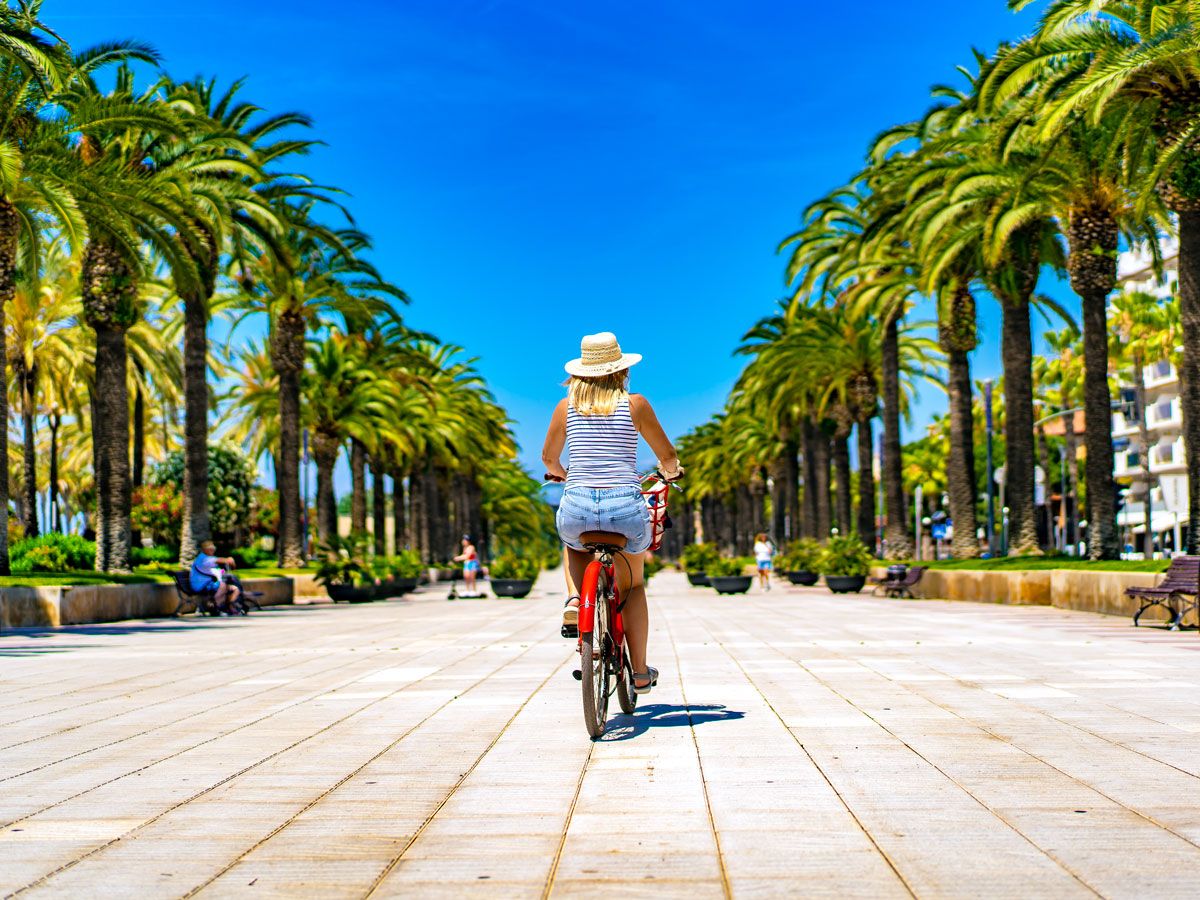
Person riding bicycle on palm tree-lined promenade
Credit: © Jacek Chabraszewski/stock.adobe.com

Looking to explore the area on two wheels? Check to see if the resort fee covers bike rentals. Often it also includes access to beach chairs and umbrellas; snorkeling equipment; and canoes, kayaks, or stand-up paddleboards. At some properties, the resort fee may even cover unique experiences like fishing excursions or mixology classes. 

Related: 4 Helpful Tips to Avoid Paying Hotel Resort Fees
Post Banner Image
Culture

The World’s Biggest Fast-Food Chain Just Hit the U.S. (And We Tried It)

By Daily Passport Team
Read time: 4 minutes
March 24, 2026
Updated: March 27, 2026

The World’s Biggest Fast-Food Chain Just Hit the U.S. (And We Tried It)

By Daily Passport Team
Author
Daily Passport Team
Daily Passport writers have been seen in publications such as National Geographic, Food & Wine, CBC, Condé Nast Traveler, and Business Insider. They're passionate about uncovering unique destinations and sharing expert tips with curious travelers.

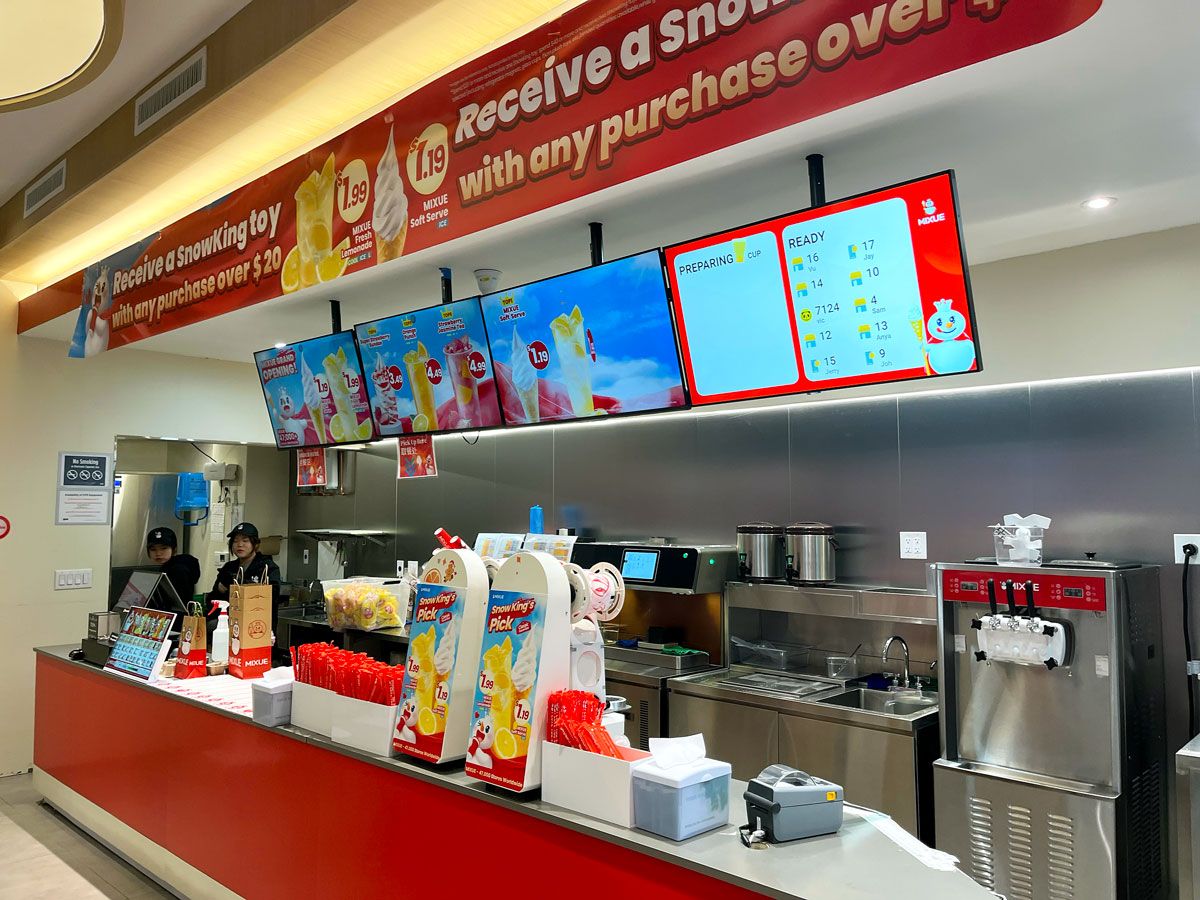
Many assume the world’s largest fast-food chain is McDonald’s or Starbucks, but if you measure by number of locations, the biggest global brand actually comes from China. Mixue Ice Cream & Tea, known for its soft-serve ice cream and tea-based beverages, operates 47,500-plus locations worldwide, with approximately 90% of them in China. (In comparison, McDonald’s has roughly 41,800 locations globally, while Starbucks has over 40,000.) Though it’s the world’s biggest fast food chain, until recently, you couldn’t find a Mixue location in the U.S. But as of late 2025, Mixue stores have begun rolling out in America, including one just a few blocks from my home in New York City. So, naturally, I had to try it. Here’s what the experience was like — and where you can find this rapidly growing fast-food chain in the U.S.

What Is Mixue?

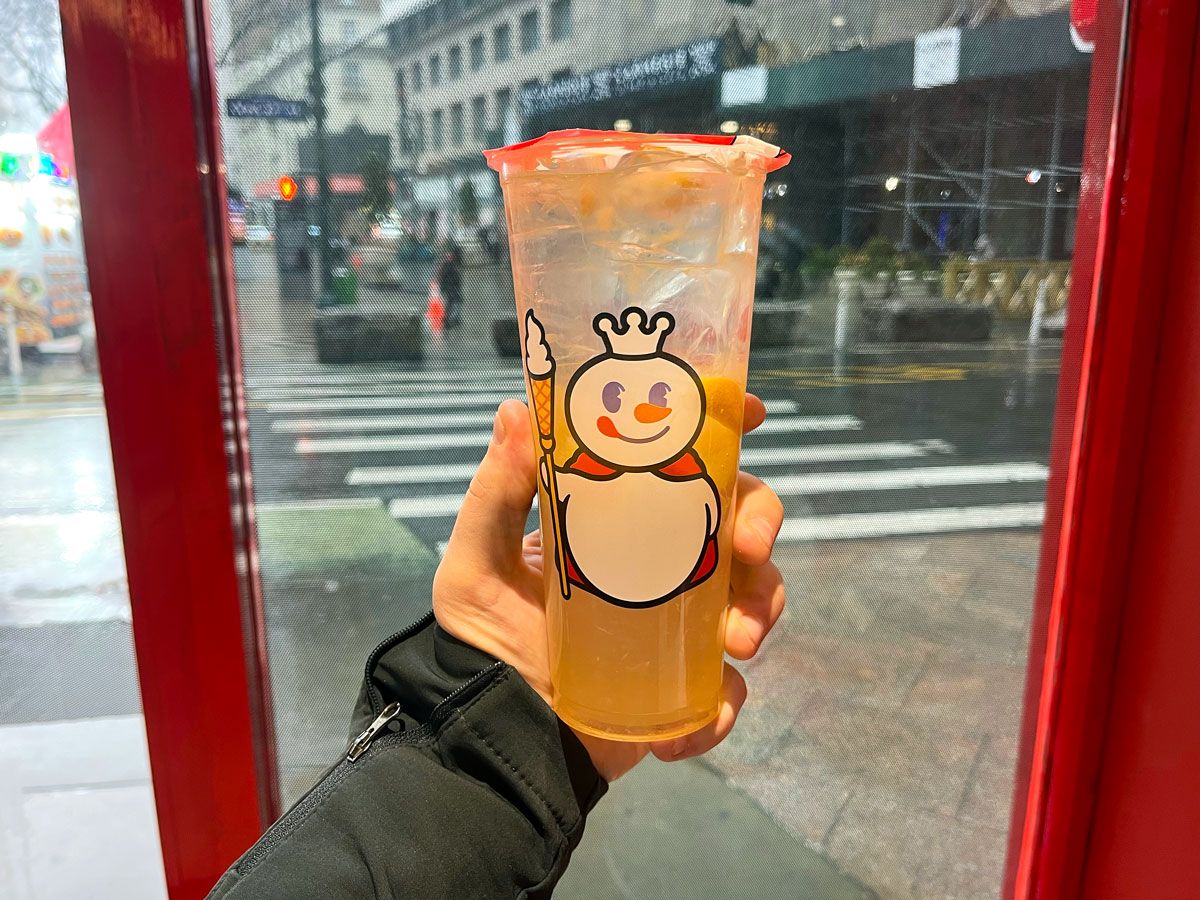
Author holding iced Mixue beverage in front of store window
Credit: Image courtesy of Bennett Kleinman

Don’t come to Mixue expecting burgers and fries, but do expect delicious soft-serve ice cream and iced beverages. The lemonade is so popular that the company says it sells over a billion cups annually, but you can also choose from a menu of items including vanilla or matcha soft serve, milk tea with boba or taro balls, ice cream-topped lattes, kiwi jasmine tea, and other refreshing treats.

Mixue has a reputation for affordability, too — it began as a small stall selling goods to students. Even as the chain continues to grow, the company strives to maintain low prices and consistent quality, which is made possible by in-house production of its fruit syrups, dairy products, and other ingredients. 

Perhaps another reason for Mixue’s popularity is the company’s delightful marketing — especially its lovable mascot, Snow King. The smiling snowman, who wears a crown and wields an ice cream scepter, appears on nearly all of Mixue’s signage and packaging.

Where Can You Find Mixue?

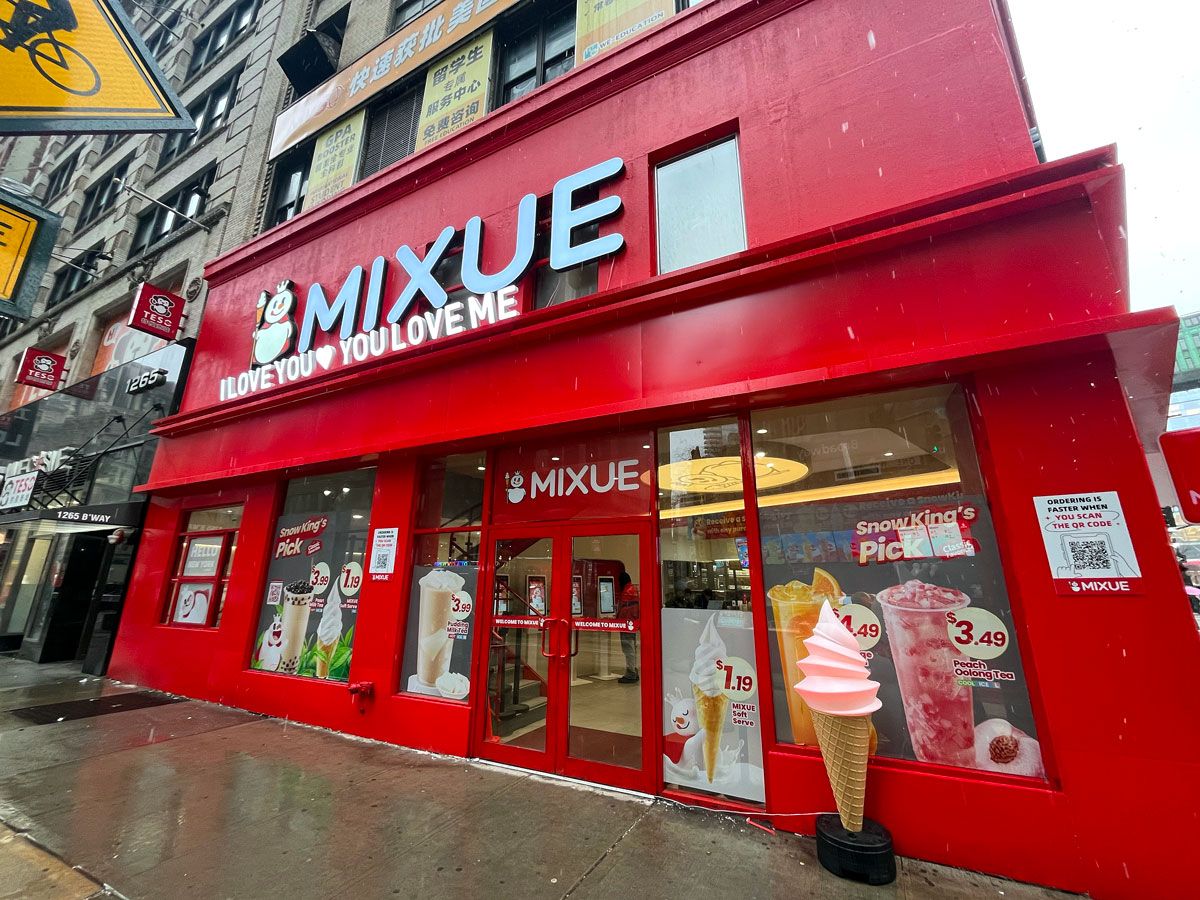
Exterior of Mixue's Herald Square location in New York City
Credit: Image courtesy of Bennett Kleinman

As of the time of publishing in March 2026, there are four U.S. Mixue locations. One is located on Hollywood Boulevard in Los Angeles, California. The other three are in Manhattan in New York City: on Canal Street near the Chinatown neighborhood, in Herald Square on the edge of Koreatown, and on 8th Avenue near Times Square. But more could be on the way soon: Mixue plans to expand its footprint in the U.S., though there’s no word yet on which locations are in the works.

Outside the U.S., Mixue operates in 12 countries — primarily China, where there are over 45,000 Mixue establishments. As of early 2025, there are upwards of 2,600 Mixue stores in Indonesia, 1,300 in Vietnam, several hundred in Malaysia and Thailand, and a handful in the Philippines, Cambodia, Laos, Singapore, Australia, South Korea, and Japan.

My Experience at Mixue

Menu and counter at Mixue location in New York City
Credit: Image courtesy of Bennett Kleinman

I’ve walked by Mixue’s Herald Square location several times and have always seen it filled with a decent crowd. But since I chose to visit on the day of a snowstorm, I walked right up and placed my order with ease. I was impressed by how I could customize each item to my liking,  choosing between different ice and sugar levels and adding various toppings and flavors. I ended up ordering a vanilla ice cream cone, an iced lemonade, and a milk tea with taro. All told, it cost $7.81, showcasing Mixue’s affordability — even in an expensive place like New York City.

The soft serve cost only $1.19 (before tax), but it was decadently creamy — I thought it tasted just as good as the ice cream you’d find at a pricier boutique shop. As for the drinks, I can see why Mixue’s iced lemonade is so popular. It had a nice balance of sour flavor without being too sweet. Lastly, the milk tea was the perfect way to cap off the experience, as it had loads of flavor at half the price of what I’m used to paying for similar drinks.

Fast food doesn’t always have the best reputation for high-quality ingredients, but I felt like Mixue really lived up to the hype. The only drawback is a menu lacking any savory options, but if you’re in the mood for a sweet treat, Mixue — and the price — is hard to beat. Keep an eye out for a location opening near you, or stop in on your next trip to L.A. or the Big Apple

Related: 7 Unique Fast Food Menu Items To Try in Other Countries
Post Banner Image
Tips

What Are Expedition Cruises? (And Should You Take One?)

By Daily Passport Team
Read time: 5 minutes
March 23, 2026
Updated: March 24, 2026

What Are Expedition Cruises? (And Should You Take One?)

By Daily Passport Team
Author
Daily Passport Team
Daily Passport writers have been seen in publications such as National Geographic, Food & Wine, CBC, Condé Nast Traveler, and Business Insider. They're passionate about uncovering unique destinations and sharing expert tips with curious travelers.

When you picture a cruise ship, chances are it’s a giant vessel with thousands of passengers sailing around the Caribbean or Alaska. In contrast, expedition cruises are small-ship voyages that venture into relatively remote and tucked-away places. With a capacity of perhaps 100 to 200 passengers (or sometimes less), they tend to be more exclusive than regular cruises, attracting a discerning clientele seeking to travel with a purpose and who appreciate the focus on discovery and exploration. If this sounds appealing, find out more about expedition cruises and a few of the most popular itineraries around the world.

The Basics of Expedition Cruises

Guests taking Zodiac boat from expedition cruise ship
Credit: Image courtesy of National Geographic-Lindblad Expeditions

If you’re hoping to explore Arctic regions, venture to Antarctica, sail up the Amazon, or island hop through the Galápagos, an expedition cruise might be what you’re looking for. Typically, you’ll come ashore on smaller craft such as Zodiacs and be given the opportunity to join guided activities like snorkeling, snowmobiling, or hikes to viewpoints and other scenic spots. 

Such cruises regularly have an educational focus, with expert guides to provide context about the places and wildlife that you see. On board, a lecture program might feature talks by experts such as marine biologists, historians, or naturalists. On some cruises, professional photographers offer practical workshops to help passengers capture better images of the most memorable moments on deck and ashore. Below are a few of the most popular operators of expedition cruises and what you can expect to experience on each.

National Geographic-Lindblad Expeditions

Giant half-buried Moai statues on Easter Island
Credit: © f11photo/stock.adobe.com

National Geographic-Lindblad Expeditions offers voyages all over the world, to places as far-flung as Patagonia and the South Pacific Ocean. There are more than 100 expedition cruise itineraries, spanning all seven continents and an impressive 70-plus countries. Guests can tick off an array of bucket-list-worthy experiences, including penguin encounters, underwater cave adventures, and thrilling Jeep rides. 

Days at sea are broken up with lectures on curated topics such as photography, conservation, and music. Passengers can take advantage of the ship’s open-bridge policy to see how the ship operates, get absorbed in a field guide for an upcoming destination in the well-stocked ship library, or enjoy a massage from an onboard wellness professional.

Quark Expeditions

Polar bear roaming by sea in Spitsbergen, Norway
Credit: © KrisGrabiec/stock.adobe.com

Quark Expeditions, headquartered in Seattle, specializes in expedition cruises to polar regions. From May through September, the focus is on the Arctic, with sailings to Svalbard, Greenland, Iceland, and the Canadian Arctic. Come November, the company pivots to the Southern Hemisphere, with voyages to the Antarctic Peninsula, South Georgia Island, the Falkland Islands, and Patagonia. 

Passengers can expect remarkable views of icebergs and snowy landscapes, along with a variety of location-dependent wildlife sightings including whales, walruses, polar bears, and penguins. The company aims to get guests off-ship as much as possible, so expect helicopter flightseeing, tranquil kayaking trips, Zodiac excursions, and immersive camping experiences, too.

HX Expeditions

Wild reindeer on snowy mountainside in Svalbard, Norway
Credit: © ondrejprosicky/stock.adobe.com

HX Expeditions promises “extraordinary journeys to the world’s wildest places, where the unexpected awaits.” Guests can choose from a slew of adventurous destinations, among them Antarctica, Alaska, Canada’s Northwest Passage, and Arctic gems such as Greenland, Iceland, and the spectacular Norwegian coast. For instance, you might get to experience the midnight sun in Svalbard or get acquainted with giant tortoises in the Galápagos Islands. Itineraries are deliberately fluid, allowing the ship to be responsive in changing conditions, such as the seasonal flow of pack ice or tip-offs about recent wildlife sightings.

Swan Hellenic

Person hiking through dense jungle
Credit: © Curated Lifestyle/Unsplash.com

Swan Hellenic specializes in expedition cruises to off-the-beaten-track destinations in Asia and the Pacific. Enjoy cultural encounters and community interaction in Papua New Guinea, for instance, or unlock the secrets of the Solomon Islands as you sail from Guadalcanal to the Sepik River. 

Likewise, itineraries to the Philippines, Japan, and South Korea center on experiential travel. Admire the ancestral mansions of Vigan in the Philippines, delve into samurai heritage in the Japanese city of Kagoshima, or tour the temples and tombs of Gyeongju, South Korea. Elsewhere, activities transport guests into paradisiacal locations, whether snorkeling over reefs teeming with tropical fish or hiking unspoilt rainforest trails. 

Silversea

Expedition cruise passengers looking out to sea over ship balcony
Credit: Image courtesy of Royal Caribbean Group 

Silversea’s expedition cruise arm has built a reputation on charting overlooked waters, sailing to a wide range of remote locations. While at sea, guests can enjoy an enviable ratio of almost one guest to one crew member. 

Off-ship activities are just as remarkable, from Zodiac excursions to surreal lava landscapes in the wildlife-rich Galápagos to river rafting in Chilean Patagonia. Alternatively, take to the air, peering out at four-tiered Mitchell Falls — a gem in the Kimberley region of Western Australia — through the windows of optional helicopter excursions.

Hapag Lloyd

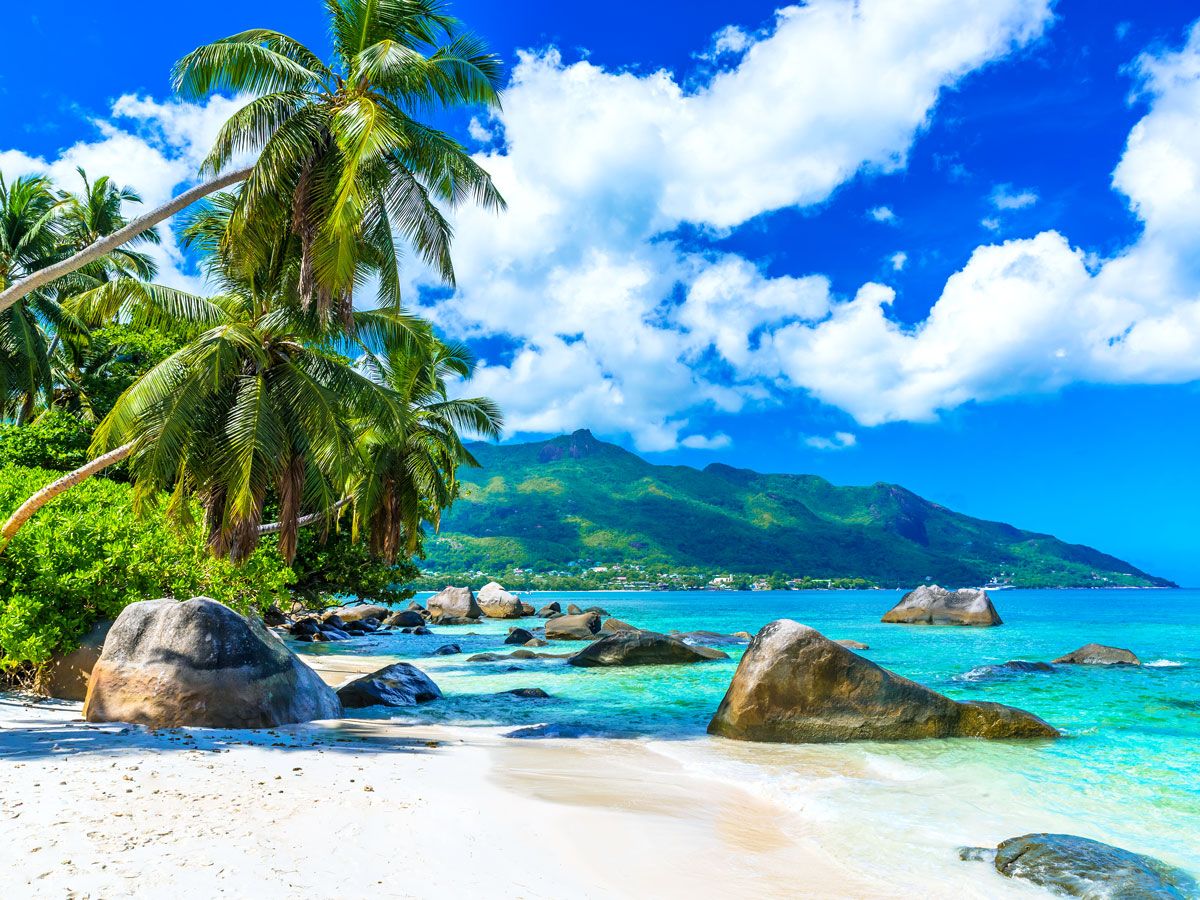
Beach on the island of Mahe in the Seychelles
Credit: © Simon Dannhauer/stock.adobe.com

While many expedition cruise specialists focus on polar regions, Hapag Lloyd seeks out warmer climates. For instance, you might explore the extraordinary boulder-strewn beaches of the Seychelles and the giant tortoises of its UNESCO-listed Aldabra Atoll. Or perhaps you’d rather venture to the upper reaches of the Amazon as you set off in search of pink river dolphins, water buffalo, and the world’s largest water lily.  

Another appealing expedition itinerary involves island hopping around the beautiful Azores, one of the world’s top whale-watching spots. While ashore, hike to volcanic caldera lakes, soak in geothermal hot springs, and savor the taste of the sweet, juicy pineapples grown here. 

Post Banner Image
Culture

5 of the Most Charming U.S. Desert Towns To Visit

By Daily Passport Team
Read time: 4 minutes
March 23, 2026
Updated: March 24, 2026

5 of the Most Charming U.S. Desert Towns To Visit

By Daily Passport Team
Author
Daily Passport Team
Daily Passport writers have been seen in publications such as National Geographic, Food & Wine, CBC, Condé Nast Traveler, and Business Insider. They're passionate about uncovering unique destinations and sharing expert tips with curious travelers.

The U.S. desert is full of unique towns, each with its own character and stories. From the hot springs of Truth or Consequences to the Wild West charm of Oatman, here are five of the most charming U.S. desert towns you should visit.

Truth or Consequences, New Mexico

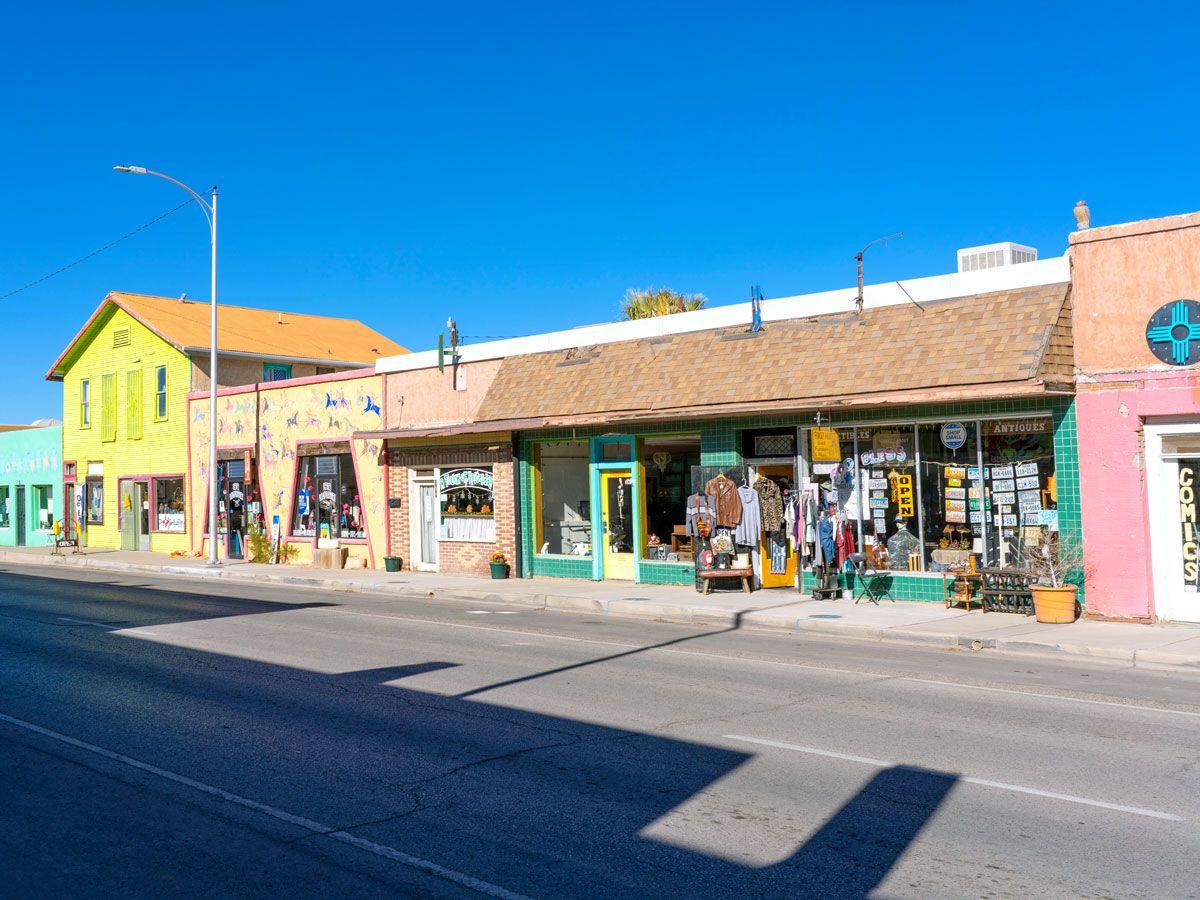
Main drag in Truth or Consequences, New Mexico
Credit: © Kyle/stock.adobe.com

In addition to its quirky, memorable name, Truth or Consequences is known for its artsy downtown and historic geothermal soaking pools along the Rio Grande. Originally, the town was simply named Hot Springs after its most famous natural feature, but in 1950, officials agreed to change the name to Truth or Consequences after a popular radio show at the time promised to broadcast from any town willing to take the show’s title. Hot Springs jumped at the chance, with the hope that the move would attract attention and put the town on the map. 

Beyond the hot springs, downtown Truth or Consequences is compact and easy to explore on foot, with galleries, cafés, and quirky local shops. Be sure to catch the monthly Second Saturday Art Hop, when galleries and venues open their doors for art exhibitions, live music, and shopping. 

Oatman, Arizona

Oatman Post Office with mountains in background
Credit: © Lauren/stock.adobe.com

Oatman is a small former mining town located on historic Route 66 in the Black Mountains of western Arizona. The town is best known for the wild burros that roam freely along Main Street, descendants of pack animals used by miners in the early 1900s. Oatman’s history and Wild West culture are still evident in its old storefronts, historic museums, and staged gunfights for visitors. With a year-round population of about 100, it isn’t quite a ghost town, though it is surrounded by several true ghost towns from its 20th-century mining days. 

The drive to Oatman is especially noteworthy — and a major reason many visitors make the trip. The stretch of Route 66 over Sitgreaves Pass between Kingman and Oatman is a narrow, winding mountain road with steep switchbacks, dramatic desert views, and a thrilling passage through the Black Mountains without guardrails. No matter which way you enter or leave the town, spectacular views are guaranteed.

Taos, New Mexico

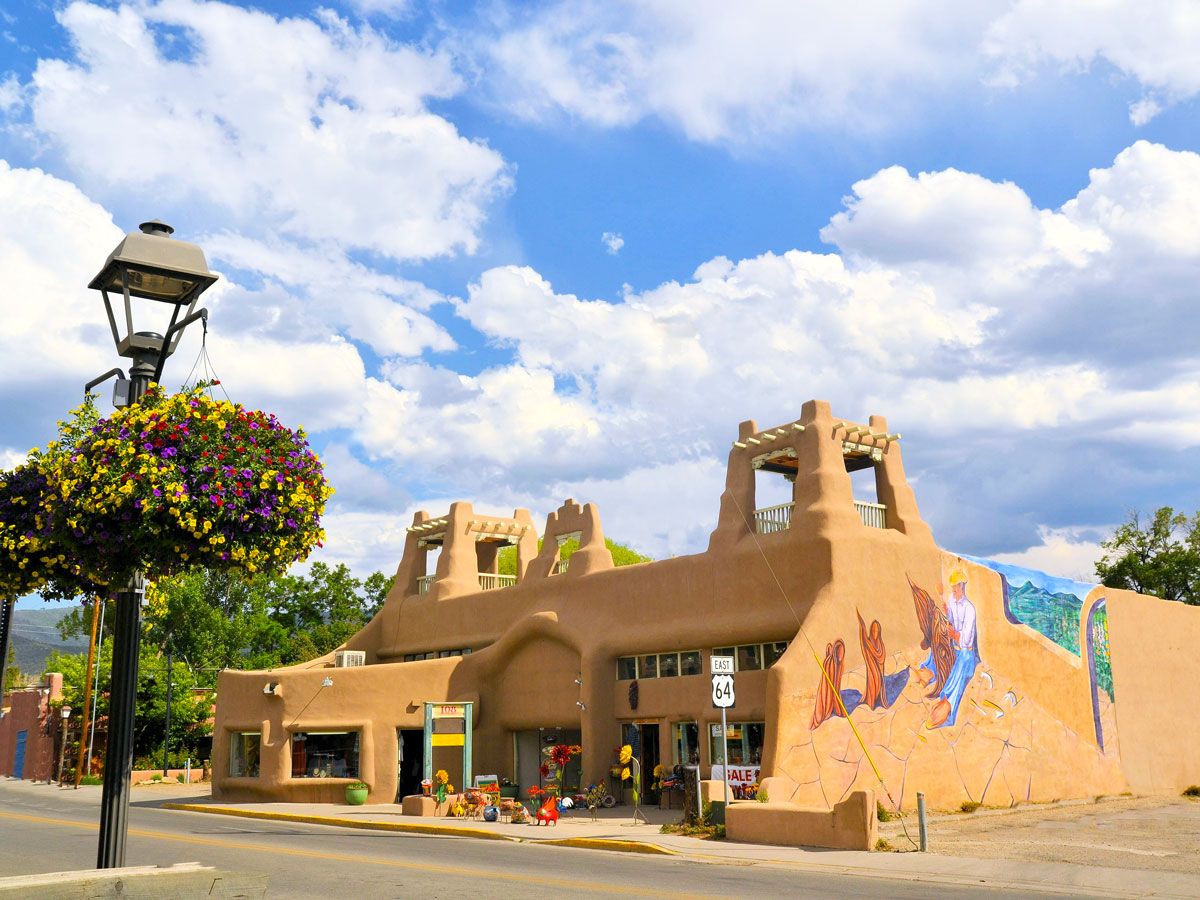
Traditional adobe building in Taos, New Mexico
Credit: © flocu/stock.adobe.com

Taos is a vibrant town set against the backdrop of the high New Mexico desert and the Sangre de Cristo Mountains. With a population of approximately 6,500, it exudes an energetic mix of culture and creativity. The streets are alive with artists’ studios, galleries, and craft shops, and there is always a rotation of events, exhibitions, and performances to experience. The town is particularly known for its turquoise jewelry, a must-buy souvenir while visiting. 

Taos also honors its Indigenous heritage through the preservation of adobe churches, such as the striking San Francisco de Asis Mission Church, and the buildings in nearby Taos Pueblo, a UNESCO World Heritage Site. Taos Pueblo has been continuously inhabited for over 1,000 years and offers insight into the Taos peoples’ traditional adobe architecture, ceremonies, and daily life. Outside town limits, the High Road and Low Road wind through dramatic desert and mountain landscapes and historic mission churches, and visitors can enjoy rafting on the Rio Grande or hiking, mountain biking, and skiing at Taos Ski Valley.

Marfa, Texas

Prada Marfa art installation in Marfa, Texas
Credit: © chapin31/stock.adobe.com

Marfa, located in West Texas’ Big Bend region, is a small town of approximately 2,000 people, but it’s unexpectedly rich in culture. Best known for its art scene, Marfa hosts a number of galleries and installations, such as the famous Prada Marfa, Giant Marfa Mural, Frida Kahlo Mural, and Stone Circle Activation. Marfa became an art destination in the 1970s when minimalist artist Donald Judd moved here from New York and began purchasing buildings so he could permanently install his large-scale works. His vision led to the creation of the Chinati Foundation and the Judd Foundation, which eventually transformed the small desert town into an international contemporary art hub. 

Today, Marfa is full of creatives, with internationally recognized exhibitions, boutique hotels, and a full calendar of art events. Beyond the galleries, you’ll find independent shops, a diverse selection of quality restaurants, and unspoiled desert landscapes ready to explore — from Marfa’s Dark Sky Reserve to scenic drives through the surrounding desert or nearby Big Bend National Park.

Joshua Tree, California

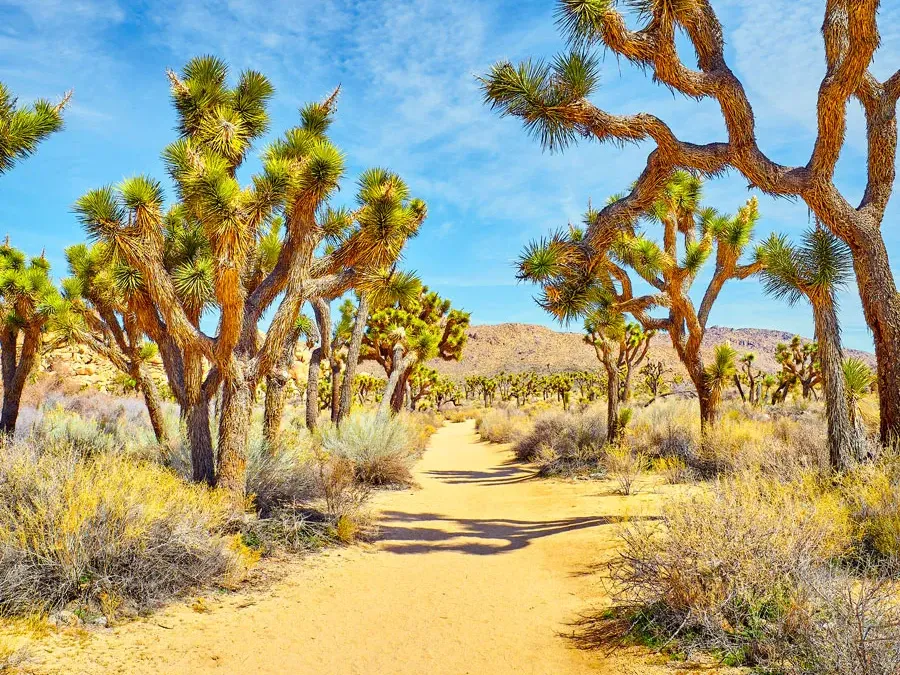
Dirt path lined with Joshua trees
Credit: © Patrick Jennings/stock.adobe.com

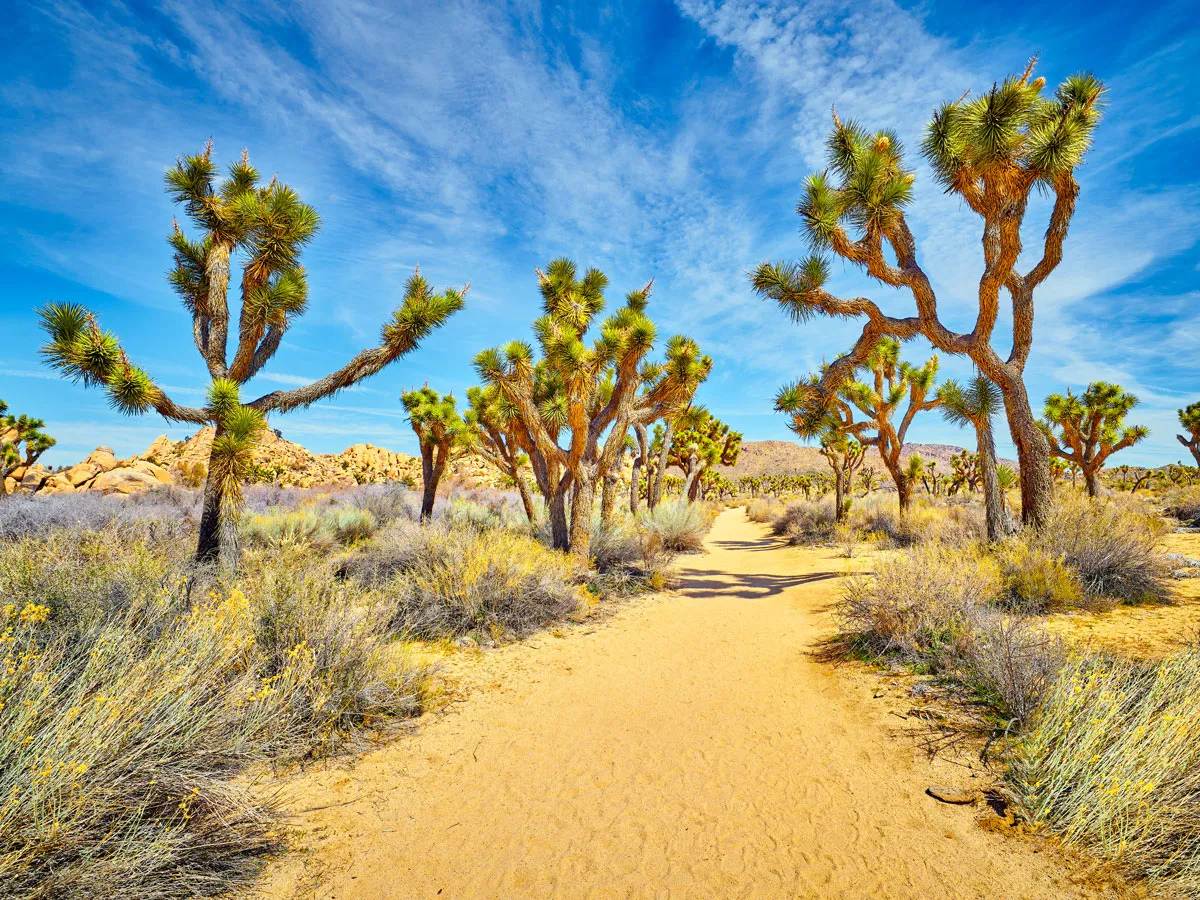
Joshua Tree National Park connects the Mojave and Colorado deserts, creating a landscape filled with twisted Joshua trees, massive granite boulders, and wide-open skies. The park, which draws climbers, hikers, and stargazers year-round, is named after the Joshua tree, which is not actually a tree but a type of yucca plant

Just outside the park, the namesake town has a laid-back, artsy feel, with vintage shops, small art galleries, and roadside attractions like the Noah Purifoy Outdoor Desert Art Museum and the World Famous Crochet Museum. Joshua Tree is also designated a Dark Sky Park, and clear nights make it a prime spot for stargazing.

Related: Road Trip? 7 Enchanting Small Towns Near Major U.S. Cities
Post Banner Image
Tips

The Travel Hack That Pickpockets Hate

By Daily Passport Team
Read time: 4 minutes
March 23, 2026
Updated: March 27, 2026

The Travel Hack That Pickpockets Hate

By Daily Passport Team
Author
Daily Passport Team
Daily Passport writers have been seen in publications such as National Geographic, Food & Wine, CBC, Condé Nast Traveler, and Business Insider. They're passionate about uncovering unique destinations and sharing expert tips with curious travelers.

Pickpocketing is a serious concern in certain travel destinations where petty thieves are known to prey on people in crowded, touristy areas. Unfortunately, it’s often the case that by the time you realize you’ve been robbed, the pickpocket is long gone, and you have no way of recovering your valuables. To avoid this dreaded scenario, travelers should stay aware of their surroundings and take precautions to protect themselves. One way to do that is with this clever hack that keeps pickpockets at bay. Here’s how to easily secure your belongings and stymie thieves from ruining your vacation.

A Simple and Stylish Solution

Scarfed tied to yellow purse
Credit: © Galina/stock.adobe.com

Whether you wear a scarf for style, warmth, or in support of your favorite soccer club, the fashion accessory can double as a makeshift lock to protect your valuables against pickpockets. This helpful hack — which we discovered from TikTok user @giiinnnaaa_ — works well with any standard zippered travel bag. However, it’s best to use a scarf thin enough to be threaded through a narrow opening.

Take the scarf and feed it through the opening of the bag’s zipper pull, much like how you’d thread a needle. Then, zip the bag shut and tie the scarf around the adjacent shoulder or wrist strap — you can tie it two or even three times for added security. The knotted scarf essentially creates a makeshift lock to keep the zipper closed, making it more difficult for a pickpocket to surreptitiously unzip your bag and grab your phone or credit card without drawing attention.

While the knotted scarf makes it tougher for thieves to gain access to your bag under the radar, it’s easy enough to untie if you need to gain access. Once you’re in a secure location, untie the scarf, unzip the bag, take out what you need, and then rezip and retie the scarf. For a visual explainer of how this works, check out the TikTok video.

Other Useful Products and Tips

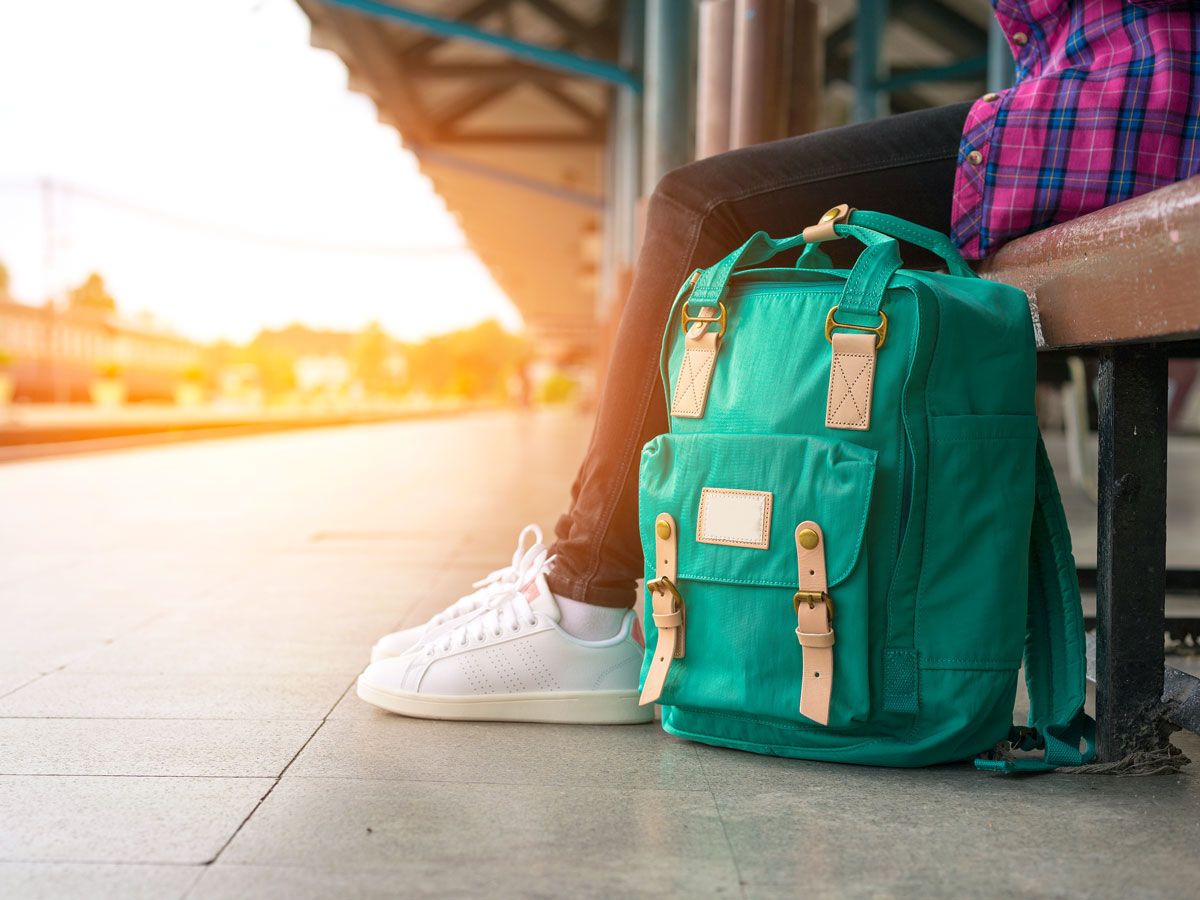
Traveler sitting on train platform bench with backpack on ground
Credit: © sutthinon602/stock.adobe.com

Using this scarf hack isn’t the only way to deter pickpockets — there are plenty of additional products and solutions that can keep your valuables safe. First, consider investing in an anti-theft bag, which includes features such as lockable exterior zippers, RFID-blocking materials, internal zippered pockets, and slash-proof straps. Another product worth considering is a travel lanyard, which connects your phone to your wrist so a pickpocket can’t snatch the phone and run off with it.

In the unfortunate event that your phone is stolen, there’s another simple hack for recovering it. Many pickpockets turn on airplane mode the moment they snatch a phone, which cuts the signal and makes it impossible for the rightful owner to track it down. Thieves can access the control center on an iPhone by swiping down from the upper right portion of the screen, since iPhones allow anyone to do this on any phone without entering a password. However, there’s an easy way to change this setting to keep potential thieves out, which you can read about here

Staying Aware and Vigilant

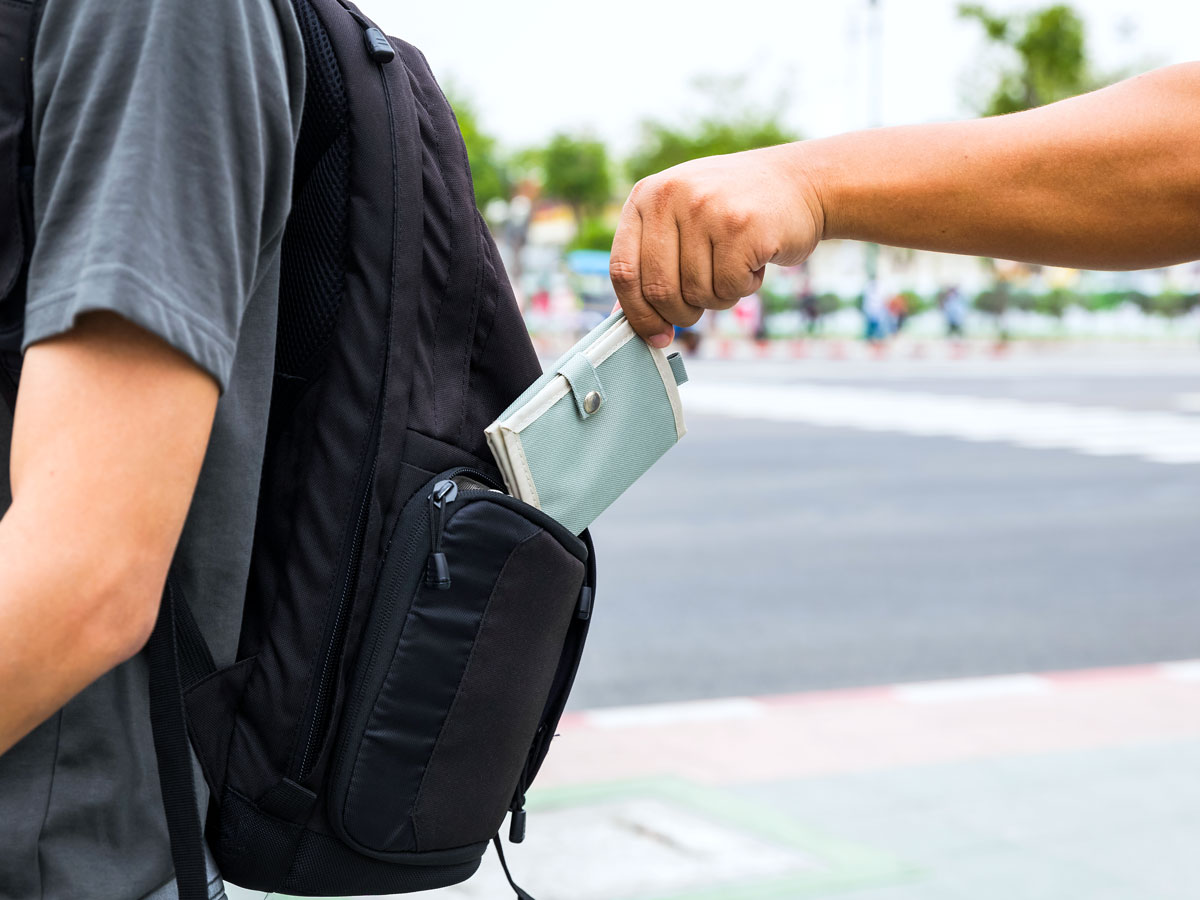
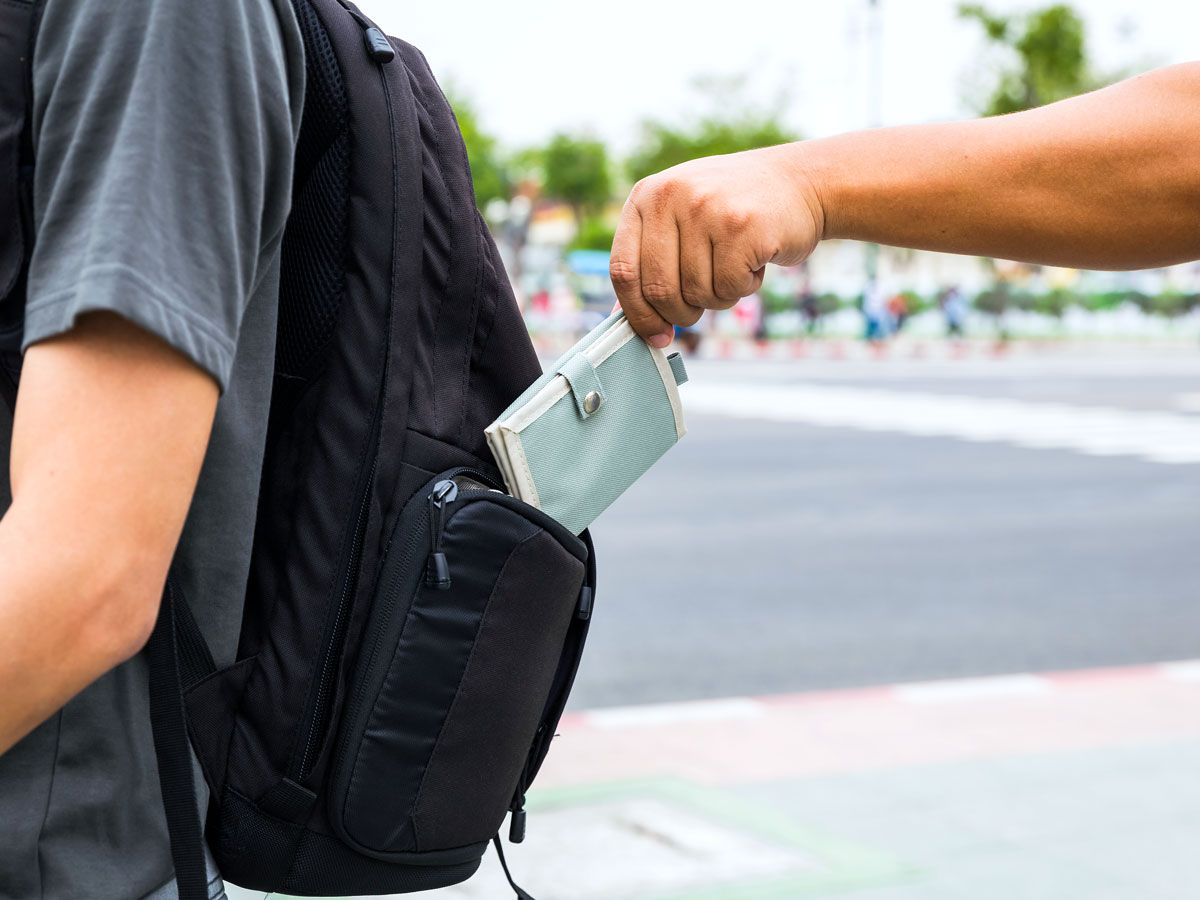
Person taking wallet out of backpack of unsuspecting victim
Credit: © hui_u/stock.adobe.com

Hacks and useful products only go so far — it’s also useful to educate yourself about situations where pickpocketing is more likely to happen, so you don’t subject yourself to danger. For instance, always remain vigilant in crowded tourist locations or on public transportation where you may be looking up at the sights instead of down at your bag or pockets. Pickpockets usually prey on distracted tourists, so try to keep your hands on your valuables in such situations.

It’s also worth noting that pickpockets often work in pairs or groups, and one may try to distract you while their cohort robs you blind. Always be cautious if a stranger approaches you, and try to protect yourself and your valuables in such situations.

Lastly, consider traveling light. In many ways, it’s better to leave things in your hotel room. Instead of taking both your phone and credit card out on the town, try uploading the card to your phone’s digital wallet. That way, if your phone gets snatched, you still have your physical credit cards back in the hotel room. The same goes for your passport — leave the passport in the hotel safe unless you absolutely need it, and explore your destination with a less critical form of identification such as your driver’s license instead.

Post Banner Image
Culture

5 Countries Known for Taking Siestas

By Daily Passport Team
Read time: 4 minutes
March 23, 2026
Updated: March 24, 2026

5 Countries Known for Taking Siestas

By Daily Passport Team
Author
Daily Passport Team
Daily Passport writers have been seen in publications such as National Geographic, Food & Wine, CBC, Condé Nast Traveler, and Business Insider. They're passionate about uncovering unique destinations and sharing expert tips with curious travelers.

While napping during the day can be viewed as lazy or unproductive in countries such as the U.S., some cultures view it as a necessary wellness practice. Rooted in the Latin word sexta, meaning the sixth hour of the day, the tradition of the siesta dates back to Roman times, especially in hotter climates. Although the advent of modern technology such as air conditioning (along with the growth of capitalism and globalization) may try to negate the siesta’s inherent value, here are five countries that continue to make time for an afternoon snooze.

Spain

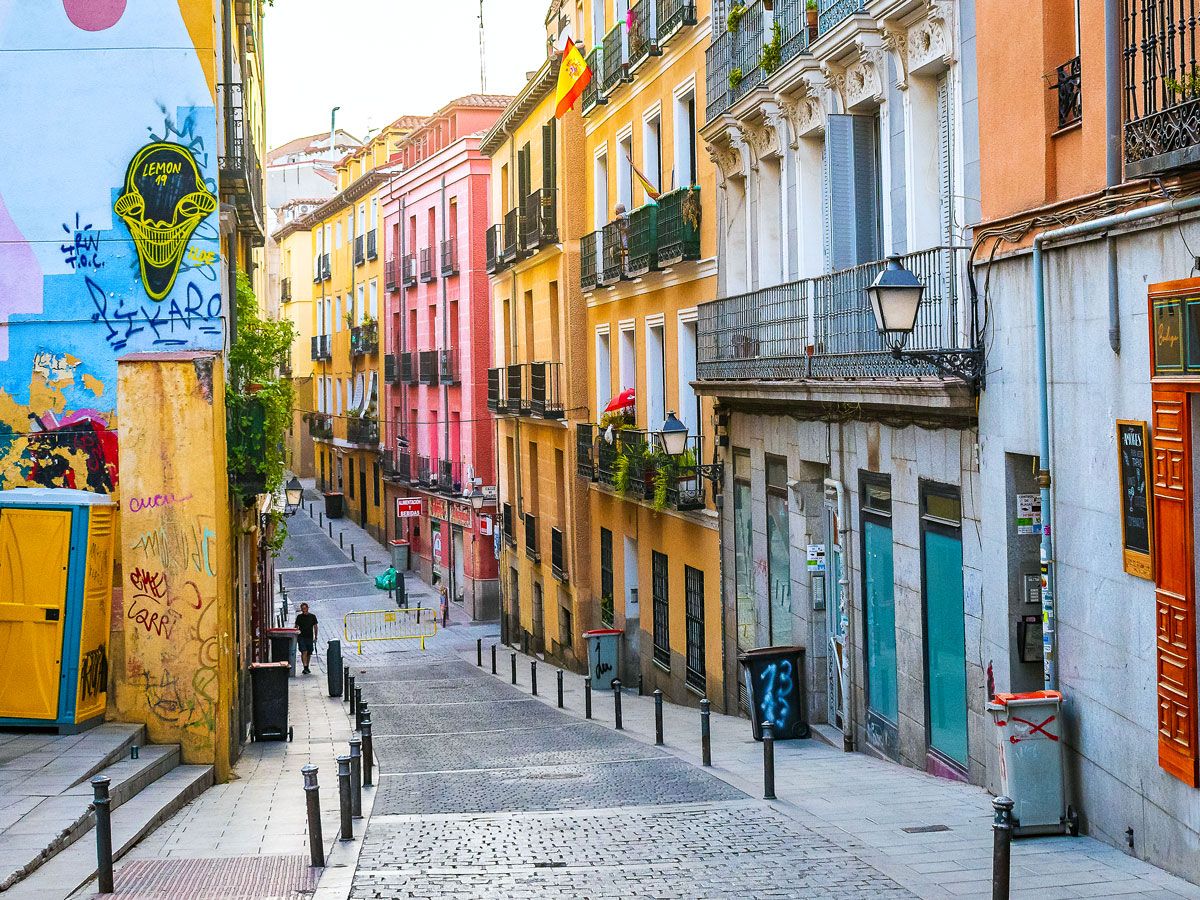
Empty pedestrian street with colorful buildings in Lavapiés neighborhood of Madrid, Spain
Credit: © Alberto Giron/stock.adobe.com

Spain and siestas go hand in hand. The practice dates back to the sixth century, when the Rule of St. Benedict, a foundational code of conduct for monks, encouraged a midday rest around 2 p.m. to ensure a balanced, healthy way of life. Spaniards quickly adapted to this recommendation, thanks in large part to the region’s hot climate and agricultural economy. Since rural workers toiled long hours, the workday was often divided into two sections, which allowed time for a large meal and a subsequent nap during the midday break. 

However, since the global economy began to infiltrate Spain, the siesta has become less ubiquitous in big cities such as Barcelona and Madrid, with many younger working-age people reporting that they never take a siesta. Nevertheless, the tradition is alive and well in many rural Spanish towns, with most shops closing midday for a proper rest.

Italy

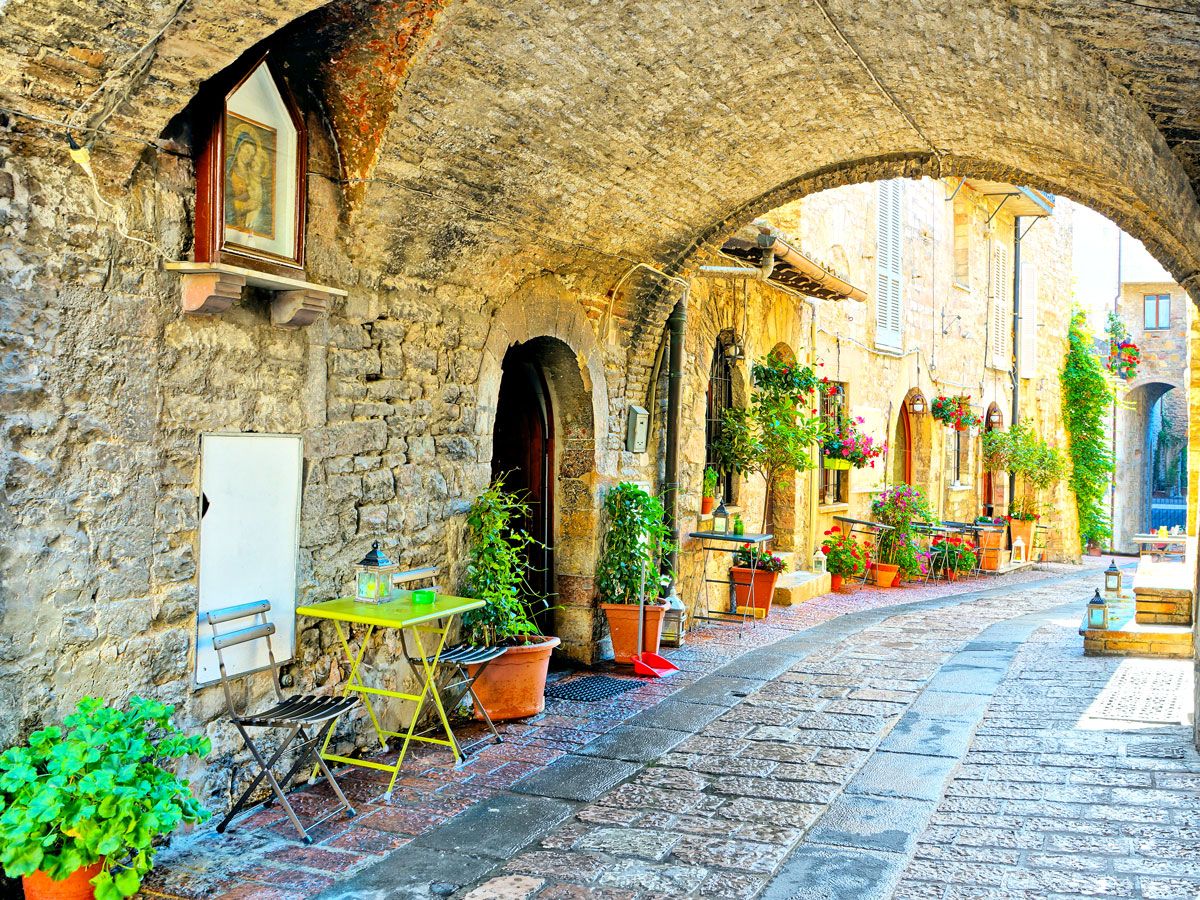
Empty dining tables under stone archway in Assisi, Italy
Credit: © Jenifoto/stock.adobe.com

Italians practice a tradition known as riposo, a midday break that translates literally to “rest.” Most often honored in small towns, riposo occurs every day around noon and can last three to four hours. Since lunch is also the largest meal of the day, this gives people enough time to gather, eat, and take a nap. 

As a result, many rural Italian villages become ghost towns in the afternoon, with restaurants, pharmacies, and even police stations closing for riposo. However, small cafes often stay open, offering espressos, pastries, and panini for anyone who chooses to be out and about. These midday breaks are especially important in the summer, as rest time is highly encouraged during the hottest part of the year. It also reflects Italy’s more laid-back culture, where enjoyment and rest — la dolce vita — are at least as valuable as productivity.

Greece

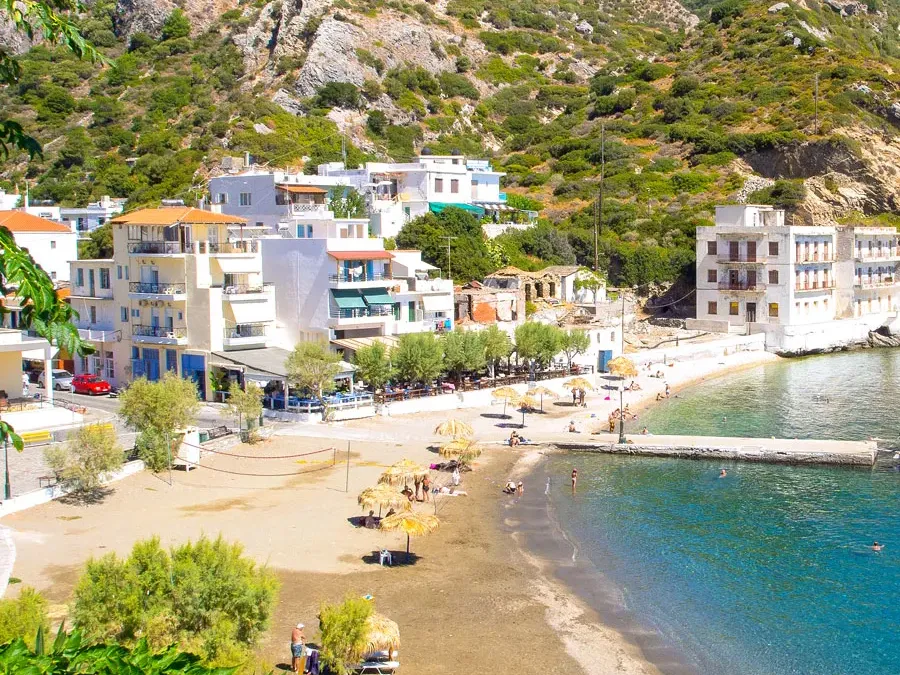
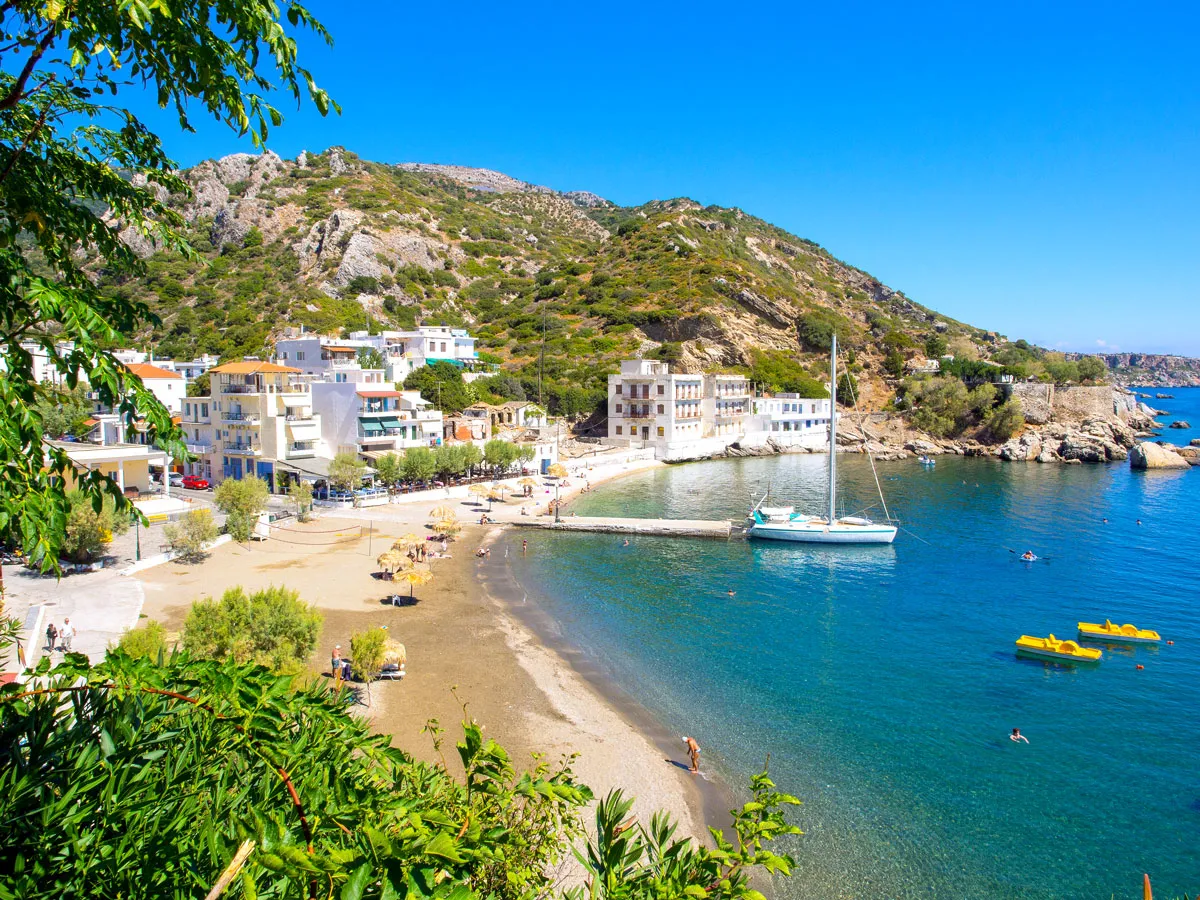
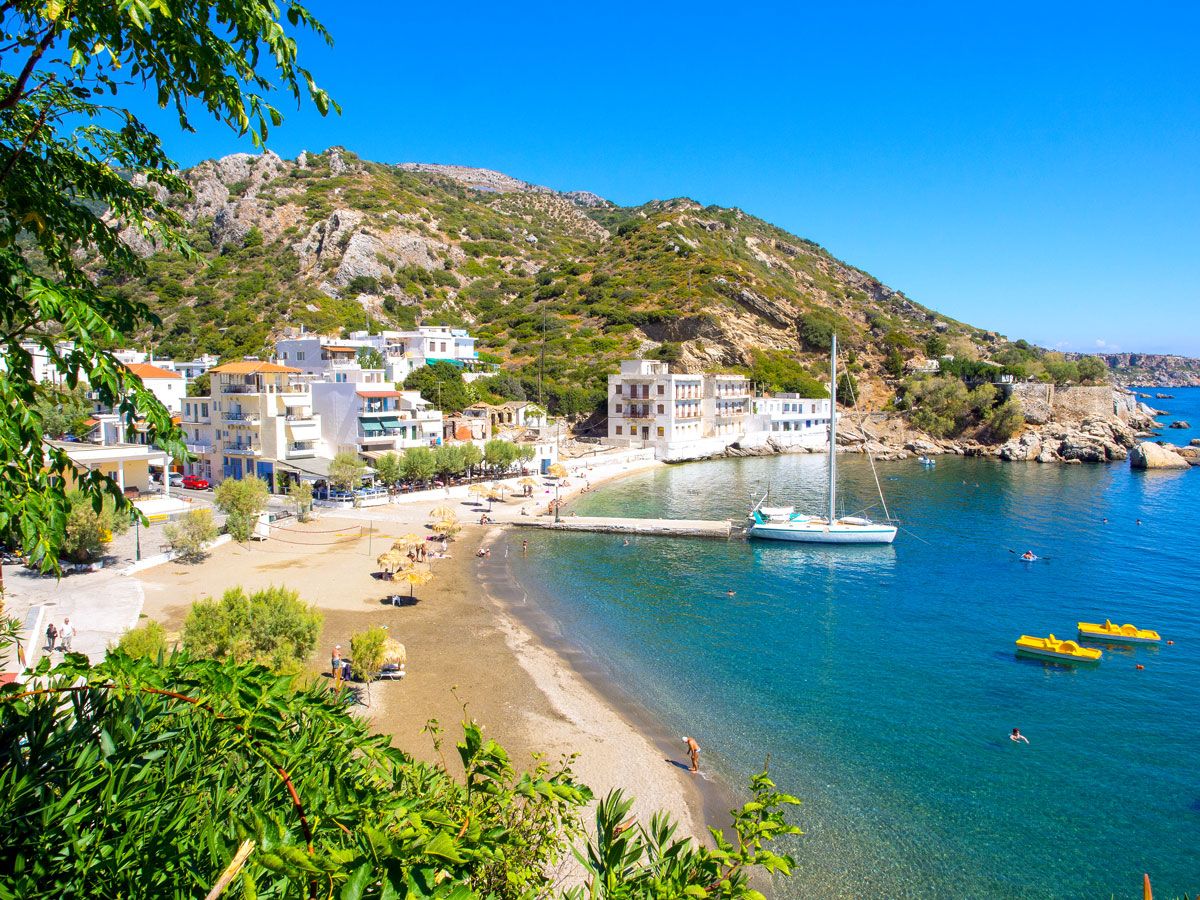
Beach and village of Therma on Ikaria island, Greece
Credit: © salparadis.stock.adobe.com

Afternoon rest is also embedded into Greek culture. In fact, Greek law requires common hours of silence, which also discourages the use of power tools, motorcycles, and other loud machines during the afternoon. Mesimeri, the Greek word for “midday,” colloquially translates to “quiet time.” 

Perhaps no place better exemplifies a healthy rest culture than Ikaria, a small Greek island that has been identified as a “Blue Zone,” one of a handful of places around the world where people live longer and enjoy a higher quality of life. On Ikaria, island residents commonly live to well into their 90s and have lower rates of chronic disease. This trend is often attributed to a healthy Mediterranean diet, a relaxed culture, and the prioritization of rest. Notably, midday naps are part of the island culture, with the quiet time starting around 2 p.m. and lasting for several hours.

Mexico

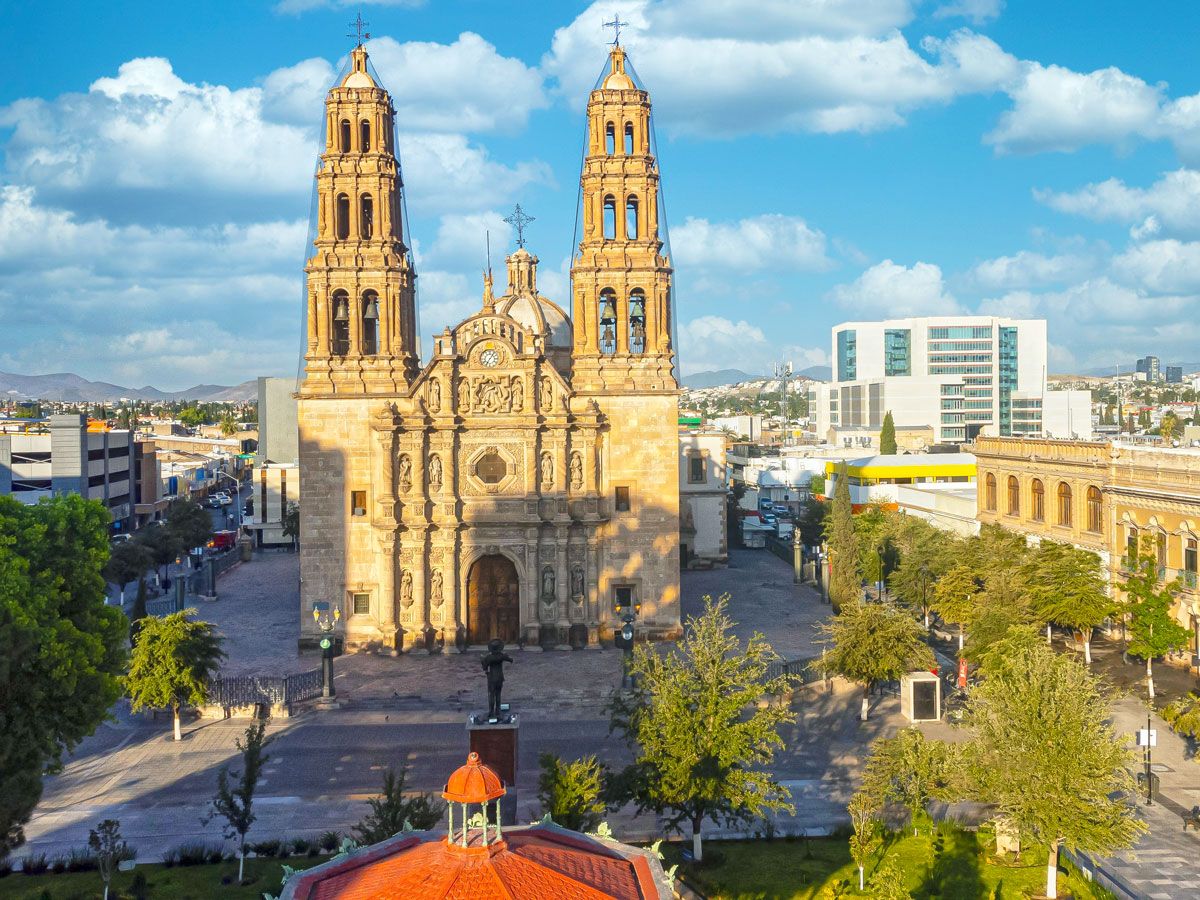
Cathedral and town square in Chihuahua, Mexico
Credit: © esdelval/stock.adobe.com

Up until around the 1940s, siesta culture was prevalent in big Mexican cities such as Mexico City. The hour of rest began around 1 p.m. and accounted for shops, businesses, and schools closing for la comida, the largest meal of the day. The beloved tradition provided a midday refresh, allowing enough time to eat a complete meal and take a nap if needed. 

Today, traditional siesta culture holds more prominence in hotter or rural regions. Although Mexicans still eat their biggest meal in the afternoon, naptime is not always prioritized. In fact, in many places that still practice the tradition, the modern siesta has been condensed down into a power nap that lasts roughly 20 to 30 minutes.

The Philippines

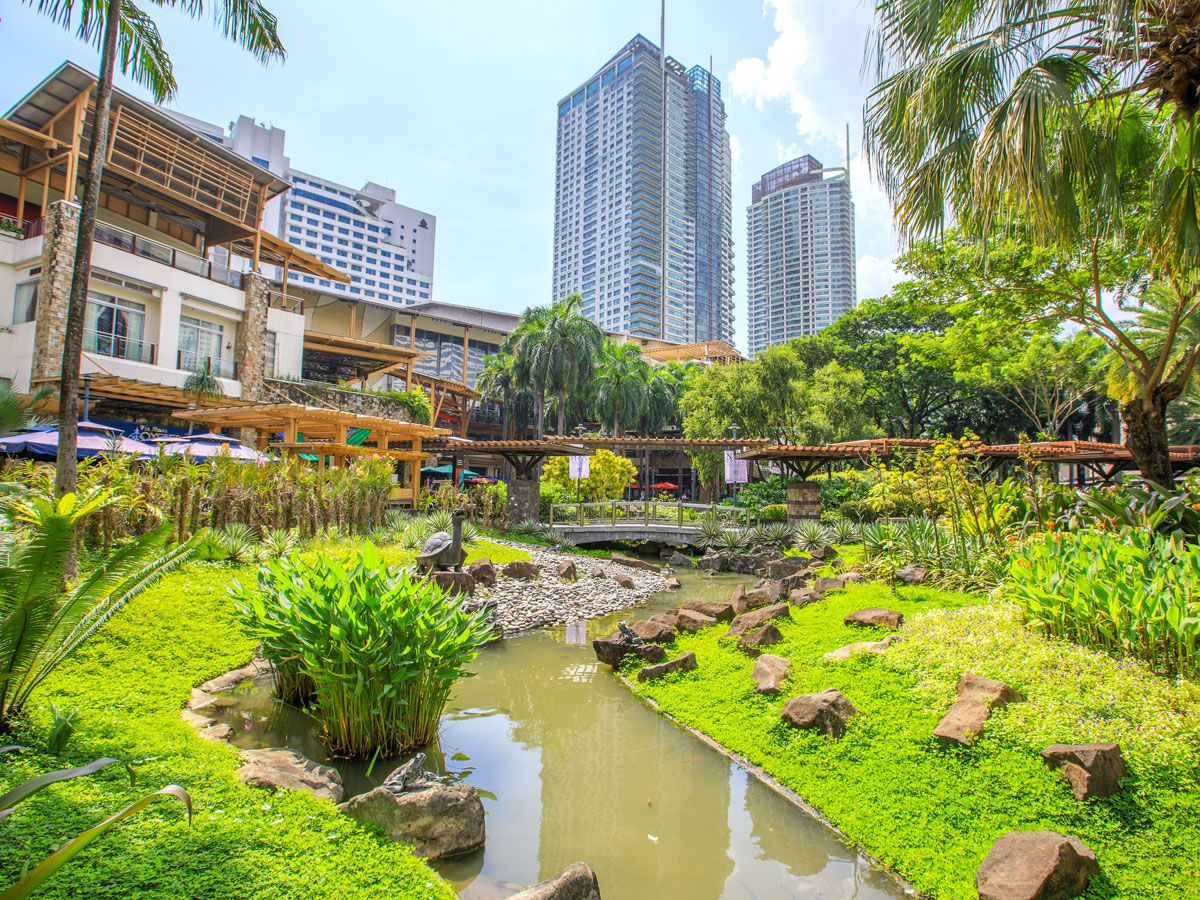
Park and shopping mall in Manila, the Philippines

In the Philippines, the midday nap is a long-held custom that has been around since Spanish colonization. After the Spanish left the Philippines in 1898, Filipinos continued the tradition, known as idlip (“slumber”). 

However, the Filipino version isn’t as lengthy as its Spanish predecessor. Instead, idlip is a quick power nap to help get you through the day, typically taken right after lunch. Visitors may notice that the afternoon is generally quieter throughout the Philippines, as locals take a break. The afternoon lull is broadly accepted as a wellness practice, encouraging rest and improving well-being — especially when the day is at its hottest.