Bennett is a New York City-based staff writer for Daily Passport. He previously contributed to television programs such as the Late Show With David Letterman, as well as digital publications like the Onion. Bennett has traveled to 48 U.S. states and all 30 Major League Baseball stadiums.
Parking overnight at the airport is rarely cheap. Some travelers choose to do so out of convenience, while others do it out of necessity, but no matter the reason, it can cost hundreds of dollars over the course of a trip. However, there’s a clever work-around that can help you save on airport parking. Here’s how it works.
To avoid breaking the bank on airport parking, you can book a night at a nearby hotel that offers free on-site parking and leave your car there during your trip. It’s important to confirm with the hotel that you can leave your car there beyond the date of your booking, as some hotels may allow parking only for current guests. But other airport hotels offer park-and-fly packages, which can offer one to two weeks of free parking with just a one-night stay.
Park Sleep Hotels is a handy service that compiles a list of airport-adjacent hotels that allow on-site parking for up to 14 days for anyone who books a room for a single night. As long as you check in with the front desk, you don’t even have to stay at the hotel if you wish. Many of these hotels also provide a free airport shuttle service to guests, so you won’t have any issue getting to the airport after parking.
While this hack can save you money, it can also be useful if you live far away and have an early morning flight, as you don’t have to deal with the long drive and scramble to find parking the day of your trip. And if your flight gets canceled or significantly delayed, you now have a comfortable room near the airport where you can wait out any lengthy delays.
Plus, driving to the airport can be a stressful experience, and airport parking lots are frequently full. But hotel parking lots tend to be far less congested and usually have plenty of available spaces, as long as you don’t mind a quick shuttle ride to the terminal.
Sometimes, the math may not work out, and booking a hotel stay might end up being the more expensive option. Taxis, rideshares, or public transportation may not be a viable alternative, either. If you wish to park at the airport itself, there are still ways to save.
First, book in advance if possible, as many airports offer discounts for reserving spots early. Some also advertise limited-time promotions on their websites or offer discounts for signing up for their email list. Additionally, you can consult third-party services such as Parkwhiz and SpotHero, which compile the available rates and allow you to book the lowest one.
Some airports even have their own loyalty programs: New York’s JFK Airport operates the AirPark Club, for example. You’ll earn one point for every day you park, plus a free day of parking for every seven points. These loyalty programs may not be available everywhere, but it’s worth checking with your local airport to find out if there’s one to sign up for.
Why Pro Travelers Love This One Hotel Rewards Program
By
Julia Hammond
Read time: 4 minutes
June 26, 2026
Updated: June 26, 2026
Why Pro Travelers Love This One Hotel Rewards Program
Tips •June 26, 2026•Updated: June 26, 2026
By Julia Hammond
Author
Julia Hammond
Julia is a U.K.-based travel writer whose work has been featured in The Independent, The Telegraph, The New Zealand Herald, and Culture Trip, among others. She’s an enthusiastic advocate for independent travel and a passionate geographer who has had the privilege of traveling to more than 130 countries in search of a story.
If you travel regularly, you probably have a favorite brand when it comes to overnight stays. Loyalty is important to hotel chains (and airlines), and rewards programs are a powerful tool in incentivizing travelers not to take their business elsewhere. However, the value of the points you accrue and the benefits you can access vary significantly among the major hotel brands. For years, one has been a standout. Here’s why seasoned travelers love this hotel rewards program to save on stays.
Most major hotel loyalty programs, such as Marriott Bonvoy, Hilton Honors and IHG One Rewards, have transitioned to dynamic pricing for award stays. This means that the price you’ll pay in points isn’t a fixed amount — it fluctuates based on demand in the same way that cash rates do. While those programs are transparent about how many points you’ll earn from each dollar you spend, it can take quite a few extra clicks to figure out how much those points are worth. To find the cheapest rate, you’ll need to be flexible with your dates and browse an online calendar to see how demand is impacting pricing for the property you’re interested in.
However, Hyatt’s World of Hyatt program works differently. Using this handy awards chart, you can see at a glance how many points a stay will cost, based on the hotel category you’re interested in. The chart provides a range of points needed to redeem per night based on the demand period, from lowest to highest. (So, you can expect to pay more during peak times such as holidays.) Hyatt’s award chart is a useful tool in determining how many points you’ll need to save up for a redemption.
In a system designed to reward loyalty, it makes sense that the more you demonstrate you’ve stuck around, the more benefits you’ll receive. Travelers who attain Globalist status, the highest tier in World of Hyatt — requiring 60 nights or 100,000 points in a calendar year — are generously rewarded. You’ll enjoy a 30% bonus on your spending, a 4 p.m. guaranteed late checkout at most properties, complimentary on-site parking, waived resort fees on eligible rates, a complimentary full breakfast, and lounge access (where available).
In addition, World of Hyatt incorporates Milestone Rewards into its program, with benefits beginning once you’ve accrued 20 nights. One of the perks members value most is the ability to obtain Suite Upgrade Awards, which allow you to confirm an upgrade from a standard room to a more spacious suite at the time of booking. Another useful Milestone Reward perk is the ability to give someone else Globalist status for seven nights under their Guest of Honor Award initiative.
Beyond the points earned on eligible stays (five points per dollar, with a bonus for elite members), there are several other ways for travelers to earn points. One is by opening a World of Hyatt credit card. With the standard welcome offer, cardholders have the opportunity to earn up to 60,000 bonus points in the first six months, plus the chance to receive complimentary World of Hyatt Discoverist status and an annual free night certificate deposited into your account on your cardmember anniversary.
It is also possible to top up your Hyatt points balance by transferring from other rewards programs. For example, 1,000 Bilt points equate to 1,000 World of Hyatt points. And holders of the Chase Sapphire Reserve credit card can transfer points to their World of Hyatt account at a 1:1 ratio. (IHG One Rewards and Marriott Bonvoy are also Chase transfer partners.)
When selecting a hotel loyalty program, what you’re really looking for is value and what your points can buy you in real life. In this respect, World of Hyatt performs well. According to an analysis by NerdWallet, Hyatt points are worth around two to four times as much as competitors’ points.
The numbers don’t lie: For example, in June 2026, we found that you can book a stay at the Hyatt Place North Charleston in December 2026 for as little as 3,500 points per night. Comparing the cheapest available room in December across the same hotel category, the Holiday Inn Express North Charleston requires 21,000 points, Courtyard by Marriott Charleston-North Charleston costs 21,600 points, and Tru by Hilton Charleston Ashley Phosphate comes in at 27,000 points.
Nevertheless, your reasons for settling on one hotel rewards program over another will also depend on the destinations you’re likely to visit the most. And that’s perhaps the one downside with the World of Hyatt program: the relatively small number of hotels compared to the other big players. Marriott boasts a portfolio of more than 9,900 properties, Hilton’s not far behind with over 9,200 hotels, and IHG offers more than 7,000 places to stay. Hyatt’s offering remains rather modest in comparison, at around 1,500 hotels. However, if there’s a Hyatt property where you’re headed, this hotel rewards program is well worth taking advantage of.
Advertisement
More from our network
Daily Passport is part of Inbox Studio, an email-first media company. *Indicates a third-party property.
Michael is a staff writer for Daily Passport and film critic who writes the weekly newsletter Movie Brief. His writing and criticism have also appeared in the Los Angeles Times, Variety, and the Washington Post, among others. A native Angeleno, his favorite countries to visit are Norway and Japan.
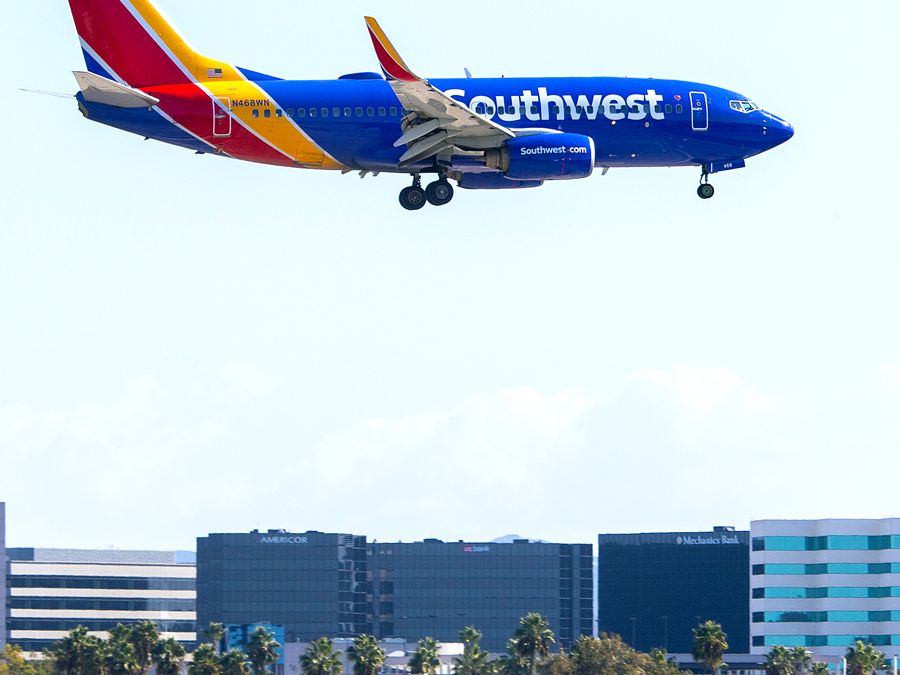
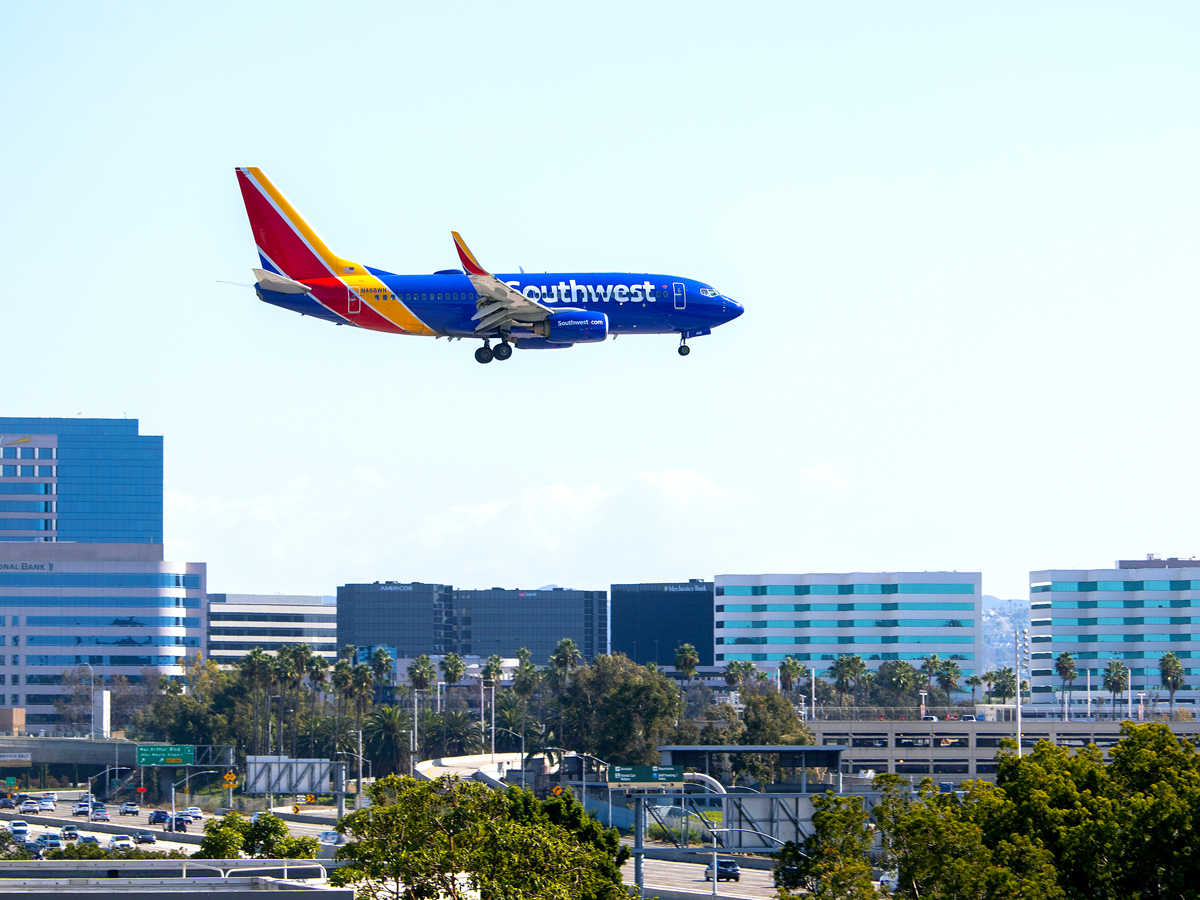
In recent weeks, we’ve seen airlines tightening their carry-on policies for certain devices, such as power banks. But here’s one we haven’t seen yet: Southwest Airlines has saddened automaton enthusiasts everywhere by announcing that “humanlike robots” are banned from its fleet effective immediately, ditto their “animal-like” counterparts. Here’s what’s behind the strange ban.
According to Southwest’s new policy, neither humanlike nor animal-like robots are allowed “to be transported in the cabin or as checked baggage, regardless of size or purpose.” To remove any ambiguity, the airline defines a humanlike robot as “a robot designed to resemble or imitate a human in its appearance, movement, or behavior,” which pretty much covers it.
The announcement didn’t come out of thin air: It was prompted by Stewie, a 3.5-foot-tall humanoid robot designed by the Robot Studio, which recently flew in the cabin of a Southwest flight from Las Vegas to Dallas, where both the airline and the studio are based. Aaron Mehdizadeh, the Robot Studio’s founder, purchased Stewie a seat and fitted it with a battery small enough to pass through security. The robot, for its part, enjoyed the experience: “I had the perfect window seat, clouds like cotton candy, and everyone’s snapping selfies with me,” Stewie told CBS News through a programmed voice.
In a statement shared with People regarding the new policy, Southwest said that the chief concern with Stewie and similar robots is “the size of lithium-ion batteries used to power [robots] and the risk they pose during flight.” The carrier added that Stewie’s lithium battery “exceeded the maximum allowable size, so the customer was asked to remove it. We appreciate the professionalism of our flight crew in addressing this situation.”
Southwest is hardly the only airline or aviation authority concerned about lithium-ion batteries. American, United, and Delta have all implemented similar restrictions in recent months, following a number of incidents in which the batteries caught on fire. Federal Aviation Administration statistics note a total of 724 incidents between March 2006 and May of this year involving the batteries, which countless passengers bring aboard in their phones, laptops, and other electronic devices every single day.
Power banks are no longer allowed in the overhead compartments on Southwest, American, United, and Delta flights due to the risk of fire, and each carrier has its own restrictions on the size of lithium-ion batteries allowed both in the cabin and in checked bags.
And as of March 2025, TSA rules prohibit passengers from packing portable chargers, power banks, and cellphone battery charging cases that contain lithium-ion batteries in checked luggage. This rule also applies to spare external lithium batteries. So, it seems like next time Stewie wants to take a trip to Vegas, it’ll probably have to be a road trip.
7 Things Flight Attendants Would Never Do on a Plane
By
Nicole Villeneuve
Read time: 4 minutes
June 26, 2026
Updated: June 26, 2026
7 Things Flight Attendants Would Never Do on a Plane
Tips •June 26, 2026•Updated: June 26, 2026
By Nicole Villeneuve
Author
Nicole Villeneuve
Nicole is a writer and researcher with over 15 years of experience seeking out arts, culture, and lifestyle stories in places like remote northern Quebec and the unforgettable streets of Amsterdam. Her work has also appeared in PureWow, Brit + Co, AUX TV, and CBC.
After regularly spending upwards of 90 hours per month in the sky, flight attendants know a thing or two about how to fly. When they’re off duty and traveling as passengers themselves, flight attendants tend to approach their trip with the perspective they’ve learned on the job. Here are seven things flight attendants would never do on a plane.
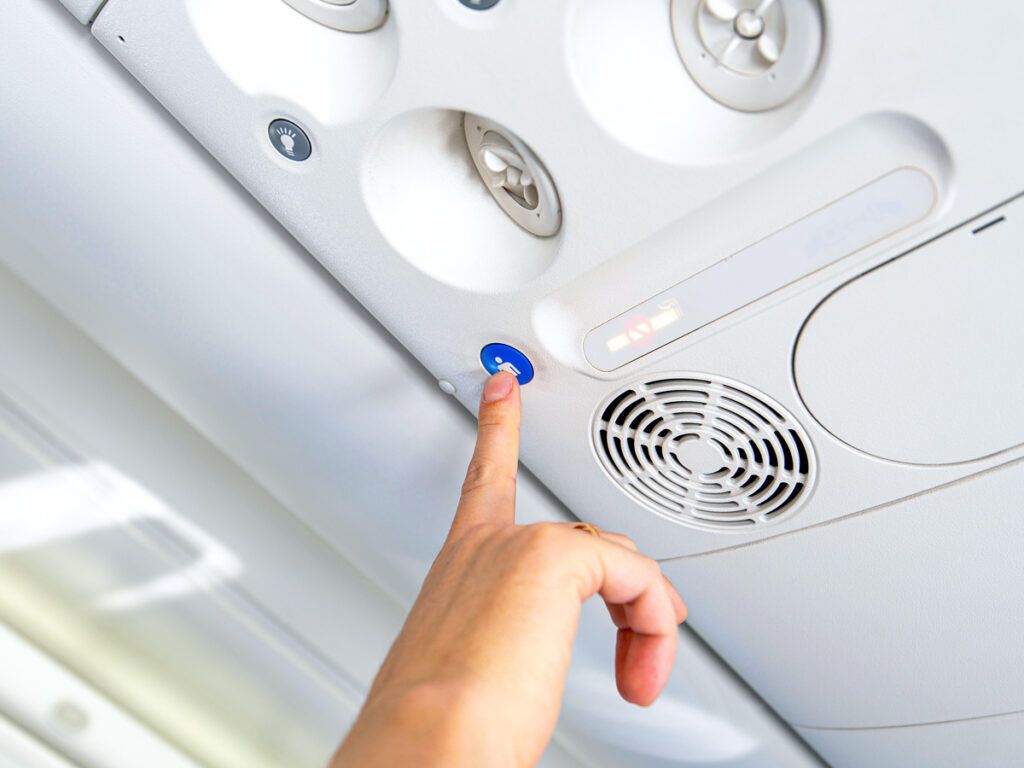
Having worked countless flights, flight attendants understand how service moves through the cabin and how small interruptions add up, leading to more pressure during already busy moments. So when traveling as passengers, flight attendants try to time requests intentionally. Some even make it a point not to use the call button at all, with several flight attendants commenting in a Reddit discussion that their priority when flying as a passenger is to stay put, not ask for anything, and not press the call button unless it’s actually urgent.
Flight attendants often report being tapped on the shoulder, touched on the arm, or physically stopped while moving through the cabin. While it isn’t malicious in the vast majority of cases, frequent physical contact can still feel violating to a flight attendant. So, when they travel as passengers, you can expect that crew members are especially careful to avoid doing the same. Instead, they might use a verbal cue or a wave to get the attention of the working cabin crew.
Flight attendants typically aim to be low-maintenance passengers. After spending their workdays managing requests and adapting to constant operational changes, most simply want an uneventful flight when the roles are reversed.
Many crew members travel on “nonrev” (nonrevenue, or free or discounted) tickets, and will often introduce and identify themselves to a flight crew with a quick “hello” or “thank you” as they board or exit. This isn’t because they expect special treatment, but because they like the crew to know they’re there if needed, according to flight attendants on Reddit. If they’re traveling on their own dime, however, they’ll typically act as normal passengers, with many saying in online industry discussions that they keep to themselves and try to minimize requests.
Get Too Comfortable When the Seat Belt Sign Is Off
Experienced crew members know just how troublesome turbulence can be. While passengers often interpret the seat belt sign as a flexible guideline, flight attendants agree that, whether working or off duty, it’s important to keep that seat belt fastened whenever they’re seated, even if the sign is off.
Conditions can change quickly in the sky, and unexpected turbulence remains one of the most common causes of in-flight injuries. Flight attendants have seen this firsthand, so they tend to stay disciplined about staying seated and buckled when they can.
The galley serves multiple roles on an aircraft: workspace, storage area, service station, and in many cases, the only place where flight attendants can briefly reset between duties. That makes it one of the most operationally important areas of the cabin, but because it is also one of the few relatively open spaces, people sometimes loiter if they’re up for a quick stretch or waiting for the lavatory.
The galley is still quite small, however. So when they’re traveling off duty, flight attendants are especially mindful of this space — even brief congestion can slow down service or create unnecessary risk if turbulence hits or when carts are in motion.
When they travel for leisure, especially if they’re flying on standby or nonrevenue tickets, flight attendants often have no control over where they’re seated and probably won’t ask to switch.
Flight attendants are aware that seat assignments are tied to much more than just someone’s personal preference. Some seats are purchased at a premium, while others may be assigned for weight and balance considerations, so full flights rarely leave room for adjustment. All of this helps flight attendants take a more pragmatic approach: Once a seat is assigned, it’s usually easier to accept it than to try reshuffling the cabin.
Forget That Flight Attendants Are There for Safety First
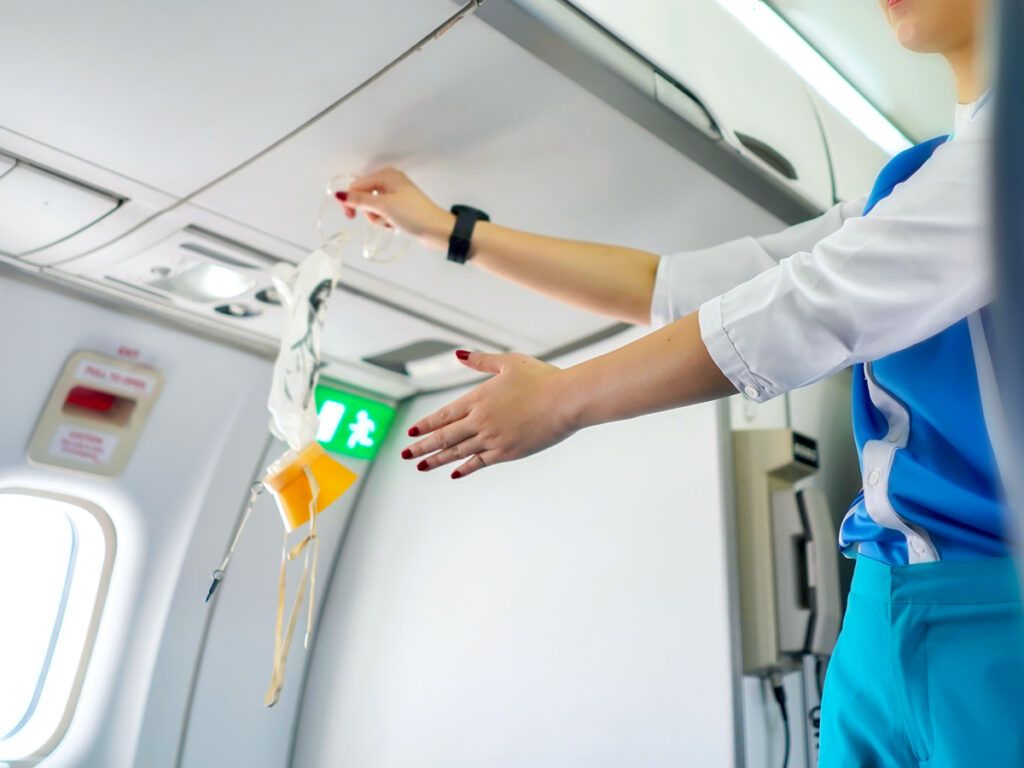
Some passengers think of flight attendants primarily in terms of service, such as for drinks, snacks, or other requests as needed. But crew members are trained first and foremost in safety procedures, and that knowledge tends to shape how they travel when they’re off duty as well.
Flight attendants are responsible for tasks such as emergency response, medical assistance, evacuations, and coordination with the flight deck. As passengers, they remain in tune with cabin operations and are likely to quickly comply with any instructions and directions that may be given.
Advertisement
More from our network
Daily Passport is part of Inbox Studio, an email-first media company. *Indicates a third-party property.
Peter is a Toronto-based journalist, editor, content strategist, and self-professed avgeek with 15 years of experience covering all things travel. Prior to joining Daily Passport, he oversaw newsletter publication for Travelzoo. His favorite destinations to explore include Japan, France, Chile, New Zealand, and his adopted home country of Canada.
Social media is increasingly filled with stories of travelers venting their frustration with airlines. Whether they’re facing hours-long delays, overbooked flights, or ever-shrinking legroom and amenities, travelers are putting up with more and more, all while paying record-high airfares and fees. But airlines are doing at least a few things right in 2026, according to the folks at JD Power. The consumer research firm polled travelers to award a satisfaction score to each of the major North American carriers. Find out which airlines came out on top.
About the 2026 Study
Credit: Image courtesy of JetBlue
One of the key takeaways of the 2026 study — perhaps a surprising one — is that, on the whole, passenger satisfaction with airlines is growing. Airlines fared eight points better, on average, than in the 2025 study, but the biggest increases in satisfaction ratings came from the front of the plane. Those who could afford to splurge for first or business class reported a 17-point increase in satisfaction year over year.
“Despite many challenges, the airlines returned to basics of passenger communication, friendly service, and providing slightly better value for money compared to past years,” Michael Taylor, senior managing director of travel, hospitality, retail, and customer service at JD Power, said in a statement.
However, an important question for travelers is how long airlines can keep that momentum going. “With airfare prices for some routes tripling over the past few weeks and baggage fees increasing to cover rising fuel costs, it is becoming increasingly difficult for airlines to continue to drive the high levels of customer satisfaction in this year’s study,” Taylor said.
Overall, more than 10,000 passengers were polled for JD Power’s North America Airline Satisfaction Study, which measured passenger satisfaction in seven key areas: airline staff; digital tools; ease of travel; level of trust; onboard experience; pre/post-flight experience; and value for price paid. Participants answered questions about various factors related to each topic and were required to have flown on a major U.S. airline within the past month. The study was also divided into three segments: first and business class, premium economy, and economy and basic economy.
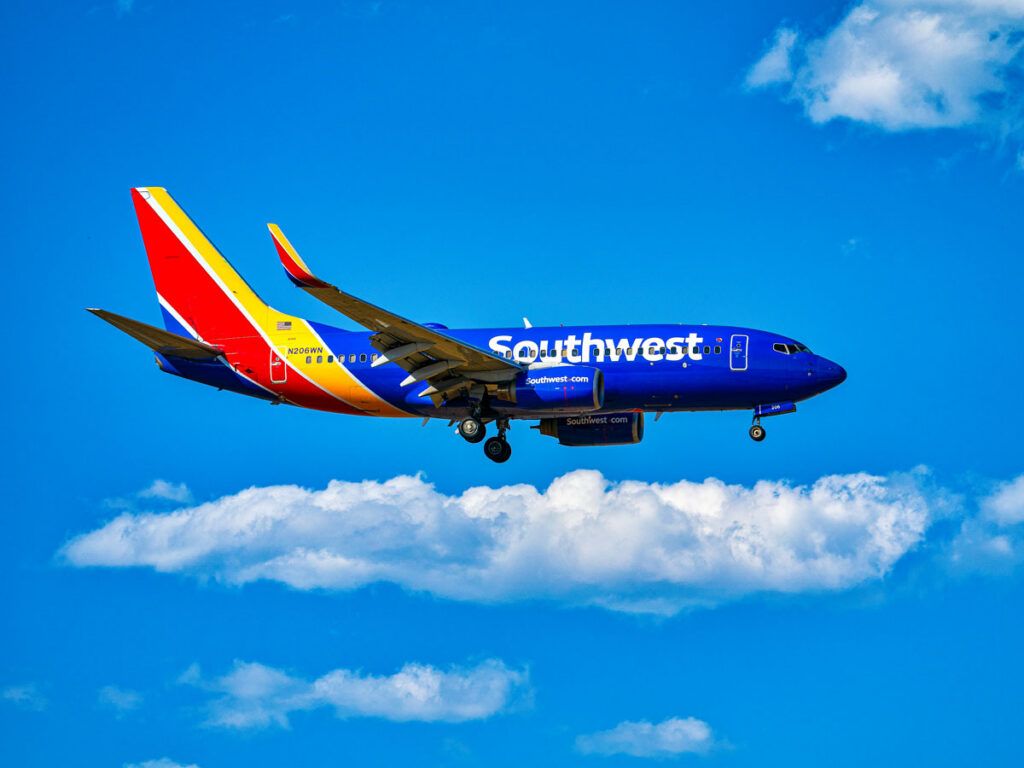
For the fifth consecutive year, Southwest Airlines took the crown for economy class in the JD Power study — but the gap is shrinking. Thanks to recent changes like assigned seats and charging for checked bags for the first time, Southwest scored only three points ahead of the No. 2 airline, Delta.
Southwest Airlines (670 out 1,000 points)
Delta Air Lines (667)
JetBlue Airways (655)
Alaska Airlines (648)
Allegiant Air (630)
Best Airlines: Premium Economy
Credit: Image courtesy of Delta Air Lines
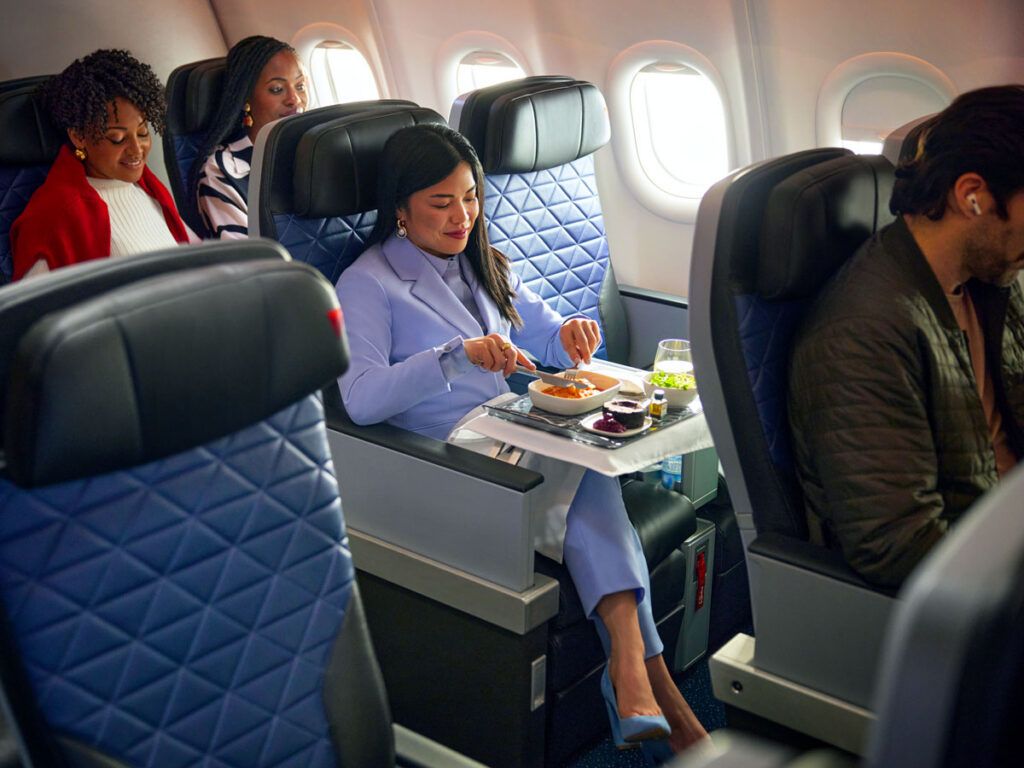
Premium economy has quickly become one of the most popular options for travelers who are looking for an upgraded experience. In the JD Power study, this segment included extra-legroom economy-class seats, which are located toward the front of the economy cabin and often offer extra perks like free drinks, as well as what’s traditionally referred to as premium economy, a separate cabin that offers wider seats with more legroom and recline, plus elevated amenities and perks. Airlines retrofitted upwards of 85% more planes with these cabins from 2017 to 2022, according to the industry research group Cirium.
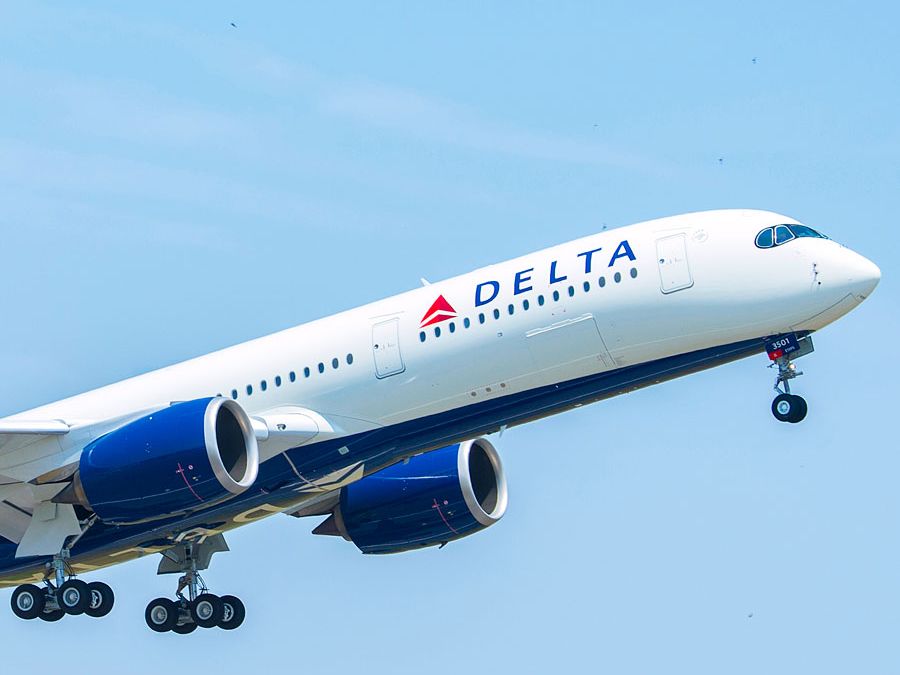
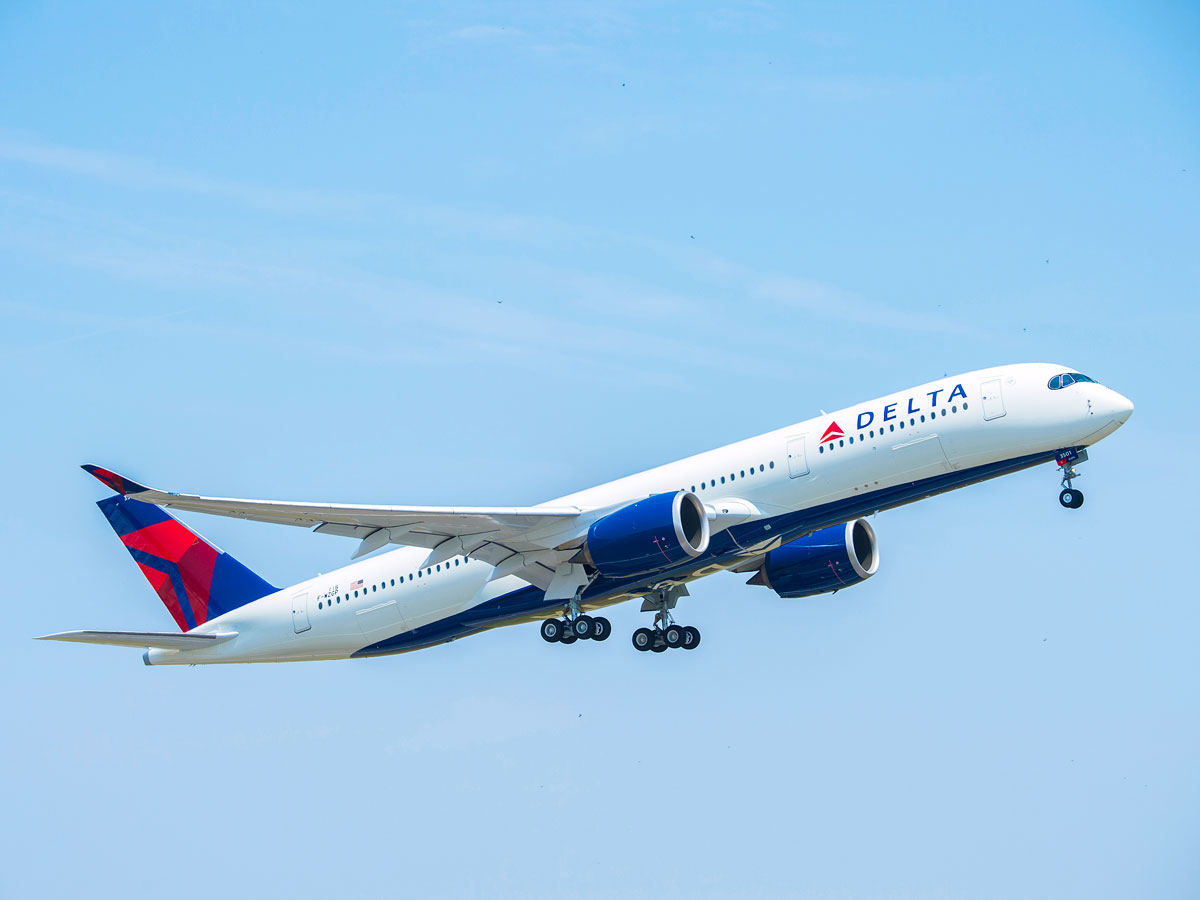
As for satisfaction with the product, Delta took the lead with its Premium Select offering, found on wide-body aircraft serving long-haul flights to destinations throughout Asia, Europe, and South America.
Delta Air Lines (736 out of 1,000 points)
Alaska Airlines (720)
JetBlue Airways (701)
United Airlines (665)
American Airlines (657)
Best Airlines: First and Business
Credit: Image courtesy of JetBlue
First- and business-class seats used to be occupied mostly by business travelers paying exorbitant last-minute fares (or who scored free upgrades), but as of late, leisure travelers are getting in on the action, too.
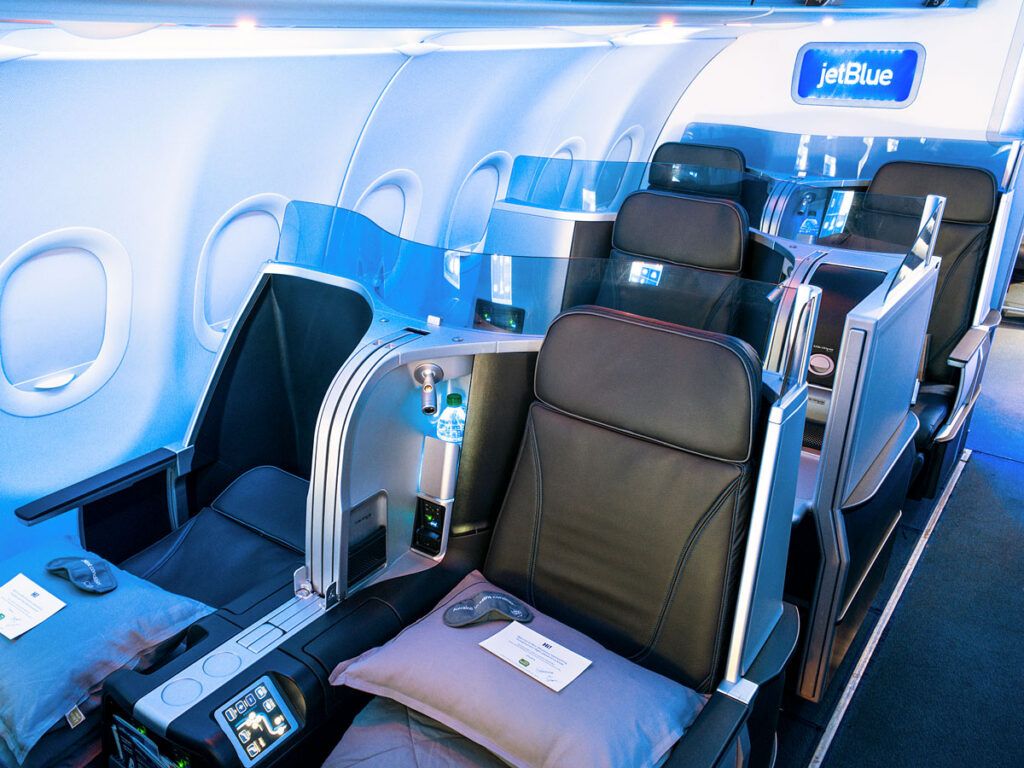
With surging demand, airlines are in a tight race to woo these lucrative travelers with the most cutting-edge product. A seat that converts into a fully flat bed is standard, and doors are becoming the norm, too. The airport experience is now more exclusive than ever, with premium lounges offering dedicated security screening lanes, sit-down meals, spa services, and more.
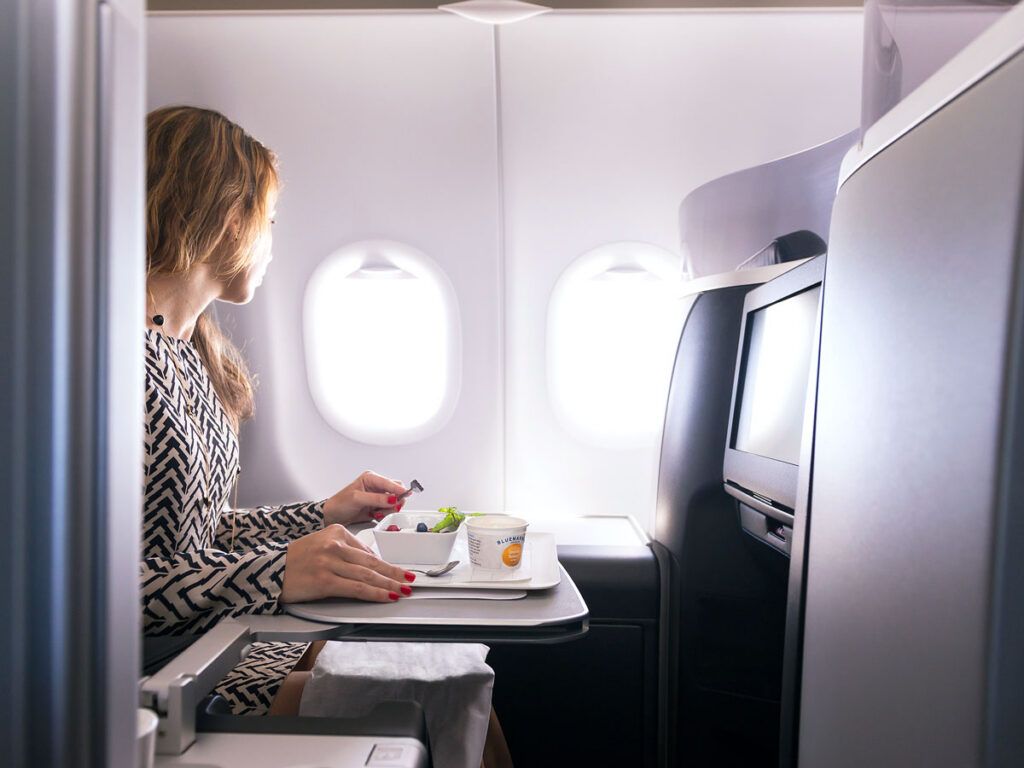
Leading the pack in North America, according to the JD Power survey, is JetBlue, which calls its business class “Mint.” The airline recently opened a new lounge at its home airport, New York’s JFK, and offers hand-shaken craft cocktails and small plates from New York City hot spots Charlie Bird and Pasquale Jones to Mint passengers on board.
25 of the Most Common Travel Mistakes and How To Avoid Them
By
Daily Passport Team
Read time: 15 minutes
June 26, 2026
Updated: June 29, 2026
25 of the Most Common Travel Mistakes and How To Avoid Them
Tips •June 26, 2026•Updated: June 29, 2026
By Daily Passport Team
Author
Daily Passport Team
Daily Passport writers have been seen in publications such as National Geographic, Food & Wine, CBC, Condé Nast Traveler, and Business Insider. They're passionate about uncovering unique destinations and sharing expert tips with curious travelers.
There’s a lot of preparation that goes into travel — and a lot of missteps that can happen along the way. From finding the best flight deals to fitting everything in your suitcase, complying with TSA rules and regulations, choosing the right plane outfit, and making sure your hotel stay is safe and comfortable, it’s easy to get overwhelmed by it all. With that in mind, we’ve compiled a helpful list from around the website of 25 everyday mistakes we see travelers make all the time, along with tips for what you should do instead. That way, you can embark on your next trip with a solid plan and peace of mind.
We all want the best deal on flights, and travelers have no shortage of options for booking air travel online. While there are many tips and tricks out there for finding the cheapest fares, the pros have a single go-to site: Google Flights. The search engine is not only extremely simple to use, but also offers a number of handy features — like telling you the best time to book, emailing you price alerts, and offering money back if you find a cheaper flight elsewhere.
To reduce the chance of things going wrong, flying nonstop is usually the best option. But sometimes a nonstop flight isn’t available, or it’s much cheaper to book a layover. In that case, you should always make sure to book a through ticket. This means that your entire journey, even if it involves multiple connecting flights or airlines, falls under a single itinerary.
That way, if the inbound leg is canceled or delayed, forcing you to miss your next flight, it will typically be the airline’s responsibility to ensure you make it to your final destination. Conversely, if you choose to book separate tickets (as many do when booking with low-cost carriers) and the first part of your journey doesn’t go according to plan, you’ll usually be on the hook for a costly last-minute replacement ticket for the next leg. If you still need to book separate tickets, be sure to leave yourself an extra-long buffer between flights in case of the first segment is delayed.
When flying, most travelers do everything possible to avoid being stuck in a middle seat, especially one way at the back of the plane. The first step to scoring a better seat: researching the seat map.
Most airlines have a dedicated section on their website with more detailed aircraft seating plans. When reviewing the seat map, you’ll also get a good sense of what the average legroom is and be able to spot which seats have advantageous locations. For example, some rows might be missing a seat in front or be arranged in a two-by-two configuration instead of the typical three-by-three layout, which can be better for couples. Airline seat maps will also mark specific seats that have limited recline (usually those right in front of an exit row) or more limited width due to their location in the cabin.
Your flights are booked, your hotels are paid for, and the excitement of an international trip is getting real. But are you sure you’re ready to fly? Even if your passport hasn’t yet expired, it still might not be valid for foreign travel. Some countries require your passport to be valid for at least six months after you enter the country to ensure it doesn’t unexpectedly expire while abroad if you have to extend your trip. It’s important to check each country’s requirements carefully before you travel.
TSA checkpoints are busier than ever, and we’re all looking for ways to decrease the time spent standing in line at the airport. But there’s one simple thing travelers can do before even leaving home to reduce stress at the airport: check TSA wait times. There are several ways to do this, including the My TSA App, airport websites, airline websites and apps, and third-party websites. That way, you know what to expect when you get to the airport — or if you should arrive a little earlier than recommended.
One of the most effective ways to fast-track your journey through security is to enroll in a Trusted Traveler Program. TSA PreCheck offers expedited screening in dedicated security lines and eliminates the need to remove items such as belts, laptops, liquids, and other personal belongings. (If you travel internationally frequently, consider Global Entry, which speeds up your time at customs and includes PreCheck.)
Most of the time our checked bags will arrive with us, but finding out the airline lost your luggage is a headache that no traveler wants to endure. If you slide an Apple AirTag (or similar Bluetooth tracker) into any luggage that you’re planning to check, you can easily keep tabs on your bags throughout your journey. Often, it can help you figure out where your missing bags are before the airline does.
8. Forgetting To Pack a Change of Clothes in Your Carry-On
Credit: kitzcorner/ iStock via Getty Images
While it’s thankfully rare, if the airline does lose your bag, a missing suitcase can have a big impact on your vacation. Be sure to always pack a change of clothes, especially a spare set of underwear, in your carry-on. This will buy you time until the shops open or the rest of your belongings show up. (Make sure you also pack essentials like medication and important travel documents in your carry-on, too.)
By now, you probably know the ins and outs of the TSA’s 3-1-1 liquid rules. To meet these strict rules for carry-on luggage, many travelers stock up on travel-size toiletries at the drugstore before flying. However, those small plastic bottles are wasteful, and the cost can add up quickly, especially if you travel frequently. Luckily, there are a few easy solutions, from refillable containers to solid forms of popular toiletries.
If X-ray scans can’t easily identify items in your luggage, a more thorough search is required, so make sure you keep toiletries, clothes, electronics, and food items separate. The TSA also recommends that travelers use backpacks and purses with laptop compartments to make the screening process quicker. Consider using a set of packing cubes, too, which can help prevent time-consuming TSA searches and allow you to fit more in your carry-on.
Before you head to the airport, you should also make sure you’re not accidentally packing any prohibited items. This includes things that have been recently banned in either carry-on or checked luggage, such as cordless curling irons and lithium-ion batteries.
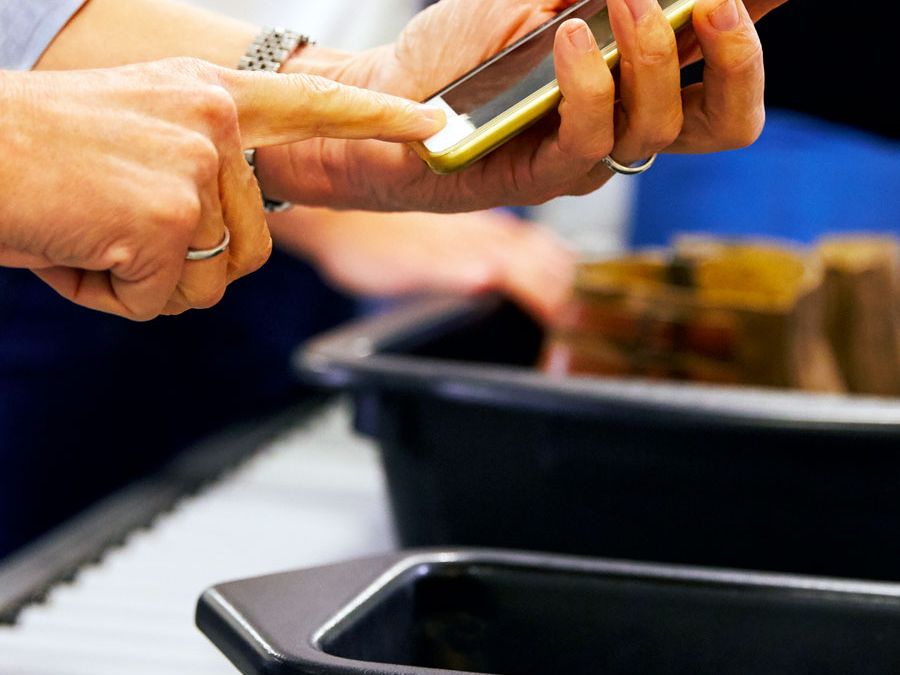
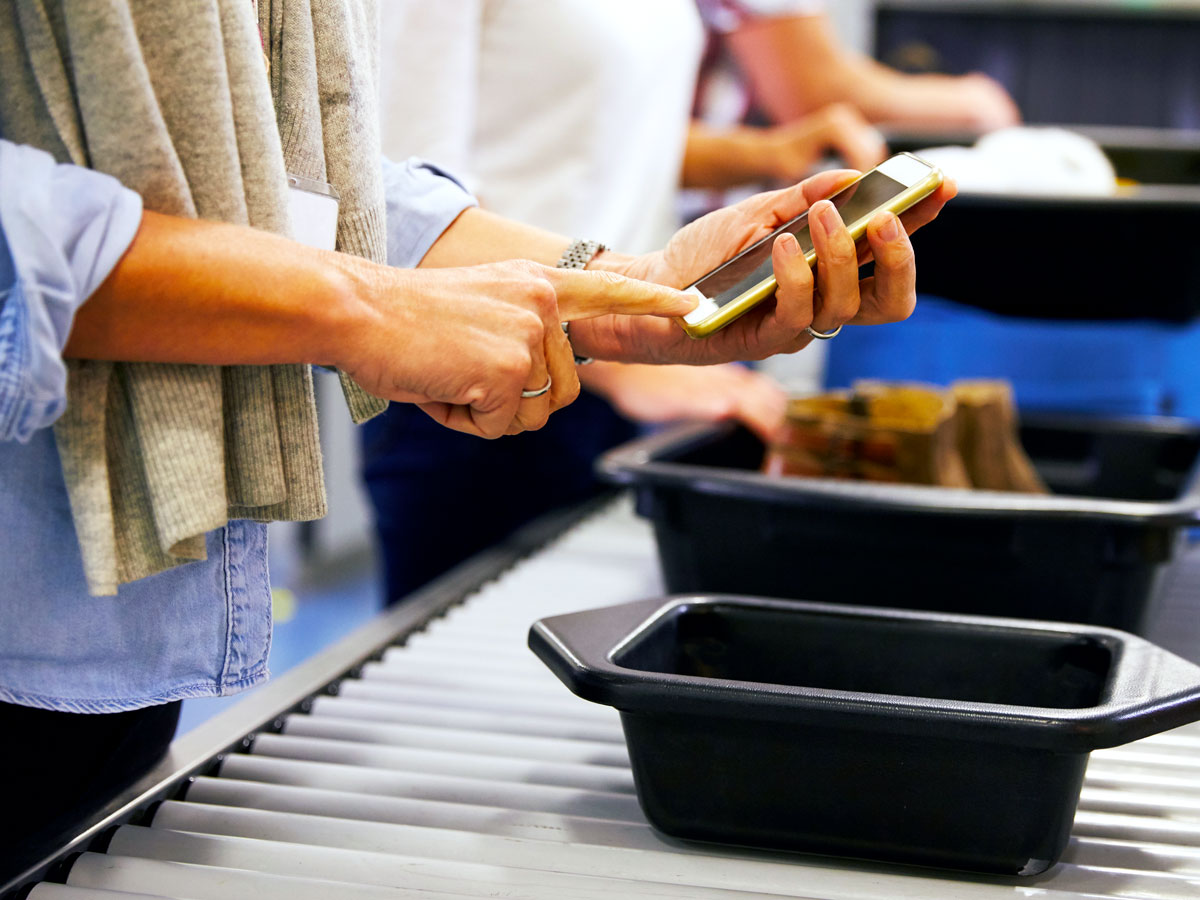
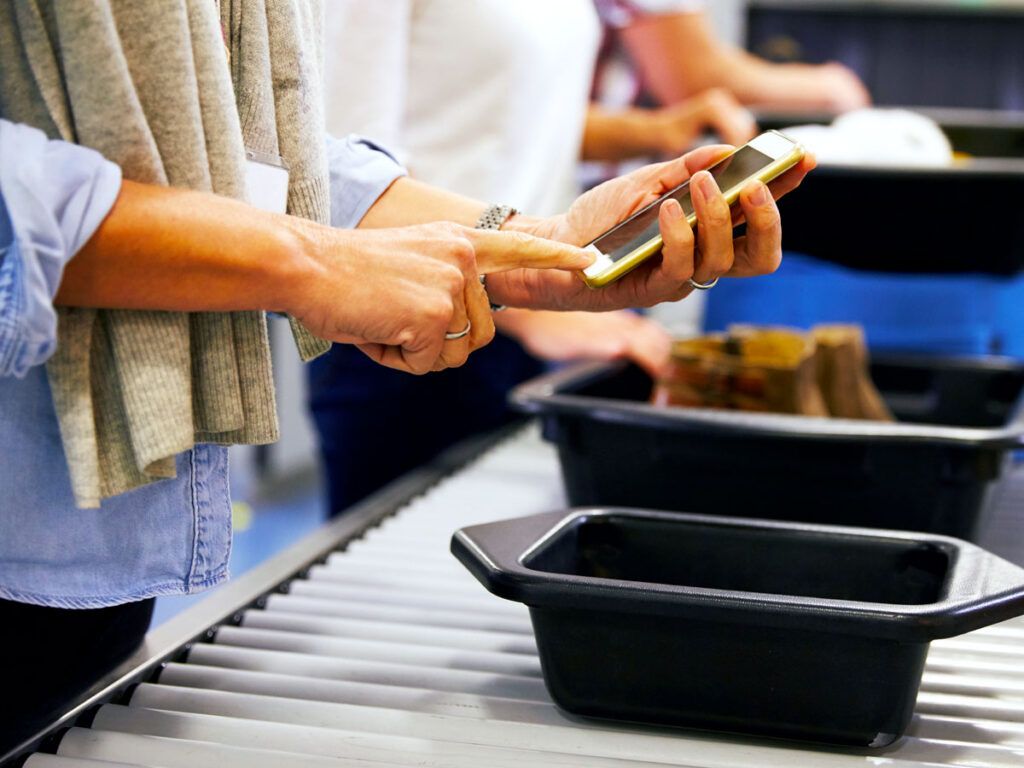
TSA rules can be confusing and seem to change frequently, but there are some airport security tips that never go out of style. Chief among them, according to a recent viral video, is to never put your phone directly in the bin at the security checkpoint. According to TSA officers, they’re the most common item stolen on a regular basis. To avoid sending your phone on a different flight, simply put it inside your bag before your luggage goes through the scanner — and be sure to zip it up.
When packing for your next vacation, one of the most essential outfits is your airplane ensemble. You want to be comfortable, especially in cramped airplane seats, but you also need to consider temperature changes, air conditioning in terminals, and getting through airport security without incident.
For example, wearing tight, thick fabric with no give is a surefire way to make a cramped flight even more uncomfortable, and it’s one of the most cited fashion faux pas by flight attendants. Our bodies naturally swell during flights, so dressing in loose clothing is better to keep blood circulating. Avoid fabrics such as denim, wool, corduroy, and leather. Although fashionable, they offer little stretch and can hold heat.
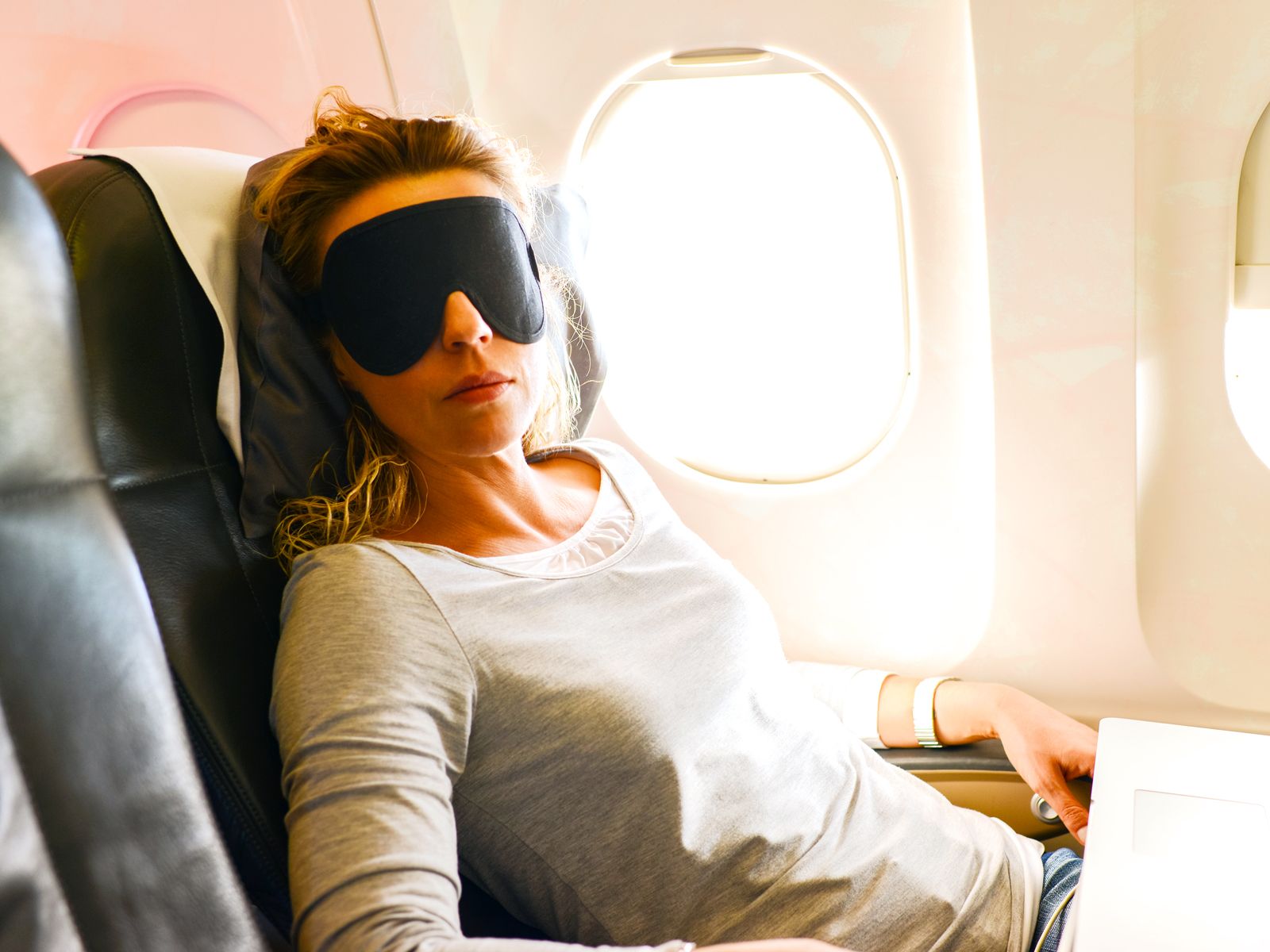
Between turbulence, chatter from other passengers, and in-flight announcements, falling asleep on a plane can be difficult. But getting rest is critical, both to pass the time and to help prevent jet lag. If you’re one of the many flyers who struggle to fall asleep in the air, there are products available that may be able to help, from comfortable ear plugs to inflatable travel pillows, 3D sleep masks, and noise-canceling headphones.
Credit: MalaikaCasal/ iStock via Getty Images Plus
The dry, cool air that is recirculated through the plane cabin has a dehydrating effect on your skin, so it’s always a good idea to drink plenty of water during your flight. But don’t wait until the airport to think about your hydration plan. Bottled water airside is often overpriced compared to what you’d find in a grocery store. Instead, remember to pack an empty refillable bottle and fill it free of charge at a drinking water fountain before you board, which has the added benefit of reducing your consumption of single-use plastics.
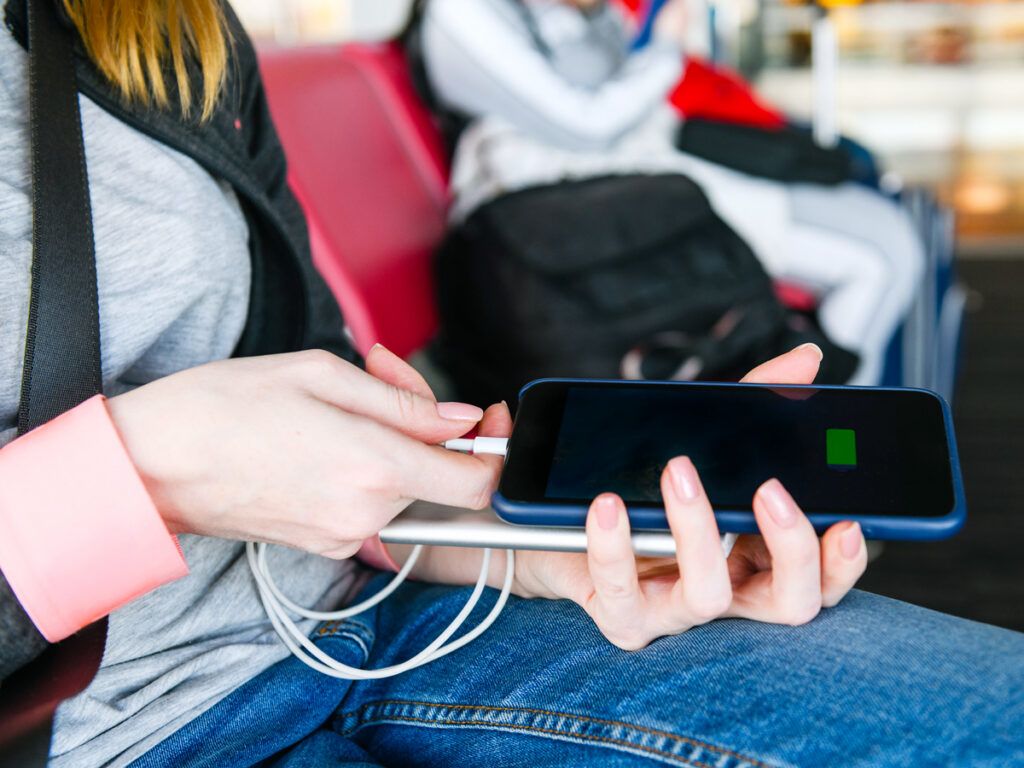
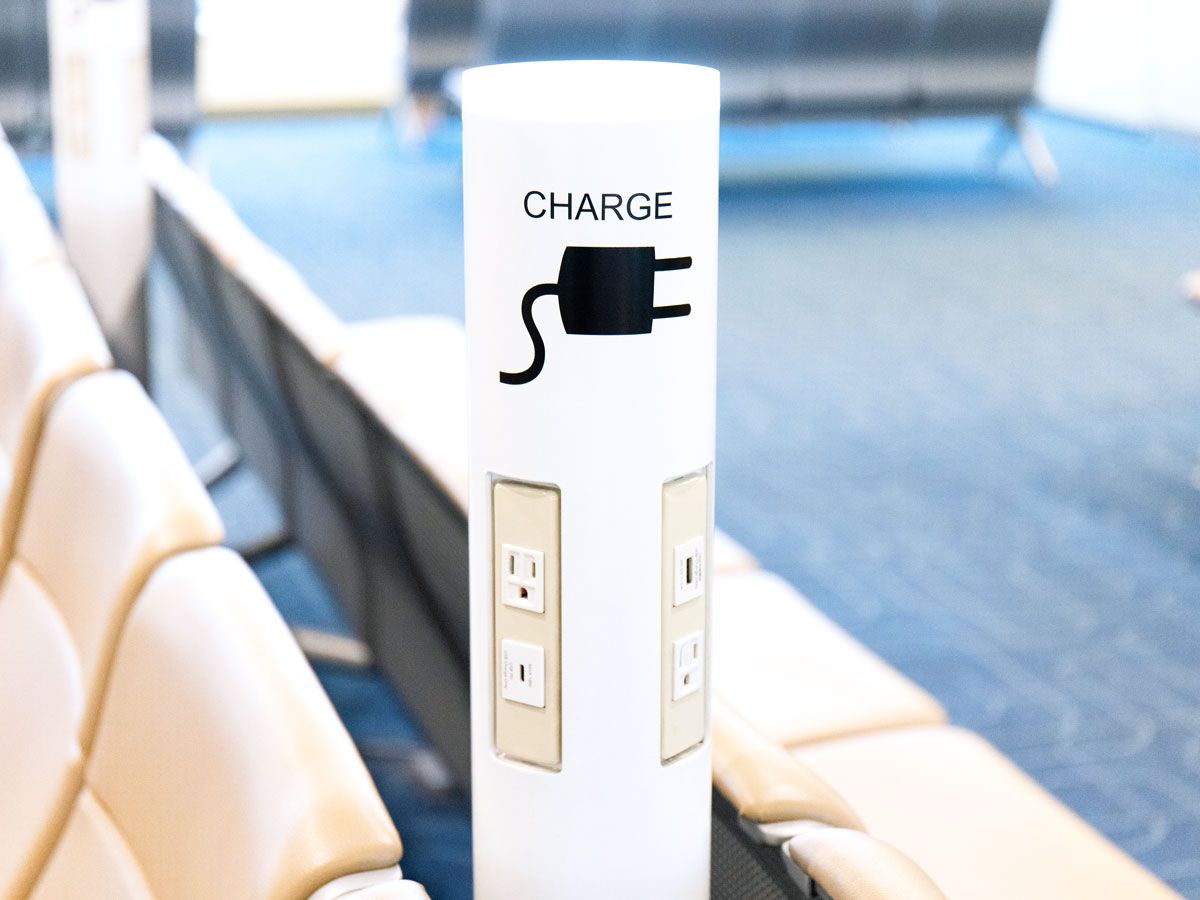
One easily overlooked mistake concerns cybersecurity. Some airports offer USB charging ports to easily power up any electronic device. But according to the TSA, these ports are susceptible to what’s known as “juice jacking,” in which hackers can steal your data or install malware on a connected device. To protect yourself, you should avoid plugging your phone directly into a USB port. Similarly, the agency urges caution when connecting to the airport’s free Wi-Fi, especially when it comes to sharing sensitive information or making online purchases.
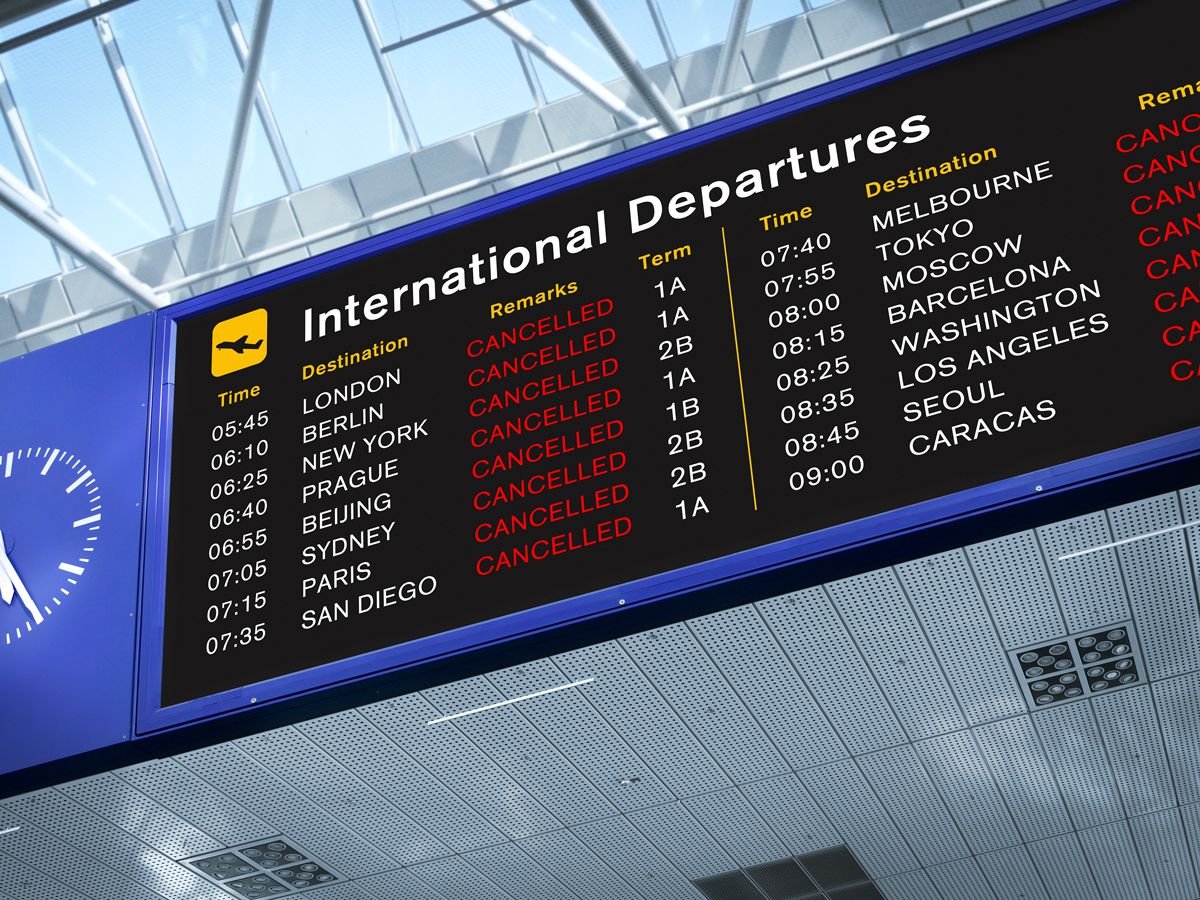
If your flight has been canceled or significantly delayed and you’re already at the gate, you’ll be one of a whole planeload of passengers who will need to be rebooked onto a later flight. Though agents work as quickly as possible, but dealing with a high volume of customers takes time.
While you wait in line, it’s also worth using that time to check the airline’s website or app or to try to get in touch with the airline customer service desk on your cellphone. Even if you don’t get a resolution before you reach the front of the queue, multitasking in this way could secure you the last available seat to reach your destination that night.
When the flight attendants roll the carts down the aisle, consider your drink choice carefully. While it’s a caffeinated morning favorite, coffee is arguably the riskiest beverage to consume aboard an aircraft, specifically if it’s brewed on the plane. This has little to do with the coffee beans themselves, and more to do with the tap water used during the brewing process.
According to a 2019 study, many major airlines failed to meet proper cleanliness standards with regards to their onboard water tanks. While experts have pushed back on this theory about airplane coffee being unsafe, it may be worth taking extra caution to steer clear of any warm, brewed beverages. Sanitary reasons aside, coffee isn’t the best drink choice on an airplane because it can easily dehydrate you. The same goes for alcoholic beverages.
18. Not Wearing Enough Sunscreen (Even on the Plane)
Credit: RossHelen/ iStock via Getty Images Plus
Any dermatologist will tell you that wearing sunscreen is essential for healthy skin. This isn’t just true when you’re outdoors — you may be surprised to know that it’s also important while traveling aboard an aircraft.
The average commercial airliner cruises at over 30,000 feet, meaning passengers are roughly 6 miles closer to the ozone layer than at ground level. UV rays become more intense the closer we get to the sun, and unfortunately, plane windows can only do so much to block them out. The best way to protect yourself is by applying sunscreen 15 minutes prior to takeoff and every two hours thereafter if it’s a particularly long daytime flight.
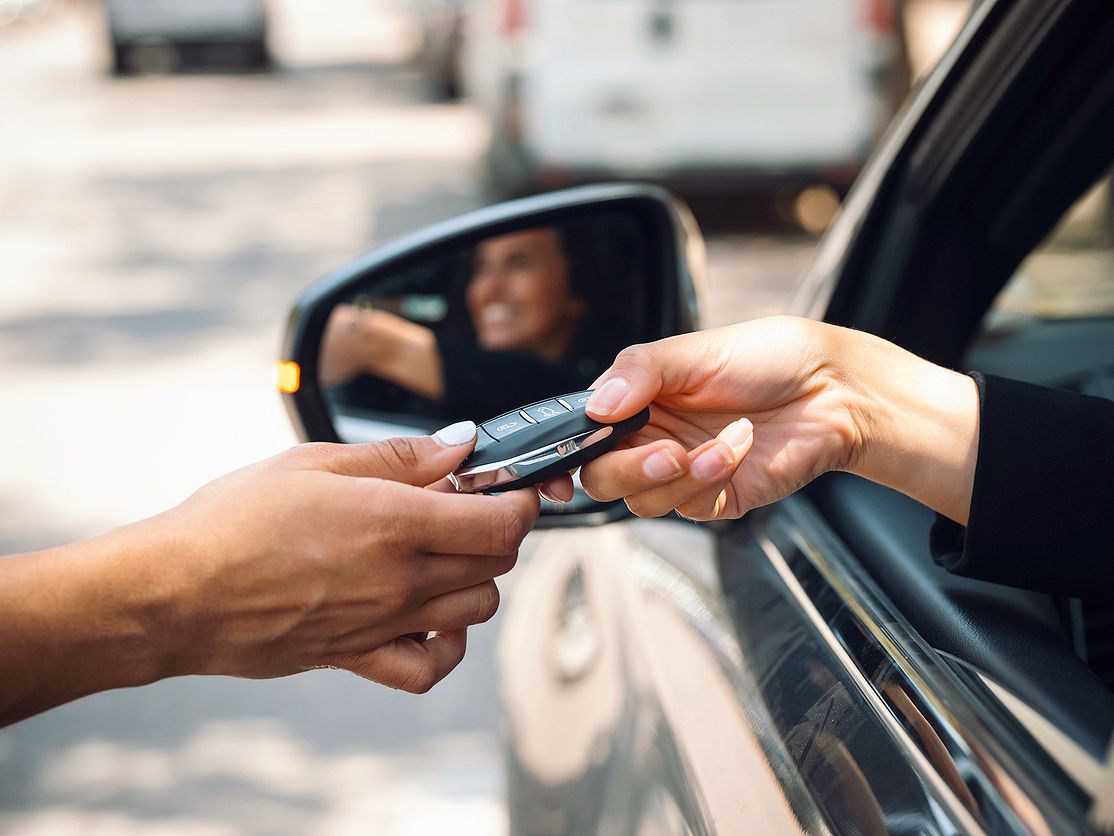
Before you book your rental car, double-check that you’re not already eligible for any discounts. There are a myriad of discounts available for specific corporations, automobile associations like AAA, airline booking portals, credit cards, and more, so there’s rarely ever a reason you should be paying the rack rate for your rental car.
When you check in to the hotel, it’s always a good idea to do a quick spot check of the room. While many hotel cleaners do an excellent job tidying rooms between stays, they’re often working on tight schedules and with limited resources, so it’s inevitable that some spots get overlooked. Check the bedding, peek behind fixtures, search for obvious signs of mold, and inspect common touchpoints such as faucets and the TV remotes. It’s never a bad idea to pack a few disinfectant wipes just in case. (Oh, and always wear slippers when walking on hotel carpets.)
If you need a late checkout, it’s helpful to request it ahead of time rather than assuming it’s an option on the day you leave. Inquire about it at the front desk when you check in, and your request is more likely to be met. If you have other special requests — such as a crib, an accessible room, or early check-in — reach out to the hotel in advance rather than waiting until you arrive. This helps the staff prepare and prevents delays at the front desk.
Most people remember to bring charging cables for their phones, tablets, and laptops. What’s easy to overlook, especially if it’s your first time abroad, is that many of these cords will not work in power outlets outside of the United States. Many countries have their own types of power outlets, and they can differ even within the same continent. For example, Italy’s round-pronged plugs are different than the triangular ones found in the U.K. If you want your cords to work when you’re abroad, make sure to pack the right travel adapters.
While some countries still prefer cash, cashless purchases are becoming increasingly common around the globe. When you pay by credit card in a foreign country, you’ll have two choices: paying in your home currency (e.g., U.S. dollars if you live in the U.S.) or paying with the local currency of the country in which you’re making the purchase.
Many travelers opt to pay using their home currency, and while that may make sense from a convenience perspective, they actually end up paying more than they would have paid if they’d chosen the local currency. Travel expert Rick Steves warns that paying in home currency may end up costing you up to a 20% markup. The same goes for withdrawing money from a foreign ATM with your debit card. And if you need to exchange cash, make sure not to do it at the airport.
Tipping is an essential element of the service industry in the U.S., but the same can’t be said for similar jobs in other destinations, especially in Europe. The amount that customers are expected to tip — if at all — not only is far lower than it is in the U.S., but also varies considerably between countries.
In some places, like the U.K., it’s normal practice to add a 10% to 15% gratuity to the check when dining out. In Germany, however, you can simply round up the total and indicate you aren’t expecting any change. In Iceland, locals won’t add gratuity at all. While your server may appreciate the extra cash, tipping the way you would back home is frowned upon by locals keen not to have to do the same.
We embark on our travels with optimism, but even the best-laid plans can occasionally go awry. It pays to do your homework before you jet off to avoid unexpected expenses, which can be quite costly. Many private insurance plans in the U.S. cover little once you’re overseas. One way to protect yourself is by purchasing travel insurance, again carefully reviewing the terms and coverage of each policy to make sure it’s suited to your individual circumstances.
Cynthia kicked around the world for a while before landing in Colorado. Her work has appeared in Food & Wine, the Boston Globe, and National Geographic, among others. She loves dives — both scuba and bars — baseball, the Oxford comma, and live music.
Hotel revenue in the U.S. is predicted to grow to almost $400 billion annually by 2030. And with hotels incentivized to maximize profits in every way they can, deals can be hard to come by. But there are ways to avoid paying more than you have to during your stay. Here are seven things hotels probably prefer that you not know.
Some of the highest profit margins in a hotel come from minibar purchases, and for hotels that still offer this amenity, they want to keep it that way. Before you replace that $8 Diet Coke with one you picked up for a dollar at the convenience store down the street, realize that you may have already been charged. A number of hotels have installed weighted sensors in their refrigerators, so even moving things around to store last night’s leftovers can trigger an automatic charge for consumption. Check your final bill carefully and be prepared to dispute any incorrect items on your folio.
The big hotel groups are continually devaluing their rewards points, and many travelers have barely noticed. In 2024, the hotel workers’ union UNITE HERE reported that, despite record-high room rates, Marriott devalued its Bonvoy program’s rewards points by 33% from 2019 to 2023. Hilton Honors and World of Hyatt also saw devaluations. Hotels can change their points systems with no oversight and little notice, so instead of saving up for a big trip, travelers may want to use their points now before they lose value — or switch to another points program (like one for an airline or credit card) that offers more.
Even between guests, reduced housekeeping staff may mean that your room received little more than a linen change and a quick wipe-down. Some hotel chains, like Hilton, have kept COVID-era cuts, automatically opting guests out of daily housekeeping unless requested. And while those “green” opt-out initiatives do help the environment, according to the Sierra Club, the labor savings are the real reason hotels are pushing them.
Hotels’ “standard” rates are controlled by algorithms and vary wildly by availability and season. These are known as “rack rates,” the published sticker price before any discounts or offers are applied. You’ll do much better by shopping around or even calling the hotel directly — preferably midweek — to inquire about discounts and deals. You can often find promotions on the hotel’s website, too.
Online travel agents (OTAs) like Booking.com may show a lower price, but those reduced rates often come with hidden costs. Guests who book via third parties come in dead last on the list of hotel priorities, so don’t expect a lot of effort if the hotel is overbooked or if you need to cancel. (OTAs often have different cancellation terms, so read those carefully before committing.) If you’d like an upgrade, late checkout, complimentary breakfast, or last-minute restaurant reservation, you may be out of luck if you booked with a third party.
It seems counterintuitive, but if you’re booking three or four rooms, and only one or two are available at the lowest rate category, you’ll pay more for all of them. You’re better off booking each room separately (preferably not from an OTA) and then contacting the hotel directly to get every reservation in your group on the same floor, in connecting rooms, or whatever you prefer.
On many booking websites, hotels can award themselves as many stars as they wish, and many of them do. For instance, what one might typically consider a two-star hotel can advertise itself as a four-star property, regardless of whether its amenities, cleanliness, and service warrant that designation. Some governments regulate star standards; others do not. You can check official ratings through agencies such as AAA, which uses a “diamond” rating, or Forbes and Michelin, which both have strict requirements.
Advertisement
More from our network
Daily Passport is part of Inbox Studio, an email-first media company. *Indicates a third-party property.
Rachel is a Washington, D.C.–based travel and lifestyle writer with roots in the Great Lakes region. When she’s not writing for publications such as The Discoverer and Interesting Facts, you’ll find her wandering through museums or exploring destinations off the beaten path.
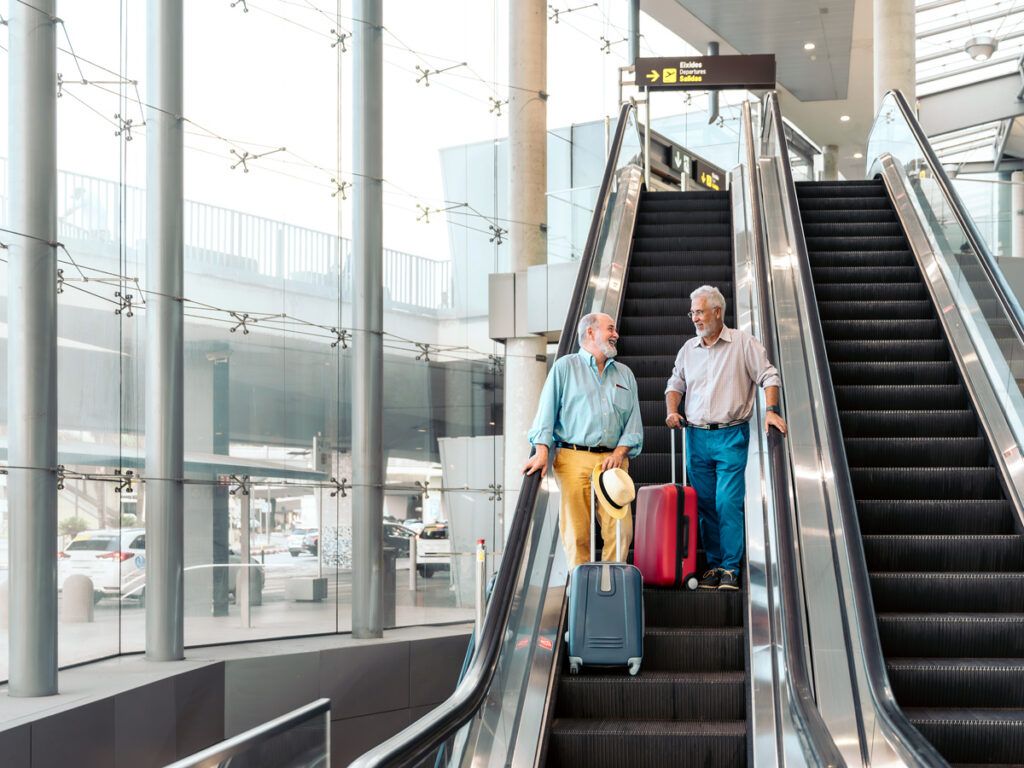
Retirement marks the end of one adventure and the beginning of many others. According to AARP’s 2026 Travel Trends survey, about 86% of older adults identified travel as one of their top three discretionary spending priorities. Moreover, nearly two-thirds of adults age 50 and up plan on traveling in 2026. But retirees also like to make the most of their travel budget, with 89% saying they look for a bargain when trip planning. The good news: There are plenty of ways for retirees to save money while fulfilling lifelong travel dreams. From booking trips during quieter seasons to taking advantage of affordable international destinations, a little planning can make travel more comfortable and budget-friendly for retirees.
For retirees on flexible schedules, traveling during shoulder seasons can save hundreds or or even thousands of dollars versus traveling during the prime tourist season. A shoulder season is the time between the busy peak season and the slower offseason. For many places, shoulder season falls during spring and autumn, though it varies based on the specific destination.
Traveling to France in springtime, for instance, means avoiding peak summer tourism and the harsh cold of winter. Shoulder seasons offer an ideal balance of mild weather, fewer tourists, and lower prices. This typically means shorter lines at popular attractions, restaurant reservations that are easier to secure, and better prices on airfare, accommodations, transportation, and events.
Retired travelers can make the most of their time by staying in places longer than the average traveler would be able to. Major hotel chains such as Hilton, IHG, and Marriott frequently run “stay longer and save” promotions, sometimes applicable for stays as short as three nights. Travelers can save around 20% during these promotions, which adds up quickly for longer trips.
Similarly, vacation rental platforms allow hosts to set custom discounted rates for extended stays. Many Airbnb and VRBO hosts, for example, offer steep discounts on stays of more than a week and additional reductions for stays of one month or more. Even car rental companies offer long-term discounts. Avis, for one, has discounts on rentals of 15 days or more. With these savings, retirees can live like locals for a few weeks without breaking the bank.
Airfare prices can vary dramatically depending on when you fly, but retirees with flexibility can avoid busy travel days and book when demand is lower. According to a recent study by NerdWallet, the cheapest day of the week to fly domestically in the U.S. is Friday. This is followed by Thursday, Tuesday, and Wednesday, respectively. Monday and Sunday departures, on the other hand, are typically the most expensive for domestic flights. For international flights, midweek departures are the least expensive.
The time of year also dictates how expensive your plane ticket will be. Holidays and peak travel months — December, June, and July — are the most expensive. The months of August, September, and January are, on average, the least expensive. Using fare comparison tools and setting price alerts via services such as Google Flights can help travelers monitor prices months in advance. With the flexibility retirement offers, even shifting your trip by a day or two can translate into big savings on airfare.
Often, travelers feel pressure to see all the major attractions in one trip, relying on down-to-the-minute itineraries and jam-packed bucket lists. But retirement is the perfect time to slow down and take it all in. With more flexibility and time, retired travelers can afford to stay in one place longer without rushing to the next destination, resulting in a more relaxed — and less expensive — adventure.
The “slow travel” movement promotes spending more time in one place. The idea is that travelers will gain a more authentic experience by immersing themselves in local culture. By the time your trip is over, hopefully you’ll have found a favorite neighborhood market, discovered hidden restaurants, and saved money by avoiding tourist traps. And because you’re in one place longer, this type of travel also reduces transportation fees, dining costs, and other expenses incurred during fast-paced travel.
Group tours can be a great way for older travelers to be social, travel at a slower pace, and save money — all while visiting a dream destination. Organizations like Trafalgar, Road Scholar, and ElderTreks offer small-group travel experiences with retirees in mind.
These tours bundle accommodations, transportation, and excursions into a single package, keeping things simple and helping travelers avoid unexpected expenses. This is especially cost-effective when traveling to an unfamiliar destination or planning a complicated itinerary that would be more difficult or expensive to arrange independently. Tour companies do the work for you, providing an easy all-in-one booking process, a seamless itinerary, and local guides at your destination.
Retirees can get more bang for their buck by visiting places where the dollar stretches further. Look for countries with favorable exchange rates that allow you to book accommodations, dining, and transportation at a fraction of domestic pricing — and without sacrificing quality.
According to the personal finance experts at Kiplinger, Argentina, Mexico, Peru, and Colombia are among the most affordable destinations for low-cost travel in 2026. Several Asian countries also provide big savings, especially Vietnam, Indonesia, Kyrgyzstan, and Laos. For those seeking an affordable European getaway, Romania and Hungary offer an attractive combination of favorable exchange rates and unforgettable cultural experiences.
Some retirees may overlook one of the easiest ways to save money: simply asking for a senior discount. Organizations like AARP provide members with exclusive travel discounts on hotels, rental cars, cruises, and vacation packages. Offers range from $99-and-under deals at major hotel brands like Best Western, Wyndham, and Choice Hotels to 30% off rental cars from Avis and Budget. Complimentary upgrades and waived fees are other common perks.
For retirees interested in slower-paced rail travel, Amtrak, Eurail, and Canada’s VIA Rail offer senior discounts. For some, the savings of taking the train (not to mention the incredible scenery along the way) outweigh the convenience of air travel, especially for retirees with more free time. Beyond lodging and transportation, senior discounts are also available for many travel-related activities such as museums, attractions, and national parks. Both the U.S. National Park Service and Parks Canada offer senior discounts for annual passes, offering retirees more options to enjoy the outdoors while staying on budget.
Advertisement
More from our network
Daily Passport is part of Inbox Studio, an email-first media company. *Indicates a third-party property.
Why Do Airlines Sell Flights With Short Connection Times?
By
Julia Hammond
Read time: 5 minutes
June 24, 2026
Updated: June 26, 2026
Why Do Airlines Sell Flights With Short Connection Times?
Tips •June 24, 2026•Updated: June 26, 2026
By Julia Hammond
Author
Julia Hammond
Julia is a U.K.-based travel writer whose work has been featured in The Independent, The Telegraph, The New Zealand Herald, and Culture Trip, among others. She’s an enthusiastic advocate for independent travel and a passionate geographer who has had the privilege of traveling to more than 130 countries in search of a story.
When you take a connecting flight, you’ll sometimes find that your layover is generous, allowing you plenty of time to move between terminals, enjoy an unhurried meal, or even leave the airport and tour the city. However, there are also times when the amount of time you’ll spend on the ground is significantly tighter, increasing the chance that you’ll have to rush between gates or, worse, miss your onward flight. That raises the question: Why do connection times vary so much? And why do 30-minute layovers exist in the first place? Read on to find out everything you need to know about minimum connection times.
Airlines work with airport and aviation authorities to set minimum connection times, or MCTs — the shortest duration needed for passengers (and their checked bags) to transfer between connecting flights. Typically, airlines don’t publish such information for travelers to view, as many factors come into play.
Nevertheless, when you make a booking for a connecting flight, this information prevents online booking systems from selling you an impossible connection. Likewise, if the booking process presents a layover that is comparatively short, often the website will flag this detail with a warning message so you’re fully informed before making the decision to book.
MCTs can be quite different from airline to airline and from airport to airport. Domestic MCTs tend to be around 45 to 60 minutes on average, while those involving an international leg might be 90 to 120 minutes. Unusually, Air Canada is one of the few airlines that publish their MCTs, which illustrates this range. Some are as short as 25 minutes for domestic itineraries at smaller airports, while itineraries involving an international connection may require as much as 1 hour and 25 minutes.
This is because travelers need to complete certain formalities at an airport, which depend on where you fly. For a domestic flight, if you’re arriving on a connecting flight, you’re already within the terminal, so you’ll simply need to present a valid form of ID and your boarding pass at the gate of your next flight. On the other hand, if your flight arrives from overseas, you will usually need to complete immigration and security formalities rather than simply move from one gate to another.
The size of the airport and the walking distances between gates and terminals are also factors. In general, a domestic-to-domestic MCT where passengers are required to switch flights within the same terminal of a small airport, for example, will be significantly less than the MCT of an international-to-international transfer at a larger hub.
When booking indirect flights, it’s important to be aware of transfer times. For instance, say you wanted to fly with American Airlines from Denver to San Diego. One option you can choose is a flight via Phoenix that has a planned layover of just 30 minutes. If you’re the kind of traveler who likes an unhurried airport experience, this connection probably isn’t for you. (In the recent past, American Airlines has sold flights with a mere 25-minute connection in Phoenix.)
While the above itinerary meets the airline’s minimum connection time, travelers should take into consideration the fact that they need to be at the gate at least 15 minutes before the scheduled departure time of their next flight. With a 30-minute layover, that leaves only 15 minutes to deplane and get to the right gate, which is likely to put even the most unflappable frequent flyer in a state of anxiety, even if the inbound flight is on time.
Booking a flight with a short MCT can be stressful, though for flights with a promising punctuality record, some travelers may be tempted to go for it anyway. But at certain times of day, airports can be particularly crowded thanks to banked flight schedules, making it tricky to run between gates — even without carry-on bags. However, you can improve your chances of making a tight connection by choosing a seat toward the front of the plane or alerting the flight attendants before you land, so they can request that other passengers remain seated to let those with short layovers off the plane first.
You might wonder why an airline would sell a flight with a short connection if they know there’s an increased chance passengers will miss that flight. After all, it’s not good business for an airline to rebook passengers on a regular basis. The fact is, while MCTs are reviewed and adjusted periodically, airlines tend to play the odds: In most cases, everything will go as planned. In the event of major disruption, such as during bad weather, even generous layovers can prove inadequate.
Selling flights with short connection times allows airlines to boost aircraft utilization and maximize connections as they route passengers through hubs, which translates to more revenue. It might also enable airlines to fill seats at a relatively unpopular departure time, such as late in the evening, which otherwise wouldn’t be as attractive to travelers. It’s all part of a calculated gamble to fill as many seats as possible.
A short MCT doesn’t have to be a deal breaker. Indeed, some travelers search by overall travel time and are drawn to itineraries that allow them to reach their destinations the quickest. In this case, many are happy to play the odds and take the chance they’ll need to take a later flight if things don’t go their way.
But if you choose to roll the dice, make sure you book a through ticket so the airline is on the hook to rebook you on the next available flight in the event of any delay. If you purchase two separate tickets, the airline that operated the first delayed flight has no obligation to rebook you, and you will most likely forfeit the second ticket.
Advertisement
More from our network
Daily Passport is part of Inbox Studio, an email-first media company. *Indicates a third-party property.
Why the TSA Might Open Your Bag After You Check It
By
Bennett Kleinman
Read time: 3 minutes
June 24, 2026
Updated: June 24, 2026
Why the TSA Might Open Your Bag After You Check It
Tips •June 24, 2026•Updated: June 24, 2026
By Bennett Kleinman
Author
Bennett Kleinman
Bennett is a New York City-based staff writer for Daily Passport. He previously contributed to television programs such as the Late Show With David Letterman, as well as digital publications like the Onion. Bennett has traveled to 48 U.S. states and all 30 Major League Baseball stadiums.
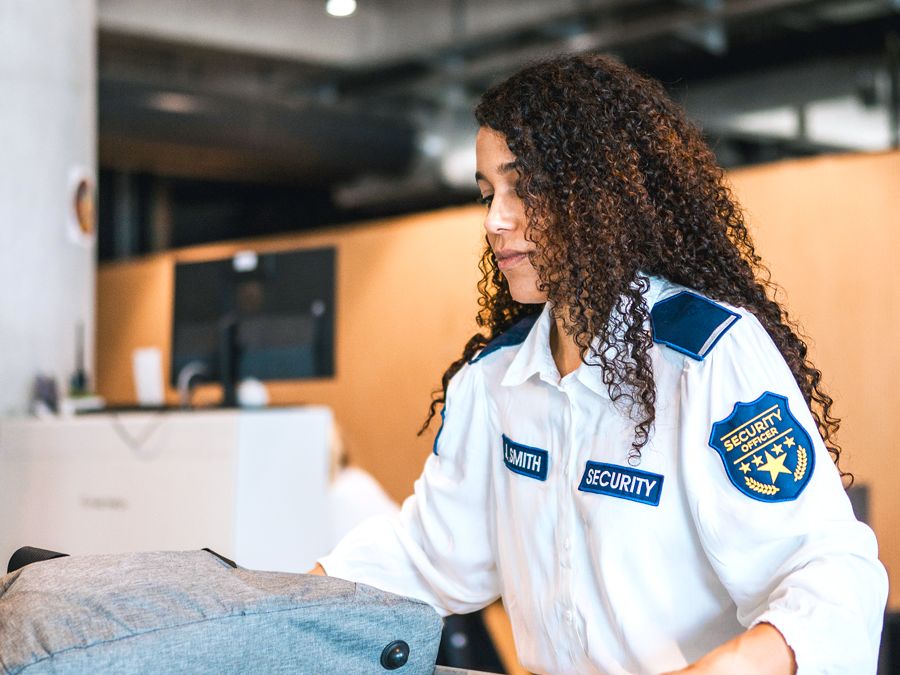
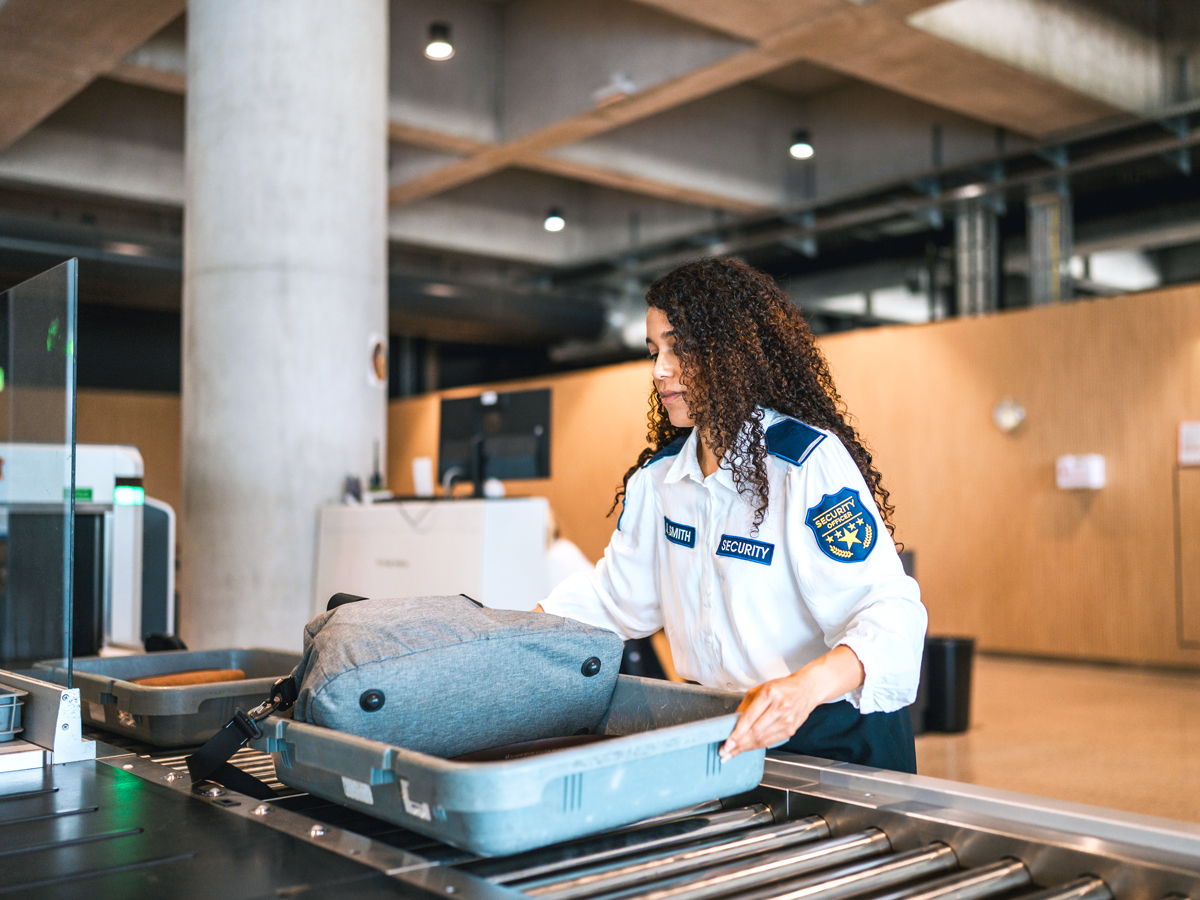
TSA officers screen approximately 1.3 million checked bags each day. While the majority of the luggage is X-rayed and cleared without issue, there are instances where something suspicious raises concern and a physical inspection is required. Here’s a look at what causes the TSA to open up a checked bag, and what it may mean for your next trip.
The most common reason why the TSA may open up checked luggage is the presence of any prohibited items. This includes explosives, flammable liquids, weapons, external batteries, and an array of other potentially hazardous items. If any of these prohibited items are detected, they’ll likely trigger a physical inspection and be confiscated. In more serious cases, this may also result in fines or the arrest of the traveler.
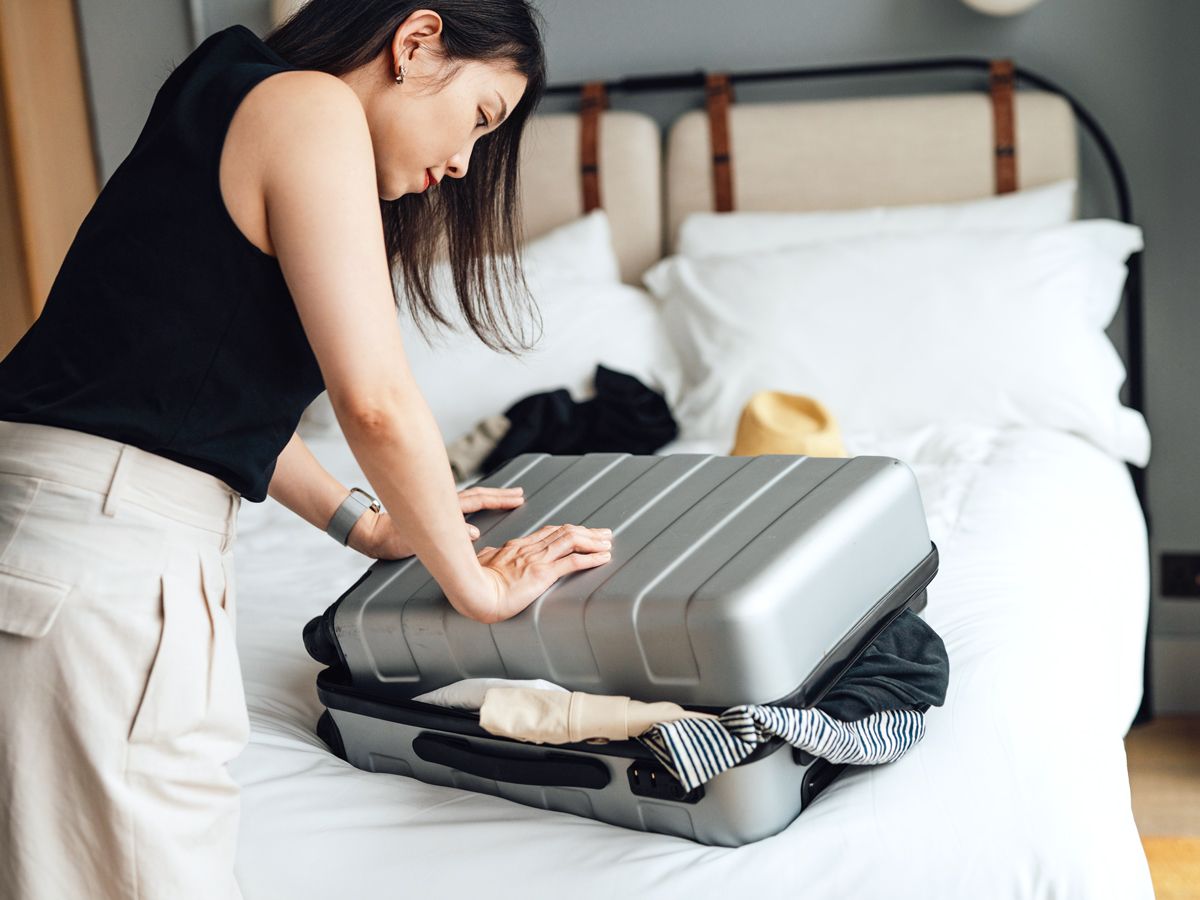
Another scenario that might trigger a physical inspection is a densely packed suitcase. Anyone who’s guilty of overpacking can attest to how tempting it is to try to cram their entire wardrobe and two weeks’ worth of travel souvenirs into their luggage. But doing so can lead to dark, dense images appearing on the X-ray scan. This, in turn, can impede TSA officers from being able to see everything inside your luggage, so they might open up the bag to inspect its contents and confirm nothing is awry.
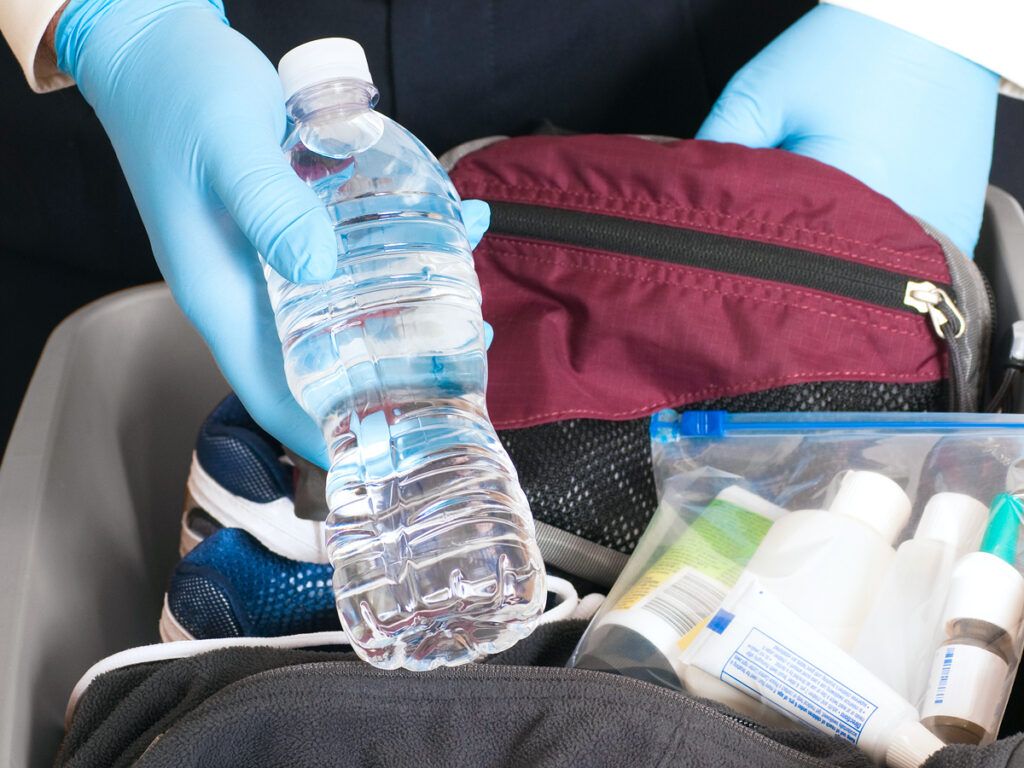
Foods and liquids are another common cause for physical inspection. While typically allowed in a checked suitcase, dense foods such as blocks of cheese, peanut butter, and protein powders can be difficult to discern from the X-ray alone, so officers may open the bag to inspect them.
If your luggage is examined behind the scenes, the agent will place a notice of inspection inside the bag. This courtesy notice helps explain why the contents of your bag might look more disorganized than you remember when you packed it. The slip also may explain any missing items that have been confiscated. (However, if you notice something missing and there’s no notice of inspection to be found, it could mean someone gained unauthorized access to your luggage — more on that below.)
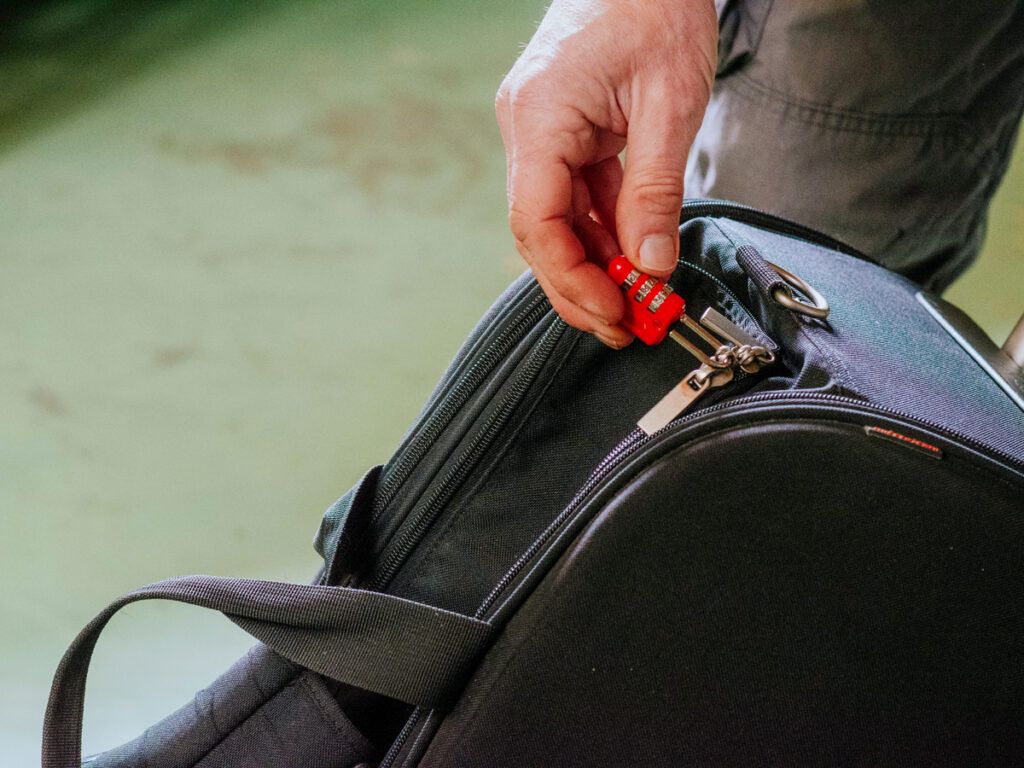
It’s worth noting that the TSA has a right to unlock your luggage, which is why you should always travel with TSA-approved locks. If an officer can’t open up the locks, the agency is within its rights to break them so the officer can inspect the bag’s contents. As stated on the notice of inspection, the TSA is not liable for damage to your locks.
That said, if you think your property or luggage was damaged during the physical inspection, or if you notice any items are missing, you can file a claim with the TSA for potential compensation. Any questions about physical searches can be directed to the TSA’s contact center at (866) 289-9673 or (571) 227-2900, or via email at [email protected].
While you can’t outright prevent physical inspections, there are several ways to reduce the likelihood of one occurring. The first — and most obvious — tip is to never pack anything prohibited. For any questions about what’s allowed, consult the TSA’s “What Can I Bring?” webpage. You’ll be able to find an extensive list with clear information about items that are allowed in checked bags, as well as objects that you should pack in your carry-on instead, or items that are prohibited in all forms of luggage.
Additionally, try not to overpack your suitcase, especially with items made of natural materials that may create dense X-rays and trigger an inspection. This can include books, foods, medications, and wrapped presents, to name a few examples. If possible (and permitted), pack these items in your carry-on so you can easily remove them and show them to a TSA officer if necessary.
Advertisement
More from our network
Daily Passport is part of Inbox Studio, an email-first media company. *Indicates a third-party property.