Everything You Need to Know About Mobile Passport Control
By
Fiona Mokry
Read time: 3 minutes
May 13, 2024
Updated: May 20, 2024
Everything You Need to Know About Mobile Passport Control
Tips •May 13, 2024•Updated: May 20, 2024
By Fiona Mokry
Author
Fiona Mokry
Fiona has spent her career exploring the world and working in the travel industry, turning her lifelong passion into a profession. From planning custom trips to sharing stories as a travel writer for publications such as The Discoverer, she’s all about helping others experience the world in a deeper, more meaningful way.
Standing in a long line after a tiring day of travel isn’t anyone’s favorite way to end a trip. Officials in immigration and customs have long sought to find a more efficient solution to this universal travel hold-up. Enter: Mobile Passport Control (MPC), a program developed to expedite immigration and customs screenings at select airports and cruise ports. Read on to learn about Mobile Passport Control and to find out if you should enroll before your next international trip.
What Is Mobile Passport Control?
Credit: Tony Studio/ iStock via Getty Images
The U.S. Customs and Border Protection introduced the Mobile Passport Control app in 2014. Eligible travelers can use the app when returning to the U.S. after an international trip at more than 50 designated ports of entry. The convenient app expedites reentry into the U.S. after the traveler submits required travel documents (passport, self photo, and customs form) online. Those using the app do not need to fill out a paper customs declaration form and are granted access to a specific Mobile Passport Control (MPC) line, usually with a much shorter wait time and quicker processing.
How Is Mobile Passport Control Different From Global Entry?
Credit: PeopleImages/ iStock via Getty Images
The Global Entry program has a similar aim — to reduce wait times in immigration and customs lines — but, unlike Mobile Passport Control, the program requires pre-approval. Enrollment is granted after an in-person interview at a designated enrollment center or in the international arrivals area of some U.S. airports.
If you choose to schedule an interview, be prepared to wait weeks to months for an appointment. A Global Entry application costs $100 and membership is good for five years. On the other hand, Mobile Passport Control is free, doesn’t require pre-approval, and doesn’t expire. You’ll still have to complete the customs forms (unlike Global Entry) but it can be done right from your phone. Even if you already have Global Entry, it’s still worthwhile to download Mobile Passport Control to use if the MPC line is moving quicker.
Who Is Eligible for Mobile Passport Control?
Credit: Hinterhaus Productions/ DigitalVision via Getty Images
U.S. citizens, lawful permanent residents, Canadian citizens with a B1 or B2 visa, and Visa Waiver Program travelers are eligible for Mobile Passport Control. Eligible participants can add up to 12 people on their profile and submit everyone’s information all from one phone, making this an efficient option for families, too.
How Does the Mobile Passport App Work?
Credit: Inside Creative House/ iStock via Getty Images
Before you travel, download the Mobile Passport Control app (on iPhone or Android) to your smartphone or other device. Once installed, create a profile for yourself and anyone else in your group in advance of your trip under the “travelers” tab.
Once you arrive at your U.S. destination, open the app and click “new submission.” Next, select your mode of entry (either airplane or cruise ship) and the port of entry from the dropdown list of Custom and Border Patrol (CBP) locations. Then, add yourself and any other qualifying group members traveling with you and answer the questions for yourself and your group. Once in the airport or port, follow the signs and look for a designated MPC line. Have your passport ready and your MPC receipt visible on your phone to show a CBP officer.
Is the Mobile Passport App Secure?
Credit: FG Trade Latin/ E+ via Getty Images
In short, yes — all your pre-entered information is protected by a four-digit PIN of your choosing. You also have the option to delete any stored data at any time. Not only that, but the app is also free to use and promises to save you valuable time (and headaches) after a long international trip.
Advertisement
More from our network
Daily Passport is part of Inbox Studio, an email-first media company. *Indicates a third-party property.
Daily Passport writers have been seen in publications such as National Geographic, Food & Wine, CBC, Condé Nast Traveler, and Business Insider. They're passionate about uncovering unique destinations and sharing expert tips with curious travelers.
Cathedrals are not only significant sites for Christian worshippers, but they are also often stunning works of architecture that stand the test of time — making them a worthy addition to any travel bucket list. From a futuristic-looking midcentury marvel to a 110,000-square-foot Gothic stunner that took nearly six centuries to complete, these are six of the world’s most beautiful cathedrals.
The spectacular Cathedral of Brasilia, designed in 1958 by legendary Brazilian architect Oscar Niemeyer, appears almost like a circular array of fingers pointed heavenward. This gorgeous midcentury structure is formed from 16 identical and massive boomerangs of white structural concrete leaning together in a circle. One of the most visited sites in the Brazilian capital, the Catholic church now attracts nearly 1 million visitors per year.
But the cathedral’s size and shape aren’t its only marvels. In the triangular spaces left between the concrete ribs, stained glass with a modern abstract design of white, blue, green, and tan provides a colorful ceiling from which three angel sculptures hang. And leading up to the entrance, there are four towering statues of Matthew, Mark, Luke, and John — the four Evangelists — cast in bronze. Finally, around the base of the exterior of the church, a serene pool gloriously reflects the image of the church back to the sky.
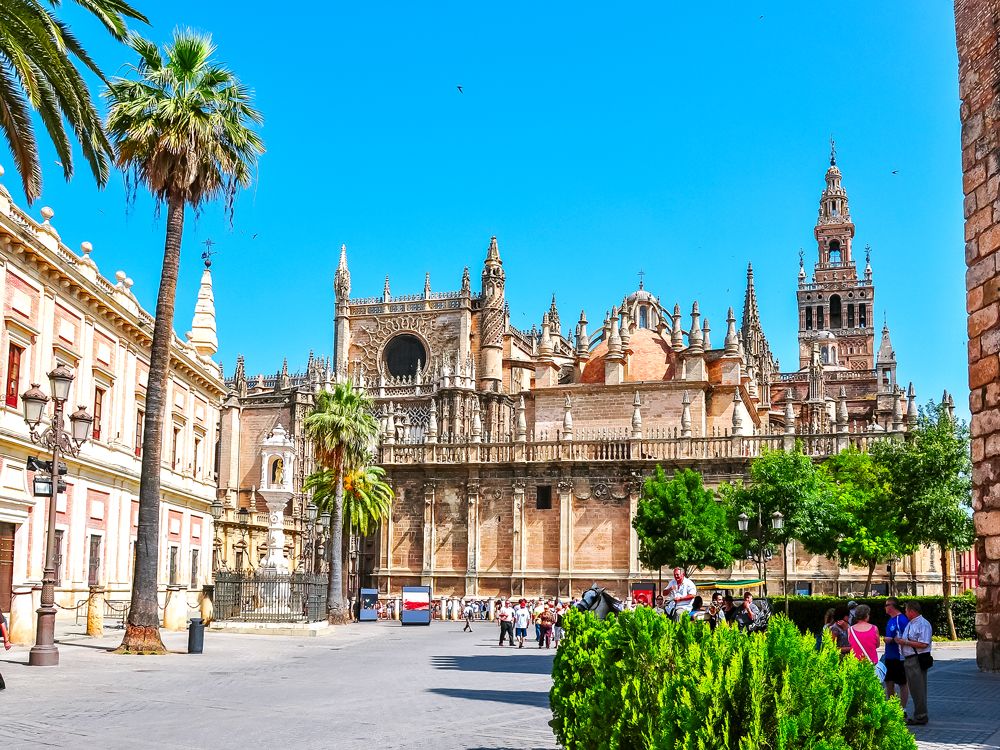
Seville Cathedral – Spain
Credit: Vladislav Zolotov/ iStock via Getty Images
A dazzling display of the wealth that emerged in this southern Spanish city (now the capital of Andalusia) after the Reconquista years, Seville’s cathedral remains the largest Gothic building in Europe. Following the defeat of Moorish rule in the 15th century, Seville city leaders ordered the construction of the cathedral (officially named Cathedral of St. Mary of the See) to show off the expansion of Christianity throughout the Iberian Peninsula.
The cathedral stands on the site of a former mosque, and upon its completion in 1506, it overtook Istanbul’s Hagia Sophia as the world’s largest cathedral. (While it no longer holds that title, it’s still the third-largest cathedral in Europe.) One of the cathedral’s most distinctive architectural features is a nod to its former purpose — a 343-foot-tall minaret called the Giralda. Another famous feature lies deep within — the cathedral is also the final resting place of explorer Christopher Columbus. Together with Seville’s Alcázar royal palace and the city’s ancient merchant exchange, it was named a UNESCO World Heritage Site in 1987.
Cathedral of St. Paul – Minnesota
Credit: Marcello Sgarlato/ iStock via Getty Images
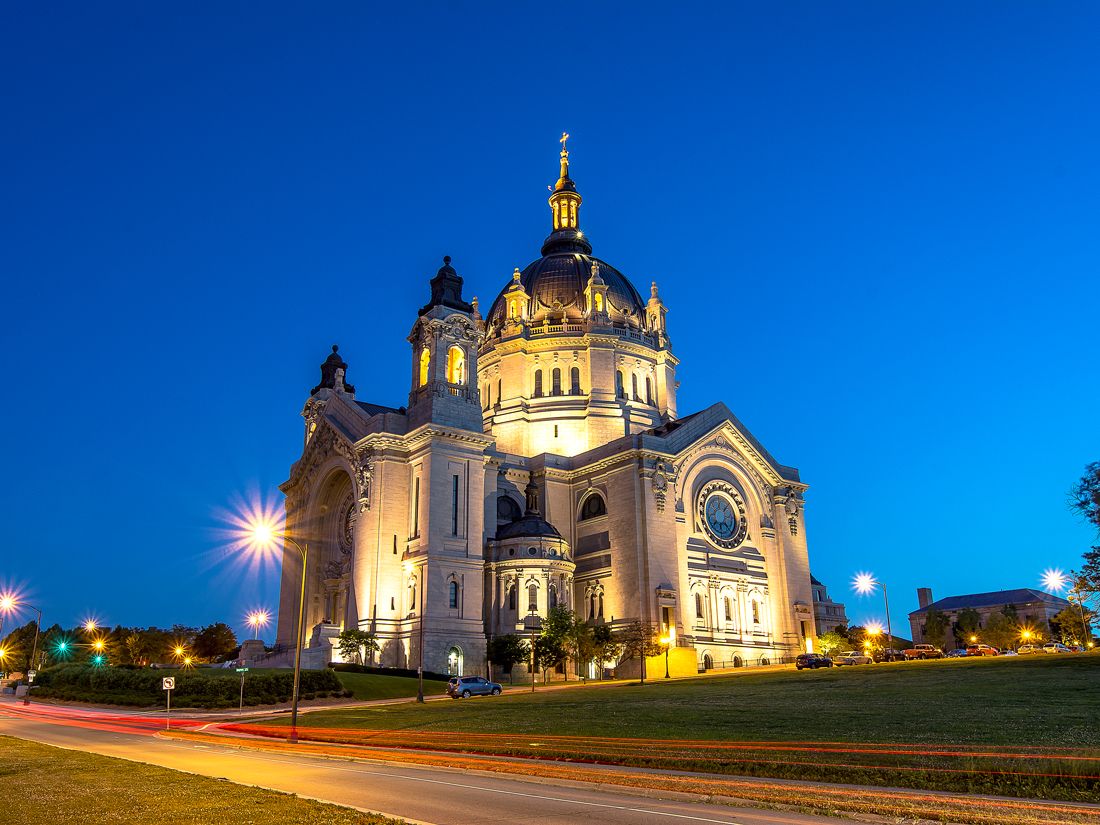
Built on Summit Hill, the highest point of St. Paul, between 1906 and 1915, the massive Cathedral of St. Paul looked to Europe for inspiration. A copper-clad dome and tall lantern rise 306 feet high between two 150-foot stone towers framing a classical Greek-cross layout. The grand Beaux-Arts architectural style may lend a European air to the cathedral, but there’s local pride there, too: The exterior is clad in Minnesota granite, and the interior in Minnesota travertine.
The soaring and open interior offers clear views of the altar from nearly every seat in the pews, without the obstruction of supporting pillars. In addition to sunlight from the interior dome, dappled light enters the transept through large and intricate rose windows on the north, south, and east walls. Among the chapels that line the walls of the cathedral, six are dedicated to the patron saints of six Catholic groups that settled in St. Paul: the Irish (represented by St. Patrick), the Italians (St. Anthony of Padua), the French Canadians (St. John the Baptist), the Germans (St. Boniface), the Slavs (Sts. Cyril and Methodius), and the early Jesuit missionaries of France (St. Therese of Lisieux).
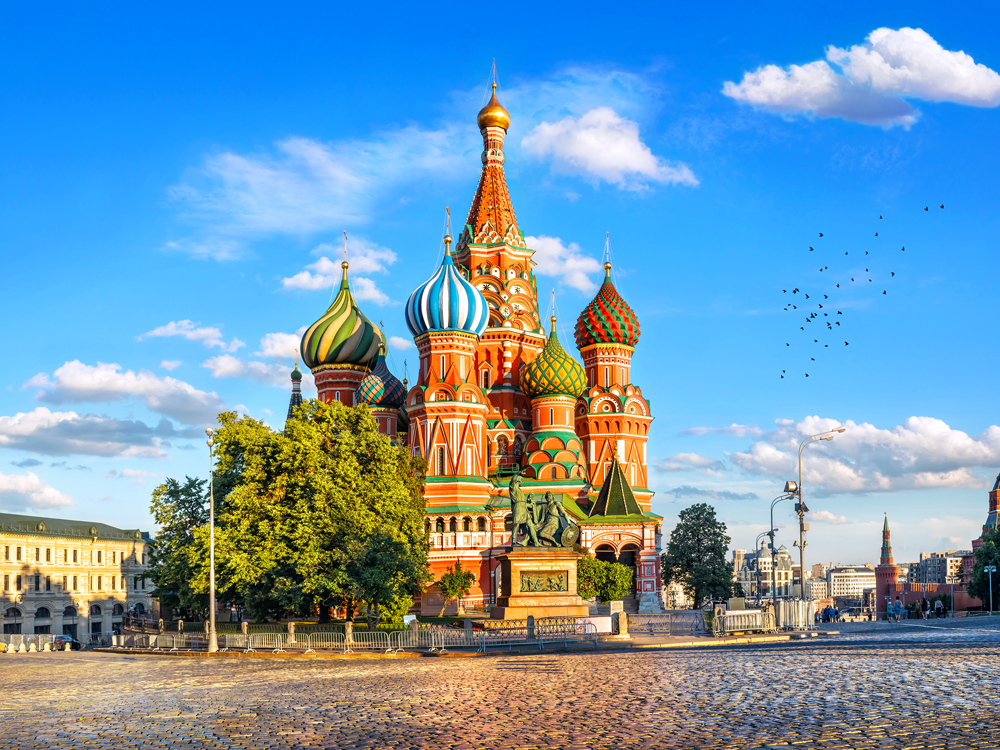
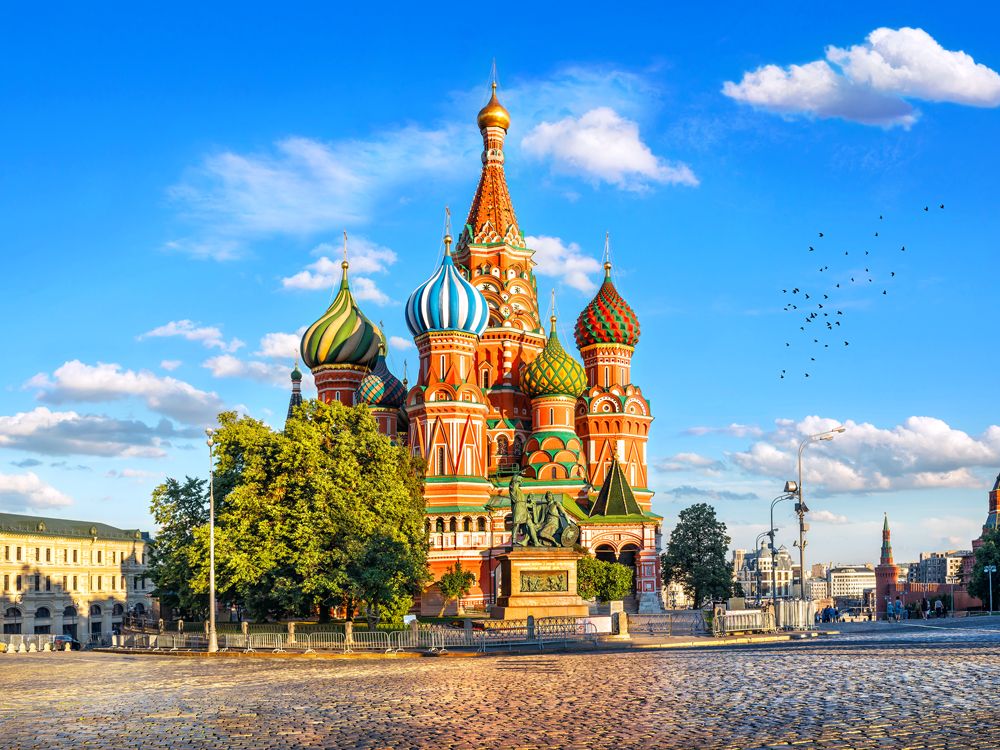
Located in Moscow’s Red Square near the Kremlin, St. Basil’s Cathedral (officially, Pokrovsky Cathedral) was constructed in the mid-16th century by the first Tsar of Russia, Ivan Vasilyevich. You may know him as Ivan the Terrible — so-named for his legendary temper — and one of the most persistent myths around his rage involves the mystery of who actually designed the cathedral. Legend has it that Ivan blinded his architect so the majestic St. Basil’s could never be replicated. But was the architect an unknown Italian or a pair of Russians named Barma and Postnik Yakovlev? No one actually knows.
No matter who designed it, the cathedral is an undeniable masterpiece (though not one that can be easily visited given current geo-political tensions). Nine separate red brick chapels surround a 156-foot central nave. Each chapel is aligned to points on the compass and dedicated to a different sacred figure associated with the tsar. St. Basil’s is probably most famous for its bold exterior capped by brightly painted onion-shaped domes, but neither the colors nor the domes are original. The structure was white and gold until the 17th century, when the flared cupolas — a hallmark of Ottoman design — were added. They became a signature of Russian architecture and are now a common feature among monumental buildings across the country.
Il Duomo – Milan, Italy
Credit: Noppasin Wongchum/ iStock via Getty Images
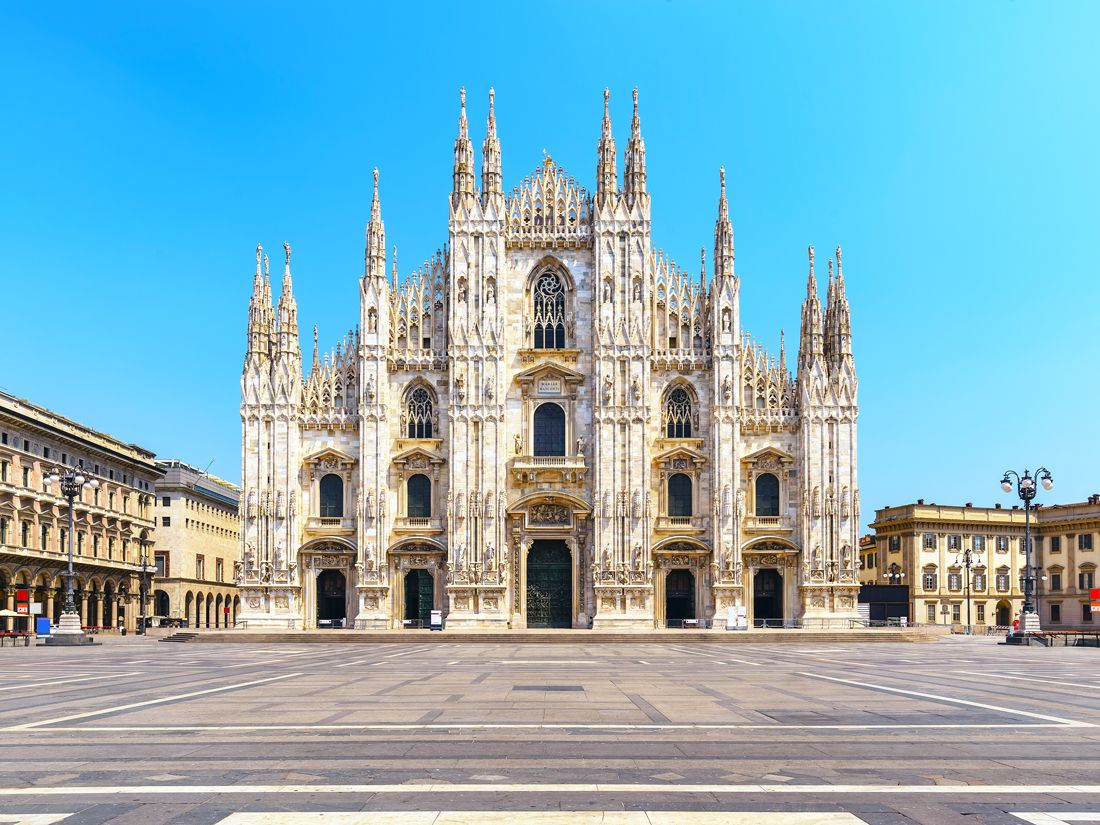
At almost 110,000 square feet and with room for 40,000 people, this gothic cathedral is Italy’s largest church. But Milan’s Il Duomo goes big on more than sheer size: The construction took nearly six centuries to complete, from 1386 to 1965, and to this day requires fresh supplies of Candoglia marble to touch up the stunning yet susceptible rosy-white facade. Then there are the big names involved in the project, from Leonardo da Vinci (one of many artists and architects who attempted a design for the difficult lantern tower) to Napoleon Bonaparte, whose coronation here spurred the completion of the facade.
A standout figure of a different kind? The tally of resident statues, said to outnumber any other church in the world. There are more than 3,400 in all, including an estimated 2,000 on the roof. Walking tours through the iconic spires tend to note the most prominent saints (the golden Madonnina), the least expected celebrities (20th-century heavyweight champ Primo Carnera), and everyone in between. For some visitors, however, the church’s biggest draw is actually quite small: a single nail believed to have come from Jesus’ cross.
Las Lajas Sanctuary – Colombia
Credit: Markpittimages/ iStock via Getty Images
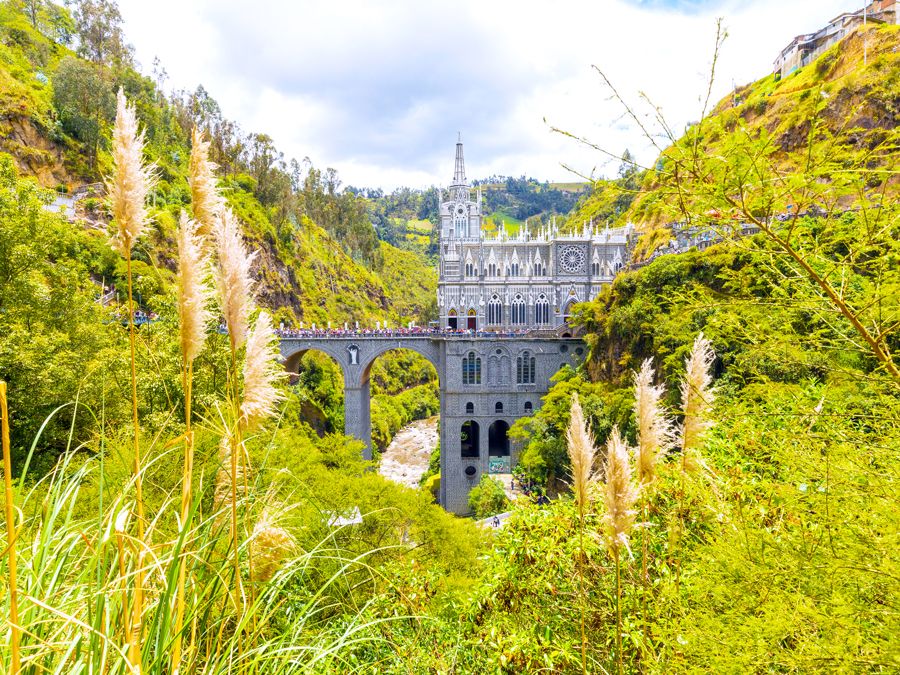
Though not technically a cathedral (rather, a Catholic minor basilica), this 150-foot-tall neo-Gothic church suspended over the canyon of the Guáitara River in southwest Colombia is worthy nonetheless of a pilgrimage. The sight of Las Lajas instantly recalls stories by the nation’s most famous author, magical realism pioneer Gabriel García Márquez.
In fact, the creation of a sanctuary site here was inspired by a similarly magical legend: During a 1754 storm, an Indigenous woman named María Mueses de Quiñones and her deaf-mute daughter, Rosa, found refuge in a cave in the Andes mountains, almost 10,000 feet above sea level. Inside, Mueses de Quiñones claimed they experienced a holy vision, discovering a likeness of Mary, the mother of Jesus, in the surrounding stone. At that moment, Rosa reportedly gained the ability to hear and speak.
Their location in Ipiales, about seven miles from Colombia’s border with Ecuador, has become a religious pilgrimage site visited by 750,000 people each year. Initial straw and adobe shrines have been replaced with the seemingly impossible cathedral, built in 1949. Its architectural support comes from three walls built into the canyonside and a double-arched bridge that extends 160 feet to the other side of the ravine. Inside, the sanctuary frames the preserved stone image of the Virgin Mary behind its altar. Although cars can park within a short walk of the bridge, visitors may opt for the scenic 20-minute teleférico (cable car) ride from the nearby Pan-American highway.
Advertisement
More from our network
Daily Passport is part of Inbox Studio, an email-first media company. *Indicates a third-party property.
Daily Passport writers have been seen in publications such as National Geographic, Food & Wine, CBC, Condé Nast Traveler, and Business Insider. They're passionate about uncovering unique destinations and sharing expert tips with curious travelers.
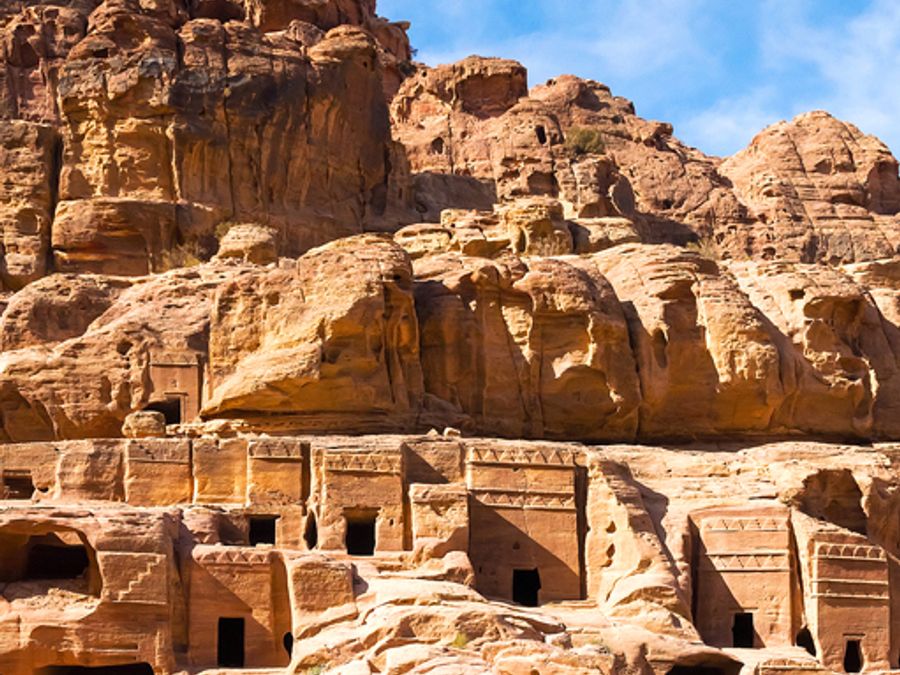
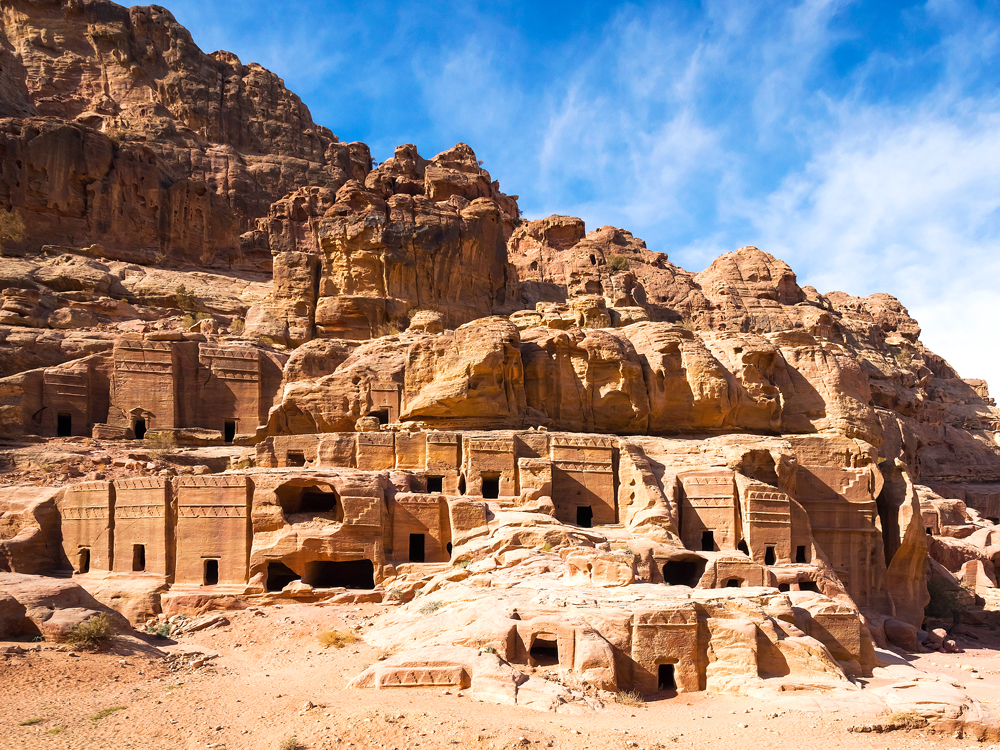
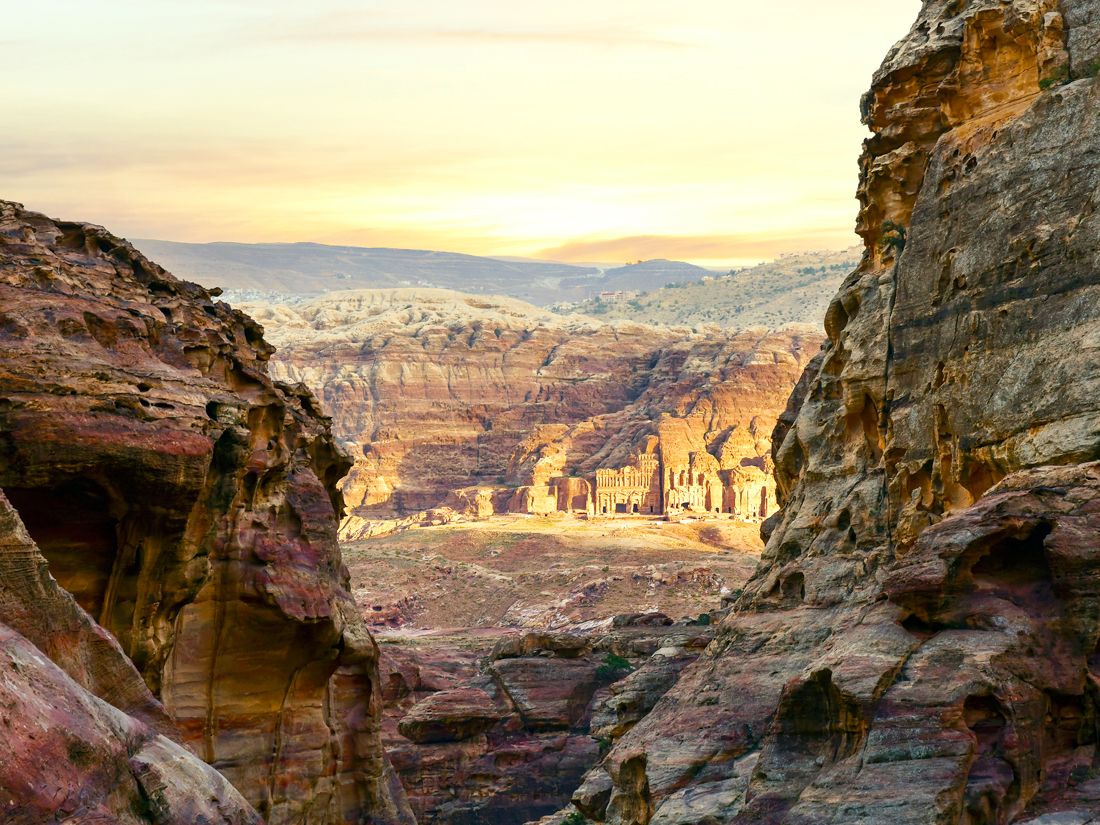
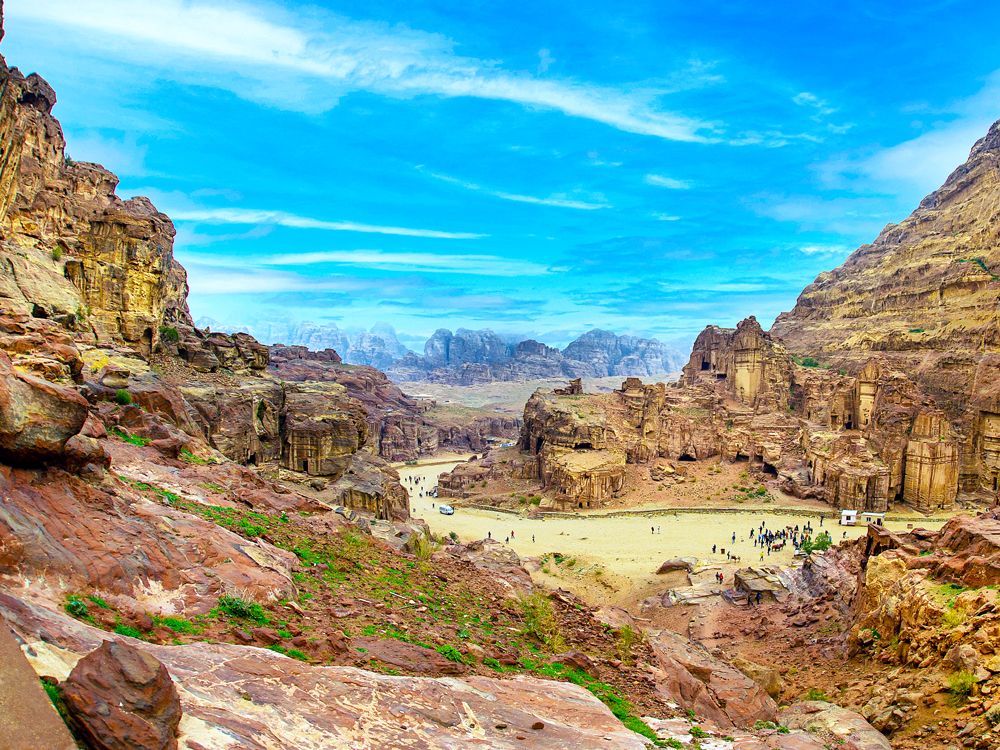
With its buildings carved into the vibrant sandstone cliffs and mountains of the southern Jordan desert, Petra was once a thriving cultural and economic hub in ancient times. But the city was later abandoned and left to ruin, remaining “lost” to the Western World until it was rediscovered in the early 19th century. Today, this UNESCO World Heritage Site attracts visitors from all over the globe. You may even recognize it from the scenes that appeared in the 1989 blockbuster Indiana Jones and the Last Crusade. If a visit is on your bucket list, start by discovering the fascinating history of Petra, Jordan’s “Lost City.”
A Hub for the Ancient Nabataeans
Credit: saravutvanset/ Moment via Getty Images
From the fourth century BCE, Petra was the capital of the Nabataeans, and its strategic location helped their civilization flourish, putting them at the center of trade throughout the Middle Eastern region. Its narrow canyon entrance also served as a natural fortification that protected it from potential attacks.
With the sale of goods, such as spices, the city’s population grew rapidly — it’s thought that up to 30,000 people could have once lived there. Everything went swimmingly until the Romans muscled in on Petra in 106 CE and swallowed it up into their own empire. Trade continued, but not at the same level as before, and an earthquake in 551 CE was perhaps the final nail in the coffin for this city in decline.
It’s hard to imagine how the desert site we see today could ever have supported such a large settlement. But the Nabataeans knew that for their city to have any chance at success, they had to solve the thorny issue of water. Carefully conserving precious water in this desert environment was a given, but they were also masters of irrigation, creating a clever system of channels and dams to reroute water from the surrounding mountains. The cisterns they used to store water also helped keep it from being lost in the flash floods that were — and still are — a relatively common occurrence in the area.
A Swiss Explorer’s Discovery
Credit: Mateescu Mugur/ iStock via Getty Images
For centuries, all except the local Bedouin people forgot Petra — its tombs were abandoned and buildings fell into ruin, hidden by the surrounding canyons. Then, in the early 19th century, a Swiss explorer named Johann Ludwig Burckhardt set off on an expedition in search of the source of the River Niger. In preparation, he’d studied Arabic at Cambridge University and then honed his vocabulary on the streets of Aleppo in Syria.
In 1812, on his way to Cairo, he heard rumors from locals of secret ruins of a grand city in the desert, so he hired guides and disguised himself as an Arab to gain access to what was considered a sacred place, forbidden to Westerners. They brought him to Petra. However, wary of pushing his luck too far, he didn’t stop to excavate. Five years later, Burckhardt died of dysentery in the Egyptian capital, but his “discovery” paved the way for future exploration of the site.
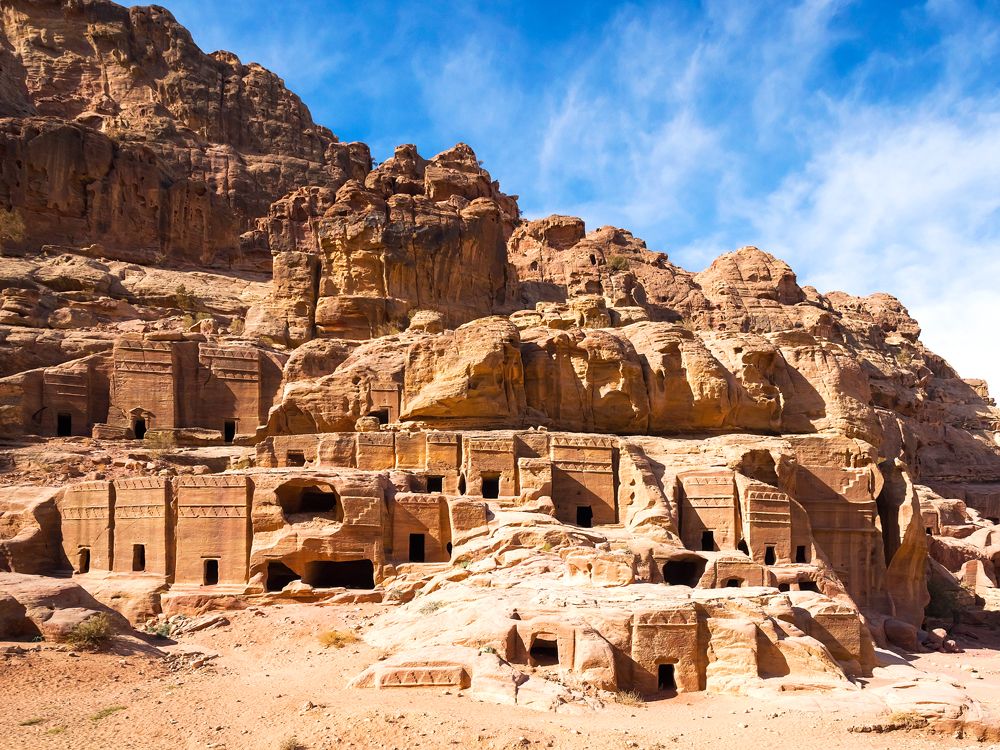
Some reports suggest that archaeologists have excavated as little as 15% of Petra thus far. Visitors enter through a narrow slot canyon known as the Siq and then amble along a street lined with tombs. The path leads to a temple called Al-Deir, or the monastery, reached by climbing more than 800 steps.
Impressive as the site is, however, that hardly scratches the surface. As recently as 2016, archaeologists discovered a previously unknown monument at Petra thanks to the magic of satellite imagery. It’s thought the huge platform, measuring 184 feet by 161 feet and flanked on one side with columns, could be more than 2,150 years old, based on fragments of pottery found nearby.
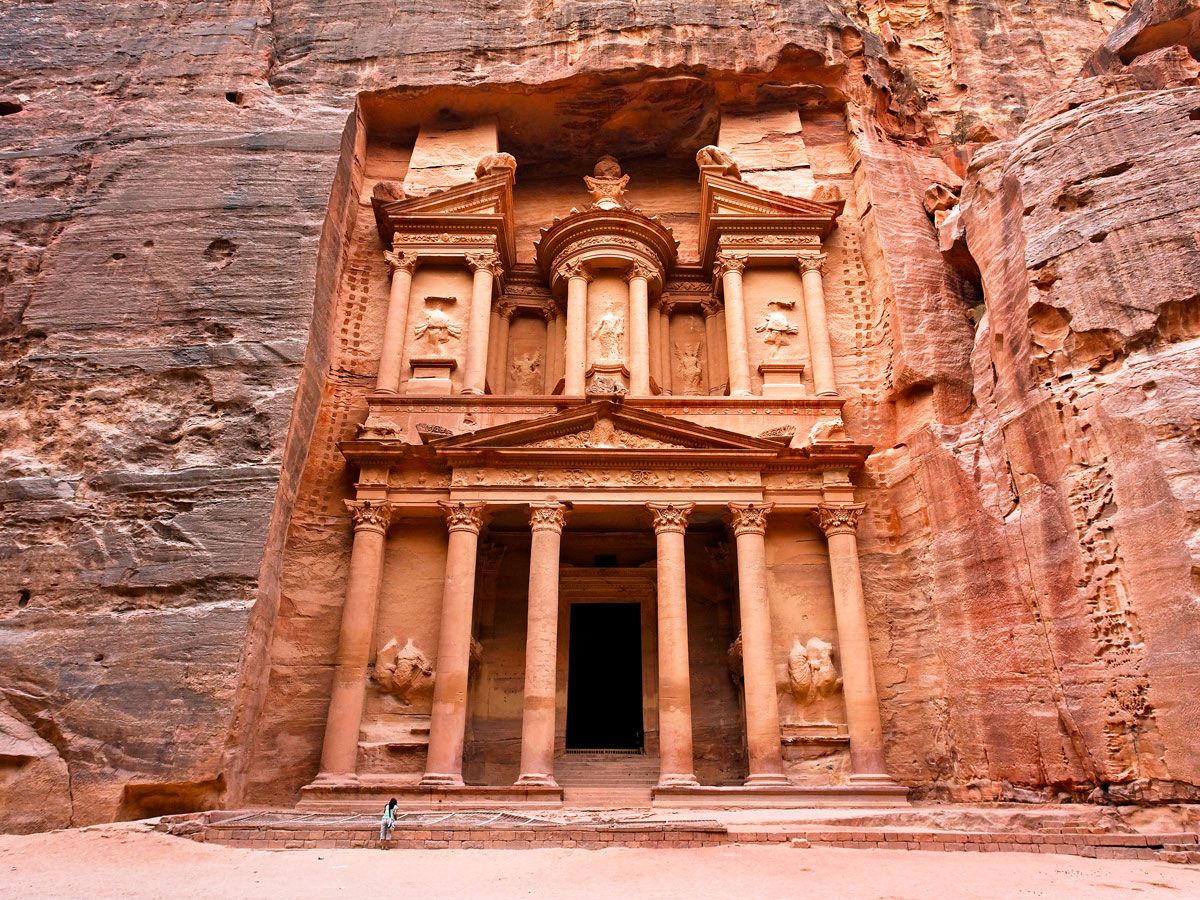
Perhaps the most familiar sight in Petra is that of its famous tomb, known as the Treasury or Al Khazna. Constructed sometime in the first century CE, the spectacular building is half carved into the surrounding sandstone and soars 130 feet above the desert. Appearing in a famous scene in the film Indiana Jones and the Last Crusade, the treasury features intricate and well-preserved Hellenistic architectural details covering its two-story facade, which is crowned by a giant funerary urn.
Interestingly, the urn above the treasury is riddled with bullet holes. They offer a clue as to what was hidden inside this imposing facade. According to sources, such as Burckhardt’s diary entry of his first encounter with Petra, it was a long-held belief among locals that the urn contained hidden gold; in fact, it is made of solid stone. The urn is badly damaged as a result of those gunshots but a breathtaking sight nonetheless.
Petra’s abandonment led to its nickname of the “Lost City,” but you’re also likely to hear it referred to as the “Rose City.” The nickname refers to the reddish-pink sandstone cliffs, but it originates from a poem written by an English cleric named John William Burgon. The poem won the prestigious Newdigate Prize for Poetry in 1845, awarded by Oxford University.
Although Burgon had never set eyes on Petra, he wrote: “Match me such marvel save in Eastern clime, a rose-red city half as old as time.” The nickname stuck, and we’ve referred to Petra as the “Rose City” ever since. The color of the rock changes as the sun goes around the horizon, with the reddish hue most noticeable at sunset.
Meanwhile, even ancient cities had suburbs, and Petra’s was called Little Petra. While most of the action took place in the Nabataean capital, visiting traders would have probably found accommodation in Little Petra, perhaps close to some of the city merchants’ own homes.
Abandoned after the Nabataean decline, it remained largely hidden until archaeologists started to uncover its rock-hewn dwellings, water channels, and wall paintings in the 1950s. These days, few tourists visit the narrow space where Little Petra sits, as it receives little direct sunlight — a fact that is perhaps hinted at in its name, Siq al-Barid (Cold Canyon). Nevertheless, the treasures its sandstone reveals, such as the Painted House, are well worth the trek.
Advertisement
More from our network
Daily Passport is part of Inbox Studio, an email-first media company. *Indicates a third-party property.
The Secret iPhone Flight Hack to Use on Your Next Trip
By
Bennett Kleinman
Read time: 3 minutes
May 13, 2024
Updated: May 13, 2024
The Secret iPhone Flight Hack to Use on Your Next Trip
Tips •May 13, 2024•Updated: May 13, 2024
By Bennett Kleinman
Author
Bennett Kleinman
Bennett is a New York City-based staff writer for Daily Passport. He previously contributed to television programs such as the Late Show With David Letterman, as well as digital publications like the Onion. Bennett has traveled to 48 U.S. states and all 30 Major League Baseball stadiums.
Nobody likes arriving at the airport only to find that their flight is delayed or canceled. And at the other end of your journey, the person picking you up may be left waiting for you in the parking lot for what seems like an eternity. Thankfully, there’s a simple solution that promises to make your travel day a whole lot simpler. (But it’s only for iPhone users — sorry, Android fans!) Here’s how to take advantage of this clever hack during your next trip.
Tracking Your Flight With a Simple Text
Credit: Ridofranz/ iStock via Getty Images
A viral TikTok video from March 2024 pointed out an incredibly helpful built-in feature on iPhones that allows for easy flight tracking in real time. First, you’ll need to find your flight number and airline code. The day of your flight, text that number (for example, DL169 for Delta Air Lines Flight 169 or AA642 for American Airlines Flight 642) to your own cellphone number. Doing this automatically creates a hyperlink that you can click on to track the flight right in Messages. (If you know the flight number but are still uncertain about the two-letter airline code, consult this helpful list.)
Once you’ve texted yourself and created the link, click on it and then press “Preview Flight.” This opens a new window, where you can see the current location of your plane, the expected gate number, baggage claim info, and whether the flight is still on schedule. All of these details mean you won’t have to worry about staring at those giant screens in the airport terminal — just be sure to check the link intermittently throughout the day leading up to your departure time just in case any of the details change.
Text the Person Picking You Up
Credit: Oscar Wong/ Moment via Getty Images
This helpful hack not only will save you time, but will also make life easier for the person generous enough to pick you up (as long as they also have an iPhone). Text that person your flight number before you take off so they can easily track your ETA with a simple click. This allows them to keep up to date with any potential delays and avoid coming to the airport too early. You can also use this feature if you’re planning to take a rideshare upon arrival. Simply open the link on your phone and check your ETA so you can schedule an Uber or Lyft for the appropriate time.
Text Any Connecting Flight Details
Credit: oatawa/ iStock via Getty Images
Often, it can be a mad dash from one flight to another connecting flight. And what can make the situation more chaotic is if you have no idea where to go. Thankfully, this hack makes those situations far less stressful. Before your trip even begins, text the flight numbers for any connecting flights to your phone as well. When your first flight lands, click on the link and look to see where your connecting gate is located. That way, you can head directly to that gate the moment you disembark the plane, rather than waste time gathering intel after you reach the airport terminal.
Advertisement
More from our network
Daily Passport is part of Inbox Studio, an email-first media company. *Indicates a third-party property.
Could This State Be Getting Its First National Park?
By
Bennett Kleinman
Read time: 4 minutes
May 13, 2024
Updated: May 13, 2024
Could This State Be Getting Its First National Park?
Outdoors •May 13, 2024•Updated: May 13, 2024
By Bennett Kleinman
Author
Bennett Kleinman
Bennett is a New York City-based staff writer for Daily Passport. He previously contributed to television programs such as the Late Show With David Letterman, as well as digital publications like the Onion. Bennett has traveled to 48 U.S. states and all 30 Major League Baseball stadiums.
Since Yellowstone became the first national park in 1872, 62 other national parks have joined the fray, in addition to hundreds of other sites managed by the National Park Service. And this list of protected areas is ever-growing, with eight locations being elevated to national park status in the 21st century alone. Today, many groups around the country are lobbying to bring a national park to their communities. One such effort has made significant progress in recent years, and it currently has bipartisan support in Congress — which may help make this particular national park dream a reality in the near future. Should this happen, one Southern U.S. state would be getting its first national park.
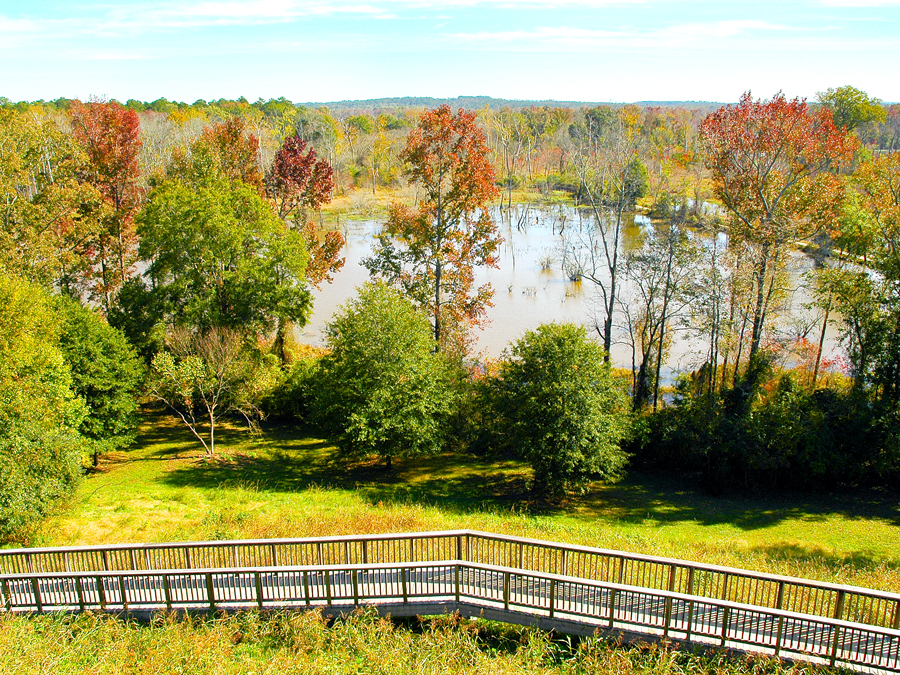
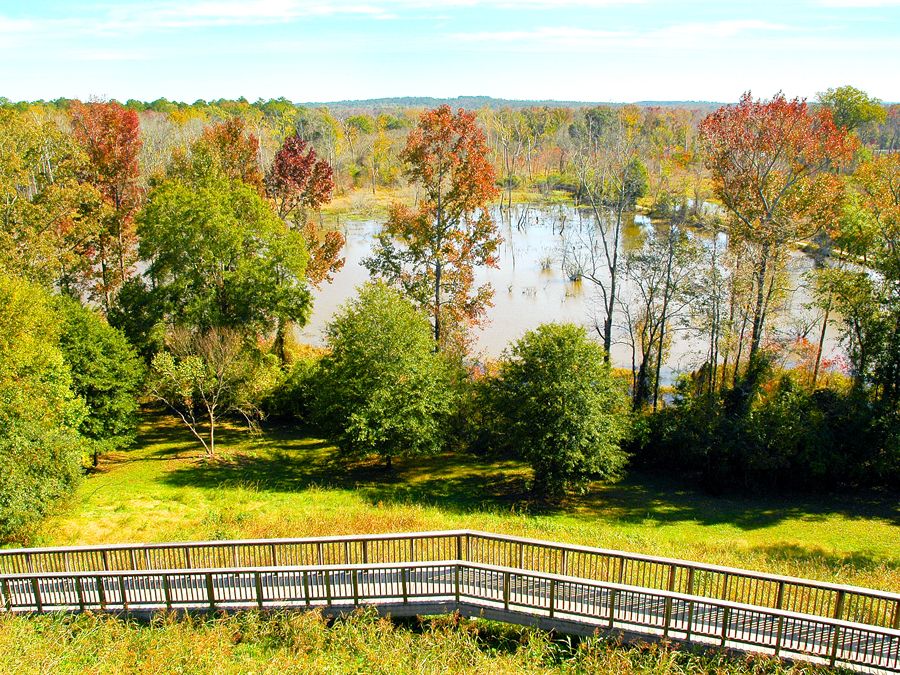
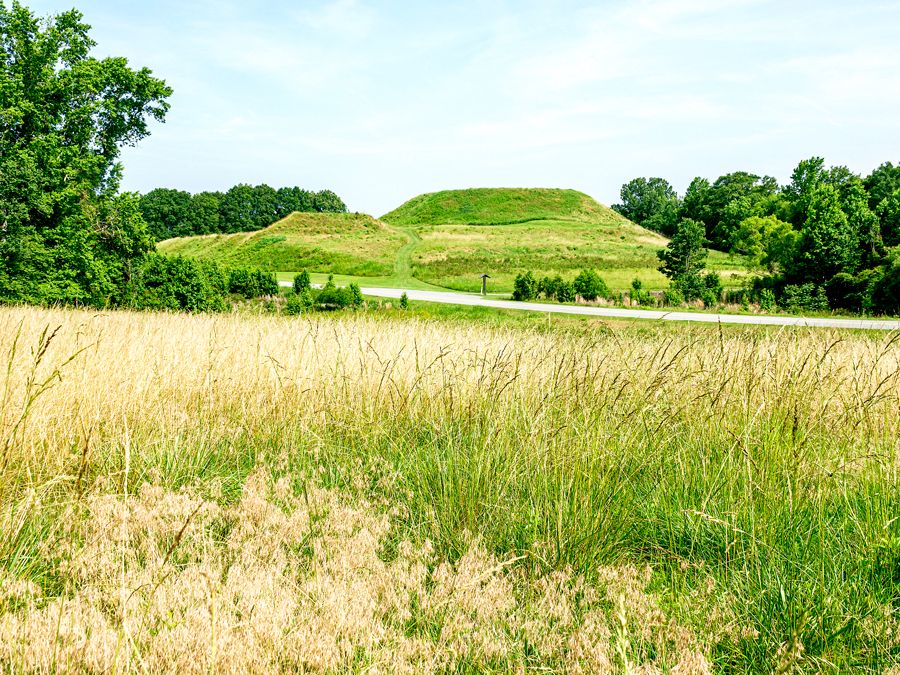
Ocmulgee Mounds National Historical Park is located about 2 miles east of Macon in the central part of Georgia. The region’s history dates back far before Macon was established — in fact, this prehistoric site has been continually inhabited by humans for upwards of 17,000 years. Ancient peoples arrived here sometime before the year 9000 BCE to hunt large mammals, and many hunter-gatherer groups inhabited the Macon Plateau over the ensuing millennia. This includes the Muscogee (Creek) Nation, a group that was forced to relocate to Oklahoma in the 1800s. Today, the Ocmulgee Mounds are considered the ancestral home of the Muscogee Nation, making it especially significant among their descendants.
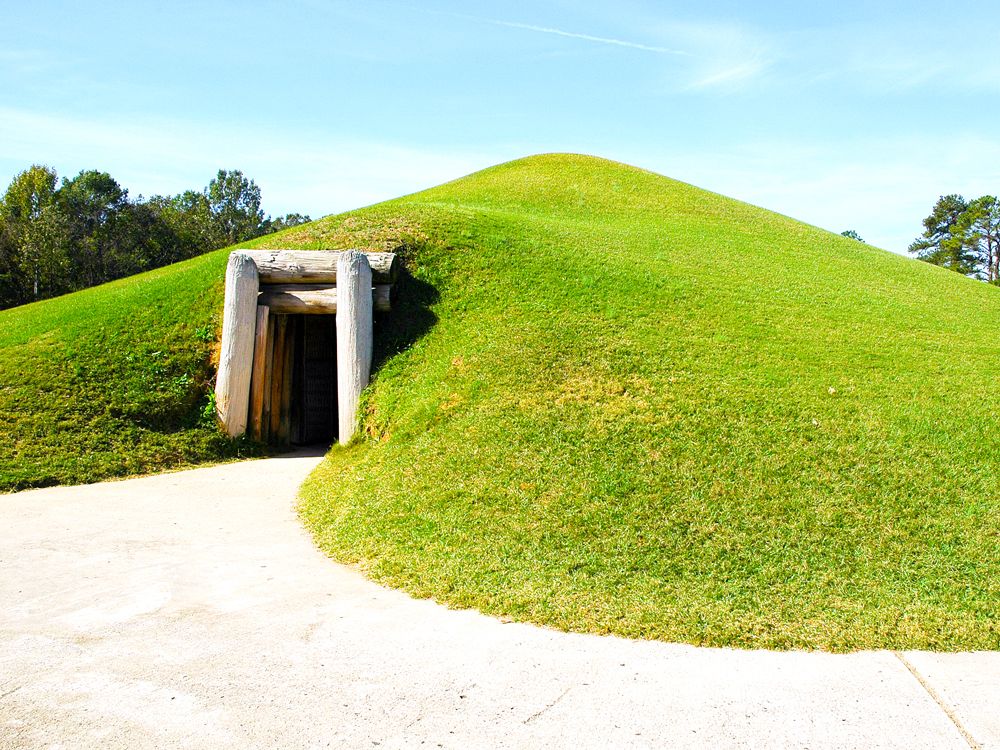
Archaeologists have uncovered many artifacts dating back thousands of years, such as pottery, arrowheads, and farming tools. The site’s namesake mounds were built sometime around the year 900 CE. These larger-than-life piles of moved earth were created by a group known as the Mississippians, who inhabited the region from around the year 800 until about 1600. The mounds were used for a variety of purposes, including for funerary sites and as a home for the village chief.
Today, there are seven of these giant mounds located on park grounds. The largest is the 55-foot-tall Great Temple Mound, which boasts a base of 300 by 270 feet. The Funeral Mound, another impressive site, stands 25 feet high and contains 8-foot-deep pits beneath that were used for ceremonial burials.
While there are many beautiful natural landscapes across Georgia worthy of preservation, it’s the natural beauty, as well as the cultural significance of the Ocmulgee Mounds, that make this site stand out above the rest. The National Park Service’s mission statement is to preserve the nation’s “natural and cultural resources… for the enjoyment, education, and inspiration of this and future generations.” And if Ocmulgee Mounds is elevated to become a national park, it immediately puts this historically significant site on the radar of many more Americans.
In the words of Tracie Revis, the director of advocacy for this initiative, it’s important to “help make the park accessible so that the public can learn about the land’s 17,000 years of continuous human habitation.” Revis adds, “It’s beneficial for our people in Oklahoma… to be able to come back and enjoy this land and know that it’s protected.”
Seth Clark, another individual involved in this lobbying effort, says that “the process of creating this park has been a real source of healing and reconciliation between the tribal and non-tribal communities.” Other Georgians are excited about the economic benefits that a national park would bring to Macon, including an expected sixfold increase in visitor numbers.
Ongoing Efforts for National Park Status
Credit: Jeff Greenberg/ Universal Images Group via Getty Images
The preservation efforts at Ocmulgee Mounds date back to 1936, when President Franklin D. Roosevelt set aside 678 acres of land as a national monument. But it wasn’t until 2019 that Ocmulgee Mounds became a national historical park. This current status affords the mounds less protection and funding than if they were a national park. The good news is that a Special Resource Study was recently conducted to determine if the mounds were worthy of becoming a national park, which is the first step toward achieving that goal.
Another boon for the project is the bipartisan support from both politicians and members of the community. Local political figures, as well as representatives from the Muscogee Nation, have worked in tandem to promote the idea of a national park for Ocmulgee Mounds.
On May 1, 2024, legislation was formally introduced by Georgia’s congressional delegation to transform the Ocmulgee Mounds into a national park and preserve. This effort is currently led by Representative Sanford Bishop, Representative Austin Scott, and Senator Jon Ossoff.
Should the bill be adopted, it would nearly double the 2,800-acre footprint of the current park and allow the secretary of the interior to acquire more private land within the proposed boundaries. Assuming these efforts are finally successful, Ocmulgee Mounds would become not only the first official national park in Georgia, but also the first national park site co-managed by a removed Indigenous tribe.
Advertisement
More from our network
Daily Passport is part of Inbox Studio, an email-first media company. *Indicates a third-party property.
7 National Park Attractions You Need to Enter a Lottery to Visit
By
Rachel Gresh
Read time: 5 minutes
May 7, 2024
Updated: May 13, 2024
7 National Park Attractions You Need to Enter a Lottery to Visit
Outdoors •May 7, 2024•Updated: May 13, 2024
By Rachel Gresh
Author
Rachel Gresh
Rachel is a Washington, D.C.–based travel and lifestyle writer with roots in the Great Lakes region. When she’s not writing for publications such as The Discoverer and Interesting Facts, you’ll find her wandering through museums or exploring destinations off the beaten path.
There are plenty of wide open spaces to explore in America’s national and state parks, but a handful of locations have become so popular that guests can only experience them by entering lottery systems. From the depths of the Grand Canyon to the highest peaks of Yosemite and Zion, park officials are working to preserve ecosystems and promote guest safety while allowing visitors to enjoy these truly fantastic sights. Here are seven of the most sought-after national and state park lotteries in the United States.
Staying at Phantom Ranch at Grand Canyon National Park – Arizona
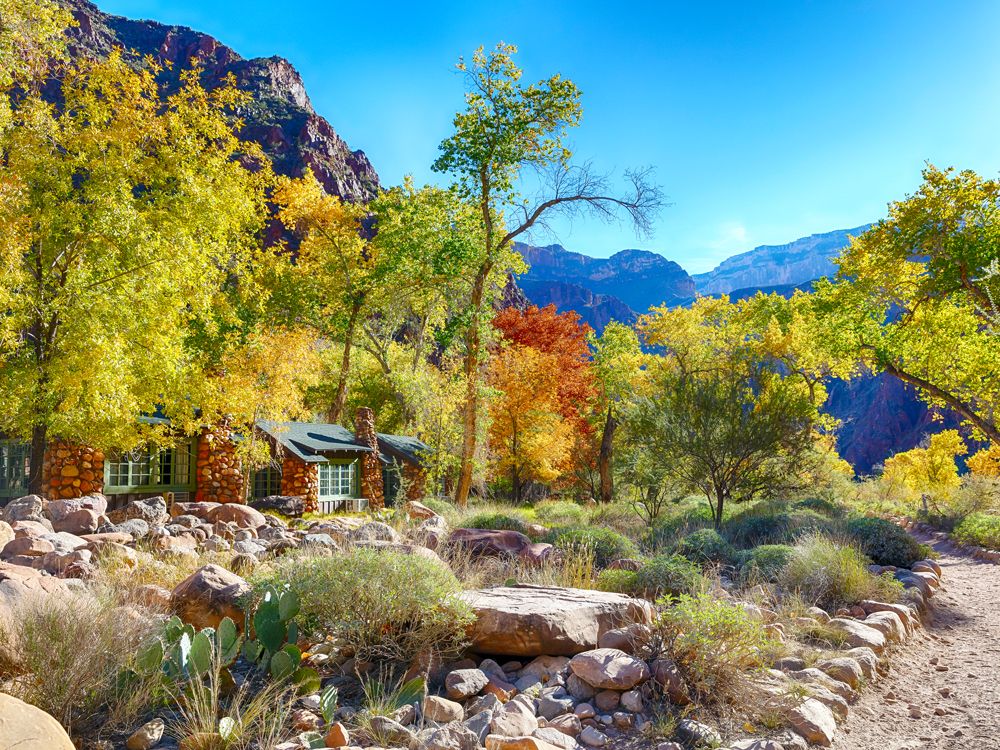
A handful of breathtaking hotels and campsites line the rim of the Grand Canyon, but did you know you can stay overnight on the canyon floor? The only below-the-rim lodging in this national park is Phantom Ranch, located at the bottom of the canyon next to Bright Angel Creek. Built in 1922, the lodge and cabins are only reachable by a mule ride, 7.5-mile hike, or river rafting excursion deep into the canyon. Nearly 5 million people visited the Grand Canyon in 2023, and with accommodations for only 90 people, it’s obvious why Phantom Ranch needs a lottery system. The lottery runs 14 months in advance, but if you missed your preferred time, there are occasional last-minute openings on the park’s website.
Bear Watching at McNeil River State Game Sanctuary – Alaska
Credit: Ian Stotesbury / 500px/ 500Px Plus via Getty Images
The 200-square-mile McNeil River State Game Sanctuary, located on the Alaska Peninsula, is home to the world’s largest concentration of brown bears. That’s thanks to the sanctuary’s namesake McNeil River, which boasts all five species of Pacific salmon. As the fish swim upstream against the current, they get held up and become dinner for dozens of hungry bears (sometimes upwards of 70).
To see them in action, you’ll have to fly in via charter plane, because there is no road access to the sanctuary. This is one of the most challenging park lotteries to win: Only 10 visitors per day are allowed at the camp during the season, which runs from June through August. For those lucky few, guided tours are provided daily to see the bears from just 60 feet away.
Hiking Angels Landing at Zion National Park – Utah
Credit: jon chica parada/ iStock via Getty Images
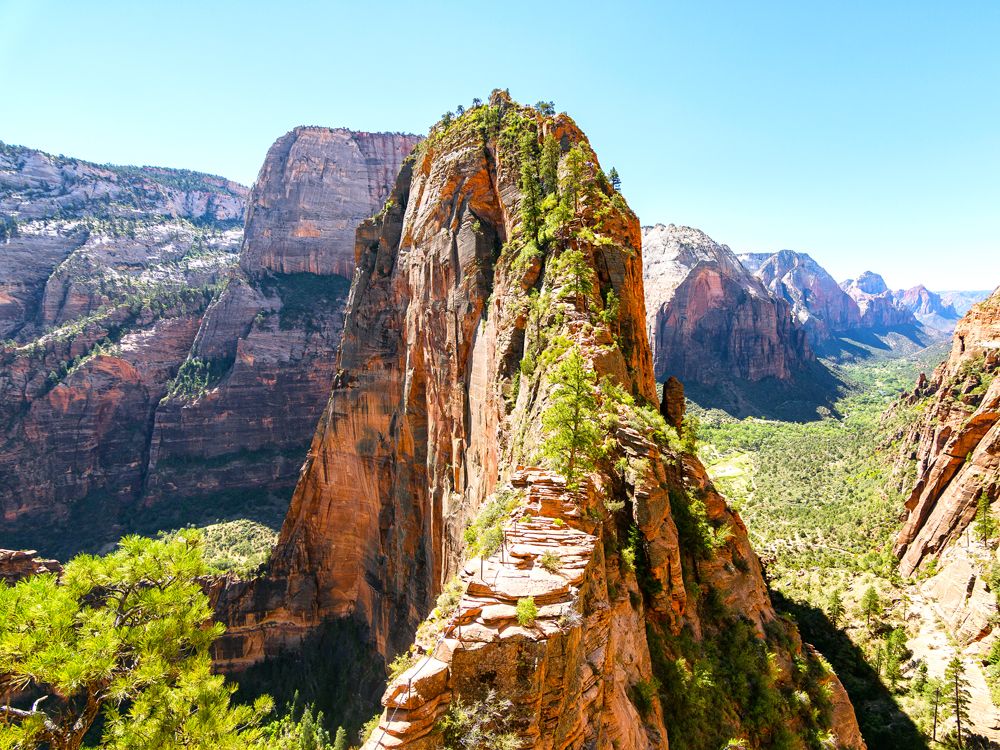
One of Zion’s most popular hiking trails has become a little too popular. Boasting panoramic views of one of America’s most famous national parks, hiking to Angels Landing is a strenuous yet rewarding experience. The 5.4-mile round trip features a series of 21 switchbacks (called “Walter’s Wiggles”) to gain elevation. Just before reaching the lookout, there is a 500-foot steep scramble with chains for stabilization. This is where many hikers decide to turn around and head home, but braving the climb is one of the top experiences in Zion. To reduce congestion on this trail, the National Park Service issues permits in seasonal and day-before lotteries.
Firefly Viewing at Great Smoky Mountains or Congaree National Parks – Tennessee and South Carolina
Credit: Putt Sakdhnagool/ Moment via Getty Images
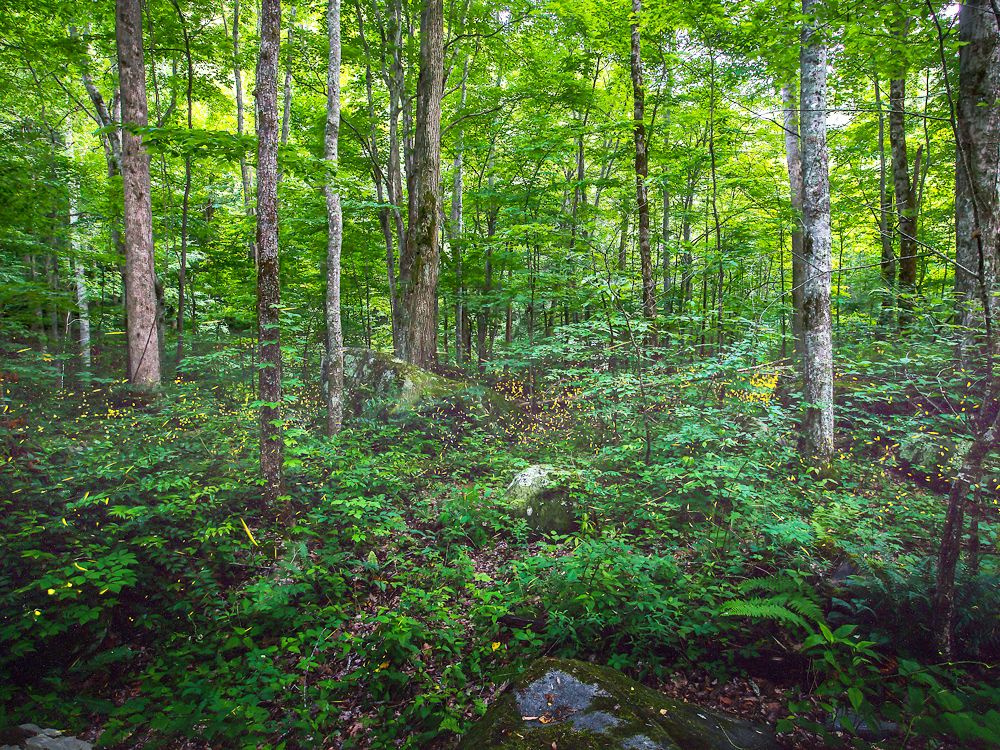
Each spring, fireflies put on quite a show at national parks in the South. These bioluminescent beetles synchronize their flash patterns during their reproductive season, creating a dazzling display that lights up the night sky. Two of the best places to witness this phenomenon in late May and early June are at the Elkmont Campground at Great Smoky Mountains National Park (in Gatlinburg, Tennessee) and the Harry Hampton Visitor Center at Congaree National Park (in Hopkins, South Carolina). Both parks welcome thousands of visitors annually for the event, and there are lottery systems in place for parking permits.
Snowmobiling at Yellowstone National Park – Wyoming
Looking to see Yellowstone’s wild side from a unique vantage point? During part of the year, experienced snowmobile riders can request a permit to ride without a guide in Yellowstone’s spectacular backcountry. Most park roads are limited to snowmobile use between December and March, making it a perfect time to explore while the crowds are at their lowest. While not all park attractions are open in the winter, some facilities, guided tours, and even hotels (Old Faithful Snow Lodge and Mammoth Hot Springs Hotel) remain running. If summertime at Yellowstone sounds more your speed, backcountry camping permits are also available, with a special lottery for early access during peak season.
Exploring the Wave at Coyote Buttes – Arizona and Utah
Credit: Mark Brodkin Photography/ Moment via Getty Images
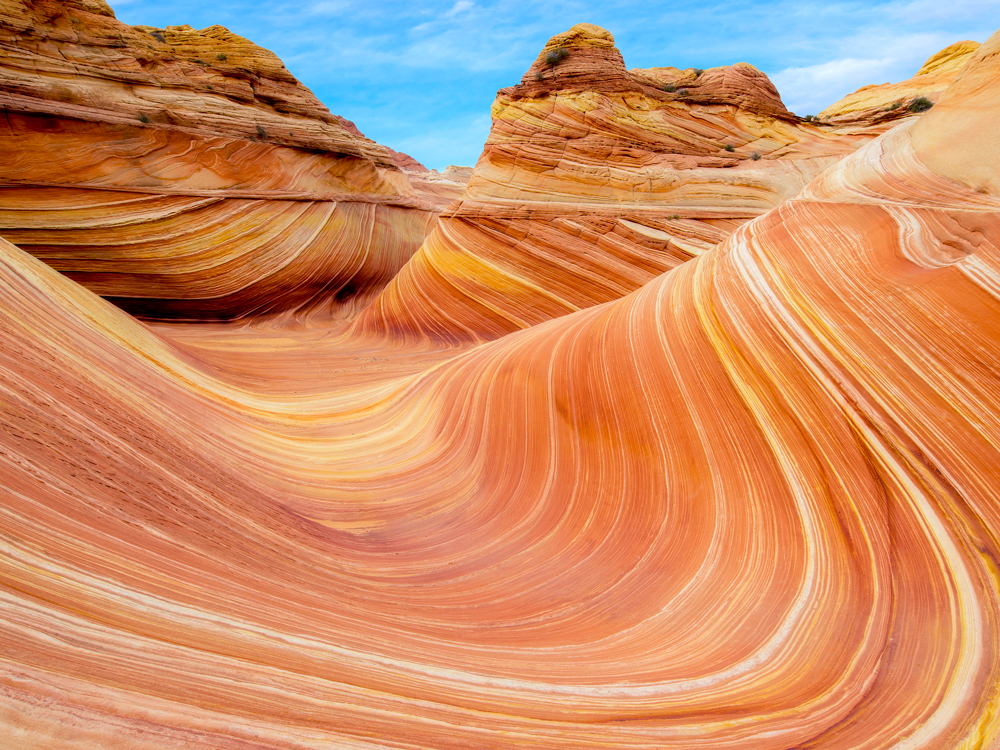
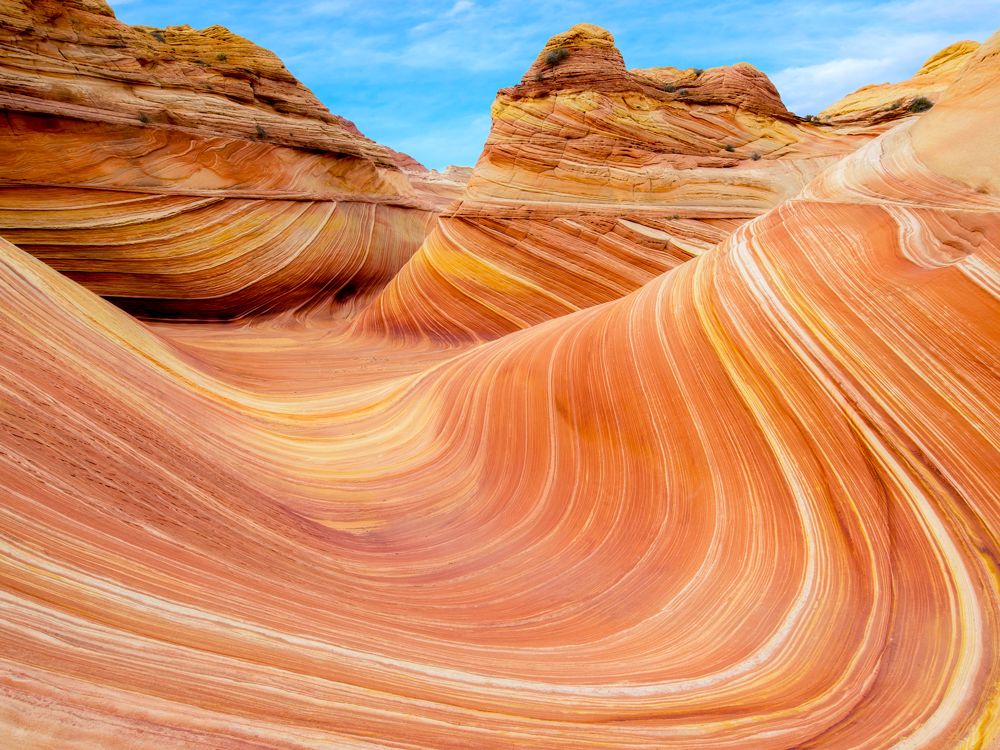
Travelers to the Arizona-Utah border must win a lottery to access Coyote Buttes, which is most famous for a rock formation known as the Wave. One of the most sought-after hiking experiences in the Southwest, the Wave is located within the Paria Canyon-Vermilion Cliffs Wilderness, overseen by the Bureau of Land Management. Passes are limited in order to preserve this unique rock formation.
For those who experience the 6.4-mile hike, there are epic views of swirling sandstone, otherworldly arches, and bighorn sheep — but this journey requires navigation experience. The trail is largely unmarked, but permit holders are given maps and GPS coordinates. Because of this, many visitors book a tour with a local company after receiving their permit. Be sure to plan far ahead — only 64 passes are granted daily.
Hiking Half Dome Cables at Yosemite National Park – California
Credit: stevedunleavy.com/ Moment via Getty Images
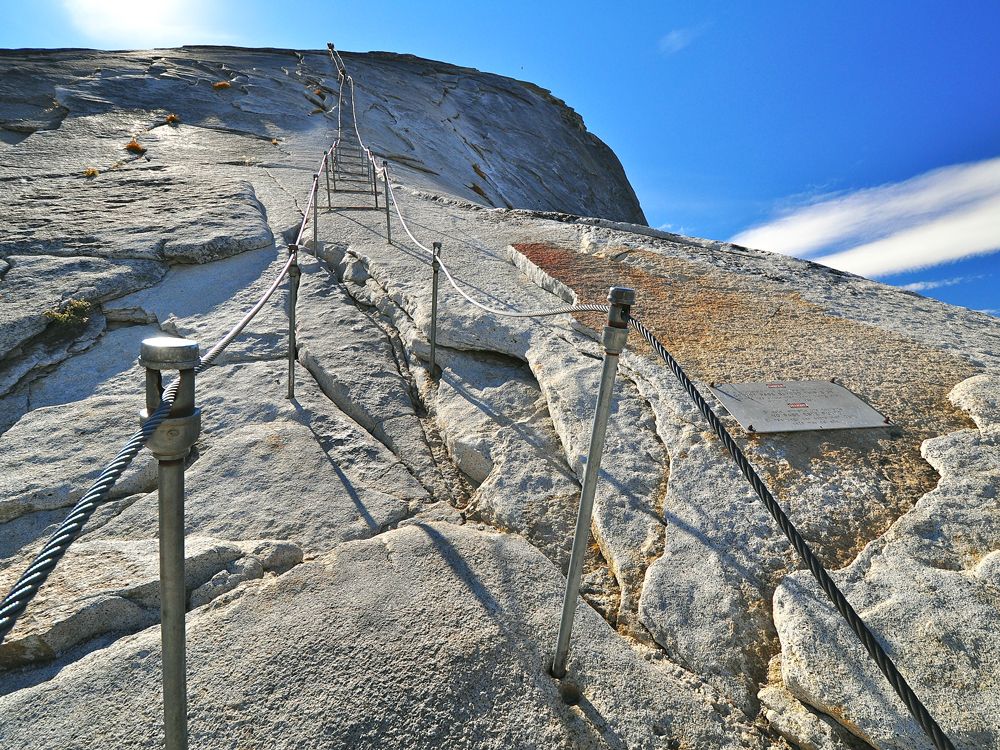
Only 225 people a day are granted access through a daily lottery to climb the final 400 feet of Yosemite’s famous Half Dome rock formation. Those lucky visitors have the unique experience of summiting Half Dome without climbing equipment, thanks to hiker-friendly cable holds anchored into the quartz rockface, which leads to a summit view of the Yosemite Valley from thousands of feet up. But summiting isn’t the only tricky part of this journey. The hike is at least 14 miles round trip with an elevation gain of 4,800 feet, and it takes most hikers a minimum of 10 hours. The season for climbing up these hallowed cables runs from the end of May until mid-October.
Advertisement
More from our network
Daily Passport is part of Inbox Studio, an email-first media company. *Indicates a third-party property.
Bennett is a New York City-based staff writer for Daily Passport. He previously contributed to television programs such as the Late Show With David Letterman, as well as digital publications like the Onion. Bennett has traveled to 48 U.S. states and all 30 Major League Baseball stadiums.
Whether you’re traveling for work or leisure, using the hotel’s internet is an inevitability, so you may be wondering just how secure your accommodation’s Wi-Fi network is. Unfortunately, far too often, hotel Wi-Fi networks may be vulnerable in the event of a cybercrime attack, meaning your valuable personal information — such as your name and credit card information — could be at risk. While some hotels have taken steps to update their infrastructure and keep guests secure while browsing online, there are additional steps you can take on your own to protect your personal information. Find out more about how to stay safe while browsing the web on a hotel Wi-Fi network.
The Hospitality Industry Is a Major Target
Credit: Anchiy/ E+ via Getty Images
According to a study conducted by accounting firm PwC from 2018 to 2022, the hospitality industry ranks second (after the retail industry) in terms of total number of cyber security breaches. These data leaks have hit major hotel chains such as Marriott and Hyatt, though 86% of these cybercrimes target smaller businesses, which may not have the financial means to secure their online networks.
One of the major reasons why cyber attacks happen frequently is because it’s fairly easy to gain access to a hotel’s Wi-Fi network. Some don’t even require passwords; even those that do require passwords usually need only a name or room number to sign in to the network, and that type of information can be found with just a little snooping. Once cybercriminals gain access to an unsecured network, they can easily steal the personal information of hotel guests.
Risks to Watch Out For
Credit: Luis Alvarez/ DigitalVision via Getty Images
Three of the most common concerns when using hotel Wi-Fi are ransomware, encrypted malware, and phishing schemes. Any of these can be remotely installed on your computer by someone exploiting the security vulnerabilities of an unsecured Wi-Fi network.
Ransomware essentially locks all of your personal files behind a paywall until a ransom is paid to the hacker. Encrypted malware can be used to covertly bypass antivirus software and access a hotel guest’s personal data. With a phishing scheme, hackers trick people into clicking seemingly reputable internet links that ask for personal info. Once that information is sent, there’s nothing you can do about it, except change your credit card number or update your passwords.
Contact the Hotel About Network Security
Credit: Jasmin Merdan/ Moment via Getty Images
Despite these concerns, most travelers don’t have the option to avoid using hotel internet for the duration of their stay. Maybe you have an important work meeting or need to browse the web to find tourist sites worth seeing. In that case, it may be worth doing a little research before making your booking and contacting the hotel directly to ask about their Wi-Fi networks.
One question to ask hotel staff is what type of encryption system they use. WPA3 is the most secure encryption system currently available; previous versions such as WPA are no longer a secure option. You can also ask the hotel if they’ve installed antivirus software or firewall systems to protect guests against potential data breaches. If the hotel’s security seems lacking, it may be worth considering a different property.
Personal Steps to Ensure Internet Safety
Credit: Twenty47studio/ Moment via Getty Images
There are other steps travelers can take to supplement whatever security features the hotel already has in place. First, consider using a VPN (virtual private network) to protect your data. VPNs are easy to use and encrypt sensitive information on your computer, including your name, credit card number, and passwords. Also be sure to disconnect your computer from any file-sharing services or Bluetooth connections. While those features are useful for connecting to other devices, leaving them turned on exposes your personal information to strangers who may be looking to do harm. Finally, take preventative measures such as downloading the latest operating system and installing antivirus software, both of which establish stronger security.
You may also consider creating a personal hot spot with your cellphone instead of relying on the hotel’s Wi-Fi network. This is a great option for those with unlimited cell data plans, as you can avoid incurring any extra charges. Often, personal hot spots work just as well as some hotel Wi-Fi networks, and best of all, the connections are entirely private.
Advertisement
More from our network
Daily Passport is part of Inbox Studio, an email-first media company. *Indicates a third-party property.
Julia is a U.K.-based travel writer whose work has been featured in The Independent, The Telegraph, The New Zealand Herald, and Culture Trip, among others. She’s an enthusiastic advocate for independent travel and a passionate geographer who has had the privilege of traveling to more than 130 countries in search of a story.
While they provide a necessary means of transportation in many cities, vehicles can often be a blight on the urban experience. In an effort to improve urban spaces, some cities have fought back against cars by designating pedestrian-only spaces. Whether it is tried as an experiment or a bold and more permanent change, pedestrianization is often a triumph. Walking through these cities becomes a pleasure, and the extra space freed up by banning cars is ideal for accommodating sidewalk cafés, market stalls, and other community endeavors. Take a look at six of the best pedestrian-only streets in major cities around the globe.
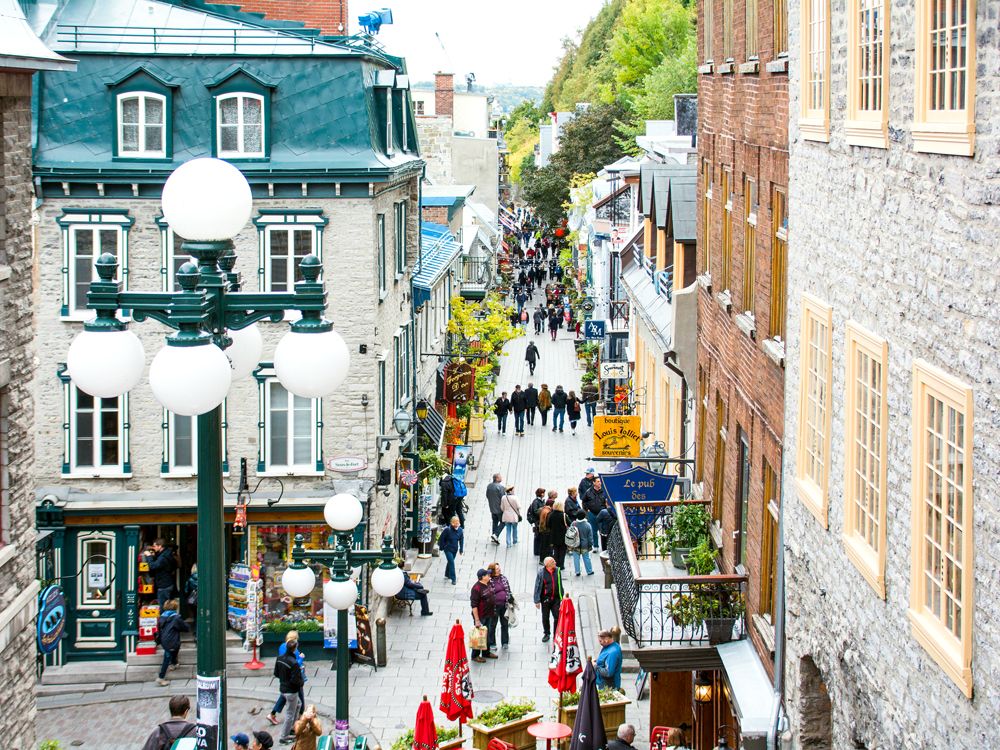
Located in Québec City’s historic walled quarter, the Rue du Petit-Champlain pedestrian street takes its name from the city’s founder, Samuel de Champlain. What you see today reflects the vision of Gerry Paris and Jacques de Blois, who in the 1970s aimed to breathe life back into this part of the city’s old town by creating a European-style community of artisans and traders. The buildings — many of them more than 200 years old and in a poor state of repair — were spruced up to highlight their original features.
More than four decades later, the neighborhood remains a thriving hub for culture, retail, and leisure. And it’s not difficult to see why Rue du Petit-Champlain has become a magnet for visitors. It’s lined with dozens of charming boutiques selling local textiles, handicrafts, and food from the city’s hinterland. Climb the Breakneck Steps (Escalier Casse-Cou) — the city’s oldest stairway, dating from 1635 — to get a stellar view along the street.
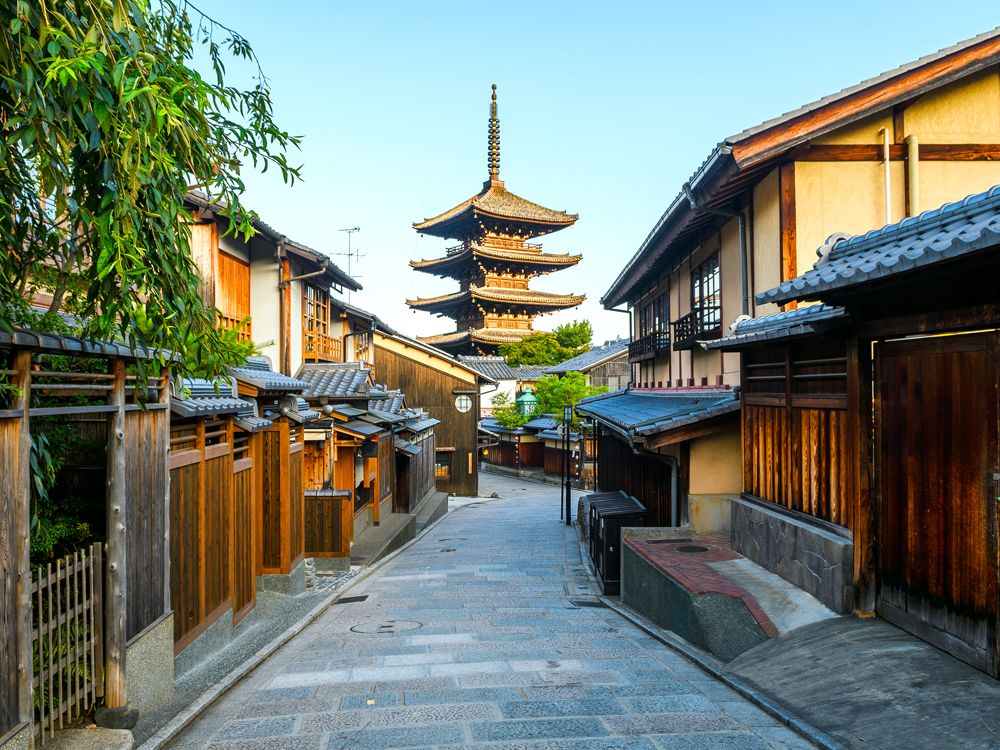
Kyoto has a number of atmospheric stone-paved streets, chief among them Sannenzaka (whose name means “the slope of three years”). This pedestrian route, flanked by traditional wooden townhouses, leads to Kiyomizudera Temple, which dates to 778 CE and is now part of a UNESCO World Heritage Site. Along with nearby Ninenzaka (“the slope of two years”), Sannenzaka is a popular place to not only admire Kyoto’s historic architecture but also to get acquainted with Japanese culture.
It’s great for shopping, too — here, you’ll find Kiyomizu-yaki ceramics, Nishijin-ori textiles, and a slew of other handmade souvenirs. Word of caution: Don’t allow yourself to get too distracted, as Sannenzaka is also the focus of a worrying superstition. According to one legend, if you’re unlucky enough to fall down its stone steps, you’ll pass away within three years.
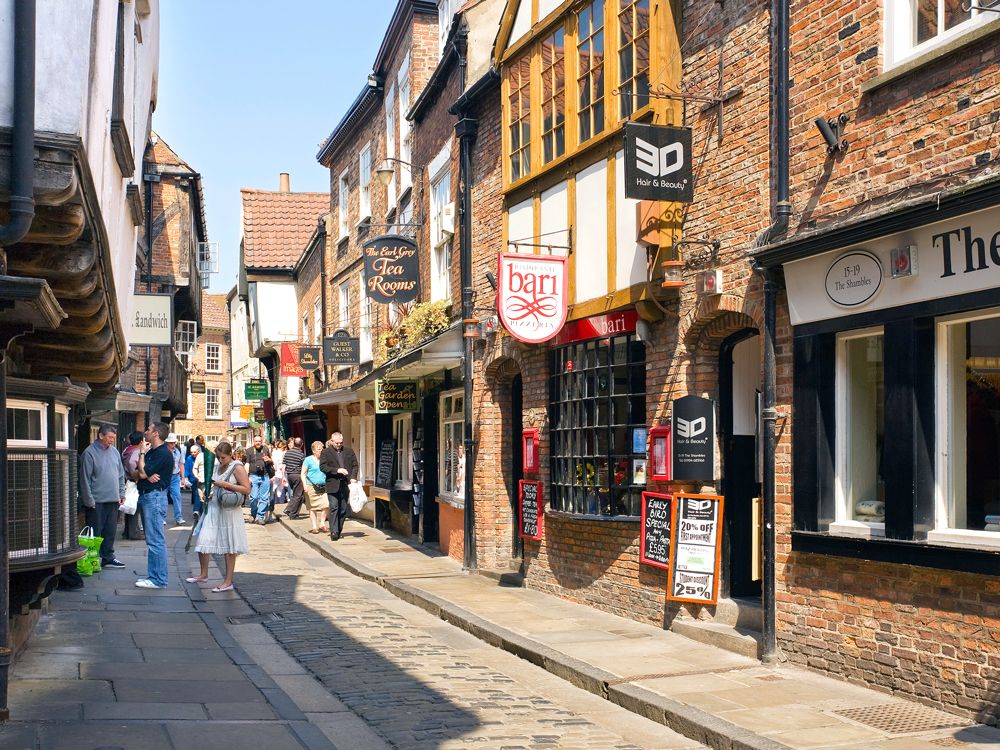
The Shambles is one of York’s most storied streets, mentioned in the Domesday Book, a 1086 survey of England and parts of Wales ordered by William the Conqueror. Though Harry Potter fans would like to believe otherwise, J.K. Rowling has refuted claims that it was the inspiration for Diagon Alley. Yet, it feels like it could be. Stacked with half-timbered properties dating back to the 14th and 15th centuries, the street is narrow enough in places to allow visitors to touch both sides at once.
Originally, the Shambles was home to a cluster of butcher shops, and the overhanging buildings on either side would have helped to provide shade on sunny days and shelter from the rain. You can see evidence of this past function in the meat hooks that still hang outside some of the present-day stores and also in the wide, flat window sills from which sales were once made. Meanwhile, the raised sidewalk on either side of this pedestrian street would have allowed waste from the butcher shops to be washed away.
Las Ramblas – Barcelona, Spain
Credit: Alexander Spatari/ Moment via Getty Images
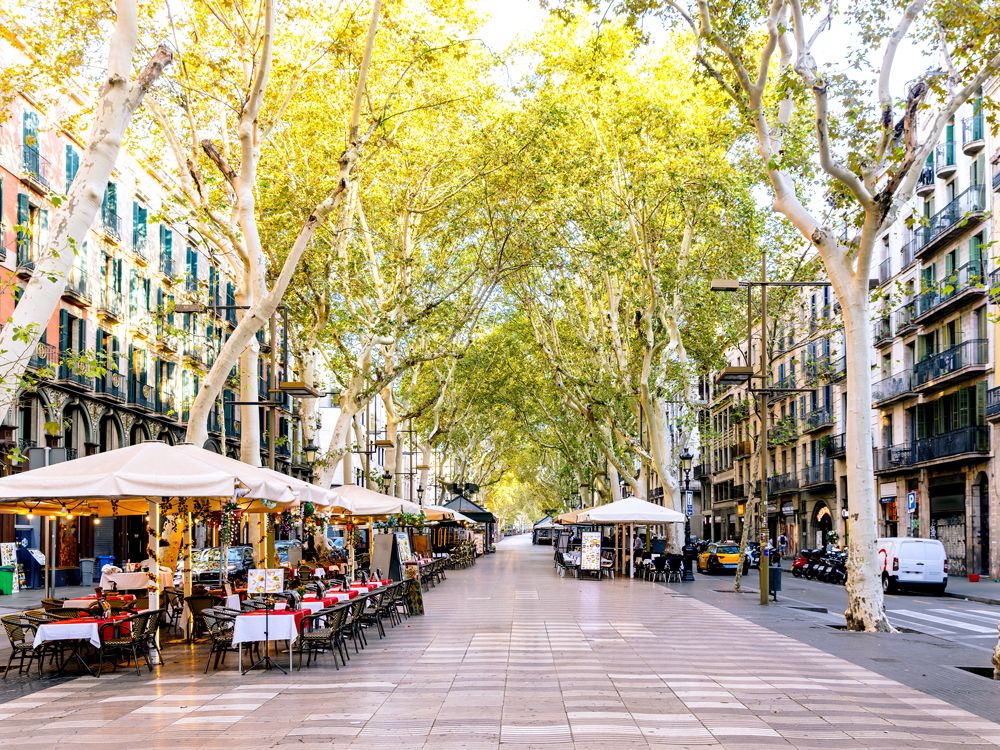
Barcelona’s most famous pedestrian thoroughfare is technically a succession of connected streets that link Plaça de Catalunya, the city’s central square, to Port Vell (hence the plural “Ramblas”). Some of the city’s most important sights — including the Barri Gòtic, the 18th-century Virreina Palace, La Boqueria Market, and Gaudi’s Palau Güell — can be found on either side of Las Ramblas.
Strolling toward the waterfront, visitors progress from Rambla de Canaletes through Rambla de Canaletes, Rambla dels Estudis, and Rambla de Sant Josep (also called Rambla de les Flors, as it hosts a flower market). Finally, they reach Rambla dels Caputxins — once a Capuchin monastery and now home to El Liceu opera house — and Rambla de Santa Mònica. The different tree-lined sections of Las Ramblas attract not only hordes of both visitors and locals but also street performers and caricaturists. Approximately halfway along the route, look out for a splendid mosaic set into the sidewalk; it’s the work of artist Joan Miró, who was born in Barcelona in 1893.
Qianmen Street – Beijing, China
Credit: ViewStock/ View Stock via Getty Images
Qianmen Street, also called Dashilan, is a delightful pedestrian street in the heart of the Chinese capital, Beijing. Here, you’ll encounter some of the biggest global names in retail, but one of the highlights is Changchuntang, a famous drugstore that has been around for two centuries.
You’ll find several well-known restaurants on the street, too. For instance, Quanjude specializes in roast duck, while Yitiaolong has been serving mutton the traditional way since 1785. Another favorite is Duyichu, which started out as a tavern more than 250 years ago. Though cars are not permitted on Qianmen Street, an exception was made for two historic trams. They first ran on this route from 1924 to 1966 and have been reintroduced as a heritage attraction for sightseers.
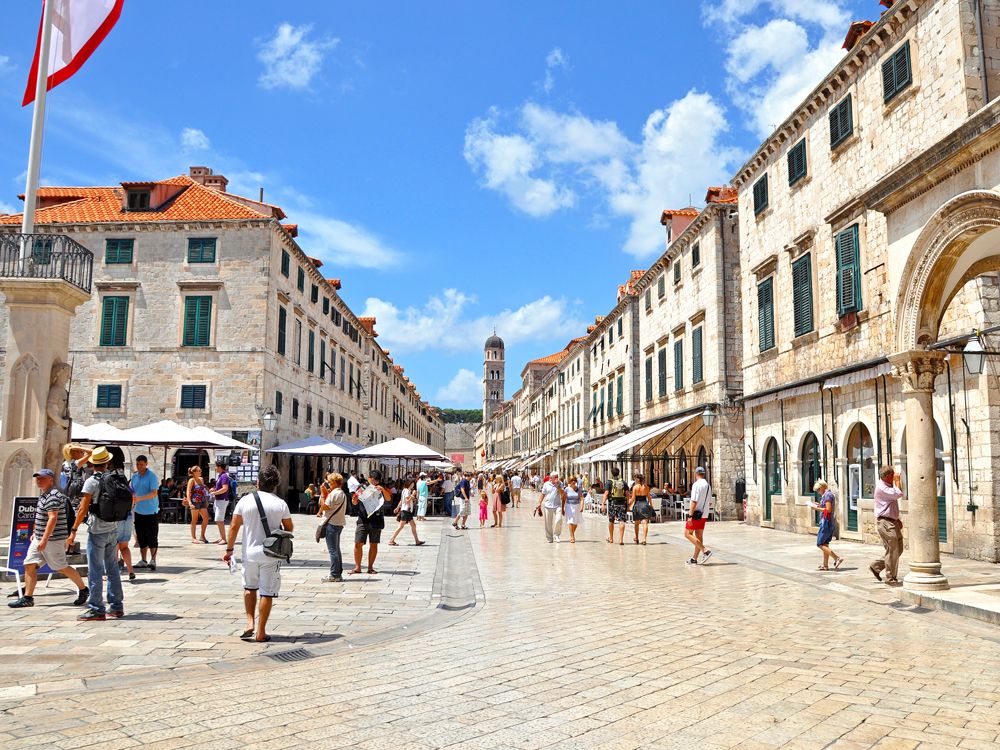
The limestone paving slabs are what give Stradun, in the medieval Croatian walled city of Dubrovnik, such a distinctive appearance — and they certainly make for a dazzling sight in the Adriatic sunshine. The pale color of the stones provides a photogenic contrast with the terracotta tiles that top the buildings that flank it on either side. Originally, the ground here was marshy, but it was reclaimed in the 13th century. The street connects the city’s famous Pile Gate to the harbor, bisecting the charming old town (a famous filming location for Game of Thrones). Along Stradun, visitors will find a beautiful pair of 15th-century fountains, as well as the Franciscan Monastery and Sponza Palace.
Part of Stradun’s appeal lies in the uniformity of the buildings that line it. Following a devastating earthquake and fire in 1667, the street gained a new look, with arched shop windows at street level and shutters to keep the sun out of the living quarters above. Today, the cafés and souvenir shops that occupy these historic premises are crowded with appreciative tourists.
Advertisement
More from our network
Daily Passport is part of Inbox Studio, an email-first media company. *Indicates a third-party property.
8 Fascinating U.S. Historic Attractions You Never Knew Existed
By
Daily Passport Team
Read time: 7 minutes
May 6, 2024
Updated: May 7, 2024
8 Fascinating U.S. Historic Attractions You Never Knew Existed
History •May 6, 2024•Updated: May 7, 2024
By Daily Passport Team
Author
Daily Passport Team
Daily Passport writers have been seen in publications such as National Geographic, Food & Wine, CBC, Condé Nast Traveler, and Business Insider. They're passionate about uncovering unique destinations and sharing expert tips with curious travelers.
From the Pacific Northwest to the Southwest, Midwest, South, and New England, America is filled with breathtaking historic landmarks. You’ve probably crossed quite a few of the most famous ones off your list already, but we bet these eight attractions haven’t made it on your radar yet. From an abandoned community of homes on stilts to a hidden subway station in the Big Apple, check out eight of America’s most fascinating and underrated historic attractions.
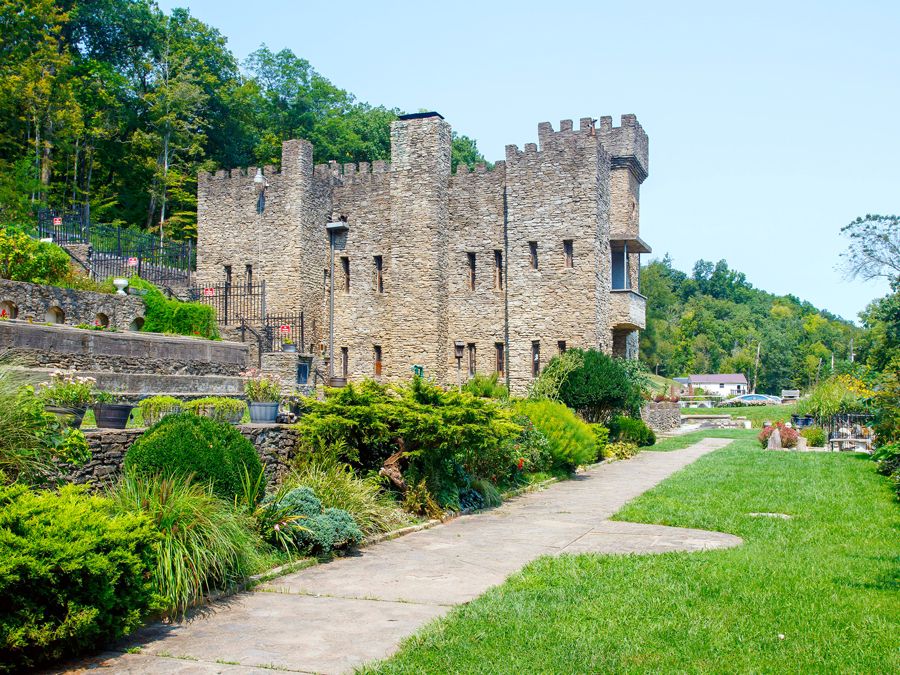
If you ignore the cars in the parking lot, you might think you’ve landed in medieval Europe as you gaze up at Loveland Castle. Situated on the banks of the Little Miami River about 25 miles northeast of Cincinnati, Loveland Castle (also known as Château Laroche, meaning “Rock Castle”) is the work of one man. The castle’s founder, Sir Harry Andrews, spent more than 50 years building the fortress himself using handmade bricks. Andrews served as a medic in World War I and was also a professor, Sunday school teacher, author, notary public, and Boy Scouts leader.
In the early 1920s, Andrews met regularly with a group of Boy Scouts who called themselves the Knights of the Golden Trail and engaged in a variety of outdoor adventures such as camping. Andrews built a couple of stone structures to make camping easier for the KOGT. He later decided his knights needed a real castle, so he spent the next 50 years building an authentic fortress — complete with a bell tower, moat, dungeon, garden, trick stairs, and a battle deck. Today, members of the KOGT maintain the castle, stand guard, and offer tours.
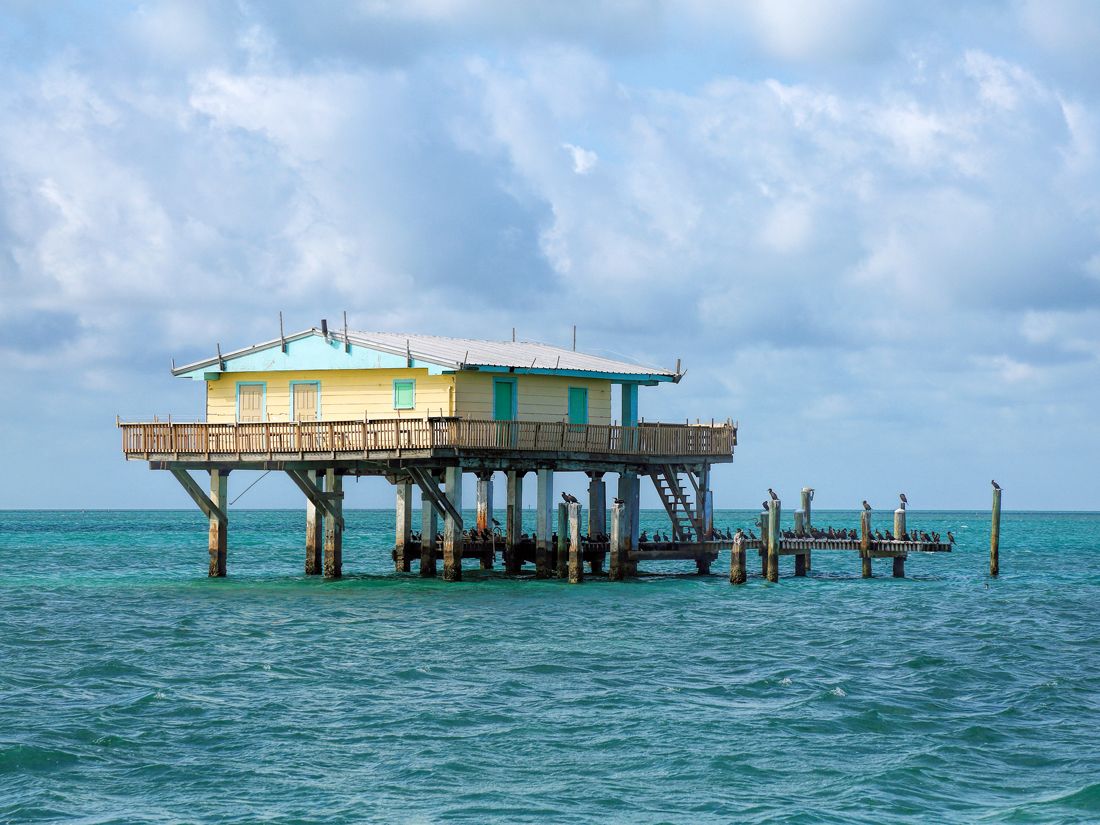
Just a few miles offshore of glitzy Miami Beach, in Biscayne Bay’s shallow waters, sits an abandoned community of homes built on stilts. Local fishermen built the first structures here in the 1920s, and at one point, 27 structures were perched above the water. Far enough offshore to be somewhat immune to gambling and alcohol regulations, Stiltsville had a reputation for partying and housing a strip club on a permanently anchored barge. Multiple hurricanes have since destroyed many structures, but a few still exist.
Today, you can visit by boat and by permit only. However, many unofficial boat tours pass by the remaining structures. Stiltsville sits just south of Key Biscayne, which is accessible via the Rickenbacker Causeway from Miami. This quiet, five-mile long barrier island is worth a visit on its own, since it’s home to spectacular beaches and two large parks: Crandon Park and Bill Baggs Cape Florida State Park. You can also climb the nearly 200-year-old Cape Florida Lighthouse and check out the panoramic views of Stiltsville, Biscayne Bay, and the Miami skyline.
Nicknamed the “Biggest Little Town in Southeast Minnesota,” Harmony is part of what’s known locally as Bluff Country. Visitors can drive along nearby Historic Bluff Country Scenic Byway and hike along fabulous trails overlooking the Mississippi River from vantage points between high wooded bluffs. Birders can also enjoy spotting bald eagles, hawks, and migratory birds. Harmony lies at the southern end of the Harmony-Preston Valley Trail System, an 18-mile, picturesque trail that connects with the Root River State Trail.
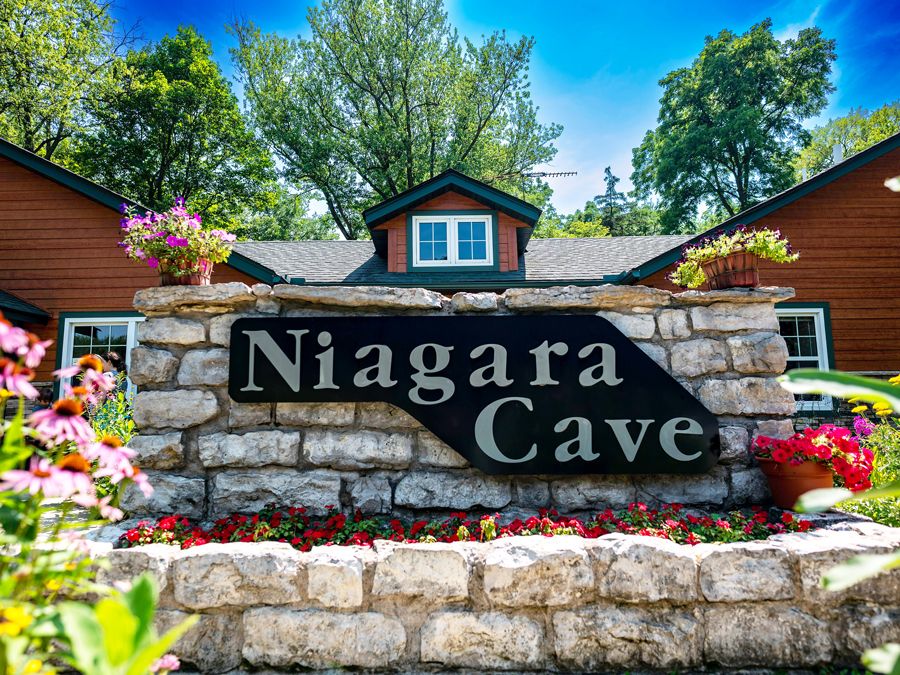
Once you’re done exploring the trails, check out Niagara Cave, a 200-foot-deep limestone cave with underground waterfalls, fossils, streams, stalagmites, and stalactites. Minnesota’s largest Old Order Amish community also lives in Harmony’s countryside, and Amish buggies are familiar sights along area roads. Learn about Amish history and culture on a tour and shop for homemade baked goods, furniture, baskets, quilts, and more.
Deadwood, South Dakota
Credit: peeterv/ iStock via Getty Images
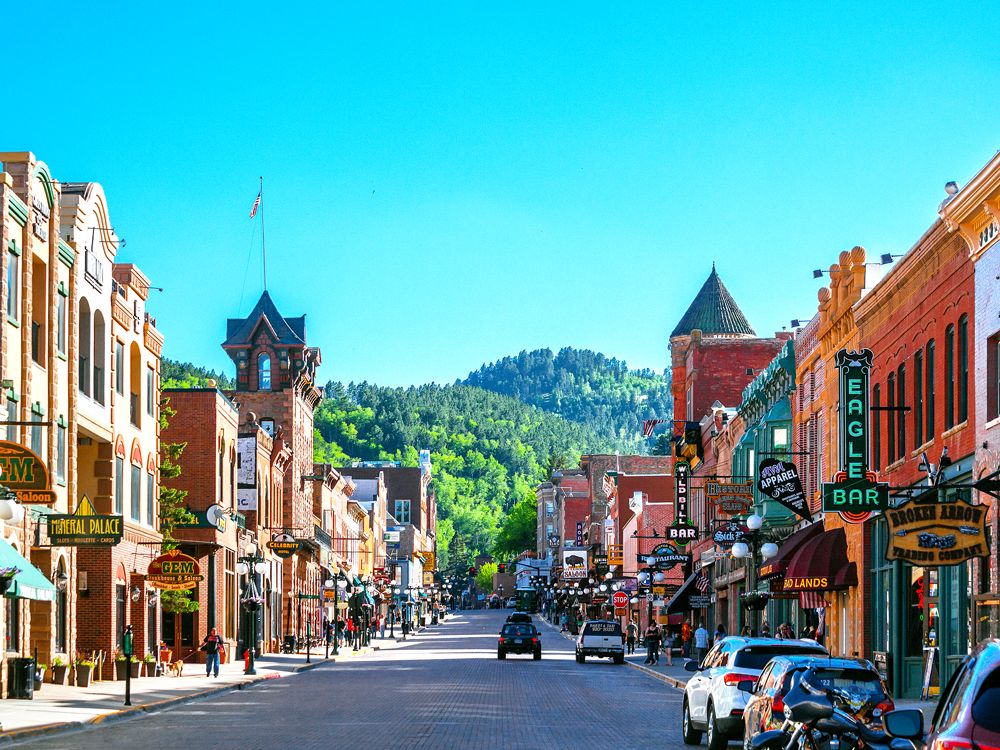
Western legends such as Wild Bill Hickok, Sheriff Seth Bullock, and Calamity Jane once called this historic Gold Rush town home. After a miner struck gold in the Northern Black Hills in 1875, thousands of prospectors swarmed the area, which was named for the many dead trees that lined the canyon. The U.S. military under General George A. Custer (unsuccessfully) tried to prevent the miners from swarming the Black Hills region because the Lakota-Sioux owned it as part of a treaty.
Learn about the area’s colorful history and its infamous inhabitants on one of many tours, try your hand at gold panning, and take in the scenery on a vintage steam train ride. In summer, Wild West reenactors roam the streets and perform. Given Deadwood’s long history of saloons, it’s no surprise that you’ll find quite a variety of wineries, wine bars, breweries, and pubs.
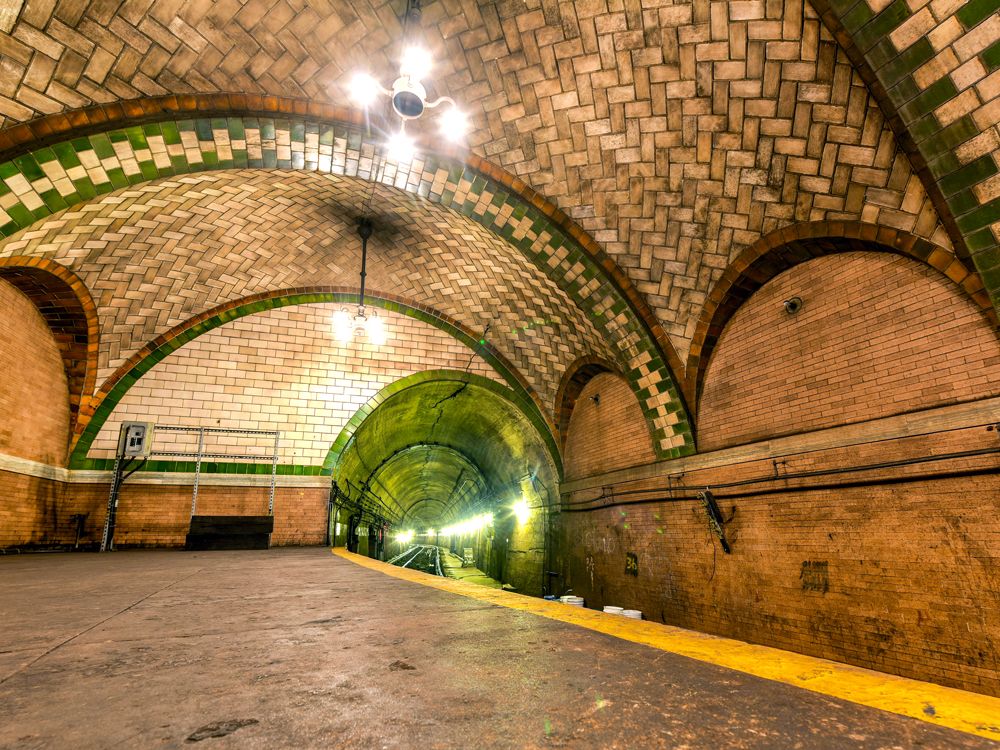
If you’ve even taken the subway in New York City to get to your destination, you’re probably aware that gracefully vaulted tile ceilings, elegant chandeliers, and intricately leaded skylights are not part of the experience. Architects Heins and LaFarge designed City Hall Station in 1900 as part of the City Beautiful movement. As the subway’s first station, it opened in 1904 with much fanfare. Sadly, it was later shut down in 1945 after nearby stations became more popular. But today, No. 6 trains still use the track as a turnaround. If you want to see it in its full grandeur, it’s best to book a tour with the New York Transit Museum. Museum members receive priority for the 90-minute tours, which begin above ground with a historical walk.
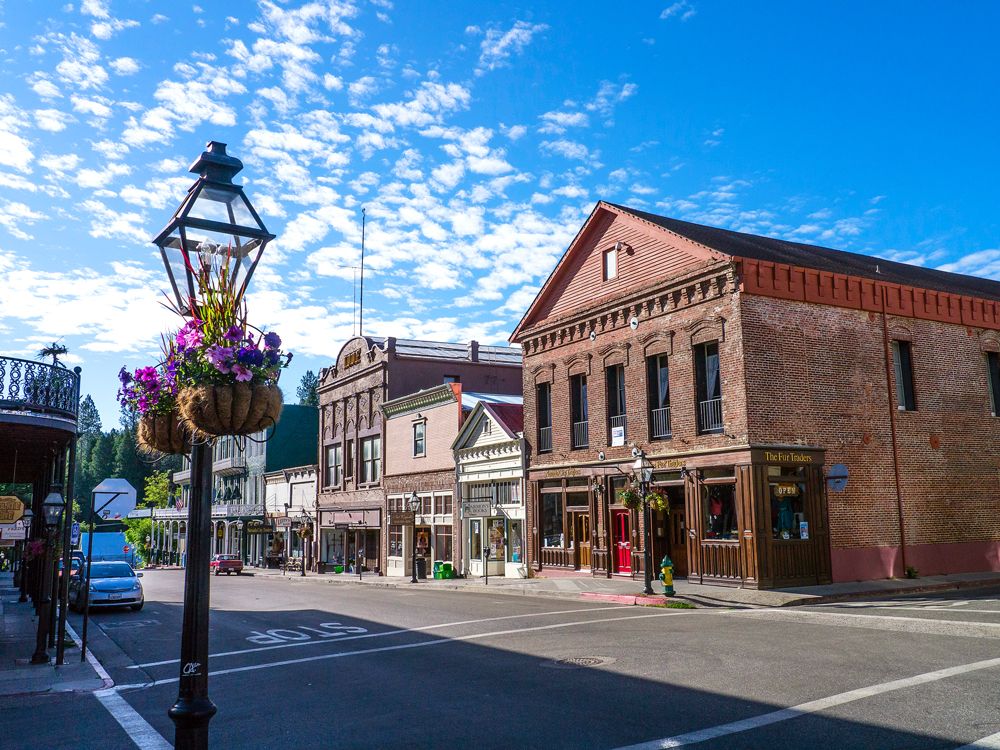
This California Gold Rush town, located about 60 miles northeast of Sacramento, once boasted a population of 10,000 during its heyday in the mid-1800s. Few people call Nevada City home today, but if you visit, you might think you’ve stepped back in time. The town’s well-preserved historic district and its 93 buildings are listed on the National Register of Historic Places. You’ll find attractive Victorian-era homes, peaceful tree-lined streets, and California’s oldest, still operating performing arts structure, the Nevada Theater. If you enjoy the outdoors, you’ll find plenty to do nearby, including hiking, kayaking, road and mountain biking, fishing, and off-roading.
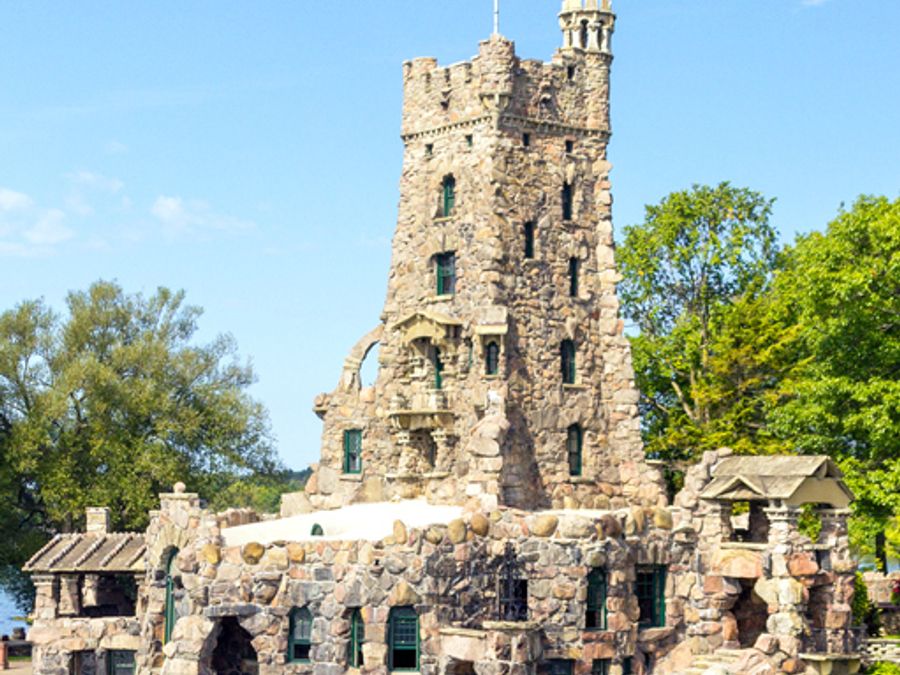
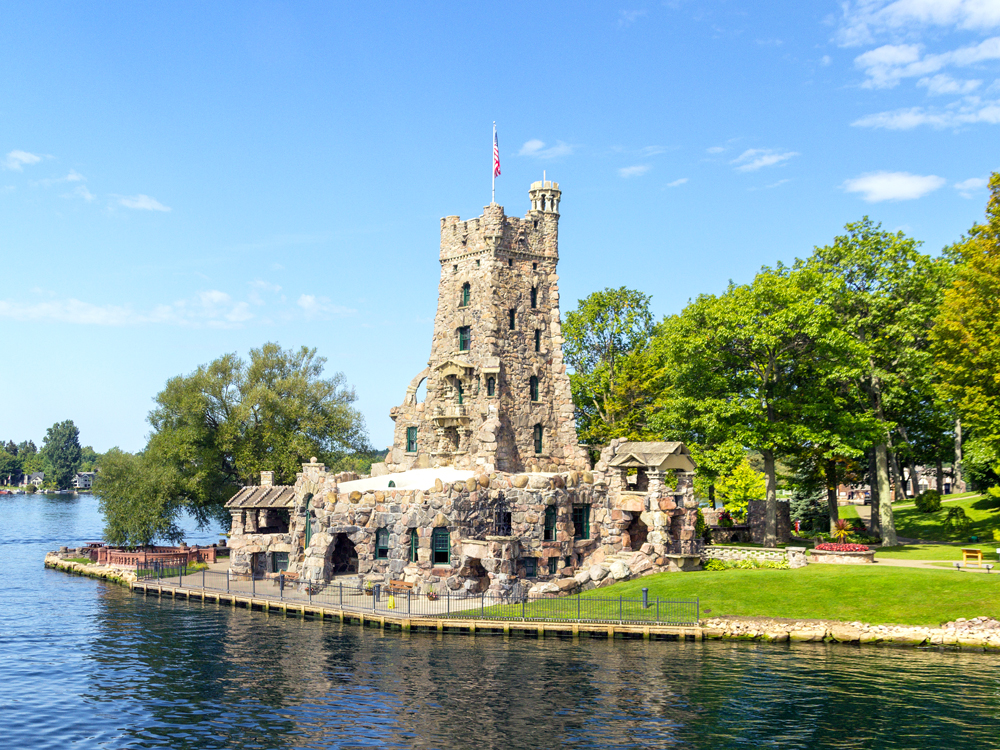
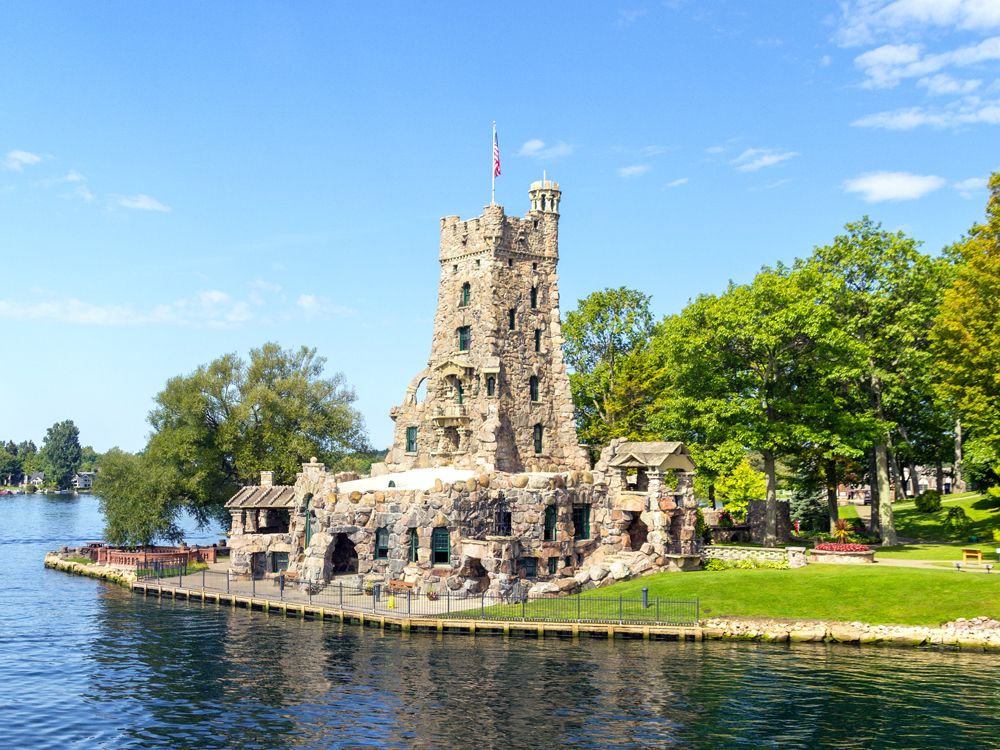
In 1900, hotel magnate George C. Boldt envisioned constructing a European castle-style summer mansion for his beloved wife, Louise. However, when Louise died suddenly in 1904, broken-hearted Boldt halted work and left the structure unfinished. The castle, which sits on lovely Heart Island in the St. Lawrence River, sat vacant for 73 years. In 1977, the Thousand Islands Bridge Authority acquired the property and invested several million dollars into restoring and finishing it.
Beautiful gardens surround the castle structures, which include a gazebo, two towers, and a picturesque, medieval power house and clock tower. The castle’s dramatic beauty and historical love story have made it a popular wedding venue and tourist attraction. You can’t stay overnight, but you can tour the castle, gardens, and the yacht house. Tour boats provide passenger service from Alexandria Bay, New York, and from Ontario, Canada.
Tarpon Springs Sponge Docks – Tarpon Springs, Florida
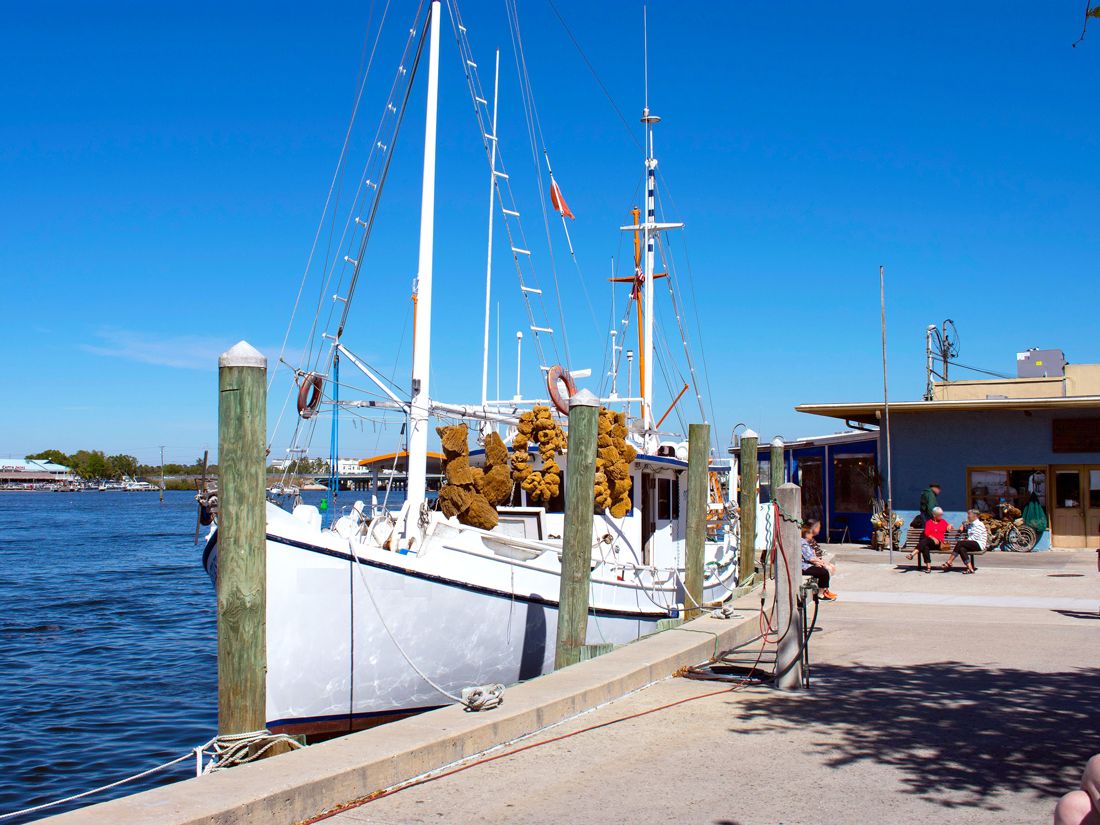
Before you could purchase synthetic kitchen sponges at your supermarket, the only sponges available came from the sea. Greeks have been harvesting the skeletal remains of these aquatic animals from the warm Mediterranean seabed for centuries. They even used weighted dive suits to make it easier to stay underwater and rake the sponges free. In the early 1900s, a Greek man named John Corcoris recognized that the Gulf of Mexico’s warm waters were home to similar aquatic sponges. In 1905, he recruited 500 Greek divers to come to Tarpon Springs, a town about 30 miles north of Tampa.
Soon, a bustling community was established around the docks where the sponge divers unloaded their harvests, and Tarpon Springs became known as the “Sponge Capital of the World.” More than 100 restaurants and shops line the Tarpon Springs sponge docks, and a thriving Greek community still exists today. In addition to filling up on authentic Greek cuisine, you can visit Spongeorama, an eclectic museum that tells the history of Tarpon Springs’ sponge diving industry.
Advertisement
More from our network
Daily Passport is part of Inbox Studio, an email-first media company. *Indicates a third-party property.
The Most Unusual Spa Destinations Around the World
By
Fiona Mokry
Read time: 5 minutes
May 6, 2024
Updated: May 7, 2024
The Most Unusual Spa Destinations Around the World
Culture •May 6, 2024•Updated: May 7, 2024
By Fiona Mokry
Author
Fiona Mokry
Fiona has spent her career exploring the world and working in the travel industry, turning her lifelong passion into a profession. From planning custom trips to sharing stories as a travel writer for publications such as The Discoverer, she’s all about helping others experience the world in a deeper, more meaningful way.
Some travelers prefer getting out in nature or exploring historic cities, while for others, relaxation is top of mind. Spas cater to these travelers seeking rejuvenation and other health benefits on their journeys, but not all spa treatments are the same. From Iceland to Japan to the lowest point on the planet, you’ll find a range of far-from-ordinary spa treatments rooted in local landscapes and traditions. These are five of the most unique spa destinations around the world.
With its famous Blue Lagoon attracting hot springs enthusiasts from all over the world, Iceland is well known for its spa culture. But if you’re looking for an even more unforgettable spa experience in this Nordic country, check out Beer Spa (or Bjorboðin) in Árskógssandur. Trek five hours north of Iceland’s capital, Reykjavik, and spend a luxurious day soaking in one of the spa’s seven beer tubs filled with warm water, beer, hops, and yeast — all while drinking drafts from the tubside beer taps.
Soaking in beer isn’t just a novelty — the hops and barley contain nutrients and antioxidants, while the warmth promotes relaxation. After a soak, head to the steam room, sauna, or outdoor hot tubs complete with breathtaking views over the Tröllaskagi peninsula and Eyjafjordur fjord.
Dead Sea Soak – Jordan
Credit: DC_Colombia/ iStock via Getty Images
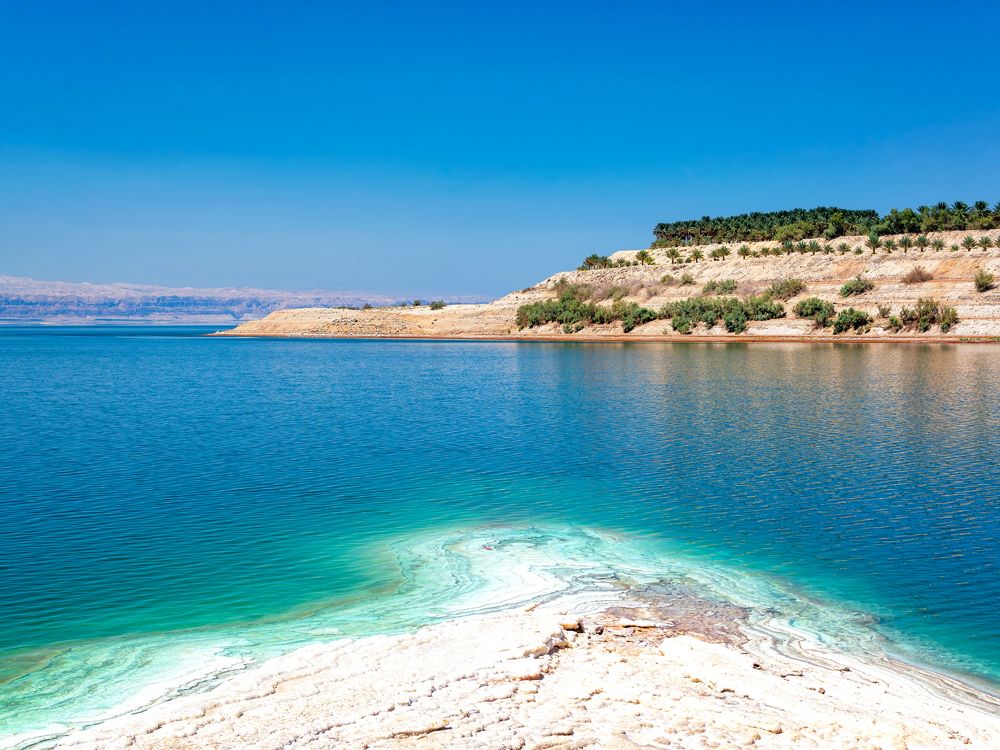
With an average salinity of 34%, the Dead Sea is one of the saltiest seas on the planet. The salt density allows people who swim in the Dead Sea to float effortlessly in the water, which is a unique experience in itself. Pair that with the otherworldly desert scenery of Jordan’s Dead Sea coast, however, and you’ve arrived at one of the most memorable spa locations around the world.
Several miles south of Amman, Jordan, resorts and spas line the Dead Sea in villages such as Sweimeh and Ma’in. These resorts offer private access to the sea, where hotel guests can soak in the healing waters to soothe joint and muscle pain and lather in Dead Sea mud. Visitors can also indulge in scrubs, wraps, or a traditional hammam at the on-site spas. Even if you opt not to stay in one of these luxury accommodations, there are public beaches that offer free access to the sea — and plenty of mud for all your natural spa needs.
Sand Bathing at Ibusuki Beach – Japan
Credit: Yiming Chen/ Moment via Getty Images
Bathing in beer and salty water is one thing, but have you ever heard ofsandbathing (suna-mushi in Japanese)? For more than 300 years, people have come to Ibusuki Beach on Kyushu Island to engage in this healing ritual. The healing properties of the beach’s black volcanic sand come from an infusion of minerals from the nearby volcanic hot springs, and are said to treat a myriad of health conditions.
With the infamous Kaimondake volcano looming in the background, sand bathers make their way from the beachfront spas to the sand — which is heated naturally by volcanic activity to a balmy 120 to 130 degrees Fahrenheit — and cover themselves up to the neck with warm black sand. A typical sand bath lasts 10 to 20 minutes, enough time to reap the benefits of the geothermal steam emanating from the sand and for the body to expunge toxins. Cap off the experience with a freshwater rinse and a soak in one of Japan’s famous onsen, or hot spring pools.
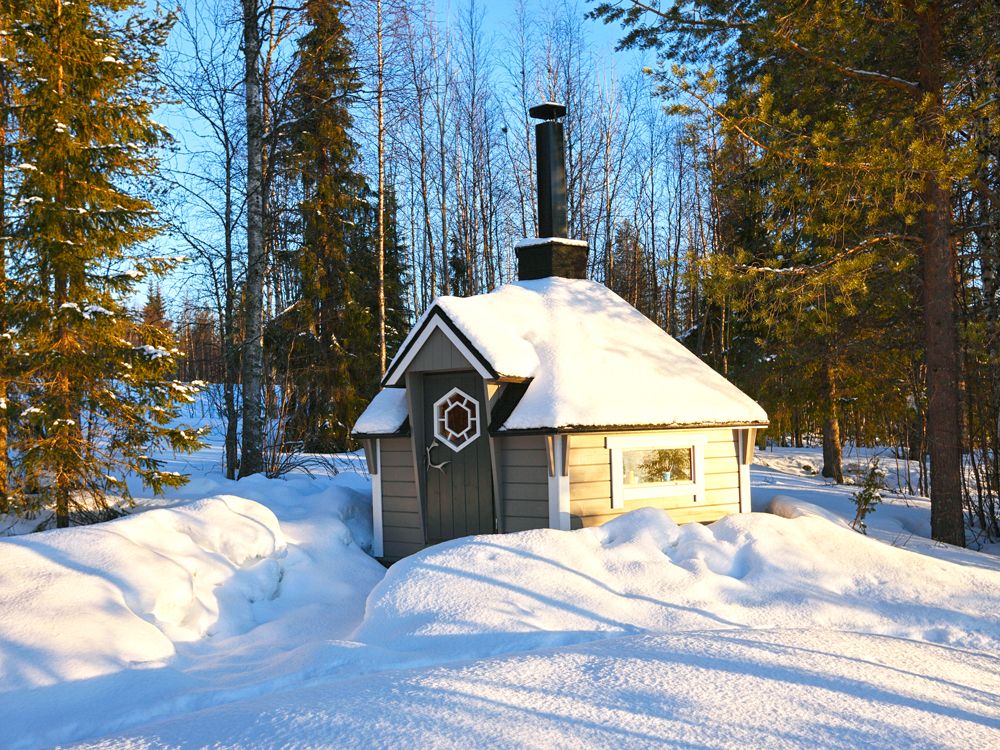
The earliest saunas in Finland are thought to date back to 7000 BCE, and the tradition remains an important part of Finnish culture today. It is estimated that Finland has 3 million saunas for a population of 5.5 million people, and they’re found everywhere from residential apartments to spas and even a Burger King in Helsinki. Finns use saunas for all sorts of reasons, from warming their bodies during the country’s chilly winters, to unlocking a plethora of health benefits and building a shared community with other sauna-goers.
In Finland, a sauna session is not complete without a cold dip in icy water immediately afterward, and for this reason, many saunas are located near an icy lake or a human-made pool. Finns believe that the combination of hot and cold does wonders for the body, such as improving heart health, relieving pain and inflammation, and boosting the immune and cardiovascular systems. Some of the best sauna experiences can be found in Tampere, considered “the sauna capital of the world” and a must-visit destination for sauna seekers in Finland.
Temazcal Ceremony – Yucatan Peninsula, Mexico
Credit: Space_Cat/ iStock via Getty Images
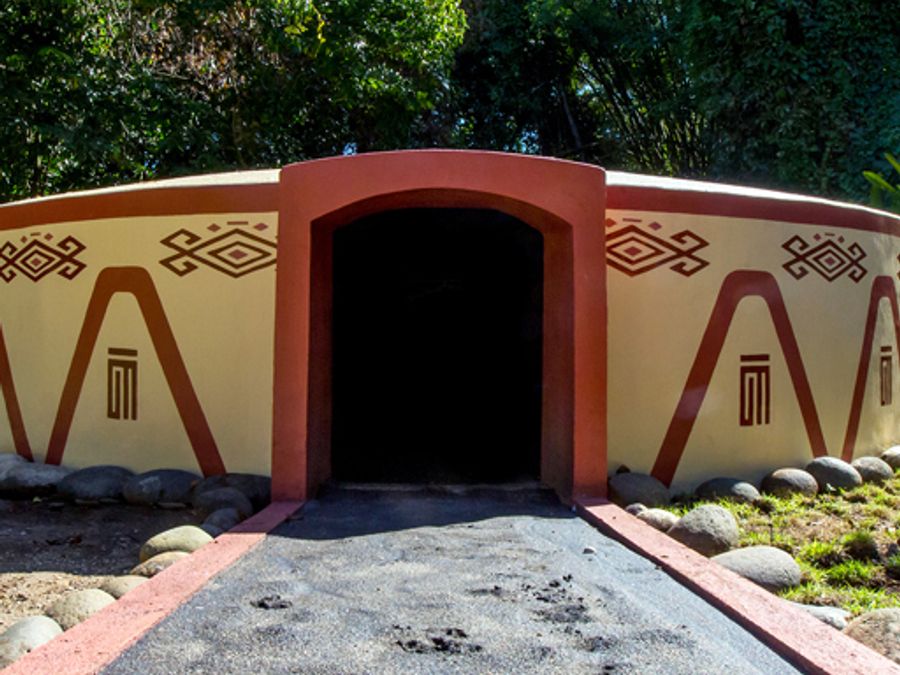
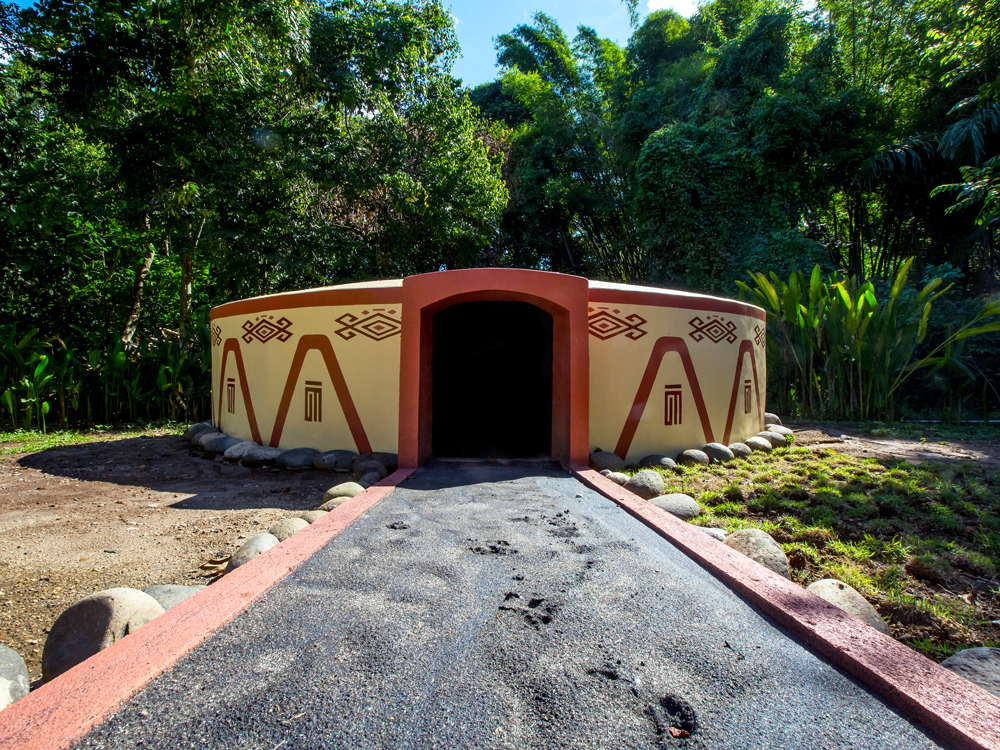
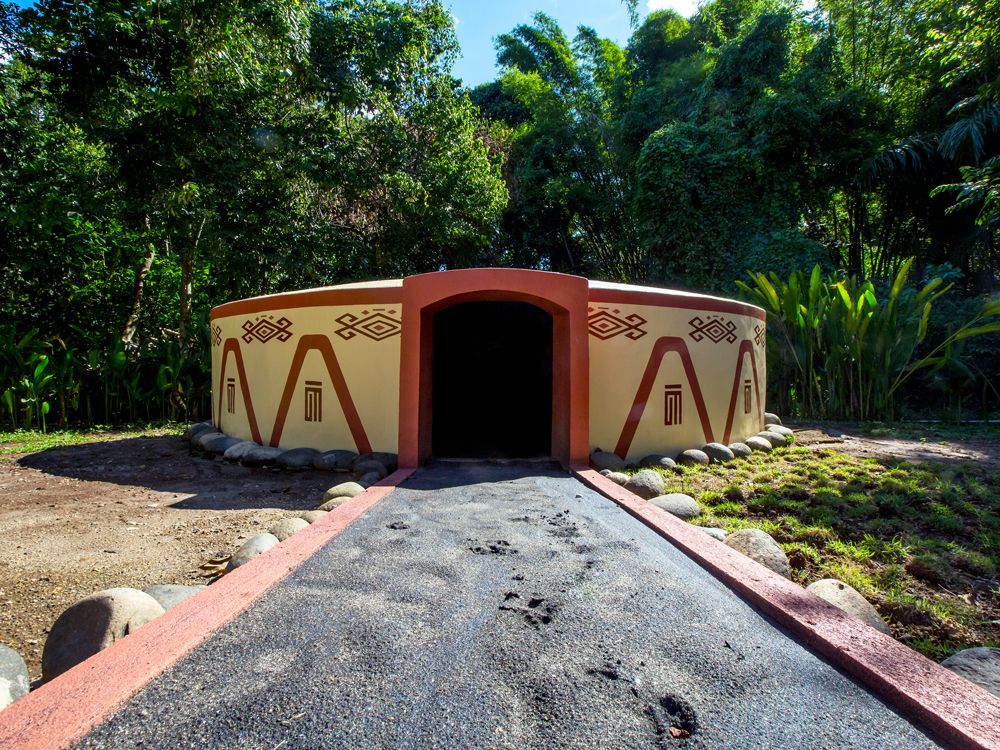
Also known as a Mayan sweat lodge, the word temazcal means “house of heat” in Spanish, which is a fitting name for these dome-shaped structures made from brick or stone. Traditional temazcal ceremonies are led by a shaman who guides participants on a spiritual journey. To enter, one must crawl through the small entrance, which symbolizes entering the womb of Mother Earth. Inside the temazcal, participants sit or lie in a circle around a pit of hot volcanic stones while inhaling steam from eucalyptus-infused water that’s poured over the stones. The heat, steam, and surroundings are said to purify and cleanse the mind and body of toxins, and have respiratory and circulatory benefits, too. Temazcales are found throughout Mexico, but the ancient practice originates in the Yucatán Peninsula.
Advertisement
More from our network
Daily Passport is part of Inbox Studio, an email-first media company. *Indicates a third-party property.