




Post Banner Image
Tips

The Subtle Design Tricks Used in Airports

By Michael Nordine
Read time: 4 minutes
February 21, 2025
Updated: February 24, 2025

The Subtle Design Tricks Used in Airports

By Michael Nordine
Author
Michael Nordine
Michael is a staff writer for Daily Passport and film critic who writes the weekly newsletter Movie Brief. His writing and criticism have also appeared in the Los Angeles Times, Variety, and the Washington Post, among others. A native Angeleno, his favorite countries to visit are Norway and Japan.

As more and more passengers take to the skies, airports are becoming busier than ever. But while navigating New York’s JFK or LAX Airport might seem like a daunting prospect, especially when you’re running late, imagine how much pressure was on the architects who actually designed those spaces. Here are some of the subtle tricks airport designers use when crafting the most efficient way to get you from point A to point B. 

Intuitive Wayfinding

Passenger on escalator at airport
Credit: d3sign/ Moment via Getty Images 

Airports have a lot of signage and screens: Departures and arrivals, security checkpoints, terminals, and gates are all indicated that way. While necessary, airport signage can also become overwhelming — how many times have you followed the signs for TSA PreCheck only to turn around after realizing the arrow pointing you in one direction resulted in you overshooting it? 

Enter intuitive wayfinding, which is just what it sounds like: a method of guiding travelers toward their destination in a way that feels natural and doesn’t require them to stop and think about it. This covers everything from color palettes to lighting, signage design, typography, and iconography.

Intuitive wayfinding often uses a series of visible destinations, which, in an airport setting, might mean being able to see the check-in kiosks as soon as you walk in the doors, being able to see the TSA line from the check-in area, and, finally, being able to see the departure gates as soon as you put your shoes back on. 

Some airports also use escalators and elevated spaces that offer passengers a bird’s-eye view of a space before navigating it, allowing them to get the lay of the land early, as well as curved hallways that increase their line of sight.

Landside vs. Airside

Curbside sign for departures and check-in at airport
Credit: georgeclerk/ E+ via Getty Images 

Implementing intuitive wayfinding is easier said than done, especially because of security requirements. Airports are broadly divided into two sections, landside and airside, with security checkpoints acting as a barrier between them. 

The landside is where you first enter the airport and includes the curbside where passengers are dropped off, check-in desks, and the arrival hall. The airside is everything else: departure gates, gift shops, restaurants, and, of course, the actual taxiways and runways. That divide, which is regulated by the Transportation Security Administration, can decrease visibility as passengers navigate through a terminal — leaving an airport designer’s best-laid plans to be thrown to the wayside.

One work-around architects have used is installing high ceilings in the landside area and slanting ceilings lower as they reach the security area. This naturally draws travelers’ eyes toward security, which functions as a middle ground between where you start out and where you want to be. 

Related: 10 Secrets of Airports Most Passengers Don't Know

Flexible Functionality

Busy airport security screening area, seen from above
Credit: Robert Alexander/ Archive Photos via Getty Images 

The busier airports get, the busier security gets. In July 2024, the TSA set a new record by screening more than 3 million passengers in a single day, equal to 35 people per second over a 24-hour period. That number is likely to be broken again sooner rather than later, which means a number of security checkpoints will have to be continually expanded. Architects have that in mind when designing airports, which is why you’re more likely to see offices nearby rather than bathrooms — they’re easier to replace. 

This isn’t just efficiency for efficiency’s sake. Airports are businesses, too, and retail makes up a large portion of their revenue. One study found that every 10 minutes a passenger spends in security corresponds to a 30% decrease in spending once they’ve reached the terminal. 

Because of this, a lot of thought also goes into the design of airport retail spaces. One design trick you may not have picked up on: Walkways through duty-free shops often curve to the left, with more items displayed on the right-hand side. Why? Because the majority of people are right-handed, they are naturally inclined to look there in the first place. 

Related: 5 Airports With the Best Shopping

Final Destination

Empty airport baggage claim
Credit: DuKai photographer/ Moment via Getty Images 

There’s a good chance that the only airports you can recall with any detail are those you’ve traveled through the most. Many baggage claim areas look like a glorified basement, and by the time you land on the other side of the world, you’re probably too jet-lagged to appreciate a well-designed space. 

But some architects are striving for a more memorable experience that doesn’t just help you reach your destination — it becomes part of the trip itself. The philosophies mentioned here are how they’re achieving that goal, and, luckily for us, their bag of tricks is only getting more plentiful.

Related: Ready for Takeoff: The World's Most Unique Airport Architecture
Post Banner Image
History

Nostalgic Freebies We Wish Airlines Would Still Offer

By Peter Vanden Bos
Read time: 5 minutes
February 21, 2025
Updated: February 24, 2025

Nostalgic Freebies We Wish Airlines Would Still Offer

By Peter Vanden Bos
Author
Peter Vanden Bos
Peter is a Toronto-based journalist, editor, content strategist, and self-professed avgeek with 15 years of experience covering all things travel. Prior to joining Daily Passport, he oversaw newsletter publication for Travelzoo. His favorite destinations to explore include Japan, France, Chile, New Zealand, and his adopted home country of Canada.

Back in the golden age of air travel in the 1950s and 1960s, airline passengers could look forward to gourmet plated meals, ample legroom, onboard lounges for socializing, and sometimes even flight attendant fashion shows. As the industry changed over the decades, amenities that were once provided free to passengers began to slowly disappear. While most of us by now are probably (begrudgingly) used to the idea of cramped seats and paying for our own food, it was often the little touches that made flying feel like a special affair. Here are a few of our favorite nostalgic airline freebies we wish every airline would still offer.

Playing Cards

Passengers playing cards in flight during the 1930s
Credit: Everett Collection Inc/ Alamy Stock Photo

In 1961, Trans World Airlines (TWA) became the first airline to regularly play in-flight movies on overhead screens. In the 1990s, personal seatback entertainment screens were introduced, and nowadays passengers on long-haul flights are accustomed to having hundreds of movies, TV shows, and games at their fingertips.

But before in-flight entertainment screens took over, airlines used to hand out complimentary playing cards as one way to help passengers pass the time. Airlines introduced them in the 1920s, and Dave Hofmeister, a playing card collector and historian, told Apex Experience magazine that “their heyday was probably the 1950s, ’60s, and ’70s.”

These decks once came in a range of unique designs that made them sought-after collectibles. For example, British Airways had a collection of cards that highlighted the history of different aircraft the airline operated, while Delta Air Lines had cards themed around their destinations. 

While playing cards were once a common item flight attendants handed out upon request, only a few airlines, such as Singapore Airlines, still offer them today. But if you’re interested in procuring a deck and starting your own collection, they can be easily found on websites such as eBay.

Related: 20 Defunct U.S. Airlines You Might Remember Flying

Wing Pins

Historical image of flight attendant wearing wing pins on uniform
Credit: ClassicStock/ Alamy Stock Photo

Think back to your first flight. If you were a child, you might have asked a flight attendant on board for a set of wing pins to commemorate the experience. These souvenirs — similar to the ones pilots and other staff wear on their uniforms — were also once a common freebie at airlines, particularly for younger flyers. 

According to travel website SmarterTravel, the earliest wing pins were handed out in the 1930s and were considered a treasured keepsake, especially considering how much of the public could not afford to fly back then. “Having that Pan American ‘junior pilot’ pin on the playground would be quite something,” airline advertising expert Cameron Fleming told the site, adding that “it would be like you went to the moon.”

By the 1980s, dozens of airlines offered wing pins, but after industrywide cost cutting, they’re much more of a rarity these days. According to The Points Guy, select airlines like Delta and Alaska Airlines have them available on request for young flyers.

Postcards

Vintage TWA postcard
Credit: Rykoff Collection/ Corbis Historical via Getty Images

Many of us like to send postcards from vacation to loved ones back home. But instead of buying them at the local souvenir shop, you used to be able to get free postcards from your airline. 

According to Collector’s Weekly, postcards reached their golden age in the early 20th century, at a time when flight technology was rapidly advancing. Early airlines such as TWA and Pan Am issued official postcards touting their new aircraft or routes, which later became collectible items for enthusiasts. 

In fact, many airlines used to stock them in complimentary welcome kits, which were offered to all passengers and included other items such as cards with foreign language translations and airline memorabilia. These days, you still might get a free amenity kit stocked with toiletries, eyeshades, and other useful items if you’re splurging for first or business class.

Related: Pan Am Will Fly Again in 2025, But There’s a Catch

Timetables and Ticket Wallets

Vintage photo of airline passenger perusing timetable
Credit: Bettmann via Getty Images 

In 1995, Alaska Airlines became the first U.S. airline to sell tickets online. Since then, much of what we need to travel by airplane has moved online, from flight schedules to check-in and boarding passes.

Before those advancements, though, airlines used to stock printed timetables at airport check-in counters that detailed their entire schedule. The booklets allowed customers to easily look up flight times and compare routes across airlines, along with other useful information such as aircraft types, baggage requirements, and the airline’s contact center. 

Paper timetables also became a collectible item for aviation enthusiasts — until Southwest Airlines became the last U.S. airline to officially abandon the practice in 2009. Of course, that’s much better for the environment, but some travelers fondly recall a time when they could flip through an airline’s entire schedule at their fingertips. 

Ticket wallets are another paper item that fell by the wayside, particularly as online check-in and mobile boarding passes have become more popular. These were once an elegant way to keep boarding passes and other travel documents organized, but many travelers don’t have any use for them now. 

Collectibles Today

Collection of miniature Delft houses offered to KLM business class passengers
Credit: Oa Chonhatai/ Alamy Stock Photo

So, what freebies can you still get these days? If you’re an aviation enthusiast or you’re just looking to commemorate your next trip, Delta Air Lines recently went viral for its “secret” collectible trading cards, each featuring a different aircraft the airline flies. All you have to do is ask your pilot or flight attendant if they’re available on your next Delta flight. United Airlines has introduced similar cards on their flights. 

Other airlines offer unique collectibles, too, ranging from KLM’s Delft house collection to Lufthansa’s rubber ducks and Eva Air’s Hello Kitty-themed trading cards. While such amenities are no longer as common as they once were, they are still around if you know where to look.

If you’re particularly interested in airline memorabilia, there are also collector’s shows where you can browse everything from dinner plates and silverware to airplane models, vintage posters, and uniforms.

Related: 7 Free Travel Perks Anyone Can Get (Even if You Don't Have Status)
Post Banner Image
Culture

7 of the Strangest State Laws Still on the Books

By Daily Passport Team
Read time: 5 minutes
February 21, 2025
Updated: April 11, 2025

7 of the Strangest State Laws Still on the Books

By Daily Passport Team
Author
Daily Passport Team
Daily Passport writers have been seen in publications such as National Geographic, Food & Wine, CBC, Condé Nast Traveler, and Business Insider. They're passionate about uncovering unique destinations and sharing expert tips with curious travelers.

You could be breaking the law in your own state right now and not even know it. Throughout U.S. history, all 50 states have passed a variety of highly specific, often bizarre laws — some that may have made sense at the time but definitely don’t any longer. In every state, you’ll find a few of these quirky laws that are rarely enforced but, for whatever reason, remain on the books. Here are seven obscure state laws you’ve probably never heard of.

Oklahoma

Main street in Stillwater, Oklahoma
Credit: DenisTangneyJr/ iStock via Getty Images Plus 

If you have trouble minding your own business, you might want to stay out of the Sooner State. Per a 1910 Oklahoma state law, “Every person guilty of secretly loitering about any building, with intent to overhear discourse therein, and to repeat or publish the same to vex, annoy, or injure others, is guilty of a misdemeanor.” It’s seemingly allowable to accidentally overhear some juicy gossip — just make sure not to do so intentionally. Though rarely enforced, it’s one of many bizarre laws in Oklahoma — like a $1 fine for swearing in public.

Massachusetts

Statue of George Washington in Boston Public Garden
Credit: Sean Pavone/ iStock via Getty Images Plus 

Since 1848, it has been illegal in the state of Massachusetts to not only kill a pigeon but also to purposefully frighten one from “beds which have been made for the purpose of taking them in nets.” Offenders face up to a month in prison as well as a $20 fine, and “they’re also liable” “for the actual damages to the owner or occupant of such beds.” 

According to Massachusetts Historical Society librarian Peter Drummey, the law was a sign of the times — in the 19th century, pigeons were both a food source for residents and used in target shooting, so the law was meant to protect hunters’ rights (rather than those of pigeons). While now outdated, the law, like many others in Massachusetts, has remained on the books.

Vermont

Bucolic Vermont landscape in autumn
Credit: Wirestock/ iStock via Getty Images Plus 

If you find yourself in Vermont and in need of fresh laundry, you have a right to hang a clothesline to dry your clothes. It’s illegal for anyone to ban the use of clotheslines “or other energy devices based on renewable resources” in the Green Mountain State. 

Unlike most others on this list, the law is actually from this century; it was passed in 2009. It’s common for homeowner associations to ban homeowners from “solar drying,” with some calling it unsightly — but not any longer in Vermont.

State Senator Richard McCormack inserted the law into an energy bill because he’d long sought to protect this very green way to dry your clothes. Interestingly, the law doesn’t apply to patio railings in apartments or condos, so Vermonters will want to stay on the safe side and use an actual clothesline.

Alabama

Creek running through park in Birmingham, Alabama
Credit: DenisTangneyJr/ iStock via Getty Images Plus 

It’s unclear why this 1965 law was adopted, but it reads in part: “Whoever, being in a public place, fraudulently pretends by garb or outward array to be a minister of any religion, or nun, priest, rabbi or other member of the clergy, is guilty of a misdemeanor.” The strange law goes on to explain the punishment — a fine of up to $500, or up to a year spent in jail, or both. 

This law extends to dressing as the Pope (or any other clergyperson) for Halloween, if you aren’t actually one. While it’s unclear if anyone has been prosecuted for breaking the law, perhaps it’s worth picking another costume to be on the safe side.

Image Ad

North Carolina 

Market house in downtown Fayetteville, North Carolina
Credit: benedek/ iStock via Getty Images Plus 

Bingo sharks, beware: You’ll need to pace yourself when you’re visiting the Tarheel State. North Carolina has a long history of conservative rules on gambling that goes back to its colonial days. Not only is there a statewide five-hour cap on all bingo games, but you also can’t hold two separate bingo sessions within a 48-hour period — they must have a buffer in between of more than two days. 

While bingo is legal in North Carolina today, there is a long list of restrictions. In addition to the time limits, bingo is allowed to be played only for fundraising purposes unless the prize is less than $10 (locals call this “beach bingo”). And if the game is played as a fundraiser, the prizes can’t exceed $500.

Utah

Homes in snowy Utah mountain community
Credit: Jason Finn/ Shutterstock 

It’s illegal to sell alcohol at a discounted price in the state of Utah, so that means happy hour at the hotel bar is out of the picture. In its place, many establishments offer “happy hour,” when appetizers are on sale instead. Utah has famously strict laws regarding alcohol in general, so this one is perhaps less shocking than some other unusual laws listed here. 

Other restrictions on Utahn drinkers include only one 1.5-ounce shot of alcohol allowed per drink (so no doubles, unless you’re drinking a cocktail, which allows 2.5 ounces of booze as long as the extra ounce is a less-potent spirit). There is also a maximum of 4% alcohol by weight or 5% alcohol by volume on draft beer (although higher-octane brews are available in stores) and a statewide last call of 1 a.m.

Hawaii

Palm trees along Hawaii coastline
Credit: D. Lentz/ iStock via Getty Images Plus 

They take their ocean vistas very seriously in the Aloha State, and understandably so. If you’re driving around the islands in the state of Hawaii, you won’t find any obstructions to your view, at least not in the form of billboard ads — they’ve been outlawed since 1927. Several exceptions are allowed, however, including ads affixed to the Waipio Peninsula Soccer Complex. 

Hawaii was the first state in the U.S. to ban roadside advertisements — long before it even became a state in 1959. Vermont followed suit in 1968, Maine did so in 1978, and Alaska joined the club in 1998. It’s no accident that these four states are known for their spectacular natural beauty, and it’s understood among locals that keeping those unspoiled views intact promotes tourism more effectively than any billboard could.

Related: 8 Things You Probably Don't Know About Hawaii
Post Banner Image
History

What Was the Golden Age of Train Travel Like?

By Nicole Villeneuve
Read time: 5 minutes
February 21, 2025
Updated: February 21, 2025

What Was the Golden Age of Train Travel Like?

By Nicole Villeneuve
Author
Nicole Villeneuve
Nicole is a writer and researcher with over 15 years of experience seeking out arts, culture, and lifestyle stories in places like remote northern Quebec and the unforgettable streets of Amsterdam. Her work has also appeared in PureWow, Brit + Co, AUX TV, and CBC.

Before the age of cars and planes, trains ruled America’s landscape. During the golden age of rail travel, which spanned from the late 19th century to the mid-20th century, the journey itself was as important as the destination. Trains at the time were more than just a means of transportation — they symbolized progress and adventure, moving and connecting freight and people like never before. Take a glimpse into what train travel in America was like during the heyday of the rails.

The Dawn of Rail Travel

Historical photograph of construction workers on the Transcontinental Railroad
Credit: ClassicStock/ Archive Photos via Getty Images 

The first passenger and freight railroad in the U.S. opened in 1830. The steam locomotives on the Baltimore and Ohio Railroad didn’t go very far or get there very fast — the initial track was just 13 miles long, and trains traveled between 10 and 14 mph. In the early days of U.S. trains, there also were no distinctions in class. All passengers shared the same utilitarian experience, which was often crowded, noisy, dusty, and uncomfortable.

By the mid-1800s, as rail travel became more integral to American life, the passenger experience was upgraded to include better safety measures, improved braking systems, and even the occasional addition of parlor and drawing-room cars. 

The completion of the Transcontinental Railroad in 1869 connected the coasts for the first time, revolutionizing U.S. rail travel. The first passenger journey on this railroad — from Omaha, Nebraska, to San Francisco, California — took 102 hours, passing through the vast and untamed western lands that had, until recently, belonged to Indigenous peoples and had never been seen by most travelers. 

Specialty Services Abound

Historical image of passengers dining in elegant train car
Credit: Minnesota Historical Society/ Corbis Historical via Getty Images 

By the turn of the 20th century, wealthy passengers were accustomed to luxurious train travel and all the comfort and amenities it offered. The arrival of the Pullman Palace cars on the Transcontinental Railroad in the mid-1860s introduced fold-down beds, large glazed windows, plush seating and carpets, and personal waiters. 

Overseas, the debut of the Orient Express in 1883 further elevated rail travel’s luxury appeal. Its lavish services and opulent design became the stuff of legend, attracting royalty, aristocrats, celebrities, and even spies from around the world. 

Related: The Orient Express Is Returning to the Rails

Railway dining cars of the era provided abundant gourmet meals prepared by elite chefs, while observation cars allowed passengers to take in sweeping, unobstructed views of the countryside. Specialty reading cars and even music cars, complete with organs and traveling theater troupes, were also in circulation. 

Of course, it wasn’t just the ultra-wealthy who traveled by train. Regular accommodations were simpler and cheaper than first class — passengers had to make do with whatever food was available at infrequent meal stops. The rest of the journey, they sat in basic reclining wooden seats, which were less than luxurious, but still an upgrade from the stagecoaches or steamships that moved people around before trains. 

Standard rail cars at the time were used by a wider range of passengers — those who simply couldn’t afford first-class fare or those traveling shorter distances, like much of the emerging working class who could now travel to and from jobs in the city. 

But even if regular rail travel wasn’t as much of a splurge as luxuriating in a Pullman Palace, it still wasn’t cheap: In the early 1900s, a train ticket from Chicago to New York would have cost just under $20. Adjusted for inflation, that’s almost $700 today. And with household U.S. income averaging between $3,000 and $5,000 per year throughout the 1920s, $20 was no doubt a decent chunk of money.

20th-Century Tumult

Historical image of the Burlington Zephyr train rolling down tracks
Credit: Bettmann via Getty Images 

By 1920, U.S. railroad networks were more expansive than ever. About 1,500 U.S. railroads operated around 254,000 miles of track, and ridership was at its peak, with trains carrying some 1.2 billion passengers annually. The construction of iconic stations like Chicago’s Union Station and Cleveland’s Terminal Tower throughout the 1920s suggested that rail travel would remain a staple of American life for the foreseeable future. 

Related: 10 of the Most Beautiful Amtrak Stations in America

By the end of the decade, however, the Great Depression — along with expanding interstate highways and creeping competition from buses, cars, and planes — caused the start of decline in rail travel. Beautiful and luxurious art deco streamliners such as the Burlington Zephyr and famed Santa Fe Super Chief roared into service in the 1930s and helped sustain rail travel numbers throughout World War II. But by 1949, less than half of all intercity travelers were commuting by train — down from almost 75% just a few years prior. 

Following the war, car ownership in the U.S. skyrocketed, and by the 1960s, accessible commercial air travel planted the country firmly in the jet age. Passenger rail travel never regained its former prominence, and throughout the 1960s and 1970s, many railroad companies went bankrupt. In 1970, the federal government enacted the Rail Passenger Service Act and established what’s now known as Amtrak to manage intercity rail service.

Lingering Legacy

Rocky Mountaineer train on track through forest and mountains
Credit: Itsik Marom/ Alamy Stock Photo

Though they’re no longer a top choice for transportation, passenger trains indeed remain an integral part of U.S. travel. In 2024, Amtrak reported approximately 32.8 million riders, up 15% percent from the previous year and signaling encouraging growth in intercity train travel. 

Today, the romance of train travel’s golden age also lives on through heritage railways and luxury train experiences. The Rocky Mountaineer offers passengers an unforgettable 11-day trip through Canada’s unspoiled west-coast wilderness, and in 2026, 17 vintage Orient Express train cars from the 1920s and 1930s will be revived for a new ride on the rails.

Post Banner Image
Architecture

7 Famous Buildings That Were Lost to History

By Julia Hammond
Read time: 6 minutes
February 18, 2025
Updated: February 18, 2025

7 Famous Buildings That Were Lost to History

By Julia Hammond
Author
Julia Hammond
Julia is a U.K.-based travel writer whose work has been featured in The Independent, The Telegraph, The New Zealand Herald, and Culture Trip, among others. She’s an enthusiastic advocate for independent travel and a passionate geographer who has had the privilege of traveling to more than 130 countries in search of a story.

When we think of the world’s most iconic buildings, such as the Empire State Building, St. Paul’s Cathedral, or the Sydney Opera House, it’s hard to imagine that they won’t be a part of their city skylines indefinitely. Yet, for a multitude of reasons, we’ve already lost some unique and much-loved properties, either by accident or because no one fought hard enough to save them from demolition. Take a look at the surprising stories of seven once-famous buildings that no longer exist.

Pennsylvania Station – New York, New York

Aerial view of former Pennsylvania Station building in midtown Manhattan
Credit: Universal History Archive/ Universal Images Group via Getty Images 

On June 26, 1978, when the U.S. Supreme Court voted to save Grand Central Terminal from demolition, the ruling was bittersweet. Just 15 years earlier, the original Beaux-Arts head house and train shed of Pennsylvania Station across town had fallen victim to the wrecking ball, soon to be replaced by Madison Square Garden and Pennsylvania Plaza. 

Sadly, the station had been a lost cause for some time: In the 1950s, crippled by falling passenger numbers, the Pennsylvania Railroad had been forced to sell the air rights to the station. In doing so, they had no longer had any say over what happened to the space above it. 

Despite its poorly maintained state, the loss of this historic landmark was devastating. There are, however, a few remnants of the original station that remain in the underground concourses that were renovated after the demolition — including some original tracks, platforms, staircases, and handrails. And the public outcry that followed Penn Station’s demolition is widely viewed as the catalyst for the New York City Landmarks Law, legislation passed in 1965 that has since secured the future of many of the Big Apple’s most treasured buildings. 

The Crystal Palace – London, England

Archival image of the Crystal Palace building in London, England
Credit: London Stereoscopic Company/ Hulton Archive via Getty Images 

The magnificent Crystal Palace was initially erected in London’s Hyde Park for the Great Exhibition of 1851. It was the vision of architect and gardener Sir Joseph Paxton, who created his design to accommodate the largest panes of glass available at the time, incorporating 300,000 of them into the building. Three years later, the modular structure was dismantled and reassembled in south London, where it stood on top of Penge Peak from 1854 until 1936. 

Despite the building’s illustrious beginnings, its end was unbefitting of such a landmark structure. In the winter of 1936, a fire broke out in an office and quickly took hold. Sadly, attempts to extinguish the blaze were in vain and the popular landmark was destroyed.

Related: 7 Buildings That Influenced the History of Architecture

Laboratorios Jorba – Madrid, Spain

Aerial view of former Laboratories Jorba building in Madrid, Spain
Credit: History and Art Collection/ Alamy Stock Photo

Opened in 1967, Laboratorios Jorba was the work of Spanish architect Miguel Fisac. His bold design consisted of a stack of five square floors, each rotated by 45 degrees, creating a series of hyperbolic paraboloids in the process. Locals soon dubbed it “the Pagoda,” as it evoked a style more closely associated with the Far East. It was commissioned by a pharmaceutical company of the same name, which wanted a striking building that would catch the eye of Madrileños as they passed by it. 

By the 1990s, Laboratorios Jorba had vacated the building, and it was unsuitable for a new tenant because it no longer complied with fire regulations. Modification would have been too costly, so it was controversially slated for demolition, and in 1999, the Spanish capital lost an icon. 

Belknap Hardware Building – Louisville, Kentucky

Historical image of Belknap Hardware headquarters in Louisville, Kentucky
Credit: William Alden/ Wikimedia 

Once a major player in the tools business, the Belknap Hardware and Manufacturing Company was founded in Louisville, Kentucky, in 1840. A century later, the company’s sprawling headquarters complex comprised 37 separate buildings connected by covered bridges and underground tunnels. But after declining sales in the 1980s, the business faltered and the site was sold to Humana, a health insurance company. 

When news broke in 1993 that Humana intended to demolish the historic building, it caught the attention of Warner Bros., who seized the chance to publicize their upcoming movie Demolition Man, starring Sylvester Stallone, Wesley Snipes, and Sandra Bullock. With Warner Bros. supplying extra explosives to enhance the effect, the Belknap Building came crashing down in spectacular fashion, with the demolition broadcast live on MTV. 

Sutro Baths – San Francisco, California

Historical image of cars parked in front of Sutro Baths entrance
Credit: Bob Campbell/San Francisco Chronicle/ Hearst Newspapers via Getty Images 

The splendid Sutro Baths once graced the shores of the Lands End area in San Francisco, which today lies within the Golden Gate National Recreation Area. The work of Adolph Sutro, a self-made millionaire and entrepreneur, the complex consisted of seven pools. At high tide, six of them filled with salt water from the Pacific Ocean. Sutro envisioned a place for leisure, installing slides, swings, trapezes, and diving boards, as well as staging concerts and shows to encourage people to hang around. 

But the site was expensive to run and became less popular over time. In an attempt to keep it open as a visitor attraction, the Sutro family converted part of the complex into an ice rink, but it wasn’t enough. In 1966, while it was being torn down, a fire broke out and destroyed the complex, but the coastal ruins remain a popular tourist attraction.

Les Halles – Paris, France

Historical image of former Les Halles market building in Paris, France
Credit: Hulton Archive via Getty Images 

Les Halles is a thriving market area in Paris dating from the 12th century. When Emperor Napoleon III commissioned a new market building for Les Halles in the 1850s, it resulted in a series of spacious iron pavilions that were flooded with light and rang with the sound of commerce-driven chatter. Acclaimed novelist Emile Zola chose it as the setting for Le Ventre de Paris, published in 1873, and his vivid descriptions helped cement its place in the hearts of Parisians. 

Over time, however, the location became unsuited to its purpose, and when the market was relocated to the suburbs, the writing was on the wall. In the 1970s, Les Halles was redeveloped into the Forum des Halles, a modern shopping mall loathed by locals that has itself been consigned to the history books.

New Imperial Hotel – Tokyo, Japan

Historical image of the New Imperial Hotel and gardens in Tokyo, Japan
Credit: Hulton Archive via Getty Images 

In the early 1920s, architect Frank Lloyd Wright was hired to design the New Imperial Hotel in Tokyo, which replaced a 1890 landmark property. The new hotel opened on September 1, 1923, the day the city was hit by the Great Kanto earthquake. Auspiciously, Wright’s building, built on a floating foundation, was able to withstand the seismic activity. A beautiful modern hybrid of Western and Japanese architecture, it was widely hailed as a triumph and soon bore the nickname the “Jewel of the Orient.. 


Unfortunately, over the course of several decades, the ground beneath the hotel settled unevenly, causing pieces of decorative Oya stone to fall off. In 1967, practicality won out over sentimentality, and a decision was made to pull the hotel down rather than refurbish it. However, Wright’s entrance and lobby were salvaged and became part of the Meiji Mura Museum near Nagoya.     

Post Banner Image
Tips

The One Thing You Should Never Go Without in a Hotel Room

By Daily Passport Team
Read time: 4 minutes
February 18, 2025
Updated: March 5, 2026

The One Thing You Should Never Go Without in a Hotel Room

By Daily Passport Team
Author
Daily Passport Team
Daily Passport writers have been seen in publications such as National Geographic, Food & Wine, CBC, Condé Nast Traveler, and Business Insider. They're passionate about uncovering unique destinations and sharing expert tips with curious travelers.

There’s nothing like kicking up your feet in a hotel room after a day of exploring. Whether you’ve trekked for miles around an unfamiliar city or stood in line for a bucket list attraction, your feet have likely earned a moment of rest. But before you slip off your shoes and relax, there’s one essential item you should have nearby: socks or slippers. As it turns out, going barefoot in a hotel room is one of the dirtiest things you can do while traveling. Here’s why cozy slippers are more than just a luxury.

Note: All featured products and deals are selected independently and objectively by the author. Daily Passport may receive a share of sales via affiliate links in content.

Hidden Dangers Beneath Your Feet

Hotel guest wearing socks sitting on bed
Credit: GCShutter/ E+ via Getty Images 

We’re all probably guilty of this travel faux pas. After a long day on your feet, who doesn’t want to let them breathe? But according to industry insiders, that seemingly innocent barefoot stroll to the bathroom can spread a myriad of germs.

Jacob Tomsky, a seasoned hotel industry expert and author, revealed to Sun Online Travel that hotel floors — especially the carpeted areas — are the dirtiest part of a room. He explains, “Yes, they are vacuumed but they will almost never get a shampoo and a deep clean as there are constantly people staying in the rooms.” 

Because there usually isn’t enough time to properly sanitize carpets between guests, floors can be full of dirt, grime, pet allergens, bacteria, and potentially sharp objects (including broken glass).

Bathroom Bacteria

Hotel guest using bathroom mirror
Credit: PixelsEffect/ E+ via Getty Images 

Not even tiled floors are immune. A study published by the American Journal of Infection Control revealed some troubling truths about the state of hotel bathroom floors, too. When a toilet is flushed, contaminants are sent flying onto the floor over 80% of the time. If the floors aren’t appropriately sterilized, you’ll step on these contaminants and potentially spread them around the room. 

“There’s also a difference between cleaning and disinfecting,” environmental health professor Kelly Reynolds explained to Time magazine. “Sometimes the act of cleaning does more harm than good because you’re just spreading the germs to new areas.” 

Because of this, many hotel floors harbor germs that vacuuming and spot cleaning can’t remove. This is why you should always keep something to wear within arm’s reach, whether it’s a pair of slippers by the door, socks on the nightstand, or shower shoes in the bathroom.

What’s the Risk?

Hotel guest sitting on bed working on laptop
Credit: BalanceFormcreative/ iStock via Getty Images Plus

We’ve established that hotel floors are likely very dirty, but how big a risk does going barefoot pose to your health? “Our feet definitely are germy,” veteran podiatrist Dr. Saylee Tulpule told Men’s Health. They are a natural magnet for bacteria, fungi, and viruses. Going barefoot also increases the likelihood of foot injuries, such as cuts and scrapes, resulting in a broken skin barrier that can open the door to dangerous pathogens. 

Additionally, going barefoot can “potentially cause problems like warts, athlete’s foot, nail fungus, and infections,” explains Dr. Julia Schottenstein, podiatrist and founder of the Schottenstein Center. For these reasons, it’s recommended to cover your feet for the duration of your hotel stay.

The Unsung Heroes of Hotel Stays

Hotel guest in robe and slippers
Credit: yacobchuk/ iStock via Getty Images Plus

To safeguard your feet, Dr. Tulpule recommended wearing flip-flops or shower shoes in shared spaces, such as hotel pools, spas, and gym showers. It’s also a good idea to wear them on highly trafficked sandy beaches to avoid cuts from debris. Back in your room, switch to socks or slippers at the door to avoid bringing those outside germs indoors.

Many hotels provide complimentary slippers for guests, but if your hotel doesn’t offer slippers, a pair of compact, washable travel slippers is an easy solution. Pack them in your bag, and you’ll be ready to relax comfortably (and safely) in your hotel room.

Related: Why You Should Never Take Off Your Shoes on an Airplane

Ultimately, by taking the simple step of slipping into socks and slippers as soon as you walk in the door, you’re protecting yourself from germs that could quickly ruin a great time. Next time you pack for a trip, ensure you have these essentials — your feet will thank you.

Post Banner Image
Tips

The Most (and Least) On-Time Airlines in North America in 2024

By Peter Vanden Bos
Read time: 4 minutes
February 18, 2025
Updated: February 18, 2025

The Most (and Least) On-Time Airlines in North America in 2024

By Peter Vanden Bos
Author
Peter Vanden Bos
Peter is a Toronto-based journalist, editor, content strategist, and self-professed avgeek with 15 years of experience covering all things travel. Prior to joining Daily Passport, he oversaw newsletter publication for Travelzoo. His favorite destinations to explore include Japan, France, Chile, New Zealand, and his adopted home country of Canada.

If you travel frequently, odds are you’ll experience a flight delay at some point, perhaps due to unavoidable reasons such as weather. But putting aside factors outside of their control, some airlines run a better operation than others. Case in point: A report from aviation analytics company Cirium looked at the on-time performance of major airlines in North America (and around the world) in 2024. Here are the North American airlines to book — and ones to avoid — if you’re looking for the best chance of an on-time arrival on your next getaway.

10. WestJet

WestJet Boeing 737-800 landing at Los Angeles International Airport
Credit: AaronP/Bauer-Griffin/ GC Images via Getty Images 

On-time arrival rate: 70.9%

Calgary-based carrier WestJet is Canada’s second-largest airline, flying over 200 planes to more than 100 destinations around the globe. Of the carrier’s 192,000 flights in 2024, nearly 30% of them arrived at their destinations late, which puts WestJet at No. 10 in the on-time rankings for North American airlines. WestJet also had the lowest completion factor (percentage of scheduled flights that are flown and not canceled) in the report, at 96.81%. 

Related: The Best Times To Fly To Avoid Flight Delays

9. Air Canada

Air Canada CRJ-900 parked at gate while company Boeing 787-8 is towed in background
Credit: Gary Hershorn/ Corbis News via Getty Images 

On-time arrival rate: 71.36%

Ranking just ahead of rival WestJet is Canadian flag carrier Air Canada. The largest airline in Canada and a founding member of the Star Alliance, Air Canada operated more than 385,000 flights in 2024, but over 28% of them were delayed. Fortunately, the on-time performance at Air Canada and WestJet is trending in the right direction, as 2024 was an improvement over previous years for both airlines. 

8. Frontier Airlines

Frontier Airlines aircraft parked at gates at Denver International Airport
Credit: DANIEL SLIM/ AFP via Getty Images 

On-time arrival rate: 71.57%

Denver-based Frontier Airlines is an ultra-low-cost carrier (ULCC), known for low fares and low-frills service. These carriers typically also have high utilization of their aircraft fleets to keep costs low, which can lead to delays. (According to the Bureau of Transportation Statistics, a late inbound arriving aircraft is typically among the top reasons for flight delays.) Frontier ranked No. 8 for on-time performance among North American carriers in 2024.

Related: This Budget Airline Is Introducing First-Class Seating for the First Time

7. JetBlue

JetBlue Airbus A321NEO departing while another JetBlue aircraft taxies on runway at Los Angeles International Airport
Credit: Mario Tama via Getty Images News

On-time arrival rate: 74.53%

New York City-based JetBlue recently made headlines when the Department of Transportation fined the airline (along with Southwest Airlines) for operating a number of chronically delayed flights. While the carrier has struggled with on-time performance in the past, 2024 was a noticeable improvement for JetBlue. Nearly three-quarters of the airline’s flights arrived on schedule, compared with less than 70% in 2023.  

6. Spirit Airlines

Aerial view of Spirit Airbus A320 family aircraft parked on apron
Credit: Ethan Miller via Getty Images News 

On-time arrival rate: 76.05%

Budget airline Spirit also improved its punctuality in 2024, increasing from a 71.16% on-time arrival rate to 76.05% on schedule. Despite that bit of good news, Spirit has seen its fortunes decline in recent years and entered bankruptcy protection in late 2024. The airline is aiming to restructure and exit bankruptcy in the first quarter of 2025 and has also received merger interest from rival Frontier. 

5. Southwest Airlines

Southwest Airlines Boeing 737-8 MAX on approach
Credit: Icon Sportswire via Getty Images 

On-time arrival rate: 77.77%

Southwest retains its No. 5 on-time ranking from 2023. The Dallas-based airline, one of the four largest airlines in the U.S., improved its performance by about two percentage points year-over-year — largely thanks to improvements made after suffering a meltdown over the 2022 holiday period. Southwest flew more than 1.4 million flights in 2024. 

Related: Airlines Now Have to Refund You for Flight Delays — Here's What's Changing

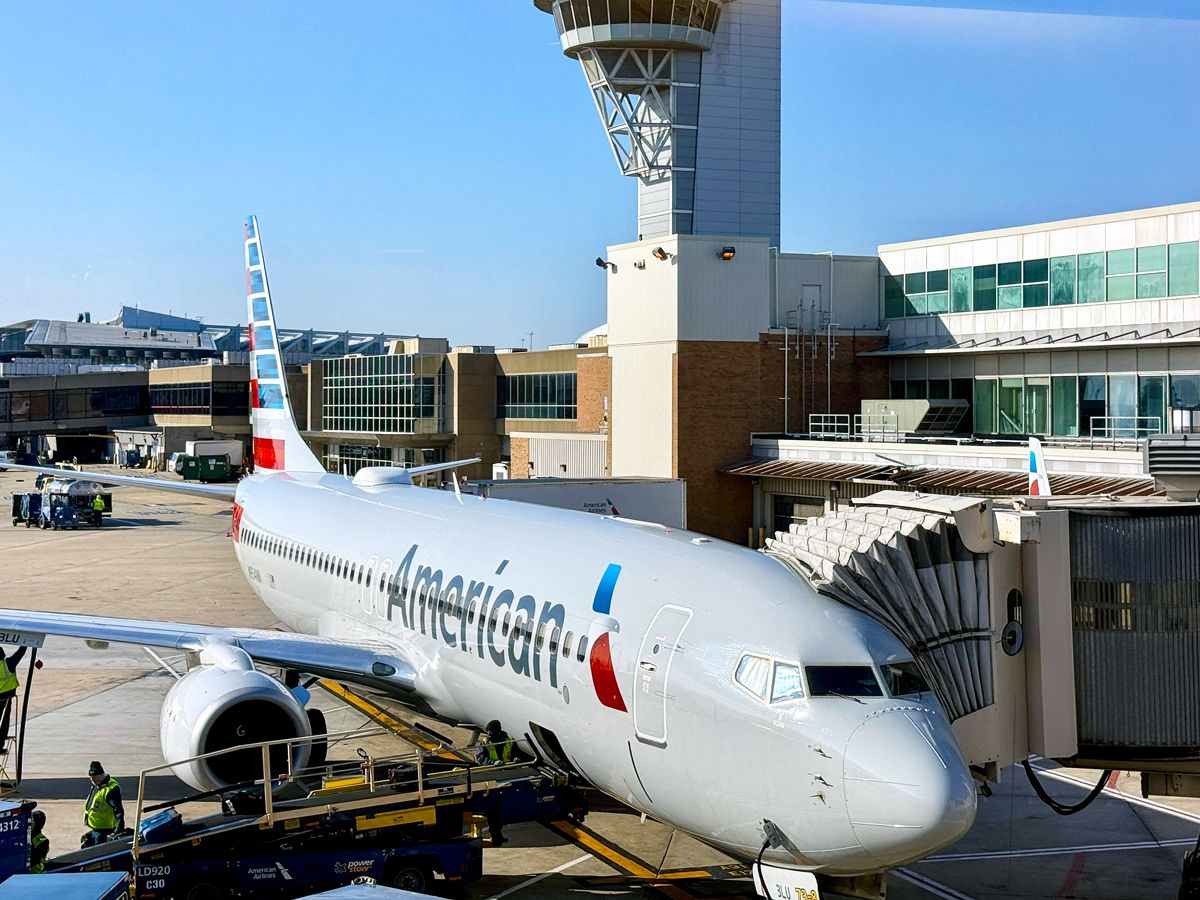
4. American Airlines

Overhead view of American Airlines Boeing 787-8 on short final to Los Angeles International Airport
Credit: Boarding1Now/ iStock Editorial via Getty Images Plus

On-time arrival rate: 77.78%

Headquartered across town from Southwest in Fort Worth, Texas, American Airlines landed in the No. 4 spot for most on-time North American airlines in the Cirium report. However, American’s performance dipped slightly from 2023, when the airline ranked one spot higher. Still, American operated over 2.1 million flights in 2024, the most of any carrier on the list. 

3. Alaska Airlines

Alaska Airlines Boeing 737-800 on final approach
Credit: Boarding1Now/ iStock Editorial via Getty Images Plus

On-time arrival rate: 79.25%

Nearly 80% of flights on Alaska Airlines arrived on time in 2024. The Seattle-based airline recently acquired Hawaiian Airlines, which ranked as the most punctual airline in the U.S. for 18 years in a row, until 2022. The combined carrier now offers flights to more than 140 destinations throughout North America, Asia, Australia, and the South Pacific. 

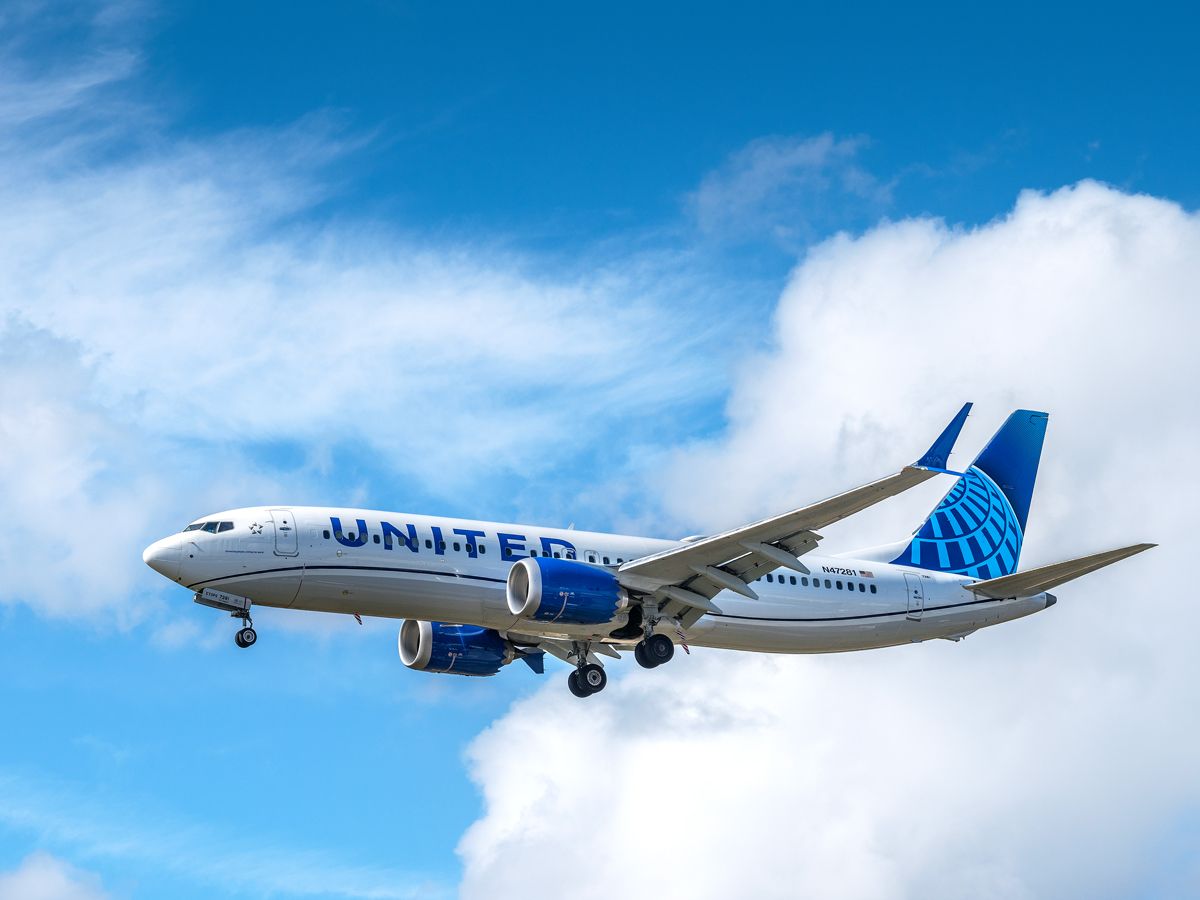
2. United Airlines

United Airlines Boeing 737-9 MAX taxiing at Los Angeles International Airport
Credit: Boarding1Now/ iStock Editorial via Getty Images Plus

On-time arrival rate: 80.93%

In February 2024, Chicago-based United Airlines became the first airline to operate a fleet of over 1,000 aircraft. Even though it’s now the world’s biggest airline by number of planes, United kept the majority of its flights running on schedule in 2024, moving up two spots in the rankings to land at No. 2 on the list. 

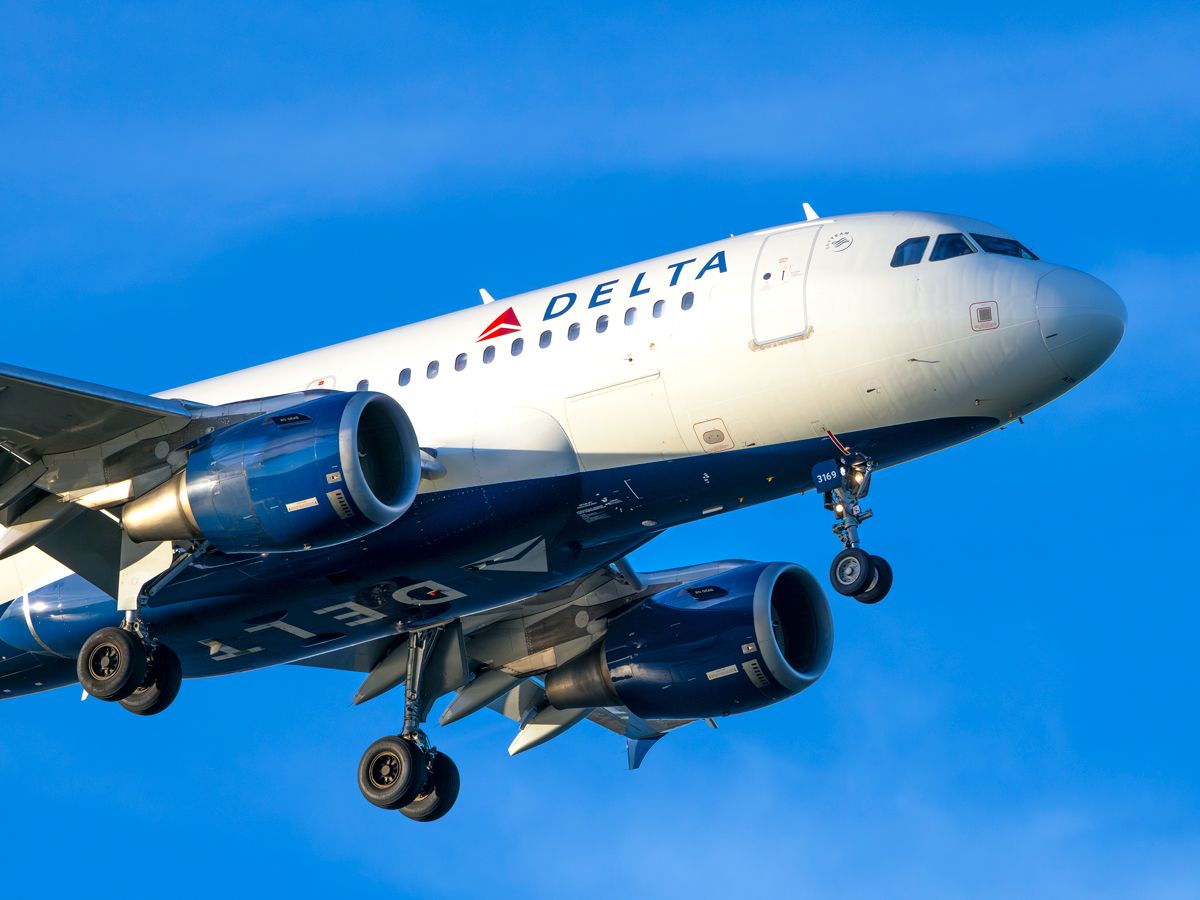
1. Delta Air Lines

Delta Airbus A330-900neo departing from runway
Credit: NurPhoto via Getty Images 

On-time arrival rate: 83.46%

Delta, which has its headquarters and largest hub at the world’s busiest airport in Atlanta, was the most on-time airline in North America in 2023. The airline landed in the top spot again in 2024, with over 83% of its more than 1.7 million flights arriving on schedule. The feat is all the more impressive considering that Delta is also one of the oldest airlines still flying — the carrier celebrates its 100th anniversary in 2025.

Post Banner Image
Architecture

8 Fascinating Observatories Around the World

By Daily Passport Team
Read time: 5 minutes
February 18, 2025
Updated: February 18, 2025

8 Fascinating Observatories Around the World

By Daily Passport Team
Author
Daily Passport Team
Daily Passport writers have been seen in publications such as National Geographic, Food & Wine, CBC, Condé Nast Traveler, and Business Insider. They're passionate about uncovering unique destinations and sharing expert tips with curious travelers.

Astronomical observatories offer a portal to the night skies which have intrigued humans for millennia. They are the sites of important scientific discoveries, and many are architectural gems, with locations high on mountaintops that amplify their sense of wonder. Check out eight remarkable observatories that shed a fascinating light on the galaxies above us. 

Sphinx Observatory – Switzerland

Sphinx Observatory on snowy mountaintop in Switzerland
Credit: AlexKane/ iStock via Getty Images Plus 

This sky-high observatory built on top of a precipitous cliff isn’t called the “Top of Europe” for nothing. Located 11,332 feet above sea level, the Sphinx Observatory is accessible via Jungfraujoch station in Switzerland’s Bernese Alps. When the station opened in 1912, it became the highest train station in Europe — at the time, access to such a high-altitude environment was unprecedented, and Jungfraujoch opened the door to scientists and researchers. 

The Sphinx Observatory followed in 1937, becoming the highest building in Europe. It houses laboratories, astronomical and meteorological domes, a weather observation station, and a massive telescope — and over the decades has hosted researchers in glaciology, medicine, astronomy, and cosmic ray physics.

If you’re wondering, yes, even regular folks can check out this special spot. Not only does it offer panoramic views of the Alps, but the journey to the Sphinx Observatory — on the historic Jungfrau railroad — is also a once-in-a-lifetime experience. The tracks are built right into the mountains, and certain spots offer passengers a chance to look through windows built into the rock at various ice sculptures carved directly into the glacier.

Royal Observatory Greenwich – London, England

Exterior of Royal Observatory Greenwich in London, England
Credit: Jui-Chi Chan/ iStock Editorial via Getty Images Plus

Located on a hill overlooking the Thames River in southeast London, this historic home of British astronomy and science was established by King Charles II in the 17th century. By observing the transit times of stars through the institution’s Airy telescope, astronomers at the observatory were able to create Greenwich Mean Time (GMT) as a way to standardize the world’s clocks.  

In 1884, the geographical reference line running north-south across the observatory’s cobbled courtyard was established as the prime meridian, signifying zero degrees longitude (0° 0′ 0″). Every other location on Earth is measured in relation to this spot. 

Today’s visitors can straddle the meridian, allowing them to simultaneously stand in both the Eastern and Western hemispheres, as well as observe the heavens through the U.K.’s largest telescope. The observatory is part of the Maritime Greenwich UNESCO World Heritage Site, which contains the historic clipper ship Cutty Sark, the Palladian-style Queen’s House, the lush Royal Park, and the Maritime Museum. 

Griffith Observatory – Los Angeles, California

Visitors gathered in front of Griffith Observatory in Los Angeles, California
Credit: Meinzahn/ iStock Editorial via Getty Images Plus

Sitting on the south-facing side of Mount Hollywood is a venerable Los Angeles institution — the Griffith Observatory. Named after Griffith J. Griffith, the observatory’s benefactor, admission to the observatory has been free since it opened in 1935 in accordance with Mr. Griffith’s will. 

Inside the observatory, visitors can view space through the Zeiss refracting telescope, interact with a Tesla coil, or watch one of the eight to ten daily planetarium shows. Besides just being a hub for science education, the Griffith Observatory has made its mark as a symbol of Los Angeles through its inclusion in many films. From 1955’s Rebel Without a Cause to more recent movies like 2016’s La La Land, Hollywood has often looked nearby for a Los Angeles landmark to use on the screen. 

Teide Observatory – Canary Islands, Spain

Teide Observatory and view of Mount Teide in the Canary Islands
Credit: stu.dio/ Shutterstock 

As Spain’s highest peak, Mount Teide rises almost 12,200 feet from the heart of Tenerife in the Canary Islands (a Spanish territory). The surrounding national park, a UNESCO World Heritage Site, blends volcanic boulders with petrified lava rivers, steaming vents, and gaping craters, among other surreal elements. 

The park is also famous for its starry skies, and it is home to the Teide Observatory, the largest solar observatory on Earth. Located at 7,840 feet above sea level, the observatory opened in 1964 and was the site of several important astronomical discoveries, including the first black hole in the halo of the Milky Way galaxy. A range of guided tours are available to visitors. 

University of Tokyo Atacama Observatory – Chile

Several telescopes making up the University of Tokyo Atacama Observatory in Chile
Credit: abriendomundo/ iStock via Getty Images Plus 

Head to the Atacama Desert in northern Chile, one of the driest places on Earth, to find the world’s highest altitude permanent astronomical observatory. The University of Tokyo Atacama Observatory lies within a lava dome at 18,503 feet on the mountain peak of Cerro Chajnantor. It houses the miniTAO, an infrared telescope that takes advantage of the observatory’s extreme altitude and thin atmosphere to allow water vapor to absorb infrared light.

Haleakalā Observatory – Maui, Hawaii

Haleakalā Observatory above the clouds on the island of Maui, Hawaii
Credit: LouieLea/ Shutterstock 

Located on the Hawaiian island of Maui, the Daniel K. Inouye Solar Telescope (DKIST) at the Haleakalā Observatory is the world’s largest solar telescope. Measuring more than 13 feet wide, the powerful telescope is able to capture the highest resolution images of the sun taken to date.

Scientists hope the telescope will help them understand some of the sun’s ongoing mysteries, such as why the sun’s outer layer, the corona, is hotter than its surface. Construction of the telescope began in 2012, and it captured its first images of the sun in December 2019. 

Fabra Observatory – Barcelona, Spain

Aerial view of Fabra Observatory overlooking skyline of Barcelona, Spain
Credit: brunocoelhopt/ iStock via Getty Images Plus 

A fixture of the Barcelona skyline since 1904, the Fabra Observatory is the world’s fourth-oldest astronomical observatory still in use. Designed by architect Josep Domènech i Estapà in the Art Nouveau style, the observatory sits atop Tibidabo, a hill overlooking Spain’s second-biggest city. 

The observatory is named after industrialist Camil Fabra i Fontanills, an industrialist and former mayor of Barcelona who initiated the project, which is part of the Royal Academy of Sciences and Arts of Barcelona. Today, visitors can embark on guided tours and see one of Europe’s oldest and largest telescopes, which famously discovered the comet 32P/Comas Solà in 1926.

McDonald Observatory – Texas

Image of McDonald Observatory in West Texas
Credit: Walter Bibikow/ DigitalVision via Getty Images 

There are few better places to build an observatory than the Greater Big Bend International Dark Sky Reserve in West Texas and Northern Mexico. With an area of more than 15,000 square miles, the reserve is the world’s largest International Dark Sky Place, as recognized by the International Dark-Sky Association. 

The McDonald Observatory was officially dedicated in 1939, and today, its 75,000 annual visitors can gaze at the stars in some of the darkest skies in North America. It is also a state-of-the-art hub for astronomical research, having hosted one of the world’s first lunar ranging stations, measuring the distance between the Earth and the moon. 

Post Banner Image
Tips

The 8 States Without Income Tax

By Bennett Kleinman
Read time: 5 minutes
February 14, 2025
Updated: October 14, 2025

The 8 States Without Income Tax

By Bennett Kleinman
Author
Bennett Kleinman
Bennett is a New York City-based staff writer for Daily Passport. He previously contributed to television programs such as the Late Show With David Letterman, as well as digital publications like the Onion. Bennett has traveled to 48 U.S. states and all 30 Major League Baseball stadiums.

For those thinking about relocating to another state in the future, it’s important to brush up on local income tax laws. While you’ll end up paying federal income tax everywhere in the U.S., certain jurisdictions impose additional statewide income tax rates as high as 13.3%. These lofty rates may be too prohibitive for some, but thankfully, there are eight states that don’t levy any income tax at all, according to data provided by the Tax Foundation. Here’s a look at eight U.S. tax havens that may be especially attractive to prospective residents.

Wyoming

Grand Teton National Park in Wyoming
Credit: BlueBarronPhoto/ iStock via Getty Images Plus

Along with the fact that it’s one of the least populous states in the nation, Wyoming doesn’t levy any personal income tax, making it a particularly attractive place to reside. While the state government adopted a corporate income tax in 1911, it has held off on a personal income tax since achieving statehood in 1890.

Most of the public projects in Wyoming are funded through the state’s 4% sales tax, which, combined with local taxes, can reach as high as 5.44% in certain local municipalities.

Florida

Docks and waterfront residences in Naples, Florida
Credit: benedek/ iStock via Getty Images Plus 

Florida is well known as a tax haven, attracting everyone from high-earning athletes to retirees who want to avoid having their retirement funds taxed too heavily. Much of that has to do with the lack of personal income taxes in the Sunshine State. 

This has been the case since 1968, when a new state constitution was ratified that prohibited the collection of a personal income tax. To make any changes to the state’s tax law in the future, Florida law requires a two-thirds supermajority of the state’s House of Representatives to vote in favor of such changes, so it’s likely the lack of income tax is here to stay.

Related: 10 States With the Highest Income Tax

Nevada

Cityscape of Reno, Nevada
Credit: halbergman/ iStock via Getty Images Plus 

Not only does Nevada lack personal income tax, but the state also doesn’t impose any sort of corporate income tax, either. This makes Nevada a particularly attractive state for individuals and businesses alike. In fact, Nevada has never levied a personal income tax on its residents since it became a state back in 1864. 

Instead of relying on income tax to pay for public projects, the state collects gaming taxes from those who win big in places like Las Vegas. Still, Nevada’s gaming taxes are among the lowest in the nation at 6.5%.

South Dakota

Main street in Deadwood, South Dakota
Credit: peeterv/ iStock via Getty Images Plus

Its northern counterpart levies one of the lowest state income taxes in the country at just 2.5%, but South Dakota has the edge — it imposes no personal income tax on its residents. To make up for the lack of an income tax, locals are subject to a 4.2% state sales tax rate and a 1.01% effective property tax rate.

Related: 5 States That Don’t Have Sales Tax

Tennessee

Aerial view of bridges and cityscape of Knoxville, Tennessee
Credit: Nick Marks/ iStock via Getty Images Plus

While Tennessee imposes a 6.5% corporate income tax rate, no such tax exists on individuals who reside in the state. There’s no estate or inheritance tax, either. While there have been past attempts to impose personal income taxes on the people of Tennessee, they’ve been struck down by the state court each time, including in the 1932 case Evans v. McCabe.

Texas

San Antonio skyline at night
Credit: SeanPavonePhoto/ iStock via Getty Images Plus 

Everything’s bigger in Texas — except personal income tax. Despite paying a 6.25% state sales tax rate and a 1.47% property tax rate, those living in the Lone Star State won’t have any state income taxes taken out of their paychecks. 

Per Texas law, a theoretical income tax would be imposed only if locals voted in favor of doing so, with the money going toward property tax relief. However, in 2019, voters overwhelmingly approved Proposition 4, which instituted a ban on any income tax for the foreseeable future.

Alaska

Waterfront town of Ketchikan, Alaska, surrounded by forest and mountains
Credit: Sherry Smith/ iStock via Getty Images Plus 

Whether you’re single or jointly filing with a spouse, you won’t have to worry about paying income tax if you live in Alaska. However, this wasn’t always the case. Back in 1949, while it was still technically a territory, Alaska levied an income tax equal to 10% of a person’s federal income tax liability — a number that jumped to 16% by 1961. 

But in 1980, a few years after the Trans-Alaska Pipeline brought billions of dollars in revenue to the state, Alaska eliminated its personal income tax altogether. While there’s still no individual income tax today, there is a graduated corporate income tax that can reach as high as 9.4%, though that only applies to profits made by larger businesses.

New Hampshire

Bridge over river in Rochester, New Hampshire, in autumn
Credit: DenisTangneyJr/ E+ via Getty Images 

In 2025, New Hampshire became the newest addition to the list of states with no income tax. While New Hampshire previously imposed a 3% tax on interest and dividends, which come from investments like in the stock market, it repealed that tax beginning with the 2025 tax year. That means the Granite State officially no longer levies any form of personal income tax.

Finally, Washington state is an interesting case. While the state does not have a personal income tax per se, it does levy a capital gains tax of 7%. This also has to do with investments, specifically the amount of profit one makes trading stocks, bonds, or other similar securities. So while your paychecks won’t be taxed in Washington, you need to be aware of taxes on your investments.

Image Ad
Post Banner Image
Outdoors

10 of the Most Beautiful Places To Visit in Africa

By Daily Passport Team
Read time: 9 minutes
February 14, 2025
Updated: February 19, 2025

10 of the Most Beautiful Places To Visit in Africa

By Daily Passport Team
Author
Daily Passport Team
Daily Passport writers have been seen in publications such as National Geographic, Food & Wine, CBC, Condé Nast Traveler, and Business Insider. They're passionate about uncovering unique destinations and sharing expert tips with curious travelers.

Africa, the planet’s second-largest continent, is home not only to some of Earth’s most important ecosystems and jaw-dropping natural scenery, but also millions of years of human history — the earliest human fossils originated on the continent. While narrowing down a list of Africa’s must-visit destinations is no easy task, here are 10 beautiful places in Africa to add to your bucket list.

Blyde River Canyon – South Africa

Aerial view of Blyde River Canyon in South Africa
Credit: fokke baarssen/ Shutterstock 

The travelers who only talk safaris when they get home from South Africa probably didn’t make it to the glorious Blyde River Canyon — or they’d never stop raving about it. Located in the northeast of South Africa’s Mpumalanga province, it is the third-largest canyon in the world, behind Arizona’s Grand Canyon and Namibia’s Fish River Canyon. But unlike those arid landscapes, the 16-mile-long canyon is draped in impossibly green vegetation and dramatic waterfalls — making it Earth’s largest “green canyon.”

Up close, it’s difficult to grasp just how massive the canyon truly is (the average depth is over 2,400 feet), but a good place to start is the Panorama Route that winds through the surrounding natural reserve. If you’re feeling even more adventurous, hire a guide and explore the canyon on foot by following the multi-day Blyde Canyon Hiking Trail. Once it’s all over, we warned you: You won’t stop kvelling about the multi-sensory spectacle of your visit.

Serengeti National Park – Tanzania

Elephant herd crossing stream in Tanzania's Serengeti National Park
Credit: GTS Productions/ Shutterstock 

Although the term “Big Five” was originally coined by game hunters in Africa, these days the lion, leopard, black rhinoceros, African bush elephant, and African buffalo are chased by shutterbugs on safaris who are eager for a glimpse (and the perfect photo) of the continent’s most majestic creatures. There’s perhaps no better place to see them all than northern Tanzania’s Serengeti National Park.

Named a UNESCO World Heritage Site in 1981, the park is bigger than the state of Connecticut and teems with wildlife, including more than 2 million ungulates — hoofed mammals such as wildebeest, zebras, rhinos, giraffes, hippos, buffalo and antelopes. From May to July, a million wildebeest trek annually in a breathtaking 500-mile spectacle known as the Great Migration, crossing crocodile-infested rivers with their young in groups that can stretch for 20 miles. 

And as long as you’re already in Tanzania, don’t miss a side trip to marvel at Ngorongoro Crater. Nicknamed Africa’s “eighth wonder of the world,” it formed when a massive volcano erupted and then collapsed about 2.5 million years ago. It’s the largest intact volcanic caldera on the planet and also home to the world’s densest concentration of lions.

Tsavo National Park – Kenya

Red dirt road through landscapes of Tsavo National Park in Kenya
Credit: REDA/ Universal Images Group via Getty Images 

Another option to see the Big Five is the lesser-known Tsavo National Park. This 8,000-square-mile wildlife preserve in Kenya’s Taru Desert is teeming not just with those extraordinary animals, but also gazelles, zebras, and hippos — not to mention birds and lots of smaller creatures. 

The park’s African elephants are sometimes referred to as “red elephants” because of the red savannah dust that gets caked on their gray-black hides. The park’s alpha predator, too, has a Tsavo-specific name — they’re known as “man-eating lions” because of the number of workers who met their untimely death by lion while building the railroad line that divides the east and west sides of the park. 

The massive park is made up of the two very different sections. Tsavo East is mostly semi-arid savannah land — plains of golden grasses broken up by the occasional acacia or baobab tree — while Tsavo West is more rugged and mountainous, filled with grasslands, mountain springs, ash cones, lava fields, and volcanic craters. For visitors, the park’s interior offers several appealing safari lodges and tented camps, so you can experience its grand variety of wildlife up close and personal.

Related: 16 of Africa's Most Fascinating Ancient Landmarks

Victoria Falls – Zambia and Zimbabwe 

Aerial view of rainbow over Victoria Falls, on the border of Zambia and Zimbabwe
Credit: guenterguni/ iStock via Getty Images Plus 

At the border between Zambia and Zimbabwe, about midway through the course of the Zambezi River, one of the world’s most spectacular waterfalls roars. Victoria Falls, one of Africa’s most beautiful places, is more than a mile wide and drops 355 feet at its maximum, making it about twice as wide and deep as Niagara Falls. British explorer David Livingstone gave the falls their English name after he became the first European to see them in 1855. 

But the local Kalolo-Lozi people call the spot Mosi-oa-Tunya, or “The Smoke That Thunders,” because of the loud roar and large veil of iridescent mist the falls create. The mist can be seen more than a dozen miles away. UNESCO, which designated the falls a World Heritage Site in 1989, calls the site “the largest curtain of falling water in the world.”

Sossusvlei – Namibia

Barren trees and red sand dunes of Sossusvlei in Namibia
Credit: evenfh/ iStock via Getty Images Plus 

Southwestern Namibia is home to some of the world’s tallest sand dunes — windswept, rust-colored giants that tower as high as 1,200 feet above the scorched earth of the Namib Desert. The dunes are part of the planet’s oldest desert — estimated to date back 55 million years — and wrap around a 12,000-square-mile salt and clay pan known as Sossusvlei

Translating to “dead-end marsh,” Sossusvlei sprawls at the furthest reaches of the Tsauchab River, where the dunes come together to stop its flow just 37 miles short of the Atlantic Ocean. It is part of one of Africa’s largest conservation areas — the Namib-Naukluft National Park — and one of Namibia’s most sought-after natural attractions.

Part of what makes the view so remarkable is that the empty pan accentuates the height of the sand dunes surrounding it. Area winds blow from every direction, causing the undulating dunes to shift and erase ostrich, springbok, and hyena footprints, while concealing thirsty camel thorn tree roots that extend hundreds of feet below ground. The most popular dune to visit is Dune 45, which stands roughly 278 feet tall and can be climbed in about an hour.

Chefchaouen – Morocco

Bright blue buildings of Chefchaouen, Morocco
Credit: manhdesign/ Shutterstock 

Chefchaouen, a city high in the Rif Mountains of northwest Morocco, is called the “Blue City” or “Blue Pearl” for reasons that become clear the instant you arrive. The kasbah — a walled perimeter once used as a fortress to protect against Portuguese crusaders — is painted an enchanting spectrum of every shade of blue imaginable. 

The town is no longer confined by the kasbah, yet neighboring homes, mosques, and government buildings have adopted the striking palette as well. Cerulean-washed walls cool the steep and narrow streets, and the many cobalt-stained doors and windows, turquoise flower pots, and lapis stone steps only add to the city’s enchanting appeal. 

Some say the local hue — which holds spiritual significance in Judaism — is a contribution of Jewish refugees who settled here during the Spanish Inquisition. The area began to attract attention as part of a popular backpacking circuit in the 1960s, and has exploded in popularity during the Instagram age. Some places are unbelievably better in person than in photos, however — and Chefchaouen is surely one of them.

Related: 12 of the World's Most Colorful Cities

Karnak – Egypt

Ancient Egyptian statues and temples in Karnak, Egypt
Credit: Nick Brundle Photography/ Moment via Getty Images 

Karnak is one of those places that will look familiar to cinephiles. Seemingly every franchise, from James Bond to Hercule Poirot, has filmed amongst these ancient Egyptian temple ruins — most notably in the late 1970s, when Mia Farrow, Maggie Smith, Bette Davis, and Angela Lansbury set sail aboard the S.S. Karnak in Death on the Nile, and Roger Moore played high-stakes hide and seek here in The Spy Who Loved Me

But about 4,000 years before Hollywood location scouts hit the scene, worshippers of Amon (king of the ancient Egyptian gods), Mut (his wife, believed by some to have birthed the world), and Mont (a war god) were busy building places to venerate these and other deities at Karnak. 

Pharaoh after pharaoh wanted to leave his mark on this section of Thebes — once the capital of Egypt — on the east bank of the Nile River, so the pylons, colonnades and temples were consistently being reworked, leaving behind a dazzling melange of materials and styles. The ruins were eventually designated a UNESCO World Heritage Site in 1979. Visitors today will find the ancient site vast, awe-inspiring — and yes, eminently cinematic.

Avenue of the Baobabs, Madagascar

Dirt road lined with baobab trees in Madagascar
Credit: Giovanni Battista Schillaci/ iStock via Getty Images Plus 

Approximately 90% of the plant and animal life on the island nation of Madagascar cannot be found anywhere else in the world. That includes six species of majestic baobab trees, also known as the “tree of life” or the “upside-down tree.” And there’s no better place to gaze up at these thick-trunked trees and their short, wispy branches than a dirt road along the island country’s western coast, about 10 miles from the Morondava Airport. 

Known as the Avenue of the Baobabs, this stunning stretch slices through a cluster of 20 or so of the largest variety of baobabs, Adansonia grandidieri, which can grow up to 100 feet tall and 30 feet wide. Several trees on the Avenue of the Baobabs are estimated to be more than 800 years old. Each one blooms for just 24 hours, between June and August, attracting fruit bats with their nectar. 

Unfortunately, the avenue is a small remnant of what was once a forest of baobabs, until deforestation and modern development drastically reduced their number. It’s now protected by private organizations and conservation groups are working to make it Madagascar’s first national monument.

Gondar – Ethiopia

Church reflecting on shady pool in Gondar, Ethiopia
Credit: Rudolf Ernst/ iStock via Getty Images Plus 

In one of the world’s oldest nations — home to some of the earliest fossilized remains of homo sapiens — lies the city of Gondar (also spelled Gonder). Known as the “Camelot of Africa,” this former capital of the Abyssinian empire is high in the Amhara region, near Lake Tana (the country’s largest body of water) and the breathtaking Simien Mountains National Park. 

The medieval city was founded by Emperor Fasilides, who embarked on the construction of a grand new capital while turning away from European influences and leading Ethiopia into a centuries-long period of isolation.

Gondar contains the fortress city of Fasil Ghebbi, a UNESCO World Heritage Site where Fasilides and subsequent rulers built fairy-tale palaces. An important religious center for the Ethiopian Orthodox Church, Gondar at one time contained as many as 44 churches — including the 17th-century Debre Berhan Selassie Church, which features an elaborately frescoed ceiling decorated with the faces of 135 cherubs. Fasilides’ private bath is well-preserved, and the large pool is still in use during the Orthodox Epiphany festival of Timkat.

Table Mountain – South Africa 

Table Mountain overlooking city of Cape Town, South Africa
Credit: JaySi/ Shutterstock 

Table Mountain is perhaps South Africa’s most photographed landmark, and for good reason. The two-mile-long elevated plateau overlooks Table Bay and Cape Town, South Africa’s legislative capital and second-largest city. (The iconic mountain even appears on Cape Town’s official city flag.) 

When the mountain is covered in clouds, the spectacle is nicknamed the “Tablecloth.” The area surrounding Table Mountain is frequented by hikers and campers — the national park offers over 350 designated routes to the top — while gondolas carry less adventurous sightseers to the top so they can also enjoy the mesmerizing panoramic views that await.