5 Surrealist Architectural Landmarks You Need To See
By
Julia Hammond
Read time: 4 minutes
May 29, 2025
Updated: May 29, 2025
5 Surrealist Architectural Landmarks You Need To See
Architecture •May 29, 2025•Updated: May 29, 2025
By Julia Hammond
Author
Julia Hammond
Julia is a U.K.-based travel writer whose work has been featured in The Independent, The Telegraph, The New Zealand Herald, and Culture Trip, among others. She’s an enthusiastic advocate for independent travel and a passionate geographer who has had the privilege of traveling to more than 130 countries in search of a story.
Surrealism originated as a literary movement in early 20th-century Paris. In 1924, writer André Breton authored the Surrealist Manifesto, a work that blurred the distinction between dreams and reality. When applied to architecture, surrealism isn’t so much a singular style but instead an underlying principle. The unique buildings that result can be unconventional, futuristic, deconstructive, and fluid in nature. Throwing out the rule book, they demonstrate originality and creativity — whether you love it or loathe it, surrealist architecture will almost certainly provoke a reaction. Take a look at these five stunning examples of surrealist architecture from around the world.
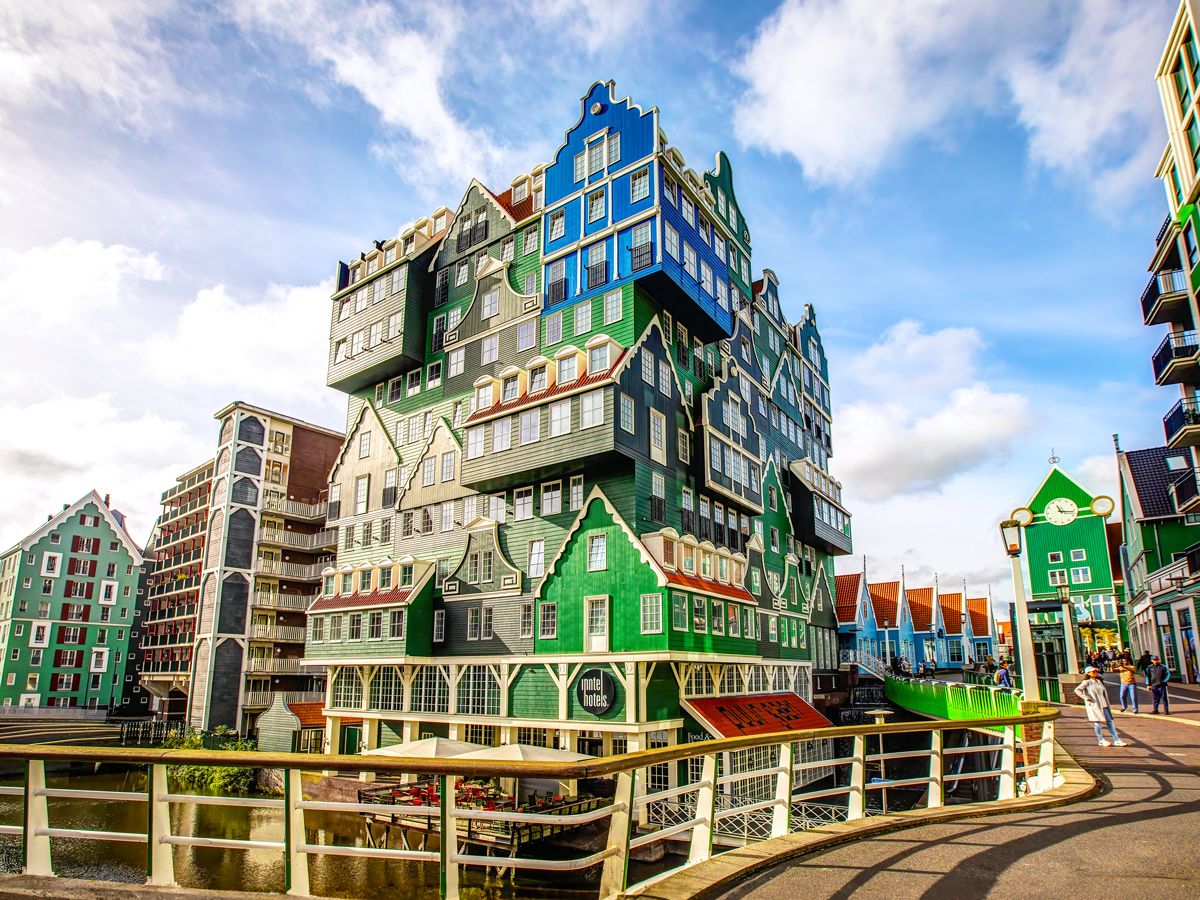
The signature houses of the Zaan region in the Netherlands informed the design for this striking hotel. Lead architect Wilfried van Winden of Delft-based firm WAM Architecten envisioned a stacked structure comprising almost 70 distinct units inspired by these residences. The end result is certainly an unusual sight, a glorious mash-up of gable ends, roofs, doors, and windows painted in bold shades of green and blue.
Though the building stands out, it’s firmly rooted in its community — an actual local building inspires each house-shaped box, whether that be the notary’s house or humble worker’s cottages. One, the Blue House, references the work Claude Monet famously painted in Zaandam in 1871.
Local artist Grayson Perry collaborated with FAT Architecture to create A House for Essex, which overlooks the bucolic countryside surrounding the River Stour in the East of England. The artist designed the home with a fictional client in mind. Her name is Julie Cope, and we are invited to experience the house through her eyes.
Ornate and eclectic, A House for Essex is not only surreal but also an example of a Gesamtkunstwerk, which loosely translates to “a total work of art.” In creating it, Perry gave his imagination free rein. Elements of the structure recall northern European stave churches, yet the golden tiles that adorn its roof couldn’t be further removed from that aesthetic. Inside, Perry’s colorful artwork accentuates the bold and funky décor, leaving those lucky enough to experience the house firsthand uplifted and cheerful.
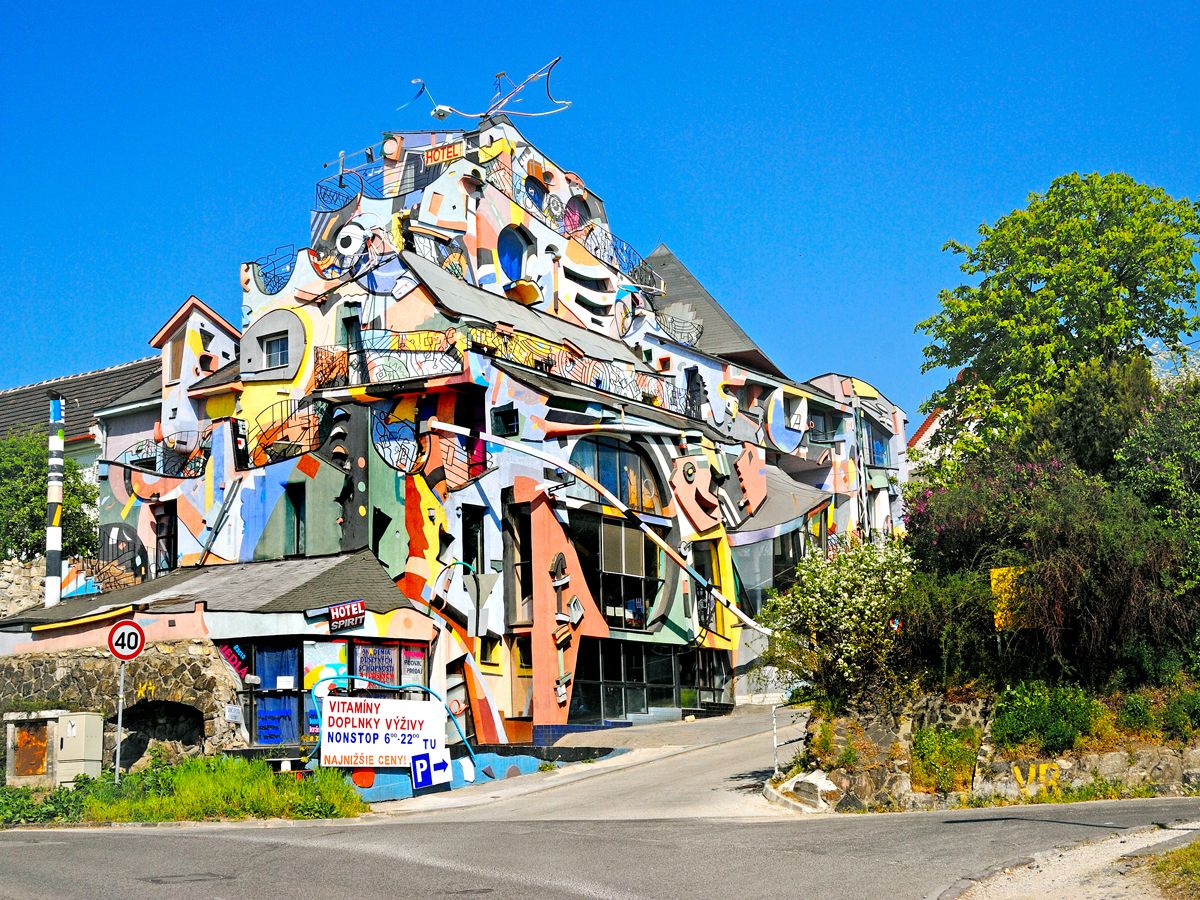
Hotel Galeria pre sebarozvoj – Bratislava, Slovakia
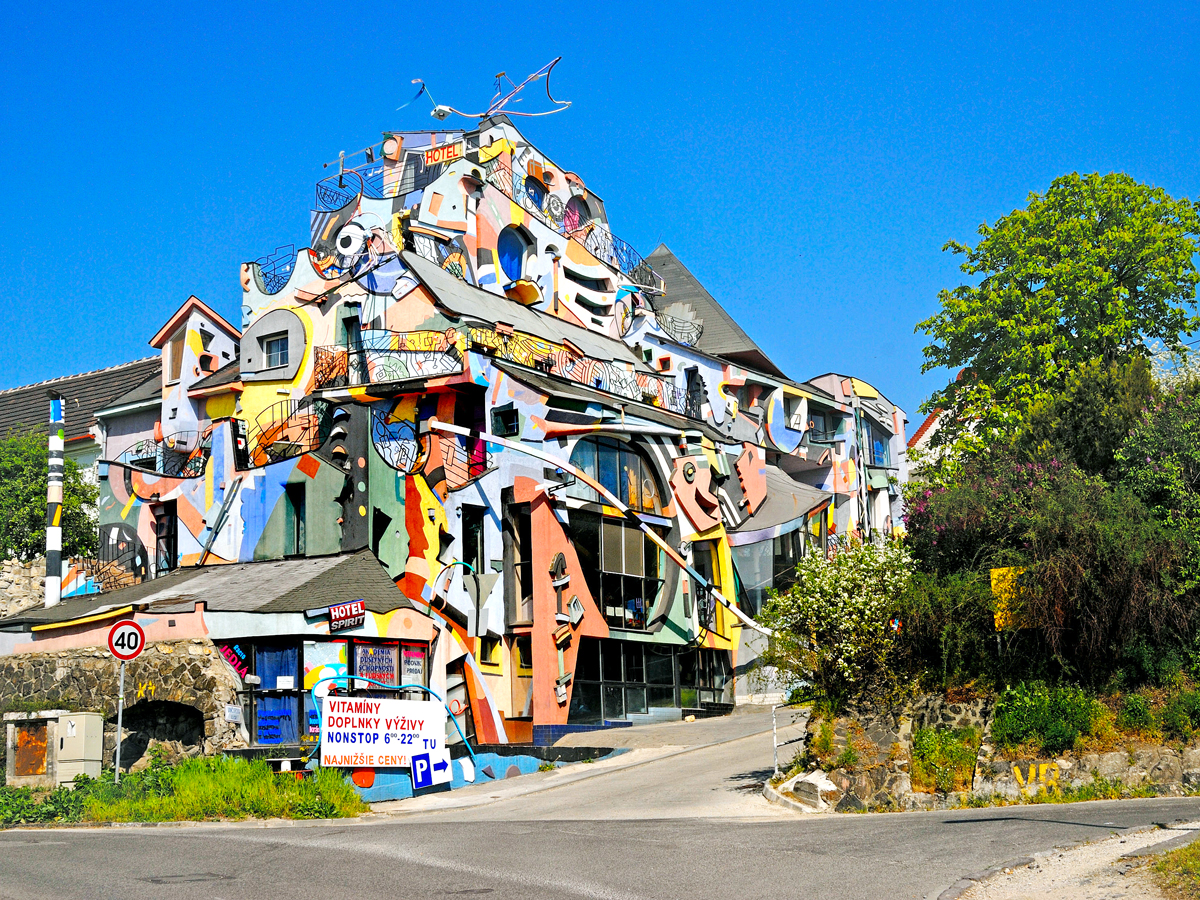
Locals know this fairy-tale hotel as the Butterfly House. An explosion of color, patterns, shapes, and quirky adornments, this attention-grabber stands at odds with the conventional buildings that surround it. Unveiled in 2011 and filled with abstract art, it’s the work of architect Štefan Polakovič — but it’s probably as close as you’ll get to seeing a Salvador Dalí painting in three dimensions.
Though the building primarily functions as a hotel, there’s an underlying commitment to self-development, health, and well-being — it even features a meditation pyramid. Experimental and avant-garde, Hotel Galeria is a marked contrast to the elegant buildings of Bratislava’s historic Old Town that lie within walking distance of this surreal landmark.
Credit: Insights/ Universal Images Group via Getty Images
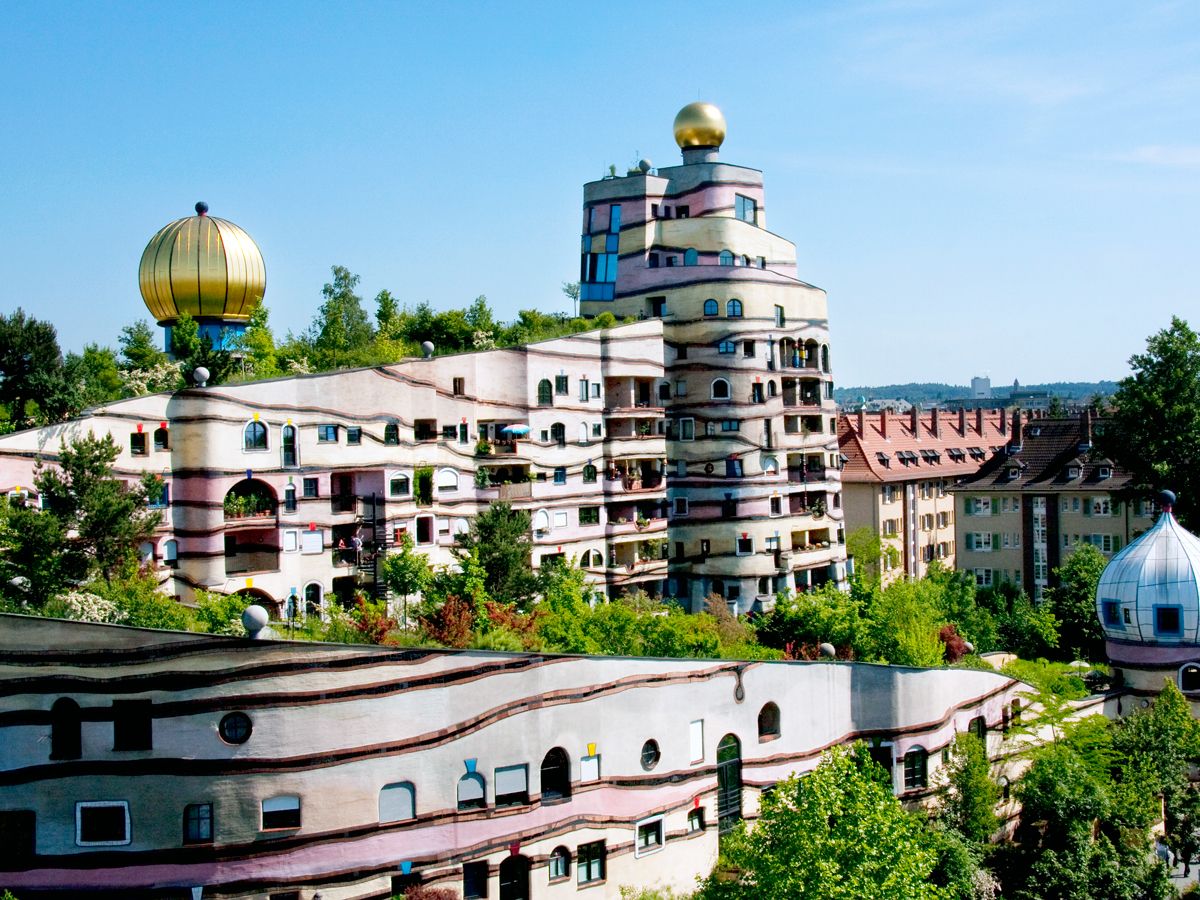
Darmstadt’s Waldspirale (“Forest Spiral”) was completed in 2000 and is just as unusual today as it was a quarter of a century ago. The U-shaped building houses 105 apartments spread over 12 floors and built around an internal courtyard. From its fluid lines to the golden onion domes and green roof, it’s abundantly clear this is no ordinary residential complex. You’ll count more than a thousand windows, but no two are alike. Inside, rounded walls and bold colors in the tile work provide further surrealist touches from the celebrated Austrian architect Friedensreich Hundertwasser.
Sharp Centre for Design at OCAD University – Toronto, Canada
The Sharp Centre for Design in downtown Toronto bears a striking resemblance to a giant table. The building was constructed as a monochrome pixelated façade, balanced playfully on colored legs, with a covered open-sided patio beneath that provides a space for students to gather. While it’s not strictly surrealist, critics sometimes refer to it as such because of the way it appears to float above the street eight stories below.
The wacky design is the work of the late British artist Will Alsop, who worked with Robbie/Young + Wright Architects to create a building that would stand out within its neighborhood. As intended, the design has nothing in common with the buildings around it and has therefore polarized opinion. However, despite the controversy, you can’t deny it makes a statement — as the best surrealist architecture so often does.
Advertisement
More from our network
Daily Passport is part of Inbox Studio, an email-first media company. *Indicates a third-party property.
Rachel is a Washington, D.C.–based travel and lifestyle writer with roots in the Great Lakes region. When she’s not writing for publications such as The Discoverer and Interesting Facts, you’ll find her wandering through museums or exploring destinations off the beaten path.
Whether you’re in for a long stopover or barely have time for a quick stretch between flights, layovers are sometimes unavoidable. But some airports offer far more in the way of passenger experience and amenities than others. Wondering which terminals come out on top? A new study from the travel advice website Upgraded Points ranked the 50 busiest U.S. airports to determine the ones where a layover feels less like a hassle and more like a bonus stop on your journey. Here are the top 10 best airports for a layover in the U.S.
10. Chicago Midway International Airport – Illinois
Credit: Joe Hendrickson/ iStock Editorial via Getty Images Plus
Score: 61.94 (out of 100)
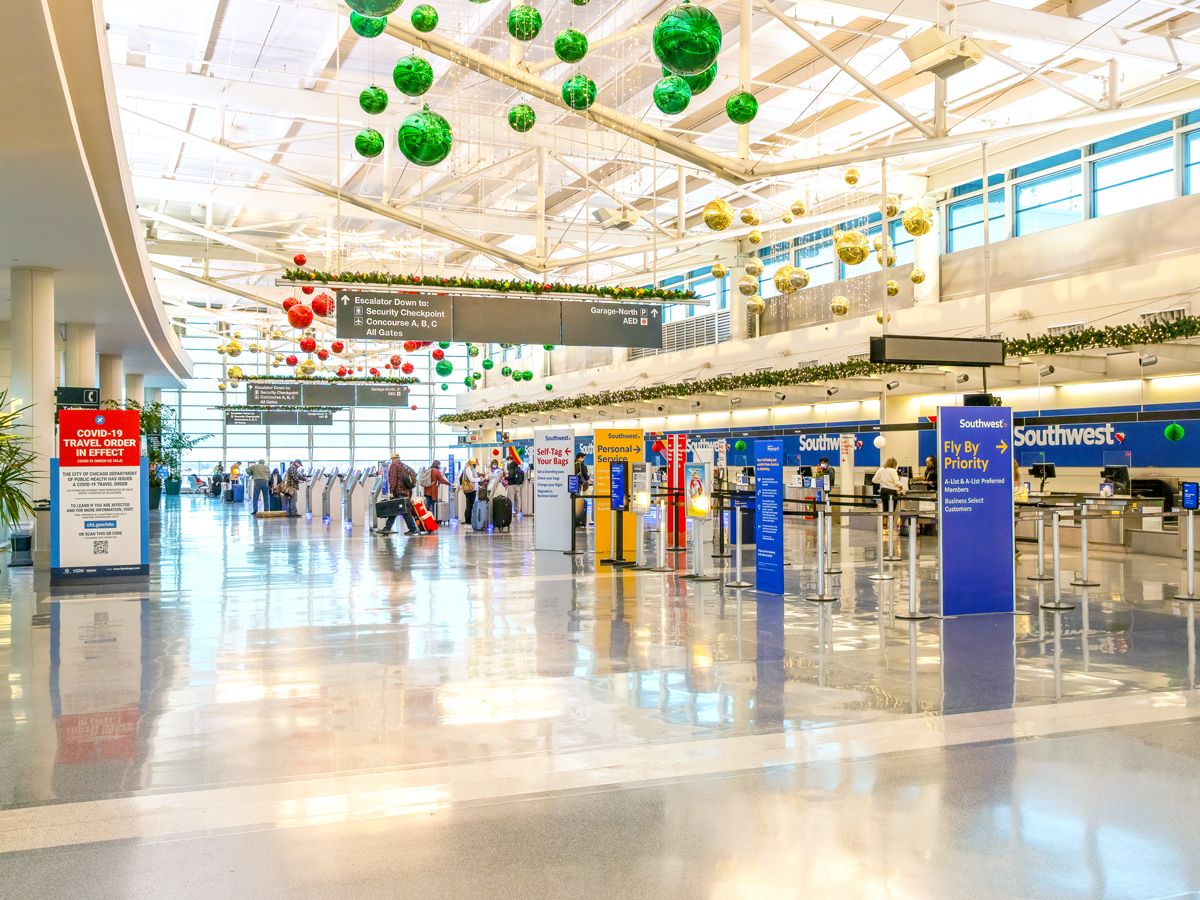
A three-time winner of the Best Family-Friendly Domestic Airport award from Global Traveler magazine, Chicago’s Midway International Airport (MDW) is efficient and packed with amenities. It boasts the third-shortest average departure delay of any airport in the study, at 50.64 minutes. (Compare that with the airport with the highest average departure delay in the report, Fort Myers’ Southwest Florida International Airport, with an average of 82.62 minutes.) Recent upgrades like the security checkpoint expansion also make Midway a relatively stress-free airport to navigate.
9. Pittsburgh International Airport – Pennsylvania
Credit: Barry Winiker/ Stockbyte Unreleased via Getty Images
Score: 63.1
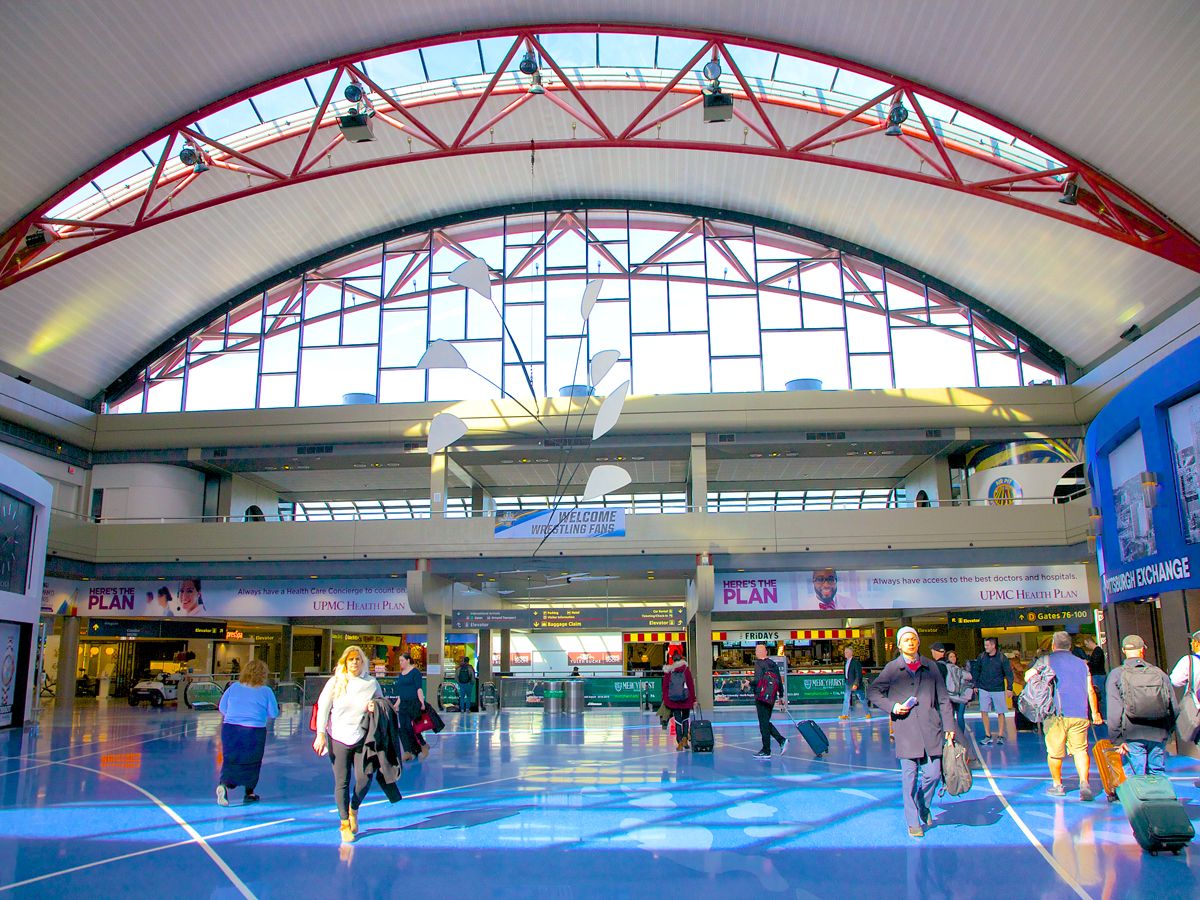
Pittsburgh Airport (PIT) is known for its reliability — it boasts the highest percentage of on-time departures (84%) among all airports analyzed. Efficiency isn’t the airport’s only attribute, however. Those who have a future layover here can look forward to the opening of a brand-new terminal in the summer of 2025. The $1.7 billion upgrade will include layover-friendly outdoor terraces where travelers can relax and enjoy fresh air and runway views.
8. Nashville International Airport – Tennessee
Credit: felixmizioznikov/ iStock Editorial via Getty Images Plus
Score: 63.83
Situated just 7 miles from downtown, Nashville International Airport (BNA) is conveniently located for travelers looking to explore the city during long layovers. It also has the second-highest number of nearby hotels out of the 50 airports analyzed. The airport is expanding its global reach with several new international flights for 2025, including routes to Canada’s Vancouver International Airport, Ireland’s Dublin Airport, and Mexico’s Los Cabos International Airport.
7. Louis Armstrong New Orleans International Airport – Louisiana
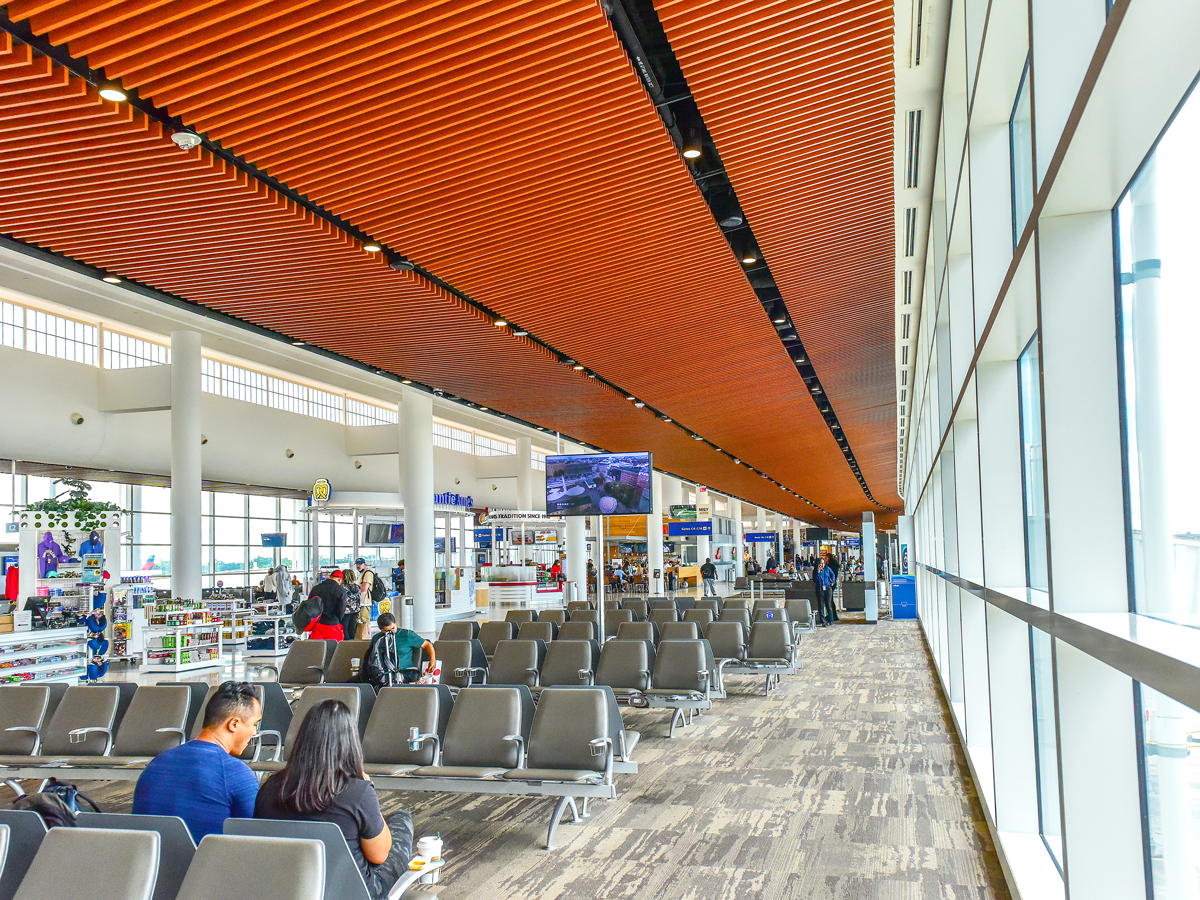
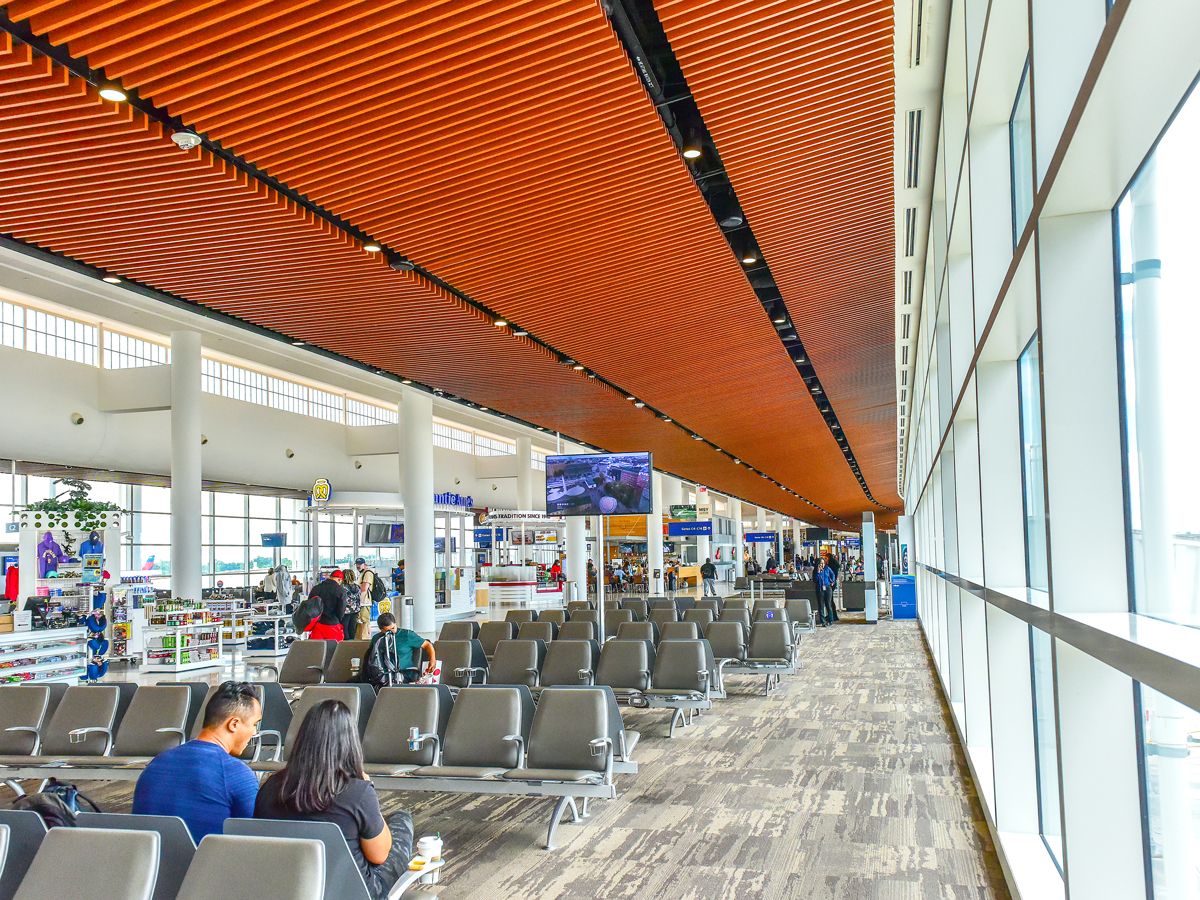
With just one terminal and 35 gates, Louis Armstrong International Airport (MSY) is great for short layovers because navigation is quick and easy. This airport also boasts a high percentage of on-time arrivals and departures (78% and 77%, respectively). If you do have a long layover here, you can take advantage of local dining options — including French Quarter favorites Lucky Dogs hot dogs and Café Du Monde, known for its beignets — plus live music in the airport’s Jazz Garden.
6. Seattle-Tacoma International Airport – Washington
Credit: aimintang/ iStock Unreleased via Getty Images
Score: 64.67
If you’ve arrived at Sea-Tac Airport (SEA) and need to charge your electronics, you’re in luck. This tech-savvy airport ranks second in the report for the number of charging stations. The airport’s location also makes it a top layover choice for Pacific-bound travelers. Alaska Airlines’ inaugural Seattle-to-Tokyo flight took off in May 2025; the airline plans to add 12 additional nonstop global flights by 2030.
5. John Wayne Airport – California
Credit: Boarding1Now/ iStock Editorial via Getty Images Plus
Score: 66.63
Aptly named after the Hollywood legend, John Wayne Airport (SNA) in Orange County serves the greater Los Angeles area and is the closest airport to Disneyland in Anaheim. It also boasts the shortest average arrival delay among all 50 airports, at 49.97 minutes. For travelers spending a layover here, expect a short walk: The two furthest-apart gates are a half mile away from each other, which is about a 10-minute stroll.
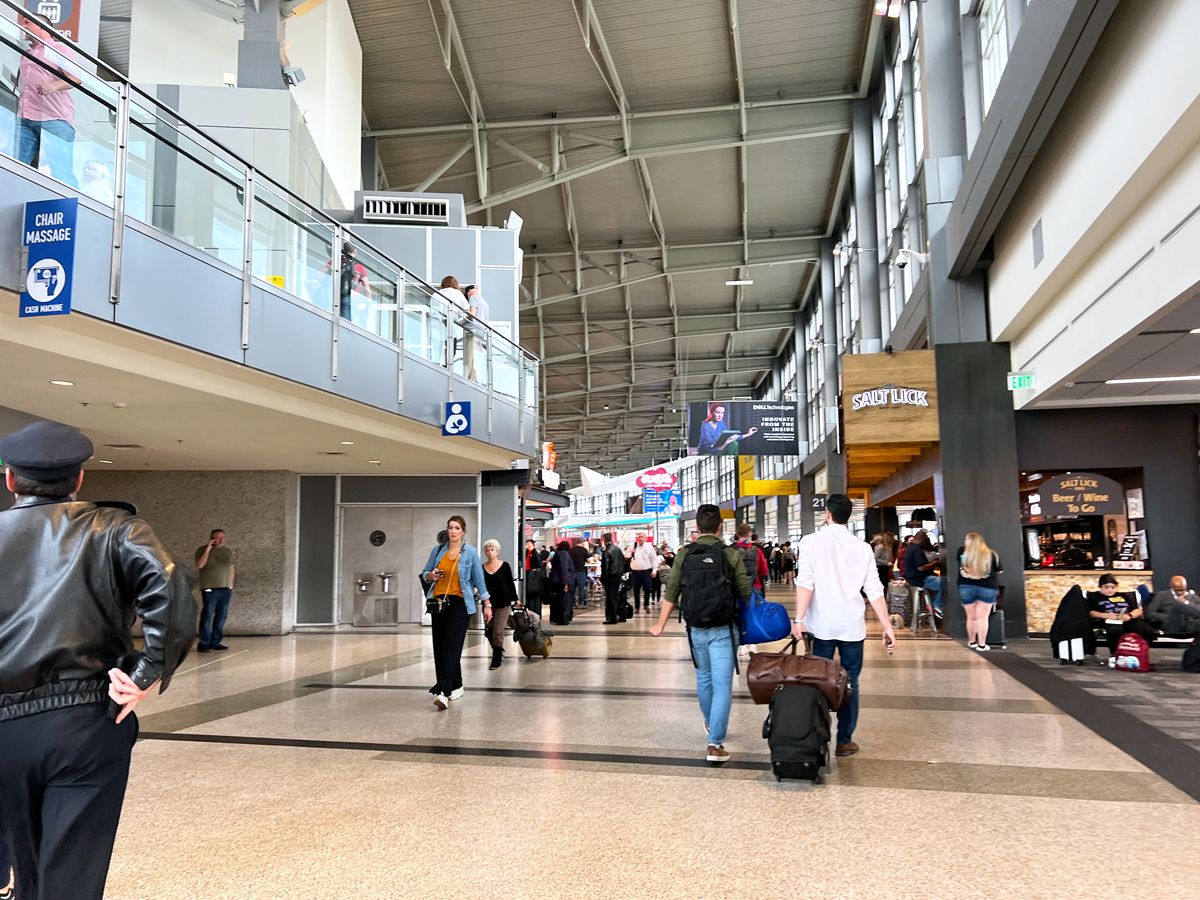
For an overnight layover, Austin-Bergstrom International (AUS) is one of the most convenient airports in the country. It is the only airport in the top 10 of the study to have not one but two on-site hotels. While you’re enjoying your stopover in Austin, you can also take in the view from the 3,994-square-foot terrace at the east end of the Barbara Jordan Terminal, which is accessible after security. It boasts lounge chairs, benches, and tables overlooking the runway. A second patio with views of downtown Austin is expected to open in 2027 as part of a major expansion.
3. Ronald Reagan Washington National Airport – Virginia
Credit: Nate Hovee/ iStock Editorial via Getty Images Plus
Score: 68.78
Reagan Airport (DCA) in Arlington, Virginia, is the closest airport to Washington, D.C., and offers service to over 100 destinations throughout the U.S. and Canada. DCA scores high across all categories in the study, with the second-highest number of restaurants, stores, and lounges across all 50 airports. Reagan is often preferred for its proximity to D.C., but its larger and busier counterpart Washington Dulles International Airport handles the region’s long-haul international flights. However, Dulles ranks No. 43 out of 50 airports, so if you have a choice between the two for a layover, Reagan is the clear winner.
2. Norman Y. Mineta San Jose International Airport – California
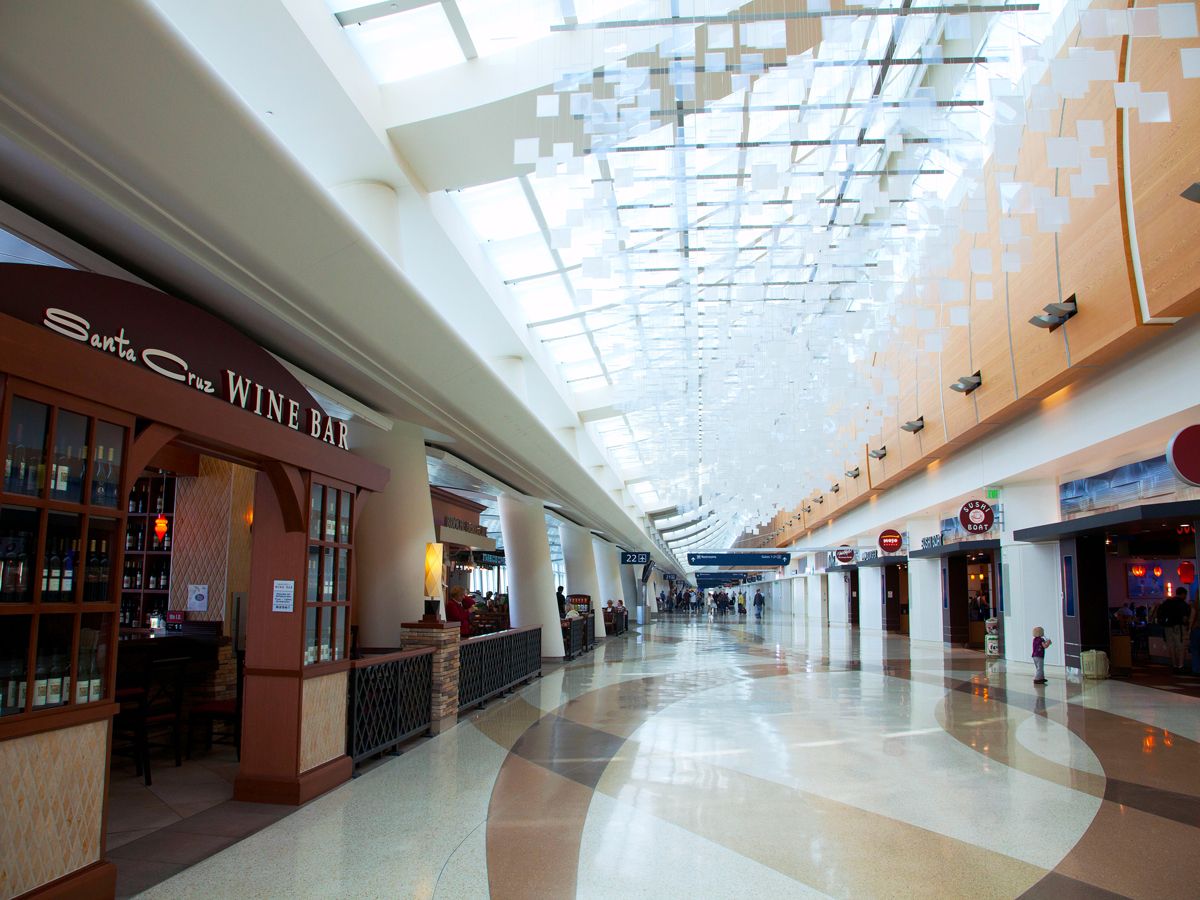
Travelers at San Jose International (SJC) can easily stream their favorite shows or catch up on work emails during their layovers, thanks to the airport’s impressive Wi-Fi speed, which is faster than that of any other airport on the list. SJC also has a wide selection of restaurants, strong on-time performance, and relatively few gates (17), ensuring a short walk between flights. The airport recently became the first West Coast airport to commit to biometric entry and exit programs, which will expedite the security process for international arrivals and reduce wait times.
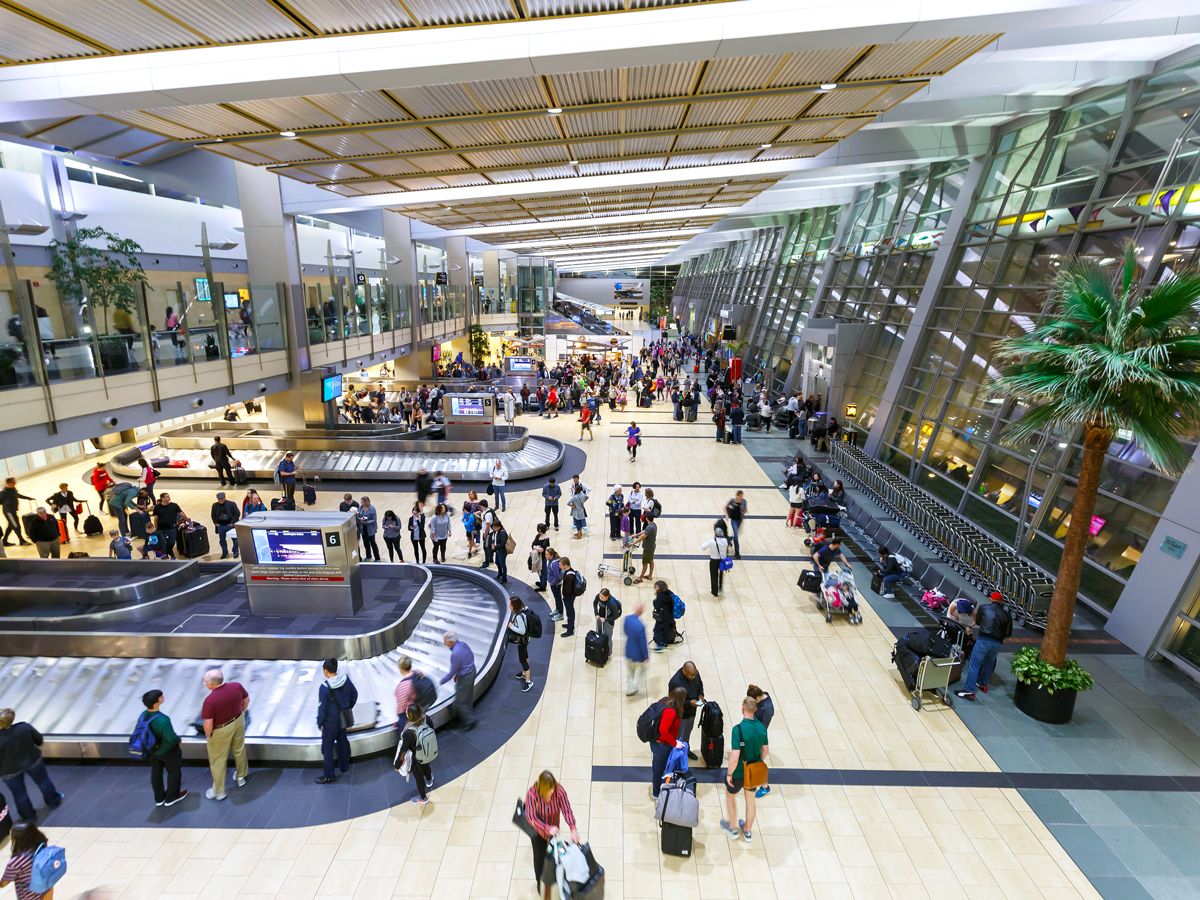
San Diego International Airport (SAN) takes the top spot for the best U.S. airport for a layover. It has the most shopping options of any airport, with an average of more than 41 shops per mile of terminal space. It also has a high concentration of lounges, charging stations, nearby hotels, and fewer canceled flights than most airports. The airport leads the way for environmentally focused innovation, with an all-electric shuttle program and award-winning renewable diesel program. Plus, SAN’s picturesque location on the San Diego Bay next to downtown makes it easy to step out and explore the city if time allows.
About the data: To compile this list, we referenced a 2024 report from travel advice website Upgraded Points. It ranked the 50 busiest U.S. airports on 16 key passenger experience metrics, including dining and shopping options, on-time performance, lounge access, and Wi-Fi speed. Read more about their methodology and view the full report here.
Advertisement
More from our network
Daily Passport is part of Inbox Studio, an email-first media company. *Indicates a third-party property.
Bennett is a New York City-based staff writer for Daily Passport. He previously contributed to television programs such as the Late Show With David Letterman, as well as digital publications like the Onion. Bennett has traveled to 48 U.S. states and all 30 Major League Baseball stadiums.
From stunning natural wonders to incredible human-made structures, the United States contains some of the world’s most recognizable attractions. Each state is home to a slew of landmarks that reflect its unique history, culture, and natural beauty, while attracting millions of visitors each year. But if you had to pick the one landmark that your state is best known for, which one would you choose? Take a look at our picks below for the most iconic landmark in every state and see if you agree.
Alabama – USS Alabama Battleship Memorial Park
Credit: csfotoimages/ iStock Editorial via Getty Images Plus
Launched in 1942, the USS Alabama played a key role in the Pacific campaign of World War II. The battleship was decommissioned in 1947 and set to be scrapped in 1962, but instead it was sold to the state of Alabama and turned into a museum that opened in 1965. At the USS Alabama Battleship Memorial Park in Mobile, visitors can explore 12 decks of the former warship along with a number of fascinating exhibits about its history. While several other sites could easily vie for the title of Alabama’s most iconic landmark, the USS Alabama is so popular that it has generated nearly a billion dollars of economic impact for the state.
Alaska – Denali
Credit: Mark Newman/ The Image Bank via Getty Images
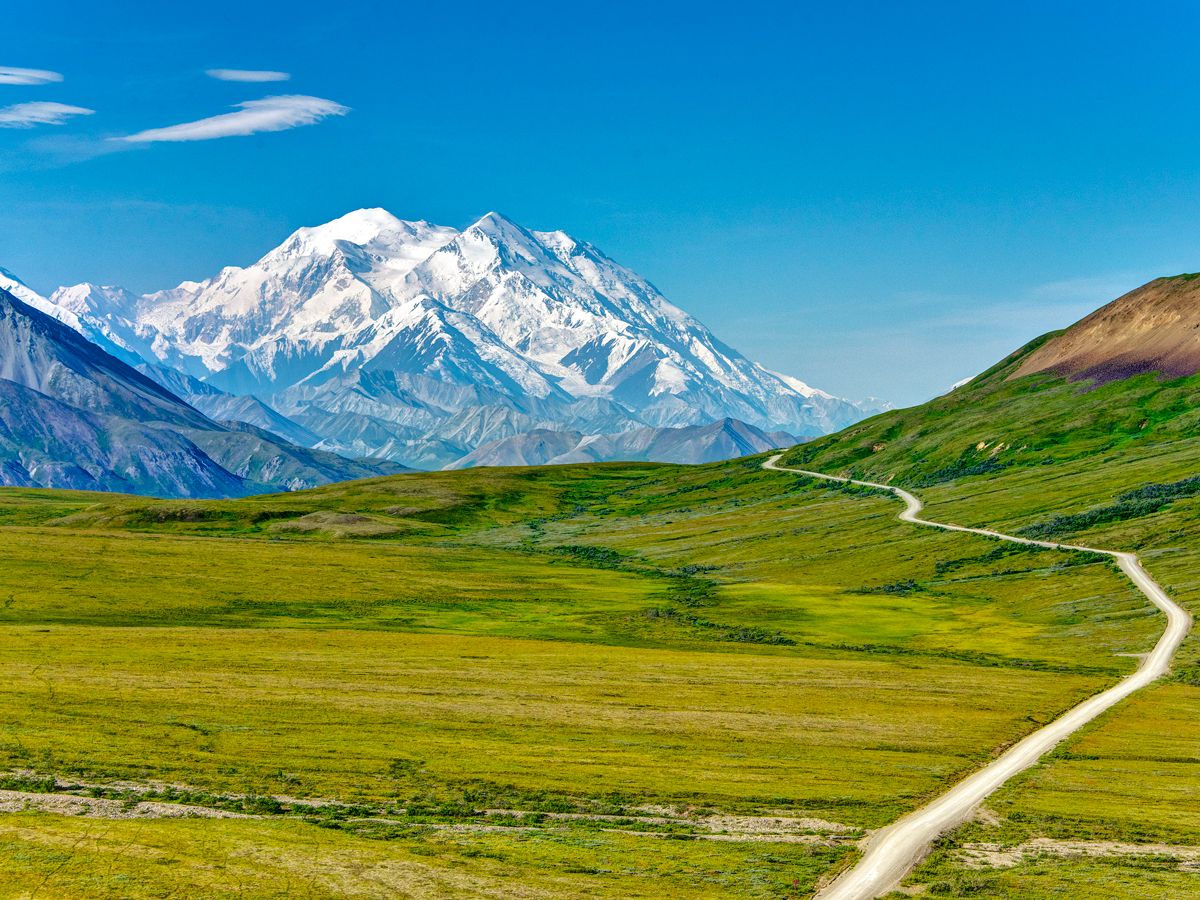
Known by the Indigenous name Denali and recognized federally as Mount McKinley, this natural Alaskan landmark is the highest peak in North America, reaching 20,310 feet above sea level. The mountain is part of Denali National Park and Preserve, located about an hour by sightseeing plane from Anchorage or four to five hours by car. The mountain is believed to have been formed 60 million years ago. The name Denali means “the tall one” in the Koyukon language.
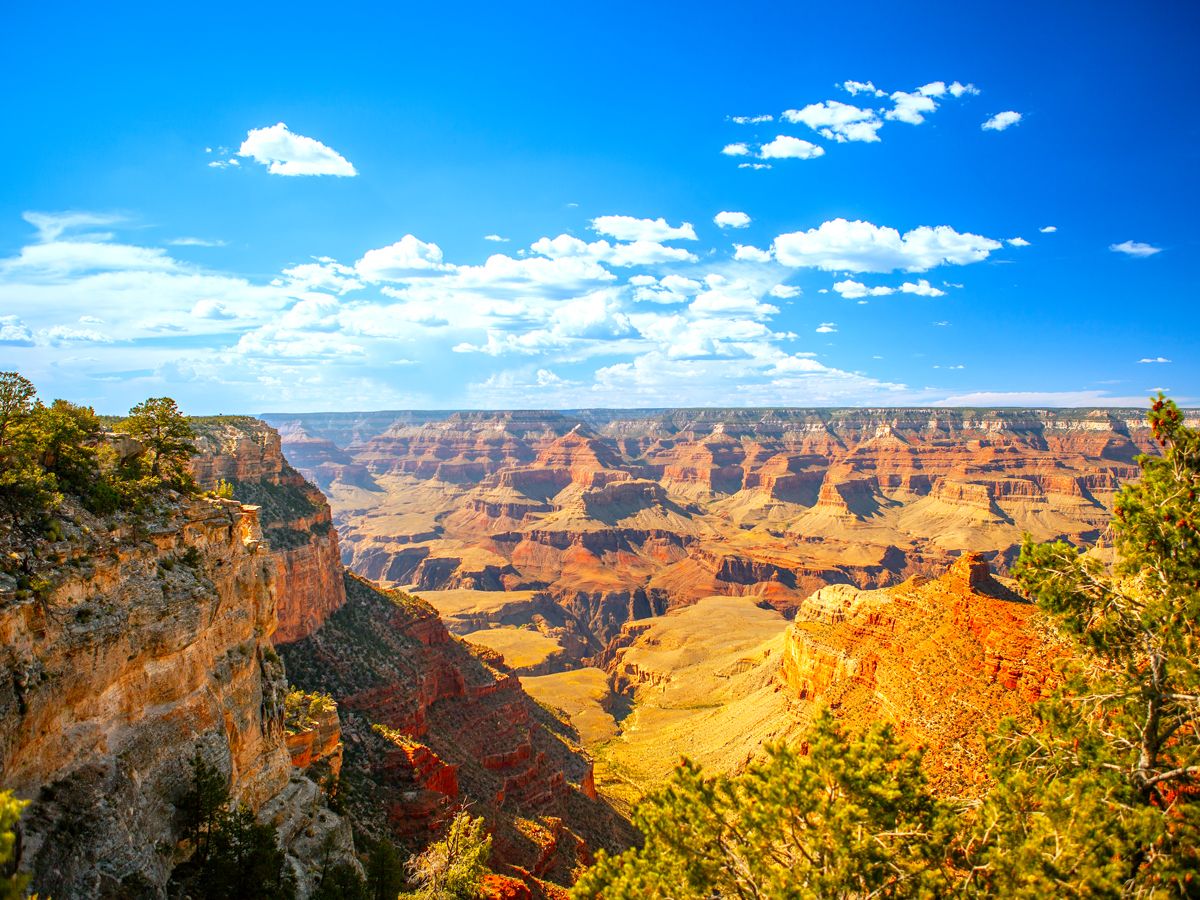
What landmark could we choose other than the one that lends Arizona its state nickname? The Grand Canyon — one of the Seven Natural Wonders of the World — measures 278 miles long, 18 miles across at the widest point, and descends a mile from the upper rim down to the Colorado River at its nadir. Archaeological findings suggest the region was inhabited as far back as 12,000 years ago, though it wasn’t until 1869 that the canyon became widely known thanks to a geological expedition by John Wesley Powell. The Grand Canyon was declared a national park in 1919, and today it welcomes close to 5 million annual visitors.
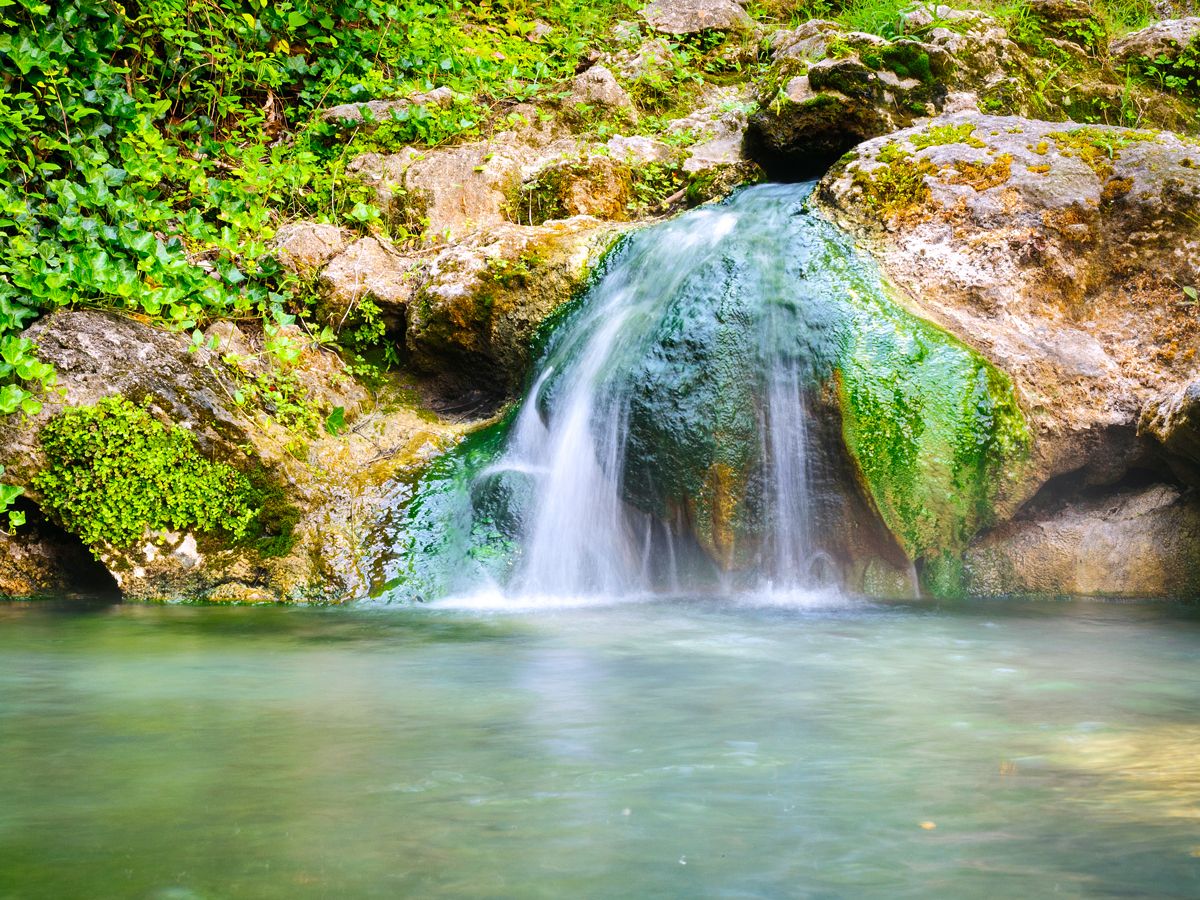
In the late 19th century, Arkansans began flocking to Bathhouse Row to take a dip in the relaxing baths containing natural spring water, which was purported to have healing properties. Today, there are eight bathhouse buildings that remain, dating from 1892 to 1923, including Buckstaff Bathhouse, which has been an active bathhouse since 1912. In 1921, Hot Springs was designated a national park, and it now attracts upwards of 2 million visitors annually.
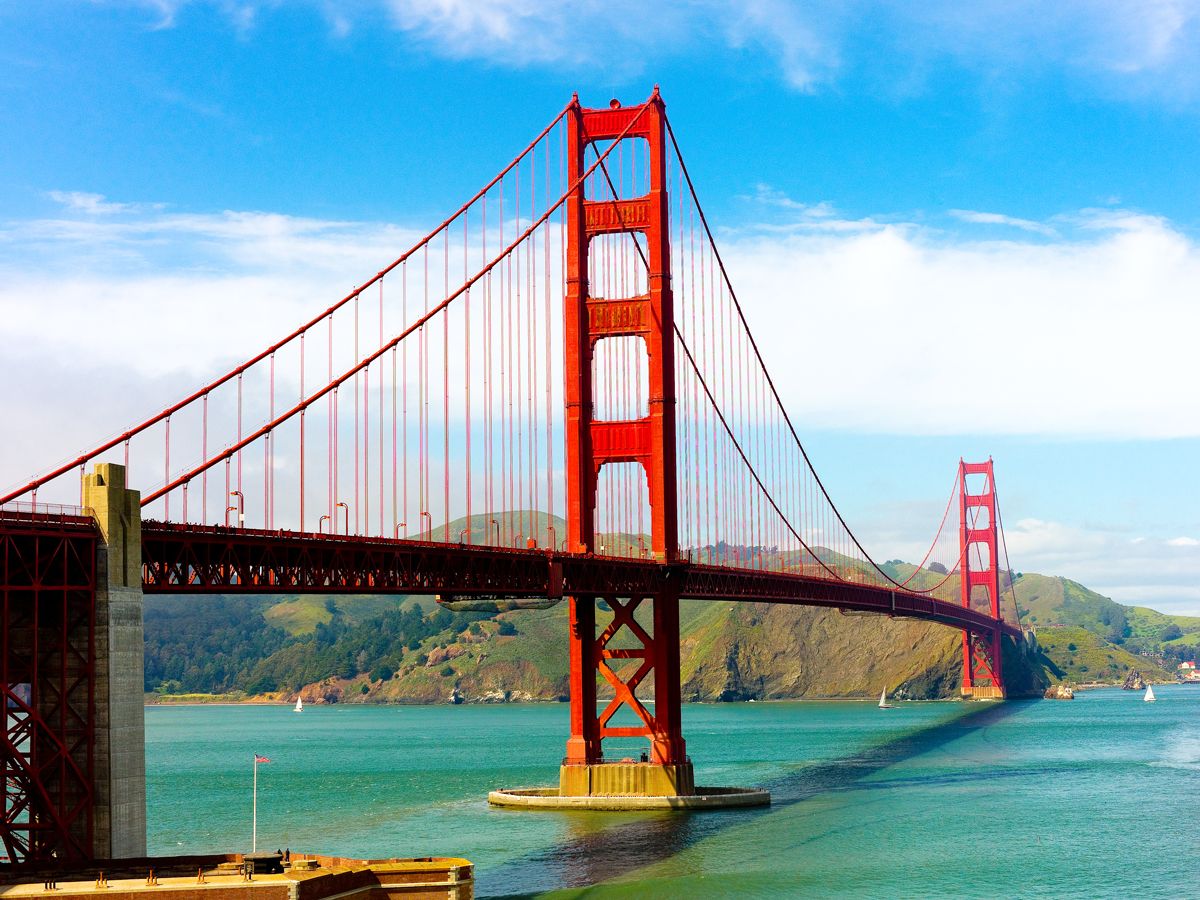
Among California’s many recognizable landmarks, the Golden Gate Bridge is arguably the most famous. More than 2.2 billion vehicles have traversed it since the bridge first opened on May 28, 1937. Connecting the city of San Francisco with Marin County to the north, the bridge was named for the Golden Gate Strait over which it spans. Its distinctive color has an official name: “International Orange.” The color was chosen because it blended better with the surrounding landscape than black and gray, but contrasted enough with the ocean and sky to ensure visibility for passing ships.
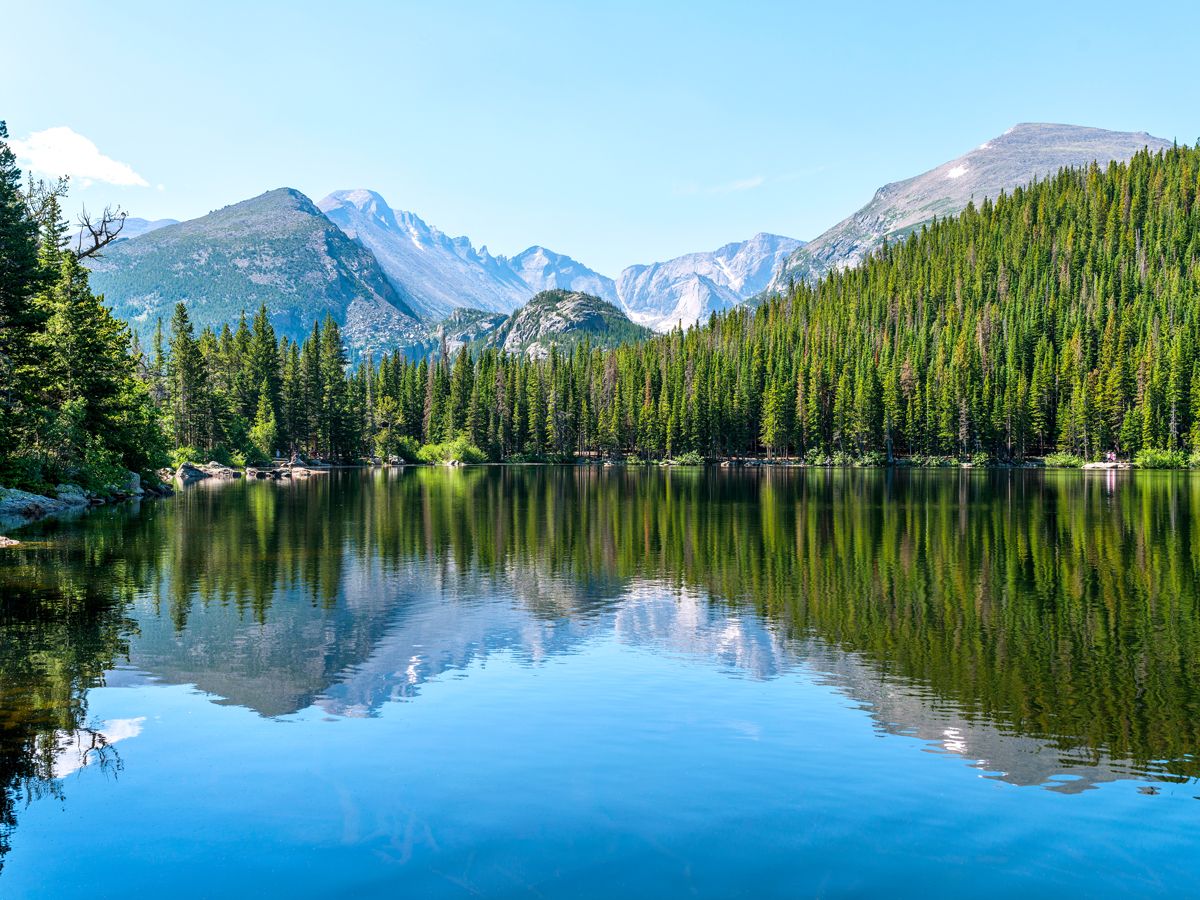
Where else would Rocky Mountain National Park be located than in the Rocky Mountain State? This 415-square-mile expanse northwest of Denver was declared a national park in 1915; today over 4.5 million parkgoers visit each year. There are more than 60 mountains throughout the park with peaks above 12,000 feet, the highest of which is Longs Peak (14,259 feet). John Wesley Powell — the first person on record to climb Longs Peak in 1868 — is the same man who helped popularize the Grand Canyon in 1869.
Connecticut – Mark Twain House and Museum
Credit: Walter Bibikow/ The Image Bank Unreleased via Getty Images
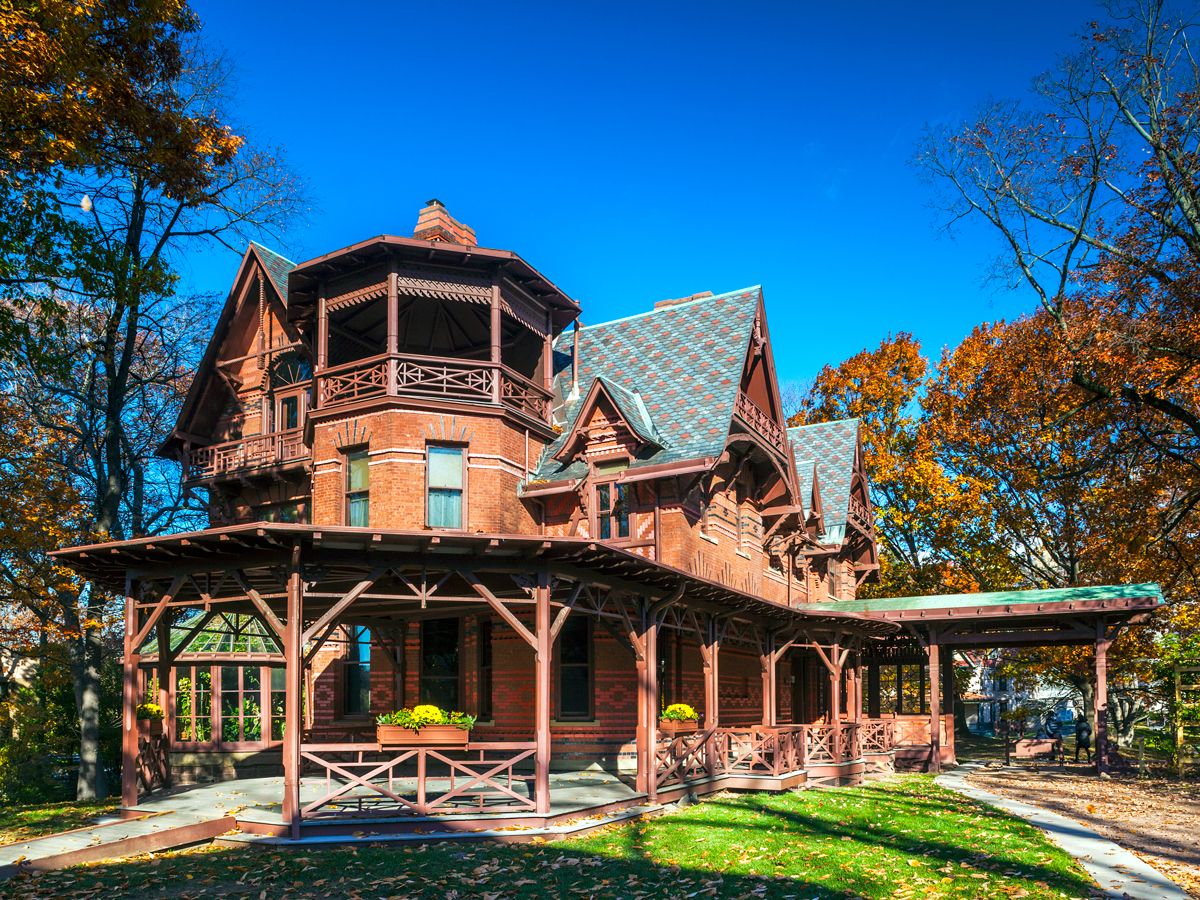
From 1874 to 1891, beloved American author Mark Twain called the city of Hartford, Connecticut, home. His restored house still stands today, welcoming visitors to explore the place where Twain and his family lived and where he wrote many of his most famous works, including Adventures of Huckleberry Finn and A Connecticut Yankee in King Arthur’s Court. The house was designated a National Historic Landmark in 1963, and an accompanying museum opened in 2003.
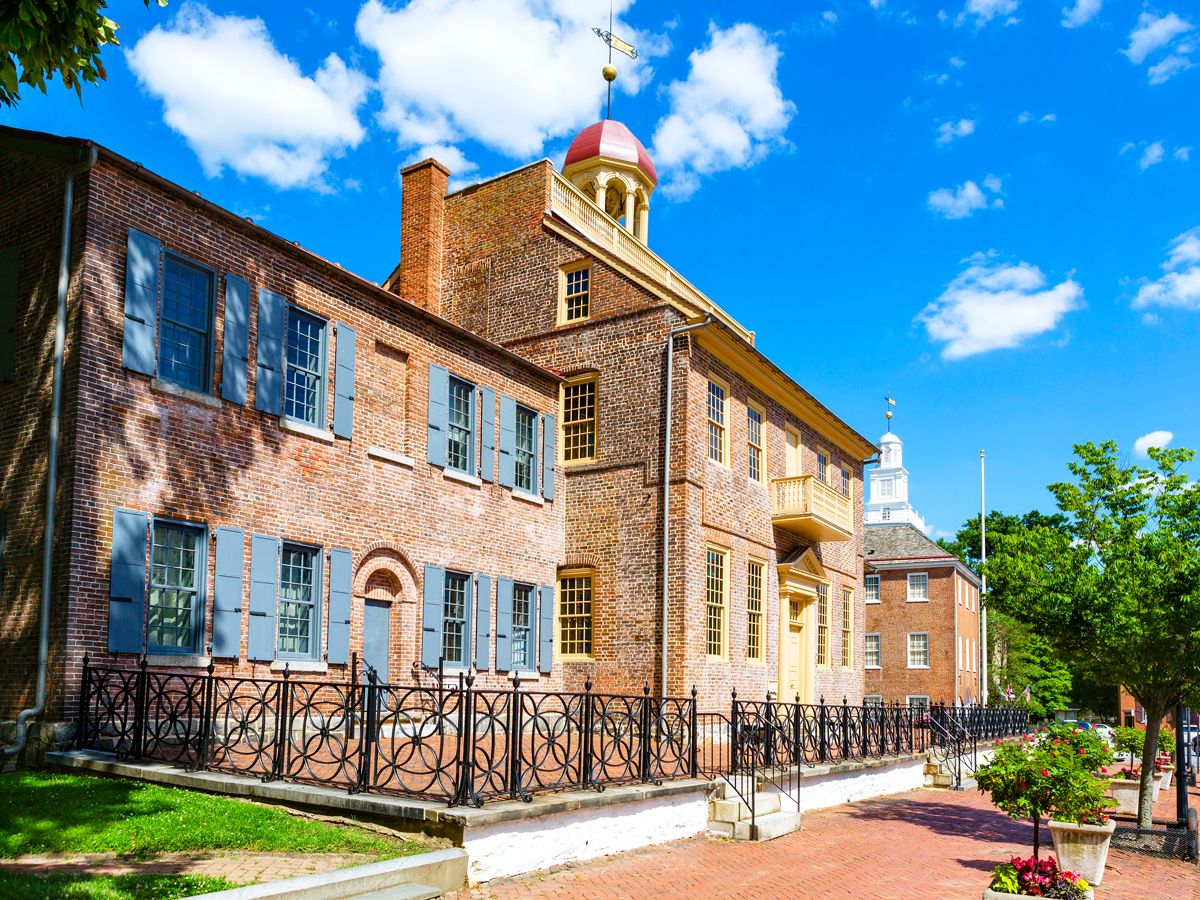
Originally settled by the Dutch in the 1650s, New Castle’s federally recognized historic district offers a fascinating glimpse into the early years of America’s first state. Here, you’ll find centuries-old buildings such as Old New Castle Courthouse, which acted as Delaware’s seat of government until 1777, and the Dutch House, a 1690 residence that’s among the oldest buildings in the state.
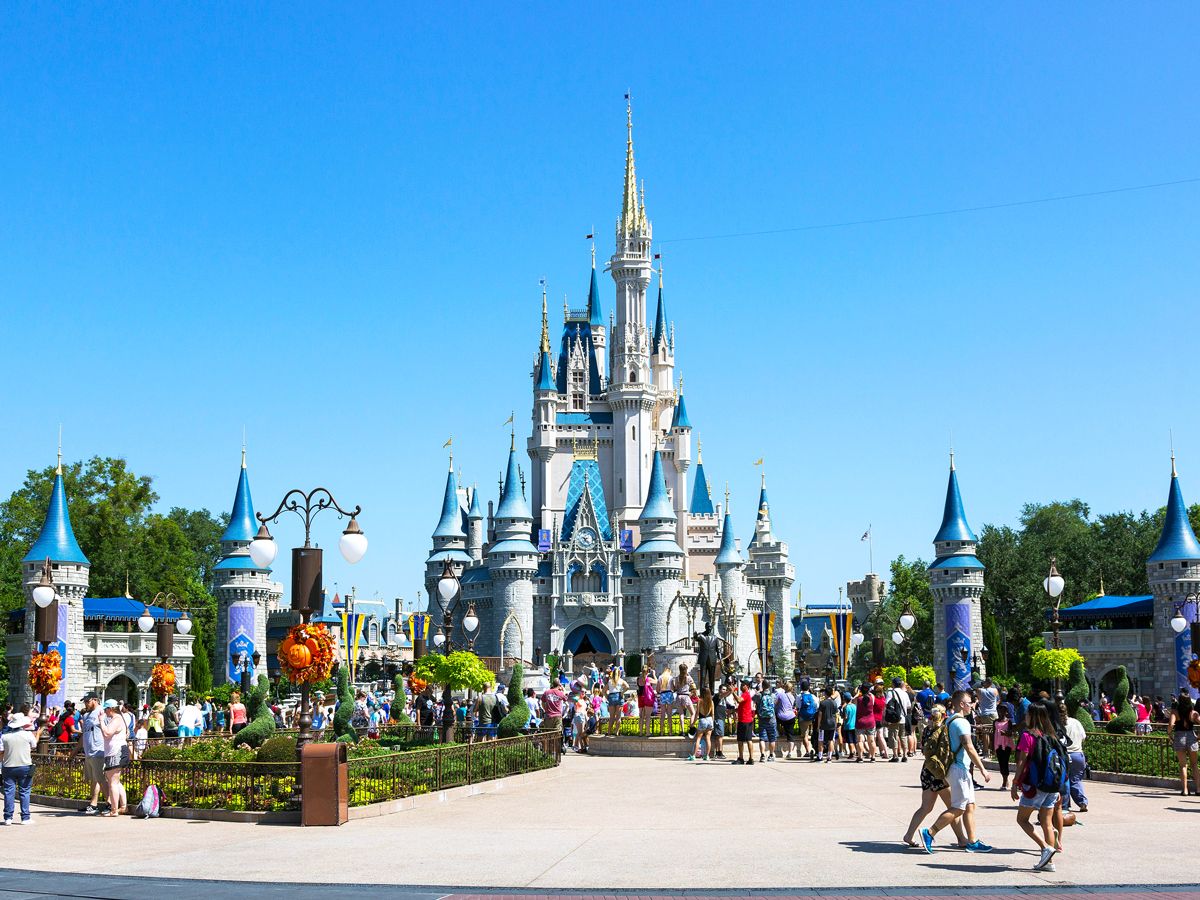
The “Most Magical Place on Earth” also happens to be the most iconic landmark in the Sunshine State. Walt Disney World first opened its doors on October 1, 1971, and the park was an instant hit. Its majestic centerpiece, Cinderella Castle, stands 189 feet tall and is based on a real Bavarian castle called Neuschwanstein. These days, Disney’s Magic Kingdom Theme Park at Walt Disney World is the world’s most-visited theme park, with an estimated 17.25 million guests entering the gates in 2023 alone.
Credit: Avalon/ Universal Images Group via Getty Images
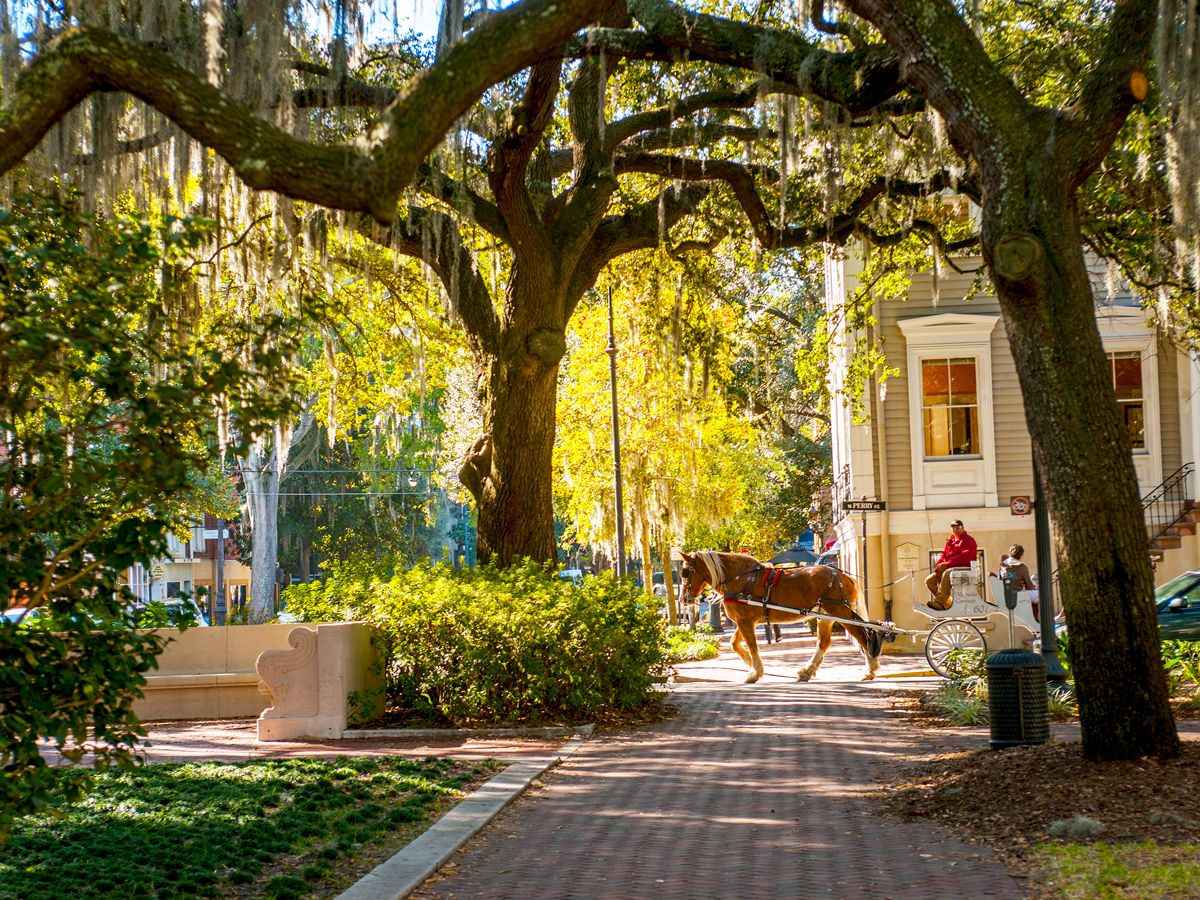
The Savannah Historic District blends colorful architecture, famous forts, and rich culture over the course of 23 gorgeous city blocks. This district’s gridlike layout dates to 1733, when James Oglethorpe planned the Georgia colony. Many of the district’s historic homes date to the 18th and 19th centuries, helping Savannah earn its designation as a National Historic Landmark District in 1966. Popular attractions throughout the district include the bustling City Market and the 26-acre Forsyth Park, the latter of which contains an oft-photographed fountain dating to 1858.
Pearl Harbor National Memorial commemorates the devastating attack on the U.S. military base that occurred on December 7, 1941, an event that led to America officially joining World War II. Today, the memorial serves as a somber reminder of those who made the ultimate sacrifice. Located in Honolulu on the island of Oahu, the memorial welcomes over 2 million visitors each year, making it the most-visited attraction on the Hawaiian islands. The most popular tour takes visitors on a quick boat ride to the USS Arizona Memorial, a gleaming white concrete-and-steel structure built atop the sunken battleship.
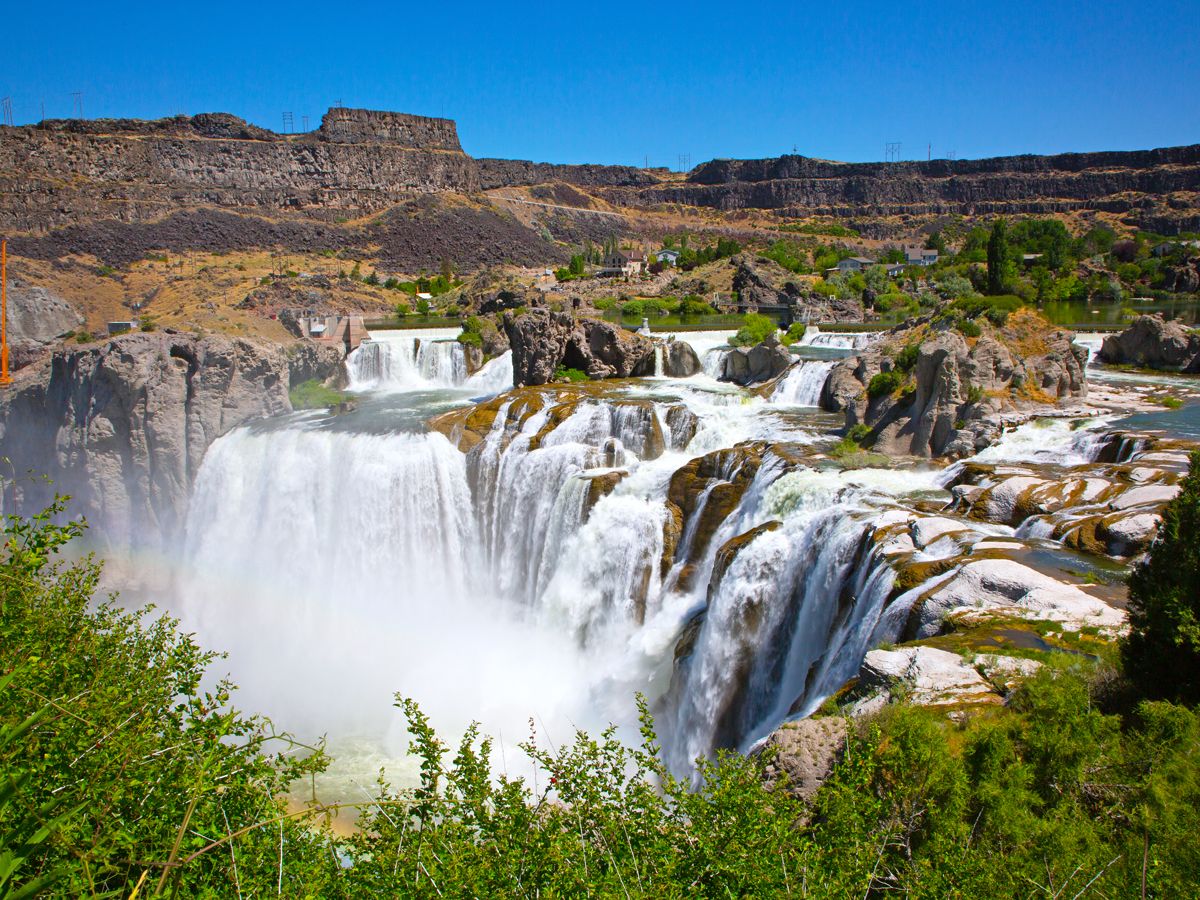
Shoshone Falls is often called the “Niagara of the West,” but at 212 feet tall and 900 feet wide, the falls are actually higher than Niagara Falls. Located about a two-hour drive southeast of Boise, the falls are named for the Indigenous Shoshone peoples who inhabited the region long before European settlers arrived. Many consider the spring and early summer to be the best time to visit, as water flows are highest due to snowmelt from the surrounding area.
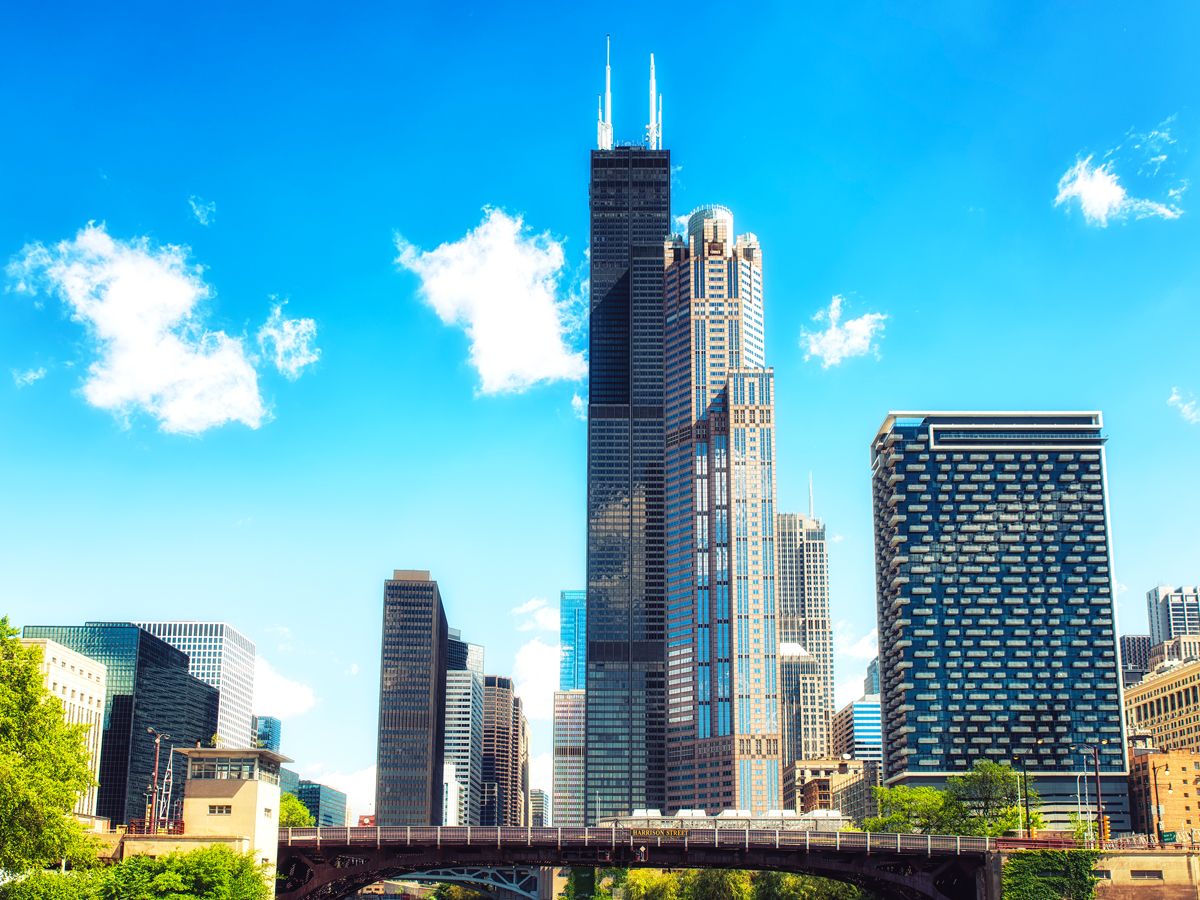
The Willis Tower, formerly known as the Sears Tower, rises above Chicago’s iconic skyline. This 1,450-foot-tall structure, completed in 1973, was once the world’s tallest building, before eventually losing the title to Malaysia’s Petronas Twin Towers in 1996. Even still, Willis Tower remains the 12th-tallest building in the world, and the third-tallest in North America. The Skydeck observation area on the 103rd floor offers unobstructed views of the Windy City and Lake Michigan — and as far away as Indiana, Wisconsin, and Michigan on a clear day.
Indianapolis Motor Speedway is home to the Indianapolis 500, one of the most prestigious events in racing. The 2.5-mile racetrack was built in 1909 and hosted the first Indy 500 in 1911. Its official seating capacity is 235,000, making it the world’s largest stadium by its overall permanent capacity, according to Guinness World Records. The 250-acre site also features a museum dedicated to racing.
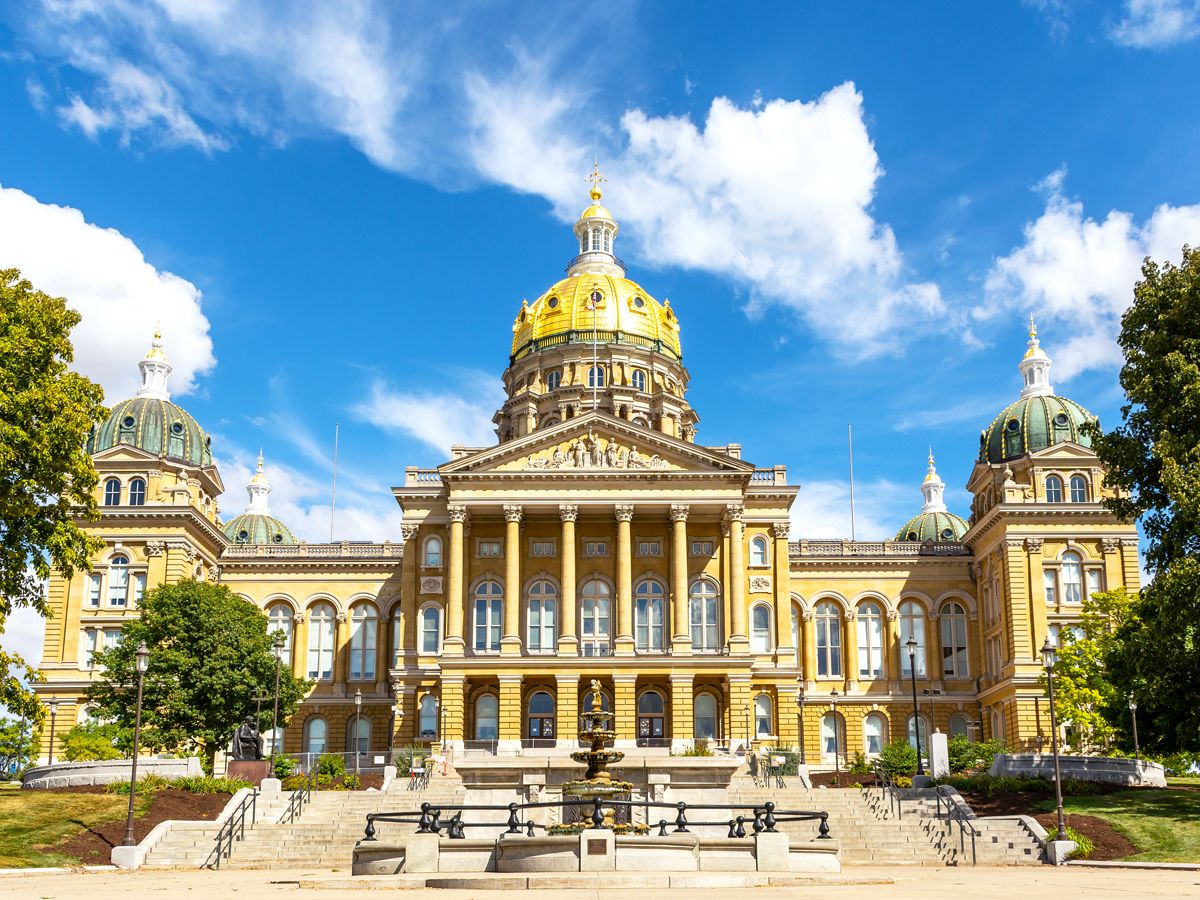
The Iowa State Capitol in Des Moines is unique for being the only U.S. Capitol building with five domes. Its largest dome is gilded with a layer of 23.75-karat gold, which has been reapplied five times during the building’s existence. The building stands 275 feet tall and covers 330,000 square feet of floor space, with 109 rooms inside. There are several memorials located on the Capitol grounds as well, including one dedicated to the Iowans who fought in the Civil War, plus a statue dedicated to Abraham Lincoln and his son.
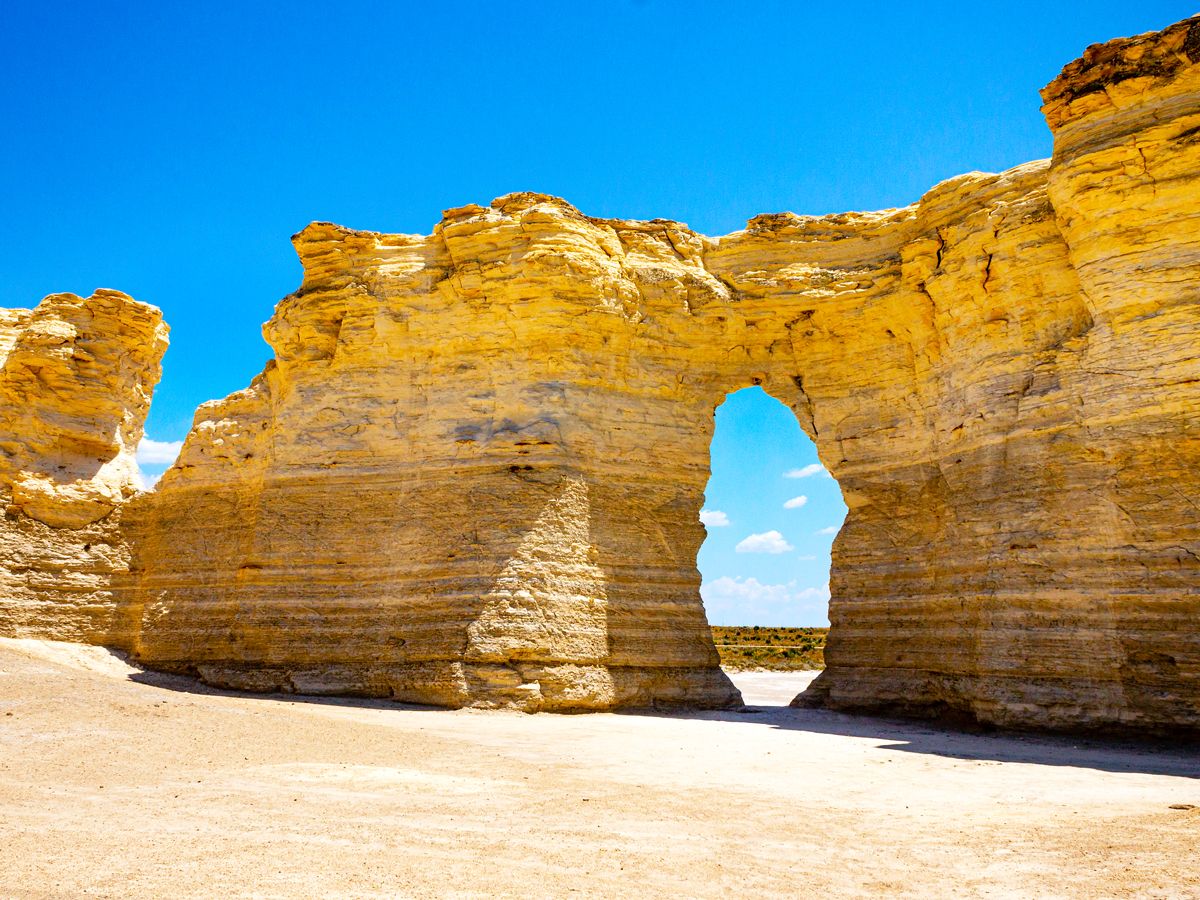
In 1968, the Monument Rocks were designated the first National Natural Landmark in Kansas. The curious chalk formations are located on private property between Scott City and Oakley, though the property owners allow any visitors to come and bask in their glory. The rocks — which tower 50 feet above the ground and descend 300 feet into the earth below — are believed to have formed in the late Cretaceous Period some 66 million to 100 million years ago.
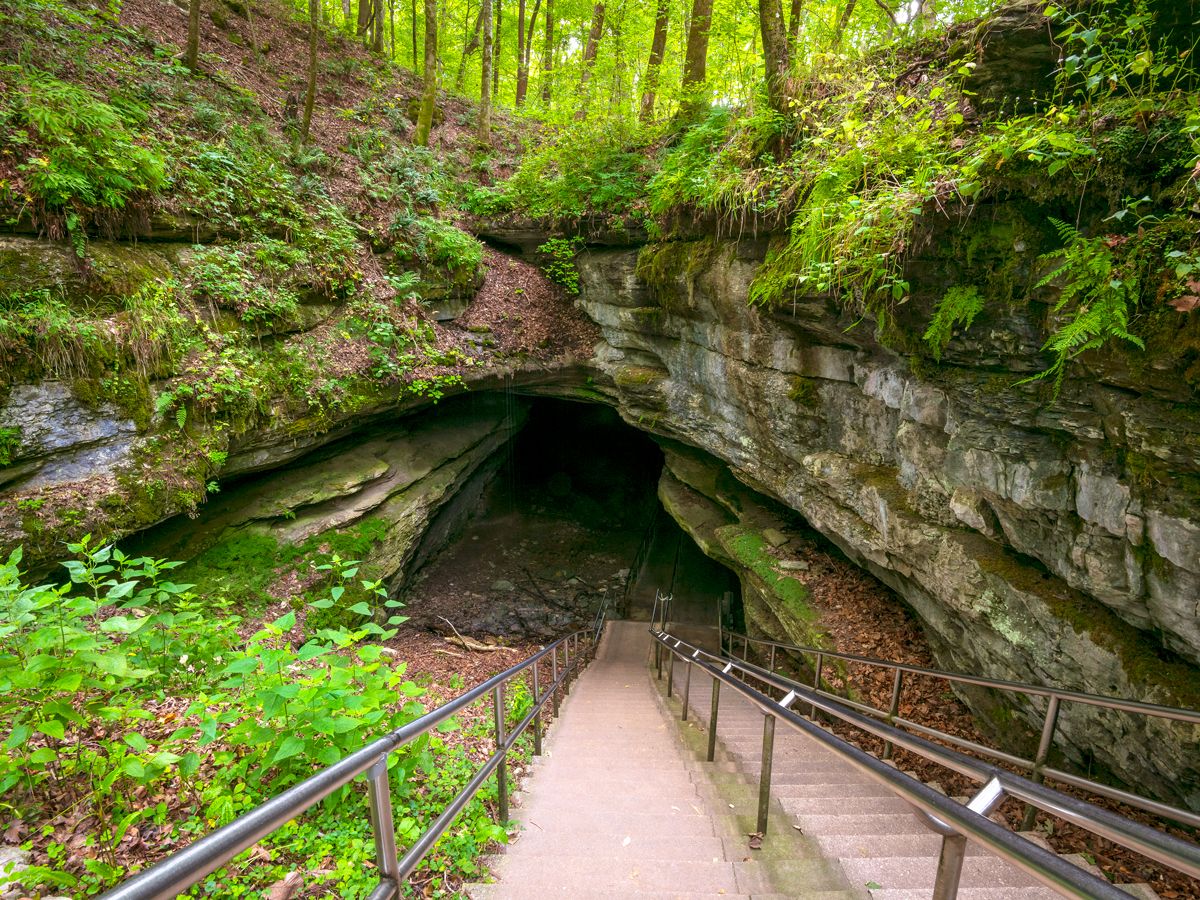
Mammoth Cave National Park is not only Kentucky’s sole national park, but also the world’s longest known cave system, with over 400 miles explored to date. Much of the cave was originally explored by a formerly enslaved person named Stephen Bishop, whose legacy is celebrated throughout the park. Today, visitors can explore roughly 10 miles of the cave system on daily guided tours. Mammoth Cave and portions of the surrounding area were designated a national park in 1941 and a UNESCO World Heritage Site in 1981.
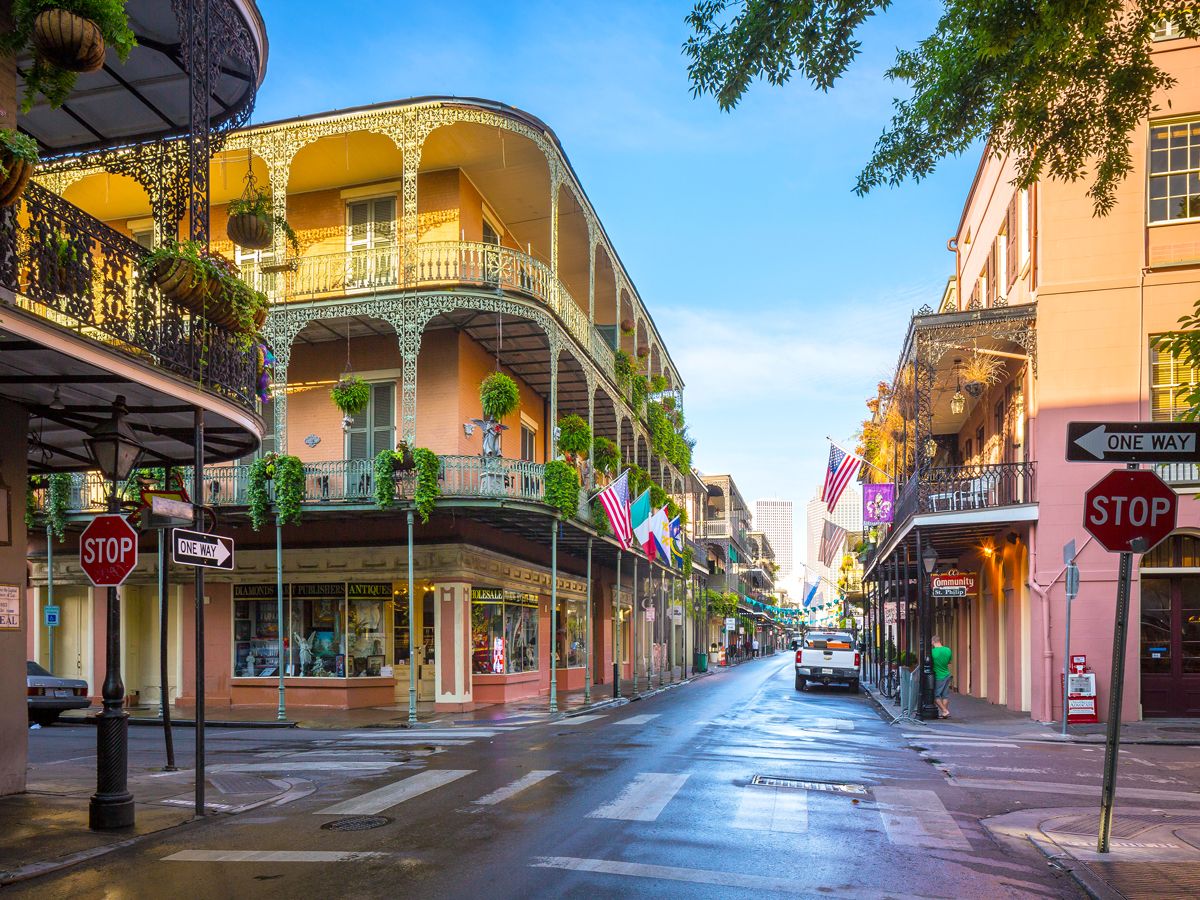
Jean Baptiste Le Moyne de Bienville founded the city of New Orleans in 1718. The original grid layout later became known as Vieux Carré or the Old Square — today, it’s more commonly known as the French Quarter. One of the top 10 most-visited tourist destinations in the U.S., the French Quarter is home to lively Bourbon Street, stunning Jackson Square (which contains the 19th-century St. Louis Cathedral), and many opulent townhouses dating to the 18th and 19th centuries.
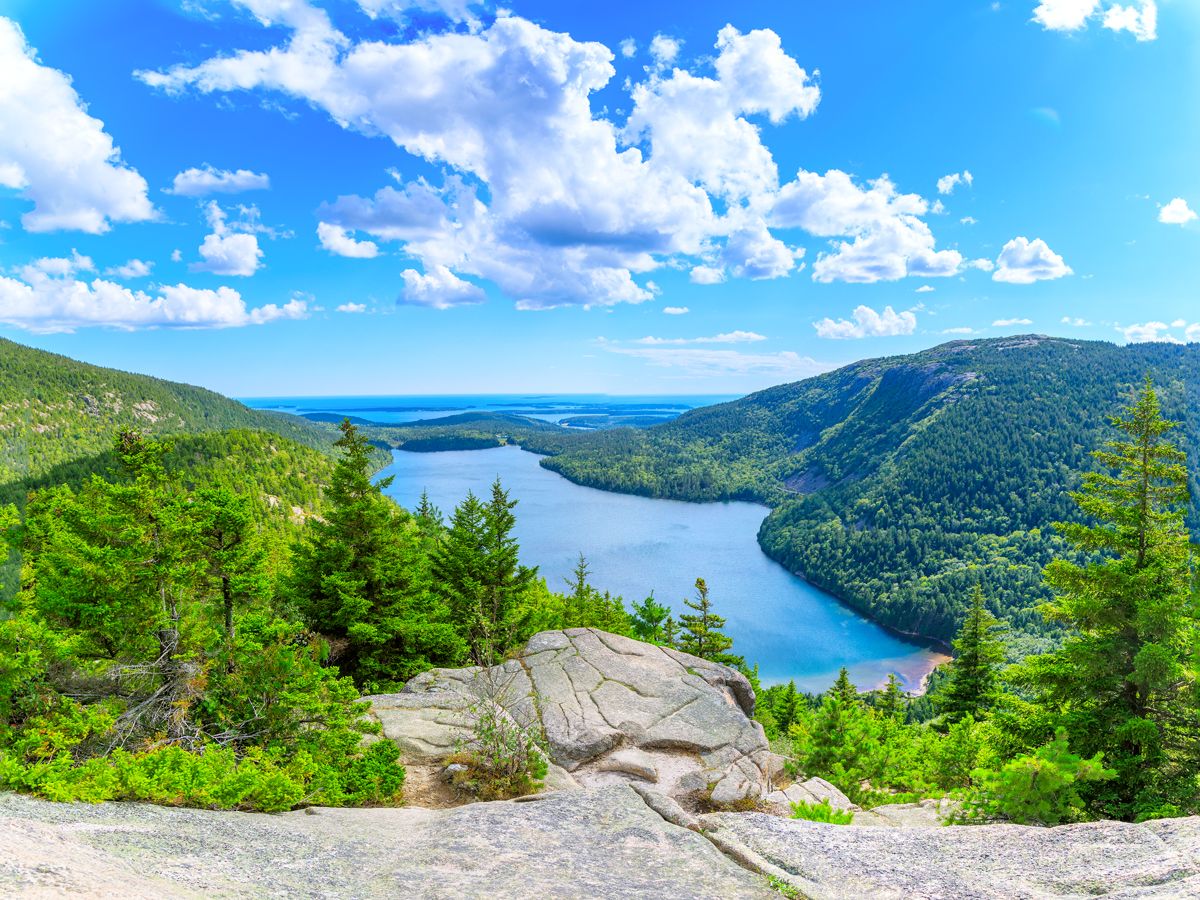
The first national park established east of the Mississippi River, Acadia National Park is located just outside the charming town of Bar Harbor on Maine’s rugged Atlantic coast. Spanning more than 47,000 acres, Acadia became a national park on January 19, 1929. Today, it attracts over 4 million visitors annually, many of whom drive up to Cadillac Mountain to catch the first sunrise of the day in the U.S., which occurs between October 7 and March 6 (during other times of year, the first sunrise happens on Mars Hill or at West Quoddy Head). The peak has an elevation of 1,530 feet, making it the tallest mountain on the Eastern Seaboard.
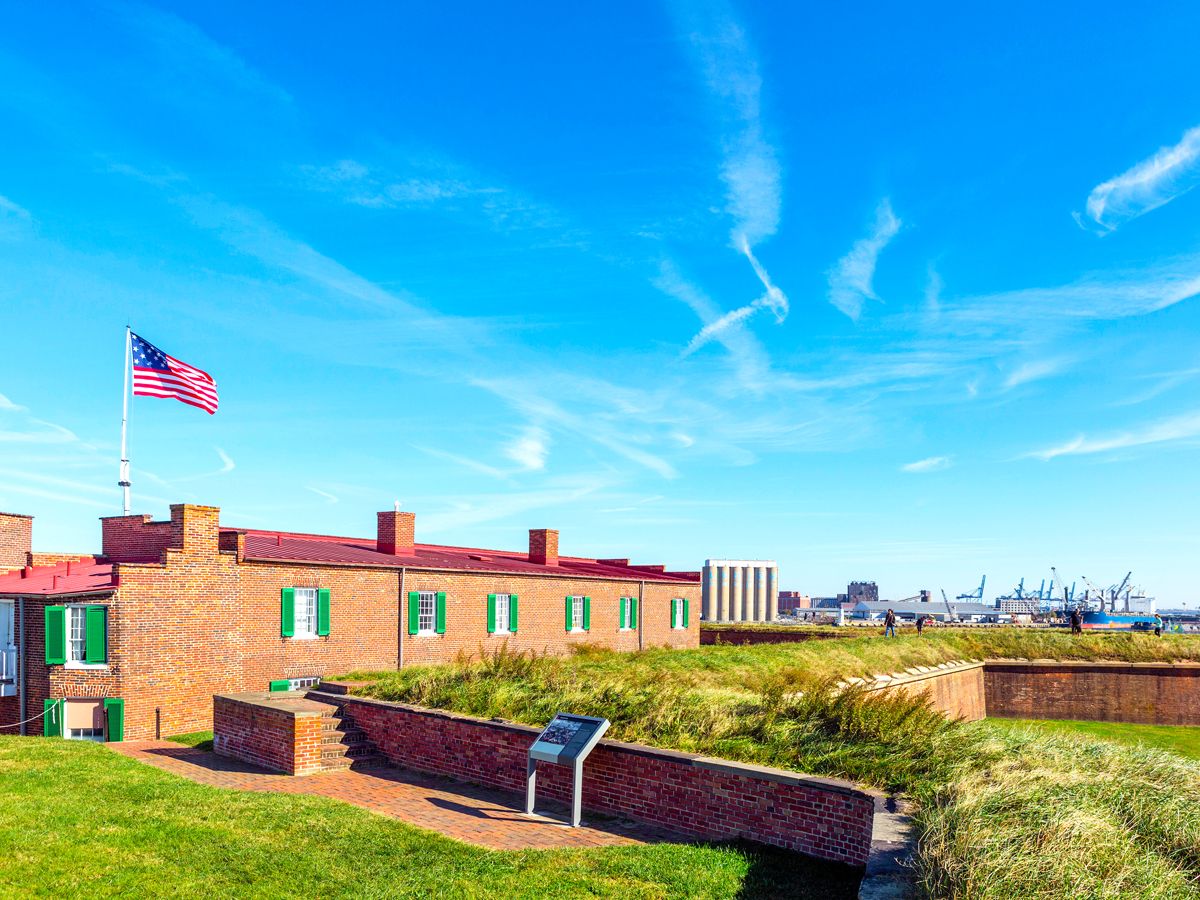
Fort McHenry played a key defensive role during the Battle of Baltimore, which occurred from September 13 to 14, 1814. The valiant effort of the troops at Fort McHenry inspired Francis Scott Key to write the lyrics to “The Star-Spangled Banner,” which later became the national anthem. Today, Fort McHenry National Monument honors and chronicles those important events in the nation’s history. The site covers over 43 acres and includes the fort itself, two memorial tree groves, and more than 16,000 historical artifacts.
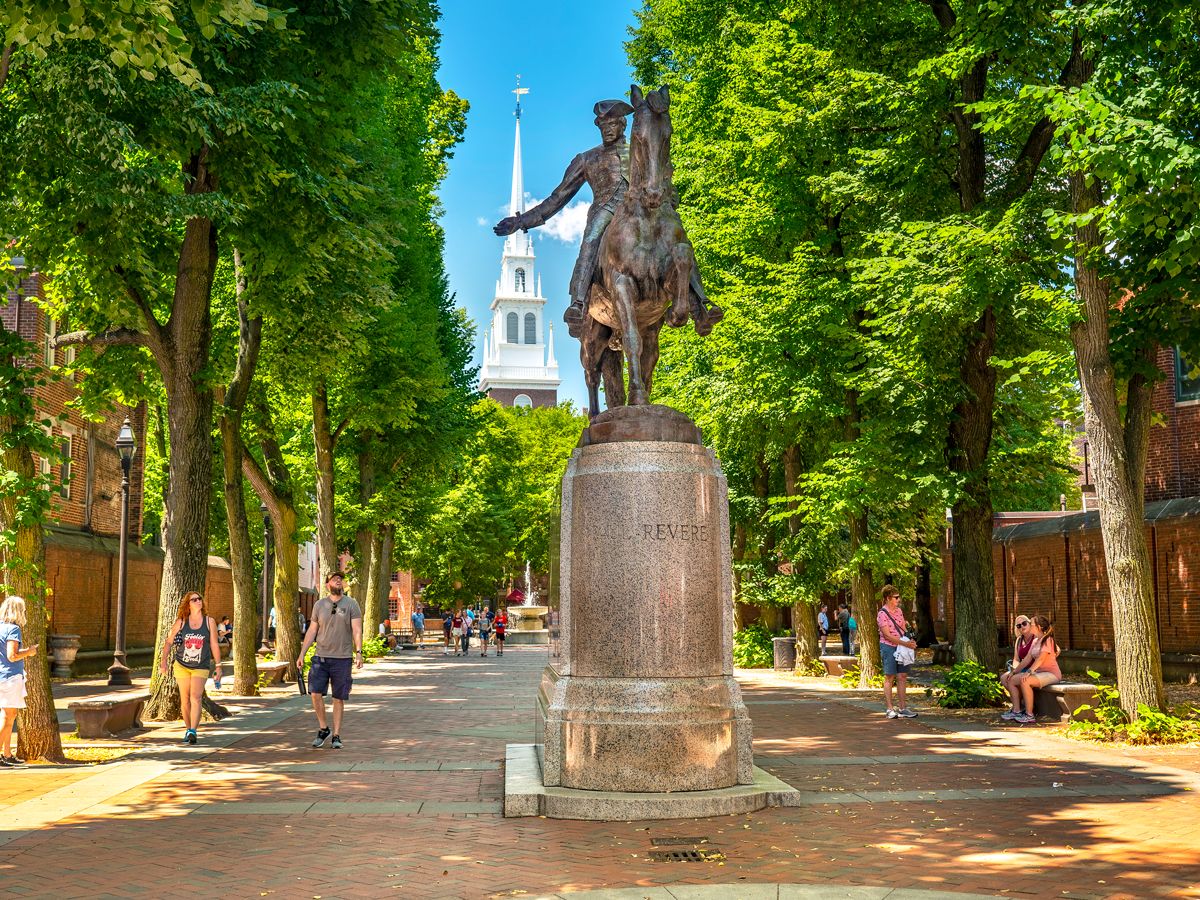
The Freedom Trail winds for 2.5 miles through 16 significant sites related to early American history. One of these sites is Boston Common — America’s oldest public park, which was established in 1634. There’s also the Old State House, which dates to 1713 and is the oldest building in Boston. Another important stop along the trail is the Granary Burying Ground, which contains the resting places of Samuel Adams, John Hancock, Crispus Attacks, and other notable early Americans.
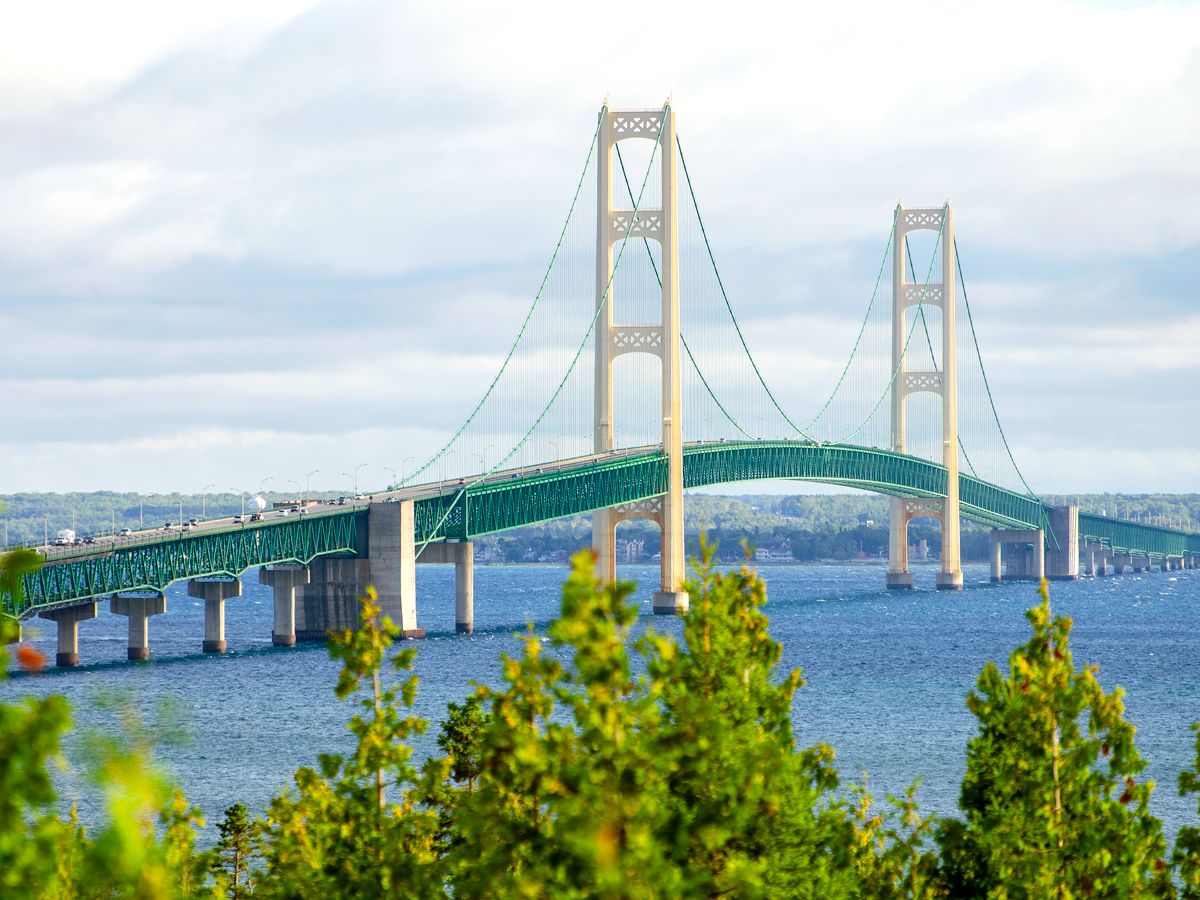
Located at the northern tip of Michigan’s “glove,” the Mackinac Bridge connects the state’s Lower and Upper Peninsulas. Opened in 1957, the bridge spans the Straits of Mackinac, which connect Lake Huron and Lake Michigan, two of the five Great Lakes. “Mighty Mac,” as it’s known by locals, has a total suspended length of 12,826 feet, making it the longest suspension bridge in the Western Hemisphere and seventh-longest in the world. The bridge’s total length is 26,372 feet, and 5 million vehicles cross it annually.
Though the Cathedral of St. Paul and the Minneapolis Sculpture Garden were contenders, we had to go with the largest mall in the nation as Minnesota’s most iconic landmark. The Mall of America sits on the former site of Metropolitan Stadium in Bloomington, which once served as the home of baseball’s Minnesota Twins and football’s Minnesota Vikings. The mall opened on August 11, 1992, and now welcomes around 32 million people each year, generating $2 billion in economic impact for the state. It contains over 5 million square feet of retail space with more than 500 stores, as well as an indoor theme park.
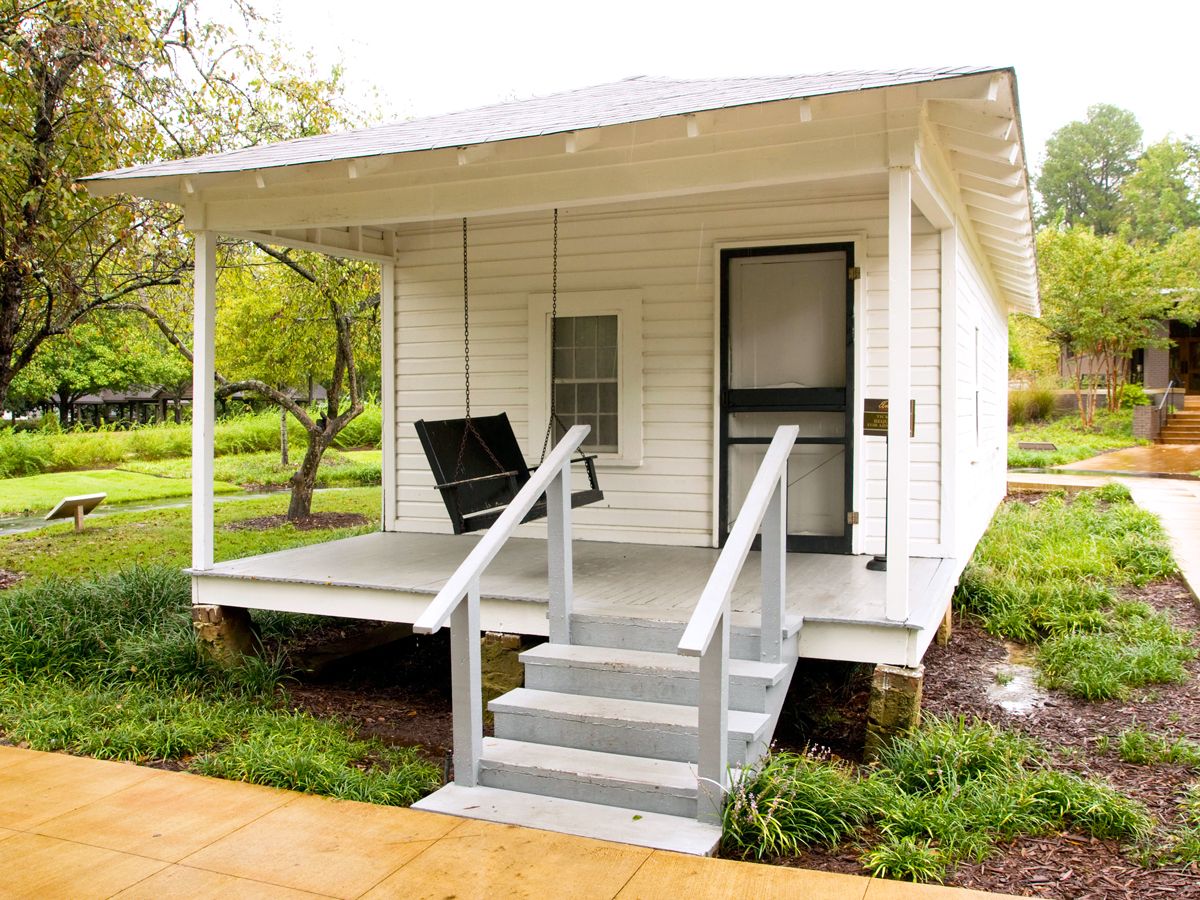
The “King of Rock and Roll” was born on January 8, 1935, in Tupelo, Mississippi. Today, the Elvis Presley Birthplace honors the legendary singer’s life and legacy. It contains the two-room house where Elvis was born, as well as the church that Elvis and his family once attended. The landmark is part of the larger Mississippi Blues Trail, which includes other notable sites such as B.B. King’s birthplace in Berclair and Robert Johnson’s birthplace in Hazelhurst.
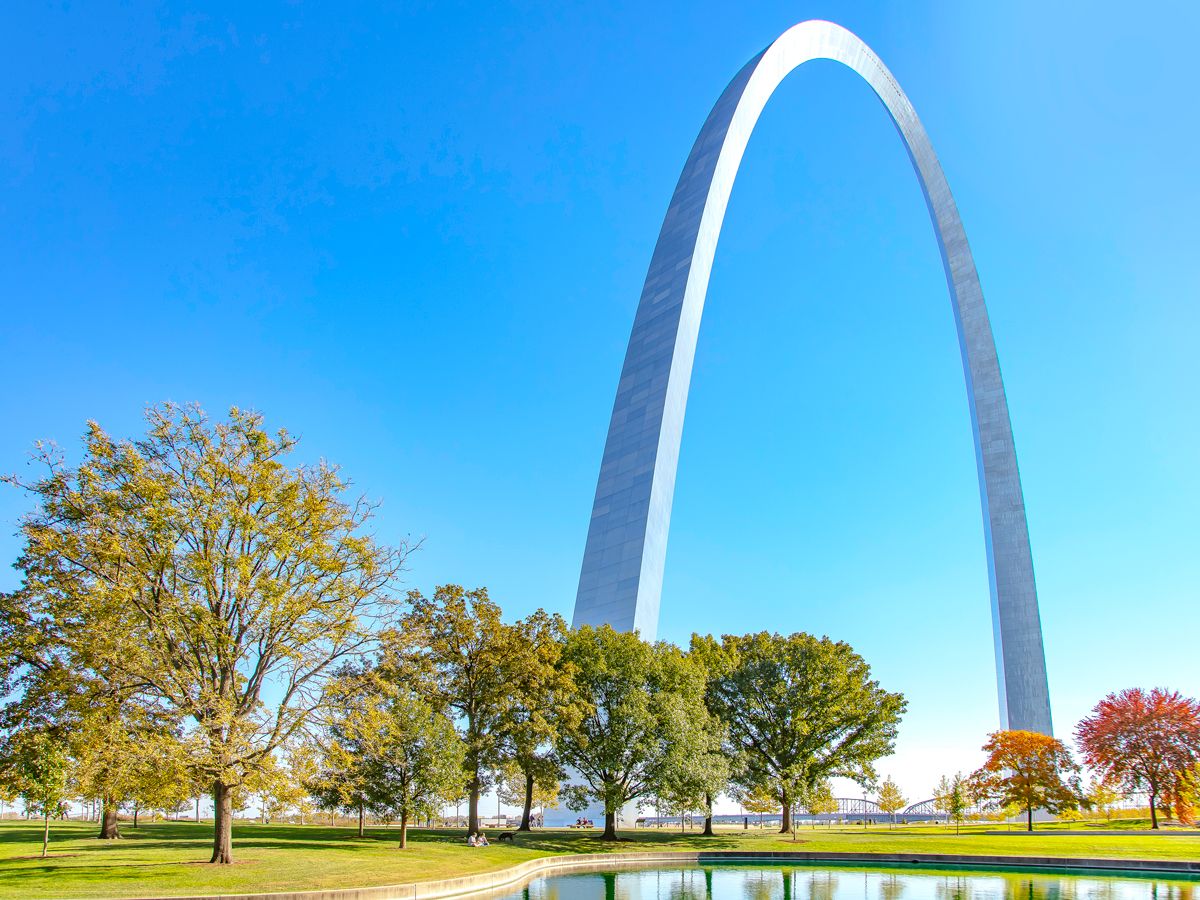
Since opening in 1965, the 630-foot-tall Gateway Arch has been the tallest monument of any kind in the United States. The sweeping, stainless steel arch commemorates Thomas Jefferson’s vision for westward expansion and was designed by legendary Finnish American architect Eero Saarinen. The Gateway Arch and the surrounding landscape were rededicated as a national park on February 22, 2018. Covering 91 acres of land, it is currently America’s smallest national park.
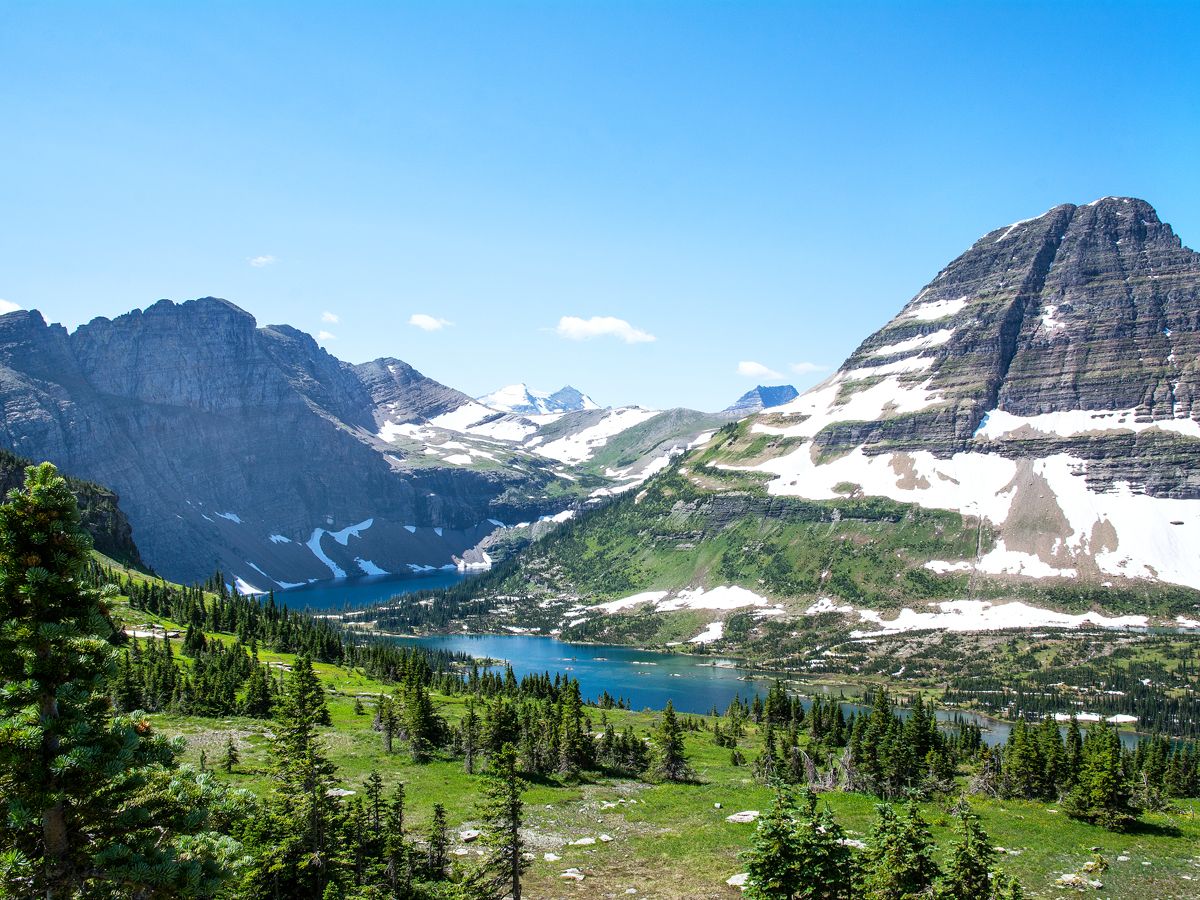
Montana is a state famous for its breathtaking landscapes, and nowhere is that more evident than in Glacier National Park, located in northern Montana along the border of Alberta, Canada. Established back in 1910, the park is home to 26 glaciers today, though, sadly, that number continues to decline due to climate change. The tallest of the park’s 175 peaks is Mount Cleveland, which sits at 10,448 feet above sea level. The most popular drive through the park is Going-to-the-Sun Road, which passes along the Continental Divide.
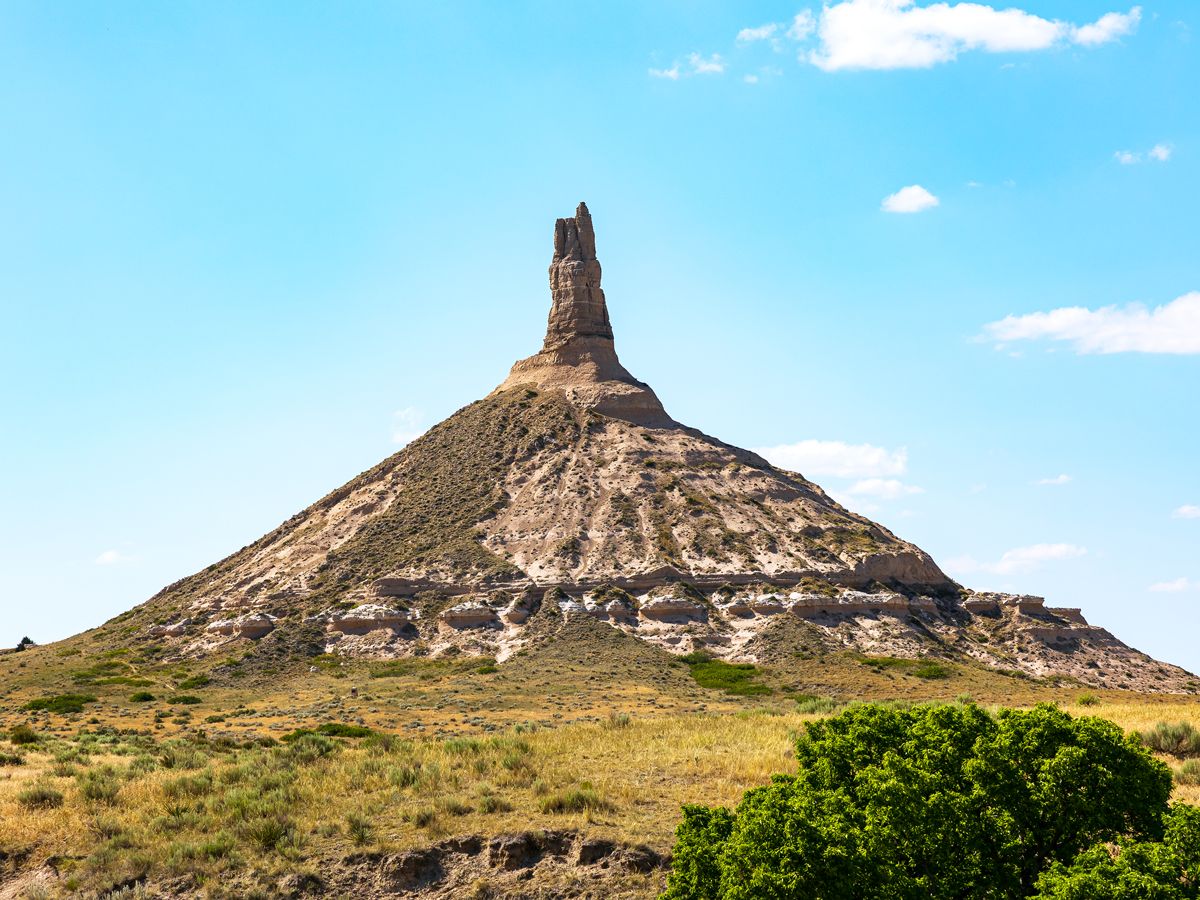
Nebraska’s most iconic landmark has long been a marker on the Midwestern horizon. Chimney Rock is estimated to be 325 feet tall from its tip to its base, with the spire itself measuring around 120 feet. The rock formation dates to the Oligocene Age, an estimated 23 million to 33.9 million years ago. It became famous during the 19th century as settlers emigrated west on the Oregon Trail, though the area’s Indigenous peoples considered it a sacred site long before that. Chimney Rock was declared a National Historic Site in 1956.
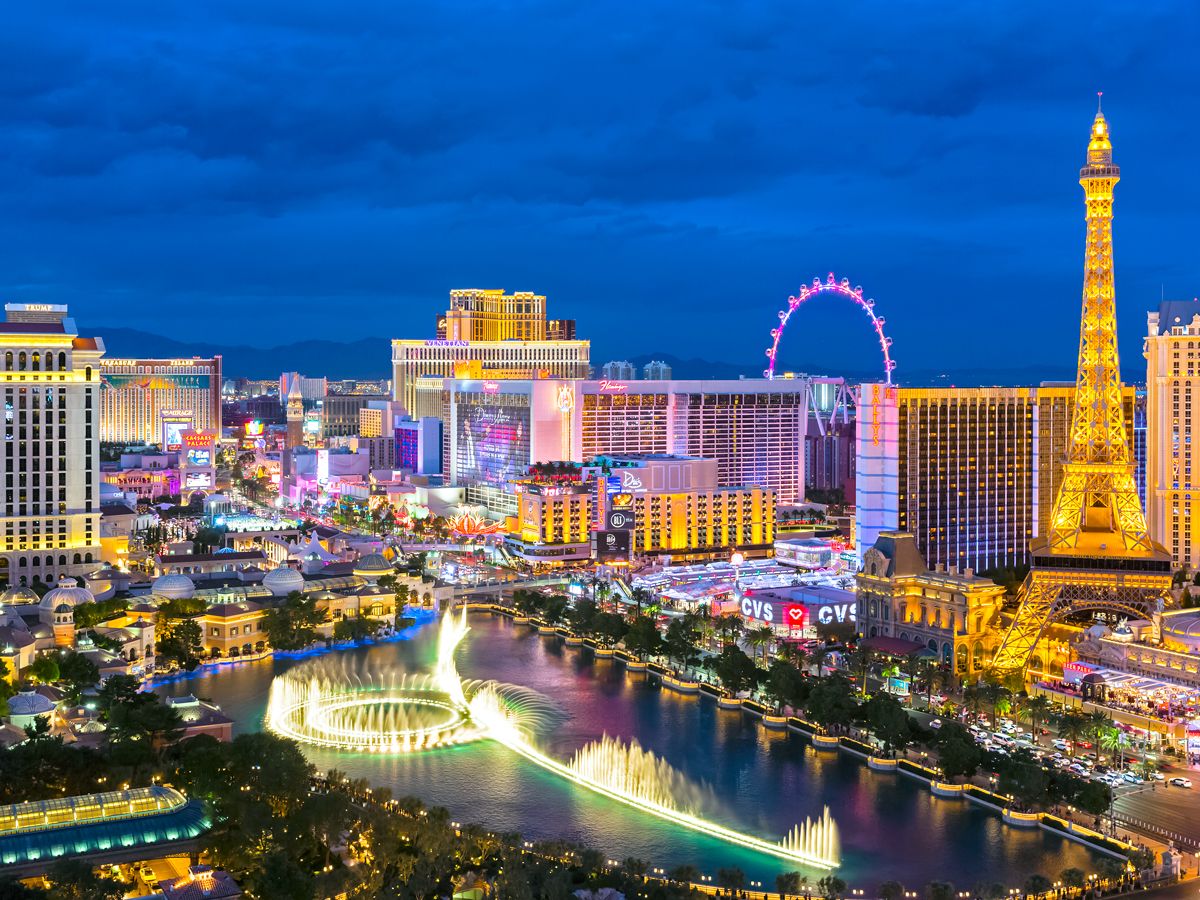
Though it’s commonly associated with Sin City, the Las Vegas Strip is technically located in the adjacent city of Paradise. Nonetheless, visitors from all over the world are drawn to the iconic Strip, marked by the famous “Welcome to Fabulous Las Vegas Nevada” sign, designed by commercial artist Betty Willis in 1959. The Strip extends approximately 4 miles and contains many legendary Vegas institutions, from Caesars Palace to the MGM Grand and the Bellagio. The latter is known for its opulent fountain show that shoots water as high as 460 feet into the air.
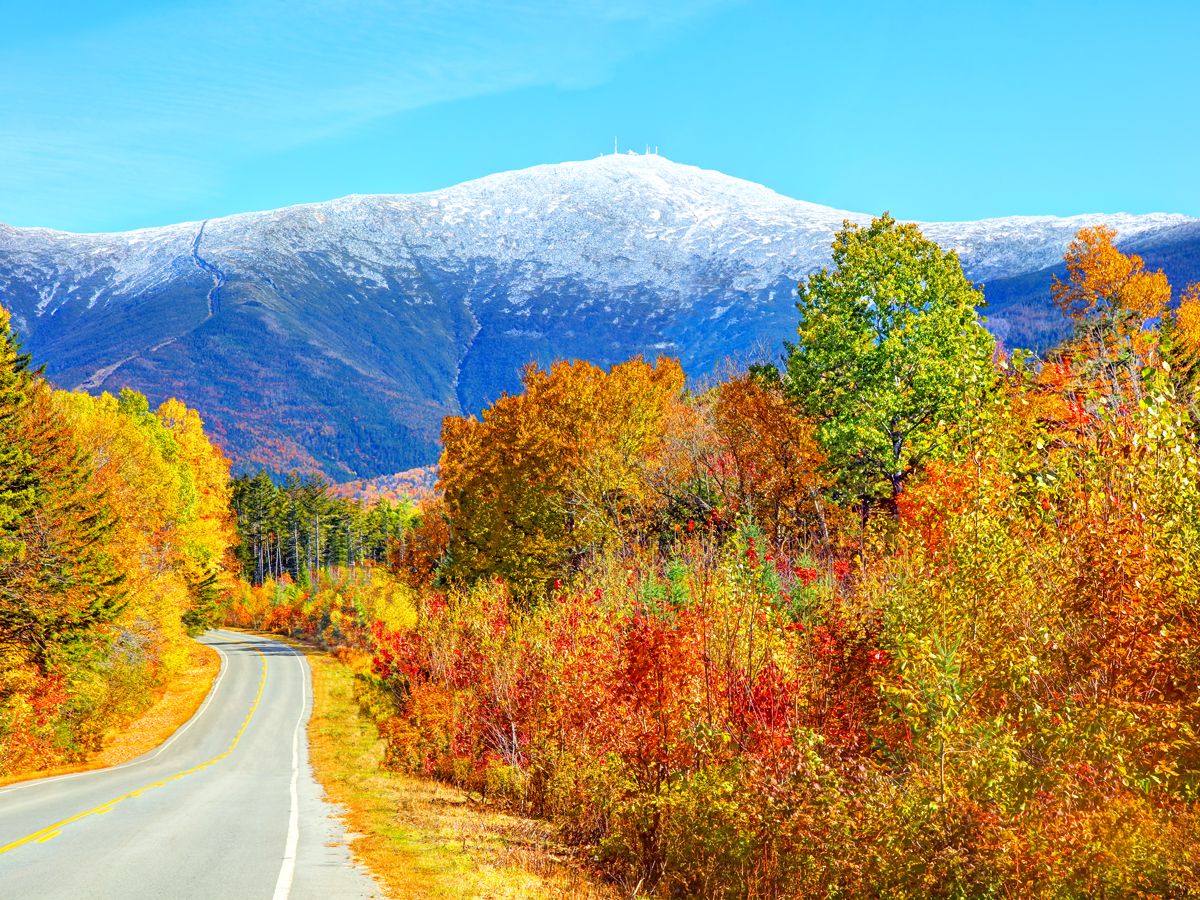
At 6,288 feet, Mount Washington is the highest peak in the northeastern United States. It’s located in northern New Hampshire, roughly 2.5 hours by car from the capital of Concord. Back in April 1934, the observatory recorded a wind speed of 231 mph, which was the world’s fastest recorded wind speed at the time. In 1996, a 253 mph cyclone in Australia took the record, though the 1934 reading on Mount Washington still remains the second-fastest wind speed ever recorded. One of the most popular ways to visit is by riding the historic Mount Washington Cog Railway to the summit.
New Jersey – Thomas Edison National Historical Park
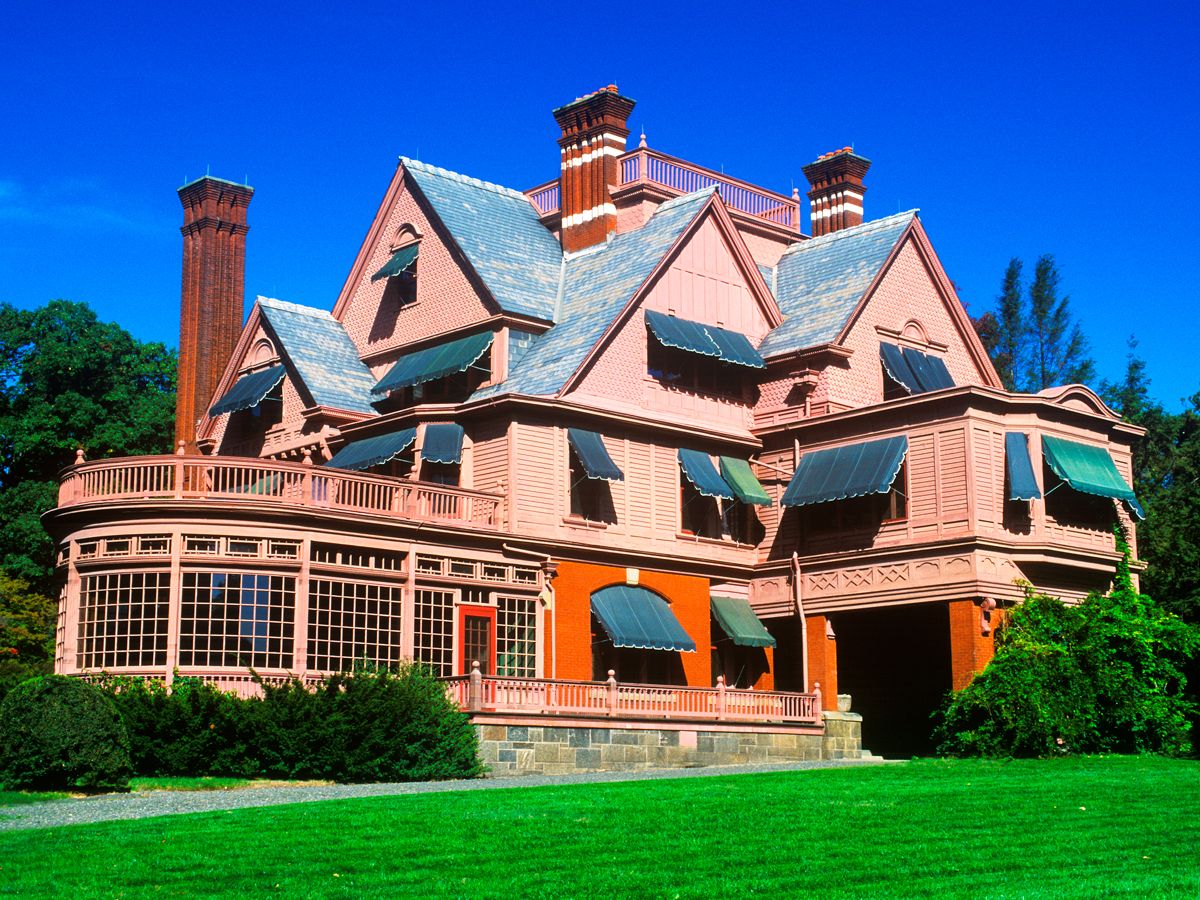
One of America’s greatest inventors hailed from the Garden State. The Thomas Edison National Historical Park in West Orange contains Edison’s former laboratory and home. This was the world’s first industrial research laboratory when it opened in 1887, and it was here that Edison conceived of inventions such as the motion picture camera. In addition to the lab, visitors can tour Edison’s 29-room Glenmont mansion, which contains a vast collection of art, china, and vintage Persian rugs.
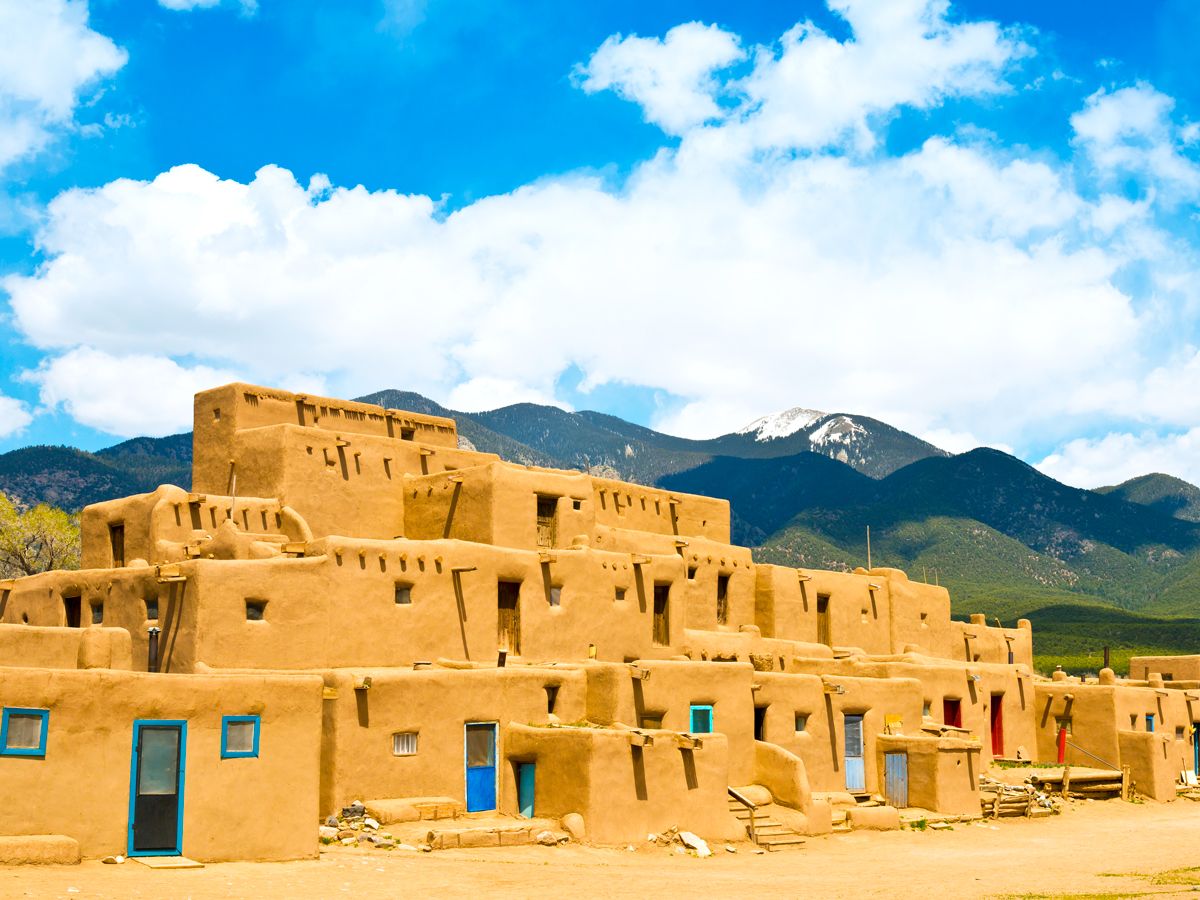
Located 90 minutes by car from the capital of Santa Fe, Taos Pueblo has been continuously inhabited for over 1,000 years. Many of the main buildings were constructed between 1000 and 1450 CE from adobe — sun-dried bricks made by mixing earth, water, and straw. Taos Pueblo was inhabited by the Tiwa long before European explorers arrived in the 1500s, and today it is a National Historic Landmark and a UNESCO World Heritage Site.
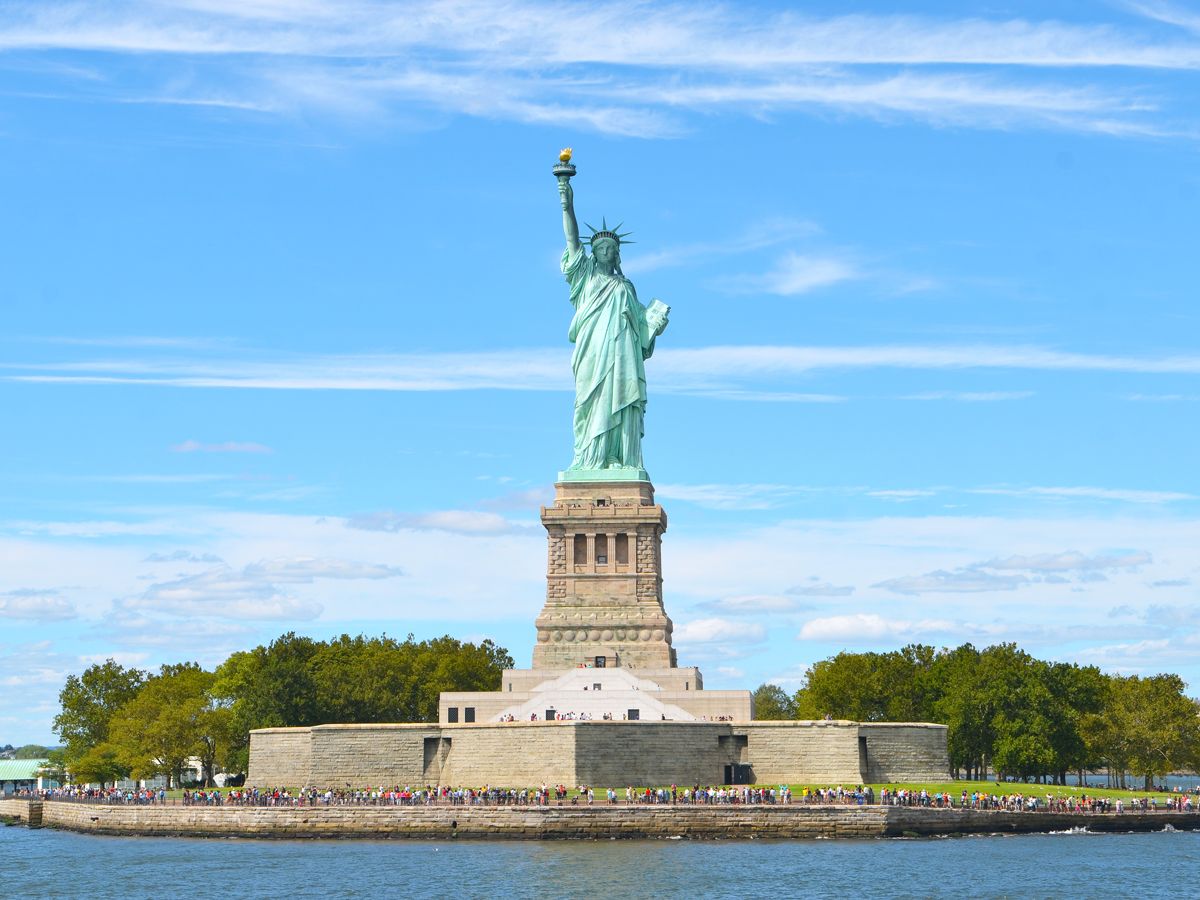
New York is home to some of America’s most iconic landmarks, but in our view, Lady Liberty takes the crown. Towering over New York Harbor, the statue was a gift from France to the United States, and it was dedicated by President Grover Cleveland on October 28, 1886. Fréderic-Auguste Bartholdi sculpted the Statue of Liberty with the help of engineer Alexandre Gustave Eiffel. It stands 305 feet and 1 inch tall. Inside the pedestal, the statue, which served as a symbol of hope and opportunity for those immigrating to America, features a famous poem by Emma Lazarus titled “The New Colossus.” It reads, in part, “Give me your tired, your poor, / Your huddled masses yearning to breathe free.”
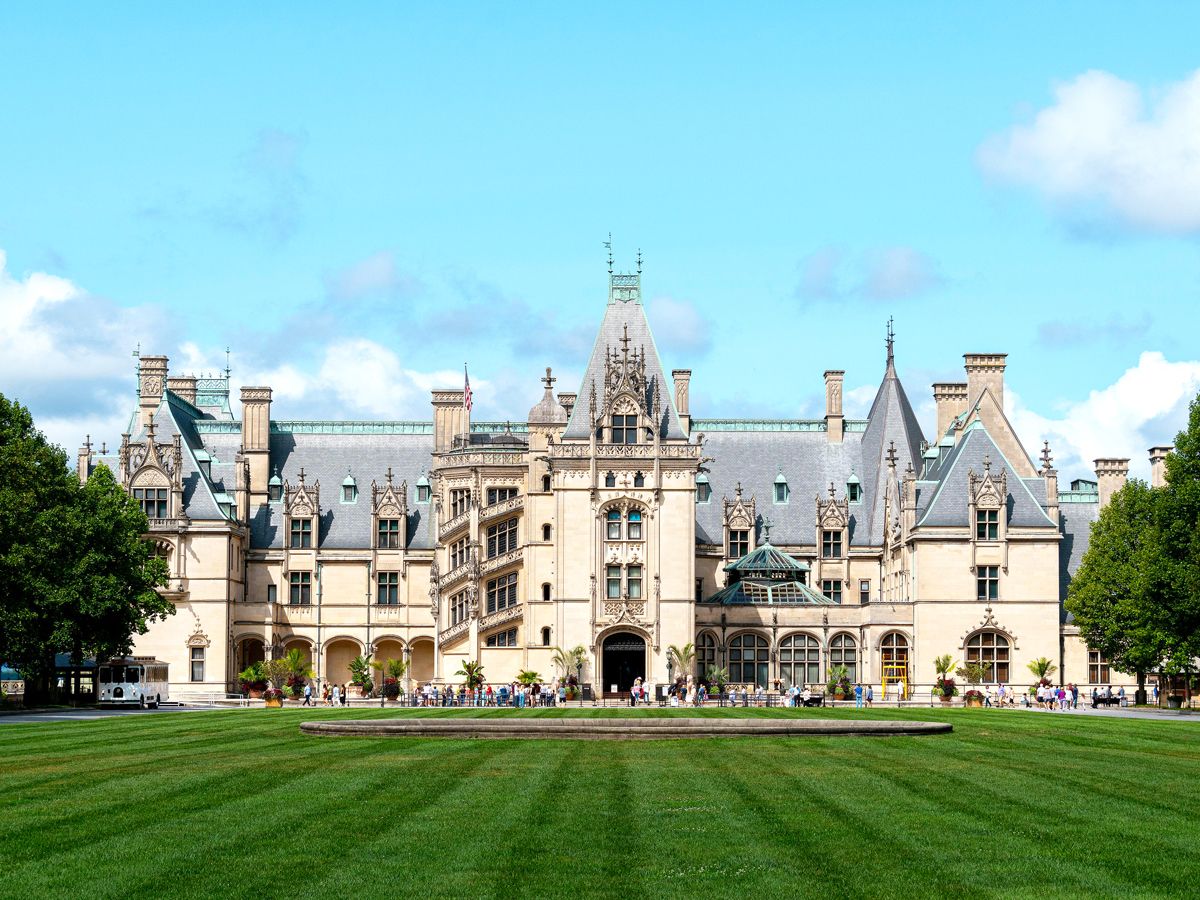
America’s largest home was built between 1889 and 1895 as the residence of George Vanderbilt, of the wealthy Vanderbilt family. The Biltmore Estate in Asheville, North Carolina, spans 175,000 square feet and features 250 rooms, including 35 bedrooms, 43 bathrooms, and 65 fireplaces. Landscape designer Frederick Law Olmsted, who was responsible for Central Park in New York City, designed the estate’s grounds and gardens, which are set on 8,000 acres. Inside, the mansion contains a museum-worthy art collection, which includes “Belle-Île, le chenal de Port-Goulphar,” an 1886 seascape by Claude Monet.
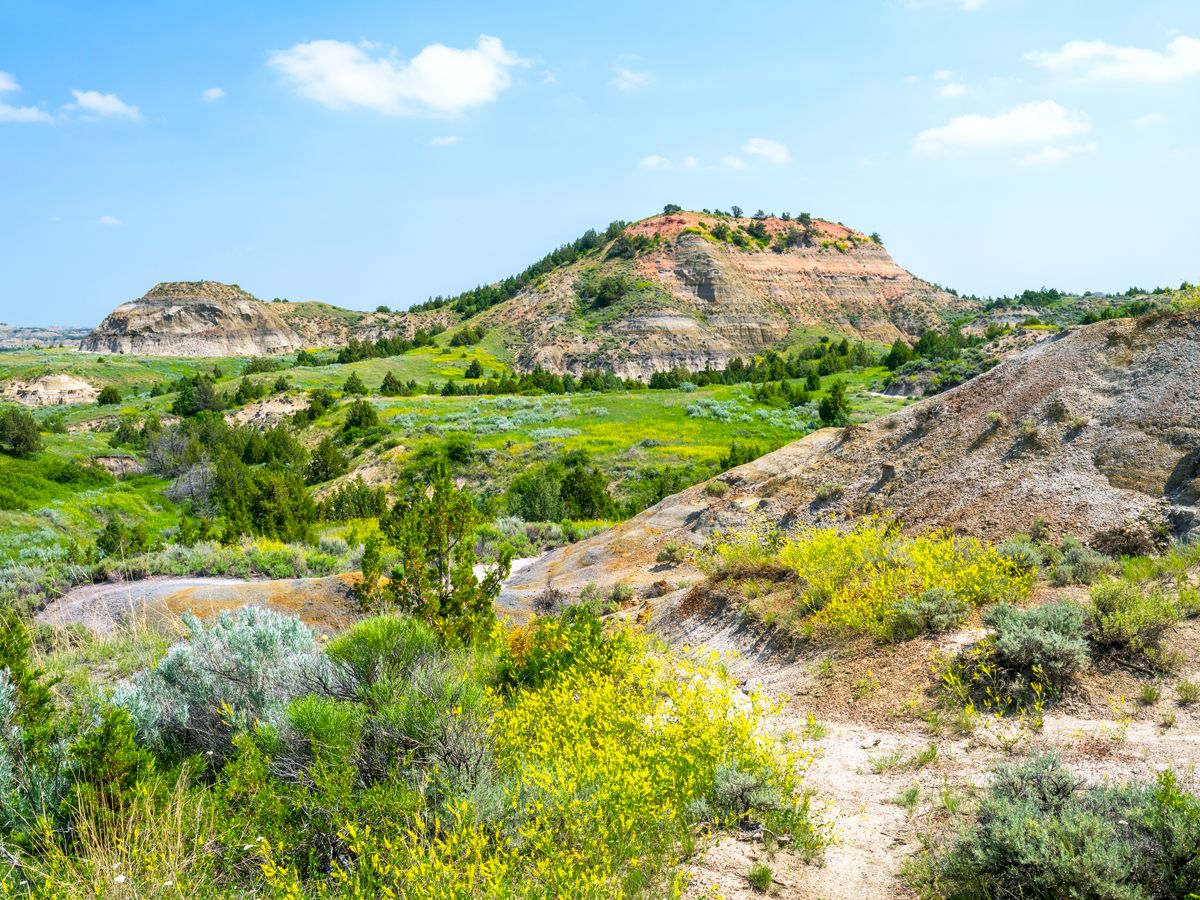
The only U.S. national park named after a person, Theodore Roosevelt National Park is located in the small town of Medora in the western part of North Dakota. Medora was once a favorite destination for Roosevelt, and the town will soon be the site of his future presidential library, opening in 2026. The park was first established as a memorial park in 1947 and later became a national park in 1978. Here, you’ll find plenty of wild, untamed landscapes and free-roaming wildlife, including bison, prairie dogs, and wild horses.
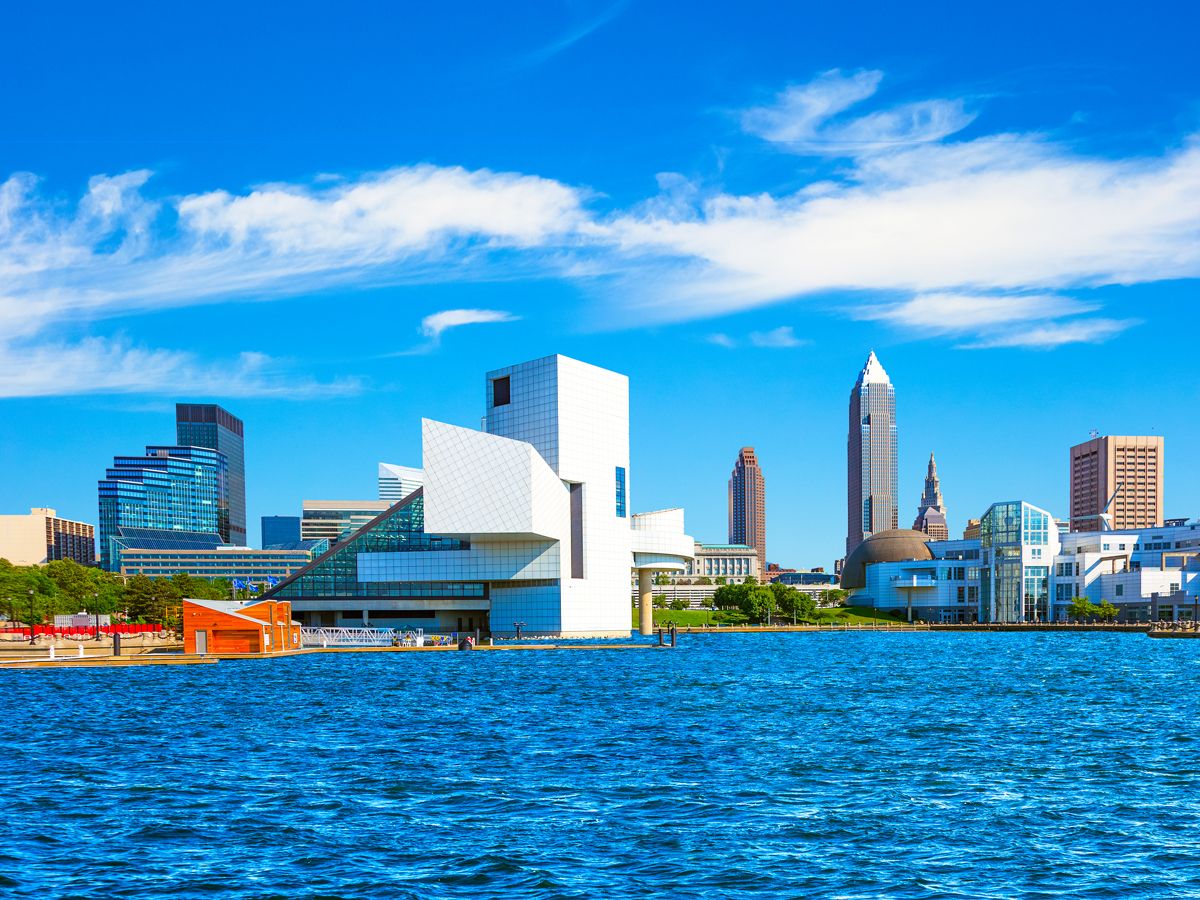
Architect I. M. Pei designed Cleveland’s Rock and Roll Hall of Fame, famous for its glass pyramidal exterior that spans 150,000 square feet. Opened in 1985, the museum sits along the shores of Lake Erie and offers self-guided tours of exhibits detailing the history of rock music. Enshrinement in the Hall is considered to be one of the most prestigious awards in music. The inaugural 1986 Hall of Fame class included legendary acts such as Chuck Berry, James Brown, and Elvis Presley.
Oklahoma – Oklahoma City National Memorial and Museum
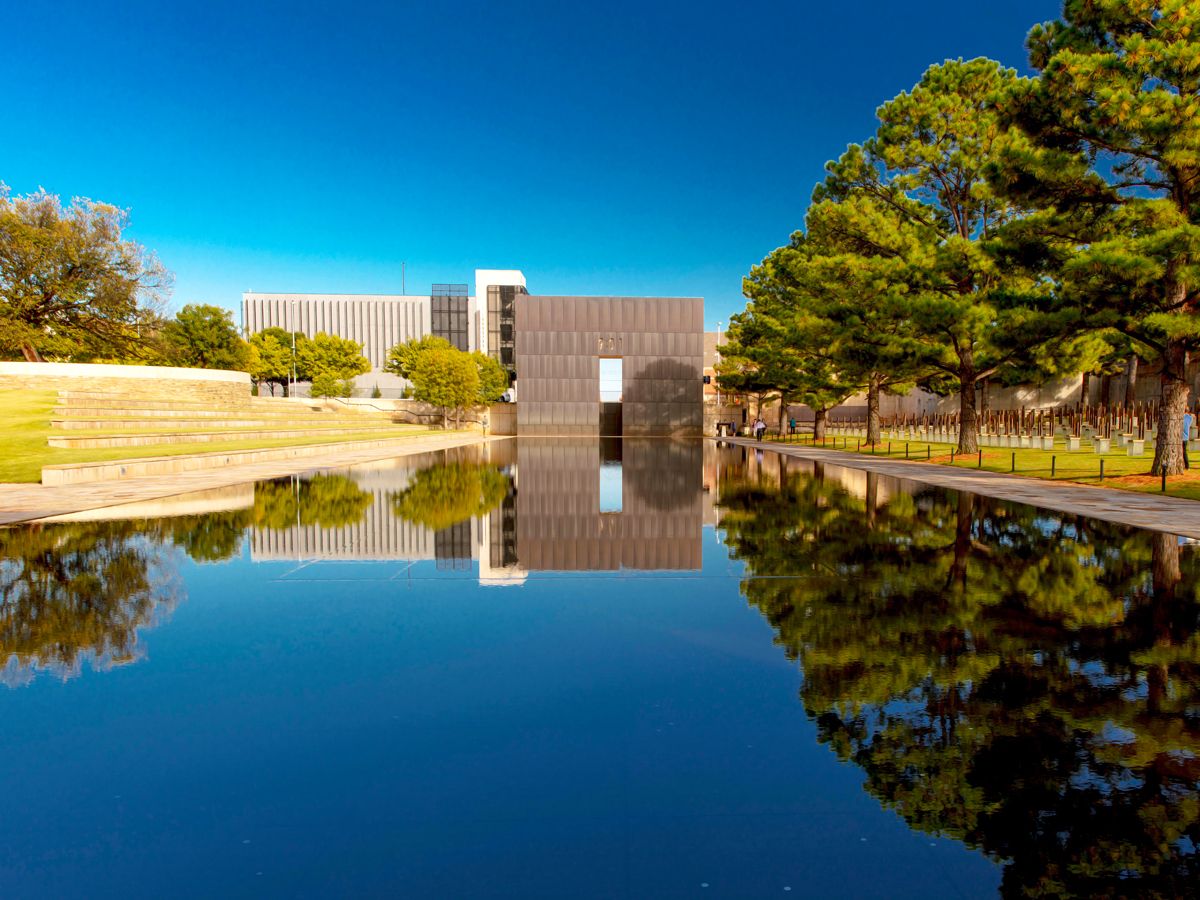
On April 19, 1995, a tragic bombing took place in Oklahoma City, and today, the Oklahoma City National Memorial & Museum honors the memories of those who died. Formally dedicated in 2000, this somber memorial includes a stunning reflecting pool, which features two large bronze gates at either end called the Gates of Time. One gate is etched with 9:01, which is one minute before the bombing took place and is meant to represent innocence. The other gate is etched with the time 9:03, symbolizing the start of the healing process.
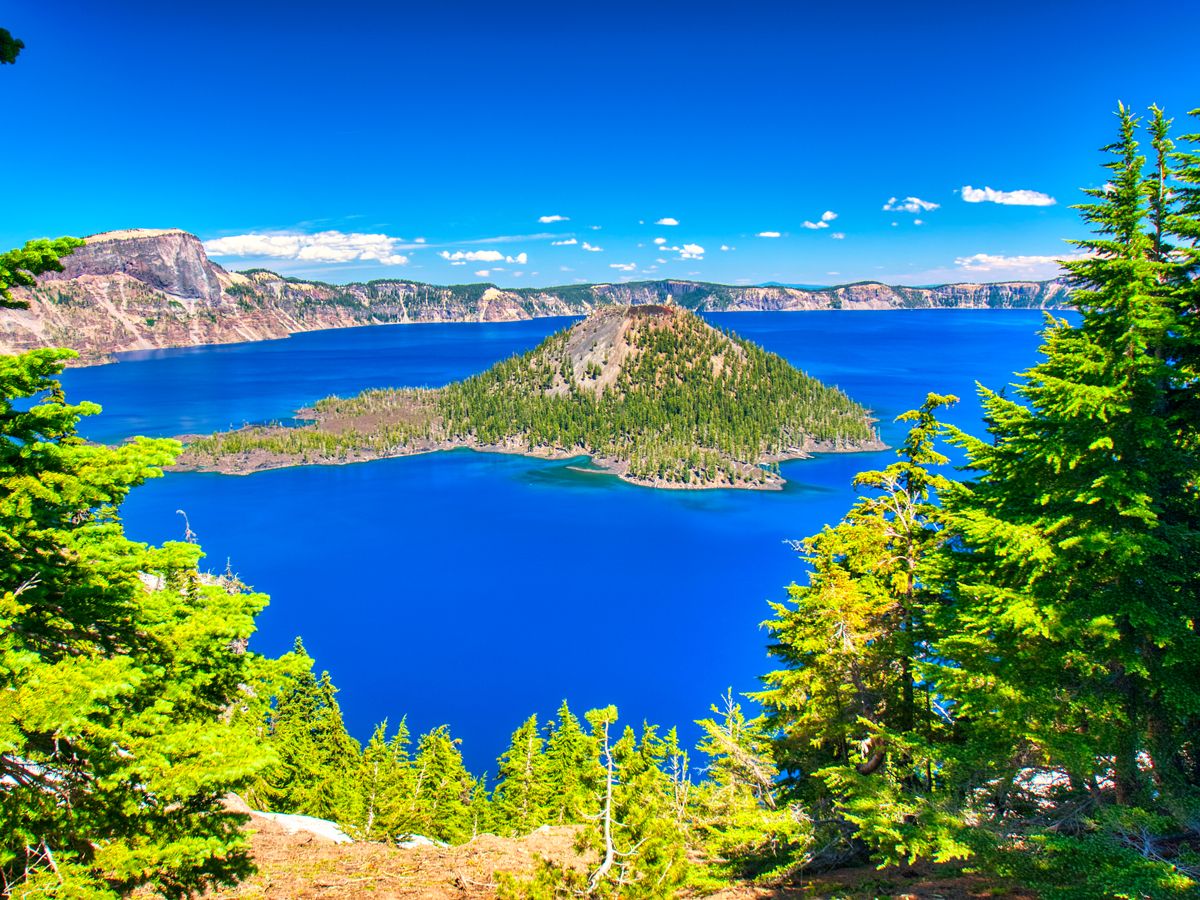
The namesake of Crater Lake National Park is the deepest lake in the U.S., descending to depths of 1,943 feet. Formed approximately 7,700 years ago by a volcanic eruption that later filled with water, the lake and the surrounding area were designated a national park on May 22, 1902. Visitors are drawn to the lake for its stunning blue color, which is due, in part, to a lack of sediment — Crater Lake is fed entirely by rainfall and snowmelt from the surrounding region.
Credit: trekandshoot/ iStock via Getty Images Plus
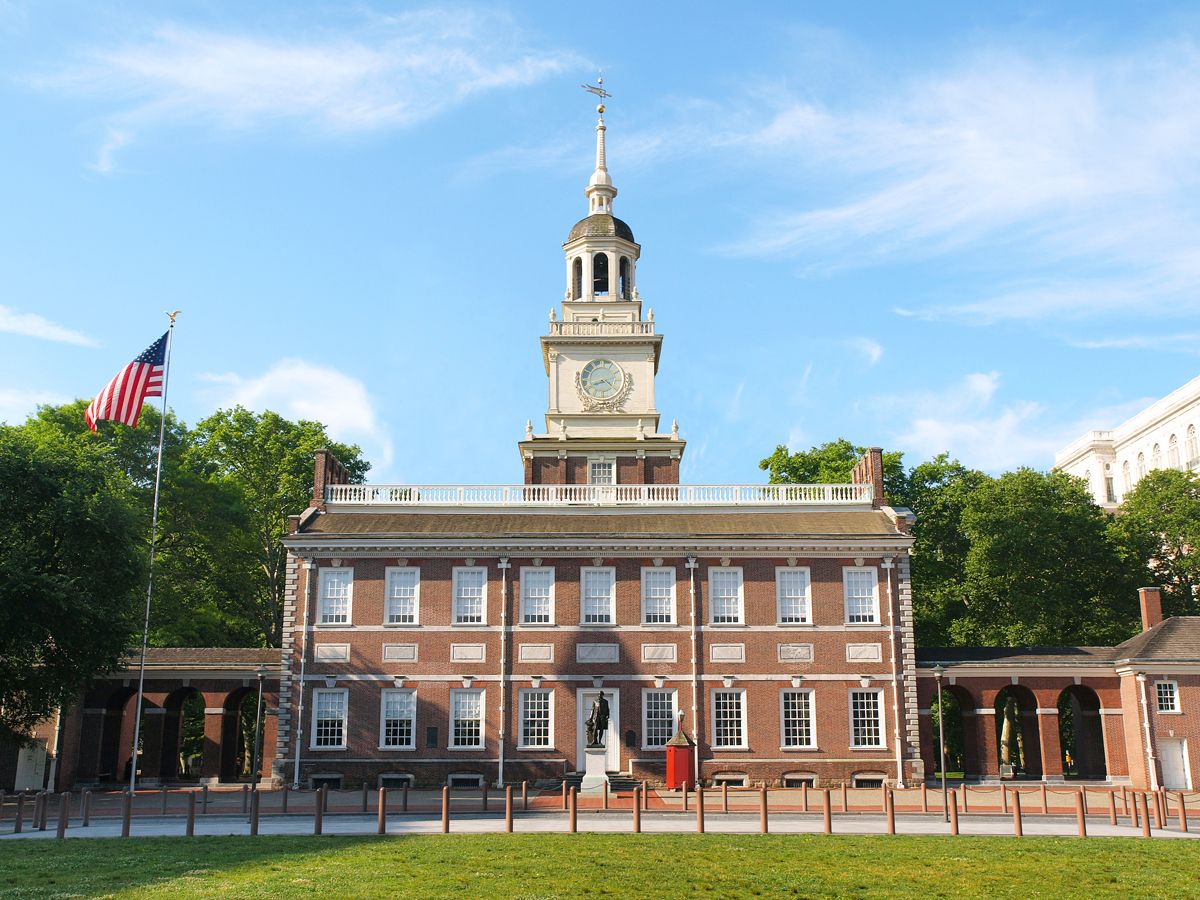
Independence Hall is where the Founding Fathers debated and adopted both the Declaration of Independence and the U.S. Constitution. The building is part of a larger complex in Philadelphia where American democracy was born. Just a few steps away from Independence Hall, you’ll find the Liberty Bell, which hung in the steeple of Independence Hall from 1753 to 1777. Both Independence Hall and the Liberty Bell became a part of Independence National Historical Park on July 4, 1956.
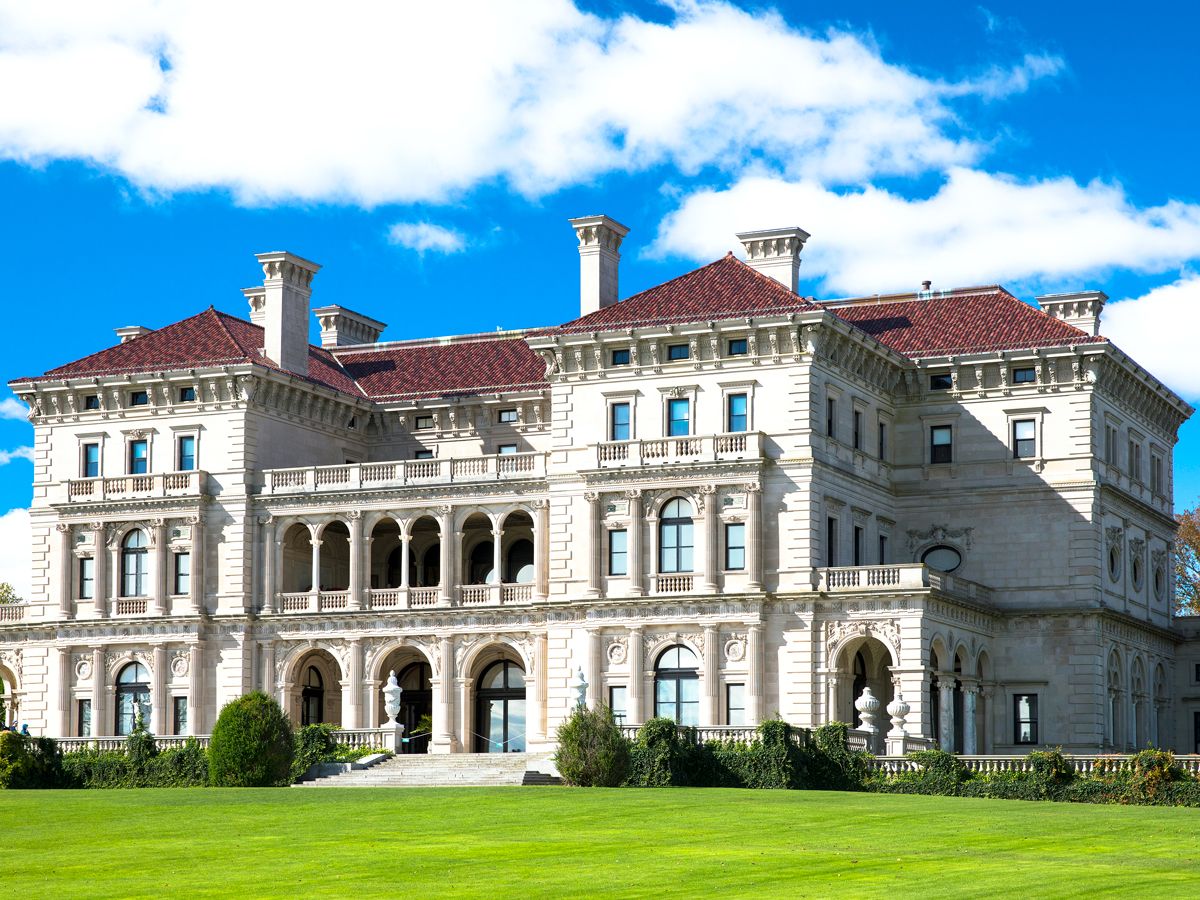
Newport, Rhode Island, is home to a series of stunning oceanside Gilded Age mansions, the most famous of which is the Breakers, the former home of Cornelius Vanderbilt II. Completed in 1895 for a cost of $12 million (around $450 million today), it was built to replace an older wooden house that was destroyed by fire. The new mansion was built from steel, brick, and limestone to ensure its durability. It has 70 rooms and is located alongside the scenic Newport Cliff Walk, a popular National Recreational Trail along the Atlantic coast of Rhode Island.
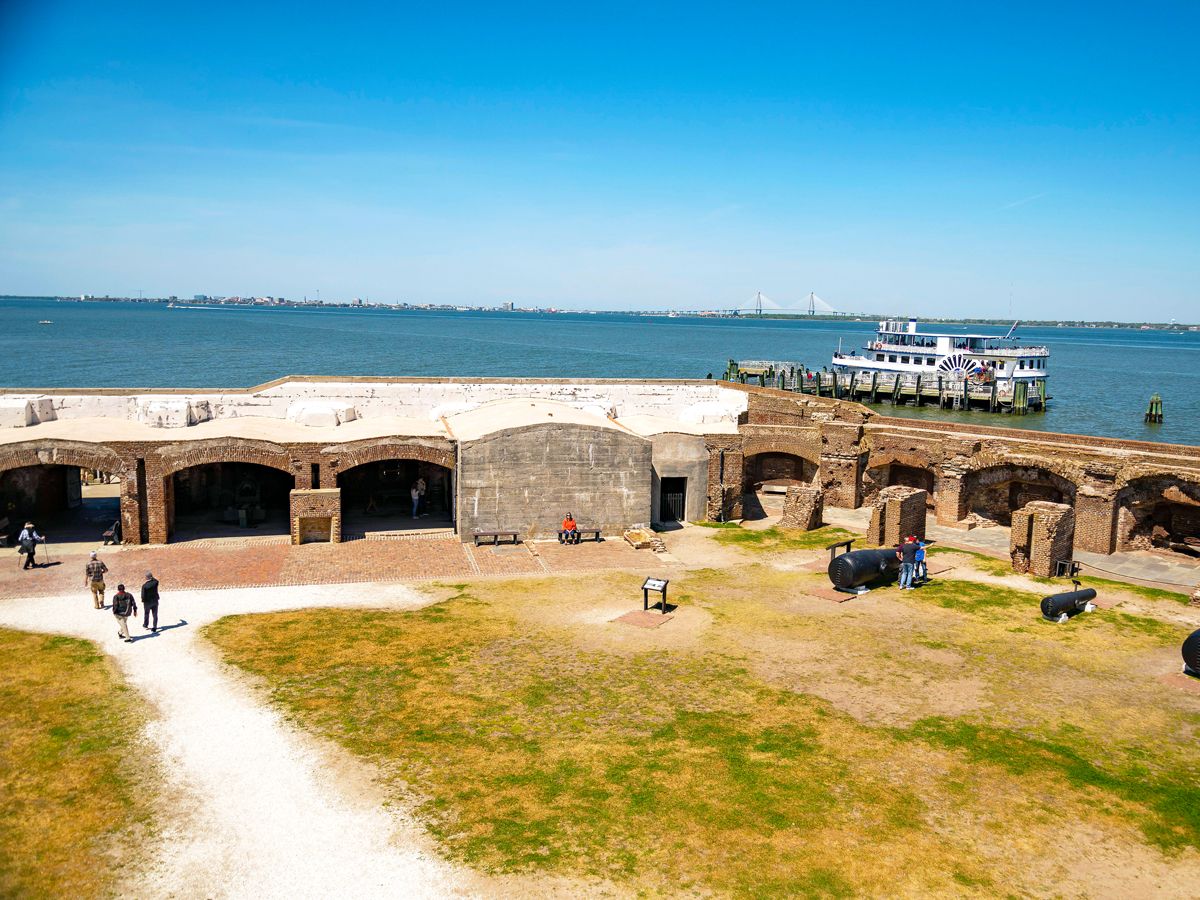
The U.S. Civil War began at Fort Sumter on April 12, 1861. It was here that Confederate soldiers fired on Union troops, kicking off the deadliest conflict in American history. Construction on the fort began back in 1829, and it was built near Charleston Harbor along the Atlantic coast to protect against potential foreign attacks. The fort continued to serve a military purpose until it was decommissioned in 1947, and the land was transferred over to the National Park Service the following year so it could be opened to visitors.
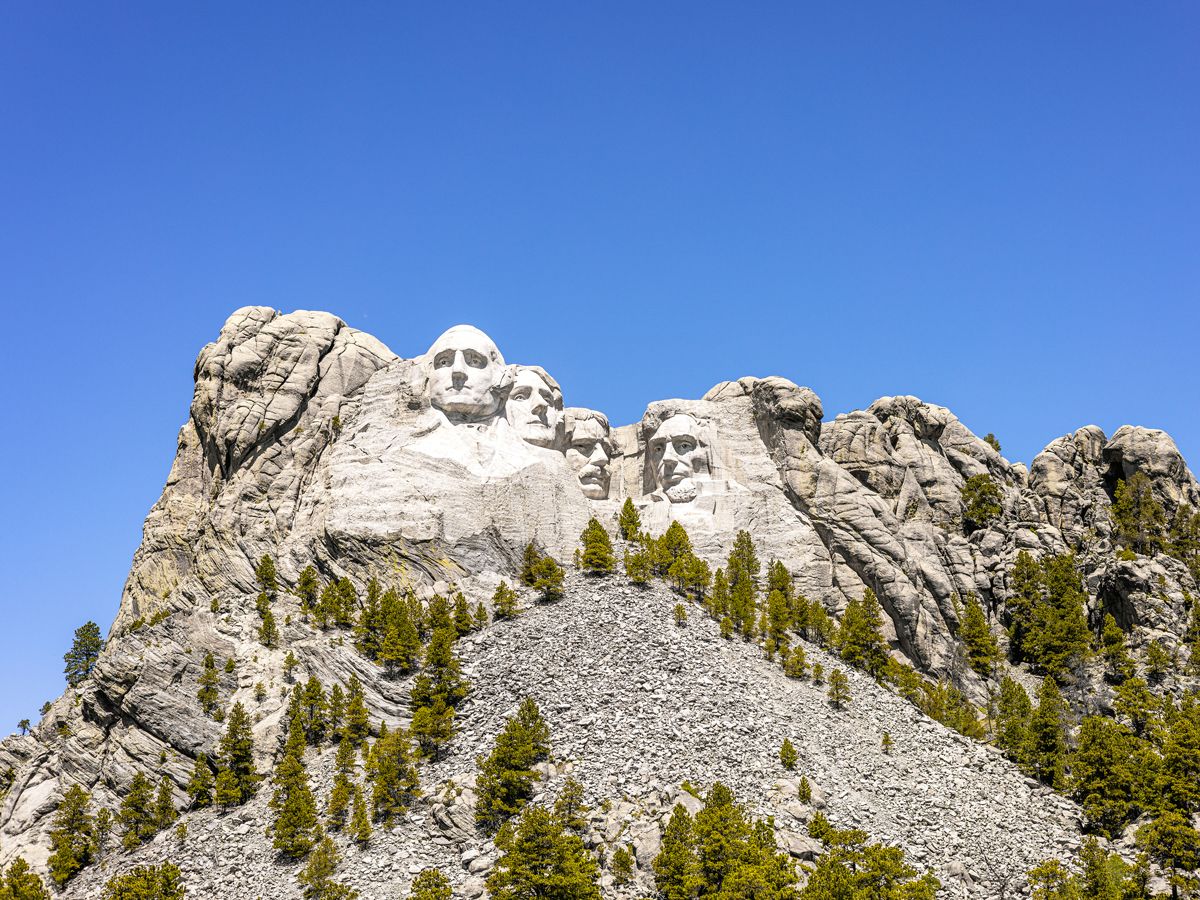
One of America’s most famous landmarks is located in the Black Hills of South Dakota. Mount Rushmore was designed by sculptor Gutzon Borglum and constructed from 1927 to 1941. It features the giant carved faces of four U.S. presidents: George Washington, Thomas Jefferson, Abraham Lincoln, and Theodore Roosevelt, each chosen for their significant contributions to the nation’s development and history. Prior to his death, Borglum began work on a secret Hall of Records behind Lincoln’s head that could house important documents such as the Declaration of Independence, though the room was never completed.
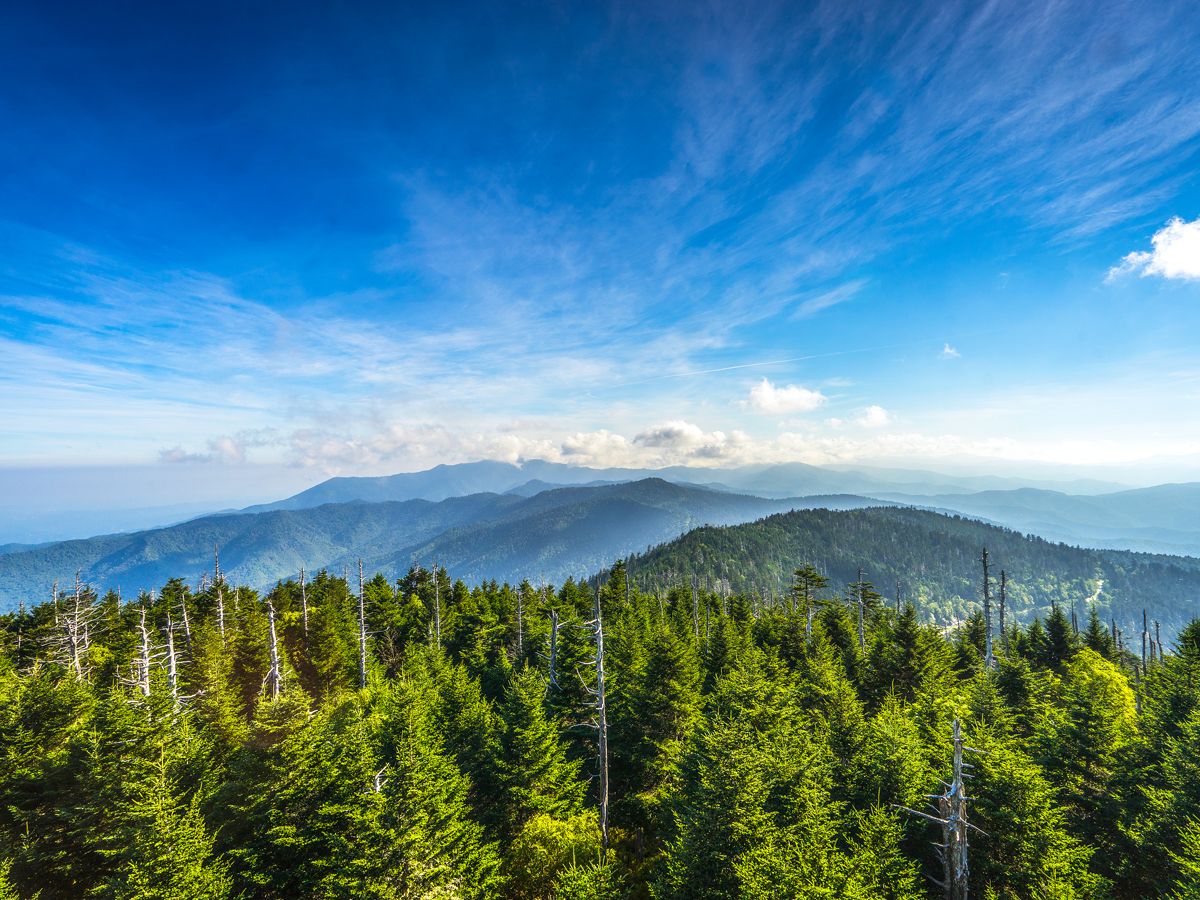
Great Smoky Mountains National Park — America’s most-visited national park — was officially designated in 1940. Though the park is also located in North Carolina, the most popular entrance is outside Gatlinburg, Tennessee, about a 45-minute drive from Knoxville. The park is full of black bears, expansive forests, and incredible hiking opportunities, including a segment of the Appalachian Trail. One of the more popular scenic drives in the park is along Newfound Gap Road, a 33-mile-long route that takes roughly an hour to drive and allows visitors to experience all of the different types of terrain that the park has to offer.
Texas – The Alamo
Credit: Randy Faris/ The Image Bank via Getty Images
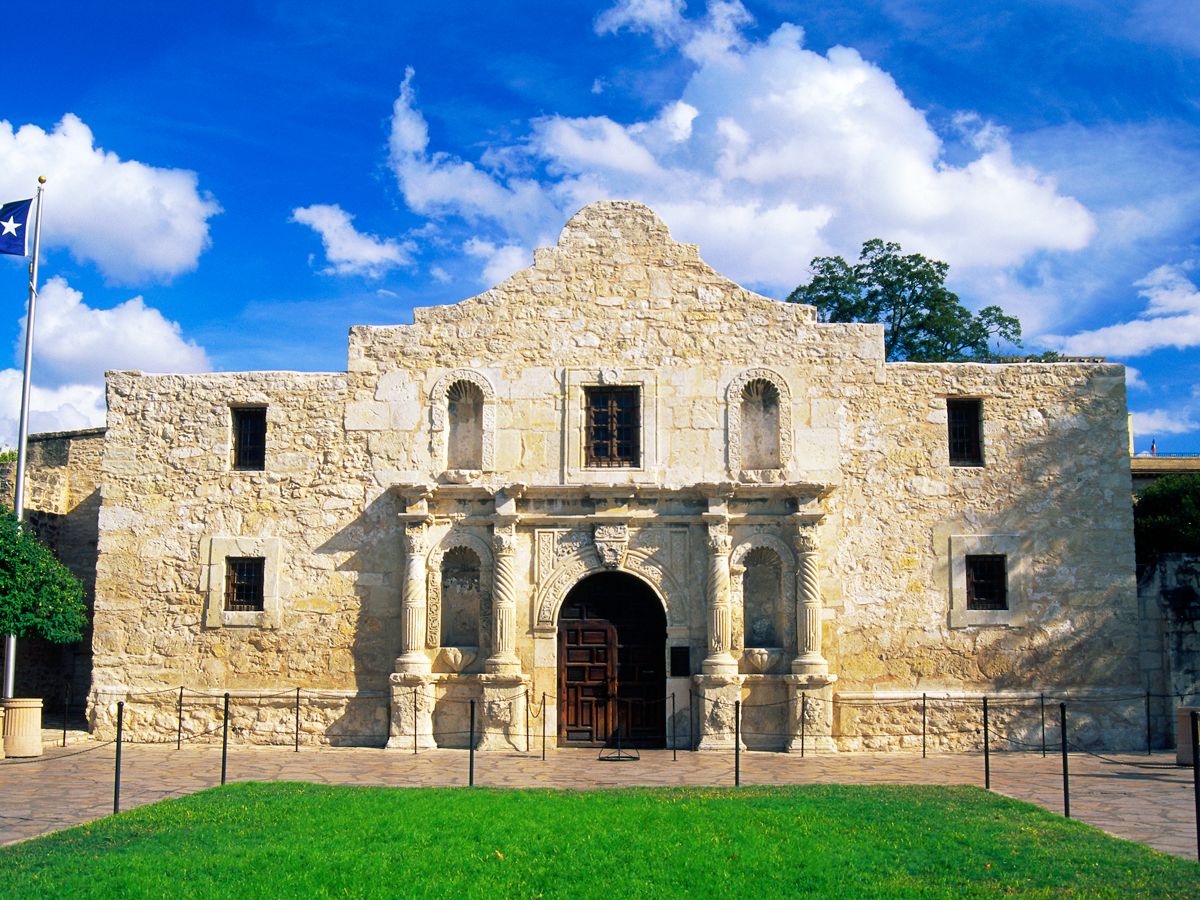
The popular phrase “Remember the Alamo” comes from a Catholic mission in San Antonio that was built by Spanish settlers in 1718. The Alamo was famously defended during the Texas Revolution in an 1836 battle, in which men such as Davy Crockett took up arms against Mexican troops led by General Santa Anna. It was designated a National Historic Landmark in 1960 and remains the most-visited attraction in the Lone Star State.
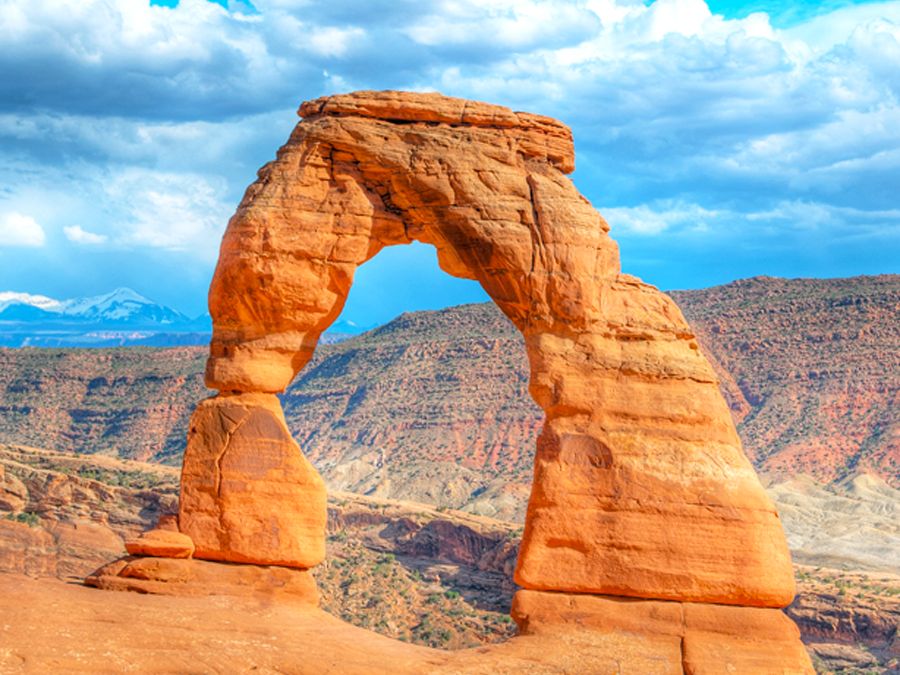
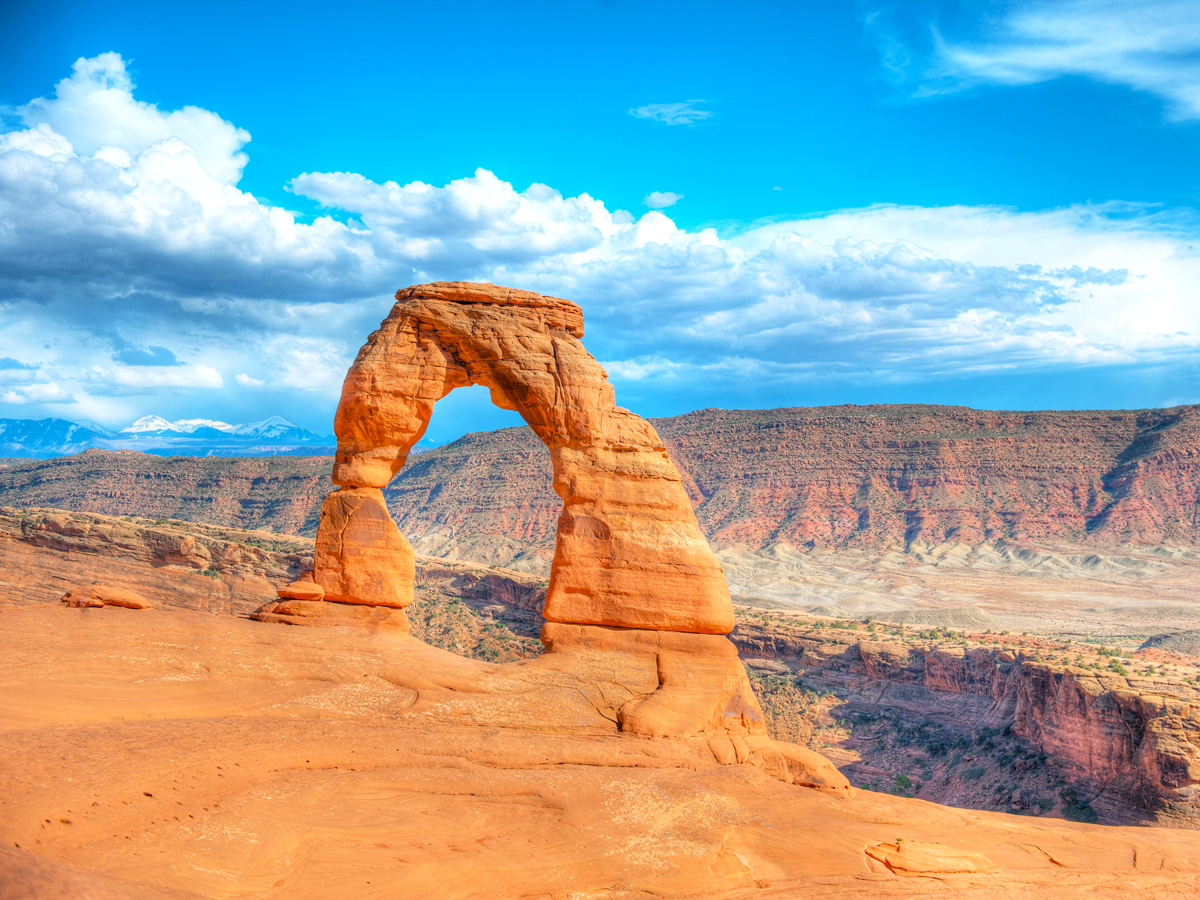
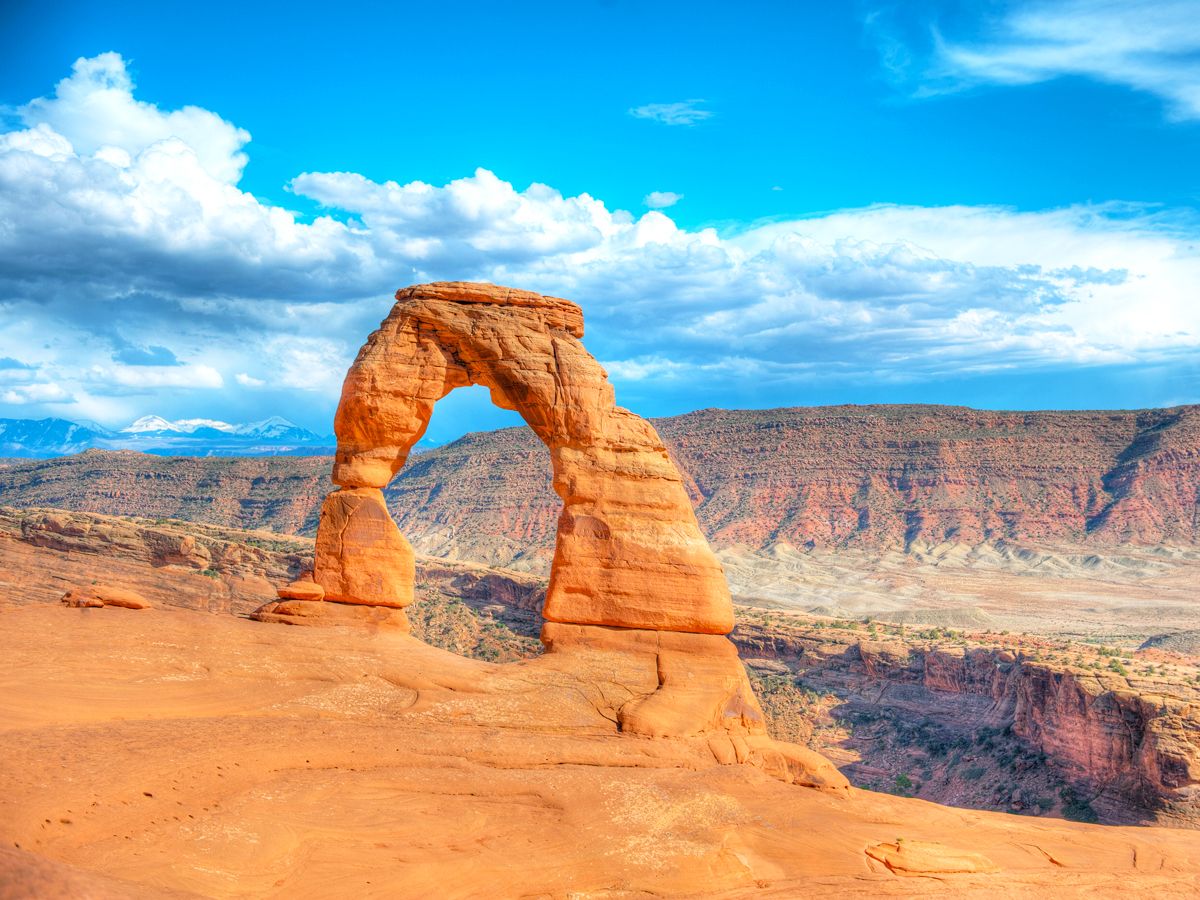
Arches National Park contains over 2,000 of its namesake stone arches, though none is more famous than Delicate Arch. This name for this stunning natural wonder — with an opening that measures 46 feet high and 32 feet wide — was coined in a 1934 article describing the landmark as “the most delicately chiseled arch in the entire area.” More than 1.5 million visitors come to Arches each year, many of whom walk the 3-mile trail in order to gaze upon Delicate Arch with their own eyes.
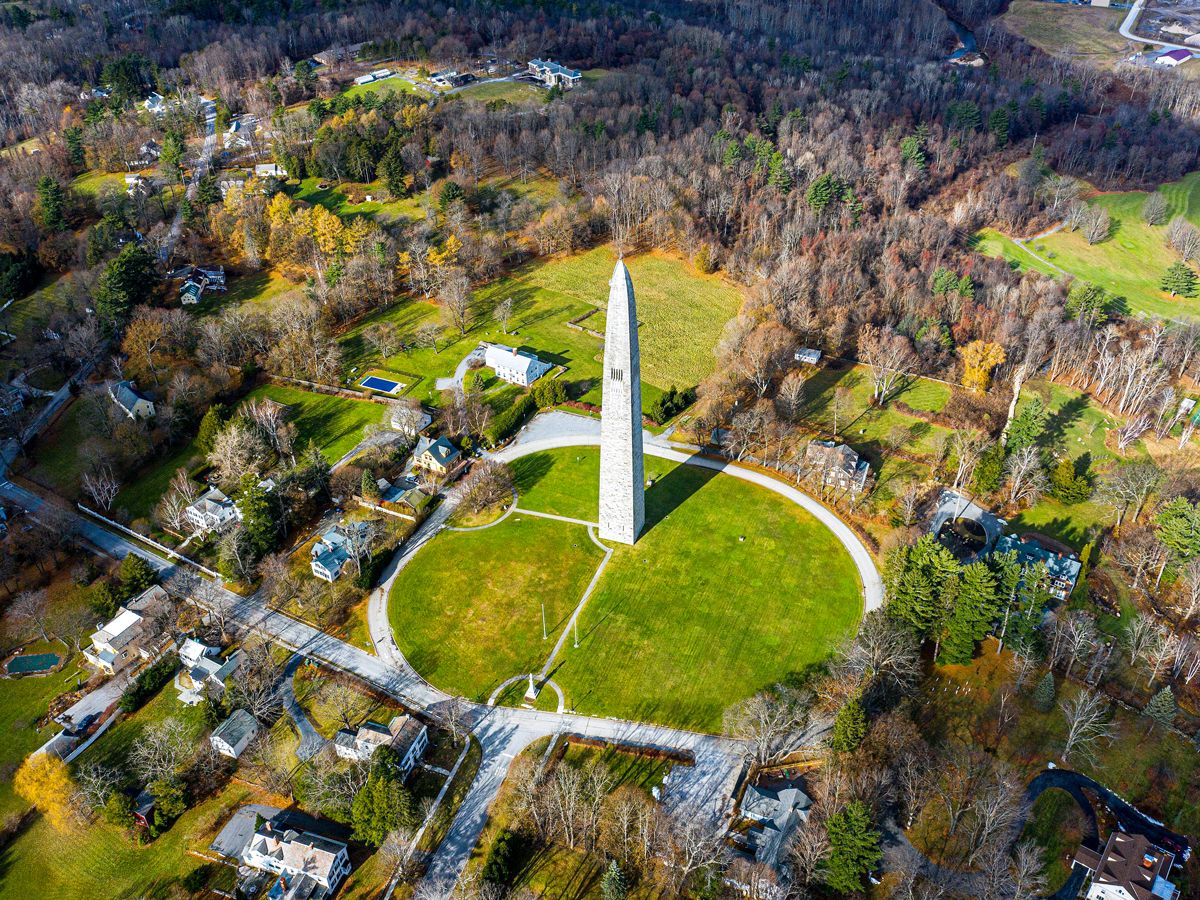
The Bennington Battle Monument chronicles the Battle of Bennington, a pivotal Revolutionary War battle fought on August 16, 1777, resulting in a decisive victory for the Revolutionary militia. Ground was broken for the monument on the 100th anniversary of the battle, and the giant obelisk at its center was dedicated in 1891. The obelisk measures 306 feet tall and weighs approximately 19 million pounds.
The country’s most famous burial ground, Arlington National Cemetery is a large military cemetery located in Arlington, Virginia, roughly a 20-minute walk from the Lincoln Memorial in Washington, D.C. One of the most notable sites is the Tomb of the Unknown Soldier, a crypt meant to honor any U.S. military whose remains were never identified. Arlington also contains the eternal resting spots of two U.S. presidents: John F. Kennedy and William Howard Taft.
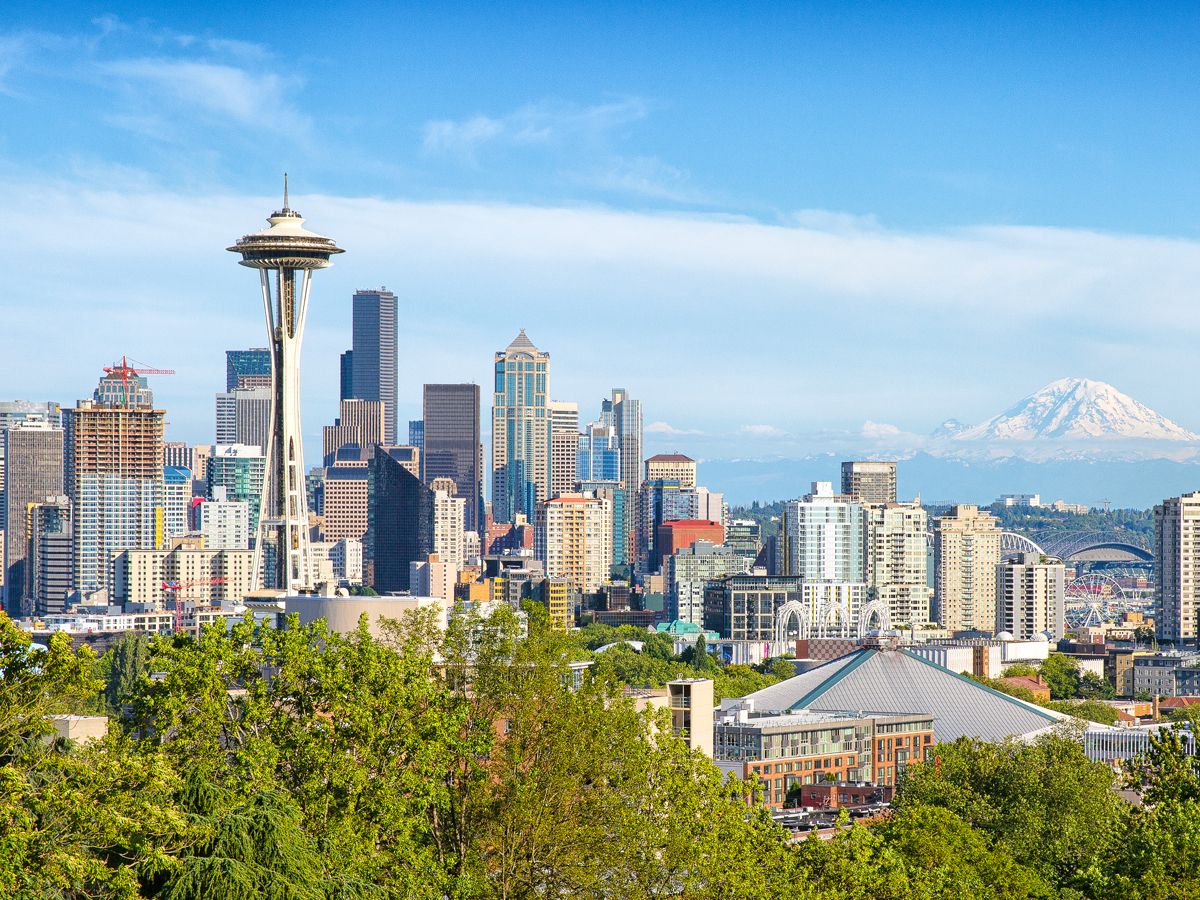
The iconic 605-foot-tall Space Needle in downtown Seattle is unlike any other building in America. Built for the 1962 Seattle world’s fair, the Space Needle opened on the first day of the celebration, which had a “Century 21” theme dedicated to the dawn of the Space Age. The all-glass eatery at the top of the Space Needle is the second rotating glass restaurant ever built in the U.S. The building also features a stunning observation deck that includes the world’s first and only revolving glass floor.
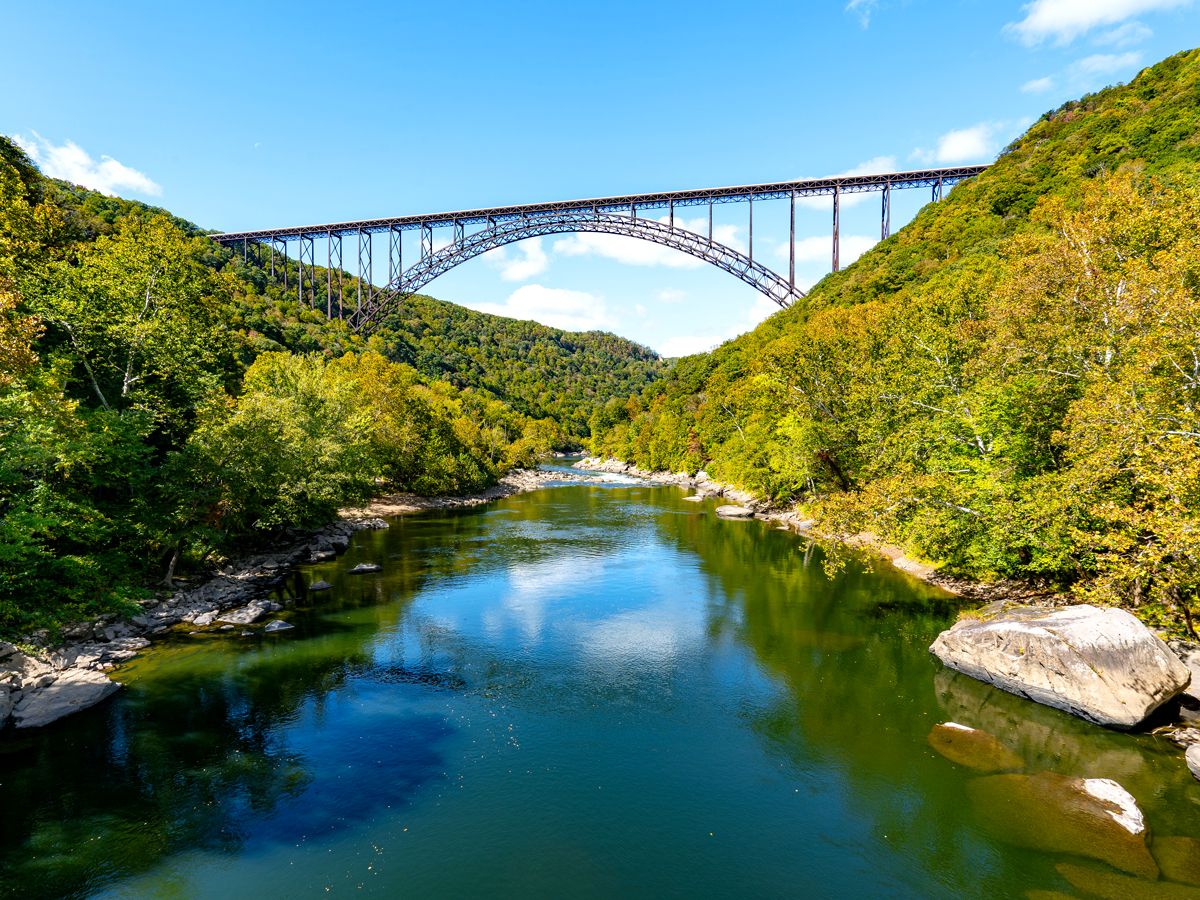
At 3,030 feet in length with a height of 876 feet, the New River Gorge Bridge is the longest steel span bridge in the Western Hemisphere and third-highest bridge in the U.S. The bridge is located in Fayetteville, approximately 70 minutes by car from the capital of Charleston, and it turned what used to be a 40-minute drive around the gorge into a trip that now takes less than one minute. In 2020, New River Gorge was declared the country’s newest national park.
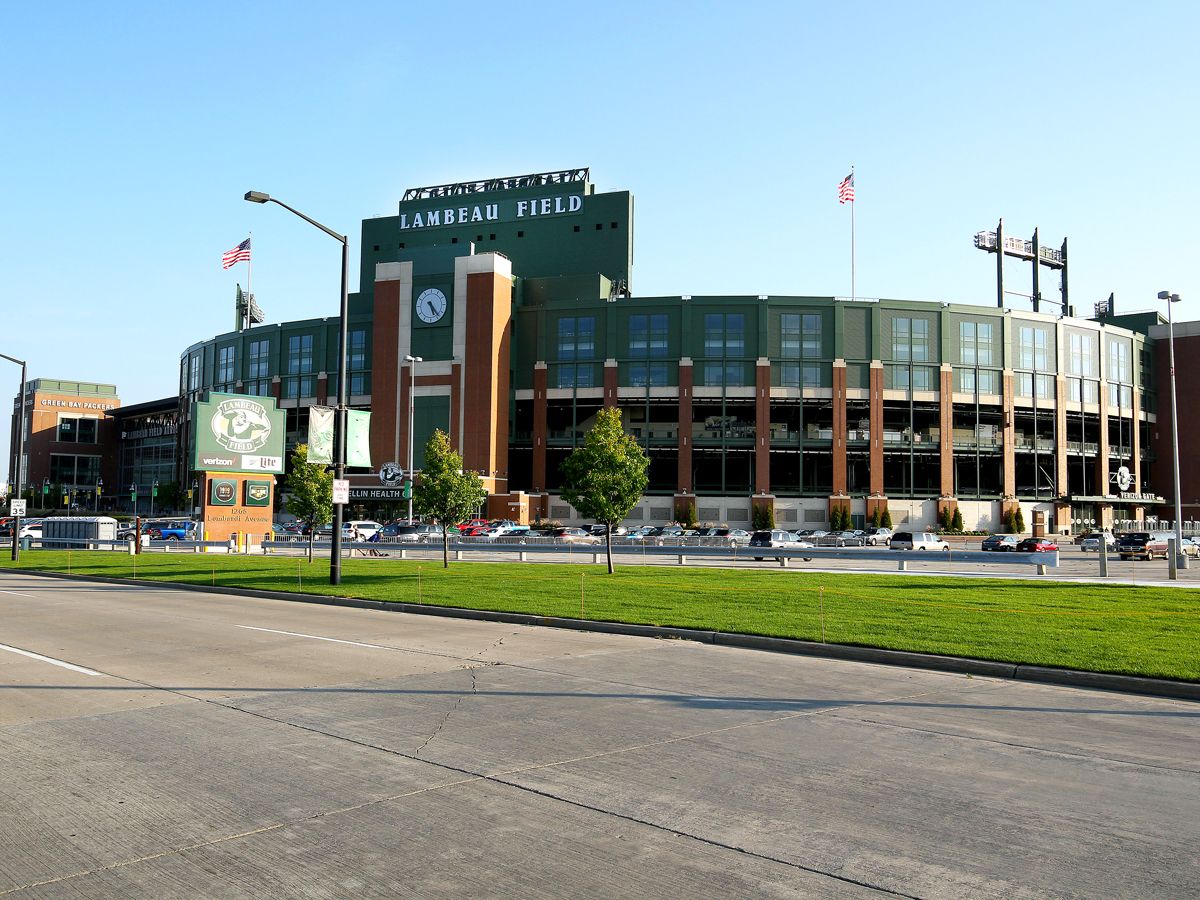
Lambeau Field has served as the home of the NFL’s Green Bay Packers since 1957. When the team got its start, single ticket prices originally ranged from $2.25 to $4.75 (around $25 to $54 today). The stadium has been the site of seven of the Packers’ 13 championship victories. It was given its current name in 1965 to honor Packers coach Curly Lambeau, who passed away that year. Lambeau Field is located in the city of Green Bay in the eastern part of the state.
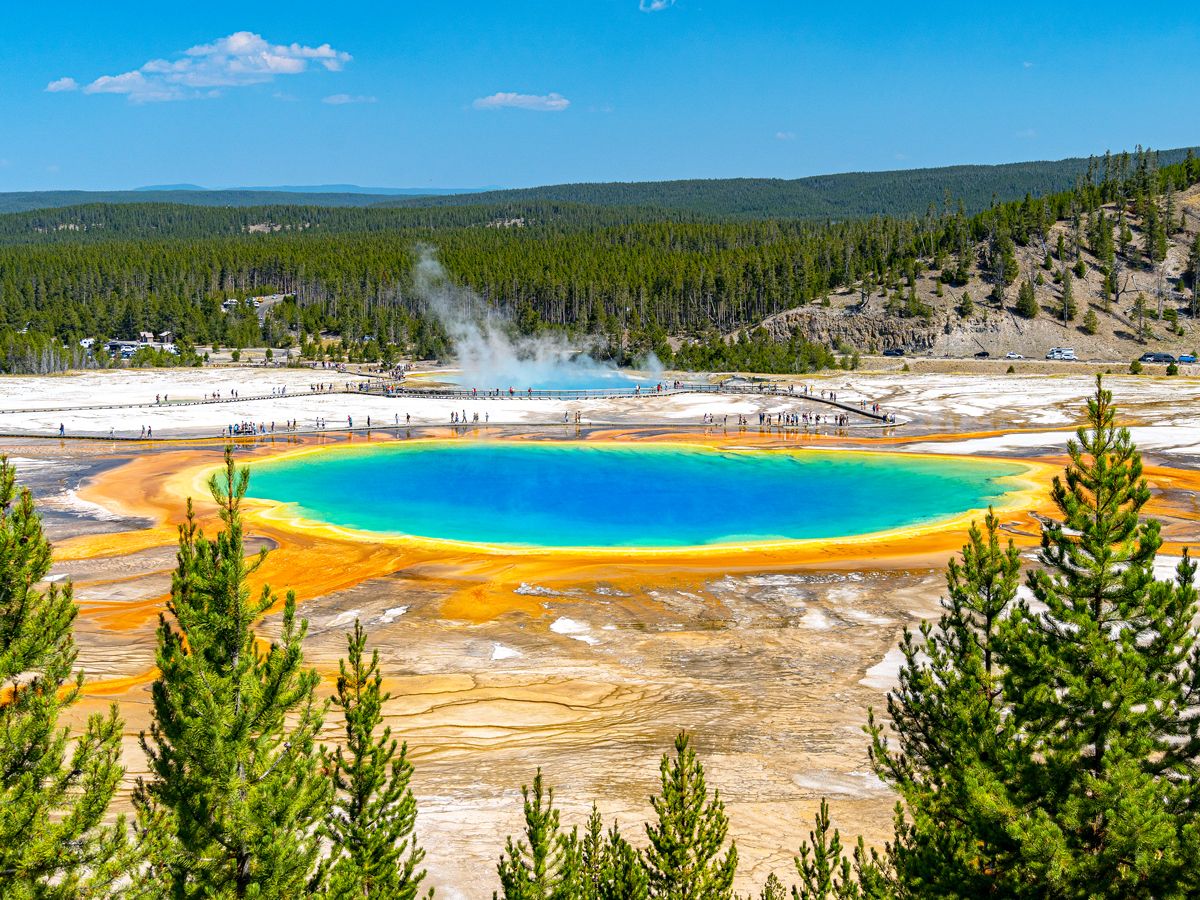
On March 1, 1872, Yellowstone became the country’s very first national park. Though portions of the park are located in Idaho and Montana, Yellowstone is primarily contained in Wyoming. The park is home to some of America’s most iconic natural landmarks, including the Old Faithful geyser, which regularly erupts every one to 1.5 hours. You’ll also find the multicolored Grand Prismatic Spring, plus a variety of wildlife from moose to elk and bison roaming one of America’s — and the world’s — most famous national parks.
Bennett is a New York City-based staff writer for Daily Passport. He previously contributed to television programs such as the Late Show With David Letterman, as well as digital publications like the Onion. Bennett has traveled to 48 U.S. states and all 30 Major League Baseball stadiums.
For all the joys that summer can bring, the weather can be blisteringly unpleasant at times, especially when there’s excess humidity and triple-digit temperatures. Thankfully, if you’re looking for a reprieve from the sweltering heat, there are some states where you’ll find more temperate climates. To help those who prefer cool weather find their ideal summer getaway spot, we’ve ranked the top 10 coolest states in summertime, according to 2024 climate data from the National Centers for Environmental Information.
Average statewide temperature: 67.1 degrees Fahrenheit
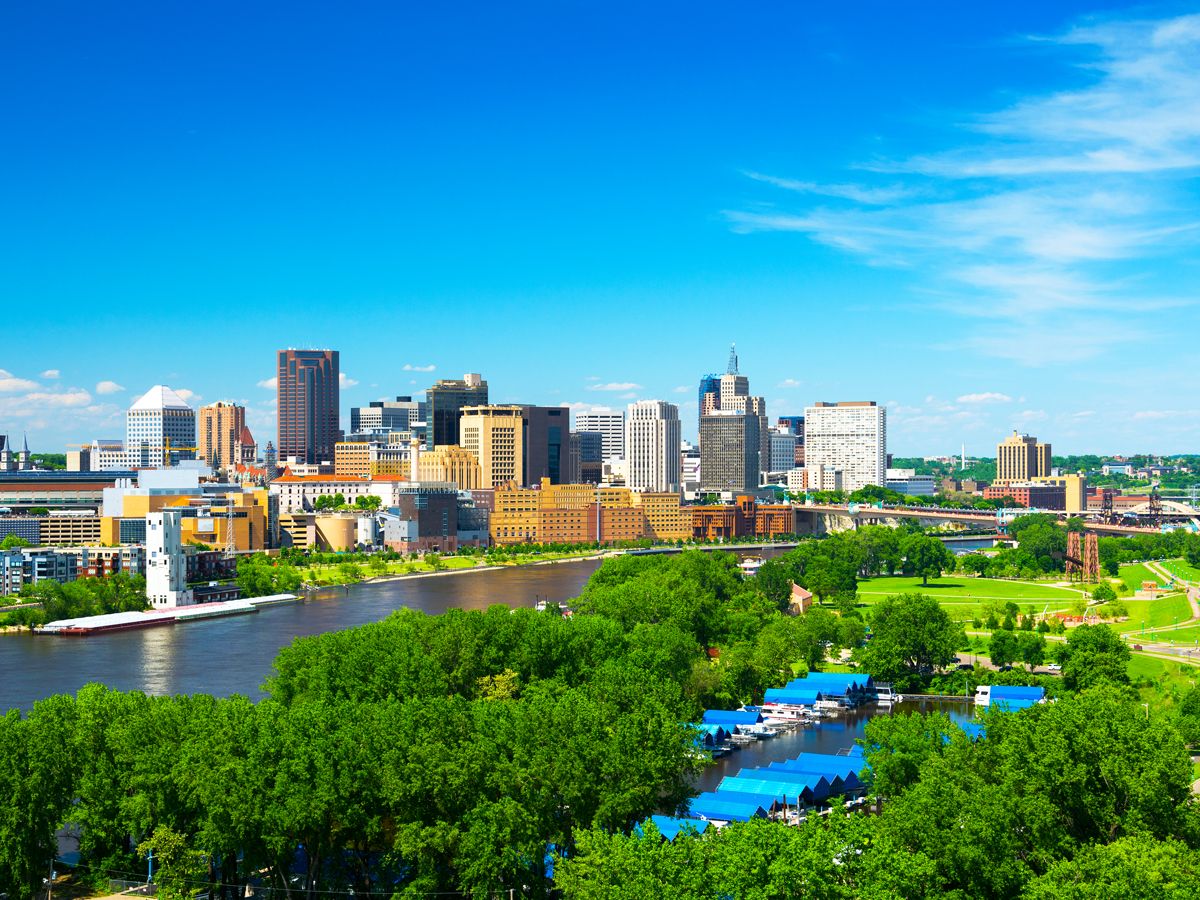
Given its northern location, it should come as no surprise to learn that Minnesota is the 10th-coolest state in summertime. Most of Minnesota sits above the 45th parallel, meaning more of the state is closer to the frigid North Pole than to the warmer climate of the equator.
While it’s true that Minnesota generally experiences mild summers, 2024 was a particularly notable one: Average summer temperatures in the “Land of 10,000 Lakes” measured just over 67 degrees in 2024, marking the state’s coolest summer in the last seven years and the coolest summer in the Twin Cities of Minneapolis and St. Paul for the last nine years. These lower temperatures were due, in part, to the fact that large portions of the state experienced up to two times more rainfall than normal in 2024.
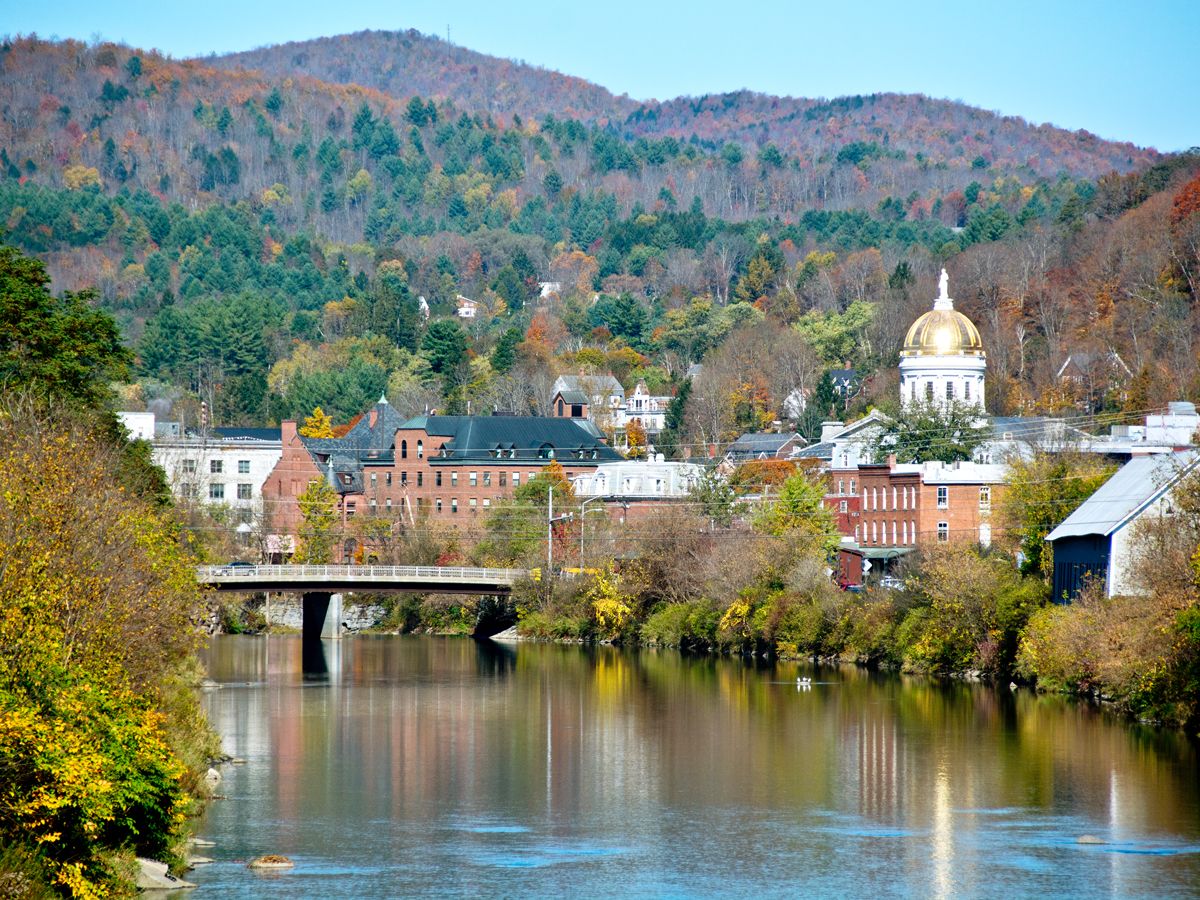
Even though 2024 was Vermont’s second-hottest summer on record — trailing only 2005’s average of 67.4 degrees — it’s still the ninth-coolest state in the nation during summer, on average. Summer temperatures are largely similar throughout the state, though more variation is experienced in the southern part of Vermont than in the north.
Even on the days that exceed 90 degrees, summer temperatures regularly drop into the 60s at night, thus bringing down the state’s overall average considerably. Vermont has experienced triple-digit temperatures only on rare occasions; the hottest temperature ever recorded in the state was 105 degrees in the town of Vernon on July 4, 1911.
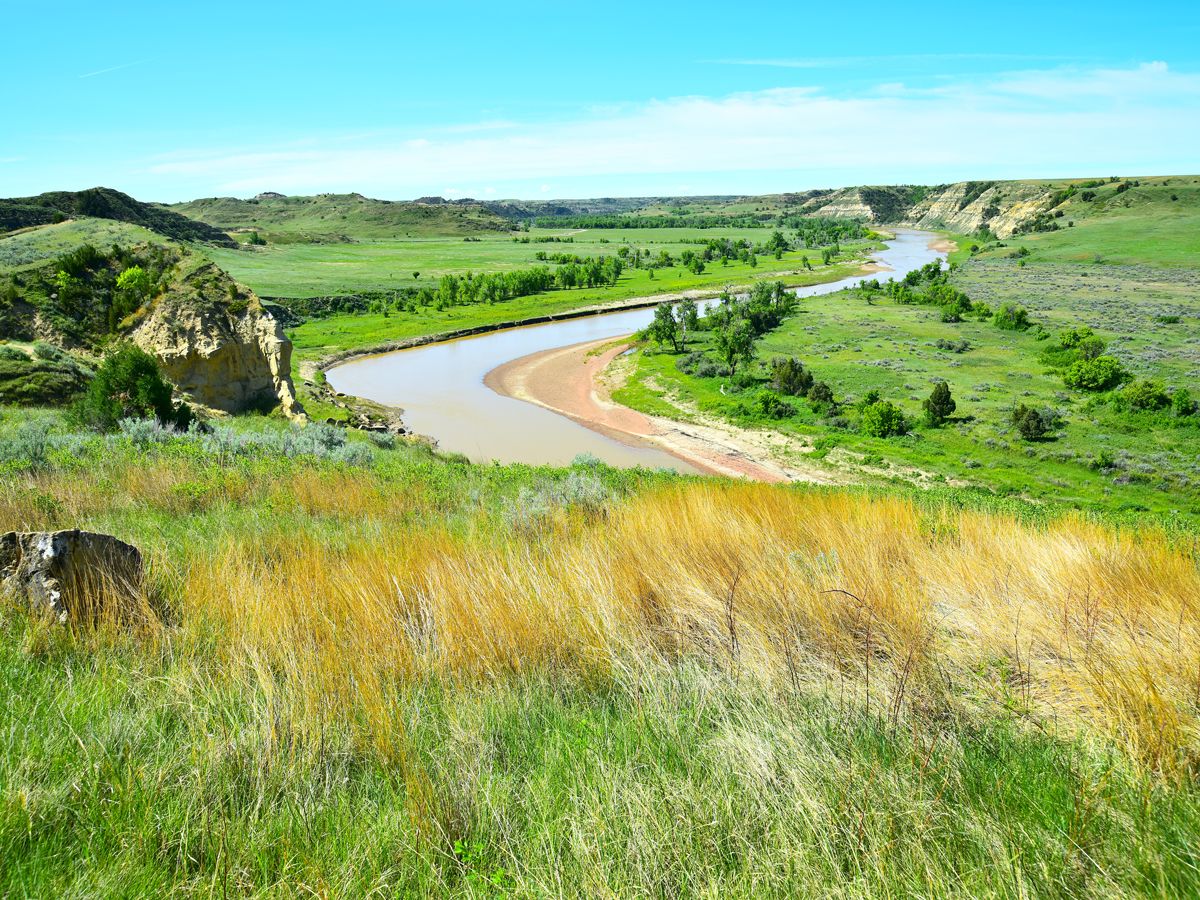
North Dakota’s summer temperatures have continued to drop for the last four years, after peaking at 70.7 degrees in the summer of 2021. It’s generally more humid in the eastern part of the state, specifically around the Red River Valley. This leads to greater levels of precipitation the farther east you go, which contributes to lower temperatures in that part of the state.
High winds also help keep temperatures lower in the northeastern region of North Dakota. This is especially true compared to the southern and western parts of the state, which tend to have higher temperatures. For example, during the warmest month of July, temps average 67 degrees in northern North Dakota, which is six degrees lower than in southern North Dakota.
7. Maine
Credit: traveler1116/ iStock via Getty Images Plus
Average temperature: 66.4 degrees Fahrenheit
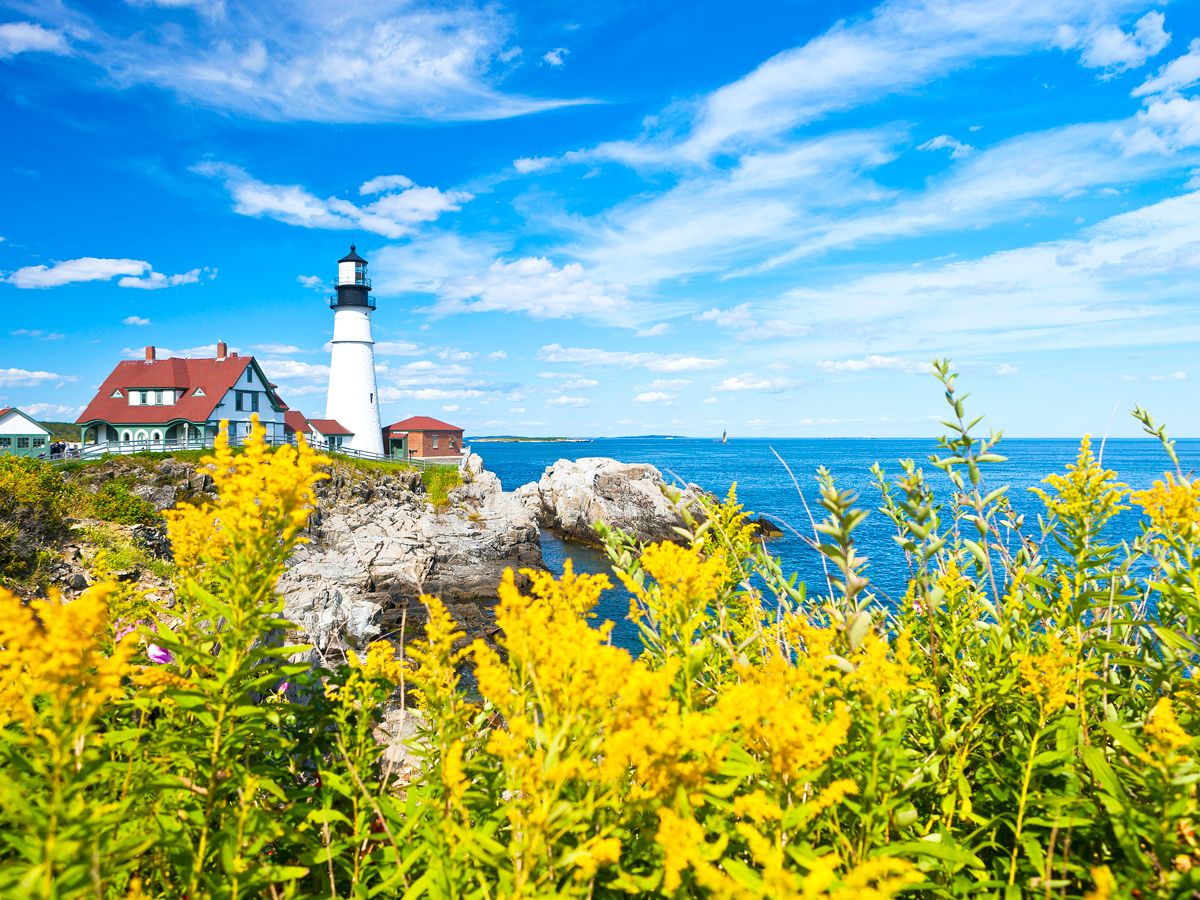
Though summertime temperatures in Maine continue to rise each year, it remains the seventh-coolest state in the nation. This is due to both the state’s northern geographic location, as well as its position along the Atlantic coastline, which is cooled by marine winds.
Temperatures along the coast of Maine reach average highs in the 80s during summer, compared with further inland, where average temperatures reach into the 90s. Average temperatures in Portland, Maine’s largest city, can bottom out at a much brisker 53 degrees at night, so pack accordingly if you plan to visit.
Oregon’s average summertime temperature measured a comfortable 65.8 degrees in 2024 — warmer than the state’s record low average summer temperature of 58.3 degrees in 1993 but still relatively mild. Of course, the terrain in Oregon is vast and varied, so temperatures also vary across the state. Eastern Oregon is known for its semi-arid continental climate, resulting in hotter temperatures, while western Oregon has a more temperate climate, due to the greater amounts of rainfall and higher overall elevation.
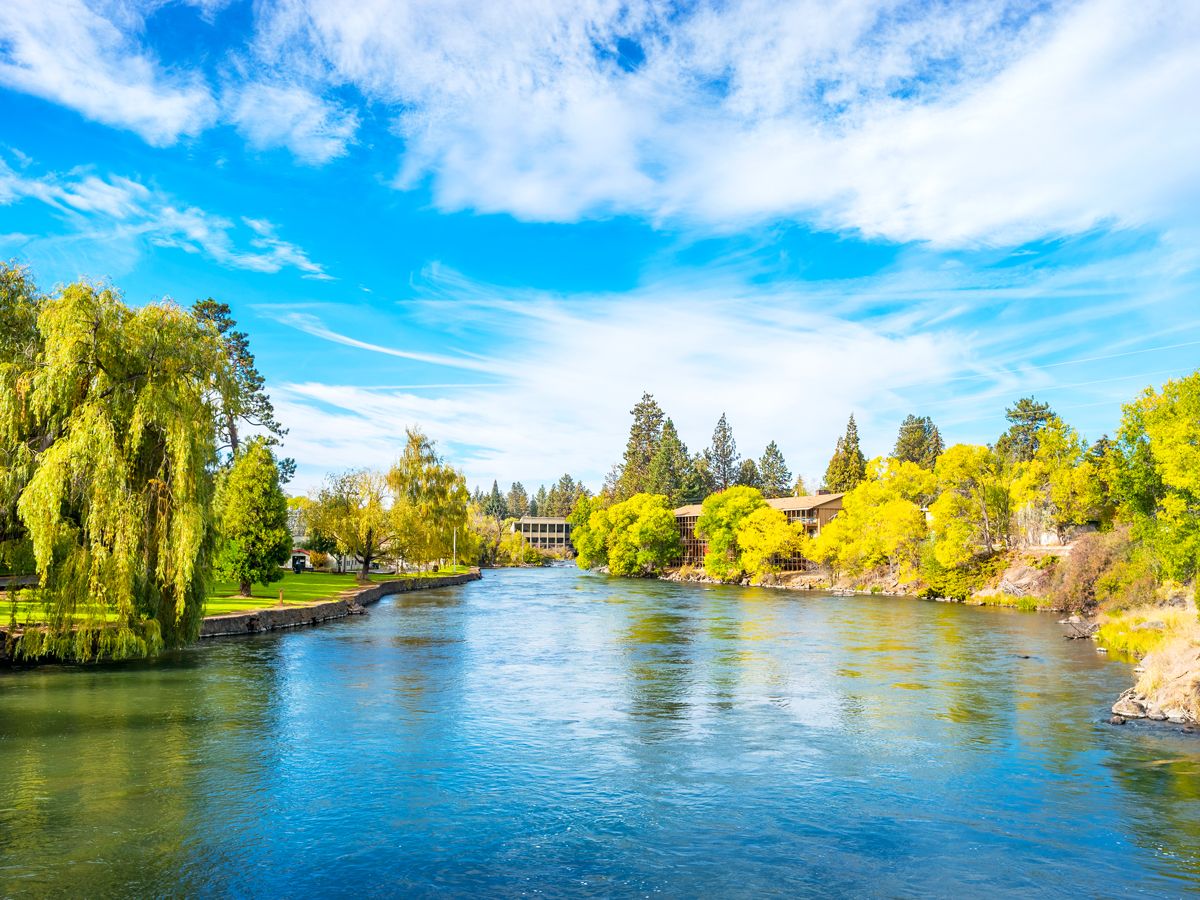
For example, in the central Oregon town of Bend, temperatures range from a low of 46 degrees at night to a daytime high of 81 degrees. Moving over to La Grande in the east, highs increase slightly to 82 degrees, though temperatures dip as low as 42 degrees. But if you go west toward Portland, you’ll find lows around 57 degrees and highs around 80 on average.
With a statewide average that barely eclipses 65 degrees, Idaho is America’s fifth-coolest state in summertime. In the northern part of Idaho, the weather tends to be milder but more humid. The hot season generally lasts from mid-June to mid-September, with average daily highs above 75 degrees but rarely exceeding 95 degrees.
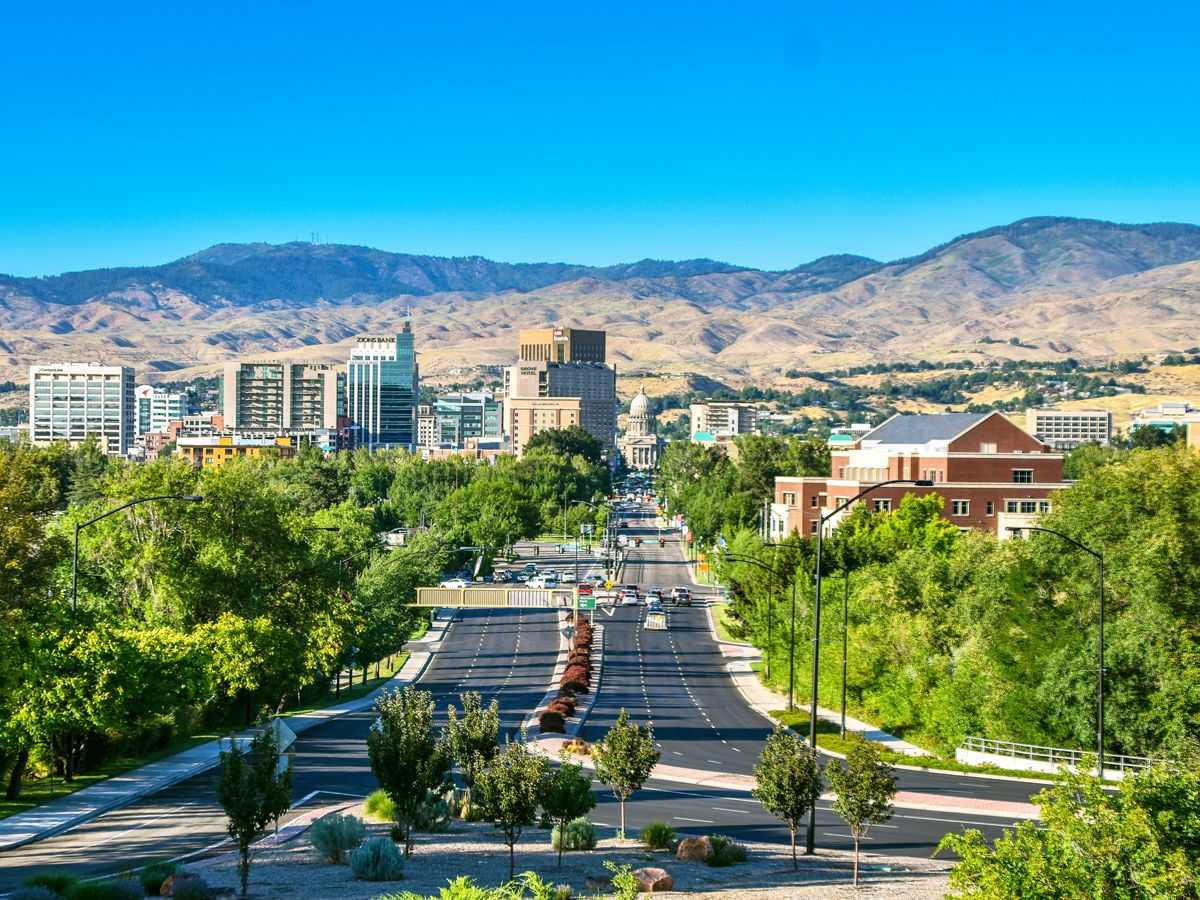
Southern Idaho summers, on the other hand, tend to be dry and warm. Average July temperatures in southern Idaho range from 56.3 degrees to 88.6 degrees. Temperatures in the capital city of Boise can peak in the low 90s in late July, but otherwise, daytime highs tend to sit between 77 degrees and 86 degrees.
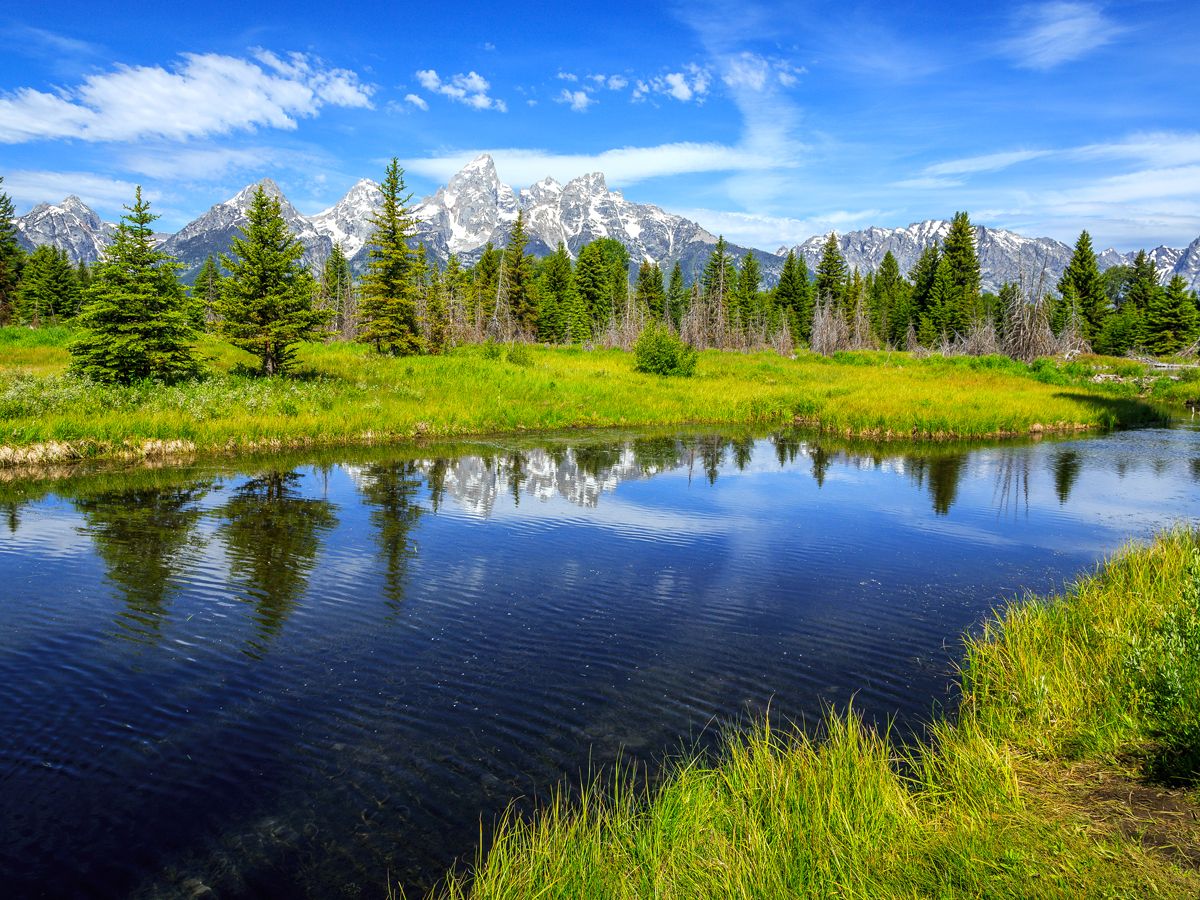
Wyoming’s pleasant summer temperatures are mostly thanks to the state’s mean elevation of 6,700 feet. Even the lowest point in the state sits at an elevation of 3,125 feet along the Belle Fourche River near South Dakota. These high elevations typically prevent temps in Wyoming from jumping into triple digits.
The average maximum temperature in July ranges between 85 degrees and 95 degrees throughout most of the state. However, nighttime temperatures in the high valleys and mountainous regions can dip below freezing, even in the summer. This is known to happen in Yellowstone National Park, where summer temperatures typically hover between 70 and 80 degrees during the day, but can drop below 32 degrees at certain higher elevations.
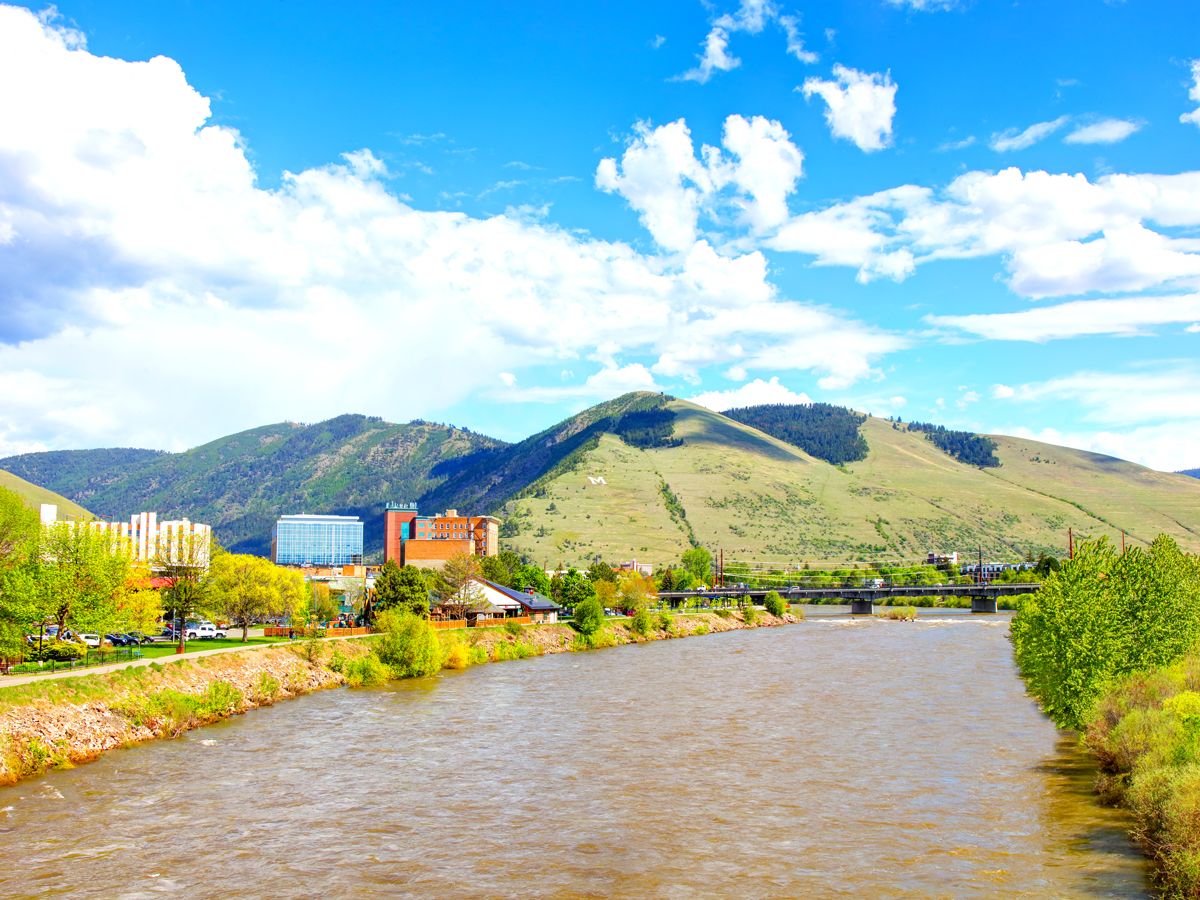
Big Sky Country is the third-coolest place to be in the U.S. during summer. While the state is still prone to the occasional heat wave, temperatures in the triple digits are rare. Average highs during the day tend to cap out in the 80s, and sometimes the 90s, but Montana’s mean temperature is still just 58 degrees in June, 67 degrees in July, and 65 degrees in August.
Summer days in Montana are generally dry and sunny, though the state is prone to a unique weather phenomenon called a dry thunderstorm. These storms don’t actually produce any rain — which makes sense given that Montana is generally more dry than humid — but the storms still produce lightning, which can be hazardous due to the dryness and an increased risk of wildfires.
2. Washington
Credit: Thomas Winz/ The Image Bank via Getty Images
Average temperature: 64.4 degrees Fahrenheit
Washington is the coolest state in the Lower 48. The Evergreen State’s northern location helps keep things temperate, as do the breezes coming off the Pacific Ocean. Eastern Washington is usually hotter in summer (and colder in winter) than out west, because the western portion of the state is kept cool by a moderating effect coming off the Puget Sound and Pacific Ocean.
During late summer, fog tends to roll through many parts of the state in the early morning. This is especially true throughout the lower valleys in western Washington, as well as around the San Juan Islands northwest of Seattle. These foggy skies may obscure direct sunlight, which keeps temperatures at relatively low levels across the state, especially when compared to the rest of the country.
America’s northernmost state is also the country’s coolest during summertime. In 2024, the average summer temperature in Alaska measured just 51.7 degrees. This is only 1.2 degrees higher than the statewide average between 1925 and 2000, suggesting that Alaska has been impacted less by increasing temperatures than many other states on this list. These low temperatures are due to Alaska’s northern latitude, its high average elevations, and its proximity to the cool breezes that come off the Pacific Ocean.
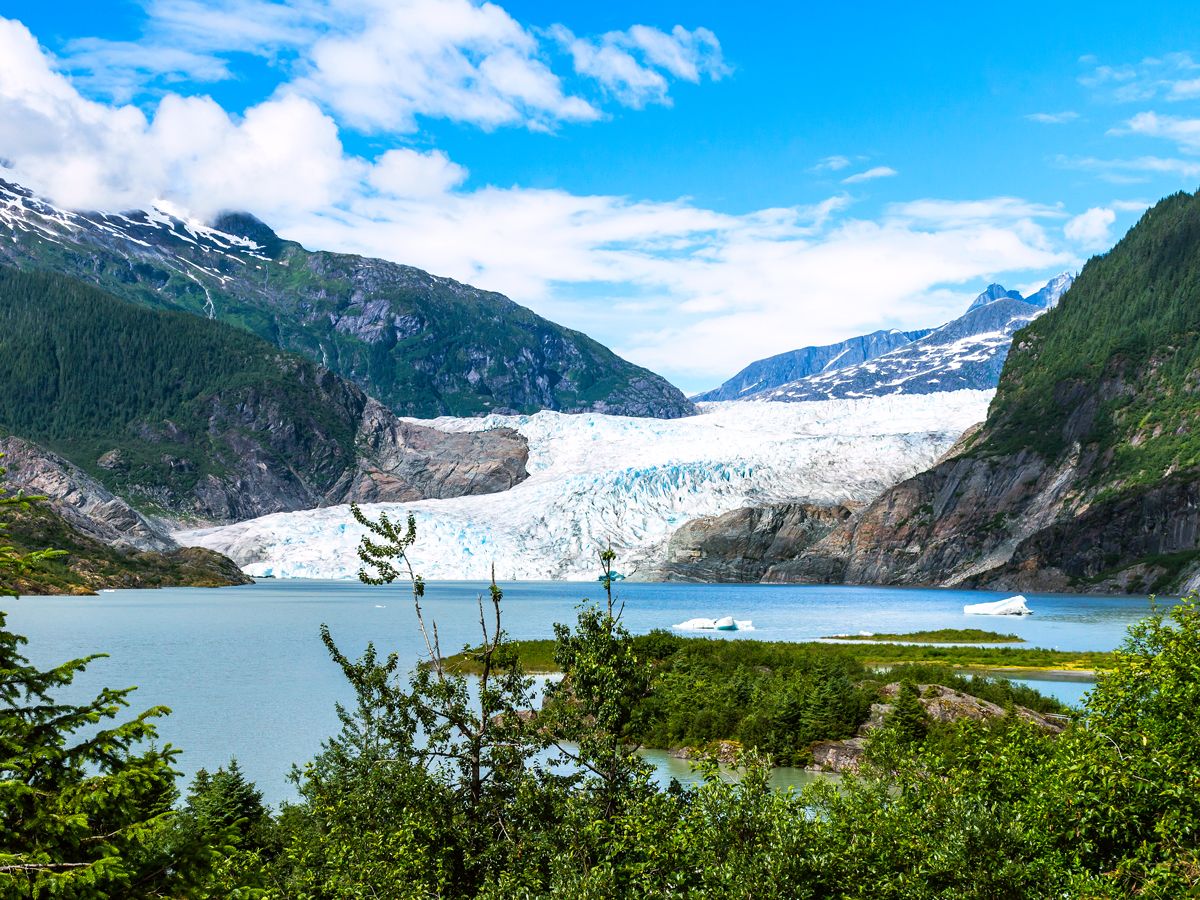
Despite being the coolest state in the U.S., you’ll still find a variety of summer temperatures across Alaska. Though rare, temperatures can reach as high as 90 degrees in Denali National Park. But in general, you should prepare for cooler weather than the rest of the country. Take, for example, the city of Anchorage, where summer averages range from just 50 to 70 degrees. In the capital of Juneau, summertime highs generally peak in the low-to-mid 60s, making it a lovely destination for those who prefer getaways to cooler climes.
About the data: To compile this list, we analyzed climate data from the National Centers for Environmental Information from June to August 2024 to determine the top 10 coolest states in summertime. We ranked the states based on the NCEI’s data for statewide average daily temperatures, which are calculated by averaging the minimum and maximum temperatures for the day. You can view the full reporting here.
Advertisement
More from our network
Daily Passport is part of Inbox Studio, an email-first media company. *Indicates a third-party property.
Rachel is a Washington, D.C.–based travel and lifestyle writer with roots in the Great Lakes region. When she’s not writing for publications such as The Discoverer and Interesting Facts, you’ll find her wandering through museums or exploring destinations off the beaten path.
If the beach is calling your name this summer, you’re not alone. According to a 2025 survey, beach vacations top the list of travel priorities for Americans this year. Whether you’re cruising the coastline or hopping a flight to the tropics, your perfect beach vacation should start with a thorough packing list, so you can relax from the moment your toes hit the sand. Check out our ultimate checklist of everything to pack for a beach vacation.
Note: All featured products and deals are selected independently and objectively by the author. Daily Passport may receive a share of sales via affiliate links in content.
For many travelers, dressing for a beach vacation is part of the fun. For a coastal retreat, think of light and breezy outfits that can be layered to adapt to the chilly ocean breeze at night. Linen pants, linen shirts, and lightweight knit sweaters are staples. To avoid overpacking, don’t bring your entire closet. Instead, pack a beach-ready capsule wardrobe using a few mix-and-match styles so you can create multiple outfits from fewer items.
Here’s a sample wardrobe packing checklist for a one-week beach vacation:
• Swimsuits (three minimum, so you always have a dry one ready to wear) • Cover-ups or sarongs • Rash guards or sunproof swim shirts (optional) • Daywear: four to five tops (T-shirts or tank tops) and bottoms (shorts and skirts) that you can easily mix and match • Evening wear: dresses, skirts, and blouses for women; button-down shirts and linen pants for men (aim to pack at least two to three outfits) • Layers: one or two lightweight sweaters or jackets • Footwear: comfortable waterproof sandals, walking shoes, and dress shoes • Accessories: sunglasses, a sun hat (baseball cap or wide-brimmed), and a small purse, wallet, or cross-body bag
Thankfully, you probably don’t need to haul all your beach supplies with you on your trip (especially that massive pool float), but bringing some packable essentials can save more time for relaxing. Consider which beach you’re headed to before you start packing, as some have location regulations on the types of toys, accessories, and gear you can bring on the beach. For example, Myrtle Beach’s umbrella size limitations prohibit any umbrellas larger than 7.5 feet in diameter.
A little research before you go can save you a big hassle in the long run. Read up on what beach essentials your resort or vacation rental offers, such as pool towels, snorkel gear, or floats.
Here’s a basic list of beach gear you’ll want to pack, depending on the amenities available at your destination:
• Foldable tote bags for water, snacks, gear, and souvenirs • Beach towels or blankets (if not provided) • Reusable water bottles • Waterproof phone case • Gear for activities: goggles, snorkels, packable floats, sand toys, sport games, beach umbrella, or sunshade
Between sunbathing at the pool and dinners by the ocean, keep yourself fresh and comfortable by bringing your usual toiletries with you. This includes one of the most important items on your checklist: sunscreen. Unless you’re hanging out by the pool for the week and won’t be swimming in the sea, you might want to opt for an environmentally friendly formula, particularly reef-safe sunscreen. These sunscreens are formulated without harmful chemicals.
And after a long day of fun, you might need extra support for your hair and skin, which could dry out from the salt water and sun. Here’s a list of toiletries to pack on your beach vacation:
• Reef-safe sunscreen (to protect your skin and the environment) • Personal hygiene products, such as a toothbrush, toothpaste, body lotion, hair products, hairbrush, and razors • Medications and pill organizers, including prescriptions and over-the-counter pain relievers, allergy relief, and antacids • After-sun lotion or aloe vera • Travel-size first aid kit
Even the most dedicated beach bum needs some downtime. Whether it’s listening to your favorite playlist or catching up on a good read, you won’t want to forget your go-to entertainment essentials. Plus, you’ll be prepared in the event of a rainy day, allowing you to make the most of your vacation, no matter the forecast.
Here’s a simple packing list for staying entertained at the beach:
• Books, magazines, or an e-reader or tablet • Portable speaker for beach tunes • Headphones for solo listening • Travel-size board games, video games, playing cards, or puzzles
Lastly, there are a few items that are easy to overlook but impossible to vacation without. They can make or break your beach getaway before it even begins, so they should be the last thing you double-check before you zip up your bag.
Daily Passport writers have been seen in publications such as National Geographic, Food & Wine, CBC, Condé Nast Traveler, and Business Insider. They're passionate about uncovering unique destinations and sharing expert tips with curious travelers.
When packing for a trip, we tend to spend most of our time focused on the essentials — clothes, shoes, hats, electronics, medicines, and the like. That makes perfect sense, but it also makes it easy to overlook smaller items that can turn a stressful travel day into a smooth one. Here are 10 of our must-have gadgets and accessories that will help your next trip go off without a hitch.
Note: All featured products and deals are selected independently and objectively by the author. Daily Passport may receive a share of sales via affiliate links in content.
Compression packing cubes work by shrinking your clothes and accessories into compact sections, allowing you to fit more in your carry-on and avoid checked bag fees. They’re fast and easy to use — simply fill them with clothes and zip them like a regular packing cube, then press down to get rid of excess air and zip up the second zipper, creating an even more compact cube. These cubes come in handy with items with a lot of air, such as puffer jackets, blankets, scarves, or sweaters. They also keep items organized and reduce wrinkles.
While lost or delayed luggage cases are rare, they unfortunately still happen on occasion. That’s why it’s important to take matters into your own hands when possible by tossing an Apple AirTag in your luggage. (Or if you’re an Android user, there are plenty of similar Bluetooth trackers to use instead.)
These devices use a technology called ultra-wideband, which sends out signals every two nanoseconds. The frequent signals provide information about the exact location of the AirTag or Bluetooth tracker and whether it’s on the move or stationary. This is then communicated to any nearby devices, and that data is then relayed to a larger network. If you slide an AirTag into any luggage that you’re planning to check, you can easily keep tabs on your bags throughout your journey. Often, it can help you figure out where your missing bags are before the airline does.
When walking around an unfamiliar city, arm yourself against electronic thieves by using an RFID-blocking wallet. Using an electromagnetic shield, an RFID-blocking wallet keeps your contactless cards safely stored and prevents credit card theft. RFID scanner signals can’t read the tags inside your cards when they are in this type of wallet, so your information remains safe. Most of the time, these wallets are lightweight and can hold many cards at once, so they’re practical as well as protective.
Nothing reminds you how much you depend on a smartphone quicker than a low battery and no way of charging it. These days, cellphones are far more than a tool for keeping in touch; they act as a place to store boarding passes and hotel confirmations, a method of payment, a navigational aid, a camera, and so on. To make sure you don’t find yourself in a sticky situation, check that you have remembered to pack your charger and cable. Pro tip: Keep your smartphone or tablet fully juiced throughout your travels with this solar power bank that can quickly charge up to three devices at once.
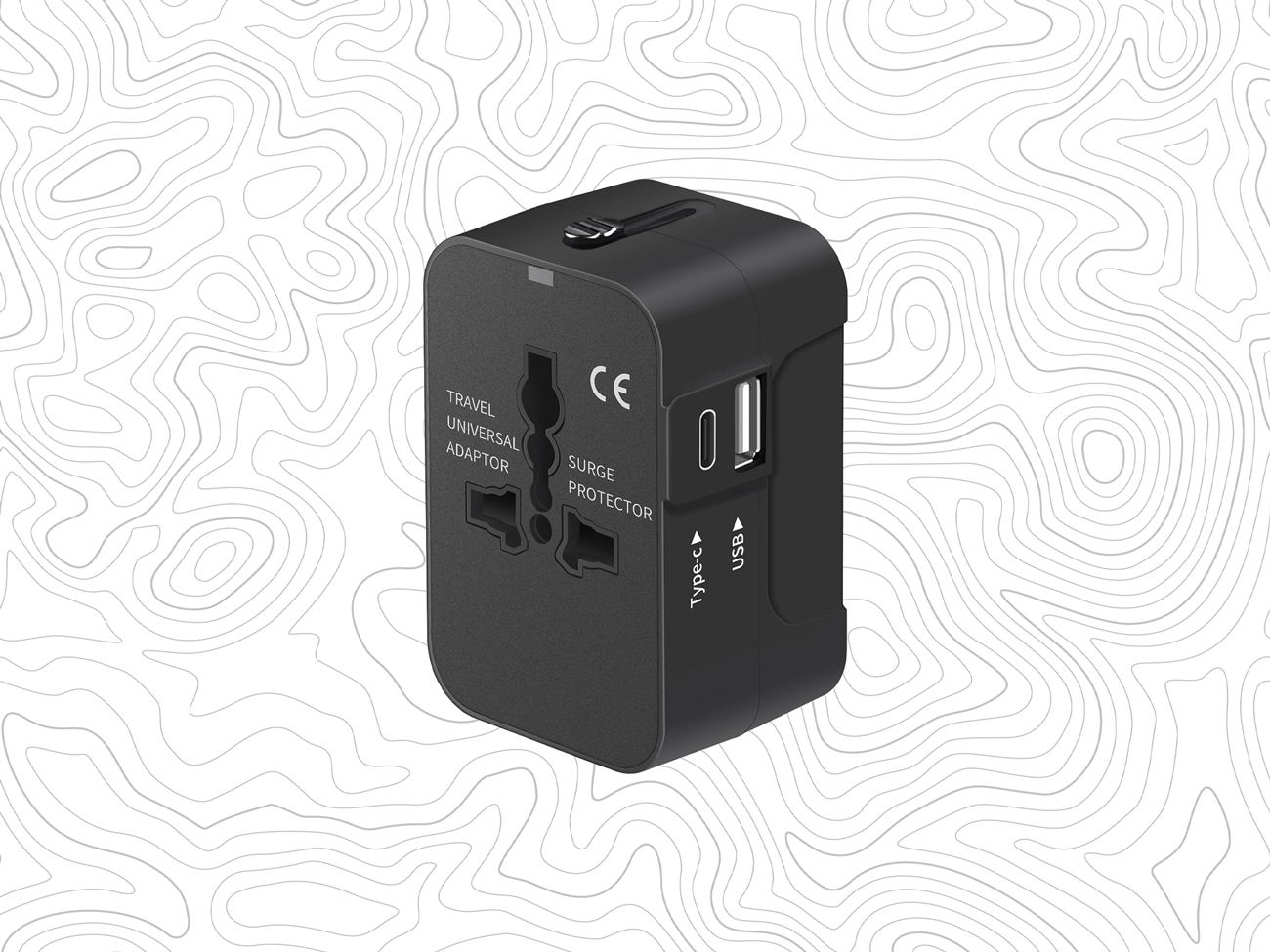
And if you’re traveling overseas, always check the type of electrical sockets you’re likely to encounter and make sure you pack the correct adapter and/or converter, too. For instance, this adapter from Newvanga works in over 150 countries and includes USB and USB-C slots, in addition to a slot for more traditional power plugs. You can also plug in multiple devices and charge your computer, smartphone, and tablet all at once.
A crying baby, a snoring seatmate, or in-flight announcements have the ability to majorly impact your quality of rest on a flight. Block out disruptions and pop in a pair of wireless noise-canceling earbuds, preferably with a self-contained charging case for when you might not have access to a charger. Some over-ear headphones options are pricey, but they offer impeccable sound quality and noise cancellation. Plus, can you really put a price on decent sleep? If the answer is yes, then these more affordable headphones might be the perfect compromise.
If your noise-canceling headphones utilize Bluetooth technology, you may wind up frustrated when you board your flight and have no way to plug them into the seatback entertainment screen. Enter the AirFly from Twelve South — a clever device that plugs into your seatback screen and lets you use your wireless headphones to listen to the on-demand entertainment on your flight. You simply attach the dongle to the screen’s 3.5 mm audio input and pair the AirFly to your Bluetooth headphones like you would any other Bluetooth accessory.
If you’re sensitive to light, a quality eye mask will do wonders to help you fall (and stay) asleep on a plane, bus, car, or train. Look for one made of plush memory foam, which is easily adjustable and able to conform to any head shape. The mask should fit tightly yet comfortably around your eyes, stopping any light from creeping in.
Memory foam pillows are also helpful for sleeping, as they contour to your neck and help create a soft cushion between your head and the hard wall of the cabin. You can opt for an inflatable pillow if you want to squeeze more space in your bag, or, if you get cold easily, a 2-in-1 travel blanket and pillow combo.
Lastly, if you’re a light sleeper, don’t underestimate the power of noise-canceling earplugs. Loop earplugs, for instance, come in various colors and styles, with one model made specifically for travel.
Air travel can be dehydrating, and cabin crew members don’t always have the time during a busy flight to deliver drinks on demand. Instead, pop a large reusable water bottle into your carry-on and fill it up at an airport water fountain before you board your flight (but after you pass through security). Not only will you stay hydrated, but over time this will also save money on the cost of buying bottles of water at the airport — and you’ll be doing your bit to save the planet by cutting down on single-use plastics.
Studies show that compression socks help improve blood flow and prevent conditions such as swelling and DVT. These socks are often made of a flexible fabric that forms a tight seal around the leg without being too restrictive. Many variations are also tighter around the ankles and loosen as they make their way up the calves, which encourages upward blood flow toward the heart. When you wear a pair, your legs are much less likely to feel achy and swollen once you disembark the plane, and the odds of developing related medical issues also decrease.
While most hotel rooms have a safe for you to store valuables when you’re out and about exploring your destination, some experts say it might not always be as secure as you think. Another option is to travel with a portable safe of your own, such as this soft, canvas bag from Pacsafe. This travel safe easily fits into your luggage, but is still big enough to hold a laptop, a passport, and any other valuables you may be traveling with.
From tiny ponds to bodies of water the size of entire countries, the United States is home to hundreds of thousands of lakes. America’s lakes create natural habitats for countless fish, bird, and amphibian species and play a key role in everything from recreation to trade, agriculture, and tourism. Discover the 10 largest lakes in the United States.
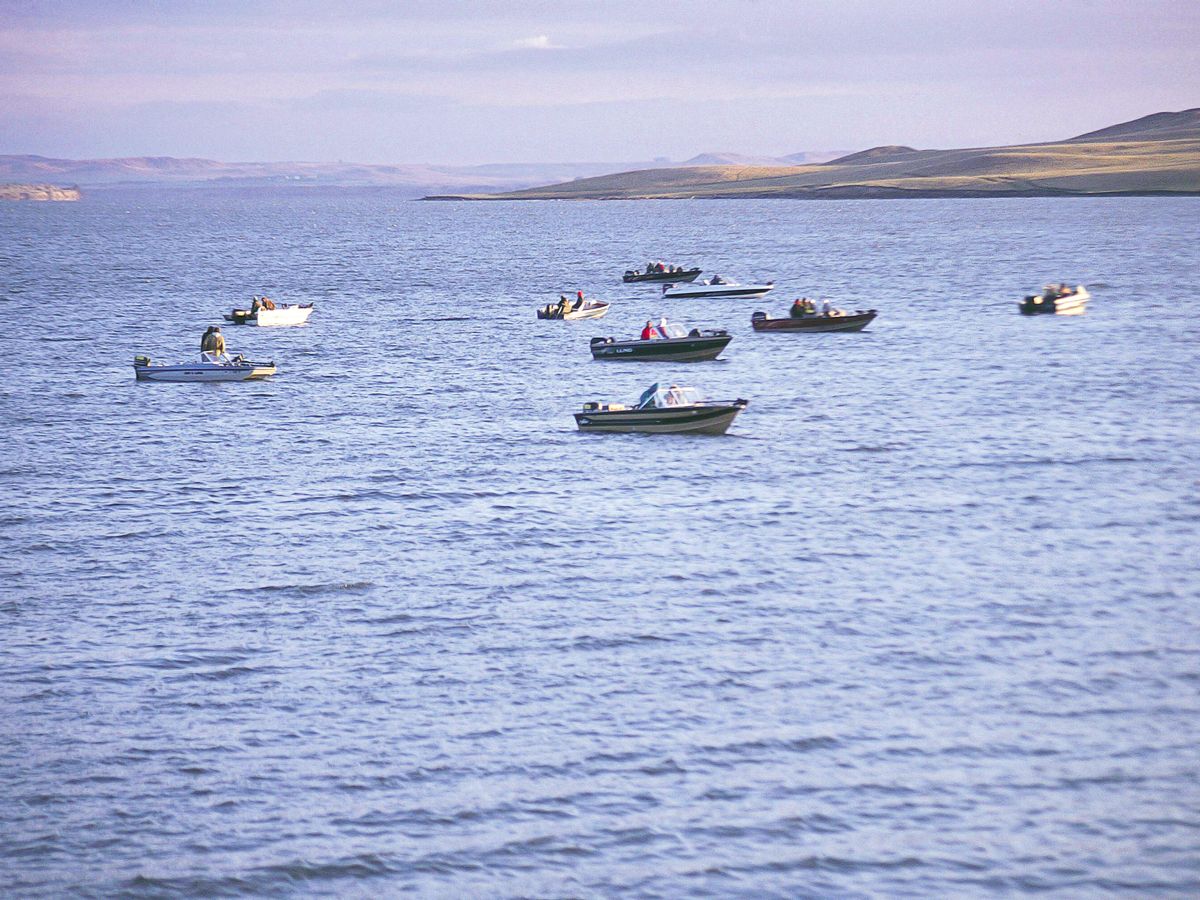
Lake Oahe stretches for 231 miles between Pierre, South Dakota, and Bismarck, North Dakota. This vast reservoir on the Missouri River boasts a 2,250-mile-long shoreline. The lake (along with Oahe Dam in Pierre) is named after the Oahe Mission, founded by the Dakota Sioux peoples in 1874.
Popular activities on and around Lake Oahe include boating, birding, camping, and hiking. Fishing is another big draw here, especially for walleye, channel catfish, northern pike, and smallmouth bass. A collection of 51 recreational areas provide easy access to the lake’s outdoor adventures.
9. Lake Okeechobee – Florida
Credit: Jeff Greenberg/ Universal Images Group via Getty Images
Surface area: 730 square miles
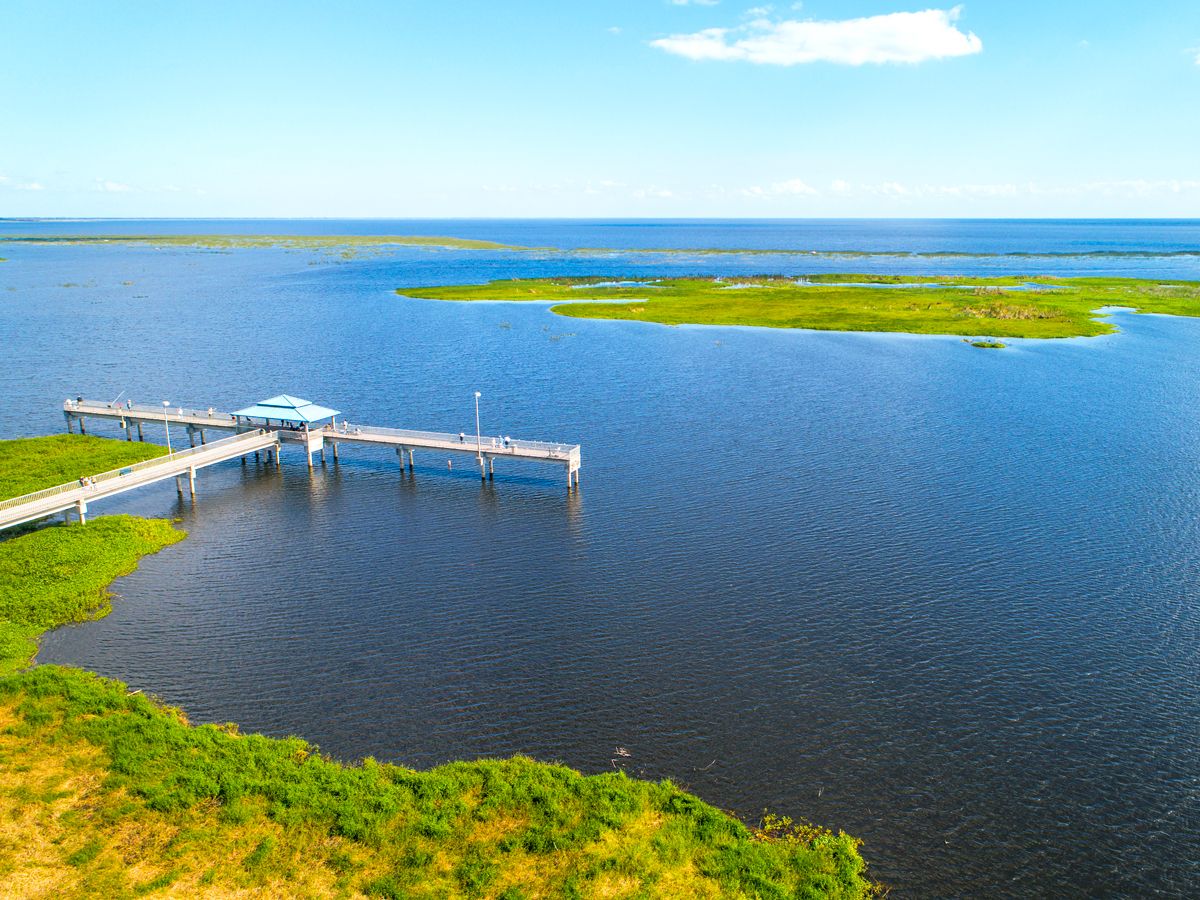
Part of the Greater Everglades ecosystem, Lake Okeechobee is the largest lake in the southeastern United States. Once home to the Calusa and Seminole peoples, the lake gets its name from the word for “big water” in the Hitchiti language. Lake Okeechobee connects to the Atlantic Ocean and Gulf of Mexico via the Okeechobee Waterway, a canal system built in the 20th century.
While alligators, manatees, turkeys, and wild hogs all inhabit the shores of Lake Okeechobee, it’s perhaps best known for the huge number of game fish in its waters. Anglers flock here to catch bass, bream, and black crappie, among other species. Admire the lake’s pretty waters via the Lake Okeechobee Scenic Trail (LOST), a 110-mile route that follows the entire perimeter.
Iliamna Lake, Alaska’s largest lake, is located at the northern edge of the Alaskan Peninsula. Measuring about 80 miles long with a maximum depth of around 900 feet, this isolated body of water is reachable only by boat or plane.
According to the folklore of the Tanaina peoples, a giant blackfish lurks in the waters and is capable of biting holes in canoes. The villages of Kokhanok and Iliamna, just 30 miles from Lake Clark National Park and Preserve, serve as gateways to the lake. Visitors can spot bears and one of the world’s only populations of freshwater seals, while August and September are prime months for catching rainbow trout.
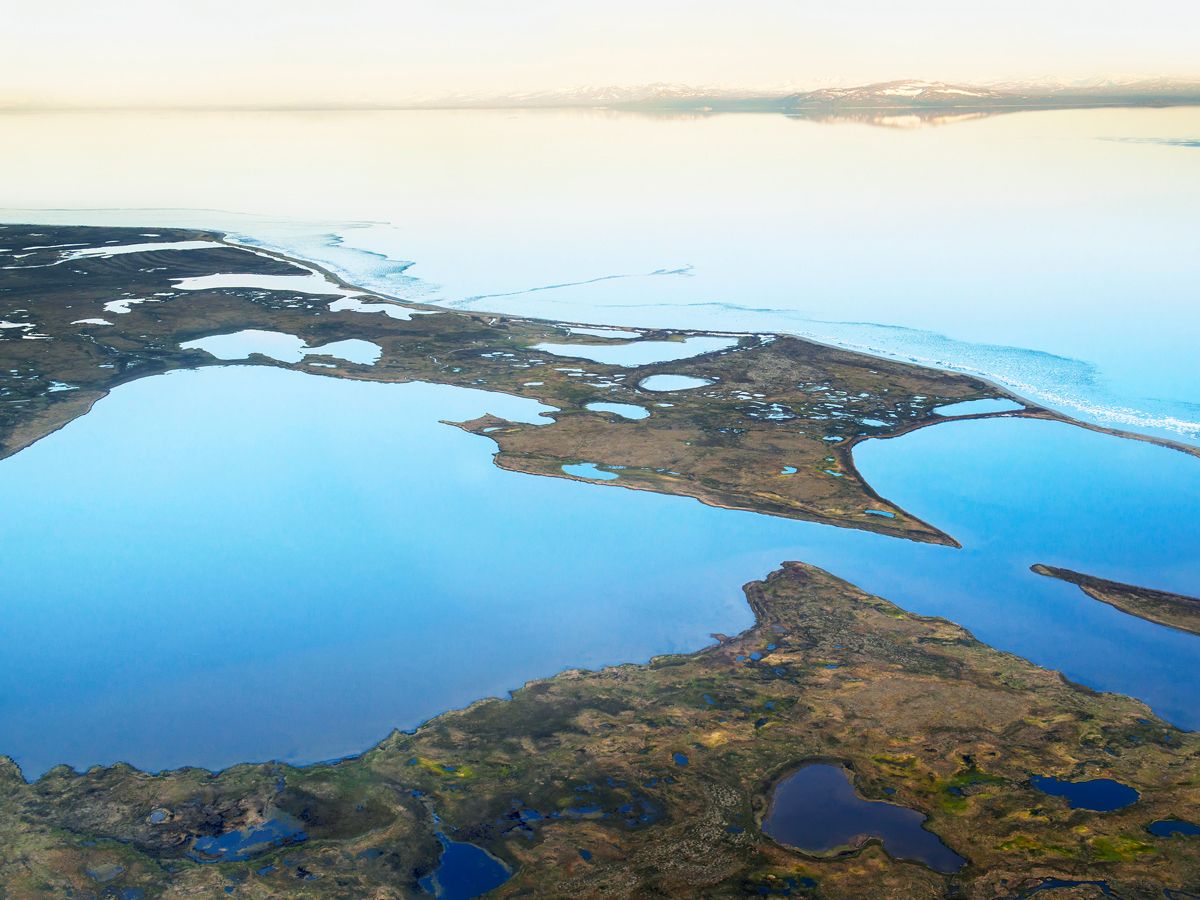
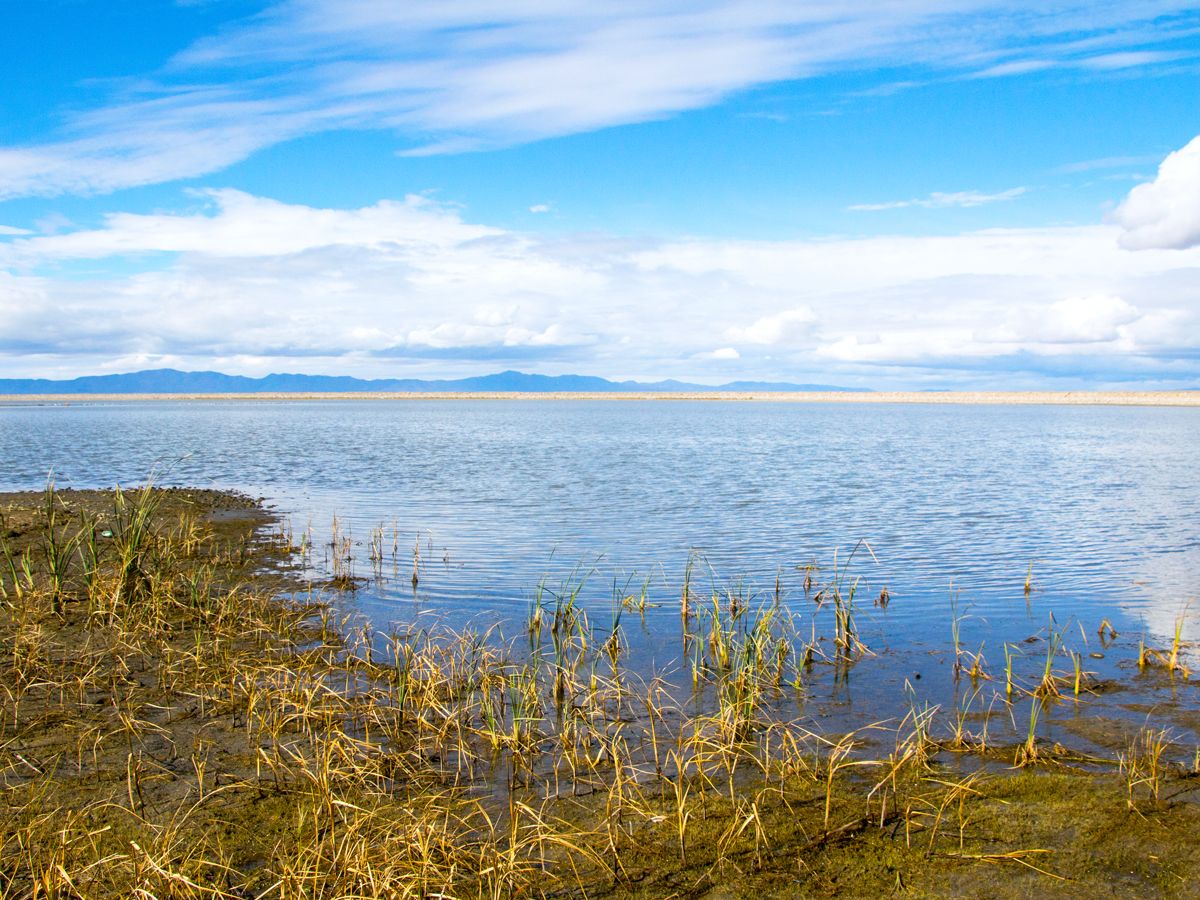
Located entirely in Utah, Great Salt Lake is the largest saltwater lake in the Western Hemisphere. It’s a remnant of the prehistoric Lake Bonneville, which once sprawled across present-day Utah, Nevada, and Idaho. The lake’s surface area fluctuates seasonally. Its smallest recorded surface area was 950 square miles in 1963, and the highest was 3,300 square miles in 1988. On average, it measures approximately 1,700 square miles.
6. Lake of the Woods – Minnesota, Manitoba, and Ontario
Credit: Thomas Fricke/ Corbis Documentary via Getty Images
Surface area: 1,727 square miles
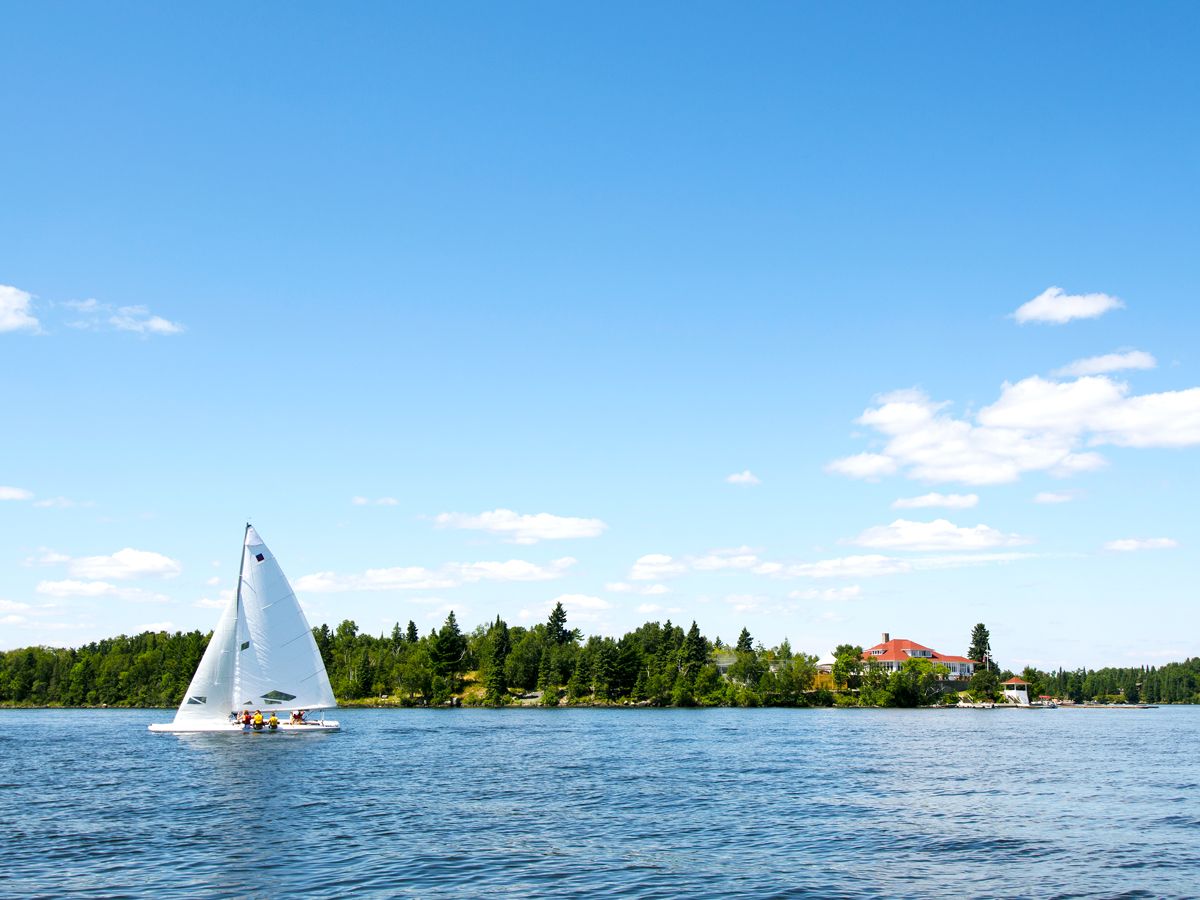
Straddling the U.S.-Canada border, the world’s longest international border, Lake of the Woods spans an area bigger than Rhode Island. Measuring approximately 70 miles long and 60 miles wide, the lake is home to 25,000 miles of shoreline and 14,552 islands, the majority of which lie in Ontario.
In winter, the lake freezes over, allowing ice roads to provide vehicle access from northernmost Minnesota to the state’s southern region without entering Canada, as would be required in warmer months. Northwest Angle, set above the 49th parallel, is the northernmost place in the contiguous United States.
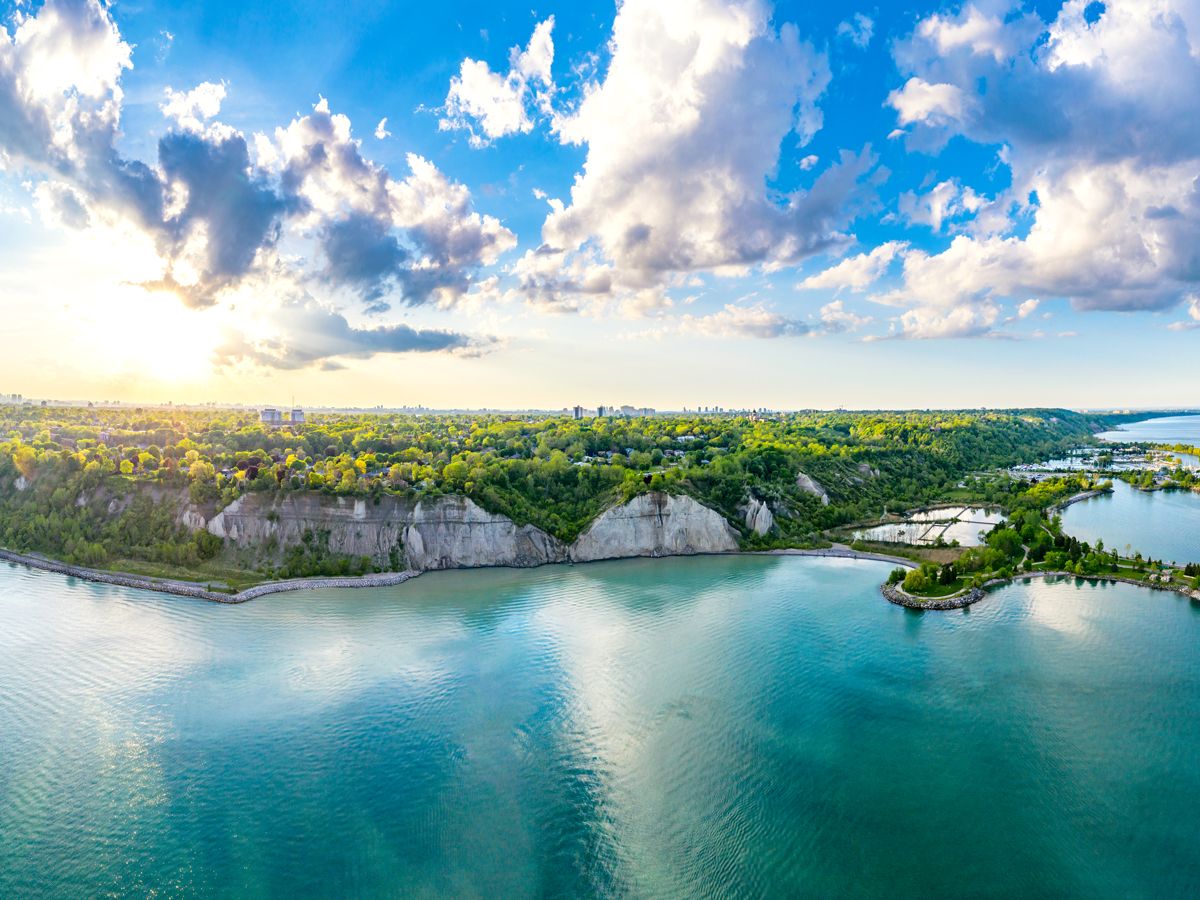
Lake Ontario is the easternmost and smallest of the Great Lakes, the world’s largest freshwater system. It acts as the system’s outlet, draining into the Atlantic Ocean via the St. Lawrence River. Similar to the other Great Lakes, Lake Ontario was formed at the end of the last ice age by glacial movement and meltwater. Its name is a derivation of the Iroquoian wordkanadario, which means “beautiful lake.”
Roughly 100 beaches and 2,000 islands are scattered around the lake, including the Thousand Islands complex, home to Wellesley Island State Park. Major U.S. and Canadian cities such as Rochester and Toronto are located on the shores of Lake Ontario. In fact, some 25% of Canadians live within the lake’s watershed.
4. Lake Erie – Michigan, New York, Ohio, Pennsylvania, and Ontario
Connected to Lake Ontario via the Niagara River and Niagara Falls, Lake Erie has 870 miles of shoreline. It’s a haven for thousands of migrating butterflies, shorebirds, songbirds, and waterfowl. Nutrient-rich soil from the lake’s watershed also aids in the cultivation of the Concord grapes, used at over 20 wineries in the Lake Erie Wine Country. Buffalo, Cleveland, and Toledo all sit on the shores of Lake Erie, with the latter being home to the National Museum of the Great Lakes.
3. Lake Michigan – Illinois, Indiana, Michigan, and Wisconsin
Stretching 300 miles north from the border of Illinois and Indiana, Lake Michigan is the largest lake located entirely within U.S. territory. It’s connected to Lake Huron via the Straits of Mackinac, where the 5-mile-long Mackinac Bridge links Michigan’s Upper and Lower Peninsulas.
A diverse climate supports natural habitats for 140 bird species, including the endangered piping plover, and rare plant species such as the dwarf lake iris. Lake Michigan is also home to the Sleeping Bear Dunes, which is the largest freshwater dune system on Earth. In Chicago, visitors can enjoy the Lakefront Trail, an 18.5-mile mixed-use pathway passing beaches, parks, and iconic city attractions.
At 3,827 miles, Lake Huron has the longest shoreline of the Great Lakes. Its ecosystems range from freshwater beaches to forests, sand dunes, and wetlands. The shores of Lake Huron are home to seemingly endless stretches of sand, including the popular 8.7-mile-long Wasaga Beach.
Summertime water temperatures often exceed 70 degrees Fahrenheit, making the lake a haven for watersports. Thunder Bay National Marine Sanctuary is a hot spot for diving and kayaking. It’s close to Shipwreck Alley, where nearly 100 of the lake’s approximated 1,000 shipwrecks are found. The forested Les Cheneaux Islands are another favorite of boating enthusiasts.
Lake Superior – Minnesota, Wisconsin, Michigan, and Ontario
Holding 10% of the world’s fresh surface water, Lake Superior is the largest lake in the United States and the second-largest lake in the world. Its total area is roughly the same size as Austria. Lake Superior’s dramatic landscape features boreal forests, rocky shorelines, sea stacks, and wetlands. These habitats support hundreds of animal species, including the bald eagle, endemic siscowet lake trout, and endangered Canada lynx.
A major highlight of Lake Superior is Isle Royale National Park, renowned for diving, hiking, and kayaking. Another must-visit is the Great Lakes Shipwreck Museum at Whitefish Point, which reveals the fascinating (and often perilous) maritime history of the lakes.
Michael is a staff writer for Daily Passport and film critic who writes the weekly newsletter Movie Brief. His writing and criticism have also appeared in the Los Angeles Times, Variety, and the Washington Post, among others. A native Angeleno, his favorite countries to visit are Norway and Japan.
There’s a reason entire websites are devoted to helping you book your flight: Airlines make it intentionally confusing. They are businesses, after all, and their goal is to make as much profit as possible. In an effort to do so, airlines may employ a number of subtle strategies on the booking page to encourage customers to spend more, many of which are rooted in actual psychology. Navigating these tricks isn’t easy, but you can still score a great deal on airfare when you recognize what you’re up against. Here are four ways airlines get you to spend more money.
When’s the best time to book a flight? Even the experts disagree on the answer to this, which has to do with the fact that airline pricing is highly dynamic. Ticket prices are constantly fluctuating based on factors such as demand, competition, seat availability, seasonality, and how far out you book. Airlines have a complex system of fare buckets, each representing a different type of ticket on the plane, that come with different restrictions, such as an advance purchase requirement.
A 2019 USC study found that the number of these fare buckets ranged from 24 on an American Airlines flight to a whopping 77 on Delta. Some buckets may be closed off or restricted during peak times, resulting in higher fares.
For what it’s worth, according to travel agency Expedia’s 2024 Air Travel Hacks Report, the sweet spot for booking domestic flights is about 28 days before you are planning to depart, while other surveys suggest a booking time frame of 21 to 74 days before departure. For international flights, you’ll want to book a bit earlier — at least two months before departure, according to Expedia.
Another factor to take into consideration is that there are routes that operate multiple times a day, which may force you to choose between spending less but waking up much earlier than you’d like to — or paying more for the luxury of departing at a reasonable hour. Setting price alerts on websites such as Google Flights helps, but a lot of the time, securing the cheapest fare is ultimately more of an art than a science — and that’s by design.
What exactly is the difference between basic economy, economy, economy plus, and premium economy? And is it the same on every airline? Is it more expensive to go with a cheaper option and buy individual add-ons like seat selection and a checked bag than it is to buy the all-inclusive ticket? If you’re overwhelmed by uncertainty and indecision over these choices, you’re not alone.
In 2012, Delta was the first U.S. airline to introduce “basic economy,” which came with a set of restrictions (e.g., no changes, bags, or advance seat selection) in exchange for a lower ticket price. More recently, in May 2025, the airline made headlines again for rebranding its fare classes into several new categories such as Main Basic, Main Classic, and Main Extra, each of which comes with different perks and restrictions.
Confused? That’s decision fatigue. Indeed, studies have found that consumers make suboptimal decisions when varying options and price points are presented throughout the booking process — what economists call “drip pricing.” That’s because, if they’ve gotten that far already, travelers are unlikely to give up and start over — and airlines know that.
The more exhausted you are by a bevy of choices, many of which don’t arise until you’re well into the process of booking your flight, the more likely you are to throw your hands up and spend more money so you don’t have to worry about missing out on a worthwhile perk later on. The price you saw when you initially decided which flight to go with is rarely the same price you see when you finally check out, but you might think that starting over or going with a different airline runs the risk of somehow being more expensive, so you book the flight anyway.
We’ve all seen the message that there are “only two seats left at this price,” but is it actually true? Sort of, but it’s complicated. Remember those fare buckets from earlier? Airlines allocate a limited number of seats to the cheapest buckets, and when they sell out, it’s true that only more expensive fare types are left to purchase.
But demand is constantly shifting, and if an airline sells fewer seats than their data predicted, or if many passengers change their plans and cancel or rebook their tickets, they might open up a lower fare bucket again closer to departure. Similarly, if a competitor drops their fares, the airline might lower their fares to match.
Regardless, the messaging of a limited number of tickets being available does create a sense of urgency that makes prospective customers more likely to act now than wait until later, when the previously available price might be gone. But if you choose a fare without change fees, you should be able to reprice your ticket later if you notice the fare has gone down.
You might not want to pay extra to insure your trip at the end of the booking process, especially if you’re unsure what protection that actually grants you, but seeing the number of people who’ve chosen to do so today might sway you. That’s what airlines hope, at least.
It’s a tactic called “social proof,” and it functions kind of like peer pressure, except that it doesn’t actually tell you everything you need to know. For example, how many people insuring their trip qualifies as a lot in the grand scheme of things, and how many actually end up needing it? You may not know the answer, but it always pays to take a moment before you buy to do your research. Find out if the cost makes sense for your needs, so you don’t end up paying more than you wanted to for your flight.
Cynthia kicked around the world for a while before landing in Colorado. Her work has appeared in Food & Wine, the Boston Globe, and National Geographic, among others. She loves dives — both scuba and bars — baseball, the Oxford comma, and live music.
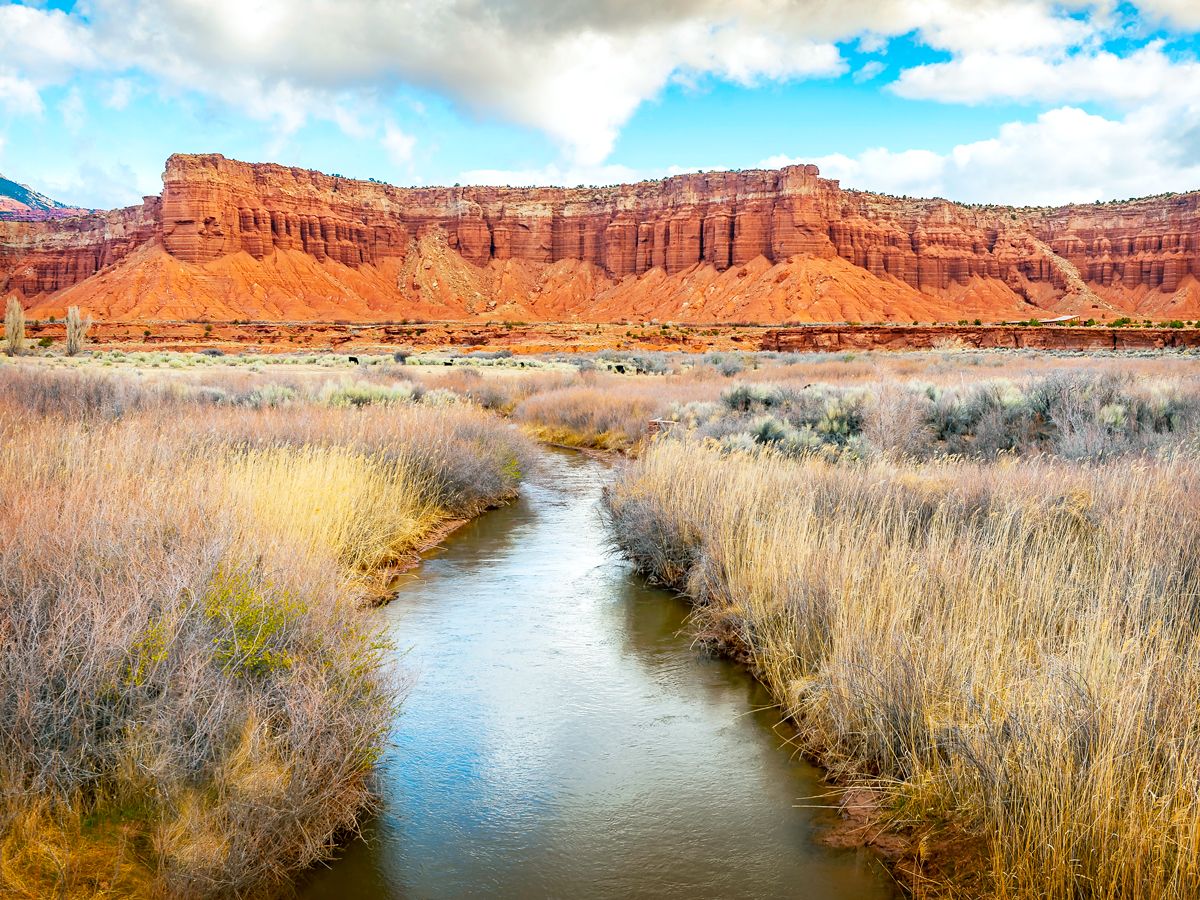
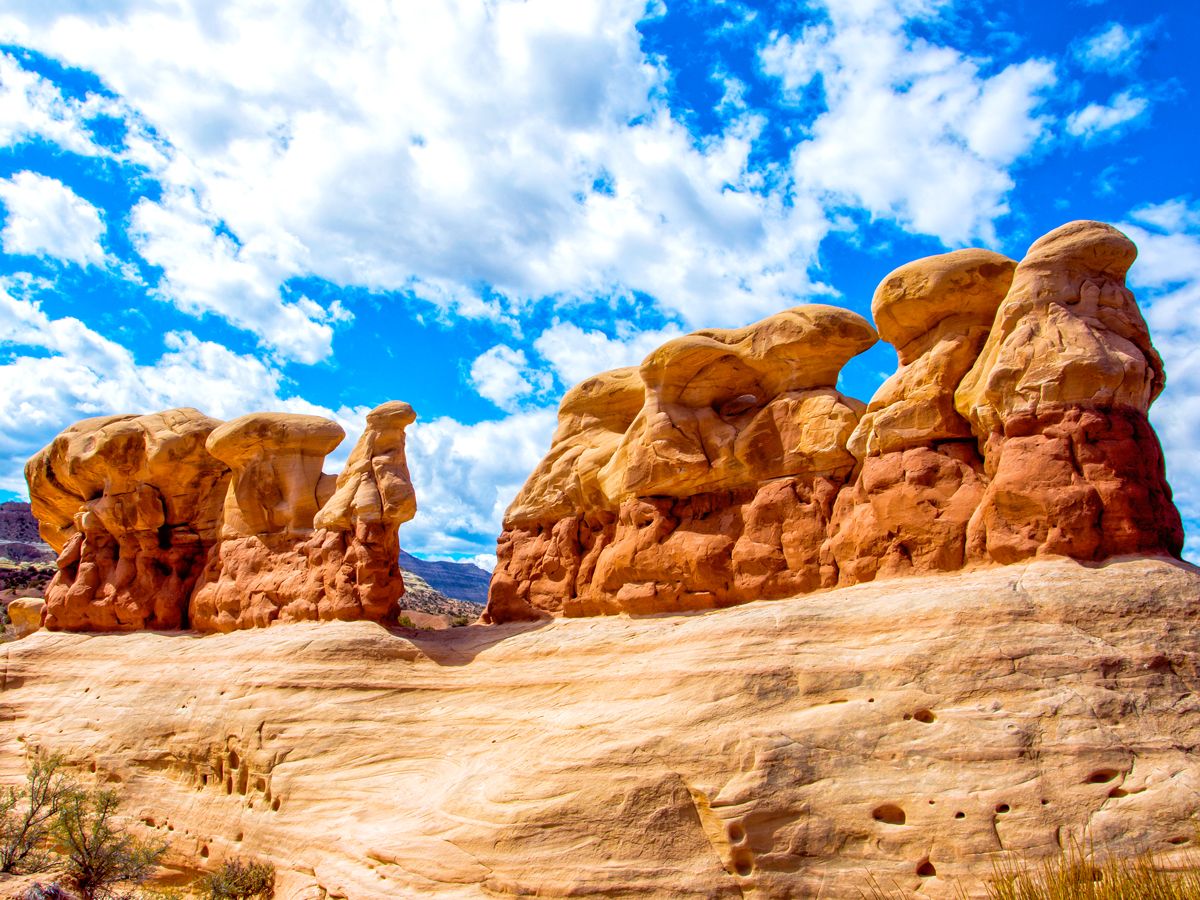
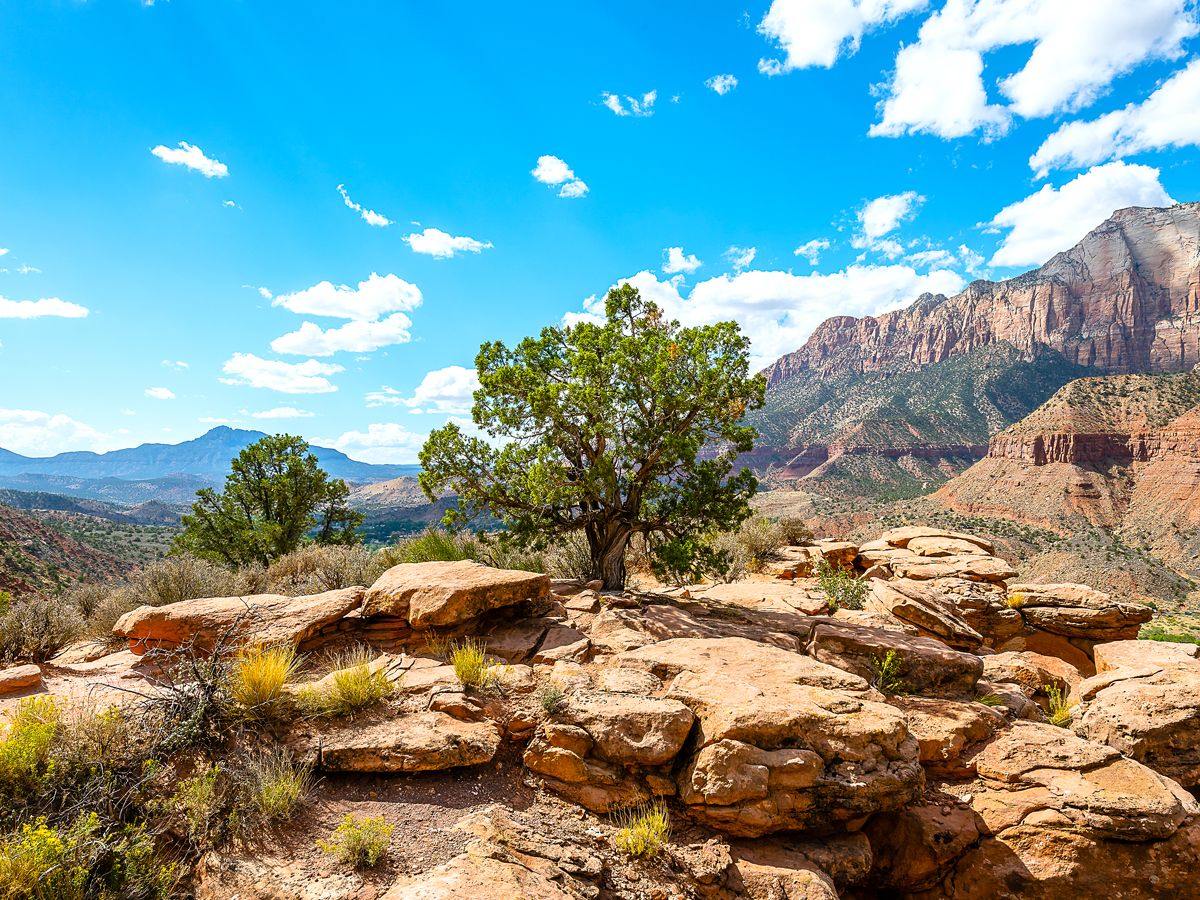
On African safaris, the “big five” are game animals, namely lions, leopards, rhinoceroses, elephants, and African buffalo. In Utah, the big five attractions are national parks — and not only that, but some of the most stunning and most-visited natural preserves in the country. Utah’s “Mighty Five” — Zion, Bryce Canyon, Capitol Reef, Arches, and Canyonlands — each offer unparalleled geological diversity and unforgettable adventures, from haunting sandstone hoodoos to gravity-defying red-hued arches. Whether you’re planning to visit one park, two, or all five, we’ve compiled essential tips, highlights, and itineraries to make the most of your trip.
When school lets out, families hit the road, which means summer is the most crowded time to visit Utah’s “Mighty Five” national parks. In the summer, the mercury can climb to 100 degrees Fahrenheit or higher, but spring and fall offer mild temperatures in the range of 60 to 80 degrees. Winter, on the other hand, brings snow and solitude.
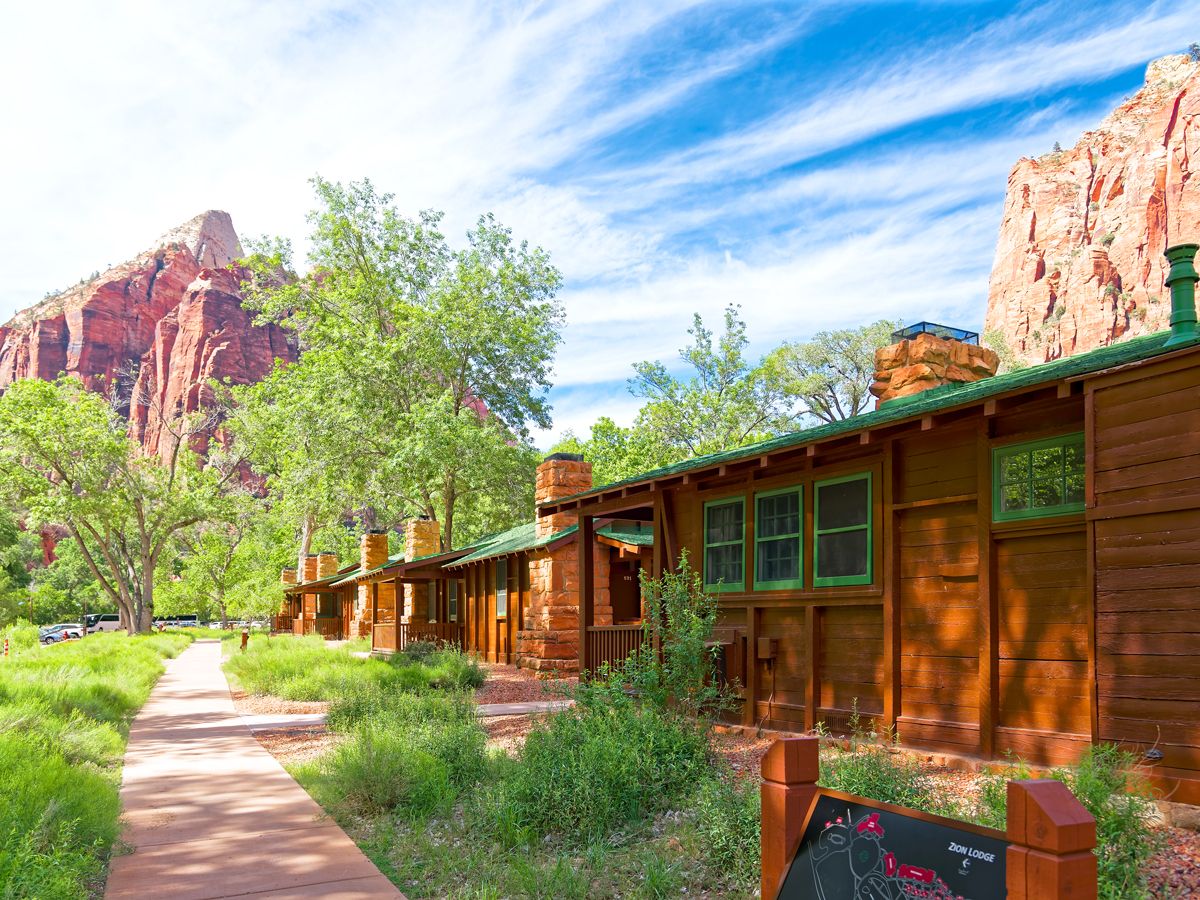
Arches National Park has a timed entry program during peak months, and most places may require advanced permitting for camping and to hike certain trails. If you’re planning to stay at in-park lodging, make reservations as early as possible: Zion Lodge, the Lodge at Bryce Canyon, and other desirable digs can book out six to 12 months in advance.
Additionally, conditions (such as timed admissions or closed trails) can change from week to week. Make sure to check with the relevant park sites for the most up-to-date information. The helpful NPS app provides maps and tools to explore all of the nation’s more than 400 national parks and monuments.
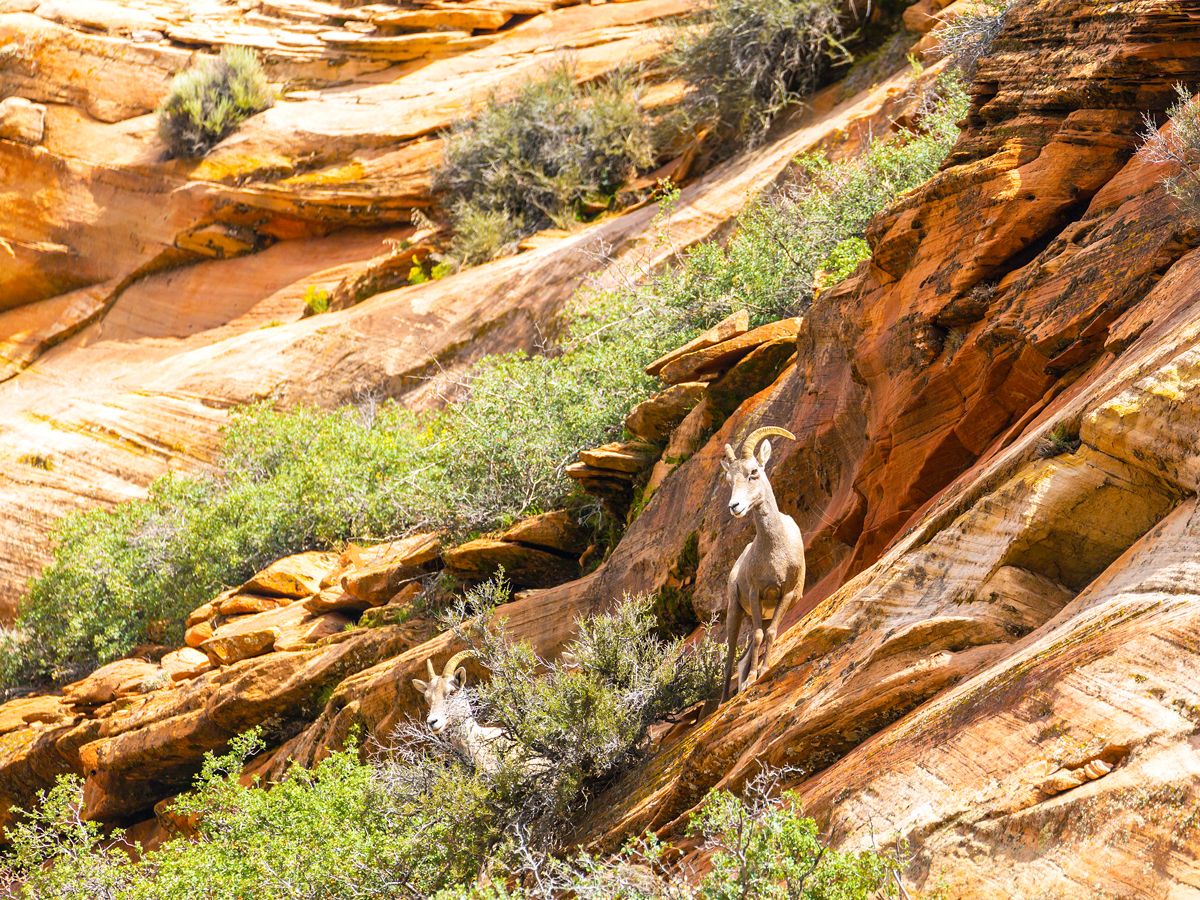
The parks provide wilderness at its wildest, so preparation is key. Animal encounters should always be from a distance, for your safety and theirs. When hiking, it’s best to head out early in the day (particularly during summer), wear sunscreen, and be aware of both sunstroke and hypothermia. Sturdy shoes and appropriate clothing are a must, as is staying hydrated.
Also, keep in mind that flash flooding can present a deadly danger and come without warning. If you’re planning to explore narrow caverns, check the weather forecast for incoming storms. And lastly, do your part to protect the parks by staying on trails, leaving cultural artifacts, plants, and rocks where you found them, and carrying out all trash.
If you’re looking to hit all five of Utah’s national parks, we suggest starting your journey in Moab, which makes a great base for exploring both Arches and Canyonlands national parks. The city offers a variety of lodging and dining options, as well as tour operators who can arrange all manner of outdoor adventures.
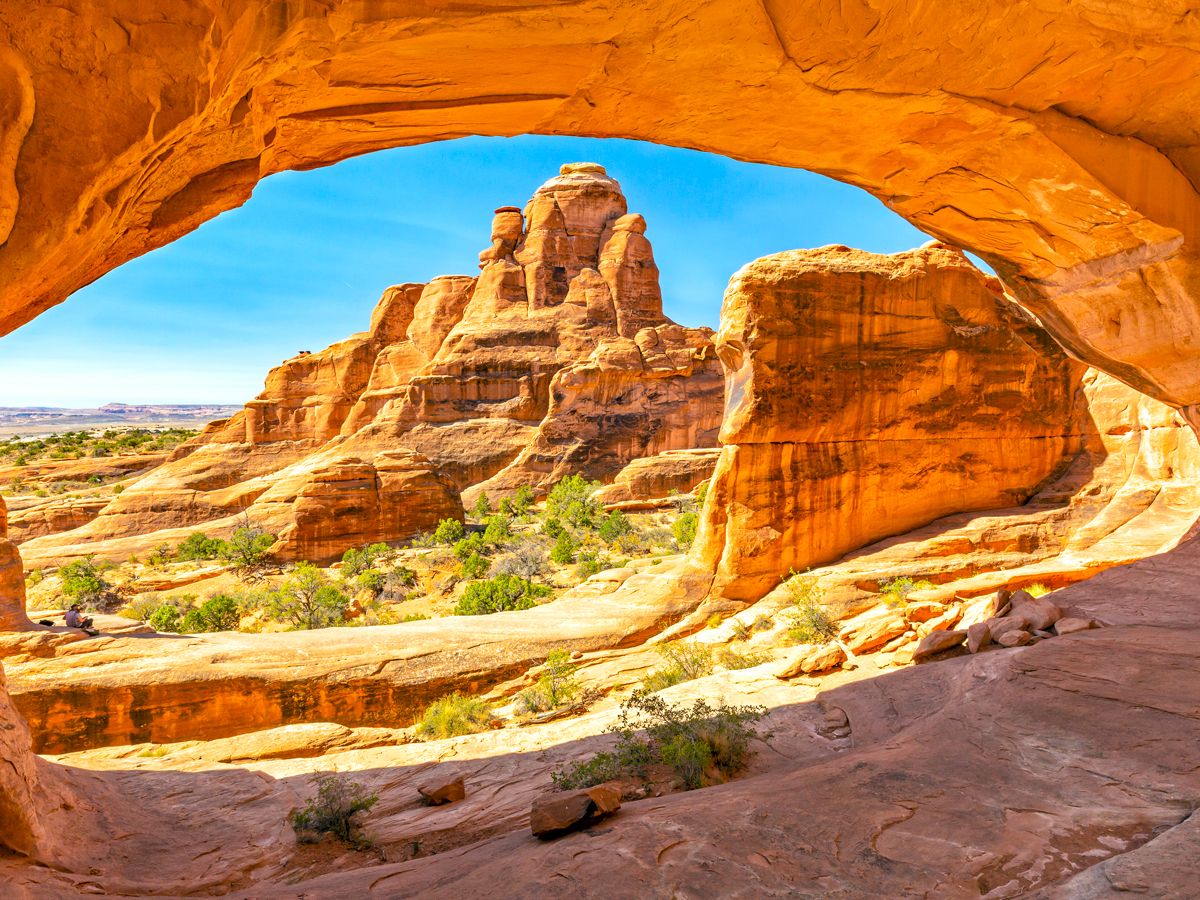
Arches is a wonderland of red rocks, with more than 2,000 stone arches soaring up into the skies. Visit Balanced Rock, which towers almost 130 feet tall, via an easy 15- to 30-minute loop trail with minimal elevation change. Delicate Arch is the park’s most iconic landmark, and is accessed via a number of trails of varying difficulty. Several trails are paved and wheelchair-accessible.
Located 26 miles from Arches, Canyonlands is a sprawling landscape of canyons, buttes, and mesas carved out by the Colorado and Green rivers. The park is divided into four districts. Island in the Sky, the most accessible, can easily be admired by car via a drive along White Rim Road. It’s home to Mesa Arch, which, along with Delicate Arch, is one of the most photographed landforms in the world.
You can explore the Rivers district via flatwater or whitewater rafting trips, while visiting the Needles will require more strenuous hiking or a four-wheel-drive vehicle. Lastly, the Maze is remote and rugged, and strictly for well-prepared and experienced outdoor enthusiasts.
After Moab, continue your journey by driving northeast along Highway 24 to Capitol Reef. The park boasts a unique wrinkle in the Earth known as the Waterpocket Fold (take Scenic Drive for the best vistas), along with white sandstone domes, ancient petroglyphs, and striking rock formations.
Capitol Reef’s off-the-beaten-path location and (relative) lack of in-park amenities gives the park the feel of an undiscovered gem. In the late 1800s, Mormon pioneers established settlements here, and some of their lush orchards remain. When the fruits are in season, park visitors are welcome to pick their own fruit from the peach, apple, and other fruit trees that have been preserved.
Next, take Scenic Byway 12 from the town of Torrey, near Capitol Reef, for a jaw-dropping journey to Bryce Canyon. You’ll drive through 122 miles of some of the West’s most spectacular scenery, including Grand Staircase-Escalante National Monument, which is well worth a detour.
Bryce has thousands of sandstone towers known as hoodoos; in fact, it boasts the largest concentration of these spires on Earth. Get close-up views on the easy and family-friendly Queen’s Garden Trail, or visit the Rim Trail, which connects many of the scenic overlooks including Fairyland Point. Half a mile of this trail is accessible to wheelchair users.
Slot canyons, waterfalls, and majestic mountain scenery make Utah’s oldest national park a must on many outdoor lovers’ bucket lists. Fit and fearless hikers who win the permit lottery can scramble 1,488 feet up to the top of Angels Landing, so named because a minister joked that only an angel could land there.
But there’s plenty to experience in Zion even without wings: Grotto Trail is only 1 mile round-trip and is a great place to view wildlife. Pro tip: Park the car and use the park’s excellent shuttle system; to manage crowding, some areas of the park are closed to cars during the peak summer months.
Fiona has spent her career exploring the world and working in the travel industry, turning her lifelong passion into a profession. From planning custom trips to sharing stories as a travel writer for publications such as The Discoverer, she’s all about helping others experience the world in a deeper, more meaningful way.
If retirement is on the horizon and you’re thinking about where to settle next, the Midwest might be just what you’re searching for. This often-overlooked region is popular among retirees for its blend of charming communities, affordable living, and natural beauty. The Midwest is full of under-the-radar towns and small cities that offer a great quality of life — without the high price tag. Here are five of our favorite Midwest gems for retirees.
Toledo is a midsize city that has a reputation for being welcoming and accessible. Affordability is a big draw here, with a median home price in Toledo that’s around $105,000, compared to the national average of $281,000. Plus, a low cost of living makes life easier for those on a fixed income.
Health care is another major factor to consider, and this city of approximately 280,000 is home to 18 hospitals and primary care centers in the greater metro area, including four major acute care hospitals and the highly ranked ProMedica Toledo Hospital. And when it comes to staying active and entertained, Ohio’s fourth-largest city offers everything from museums and parks to sports events and hiking trails — plenty to keep retirees active, busy, and engaged.
This small town in south-central South Dakota offers many of the qualities retirees look for: a slower pace, affordability, and a strong sense of community. With a population of just over 1,200 in town and around 4,000 in the surrounding county, it’s easy to get to know your neighbors in Gregory. There’s a nine-hole golf course, a beautiful park, and a bowling alley in town, and outdoor enthusiasts will appreciate being just 30 minutes from Lake Francis and the Missouri River, where boating, fishing, and other recreational activities are easily accessible.
The median home price in Gregory is $105,600, well below the national average. On top of that, South Dakota is one of the few states with no state income tax, making it an attractive option for retirees on a fixed budget.
For active retirees looking to stay and feel young at heart, Bloomington is certainly a city worth considering. As the home of Indiana University, the city has a vibrant college town energy and a year-round calendar of events, performances, and cultural activities. Bloomington takes pride in its thriving arts and culture scene, with local theaters, art museums, and plenty of live music at various venues.
The city’s impressive culinary scene is another standout feature, with everything from food trucks and cafés to fine dining, breweries, and local wineries. For those who love the outdoors, Bloomington is located a few miles north of Monroe Lake, which offers hiking, boating, and fishing opportunities. For even more natural beauty, Hoosier National Forest, about an hour’s drive away, is known for its scenic trails and peaceful wilderness.
Meanwhile, within the city, the art-dotted B-Line trail offers a paved biking and walking path that connects many of Bloomington’s neighborhoods and attractions. While home prices in Bloomington are higher than the Indiana state average, the median cost is around $348,000.
Access to nature and overall affordability are two major advantages of retiring in Farmington, Missouri. With a population of around 18,000, Farmington offers a comfortable environment for retirees looking to settle into a new community and make new friends. The cost of living is approximately 22% below the national average, and the median home price, while slightly higher than the national average, is approximately $300,000. While there are Midwest cities with more affordable housing options, Farmington attracts retirees who value staying active, social, and close to nature.
The Farmington OAKS Senior Center provides a hub for socializing and activities, including games, reading, computer access, and a variety of dance and exercise classes, supporting a strong senior community. For wine lovers, Farmington is part of the Route du Vin, a celebrated regional wine trail featuring a number of award-winning wineries and picturesque vineyards. This central Missouri city is also surrounded by outdoor recreation, with St. Joe State Park and Mark Twain National Forest to the west, Pickle Springs Natural Area to the east, and Buck Hill Conservation Area to the south, meaning a wooded trail or beautiful park is never far away.
Located on the edge of Saginaw Bay, part of Lake Huron, this town of approximately 32,000 appeals to those who value access to water, natural beauty, and a historically charming city. Bay City features several marinas, a scenic Riverwalk that winds through multiple parks along the east side of town, and easy access to the sandy shores of Lake Huron. Boaters will feel right at home in this community, with ample opportunities for fishing, boating, and a variety of water sports.
The eclectic atmosphere of downtown Bay City adds to its appeal for retirees, with its mix of waterfront dining, cozy coffee shops, antique stores, local boutiques, and welcoming taverns. Affordability is another big draw: The median home cost in Bay City is around $115,000, and the cost of living is 19% lower than the national average, making it easier for retirees to make the most of their savings.