Rachel is a Washington, D.C.–based travel and lifestyle writer with roots in the Great Lakes region. When she’s not writing for publications such as The Discoverer and Interesting Facts, you’ll find her wandering through museums or exploring destinations off the beaten path.
Ordering room service is one of the simple pleasures of a hotel stay. Whether you’ve had a long day of sightseeing, need an early breakfast before a flight, or just want to enjoy dinner and a movie in bed, room service makes things simple. However, it doesn’t come without its pitfalls. From soggy sandwiches to extra fees, here’s how to navigate the nuances of ordering room service and make the most of your stay, according to chefs and hospitality experts.
Not all room service dishes fare well on the long journey from the kitchen to your room. Foods that rely on crunch or crispness — like fries, fried seafood, or breaded appetizers — can quickly turn soggy under the cloche, the dome-shaped cover over the dish, which also traps condensation en route. The same goes for ice cream — it may arrive more like a milkshake than a frozen treat unless it’s traveling well insulated.
Rest assured, plenty of dishes do travel well. Soups and stews are among the best choices, according to lead chef Shawn Matijevich of the Institute of Culinary Education in an interview with Huffington Post. Due to their reliance on moisture and heat, they’ll arrive at your door unscathed.
Thickly sauced pasta — think lasagna, risotto, or macaroni and cheese — also retains its flavor and texture even after the journey. For something lighter, salads (with dressing on the side) travel well, as do fresh fruits, vegetables, charcuterie boards, and hearty breakfasts like pancakes or waffles.
If you’re craving a meal that might not travel well, ask for the components to be disassembled. For example, if you’re in the mood for a sandwich, burger, wrap, or taco, request that it come with sauces and bread or tortilla on the side, avoiding a soggy mess upon arrival. Similarly, with pasta in lighter sauces, such as vodka or marinara, asking for the sauce on the side can prevent soggy noodles. Executive chef Patricia Clark explained toHuffington Post that if noodles are mixed with a warm sauce, they will continue to cook and soak up the sauce, creating an unwanted texture.
If you’re craving something that could be easily ruined, don’t hesitate to ask for your meal to be delivered in courses. For instance, you can request that your dessert be brought later, after your entrée, so you can enjoy your sorbet as it should be. If they honor your request, consider showing your gratitude in the form of an extra tip — we’ll cover more on gratuity next.
Don’t Forget To Tip
Credit: DragonImages/ iStock via Getty Images Plus
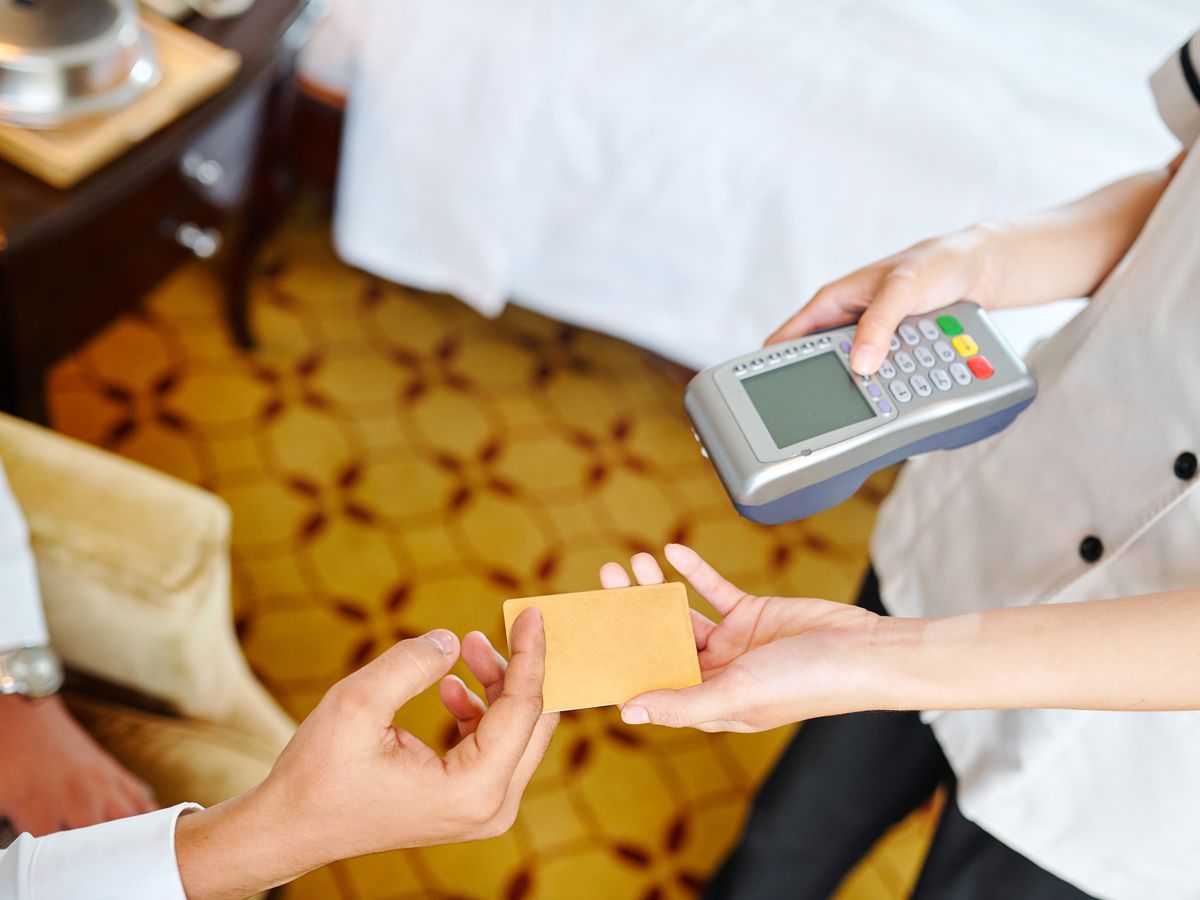
According to the American Hotel and Lodging Association, tipping for room service is customary. Aim to tip as much as you would while dining in the hotel restaurant. Although you aren’t getting table service, the server must still package and deliver your meal. (For other hotel services, check out our ultimate guide to tipping at hotels.)
A good rule of thumb is to tip around 20%, which is typical throughout North America. If you’re traveling internationally, inquire about their hotel tipping etiquette and follow suit, as some countries, such as Japan, consider tips rude.
However, there is an exception for tipping for room service. If your hotel includes an automatic gratuity or service charge on the room service bill, there’s no need for an additional tip unless you feel it’s deserved.
Other Considerations
Credit: Jupiterimages/ The Image Bank via Getty Images
Room service menus are typically streamlined for efficiency, so the dishes might not be as customizable as at a regular restaurant, especially if you’re ordering from a late-night menu when kitchens may be operating with limited staff. Of course, include dietary restrictions and allergies, but be mindful about your order. A simple request leads to quicker delivery and a more enjoyable experience overall.
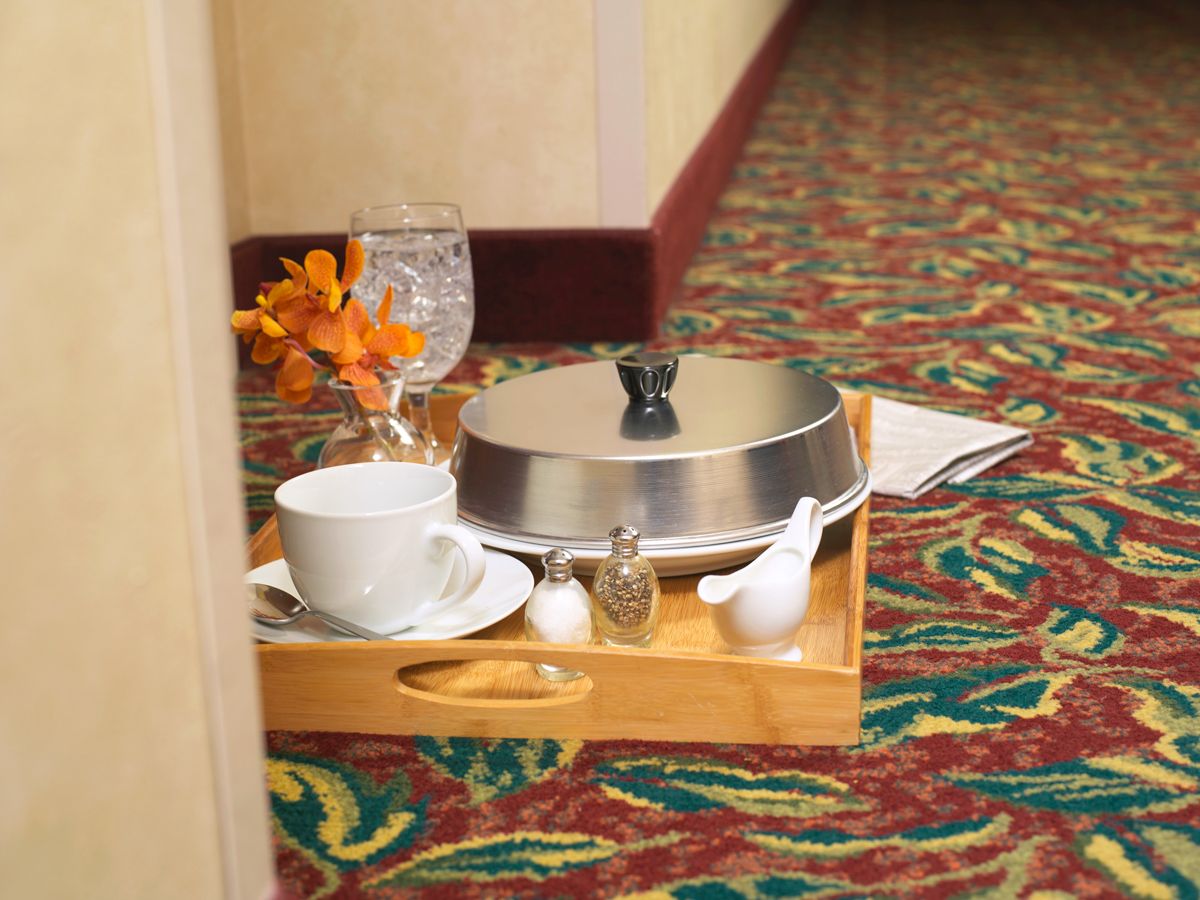
Once you’ve enjoyed your meal, chances are you don’t want to be left with smelly leftovers. Place the tray outside your door and cover your leftovers with a napkin to avoid lingering odors. Most importantly, notify the hotel staff so they can promptly collect your tray. Voilà! You’ve completed your in-room dining experience.
Advertisement
More from our network
Daily Passport is part of Inbox Studio, an email-first media company. *Indicates a third-party property.
Where Are the Original Jersey, York, and Hampshire?
By
Bennett Kleinman
Read time: 6 minutes
January 31, 2025
Updated: March 20, 2025
Where Are the Original Jersey, York, and Hampshire?
History •January 31, 2025•Updated: March 20, 2025
By Bennett Kleinman
Author
Bennett Kleinman
Bennett is a New York City-based staff writer for Daily Passport. He previously contributed to television programs such as the Late Show With David Letterman, as well as digital publications like the Onion. Bennett has traveled to 48 U.S. states and all 30 Major League Baseball stadiums.
Sure, you probably already know what New Mexico is named for, but what about the other three U.S. states whose names include the word “new”? To find out, you’ll have to look back to the 17th century, a period in which the states were chartered as new English colonies named for “old” locations back in Europe. Discover the namesake Jersey, York, and Hampshire for which these three U.S. states are named.
The Bailiwick of Jersey
Credit: Vadim_Nefedov/ iStock via Getty Images Plus
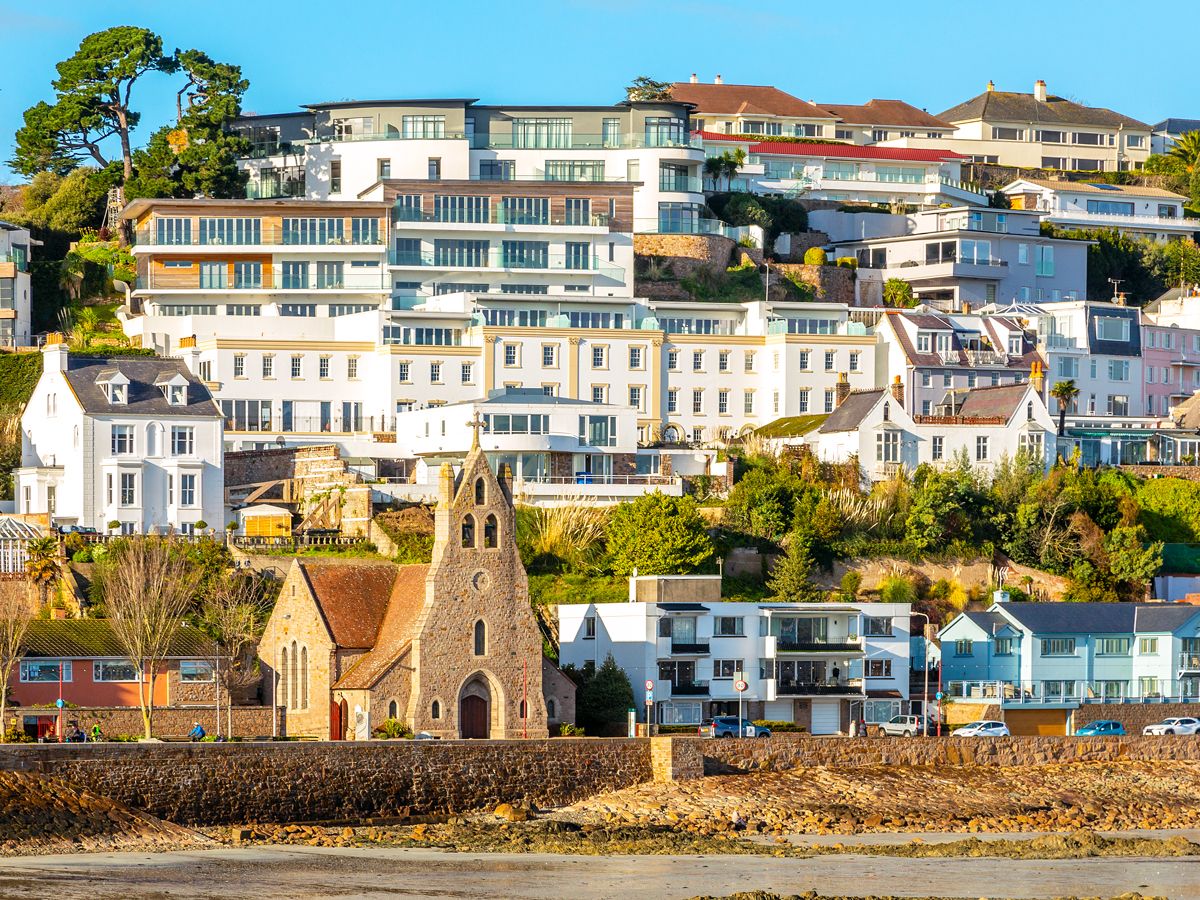
The Bailiwick of Jersey — “bailiwick” meaning “special domain” — is one of the Channel Islands in the English Channel, a narrow body of water separating the United Kingdom and France. The island is located just 12 miles from France’s Cotentin Peninsula, though it doesn’t fall under French jurisdiction. Instead, Jersey is a British Crown Dependency, meaning that the island is a self-governing territory for local matters, but relies on the United Kingdom for broader affairs such as defense and international relations.
Jersey fell under British control in the wake of the Norman Conquest of 1066, during which William the Conqueror became king of England. At the time, William’s domain included parts of France such as Normandy and Jersey, which then became part of England.
After the French reclaimed Normandy in 1204, Jersey was given the choice to either remain part of England or rejoin France. The island selected the former option in exchange for the ability to raise its own independent taxes. In time, the tiny 45-square-mile territory became a tax haven for the English, though its culture is arguably more closely aligned with that of the French mainland.
While the island of Jersey is quite small, it’s packed with plenty of attractions worth seeing. Perhaps the pièce de résistance is Mont Orgueil Castle, an oceanside medieval fortress with views as far as the French mainland. Visiting the Jersey War Tunnels is also a fascinating and moving experience, with exhibits that tell the story of Jersey’s occupation during World War II.
The state of New Jersey was named for the island of Jersey. In 1664, King Charles II granted Sir George Carteret proprietary rights to establish a new colony in the Americas. Carteret chose this name in honor of the island on which he was born. In 1674, the colony was briefly divided into an East Jersey and West Jersey, though that political division lasted for less than three decades. In 1702, the separate colonies reunited as one New Jersey, which later became an official U.S. state in 1787.
The original York is located in northeast England, roughly halfway between Leeds and the North Sea. The origins of this metropolitan region date back to the time of the ancient Romans, who founded the city in 71 CE as Eboracum, translating as “the place where the yew trees grow.”
Remnants of those early Roman artifacts are still visible in York, including stretches of a fortress wall and remains from an old Roman bathhouse. However, the Romans abandoned York around 410 CE, leading to an extended period of decay.
Anglo-Saxon invaders later conquered the area and renamed it Eoforwick, an Old English term roughly meaning “wild boar settlement.” King Halfden and Viking invaders invaded the city in 866 CE and developed it as a farming community. The Vikings named it Jorvik, an Old Norse word similarly defined as “wild board creek.” The English name York was derived from this name after the Vikings were driven out in the mid-10th century.
Today, no visit to York is complete without witnessing the York Minster cathedral, a magnificent structure with the largest collection of medieval-era stained glass in the United Kingdom. The city is also home to the JORVIK Viking Centre history museum, which educates attendees about the Viking history of the city and includes a tram ride through a replica Viking village.
As for New York state, it wasn’t always named after the English city. Portions of the state as we know it today were originally part of a Dutch colony called New Netherland. In 1664, a British royal fleet arrived in the port of New Amsterdam (known today as Manhattan) to claim the colony for the British crown.
This successful effort was organized by James, Duke of York, who later became King James II, and the new English colony was renamed New York in his honor. While the Dutch briefly recaptured New York City in 1673 and renamed it New Orange, the English retook the colony the following year. It later became a U.S. state in 1788.
The County of Hampshire
Credit: kelvinjay/ iStock Unreleased via Getty Images
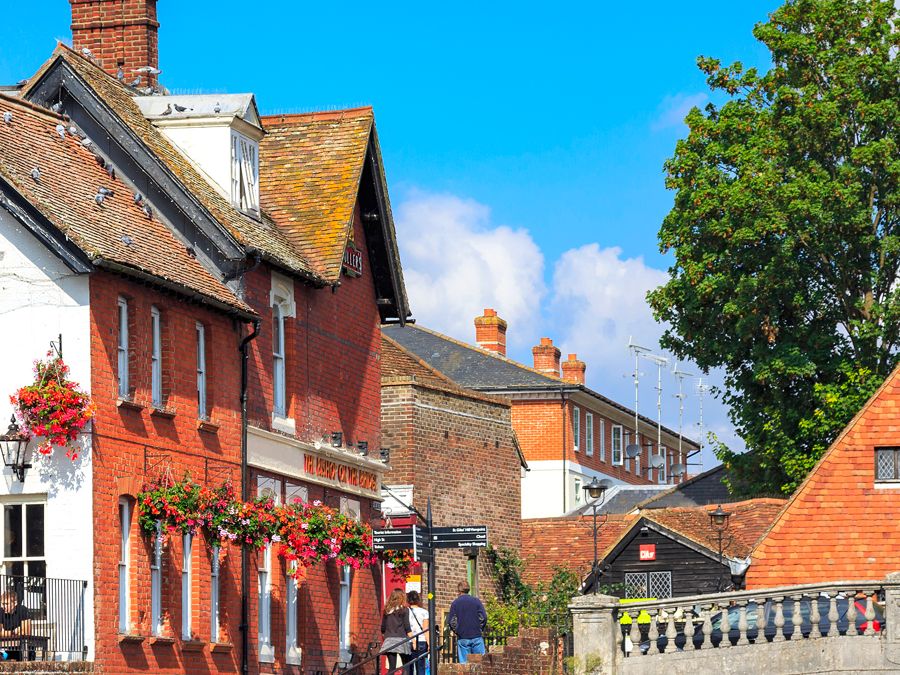
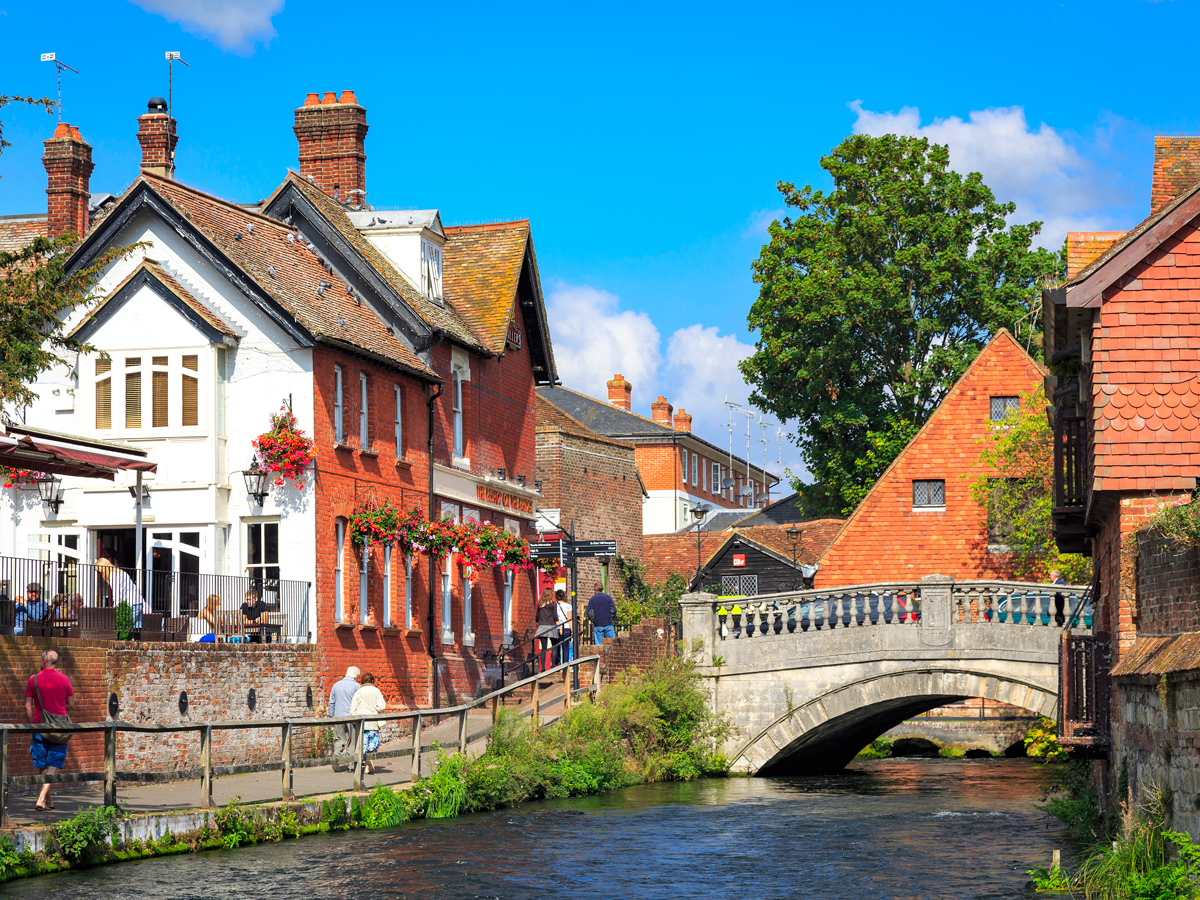
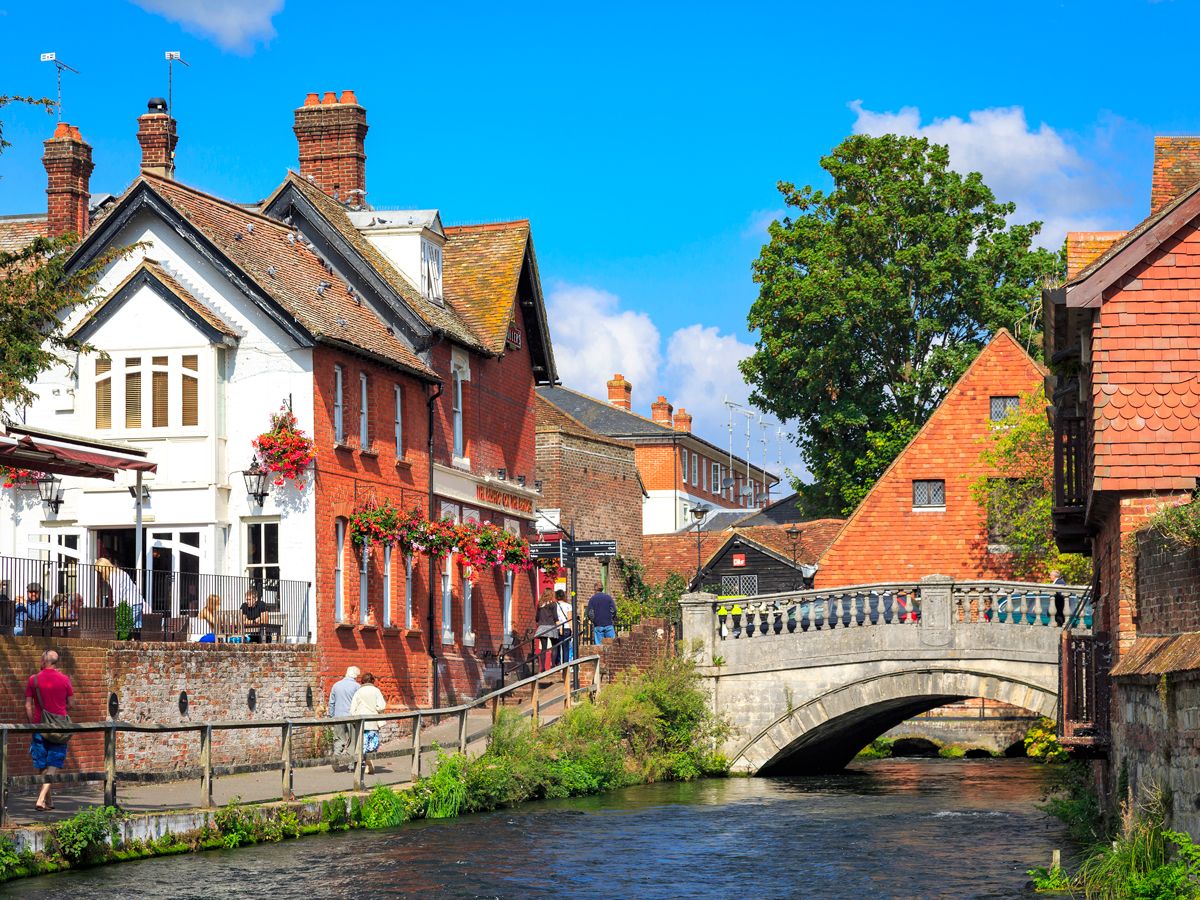
Hampshire, a county in south-central England, contains several fascinating historic sites, from the medieval-era Winchester Cathedral to the house where author Jane Austen spent the end of her life. But the county’s history dates back long before then, to the Neolithic era of around 10,000 years ago. The Romans took control of the region after their invasion in 43 CE, and the Anglo-Saxons came to rule over Hampshire sometime in the seventh century.
It was during Anglo-Saxon rule that the modern county of Hampshire was given the Old English name Hamtunscir, derived from the nearby Saxon settlement of Hamtun (or Southampton, as it’s known today). Ham and tun were both common Old English words for settlements, while the word scir translated to “care,” implying that the larger region cared for and governed the smaller Hamtun settlement.
After the Normans took control in 1066, they changed the name to Hauntunescire, which later evolved into Hantescire. Oxford English Dictionarynotes that the name of the city became Hantshire by 1661, before the current Hampshire took its place by the 18th century.
Western Hampshire is a mere 10-minute drive from the fascinating site of Stonehenge — an expansive rock formation with a mysterious history (though it’s not technically located in the county itself). Within the county, you’ll find major cities such as Portsmouth, Winchester, and Southampton, the latter of which was the departure point for the Titanic on its ill-fated journey. You can learn more at the SeaCity Museum, which opened in 2012 to mark the ship’s centenary.
The name Hampshire made its way to the future United States in the early 17th century. In 1623, English Captain John Mason was granted the authority to travel over to the Americas and establish a new fishing colony. He settled a small tract of waterside land that he named Pannaway, an Indigenous Abenaki word roughly translating to “little harbor.” This later became the city of Rye, New Hampshire.
Six years later, a new province was established in the region. It was formally named the Province of New Hampshire, which Mason chose to honor his home county back in England.
Advertisement
More from our network
Daily Passport is part of Inbox Studio, an email-first media company. *Indicates a third-party property.
Architecture •January 31, 2025•Updated: February 3, 2025
By Daily Passport Team
Author
Daily Passport Team
Daily Passport writers have been seen in publications such as National Geographic, Food & Wine, CBC, Condé Nast Traveler, and Business Insider. They're passionate about uncovering unique destinations and sharing expert tips with curious travelers.
It’s always interesting to see the inside of someone else’s home, but when a house is weird, wacky, or out-of-the-ordinary, a home tour becomes an adventure in and of itself. Featuring underground tunnels, secret passageways, and a dungeon or two, here are 15 of the most eccentric homes in the U.S. that are open to visitors.
Thunderbird Lodge – Lake Tahoe, California
Credit: Wirestock/ iStock Editorial via Getty Images Plus
When millionaire George Whittell Jr. bought acres of shorefront property on Lake Tahoe in the 1930s, he did so with the intention of developing a resort and casino. But after building Thunderbird Lodge, he decided he liked the privacy and kept the place to himself.
Whittell designed the sprawling stone estate to suit his habits and needs — with a barn for his pet elephant, a card house for hosting games, and a boathouse that connected to the main house via an underground tunnel. Whittell also had the home outfitted with a dungeon, plus separate houses for the cook, butler, and caretaker. Visitors may choose to see the lodge by land or by sea — not only is the estate open for walking tours, but guests can also cruise by Thunderbird Lodge on a boat.
Situated in the eclectic Bouldin Creek neighborhood of Austin, Casa Neverlandia is the life’s work of artist James Talbot. Talbot bought the single-story bungalow in 1979 for $13,000 and began pouring his creative vision into his home. Since then, Casa Neverlandia has been converted into a fanciful, three-story A-frame. To complete the transformation, Talbot incorporated physical elements from his extensive world travels, while also adding unique features, such as a truss bridge, a ship-inspired balcony, and a fire pole that leads to a bathroom.
Keeping conservation at the forefront of his renovations, Talbot used salvaged materials, added solar panels, and installed a rainwater collection system. Both the indoor and outdoor spaces evoke a sense of whimsy, from the tropical ping-pong room to the trees covered in tile mosaics. Guided tours of the home are available for a fee; advanced reservations are necessary.
Randyland – Pittsburgh, Pennsylvania
Credit: Chris Gibson/ 500Px Unreleased Plus via Getty Images
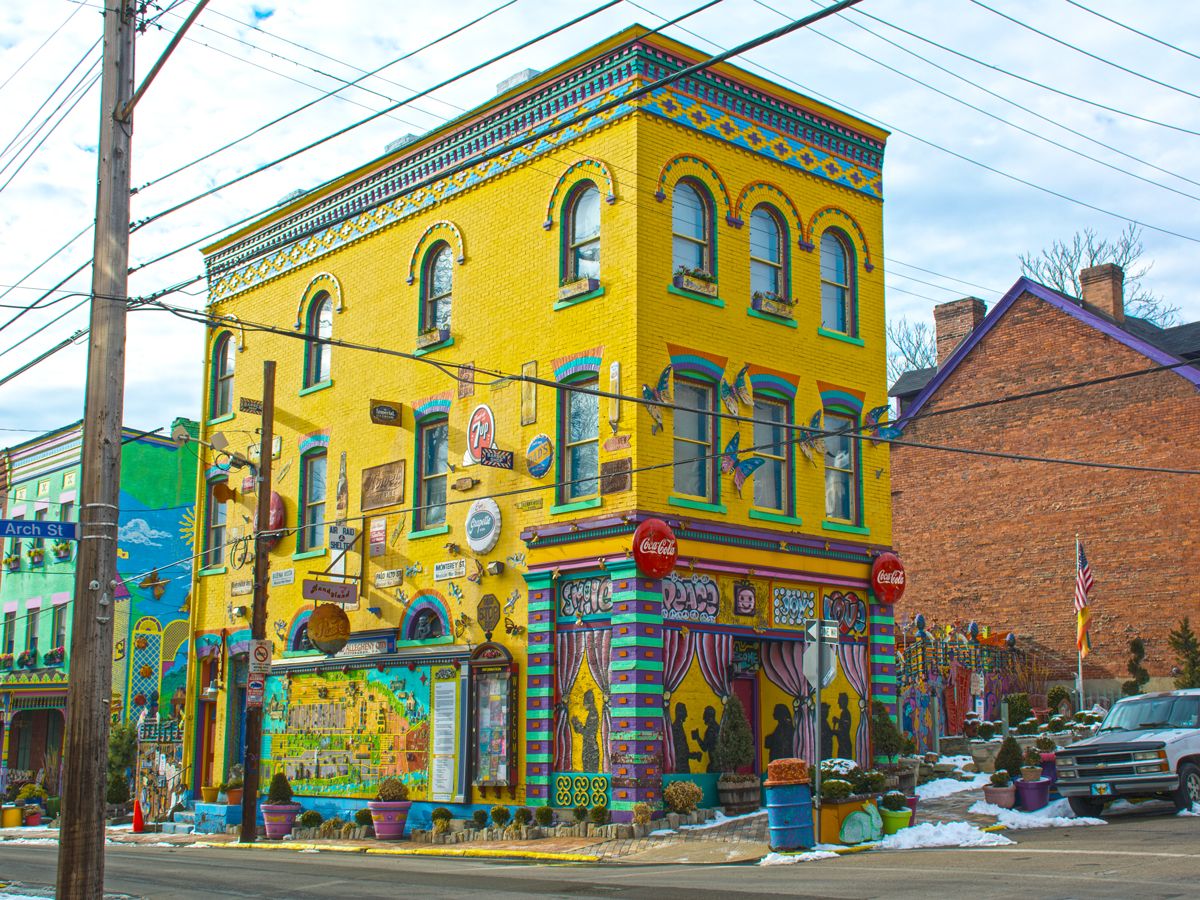
What began as a way for a folk artist to recycle garbage turned into Randyland, a Pittsburgh landmark and the home of Randy Gilson. Decades ago, when Gilson began repurposing old items from the dump, his intention was to create homemade gifts for his family members. Over time, the project inspired him to turn his home into “Randyland,” a joyous outdoor art museum.
By salvaging items found in the trash, he transformed his backyard into a playful space filled with colorful pop art murals, offbeat sculptures, and eccentric topiary designs. Today, the space is open to the public free of charge, offering a positive place for anyone to enjoy.
Winchester Mystery House – San Jose, California
Credit: Richard T. Nowitz/ The Image Bank Unreleased via Getty Images
Shrouded in strange secrets and mysterious circumstances, the Winchester Mystery House continues to confound visitors today. In 1884, the wife of firearms magnate William Winchester, Sarah Winchester, had recently inherited millions of dollars from the Winchester family fortune. After embarking on a trip around the world, the widow moved to the Bay Area and used her inheritance money to buy an eight-room farmhouse. What began as a typical family home turned into a sprawling 24,000-square-foot mansion, featuring 2,000 doors, 160 rooms, 47 stairways, 13 bathrooms, and six kitchens.
Unfortunately, it was grief that spawned these bizarre additions — after the death of her daughter, Sarah poured herself into the home renovation for 36 years. Rumor had it that a psychic urged the matriarch to build extra rooms for all of the spirits who died as a result of the Winchester family business. Replete with staircases leading to nowhere and plenty of secret passageways, the Winchester Mystery House (which inspired the 2018 horror film Winchester) also has its share of paranormal activity, making it a popular home to tour.
If a sprawling stone castle located in the quiet countryside of Connecticut wasn’t strange enough, the interior of Gillette Castle will reveal several more eccentricities. The imposing castle is the former home of William Gillette, the stage actor who once played Sherlock Holmes. It’s also a fascinating glimpse into Gillette’s unconventional mind, with a dungeon, secret room, strategically placed mirrors, and several hidden doors.
Built to Gillette’s exact specifications, the castle’s construction and interior features took over five years to complete, from 1914 until 1919. Since Gillette was an avid cat lover, the castle was even home to as many as 17 cats at one point, in addition to many feline-inspired toys. Now an established state park, Gillette Castle is a major draw for tourists in Connecticut, with self-guided tours available daily.
Aptly named the Paper House, this incredible seaside abode is made of — you guessed it — paper. Located near the Atlantic coast in Rockport, Massachusetts, the home was built by Elis F. Stenman in 1922. As a mechanical engineer who designed the machine that produced paper clips, Stenman was no stranger to paper, and he set out to build a summer cottage made of the ubiquitous material.
Once the walls were constructed with layer upon layer of newspaper, Stenman refused to stop — he went on to paper the home’s interior, with furniture made of paper and a piano covered in paper. Although the home’s main materials are newspaper and varnish, it does contain a working fireplace made of brick and is wired with electricity. It’s also open for tours from the spring until the fall, with a small admission to guests.
There was the Addams Family, and there was also the Munsters — an eccentric, Transylvanian-American family and the subject of a beloved 1960s sitcom. In fact, the Munsters were so dear to Charles and Sandra McKee that the couple built a replica of the television family’s home. Located in the small town of Waxahachie, the Munster Mansion has been recreated to mimic the fictional home occupied by the Munsters, often employing original pieces from the show’s set.
With no blueprints to reference, the home was remodeled using footage from the television show, making it a painstakingly difficult endeavor. In addition to mansion tours of the macabre house — which features skulls, a cobwebbed piano, and a coffin-shaped phone booth — the McKees also sometimes host murder mystery parties.
Grey Towers – Milford, Pennsylvania
Credit: AlizadaStudios/ iStock Editorial via Getty Images Plus
This formidable castle in the Poconos Mountains was the home of James W. Pinchot, the founder of the U.S. Forest Service. In 1884, the forester, politician, and businessman decided he wanted to build Grey Towers as a summer residence in his hometown of Milford, Pennsylvania. The home was built as a striking French château, complete with a pair of matching medieval towers for which the home was named.
After the estate was passed down to Pinchot’s son, renovations continued, with the addition of a moat, fortress wall, and swimming pool. The younger Pinchot also added the home’s most famous feature, the “Finger Bowl.” The raised pool was used to accommodate dinner guests, with floating wooden bowls used as table settings. Today, self-guided tours of the National Historic Site are available year-round, seven days a week.
The Roxy Suite – New York, New York
Credit: Angelo Hornak/ Corbis Historical via Getty Images
Visiting the secret apartment in Radio City Music Hall truly feels like stepping back in time — the remarkable space has remained unchanged since 1936. The two-story apartment was fashioned for Samuel “Roxy” Rothafel, the man responsible for infusing the entertainment venue with its trademark glamour. During Rothafel’s residency, the lavish apartment was used to entertain the biggest and brightest stars in the entertainment industry, such as Alfred Hitchcock and Walt Disney.
Featuring 20-foot-tall ceilings inlaid with gold leaf, art deco-style décor, and custom furniture, the apartment is a throwback to the glitzy days of showbusiness. After Rothafel died in 1936, the apartment was left undisturbed for decades. Since being rediscovered, the “Roxy Suite” has become a reserved VIP space for celebrities; non-A-listers can also see it by signing up for the Radio City Music Hall Stage Door Tour.
When you first lay eyes on Castello di Amorosa, you might feel transported to medieval Europe, instead of the rolling hills of Napa Valley, California. The 121,000-square-foot castle was built with over 1 million antique bricks imported from Europe and completed with 8,000 tons of hand-chiseled stone. The result is a stunning achievement of medieval architecture, with towers, ramparts, a moat and drawbridge, courtyards, and even a torture chamber.
The astounding castle was the realized dream of fourth-generation winemaker Dario Sattui, who wanted to combine his love of ancient architecture with the family business. Today, the sprawling castle doubles as a world-class winery, with labyrinthine wine cellars featuring dramatic vaulted ceilings. Tours of the castle are available by reservation, complete with wine tastings of the vineyard’s finest offerings.
As an innovative architect and a student of Frank Lloyd Wright, Alden B. Dow maintained a singular motto when it came to his work: “Gardens never end and buildings never begin.” Nowhere is this credence more evident than at his personal home and studio in the small town of Midland, Michigan. When it was completed in 1941, the space became an ode to his trademark design style.
While the mid-century home’s exterior features a sloping copper roof and contemporary geometric siding, the interior was designed to reflect the home’s natural environment. With large windows and sunroofs, vaulted ceilings, and a sunken living room at eye level with a pond, each room maintains an organic quality in tandem with the landscaping. To experience the home in person, reserving a tour 24 hours in advance is required.
Earthship Biotecture – Taos, New Mexico
Credit: gnagel/ iStock Editorial via Getty Images Plus
The first earthship was created by Michael Reynolds, who developed the concept after moving to Taos, New Mexico, in 1969. A recent graduate of architecture school, Reynolds was frustrated by the area’s lack of affordable housing and its abundance of garbage. Killing two birds with one stone, he built his own home out of recycled tin cans.
Today, an “earthship” is considered to be a home that is built using recycled materials, such as earth-packed tires, while also taking advantage of its natural environment. It must also use sustainable technology, such as solar and wind power, and cannot be a drain on any of the Earth’s resources. Decades after Reynolds built the first earthship, a community has been formed around this type of eco-friendly architecture. The community is open to the public, with tours of a fully functioning earthship available at the visitor center.
Leading 20th-century architect Philip Johnson designed the Glass House, residing in the home from 1949 until his death in 2005. Set amidst 49 acres in the Connecticut countryside, the see-through home was built to be integrated with the surrounding pastoral landscape. Despite its lack of interior walls, the Glass House is somewhat conventional, featuring a kitchen, living room, bedroom, fireplace, and bathroom.
With its glass exterior, thoughtful interior design, and open floor plan, the glass home is also considered to be an architectural masterpiece. The architect’s property also includes the Brick House, where guests once slept, and the Studio, where Johnson worked. Built in 1980, the Studio resembles a piece of sculptural art on the grassy landscape, while the inside contains an impressive library. All three spaces are open for public tours on a weekly basis.
The concept behind the House on the Rock began in 1945, when Alex Jordan decided to build a home atop Deer Shelter Rock in Spring Green, Wisconsin. After the home’s construction was completed, Jordan began filling the rooms with lights, mannequins, and other oddities. When word spread about the unique house, visitors started to stop by unexpectedly, and Jordan began charging for tours.
Decades later, the House on the Rock has expanded into a huge attraction featuring multiple galleries, although the original house remains intact and open to visitors. Containing the world’s largest indoor carousel, a death-defying infinity room, and a 200-foot-long sea creature, this tourist attraction is mind-boggling in its scope and size. The Ultimate Experience Tour takes visitors through the original house and onto the Rock’s sprawling additions but requires at least three hours of continuous walking.
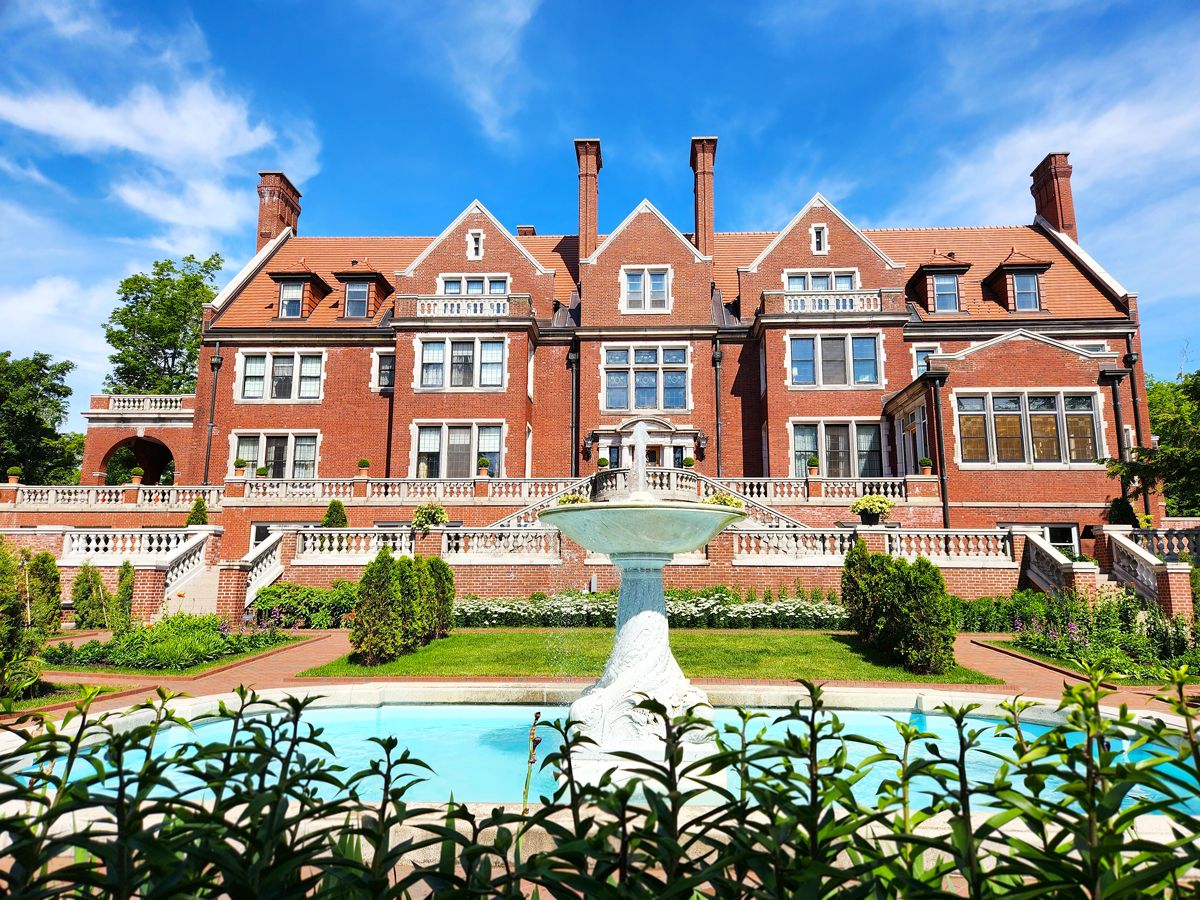
On its own, Glensheen Mansion is worth a visit. The 39-room home, which stands above Lake Superior in Duluth, Minnesota, was built by Chester and Clara Congdon in the early 1900s. Since the Congdons resided in the home for 69 years, Glensheen is a time capsule of life in the 20th century, with the family’s original clothes, linens, and furnishings all on display.
But this well-preserved historic home draws visitors for an additional reason — in 1977, it was the site of a gruesome double murder. The entire ordeal was straight out of a detective novel, including the impending trial, which put the victim’s adopted daughter (who stood to inherit the family fortune) on the defense stand. Since the home has been donated to the University of Minnesota, tours of the home and grounds remain open to visitors.
Advertisement
More from our network
Daily Passport is part of Inbox Studio, an email-first media company. *Indicates a third-party property.
What Does “Star Alliance” Mean? A Guide to Global Airline Alliances
By
Peter Vanden Bos
Read time: 5 minutes
January 23, 2025
Updated: January 23, 2025
What Does “Star Alliance” Mean? A Guide to Global Airline Alliances
Tips •January 23, 2025•Updated: January 23, 2025
By Peter Vanden Bos
Author
Peter Vanden Bos
Peter is a Toronto-based journalist, editor, content strategist, and self-professed avgeek with 15 years of experience covering all things travel. Prior to joining Daily Passport, he oversaw newsletter publication for Travelzoo. His favorite destinations to explore include Japan, France, Chile, New Zealand, and his adopted home country of Canada.
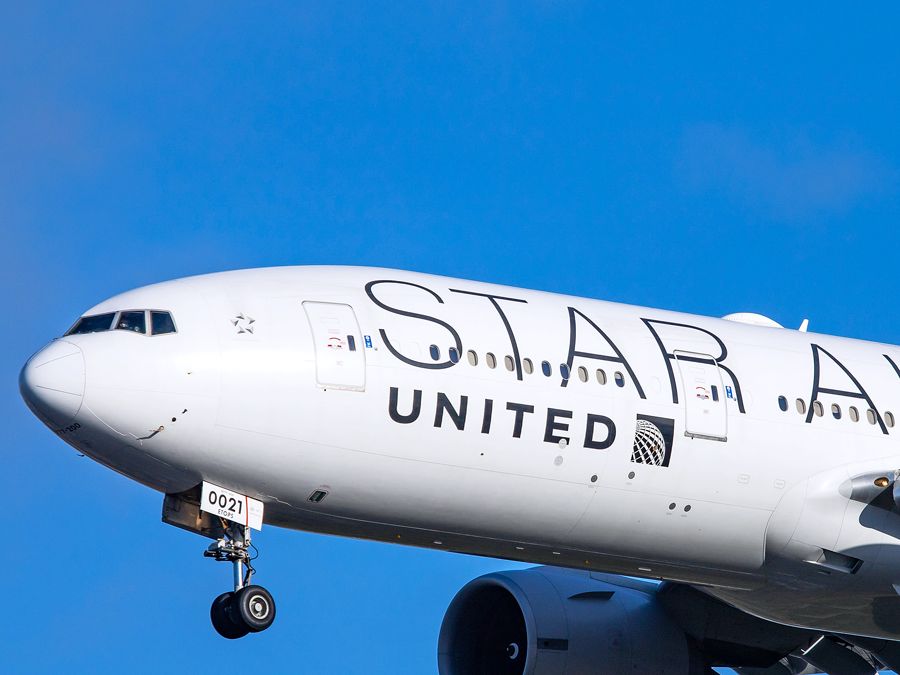
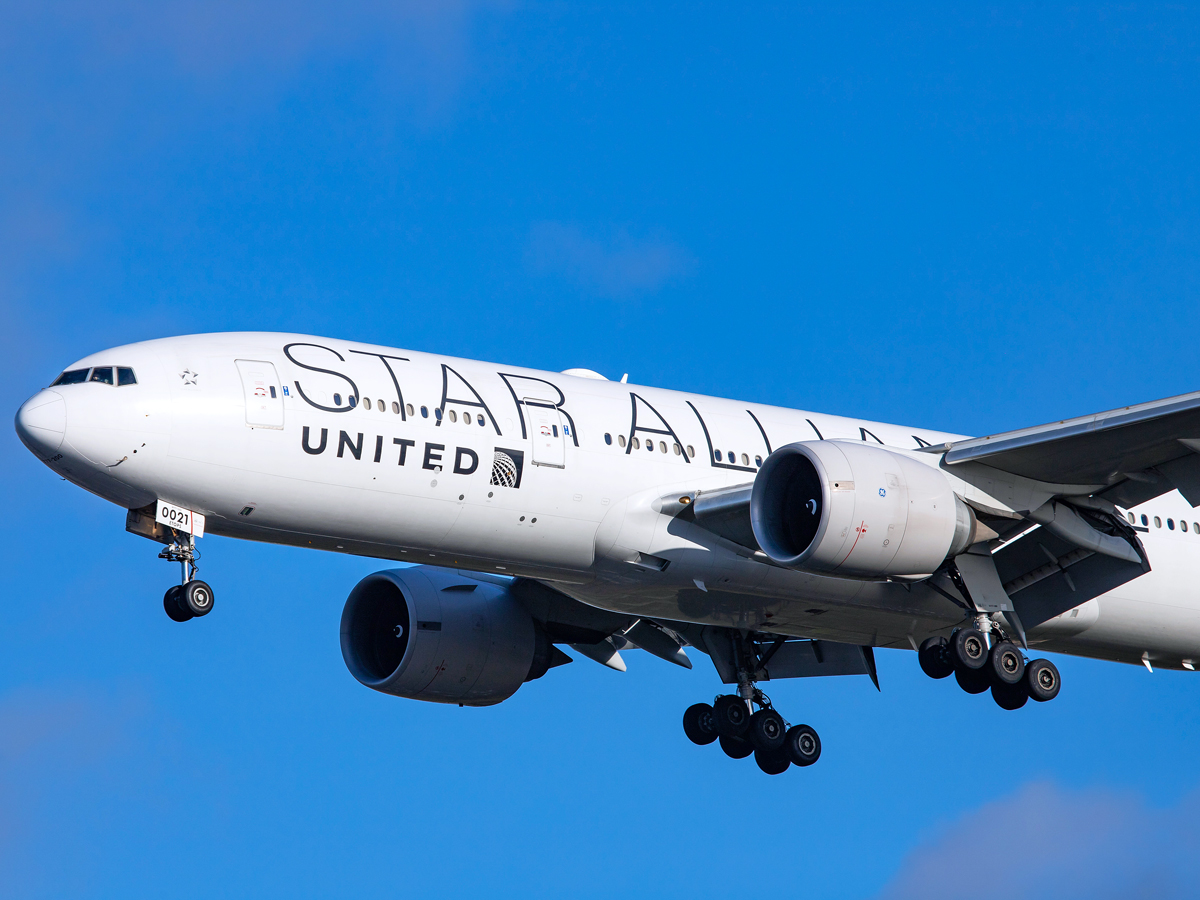
When flying, you may have heard this familiar announcement: “Welcome aboard United Airlines, a member of Star Alliance.” But have you ever wondered what that phrase means, exactly? In 1997, the Star Alliance became the first global aviation alliance, soon followed by Oneworld in 1999 and SkyTeam in 2000. In these alliances, member airlines agree to cooperate on codeshare flights, airport resources, marketing, frequent flyer benefits, lounges, and many other facets of air travel. Find out how these agreements work and how they benefit you as a traveler with our guide to airline alliances.
History of Aviation Alliances
Credit: picture alliance via Getty Images
The earliest airline alliance was formed in the 1930s, when Pan Am and Panair do Brasil cooperated on each other’s routes. In 1989, Northwest Airlines and Netherlands-based KLM introduced the concept of a large-scale codesharing agreement, in which the two airlines were permitted to sell seats on each other’s flights, a practice that is widespread today. This allowed travelers to create an itinerary using one purchase point rather than purchasing through multiple airlines.
The first truly global alliance took shape in May 1997, when Air Canada, Lufthansa, SAS, Thai Airways International, and United Airlines joined together to launch the Star Alliance network.
The alliance’s first slogan, “The Airline Network for Earth,” reflected its worldwide reach. To market the concept, members painted dedicated airplanes in a special Star Alliance livery. By 2000, Star Alliance had 15 member airlines and offered customers a seamless way to book flights to 815 destinations in 130 countries.
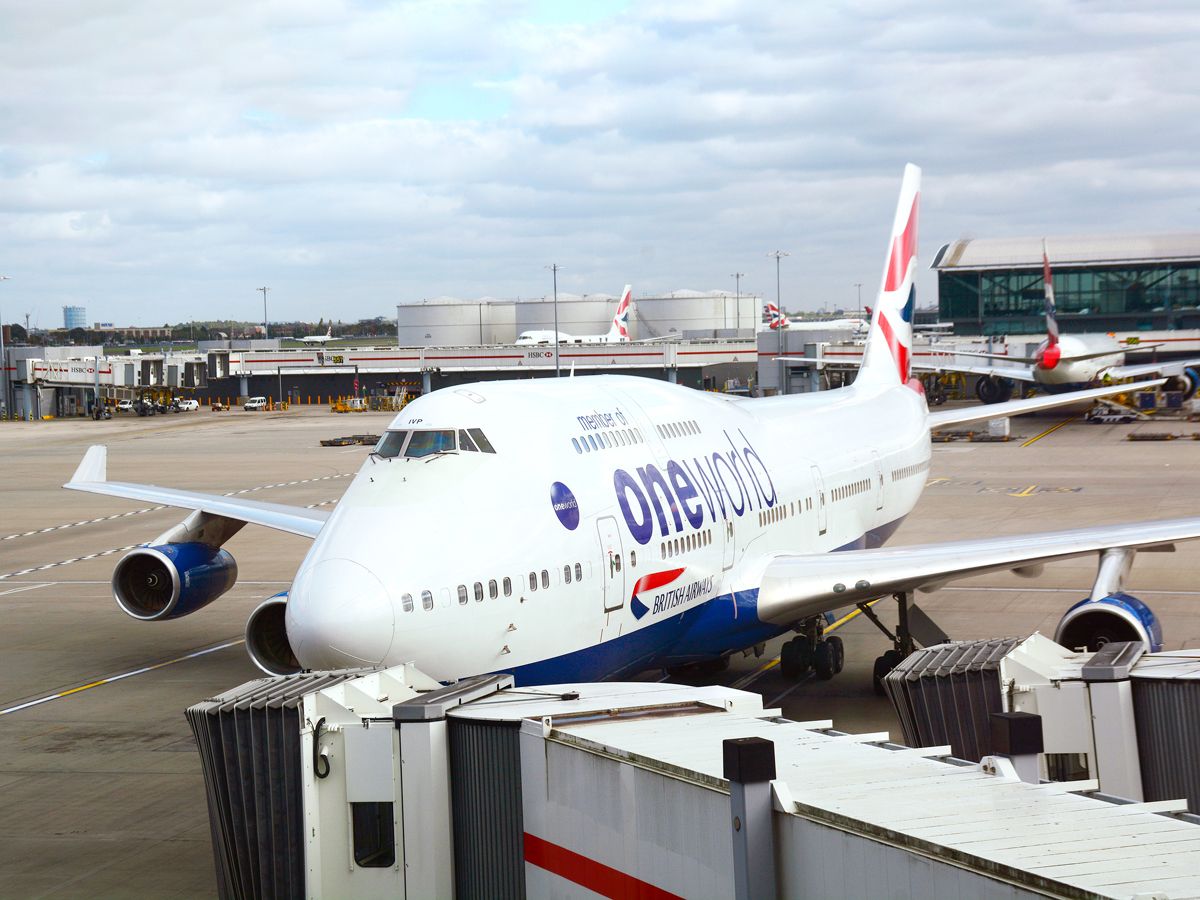
In 1999, American Airlines, British Airways, Canadian Airlines International (now defunct), Cathay Pacific, and Qantas formed the Oneworld alliance. The following year saw the creation of Skyteam, whose founding members were Delta Air Lines, Aeromexico, Air France, and Korean Air.
Today, most major airlines are members of one of the three main global alliances, though there are some exceptions. Global carriers such as Emirates and Etihad Airways are not members of any alliance, though these airlines offer codeshare and reciprocal frequent flyer agreements with individual airlines. (Likewise, members of one alliance may offer codeshares with airlines that belong to other alliances or no alliance at all.)
Many low-cost and regional airlines — such as Southwest and JetBlue in North America and Easyjet and Ryanair in Europe — also do not participate in these alliances but may have individual codeshare agreements.
Benefits of Airline Alliances
Credit: NurPhoto via Getty Images
One of the main benefits that airline alliances provide for customers is more route options and a seamless transit experience between carriers. Say you’re looking to book a flight from Raleigh, North Carolina, to Nairobi, Kenya. No airline operates this route nonstop — in fact, no U.S. airline even offers service to Kenya.
Instead of booking individual legs with separate airlines, an airline alliance allows you to book this as one itinerary with a single airline. For example, you can book with Delta Air Lines to fly from Raleigh to New York’s JFK Airport on that airline’s metal. Then, you’ll connect to Skyteam partner carrier Kenya Airways to fly from JFK to Nairobi.
The cooperation among alliance members allows you to check your bags through to your final destination, plus earn frequent flyer miles for the journey with your member airline of choice. When it comes time to book your next trip, you can redeem those miles or points across a larger pool of carriers.
Frequent flyer benefits are another main perk of alliances. If you fly enough to earn elite status on American Airlines, for example, your status will be recognized across Oneworld carriers, giving you access to dedicated check-in counters, fast-track security, airport lounges, priority boarding, preferred seats, and other valuable benefits.
Let’s take a closer look at the three main global alliances below.
Star Alliance
Credit: AFP Contributor via Getty Images
The original alliance is also the world’s largest: Star Alliance offers more than 17,500 daily departures to over 1,150 destinations in 189 countries worldwide. The alliance is headquartered in Frankfurt, Germany, and more than 727 million people fly on Star Alliance member airlines annually. Frequent flyers can unlock Star Alliance Silver or Star Alliance Gold status, which provides access to over 1,000 lounges along with other benefits.
As of early 2025, there are 25 airlines in Star Alliance: Aegean Airlines (Greece), Air Canada, Air China, Air India, Air New Zealand, ANA (Japan), Asiana Airlines (South Korea), Austrian Airlines, Avianca (Colombia), Brussels Airlines, Copa Airlines (Panama), Croatia Airlines, Egyptair, Ethiopian Airlines, Eva Air (Taiwan), LOT Polish Airlines, Lufthansa (Germany), Shenzhen Airlines (China), Singapore Airlines, South African Airways, Swiss, TAP Air Portugal, Thai Airways, Turkish Airlines, and United Airlines.
SkyTeam, the second-largest global alliance, provides flights to 1,000-plus destinations in more than 160 countries, carrying over 624 million passengers each year. Its headquarters are in Amsterdam, the Netherlands. There are two tiers for frequent flyers: SkyTeam Elite and SkyTeam Elite Plus, the latter of which unlocks access to over 750 lounges.
SkyTeam’s member airlines include Aerolineas Argentinas, Aeromexico, Air Europa (Spain), Air France, China Airlines, China Eastern, Delta Air Lines, Garuda Indonesia, ITA Airways (Italy), Kenya Airways, KLM Royal Dutch Airlines, Korean Air, Middle East Airlines (MEA), SAS (Scandinavia), Saudia, Tarom (Romania), Vietnam Airlines, Virgin Atlantic (U.K.), and XiamenAir (China). After a recent acquisition by Lufthansa, ITA Airways will leave SkyTeam at some point in 2025 and join Star Alliance.
Oneworld
Headquartered in Fort Worth, Texas, Oneworld is the smallest of the three global airline alliances, but its stats are impressive: Member airlines operate over 4.5 million flights per year to more than 900 destinations on a fleet of more than 3,400 aircraft. On average, a Oneworld flight takes off or lands every six seconds.
There are 212 million people who belong to the frequent flyer programs of member airlines. Those who fly enough can earn Oneworld Priority benefits based on three tiers: Emerald, Sapphire, and Ruby.
As of 2025, Oneworld has 13 member airlines: Alaska Airlines, American Airlines, British Airways, Cathay Pacific (Hong Kong), Finnair, Iberia (Spain), Japan Airlines, Malaysia Airlines, Qantas (Australia), Qatar Airways, Royal Air Maroc, Royal Jordanian, and SriLankan Airlines. Oman Air and Fiji Airways also plan to join the alliance in the near future.
Featured image credit: NurPhoto via Getty Images
Advertisement
More from our network
Daily Passport is part of Inbox Studio, an email-first media company. *Indicates a third-party property.
Would You Live at Sea for a Year? Here’s What It’ll Cost You
By
Daily Passport Team
Read time: 5 minutes
January 23, 2025
Updated: February 4, 2026
Would You Live at Sea for a Year? Here’s What It’ll Cost You
Tips •January 23, 2025•Updated: February 4, 2026
By Daily Passport Team
Author
Daily Passport Team
Daily Passport writers have been seen in publications such as National Geographic, Food & Wine, CBC, Condé Nast Traveler, and Business Insider. They're passionate about uncovering unique destinations and sharing expert tips with curious travelers.
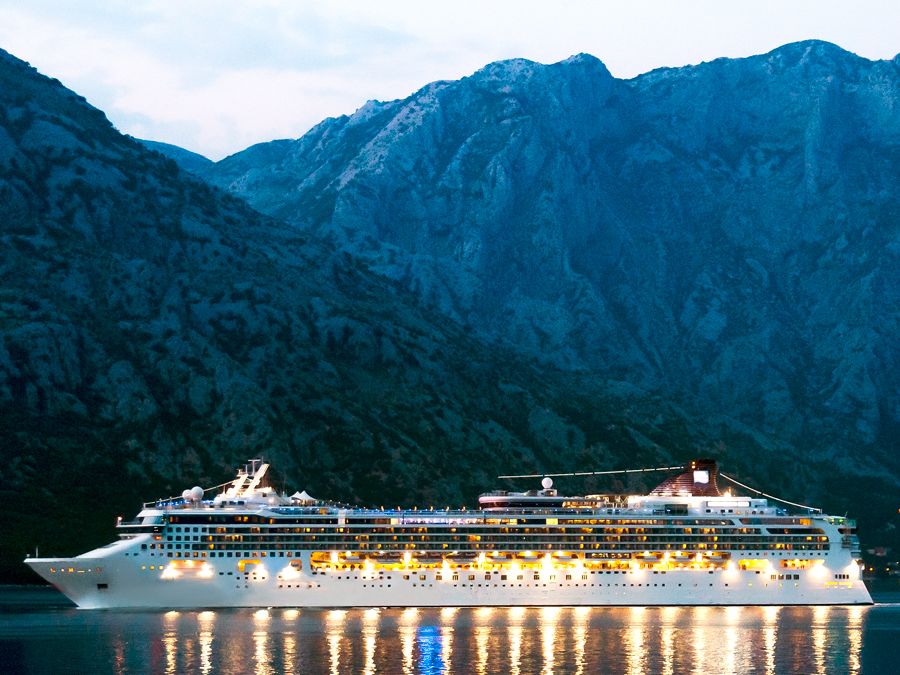
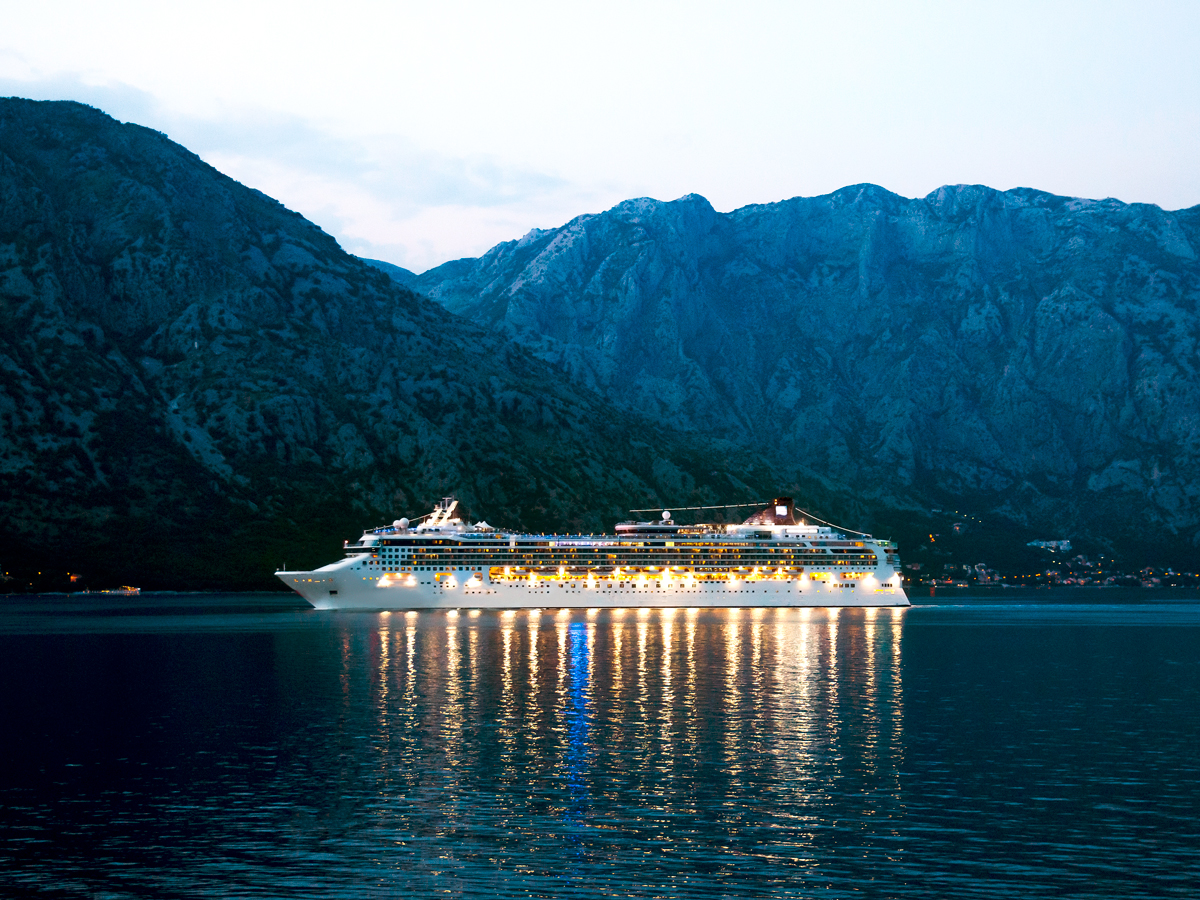
According to a 2024 survey carried out by Statista, interest in cruise vacations from the U.S. has risen significantly over the last few years. The report suggested that around 6 in 10 respondents were interested in embarking upon a voyage, up from 42% in 2022, most likely due to the proximity of the U.S. to popular cruise destinations such as Alaska, the Caribbean, and Bermuda. But some travelers are also interested in the idea of traveling longer term onboard, enabling them to visit a slew of far-flung ports in the process. With the rise of round-the-world, once-in-a-lifetime journeys by cruise ship, find out what it’s like to live at sea for months at a time — and how to join in on the experience.
The Pros and Cons of Living on a Cruise Ship
Credit: David Sacks/ The Image Bank via Getty Images
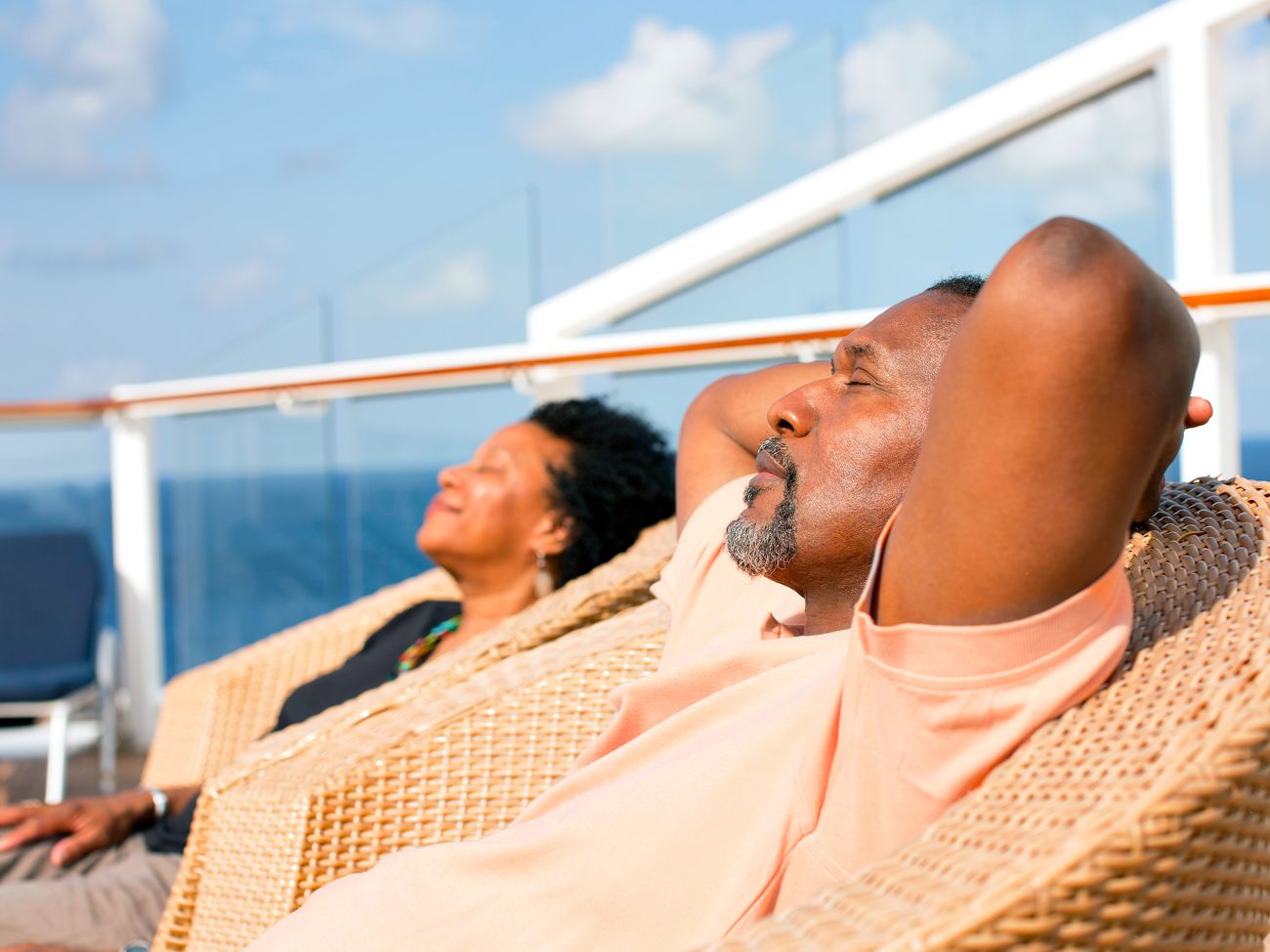
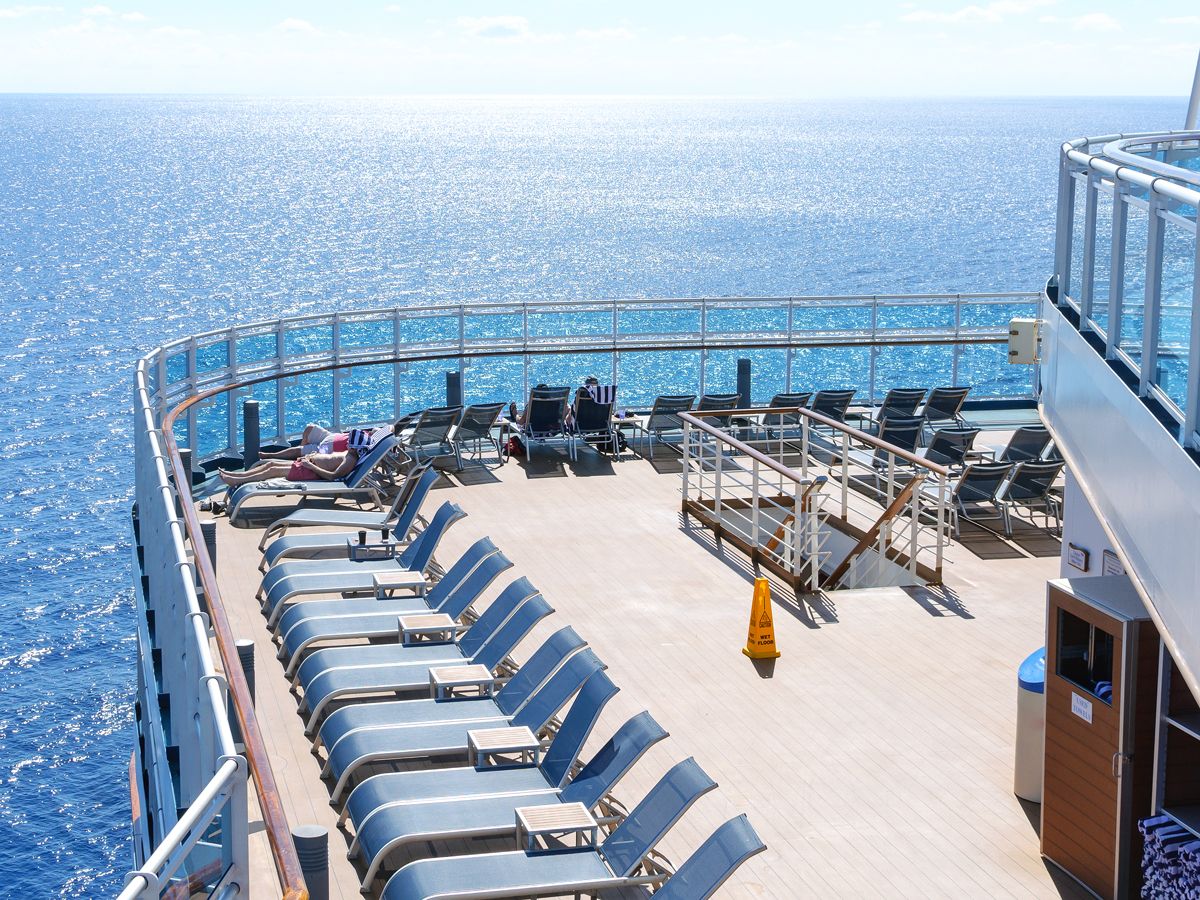
Signing up for a long-term cruise is arguably one of the easiest ways to see the world. A variety of onboard activities suit all interests, while port excursions open up a wealth of possibilities for travelers to tick off bucket list sights and meet like-minded people in the process. It’s a leisurely way to travel, and unlike with land-based vacations, there’s no need to keep packing and unpacking between destinations. For seniors, long-term cruising might even compare favorably with the cost of senior living communities.
But there are downsides, too. Unless you have the resources to splurge on an upgrade, cabins can feel cramped after a while. The transitory lifestyle that comes with constantly being on the move and the limited time afforded at each stop along the way can also be unappealing, particularly for those used to delving a bit deeper into the backstory of the places they visit.
Additionally, passengers have no control over the schedule, and occasionally, unforeseen repairs or delays impact planned itineraries. In the most extreme case, involving Miray Cruises’ Life At Sea voyage, the ship did not depart at all. Perhaps, therefore, the biggest leap of faith is to spend such a large sum of money with one company.
Cruise for a Year With Virgin
Credit: CGF Photography/ iStock via Getty Images Plus
In late 2024, Virgin Voyages announced its new Annual Pass. Rather than restrict you to one single ship for a year like many other round-the-world itineraries, this pass entitles you to join any Virgin cruise within a 365-day period.
For a nonrefundable cost of $120,000, you receive a double-occupancy Sea Terrace cabin, which boasts a balcony and hammock. (Solo travelers can purchase the pass, but the price will still be based on double occupancy.) Pass holders also qualify for other perks, such as free premium Wi-Fi, priority boarding, laundry service, and a $100 bar tab per voyage.
As with any offer, it’s vital to read the small print before making a decision. Cruises can be booked subject to availability — planning well in advance or being flexible with location will help — and you’ll still need to pay taxes and fees for each voyage you take. Shore excursions and insurance are extra costs to factor in, too. Note that the number of passes available is limited, and the offer expires at the end of March 2025.
Cruisers interested in longer world sailings might also consider the Villa Vie Residences Odyssey. The itinerary is impressive: Those who choose the four-year option (one-, two-, and three-year trips are also available) will visit 425 destinations in 147 countries, spanning all seven continents.
The inaugural cruise set sail from Belfast, Northern Ireland, in October 2024, but it was four months later than expected due to additional work that was needed on the ship. Currently, the ship is making its way along the coast of South America; from there, it will continue on to North America, Japan, the Philippine Sea, the South Pacific, and eventually Africa and Europe.
Travelers can opt to buy a cabin for the entire duration or purchase segments individually just as they would for a regular cruise. For example, advertised prices start at around $8,600 for a single cabin for the 35-day transatlantic leg in 2027.
Travelers who don’t initially want to commit to a whole year on a ship can also consider a shorter voyage to experience what life at sea could be like. For instance, Regent offered a 154-day cruise on its Seven Seas Mariner departing in January 2026 that travels round-trip from Miami, visiting 77 ports in 41 countries on six continents along the way. Pricing starts at a cool $101,999 per person.
Meanwhile, passengers on Holland America Line will soon be embarking on a 133-day Grand Voyage, sailing round-trip from Fort Lauderdale. By the time they disembark back into the Floridian sunshine in June, they will have visited ports in the Caribbean, South America, Antarctica, Europe, and Canada. (Similar cruises are planned for 2026.) Fares for an inside cabin start at about $57,000 for two people, including taxes, fees, and port expenses, though you can expect more than double that amount to enjoy a view of the sea with direct deck access.
Of course, there is one way you can spend a year at sea without it costing you a dime — find yourself a job on a cruise ship. But if you don’t wish to work while you’re exploring the world, you’ll have to be prepared to spend big to live aboard.
Advertisement
More from our network
Daily Passport is part of Inbox Studio, an email-first media company. *Indicates a third-party property.
China’s Magical “Ice City” Draws Visitors From All Over the World
By
Michael Nordine
Read time: 3 minutes
January 23, 2025
Updated: January 31, 2025
China’s Magical “Ice City” Draws Visitors From All Over the World
Culture •January 23, 2025•Updated: January 31, 2025
By Michael Nordine
Author
Michael Nordine
Michael is a staff writer for Daily Passport and film critic who writes the weekly newsletter Movie Brief. His writing and criticism have also appeared in the Los Angeles Times, Variety, and the Washington Post, among others. A native Angeleno, his favorite countries to visit are Norway and Japan.
The first time you see it, you might have trouble believing it’s real: an entire city of ice sculptures that rival brick-and-mortar architecture in their complexity. Harbin, the capital of China’s northernmost province, Heilongjiang, has been hosting its International Ice and Snow Sculpture Festival since 1985, and the annual tradition has become ever more ambitious and ornate in recent years. Millions of visitors come every winter to marvel at the festival’s Ice and Snow World, generating more than $800 million in revenue. And it’s easy to see why so many people brave temperatures as cold as -40 degrees Fahrenheit to do so.
Billed as the world’s largest ice and snow sculpture festival, Harbin’s Ice and Snow World opens each year around Christmastime and — thanks to the city’s extremely cold climate — continues through mid-February, depending on weather. There are replicas of world-famous structures like the Colosseum and the Great Sphinx, all of them illuminated in vibrant colors to add to the spectacle, which features 8 million square feet devoted to the installation of palaces, bridges, and other icy marvels. It takes thousands of workers to cut the 460,000 cubic feet of ice blocks required to create Harbin’s Ice and Snow World.
And there’s more to do than simply walk around and admire the sculptures. Those with extremely strong constitutions can take a polar plunge, artists can participate in the snow-carving competition, and couples looking to tie the knot in a unique way can get married in a mass wedding ceremony taking place on January 2 each year.
Harbin, a city of nearly 6 million people, originally held an ice lantern festival in 1963 — a nod to the region’s tradition of carving lanterns out of ice blocks sourced from the Songhua River, which dates back to the Qing dynasty. This eventually turned into the first modern Ice and Snow Sculpture Festival more than 20 years later, and the snowy soiree has become increasingly popular in the age of social media.
From afar, it looks a bit like an icy version of Disneyland — large, not-quite-real buildings lit in brilliant greens, reds, blues, and other vibrant colors that give the whole affair an air of unreality. There are mazes, functional slides, and even white foxes you can take pictures with. Part of the city has been recognized by Guinness World Records as the world’s largest indoor ice and snow theme park, though the main attraction remains the outdoor festivities of the Ice and Snow World that take place throughout January and February.
Other Ice Festivals
Credit: seiksoon/ iStock Editorial via Getty Images Plus
While Harbin’s International Ice and Snow Sculpture Festival is perhaps the most famous winter festival, it’s far from the only celebration out there. The Sapporo Snow Festival dates back even further, to 1950. This February, the northern Japanese city will be celebrating the festival’s 75th anniversary with hundreds of ice sculptures, some of which reach over 80 feet tall.
The World’s Longest Possible Train Journey Takes 21 Days
By
Michael Nordine
Read time: 3 minutes
January 23, 2025
Updated: January 23, 2025
The World’s Longest Possible Train Journey Takes 21 Days
Tips •January 23, 2025•Updated: January 23, 2025
By Michael Nordine
Author
Michael Nordine
Michael is a staff writer for Daily Passport and film critic who writes the weekly newsletter Movie Brief. His writing and criticism have also appeared in the Los Angeles Times, Variety, and the Washington Post, among others. A native Angeleno, his favorite countries to visit are Norway and Japan.
You might love trains, but do you love them enough to spend three weeks on one? If that prospect sounds exciting rather than daunting, consider the world’s longest possible train journey, measured by geodesic distance. First mapped out by train enthusiasts on Reddit, the route will take passengers 11,654 miles in about 21 days en route from Portugal to Singapore. This isn’t one continuous route with a particular company, but rather a patchwork of individual legs that may also require overnight stays — making it a trek that’s only for the most dedicated rail enthusiasts. But if we’ve piqued your curiosity, here are all the details of this epic cross-continental journey by rail.
The journey begins in Portugal, near its capital and most populous city, Lisbon, before heading to Paris, where travelers are encouraged to stretch their legs before the first character-building portion of the trek: the 40-hour ride to Moscow. Unfortunately, due to the ongoing war in Ukraine, this portion of the journey currently isn’t possible as train routes are suspended from the EU to Russia.
But if and when it becomes available again, the total trek across 13 countries from Portugal to Singapore will require seven different visas and set you back some $1,350 — a pretty penny to be sure, but similar to what you might spend on any number of long-haul flights.
Settling In
Credit: Pekic/ E+ via Getty Images
It takes more than a day and a half to get from the City of Light to Russia’s capital, which is also the most populous city in all of Europe, but that isn’t the longest stretch of the journey. That would be the 60-hour trek on the Trans-Siberian Railway line to Beijing.
This segment is part of the world’s longest direct train route that does not involve changing trains, which covers a total distance of 6,346 miles from Moscow to Pyongyang, North Korea. During the leg to Beijing, passengers will have countless opportunities to look out the window and gaze upon all manner of natural beauty, while taking in the fact that you’ll soon be over the hump.
Final Destination
Credit: Sean3810/ iStock via Getty Images Plus
The final segment of this long, winding journey has only been possible since 2021, when Laos opened its first major railway. The Laos-China Railway will take you from Beijing to the Laotian capital of Vientiane via Kunming. From there, you’ll journey to Bangkok, where you’ll transfer to Padang Besar, Malaysia — the penultimate stop.
By the time you reach your final destination, you’ll have passed through Portugal, Spain, France, Belgium, Germany, Poland, Belarus, Russia, China, Laos, Thailand, Malaysia, and Singapore — quite the baker’s dozen.
You’ll also have saved both money and a significant amount of CO2. Whereas an equivalent flight would have pumped 1.67 tons of it into the atmosphere, this journey emits just 0.08 tons. So, if you decide to take the journey when the entire length is available to travel again, or even just book one or more individual segments, you can take solace in the fact that your adventure is more eco-friendly, too.
Advertisement
More from our network
Daily Passport is part of Inbox Studio, an email-first media company. *Indicates a third-party property.
Bennett is a New York City-based staff writer for Daily Passport. He previously contributed to television programs such as the Late Show With David Letterman, as well as digital publications like the Onion. Bennett has traveled to 48 U.S. states and all 30 Major League Baseball stadiums.
When traveling around the United States, the concept of income tax isn’t a concern — though sales tax might be. But if you’re considering moving, it’s important to be aware that your paycheck will be taxed more heavily in certain states. While some states levy little to no income tax on their residents, others collect in excess of 10% in income taxes. Of course, tax law is always open to change, so these percentages remain fluid year over year. It’s also worth noting that most states have a graduated income tax, meaning that instead of a flat statewide tax, people who earn more will be taxed at a higher rate. Using numbers compiled by the Tax Foundation for 2024, let’s examine the top 10 states with the highest income tax.
In Maine, individuals who earn more than $61,600 annually are taxed at a 7.15% rate. This rate also applies to married couples filing together if they collectively earn at least $123,250. The tax rate drops to 6.75% for individuals earning between $26,050 and $61,600, along with couples who earn between $52,100 and $123,250. Maine residents who earn less than those amounts are levied a 5.8% income tax.
Wisconsin’s graduated income tax rate means that residents are taxed as low as 3.5% and as high as 7.65%, with two additional tiers of 4.4% and 5.3% in between. The highest of these tax rates is reserved for individuals earning more than $315,310, or couples filing jointly who make in excess of $420,420. The majority of single-filing Wisconsinites pay a 5.3% income tax, which is levied on those who earn between $28,640 and $315,310.
8. Vermont
Credit: haveseen/ iStock via Getty Images Plus
Vermont levies an income tax rate as low as 3.35% on residents earning less than $45,400 each year. However, that tax rate jumps up to 8.75% for those who earn at least $229,550 individually, or couples who earn $279,450.
7. Massachusetts
Credit: SeanPavonePhoto/ iStock via Getty Images Plus
There are two different income tax rates imposed in the Bay State. If you’re a single filer or joint couple earning $1 million of income, you’ll pay a 9% rate each filing season. But any individuals or couples who earn less than $1 million are subject to a lower 5% income tax rate. Of its roughly 7 million residents, there are roughly 16,000 millionaires who live in Massachusetts and get taxed at 9%.
6. Minnesota
Credit: AMB-MD/ iStock via Getty Images Plus
There are four income tax tiers in Minnesota, which begin at 5.35% and increase to 9.85%. The highest tier is reserved for anyone with income in excess of $193,240, or joint filers earning a collective minimum of $321,450. The second-highest tier is taxed at a 7.85% rate, and it’s reserved for single filers who make in excess of $104,090 or couples who earn $184,040. Minnesotans who earn less than that will be taxed at either 5.35% or 6.80%.
5. Oregon
Credit: David Gn Photography/ Moment via Getty Images
The highest earners in Oregon have their paychecks taxed by the state at 9.9%. This upper tax rate applies to any single individual making over $125,000, or any joint filers earning in excess of double that figure. Most people in Oregon will pay an income tax rate of 8.75%, which is still quite lofty compared to rates in the rest of the country — though Oregon is one of only five states with no statewide sales tax. The 8.75% rate applies to anyone earning between $10,750 and $125,000, or couples taking home double those figures. A tax rate of 4.75% applies to the state’s lowest earners.
4. New Jersey
Credit: Aneese/ iStock via Getty Images Plus
New Jersey has seven different income tax rates for single filers and eight rates for joint filers, which is enough to make your head spin. While the state’s income tax rate is as low as 1.4% for those earning less than $20,000 annually, it jumps all the way up to 10.75% for individuals and couples earning over $1 million. Those who earn more than $500,000 but less than $1 million are still subject to a hefty 8.97% tax rate.
3. New York
Credit: Alexander Spatari/ Moment via Getty Images
There are nine different gradual income tax thresholds in New York state. The highest level is a whopping 10.9%, though this applies only in rare cases where individuals or collective couples earn at least $25 million. Anyone earning over $5 million is levied a 10.3% income tax rate. The percentage drops to 9.65% for those who earn between $1,077,550 and $5,000,000, and goes down to a 4% rate for the lowest-earning individuals in the state.
2. Hawaii
Credit: nameinfame/ iStock via Getty Images Plus
Living in paradise comes at a cost: Any Hawaiian earning $200,000 or more, as well as couples earning in excess of $400,000, are taxed at an 11% rate. The income tax rate drops to 10% if you’re single and earn between $175,000 and $200,000, and 9% for anyone earning between $150,000 and $175,000. Hawaiians with lower earnings, however, will be taxed between 1.4% and 8.25%.
1. California
Credit: RICOWde/ Moment via Getty Images
California is the U.S. state with the highest income tax rate in the nation, reaching as high as 13.3% for individuals who earn at least $1 million. Any married couples filing together are also subject to a 13.3% tax rate if their collective income exceeds $1,396,542. If you earn between $68,350 and $349,137, the California state income tax rate drops to 9.3%. The lowest earners in the Golden State, meanwhile, are taxed between 2% and 8%.
Advertisement
More from our network
Daily Passport is part of Inbox Studio, an email-first media company. *Indicates a third-party property.
Exploring North America’s Largest Urban Car-Free Community
By
Peter Vanden Bos
Read time: 5 minutes
January 23, 2025
Updated: February 3, 2025
Exploring North America’s Largest Urban Car-Free Community
Culture •January 23, 2025•Updated: February 3, 2025
By Peter Vanden Bos
Author
Peter Vanden Bos
Peter is a Toronto-based journalist, editor, content strategist, and self-professed avgeek with 15 years of experience covering all things travel. Prior to joining Daily Passport, he oversaw newsletter publication for Travelzoo. His favorite destinations to explore include Japan, France, Chile, New Zealand, and his adopted home country of Canada.
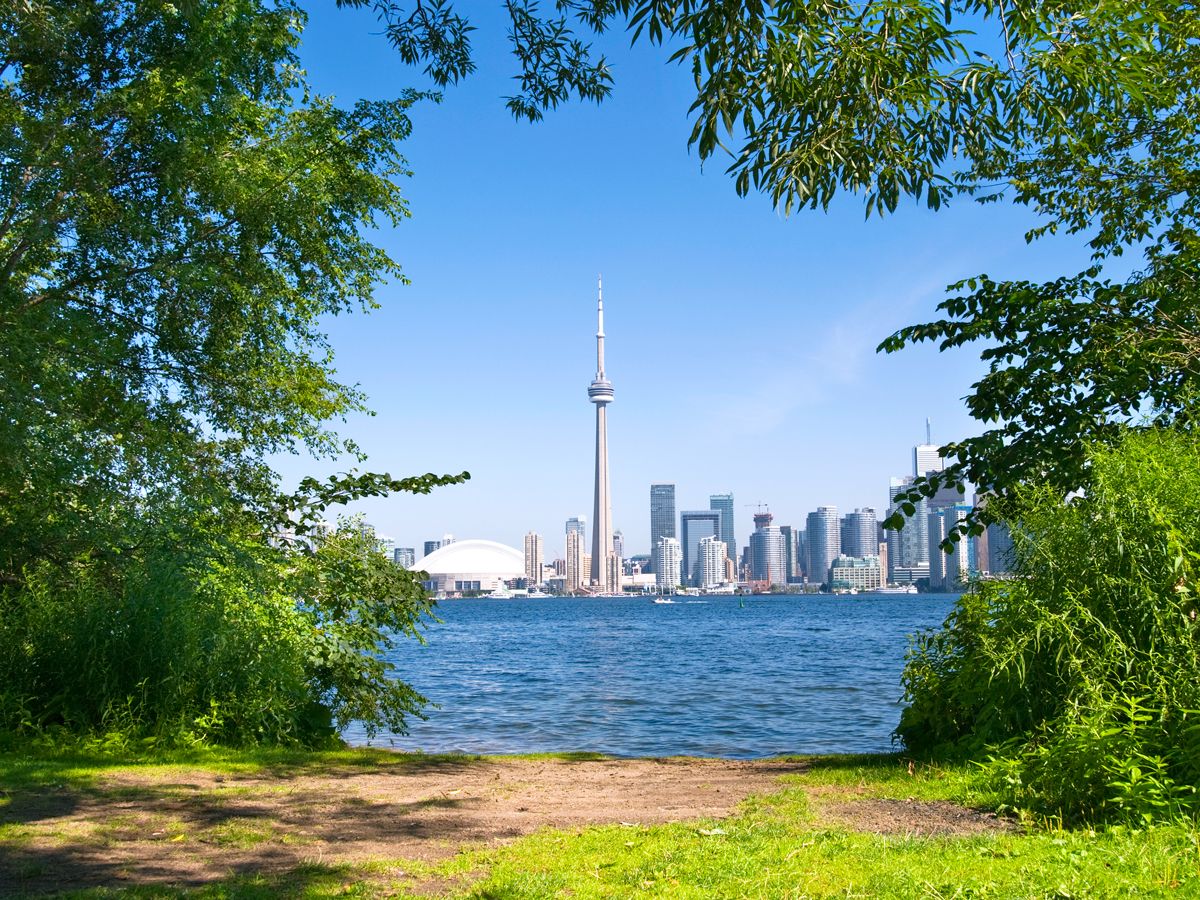
Travelers come to Toronto, Canada’s largest city and the capital of the province of Ontario, for many reasons — its iconic skyline, its pretty lakefront and parks, its arts scene, its multiculturalism, and its tasty food, for starters. However, there’s one thing about Toronto no one likes: traffic. According to recent studies, Toronto has the worst congestion on the continent — which might make the fact that it’s home to North America’s largest urban car-free community all the more surprising. Discover the fascinating history of the idyllic car-free island escape that’s been a favorite of Torontonians and visitors alike for more than 150 years.
History of the Toronto Islands
Credit: FrankvandenBergh/ iStock via Getty Images Plus
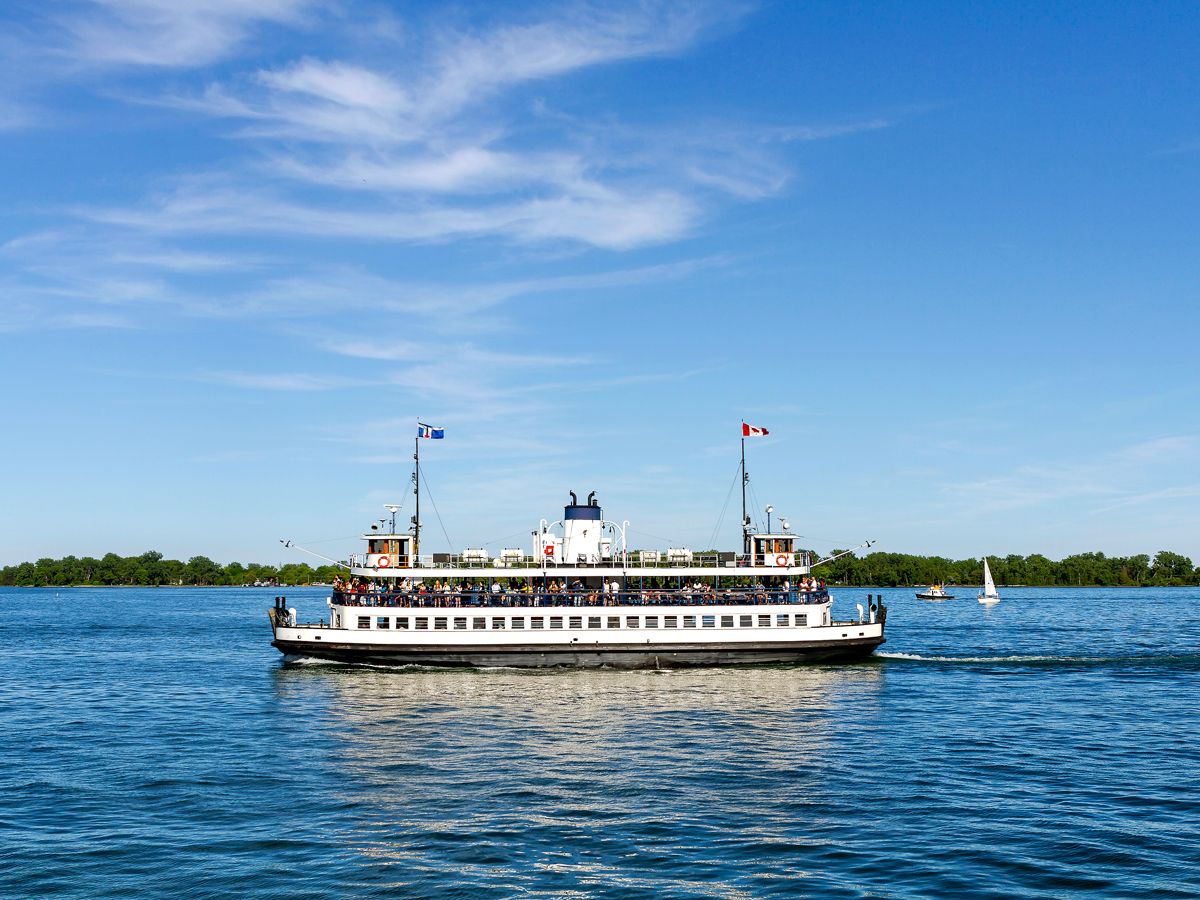
About a mile south of downtown Toronto, just across Lake Ontario, you’ll find an archipelago of 15 islands that make up the Toronto Islands. It only takes about 10 to 15 minutes to reach them by ferry or water taxi, but once you arrive, it’s easy to forget you’re still in one of North America’s biggest cities — unless, that is, you turn to admire the incredible views of the skyline behind you.
Interestingly, the islands weren’t always islands. They were originally a peninsula that extended out from Toronto, but after a particularly strong storm arrived in 1858 and dug a channel, the islands were cut off from the mainland. Since then, they’ve more than doubled in size to their current 820 acres — nearly as big as Manhattan’s Central Park — thanks to winds, currents, dredging, and landfill operations over the years.
In 1833, the first ferries began carrying people across Toronto Harbour to the islands, where the first hotel, the Retreat on the Peninsula, opened the same year. Several other hotels were built in the next few decades, turning the islands into a popular summer resort area, though none still exist.
A fisherman named David Ward established the first residential community in 1834 on Ward’s Island, on the eastern side of the islands. Other residential areas followed, and by the 1950s, there were approximately 8,000 people living on Centre Island, the largest in the archipelago.
During this time, theaters, stores, schools, and other amenities also were built as the islands’ population grew, but in the 1950s the city decided to demolish them to create a park on the islands instead. Many residents fought unsuccessfully to save their homes, but in 1981 the Ontario government passed a law protecting those that remained.
A Tight-Knit Community
Credit: HonestTraveller/ iStock Editorial via Getty Images Plus
Today, Wards Island, which is linked to neighboring Algonquin Island, has about 260 homes and 650 residents. But there are no cars, with the exception of a handful of emergency and commercial vehicles. To get around the island, residents must walk or bike, and they have to hop on the ferry or their own boat to reach the mainland for groceries and other essentials.
Given those obstacles, living on the Toronto Islands isn’t for everyone. But that isn’t to say this tight-knit community is not a highly coveted place to live. There’s a waitlist for anyone looking to buy a home here, and since there’s a maximum of 500 names on the list, there’s a lottery to even join it in the first place.
Those who make it on the waitlist have to be patient — it could be decades before a home becomes available. Only 70 homes were sold in the last 30 years, according to the CBC. The homes themselves are owned by residents, but the land they occupy is leased from the city.
A big part of the appeal of becoming an islander, beyond the small-town feel and laid-back lifestyle, is the price tag. Home prices are set by an appraiser, and there are no bidding wars, meaning they sell for far below market value — if you’re lucky enough to get your hands on one.
The rest of the islands’ population is made up of daily visitors — to the tune of around 1.5 million people per year. On the busiest summer days, as many as 20,000 people descend on the islands.
It’s easy to see why: Together, the islands make up one of Toronto’s largest parks, complete with epic skyline views, beaches, gardens, restaurants, and even a children’s amusement park. Popular activities include walking, cycling, fishing, paddleboating, sunbathing, picnicking, sailing, birdwatching, paddleboarding, disc golf, and more.
Hanlan’s Point, on the western edge of the islands, holds particular importance for Toronto’s queer community. It served as one of the city’s only safe spaces during a time when LGBTQ+ individuals faced persecution, and it hosted the city’s first-ever gay pride celebration in 1971. Today, its beach remains a popular gathering place.
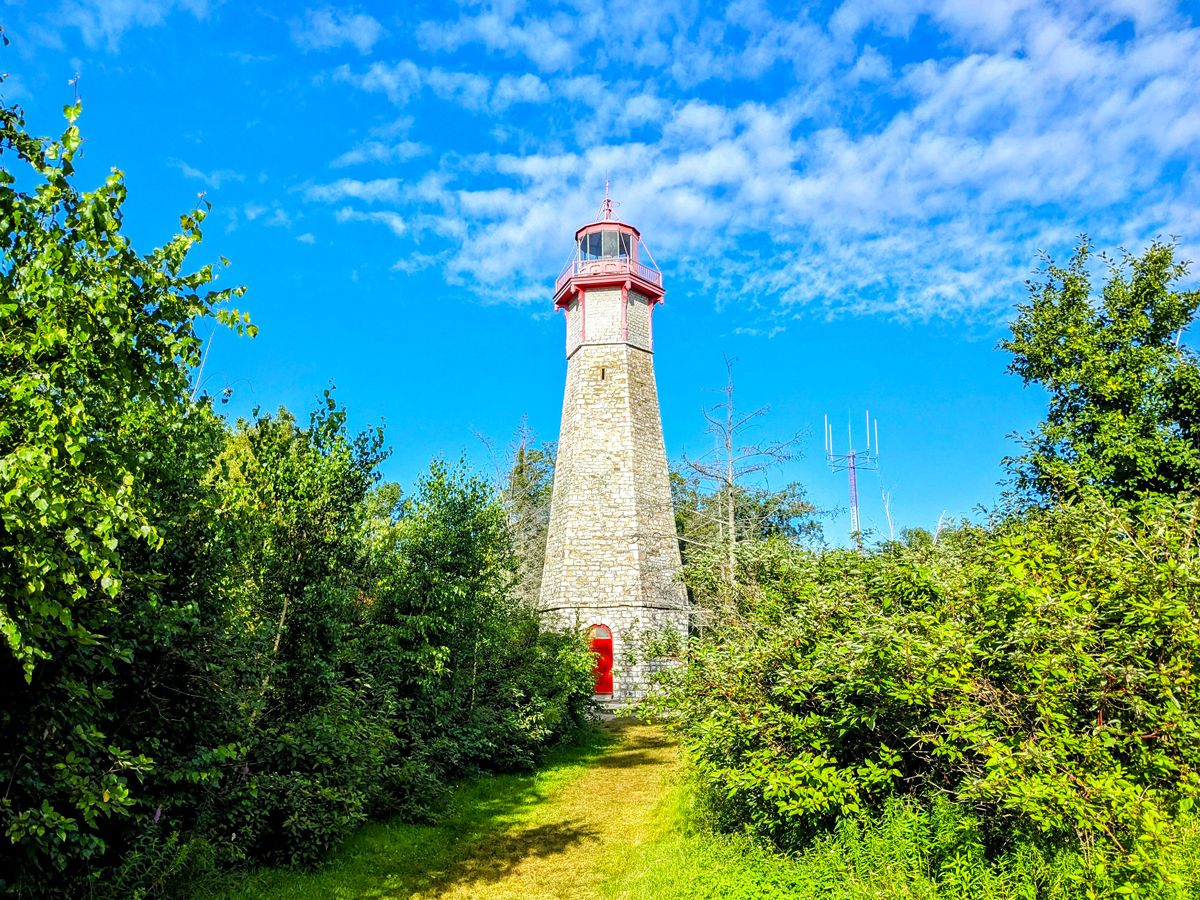
Also on Hanlan’s Island is the Gibraltar Point Lighthouse. One of Toronto’s oldest landmarks, it was built in 1808 and remains the oldest existing lighthouse on the Great Lakes. (It’s said to be haunted by its first keeper, who was murdered in 1815.)
The Toronto Islands also are home to Billy Bishop Toronto City Airport, built in 1939. By far the smaller of Toronto’s two main airports, Billy Bishop offers flights to more than 20 cities in Canada and the U.S. But because of its short runway, it can only handle turboprops and not larger jets. Many travelers still favor it for its convenient location near downtown, which can be reached via an underground tunnel.
For many visitors, the most convenient way to reach the Toronto Islands is via the Toronto Island Ferry, which is operated by the city. Ferries depart from Jack Layton Ferry Terminal, a short walk from Toronto Union Station in the downtown Harbourfront area. In summer, they run as often as every 30 minutes to Centre Island, Hanlan’s Point, and Ward’s Island, though services are more limited in winter months.
As of early 2025, adult tickets cost a little over $9 CAD roundtrip (equivalent to about $6.50 USD), and it’s recommended to buy them online in advance, as lines on peak summer days can be quite long.
There are also a number of private water taxi services that will bring you to the islands from several points along the Harbourfront. While the water taxis cost a bit more (around $12 to $13 CAD one way), they’re smaller and typically less crowded than the ferry.
Once you’re there, biking is a great way to explore the islands at your own pace, though there are plenty of walking paths to explore, too. You can bring bicycles on the ferries or water taxis, or there’s a bike rental shop on Centre Island, which is open seasonally.
Advertisement
More from our network
Daily Passport is part of Inbox Studio, an email-first media company. *Indicates a third-party property.
26 Rules for Flying in 2026 Every Traveler Should Follow
By
Daily Passport Team
Read time: 12 minutes
January 23, 2025
Updated: March 24, 2026
26 Rules for Flying in 2026 Every Traveler Should Follow
Tips •January 23, 2025•Updated: March 24, 2026
By Daily Passport Team
Author
Daily Passport Team
Daily Passport writers have been seen in publications such as National Geographic, Food & Wine, CBC, Condé Nast Traveler, and Business Insider. They're passionate about uncovering unique destinations and sharing expert tips with curious travelers.
It’s no secret that traveling by plane these days comes with its fair share of headaches. Legroom is shrinking, airports are more crowded, delays are inevitable, and travelers are paying extra for what used to be free. But for all its challenges, air travel is still far more affordable than it used to be, and at the end of the day, it allows us to hop on a plane and discover a new destination in as little as a few hours. To make the journey as smooth, enjoyable, and stress-free as possible, we’ve compiled our ultimate flying tips below.
A smooth flight begins with knowing you got the best possible deal on a ticket. There’s one place you should be shopping for fares: Google Flights. The search engine compiles dozens of flight options from nearly every airline, pointing you in the direction of the best options for your journey. You also can set alerts to track prices. If you’re wondering when the best time is to pull the trigger, here’s what the data says.
Typically, around 20% to 25% of flights in the U.S. will experience a delay. But there are strategies you can use to avoid that scenario, and it starts with picking a departure time. According to the Bureau of Transportation Statistics (BTS), the biggest single factor impacting on-time performance is a late arriving inbound aircraft. Planes allocated to the first flights of the day usually arrive at the airport the night before, so if you aren’t waiting on an inbound flight to arrive, that’s one less reason for your flight to be delayed.
Most travelers want to avoid being stuck at the back of the plane, but is that the wisest choice? If you’re flying in economy, the odds of an empty seat next to you increase the further back you go. The seats toward the front of the cabin tend to fill up first, leaving more empty seats toward the back. Some airlines even charge extra for “preferred” seats at the front of the cabin, as travelers are often willing to pay more to be off the plane sooner.
Ever since airlines started charging for checked bags, fees for ancillary services have become increasingly common. To avoid paying more than you need to, read up carefully on what’s included with your ticket — anything from seat assignments to in-flight amenities or even printing a physical boarding pass at the airport could cost you extra. If you’re looking to avoid checked bag fees, choose an airline like Southwest that doesn’t charge for them, or consider signing up for an airline credit card.
A simple way to avoid checked bag fees is to travel with only a carry-on. And if you want to make sure it has all your essentials while still meeting airline size requirements, we’ve gathered a few clever tricks. One of our favorites? Roll, don’t fold.
A common reason travelers can be denied boarding is that they don’t check in on time. If you find yourself running behind schedule, it’s crucial to know the absolute latest time you can arrive and still make your flight. Most airlines have minimum check-in time requirements and checked baggage cutoff times, especially for international flights, and these are posted on the airline’s website. Make sure to factor in the time you’ll have to stand in line to check your bags, as airline counters are frequently understaffed.
While lost or delayed luggage cases aren’t common, they are unfortunately on the rise. Thankfully, there’s an affordable gadget that can help track down your missing bags and provide peace of mind on your next trip. Even better, it takes up barely any luggage space at all. We’re talking about the Apple AirTag — a tiny, yet essential device that every jetsetter should own. Plus, Apple recently introduced a helpful new feature that allows you to share your AirTag location with airlines directly.
Credit: Yelizaveta Tomashevska/ iStock via Getty Images
Delays, cancellations, and overbooked flights are sometimes unavoidable, but you can arm yourself with knowledge — you may be entitled to some compensation, depending on the circumstances. New rules the Department of Transportation (DOT) implemented in October 2024 offer U.S. flyers a set of protections for delayed or canceled flights, delayed bags, and other flight disruptions.
When packing, it’s easy to overlook one of the most essential outfits: your airplane ensemble. You want to be comfortable, especially in cramped airplane seats, but you also need to consider temperature changes, air-conditioning in terminals, and getting through airport security without incident. Start by knowing what to avoid, along with our picks for the best anti-wrinkle clothing for travel.
When packing for a trip, we tend to spend most of our time focused on the essentials — clothes, shoes, hats, electronics, medicines, and the like. That makes perfect sense, but it also makes it easy to overlook smaller items that can turn a stressful travel day into a smooth one. From noise-cancelling headphones to a refillable water bottle and a travel sleep kit, these are the 10 items we always recommend packing.
A common complaint with TSA is travelers who hold up the line because they don’t know the rules. Avoid being one of them: If you have something unusual you’re planning to carry on the plane, read up on the restrictions and requirements before you arrive at the airport — some of them may surprise even seasoned travelers, including what foods you can and can’t bring. In 2025, the TSA also announced new bans on a few common items in checked baggage, including some cordless curling irons and lithium-ion batteries.
Credit: Jeff Greenberg/ Universal Images Group via Getty Images
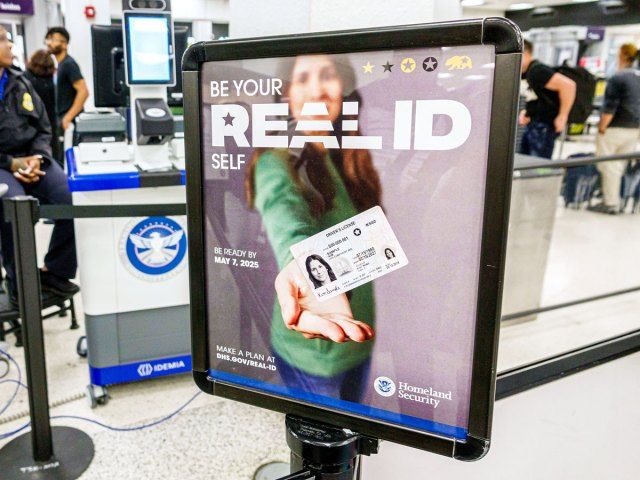
In 2025, the TSA finally started enforcing its long-talked-about requirement for domestic passengers to travel with a REAL ID. If you don’t have a REAL ID or plan to get one soon, there are many other acceptable forms of identification at TSA checkpoints, such as a passport. If you don’t present any of them and still wish to fly, travelers now face a $45 fee for identity verification.
No one likes waiting in a long security line before a flight. Fortunately, there are easy ways to reduce your wait time. Explore how you can speed through airport security by enrolling ahead of time in TSA PreCheck, Global Entry, or CLEAR. Recently, the TSA has also expanded its Touchless ID program, which offers dedicated (read: faster) lanes that allow travelers to skip showing their ID in favor of looking into a biometric camera.
In 2025, the TSA issued two cybersecurity warnings to travelers. The first tip: “Don’t use free public Wi-Fi, especially if you’re planning to make any online purchases. Do not ever enter any sensitive info while using unsecure Wi-Fi.” And avoid charging your device in the public USB charging ports, as the TSA warns that they are susceptible to what’s known as “juice jacking,” in which hackers can steal your data or install malware on a connected device.
Anxious about finding overhead space or just want to settle in sooner? Check to see if you’re part of a group that qualifies for early boarding, find out if it makes sense to open an airline credit card that offers priority boarding, or see if you can purchase priority boarding from the airline. You might also be able to score a cheap upgrade to first class, which comes with early boarding, among other perks.
If you still find yourself stuck in group nine, don’t try to cut the line. Airlines are introducing new technology that audibly alerts gate agents when someone tries to board before their zone is called. To avoid public shaming, remain patiently seated and don’t join the passengers who stand and crowd the gate before their group is called. There’s a name for them: gate lice.
On the rare chance that you board a plane and see an empty row near you, don’t just assume you can move there. It may be reserved for crew rest, or staff may have intentionally left it open for aircraft weight and balance reasons, so check first with a flight attendant. If it’s a seat with extra legroom, you’ll almost always have to pay an extra fee to sit there — even if it would otherwise go empty. (If you wish to swap seats with a fellow passenger, be sure to follow those unwritten rules of etiquette, too.)
Staff generally clean cabins between every flight, but with tight turnarounds between flights, there often isn’t enough time to do a thorough cleaning. Check your seat for any obvious discoloration, smells, or stains, and look around the crevices for any dirt, grime, or discarded trash. You can always pack a few sanitary wipes to wipe down the seat and common touchpoints such as the armrests or tray table.
Credit: YakobchukOlena/ iStock via Getty Images Plus
Everyone has a favorite beverage when flying on an airplane, but it may surprise you to learn there’s one beverage that experts recommend against ordering on an aircraft: coffee. But you may already be one of the many flyers who prefer tomato juice instead.
Air humidity on an airplane is lower than many of us are used to on the ground, which has a dehydrating effect on our bodies. Drinking plenty of water is essential, and you’ll want to avoid consuming too much alcohol, too. You also might experience a dry nose, dry skin, or dry lips, so pack a few tools to combat those, too. And if you’re flying across multiple time zones, here are a few helpful tips for beating jet lag.
If you travel often and have been noticing more frequent bumps in the sky, you’re not alone. According to recent reports, flight turbulence is on the rise — particularly a type known as clear air turbulence that’s trickier for pilots to anticipate. If the seat belt sign is on, it goes without saying that you should remain seated with your seat belt fastened.
If you’re sitting in the window seat, it’s pretty much an unspoken rule that you get to decide whether to keep the shade up or down (as long as the flight crew doesn’t instruct you otherwise). But whether you should keep it raised or lowered is a different story. Look to cues from fellow passengers and be considerate of others. For example, if your shade is the only shade that’s open in the entire cabin, the sunlight may prove to be an unwanted nuisance for your fellow passengers. The same goes for reclining your seat.
In a recent survey, travelers identified the growing trend of people who conduct calls, watch videos, or listen to music in public without headphones as one of the most annoying behaviors in the sky. In early 2026, United became the first airline to officially start requiring passengers to use headphones with their devices. Those who don’t comply could be kicked off of their United flight or even banned from traveling with the airline in the future. Even if you’re not flying on United, though, always using headphones is considerate to your fellow passengers.
Any dermatologist will tell you to wear sunscreen on the ground, but what about while flying? The average commercial airliner cruises at over 30,000 feet, meaning passengers are roughly 6 miles closer to the ozone layer than at ground level. UV rays become more intense the closer we get to the sun, and, unfortunately, plane windows can only do so much to block them out, so wearing sunscreen is your best bet.
If you’re headed overseas, you’ve probably already checked that your passport hasn’t expired. But do you know about the “six-month rule”? Some countries apply this restriction to ensure travelers’ passports don’t unexpectedly expire while abroad if they have to extend their trip. Before you travel, it’s a good rule of thumb to make sure your passport’s expiration date is six months beyond the date of your intended stay in your foreign destination. (Pro tip: You may now be eligible to renew your passport online.)
Flight attendants are the unsung heroes of air travel, keeping us safe and comfortable during our journeys. They also fly a lot more than the average traveler. Because of this, their knowledge of airplane safety and etiquette is second to none. Before your next flight, get the inside scoop on what they really wish travelers knew.