




Post Banner Image
Tips

8 TSA Rules That Might Surprise You

By Daily Passport Team
Read time: 5 minutes
August 24, 2026
Updated: August 24, 2026

8 TSA Rules That Might Surprise You

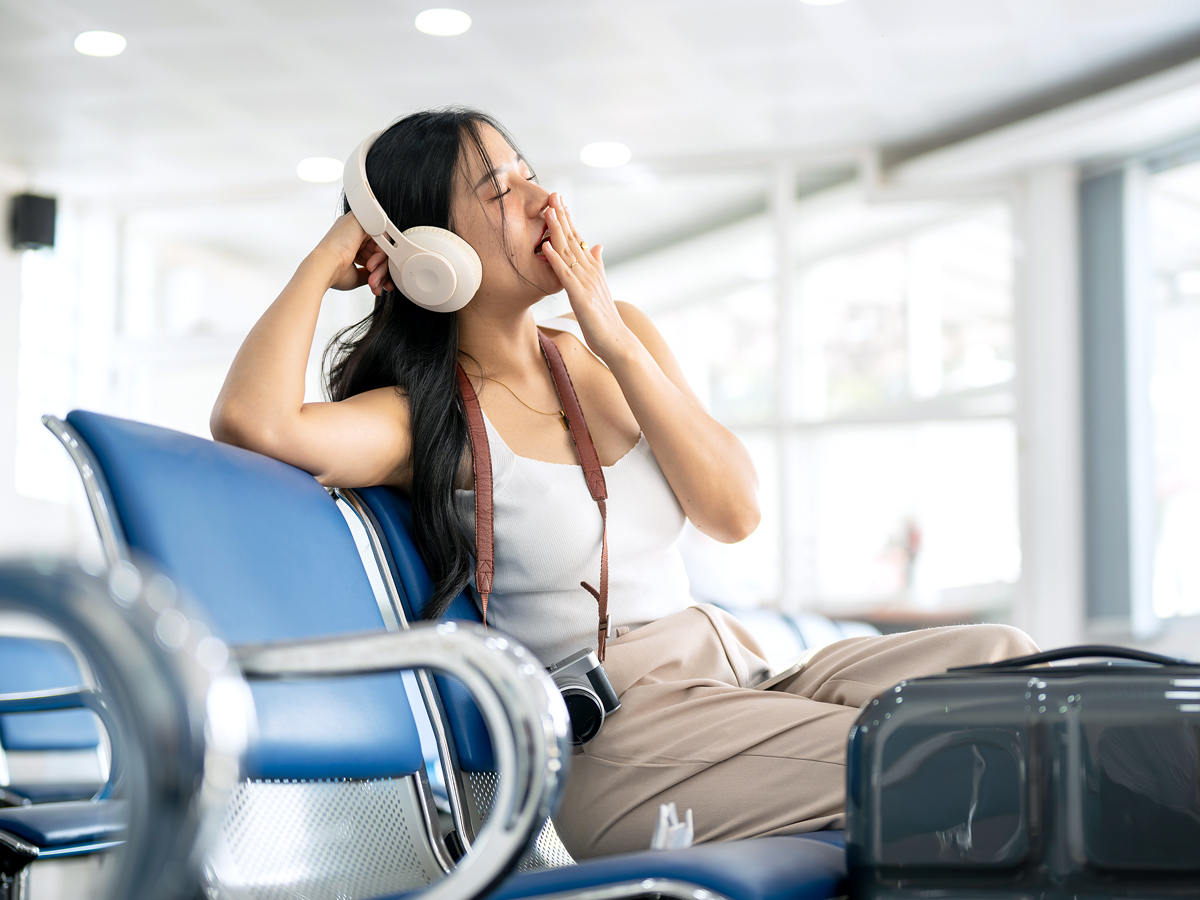
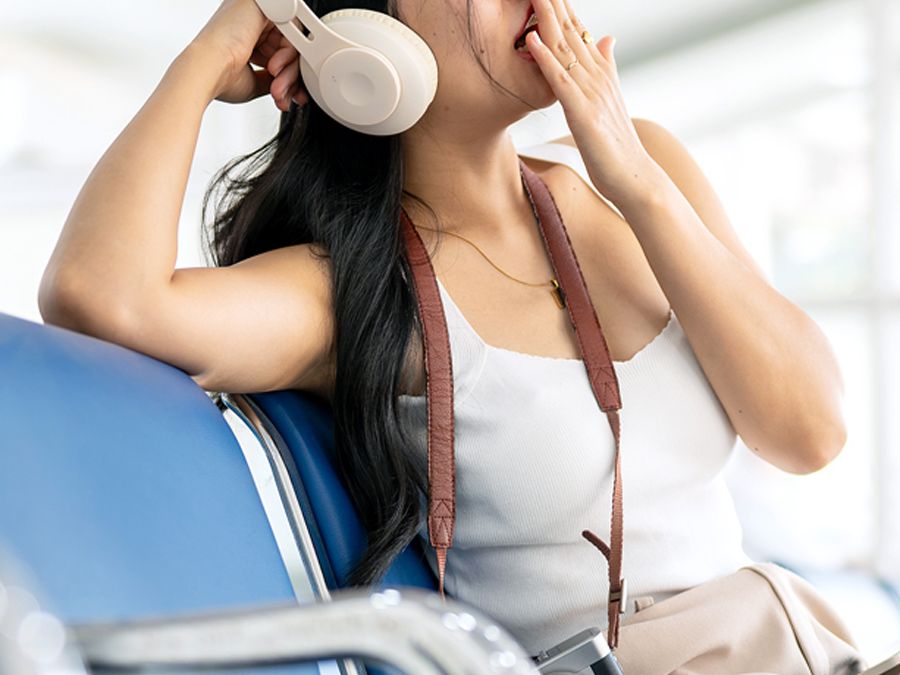
A woman is yawning while waiting to board
Credit: © BongkarnThanyakij—iStock/Getty Images
By Daily Passport Team
Author
Daily Passport Team
Daily Passport writers have been seen in publications such as National Geographic, Food & Wine, CBC, Condé Nast Traveler, and Business Insider. They're passionate about uncovering unique destinations and sharing expert tips with curious travelers.

At this point, the TSA has been around for over two decades, so you might think you’re familiar with all the ins and outs of the security screening process. However, much like on their hilarious Instagram account, there’s sometimes more than meets the eye when it comes to the TSA. From surprising bans on certain items to shocking things that are allowed, plus a common behavior that could get you flagged, we’ve gathered up eight TSA rules from around the website that may catch even the most experienced travelers off-guard.

You Can Bring Live Lobsters on a Plane

Thailand fish market lobsters
Credit: © Parilov/stock.adobe.com

Interested in bringing home some very fresh seafood? The TSA does allow live lobsters to pass through security, but an officer will inspect the crustacean and its container, which must be spillproof but can be filled with any amount of water (even if it exceeds 3.4 ounces). Keep in mind that the rules of the specific airline you’re traveling with may vary, and this will be easier aboard a domestic flight, as many international customs agents may not permit live animals to enter the country.

Read more: Surprising Things You Can — and Can’t — Bring Through TSA Airport Security

Your Jar of Peanut Butter Counts as a Liquid

Jar of peanut butter
Credit: © sadiqa/stock.adobe.com

The TSA is famously pretty strict when it comes to liquids, but you might be surprised to learn that some of your favorite spreadable and scoopable foods fall under the liquids category, too. This includes cream cheese, jams and jellies, peanut butter, yogurt, ice cream, and even wet pet food. (If you bring an already-made PB&J sandwich, that counts as a solid food, but if you’re bringing a separate container of jelly or peanut butter, that would be considered a liquid.)

Read more: Flying With Food: What You Can and Can’t Bring

You Can Bring a Full Water Bottle — With a Catch
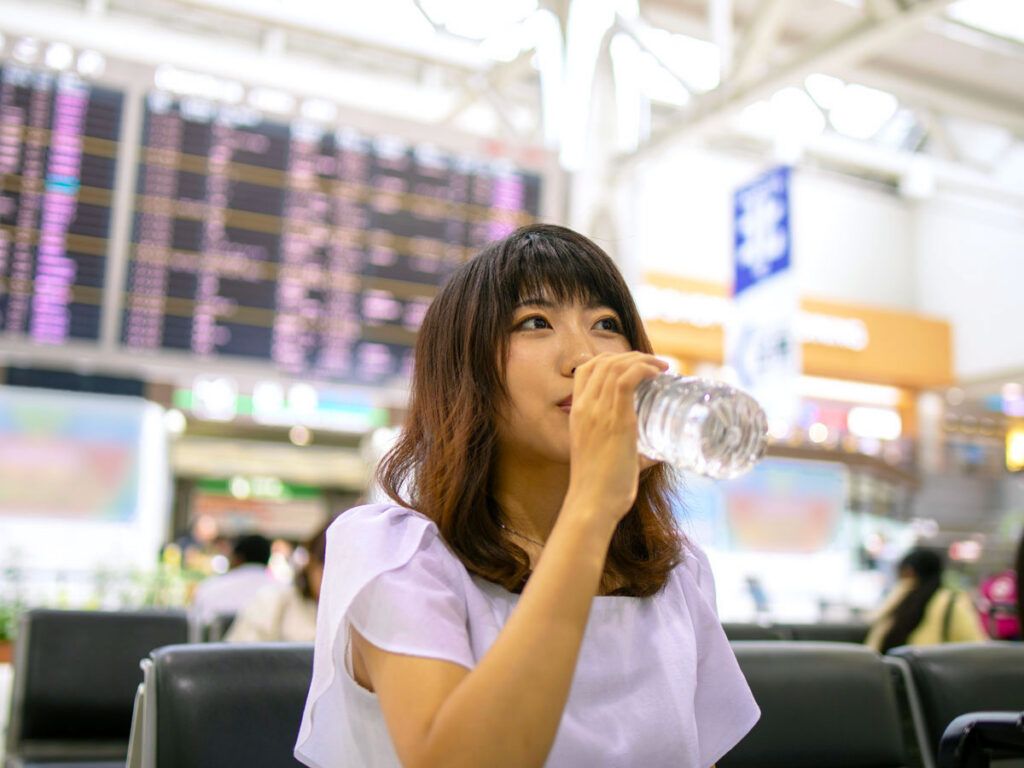
Woman drinking a bottle of water
Credit: © Satoshi-K—iStock/Getty Images

You’re probably used to tossing your beverage or emptying your refillable water bottle at the checkpoint, but when it comes to TSA liquid rules, there’s an important caveat. The rule applies only if the water is in liquid form, so frozen water bottles are 100% permitted. Technically, this applies to more than just water; you can also freeze bottles of soda or even skin care products — as long as the liquid is still frozen solid when you go through security, it’s permitted.

Read more: The Simple Hack for Bringing Water Through TSA Security

Some Household Items Are Now Banned

Woman charging her phone
Credit: © O_Lypa—iStock/Getty Images

Planning to pack personal beauty products for your next getaway? While certain products pose little to no risk in the comfort of your own home, they can be a potential problem when stowed inside your checked luggage. In 2025, the TSA announced a new ban on any “cordless curling irons containing a gas cartridge,” along with “butane-fueled curling irons.” Cordless flat irons are also subject to this same rule. However, the ban applies only to checked luggage, so you’re permitted to travel with these types of irons inside your carry-on bag. 

With the recent uptick in incidents caused by battery fires, the TSA has also banned portable chargers, power banks, and cellphone battery charging cases that contain lithium-ion batteries in checked luggage. This rule applies to spare external lithium batteries, too.

Read more: The TSA Recently Banned These Common Items From Checked Bags

Travelers May Still Have To Remove Their Shoes
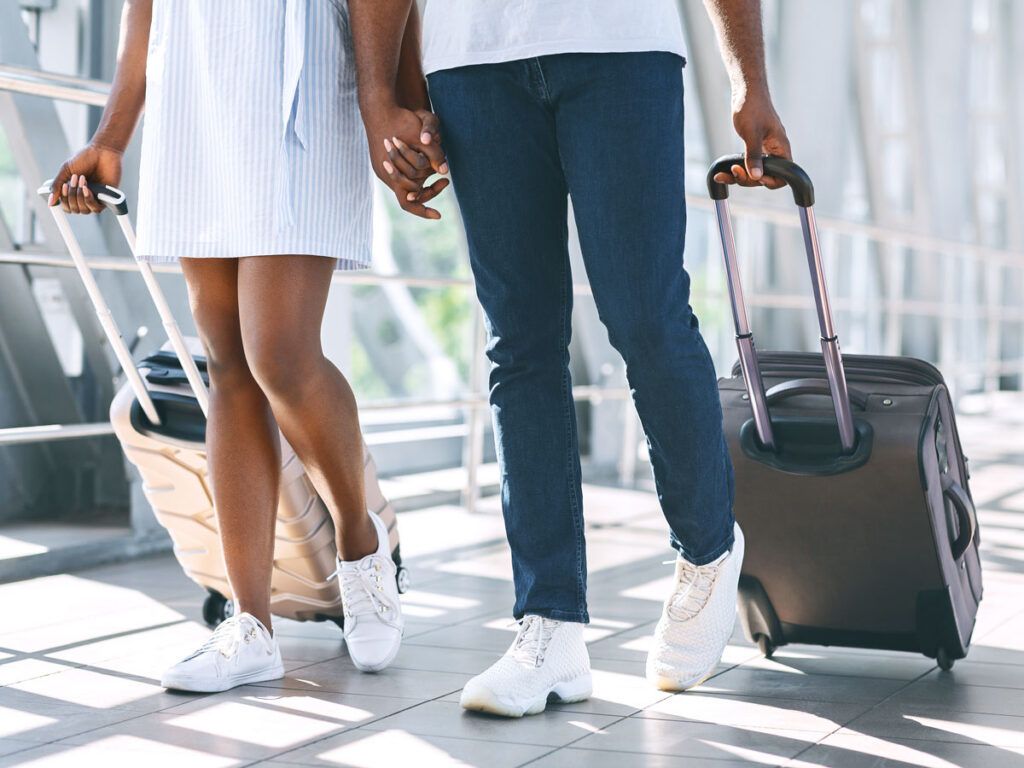
Couple traveling with luggage at airport
Credit: © Prostock-Studio—iStock/Getty Images

The TSA made a lot of buzz last year by eliminating its 20-year-old rule requiring airline passengers to remove their shoes at security checkpoints. However, the type of footwear you sport may mean you have to take off your shoes anyway. There’s a potential issue in wearing shoes made from bulky material, such as thick hiking or work boots, as dense materials can obscure body scanners. Despite the recent rule change, officers are still within their rights to request that travelers remove their shoes for additional screening.

Read more: Why Some Shoes Still Set Off TSA Scanners

A Yawn Could Get You Flagged for Additional Screening
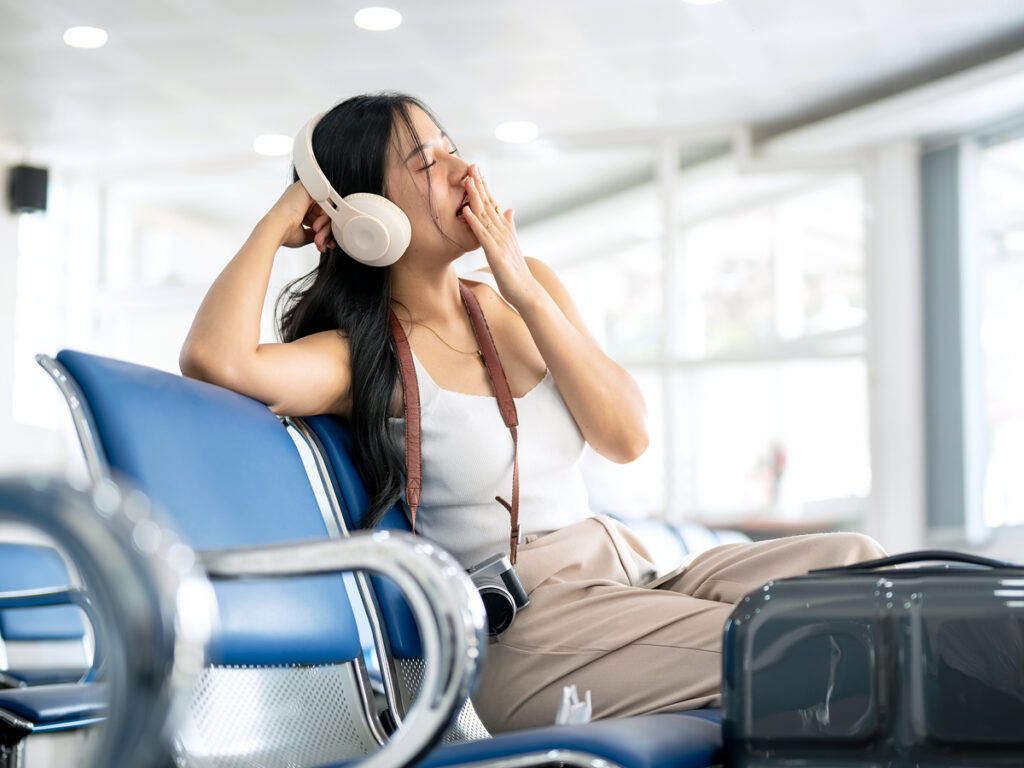
A woman is yawning while waiting to board
Credit: © BongkarnThanyakij—iStock/Getty Images

TSA officers are trained through the SPOT (Screening of Passengers by Observation Techniques) program, which uses a list of behaviors that could indicate high levels of stress, fear, or deception. On that list are common human behaviors such as yawning, rapid blinking, gulping, skin flushing, coughing, throat clearing, and leg shaking, all of which are considered stress indicators that can draw scrutiny from security officers and lead to secondary screening measures.

Read more: 5 Behaviors That Can Trigger Secondary TSA Screening

Fines for Prohibited Items Can Exceed $17,000
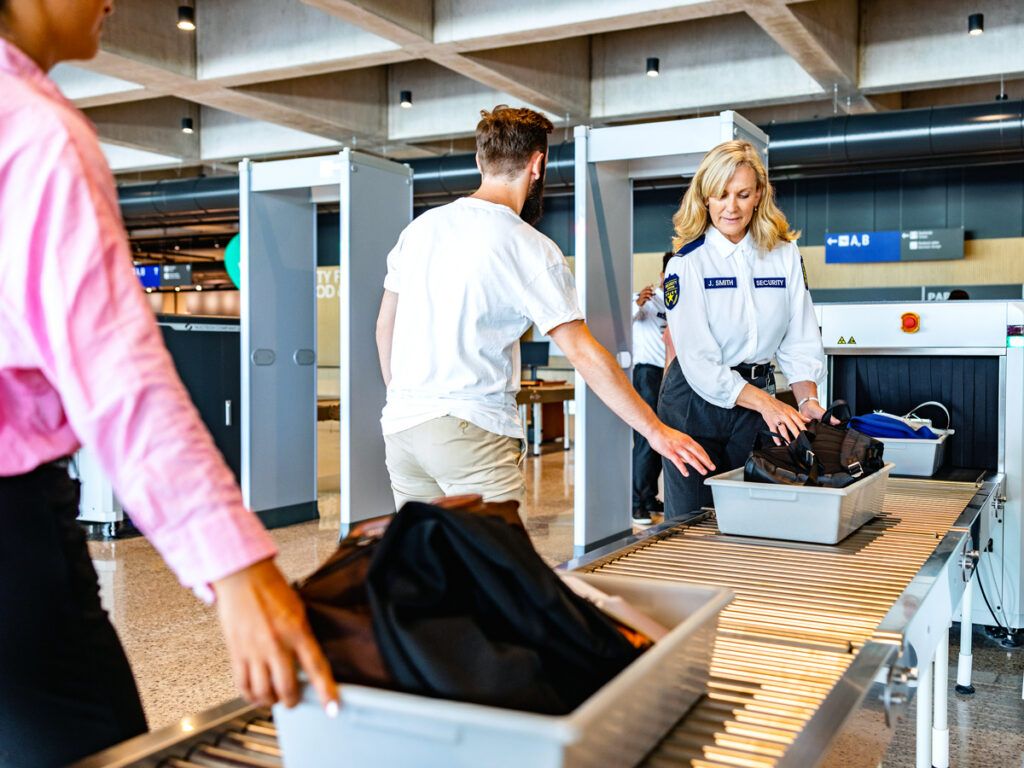
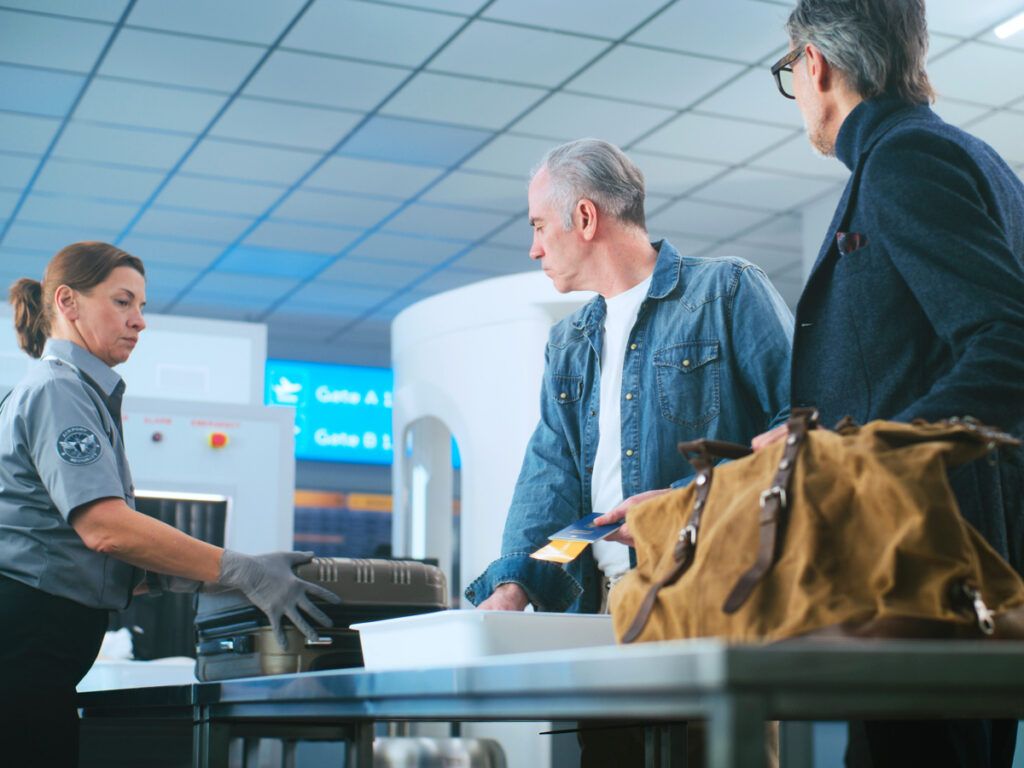
Man getting luggage screened at airport security
Credit: © AzmanJaka—E+/Getty Images 

If TSA officers believe someone may be trying to conceal a prohibited item or circumvent security, civil penalties can come into play. These fines can be steep: In carry-on or checked luggage, flammable liquids and weaponlike devices such as BB guns or hatchets carry a penalty of up to around $2,500, for example. TSA guidelines show that unloaded firearms can carry a minimum fine of $1,500, while loaded firearms (or unloaded with accessible ammunition) can result in penalties exceeding $17,000 for repeat violations.

Read more: What Happens if You Lie to a TSA Officer?

You Don’t Always Need a Boarding Pass To Get Past TSA
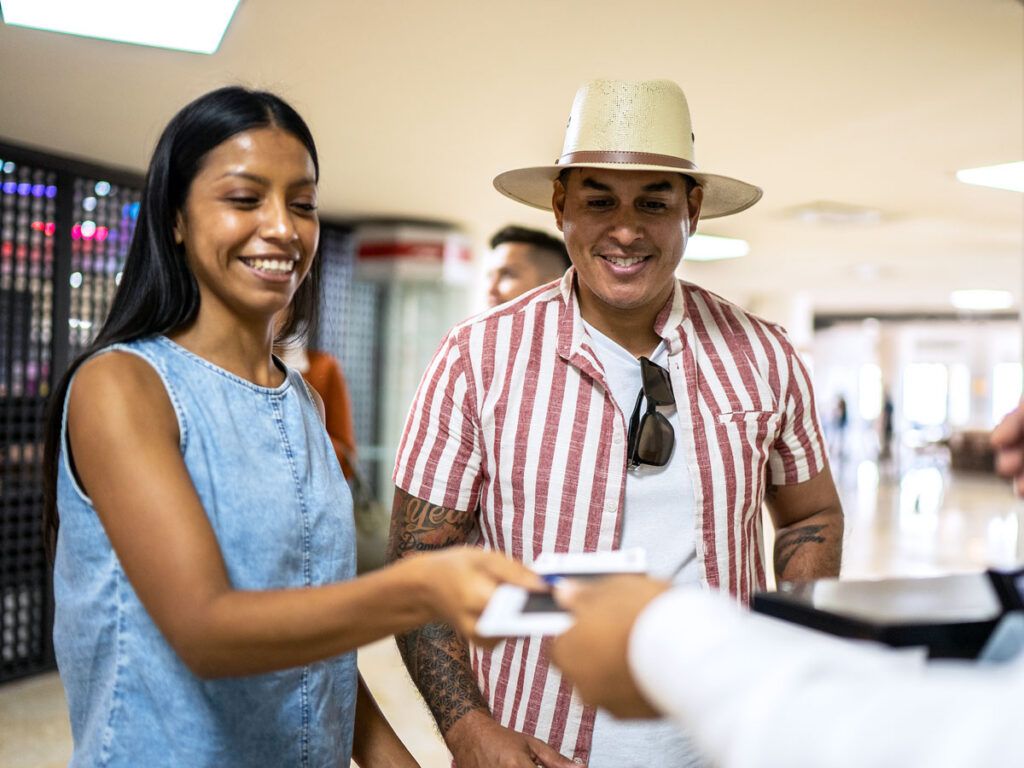
Couple getting passports checked at the airport
Credit: © FG Trade Latin—E+/Getty Images 

Remember what flying was like in the pre-TSA era? Before the agency was formed in late 2001, you probably walked loved ones through security and right up to the gate before wishing them a fond farewell — and then heading right back out the exit. But as airport security measures tightened after the 9/11 attacks, this practice of letting nonpassengers beyond the security checkpoint largely became a thing of the past. Recently, that has begun to change.

There are now over a dozen airports around the U.S. that permit nonticketed individuals to apply for a visitor pass. You can apply for these one-day passes online, generally as far out as seven days before your planned date of visit. The process differs slightly at each airport — some may allow you to apply same-day, while others require you to apply in advance.

Read more: Some Airports Are Now Letting Nonpassengers Past TSA

Post Banner Image
Tips

Could Your Medication Get You in Trouble When Traveling Abroad? 

By Fiona Mokry
Read time: 5 minutes
August 24, 2026
Updated: August 24, 2026

Could Your Medication Get You in Trouble When Traveling Abroad? 

Woman checking a prescription medication bottle
Credit: © Tfilm—Moment/Getty Images
By Fiona Mokry
Author
Fiona Mokry
Fiona has spent her career exploring the world and working in the travel industry, turning her lifelong passion into a profession. From planning custom trips to sharing stories as a travel writer for publications such as The Discoverer, she’s all about helping others experience the world in a deeper, more meaningful way.

When you’re getting ready for an international trip, you’re probably thinking about your passport, checking in for your flight, and whether you’ve packed enough clothes. Your medications might get tossed into your bag without much thought beyond making sure you have enough of them for your trip. But just because a medication is legal in the U.S. doesn’t mean it’s allowed everywhere.

Every country has its own drug laws, and some medications that are available over the counter or commonly prescribed in the U.S. are considered controlled substances or outright banned elsewhere. In some cases, travelers have had medications confiscated at the border; in more serious situations, they’ve faced fines, detainment, or even arrest. Here’s what you need to know about bringing medication abroad.

Medications That Can Cause Problems Abroad

Passengers being screened at the airport security checkpoint
Credit: © Framestock/stock.adobe.com

Rules vary from country to country, but below are some of the most commonly restricted medications:

ADHD Medications

Prescription medications such as Adderall and Vyvanse that are used to treat ADHD (attention-deficit/hyperactivity disorder) are among those travelers run into trouble with most often. Some countries have very strict rules about amphetamine-based medications, while others don’t allow them at all. 

Japan, for example, has made headlines over the years for its tight restrictions, including the case of an Oregon woman who spent 18 days in detention after mailing herself her legally prescribed ADHD medication before a trip. Countries including the UAE, Saudi Arabia, South Korea, and Singapore also have strict regulations in place. 

Prescription Pain Medications

Opioid pain medications like oxycodone, hydrocodone, and morphine are heavily regulated in many destinations. Countries such as Japan, South Korea, Singapore, Egypt, China, and the United Arab Emirates require travelers to obtain advance permission before bringing certain opioid medications into the country, even if they’re prescribed by a doctor. 

Arriving without the proper documentation can lead to your medication being confiscated and, in some cases, legal penalties. In 2015, American Toyota executive Julie Hamp was arrested shortly after arriving in Japan after receiving a package containing oxycodone tablets, highlighting just how seriously the country enforces its drug laws. In Egypt, a British woman spent 13 months in jail after being caught with Tramadol in her suitcase. 

Anti-Anxiety and Sleep Medications

Medications such as Xanax, Valium, and Ativan are commonly prescribed in the U.S., but they’re classified as controlled substances in many countries, including Japan and South Korea. Depending on where you’re going, you may be limited in how much you can bring or be required to carry supporting documentation.

Cold and Allergy Medications

This one often surprises: Some ingredients in cold, cough, and allergy medications are banned or restricted in other countries. 

  • Pseudoephedrine (found in Sudafed and some Vicks inhalers) is restricted in certain countries such as Mexico and Japan. To travel to either of these countries with this medication, a detailed doctor’s note is required, as is declaring it to customs officers.
  • Codeine, which is found in some cough syrups and prescription pain medications, is classified as a controlled narcotic and is highly restricted in countries including the UAE, Greece, and Indonesia. In Japan, the rules depend on the strength of the codeine and the amount you’re bringing into the country, so it’s important to carefully check the requirements before you travel. Failing to follow the proper procedures could result in fines, detention, or even jail time.
  • Diphenhydramine, the active ingredient in Benadryl, is a common antihistamine used to treat allergies, motion sickness, and insomnia. While it’s available over the counter in the U.S., it’s banned in Zambia, subject to strict dosage limits in Japan, classified as a controlled substance in the United Arab Emirates, and available only by prescription in Germany and Sweden

Medical Cannabis

Medical marijuana may be legal where you live, but that doesn’t mean you can travel with it internationally. Many countries prohibit cannabis products entirely, including oils, edibles, and products containing THC. A medical card in your home country does not override foreign laws. 

Zero-tolerance countries include much of the Middle East, Japan, Singapore, Iran, Malaysia, and Vietnam. Even destinations that have legalized cannabis, such as Canada, often don’t allow visitors to bring their own supply across the border.

Check Before You Go

Businesswoman typing a document on her laptop
Credit: © fizkes—iStock/Getty Images

Before you travel, take a few minutes to look up your destination’s medication regulations. Check the website of your country’s embassy or consulate, which often lists prohibited and restricted medications along with any documentation you’ll need. It’s also a good idea to check the CDC’s list of commonly prohibited or restricted medications. The International Narcotics Control Board (INCB) is another helpful resource for proper documentation and forms.

Tips for Traveling With Medication

Woman checking a prescription medication bottle
Credit: © Tfilm—Moment/Getty Images

Traveling with prescription medication is usually straightforward if you’re prepared. Here are a few tips to keep in mind:

  • Store your medication in its original container or packaging with the prescription label attached. 
  • Pack it in your carry-on instead of your checked luggage so you have access to it if your bags are delayed.
  • Bring a copy of your prescription.
  • If you’re traveling with a controlled medication, ask your doctor for a letter explaining your condition and why you need the medication. Some countries specifically require this.
  • Don’t forget to check the rules for every country on your itinerary, including places where you’re connecting. Even a short layover can be subject to local regulations.
Post Banner Image
Tips

Does the Sudoku Packing Method Actually Work? We Tried It

By Marissa Kozma
Read time: 5 minutes
August 24, 2026
Updated: August 24, 2026

Does the Sudoku Packing Method Actually Work? We Tried It

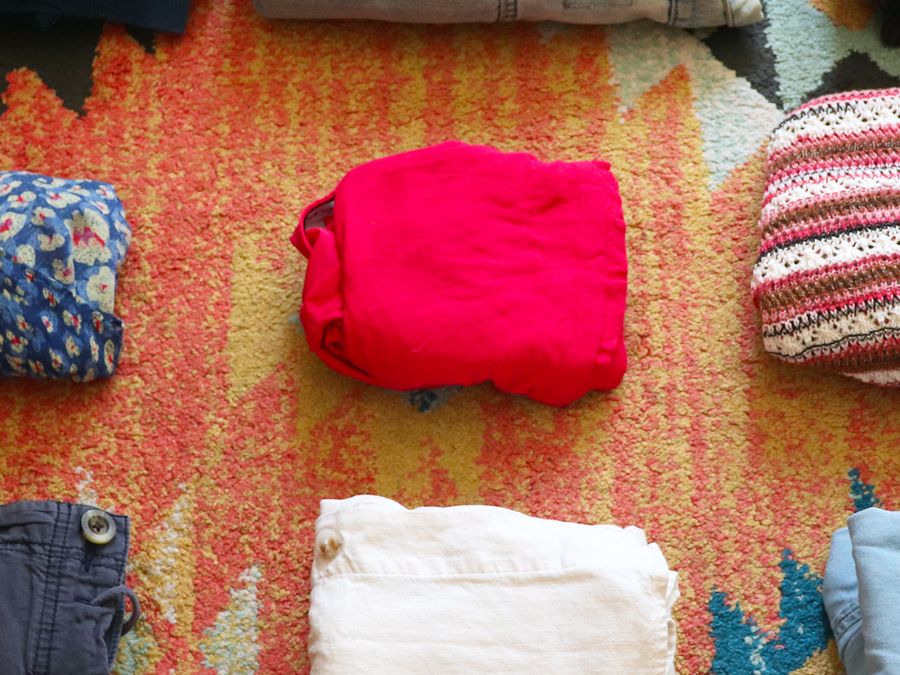
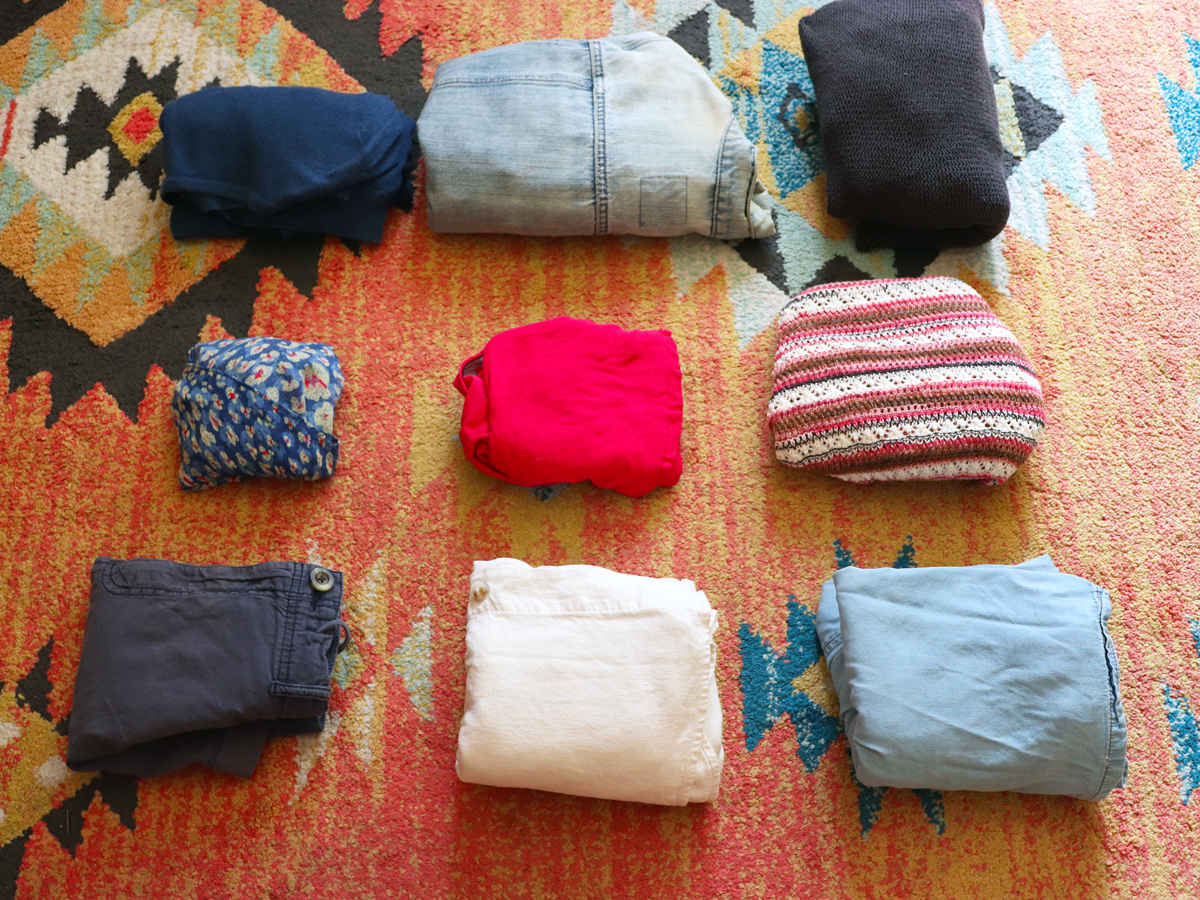
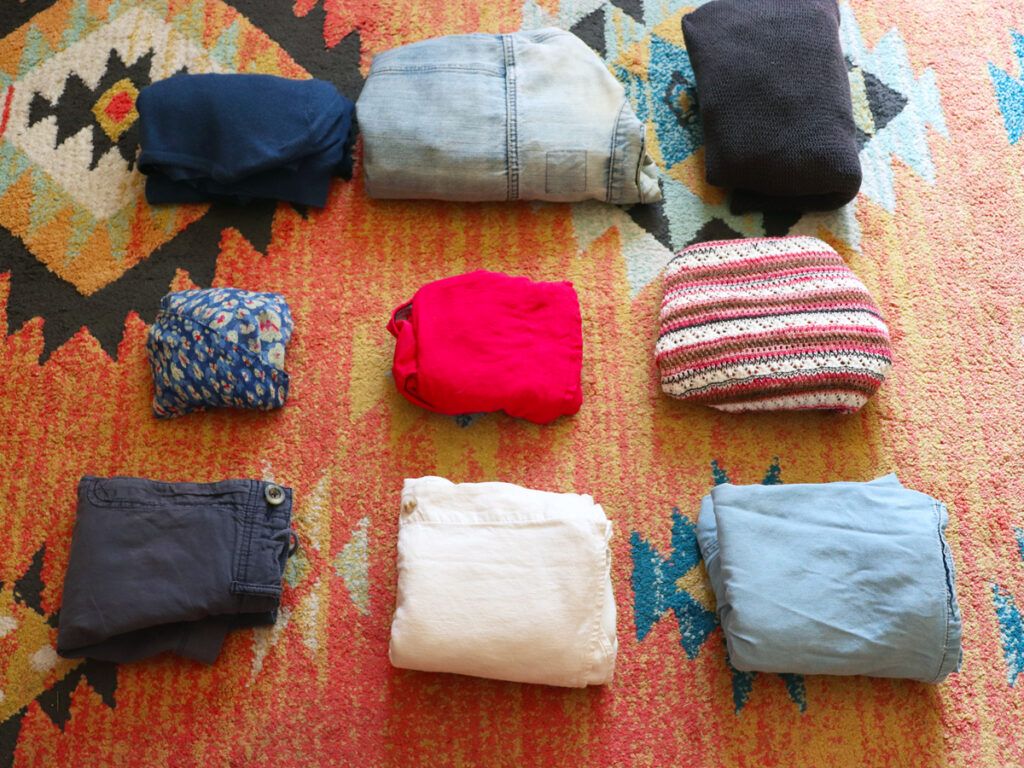
Sudoku packing method grid
Credit: Image courtesy of Marissa Kozma
By Marissa Kozma
Author
Marissa Kozma
Marissa is a cheap airfare aficionado who loves exploring offbeat destinations with her husband. Based in Los Angeles and Joshua Tree, Marissa has been featured in publications such as San Diego Magazine, Palm Springs Life Magazine, 303 Magazine, and Mountain Living.

It’s amazing how many items of clothing I can fit in my trusty hard-shell Samsonite suitcase. But there are times when I am 0.1 pounds shy of the 50-pound limit on the scale at the airport check-in counter, and I think to myself, “There must be another way.” I’ve never been a type A person when it comes to packing; I often rummage through my wardrobe, choosing not to count the pairs of socks and pants by vacation days but instead opting to always bring the maximum amount of items I can carry. I reason that it’s never a bad idea to have backups, and there have been plenty of times when I wished for one more sweater. But when I heard about the sudoku packing method, I was intrigued. I decided to try it for a weeklong vacation this summer in St. Louis to see if it changed my packing mindset. Here’s how it went.

The Smart Way To Stay Organized

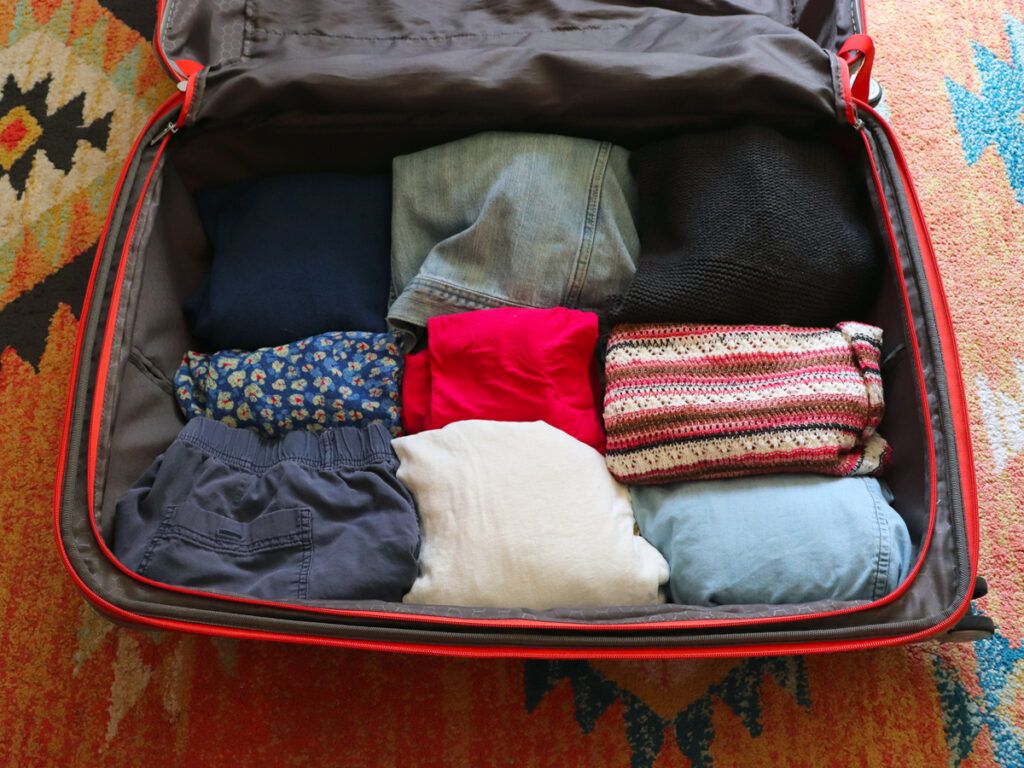
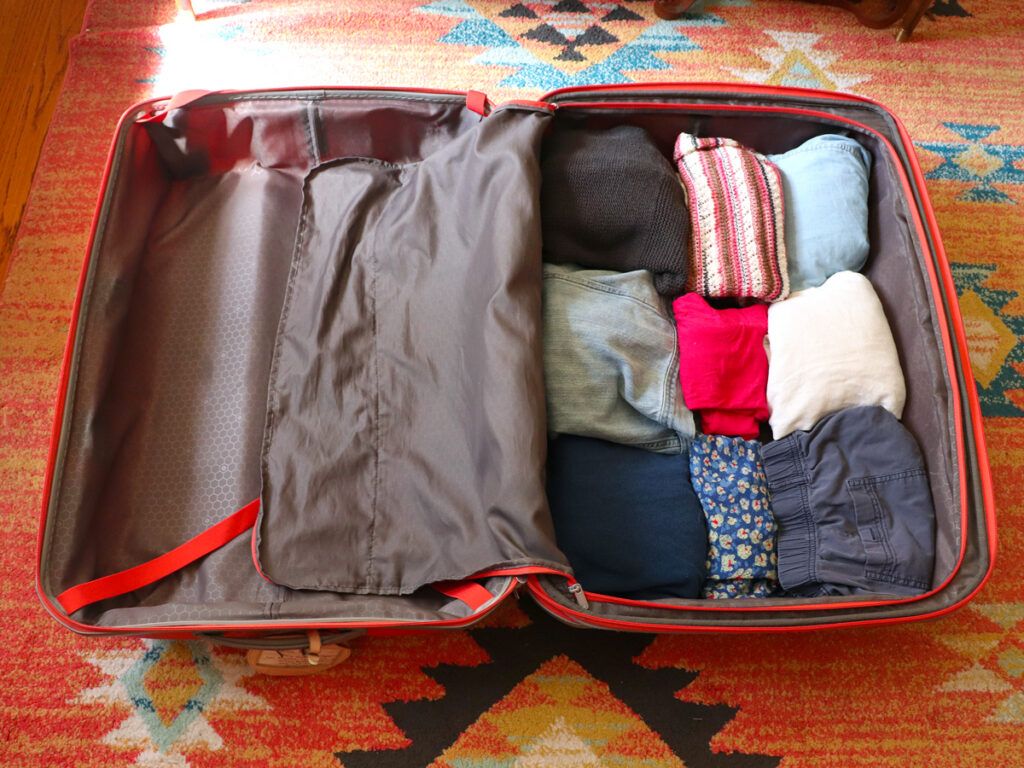
Suitcase featuring sudoku packing method
Credit: Image courtesy of Marissa Kozma

Popularized online by travel content creator Natalie Shaquer, the sudoku packing method (also known as the 3x3x3 method) is a packing strategy that uses a three-by-three grid of three tops, three bottoms, and three layers to create at least 27 unique outfit combinations from just nine pieces. 

Incorporating interchangeable items that work well together means there is no fuss when it comes to selecting your attire for the day — just choose one bottom, top, and layering piece, and you’re all set to explore. When creating your grid, you can arrange it to see the overall vision using a structure like this:

  • Top row: top, bottom, layer
  • Middle row: layer, top, bottom
  • Bottom row: bottom, layer, top

That’s easy enough, but deciding on which items are going to be worn again and again can be a bit trickier. More on that below.

Mix and Match by Color and Season

Orange suitcase featuring sudoku packing method
Credit: Image courtesy of Marissa Kozma

Depending on the season and your travel destination, the items of clothing will vary, but a good rule of thumb is to select mostly neutrals and a few items in various patterns and with pops of color. There is no particular item that needs to be off-limits, but keep in mind that if you choose a bolder option, such as a cheetah-print cardigan, you may wish to incorporate more neutral shades to quiet the roar. At the same time, if you have a ton of black bottoms, you may want to avoid navy or brown and instead enhance the look with more colorful tops and layers.

Selecting a color palette was an easy way to get started when I realized I already had a lot of pink and blue in my wardrobe. Those two colors paired nicely with lighter neutrals like white and gray, which were better than black for the hot temperatures in St. Louis this time of year. As someone who is a big fan of color, I made sure to select two long skirts — one white cotton and one denim blend — along with my navy shorts to go with my bright magenta, blue polka dot, and heather gray tops. 

Choosing lighter materials for the weather was also important when selecting my grid, and I tried to choose flowy items that wouldn’t feel stuffy in the summer humidity. I wasn’t confident I would use a lot of layers on this trip, so I made sure that cardigans and light jackets were also lightweight. 

Curating Each Item

Sudoku packing method grid
Credit: Image courtesy of Marissa Kozma

Overall, using the sudoku packing method encouraged me to be more mindful about the items I was selecting. As I was planning to wear each piece more than once, I made sure to select garments that were already the base of my style at home, such as my favorite pair of navy blue summer shorts. I knew I’d be happy wearing them over and over.

Meticulously curating each item also meant that I evaluated quality over quantity: Would this skirt hold up if I used it for numerous nights during my vacation, or should I choose another that was made of better material? Throughout this process, I was aware of how many items I didn’t think I would realistically wear more than once based on comfort. In the past, I would have packed a few itchy dresses that never even made it out of my luggage. 

When It’s Impractical

After my trip to St. Louis using the sudoku packing method, I recognized that the trend had a lot of merit, but there were some cons, too. I appreciated having much lighter luggage, but I quickly found that using these items over and over meant that I needed to do more laundry throughout my vacation, especially after hot days exploring downtown. 

And while I found it convenient that I didn’t have to give much thought to my outfits each day, I did miss having dressier options meant specifically for dinner occasions or other festivities. My wardrobe became predictable in a sense, and while that was stress-free, it felt like I was somewhat limited while I was on vacation, and I was excited to get home to my other clothes. In the end, sticking to the strict sudoku method probably wasn’t for me, but I could see how it might come in handy for some travelers (particularly for quick trips), and it will definitely encourage me to be more mindful about what I’m packing in the future.

Post Banner Image
Tips

How To Avoid a Noisy Hotel Room

By Julia Hammond
Read time: 4 minutes
August 24, 2026
Updated: August 24, 2026

How To Avoid a Noisy Hotel Room

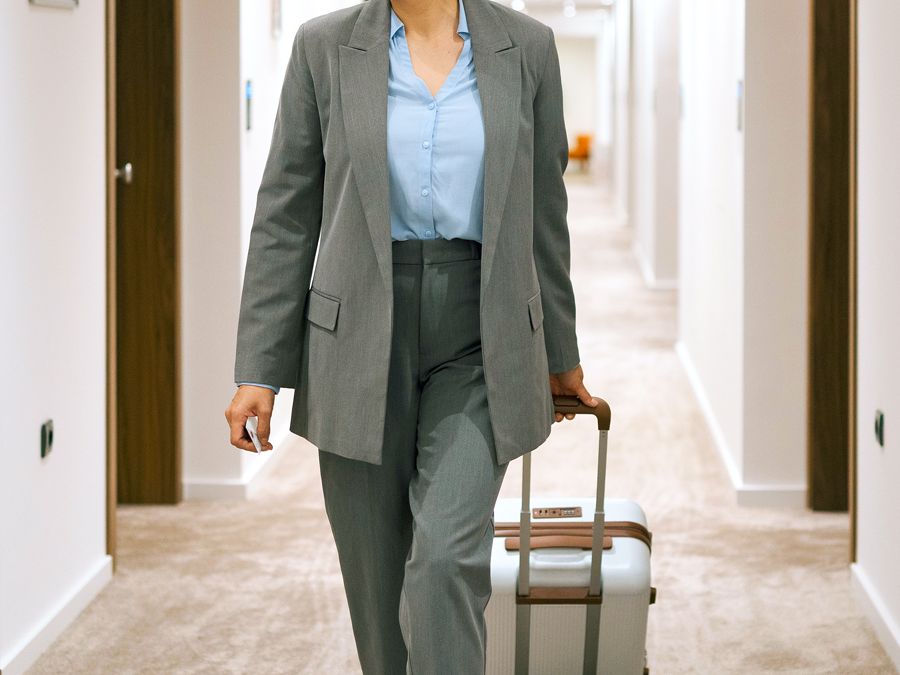
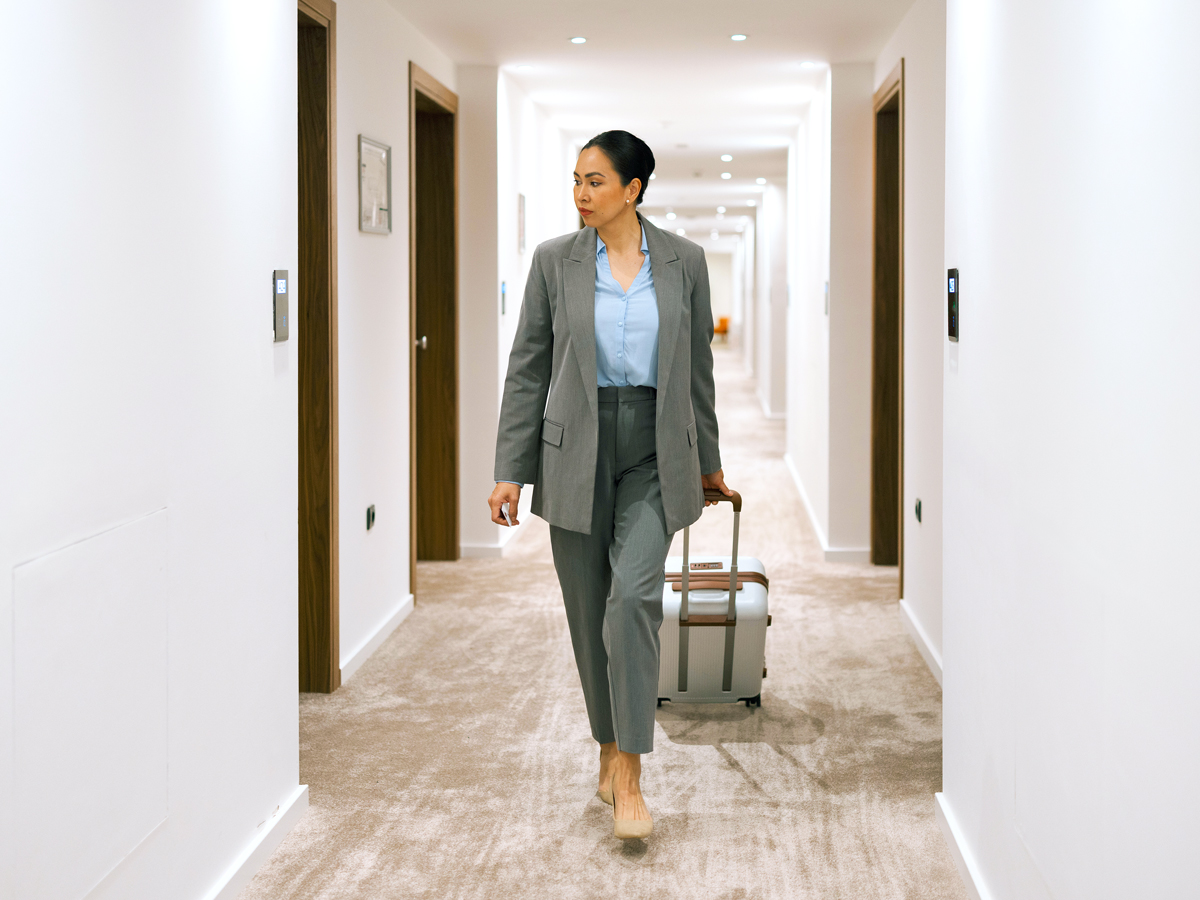
Businesswoman walking through hotel corridor searching for a hotel room
Credit: © Anchiy—E+/Getty Images
By Julia Hammond
Author
Julia Hammond
Julia is a U.K.-based travel writer whose work has been featured in The Independent, The Telegraph, The New Zealand Herald, and Culture Trip, among others. She’s an enthusiastic advocate for independent travel and a passionate geographer who has had the privilege of traveling to more than 130 countries in search of a story.

Vacations are supposed to be relaxing, right? And since a part of that goal involves getting enough sleep each night, selecting the right accommodation is a top priority. If you’re seeking a calm, peaceful refuge, the last place you want to find yourself is a room where an elevator pings constantly at all hours of the day, or where it seems every single person staying at the resort is passing right outside your door. With that in mind, let’s take a look at some strategies to avoid the noisiest rooms.

Are There Room Numbers To Avoid on Each Floor?

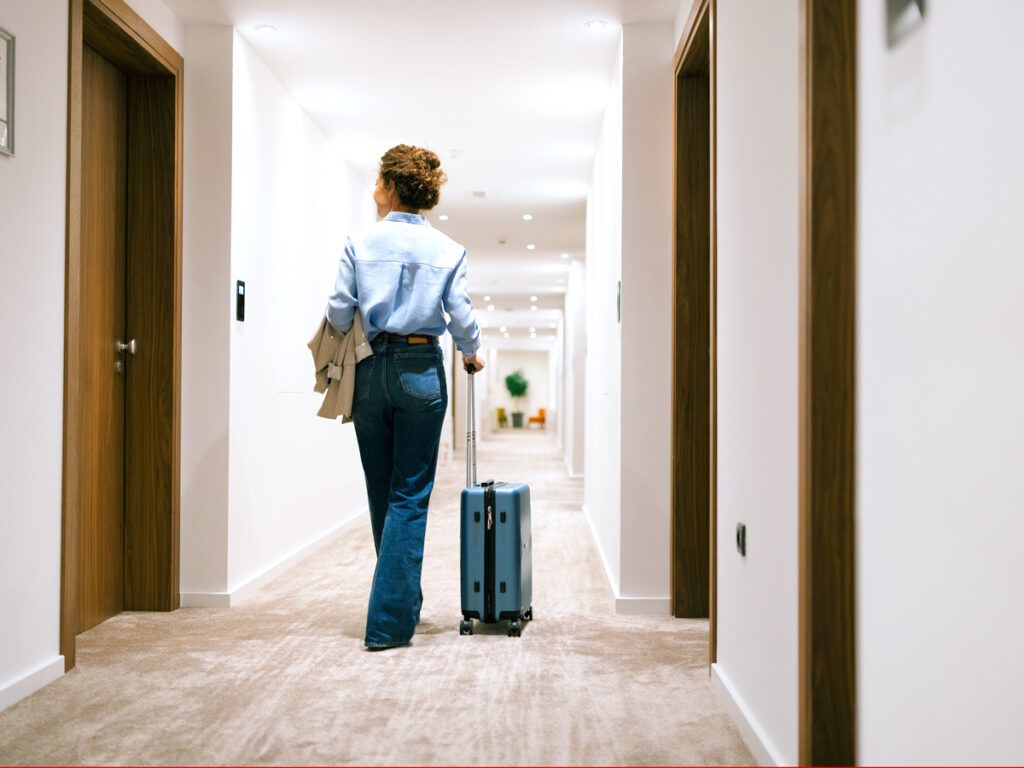
Woman walking through a hotel corridor with a suitcase
Credit: © Anchiy—E+/Getty Images 

Some sources suggest that rooms ending in -01 or -02 can be prone to noise, as they are likely to be located close to an elevator. But is this just another internet myth? While there may be some truth to it, the reality is that knowing which room numbers to avoid because of foot traffic or elevator issues depends heavily on where you plan to stay.

Hotel layouts vary as much as their décor, vibe, and amenities. Some consist of floors made up of long corridors, while others are a maze of passageways and nooks. The size of a hotel will also influence how far rooms are from sources of noise — fewer rooms per floor can mean there’s an increased likelihood you’ll be disturbed by noise. 

Be Proactive With the Front Desk

Woman writing down notes while working on a laptop
Credit: © Drobot Dean/stock.adobe.com

Many hotel chains don’t publicize their entire floor plans online for logistical, privacy, and security reasons. Unfortunately, the absence of readily available data makes it hard to figure out which rooms you want to avoid. (Disney properties, however, are one notable exception. On the Touring Plans website, you can check the quietness rating of the room you’ve selected, along with the quality of the view.) 

Where online information is scant, try review sites such as Google Reviews or TripAdvisor, or reviews on OTAs such as Booking.com or Expedia, filtering for words such as “noise.” If, for example, you’re planning a countryside or beach vacation and the absence of noise is important to you, look for a property where accommodations are spread out across stand-alone villas, bungalows, or lodges. . 

Another option is to use tools like Google Street View to take a virtual walk around the property. Take note of the location of any potential external sources of disturbance, such as the proximity of backup electricity generators, bars and restaurants that stay open late, and neighboring construction sites. 

Once you’ve selected an accommodation and made your booking, your best bet is to focus on building a relationship with the hotel. Call or email hotel staff prior to arrival and communicate your preference for a room that’s not close to an ice or vending machine, elevator, stairwell, or housekeeping closet. In a city hotel, request a room away from the street, such as one overlooking an internal courtyard. Also be wary of rooms that look out over the pool, as these can be especially noisy. Try reaching out at least two to three days before your arrival, which can allow the hotel more time to accommodate your request.

Another often overlooked source of noise? Connecting rooms. Some hotel rooms have interior doors that connect to an adjacent room. These are designed for families or groups, but often there is little soundproofing around the doorway.

After checking in, if you feel the room you’ve been allocated is subpar, you can always ask to switch. Note, however, that lower floors typically will be more prone to street noise, which is why some hotel chains market higher floors as a premium upgrade. Still, it never hurts to ask, as long as you do so politely. Pro tip: The earlier you arrive at the hotel, the more likely it is that there will still be an alternative room available. 

Products That Can Help

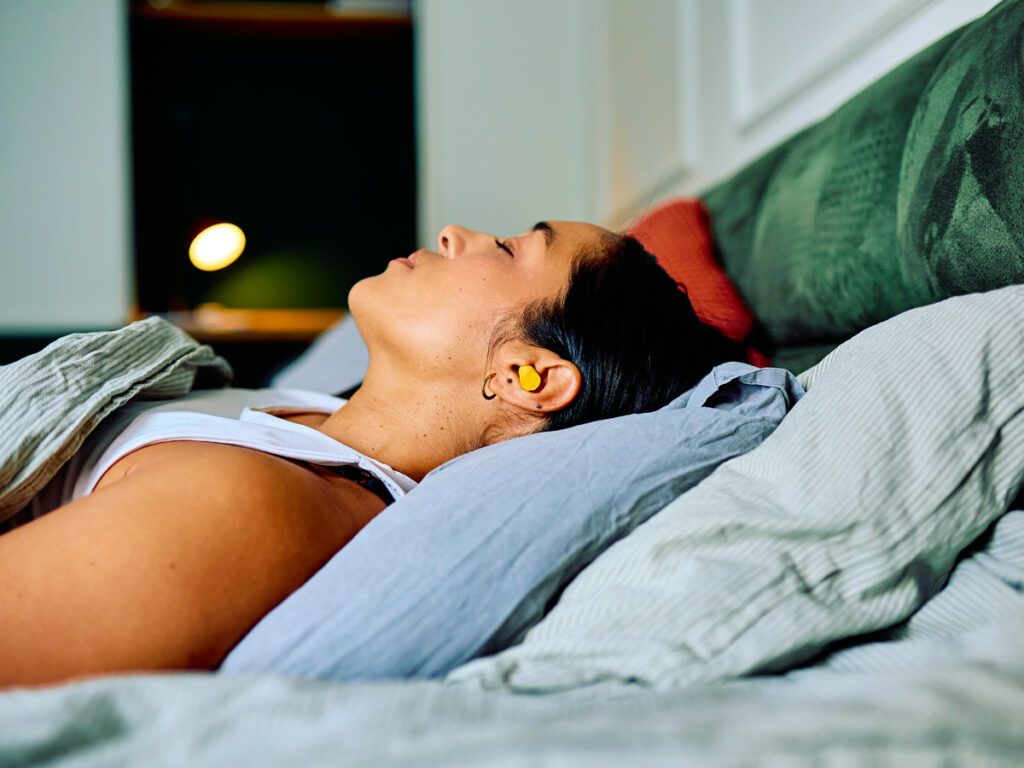
Woman wearing earplugs while relaxing in bed
Credit: © Brasileira—iStock/Getty Images

Sometimes, even if we try to be proactive, we may end up stuck in a room that’s noisier than we’d like. That’s why it’s a good idea to always pack items that mask or muffle noise as a backup — particularly if you’re a light sleeper. Earplugs are an obvious choice; be sure to choose a pair that fits comfortably and fills the ear canal. Look for earplugs with an effective noise reduction rating (over 20 dB) and check that they’re designed for sleeping and not for another activity such as swimming.

You might also consider playing ambient white noise on a portable travel sound machine. This creates a constant hum by producing all audible frequencies at the same intensity. By reducing the contrast between the noise within your hotel and disruptive sounds outside, you might find you sleep more soundly. Or sometimes, making the most of what’s already in the room can help: A rhythmic fan or even a clattering air conditioner can work in a similar way for some travelers. 



Related: How To Sleep Better in Any Hotel Room

Featured image credit: © Anchiy—E+/Getty Images 

Post Banner Image
Tips

Do Movies on Planes Actually Make Us Cry More?

By Julia Hammond
Read time: 4 minutes
August 24, 2026
Updated: August 24, 2026

Do Movies on Planes Actually Make Us Cry More?

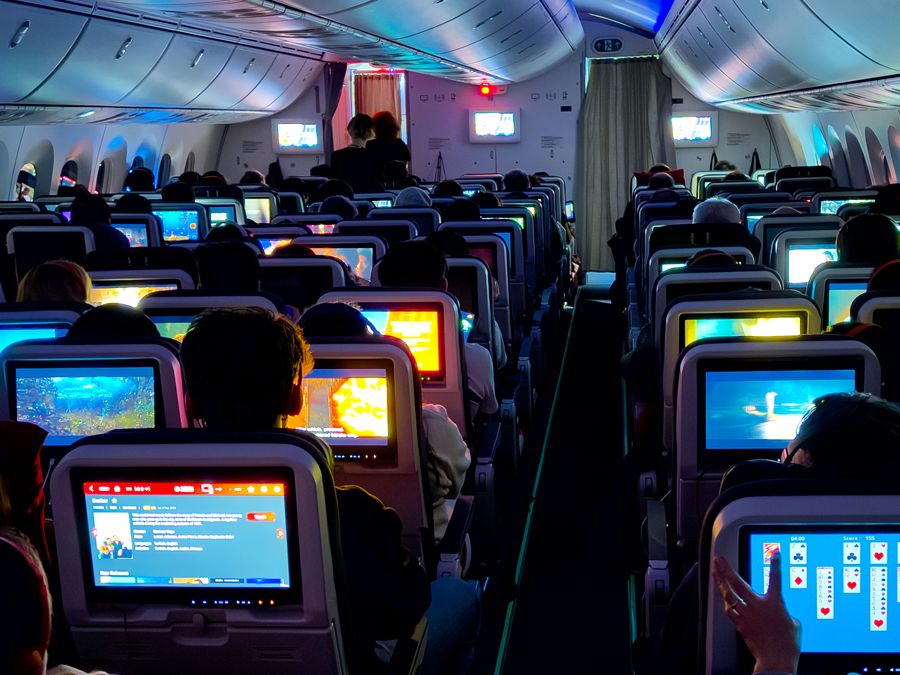
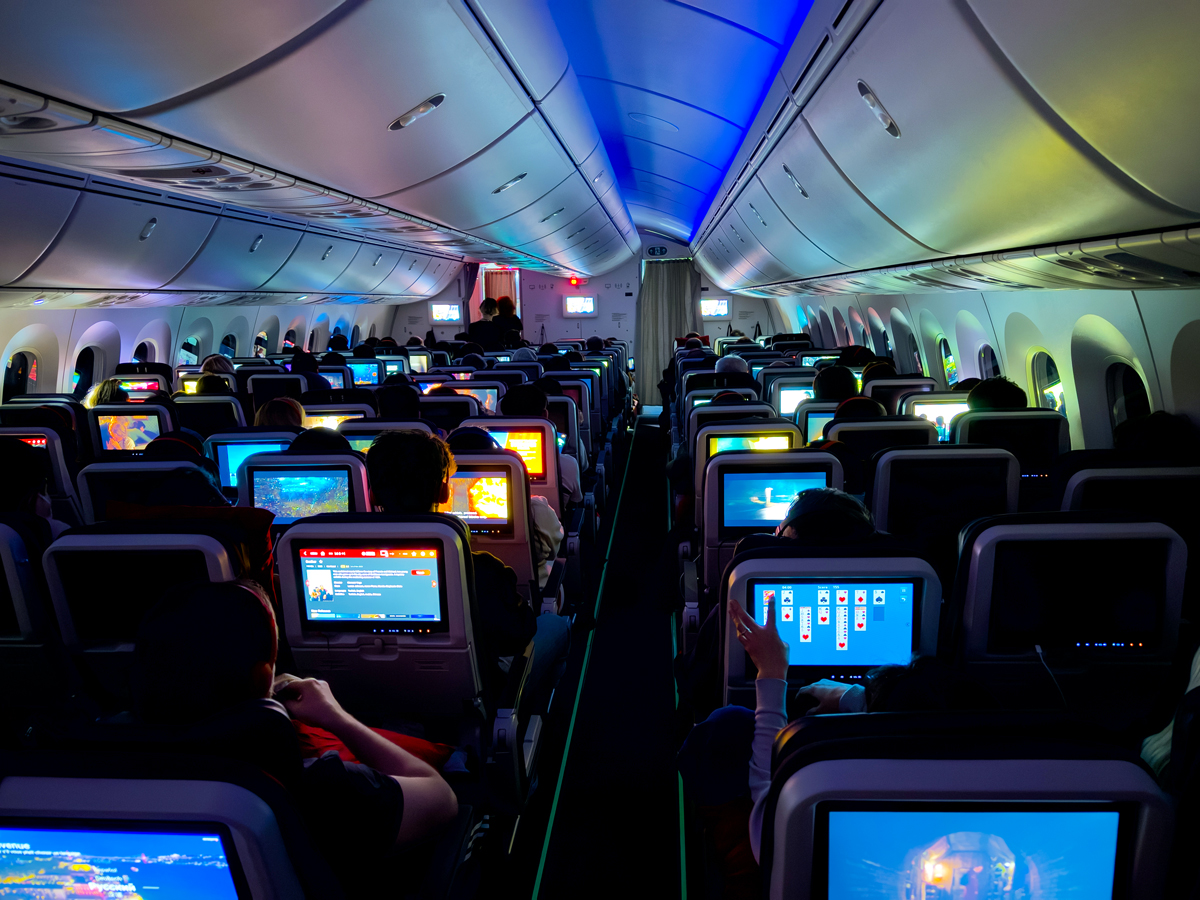
Passengers on a plane watch in-flight movies
Credit: © helivideo—iStock Editorial/Getty Images
By Julia Hammond
Author
Julia Hammond
Julia is a U.K.-based travel writer whose work has been featured in The Independent, The Telegraph, The New Zealand Herald, and Culture Trip, among others. She’s an enthusiastic advocate for independent travel and a passionate geographer who has had the privilege of traveling to more than 130 countries in search of a story.

Who doesn’t love a good tearjerker? Crying can be cathartic, but many of us prefer to do it in the comfort of our own homes. Before you pick which movies you’re going to see on the plane, you might pause to consider the genre. Some say that you’re more likely to cry when you fly, while others debunk the claim. Who’s right? Let’s take a look at the evidence and find out.

The Physical Impact of Flying

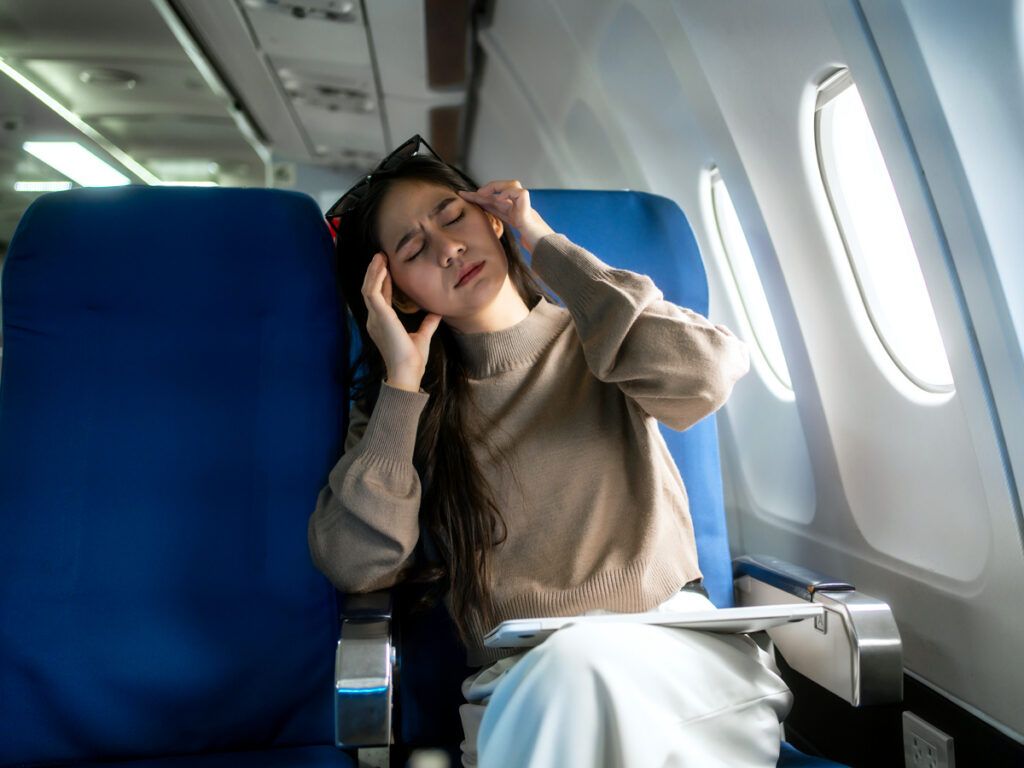
Woman rubbing her head on a plane
Credit: © Thitaporn/stock.adobe.com

Transiting airports can be a stressful process. Whether we’re wondering if our carry-on is going to be gate-checked or dealing with weather-related delays leading to missed connections, staying calm isn’t always easy. So, by the time we sink into our seats on the plane, many of us are already feeling the effects of stress.

Those effects become a little more noticeable in the air: Once the plane reaches cruising altitude, oxygen levels fall slightly. Aircraft cabins are pressurized to mimic an altitude of about 6,000 to 8,000 feet, and this subjects the body to mild hypobaric hypoxia (low oxygen levels). An article in a Malaysian medical science journal suggested that this could lead to changes in mood and even a degree of impairment to cognitive functions.

Why You Might Be More Likely To Cry When You Fly

Woman looking out a plane window
Credit: © Alexey Lesik/stock.adobe.com

Aside from the physical effects on the body, passengers might be emotional for a range of reasons before they even board a flight. If a journey signals the end of a trip to see relatives, for instance, then sadness is a very logical emotion. Meanwhile, factors such as fatigue come into play — those early starts and long spells in the air can easily take their toll on your state of mind. Jet lag causing disruptions to sleep patterns can also leave travelers feeling a little less robust than usual. 

Though Wi-Fi is increasingly common on aircraft, for many travelers a flight still acts as a digital detox. An enforced break such as this encourages reflection, and depending on what’s going on in your life, facing multiple hours in the air without the usual range of distractions might make you feel more emotional. Consuming alcohol — which affects you differently at altitude — might also lower inhibitions, while being surrounded by strangers may make passengers feel more vulnerable (and perhaps more tearful) than usual.

Is It a Real Phenomenon or Just a Coincidence?

Passengers on a plane watch in-flight movies
Credit: © helivideo—iStock Editorial/Getty Images

Throw a movie into the mix — particularly one that sets out to tug on your heartstrings — and it could act as a trigger to release that pent-up emotion. In response to a 2011 survey in which 55% of respondents reported experiencing heightened emotions when flying, U.K. carrier Virgin Atlantic flagged certain films on its entertainment screens with a tongue-in-cheek weep warning to get the tissues on standby. Toy Story 3, Water for Elephants, and Just Go With It were among the movies the airline singled out. 

One academic believes intimacy plays a part in increasing our likelihood of crying when flying. In 2014, Stephen Groening, a professor of cinema and media studies at the University of Washington, published a paper that stated:

“Airplane media technology creates a relationship of extreme proximity between passenger and media form: The screen is but a few feet away from the viewer and the headphones put speakers virtually inside the body.” He added that the setup inspires “active involvement and a level of intentness akin to the engagement associated with intimacy.” 

Neuroscientist Stephen Macknik, meanwhile, argued in a paper for PeerJ that travelers are more likely to cry at movies on planes simply because they watch more of them in a short space of time. The nature of those films also has a significant part to play. He referenced Quentin Tarantino’s interview with Stephen Colbert in which the acclaimed movie director admitted to becoming emotional when watching rom-coms, in particular, at 30,000 feet. 

He’s not the only one to fess up. In 2016, British comedian David Baddiel told The Guardian: “I cry a lot. Especially on planes. What is that about? On a plane, I’ll be in floods at The Good Dinosaur.” And in an interview with late-night host Seth Meyers, Irish actor Andrew Scott commented that the opening scenes of the movie Up triggered him emotionally on a recent flight.

But not everyone’s convinced there’s anything different about being on a plane. In 2018, health expert Paul Wicks analyzed the behavior of 1,035 Americans and found that 25% admitted to crying while watching films during a flight, but also that a very similar proportion (22%) wept at a movie they watched at ground level. 

So, it seems the findings are inconclusive and more rigorous scientific research is needed. Next time you fly, though, you might want to think carefully before you choose a film (just in case).

Post Banner Image
Tips

The 7 Most Tax-Friendly States for Retirement

By Bennett Kleinman
Read time: 4 minutes
August 24, 2026
Updated: August 24, 2026

The 7 Most Tax-Friendly States for Retirement

Aerial view of Atlanta skyline
Credit: © alexey_fedoren/stock.adobe.com
By Bennett Kleinman
Author
Bennett Kleinman
Bennett is a New York City-based staff writer for Daily Passport. He previously contributed to television programs such as the Late Show With David Letterman, as well as digital publications like the Onion. Bennett has traveled to 48 U.S. states and all 30 Major League Baseball stadiums.

There are many factors that retirees may consider when moving to a new state, such as culture, weather, and proximity to family. But to some folks, there’s no bigger concern than taxes. Luckily, there’s no need to wonder which states come out on top, as the financial advisers at SmartAsset have determined which U.S. states are considered to be “very tax friendly” toward anyone who’s retired or planning to retire in the near future. Here are seven states with the lowest taxes for retirees.

Alaska

Downtown Anchorage, Alaska
Credit: © Tempaux/stock.adobe.com

A major reason to move to Alaska is the lack of statewide income tax, which means that all income earned through Social Security or pension payments is completely tax-free. There’s also no estate or inheritance tax in Alaska, meaning that retirees will have no difficulty transferring 100% of their assets to heirs. (Inheritance tax usually depends on where the deceased person lived, not the beneficiary.) 

As a bonus, Alaska pays full-time residents who have been an Alaska resident for an entire calendar year and intend to remain indefinitely an annual dividend check (typically over $1,000) as part of the Alaska Permanent Fund. This means that retirees will not only be saving on taxes by moving there, but also earning cash to boot.

Florida

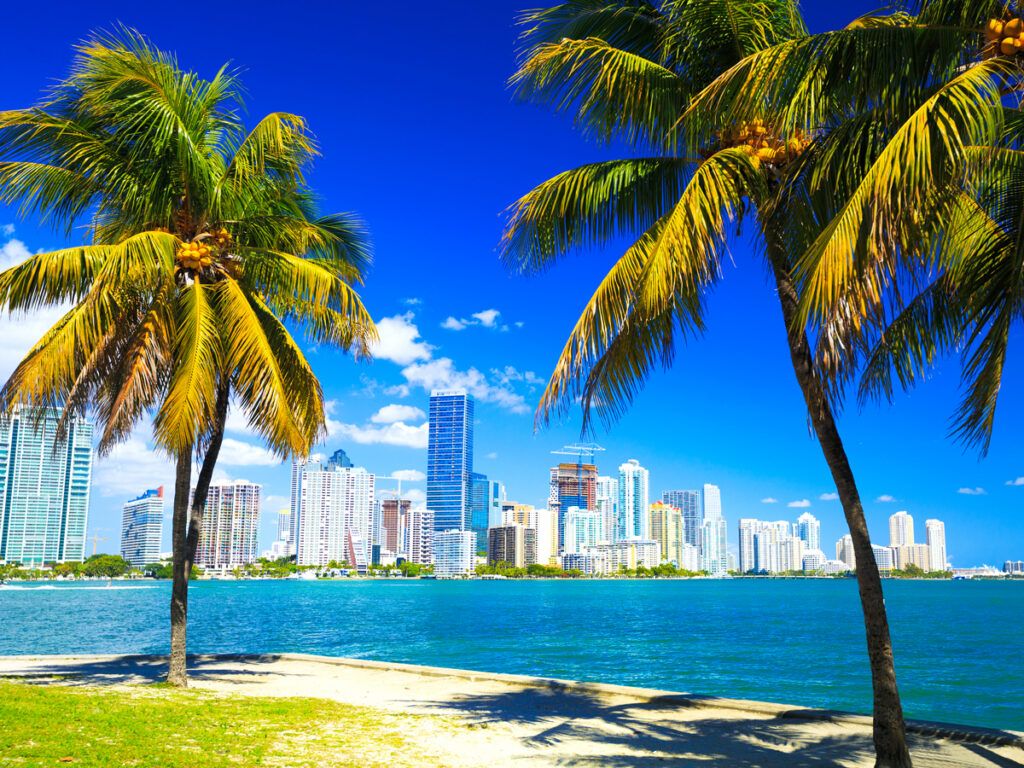
View of Miami, Florida
Credit: © Agnieszka Gaul/stock.adobe.com

The Sunshine State has a reputation for attracting retirees — and not just for the great year-round weather. Florida is also known for being a tax haven, as the state doesn’t levy any personal income taxes, which includes any Social Security benefits, pension payments, or withdrawals from a retirement account. Even if you earned money for your retirement account while living in a different state, you’re no longer subject to that state’s laws once you move to Florida, where you’re free to withdraw cash without any tax penalty. Florida also offers a homestead exemption, allowing retirees to save up to $50,000 on the taxable value of their home.

Georgia

Aerial view of Atlanta skyline
Credit: © alexey_fedoren/stock.adobe.com

In Georgia, anyone age 65 or older can exclude up to $65,000 in personal retirement income, while Social Security payments are tax-free. If you happen to pick up a small side job in retirement, the first $5,000 earned from any wages or salary is also tax-exempt. Additionally, Georgia offers a homestead exemption that lowers your property taxes by reducing your home’s taxable value.

Mississippi

Jackson, Mississippi
Credit: © Moiseii Production/stock.adobe.com

In Mississippi, you won’t pay any taxes on Social Security, withdrawals from retirement accounts such as IRAs and 401(k)s, or any public and private pension payments. You’re also allowed to earn up to $10,000 in income from wages or salary tax-free. Furthermore, for anyone over the age of 65, the first $7,500 of your home’s value is exempt from property tax.

Nevada

Downtown Reno, Nevada
Credit: © Nick Fox/stock.adobe.com

You may need to be careful about spending too much time at the casinos, but if you avoid the temptation of gambling, you’ll have plenty of money to live a comfortable life in retirement in Nevada. As in other states on this list, a big reason for this is the lack of income tax in the Silver State, which means all retirement income (Social Security, pension payments, withdrawals from retirement accounts) is entirely tax-free. All residents can also benefit from statewide tax exemptions on prescription drugs, essential medical equipment (such as wheelchairs), groceries, and even newspapers.

South Dakota

Historic Deadwood, South Dakota
Credit: © Rob Schultz/stock.adobe.com

Moving to South Dakota is a smart idea if you’re hoping to become a fiscally responsible retiree. The Mount Rushmore State has no income tax, which means tax-free pension payments and Social Security benefits as well as withdrawals from your retirement accounts. There’s also no statewide estate or inheritance tax in South Dakota. 

Property tax rates in South Dakota sit below the national median, and the state offers a program where qualifying residents age 70 or older can delay paying property taxes until they eventually sell their home (though those taxes accrue at a 4% interest rate).

Wyoming

Colter Bay Village in Grand Teton National Park, Wyoming
Credit: © J.T. Photography/stock.adobe.com

SmartAsset says that Wyoming “may be the most tax-friendly state south of Alaska.” Why? First, you won’t pay income tax on retirement income if you live in the Cowboy State. But what makes Wyoming even more appealing is the low effective property tax rate of just 0.57%, one of the lowest rates in the country. Last but not least, Wyomingites needn’t worry about paying any sort of estate or inheritance tax.

Related: A Surprising State Is the No. 1 Choice for Retirees
Post Banner Image
Tips

6 of the Best U.S. Cities for Seniors To Visit

By Jersey Griggs
Read time: 4 minutes
August 20, 2026
Updated: August 20, 2026

6 of the Best U.S. Cities for Seniors To Visit

By Jersey Griggs
Author
Jersey Griggs
Jersey is a travel and lifestyle writer whose work has appeared in publications such as Condé Nast Traveler, Business Insider, and Bust. When she’s not exploring her adopted home state of Maine, she’s likely planning her next big trip.

Traveling is something many people look forward to in retirement. And while international travel shouldn’t be counted out, domestic trips are ideal for shorter getaways at a slower pace. Wondering where to start? To determine the best U.S. cities for seniors, we based our research on three factors: walkability and ease of getting around, comfortable weather for sightseeing, and availability of cultural and historic attractions. The result is a list of six domestic destinations that senior travelers are sure to enjoy.

Washington, D.C.

U.S. Capitol in Washington, D.C.
Credit: © justinfegan/stock.adobe.com

The nation’s capital has plenty to offer, including walkability, reliable public transportation, warm weather, and an abundance of free attractions. The National Mall is mostly flat, making it easy for seniors to explore at a comfortable pace, while the Metro connects visitors to museums, monuments, and different parts of the city without the need for a car. 

Seniors can stretch their budget further with D.C.’s many free attractions, which include Smithsonian museums (17 in total), the U.S. Botanic Garden, and all the monuments and memorials at the National Mall. Plan your trip in the spring or fall for the most optimal weather for sightseeing, with temps ranging from the mid-60s to the upper 70s. Avoid summer, when the city can feel quite muggy. 

Related: 7 Surprising Facts About 7 Famous D.C. Landmarks

Savannah, Georgia

Forsyth Park in Savannah, Georgia
Credit: © Craig Zerbe/stock.adobe.com

Savannah’s Historic District makes it one of the most walkable — and charming — U.S. cities to visit. With tree-lined streets, 23 picturesque squares, and plenty of benches where you can stop to soak it all in, seniors are sure to appreciate this lovely Southern destination. Most of the main attractions are located within a relatively small area, which means visitors can spend a few days in Savannah without renting a car. 

Highlights include Forsyth Park, River Street, and Bonaventure Cemetery, the latter of which provides free guided tours to the public. If mobility is an issue, the city offers free DOT shuttle services and trolley tours, plus scenic riverboat tours to explore the area. Temperatures range from the upper 60s to the low 80s in the spring and fall, making the shoulder seasons the most pleasant times to visit.

San Diego, California

Balboa Park at sunset
Credit: © f11photo/stock.adobe.com

Known for having one of the most enviable climates in the country, San Diego is another appealing destination for seniors. The city’s daytime temperatures often range from the upper 60s to the mid-70s throughout the year. This means that seniors can sightsee year-round without the threat of high heat, humidity, or rain. 

Neighborhoods like the Gaslamp Quarter and Seaport Village are perfect for enjoying the city at a leisurely pace. San Diego is also home to beloved attractions like the San Diego Zoo, the USS Midway Museum, and the Balboa Park gardens, the latter of which feature walking paths, a butterfly garden, and three museums. For views of the water, Bayfront Park offers a panoramic view of San Diego Bay with wide walking paths and plenty of benches.

San Antonio, Texas

Mission San Jose in San Antonio, Texas
Credit: © othman/stock.adobe.com

As one of Texas’ most appealing destinations, San Antonio boasts an easy-to-navigate downtown and a rich and historic past. The city’s most famous site is the River Walk, a wide pedestrian walkway lined with shops, restaurants, and cultural attractions along the river. Elsewhere, river barges provide a way to explore the city without spending all day on foot. 

Other top attractions in San Antonio include the legendary Alamo, the historic Market Square, and San Antonio Missions National Historic Park, which are connected by a bike path. To avoid the hottest weather, plan a trip in the winter or spring, when temps range from the 60s to the upper 70s.

Santa Fe, New Mexico

Santa Fe city center
Credit: © Rawf8/stock.adobe.com

Santa Fe offers a slower pace for seniors, and the city is ideal for anyone seeking art, history, and a dose of Southwestern culture. The historic downtown is centered around Santa Fe Plaza, home to museums, galleries, restaurants, and boutique shops, all within easy walking distance of one another. In fact, you’ll find street markets —  including art fairs, farmers markets, and traditional Spanish markets — throughout the city. Canyon Road in particular contains more than 100 art galleries in under 1 mile. 

Senior travelers should note that Santa Fe’s altitude sits at 7,199 feet, which means you may need a day or two to adjust to the elevation. However, the weather in the spring and fall is quite pleasant, with low humidity and temps that range from the upper 60s to the 70s during the day.

Williamsburg, Virginia

Governor's Palace of Colonial Williamsburg
Credit: © Kovacs/stock.adobe.com

As one of America’s most significant colonial sites, Williamsburg is the ultimate destination for history buffs. Much of Colonial Williamsburg is designed as a pedestrian-friendly historic district, making it easy for visitors to leisurely stroll the streets while exploring restored buildings, living history exhibits, and museums. 

Nearby is the Jamestown Settlement, the first permanent English colony in North America, which continues to exist as a living history museum and contains three full-scale replicas of colonial ships and a Powhatan Indian village. Horse-drawn carriages provide a way to explore without too much strenuous activity, while mild seasonal weather makes spring and fall the ideal time to visit.

Post Banner Image
Tips

4 Liquids You Can Bring Through TSA in Any Size

By Bennett Kleinman
Read time: 5 minutes
August 17, 2026
Updated: August 17, 2026

4 Liquids You Can Bring Through TSA in Any Size

Jar with a goldfish
Credit: © castenoid/stock.adobe.com
By Bennett Kleinman
Author
Bennett Kleinman
Bennett is a New York City-based staff writer for Daily Passport. He previously contributed to television programs such as the Late Show With David Letterman, as well as digital publications like the Onion. Bennett has traveled to 48 U.S. states and all 30 Major League Baseball stadiums.

If you’ve ever been forced by airport security to throw out a large tube of toothpaste or a bottle of water, you’re certainly not alone. The TSA imposes a 3.4-ounce limit on most liquids, aerosols, and gels inside carry-on luggage — even if the product is completely harmless. The rule is pretty strict, but there are exceptions for specific liquids that are permitted beyond security in any size. Here are four notable examples of liquids that are exempt from the TSA’s standard size limitations.

A Refresher on Liquid Rules

Travel-sized toiletries on top of suitcase
Credit: © nadisja/stock.adobe.com

Before we dive into the exceptions, here’s a helpful reminder of the standard liquid limits allowed past the TSA checkpoint in carry-on luggage.

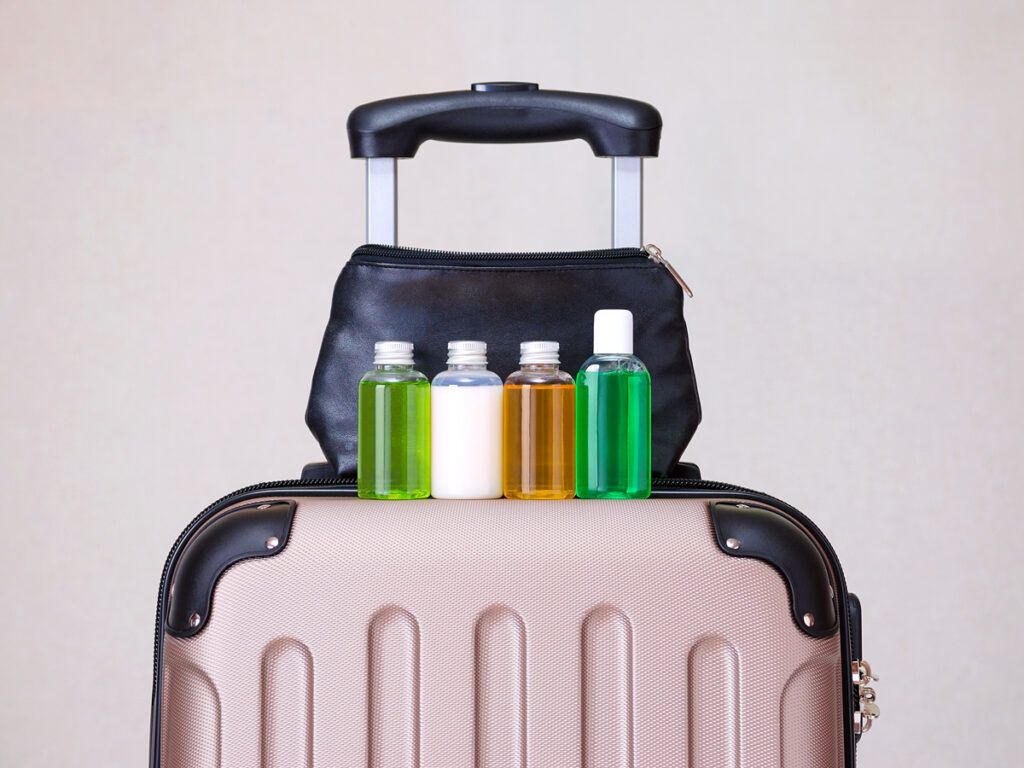
The TSA’s 3-1-1 rule states:

  • Each liquid must be in a container of 3.4 ounces (100 milliliters) or less.
  • All containers must fit inside one quart-sized clear plastic bag.
  • Each passenger is allowed one such bag.

The 3-1-1 rule applies to anything that isn’t solid — not only liquids, but also aerosols, oils, gels, creams, lotions, and pastes. (The latter includes spreadable foods such as peanut butter or jam.) Importantly, the 3.4-ounce rule applies to the size of the container itself, not the amount of liquid inside it. Any bottle larger than 3.4 ounces must be packed in checked luggage or thrown away at the screening checkpoint.

Medical Necessities

Contact lenses and eye drops
Credit: © New Africa/stock.adobe.com

Now, on to the exceptions. As stated on the agency’s website, “TSA allows larger amounts of medically necessary liquids, gels, and aerosols in reasonable quantities for your trip.” This may include items such as cough syrup, over-the-counter creams or gels, decongestant sprays, distilled water for CPAP machines, or contact lens solution. However, the TSA adds that all such items must be declared to an officer at the checkpoint before undergoing a thorough inspection. After declaring any medications to the TSA officer, remove them from your bag or person and put them in a bin or bowl by themselves to allow for a more efficient inspection.

You may also bring frozen ice packs or gel packs that are intended to keep medications cool, as long as the packs remain frozen until you’re past security. If the pack is partially or fully melted, it may not be allowed through the checkpoint. Declare any ice or gel packs to the agent before going through security so that the agent can thoroughly inspect the items in question.

One rule to note with contact lens solution, in particular, is that certain solutions contain prohibited chemicals such as peroxide, which can raise alarms when officers test the liquid. If that’s the case, you’ll have no choice but to throw away the solution (or exit the checkpoint and return the item to your car). 

Traveling with a pet? Our furry friends aren’t as lucky when it comes to bringing medically necessary liquids on a plane. If you’re traveling with a service dog that requires prescription wet food, that food must be stored inside your checked luggage, as it’s not allowed inside your carry-on.

Related: The Simple Hack for Bringing Water Through TSA Security

Baby Food

Sainsburys Little Ones baby food
Credit: © Martin Lee/stock.adobe.com

Whether you’re actually traveling with a baby or not, both liquid breast milk and baby formula are permitted as long as you follow careful steps. The same goes for drinks intended for toddlers, such as pouches of fruit puree. Simply inform the TSA officer that you have those items in your carry-on luggage and remove them so they can be tested and examined for concealed explosives.

To expedite the process, the TSA recommends storing all breast milk, baby formula, and any drinks intended for a toddler in clear bags or pouches, which makes it easier to see the contents. All tests are done to ensure the liquids aren’t tampered with and remain safe to drink.

Aquatic Environments

Jar with a goldfish
Credit: © castenoid/stock.adobe.com

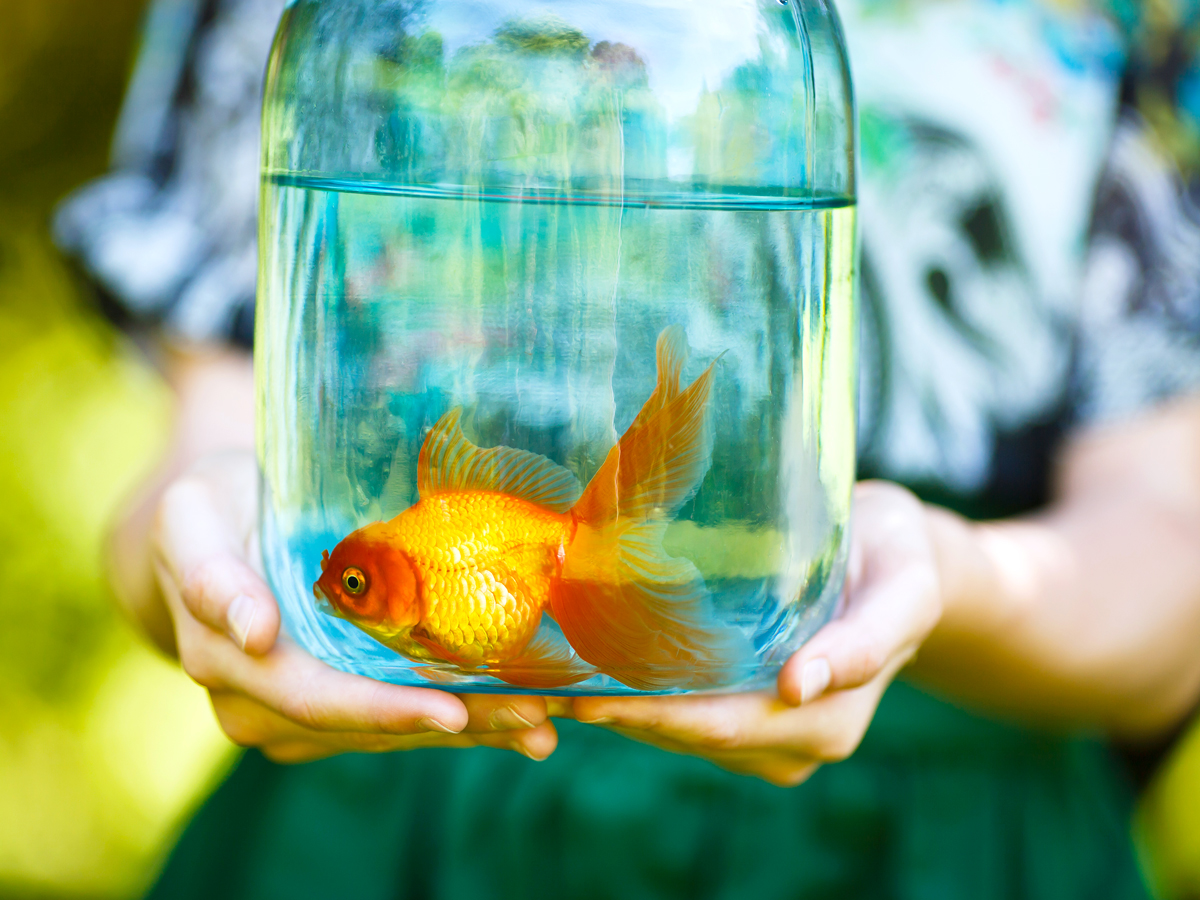
Certain aquatic animals require water to survive at all times, which makes traveling with such creatures — in those rare cases you might — a bit more of a hassle. Fortunately, flyers are allowed to bring however much water is necessary for the creature to survive.

Live fish and coral, for instance, are both allowed in any amount of water necessary for survival, so long as they’re stored in a clear, transparent container and inspected (and cleared) by a TSA agent. Lobsters are also allowed, though rules may vary depending on the airline, so contact whichever airline you’re flying with. Make sure they are inside clear, plastic, and spill-proof containers. Screening checks are performed safely in a way that won’t harm the animal, and you should be free to proceed as long as no alarms are raised during the process.

Sealed Duty-Free Items

Duty free at Dubai International Airport
Credit: © Heorshe/stock.adobe.com

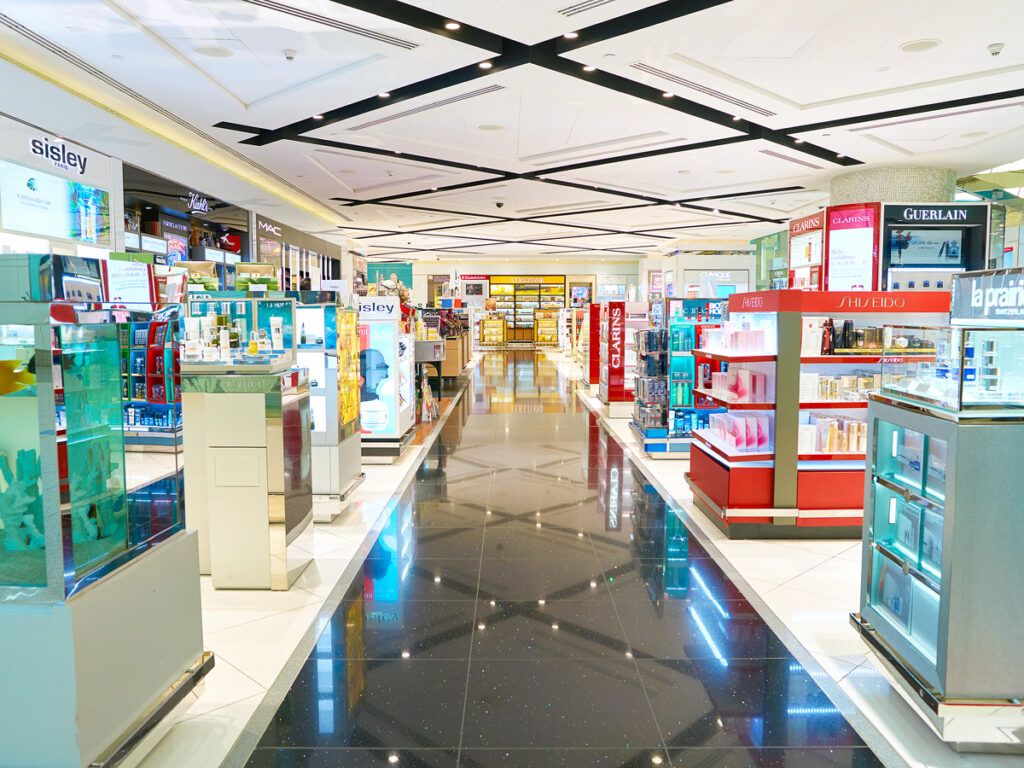
When flying internationally, many travelers stop by the duty-free shop to purchase tax-free liquor, perfume, or other goods. Sometimes you may stop at duty-free in one country before arriving in the U.S. and boarding a connecting flight, in which case there are certain rules you’ll need to follow in order to bring your duty-free purchase back home in your carry-on.

The TSA states that liquids purchased at duty-free are permitted past security so long as they follow three specific criteria. First, the liquids must have been purchased internationally prior to your connecting flight in the U.S. Second, they must remain inside a transparent, secure, tamper-evident bag. (The item will be packaged inside by the seller at the time of purchase.) Lastly, you must have the original purchase receipt showing that the item was bought within the last 48 hours.

Post Banner Image
Tips

Why Most Hotels Use White Sheets

By Bennett Kleinman
Read time: 3 minutes
August 17, 2026
Updated: August 17, 2026

Why Most Hotels Use White Sheets

Woman using the phone in a hotel room
Credit: © LordHenriVoton—E+/Getty Images
By Bennett Kleinman
Author
Bennett Kleinman
Bennett is a New York City-based staff writer for Daily Passport. He previously contributed to television programs such as the Late Show With David Letterman, as well as digital publications like the Onion. Bennett has traveled to 48 U.S. states and all 30 Major League Baseball stadiums.

Walk into almost any hotel room, and there’s a high chance that there will be pristine white bedding waiting for you. That’s no coincidence: Hotels rely on those white linens for a myriad of reasons, shunning the colorful options that are more commonly found in our own homes. From practicality to surprising psychological benefits, here’s a closer look into this intentional color choice when it comes to hotel beds.

Practicality

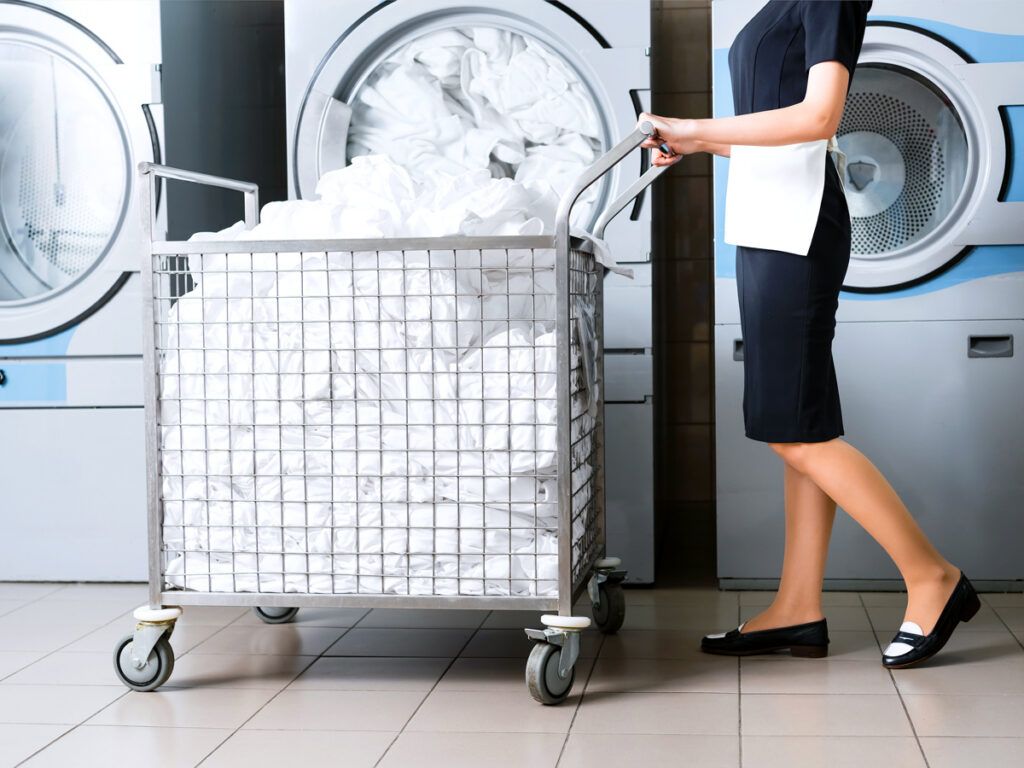
Hotel housekeeper standing near a laundry cart
Credit: © LIGHTFIELD STUDIOS/stock.adobe.com

One of the major reasons why so many hotels use white linens is for practical purposes. White bedding shows stains easily, while darker bedding can mask those stains. In an interview with Travel + Leisure, Brooks Ferring, owner of Denver’s Berkeley Hotel, noted that overt staining “helps housekeeping staff identify when sheets need extra cleaning or should be replaced.” That’s especially important considering housekeepers need to turn over so many rooms, since it allows them to spot a stain in seconds and swap the sheets out for a fresh set.

Another practical benefit is that white sheets hold on to their color (or lack thereof) for far longer than darker sheets. Think of how your favorite T-shirt may start to fade after a dozen washes. Hotels wash their bedsheets hundreds of times a year, sometimes with harsh chemical cleaners. If a guest were to walk into their room and see faded sheets on the bed, they may get a sense that the hotel feels old and worn-down.

White sheets, in comparison, don’t show their wear to the same degree. Plus, hotels can use more aggressive cleaning materials and higher washing temperatures to get out tough stains since they don’t have to worry about color bleeding. This makes the room feel newer and fresher, whereas any worn colorful sheets might raise red flags.

Aesthetics

Bed comforter with decorative pillows
Credit: © Kristina Blokhin/stock.adobe.com

In the same interview with Travel + Leisure, hotel general manager Amber Edwards noted that white sheets offer aesthetic benefits as well, as they can help highlight other design elements in your hotel room. “The beauty of crisp, white bedding is that it complements the room’s design,” Edwards said, explaining that it allows features such as throw pillows and bedside decor to truly pop and catch your eye.

On the other hand, imagine bright red bedding — it’d probably be hard to focus your eyes on anything but such a bold color. White is a timeless color that’s often associated with luxury, so it never feels too bold or dated.

Psychology

Woman using the phone in a hotel room
Credit: © LordHenriVoton—E+/Getty Images

White sheets also play a role in positively affecting the human psyche, according to the bedding company American Soft Linen. When a guest walks into a hotel room and sees fresh white bedding, they’re typically put at ease thinking the room has been thoroughly cleaned before their arrival. But if they walk in and find darker bedding, they may start to wonder if the hotel is trying to hide something.

Additionally, white sheets can convey a sense of familiarity, which in turn promotes relaxation. Most people walk into a hotel room expecting white linens, but if they enter to find neon pink or lime green sheets, for instance, the body might not relax quite so easily. Hotels use white sheets to eliminate all that noise and any potential distractions.

Beyond bedding, white in general also symbolizes positive factors such as safety, freshness, and simplicity. These positive connotations help the mind relax, which can be especially beneficial in unfamiliar environments such as hotel rooms, where you may otherwise find it difficult to unwind for the first night or two.

Post Banner Image
Tips

5 American Habits That Instantly Mark You as a Tourist

By Julia Hammond
Read time: 5 minutes
August 17, 2026
Updated: August 24, 2026

5 American Habits That Instantly Mark You as a Tourist

Couple dining with glasses of wine
Credit: © Drobot Dean/stock.adobe.com
By Julia Hammond
Author
Julia Hammond
Julia is a U.K.-based travel writer whose work has been featured in The Independent, The Telegraph, The New Zealand Herald, and Culture Trip, among others. She’s an enthusiastic advocate for independent travel and a passionate geographer who has had the privilege of traveling to more than 130 countries in search of a story.

When we travel somewhere as a tourist, we naturally stand out in some way from those who call that place home. Maybe it’s because we zero in on visitor attractions or take delight in encountering things that locals may find commonplace. But sometimes our ingrained habits can reveal us — and we may not even notice. If you’re keen to fit in a little better next time you venture to a new country, here’s our take on the American habits that instantly mark you as a tourist.

Expecting To Drive Everywhere

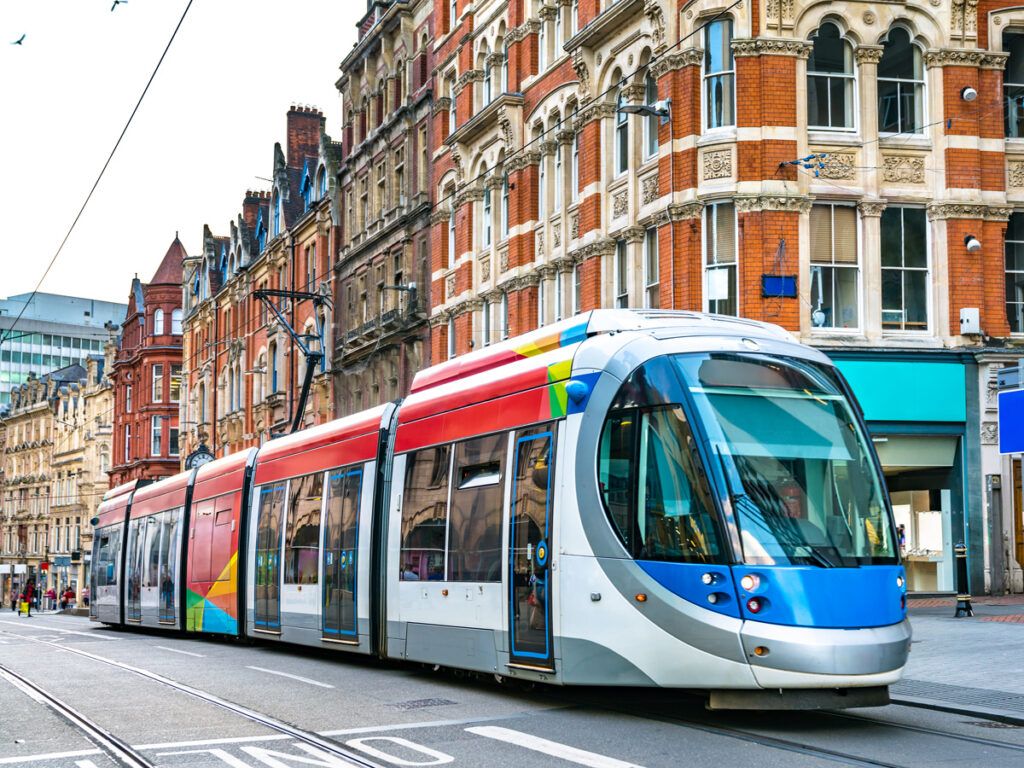
City tram in Birmingham, England
Credit: © Leonid Andronov/stock.adobe.com

A recent survey by the data publication Statranker found that the average American drives more miles per year than citizens of any other country, which is perhaps unsurprising given the combination of vast geography and household wealth. As a consequence, many Americans might expect to drive everywhere while on vacation. But the reality is that navigating unfamiliar city streets or narrow country lanes can be highly stressful.

In Europe, for example, locals are far more used to jumping on a train or bus to reach their destination. Not only is such transportation more environmentally friendly, but it’s also often quicker than driving in congested cities and on busy highways. According to the transportation publication Sustainable Bus, 81% of Europeans use public transportation for day-to-day travel, and 95% of city dwellers live within a 15-minute walk of a bus stop, metro station, or railway hub.

Eating and Drinking on the Go

Woman reading a book at a park cafe
Credit: © KOTO/stock.adobe.com

In the U.S., it’s common to eat and drink on the go. Preordering coffee for pickup speeds up morning commute routines, and to many Americans, it makes sense to multitask to save time. In a country where the infrastructure is designed to be car-centric, drive-thrus, disposable cups, and takeout abound. An article published by the National Museum of American History noted that food on the go and convenience stores have played a significant part in the American diet for more than a century.

However, in many other cultures, such as Japan, good manners dictate that eating on the street should be avoided. (However, in Japan it’s acceptable to consume food purchased from vending machines or street food stalls so long as you remain beside them.) In Europe, eating and drinking are perceived as leisurely pursuits, as evidenced by the sidewalk cafés you’ll see everywhere from Bergen to Brașov. Rooted in historical legacy, Europeans cherish these opportunities to people-watch, socialize, and connect while lingering over a meal.

Missing Cues in Restaurants and Cafés

Couple dining with glasses of wine
Credit: © Drobot Dean/stock.adobe.com

While few restaurants insist on a very strict dress code, there’s something to be said for putting on something special. For some people, if they’re spending a lot on a fancy meal and someone at the next table has made little effort, it takes the shine off the occasion. In such settings, the sports shirts, baseball caps, and sneakers that Americans often wear will draw attention — and not in a good way.

Similarly, not considering your volume of speech is a faux pas when traveling overseas. Indeed, in a recent survey, 70% of European respondents described Americans as “loud.” One way to avoid confirming this stereotype? Simply take a moment to study the decibel level that’s the norm for the locals who are seated around you and realize that places like Scandinavia, Japan, Germany, and Singapore famously champion peace and quiet. And save those loud, nonurgent phone calls — particularly on speaker — for when you’re somewhere private.

Asking for a Doggie Bag

Woman scraping the leftover food from her plate into the trash bin
Credit: © seb_ra—iStock/Getty Images

American portions are known for being larger than the global average, so when dining out in the U.S., it often makes sense to ask for a doggie bag or a to-go container rather than waste any leftovers. Smithsonian magazine reported that the doggie bag as we know it has its origins in the 1940s, when eateries started to wrap table scraps for pets — and later for diners themselves. The practice quickly gained traction, just like asking for free refills or free water.

Outside of the U.S., however, you might be an outlier if you request a box for your uneaten food. In Britain, for example, many diners consider it impolite to make such a request, relying instead on restaurant-led initiatives to recycle leftovers. One such example is Hubbub’s mission to redistribute unwanted food and share it via community groups in the London Borough of Southwark.

Expecting To Tip

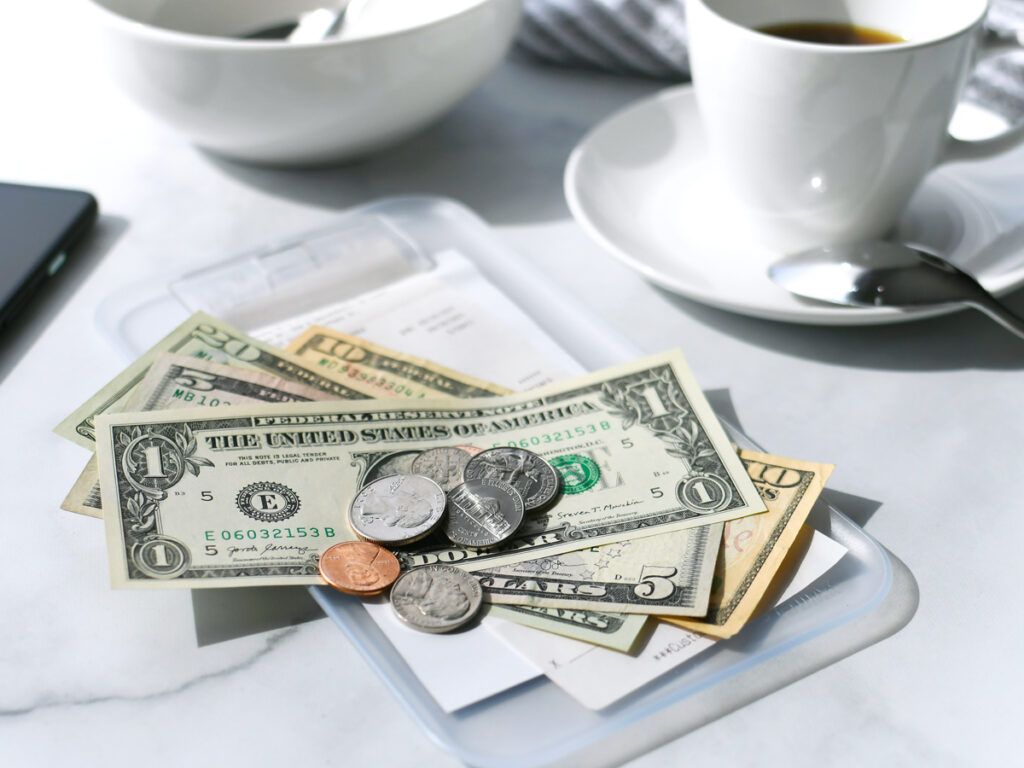
Paying for the bill at a restaurant with cash
Credit: © MargJohnsonVA/stock.adobe.com

Wages in the hospitality industry work differently in the U.S., where staff members are typically paid a lower hourly rate because of the expectation that gratuities will make up the rest. Under the Fair Labor Standards Act, employers are legally allowed to factor in tips so long as workers still earn at least the minimum wage. Gratuity levels therefore tend to be higher than in many other parts of the world.

In some places, tipping simply isn’t part of the culture; in Japan, it can even be considered rude. There are other countries where tips are acceptable, but they’re usually considered a welcome bonus rather than an expected add-on. If you do choose to tip, think twice before handing over dollar bills — exchanging them for local currency might be a headache for waitstaff, especially if they aren’t in pristine condition.

Related: A Guide To Tipping in 5 Popular Countries for U.S. Travelers