




Post Banner Image
Tips

Is Basic Economy a Good Deal? Here’s What To Consider

By Rachel Gresh
Read time: 5 minutes
February 19, 2026
Updated: February 19, 2026

Is Basic Economy a Good Deal? Here’s What To Consider

By Rachel Gresh
Author
Rachel Gresh
Rachel is a Washington, D.C.–based travel and lifestyle writer with roots in the Great Lakes region. When she’s not writing for publications such as The Discoverer and Interesting Facts, you’ll find her wandering through museums or exploring destinations off the beaten path.

In a recent survey of U.S. air travelers, participants ranked the cost of airfare as a top priority, with 53% saying it is their No. 1 consideration when booking a flight. Basic-economy tickets — the bottom rung on the economy-class ladder — offer the lowest possible price, but they come with trade-offs that travelers should understand before booking, such as limited flexibility and fewer perks. Here’s how to decide when basic economy makes sense, and when it’s best avoided.

When Basic Economy Makes Sense

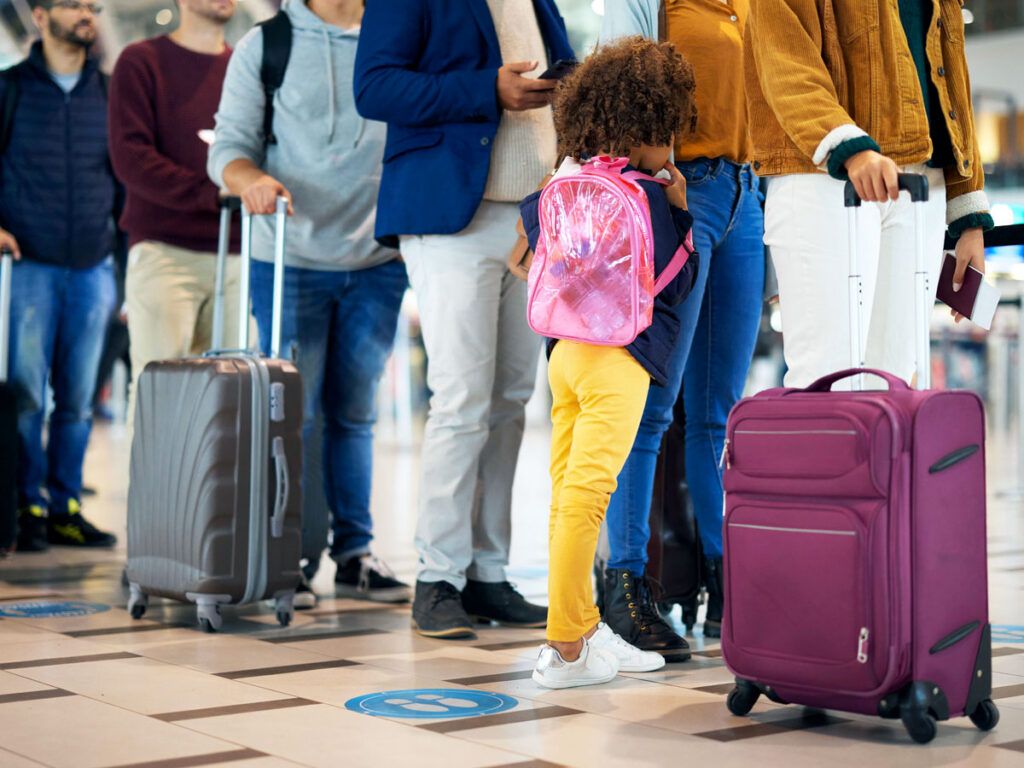
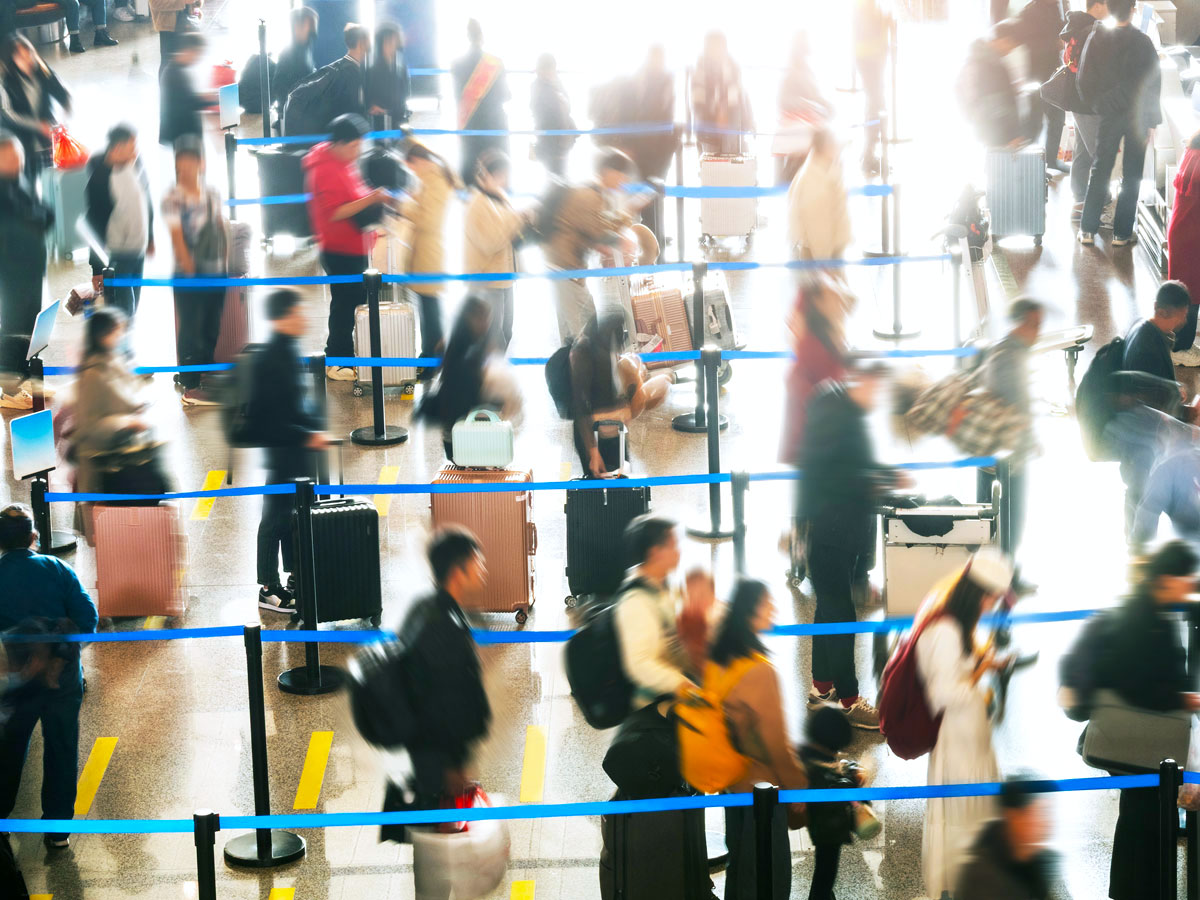
Travelers lined up to board aircraft
Credit: ArikEkaSatya/ Adobe Stock 

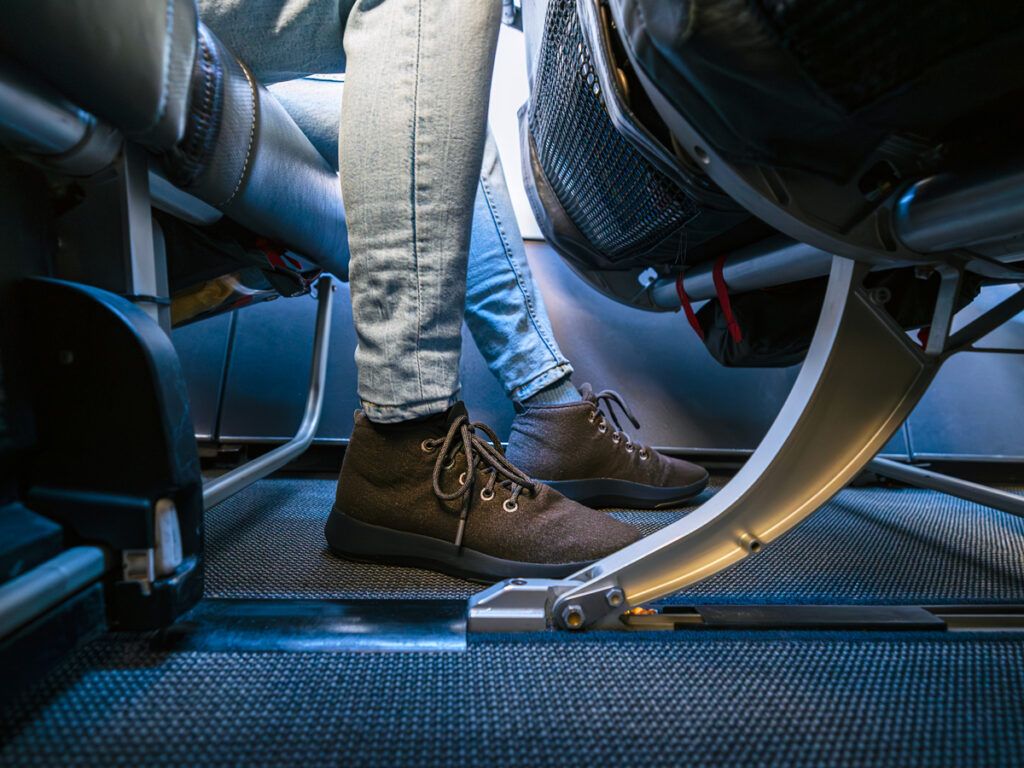
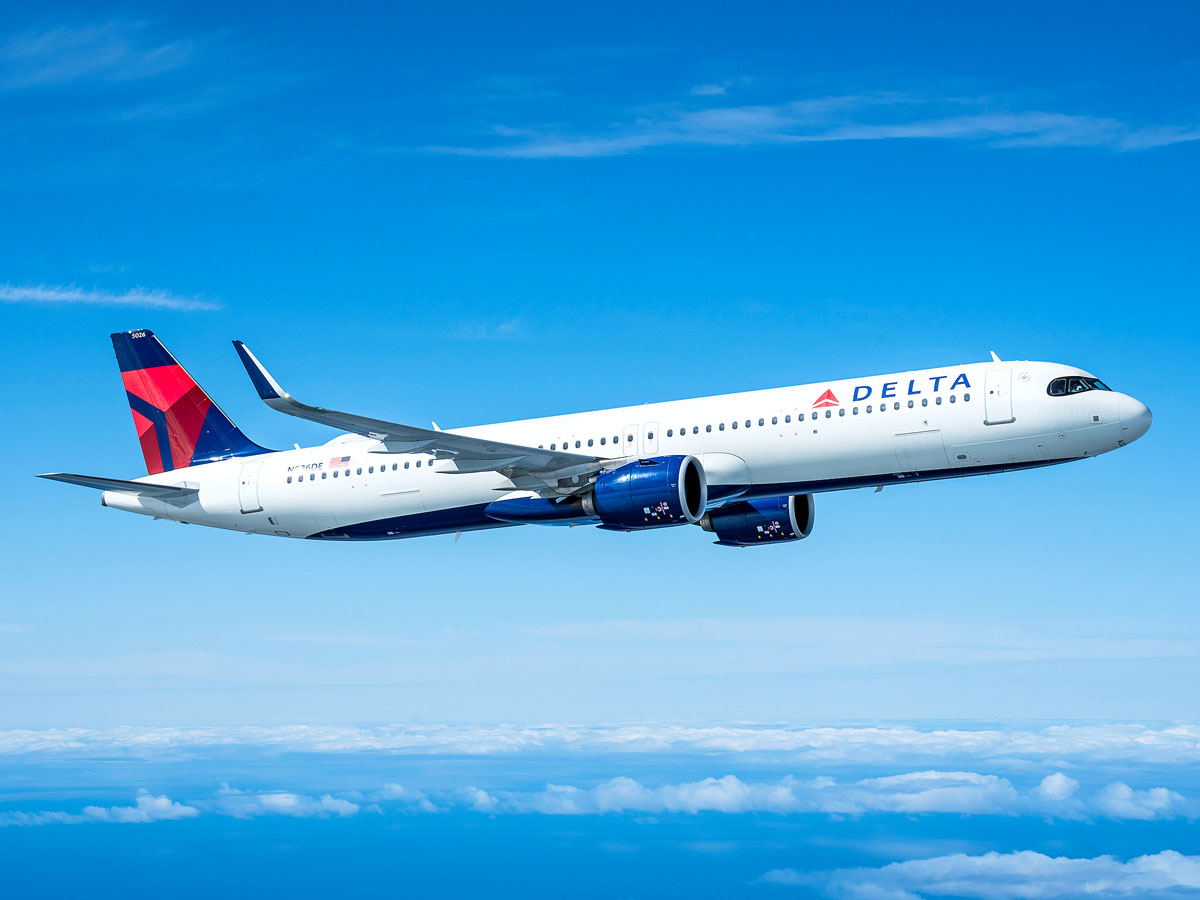
Basic economy works best for budget-conscious travelers who can pack light and don’t mind where they sit. (On U.S. airlines, the seats themselves and the in-flight services, such as food and entertainment, are the same as in standard economy.) In these situations, the savings can outweigh comfort or flexibility.
When You’re Flying Nonstop

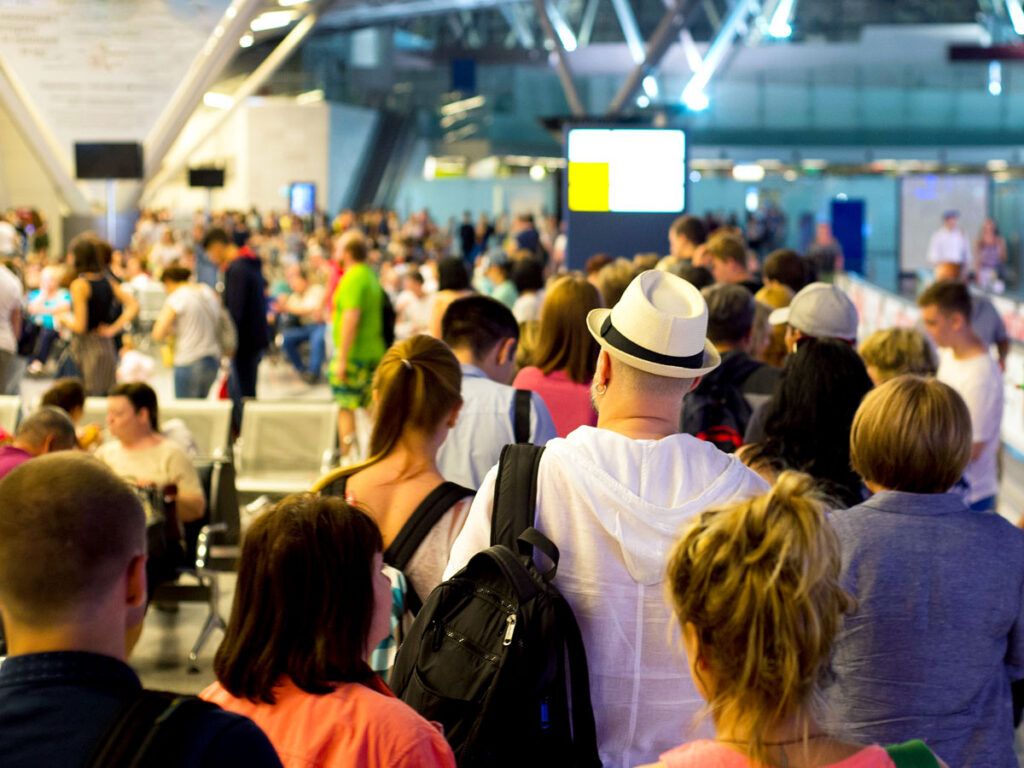
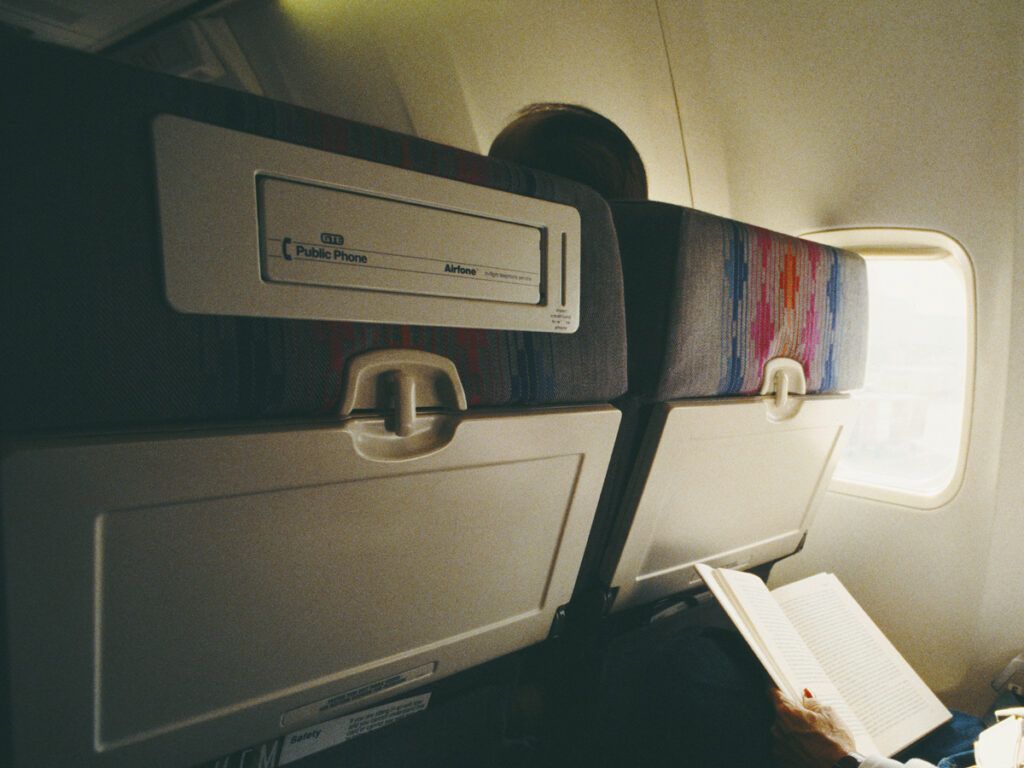
In general, nonstop flights are typically best for booking basic economy because you aren’t under a time crunch. Passengers with the lowest airfare typically board last, are seated toward the back of the plane, and are among the last to deplane after arrival. On a large aircraft, there might be 200 or more passengers ahead of you.

If you’re trying to make a tight connection, waiting for dozens of rows of passengers to deplane ahead of you can be stressful, especially since many airports have a minimum domestic layover time of just 30 minutes. On a nonstop flight or an itinerary with a generous layover, how fast you deplane is far less of an issue.

If You’re Traveling Solo

During solo adventures, basic economy can be a practical option, allowing you to stretch your budget in other places. Since most U.S. airlines do not include free seat selection with these fares, seats are assigned at check-in and are often middle seats. There is no guarantee of sitting with travel companions, but for those traveling alone, this is less of a concern.

Some airlines allow paid seat selection at the time of booking basic economy. However, once that cost is added, you’ll negate a good chunk of your savings from purchasing a basic-economy ticket — on average, travelers can expect to save between $50 to $70 compared to a standard main-cabin ticket.
When You’re Packing Light

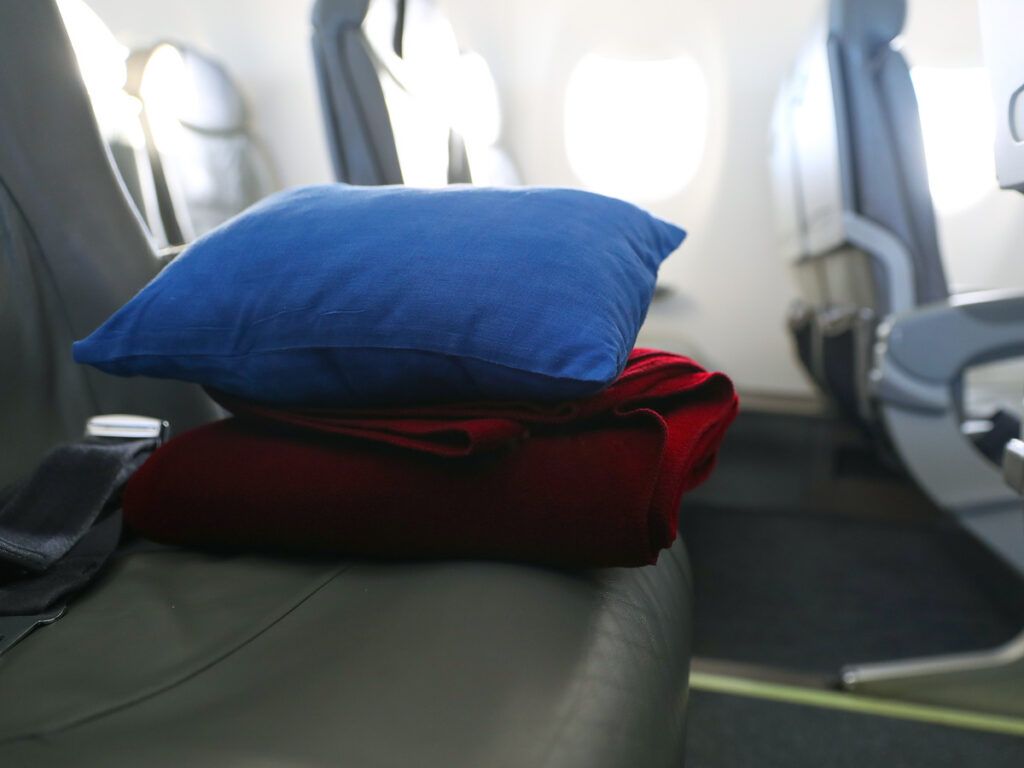
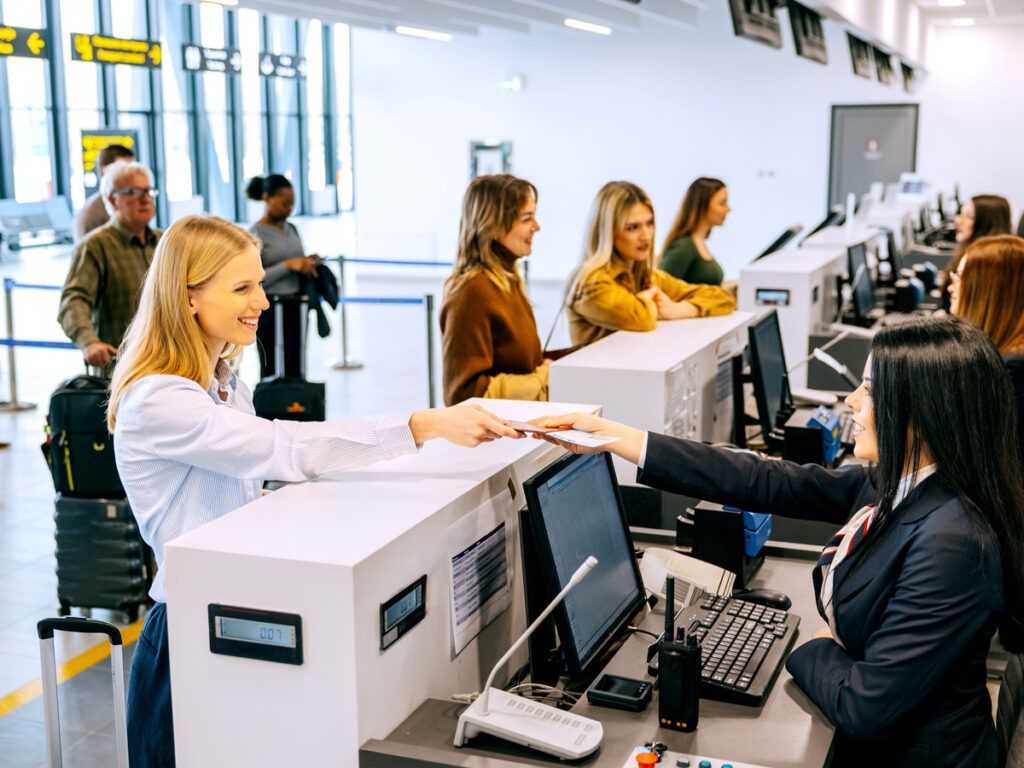
Travelers on short trips, or those who always pack light, can benefit from basic economy. Some airlines — such as United, Spirit, and Frontier — do not offer a free carry-on bag for basic-economy fares. This means everything you’re traveling with must fit into a small personal item — such as a backpack, shoulder bag, or laptop bag — that fits under the seat in front of you.

If more space is needed, regular carry-on bags incur an additional fee. At United Airlines, for example, the fee starts at $35 if you prepay before check-in. If you do not pay for a larger carry-on in advance and it doesn’t fit under the seat, the fee to check it at the gate is $65. In many cases, the fare difference between basic and main cabin is modest — around $49 on average at United, which makes basic fare savings negligible after baggage fees are added.

However, rules vary by airline. For instance, at Southwest, Delta, and American, passengers are allowed one personal item and one standard carry-on when traveling on a basic-economy ticket. Checked bag fees usually start at $35. For premium-economy, business-class, and first-class fares, at least one checked bag is free.

When Basic Economy Is Best Avoided

Family walking through airport terminal
Credit: Nina Lawrenson/peopleimages.com/ Adobe Stock 

Basic economy isn’t ideal for every traveler. Those who value flexibility, are traveling with children or large groups, or hope to earn airline rewards may find that a standard or premium fare is a better value.

When You Need a Flexible Itinerary

Many airlines now offer free changes and cancellations on standard economy tickets, but basic economy is typically excluded from this practice. With JetBlue, for instance, changes are not allowed for basic economy (“Blue Basic”), and cancellations for domestic flights incur a $100 fee. Other JetBlue fare types allow free changes and cancellations, which are issued as travel credit.

Delta permits changes and cancellations for basic-economy tickets, but fees apply. Any change also requires paying the fare difference, and cancellation fees are deducted from the travel credit issued. Other Delta fare types allow for free changes and cancellations — and airlines like American and United feature similar policies. If there’s a chance your plans might change, basic economy can quickly become as expensive as a standard ticket.

If You’re Traveling With Family

Many airlines do not include complimentary seat selection with basic-economy fares, which can result in groups, including children, being separated.

The U.S. Department of Transportation has a helpful dashboard outlining which airlines offer fee-free family seating, guaranteeing that a child 13 or under will sit adjacent to an accompanying adult at no additional cost. This applies to all fare types — even basic economy. Airlines that follow this practice include Alaska, American, Frontier, Hawaiian, and JetBlue. At United and Southwest, the policy applies to children 12 and under. Note, however, that it pertains only to one adult in the group; any other adults may be separated. 

Other airlines, including Allegiant, Delta, and Spirit, do not formally guarantee families will be seated together for basic-economy tickets. If this is the case for your flight, you may ask a gate agent at check-in to accommodate your situation by altering seat assignments — but there is no guarantee they can or will do so.

If You Want To Earn Reward Points

Travelers who value frequent flyer miles or elite status should review airline policies before booking a basic-economy ticket. With some airlines, basic-economy fares earn fewer or no loyalty benefits.

For instance, Delta‘s basic-economy tickets do not earn mileage credit or count toward Medallion Status, and they exclude the typical elite member perks such as complimentary upgrades, priority boarding, lounge access, and same-day standby changes.

Similarly, as of December 2025, American Airlines no longer awards miles or loyalty points for basic-economy tickets. With United Airlines, basic-economy tickets booked after April 2, 2026, require you to hold a United co-branded credit card or elite status to earn redeemable miles. So, while basic economy may save money at booking, the long-term benefits of a higher class might outweigh these savings.

Related: 4 Ways Airlines Get You To Spend More Money

Featured image credit: tonefotografia/ Adobe Stock 

Post Banner Image
History

6 U.S. Cities You Can’t Actually Visit

By Nicole Villeneuve
Read time: 5 minutes
February 19, 2026
Updated: February 19, 2026

6 U.S. Cities You Can’t Actually Visit

By Nicole Villeneuve
Author
Nicole Villeneuve
Nicole is a writer and researcher with over 15 years of experience seeking out arts, culture, and lifestyle stories in places like remote northern Quebec and the unforgettable streets of Amsterdam. Her work has also appeared in PureWow, Brit + Co, AUX TV, and CBC.

Cities and towns are typically defined as settled places. They’re locations filled with, at a minimum, roads for traveling and buildings for residents and visitors to live, shop, and work in. Scattered across the United States, though, there are several places that meet most of a town’s structural requirements, even if they lack the key defining element — people. These “fake” places are designed to look deceptively real while serving purposes that aren’t usually part of ordinary civic life, from military operations to immersive role-playing and futuristic research. Discover six purpose-built fake U.S. places that you can’t actually visit.

Hogan’s Alley, Virginia

Simulated storefronts in Hogan's Alley, Virginia
Photo credit: Image courtesy of the FBI 

Tucked inside the FBI Academy in Quantico, Virginia, Hogan’s Alley looks like a quaint American town — one that just happens to have an unusually high crime rate. In this case, however, the crimes are carefully staged. The simulated city was built in 1987 with the help of Hollywood set designers to train FBI and other law-enforcement agents in everyday scenarios. 

The streets of Hogan’s Alley feature familiar facades, including a laundromat, bank, theater, and post office, but their interiors can be reconfigured for different exercises. There’s also a realistic stream of foot traffic, with role players acting as bystanders, witnesses, or suspects who trainees interact with as they practice everything from making arrests to processing crime scenes. 

Agloe, New York

Aerial view of Sullivan County, New York
Credit: Chronicle/ Alamy 

Not all fake towns are made with streets and buildings in mind. Take Agloe, New York, for example: In the 1930s, Agloe was written onto a map of the western Catskills as a means of copyright protection. Mapmakers didn’t put this so-called paper town — a town that exists only on a map — to help guide people, but rather to catch others who might plagiarize their work, a common practice in the past. 

However, in Agloe’s case, this paper town took on a life of its own. A nearby shop, having seen the name on a map, named its general store Agloe in the 1950s. (The store has since closed.) Decades later, Agloe resurfaced in pop culture when author John Green featured a trip to the mythical place in his 2008 novel Paper Towns. Agloe won’t be found on any modern maps today, but at its exact coordinates, you may still find a copy of Paper Towns that day-tripping explorers have left behind in homage.

Boeing Wonderland – Seattle, Washington

Historical image of Boeing factory, seen from above
Credit: PhotoQuest/ Archive Photos via Getty Images 

With a name like Wonderland, this Seattle neighborhood sounds like a great place to visit, but it wasn’t actually meant for people. During World War II, a fake town was built on the sprawling rooftop of Boeing’s Plant 2 factory to disguise the busy B-17 bomber assembly lines. 

The U.S. Army Corps of Engineers turned to Hollywood designers and set crews to create the facade. Up close, it wouldn’t fool anyone. But to potential enemy eyes in the sky, streets such as Burlap Boulevard and Synthetic Street — made of everything from wood to burlap to chicken wire and spun glass — looked like the real deal. Ultimately, Wonderland was never broached, and the imaginary neighborhood was dismantled soon after the war.

Camp Peary, Virginia

Historical image of V-E Day spelled out by recruits in Camp Peary, Virginia
Credit: Bettmann Archive via Getty Images  

A few miles outside Williamsburg, Virginia, lies one of the most secretive places in America. The 9,000-acre Camp Peary may sound like an idyllic summertime spot, but it’s actually a military base, home to a covert CIA training facility also known as “the Farm.” In her memoir, former CIA officer Amaryllis Fox described the Farm as a “simulated Truman Show set,” a nod to the 1998 movie in which a man’s entire life is staged for show. 

The highly specialized site hosts intensive, immersive role-playing exercises. According to the same insider, every exercise is set in a fictional country, everyone uses aliases, a made-up cable news channel reports the made-up events of the fictional world, and fake diplomats from other countries pay visits. Exercises help recruits practice driving, self-defense, emergency first-aid, and other skills used in intelligence operations and espionage.

Mcity, Michigan

Electric test vehicle in Mcity, Michigan
Credit: JEFF KOWALSKY/ AFP via Getty Images

Mcity may look like a quaint town worth a day trip, but it’s actually a simulated city located on the University of Michigan’s Ann Arbor campus. Opened in 2015, Mcity’s 32 acres were built to test self-driving vehicles before they hit the real roads. It’s packed with familiar urban infrastructure: plenty of road types and intersections, traffic signals, signs, and building facades. But it also has integrated technology such as wireless-connected networks, augmented reality systems, and sensors that can track vehicle performance in real time.

The campus continues to expand the site’s capabilities. In 2025, the university launched M-air to explore drones and other aerial technologies and how they can effectively be used across various sectors including industry, government, and research. Unfortunately, Mcity isn’t open to casual visitors, even if you do follow all the rules of the road.

Fort Irwin, California

Aerial view of Fort Irwin, California, surrounded by mountains
Credit: Refocus Photography/ Adobe Stock 

About 150 miles northeast of Los Angeles in California’s Mojave Desert, a series of streets and buildings make up a place about the size of Rhode Island. Though people have long passed through this desert region, few stayed for long. The area’s isolation made it attractive to the U.S. Army, and in 1940, President Franklin D. Roosevelt established the military training facility now known as Fort Irwin. 

Fort Irwin contains about 15 simulated towns and cities (reports on the number of towns vary). These communities are designed to resemble real urban environments, but they don’t function as permanent places. Made out of mobile, modular units, they’re often adapted and updated to reflect evolving geopolitical and tactical environments. Here, Army personnel take part in intensive training in simulated cities with names such as Razish or Ujen. Unlike the other cities on this list, this fake town is sometimes open to visitors for occasional tours — complete with a standard military meal for lunch, unless you opt to bring your own.

Post Banner Image
Tips

These Are North America’s Best Hotel Chains

By Bennett Kleinman
Read time: 6 minutes
February 19, 2026
Updated: February 19, 2026

These Are North America’s Best Hotel Chains

By Bennett Kleinman
Author
Bennett Kleinman
Bennett is a New York City-based staff writer for Daily Passport. He previously contributed to television programs such as the Late Show With David Letterman, as well as digital publications like the Onion. Bennett has traveled to 48 U.S. states and all 30 Major League Baseball stadiums.

When deciding which hotel to stay at, the plethora of options may feel overwhelming. There are seemingly countless chains and boutique hotels to choose from at every price point, from modest accommodations to luxurious experiences. When it comes to the major chains, to help narrow down the options, we turned to the experts in the field of consumer behavior and satisfaction at J.D. Power, who recently released their 2025 North America Guest Satisfaction Index Study. This study examined 102 hotel brands and ranked them based on a 1,000-point scale. Take a look at the winners in each category below.

1. Luxury Chains

Exterior and grounds of a JW Marriott hotel location
Credit: Fitz/ Adobe Stock 

Average score: 734 out of 1,000

  • The Ritz-Carlton (779)
  • Waldorf Astoria (773)
  • The Luxury Collection (757)
  • JW Marriott (746)
  • (tie) Four Seasons and InterContinental Hotels & Resorts (740)

The Marriott group’s Ritz-Carlton brand boasts the highest score of any hotel chain in North America — luxury or otherwise. Hilton’s Waldorf Astoria portfolio is a close runner-up, while Fairmont has the lowest ranking (692) of the 12 chains in the luxury category.

According to the study, one of the most important amenities when it came to guest satisfaction was having a smart TV in the room — 40% of surveyed guests considered this a “need to have” feature, with 60% saying they used smart TVs during their stay.

2. Upper Upscale Chains

Ornate lobby with piano lounge and chandeliers at an Omni hotel
Photo credit: Image courtesy of Omni Hotels & Resorts

Average score: 701 out of 1,000

  • Omni Hotels & Resorts (731)
  • Hard Rock Hotels (727)
  • Margaritaville Hotels & Resorts (716)
  • Le Méridien (713)
  • (tie) Marriott and Westin Hotels & Resorts (711)

Omni Hotels & Resorts tops the list of what J.D. Power classifies as “upper upscale” chains, which offer premium amenities and dining at a slightly more affordable price than luxury hotels. Omni’s rating of 731 is just a few points higher than that of runner-up Hard Rock Hotels. At the bottom of this category, you’ll find Graduate Hotels at No. 20 with a score of 678.

Hotels in this category (and all other categories) were likelier to receive higher rankings if they invested in maintaining high-quality rooms. Guests reported being satisfied by furnishings that were kept in good condition, nice bathroom fixtures, and comfortable bedding, to name a few. Common issues that led to negative ratings included excessive noise, unpleasant odors, and disputes during the check-in process.

3. Upscale Chains

Exterior of the Drury Plaza hotel in Cleveland, Ohio
Credit: Douglas Sacha/ Moment via Getty Images 

Average score: 682 out of 1,000

  • Drury Hotels (738)
  • Best Western Premier (713)
  • Cambria Hotels (703)
  • Hilton Garden Inn (701)
  • Delta Hotels (699)

With a satisfaction rating of 738, Drury Hotels takes the cake in the “upscale” category. This chain currently operates over 150 locations in 30 states, primarily in the Midwest, Southwest, and South. On the flip side, Sonesta Select ranks last of the 19 upscale chains, with a rating of 636.

One reason that Drury Hotels ranks so highly is the perceived value from guests. In the 2025 J.D. Power study, the “upscale” category was one of the three categories that saw the most significant positive gains in terms of perceived value compared to the nightly rate that guests paid.

4. Upscale Extended-Stay Chains

Exterior of a Homewood Suites hotel
Photo credit: Image courtesy of Hilton 

Average score: 679 out of 1,000

  • Hyatt House (705)
  • Staybridge Suites (680)
  • Residence Inn (679)
  • Homewood Suites by Hilton (673)

Upscale extended-stay hotels provide amenities such as an in-room kitchen or laundry. With its score of 705, the Hyatt House chain takes the top spot in this category for the fourth consecutive year. This is also the only category in the entire study with fewer than five entries. The average score in this category is 679, a few points higher than the 677 average across all categories.

5. Upper Midscale Chains

Pool area at a Hilton property
Photo credit: Image courtesy of Hilton 

Average score: 662 out of 1,000

  • Hampton by Hilton (694)
  • Fairfield by Marriott (678)
  • Holiday Inn Express (667)
  • Best Western Plus (665)
  • Holiday Inn (653)

In the “upper midscale” category, familiar hotel chains such as Hampton by Hilton, Fairfield by Marriott, and Holiday Inn Express top the list. But Hampton by Hilton is a clear runaway, netting a satisfaction ranking that’s 32 points higher than the average for this category.

One key finding from the study across all hotel categories was that users of the hotel’s mobile app reported higher levels of satisfaction than those who hadn’t downloaded the app. Guests in the former category rated their stay at an average of 699 on the 1,000-point scale, compared to an average of 631 for those without the app.

6. Upper Midscale and Midscale Extended-Stay Chains

Exterior of a Home 2 Suites by Hilton location illuminated at night
Photo credit: Image courtesy of Hilton 

Average score: 643 out of 1,000

  • Home2 Suites by Hilton (711)
  • Candlewood Suites (673)
  • TownePlace Suites (665)
  • Hawthorn Suites by Wyndham (653)
  • MainStay Suites (620)

For the third-consecutive year running, Home2 Suites by Hilton ranks the highest among upper midscale and midscale extended-stay hotels. Ranking last of the eight chains in this category was Extended Stay America, with a score of 558 out of 1,000.

Happiness aside, J.D. Power found that the average daily rate for a hotel room across all categories rose to $158.67 in 2024, denoting the highest such value on record. Interestingly, despite the cost increase, guests in every category reported higher levels of satisfaction.

7. Midscale Chains

Guest lounge at a Hilton hotel
Photo credit: Image courtesy of Hilton 

Average score: 613 out of 1,000

  • Tru by Hilton (723)
  • Wingate by Wyndham (656)
  • Best Western (646)
  • Sleep Inn (616)
  • AmericInn (608)

Tru by Hilton offers the best experience at the midscale price point, while Baymont by Wyndham holds the eighth and bottom spot in this category with a 575-point score. The “midscale” category is generally defined by hotels that offer limited services that fulfill basic needs. Historically, these hotels have provided amenities such as Wi-Fi, TVs, and gym access, but in recent years, many midscale chains have taken steps to update their offerings to attract a new clientele. As a result, you may now find features such as breakfast buffets, pools, and smart TVs during your stay at a midscale chain.

8. Economy Chains

Exterior of a Howard Johnson motel
Credit: JHVEPhoto/ Adobe Stock 

Average score: 544 out of 1,000

  • Microtel by Windham (619)
  • (tie) Days Inn and SureStay (588)
  • Howard Johnson (584)
  • Americas Best Value Inn (576)

Economy hotels offer bare-bones accommodations at an affordable price, so it should probably come as no surprise that their satisfaction scores rank far lower compared to luxury and upscale chains. In the “economy” category, one chain stands out on top: Microtel by Windham, the only economy chain to crack the 600-point threshold. This category also includes the worst-rated hotel chain in the study: OYO, with a rating of 386.

9. Economy Extended-Stay Chains

Extended-stay hotel suite with kitchenette
Photo credit: Image courtesy of WoodSpring Suites

Average score: 544 out of 1,000

  • Microtel by Windham (619)
  • (tie) Days Inn and SureStay (588)
  • Howard Johnson (584)
  • Americas Best Value Inn (576)

There’s only one chain in the “economy extended-stay” category that J.D. Power considered above-average, and that honor goes to WoodSpring Suites, with a satisfaction score of 600 out of 1,000. Hotels in this category cater to extended-stay travelers but offer more limited and basic amenities than those in the upscale or midscale extended-stay range.

About the data: J.D. Power’s NAGSI (North America Guest Satisfaction Index) Study is one of the longest-standing hotel satisfaction studies in the industry. The 29th edition of the study analyzed the viewpoints of 39,219 hotel guests who stayed at properties in North America between May 2024 and May 2025 across seven key dimensions — check-in/check-out, communications and connectivity, facilities, food and beverage, guest room, staff service, and value for price — with questions specific to each hotel category. You can read the full report here.

Post Banner Image
Outdoors

10 U.S. Airports With Outdoor Lounges Any Traveler Can Access

By Rachel Gresh
Read time: 5 minutes
February 18, 2026
Updated: February 18, 2026

10 U.S. Airports With Outdoor Lounges Any Traveler Can Access

By Rachel Gresh
Author
Rachel Gresh
Rachel is a Washington, D.C.–based travel and lifestyle writer with roots in the Great Lakes region. When she’s not writing for publications such as The Discoverer and Interesting Facts, you’ll find her wandering through museums or exploring destinations off the beaten path.

During a recent visit to Hawaii, I had a layover at Honolulu’s Daniel K. Inouye Airport, where I was pleasantly surprised to find manicured gardens and tranquil lagoons within the post-security public area. What traveler wouldn’t prefer relaxing under a shaded tree over sitting in a crowded terminal? As it turns out, airport planners across the country are increasingly incorporating green spaces and outdoor terraces into terminal designs — and you don’t need a business-class ticket or status with an airline to access them. Here are 10 U.S. airports ahead of the trend.

Daniel K. Inouye International Airport – Honolulu, Hawaii

Outdoor area with ponds and waterfalls at Honolulu's airport
Credit: Michael Caparas/ iStock via Getty Images Plus 

Daniel K. Inouye International Airport, formerly known as Honolulu International Airport, serves more than 21 million passengers annually. For many visitors, it’s their first stop in the Aloha State, and the terminal is a breath of fresh air (quite literally). Among the airport’s standout features are its Cultural Gardens, which are open to all ticketed passengers. The Chinese, Hawaiian, and Japanese gardens surround the Terminal 2 lobby and E gates, connected by scenic bridges and pathways. Travelers can relax on a quiet bench or enjoy a stroll among carp-filled ponds and weeping willow trees before boarding their flight.

San Francisco International Airport – San Francisco, California

Lounge chairs on outdoor deck at San Francisco International Airport
Credit: Smith Collection/Gado/ Archive Photos via Getty Images 

San Francisco International is one of America’s busiest airports, welcoming nearly 55 million passengers in 2025, but it’s filled with thoughtful amenities to combat the stress of a travel day. For those with time to spare, SFO offers yoga rooms, therapy animals, and even a dedicated aviation museum. 

There are also two outdoor spaces: International Terminal G’s outdoor terrace, which features seating and a 180-degree view of the busy airfield, and SkyTerrace, located atop Terminal 2 before the security checkpoint. Travelers and even plane spotters without a ticket are welcome to enjoy the latter outdoor viewing area during opening hours, which are 10 a.m. to 6 p.m. Fridays through Mondays. Both outdoor spaces are free to enter, and food and beverages are permitted.

Denver International Airport – Denver, Colorado

Outdoor terrace with view of airfield at Denver International Airport
Photo credit: Image courtesy of Denver International Airport 

Known for its outdoor-loving culture, Denver doesn’t disappoint when it comes to open-air amenities at its busy airport. There are three outdoor decks, all located post-security, at the ends of Concourses A, B, and C. Each deck offers comfortable seating, cozy fire pits, and pet relief stations, along with views of the busy tarmac and scenic mountain range in the distance. The decks are open daily to all ticketed passengers, weather permitting.

Long Beach Airport – Long Beach, California

Passengers using outdoor seating area at Long Beach Airport in Southern California
Photo credit: Image courtesy of Long Beach Airport

Located in Los Angeles County, Long Beach Airport takes full advantage of Southern California’s year-round sunshine with its distinctive indoor-outdoor design. The airport was among the first in the U.S. to incorporate an outdoor space within a concourse. Its 20,000-square-foot courtyard features alfresco seating, dining options, and a wine bar. Additionally, the airport doesn’t use indoor jet bridges. Instead, passengers board planes via outdoor stairs and ramps, evoking the nostalgia of early air travel.

Kahului Airport – Maui, Hawaii

Outdoor area at Maui's Kahului Airport
Photo credit: Image courtesy of Kahului Airport

Kahului Airport is the second-busiest airport in Hawaii. Its open-air design provides natural ventilation, with the island breeze wafting through the baggage claim areas and walkways. Adding to the airport’s outdoor space, a recently opened garden deck features landscaped garden beds overlooking Maui’s misty mountains, and it’s accessible to any passenger seeking a breath of fresh air while they wait for their flight. The deck is attached to a new expanded indoor air-conditioned waiting area, with 17,000 square feet of space for up to 460 passengers.

San Diego International Airport – San Diego, California

Outdoor terrace under construction at San Diego International Airport
Credit: Nelvin C. Cepeda/The San Diego Union-Tribune/ MediaNews Group via Getty Images

San Diego Airport’s Terminal 1 is undergoing a major renovation that will feature updated security checkpoints and amenities. As of early 2026, the refurbished terminal is partially complete, with new gates, more dining and shopping opportunities, and an outdoor deck. This covered terrace boasts unbeatable views of the downtown skyline and the bay — the perfect place to enjoy a snack or unwind during a layover.

Related: The Best U.S. Airports for Layovers

Austin-Bergstrom International Airport – Austin, Texas

Terminal drop-off and pick-up area at Austin-Bergstrom International Airport
Photo credit: Image courtesy of Austin-Bergstrom International Airport

Head to the east end of the Barbara Jordan Terminal at Austin-Bergstrom International Airport to find an outdoor patio open to all ticketed passengers. Previously, this area was exclusive to Chase Sapphire Reserve cardholders, but as of 2025, any traveler can access the space after passing through security. Open daily, the patio features lounge chairs, tables, and dedicated restrooms. Another public outdoor space with views of downtown Austin is slated to open in 2027. Part of the terrace will be open to the public, while the other part will be reserved for American Airlines’ new Admirals Club.

John F. Kennedy International Airport – New York, New York

Passengers enjoying outdoor terrace at New York's JFK Airport
Photo credit: Image courtesy of JetBlue 

JFK’s Terminal 5, primarily used by JetBlue, is home to some of the airport’s best dining and shopping, as well as a rooftop deck. The space is open daily to all passengers and features a dog walk and seating overlooking the tarmac. Due to the airport’s security setup, passengers who are not flying out of Terminal 5 must exit and reclear security to access this space.

Palm Springs International Airport – Palm Springs, California

Passenger walking through outdoor area under "Welcome to Palm Springs" sign at Palm Springs International Airport
Credit: 400tmax/ iStock Unreleased via Getty Images 

Palm Springs International Airport, another sunny Southern California airport, has mastered the art of indoor-outdoor terminal design. Passengers exit the main terminal check-in area into an open-air courtyard, which has restaurants with alfresco dining, cafes, specialty shops, a wine bar, and restrooms. For those traveling with children or pets, there is also a playground and a pet relief area. The space is accessible to all ticketed passengers who have cleared security.

Pittsburgh International Airport – Pittsburgh, Pennsylvania

New terminal building and security checkpoint at Pittsburgh International Airport
Photo credit: Image courtesy of Pittsburgh International Airport

Pittsburgh International Airport unveiled a new $1.7 billion terminal in November 2025, with soaring ceilings, upgraded security checkpoints and gate areas, and local design touches. And the airport isn’t done yet: Upcoming plans include incorporating green spaces into the layout. The airport will feature four terraces, two before security and two after security, each with views of the airfield. These outdoor areas will not require a special membership — all ticketed passengers will be welcome to use them. 

Post Banner Image
Tips

5 Tips for Flying Southwest Airlines

By Peter Vanden Bos
Read time: 6 minutes
February 18, 2026
Updated: April 9, 2026

5 Tips for Flying Southwest Airlines

By Peter Vanden Bos
Author
Peter Vanden Bos
Peter is a Toronto-based journalist, editor, content strategist, and self-professed avgeek with 15 years of experience covering all things travel. Prior to joining Daily Passport, he oversaw newsletter publication for Travelzoo. His favorite destinations to explore include Japan, France, Chile, New Zealand, and his adopted home country of Canada.

From its early days flying short hops around Texas in the 1970s, Southwest Airlines was known as an industry disruptor, offering low fares and low-frills (but friendly) service that gained the airline a cult following. But with recent changes such as charging for checked bags and ending its famous open-seating policy, Southwest is starting to look a lot like other U.S. airlines. If you’re planning an upcoming trip on Southwest, here are five things to know before you book.

Seats Are Now Assigned (But Not All Seats Are Equal)

Flight attendant directing passenger to seat on plane
Credit: M Stocker/ Adobe Stock 

Gone are the days of setting an alarm to check in for your Southwest flight 24 hours before departure in hopes of securing a better seat. Previously, flyers were assigned a boarding number in group A, B, or C based on when they checked in. When it came time to board the plane, you lined up according to your boarding number and then chose any available seat once you walked on the plane. The lower your boarding number (e.g., A15 instead of C37), the better odds you had to secure a window or aisle seat toward the front.

But in January 2026, Southwest officially abandoned its free-for-all seating model in favor of the traditional assigned seating you’ll find at every other U.S. airline. As is the case with those other carriers, Southwest’s basic fare type does not allow you to choose your own seat for free; instead, one will be assigned to you at check-in. A free advance seat assignment is included in higher fare classes. 

The other big news is that Southwest has reconfigured its aircraft to add “extra-legroom” and “preferred” seats. Extra-legroom seats offer up to 5 additional inches of legroom and are located at the front of the cabin and at exit rows. Preferred seats have standard legroom, but are located closer to the front of the plane. Some fare types allow you to choose these upgraded seats for free, which brings us to our next tip.

Related: How To Get a Better Seat on Your Next Flight

Pay Close Attention to Your Fare Type

Traveler holding boarding pass on suitcase handle standing in airport line
Credit: Jose/ Adobe Stock 

Southwest overhauled its fare offerings in 2025, so you’ll want to familiarize yourself with the new system before you book. Each fare type comes with different benefits and restrictions and also determines how many points you’ll earn under Southwest’s loyalty program, which is called Rapid Rewards

The cheapest fare, Basic, mirrors the basic-economy offerings at other U.S. airlines — you’ll be the last to board and have to pay extra if you want to choose a seat. However, unlike with some airlines, there’s no cancellation fee for Southwest’s Basic fare, you can still bring a full-size carry-on (checked bags are extra), and you’ll still earn frequent flyer points (though at a lower rate).

Choice fares, the next step up, offer free standard seat selection at the time of booking, more Rapid Rewards points earned per dollar, and free flight changes, including same-day change and standby (a fare difference may apply). However, two free checked bags — once one of Southwest’s biggest selling points — are no longer included.  

Choice Preferred fares offer free preferred seats, earlier boarding, and other perks like refundability, while Choice Extra fares include free extra-legroom seats and 14 Rapid Rewards points per dollar. Choice Extra is also the only fare type to still offer two free checked bags. 

Consider a Credit Card for Valuable Perks

Passenger handing over credit card for payment on airplane
Credit: martin-dm/ E+ via Getty Images 

If you miss the days of free checked bags but don’t fly Southwest enough to earn elite status (which waives bag fees), fear not. Sign up for any of Southwest’s three Rapid Rewards credit cards, and you’ll get one free checked bag for yourself as the primary cardholder and up to eight people traveling together on the same reservation. As of early 2026, the annual fees for these cards range from $99 to $229, but considering Southwest now charges $35 for your first checked bag and $45 for your second bag, it can be easy to make up the cost of the fee by traveling a few times per year.

These credit cards offer a slate of other valuable perks, too. For instance, the Rapid Rewards Plus card allows you to choose a free standard seat 48 hours prior to check-in, which can be useful if you’ve purchased a basic fare. In addition to bonus points for Southwest purchases and other categories such as gas stations and grocery stores, the cards offer boarding benefits, bonus points on your cardmember anniversary, and 25% back on in-flight purchases. Some cards can also help you achieve elite status faster, which unlocks other valuable perks.  

Related: The Best Travel Perks You Can Get From Credit Cards

Look Out for Companion Pass Offers

Travelers walking together through airport terminal
Credit: luciano/ Adobe Stock 

There’s one other very important way to save when flying Southwest: a unique perk called the Companion Pass that no other U.S. airline offers. Essentially, the Companion Pass allows you to bring a friend with you on any flight for free; you’ll just pay the taxes and fees (from $5.60 one way). Once you earn the pass (more on that below), you’ll be able to use this benefit an unlimited number of times for the remainder of the year and the full following calendar year. You must designate one companion, but for added flexibility, you can change your companion up to three times per calendar year. 

Obviously, this can be a huge money saver if you fly Southwest frequently with a loved one, but qualification is steep: You have to fly 100 qualifying one-way flights or earn 135,000 qualifying points in a calendar year. 

That said, Southwest frequently runs promotions for its Companion Pass. As of February 2026, customers who open a new Southwest credit card can earn a Companion Pass as part of the sign-up bonus. If you already have a Southwest credit card, look for other limited-time promotions, such as the one the airline ran earlier in February that unlocked a Companion Pass if you booked just one round-trip flight. (This was a limited promotional pass that was valid for only a short period of time.)

Take Advantage of Increased Flexibility 

Airline passenger handing over travel documents to agent
Credit: Nina L/peopleimages.com/ Adobe Stock 

Even with all the recent changes, Southwest is still one of the most flexible airlines in the U.S. As mentioned above, the airline does not charge a change fee on any fare, even for Basic tickets. It’s also easy to cancel your Southwest flight and get a flight credit for a future trip. Just pay close attention to the expiration date on your credit, which varies by fare type. (Credits from Basic fares expire within six months, versus 12 months for Choice fares, for example.) 

If you’ve ever hesitated to book a flight because you’re worried the fare will drop, Southwest also makes it easy to reprice your flights. Once you find a cheaper flight, simply log into your booking details on Southwest’s website or app and rebook for the lower fare. You’ll get the difference in money back in the form of a credit for a future trip. Better yet, there’s no fee to reprice, and you can do this as many times as you wish — even up to 10 minutes before your flight departure. And if your plans change late in the game, you can also cancel your flight altogether up to 10 minutes before departure to retain a future flight credit on Southwest. 

Related: How To Rebook Your Flight if the Airfare Drops
Post Banner Image
Outdoors

9 National Parks Located Within Major Cities

By Bradley O'Neill
Read time: 6 minutes
February 11, 2026
Updated: February 18, 2026

9 National Parks Located Within Major Cities

By Bradley O'Neill
Author
Bradley O'Neill
Bradley is an English travel writer who’s wandered through 50-plus countries and lived on four continents while chasing waves, the perfect pint, and family adventures. Bradley's work has appeared in publications such as Skyscanner and Matador Network, and he now splits his time between Buenos Aires and Uruguay.

Typically, visiting a national park means getting off the grid and venturing deep into nature. But in some major cities, you can have the best of both worlds. Here, national parks are found within a stone’s throw from downtown districts. Reached via public transportation, bike paths, and even on foot, these protected areas offer convenient access to spectacular natural, historical, and wildlife-rich landscapes. Read on to discover nine national parks located within the limits of major cities across the globe.

Table Mountain National Park – Cape Town, South Africa

Aerial view of Table Mountain and Cape Town skyline
Credit: Sproetniek/ E+ via Getty Images 

Visible from all over the city, Table Mountain National Park towers above Cape Town with its emblematic, often cloud-covered tabular mountain. After exploring the colorful districts and beaches of Cape Town, visit Table Mountain National Park for 85 square miles of flat-topped peaks, coastal cliffs, and rare fynbos vegetation. The park spills directly into urban neighborhoods like Camps Bay and Sea Point, with trailheads starting near residential streets and beaches.

Two of the most popular ways to reach the peak of Table Mountain are by hiking up Platteklip Gorge or by riding the rotating cableway to Table Mountain. Elsewhere, the moderately challenging hike to Lion’s Head rewards hikers with views of the Cape Peninsula and Twelve Apostles mountains. 

Rouge National Urban Park – Toronto, Canada

Lake with reflection of clouds in Toronto's Rouge National Urban Park
Credit: Jeffrey Eisen/ 500px via Getty Images 

Established in 2015, Rouge National Urban Park was the first park designated as a national urban park in Canada. One of North America’s largest urban parks, it stretches from the shores of Lake Ontario on Toronto’s east end, inland along the Rouge River, through forests, wetlands, and working farmland.

Visitors can hike on nature trails, wade in rivers, go canoeing, and swim at lakeside Rouge Beach. The changing seasons present diverse scenery, from the striking colors of the fall foliage to winter snowfall, when cross-country skiing and snowshoeing are popular. Volunteer programs encourage locals to protect the park through guided walks, restoring ecosystems, wildlife photography,  and other hands-on activities. 

Margalla Hills National Park – Islamabad, Pakistan

Verdant mountains of Margalla Hills National Park in Islamabad, Pakistan
Credit: undefined undefined/ iStock via Getty Images Plus 

Margalla Hills National Park forms a verdant wall of forested ridges and limestone cliffs at the edge of Islamabad’s urban grid. Set within the Himalayan foothills, it’s easily reachable from the city, with public buses leading straight to the park entrances. Expect a network of trails ranging from easy walks to challenging climbs, all with panoramic views.

Among the most popular routes are Trails 3 and 5, both of which present steep yet rewarding climbs to lookout points. Interpretive signs provide insights into the park’s history, while wildlife spotting can include bears, leopards, and the Himalayan goral, a cross between a goat and an antelope. 

Sanjay Gandhi National Park – Mumbai, India

Low clouds over Sanjay Gandhi National Park in Mumbai, India
Credit: Bhaskar Sitholey/ Adobe Stock 

Beyond the bustling bazaars and high-rises of central Mumbai lies Sanjay Gandhi National Park. It protects forested hills, grassland, and lakes within the metropolitan boundary, where over a thousand plant species and almost 500 animal species thrive. Among the most famous landmarks are the Kanheri Caves: Dating back to the first century BCE, this collection of rock-cut caverns features Buddhist statues, living quarters, prayer halls, and stupas. Visitors can also hike the shaded Shilonda Trail or swim in the watering hole of Yeor Waterfall. While winters are great for hiking and spotting fauna, the park is at its greenest during the monsoon period. 

Nairobi National Park – Nairobi, Kenya

Pair of zebras with skyline of Nairobi, Kenya, in background
Credit: mbrand85/ Adobe Stock 

The main entrance to Nairobi National Park is within a 30-minute drive from central Nairobi, making it one of the world’s most accessible safari destinations. From various points around the park, you can see the city rise over the surrounding savanna as buffalo, black rhinos, giraffes, lions, and zebras roam freely. With guided game drives, self-guided drives, and ranger walks, this is a rare opportunity to enjoy spectacular wildlife adventures on a city doorstep. Don’t miss the Nairobi Safari Walk, an elevated boardwalk with interpretive signs and up-close animal encounters. 

Tijuca National Park – Rio de Janeiro, Brazil

Forested mountains overlooking Rio de Janeiro in Tijuca National Park
Credit: Aiste/ Adobe Stock 

With jungle-clad mountains, world-famous beaches, and iconic landmarks at every turn, Rio de Janeiro has plenty to keep visitors occupied. But did you know that Rio is also home to one of the planet’s largest urban forests? Tijuca National Park is a UNESCO World Heritage Site and Biosphere Reserve that shelters 1,619 plant species and 300 animal species. They are found among the caves, rainforest, waterfalls, and tall peaks like Corcovado, crowned by the famous Christ the Redeemer statue. Trails ranging from easy walks to challenging hikes crisscross the park, where you might spot wildlife such as howler monkeys and toucans. 

Bukhansan National Park – Seoul, South Korea

View from mountaintop over Seoul, South Korea, from Bukhansan National Park
Credit: EyeEm Mobile GmbH/ iStock via Getty Images Plus 

Bukhansan National Park rises abruptly from Seoul’s northern reaches with 30 square miles of dramatic granite peaks, forested ridges, and hiking trails. It’s loosely split into two distinct areas. To the north is the Dobongsan area, notable for its 2,430-foot namesake peak and the Buddhist temples of Cheonchuksa and Mangwolsa. The southern section revolves around 2,743-foot Baegundae Peak.

Public buses and the subway offer convenient connections to the park, and hikes range from the strenuous Bukhansan Trail to the moderate Bokumum Course. Another highlight you shouldn’t miss is the Bukhabsabseong Fortress, which dates back to 132 CE.

Gateway Arch National Park – St. Louis, Missouri

Gateway Arch towering above parkland and St. Louis skyline
Credit: Patricia E. Thomas/ Adobe Stock 

Set along the Mississippi River in downtown St. Louis, 91-acre Gateway Arch National Park is the smallest national park in the U.S. National Park Service — and one of the newest. Previously protected as the Jefferson National Expansion Memorial before it was redesignated in 2018, the park commemorates America’s westward expansion following the 1803 Louisiana Purchase.

Of course, the centerpiece of the park is the 630-foot Gateway Arch, and tram rides take visitors to an observation deck with sweeping views of St. Louis. But the park also features a museum, the historic Old Courthouse, and a bronze sculpture of pioneering explorers Lewis and Clark. 

Sydney Harbour National Park – Sydney, Australia

Aerial view of Sydney Harbour and skyline
Credit: Australian Lifestyle Images/ iStock via Getty Images Plus 

Sydney Harbour National Park preserves pockets of beaches, bushland, and historic sites scattered around one of the world’s most instantly recognizable harbors. Covering the shoreline of several Sydney neighborhoods and accessible via public transportation, this national park spreads across picturesque headlands and harbor islands.

Scenic spots like Bradleys Head offer views of the iconic Sydney Harbour Bridge and Sydney Opera House, while Nielsen Park is home to the isolated Shark Beach. Head along the South Head Heritage Trail for a mix of beaches, military remnants, and whale watching.

Post Banner Image
Tips

What Happens if You Dial 911 in Another Country?

By Julia Hammond
Read time: 4 minutes
February 11, 2026
Updated: February 11, 2026

What Happens if You Dial 911 in Another Country?

By Julia Hammond
Author
Julia Hammond
Julia is a U.K.-based travel writer whose work has been featured in The Independent, The Telegraph, The New Zealand Herald, and Culture Trip, among others. She’s an enthusiastic advocate for independent travel and a passionate geographer who has had the privilege of traveling to more than 130 countries in search of a story.

For almost 60 years, 911 has been the number to call in the U.S. in the event of an emergency. However, it’s not universally adopted across the globe, as many parts of the world use their own systems. If you plan to travel overseas in the near future, it’s wise to check the number to call in an emergency as part of your pre-trip preparations. In the meantime, here’s a look at what happens if you dial 911 in another country.

The History of Dialing 911 in the U.S.

Lights flashing on police car with city background blurred
Credit: Oleksandr/ Adobe Stock 

Before the practice of dialing 911 for emergencies began in 1968, one had to call their local fire department or police station directly to report emergencies. When AT&T facilitated the adoption of a standardized system, its aim was to reduce confusion and speed up response times so that those in urgent need didn’t have to waste precious time looking up local numbers. The number 911 was chosen because it was brief, easy to remember, and easy to dial on the rotary phones of the time. 

Calls for a centralized system had been in place for several years before that. In 1957, the National Association of Fire Chiefs recommended that a single set of numbers be used for reporting fires. And during Lyndon B. Johnson’s presidency, the President’s Commission on Law Enforcement noted

“In trying to call the police from an ordinary telephone, a person may be bewildered by the many police jurisdictions and the various telephone numbers associated with them. In the Los Angeles area alone, there are 50 different telephone numbers that reach police departments within Los Angeles County. It should be possible to have a single telephone number to reach the police directly.” 

The report also referenced England, which was the first country to introduce a universal number — 999 — in 1937. In 1968, the U.S. finally followed suit, and the first 911 call in the U.S. was made in a demonstration by Alabama House Speaker Rankin Fite to the Haleyville Police Department. 

What Happens if You Dial 911 Elsewhere?

Person dialing 112 emergency number on cellphone
Credit: terovesalainen/ Adobe Stock 

Alas, AT&T’s influence didn’t extend to many other parts of the world, particularly outside the Americas. Had you dialed 911 in London in the 1970s, you would have heard a recorded message stating that the number was not recognized. But the advent of cellphones and the communications technology associated with them — namely, the Global System for Mobile Communications (GSM) — has revolutionized that. 

Dial 911 from a cellphone in the U.K. today and you’ll most likely be redirected to the 999 number used locally for emergency services, because modern GSM networks automatically recognize 911 as an emergency number. This is also often, but not always, the case across the EU, where the emergency number is 112.

However, the same can’t be said for landlines, and even with mobile phones, there’s no guarantee that your call will be redirected if you call 911 while overseas. In the event of a true emergency, losing vital seconds as you hang up and dial again could have unwanted consequences, so it makes sense to familiarize yourself with this handy list from the U.S. State Department with the correct emergency numbers for the country in which you’re traveling, just in case.

Related: How To Use Your Phone When Traveling Abroad

Where Else Is 911 the Official Emergency Number?

Highway sign welcoming drivers to the Yukon Territory in Canada
Credit: Paul Bujak/ iStock via Getty Images Plus 

911 is the official emergency number in many parts of the Americas, including Canada. In some remote locations, such as the Yukon Territory, you are advised to use a landline where possible. That’s because cell signal is patchy, and, in some cases, if your cellphone isn’t local, a call may not reach the Yukon 911 call center. 

Prior to 2017, Mexico operated a system of three separate numbers: 068 for fire, 065 for ambulance, and 060 for police. But that year, the country officially migrated to 911, beginning with its adoption in states such as Quintana Roo, Baja California, Chiapas, Guanajuato, Nayarit, and Oaxaca in 2016.

Several Latin American countries, including Brazil, Bolivia, and Uruguay, also use 911. Argentina operates a dual system in major cities such as Buenos Aires: 911 is the general emergency number, but you can also access medical help directly by calling 107 and the fire department by dialing 100. 

Within the Caribbean, you can dial 911 (999 also works) in countries such as Antigua and Barbuda, St. Lucia, and St. Vincent and the Grenadines. However, Cuba uses 104, 105, or 106, depending on the type of assistance you need; and in Barbados it’s 211, 311, or 511 — each is assigned to a specific service, such as police, fire, or medical. 

Meanwhile, in the U.S. territorries of Puerto Rico, Guam, and American Samoa, 911 is the official emergency number. Indeed, 911 is a prominent emergency number across the Pacific region: Samoa, Palau, Tonga, and Fiji all use this number. However, in Vanuatu you’d need to call 111 for police, 113 for fire, or 112 for medical assistance. Farther south, Australia uses 000 (dialing 112 also works on a cellphone, though 911 does not), while neighboring New Zealand requires those in need of assistance to phone 111. 

As a final note, remember that, no matter where you’re traveling, emergency numbers are just that — they should be dialed only when there is a genuine need for emergency assistance.

Post Banner Image
Tips

This Tiny, Unexpected Item Should Always Be in Your Suitcase

By Bennett Kleinman
Read time: 4 minutes
February 11, 2026
Updated: March 18, 2026

This Tiny, Unexpected Item Should Always Be in Your Suitcase

By Bennett Kleinman
Author
Bennett Kleinman
Bennett is a New York City-based staff writer for Daily Passport. He previously contributed to television programs such as the Late Show With David Letterman, as well as digital publications like the Onion. Bennett has traveled to 48 U.S. states and all 30 Major League Baseball stadiums.

When opening a box with a new product for the first time, you’ve probably noticed those tiny silica gel packets that always seem to accompany whatever item is inside. There’s a reason for this — silica gel packets containing silicon dioxide beads are highly effective at absorbing moisture, which helps keep the contents of a package free from excessive humidity or mold. This is why so many manufacturers rely on these pouches when it comes to shipping brand-new products. However, there’s another use for silica gel packets that every traveler should be aware of. Here’s why you should throw a few of these tiny packets into your suitcase before embarking on your next trip.

Moisture Removal

Travelers shopping for spices at outdoor market stall
Credit: FilippoBacci/ E+ via Getty Images 

If you’re traveling to a particularly humid environment, such as the Caribbean or Southeast Asia, the elevated levels of humidity won’t just cause unusually frizzy hair — they can also pose a risk to certain items in your luggage.

For example, humidity can affect the consistency of makeup and other topical products you may be traveling with, leading to clumping and ineffectiveness. Tossing a silica gel packet into your toiletry bag helps maintain a low relative humidity inside the bag compared to the surrounding environment, which keeps your beauty products from changing textures. You might also consider placing a few silica packets inside your camera bag, computer case, or adjacent to any other electronics in your luggage to prevent excess moisture from damaging your devices.

Silica gel packets even help remove moisture from clothing, such as wet bathing suits or sweaty workout gear. In the event your clothing hasn’t had a chance to fully dry before it’s time to pack up and leave, stuff a few silica gel packets into your luggage to help expedite the drying process. As a bonus, doing so helps keep moisture from forming on any other clothing inside the suitcase. Lastly, if you’re planning to bring back any local spices as a souvenir, you can prevent clumping by storing them beside a few silica gel packets.

Odor Mitigation

Clothes in suitcase on bed
Credit: Jena Ardell/ Moment via Getty Images 

These tiny packets also act as natural deodorizers, making them excellent tools for limiting smelly odors in your suitcase. As you travel, you may not have access to laundry services, forcing you to mix all of your dirty and clean clothing inside the same bag. Such close contact may cause odors to transfer, leaving any clean clothing just as smelly as the stuff you’ve already worn. Placing a few silica gel packets in your suitcase helps absorb that unpleasant odor. (You should also put a couple of packets in your shoes for the same reason.) Additionally, silica gel packets can absorb odors from souvenir spices, perfumes, or any other pungent gifts you may have purchased.

Wet Phone Recovery

Two people lying by pool, with one using cellphone
Credit: Meeko Media/ iStock via Getty Images Plus 

If you’re using your phone at the beach or sitting by the pool, there’s always a risk that the device may get wet. When this happens back home, many people turn to the classic rice trick to absorb moisture from their phone and get it working again (though experts advise against that). If you accidentally drop your device in water when traveling, reach for those silica gel packets you’ve already packed. Take several packets and place them in a sealed container or plastic bag with your phone. Over the next day or two, the packets should absorb moisture from the phone.

Word of Caution

Person holding packet of silica gel beads
Credit: Oksana Ermak/ iStock via Getty Images Plus 

As useful as silica gel packets are, it’s important to use caution since they can be a choking hazard. If you’re traveling with any young children or pets who may mistake the packets for food, be sure to keep the packets out of reach, preferably inside a secure zipped pouch.

Lastly, it’s best to use brand-new silica gel packets, which can be easily purchased in bulk online. While it’s tempting to reuse old packets you may have lying around, those packets may have already absorbed moisture, thus leaving them less effective. Fresh silica gel packets offer much greater odds of keeping moisture and odors at bay.

Post Banner Image
Culture

7 Unique Small Town Festivals Worth Traveling For

By Jersey Griggs
Read time: 5 minutes
February 10, 2026
Updated: February 12, 2026

7 Unique Small Town Festivals Worth Traveling For

By Jersey Griggs
Author
Jersey Griggs
Jersey is a travel and lifestyle writer whose work has appeared in publications such as Condé Nast Traveler, Business Insider, and Bust. When she’s not exploring her adopted home state of Maine, she’s likely planning her next big trip.

Small towns often have a reputation for being sleepy. But that’s not true of every small town — at least not all the time. Certain communities come alive for a weekend or two each year, when thousands of people — locals and visitors alike — gather to celebrate something special. Whether it’s honoring a frozen dead guy, reenacting war battles, or eating fungi, here are seven small U.S. towns with unique festivals you won’t want to miss.

Kennett Square, Pennsylvania 

Attendees of Mushroom Festival in Kennett Square, Pennsylvania
Credit: Bo Shen/ iStock Editorial via Getty Images Plus 

Calling all mushroom lovers: The annual Mushroom Festival in Kennett Square celebrates everyone’s favorite edible fungi each September. There’s a reason for that: This small town home to about 6,000 people is known as the “Mushroom Capital of the World.” Farmers in the surrounding area of Chester County produce roughly half of the nation’s mushroom supply — to the tune of 500 million pounds per year.

The two-day event extends for a mile along Broad Street and draws anywhere from 80,000 to 100,000 people. Expect to try a variety of umami-packed offerings, including fried mushrooms, mushroom cheesesteaks, and ’shroom tacos. You can also learn how to cook mushrooms at culinary demos, buy gourmet mushrooms directly from producers, or explore specialty vendors, whose wares range from mushroom jerky to fungal skin care.

Related: 10 States That Produce the Most of Your Favorite Foods

McCall, Idaho

Hotel McCall in McCall, Idaho, on snowy winter evening
Credit: knowlesgallery/ Adobe Stock 

The mountain town of McCall, Idaho, swells during Winter Carnival, a festival that celebrates snow, ice, and all things winter. Over the course of 10 days, more than 60,000 people flock to McCall for this annual winter tradition in late January and early February. It features snow sculptures, local art, hot food and drink, and live music. Formerly taking place over a single weekend, Winter Carnival proved so popular that town officials lengthened the festival to lessen the strain on the town’s 4,000-person population. The 10 festive days end with a Mardi Gras parade, complete with costumes, floats, and beads. 

Related: 5 Winter Festivals You Need To Experience at Least Once

Rockland, Maine

Parade at the Maine Lobster Festival in Rockland, Maine
Credit: John Ewing/ Portland Portland Press Herald via Getty Images

Scheduled annually for the first weekend in August, the Maine Lobster Festival in Rockland is the perfect place to gorge on your favorite crustacean. Run entirely by volunteers, this food festival turns the sleepy coastal town into a veritable hot spot for one weekend a year — in 2024, there were a reported 100,000 visitors. The event, spread across five days, is jam-packed with activities that typically revolve around eating. In addition to a daily pancake breakfast, visitors can find all types of lobster in the food tent, plus a seafood cooking contest and lobster-eating contests for all ages. And don’t miss the International Great Crate Race, which strings lobster cages together for an unusual foot race across the harbor.

Twinsburgh, Ohio

Participants in twin parade at the Twins Day Festival in Twinsburgh, Ohio
Credit: PapaBear/ iStock Editorial via Getty Images Plus 

Twinsburgh lives up to its name during the first weekend in August, when it comes alive for the Twins Day Festival. The three-day celebration hosts roughly 30,000 people annually — a figure that includes 2,000 sets of twins, triplets, and other multiples. The festival highlight is the Double Take Parade, an over-the-top event where twins are invited to march through town in identical outfits to celebrate their twinship. Other events include look-alike contests, a 5K run, and Twingo (that’s Twin Bingo).

Estes Park, Colorado

Parade at Frozen Dead Guy Days in Estes Park, Colorado
Credit: Chris Schneider/ AFP via Getty Images 

If you’ve never celebrated a frozen dead guy before, here’s your chance. Frozen Dead Guy Days originated 120 years ago in the small town of Nederland, Colorado. As the story goes, a Norwegian man requested that his body be cryogenically frozen after his death and kept in his family’s shed. The family overcame some logistical hiccups with local lawmakers and made a few concessions, and today the man remains frozen at the Stanley Hotel in nearby Estes Park, where the Frozen Dead Guy Festival honors him annually in late March. Attendees can partake in coffin races and polar plunges, or dance the night away at the Royal Blue Ball at the notorious Stanley Hotel, complete with spectacular, spooky costumes.

Gettysburg, Pennsylvania

Battle of Gettysburg Reenactment in Gettysburg, Pennsylvania
Credit: arminesalvatore/ iStock Editorial via Getty Images Plus 

The Battle of Gettysburg Reenactment transforms the town of Gettysburg each Fourth of July weekend, drawing thousands of people to the Pennsylvania town that hosted one of the most famous battles of the Civil War. Each day features a reenactment of the Gettysburg battle with participants dressed in full garb. The event also includes living history demonstrations of cavalry formations, daily camp life, and riflery skills. It takes place at the Daniel Lady Farm, the site of a former Confederate field hospital; tours are available of the historic home and barn, with daily speakers giving educational talks on Civil War history.

Port Aransas, Texas 

Sand sculptures at Sandfest in Port Aransas, Texas 
Credit: Guadalupe/ Adobe Stock 

Sandfest has become Port Aransas’ biggest annual attraction, drawing tens of thousands of visitors to its sandy shores every April. With a population of roughly 3,000 residents, the small Texas town becomes an art mecca for a weekend, with master sculptors crafting elaborate art installations from local sand. The sculptures are built over the course of the three-day festival and judged on the last day, and artists travel from around the world to compete. There’s also an amateur contest, sandcastle lessons, an awards ceremony, and live music playing throughout the weekend.

Post Banner Image
Tips

The 10 Best Small U.S. Airports, According to a New Survey

By Peter Vanden Bos
Read time: 5 minutes
February 10, 2026
Updated: February 10, 2026

The 10 Best Small U.S. Airports, According to a New Survey

By Peter Vanden Bos
Author
Peter Vanden Bos
Peter is a Toronto-based journalist, editor, content strategist, and self-professed avgeek with 15 years of experience covering all things travel. Prior to joining Daily Passport, he oversaw newsletter publication for Travelzoo. His favorite destinations to explore include Japan, France, Chile, New Zealand, and his adopted home country of Canada.

While the biggest hubs frequently make headlines for flight delays and long TSA lines, small airports tend to fly under the radar. And that’s part of their appeal. Travelers appreciate them for their easy access, uncrowded terminals, and thoughtful amenities that are often lacking in busier airports. Wondering which small U.S. airports fly above the rest of the pack? To find out, we turned to a new survey from readers of USA Today 10Best that ranked the top 10 small U.S. airports (in terms of passenger volume) in 2025. Did your favorite airport make the cut? 

10. Fresno-Yosemite International Airport (FAT) – California

Replicas of giant sequoias at Fresno-Yosemite International Airport in California
Photo credit: Image courtesy of Fresno-Yosemite International Airport

Travelers looking to visit the nation’s second- and third-oldest national parks (Sequoia and Yosemite, respectively) will have no problem breezing through Fresno’s pleasant and efficient airport, which acts as a gateway to both parks, along with nearby Kings Canyon. Ranked No. 10 in the survey from USA Today readers, the airport highlights works from local artists and has a lobby filled with replicas of the giant sequoias that made the surrounding parks famous. 

9. Pensacola International Airport (PNS) – Florida

Curbside drop-off area at Pensacola International Airport
Photo credit: Image courtesy of Pensacola International Airport 

Welcoming travelers to Florida’s western panhandle, Pensacola’s airport has just one terminal with 12 gates, though a five-gate expansion project is currently underway to handle increased demand. Despite its small size, Pensacola has an impressive roster of destinations throughout the Midwest, Northeast, and South, including recently announced flights to San Antonio for the first time on Breeze Airways. 

8. Wichita Dwight D. Eisenhower National Airport (ICT) – Kansas

Check-in desks at Wichita Dwight D. Eisenhower National Airport, seen from above
Photo credit: Image courtesy of Wichita Dwight D. Eisenhower National Airport 

Named after the 34th U.S. president, who was a Kansas native, Wichita’s airport is small but mighty. In 2025, it notched a new record of 1.8 million annual passengers; top destinations included Dallas/Fort Worth, Denver, Chicago, Atlanta, and St. Louis. Wichita is known as the “Aviation Capital of the World” due to its long history of aircraft manufacturing, and travelers can explore the city’s rich aviation heritage at the Kansas Aviation Museum, which occupies the airport’s original terminal dating to 1935. 

7. Huntsville International Airport (HSV) – Alabama

Single jet parked at gate at Huntsville International Airport in Alabama
Credit: Robin Zeigler/ iStock Editorial via Getty Images Plus

Huntsville’s airport may offer only 18 nonstop flights a day, but it consistently draws praise among travelers for its streamlined passenger experience and updated amenities, including an on-site hotel, a beer garden highlighting local breweries, and a space-themed pizzeria, a nod to Huntsville’s “Rocket City” heritage. In fact, it was the first commercial U.S. airport licensed by the FAA to land a commercial space vehicle, the Sierra Space Dream Chaser spaceplane in 2022.

6. Frederick Douglass Greater Rochester International Airport (ROC) – New York

Welcome to Rochester sign
Credit: pabradyphoto/ iStock Editorial via Getty Images Plus

The Finger Lakes are often overlooked as a vacation destination, but those in the know are delighted by the scenic lakes and more than 100 wineries found in this corner of upstate New York. Rochester’s airport is not only a convenient home base for exploring the area, but also one of the nation’s most pleasant small airports to transit. In 2020, it was renamed after abolitionist and civil rights pioneer Frederick Douglass, one of the city’s most famous residents, who is buried in Rochester’s Mount Hope Cemetery. The airport features a number of exhibits honoring his legacy, as well as works from local artists. 

5. Piedmont Triad International Airport (GSO) – North Carolina

Check-in desks at Piedmont Triad International Airport in North Carolina
Credit: Laser1987/ iStock Editorial via Getty Images Plus

Given its motto, “Fly Easy,” it’s no surprise to see this airport serving the cities of Greensboro, Winston-Salem, and High Point at No. 5 on the list of best small airports in America. The easily navigable terminal features amenities such as a PGA grill and gift shop (the annual PGA Tour takes place in Greensboro) and an observation area where you can watch planes departing and landing. 

4. Myrtle Beach International Airport (MYR) – South Carolina

Baggage claim area at Myrtle Beach International Airport in South Carolina
Credit: Kirk Fisher/ Adobe Stock 

Heading to one of America’s most famous boardwalks for spring break? You’re probably not going to have any issues flying through Myrtle Beach International Airport. Travelers appreciate its user-friendly layout and short security lines — not to mention 50 nonstop destinations to choose from and some of the lowest fares in the country. The airport even offers therapy dogs to calm anxious flyers. 

3. Rhode Island T.F. Green International Airport (PVD) – Rhode Island

Replica of a sailboat inside Rhode Island T.F. Green International Airport in Providence, Rhode Island
Credit: GemStocks/ iStock Editorial via Getty Images Plus

Another perennial passenger favorite, Providence’s airport was voted No. 1 in Travel + Leisure’s 2025 Readers’ Choice Awards. Located only 10 miles from downtown, the convenient airport is also just an hour’s drive from Boston and serves as a gateway to popular summer destinations such as Cape Cod. One of the airport’s fastest-growing airlines is low-cost carrier Breeze Airways, which offers nonstop flights to destinations as varied as Cancun, Charleston, Los Angeles, Orlando, and Tampa. 

2. Long Island MacArthur Airport (ISP) – New York

Passenger drop-off area at MacArthur Airport in Islip, Long Island, New York
Credit: Newsday LLC/ Newsday via Getty Images 

Heading to the Hamptons or the wineries of the North Fork? Avoid the crowds and chaos at LaGuardia or JFK Airport and consider flying into MacArthur Airport in Islip, Long Island, instead. The second-best small U.S. airport offers flights up and down the East Coast on Avelo, Breeze, Frontier, JetBlue, and Southwest. Travelers can park close to the terminal and take advantage of easy access to the nearby Long Island Railroad (LIRR) for exploring the surrounding area. 

1. Gerald R. Ford International Airport (GRR) – Michigan

Interior of terminal building at Gerald R. Ford Airport in Grand Rapids, Michigan
Photo credit: Image courtesy of Gerald R. Ford International Airport 

America’s best small airport, according to USA Today readers, is Gerald R. Ford Airport in Grand Rapids, Michigan. Efficient, clean, and crowd-free, the airport serves as a gateway to western Michigan and popular lakefront towns such as Saugatuck. It’s also investing over $600 million in infrastructure updates, including expanded concourses and seating areas, new concessions, and a consolidated rental car facility. According to its website, it is one of the largest capital expansion projects in the U.S. for an airport of its size — an investment that is clearly paying off, if its No. 1 ranking is any indication. 

Related: These Are North America’s Best Airports, According to a New Study