
Post Banner Image
Tips

Amtrak Just Set Another Ridership Record

By Bennett Kleinman
Read time: 4 minutes
December 22, 2025
Updated: December 22, 2025

Amtrak Just Set Another Ridership Record

By Bennett Kleinman
Author
Bennett Kleinman
Bennett is a New York City-based staff writer for Daily Passport. He previously contributed to television programs such as the Late Show With David Letterman, as well as digital publications like the Onion. Bennett has traveled to 48 U.S. states and all 30 Major League Baseball stadiums.

In 2021, during the pandemic, Amtrak hit a low point in terms of annual ridership, welcoming a mere 12 million passengers across the country. But in the years since, ridership numbers have shot up to unprecedented highs. After setting an all-time record in 2024, America’s national rail provider eclipsed its record ridership totals again in 2025. Let’s dive into the details and examine what’s behind Amtrak’s surging popularity.

Ridership Levels Soaring to New Heights

Riders on Amtrak train
Credit: Yun Cho/ Unsplash

In the company’s 2024 fiscal year (October 2023 to September 2024), Amtrak saw 32.8 million passengers take to the rails. The following year (October 2024 to September 2025), 34.5 million travelers rode aboard Amtrak, marking a 5.1% increase in ridership. The company also generated $2.7 billion in adjusted ticket revenue (a 10.4% increase) and $3.9 billion in total operating revenue (a 9.1% increase).

Amtrak’s Northeast Corridor — which connects Boston, New York, Philadelphia, Baltimore, and Washington, D.C., among other major cities — welcomed 1.14 million passengers alone, 8.1% more riders than in the year prior. Amtrak also saw a 4.2% increase in long-distance travel, thanks in large part to more than 500,000 rides aboard the Floridian line, which was introduced in late 2024 and connects Chicago and Miami.

Ridership also surged aboard state-supported train lines, including a whopping 140.7% increase on the Borealis line connecting the Twin Cities to Chicago (88,444 passengers in 2024 vs. 212,909 in 2025). Trains across California, Virginia, Michigan, Pennsylvania, and many other states saw notable increases in ridership as well.

Why Are Ridership Numbers Increasing?

Amtrak train crossing bridge over river
Credit: Kyle Ortiz/ iStock Editorial via Getty Images Plus

One can partially attribute the spike in ridership to substantial investments being made to maintain Amtrak’s infrastructure and ensure that trains run as reliably and efficiently as possible. 

A record $5.5 billion went toward Amtrak’s capital projects throughout the 2025 fiscal year, amounting to a 24% increase over the previous year. This included $1.1 billion for track, catenary, signal, and structural maintenance, as well as additional money toward maintaining bridges and tunnels that are essential to Amtrak. An additional $182 million was invested to modernize stations so they’d be in accordance with the Americans With Disabilities Act, which makes Amtrak more accessible than ever before.

The introduction of new Amtrak routes also boosted ridership. In late 2025, the Mardi Gras line restored Amtrak service between Mobile, Alabama, and New Orleans, Louisiana, for the first time in nearly two decades. Approximately 18,000 passengers rode aboard that line in its first month of operation. 

Furthermore, the company welcomed 60,000 monthly riders aboard its new NextGen Acela high-speed train; expanded its Capitol Corridor service between cities such as Sacramento, Oakland, and San Jose; and increased its Winter Park service to five days a week between the cities of Denver and Fraser, Colorado. 

Amtrak has also looked to advertising to boost its ridership. Unveiled in October 2024, the Retrain Travel campaign reminded people that they could avoid the stresses of flying and driving by riding the rails instead. Additionally, the company upgraded onboard amenities: Wi-Fi, food and beverage options, station signage, and other features meant to make the travel experience more pleasant than before. 

What’s Next for Amtrak?

Interior of Amtrak train car
Photo credit: Image courtesy of Amtrak 

In addition to the continued rollout of high-speed NextGen Acela trains, Amtrak plans to unveil its new, ultramodern Airo fleet in the coming fiscal year. These spacious trains will feature panoramic windows, travel up to 125 mph, and offer the best fuel-efficiency in Amtrak’s fleet. The Airo is set to debut on popular routes such as the Northeast Regional, Maple Leaf, Palmetto, and Keystone Service trains.

In other news, Amtrak is working in tandem with New Jersey Transit to complete construction on the Portal North Bridge Project, which aims to relieve congestion in the ultra-busy Northeast Corridor. And in June 2025, the company began work on the East River Tunnel Rehabilitation Project, which aims to help relieve traffic in and out of New York City.

Having successfully made 19 stations ADA accessible in 2025, Amtrak also plans to upgrade 50 more stations in 2026, with the goal of achieving system-wide accessibility by 2029. It’s all part of Amtrak’s ambitious goal to double ridership to around 66 million riders by 2040.

Related: The Most Scenic Amtrak Routes in America

Featured image credit: Image courtesy of Amtrak 

Post Banner Image
Tips

8 of America’s Most Expensive Toll Roads

By Bradley O'Neill
Read time: 6 minutes
December 22, 2025
Updated: December 22, 2025

8 of America’s Most Expensive Toll Roads

By Bradley O'Neill
Author
Bradley O'Neill
Bradley is an English travel writer who’s wandered through 50-plus countries and lived on four continents while chasing waves, the perfect pint, and family adventures. Bradley's work has appeared in publications such as Skyscanner and Matador Network, and he now splits his time between Buenos Aires and Uruguay.

The original idea behind toll roads was to provide a simple trade-off: Pay a little extra now to benefit from better roads and faster travel later. But since the emergence of the first paid highway in the U.S. in 1792, “a little extra” has skyrocketed to an eye-watering fee on some stretches of highway. Here’s a closer look at the eight U.S. toll roads that currently cost the most to drive end to end, as of 2026. 

8. New Jersey Turnpike

Aerial view of the New Jersey Turnpike
Credit: Gary Hershorn/ Corbis News via Getty Images 

Price: $21.35 cash ($15.93 toll pass)
Distance: 117 miles

When it opened in 1951, the New Jersey Turnpike was the third-longest toll road in the United States. Stretching between Ridgefield Park and the Delaware Memorial Bridge, it provides a vital transport link between New Jersey’s suburbs and major cities like Newark, New York, and Philadelphia. 

The New Jersey Turnpike also regularly makes its way into pop culture. Simon and Garfunkel mentioned it in their song “America,” as did Bruce Springsteen in “Soul Trooper.” A sign reminding drivers to drive safely, painted on a storage cylinder in Linden, features in the opening sequence of The Sopranos. The turnpike is also known for rest stops and service areas honoring famous New Jersey residents, including Thomas Edison, Vince Lombardi, and Walt Whitman.

7. E-470 – Colorado

Cars driving by suburban community on E-470 in Colorado
Credit: Steve Nehf/ Denver Post via Getty Images 

Price: $22.25 cash ($13.95 toll pass)
Distance: 47 miles

The E-470 is a semicircular beltway loop around the Denver metro area, connecting the suburb of Thornton and Douglas County. With a speed limit of 75 mph, it incorporates 23 interchanges and 101 bridges. It also forms part of a group of toll roads and express lanes that make Colorado the country’s fifth-most-expensive state for tolls. 

Designed for efficiency and to avoid downtown congestion, the E-470 was constructed in sections between 1991 and 2009. It has the potential to be widened to eight lanes and to incorporate multiuse recreational paths as well. 

6. Kansas Turnpike

Open stretch of Kansas Turnpike through prairie landscape
Credit: Donovan Reese/ Photodisc via Getty Images 

Price: $22.92 cash ($11.46 toll pass)
Distance: 236 miles

Running southwest from Kansas City to South Haven, near the Oklahoma border, the Kansas Turnpike was built in just 22 months, beginning in December 1954. The goal was to create a safer journey between Kansas City, Topeka, and Wichita. Predating the interstate era, it now incorporates sections of I-35, I-335, and I-70 — welcoming around 120,000 daily motorists. 

Recent infrastructure developments saw the removal of toll booths in 2024 to make it a cash-free road; bills are instead mailed to the address associated with your license plate. Driving end to end offers views of far-reaching prairies and the Flint Hills, along with nearby attractions like the 8,000-acre El Dorado Lake and 11,000-acre Tallgrass Prairie National Preserve.  

5. Ohio Turnpike

Toll plaza sign on the Ohio Turnpike
Credit: csfotoimages/ iStock via Getty Images Plus 

Price: $22.75 cash ($15.50 toll pass)
Distance: 241 miles

Travel across the Midwest became easier in 1955 with the opening of the Ohio Turnpike. Some 10,000 workers took 35 months to complete the job. The east-west road now cuts across northern Ohio, linking with the Pennsylvania Turnpike in the east and the Indiana Toll Road in the west. Around 56 million vehicles traveled on the Ohio Turnpike in 2024, over five times more than in its inaugural year. 

Not only a commuter thoroughfare, the road also offers access to dozens of Ohio attractions. The thrilling roller coasters of Cedar Point on the shores of Lake Erie are a short side trip away, as is Cuyahoga Valley National Park, one of the country’s newest national parks

4. Florida’s Turnpike

Cars on highway with view of Miami skyline
Credit: bennymarty/ iStock Editorial via Getty Images Plus

Price: $23.97 cash ($19.05 toll pass)
Distance: 312 miles

With its slogan of “The Less Stressway,” Florida’s Turnpike winds over 300 miles through central Florida, offering a quieter alternative to its parallel interstates. From Miami Gardens, the roadway travels north to Wildwood in the Orlando area via interlinking expressways and parkways. The turnpike handles approximately 3 million daily customers, connecting Orlando and cities along the state’s east coast. 

In Orlando, Florida’s Turnpike passes by world-famous attractions such as Universal Studios Florida. Farther south, it runs along the Three Lakes Wildlife Management Area and wetlands of Fort Drum Wildlife Management Area, offering a glimpse of the state’s varied natural beauty. 

3. Texas State Highway 130

Highway interchange, seen from above
Credit: Bob Daemmrich/ Alamy Stock Photo 

Price: $26.58 cash ($18.87 toll pass)
Distance: 91 miles

Texas State Highway 130 is a welcome alternative to the stop-and-go traffic of Interstate 35. The toll road stretches from Georgetown to Seguin, largely avoiding the congestion of Austin. The southern section, segments 5 and 6, has the highest legal speed limit in the nation at 85 mph. The highway as a whole utilizes open tolling, thus allowing drivers to cruise through without slowing for booths. 

It’s also part of one of the largest toll networks in the U.S., covering around 850 miles and over 50 individual tolled roads. Within easy reach from State Highway 130 is the Circuit of the Americas, the venue for the United States Grand Prix. 

Related: 4 of the Fastest Highways in the U.S.

2. New York State Thruway

Signs on New York state highway
Credit: SBWorldphotography/ iStock Editorial via Getty Images Plus

Price: $39.66 cash ($22.66 toll pass)
Distance: 570 miles

The New York State Thruway (officially named the Governor Thomas E. Dewey Thruway) is the backbone of New York’s toll system. Carrying major stretches of I-87, I-90, and I-287, it links New York City’s northern border with Yonkers, travels up to Albany and Buffalo, and then continues to the New York-Pennsylvania border. 

As well as being among the priciest roads for an end-to-end trip, it’s also one of the country’s busiest toll roads. Some 338 million vehicles used the New York State Thruway in 2024, generating $1.1 billion in toll revenue. From Yonkers, the roadway loosely follows the course of the Hudson River to Albany, with glimpses of the Catskill Mountains between Kingston and Saugerties.

1. Pennsylvania Turnpike

Aerial view of automobiles on the Pennsylvania Turnpike beside fall foliage
Credit: Alex Potemkin/ iStock via Getty Images Plus 

Price: $120.74 cash ($60.27 toll pass)
Distance: 361 miles

Costing around three times as much to travel end to end as its nearest competitor, the Pennsylvania Turnpike is the priciest toll road in the U.S. This is partly due to a 2007 state law obliging the Pennsylvania Turnpike Commission to make yearly payments to the state’s transportation department for improving public transit in Philadelphia, Pittsburgh, and other cities. 

Built in 1940, the Pennsylvania Turnpike is often called “America’s First Superhighway.” From Lawrence County, it cuts through the Appalachian Mountains en route to the Delaware River-Turnpike Toll Bridge, where it becomes the New Jersey Turnpike. 

About the data: Prices are for end-to-end travel for passenger cars on the specified toll road, as sourced by Reddit user ixvst01 and verified by Daily Passport. The first price shown is the cash (pay-by-plate) rate; the price in parentheses is the discounted amount for having a transponder or highway pass. Bridges, tunnels, express lanes, and national park roads are excluded. 

Post Banner Image
Outdoors

7 of the Most Beautiful Places To Visit in Hawaii

By Daily Passport Team
Read time: 6 minutes
December 22, 2025
Updated: December 22, 2025

7 of the Most Beautiful Places To Visit in Hawaii

By Daily Passport Team
Author
Daily Passport Team
Daily Passport writers have been seen in publications such as National Geographic, Food & Wine, CBC, Condé Nast Traveler, and Business Insider. They're passionate about uncovering unique destinations and sharing expert tips with curious travelers.

America’s only state entirely composed of islands, Hawaii is a tropical paradise located about 2,500 miles off the coast of California. Filled with golden beaches, lush rainforests, active volcanoes, and rich Polynesian culture, it’s a state like no other. Whether it’s your first or your 10th visit to the Aloha State, discover seven places in Hawaii that belong on your travel bucket list. 

Road to Hana – Maui

Car hugging cliffside on the Road to Hana
Credit: photography by p. lubas/ Moment via Getty Images

The Road to Hana is one of the most breathtaking drives in the U.S., but it isn’t for the faint of heart. Over a 64-mile route weaving across the island of Maui in Hawaii, you’ll drive through 620 hairpin curves and pass over 59 often-narrow bridges. After all, there’s a reason that many shops in Maui sell souvenirs with the phrase, “I Survived the Road to Hana.”

But the drive is well worth it for the spectacular scenery along the way, from pounding waterfalls to verdant tropical rainforest and rugged coastline. The route starts in Kahului on the west side of the island and — as the highway’s name suggests — ends in Hana Town on the east side. Hana is one of Hawaii’s most isolated communities and considered one of its last unspoiled frontiers.

Hawai’i Volcanoes National Park – Big Island

Kilauea Crater at Hawai'i Volcanoes National Park on the Big Island
Credit: ademyan/ iStock via Getty Images Plus 

In many parts of Hawai’i Volcanoes National Park, you might feel like you’re on another planet. Witness: hot molten lava snaking its way, bubbling and glowing, across a rugged, Martian-like landscape before falling over steep cliffs and meeting the Pacific Ocean in an explosion of steam. The park was established in 1916 around one of the world’s most active volcanoes, Kīlauea, which has been in continuous eruption since 1983, and neighboring Mauna Loa, which last erupted in 1984. When measured from the Pacific Ocean floor, Mauna Loa is the largest volcanic mass on Earth. 

The similarity to Mars is no coincidence: Kīlauea’s lava fields contain vast amounts of basalt, as does the surface of the Red Planet. In fact, NASA has spent years in the national park to simulate conditions on Mars. But for earthlings, the park — a UNESCO World Heritage Site — offers 150 miles of hiking trails through incredibly varied topography, from cliffs to scalded deserts and rainforests. Just be sure to take care in such a sacred place to traditional Hawaiian culture: Legend says that Pele, the goddess of volcanoes and creator of the islands, once resided in Halemaʻumaʻu crater at Kīlauea’s summit.

Napali Coast – Kauai

Napali Coast seen from the waters off Kauai
Credit: YinYang/ E+ via Getty Images

Even if this 17-mile stretch of Kauai’s North Shore looks familiar (the Pirates of the Caribbean and Jurassic Park franchises both filmed here), there’s still a not-of-this-world look to these sacred razor-ridged cliffs. Their emerald slopes — some cascade-streaked — plunge dramatically into the Pacific, the occasional beach, sea cave, or valley hidden in their impossibly lush folds.

Though experienced hikers may be able to traverse the Napali Coast State Wilderness Park on foot (always check the latest trail conditions first, and make sure you’ve got proper permits and gear), arguably the best views are on offer from the water and air. For those who tour the coast by kayak, raft, or motorized boat, the potential bonus is a thrilling encounter with dolphins or humpback whales (or both), depending on the season. On the other hand, a helicopter tour affords mind-bending perspectives on such features as Manawaiopuna Falls, nicknamed the Jurassic Park Falls for their famous role in the opening scene of the original 1993 movie.

Pearl Harbor National Memorial – Oahu

Floating white memorial at Pearl Harbor
Credit: mphillips007/ iStock Unreleased via Getty Images

On December 7, 1941, “a date which will live in infamy,” as FDR so memorably described it, Japanese forces attacked Oahu’s Pearl Harbor, the event that finally precipitated the United States’ long deliberated entry into World War II. Eighty years after the fact, the Pearl Harbor National Memorial stands as a sobering reminder of the unthinkable number of lives lost on that day — and remains one of the most visited attractions in the state of Hawaii.

The centerpiece of the experience is the USS Arizona Memorial, which sits alongside a still-active military base and is accessible only by shuttle boat (for which you’ll need a ticket and designated departure time). The unique floating white concrete-and-steel structure, designed by Austrian architect Alfred Preis, is built atop the eponymous sunken battleship. Visitors can still see its remains from the surface, and its 1,177 deceased officers and crewmembers are enshrined in marble at the site. Around the broader national memorial, you’ll find surprisingly serene natural spaces, artifacts from the damaged ships, and educational films about one of the most pivotal moments in American history.

Waimea Canyon – Kauai

Waterfall in Waimea Canyon, Hawaii
Credit: Edmund Lowe Photography/ Moment via Getty Images

Located on the rugged western side of the Hawaiian island of Kauai, Waimea Canyon has been dubbed the “Grand Canyon of the Pacific.” At 14 miles long, a mile wide, and over 3,500 feet deep, Waimea is a bit smaller than the actual Grand Canyon, but much more vibrant.

Unlike most canyons, which are formed by rivers, Waimea came into existence when a portion of the volcanic island collapsed about 4 million years ago. The resulting depression filled with lava flows, which over time were eroded by Kauai’s abundant rainfall. The canyon’s colorful blend of red, green, and brown hues are perfectly accented by waterfalls and occasional rainbows.

Diamond Head – Oahu

Diamond Head seen from the waters off Waikiki Beach
Credit: Eric Broder Van Dyke/ iStock via Getty Images Plus

Known in Hawaiian as Leahi or “brow of the tuna,” Diamond Head is one of Oahu’s most recognizable landmarks, towering behind Waikiki Beach. Formed over 100,000 years ago, the volcanic crater, which reaches about 760 feet high and stretches 3,520 feet across, was named by British sailors who believed they had found diamonds in the cater, but the minerals they came across turned out to be calcite crystals. At one point, it served as a strategic military lookout, but it is now a state monument and national natural landmark that serves as a popular hiking spot for visitors to Honolulu.

Papakolea Beach – Big Island

Green sands of Hawaii's Papakolea Beach
Credit: Damien VERRIER/ iStock via Getty Images Plus 

There are four green beaches in the world, but the only one in the United States is found on Hawaii’s Big Island. Called Papakolea Beach, it sits on a tuff ring — the site of a volcano eruption that happened thousands of years ago. The green color is due to a silicate called olivine, a relatively heavy mineral that tends to stick around instead of washing out to sea. It comes from ancient lava flows, and the color can range from a pea soup green-gold to deep jade. You’ll also find green sands at Talofofo Beach in the U.S. territory of Guam, Punta Cormorant in Ecuador, and Hornindalsvatnet in Norway.

Post Banner Image
Outdoors

5 of the World’s Longest Hiking Trails

By Cynthia Barnes
Read time: 4 minutes
December 22, 2025
Updated: December 22, 2025

5 of the World’s Longest Hiking Trails

By Cynthia Barnes
Author
Cynthia Barnes
Cynthia kicked around the world for a while before landing in Colorado. Her work has appeared in Food & Wine, the Boston Globe, and National Geographic, among others. She loves dives — both scuba and bars — baseball, the Oxford comma, and live music.

On the surface, hiking seems relatively simple: Put one foot in front of the other, then repeat. And while that may be true when taking an afternoon stroll around a nature reserve or a weekend trek at a nearby state or national park, there’s a global network of trails that stretch thousands of miles across countries or entire continents. These paths go from scorching deserts to frozen mountaintops and challenge the endurance of even the fittest athletes. The longest trails usually comprise a number of shorter trails with connecting segments linking them. Requiring endurance, months (or sometimes years) of commitment, meticulous planning, and very sturdy shoes, here are five long-distance “thru-hikes” that go way beyond “a walk in the park.” 

E1 European Long Distance Path – Norway to Italy

Trail marker on tree for the E1 European Long Distance Path
Credit: teddiviscious/ iStock via Getty Images Plus 

This mammoth, seven-country trail offers hikers the opportunity to traverse from the Arctic Ocean to the Ionian Sea, with an astonishing array of landscapes and cultures in between. The E1’s roughly 5,000-mile odyssey begins in Norway’s Nordkapp (North Cape), which overlooks the Barents Sea in the “Land of the Midnight Sun” and is the northernmost point in Europe that can be reached by car. 

From there, the path winds through a wide range of terrains, from steep mountains to coastal paths in Finland, Sweden, Denmark, Germany, and Switzerland before (eventually, theoretically) terminating at Capo Passero, Italy’s southernmost village on the island of Sicily. 

Why the uncertainty? The southernmost parts of Italy’s portion of the E1 aren’t completed yet, but thru-hikers should be on solid ground at least to the region of Campania. Regardless, from lefse in Norway to pizza in Naples, the E1 is not only an epic trail but a tasty one, too.

Trans Canada Trail – Canada

Trail marker and hikers on the Trans Canada Trail
Credit: romain bayle/ Alamy Stock Photo 

Several of the longest hiking trails in the world are located in the U.S. The longest, though, is found in its neighbor to the north. The Trans Canada Trail is the most extensive multiuse trail system in the world, stretching an extraordinary 14,912 miles. It connects all three of Canada’s ocean coastlines (Atlantic, Arctic, Pacific), and passes through terrains that range from the rugged Rocky Mountains to chic urban neighborhoods. 

In the east, the Trans Canada Trail begins in St. John’s, Newfoundland; the western terminus is clear across the country at Lake Cowichan in British Columbia. Planning to trek the entire trail? Even if you don’t paddle the river routes, you’ll need to pack an inflatable raft to cross parts of a section called the Canol Heritage Trail. Filmmaker Dianne Whelan completed the journey (over six years) for her documentary 500 Days in the Wild, becoming the first person to do so.

Related: Discovering the Trans Canada Trail, the World’s Longest Recreational Trail

American Discovery Trail – California to Delaware

Cyclists on the American Discovery Trail
Credit: Image Professionals GmbH/ Alamy Stock Photo 

Looking for something special to celebrate America’s 250th birthday? Perhaps you can take the year off and set out on this grand American adventure. Stretching 6,800 miles from the Atlantic to the Pacific, the American Discovery Trail is the longest continuous trail in the United States. 

Running through 15 states from Cape Henlopen in Delaware to Point Reyes National Seashore in California, the trail splits into northern and southern sections in Elizabethtown, Ohio, and reconnects westward in Denver, Colorado. Much of the trail is accessible to bicycles and horses, and some sections are wheelchair-friendly. 

Continental Divide Trail – Canada to Mexico

Trail marker for Continental Divide Trail
Credit: Jim West/ Alamy Stock Photo 

If you’d rather travel from north to south than east to west, the Continental Divide Trail is the path for you. Spanning approximately 3,100 miles from the U.S.-Canada border in Montana to the U.S.-Mexico border in New Mexico, the trail also passes through Idaho, Wyoming, and Colorado while traversing some of the nation’s most stunning scenery, including Rocky Mountain National Park and the Chama River Canyon Wilderness. 

The Continental Divide Trail is part of the “Triple Crown” of American trails, the other two being the Pacific Coast Trail and the Appalachian Trail. Dave Odell was the first person to officially thru-hike the route in 1977, and today about 200 people a year complete the journey, with thousands more enjoying shorter sections of the path.

Hokkaido Nature Trail – Japan

Hokkaido Nature Trail in Japan
Credit: Image navi – QxQ images/ Alamy Stock Photo 

On Japan’s second-largest and northernmost island — which is roughly the size of Austria — hikers will find an untamed, yet serene wonderland of rare wildlife, scenic lakes, vast forests, and wetlands. Started in 2003 and still under construction, the Hokkaido Nature Trail consists of 23 not-always-contiguous segments. The newest section, the Hokkaido East Trail, opened in late 2024 and connects Shiretoko, Akan-Mashu, and Kushiro-Shitsugen National Parks. When completed, the full trail will stretch almost 3,000 miles. Fortunately for would-be hikers, the island’s volcanic topography feeds many hot springs, perfect for relaxing after a long day on foot.

Post Banner Image
Culture

20 Traditional Holiday Foods From Around the World

By Daily Passport Team
Read time: 9 minutes
December 17, 2025
Updated: December 18, 2025

20 Traditional Holiday Foods From Around the World

By Daily Passport Team
Author
Daily Passport Team
Daily Passport writers have been seen in publications such as National Geographic, Food & Wine, CBC, Condé Nast Traveler, and Business Insider. They're passionate about uncovering unique destinations and sharing expert tips with curious travelers.

Nothing brings people together during winter’s dark months like food, and the holidays are a perfect excuse for celebratory feasts with friends and family. While there are universal favorites — think eggnog, pumpkin pie, gingerbread — many countries and specific regions have their favorite foods and drinks. Whether celebrating Thanksgiving, Christmas, Hanukkah, a few days off work, or none of the above, don’t miss a chance to expand the menu and enjoy a few of the world’s favorite holiday dishes. 

Lefse – Upper Midwest

Lefse on cutting board
Credit: Brent Hofacker/ Alamy Stock Photo 

Norwegians who settled in America’s Upper Midwest brought their own traditional culinary favorites, including lefse (pronounced “lef-suh”), which is particularly popular at Christmas. Similar to a tortilla or a crepe, these tender flatbreads are made from chilled mashed (or riced) potatoes, bound with a scant amount of flour and a bit of fat (usually butter, but sometimes lard or cream). The dough is then thinly rolled into circles, and quickly browned on a griddle. Smeared with butter and spread with lingonberry jam, sprinkled with cinnamon sugar, or rolled around meat and eggs, lefse is a staple of holiday tables in states like Minnesota, North Dakota, and Wisconsin.

Coquito – Puerto Rico

Puerto Rican coquitos with Christmas decorations
Credit: RHJ/ iStock via Getty Images Plus 

Whatever you do, do not call it eggnog. Although Puerto Rico’s beloved holiday tipple does have some similarities to eggnog, this rich and creamy punch often contains no eggs at all. Each family has their own (usually closely guarded) recipe, but the basics of coquito (which translates to “little coconut”) are generally evaporated milk, sweetened condensed milk, cream of coconut, and unsweetened coconut milk. Then it’s time to tinker with the spices (cinnamon, star anise, maybe a little nutmeg or clove) and, finally, the rum. Puerto Rico produces some of the world’s best, but non-alcoholic versions still get into the spirit by using a dash of rum extract, or omitting it altogether.

Fondue Chinoise – Switzerland

Fondue pot with ingredients on table
Credit: Image Professionals GmbH/ Foodcollection via Getty Images 

Christmas in Switzerland signifies the beginning of fondue season, which lasts from Christmas to New Year’s, and Fondue chinoise is a highlight. To make this meat fondue with dipping sauce, first, boil some beef broth and mix in some seasonings (bay leaf, cloves, thyme, and rosemary are popular) for flavor. Let the concoction boil for about an hour, and before you’re ready to start dipping, add a shot of cognac. All dipping ingredients are served raw, with people around the table using forks to cook the raw meat and vegetables in the boiling broth. Once your forkful is cooked to your liking, dip into one — or a few — of the various sauces and enjoy. Popular sauces include cocktail sauce, curry sauce, and tartar sauce.

Black Cake – The Caribbean

Caribbean black cake with cherries on counter
Credit: Evgenii Mitroshin/ iStock via Getty Images Plus 

Fruit cakes aren’t uncommon during the holiday season, but Caribbean black cakes take things to a whole different dimension. Across the Caribbean, dried fruits are soaked for months — sometimes up to a year — in dark rum and cherry brandy. Come baking time, they’re ground into a rough paste (no alien green fruit hunks here) and combined with burnt sugar and spices to create an insanely rich, darkly delicious treat that’s worth the wait.

Latkes – Eastern Europe

Plate of latkes with dipping sauces
Credit: LauriPatterson/ iStock via Getty Images Plus 

You don’t need to observe Hanukkah to appreciate these divinely crisp fritters, a highlight of the Jewish Festival of Lights. Originating in Eastern Europe (where potatoes were a cheap and plentiful peasant staple) and popular in the U.S. and elsewhere, latkes are grated potatoes enhanced with onion and bound with an egg and breadcrumbs or matzoh. Shallow-fried in oil, they emerge from the pan creamy on the inside but with an appealing, crunchy exterior. Serve with sour cream, applesauce, or both.

Lechon – The Philippines

Plate of lechon with dipping sauce
Credit: Sergio Amiti/ Moment via Getty Images 

When the late, great Anthony Bourdain proclaims something “the best pig ever,” it should be accepted as fact. While whole roast suckling pigs make appearances on menus around the world (and around the year), Filipinos have taken lechon to new levels. Stuffed with aromatics like lemongrass and basted with coconut water before roasting, lechon has skin as crisp as Christmas candy canes and moist, deeply flavored flesh.

Pavlova – Australia and New Zealand

Pavlova on cake tray with Christmas tree in background
Credit: nedjelly/ iStock via Getty Images Plus 

While the Northern Hemisphere shivers its way through the winter solstice season, it’s summertime on the Southern side of the equator. Santa wears sunscreen and holiday dishes lean lighter, as in the case of pavlova. A popular holiday treat in Australia and New Zealand, this crisp meringue confection is marshmallow-soft on the inside and topped with sweetened whipped cream and fruits like mango, passionfruit, and kiwi.

KFC – Japan

Tray of KFC fried chicken
Credit: David Silverman via Getty Images News 

Yes, that KFC. What started in the 1970s as a clever marketing campaign is now a beloved (and tasty!) holiday tradition in Japan. Families across the country order their Kentucky Fried Chicken “Party Barrels” early, and for many, Colonel Sanders is as integral to Japanese Christmas celebrations as Santa-san. Please pass the coleslaw.

Baccalà – Italy

Plate of traditional baccalà
Credit: Domenico Tondini/ Alamy Stock Photo 

In Italy, Christmas Eve is known as La Vigilia (“The Vigil”) — a day for skipping meat in favor of feasting on seafood. While Italian-Americans have turned this tradition into the no-holds-barred Feast of the Seven Fishes (more on that below), things remain (slightly) more restrained in the Old Country. A sure bet on the menu is baccalà, salted cod served fried, with linguine, or in a savory stew of tomatoes, olives, and capers.

Yebeg Wot – Ethiopia

Bowl of Ethiopian yebeg wot
Credit: Photography By Tonelson/ iStock via Getty Images Plus 

Lamb is a holiday favorite in Ethiopia, especially in the form of this rich and buttery stew. Many Ethiopians observe Tsome Nebiyat (“Fast of the Prophets”), eating but one meal a day for the 43 days leading up to Ganna (Ethiopian Christmas), which is observed on January 7 in the Orthodox tradition. Spiced with berbere and redolent with garlic and ginger, yebeg wot is usually served alongside spongey, nutty injera bread with a host of other accompaniments.

Julbord – Sweden

Julbord feast in Sweden
Credit: Malcolm P Chapman/ Moment via Getty Images 

Two words: Pace yourself. In Sweden, the typical Julbord (“Yule table”) holds enough delicacies for all 12 days of Christmas. There’ll be glögg (mulled wine) to warm up guests, and fish such as cured salmon and pickled herring, accompanied with dense rye bread. Ham is pretty much a given, along with an assortment of cold meats and possibly pâté. Then it’s off to the hot dishes — meatballs, creamed potatoes, sausages — before a multitude of desserts. Don’t say we didn’t warn you.

Tamales – Mexico

Person placing bowl of tamales on table
Credit: aldomurillo/ E+ via Getty Images 

Mexicans observe the holiday season from December 12 (the Feast of Our Lady of Guadalupe) all the way through Three Kings’ Day on January 6, and tamales put the “más” in Christmas. You can never have too many cooks in the kitchen when making these tasty packages, and tamaladas (tamale parties) are a great way to prepare enough for the crowd. Fillings from pork to cactus are blanketed in corn masa, then secured in corn husks (or plantain leaves) before steaming.

Weihnachtsgans – Germany

German Weihnachtsgans surrounded by Christmas decorations
Credit: Dar1930/ iStock via Getty Images Plus 

Let’s (not) talk turkey: When it comes to fowl, Germans will opt for goose (or duck) every time. Roasted to golden perfection, Weihnachtsgans boasts moist rich meat and crispy skin and renders a surprising amount of yummy fat (which you can save for roasting potatoes). Fluffy dumplings and red cabbage braised with currant jelly and apples round out a festive holiday meal, but be sure to save room for a slice of stollen (sweet fruit bread).

Hangikjöt – Iceland

Plate of Icelandic hangikjöt
Credit: Zoonar GmbH/ Alamy Stock Photo 

You could make kiviak, stuffing a seal skin full of hundreds of birds and letting it ferment seven months before slicing and serving, as they do in Greenland. But perhaps a more accessible holiday specialty is hangikjöt (hung meat), found in neighboring Iceland. This salted, slow-smoked, and boiled lamb is a Christmas tradition, served with potatoes, peas, cabbage, and white sauce. Follow with thin and lacy Laufabrauð cookies for dessert.

Tang Yuan – China

Person eating tang yuan from bowl
Credit: Sammyvision/ Moment via Getty Images

The Dōngzhì, or Winter Solstice Festival, is one of the most important holidays in China and East Asian countries, and tang yuan is an integral part of many feasts. First, glutinous rice flour is rolled into dumplings, colored with natural ingredients or food dyes. Then, they can be prepared plain or stuffed with sweet or savory fillings before being simmered in a sweet ginger broth.

Tourtière – Québec, Canada

Slice of tourtière on plate with full pie and Christmas decorations on table
Credit: Rimma_Bondarenko/ iStock via Getty Images Plus 

This popular Quebecois dish is a special favorite at Christmas and New Year’s — many even swear by a slice for Christmas breakfast. Ground meat (often pork and beef, but pork and game is not uncommon) and potato are spiced with a blend of pepper, clove, nutmeg, cinnamon, and ginger and then baked in a buttery rich puff pastry.

Kutya – Ukraine

Bowl of Ukranian kutya on table
Credit: Liudmila Chernetska/ iStock via Getty Images Plus 

This pudding is a Christmas Eve staple, which is celebrated on January 7 by Orthodox Christians in Eastern Europe. Cooked winter wheat berries are soaked overnight with poppy seeds, dried fruits (usually raisins and figs), milk, honey, chopped almonds, hazelnuts, and walnuts to create a hearty and sweet dessert while waiting for St. Nicklaus.

Fesenjān – Iran

Iranian fesenjān stew in bowl
Credit: Alexander Mychko/ Alamy Stock Photo 

Persians welcome the winter solstice with Shab-e Yalda, the longest night of the year, and khoresh-e fesenjān takes pride of place at many a feast. This warming stew is traditionally made with chicken (vegetarians may substitute eggplant or mushrooms) and thickened with ground walnuts and pomegranate paste.

Bûche de Noël – France

Bûche de Noël on plate with Christmas decor
Credit: Haris Calkic/ iStock via Getty Images Plus 

Chocolate is also the most popular (but by no means the only) flavor for Bûche de Noël (“Yule Log Cake”). This decadent and decorative cake is as much a part of Christmas in Paris as Père Noël himself. Sponge cake is slathered in buttercream and then gathered into a roulade (roll) before being frosted with rich ganache. When decorated (meringue mushrooms are a must), it’s a sweet representation of the traditional fireplace Yule log.

Feast of the Seven Fishes – New Jersey

Feast of the Seven Fishes on table
Credit: GMVozd/ iStock via Getty Images Plus 

Italian immigrants to New Jersey and other parts of the country (especially in the Northeast) continued the Christmas Eve tradition of La Vigilia in abundant American fashion. This magnificent seafood feast features fish, shellfish, and fried delicacies such as calamari, smelts, and artichokes. Often served after a visit to Midnight Mass, the Feast of the Seven Fishes may include baccalà along with seafood pasta and a hearty stew like cioppino. In New Jersey, the Italian tradition has only grown more popular, and many restaurants open their doors to hungry guests with expansive menus featuring elegant offerings such as lobster and caviar.

Post Banner Image
Tips

What To Do if You Get Downgraded on a Flight

By Peter Vanden Bos
Read time: 5 minutes
December 17, 2025
Updated: December 17, 2025

What To Do if You Get Downgraded on a Flight

By Peter Vanden Bos
Author
Peter Vanden Bos
Peter is a Toronto-based journalist, editor, content strategist, and self-professed avgeek with 15 years of experience covering all things travel. Prior to joining Daily Passport, he oversaw newsletter publication for Travelzoo. His favorite destinations to explore include Japan, France, Chile, New Zealand, and his adopted home country of Canada.

You’ve been checking your flight itinerary for weeks and finally scored a great upgrade offer. But one minute, you’re looking forward to extra legroom and a glass of wine before takeoff, and the next, right before you board, you find your seat has been given away and you’re back in coach. You’ve been downgraded — and though it’s rare, airlines do really do this, even if you bought a premium fare from the beginning. Here’s what to do when it happens and what you’re entitled to. 

What It Means To Be Downgraded

Economy-class section of airplane, looking back to front
Credit: vovashevchuk/ iStock via Getty Images Plus 

There’s a key difference between getting downgraded and having your seat changed from an aisle seat at the front of the economy-class cabin to a middle seat at the back of the plane. While you might consider that a downgrade in your experience, in travel terms, “downgrade” refers specifically to being involuntary bumped from a higher class of service to a lower one. 

In the example above, you’re still seated within the same cabin, so airlines don’t owe you any compensation. Per their contracts of carriage, airlines don’t guarantee a specific seat assignment within the same cabin. But if you’re moved, for instance, from Delta Comfort to Main Cabin, or from United Polaris (long-haul business class) to Premium Plus (premium economy), that constitutes a downgrade. 

Why You Might Be Downgraded

Airline passengers lined up to board at gate
Credit: Erlon Silva – TRI Digital/ Moment via Getty Images 

There are several reasons an airline may need to move you out of the seat you paid for. The most common is overbooking a flight, according to Anton Radchenko, CEO at AirAdvisor, a company that helps passengers claim compensation for flight disruptions. In an interview with CNN, he shared this was the reason he had been downgraded twice in the past. 

Other reasons might include a last-minute aircraft swap to a model with a smaller first-class cabin, a broken or inoperative seat, or an off-duty crew member who requires the seat to commute to their next assignment. 

In some cases, you may be downgraded due to operational reasons — for instance, missing your connecting flight after your inbound flight arrived late. If the next available flight doesn’t have any seats remaining in the cabin you booked, you may be reaccommodated in a lower class of service than the one you paid for. 

Related: What To Do When You Miss a Connecting Flight

How Do Airlines Decide Whom To Downgrade First?

Airport agent handing passenger boarding pass
Credit: AzmanJaka/ E+ via Getty Images 

Each airline has a specific process for how they determine who will be downgraded. While these policies aren’t usually published, AirAdvisor notes that “their decision is based on a combination of a passenger’s status as a frequent flyer, their seating class, and when they checked in.”

To avoid the chance of a downgrade happening, check in for your flight as soon as it opens and be sure you’re at the gate on time before boarding starts. It also pays to hold elite status with an airline, as those passengers tend to be last to be downgraded. You might even consider a more expensive fare, as those who purchase lower fares have higher odds of being bumped. It’s generally also more likely the airline will bump solo passengers to avoid splitting up companions and families.  

Keep in mind, however, that downgrading is relatively rare — and you have options if it does happen — so paying more to reduce the likelihood of something that’s already unlikely may not be worth it. 

What Are Your Rights if You’ve Been Downgraded? 

Placard for economy-class boarding line at gate
Credit: aerogondo/ iStock via Getty Images Plus 

According to the U.S. Department of Transportation, passengers who are downgraded to a lower class of service are entitled to a refund. If you choose not to travel or accept an alternative form of compensation from the airline (such as travel credits or vouchers), you can get a full refund of the price you paid, which is due back to your credit card within seven days after you reject the airline’s offer. 

If you choose to still fly on a downgraded segment, airlines are required to refund you the difference between the original fare you paid and the downgraded fare. Importantly, the fare difference should be calculated based on the time you originally booked, not the time you were downgraded. Beyond that, the DOT doesn’t stipulate airlines offer you anything else, but some carriers may offer miles or a voucher as a goodwill gesture. 

If you’re traveling within Europe, however, downgrades are handled a bit differently. Under what’s known as EU 261, a broad set of regulations around flight disruptions, airlines in Europe are required to refund between 30% and 75% of the ticket price for involuntary downgrades, based on the distance of your flight. 

Why It’s Important To Be Proactive

Passenger speaking to airline employee in terminal
Credit: South_agency/ E+ via Getty Images

As we’ve already noted, downgrading is rare. But if it happens to you, it’s important to act quickly and be proactive about receiving the compensation you deserve. 

Ideally, the airline will notify you of the situation, but it’s also a good idea to regularly check your itinerary details before the departure date. If you notice you’ve been moved to a lower class of service, take action immediately — the sooner you reach out to the airline, the higher the likelihood they’ll be able to reaccommodate you in a premium seat on another flight within a reasonable time frame.

If you find out at the gate, speak with the gate agent or customer service desk about your options. Sometimes, an airline’s app or website may show you alternative arrangements, which you should book as quickly as possible before other customers take them. In either case, make sure you get written confirmation of the downgrade and hold onto your boarding pass, which you may need in order to get a refund. 

If you still choose to fly and are owed a refund, you may have to seek it out yourself on the airline’s website (for example, Delta’s refund request form). And even though U.S. airlines aren’t required to provide anything beyond the refund of the fare difference, it doesn’t hurt to ask for additional compensation and explain your reasoning with your request.

Post Banner Image
Tips

Why You Should Visit Greenland: 9 Tips for Your First Trip

By Julia Hammond
Read time: 6 minutes
December 17, 2025
Updated: December 17, 2025

Why You Should Visit Greenland: 9 Tips for Your First Trip

By Julia Hammond
Author
Julia Hammond
Julia is a U.K.-based travel writer whose work has been featured in The Independent, The Telegraph, The New Zealand Herald, and Culture Trip, among others. She’s an enthusiastic advocate for independent travel and a passionate geographer who has had the privilege of traveling to more than 130 countries in search of a story.

The secret’s finally out: Once-overlooked Greenland, a self-governing country that’s part of the realm of Denmark, is finally starting to garner the attention it deserves as a tourist destination. The world’s largest island delivers on a wide variety of adventures against a backdrop of some of the most spectacular landscapes on the planet. When you consider that along with the opportunity to gain unique insight into life in the Arctic, it’s not hard to see why Greenland has become an increasingly tempting prospect for overseas travelers. If you’re thinking of hopping on a plane to join them, we’ve compiled a list of tips that will help first-time visitors get the most out of their trip to Greenland.

Take Advantage of Improved Connections

Plane taking off from snowy airport
Credit: MatusDuda/ iStock Editorial via Getty Images Plus

Greenland is investing heavily in infrastructure in order to improve accessibility and harness its tourism potential. Nuuk’s new international airport opened in November 2024, with a longer runway that made transatlantic flights possible for the first time, including seasonal nonstop service with United from Newark, New Jersey. 2026 is set to be another landmark year for Greenland aviation, with a new runway and terminal opening at Ilulissat Airport and a significant upgrade to the facilities of Qaqortoq Airport on track to open by the end of the year.  

Related: This Untapped Tourist Destination Just Got a New International Airport

Don’t Be Overly Ambitious With Your Itinerary

Ski tour through snowy landscape of Greenland
Credit: Westend61 via Getty Images 

Greenland is a huge country — roughly three times the size of the state of Texas — so distances between towns can be considerable. And as approximately 80% of its land area is covered in ice, inland infrastructure is minimal. To move from place to place, you’ll usually be faced with a choice of air or sea travel. Because of that (not to mention Greenland’s often unpredictable weather), packing too much into your itinerary is likely to result in frustration. Instead, stick to one region and focus on the activities and experiences you can have there. 

First-Time Visitors Should Focus on the West

Deck of a ferry in Greenland
Credit: pascaluehli/ iStock via Getty Images Plus 

Western Greenland itineraries typically make the most sense if you’ve never traveled to the island before. A significant proportion of Air Greenland’s domestic flight network is concentrated across that region. Meanwhile, the Sarfaq Ittuq coastal ferry shuttles back and forth between Ilulissat and Qaqortoq, connecting 12 settlements in the west of Greenland throughout the warmer months. Whether you plan on booking an organized tour or traveling independently, better transport links will make getting around a whole lot easier if you stick to the western part of the island.

Make Sure You See the Highlights

Kayak tour in Greenland
Credit: EDMUND D FENTON JR/ iStock via Getty Images Plus 

Set your sights on Disko Bay if you’re keen to encounter the majestic, 4-mile-long Ilulissat Icefjord. Some of the icebergs here stand more than 300 feet tall, and many of them calve from the Sermeq Kujalleq glacier into the sea, which UNESCO calls “a dramatic and awe-inspiring natural phenomenon.” You can also spot whales, seals, and walruses as you cruise along this magnificent waterway. 

In summer, consider paddling a kayak to witness sunset colors reflected in the ice. Or, from January to April, venture inland and hunker down for the night in an authentic igloo.

Winter is also the best time to try your hand at activities such as snowshoeing, snowmobiling, and dog-sledding in coastal settlements like Sisimiut and Kangerlussuaq. Make the most of the dark skies as you marvel at the ethereal northern lights before finishing up in Nuuk, the capital. There, you can check out the Greenland National Museum to gain insight into the history and culture that has shaped a nation, as well as the challenges presented by rising global temperatures when you live surrounded by ice.

Plan Your Trip as Far Ahead as Possible

Woman speaking with travel agent
Credit: South_agency/ E+ via Getty Images

With increased interest in Greenland, those who organize their trip well in advance will benefit from more affordable prices and a greater choice of accommodations and tours. Tina Lauritsen of Greenland Travel says it’s best to plan your trip as early as possible using a specialist travel agency that knows the area well: “The first rule when traveling to Greenland? Book your accommodation and then flight tickets.” That’s especially important if you hope to visit small settlements such as Ilulissat in peak season, when demand often outstrips supply.

Visit an ATM While You’re in Nuuk or Ilulissat

Close-up view of Danish currency
Credit: jax10289/ iStock via Getty Images Plus 

Although contactless and card payments are increasingly common, many Greenlandic settlements are very small, and businesses may have a tradition of requiring payment in cash. You’ll find ATMs in larger cities such as Nuuk and Ilulissat, but not everywhere, so it’s a good idea to withdraw some Danish kroner (Greenland’s currency) when you have the opportunity. A few tourist stores may accept U.S. dollars, but the acceptance of foreign currency isn’t widespread.

Tipping Isn’t Expected But Is Always Welcome

Zodiac tour near iceberg in Greenland
Credit: guenterguni/ iStock Unreleased via Getty Images 

Unlike in the U.S., gratuities aren’t expected when taking a tour, catching a cab, or dining out. The price you pay includes service. That said, if the service you receive is truly exceptional, offering an additional tip is likely to be warmly welcomed. In these instances, leaving a small amount in cash is the best way to go. 

Be Respectful When Taking Photographs

Tourists photographing iceberg in Greenland
Credit: Sean Gallup via Getty Images News 

In a country as beautiful as Greenland, you’ll be reaching for your camera often. It’s polite to ask locals if you can take their photograph, though you might be refused, particularly where tourist numbers are highest. In that case, do as they ask. When photographing wildlife, be sure to keep a reasonable distance to ensure you don’t unwittingly disrupt breeding or feeding patterns. Also be sure not to move any objects or plants — leave everything as you found it.

Prepare To Encounter Bugs During the Summer

Person applying insect repellent
Credit: Chalabala/ iStock via Getty Images Plus 

Despite Greenland’s northerly location, summer visitors are likely to encounter midges and mosquitoes. They typically appear between June and August when the weather is at its mildest, and they don’t survive the first frosts come fall. If you plan to vacation here during the summer, it’s wise to take precautions, especially if you are prone to being bitten or expect to spend extended periods outdoors. It’s usually possible to buy repellent, nets, and bite cream in large towns, but you’ll probably want to bring your own just to be sure. 

Related: What Are the World's Largest Islands?
Post Banner Image
Culture

10 Regional U.S. Slang Words You Should Know

By Daily Passport Team
Read time: 6 minutes
December 16, 2025
Updated: December 16, 2025

10 Regional U.S. Slang Words You Should Know

By Daily Passport Team
Author
Daily Passport Team
Daily Passport writers have been seen in publications such as National Geographic, Food & Wine, CBC, Condé Nast Traveler, and Business Insider. They're passionate about uncovering unique destinations and sharing expert tips with curious travelers.

English may be the official language of the United States, but each of its 50 states prides itself on having its own colloquialisms — thanks to the country’s melting pot heritage and multiplicity of languages and cultures. That cultural mix has resulted in some interesting twists on everyday words. Here are 10 fascinating regional slang words you’ll hear throughout the U.S. and where they came from.

Jawn – Philadelphia, Pennsylvania

Philadelphia skyline
Credit: Sean Pavone/ iStock via Getty Images Plus 

You can toss the word “jawn” in for just about any noun and be perfectly understood in Philadelphia. That’s because “jawn” is a catch-all slang term for a person, place, or thing. The loose meaning of the word may be confusing to visitors — it has no equivalent in English or any other language.

While strongly associated with Philly, the word likely originated in New York City instead. “Jawn” probably comes from the slang word “joint,” a term used to describe a dining establishment. (For example, “That’s a good burger joint.”) When the word “joint” came to Philly, it morphed into “jawn,” where it became a beloved part of local speech sometime in the 1970s or 1980s.

Wicked – Boston, Massachusetts

Union Street in Boston, Massachusetts
Credit: Maremagnum/ Corbis Documentary via Getty Images

In Boston (and other parts of New England), the word “wicked” often replaces “very” or “really.” It’s used for emphasis, like when something is “wicked cool” or someone is “wicked smart.”

The true origin of using “wicked” as an emphatic adverb is lost to history, but there are some theories. It’s possible it evolved from the 13th-century terms “wicke” or “wicca” (as in witchcraft). It theoretically was used as a way to say something was cursed, making the weather “wicked” bad, for example. Some say that the witch trials in Salem only enhanced the usage.

Bubbler – Wisconsin

Wisconsin state capitol in Madison
Credit: DenisTangneyJr/ iStock via Getty Images Plus

If you’re thirsty in Wisconsin, you’ll head for the nearest “bubbler” — a slang word for a drinking fountain. “Bubbler” is also used in Rhode Island and even Australia. Wisconsin NPR station WUMW investigated the origins of the term, but it turns out that no one really knows where the word came from. 

A popular theory (that has since been debunked) is that the word came from the Kohler company. As the story goes, an employee named Harlan Huckleby created a water fountain he dubbed the “bubbler” in 1888, and his employer, Kohler Water Works (now Kohler Company), patented his invention. However, there’s no record of an employee at Kohler by that name or any patents from that time associated with the bubbler.

The most plausible theory about the word’s origin involves water jugs used in one-room schoolhouses. Those jugs resembled modern-day water dispensers, which school children called “bubblers” at the time. The name may have carried over to modern use. Ironically, Kohler does make bubblers today — the company just calls them drinking fountains.

Yinz – Pittsburgh, Pennsylvania

Residential street overlooking downtown Pittsburgh, Pennsylvania
Credit: peeterv/ iStock via Getty Images Plus 

Since “y’all” is used almost exclusively in the South, the people of Pittsburgh decided to make up their own second-person plural pronoun. They chose “yinz.” When asking a group if they want to go out for dinner: “Yinz want to grab something to eat?

There’s some debate about whether this slang word is actually “yinz” or “yunz” — it can be either, depending upon whom you ask. The term likely originated from Scots-Irish settlers, who were the first Europeans to settle in southwestern Pennsylvania in large numbers in the 18th century. According to popular belief, they used the term “you ones” to indicate a group of people, and that eventually shortened to “yinz.”

Ayuh – Maine

Cityscape of Portland, Maine, at night
Credit: SeanPavonePhoto/ iStock via Getty Images Plus 

If you want to talk like a true Mainer, the first word to learn is “ayuh,” an informal way of saying “yes” or indicating your agreement to a statement. One of the regional slang words most strongly associated with the Down East accent of Maine’s eastern coastal region, saying “ayuh” out loud can sometimes stump tourists who didn’t grow up speaking it. It’s pronounced somewhat like “ey-yeah” (not “eye-yuh”).

Maine’s most famous native, Stephen King, set many of his stories in fictional Maine towns and gave his characters real Maine accents, helping to introduce readers to expressions such as “ayuh.”

Cattywampus – The South

New River Gorge Bridge in West Virginia
Credit: pabradyphoto/ iStock via Getty Images Plus 

If someone tells you your tie looks a bit “cattywampus,” you’ll need to straighten it up. Cattywampus is a Southern slang word meaning off or askew. You may also see the word spelled as “caddywampus,” although there’s no consensus as to which is the right spelling. Similarly, the exact origins of the word, in use for about 200 years, are unclear. It may be a blend of the Scottish word “wampish,” which roughly translates to “flopping about,” and the colloquialism “catty corner” (“kitty-corner” in many parts of the country), meaning diagonally across. 

Packie – New England

Historic buildings in Plymouth, Massachusetts
Credit: DenisTangneyJr/ iStock via Getty Images Plus 

When someone tells you they are running to the “packie,” it’s likely to cause confusion if you aren’t a New England native. However, go ahead and put in your beer order, because “packie” is what many New Englanders (particularly those from Massachusetts) call the liquor store. You may also see the word spelled “packy,” but it means the same thing.

The slang word is a shortened form of the phrase “package store,” a New England term for liquor store — a vestige of Prohibition, when buyers had to wrap everything purchased in liquor stores and couldn’t display their purchases publicly. Officials later lifted the package laws, but the term (and its shortened version) stuck around.

Sluffing – Utah

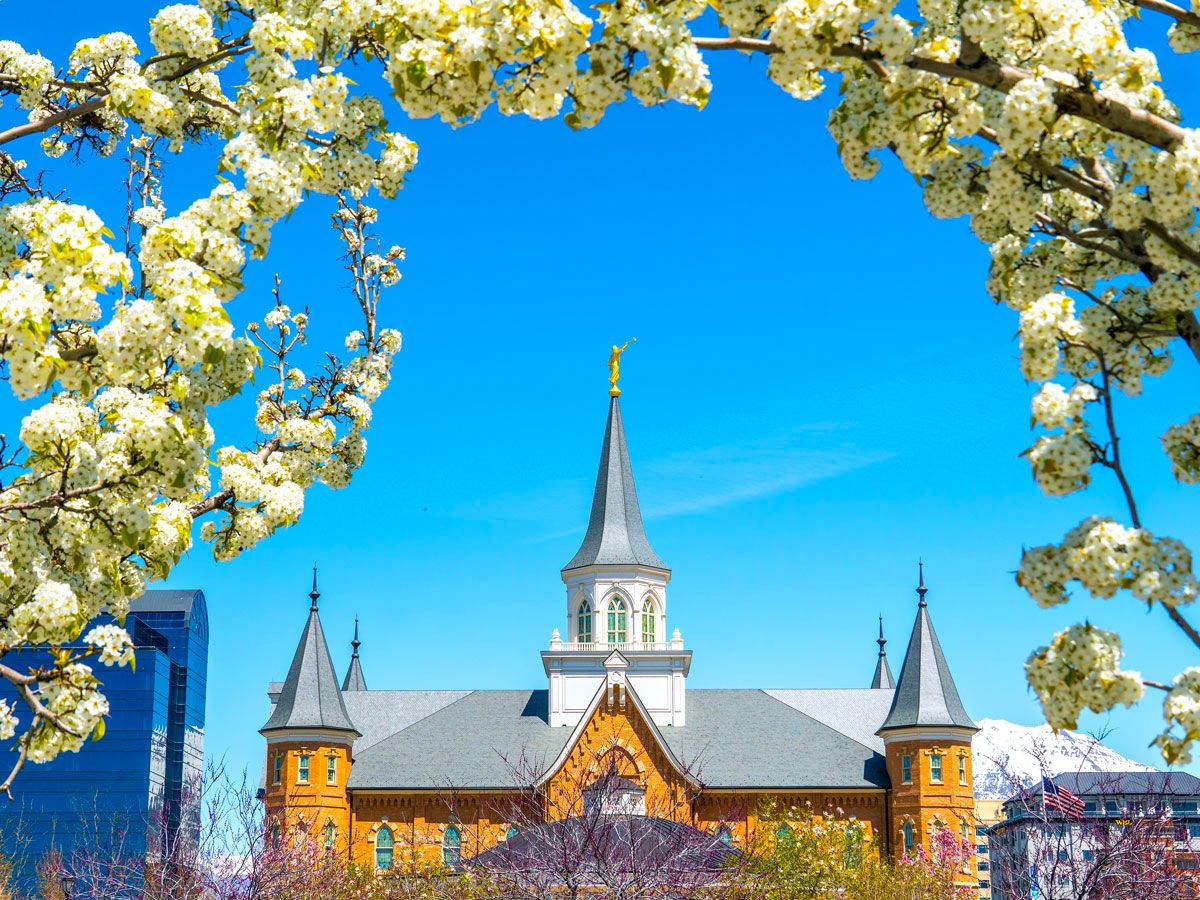
Salt Lake City skyline with mountains in background
Credit: DenisTangneyJr/ iStock via Getty Images Plus 

Growing up in Utah, school children will get in trouble for “sluffing,” a regional slang term that refers to cutting class. The term is likely derived from the word “slough,” meaning to shed something or get rid of something. Technically, the students are just shedding a day from their attendance records. Coincidentally, “sluff” is also an avalanche term for when loose snow on top of a snowpack slides as a formless mass — another common occurrence in Utah.

Grindz – Hawaii

Small islands off the coast of Hawaii
Credit: Youli Zhao/ iStock via Getty Images Plus 

“Grindz” (sometimes spelled “grinds”) is a Hawaiian slang term for food. It dates back to the mid-1800s and early 1900s, when different ethnic groups moved to Hawaii to work on sugar and pineapple plantations and had to learn how to communicate with each other. The resulting language was Hawaiian pidgin (also called Hawaiian Creole). “Grindz” is an all-purpose term used to refer to good food. If the food is extra delicious, one would say “ono grindz.”

Ope – The Midwest

Intersection in Iowa City, Iowa
Credit: DenisTangneyJr/ iStock via Getty Images Plus 

While most of the country would just say “whoops” or “oops,” Midwesterners enjoy using “ope” instead. If you accidentally bump into someone in the Midwest, a common response is, “Ope, I’m sorry.” According to a linguist interviewed by Wisconsin Public Radio, however, it’s not technically exclusive to the Midwest. And “ope” doesn’t come from a specific language; rather it’s a spontaneous vocalization people make when a sudden interruption stops the flow of air while speaking, similar to the sound that “oops” later came to represent in written form.

Post Banner Image
Tips

The One Airport Feature That Increases Traveler Happiness

By Julia Hammond
Read time: 5 minutes
December 16, 2025
Updated: December 16, 2025

The One Airport Feature That Increases Traveler Happiness

By Julia Hammond
Author
Julia Hammond
Julia is a U.K.-based travel writer whose work has been featured in The Independent, The Telegraph, The New Zealand Herald, and Culture Trip, among others. She’s an enthusiastic advocate for independent travel and a passionate geographer who has had the privilege of traveling to more than 130 countries in search of a story.

Does thinking about travel make you happier? According to a recent survey, even just planning a vacation can do wonders for our mood and mental health. In April 2025, Talker Research polled 2,000 Americans who had traveled within the last year and found that 68% of them agreed that the anticipation of their next trip was as good as the trip itself. However, 78% of participants felt that the journey home was the worst part, reflecting the stress that travelers often feel transiting through airports. So, what can be done to improve the passenger experience? Let’s take a look at what the world’s best airports have in common.

How Airports Play Their Part in Traveler Happiness

Passenger relaxing in airport lounge
Credit: izusek/ E+ via Getty Images 

Given the survey results, it’s clear that many airports have a lot of runway, so to speak, to create a better environment for travelers. A 2025 analysis by J.D. Power, an organization that specializes in consumer insights and behavior, identified three key areas that airport managers should focus on: the provision of comfortable seating, water bottle filling stations, and quiet areas — all of which make time at an airport feel like less of an ordeal. Of course, this is in addition to efficiency basics like minimizing queuing time at bottleneck points (such as security screening) and maintaining impressive on-time performance statistics.

Related: The 10 Most On-Time Major Airports in the U.S.

Make the Airport Feel Less Like an Airport

Control tower, airport terminal building, and roadway
Credit: HuyNguyenSG/ iStock Editorial via Getty Images Plus

However, if we take a closer look at the airports that travelers view the most favorably, those that invariably earn rave reviews have a common element: the airport experience. In short, making an airport feel less like a transit hub and more like a visitor destination can pay dividends. 

And one particular airport has been a consistent high achiever: Singapore Changi. It was named the World’s Best Airport for 2025 in the Skytrax World Airport Awards, the 13th time it has topped the prestigious list. When interviewed about the most recent win, Changi Airport CEO Yam Kum Weng said, “It is indeed gratifying to receive this recognition, and this certainly encourages us to continue to strive to provide the best travel experience.”

What Does Singapore Changi Airport Do Differently?

Indoor waterfall at the Jewel shopping complex at Singapore Changi Airport
Credit: Mlenny/ iStock Unreleased via Getty Images 

Alongside the usual check-in desks, security screening facilities, gates, and baggage carousels, travelers at Changi encounter spaces they wouldn’t usually associate with airports. 

The calming influence of nature plays a significant role: Within the airport and the attached Jewel entertainment and retail complex, you’ll find the world’s highest indoor waterfall, a butterfly garden, an outdoor bamboo garden, a canopy park, a topiary walk, a cactus garden, and even a hedge maze.

Art installations dot the airport’s terminals, and there’s an emphasis on having fun. Among a plethora of opportunities for young ones to let off steam, Changi provides a bouncing net, climbing wall, mirror maze, and slides. In fact, no matter your age, you’ll probably be having such a good time when boarding is called that you won’t want to leave.

Other Airports Following Changi’s Lead

Canopy walk at Singapore Changi Airport
Credit: hasan zaidi/ iStock Editorial via Getty Images Plus

Singapore’s commitment to creating an airport experience that doesn’t feel like an airport experience is a move that hasn’t gone unnoticed by other major hubs.

For instance, Doha’s Hamad Airport, which took the top spot from Changi in the Skytrax awards in 2022 and 2024, has also gone all out to woo passengers. A golf simulator in this Qatari hub is an effective antidote to hours spent in a cramped aircraft cabin, while the airport’s Vitality Wellbeing and Fitness Center contains squash courts and a swimming pool. For those content simply to stretch their legs, myriad art installations enhance terminal buildings bursting with retail stores

Meanwhile, at Seoul’s Incheon Airport, Korean culture is celebrated with a museum devoted to K-pop as well as regular live performances of Gugak, a traditional form of music. Closer to the U.S., the Vancouver Aquarium maintains a 30,000-gallon tank in the city’s international airport terminal, containing more than 5,000 marine creatures native to British Columbia. Spot wolf eels, sea urchins, sea cucumbers, colorful fish, and anemomes before you head to the gate.

The Best U.S. Airports for Experience-Based Activities

Underground tunnel at airport
Credit: CarolinaSmith/ iStock via Getty Images Plus 

Looking for a happy airport experience within the U.S.? Consider heading to Las Vegas, where Harry Reid International doubles as an aviation museum with exhibits spread throughout Terminal 1, such as a Red Thunderbird and a history-making 1958 Cessna 172. It’s also one of only two U.S. airports (the other being Reno-Tahoe International Airport) where passengers over 21 years of age can try their luck on slot machines. 

In Texas, Austin-Bergstrom International Airport plays host to regular live music gigs; check the schedule on the airport website to see who’s playing when your flight departs. For those with an interest in architecture, LAX’s Theme Building in Los Angeles is a must-see, and Detroit’s funky LED tunnel is a pleasant diversion for those switching terminals at the city’s airport. 

Meanwhile, adjacent to JFK’s Terminal 5 in New York City, you’ll find the TWA Hotel, where you can relax in the faithfully restored sunken lounge designed in the 1960s by Eero Sarineen, as well as a cocktail bar housed inside a vintage Lockheed Constellation L-1649A. You can also learn about the history of Trans World Airlines, in particular its mid-20th-century heyday, in a museum curated by the New York Historical Society.

Related: 5 of America’s Quirkiest Themed Hotels
Post Banner Image
Architecture

7 Hotels With Unforgettable Bathrooms

By Cynthia Barnes
Read time: 4 minutes
December 15, 2025
Updated: December 16, 2025

7 Hotels With Unforgettable Bathrooms

By Cynthia Barnes
Author
Cynthia Barnes
Cynthia kicked around the world for a while before landing in Colorado. Her work has appeared in Food & Wine, the Boston Globe, and National Geographic, among others. She loves dives — both scuba and bars — baseball, the Oxford comma, and live music.

When choosing a hotel, travelers mainly consider location, price, comfort, and amenities. Until recently, bathrooms were mostly an afterthought even in luxury hotels. Today, however, baths often receive as much attention to detail from hotel designers as lobbies, pools, and other public spaces. Whether it’s jaw-dropping views or over-the-top soaking tubs, put on the “do not disturb” sign and check out seven of the most unforgettable hotel bathrooms around the world.

Aman Tokyo – Tokyo, Japan

Soaking tub overlooking Tokyo skyline at Aman Tokyo
Photo credit: Image courtesy of Aman Tokyo 

Perched high above the vibrant Japanese capital, the Panorama Suites at Aman Tokyo deliver one of the world’s most spectacular bathtub views. Guests can soak in a traditional deep-soaking stone furo tub set beside floor-to-ceiling windows gazing out over the skyline and the majestic silhouette of Mount Fuji (visible on clear days). Blending the elegance of Japanese minimalism, washi paper, natural wood, and granite with ultramodern luxury, these suites offer a rare sanctuary of space and serenity. 

The Inn of the Five Graces – Santa Fe, New Mexico

Colorful mosaics in bathroom at the Inn of Five Graces in Santa Fe, New Mexico
Photo credit: Image courtesy of The Inn of the Five Graces 

The ornate opulence of traditional caravanserais — guest houses built to welcome traders along the historic Silk Road — comes to the high desert of Santa Fe at the Inn of the Five Graces. And the baths are every bit as over-the-top as the rest of this award-winning property. Each of the inn’s jewel-box bathrooms is unique, but all feature deep soaking tubs illuminated by flickering lanterns, scattering light across mosaics crafted from handlaid tiles and semiprecious stones. Plus, don’t miss the inn’s mouthwatering complimentary breakfasts — which you can enjoy in your suite.
SB Winemaker’s House and Spa Suites – Mendoza, Argentina

Soaking tub at SB Winemaker’s House and Spa Suites in Mendoza, Argentina
Photo credit: Image courtesy of SB Winemaker’s House & Spa Suites

After a long day (perhaps on horseback) in the foothills of the Andes, prepare to be pampered. At Susana Balbo’s winemaker’s house, the spa suites are a world unto themselves. Each suite features a steam room, locally made bath amenities, and a massage table, while four of the seven suites are also equipped with a dry sauna. A turndown service of in-room aromatherapy is prepared in the en-suite tub, shaped like the concrete egg wine tanks that are used in the fermentation process. Each of the spa suites also has its own living room, terrace, and curated wine fridge — along with a private garden, an outdoor fire pit, and heated loungers that are hidden from other guests by a wall of foliage and volcanic stone.

Hotel Yellowstone – Jackson, Wyoming

Bathroom with mountain views at Hotel Yellowstone
Photo credit: Image courtesy of Hotel Yellowstone 

Hit the slopes, then hit the soaks: The bathrooms at Hotel Yellowstone are clad head-to-toe in Calacatta marble and outfitted with radiant heated floors, making each space feel like a private spa. Unwind in the oversized freestanding soaking tub after a day of exploring Jackson Hole, or enjoy a glass-enclosed shower stocked with Byredo bath products. Toto Washlet Japanese-style toilets offer elevated hygiene; towel warmers ensure warm, fresh linens at all times; and motion-activated vanity lighting adds a sleek, high-tech touch. To top it all off, expansive windows treat guests to spectacular views of the surrounding mountains and valleys.

The Point – Saranac Lake, New York

Spacious bathroom with tub and rain shower at the Point in Saranac Lake, New York
Photo credit: Images courtesy of The Point Resort 

Channel your inner Rockefeller at the Point, the only Adirondack Great Camp from the Gilded Age that’s open to the public. Built in the 1930s, the rustic-chic log-and-stone cabins turn the idea of “roughing it” upside down — and the baths are no exception. Here, you’ll find stone walk-in showers with dual showerheads, deep freestanding copper soaking tubs, vintage tile work, cozy fireplaces, and expansive lake and mountain views.

Beaverbrook – Surrey, England

Bathroom at the Beaverbrook hotel in Surrey, England
Photo credit: Image courtesy of Beaverbrook 

For those who can never get enough Downton Abbey in their lives, look no further than this 470-acre estate tucked in the hills of scenic Surrey. “Posh” doesn’t begin to describe the late Victorian mansion, which was owned by Lord Beaverbrook, a Canadian British newspaper publisher and friend of Winston Churchill. Today, guests can soak in the lavish bath or the walk-in shower of the Dowager Room while looking out at the grand gardens and reveling in the aristocratic luxury of bygone days.

Rome Cavalieri – Rome, Italy

Jetted tub in bathroom of guest room at Rome Cavalieri hotel
Photo credit: Image courtesy of Rome Cavalieri, A Waldorf Astoria Resort

Ah, la vita dolce: The luxurious Penthouse Suite at Rome Cavalieri is tastefully designed with floor-to-ceiling white marble walls and countertops with gleaming wood floors. It’s accented with green marble and equipped with a spacious triple shower and a relaxing jetted tub. The hotel’s priceless art collection enhances the lavish experience — look no further than the suite’s movie star-worthy tub fitted with a striking portrait of Marilyn Monroe.