5 Helpful Stretches To Try Before and After a Long Flight
By
Fiona Mokry
Read time: 3 minutes
November 11, 2025
Updated: November 11, 2025
5 Helpful Stretches To Try Before and After a Long Flight
Tips •November 11, 2025•Updated: November 11, 2025
By Fiona Mokry
Author
Fiona Mokry
Fiona has spent her career exploring the world and working in the travel industry, turning her lifelong passion into a profession. From planning custom trips to sharing stories as a travel writer for publications such as The Discoverer, she’s all about helping others experience the world in a deeper, more meaningful way.
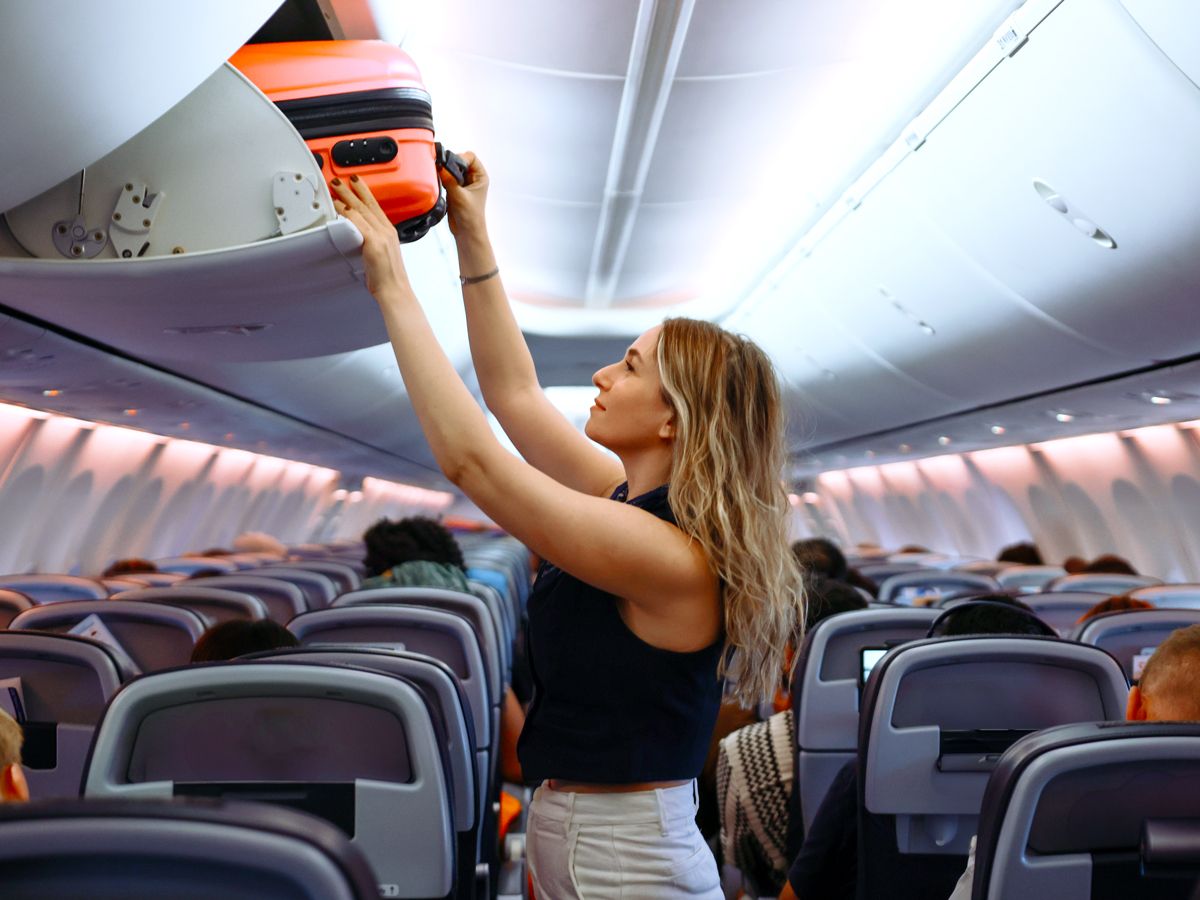
When you’re facing hours of sitting on a long-haul flight, taking a few minutes to stretch before boarding can make a big difference in how your body feels and functions during and after the journey. Remaining still for extended periods can lead to stiffness, swelling, and general discomfort, but it also carries a more serious risk known as deep vein thrombosis (DVT), a condition caused by blood clots that form in the legs due to poor circulation. Fortunately, small movements can go a long way toward preventing stiffness and promoting circulation. Here are five of the most helpful stretches health experts recommend you perform before, during, or after a flight.
Ankle Rotations
Credit: marchmeena29/ iStock via Getty Images Plus
How to do it: Lift one foot slightly off the floor and begin rotating your ankle in slow, controlled circles, as if you’re drawing large circles with your toes. Do 10 rotations in each direction, then switch to the other foot. Repeat for two more sets and you’ll feel your lower legs start to wake up as blood flow increases. This simple move goes a long way toward preventing stiffness, swelling, and that “heavy leg” feeling that often comes from sitting too long.
Sitting on the edge of your chair, bring one knee up toward your chest, using both hands to gently pull it in and hold for about 15 seconds before switching to the other leg. On the next round, you can also consider crossing your ankle over the opposite knee so your legs form a figure four. Keep your back straight and hinge forward slightly at the waist until you feel a comfortable stretch in your glutes and outer hips. This seated stretch releases tension in your hips, glutes, and lower back, which all tend to tighten up after hours in a cramped airplane seat.
For this stretch, sit tall and upright with both feet planted flat on the floor. Place your right hand on the outside of your left knee and gently twist your torso to look over your left shoulder, keeping your spine long. Hold for 15 to 30 seconds, then slowly unwind and repeat on the other side. This gentle twist eases tightness along your spine and helps stimulate circulation through your torso, improving overall flexibility and posture.
Sitting in an upright position, drop your right ear toward your right shoulder while extending your opposite hand to the side and hold for a few seconds, feeling the stretch through the side of your neck. Repeat two to five times, holding for 15 to 30 seconds each time. This stretch can feel especially good if you doze off in an awkward position or spend too much time looking down at a phone or screen. It helps release tension in your neck, shoulders, and upper back — areas that can carry a lot of stress during travel.
Sit forward in your seat or stand tall with your feet hip-width apart. Extend your arms in front of you, then slowly bend forward, rolling your spine down toward your toes and letting your head and shoulders hang heavy as you look at your feet. After 10 to 15 seconds, tuck your chin to your chest and slowly roll back up until you’re seated tall again. This full-back stretch helps decompress your spine, release built-up tension, and improve your posture after hours of sitting still.
Advertisement
More from our network
Daily Passport is part of Inbox Studio, an email-first media company. *Indicates a third-party property.
This Is the Most Popular Thanksgiving Side Dish in Your State
By
Bennett Kleinman
Read time: 4 minutes
November 11, 2025
Updated: November 11, 2025
This Is the Most Popular Thanksgiving Side Dish in Your State
Culture •November 11, 2025•Updated: November 11, 2025
By Bennett Kleinman
Author
Bennett Kleinman
Bennett is a New York City-based staff writer for Daily Passport. He previously contributed to television programs such as the Late Show With David Letterman, as well as digital publications like the Onion. Bennett has traveled to 48 U.S. states and all 30 Major League Baseball stadiums.
Turkey is a given on the Thanksgiving table, but side dishes are often a point of contention. Some people swear by stuffing, others prefer a good green bean casserole, and a select few folks passionately argue in favor of canned cranberry sauce. And it’s not just individuals who have their favorites — some states show strong preferences for a particular Thanksgiving side. Using Google Trends analytics compiled in 2024, we’re able to see the most uniquely searched Thanksgiving side dishes by state. Here’s a look at the most popular Thanksgiving side dishes in all 50 U.S. states.
According to the Google Trends data, casseroles are far and away the most popular category of Thanksgiving side dishes in the country, a favorite in 25 of 50 states. However, the preferred type of casserole differs from state to state, ranging from green beans to corn to sweet potatoes.
Green bean is the most popular variety, with the search trend analytics revealing that green bean casserole is the favorite side dish in 15 states (though no word on whether they sprinkle crunchy fried onions on top). These states are:
Alaska
Colorado
Hawaii
Idaho
Illinois
Indiana
Kansas
Kentucky
Michigan
Mississippi
New York
Ohio
Oklahoma
Vermont
Washington
Meanwhile, six states prefer sweet potato casserole above all else, though the presence of marshmallows — which Google also didn’t track — is an issue to be debated another day. The sweet potato list is:
Florida
New Jersey
Missouri
Pennsylvania
Tennessee
Wisconsin
Last but not least, corn casserole is a favorite Thanksgiving side in four states:
For many Americans, it’s hard to imagine a Thanksgiving table without a starch to complement the turkey. It should probably come as no surprise that mashed potatoes are the most popular starch, though perhaps what is surprising is that the fluffy, gravy-covered spuds rank as the top Thanksgiving side choice in just five states. They are:
Maine
Maryland
Montana
North Carolina
Oregon
Another favorite starchy side is baked mac and cheese, which is particularly popular among North Dakotans. It’s also worth noting that mac and cheese is the most popular side dish in our nation’s capital, Washington, D.C. And then there’s Rhode Island, whose residents enjoy a unique favorite: pumpkin risotto.
For as much of a Thanksgiving staple as stuffing may be, it topped the list of favorite sides in only five states (and there’s no word on whether they prefer instant stuffing or stuffing cooked inside the turkey). The stuffing-loving states were:
For some states, it’s all about the vegetables, whether they’ve been roasted, sautéed, or coated in a delicious glaze. Speaking of the latter preparation, glazed carrots are favored in Arkansas, while Utahns specifically enjoy carrots coated in balsamic glaze. Wyomingites, on the other hand, prefer roasted carrots coated with ginger and garlic.
Two states favor corn above all else. Iowa is one of them, which makes perfect sense given its reputation as one of the country’s leading corn producers. Nutmeggers — residents of Connecticut — also searched for corn more than any other Thanksgiving side dish.
Outliers in the vegetable category include roasted brussels sprouts (No. 1 in New Hampshire), bacon-wrapped green beans (South Carolina), and stuffed mushrooms (South Dakota).
Lastly, five states have a favorite Thanksgiving side dish that doesn’t neatly fall into one of the categories above.
One of these sides is deviled eggs, a favorite among residents of Minnesota and Virginia. Meanwhile, Delawareans have a specific fondness for brie mini tarts — those tiny puff pastries filled with gooey brie and topped with jam. Louisianans love a good fruit salad, and Nebraska’s most beloved side is ramen noodle salad. While it’s not your typical Thanksgiving fare, this crunchy and refreshing dish mixes ramen noodles, coleslaw, onions, almonds, seeds, and dressing.
Advertisement
More from our network
Daily Passport is part of Inbox Studio, an email-first media company. *Indicates a third-party property.
Tips •November 11, 2025•Updated: November 13, 2025
By Cynthia Barnes
Author
Cynthia Barnes
Cynthia kicked around the world for a while before landing in Colorado. Her work has appeared in Food & Wine, the Boston Globe, and National Geographic, among others. She loves dives — both scuba and bars — baseball, the Oxford comma, and live music.
When the temperature drops below freezing and the wind is more bitter than breezy, many people dream of escaping to a tropical island where the only ice is found in a cocktail glass. And while island vacations to hot spots such as St. Barts and the Seychelles can definitely drain your bank account, there are loads of sun- and sand-filled islands where you can find postcard-perfect beaches at prices that won’t give you sticker shock. Here are six affordable island destinations to consider for your next warm-weather getaway.
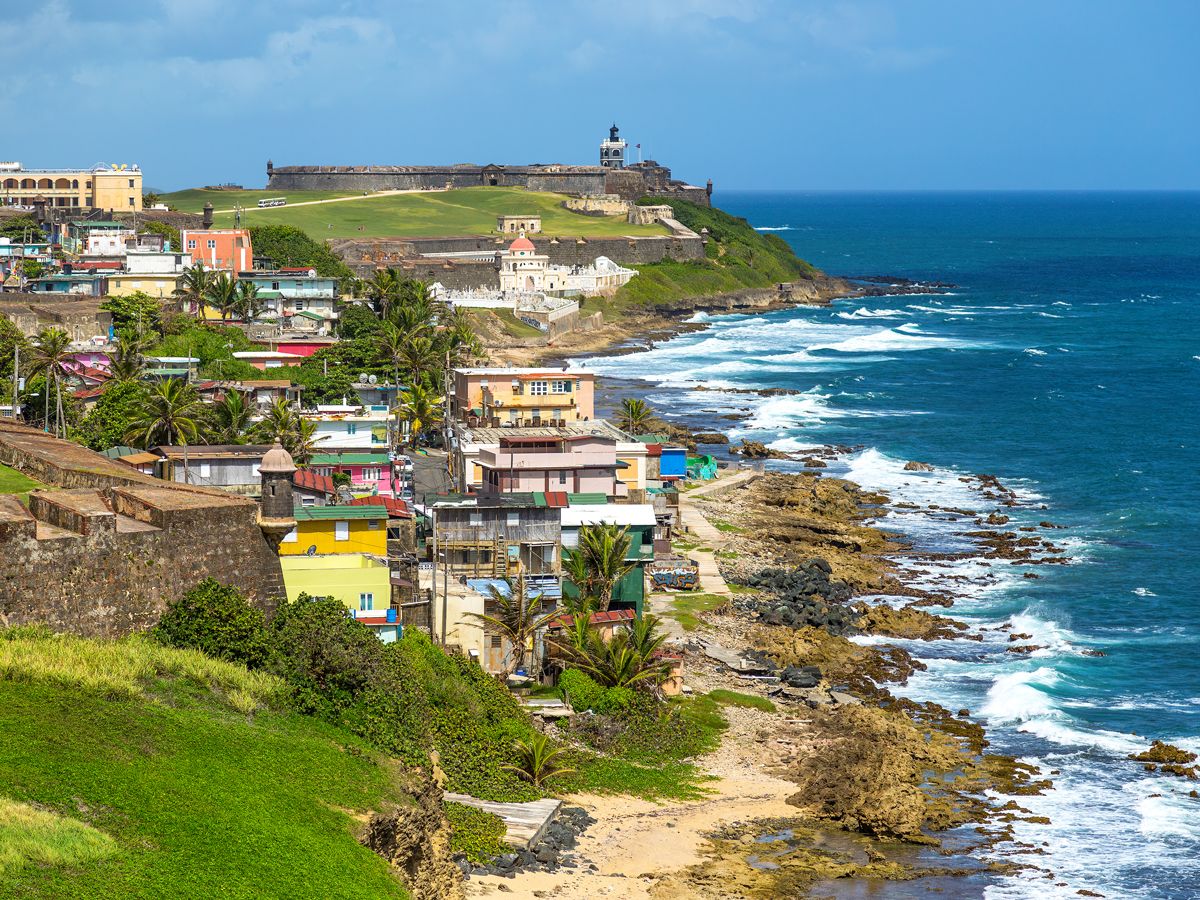
No passports, no currency conversions, and no international roaming charges — for U.S. citizens, Puerto Rico offers an especially easy and affordable getaway. Low-cost carriers like Frontier, JetBlue, and Spirit Airlines offer plentiful service to the island, and there are plenty of budget hotels to choose from starting at around $125 per night.
Bigger than Rhode Island and home to more than 3 million people, the former Spanish colony became a U.S. territory in 1898. San Juan, the capital, is an architecture lover’s dream, with an eclectic mix of styles — including 16th-century fortresses, dramatic churches, colorful Spanish-style homes, and serene courtyards.
Puerto Rico has around 300 beaches that range from secluded to see-and-be-seen, and the island offers every water sport imaginable. Admission to the waterfalls and wildlife of El Yunque Rainforest — the only tropical rainforest in the U.S. national forest system — is free, and access to the exhibits at the visitor center is only $8 per person for adults and free for kids younger than 16.
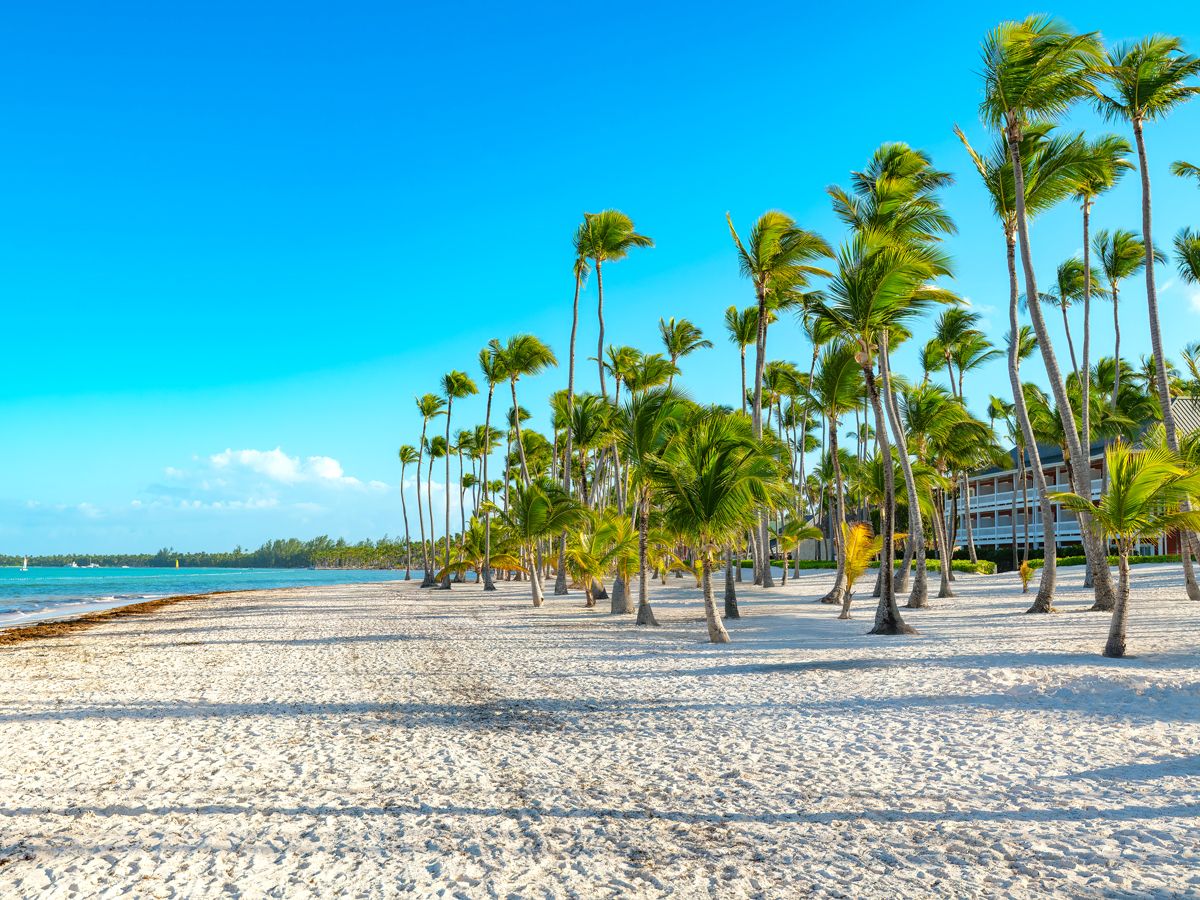
From Punta Cana to Puerto Plata, all-inclusive resorts are the name of the game in the Dominican Republic, one of the world’s fastest-growing tourism destinations. With nearly 50 direct flights from U.S. airports and more than 100 all-inclusive resorts, the Dominican Republic has options that range from adults-only and expensive to family-friendly and frugal, with some all-inclusive stays coming in at under $100 per night.
The country shares the island of Hispaniola (the second-largest island in the Caribbean) with Haiti. Christopher Columbus arrived on the island in 1492, and “La Zona” in the capital of Santo Domingo (a colonial city that is now a UNESCO World Heritage Site) has buildings that were constructed not long after. In addition to cobblestoned streets and colonial architecture, the vibrant district offers live music, cafes, and great people-watching.
The Dominican Republic is blessed with a bounty of beautiful beaches, but there’s more to do than simply sunbathe. Spots like Cabarete are great for surfing, windsurfing, and kiteboarding, and adventurers will want to trek to the 27 waterfalls of Damajagua and swim in the crystalline pools below. And a whale-watching tour is a must from December through March, when thousands of humpback whales descend upon Samaná Bay.
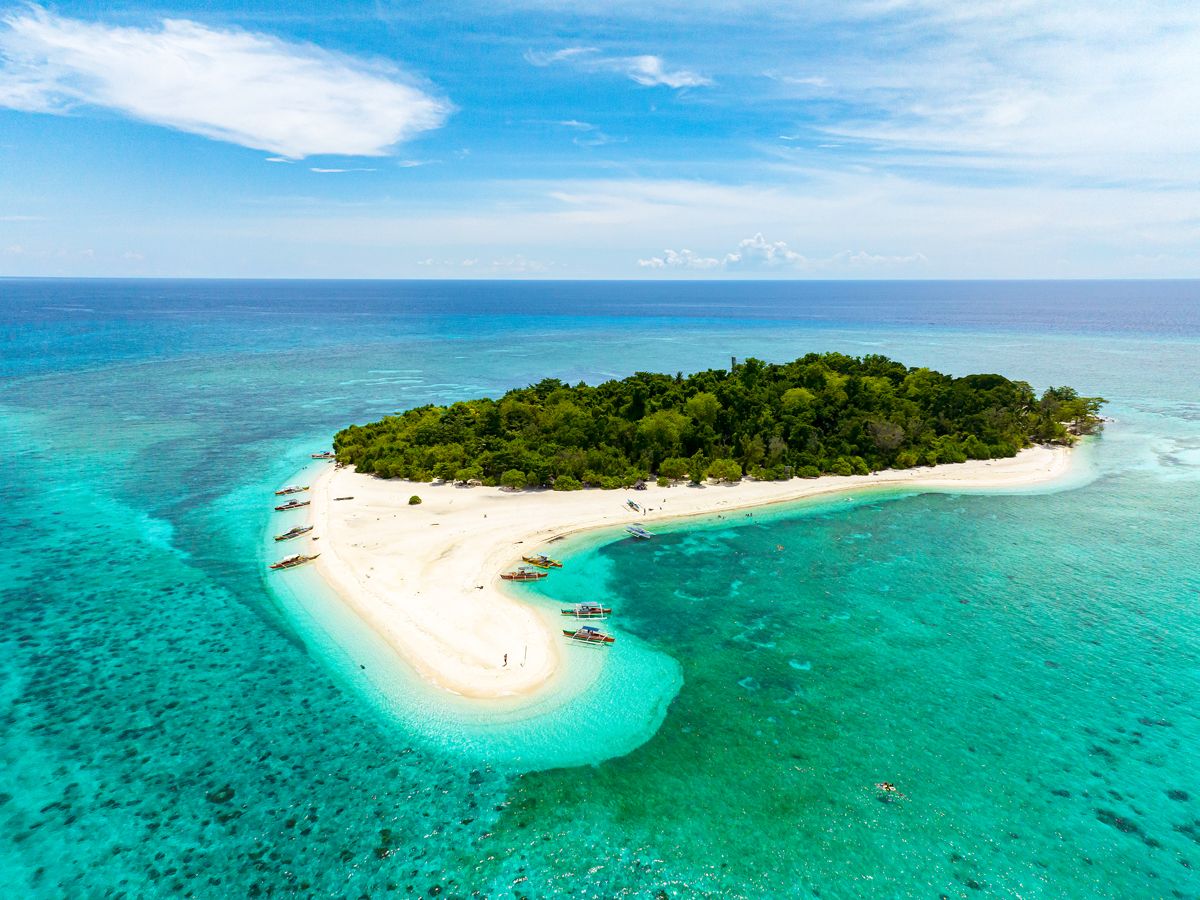
Expansive beaches, world-class scuba and snorkeling, friendly locals, and fabulous hotels for less than $100 USD per night? You can find all this — and much more — on the Philippine island of Camiguin. This rugged paradise boasts more volcanoes than towns, leading to its nickname “Island Born of Fire.” Relatively untouched by mass tourism, Camiguin is served by ferries as well as direct hour-long flights from Cebu City (fares can be found for as low as $35 one way).
Once you arrive, prices for guided tours (including island hopping) are remarkably reasonable. The island offers hot and cold springs, waterfalls, and an abundance of nature both on the surface and below the waves. Don’t miss the Sunken Cemetery and the Old Church Ruins, both caused by the 1871 eruption of Mount Vulcan.
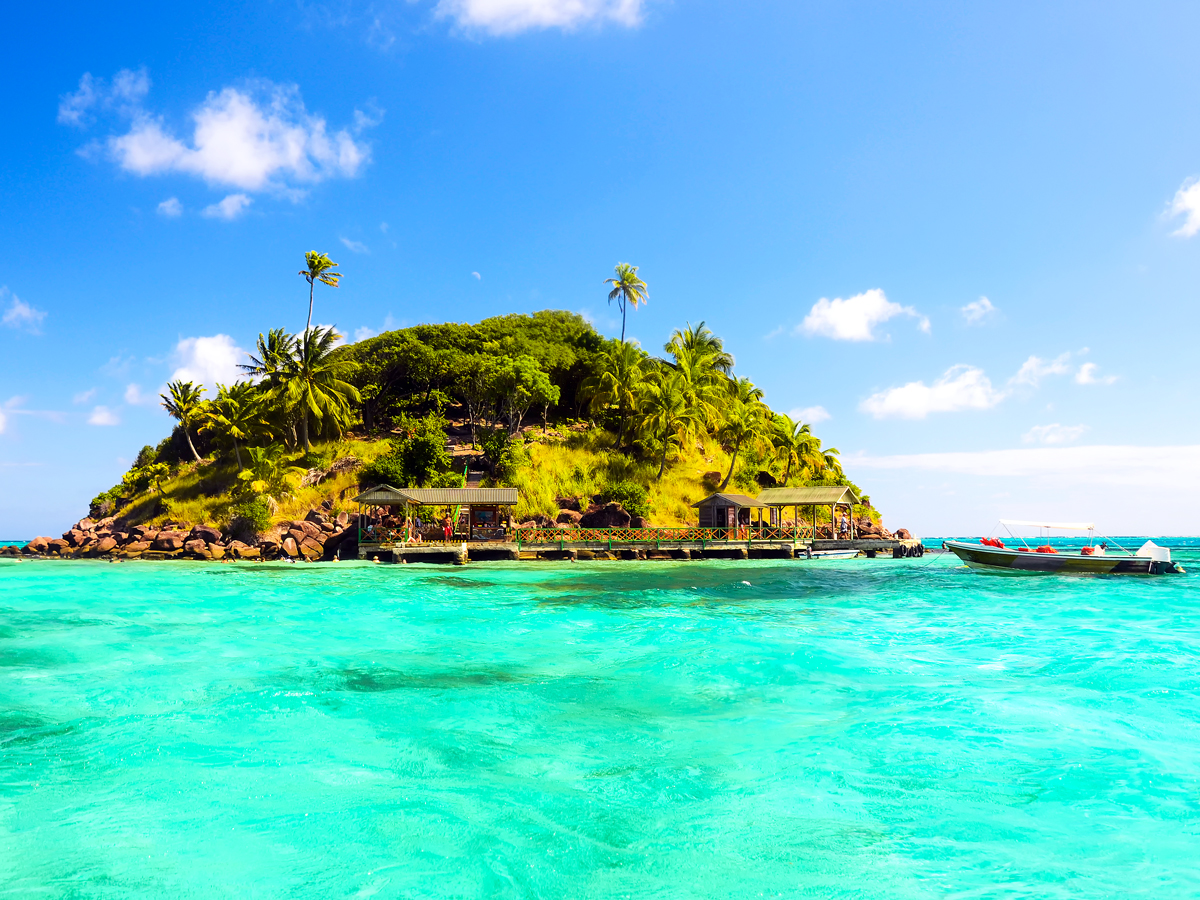
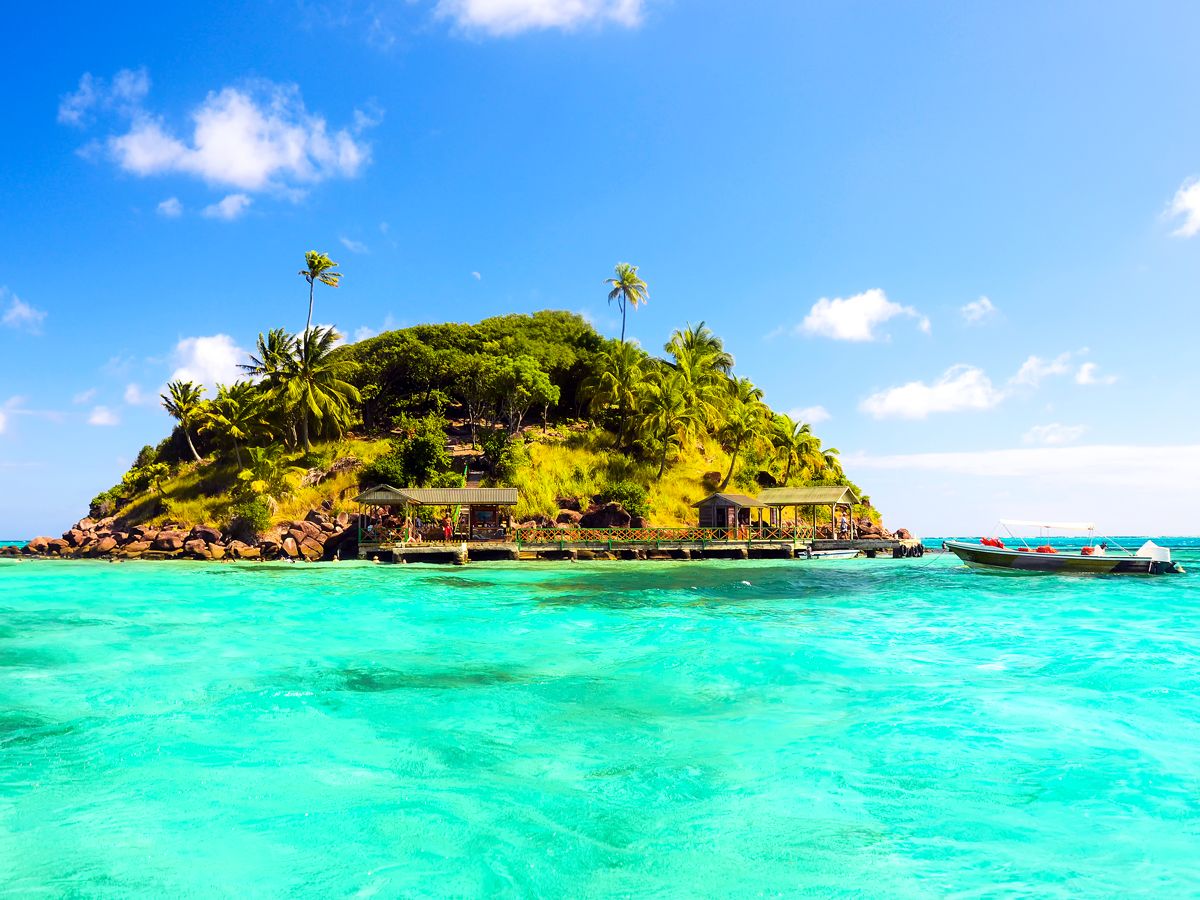
You’ll need to brave 15 minutes on a tiny plane from nearby San Andrés Island or a three-hour catamaran (both around $100) to get here, but your reward will be empty swaths of golden sand, turquoise waters, and a wonderfully refreshing remoteness. Closer to Nicaragua than it is to mainland Colombia, Providencia Island doesn’t have huge resorts or luxury all-inclusives. However, it does have great snorkeling and diving at some of the country’s best coral reefs. You may even come across a chest of gold — legend has it that pirate Henry Morgan buried his treasure here in the 17th century.
The local Raizal culture on the island is more similar to the Caribbean than to South America. You’ll find Creole or English spoken more often than Spanish, and the traditional dances are performed more to soca, reggae, and calypso than to salsa. Rates for hotels and guesthouses start at around $50 a night, and the island’s duty-free status helps keep drinks and shopping affordable, too.
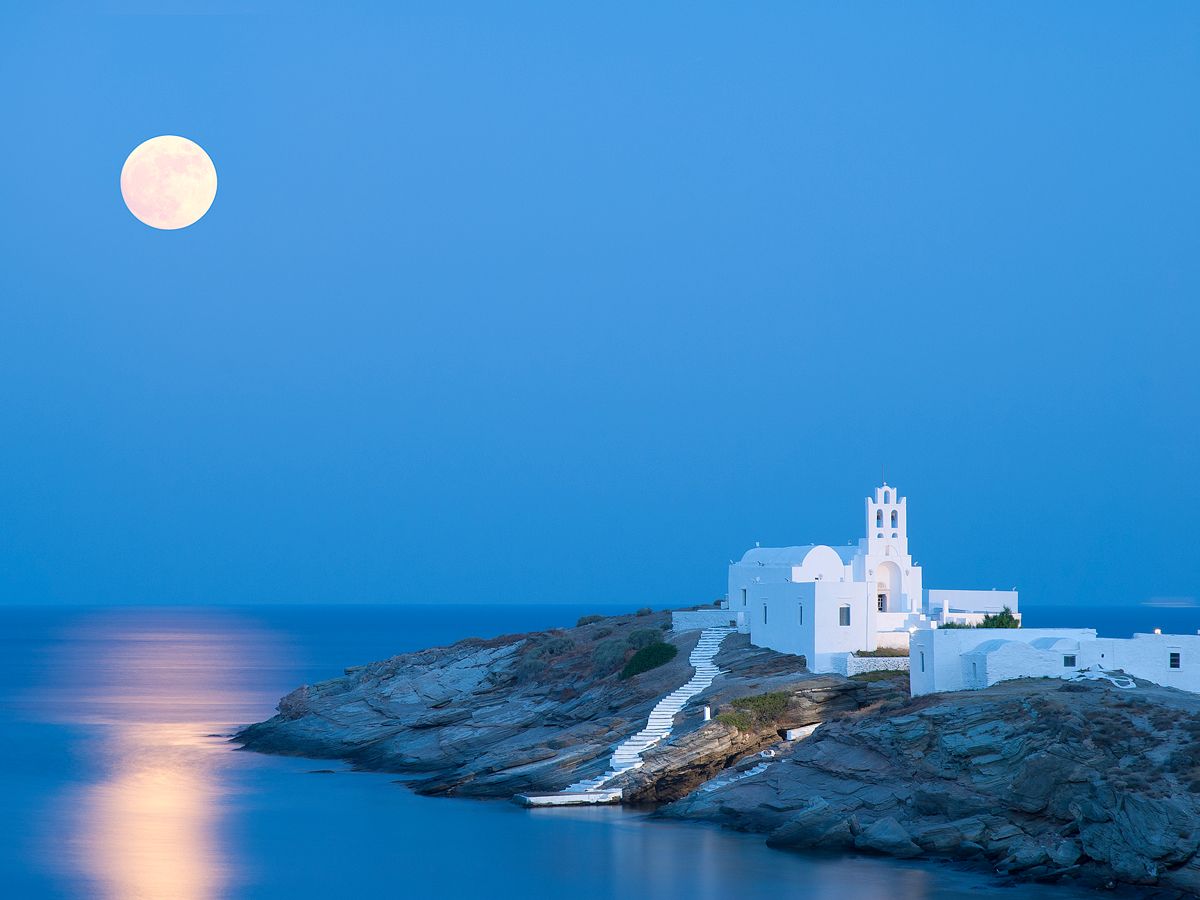
Move over, Mykonos — your sister island in the Cyclades is just as sweet but less crowded and much more affordable. Famed for food and pottery, the island of Sifnos boasts great beaches, stunning churches (don’t miss the fairy-tale Church of the Seven Martyrs), and an authentic, unpretentious vibe even at the fanciest places.
You’ll arrive by ferry to the port town of Kamares, which is a great spot for budget accommodations. The capital, Apollonia, built by Greeks in the sixth century BCE, has narrow streets, whitewashed houses, and undeniable charm. There is a bus system on the island, but staying in Apollonia is probably the best choice if you aren’t renting a car or scooter. Plus, you can’t go wrong with sparkling fresh seafood and locally produced wine at any one of the island’s rustic family-run tavernas.
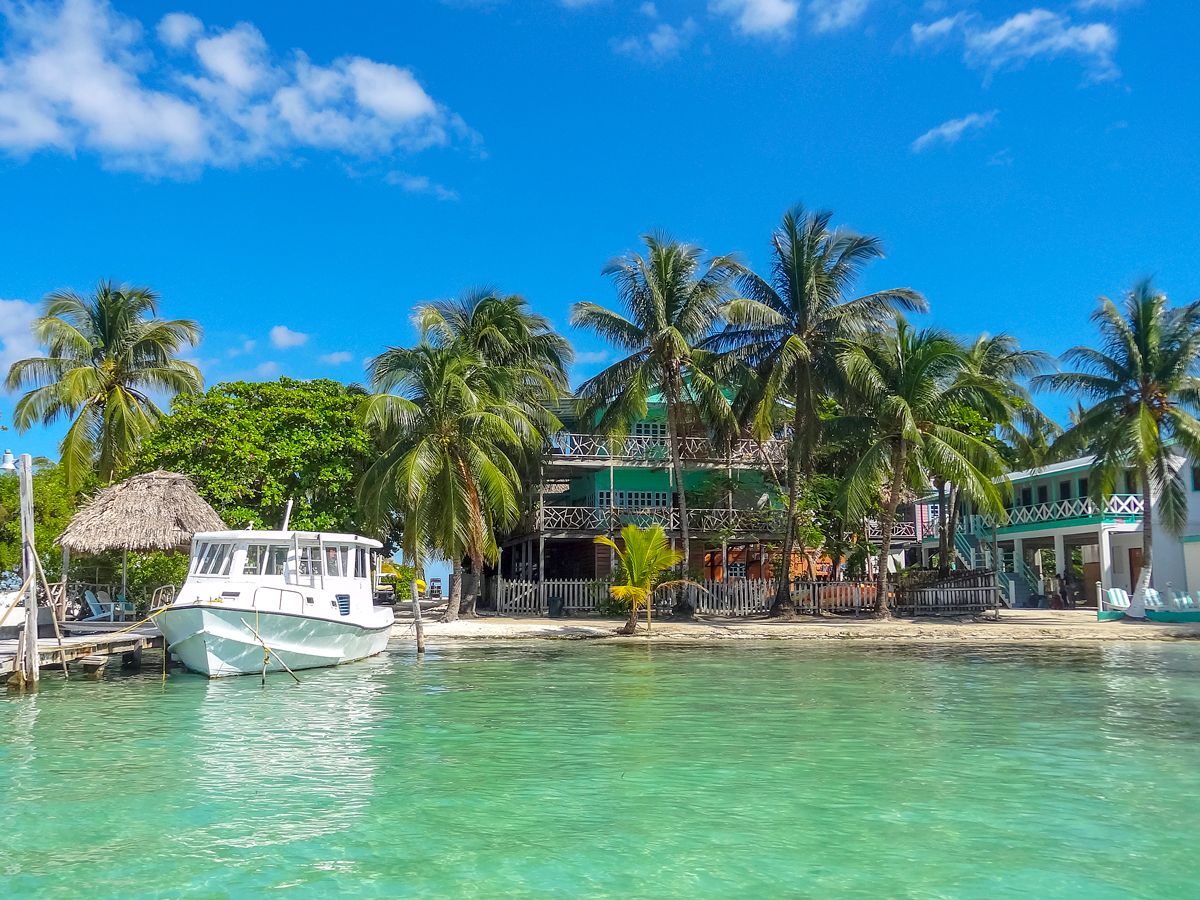
A 45-minute boat ride for about $20 USD brings you from Belize City to Caye Caulker, a tiny island where the vibes are up-to-date but the prices are definitely a throwback to less inflationary times. Just 5 miles long and a few blocks wide, the former fishing settlement features aqua blue waters and soft beaches that make for a prime Caribbean getaway, at prices that offer pure Central American value.
Snorkel for free off nearby reefs, like Iguana Reef near the edge of town, or explore on a rented bicycle — the only vehicles allowed are golf carts and government utility trucks. Hostels and guesthouses are plentiful and affordable, as are the island’s happy hours.
Advertisement
More from our network
Daily Passport is part of Inbox Studio, an email-first media company. *Indicates a third-party property.
Tips •November 11, 2025•Updated: November 11, 2025
By Michael Nordine
Author
Michael Nordine
Michael is a staff writer for Daily Passport and film critic who writes the weekly newsletter Movie Brief. His writing and criticism have also appeared in the Los Angeles Times, Variety, and the Washington Post, among others. A native Angeleno, his favorite countries to visit are Norway and Japan.
The Transportation Security Administration employs 65,000 people, 50,000 of whom are the security officers you see every time you catch a flight. But that isn’t all the TSA does. As part of its stated mission to “protect the nation’s transportation systems to ensure freedom of movement for people and commerce,” the agency — which was founded in the wake of the 9/11 attacks and is part of the Department of Homeland Security — has responsibilities that extend beyond the airport. Here are four things you may not know the TSA is responsible for.
Perhaps most notably, the Federal Air Marshal Service (FAMS) is part of the TSA. Though it’s a common misconception that there’s an air marshal on every flight, it’s estimated that there are about 3,000 air marshals serving nationwide. Given that there are more than 44,000 flights in the U.S. every day, the chances are low that your next flight will have an air marshal aboard, but because a crucial part of their job is blending in, there’s no way to know for sure. The program was founded in 1961 but used to be quite small; before 9/11, there were only 33 air marshals flying the friendly skies.
The “T” in TSA covers a lot more than just airplanes. The agency also protects what it calls surface transportation resources, which include freight rail, the highway system, passenger rail, and mass transit. The last of these encompasses more than buses, commuter rails, and light rails, totaling over 6,000 systems. In all, the TSA helps safeguard and implement security measures for over 4 million miles of roads, more than 611,000 bridges, and nearly 140,000 miles of railroad tracks.
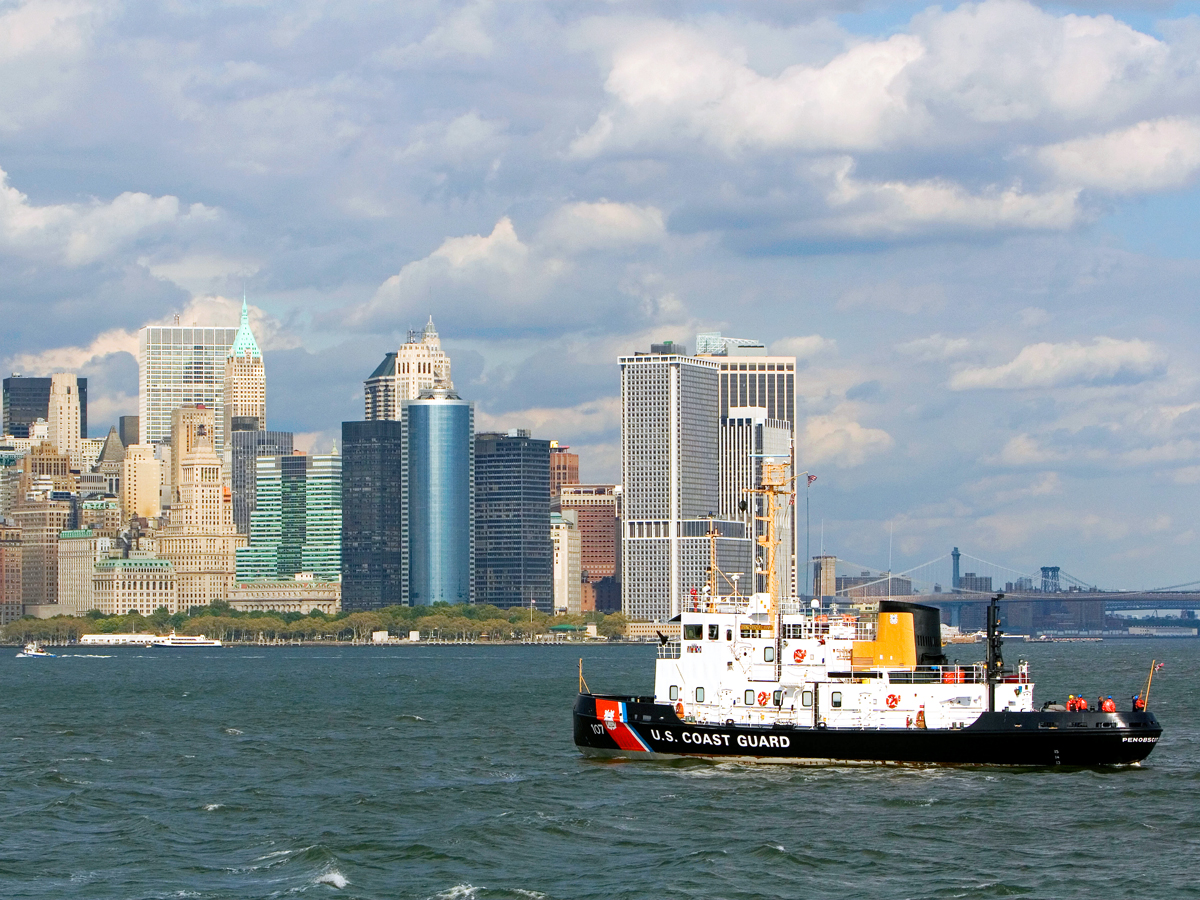
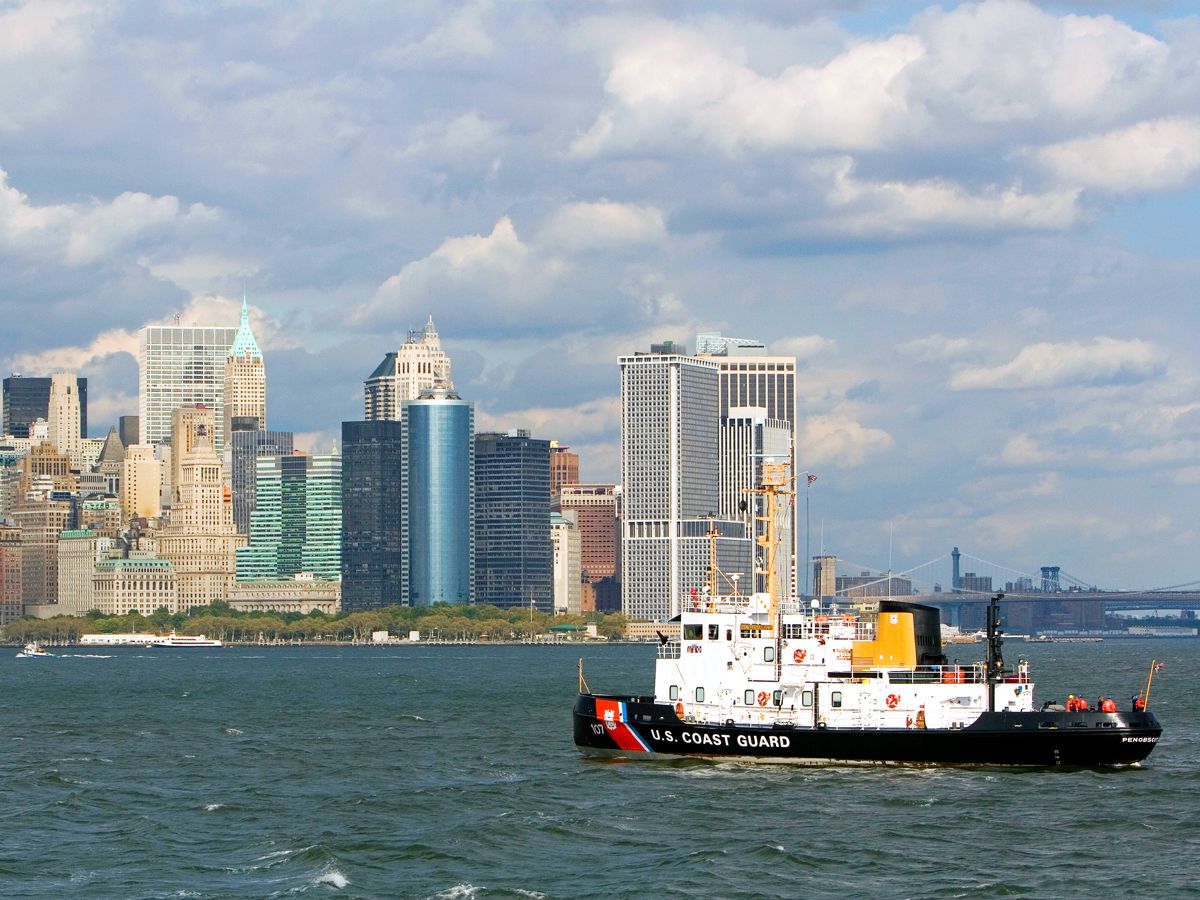
Focusing mainly on passenger protection and port connectivity, the TSA also assists the Coast Guard with maritime security along approximately 12,000 miles of coastline and over 25,000 miles of navigable waterways. That includes producing and distributing training materials and conducting regulatory inspections aimed at ensuring everything is up to code. Interestingly, the agency also works to secure the nation’s 2.7 million miles of natural gas and oil pipelines, working with operators and government agencies on issues such as cybersecurity, incident response plans, and security preparedness.
The TSA disburses funds via five different programs — the Transit Security Grant, Freight Rail Security Grant, Intercity Passenger Rail Security Grant, Intercity Bus Security Grant, and Trucking Security Program — with the intention of bolstering security systems. (Some of it even goes to ferries.) A portion of that money is earmarked for the structural integrity of infrastructure like tunnels and bridges, which are themselves a vital part of the country’s transportation network.
Rachel is a Washington, D.C.–based travel and lifestyle writer with roots in the Great Lakes region. When she’s not writing for publications such as The Discoverer and Interesting Facts, you’ll find her wandering through museums or exploring destinations off the beaten path.
Some destinations are so remarkable — and so popular — that last-minute planning simply won’t do. Whether it’s to witness a natural wonder, partake in a historic seasonal tradition, or even set sail to the end of the world, these experiences require early commitment. Booking early doesn’t just secure your spot — it also saves money and gives you the best choice of accommodations, tours, and flight itineraries. Below are seven unforgettable adventures experts recommend you plan at least a year in advance.
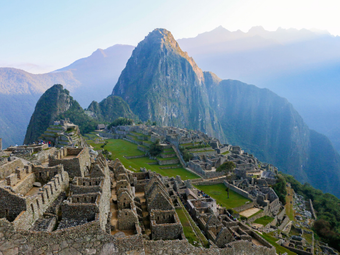
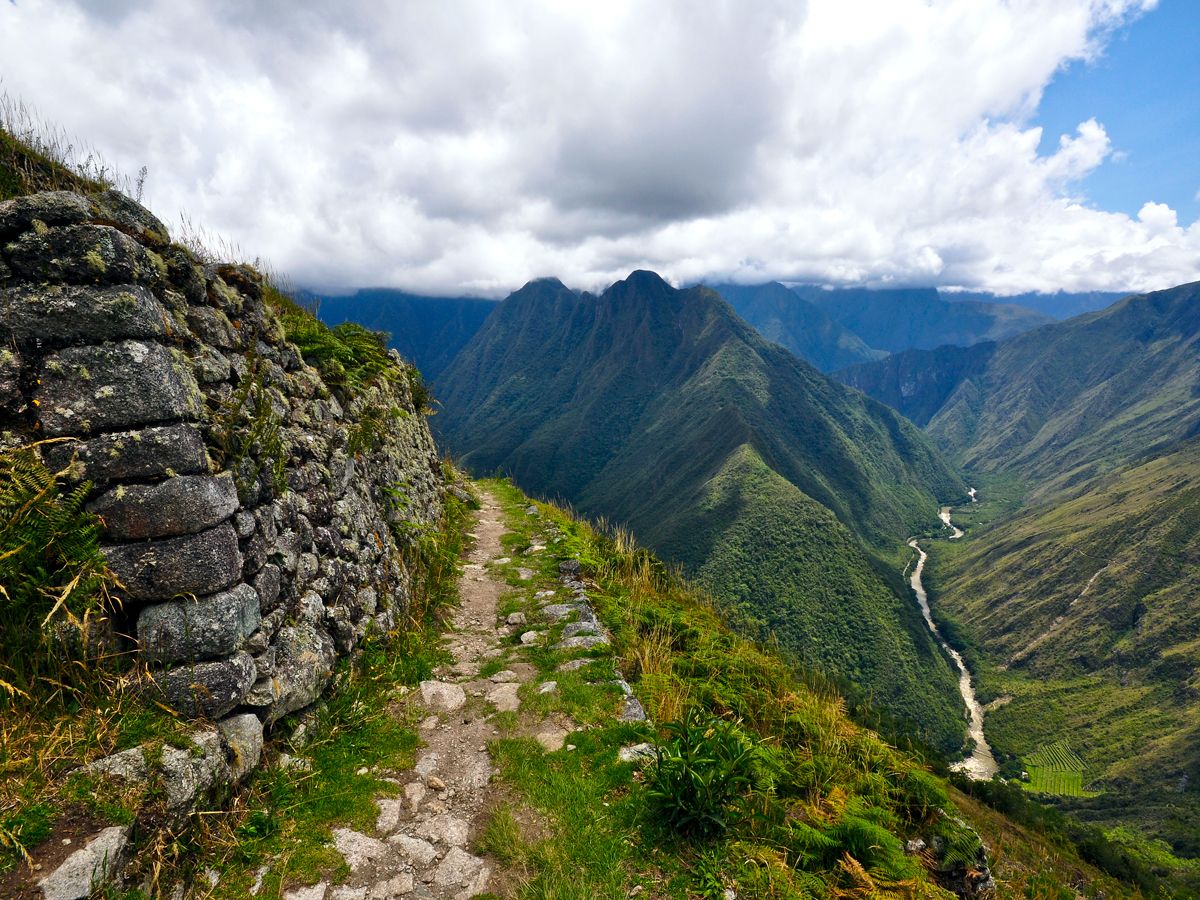
The Inca Trail is a famous four-day hiking journey through the Andes mountains of Peru that culminates at the ancient Inca citadel of Machu Picchu. This bucket-list destination is relatively remote and protected by the Peruvian government, so reaching it requires serious planning. Only 500 permits are issued per day (200 for trekkers and 300 for guides and porters), and they’re usually snapped up within days of release each October for the following year. The trail itself is open year-round, except in February, but May and June are the most popular months.
Be warned that securing a guide and a spot on the trail may not include entry to Machu Picchu, as the site itself has limited daily tickets. There are four “circuit” routes to choose from, which the local government designed to protect the ruins from overcrowding. Booking all of these activities as early as possible ensures you’ll have your trail permit and site access for the same dates.
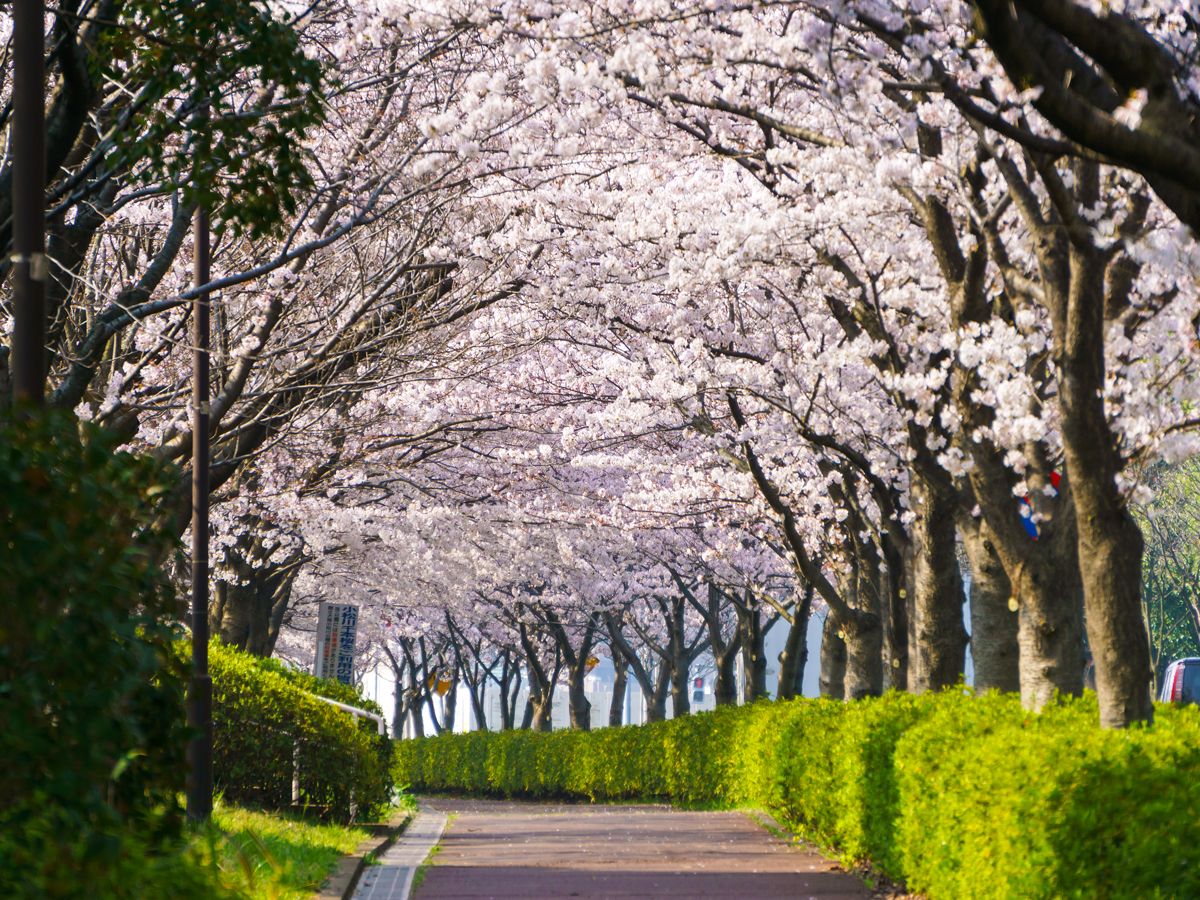
Japan’s cherry blossom (sakura) season unfolds each spring with a brilliant display of pink flowers. Between March and April, depending on weather, trees bloom throughout the country, but the most popular viewing spots for visitors are in major cities such as Tokyo, Kyoto, and Osaka. This is Japan’s busiest tourism season — hotels, rail passes, and activities sell out months in advance, especially in these hot spots.
For a less-crowded experience, consider visiting smaller towns like Kinosaki, known for its stunning blossoms, hot springs, and charming ryokan (traditional inns). While you should still book well in advance, it may not be as crowded here compared to larger cities.
Still, it’s easy to understand why tourists flock to places like Kyoto — there’s nothing quite like seeing the famous imperial palaces and gardens decorated with blossoms. But with popularity comes limited availability: The Fushimi Canal Boat Ride, one of the most picturesque ways to enjoy cherry blossoms in Kyoto, regularly sells out during peak bloom, but you can reserve your spot online ahead of time.
To visit one of the most remote places on the planet, it’s best to plan at least a year in advance. That’s because reaching Antarctica is an adventure in itself. Most travelers depart from the resort town of Ushuaia, Argentina, nicknamed the “End of the World” for its position at the southern tip of South America. From there, they embark on a cruise ship that crosses the Drake Passage, but because only a handful of licensed tour operators run these trips, spots are limited and fill up quickly.
Also of note: Antarctic voyages operate only during the Southern Hemisphere’s summer (November through March). Some cruise lines occasionally offer last-minute deals to fill empty cabins, but planning ahead helps secure your preferred itinerary, cabin type, and excursions. Seabourn, a luxury cruise line, is currently booking Antarctica expeditions as far out as 2028, offering excursions such as penguin viewing, ice walks, polar plunges, and zodiac boat cruises.
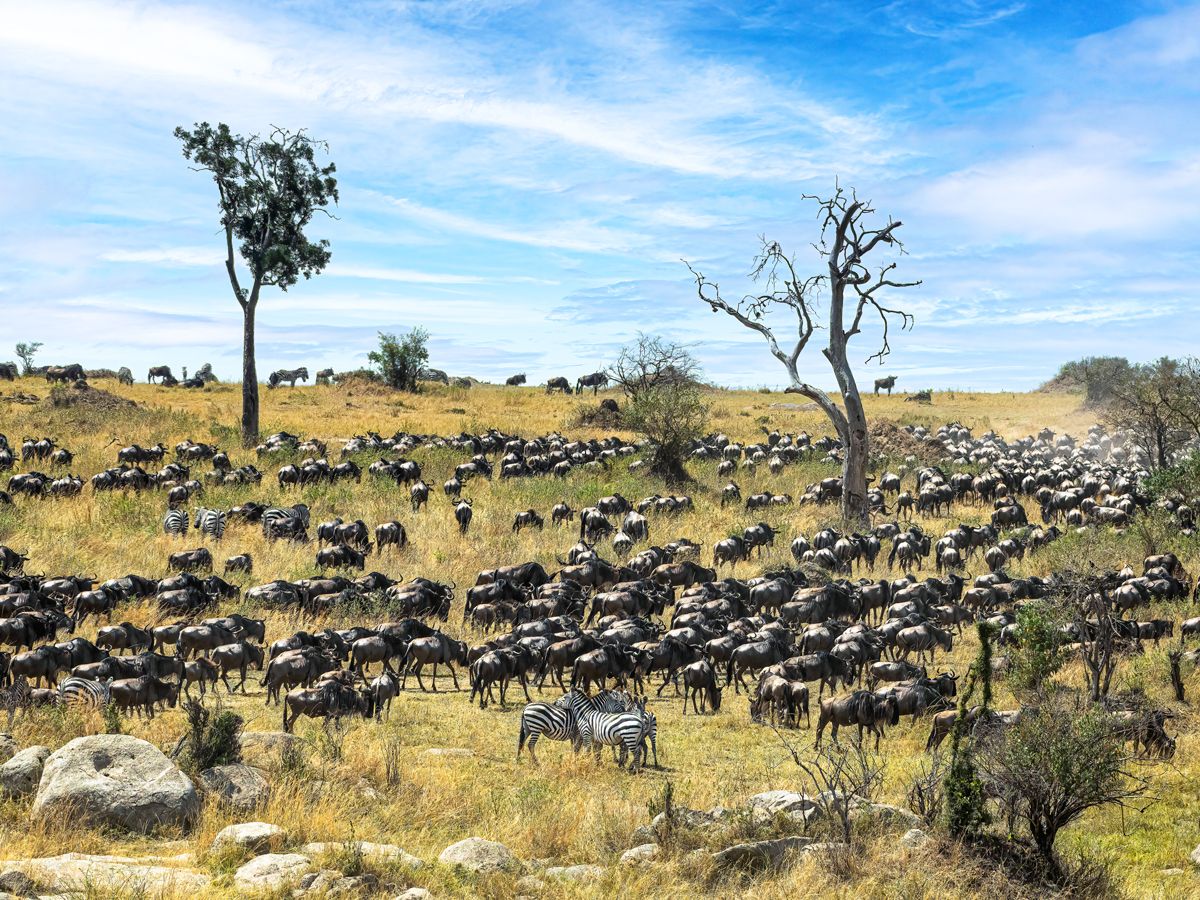
For many travelers, experiencing Africa’s great migration is a once-in-a-lifetime experience. Each year, more than 2 million animals, including wildebeest, zebras, and gazelles, move through Tanzania’s Serengeti in the largest mammal migration on Earth. To see the animals in action, you’ll need to be near the migration routes, which vary depending on the time of year. Between May and July, for example, the place to be is the Western Corridor, and accommodations and tours book quickly.
The Four Seasons Lodge Serengeti, one of the most luxurious safari stays in the region, is located in the Central Serengeti, north of the Seronera River Valley, an area known for year-round wildlife viewing. However, availability is already limited for June through August 2026, which is considered peak season for the area. To streamline tourist itineraries, many lodges coordinate guided safaris directly for their guests, so securing your stay early helps lock in those coveted excursions, too.
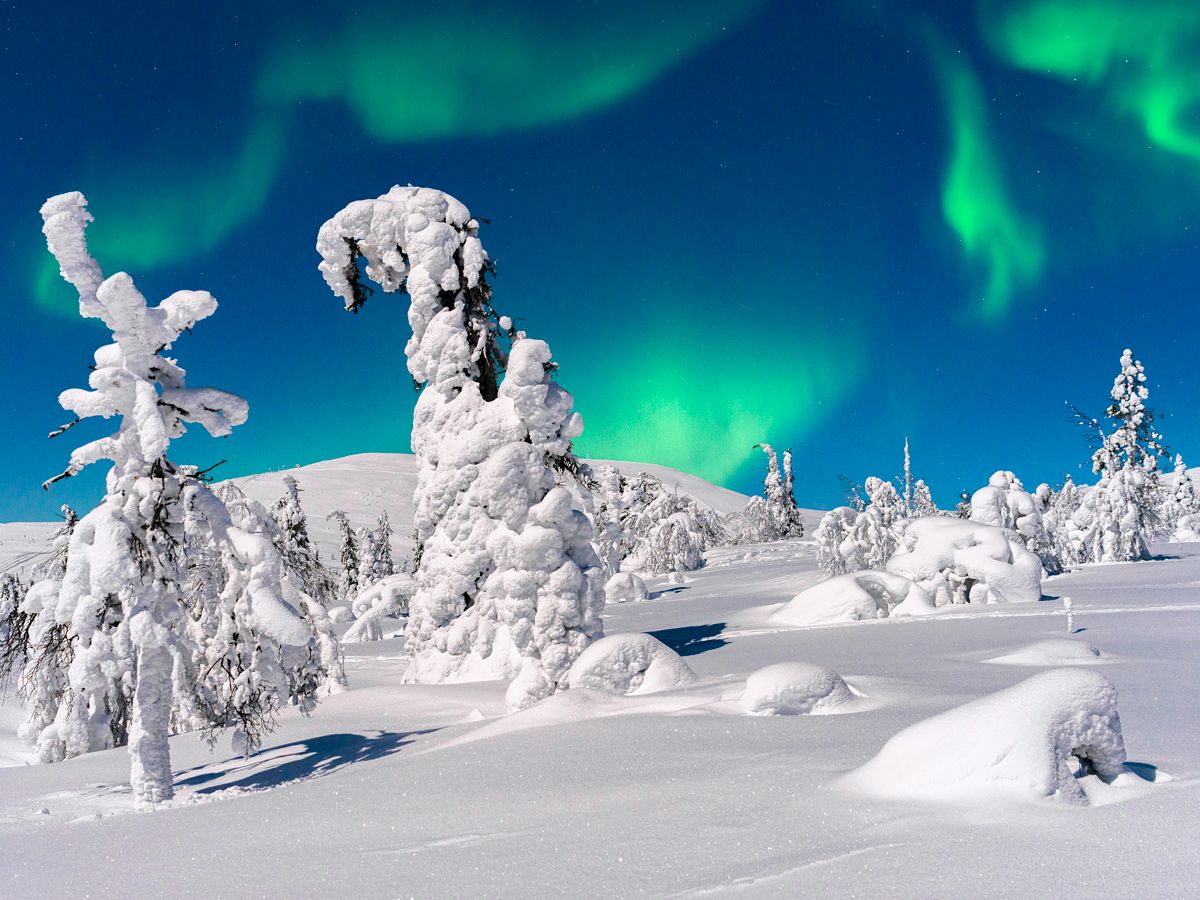
From December through March, Lapland is Finland’s premier northern lights viewing region. Due to its popularity during this time, hotels here often book up more than a year in advance, but fortunately, Lapland offers a variety of accommodation options. In Rovaniemi, Apukka Resort lets visitors sleep under the stars in glass igloos and Aurora suites. Nearby, the Arctic TreeHouse Hotel boasts floor-to-ceiling windows in its forest tree houses for epic views of the sky and surrounding scenery.
Due to the remote nature of the region, spots are also limited for activities in Lapland. If you plan to visit, be sure to book tours such as reindeer safaris and snowmobile adventures well ahead of time. Even spa treatments and fine dining often have limited availability, which is why locking in your complete itinerary well before arrival will allow you to make the most of your Arctic getaway.
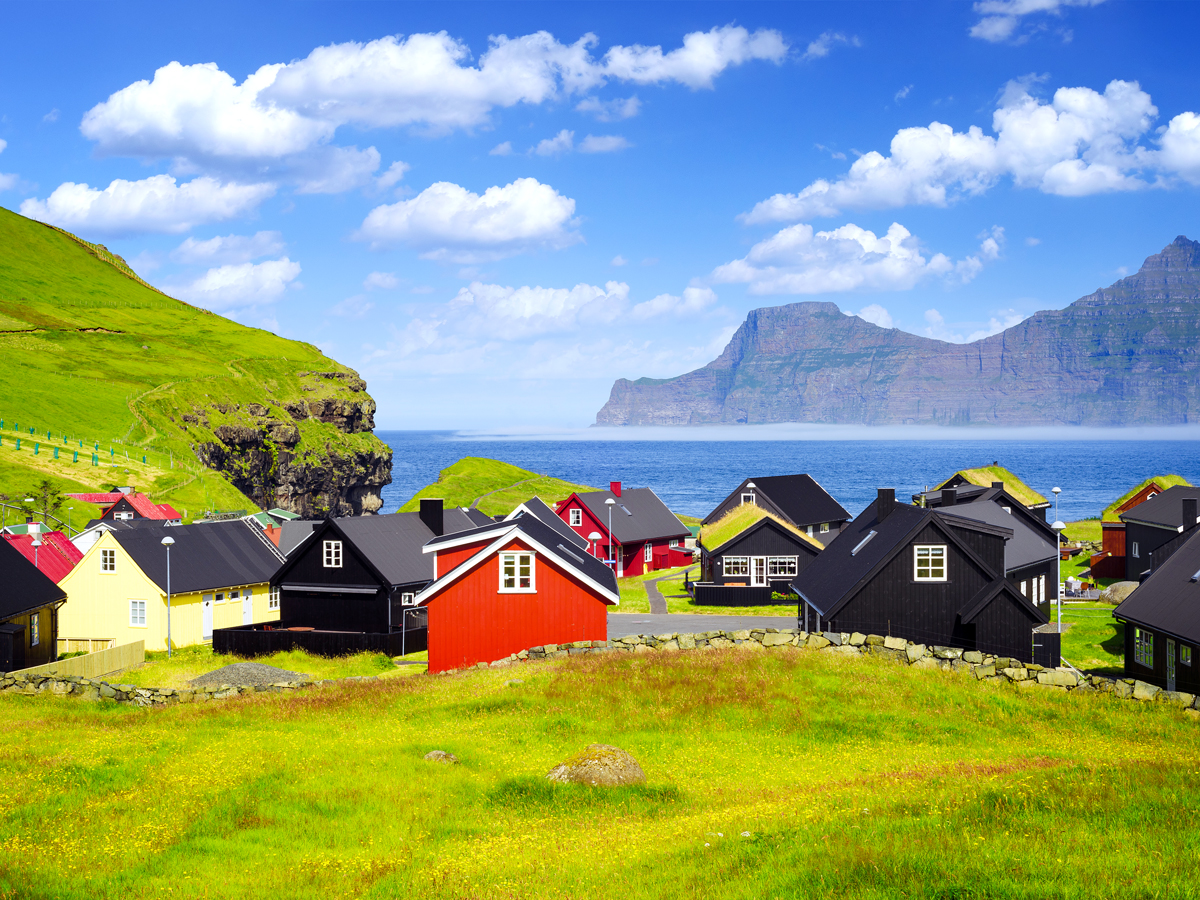
While these remote and wild islands in the North Atlantic Ocean are off most tourists’ radars (for now), capacity for visitors is still relatively limited. Peak season runs from June to August, and during this time, hotel rooms, car rentals, and ferry tickets between islands can sell out many months in advance. Some popular activities are also limited in availability, especially guided tours of Mykines, the westernmost of the archipelago’s 18 islands. It’s home to thousands of puffins, drawing many visitors to see the unique seabirds.
This also means that activities can be expensive, so booking in advance may help you snag an early-bird rate. You’ll be glad you did: From riding Icelandic horses through green Faroese valleys to exploring ancient cliffs and caves on a sea kayak, adventures in the Faroe Islands are unforgettable.
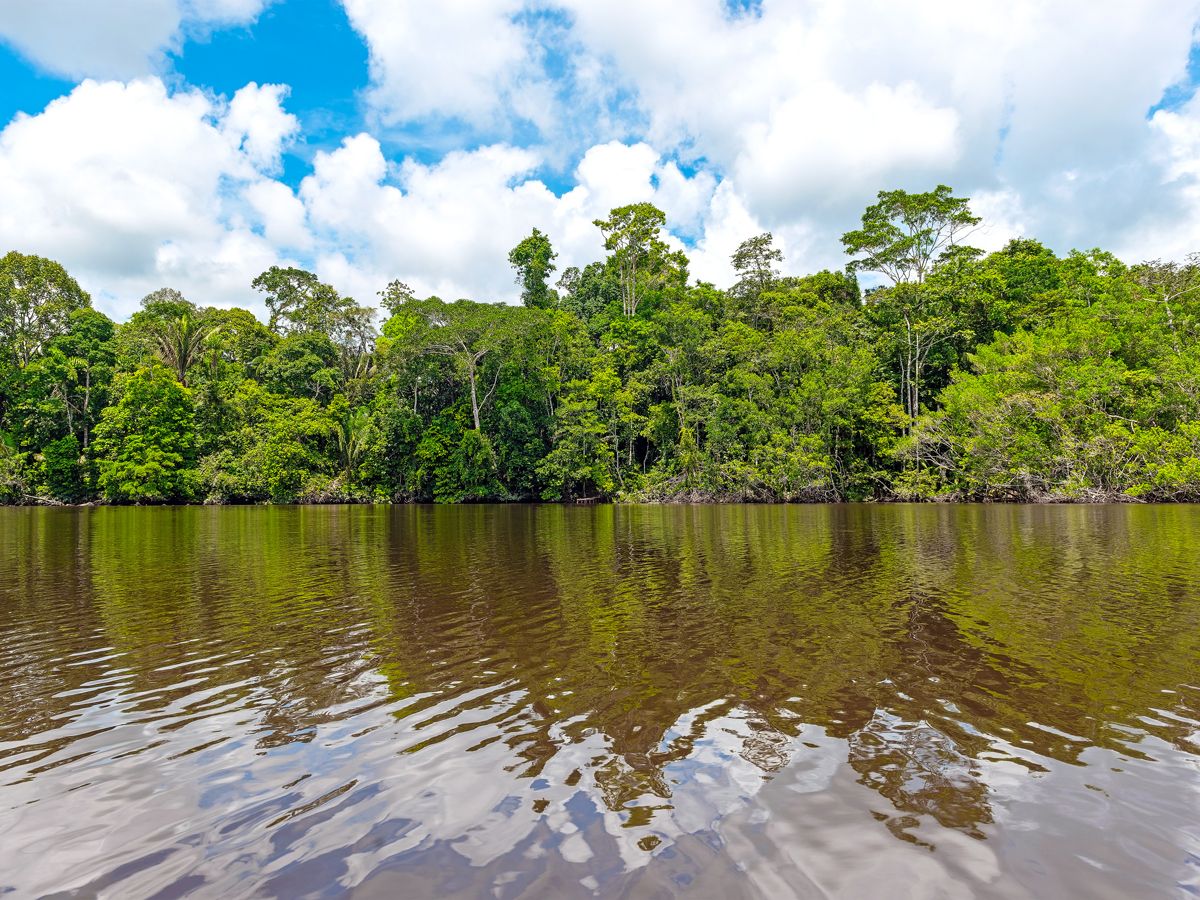
The Amazon rainforest offers immersion in nature unlike anywhere else in the world, but getting to its remote lodges and small-boat river cruises requires plenty of planning. The dry season (June through August) is peak season for tourism, when popular stays, including luxury boutique hotels and eco-lodges, are often booked months in advance. Take, for instance, the highly rated Juma Amazon Lodge, located on Brazil’s Juma River, a remote, eco-friendly hideaway that has only 20 bungalows. Also in Brazil, the popular Anavilhanas Jungle Lodge is a luxury boutique hotel that can accommodate only 20 guests at a time.
One of the best ways to tour the jungle is by boat. These tours are typically multiday excursions, which require early reservations. For example, G Adventures’ eight-day Amazon River cruise explores Peru’s Pacaya Samiria Reserve, a biodiverse area of Peru where pink dolphins, spider monkeys, and macaws thrive. But there’s no time to waste: Cruise dates for 2026 peak season are already limited.
Advertisement
More from our network
Daily Passport is part of Inbox Studio, an email-first media company. *Indicates a third-party property.
The Holiday Travel Survival Guide Every Flyer Needs
By
Rachel Gresh
Read time: 5 minutes
November 10, 2025
Updated: November 10, 2025
The Holiday Travel Survival Guide Every Flyer Needs
Tips •November 10, 2025•Updated: November 10, 2025
By Rachel Gresh
Author
Rachel Gresh
Rachel is a Washington, D.C.–based travel and lifestyle writer with roots in the Great Lakes region. When she’s not writing for publications such as The Discoverer and Interesting Facts, you’ll find her wandering through museums or exploring destinations off the beaten path.
After a record-setting 2024, the 2025 holiday travel season is expected to be even busier, with flight bookings already up 2.2% this year. For air travel, that means crowded terminals, long security lines, and an influx of impatient passengers that can make even the most seasoned flyer feel less than merry. But with the right gear and a few clever hacks, you can handle the chaos like a pro. This holiday travel survival guide is packed with clever products and practical tips to help travelers stay calm, comfortable, and organized from takeoff to touchdown.
Whether you’re dealing with liquid rules or trying to figure out how to bypass lines, these are the best ways to reduce stress at TSA checkpoints.
TSA-approved toiletry kit: Follow the 3-1-1 liquid rule for carry-ons by purchasing a toiletry kit with leakproof silicone bottles that you can refill with your favorite full-size toiletries. Unsure which toiletries to pack? There are also cost-effective, curated toiletry kits for men and women, ensuring you never forget the essentials.
TSA PreCheck or CLEAR membership: If you don’t have a membership already, the holidays might be a good time to explore enrolling in TSA PreCheck or CLEAR, which allow you to use designated lines that offer faster service than regular lines. While they do come at a cost, a less stressful experience may be worth it (and a TSA PreCheck membership is good for five years).
Digital boarding pass holder or wallet app: Keep all your boarding passes in one place using your airline’s app or a virtual wallet on your phone. This is especially useful when traveling with small children — instead of rummaging around at the gate for your paper ticket before your board, simply pull out your phone and scan.
Flight apps: You can always use your airline’s app, but a favorite among seasoned travelers is FlightAware, which provides real-time, historical, and predictive flight insights. Sometimes, FlightAware is even updated before the airline’s app. It’s free to download, and you can search by airport and flight time if you don’t know a flight number, which helps you easily keep track of friends and family.
No one enjoys being cold, cramped, or restless on a flight. Bringing a few cozy essentials can help transform a stressful travel day into a surprisingly relaxing experience.
Compression socks: These specialized socks keep blood flowing during long flights and help reduce cramping, swelling, and leg pain. Choose a classic neutral pair from a trusted brand like Dr. Scholl’s, or get in the holiday spirit with these fun patterns.
Neck pillow: Whether you’re taking a cross-country red-eye or a quick morning hop across the state, a supportive neck pillow can make a big difference in comfort. Look for ones made of memory foam that offer chin support for better rest and less strain.
Travel blanket: A packable travel blanket is a great way to make your experience a little more comfortable — and a lifesaver for chilly jetways and airplane cabins. For a more versatile option, consider a cashmere travel wrap, a stylish yet cozy accessory.
Hydration helpers: With dry cabin air, flying can be dehydrating, so it’s important to keep up with your water intake. Passengers can take an empty water bottle through TSA and fill it post-security. If you’re worried about saving space, consider a collapsible travel water bottle. Bonus points if you bring TSA-friendly hydration packets to mix into your water for an added electrolyte boost.
With airports and flights busier than ever during the holiday season, things may be noisier than usual. Fortunately, you can pack a few small accessories to make your experience a little more peaceful.
Noise-canceling headphones and earplugs: These can help cancel out noisy neighbors on flights and in the airport. The Bose QuietComfort headphones are top-rated among travelers for their comfortable over-ear design, Bluetooth connectivity, and 24-hour battery life. Bose also makes QuietComfort Ultra Earbuds with the same capabilities but an in-ear design. For travelers who prefer peaceful silence, the Loop Quiet 2 earplugs are comfortable enough to sleep in and come with four different ear tip sizes.
Sleep mask: Bright terminal lights and glaring cabin screens can be jarring during early or late travel days, but a sleep mask can help you relax wherever you are. Look for a mask with concave eye cups so the fabric doesn’t press against your face — no contact lens irritation or makeup smudging.
Meditation and white noise apps: Apps like Headspace and Calm offer guided meditations, white noise, sleep exercises, and mindfulness programs to help manage stress and anxiety wherever you are. You can download them on your phone or tablet and have access to them throughout your journey.
A tidy carry-on can make all the difference during a busy travel day. Keep everything in its place with these organization essentials.
Packing cubes: To avoid rummaging around your carry-on bag, separate clothing, hats, and other travel must-haves in packing cubes. Opt for a set of compression cubes to create even more space in your luggage.
Tech organizer: Traveling with tech keeps us more comfortable, especially when we can listen to our favorite music or catch up on a television show. But this requires charging cords and headphones, which can become a tangled mess in your carry-on bag. A small tech organizer can help you keep everything in a dedicated place.
Unique bag tags: Many people travel with a neutral-colored bag, so a unique luggage tag is a good way to make your belongings stand out on the carousel. From neon monograms to holiday-themed characters like this charming snowman tag, tags are an inexpensive way to personalize your bag.
Tips •November 10, 2025•Updated: November 10, 2025
By Marissa Kozma
Author
Marissa Kozma
Marissa is a cheap airfare aficionado who loves exploring offbeat destinations with her husband. Based in Los Angeles and Joshua Tree, Marissa has been featured in publications such as San Diego Magazine, Palm Springs Life Magazine, 303 Magazine, and Mountain Living.
Dreaming of a permanent vacation? If you’re entering your golden years and contemplating a new chapter abroad (or know a loved one who is), there’s a myriad of criteria to take into consideration when choosing a foreign country to retire in. For guidance, we looked to the Global Retirement Index (GRI), developed by Natixis Investment Managers and CoreData Research to examine the factors driving retirement security. Their ratings on safety, affordability, and accessibility for American expats make the following seven countries ideal places to enjoy a quieter pace of life.
Portugal
Credit: AnaMOMarques/ iStock via Getty Images Plus
Portugal has become an increasingly popular choice for American retirees due to its warm, sunny climate (comparable to Southern California), excellent health care, and easily obtainable retirement visa — commonly known as the Portugal D7 Visa or the Passive Income Visa. With low levels of violent crime, Portugal consistently ranks among the world’s safest and most peaceful countries, according to the 2025 Global Peace Index. From the golden beaches of the Algarve region to the bustling streets of Lisbon or Porto, there is much to do and see in this stunning European country, which offers the perfect blend of high quality of life, affordability, and natural beauty.
It’s easy to live la dolce vita (“the sweet life”) in Italy as a retiree. One of the most-loved destinations in Europe for Americans, the nation offers a diverse landscape ranging from the colorful fishing villages of the Italian Riviera to the rolling vineyards of Tuscany. Italy also has a lower crime rate than the United States, according to the 2025 Global Peace Index, and the mild climate, vibrant culture and nightlife, and high-quality health care offered to residents make retiring here very appealing. Retirees can also benefit from a special 7% flat tax regime on their foreign-sourced income and are eligible for a retirement visa, called the Elective Residency Visa, which allows non-EU citizens to reside in Italy without working if they can prove sufficient passive income.
With hundreds of islands to choose from, retirees in Greece can live steps away from ancient ruins, dramatic cliffs, sandy coves, or hillsides dotted with olive trees. Greece’s Mediterranean climate consists of the occasional cool sea breeze combined with sunny days that rarely see sweltering temperatures. The country is currently under a Level 1 travel advisory administered by the U.S. Department of State (the lowest level), meaning it has a relatively low crime rate. The country also offers several incentives for retirees, such as a special tax program that can lead to lower taxes for foreign pensioners and a Golden Visa program, which grants a five-year residency permit in exchange for a real estate investment.
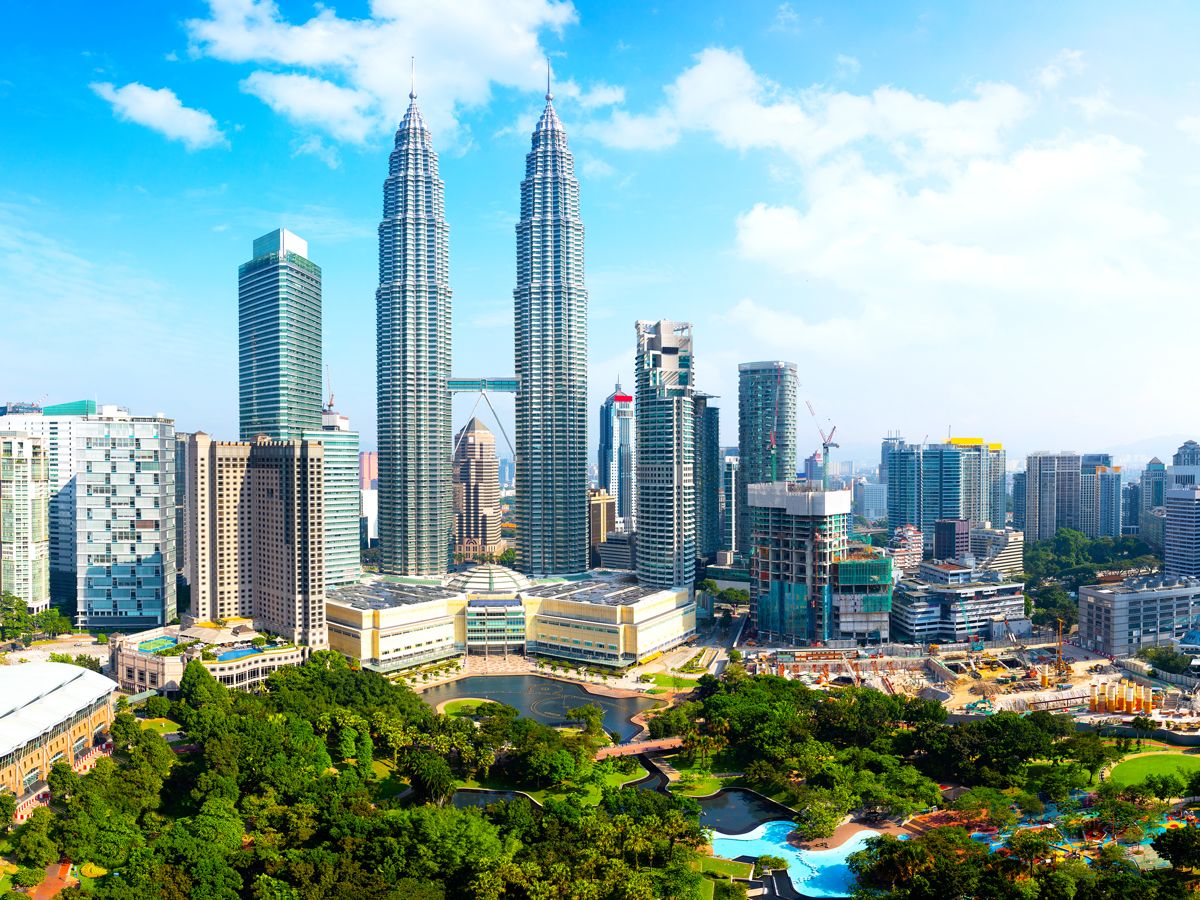
With high-quality health care at a low cost, modern infrastructure, and impressive safety scores, it’s easy to see why more and more Americans are flocking to this Southeast Asian country to retire. Malaysia was named the safest country to visit in Asia in 2024, and retirees have figured out they can get a lot of bang for their buck here. Housing, food, and transportation are all affordable, plus English is widely spoken in major cities. Retirees must meet specific age and financial requirements to qualify for a retirement visa like Malaysia My Second Home (MM2H), but for many, the effort is worth it.
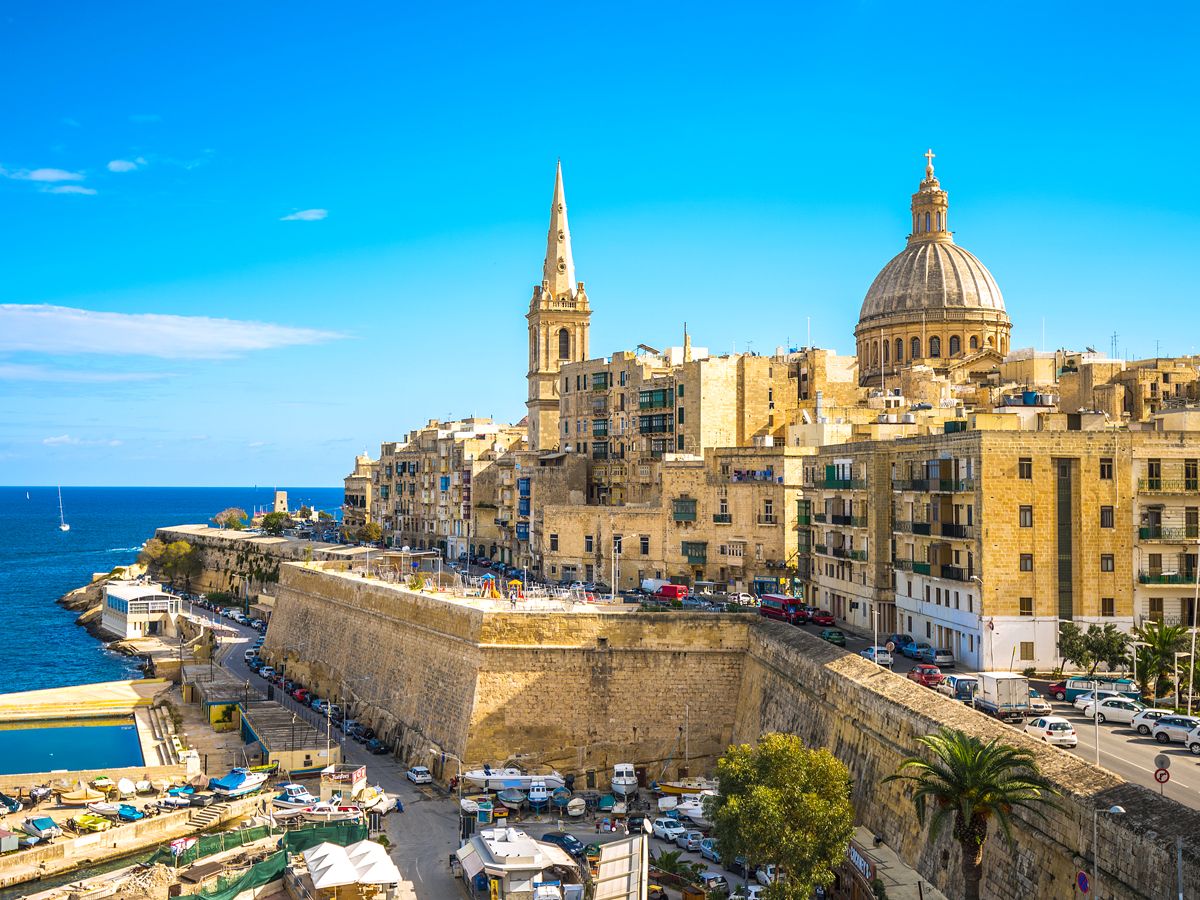
With its strong expat community and high safety rankings, the European island nation of Malta should be on your radar if you’re considering retirement abroad. Malta was ranked one of the top 20 countries in the world to retire in 2025, according to the GRI, beating Canada and the United States when it comes to life expectancy, affordable health care, and material well-being. Located between Sicily and the North African coast, the country has a pleasant Mediterranean climate and English as its official language, eliminating language barriers for expats. Malta also has a beneficial tax system for retirees: The Global Residence Programme offers a 15% flat tax on income remitted to Malta from abroad.
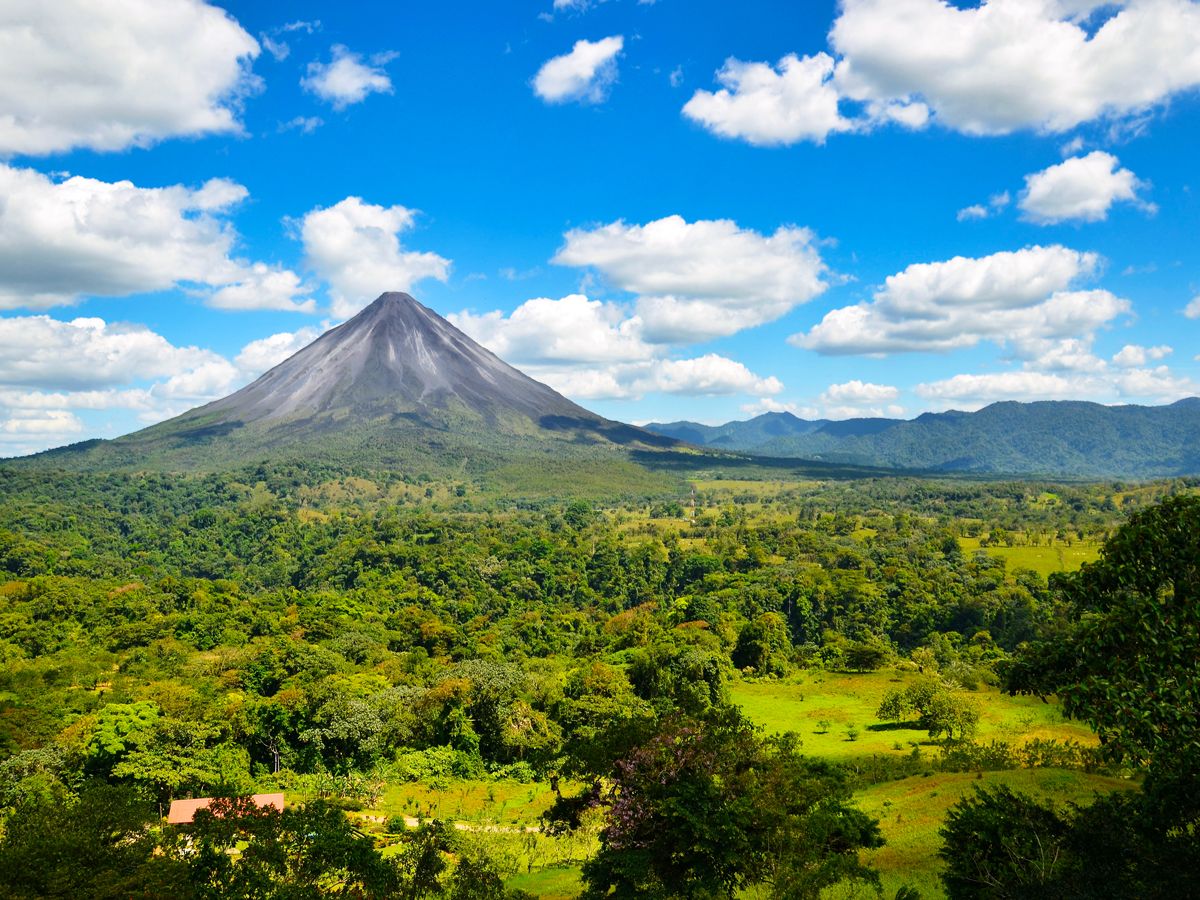
Known for its peaceful culture, lush rainforest landscape, and sustainable initiatives, Costa Rica is ideal for those seeking a little more adventure in their golden years. A popular retirement haven for Americans due to high-quality health care offered at a low cost, this Central American nation is devoted to the pura vida (“pure life”) mantra, focused on appreciating life’s simple pleasures and prioritizing time spent in nature. The Costa Rica retirement visa, called the Pensionado Visa, allows retirees earning at least $1,000 per month to obtain temporary residency.
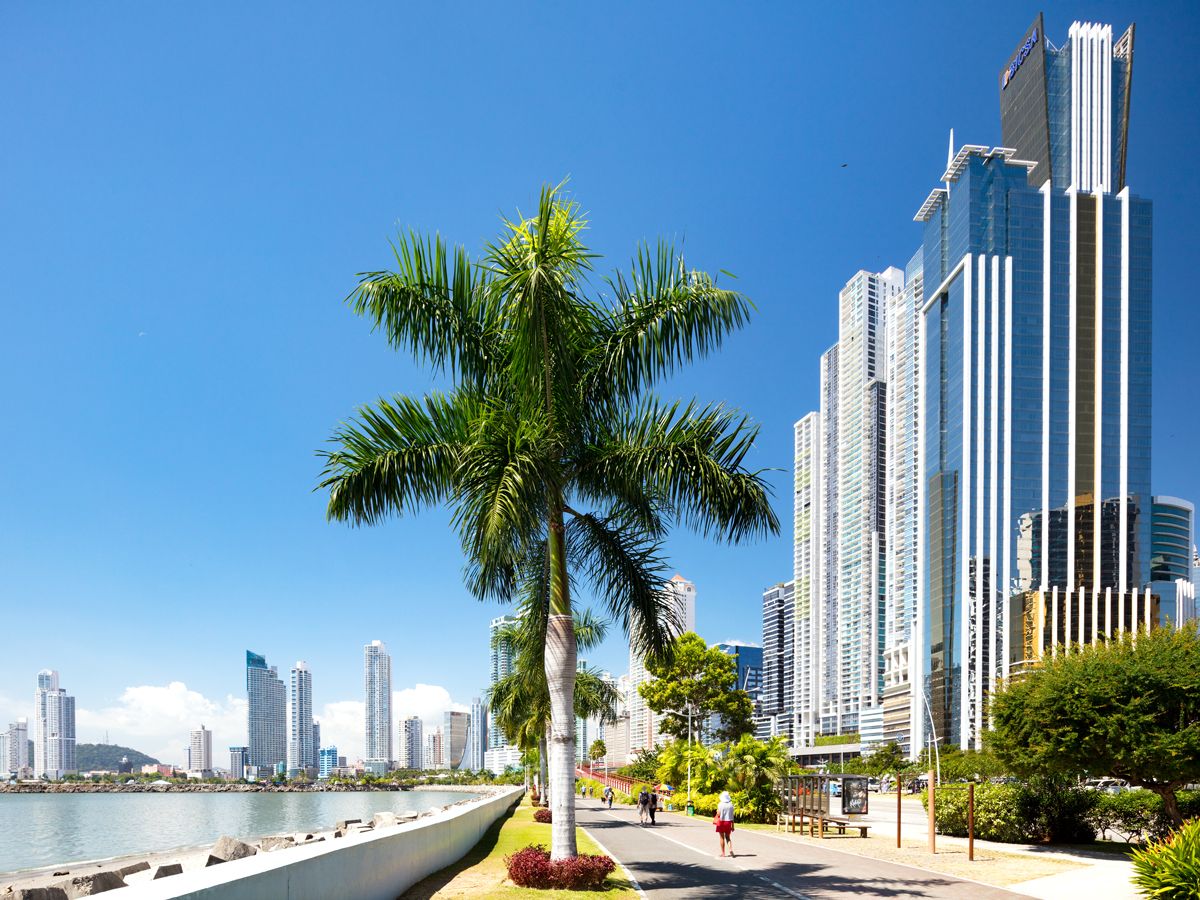
The Central American nation of Panama also offers a retirement visa called a Pensionado Visa that comes with valuable perks. These include significant discounts on a wide variety of goods and services, such as airfare, bus tickets, train tickets, hotel stays, utility bills, medical and health care bills, and prescriptions. As another top-ranking nation in the GRI when it comes to safety scores, Panama is a politically stable country that uses the U.S. dollar as its currency. The major metropolis of Panama City also boasts impressively modern infrastructure, including the only metro system in Central America.
Why Aren’t These Big Cities the Capitals of Their States?
By
Nicole Villeneuve
Read time: 6 minutes
November 10, 2025
Updated: November 10, 2025
Why Aren’t These Big Cities the Capitals of Their States?
History •November 10, 2025•Updated: November 10, 2025
By Nicole Villeneuve
Author
Nicole Villeneuve
Nicole is a writer and researcher with over 15 years of experience seeking out arts, culture, and lifestyle stories in places like remote northern Quebec and the unforgettable streets of Amsterdam. Her work has also appeared in PureWow, Brit + Co, AUX TV, and CBC.
Contrary to what many people may understandably assume, the biggest and most popular city in a state is rarely the capital. A major reason is the fact that, in the 18th and 19th centuries, lawmakers typically prioritized practicality over prestige when selecting the state capital. They looked for locations that were safer from attack, easier for delegates to reach, or more representative of the general population at the time. They also sometimes sought to avoid concentrating too much political power in the same place as the state’s economic power. Learn why 10 major U.S. cities missed out on the state capital title — and why their quieter neighbors got it instead.
New York – Albany vs. New York City
Credit: lavendertime/ iStock via Getty Images Plus
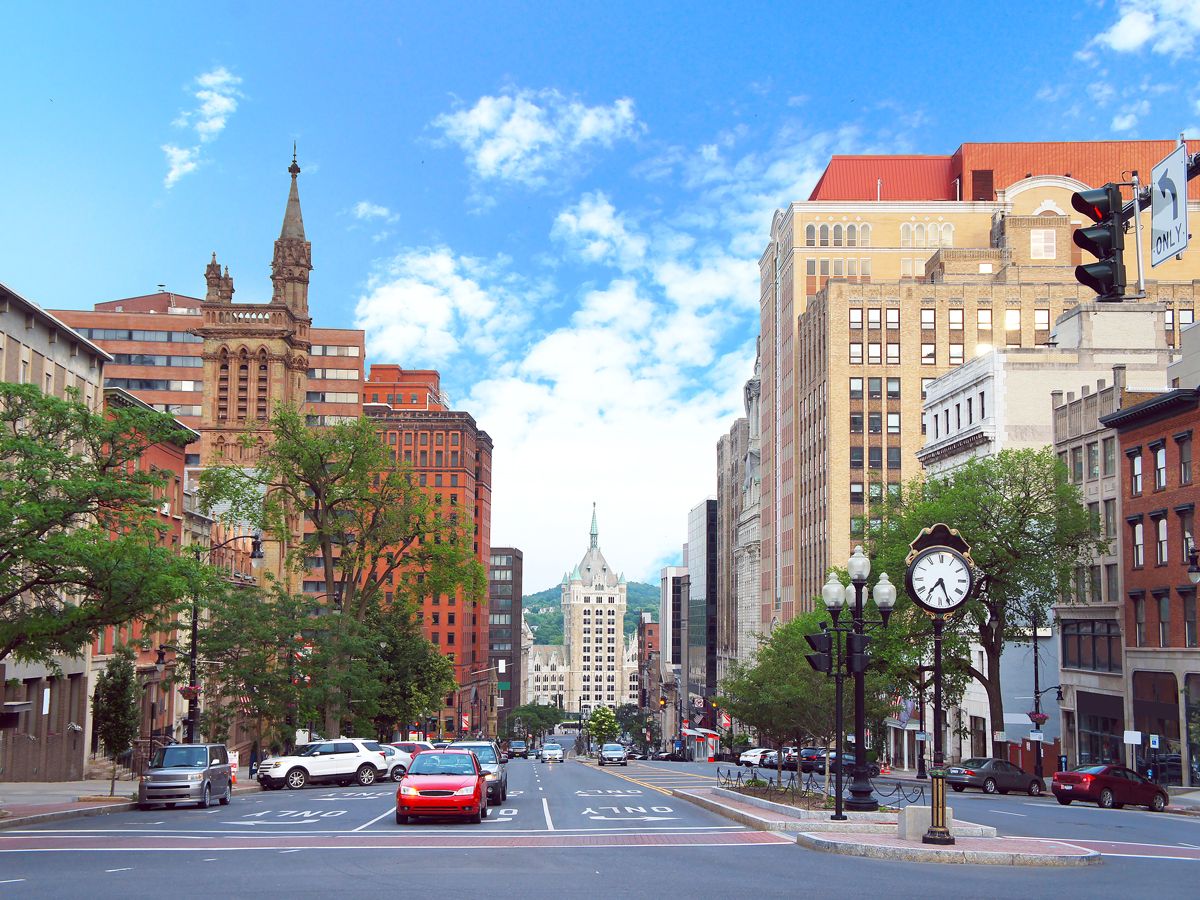
New York City may seem like the obvious choice for the state capital, but it wasn’t always the most practical. During the Revolutionary War, the British seized New York City, forcing state leaders to hold meetings in safer upstate towns like Kingston and Albany. After British troops burned Kingston in 1777, Albany’s central location on the Hudson River made it an attractive choice for trade, military planning, and politics. It became the permanent capital in 1797, but it wasn’t until nearly two centuries later, in 1971, that legislation formally made that status official.
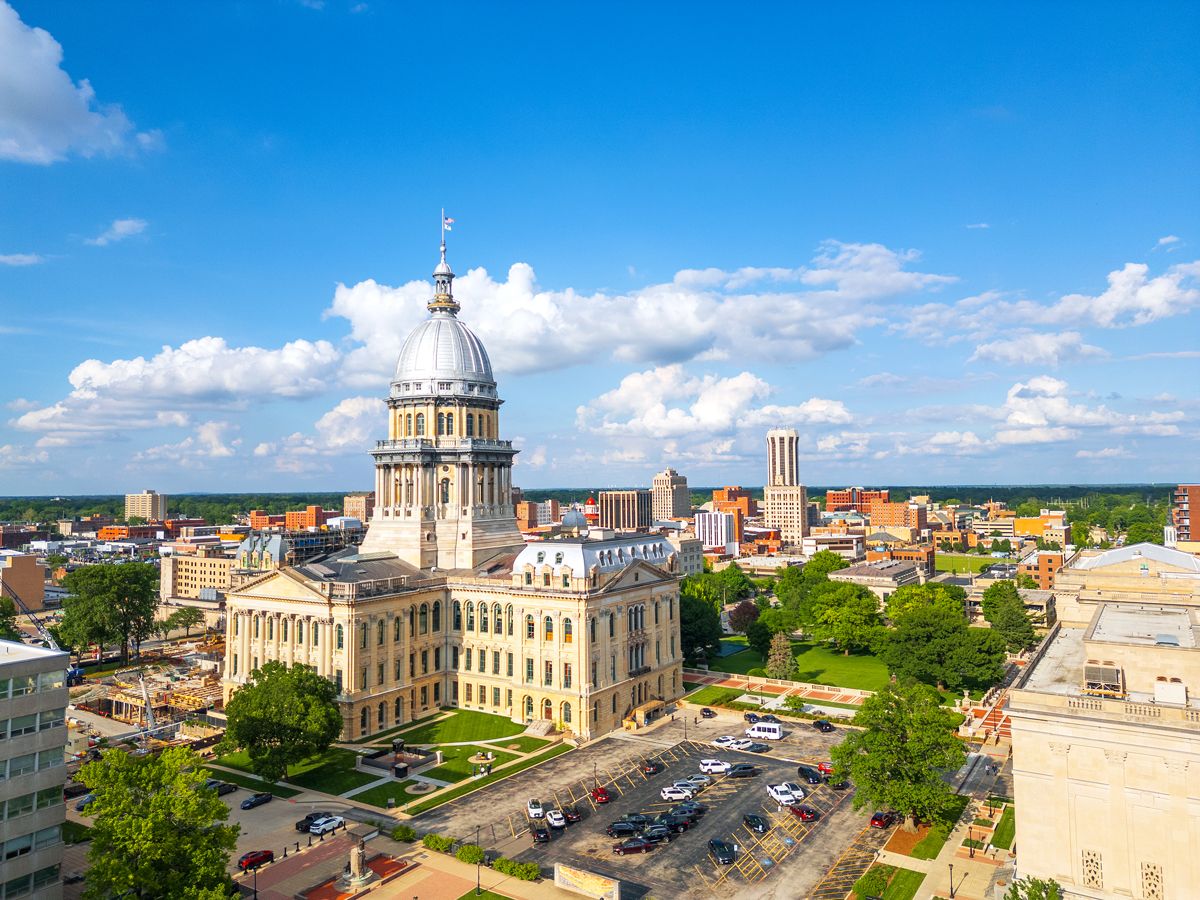
In the early days of Illinois, the state capital wasn’t fixed, and legislators moved between towns such as Kaskaskia and Vandalia. By the 1830s, however, Springfield had begun to emerge as a key hub. It was geographically central and, perhaps most importantly, home to influential politicians, including a young Abraham Lincoln. Lincoln and other local leaders successfully lobbied to make it the permanent capital in 1839. Even as Chicago grew into the third-largest city in the country, Springfield’s location and political connections kept the state government there while Chicago took care of nearly everything else.
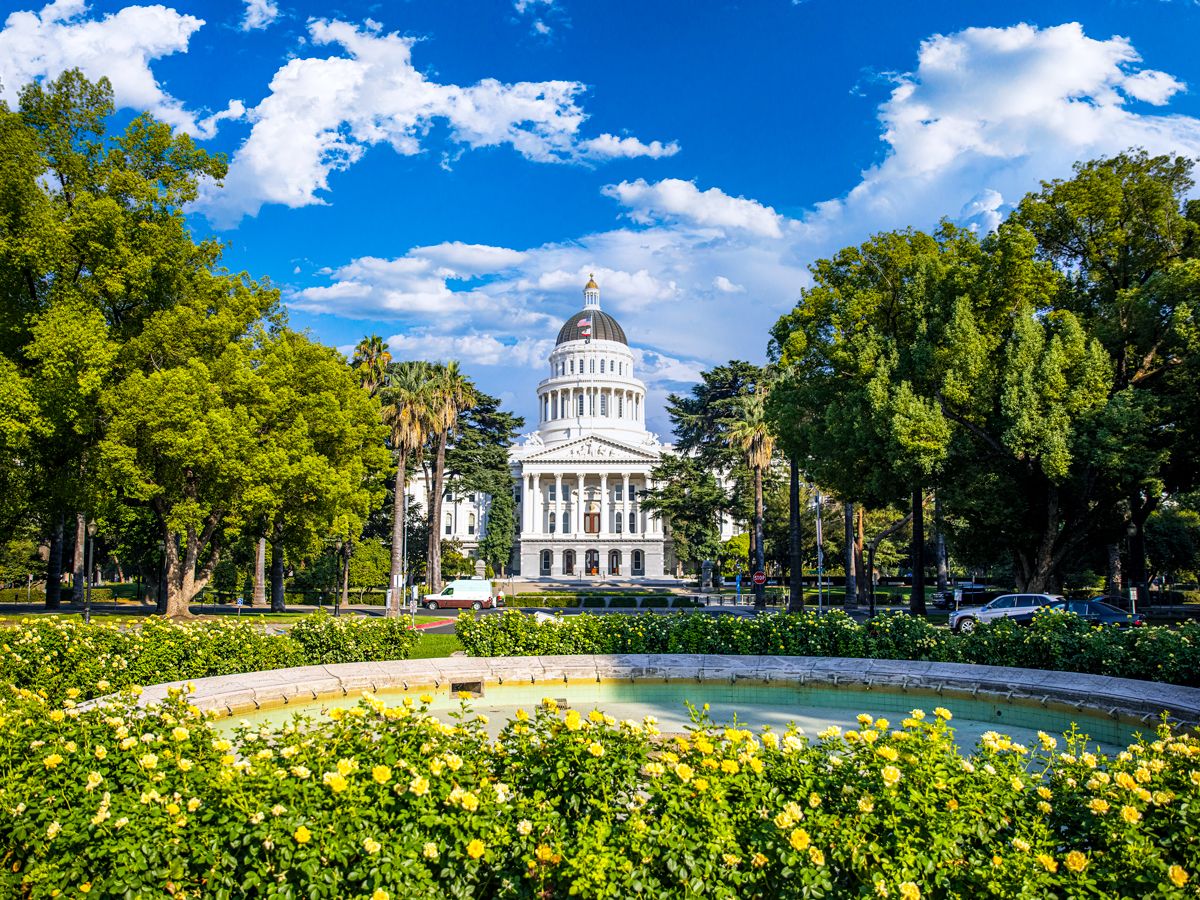
California may be known for its City of Angels, but Los Angeles has never been the state capital. That honor goes to Sacramento, which became the capital in 1854. Prior to that, the title bounced around between San Jose, Vallejo, and Benicia.
During the California gold rush, Sacramento’s spot at the confluence of two major rivers — the Sacramento and the American — made it a crucial supply and transportation hub for miners heading into the Sierra Nevada foothills. Additionally, influential figures in the state’s early history, including John Sutter, were based in Sacramento, making it a practical choice for the capital.
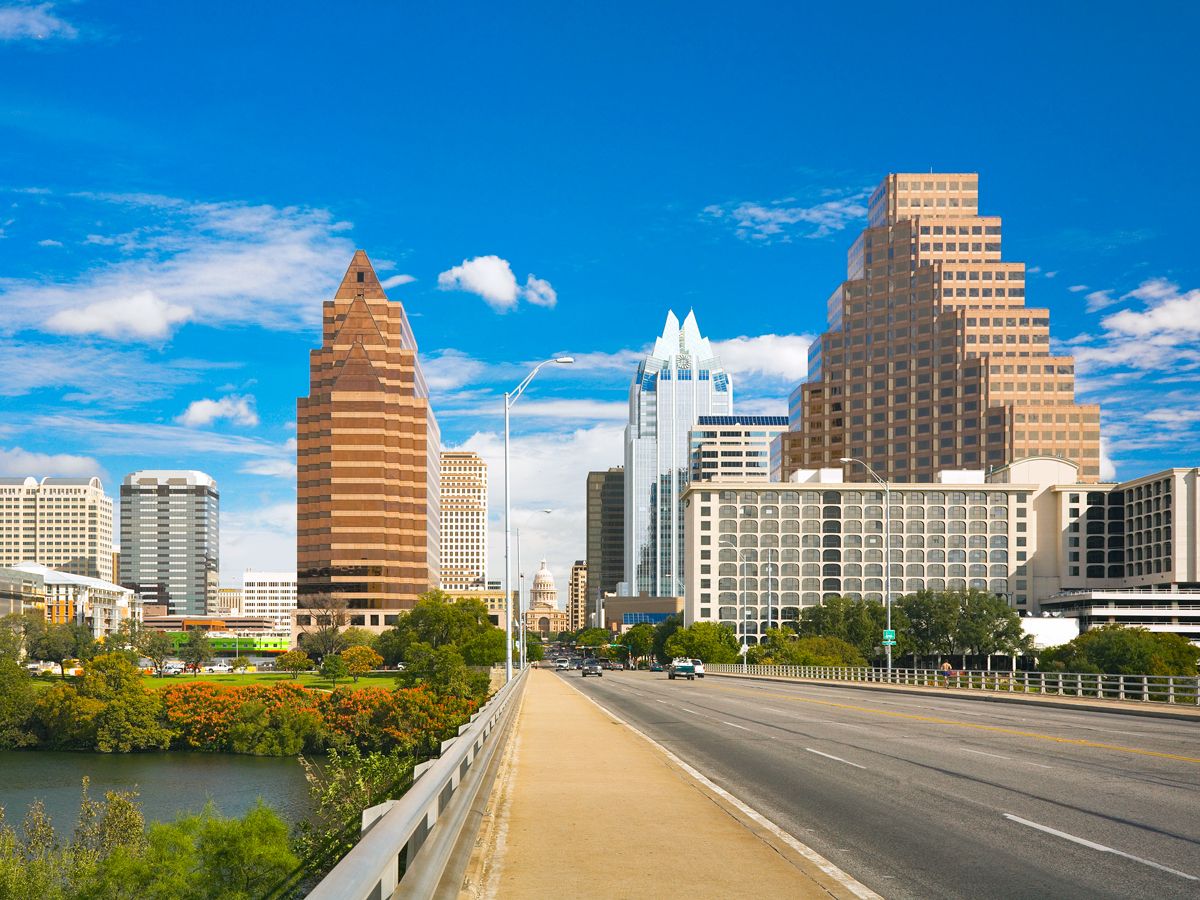
Seven other locations served as the capital of Texas before Austin took over the title in 1839. Houston, which became the temporary capital in 1836 and was considered for the permanent capital, lost out due to its frequent flooding. Mirabeau B. Lamar, former president of the Republic of Texas, suggested Austin — then called Waterloo — because of its climate, natural beauty, and central location along the Colorado River. It was renamed Austin in 1839 after Texas pioneer Stephen F. Austin.
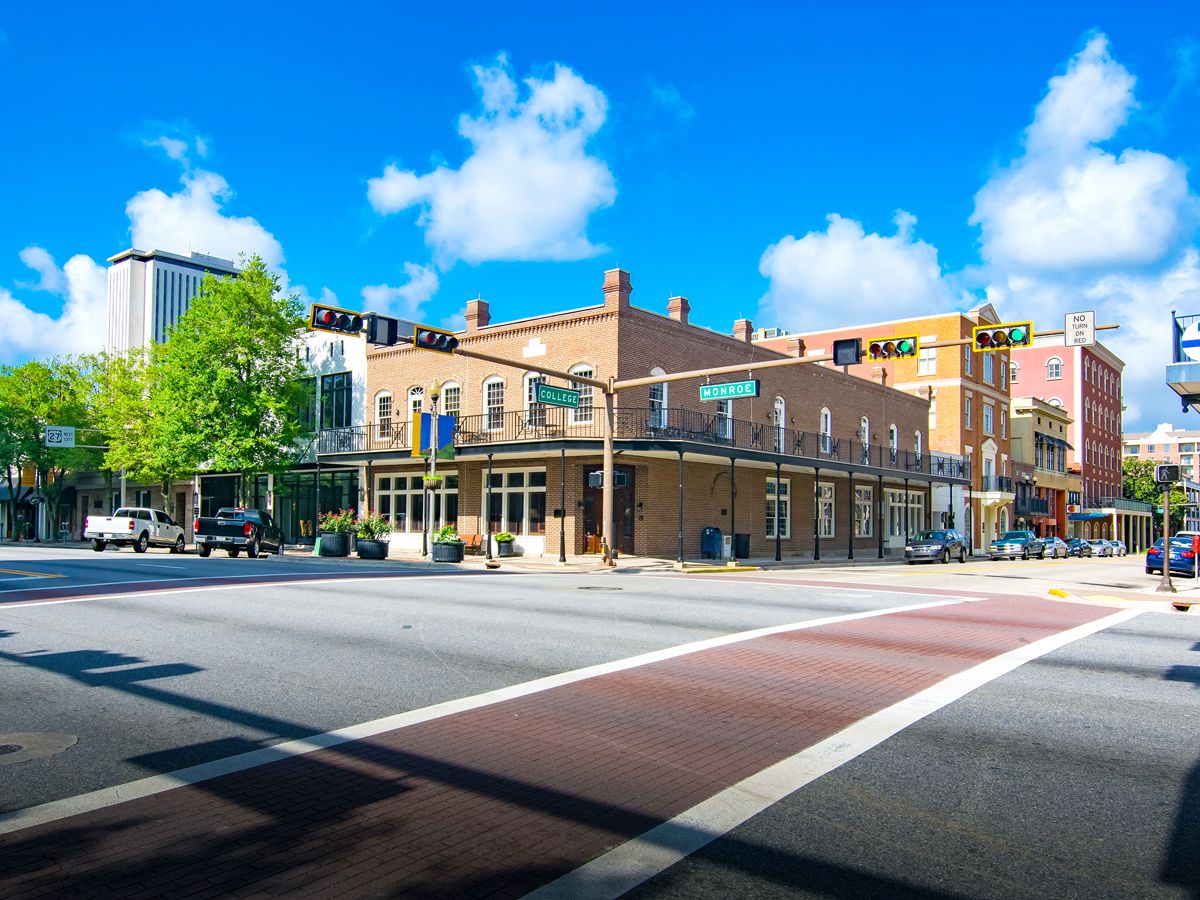
Tallahassee might seem like an unlikely choice for Florida’s capital, especially compared with larger, more famous cities such as Miami or even Orlando. But those cities weren’t in the conversation in the early 1820s, when government meetings alternated between Pensacola and St. Augustine, the former capitals of British West Florida and East Florida. The nearly 400-mile journey took almost two months to make, so lawmakers instead chose Tallahassee as a midpoint. Tallahassee became the territorial capital in 1824 and then the state capital after Florida became a state in 1845.
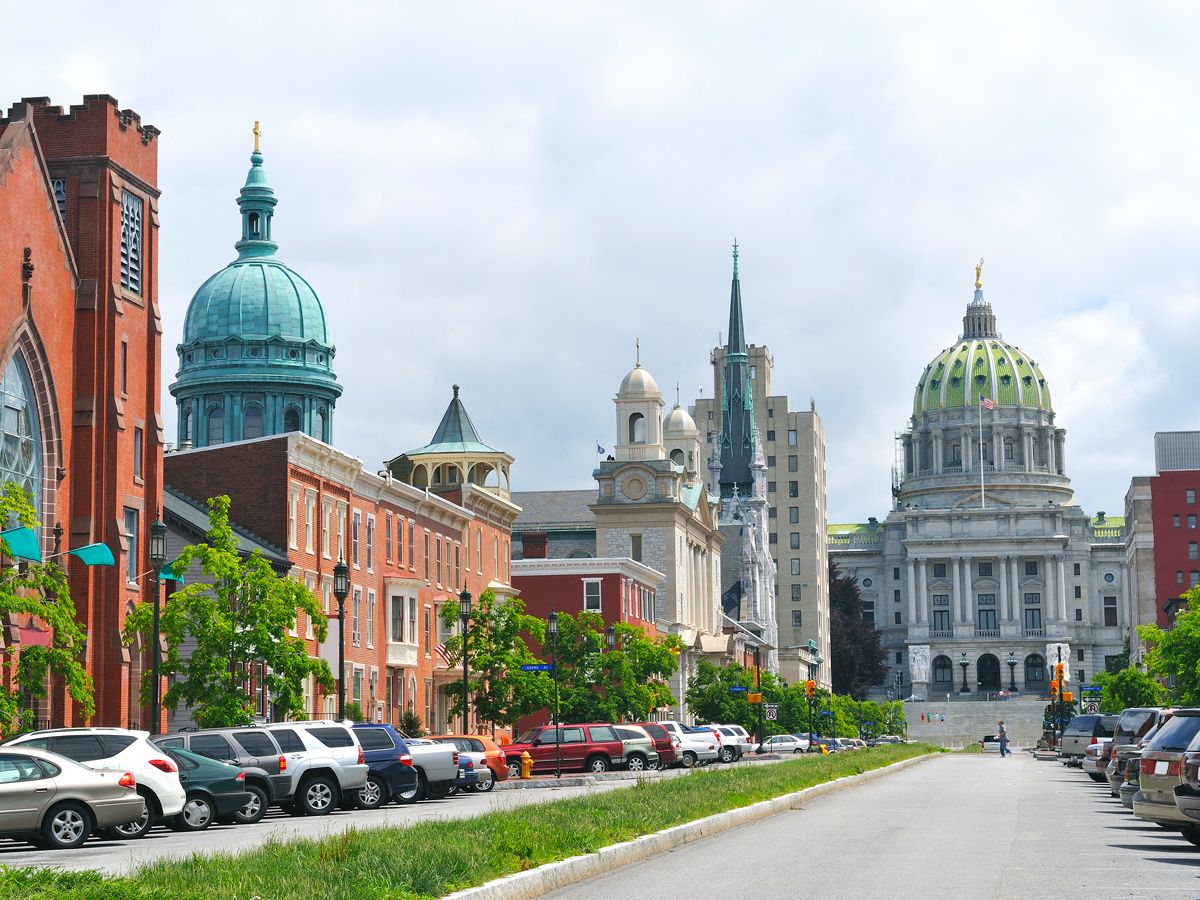
Philadelphia was once the capital of the country, but today it’s not even the capital of Pennsylvania. The state shifted its capital to Lancaster in 1799, partly due to Philadelphia also being the U.S. capital at the time. While Harrisburg had always been in consideration for the title, it didn’t become the state capital until 1812. The change came about primarily because of geography: Harrisburg’s central location along the Susquehanna River offered faster travel by both horse and ship, which was far easier than a two-week journey to Philadelphia for lawmakers from western counties.
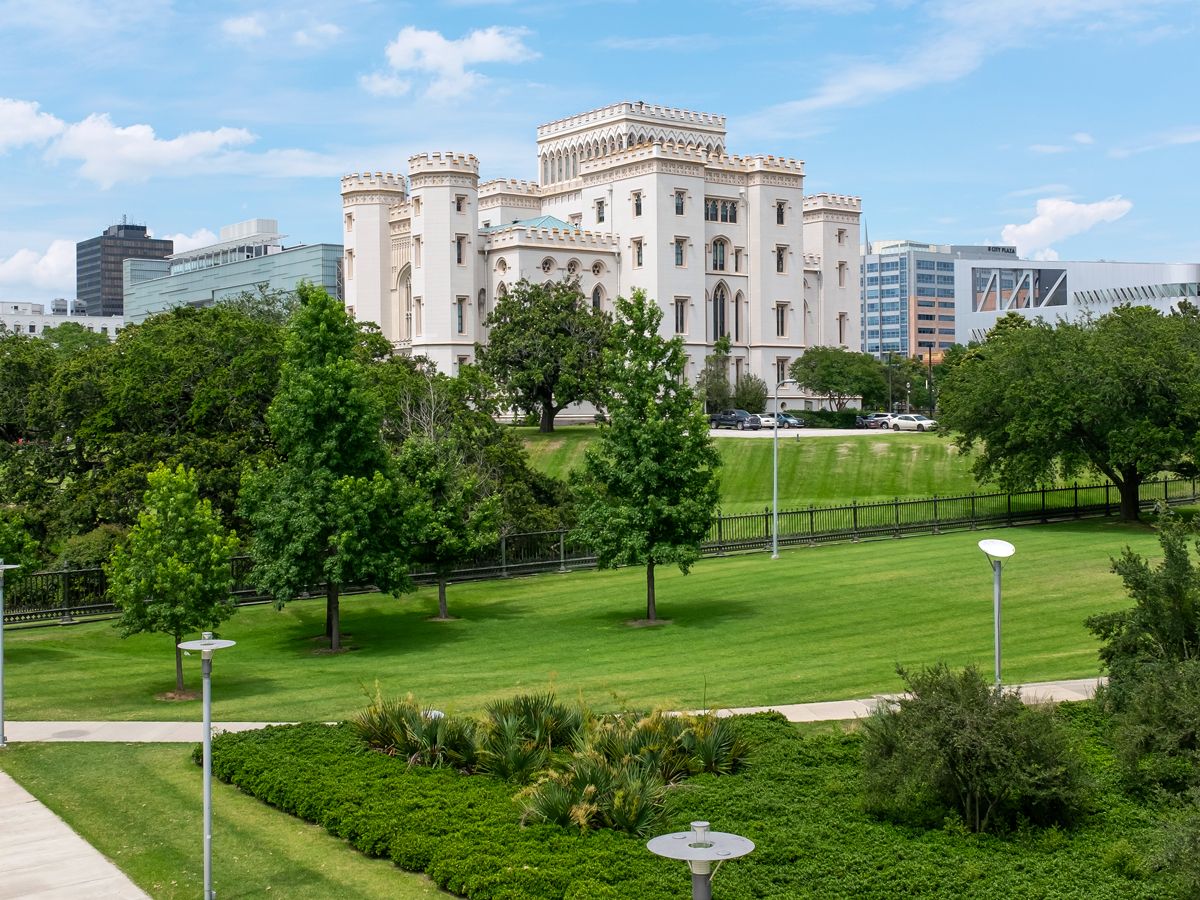
While New Orleans was once the capital of the Louisiana colony, lawmakers eventually settled on Baton Rouge as the state capital. This was largely for practical reasons: Its higher ground and location about 100 miles north of New Orleans made it much less vulnerable to flooding and invasions along the mighty Mississippi River. The city’s central location also made it easier for legislators from other parts of the state to travel there. Baton Rouge was officially named the capital in 1849, giving the Pelican State a political hub separate from its undeniable economic and cultural powerhouse, the Big Easy.
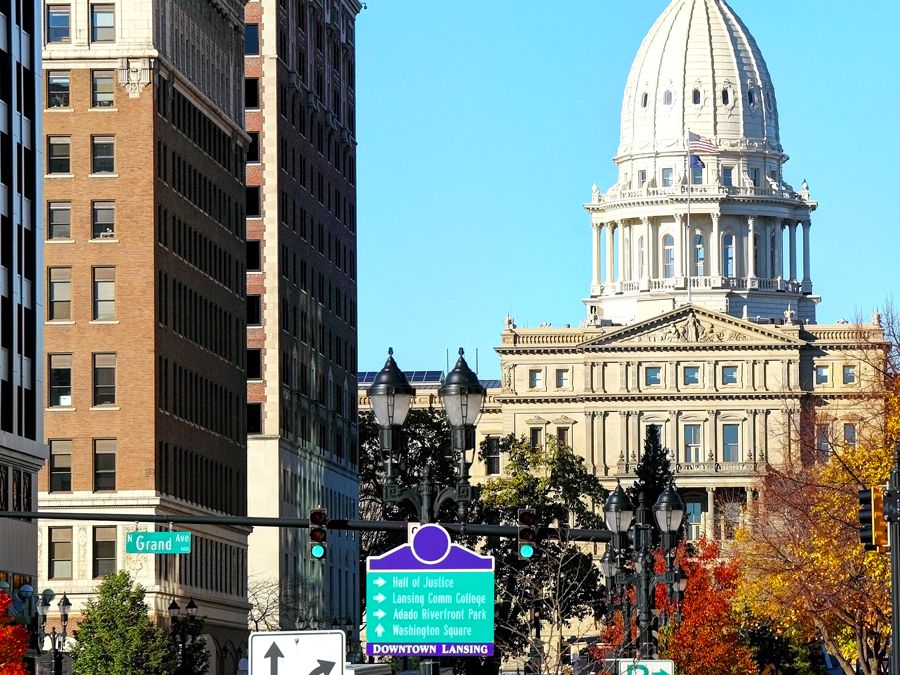
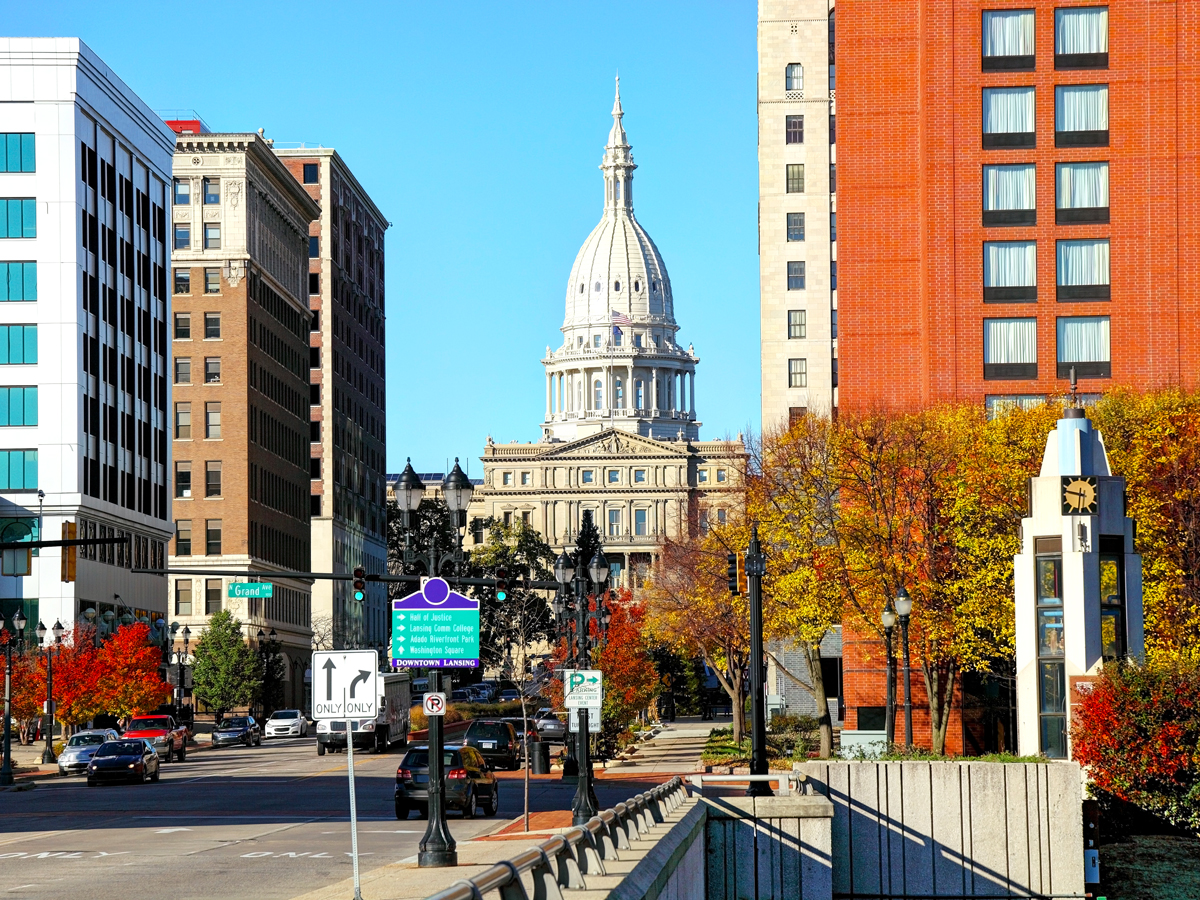
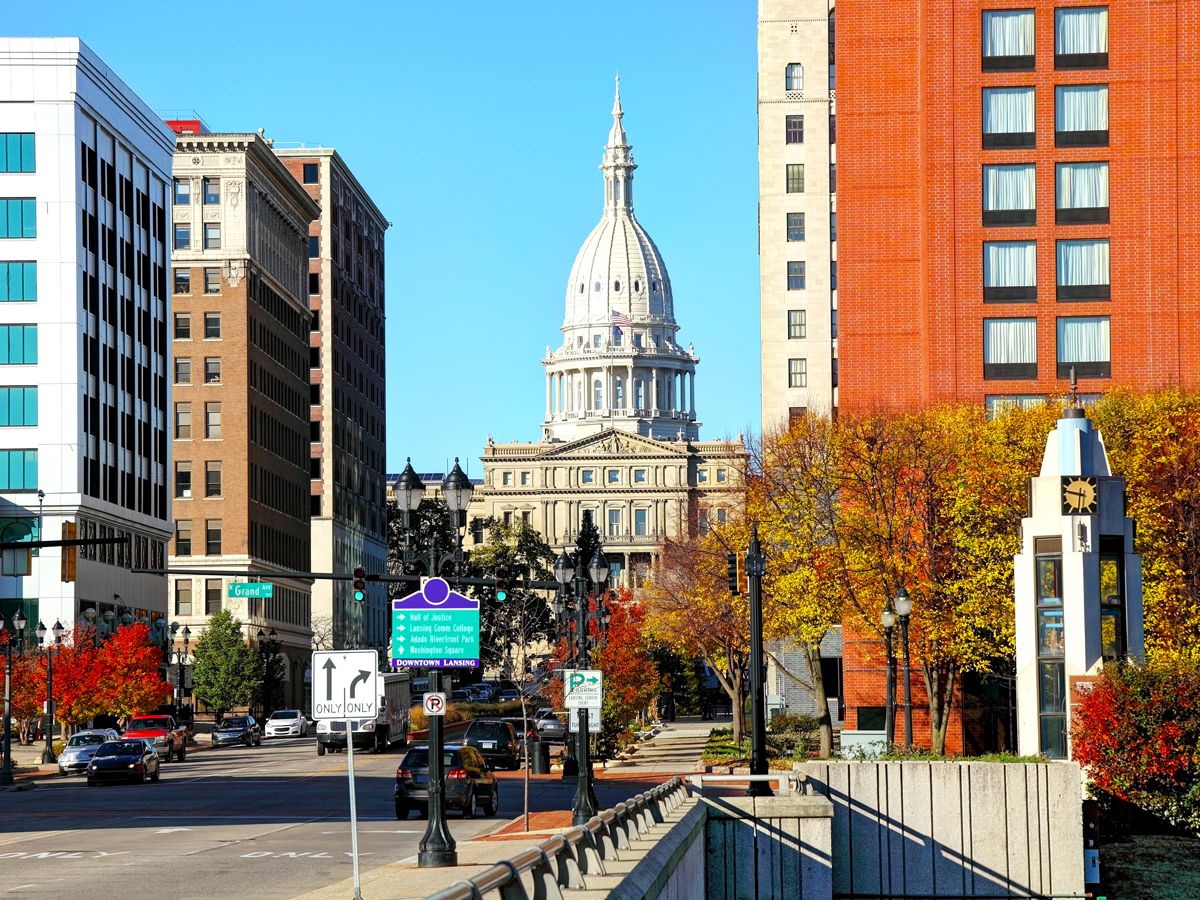
Detroit became Michigan’s first state capital in 1835, but the designation was only ever meant to be temporary. This was partly because of concerns that Detroit was too close to British-controlled Canada. Lawmakers wanted a more central, secure location.
Landowner James Seymour brought attention to Lansing Township, located almost smack dab in the middle of the Mitten State. In 1847, Lansing became the new capital, but it wasn’t without downsides. At the time, the area was so remote and undeveloped that it was even referred to as a “howling wilderness.” Despite its humble beginnings, Lansing now ranks among the state’s biggest cities and remains the state capital to this day.
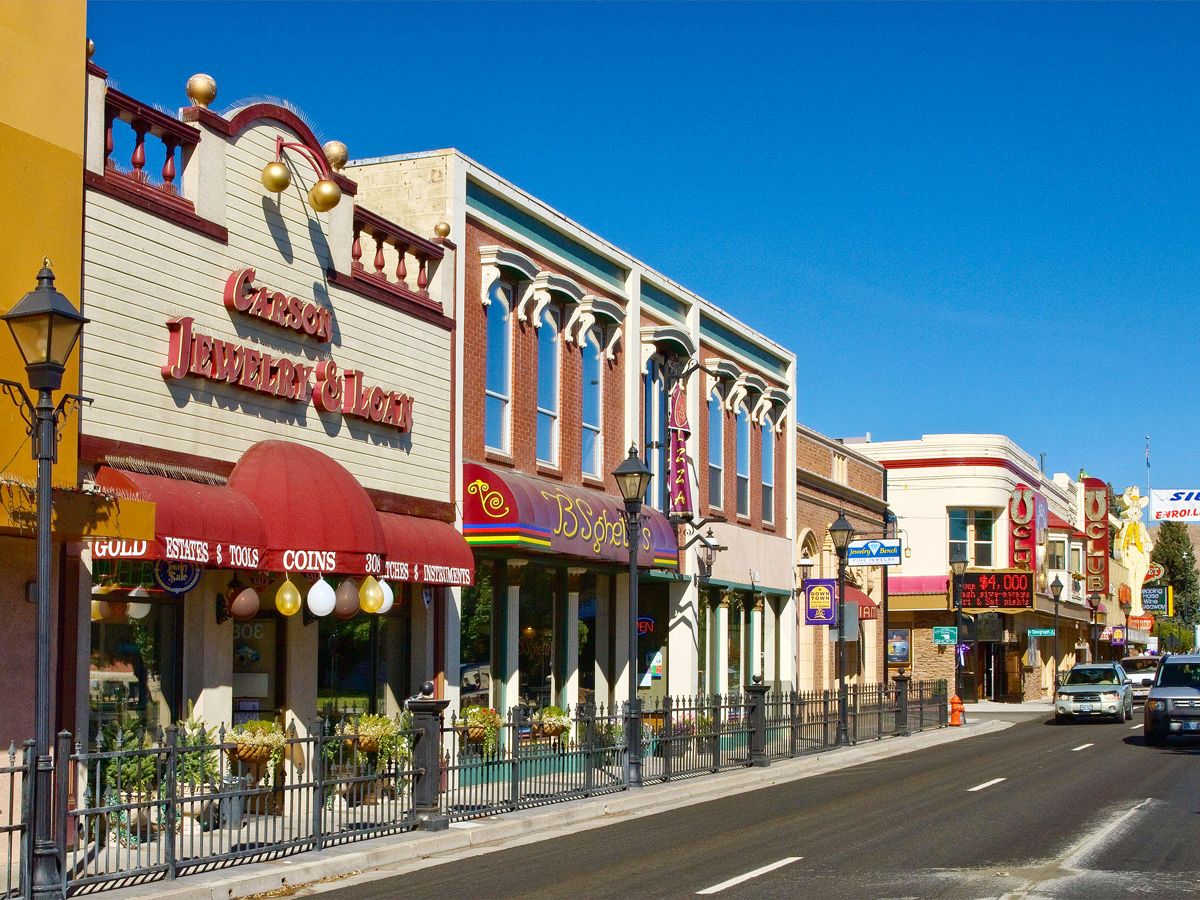
In 1858, pioneer Abraham “Abe” Curry arrived in Eagle Valley, surveyed the area, and set aside land for a future capitol building. That was three years before the Nevada Territory was even formed, and more than 40 years before the city of Las Vegas was founded.
When the Nevada Territory was officially formed in 1861, Carson City became the capital. By that time, silver and gold had been discovered in the area, and it was on the verge of becoming a thriving commercial and rail and river transportation hub. President Abraham Lincoln, eager to secure Nevada’s mining riches for the Union during the Civil War, granted the territory statehood in 1864, and Carson City remained the capital, a title it has held ever since.
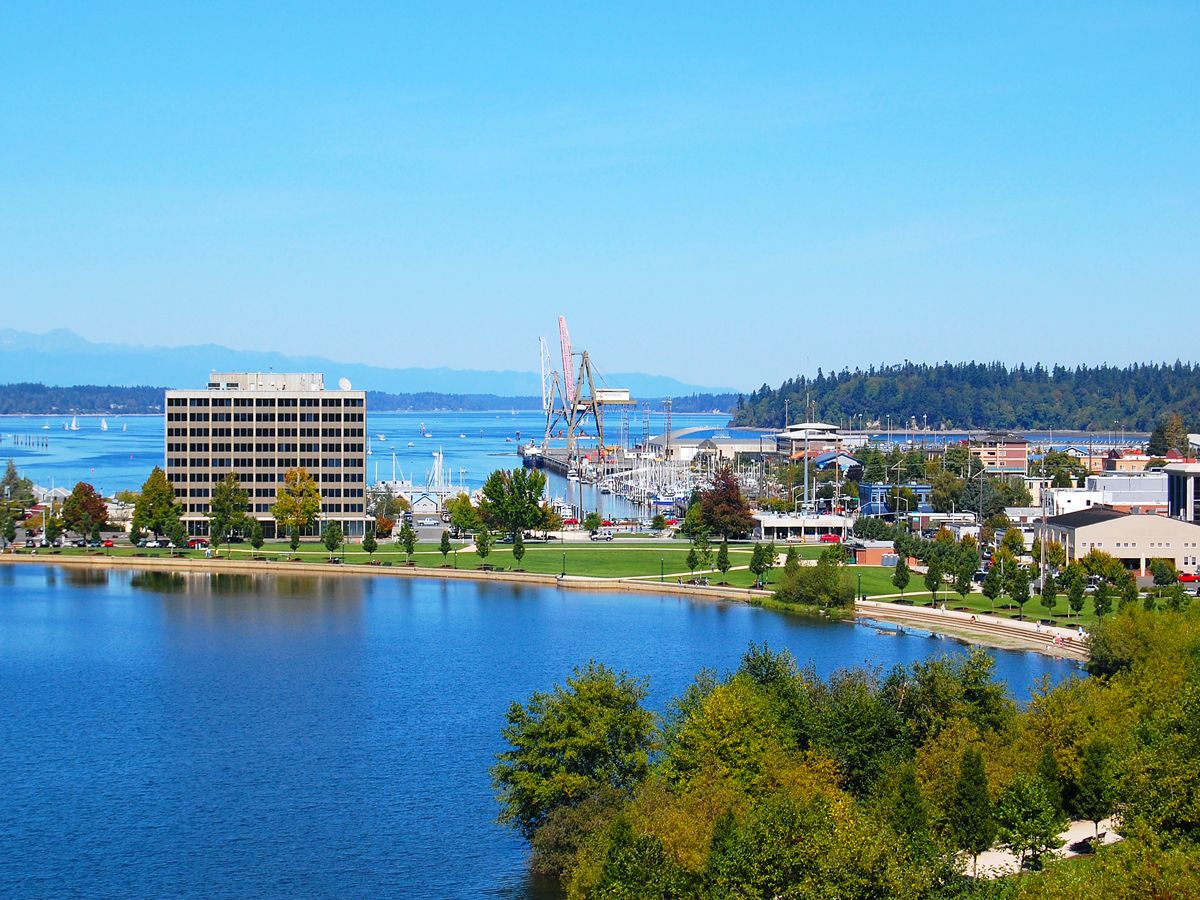
When Washington was still a territory, Seattle was little more than a lumber town, a far cry from the bustling port it would become. Olympia, however, was a populous settlement, a key stop for ships on the Puget Sound, and home to prominent figures such as lawyer Daniel Bigelow. In 1853, Olympia became the territorial capital. When Washington became a state in 1889, several regions duked it out for the capital honor, but Olympia took the crown.
Advertisement
More from our network
Daily Passport is part of Inbox Studio, an email-first media company. *Indicates a third-party property.
Outdoors •November 10, 2025•Updated: November 10, 2025
By Bradley O'Neill
Author
Bradley O'Neill
Bradley is an English travel writer who’s wandered through 50-plus countries and lived on four continents while chasing waves, the perfect pint, and family adventures. Bradley's work has appeared in publications such as Skyscanner and Matador Network, and he now splits his time between Buenos Aires and Uruguay.
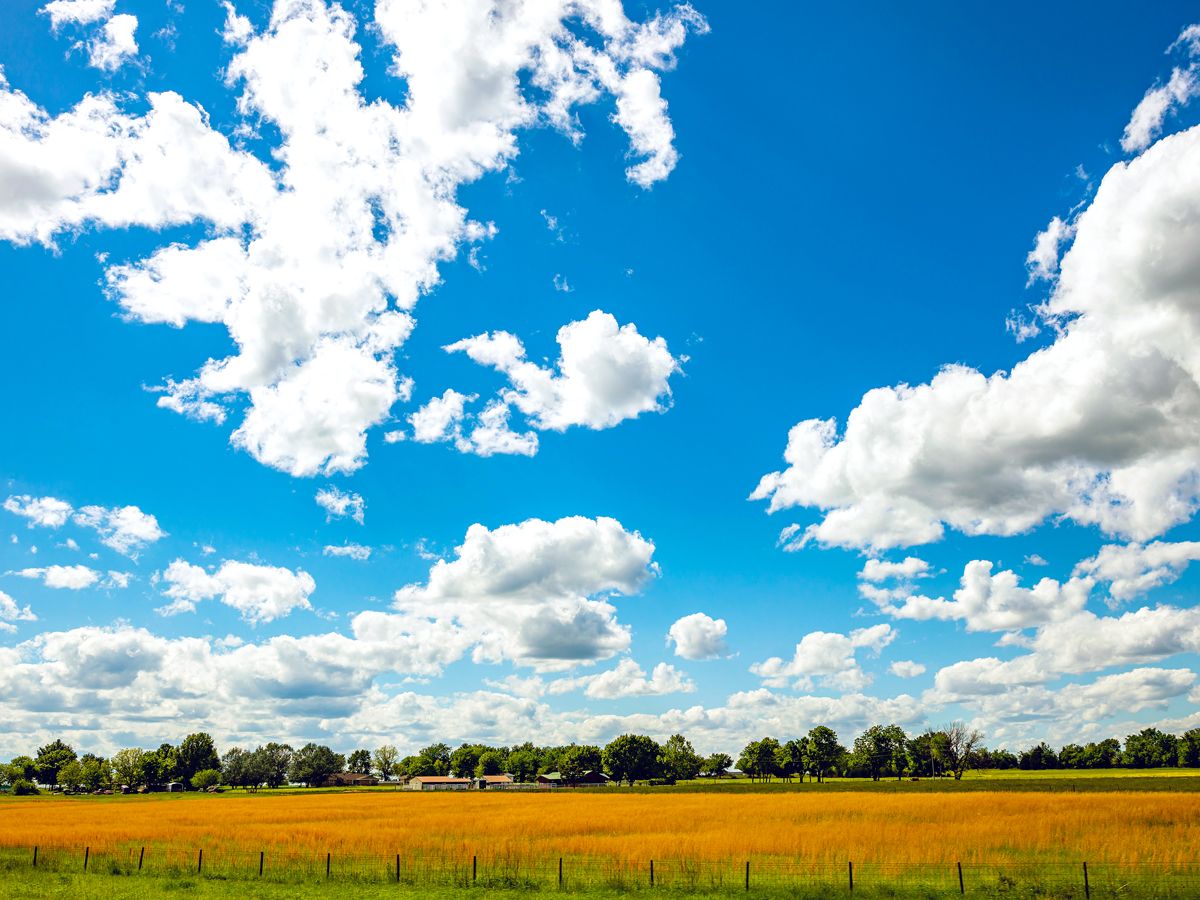
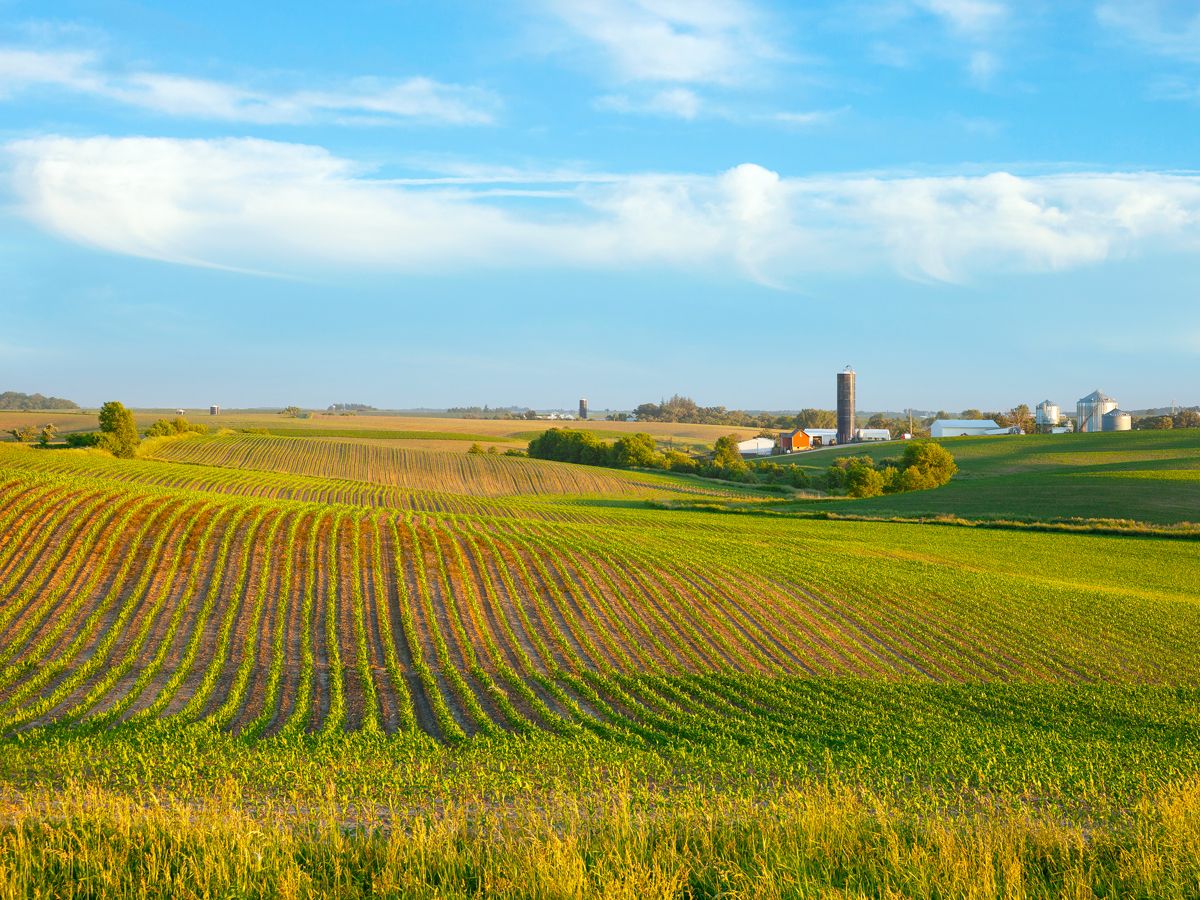
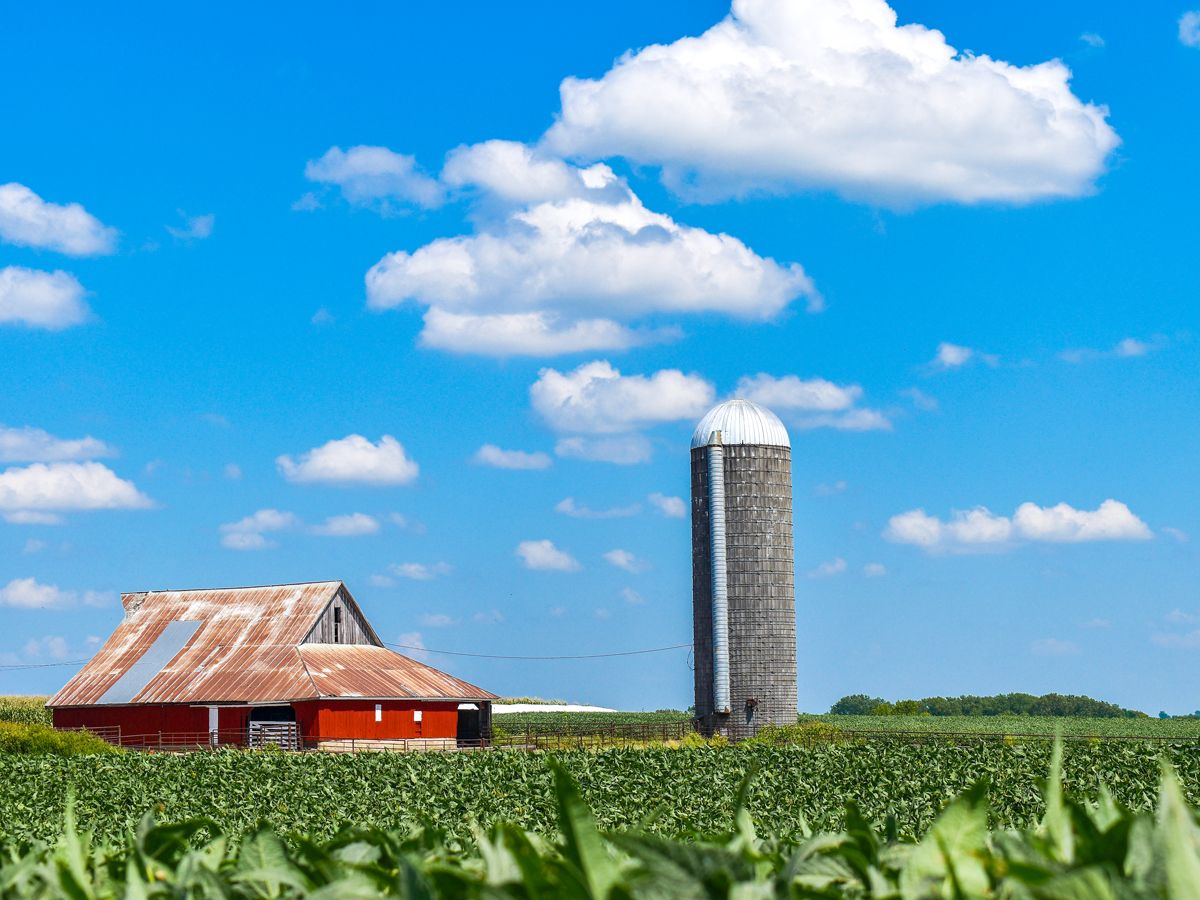
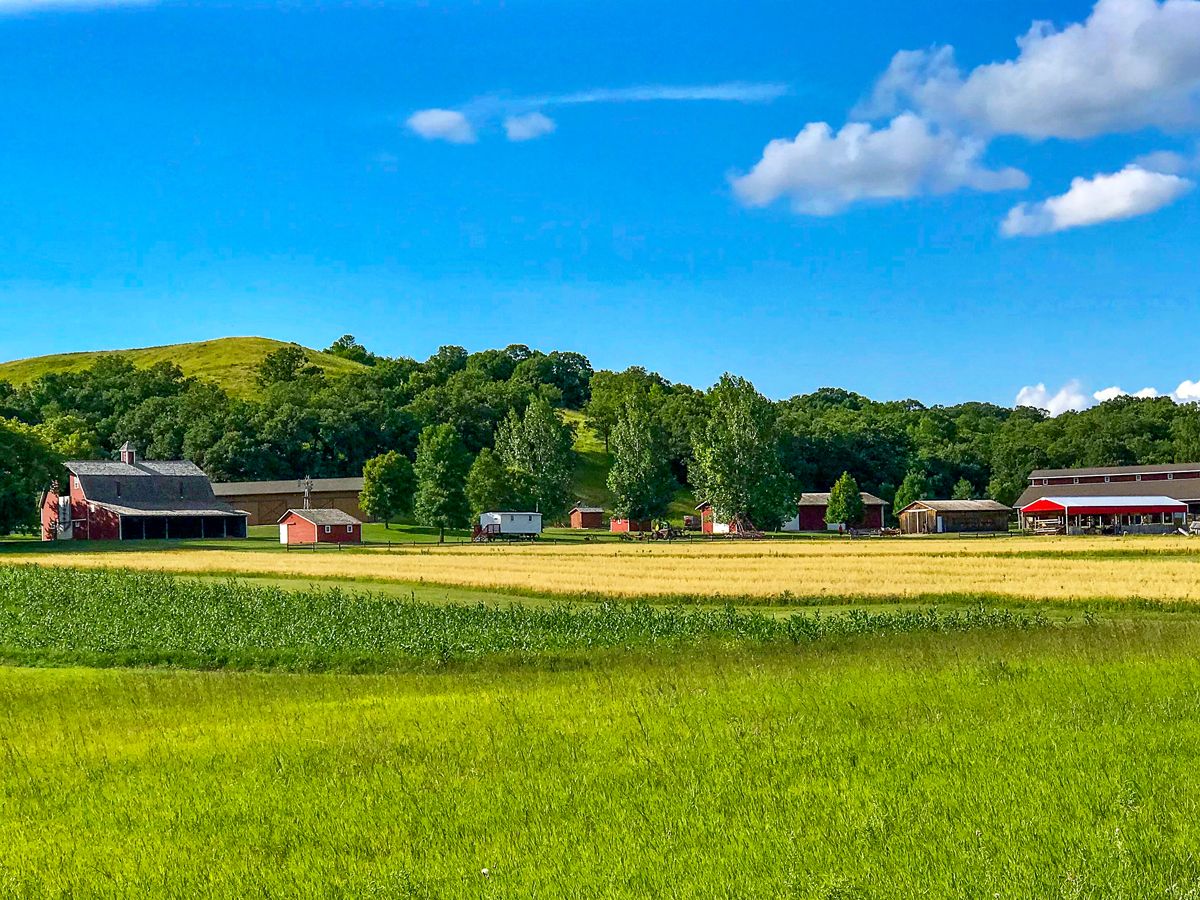
Did you know that around 39% of the United States — 876 million acres — is covered in farmland? From the wheat fields of Kansas to the dairy farms of Wisconsin, agriculture is one of the biggest drivers of America’s economy. It helps to feed the nation and large parts of the world, in addition to shaping the cultural identity of cities and towns across the country. Let’s take a look at the 10 states with the highest percentage of their total area dedicated to farming, according to data from the U.S. Department of Agriculture (USDA), as compiled by Visual Capitalist.
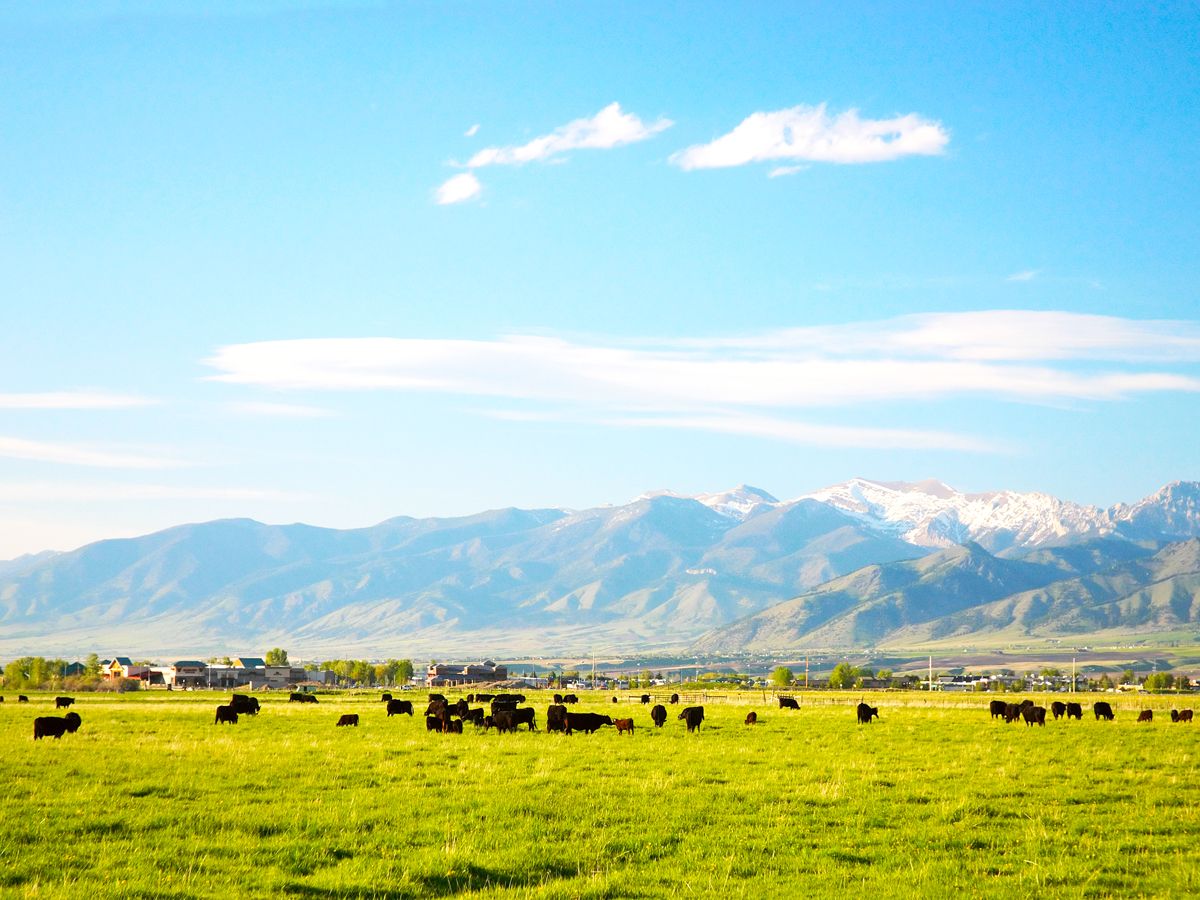
Montana embodies the essence of the American West, with endless skies, pristine rivers, and iconic landscapes including the Rocky Mountains and Glacier National Park. The Treasure State’s vast natural resources support a thriving agricultural industry across more than 24,000 farms and ranches, with an average farm size of 2,734 acres. Wheat, cattle, and hay lead production alongside cherries, seed potatoes, and sugar beets. The state also produces organic crops such as honey, flax, and lentils, further solidifying its status as a farming powerhouse.
For visitors to Montana, there are many ways to experience the state’s agricultural heritage. See: fruit picking at Missoula’s Green Bench Orchard, sipping craft beers at Bozeman’s MAP Brewing Company, or tasting homegrown goods at festivals such as Taste of Bigfork and Trout Creek’s Huckleberry Festival.
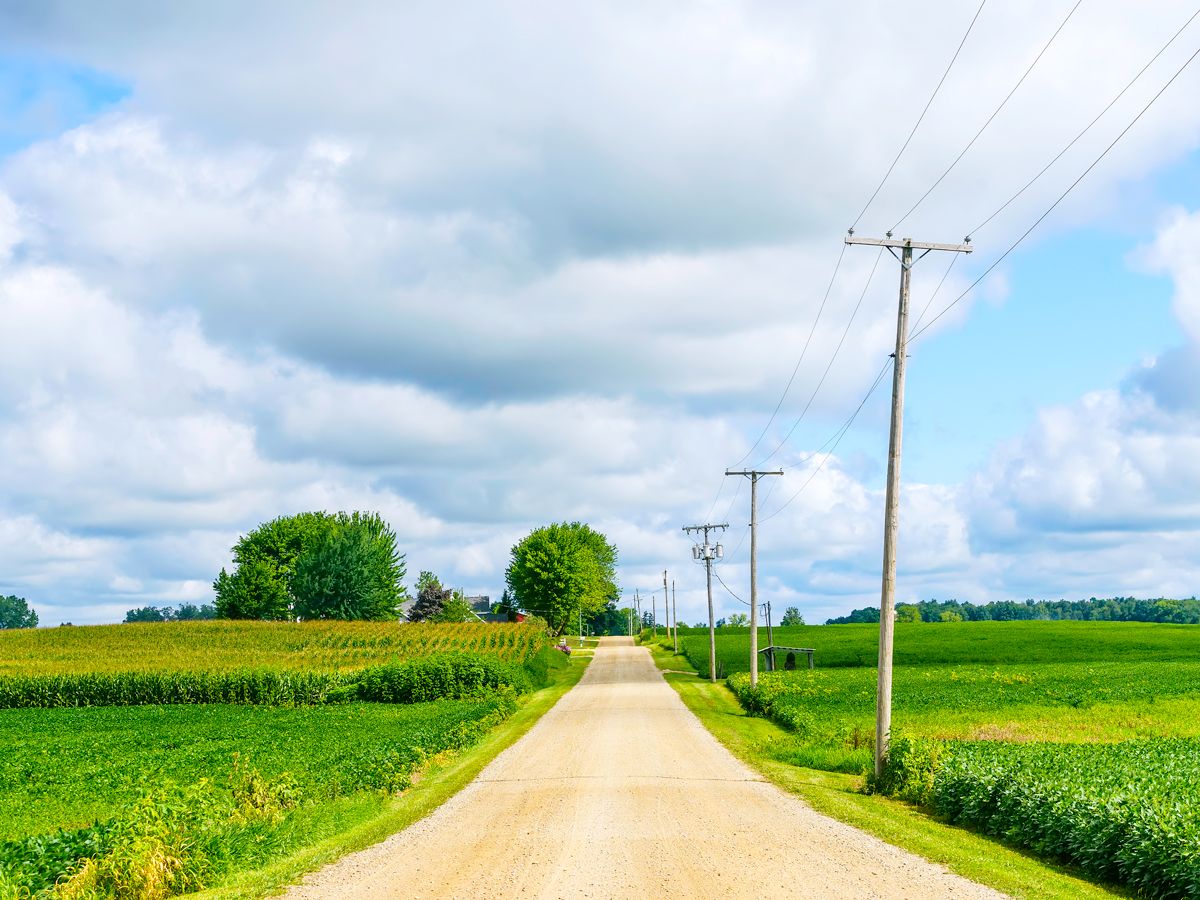
Corn and soybean fields dominate the landscape of Indiana. Such is the importance of corn to this Midwestern state that popcorn is now recognized as the official state snack (and Indiana is the country’s top producer of it). The crop is also used to draw tourists in the form of corn mazes, such as Exploration Acres in Lafayette.
But there’s plenty more to the state’s agriculture than beans and kernels. Indiana is the country’s leader in duck production, its second-biggest pumpkin producer, and ranked third in spearmint farming. In Fort Wayne, tours of Kuenhert Dairy provide a glimpse into the life of a 125-year-old working dairy farm. And in September, the Nappanee Apple Festival is famous for its 7-foot apple pie weighing over 600 pounds.
Illinois is another Midwestern leader in agriculture, ranking first in the country for soybeans, second for corn, and fourth for swine production. Illinois farmers work across 74,300 farms, which occupy a total of 27 million acres. The town of Morton is the self-proclaimed “Pumpkin Capital of the World” — it’s where the Libby’s plant is responsible for canning 85% of the world’s pumpkins. Every September, the Morton Pumpkin Festival celebrates the fall harvest with pumpkin-themed events such as decorating, sweet-making, and grilling.
The state is known for its fruit production, too, which is showcased at 12 participating wineries on the Shawnee Hills Wine Trail. Meanwhile, apple orchards including Jonamac Orchard harvest thousands of apples to brew sweet and hard ciders.
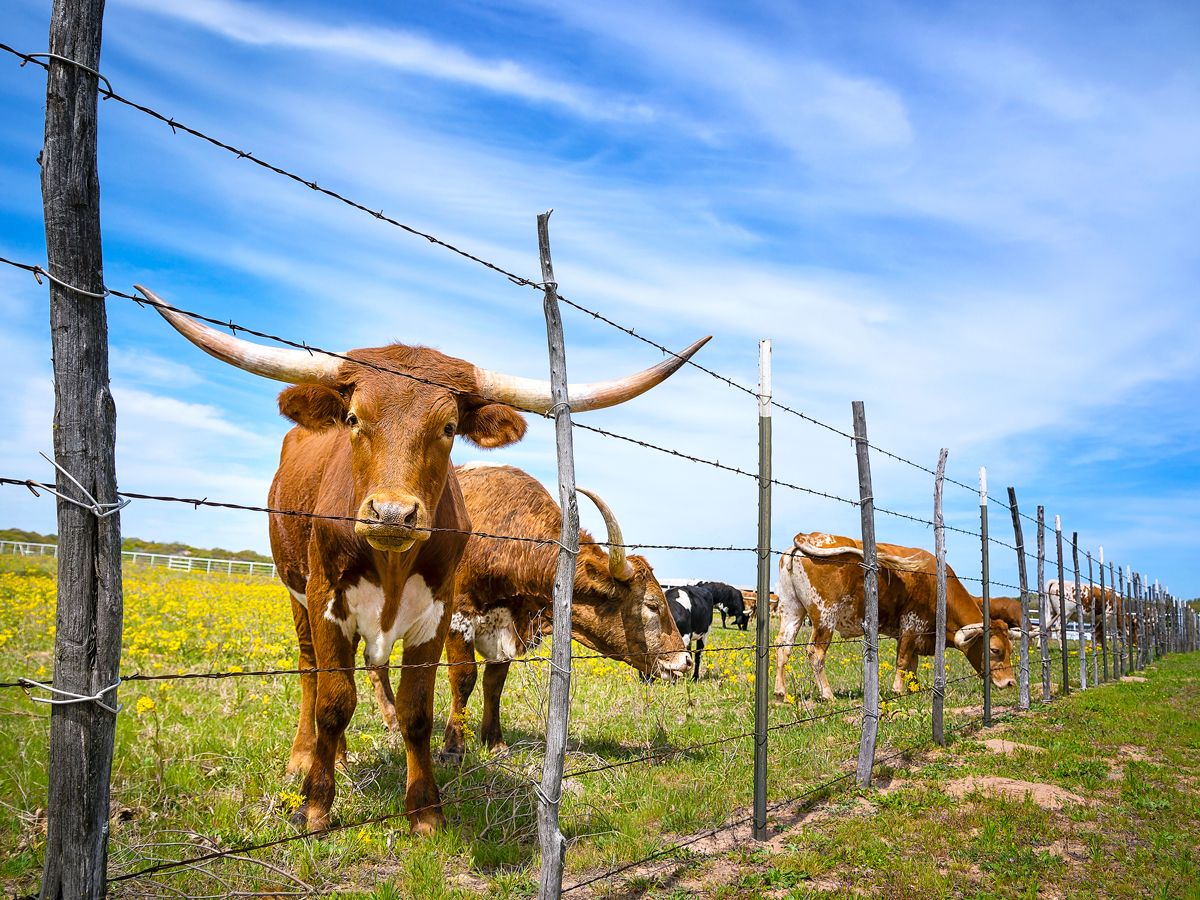
True to its reputation that everything is bigger in Texas, the Lone Star State does farming on a grand scale, too. It has 231,000 farms, the most of any state. Of these, around 96% are family-run, keeping the state’s proud agriculture heritage rooted in tradition. The average farm size in Texas is 541 acres, and farmland covers a total of 125 million acres statewide.
In 2023, beef, veal, cotton, and dairy products were among the top commodities. Texan cattle is central to the state’s world-famous barbecue, notably brisket, which is slow-cooked for hours. Try it for yourself at the Texas Monthly BBQ Fest, an annual event held in November in Lockhart that brings together Texas Monthly magazine’s Top 50 BBQ Joints in Texas.
Oklahoma has over 70,000 farms, covering around 33 million acres of state land. Of these, 52 are certified organic farms, 91% of all farms in the state are owned by either families or individuals, and 40% of the state’s farmers are female. Hogs, cattle and calves, and broilers (chicken raised for meat) are Oklahoma’s leading products. Beekeeping is also big business, with almost 23,000 colonies producing 234,000 pounds of honey in 2022.
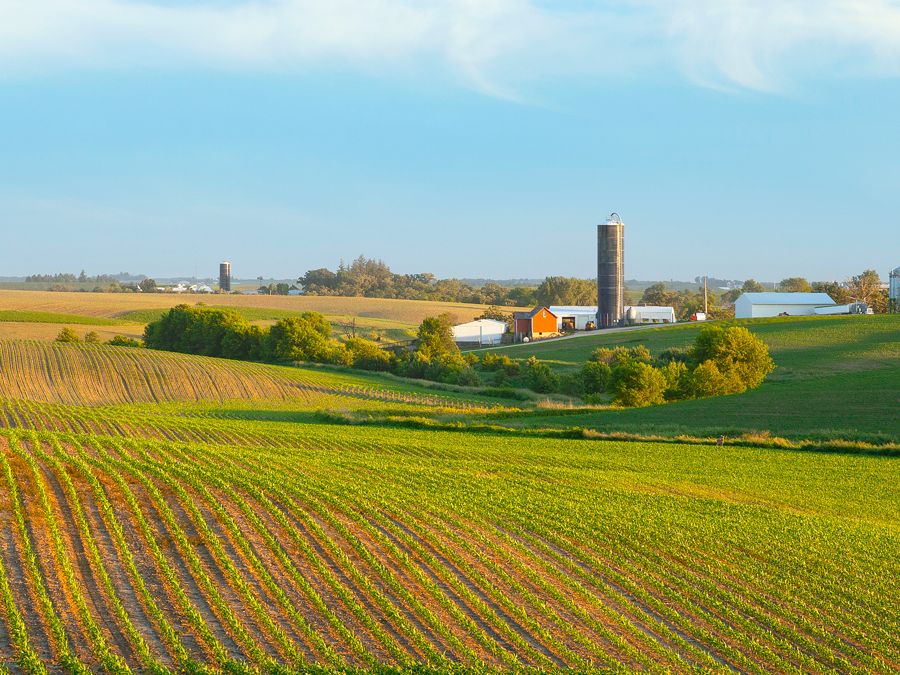
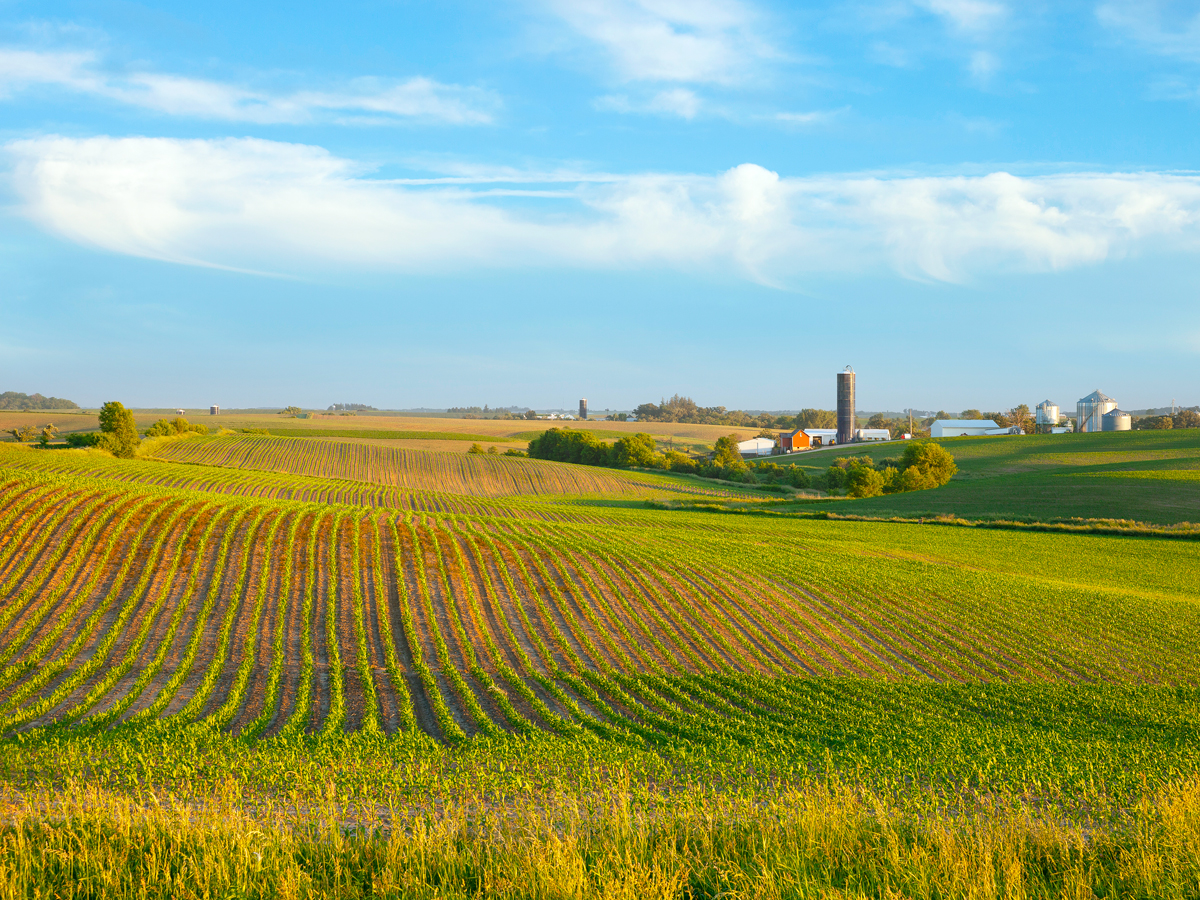
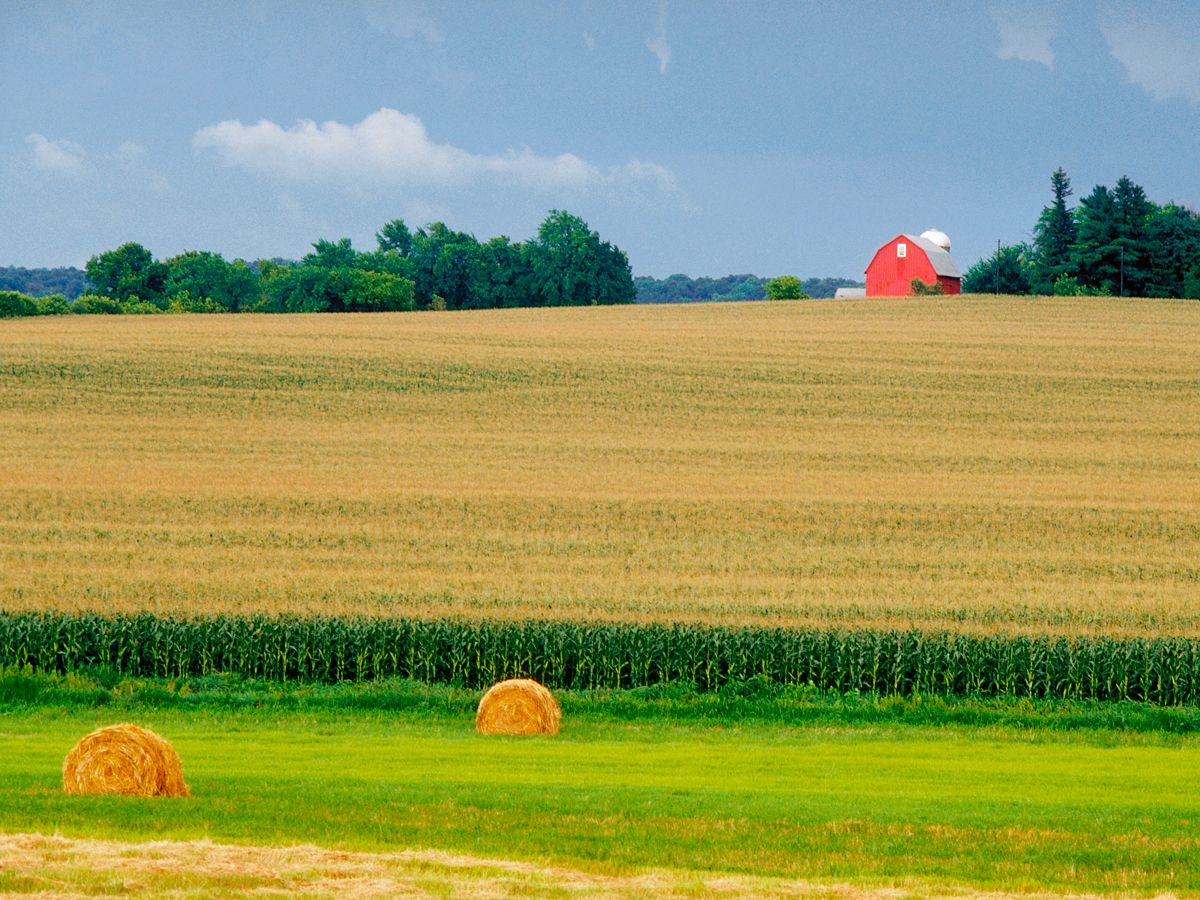
Like Indiana, Iowa is famous for its far-reaching cornfields and soybean fields. They are dominant features of the Hawkeye State’s 30 million acres of farmland and 87,000 farms, of which over 700 are certified as organic. Livestock and poultry are also major contributors to the state’s agricultural industry.
A great way to get a taste for the state’s agricultural heritage is via the self-guided From Farm to Fork Road Trip, organized by the Iowa Food and Family Project. It incorporates five award-winning food and drink stops, ranging from burger bars to distilleries to ice cream parlors. Bacon lovers should also plan a visit to Des Moines’ Blue Ribbon Bacon Festival in May for dozens of bacon-infused treats, from corn dogs to toffee.
4. Kansas
Credit: Cavan Images/ iStock via Getty Images Plus
Percentage of state devoted to farmland: 85.6%
The Sunflower State is technically only the sixth-biggest producer of sunflowers in the United States, but sunflowers are ingrained in Kansas’ culture. Britt’s Farm in Manhattan opens its sunflower fields every fall for visitors to marvel at the vibrant yellow blooms. But that’s not all the state’s 55,000 farms specialize in. Cattle, corn, soybeans, sorghum, and wheat also drive the agriculture economy.
Cattle and pork production are especially important and contribute to Kansas’ iconic barbecue menus, with spots such as Joe’s Kansas City Bar-B-Que that are famous for pulled pork sandwiches and saucy ribs. Visitors can also check out the Kaw Valley Wine Trail, which encompasses 14 independent wineries west of Kansas City. Z&M Twisted Wines produces over a dozen varieties alone, including reds, whites, and dessert wines.
North Dakota might fly under the radar in terms of tourism, but it’s a powerhouse when it comes to agriculture. Its rich prairie soil and flat terrain make it ideal for growing crops such as canola, flaxseed, oats, and wheat. There are some 24,800 farms and ranches occupying 38.5 million acres of the state’s land.
There’s a proud dairy heritage in Iowa, too, represented by Salem Sue, billed as the “World’s Largest Holstein Cow.” If you’re looking to check out two quirky attractions in one go, this emblematic roadside stop on Interstate 94 is a two-hour drive from the World’s Largest Buffalo Monument. Visitors to North Dakota can also sample the state fruit — the sour-sweet chokeberry, typically used to make jellies, syrups, and wines — at Willston’s ND Chokeberry Festival, held annually in August.
Like its northern counterpart, South Dakota is one of America’s top farming states. Its more than 28,000 farms specialize in everything from livestock to crops such as corn, hay, and sunflowers. In 2023, the state produced over 18 million pounds of honey.
South Dakota’s livestock industry is also vital to the official state nosh, chislic. It consists of deep-fried cubes of red meat (traditionally lamb or mutton) served on skewers with saline crackers and a dipping sauce. In July, you can also check out the South Dakota Chislic Festival in Freeman. On the quirkier side of the agricultural world is the Mitchell Corn Palace, which has murals made entirely from corn.
1. Nebraska
Credit: Cavan Images/ iStock via Getty Images Plus
Percentage of state devoted to farmland: 89.5%
Dominated by the rolling prairies, grasslands, and steppes of the Great Plains, Nebraska has the highest percentage of land dedicated to farming. Over 44,000 farms spread across 44 million acres of land in Nebraska. It’s the country’s second-largest cattle producer, earning it the nickname of the Beef State. Corn and dairy products are also among the state’s top commodities.
Nebraska’s farming success owes much to the Ogallala Aquifer, a huge underground water source ensuring crops thrive even through dry spells. Farming isn’t just a way to make a living in Nebraska, either — it’s part of the state’s tourism fabric. Guest ranches let visitors experience the life of a cowhand, while orchards invite them to pick their own fruit. Among the best ways to savor local flavors is at North Loop’s Popcorn Days and Hastings’ Kool-Aid Days, both held in August.
Tips •November 10, 2025•Updated: November 10, 2025
By Fiona Mokry
Author
Fiona Mokry
Fiona has spent her career exploring the world and working in the travel industry, turning her lifelong passion into a profession. From planning custom trips to sharing stories as a travel writer for publications such as The Discoverer, she’s all about helping others experience the world in a deeper, more meaningful way.
Catching a flight always comes with that one important question: How early should you actually get to the airport? No one wants to spend hours waiting around, but running through the terminal with your shoes half on and your bag bouncing behind you isn’t fun, either. The sweet spot of when to show up at the airport depends on a few factors — where you’re headed, how busy the airport is, and how you like to travel. Figuring it out ahead of time can save you stress, maybe a little sweat, and unnecessary time spent waiting around. Below, explore a few different airport scenarios, from catching a domestic or international flight to whether you have TSA PreCheck, are checking bags, or need any special assistance.
Most U.S. airlines — including American, Delta, and United — recommend showing up at least two hours before your domestic flight. This may sound like a lot of time, but it’s important to consider factors such as parking, whether you need to take a shuttle to the terminal entrance, checking in, dropping off any checked bags, and passing through security.
During busy travel periods like holidays — or exceptional circumstances like the recent government shutdown — it’s smart to give yourself even more time, as airports can get crowded and lines can quickly grow long. Also be sure to keep an eye on the weather, since rain, snow, or other conditions can slow things down and lead to backlogs of travelers with delayed or canceled flights, resulting in longer lines at check-in and security.
When To Get to the Airport for an International Flight
For international flights, airlines, the TSA, and travel experts recommend arriving at least three hours before your scheduled departure time. That’s because there are more steps in the process — document checks, additional security procedures, and sometimes customs at airports with U.S. preclearance — all of which can take longer than a domestic flight. Adding an extra hour gives you a buffer if anything pushes you behind schedule. Boarding for international flights also tends to start earlier — usually around 50 to 60 minutes before departure, whereas domestic flights start around 30 minutes before.
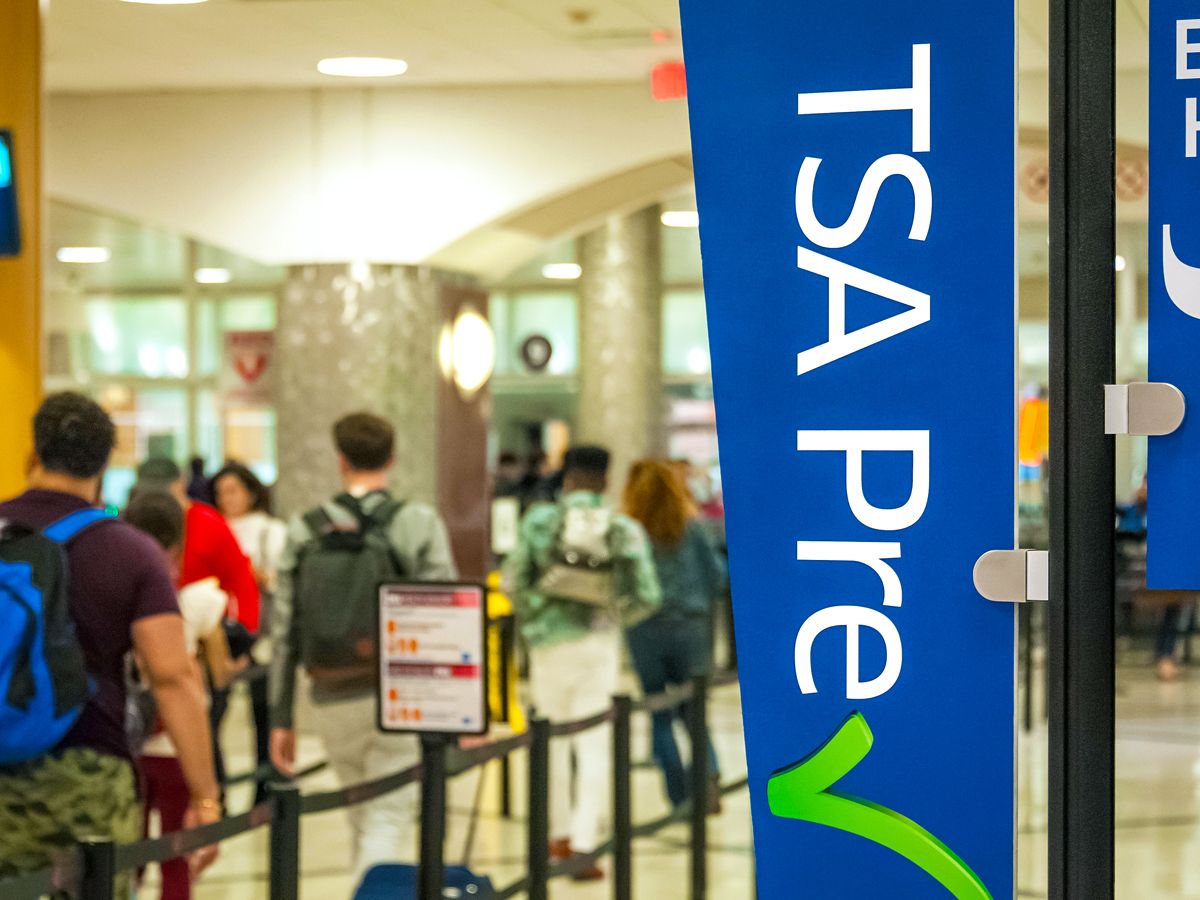
If you’re one of the 20 million-plus people who have enrolled in TSA PreCheck, you should theoretically be able to shave off time in the security line and arrive at the airport closer to departure. According to the TSA website, most wait times for TSA PreCheck lanes are under 10 minutes, while standard screening lanes usually take 30 minutes or less.
However, keep in mind that you could still encounter long waits in a PreCheck lane if the airport is busy or you’re traveling during peak periods. Because of this, you may wish to stick to the recommended two-hour arrival window for domestic flights or three hours for international trips. This also gives you a few precious extra minutes to grab a coffee, refill your water bottle, and freshen up before your flight.
Traveling only with carry-on luggage offers two big advantages. First, you can check in online, obtain a mobile boarding pass, and skip the check-in counter entirely — no wrestling with glitchy self-check-in kiosks or waiting in a long queue of other passengers. Second, once you arrive at the airport, you can head straight to security, bypassing the whole baggage-drop process. And the best part? No waiting around at baggage claim (or worrying about lost luggage) when you land.
Still, sometimes checking a bag is unavoidable, and if you’re planning on traveling with one, it’s crucial to know the baggage cutoff times. Check the website of the airline you’re traveling with and plan accordingly. For international flights on Southwest Airlines, for instance, your bag must be checked in at least 60 minutes prior to departure, or you won’t be able to board your flight. Remember: This means the time your bag is scanned and loaded on the check-in belt, not the time you join the line, so it’s a good idea to budget plenty of extra time for waiting in the baggage drop-off line.
When To Get to the Airport if You Need Special Assistance
In general, if you require special assistance, it’s a good idea to arrive at the airport about an hour earlier than the recommended times noted above. Depending on your needs, you can request help from a TSA Passenger Support Specialist (PSS), who can guide you through the security process. This service is available through TSA Cares, a program designed to assist travelers with disabilities, medical conditions, or other special circumstances. To arrange support, contact TSA Cares at least 72 hours before your flight by submitting an online form or by calling (855) 787-2227.
To ensure everything goes smoothly with your travel day, it’s also a good idea to let your airline know beforehand if you need any assistance. For example, American Airlines recommends adding special assistance requests to your itinerary during the booking process or after you book by managing your itinerary online. The airline notes that you can also inform an employee at the airport when you arrive if, for example, you need a wheelchair, but it’s a good idea to give yourself an extra time buffer to allow the airline to accommodate such requests.