




Post Banner Image
Tips

What Happens if You Don’t Turn on Airplane Mode?

By Daily Passport Team
Read time: 3 minutes
May 31, 2024
Updated: March 17, 2026

What Happens if You Don’t Turn on Airplane Mode?

By Daily Passport Team
Author
Daily Passport Team
Daily Passport writers have been seen in publications such as National Geographic, Food & Wine, CBC, Condé Nast Traveler, and Business Insider. They're passionate about uncovering unique destinations and sharing expert tips with curious travelers.

Anytime you’re on an airplane and getting ready to push back from the gate, you’ll hear a familiar set of instructions. Your seatback and tray table should be in their upright position, belongings should be safely stowed under the seat in front of you, and mobile devices must be switched to airplane mode. But about that last one… have you ever stopped to wonder why we have to switch our phones to airplane mode, or even what it really means? Here’s everything you wanted to know about airplane mode and if you really need to use it on your next flight.

What Is Airplane Mode?

Close-up image of airline passenger holding cell phone
Credit: SDI Productions/ iStock via Getty Images 

Airplane mode was introduced because of potential concerns that cell phones could cause interference with aircraft instruments during flight. The basic function of airplane mode or flight mode is to block cell tower reception so the phone cannot send or receive wireless communications — while still allowing users to access the rest of a smartphone’s features, like Wi-Fi, music, podcasts, and games. Because many of the same signals that are used for communication by pilots are the same used to connect phones to cell towers, there could be interference if an entire flight full of smartphones were trying to connect at the same time as the plane’s computer system.

Potential Risks of In-Flight Cell Phone Use

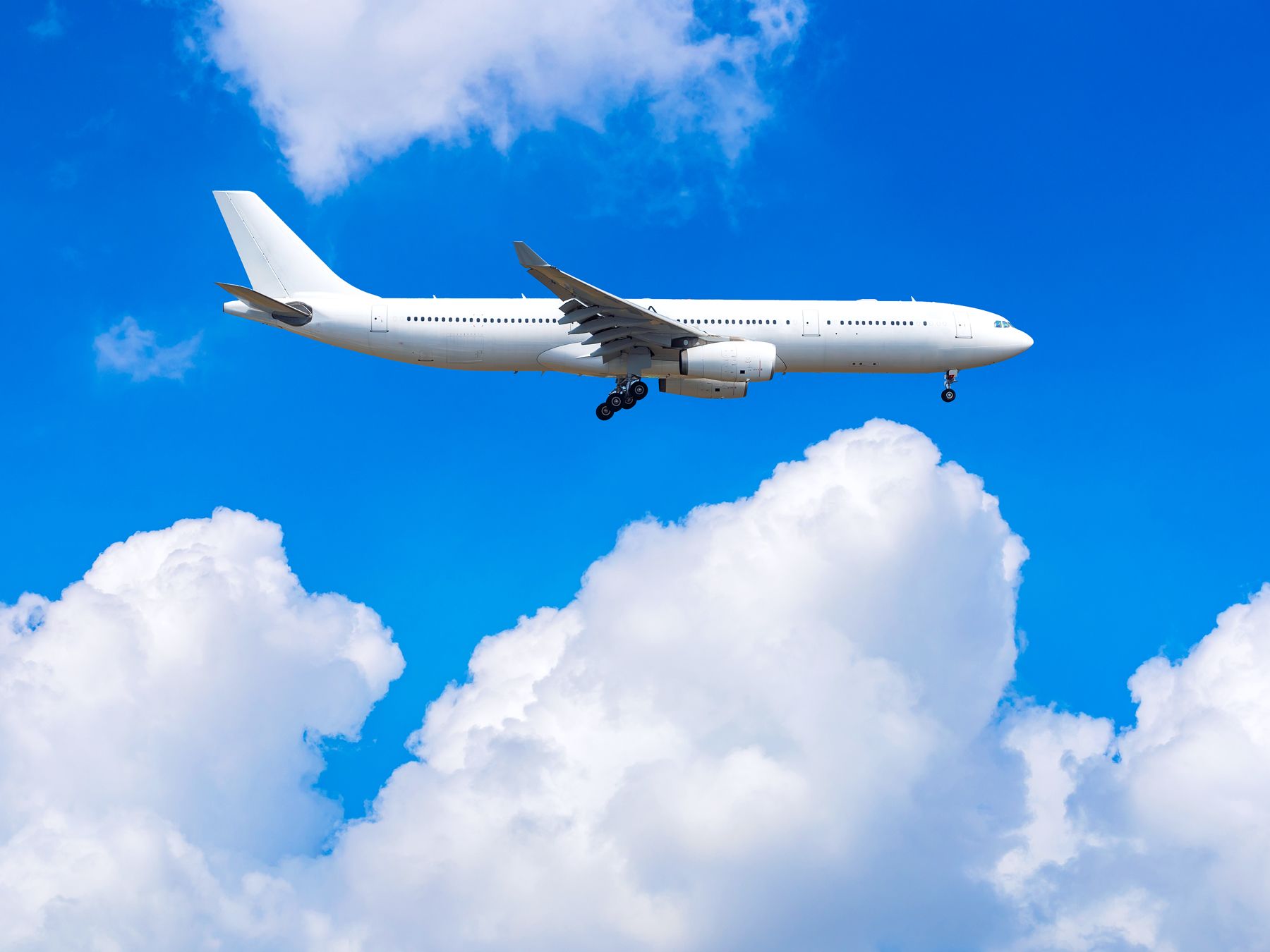
Aircraft cruising above clouds
Credit: guvendemir/ E+ via Getty Images 

In 1991, the Federal Communications Commission (FCC) banned the use of most cell phones and wireless devices during flight. Air traffic control needs to have a constant, direct line of communication with pilots, and there were concerns that cell phone signals could interfere with the ground networks used for communication. While it’s not currently thought that they cause serious harm, there’s a risk that they could create delays and cause confusion for pilots. 

The most crucial time for pilots to have this connection to air control is during takeoff and landing, when signals and communications are coming in rapidly and time is of the essence. Even the potential for a cell phone signal to interrupt a pilot during this window is what initially led to regulators requiring that their customers switch to airplane mode.

What Happens if You Don’t Turn on Airplane Mode?

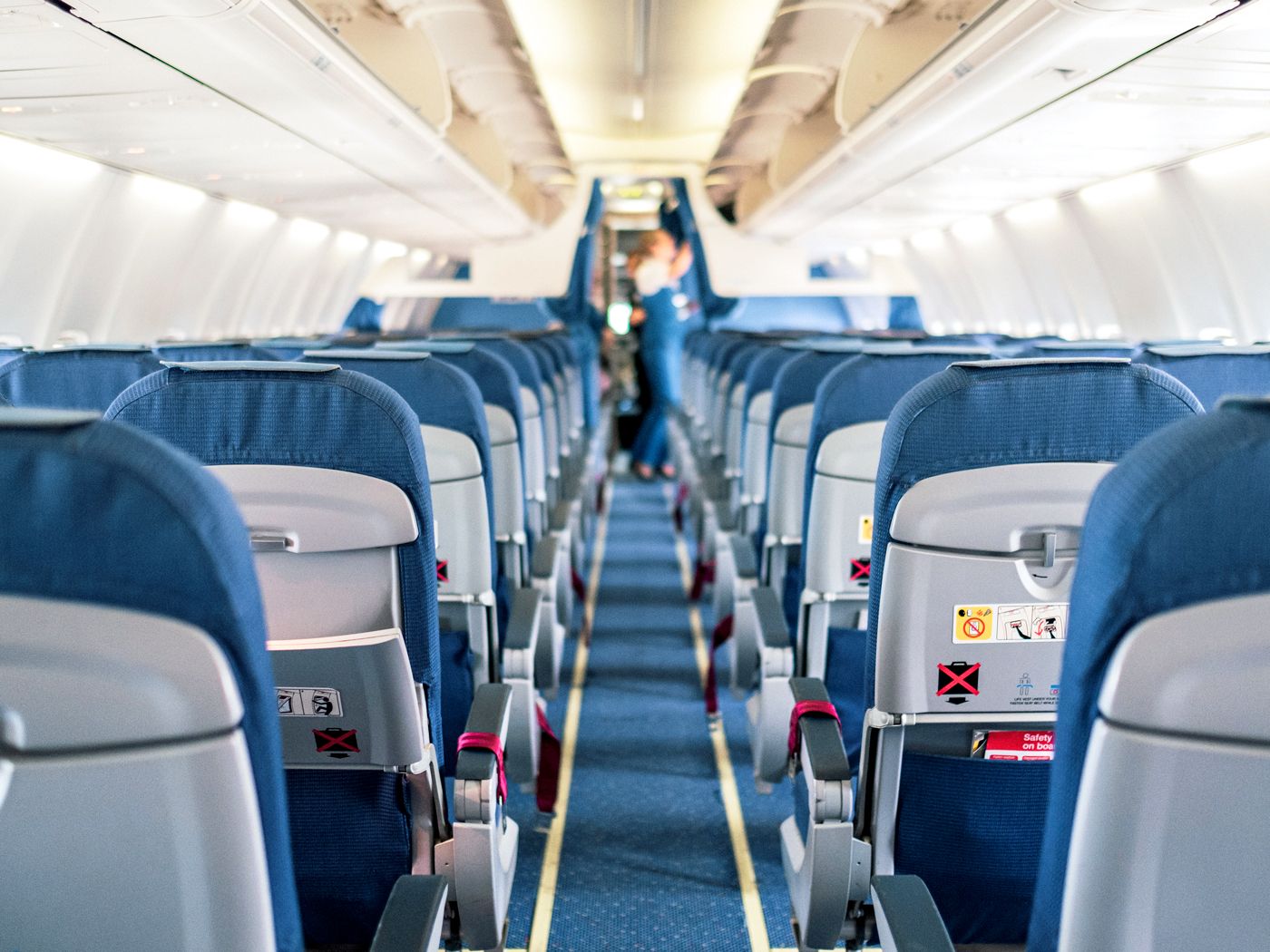
Image of aircraft aisle from back to front
Credit: AwaylGl/ iStock via Getty Images 

The Federal Aviation Administration (FAA) and aircraft manufacturers like Boeing conducted a series of tests in the 1990s about the potential interference caused by cell phone signals with an aircraft’s communication and navigation systems. While there wasn’t conclusive evidence either way that these signals do, in fact, interfere with critical aircraft systems, the ban has been left in place out of an abundance of caution. Those who choose not to turn on airplane mode will not only be defying FAA regulations, but they’ll also probably be disappointed to know that most cell phone signals aren’t powerful enough to reach your phone while airborne.

Will We Ever Be Able to Use Cell Phones In-Flight?

Airline passenger wearing headphones and reading book
Credit: BongkarnThanyakij/ iStock via Getty Images 

In 2023, the European Union ruled that airlines can start allowing passengers to use 5G cell phone service in flight, just as they would on the ground. However, Americans might have to wait a little longer — the 5G frequencies used in the U.S. are much stronger than Europe, and there are still potential safety concerns. 

That said, most airlines in the U.S. now offer in-flight Wi-Fi coverage, and some — like Delta or JetBlue — even offer it to all passengers for free. That allows passengers to stay connected in the skies, even if they can’t make voice calls. Plus, you might find it easier to relax on a flight if there aren’t 150 other passengers around you talking on their phones — at least for now. 

Post Banner Image
Culture

10 Most-Visited Tourist Destinations in the U.S.

By Rachel Gresh
Read time: 6 minutes
May 31, 2024
Updated: May 31, 2024

10 Most-Visited Tourist Destinations in the U.S.

By Rachel Gresh
Author
Rachel Gresh
Rachel is a Washington, D.C.–based travel and lifestyle writer with roots in the Great Lakes region. When she’s not writing for publications such as The Discoverer and Interesting Facts, you’ll find her wandering through museums or exploring destinations off the beaten path.

Over 50 million international travelers visit the United States each year, not to mention the millions more domestic travelers who cross state lines for sightseeing. With so many unique landmarks across 50 states, it’s difficult to pinpoint all of the most-visited landmarks, neighborhoods, and amusement parks. But we’ve ranked the most quintessential tourist destinations according to their annual number of visitors, based on recent tourism metrics from authorities such as the National Park Service, Statista and local governments and tourism offices. With that in mind, check out 10 of America’s most-visited tourist destinations. 

10. Golden Gate National Recreation Area – San Francisco, California

View of the Golden Gate Bridge from Golden Gate National Recreation Area in San Francisco, California
Credit: Can Balcioglu/ Moment via Getty Images 

15 million annual visitors

The Golden Gate Bridge is a must-see for many travelers exploring the U.S. West Coast, and for good reason. Its striking orange hue contrasts brilliantly with the deep blue waters of the Golden Strait below, which connects the San Francisco Bay with the Pacific Ocean. Since its opening in 1937, millions of visitors have come from around the world to marvel at the groundbreaking 1.7-mile-long suspension bridge and enjoy the expansive protected park area at both ends. Today, around 15 million come annually to enjoy not only views of the bridge but also over 80,000 acres of green space in the Golden Gate National Recreation Area, which offers ample opportunities for hiking, bicycling, wildlife viewing, camping, and beachgoing. 

9. French Quarter – New Orleans, Louisiana

Traditional architecture with iron balconies in the French Quarter of New Orleans, Louisiana
Credit: ferrantraite/ iStock via Getty Images 

15 million annual visitors

The French Quarter, New Orleans’ oldest neighborhood, was founded in 1718. Today, it attracts tourists from all over the world with its one-of-a-kind combination of French, Cajun, and Creole cultures and cuisines, including staples such as gumbo and beignets. Running through the center of the French Quarter is Bourbon Street, lined with lively bars, restaurants, and kitschy souvenir shops. European-inspired architecture with ornate balconies and colorful facades is found throughout this historic neighborhood. In Jackson Square, artists and performers set up shop to showcase their talents in front of St. Louis Cathedral — the oldest cathedral in North America.

8. Mall of America – Bloomington, Minnesota

Entrance to the Mall of America in Bloomington, Minnesota
Credit: Raymond Boyd/ Michael Ochs Archives via Getty Images 

16 million annual visitors

America’s largest mall opened in 1992 in Bloomington, 10 miles south of Minneapolis. While 40 million people visit the mall annually, around 40% (16 million) travel 150 miles or more to visit, making it one of the biggest tourist destinations in the country. The four-level mall is home to over 520 stores and more than 60 restaurants. But if you aren’t there to shop ’til you drop, there is plenty more to see and do. The mall is also home to Nickelodeon Universe (a seven-acre amusement park), the Sea Life aquarium, a comedy club, and dozens of other entertainment venues. 

7. Disneyland Resort – Anaheim, California

Sleeping Beauty's Castle at Disneyland Resort in Anaheim, California
Credit: AaronP/Bauer-Griffin/GC Images via Getty Images 

25 million annual visitors

The first of Walt Disney’s signature theme parks, Disneyland opened in Anaheim, California, in 1955. Today, the so-called “Happiest Place on Earth” welcomes over 16 million visitors annually. The park features quintessential Disney attractions, including Sleeping Beauty’s Castle, the Jungle Cruise, the Pirates of the Caribbean ride, and Space Mountain. Just next door, Disney California Adventure Park boasts 9 million visitors yearly, totaling nearly 25 million annually for the Southern California attraction. 

6. Millennium Park – Chicago, Illinois

Cloud Gate sculpture ("The Bean") reflecting Chicago skyline in Millennium Park
Credit: Raymond Boyd/ Michael Ochs Archives via Getty Images 

25 million annual visitors

Chicago’s Millennium Park, situated on the shores of Lake Michigan, is home to one of the country’s most famous outdoor sculptures, Cloud Gate — better known as “the Bean.” The 24.5-acre green space also boasts gardens, rock climbing, outdoor dining, and fountains. Visitors and locals alike can relax on the Great Lawn and enjoy live performances at the Jay Pritzker Pavilion, designed by renowned architect Frank Gehry. Millennium Park is also home to some of Chicago’s biggest annual events, including festivals for blues music, jazz, and summer film and concert series.

5. National Mall – Washington, D.C.

Washington Monument in Washington, D.C. at sunset
Credit: Sean Pavone/ Shutterstock 

36 million annual visitors

Washington, D.C.’s National Mall is the biggest attraction in the nation’s capital. It boasts some of the country’s most famous monuments, from the Lincoln Memorial at its west end to the U.S. Capitol building at the east end. The Washington Monument, a 555-foot-tall stone obelisk dedicated to the country’s first President, stands proudly at its center. The museums of the Smithsonian Institute (which are all free to visit) line the walkways of the National Mall, offering exhibits of art, history, science, aviation, and more. The green space in the mall’s center also makes for a perfect spot for summer picnics, kite flying, and taking in the view. 

4. Las Vegas Strip – Nevada

Aerial view of the Fountains of Bellagio and the Las Vegas Strip
Credit: Westend61 via Getty Images

41 million annual visitors

The Las Vegas Strip is the most famous stretch of Las Vegas Boulevard, making up the heart of Sin City’s entertainment district. The Strip is lined with iconic attractions, from the choreographed Fountains of Bellagio to some of the most famous hotels and casinos in the country, including the Venetian and Caesars Palace. There are also venues for music (such as the newly opened Sphere), comedy, and entertainment — plus, the Strip even has its very own Eiffel Tower.

3. Central Park – New York, New York

Pathway through fields and trees of Central Park in New York City, with skyscrapers in distance
Credit: Matteo Colombo/ Moment via Getty Images 

42 million annual visitors

The first section of this world-famous urban retreat opened in 1858 and has since provided over 150 years of year-round leisure for New Yorkers and the many millions more who visit the Big Apple. Spanning over 50 blocks in central Manhattan, Central Park is the most-visited city park in the United States. Some stop by for specific sites, such as the Central Park Zoo, Bethesda Fountain, Belvedere Castle, or the historic carousel. Others come to meander through endless pathways, crossing over ponds, landscaped gardens, and open meadows. A favorite time to visit is during the holiday season, when the Wollman Rink opens for ice skating and lighted Christmas trees line the park paths.

2. Walt Disney World Resort – Orlando, Florida

Monorail and Epcot dome at Walt Disney World in Orlando, Florida
Credit: Anadolu via Getty Images 

47 million annual visitors

Each year, Disney’s Orlando theme parks welcome a staggering 47 million travelers combined. The most-visited of these parks is also the oldest Disney park in Orlando. Opening its doors in 1971, Magic Kingdom welcomes over 17 million guests annually, who come to marvel at the spectacular nightly fireworks show at Cinderella’s Castle after a day of enjoying classic amusement rides. Along with Magic Kingdom, Walt Disney Resort in Orlando also includes three other major amusement parks: Hollywood Studios, Epcot, and Animal Kingdom, which receive about 11 million, 10 million, and 9 million annual visitors, respectively.

1. Times Square – New York, New York

Yellow taxi cabs amid bright billboards of Times Square in New York City
Credit: Eloi_Omella/ iStock via Getty Images 

50 million annual visitors

Situated in the heart of Manhattan, Times Square is home to a dazzling display of towering illuminated billboards, lively street performers, and quirky tourist attractions. The country’s most-visited tourist attraction is located at the intersection of Broadway, Seventh Avenue, and 42nd Street. The adjacent Theater District is where some of the world’s greatest live shows have been performed for decades. The Lyceum Theater, the oldest continually operating theater on Broadway, was built in 1903. One of the biggest nights in Times Square is the annual New Year’s Eve celebration, as an estimated 1 million people gather to watch the iconic Times Square Ball drop. The tradition began in 1907 and is now televised worldwide.

Post Banner Image
Tips

Here’s What You Should Clean Yourself When You Check into a Hotel Room

By Bennett Kleinman
Read time: 4 minutes
May 31, 2024
Updated: September 17, 2024

Here’s What You Should Clean Yourself When You Check into a Hotel Room

By Bennett Kleinman
Author
Bennett Kleinman
Bennett is a New York City-based staff writer for Daily Passport. He previously contributed to television programs such as the Late Show With David Letterman, as well as digital publications like the Onion. Bennett has traveled to 48 U.S. states and all 30 Major League Baseball stadiums.

When staying at a hotel, sometimes ignorance is bliss — it’s probably best not to think too much about who slept in the room before you or what kind of mess they made. Thankfully, hotels have top-notch cleaning staff who tidy up the room and get it ready for each new guest. But with so many rooms to clean each morning, even the most talented cleaners may miss a spot here and there, especially if the staff is stretched thin. This begs the question: Should you clean your hotel room when you check in? There are definitely a few reasons why it’s worth considering — here’s what you need to know.

Bring Supplies

Traveler rolling suitcase into hotel room
Credit: Pattarisara Suvichanarakul/ iStock via Getty Images 

Some people might argue that cleaning your hotel room after check-in is more out of an abundance of caution than anything else. Even so, there’s no harm in doing a quick wipe down after arriving for a little added peace of mind. Rather than bother the front desk for cleaning supplies, consider traveling with a few small items that can easily fit into any travel bag. Some of the best products to travel with include Clorox disinfecting wipes, Windex pre-moistened wipes, and even microfiber cloths to do a quick dusting. And you can always bring a few more products if you’re feeling particularly germ-conscious.

Wipe Down Common Touch Points

Person wiping down sink
Credit: brizmaker/ Shutterstock 

Think of all the surfaces in each hotel room that are repeatedly touched during each stay, like light switches, door handles, the TV remote, the sink faucet, and the phone — the list goes on and on. While the cleaning staff may have quickly wiped down these areas with a wet cloth or duster, it doesn’t hurt to give them one more clean with some disinfecting wipes. Be sure to get down in the cracks and crevices that are harder to reach in order to ensure a thorough clean.

Swap Out the Bedding

Person changing bed sheets
Credit: Biserka Stojanovic/ iStock via Getty Images 

Even though it’s cleaned after every stay, hundreds upon thousands of guests share the same sheets and pillowcases. Furthermore, hotels use harsh detergents to clean sheets, which may cause irritation for people with sensitive skin. If you’d rather not risk sleeping on this type of bedding, consider bringing a set of sheets in your luggage. Just take note of the bed size when you make your reservation, and pack some sheets and pillowcases accordingly (there are also ultra-light travel versions you can buy). Then when you arrive, swap out the bedding for the sheets you brought from home that you know and love. 

Wash Glassware

Water jug and glasses in hotel room
Credit: Vladimir Razguliaev/ iStock via Getty Images 

Many hotels offer disposable drinkware to make cleaning up easier, but some still include drinking glasses in every room. If your hotel has actual glassware, it’s worth running each cup under the sink before drinking out of them. Just because there aren’t any visible stains or smudges doesn’t mean that the glass has been recently cleaned. For instance, a previous guest may have picked up a drinking glass, changed their mind, and put it right back in its original place. Nobody really wants to drink out of a glass that’s been touched by somebody else, so it’s best to just take some added caution.

Clean the Coffee Maker

Pot of coffee and coffee mug on table
Credit: Yana Iskayeva/ Moment via Getty Images 

Coffee makers can be some of the dirtiest items in a hotel room — you never quite know when the machine was last thoroughly cleaned. Before using the coffee machine to brew coffee, run several cycles with plain water to flush out any leftover grounds or other bacteria that may have formed. If there’s a nearby convenience store, pick up some distilled white vinegar and run it through the coffee maker for added cleanliness. Once you’ve done two or three cycles of plain water or distilled vinegar, you can sip your cup of joe with peace of mind. Alternatively, you can grab your morning coffee from the lobby, as those urns are typically cleaned more thoroughly and frequently.

Avoid Tracking in Dirt

Traveler entering hotel room with suitcase
Credit: Anchiy/ E+ via Getty Images 

Lastly, don’t forget about the germs you might be bringing into your hotel room. You’ll want to first take off your shoes in the doorway and keep them there for the duration of your stay. You never know what dirt you may have picked up at the airport or while walking around town, so it’s best to decide upon a dedicated spot for your shoes close to the door. For similar reasons, avoid putting your luggage on the bed. Again, you’re never quite sure what germs your luggage may have picked up at the airport, so avoid tracking them in at the risk of contaminating where you’ll be sleeping.

Note: All featured products and deals are selected independently and objectively by the author. Daily Passport may receive a share of sales via affiliate links in content.

Post Banner Image
History

7 Places Your Grandparents Loved To Vacation

By Daily Passport Team
Read time: 6 minutes
May 31, 2024
Updated: April 3, 2026

7 Places Your Grandparents Loved To Vacation

By Daily Passport Team
Author
Daily Passport Team
Daily Passport writers have been seen in publications such as National Geographic, Food & Wine, CBC, Condé Nast Traveler, and Business Insider. They're passionate about uncovering unique destinations and sharing expert tips with curious travelers.

The only constant in life is change — and that applies to travel as much as anything else. While vacation places that were once cherished by previous generations may evoke nostalgia, many have lost their allure over the years due to changing trends and preferences in travel. Of course, some destinations — like the Pyramids of Egypt or Yellowstone National Park — endure as timeless travel destinations even as they bask in the glow of past golden eras. Other places, from former honeymoon hotspots to once-elusive travel experiences, may have been the go-to for your grandparents, but are less likely to be found on your travel itinerary these days. Discover the stories of seven famous vacation hotspots throughout history.

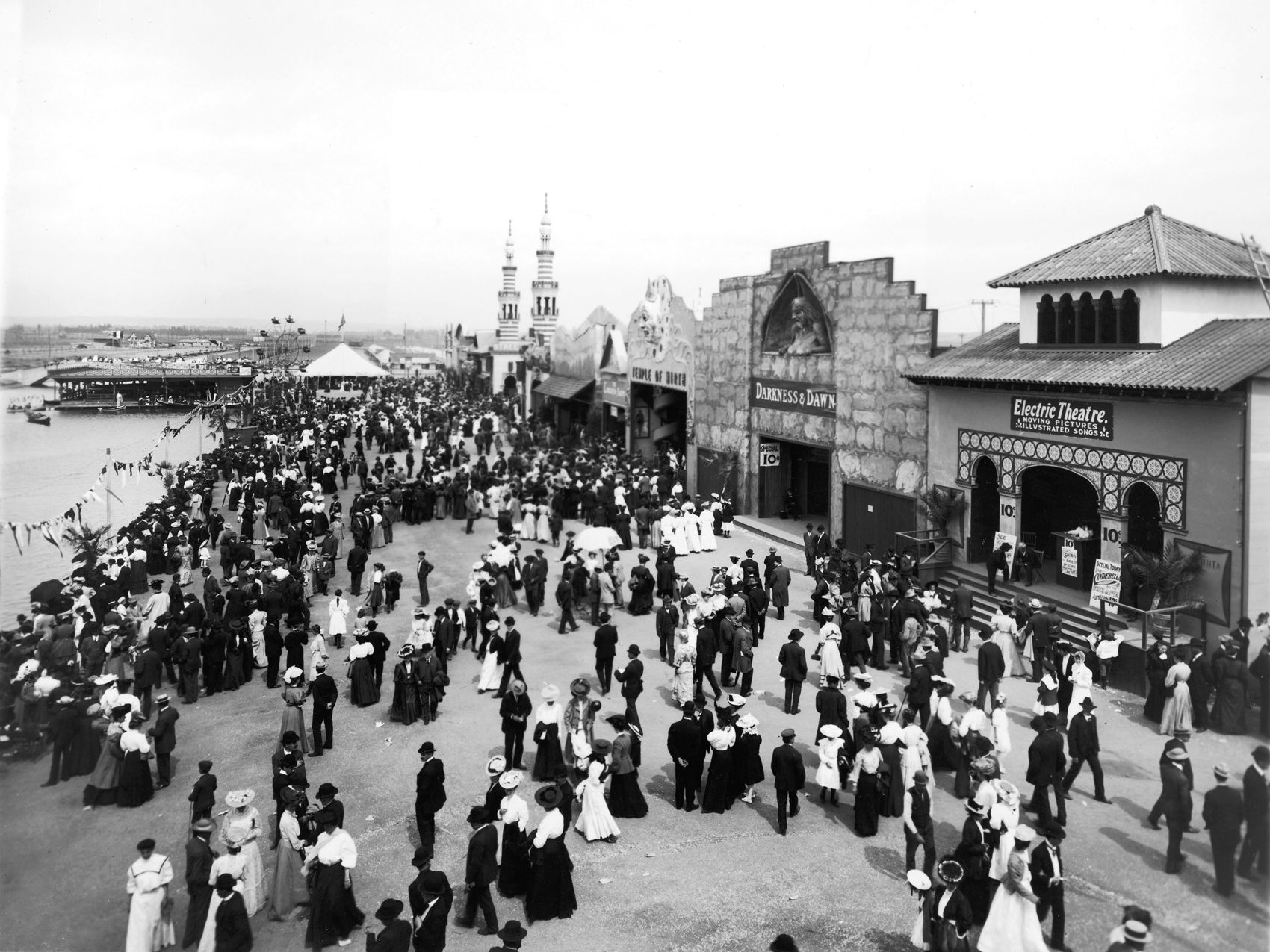
The Poconos – Pennsylvania

Panorama of the Pocono Mountains in fall
Credit: rabbit75_ist/ iStock via Getty Images 

The Pocono Mountains were once a booming honeymooners’ haven. Although resorts existed in the stunning mountain region as early as the 1820s, its tourism boom kicked off in earnest in the 1950s. During World War II, the Poconos became a place of solace for returning soldiers and their partners, and in 1945, the first honeymoon resort was established, starting a burgeoning industry that would proliferate throughout the 1960s. 

However, honeymooners’ preferences shifted over time, and many Poconos resorts closed their doors by the 1990s. Today, many sadly remain boarded up and abandoned, but fortunately, the area still boasts year-round, family-friendly vacation resort options — and, yes, even a kitschy heart-shaped relic or two for honeymooners looking to keep the vintage romance of the area alive.

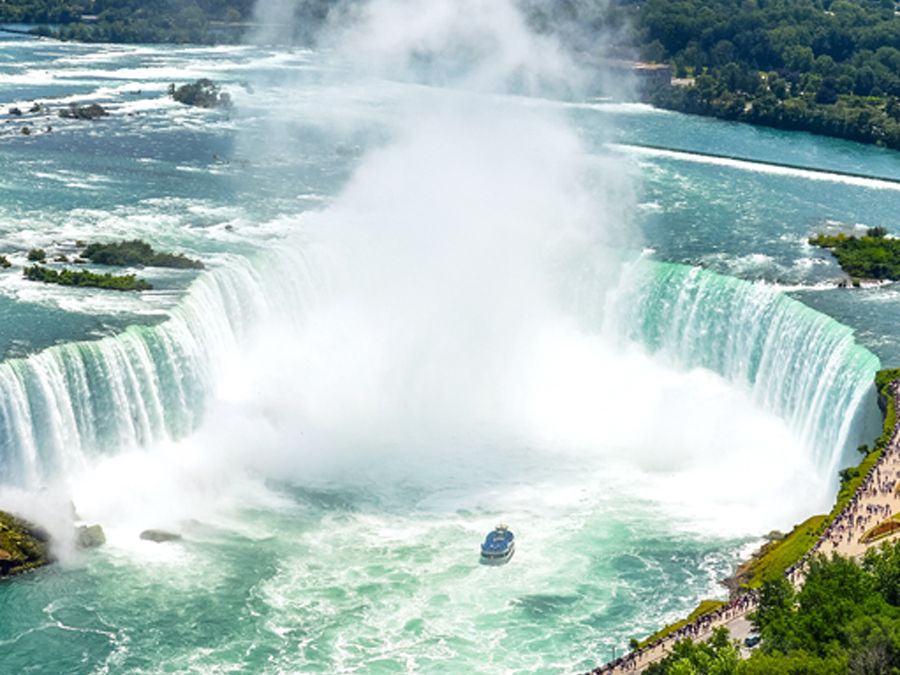
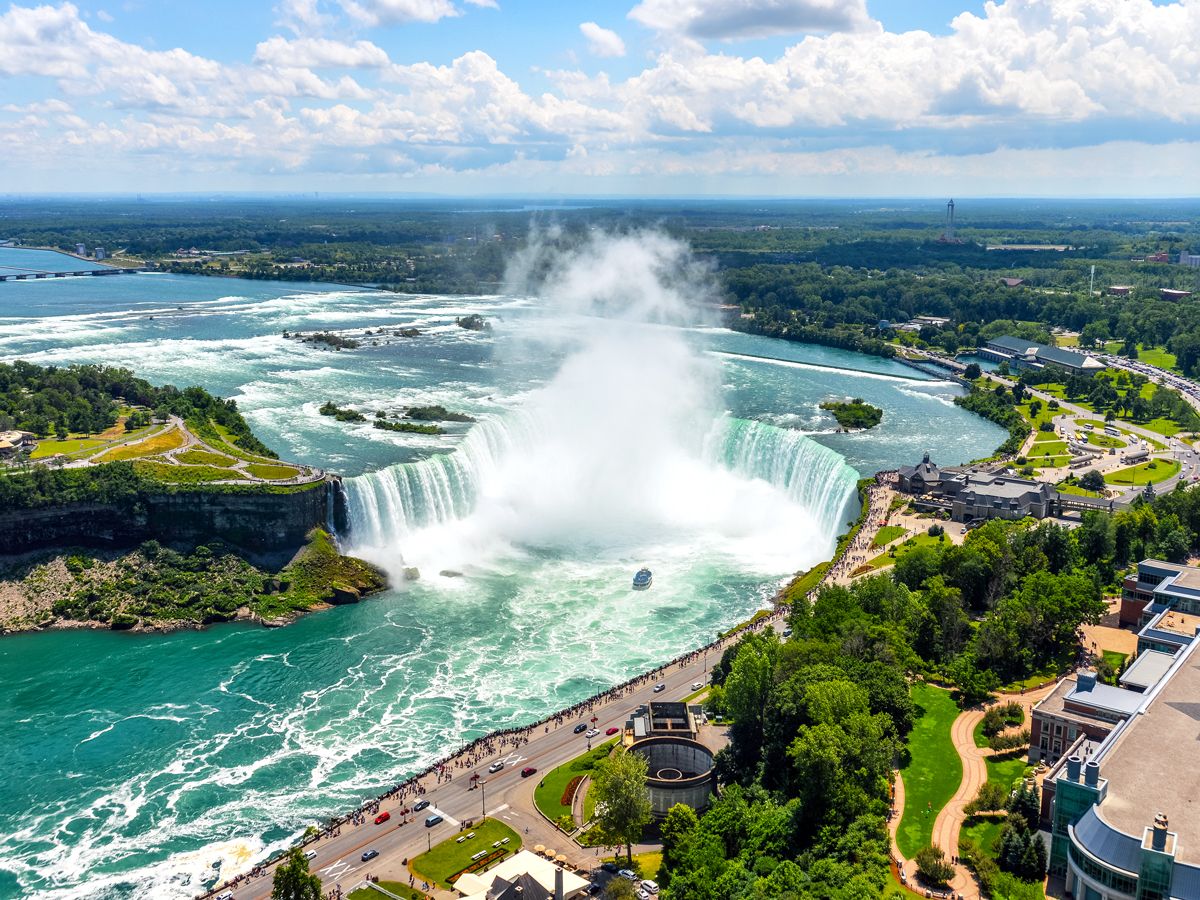
Niagara Falls – New York

Overlook of Niagara Falls in New York
Credit: AerialPerspective Images/ Moment via Getty Images 

Alongside its reputation for daredevil feats and shocking stunts throughout the 19th century, Niagara Falls also emerged as a honeymoon destination around the same time, billing itself as the “Honeymoon Capital of the World.” In the early 1800s, famous figures like Napoleon Bonaparte’s brother Jerome Bonaparte and American socialite Theodosia Burr, daughter of future Vice President Aaron Burr, celebrated their nuptials with a getaway to this (still highly popular) natural wonder

These high-profile honeymooners inspired others of the same social ilk, and while the destination initially remained exclusive to the wealthy, the opening of the Erie Canal in 1825 helped make it more accessible for middle-class honeymooners, too. The popularity of Niagara Falls as a honeymoon destination endured for generations, but it began to dwindle with the dawn of the early 1960s jet age, when international air travel started to become a reality for the average American. Still, the falls retain a nostalgic charm today, and honeymooners can easily find accommodations with vintage heart-shaped hot tubs for their romantic getaway.

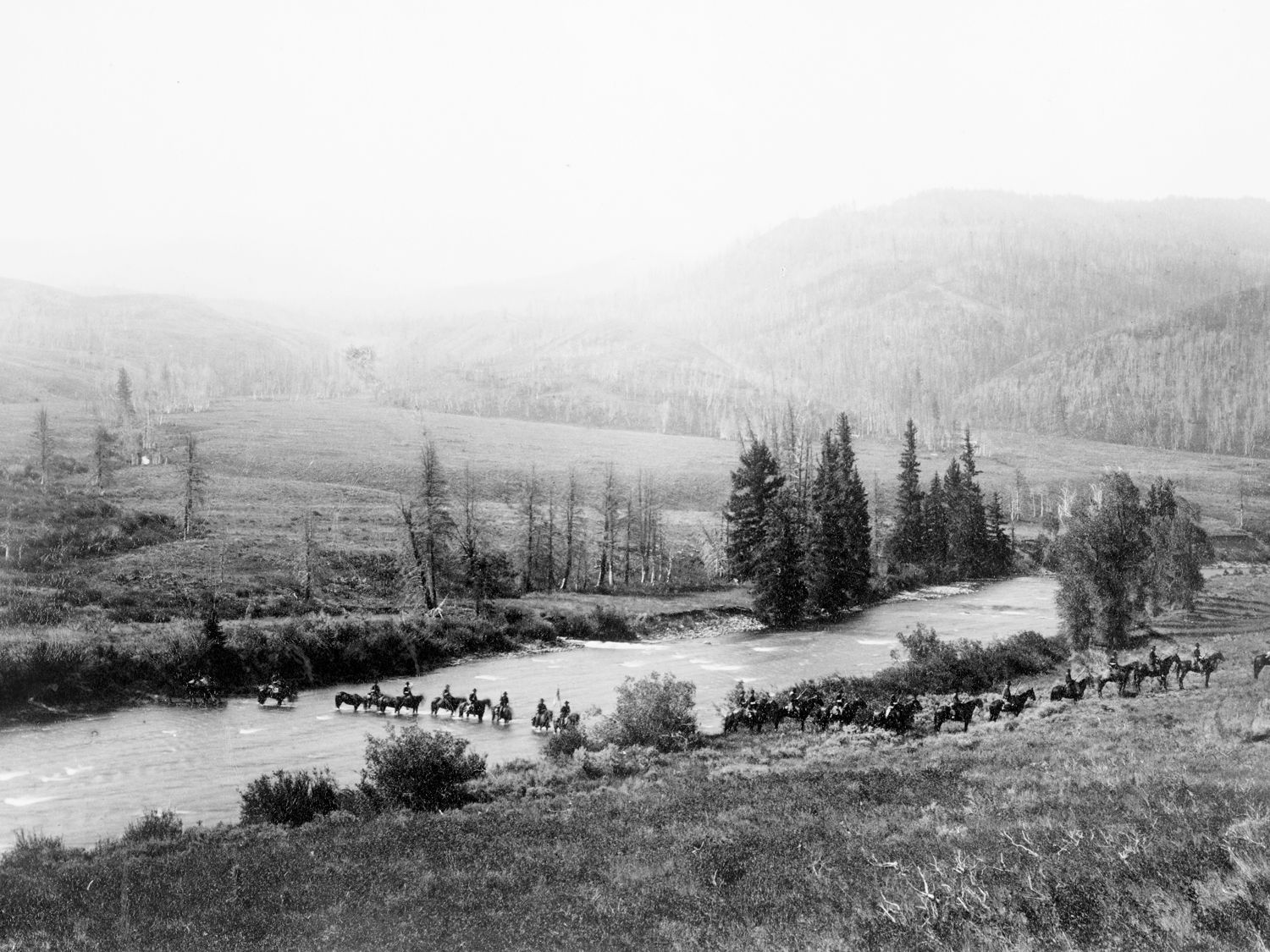
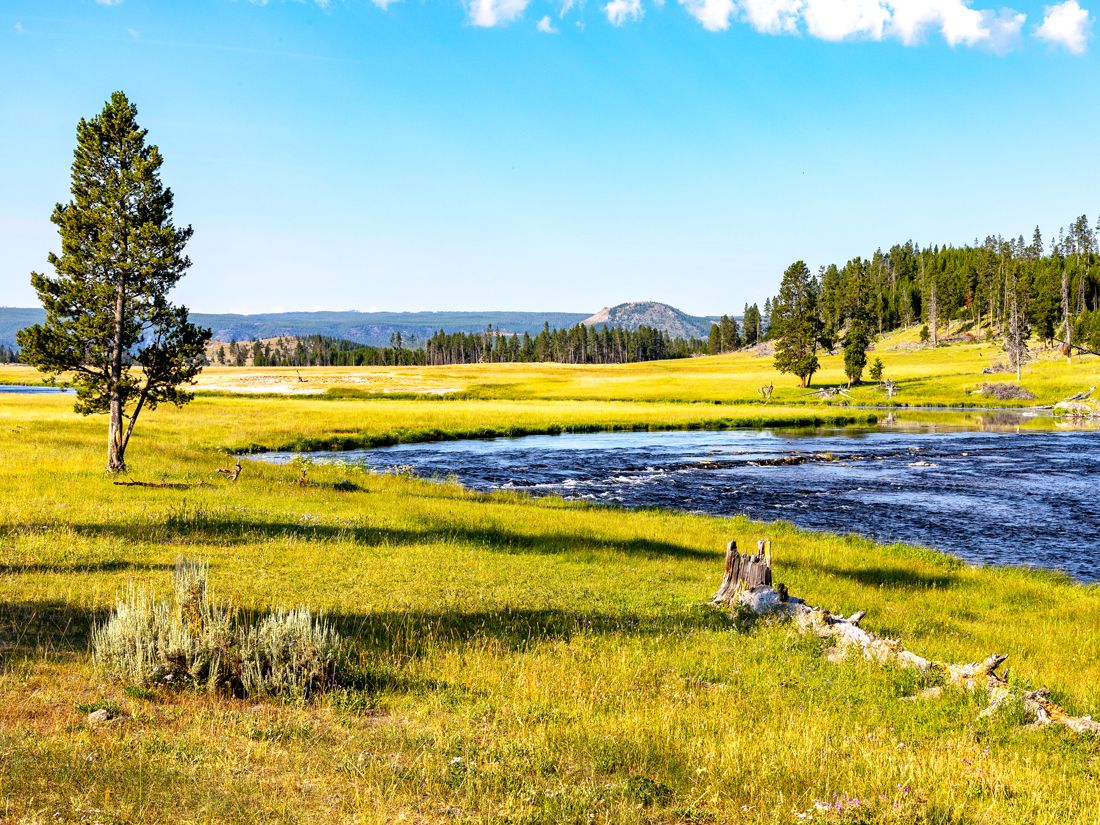
Yellowstone National Park – Wyoming

Rainbow-hued Grand Prismatic Spring in Yellowstone National Park, Wyoming
Credit: Mariusz Hajdarowicz/ Shutterstock 

Established in 1872 as the country’s first national park, Yellowstone remains one of the country’s most beloved natural spaces, ranking as the seventh- most-visited U.S. national park in 2023. When the park was established, transportation still came with a high cost and minimal options. At the time, the park was primarily the domain of upper-class vacationers, but Yellowstone’s later transformation into a destination with national appeal was marked by several shifts. 

During the late 19th and early 20th centuries, America became infatuated with the great outdoors, a trend sparked by the unexpected success of William H.H. Murray’s 1869 book Adventures in the Wilderness. Highways soon began connecting more U.S. cities, and by mid-century, it was common to have a car — and to take it on a road trip to the glamorous American West. The confluence of the country’s love of family camping trips and road trips, plus a post-war park revitalization, made Yellowstone a defining family vacation destination of the era. By 1965, it was welcoming 2 million visitors a year.

Havana, Cuba

Brightly colored buildings and vintage automobiles in Havana, Cuba
Credit: Eloi_Omella/ E+ via Getty Images

In the early to mid-20th century, Cuba’s capital city, Havana, saw a surge in popularity among U.S. vacationers. Prohibition played a part in this: As the U.S. banned the sale and production of alcohol, Havana’s liberal entertainment scene was a big draw. The city’s casinos, nightclubs, and vibrant music community even earned it the nickname “the Paris of the Caribbean.” 

But not long after, the city fell out of favor as a popular destination. The Great Depression of the 1930s, the end of Prohibition, and the onset of World War II were all contributing factors. Significant political challenges soon followed, and tensions between the U.S. and Cuba led to a ban on pleasure travel for many decades. By the end of the 2010s, warming relations between Cuba and the U.S. saw an increase in the number of travelers visiting the country again, although primarily to all-inclusive resorts.

The Pyramids of Egypt

View of the Great Pyramid of Giza in Egypt
Credit: Kitti Boonnitrod/ Moment via Getty Images

The period beginning around 1900 to the end of the 1930s marked the golden age for cruises. Large, luxurious ocean liners took passengers on grand tours of the Mediterranean and the Caribbean, frequently docking for day trips to famous landmarks along the way. Egypt’s Pyramids of Giza and the Sphinx were both popular stop-off destinations, and awestruck tourists could even climb the pyramids — something that was banned by the early 1950s.

While such cruises have largely gone out of fashion, the pyramids remain on many travelers’ bucket lists today, as fascinating symbols of ancient Egyptian civilization. It’s far easier to get there by air travel now, and despite not being able to climb them, there are numerous tours and excursions to appreciate their historical significance.

African Safaris

Herd of wildebeest migrating in the Serengeti plains of Tanzania
Credit: jacobeukman/ iStock via Getty Images 

Safari vacations in eastern African countries like Kenya were a popular choice among affluent, adventurous travelers of the early 20th century. Tourists, often from Europe and North America, trekked to the continent on cruise liners to observe lions and other wild animals in their natural habitats (and also often participated in big game hunting). 

The growth of the safari industry was also influenced by the expansion of colonialism in Africa, which facilitated easier access to remote regions and wildlife reserves. A popular lodge during that era was Cottar’s 1920s Camp. The family-run safari company has been hosting guests since the 1920s and remains the oldest lodge in operation in Kenya’s famed Masai Mara wildlife reserve. The lodge is still frequented by royalty, dignitaries, and celebrities. Today, visitors can also choose to experience one of several locally-owned camps, such as Enaidura Camp.

Acapulco, Mexico

Coastline of Acapulco, Mexico, seen from above
Credit: benedek/ iStock via Getty Images 

Before Cancun became Mexico’s most-visited beach destination (and Tulum the most Instagrammed), Acapulco reigned as Mexico’s must-see spot. Starting with the first resorts built in the 1940s and continuing through the 1970s, when the popular TV sitcom The Love Boat made it even more famous, Acapulco and its sandy shores were a beacon for Hollywood royalty and other wealthy travelers.

In the late 1960s, the Mexican government wanted to duplicate Acapulco’s success in other areas of the country. Cancun’s consistently good weather, beautiful beaches, proximity to archaeological attractions, and lack of existing industries made it the top choice as a new resort area. By the mid-1970s, the first hotel opened; within a year, the city welcomed 100,000 tourists. In the years that followed, Acapulco unfortunately declined with the increase of organized crime activity, falling out of favor with tourists who now had a plethora of Mexican vacation options.

Post Banner Image
Culture

5 of America’s Quirkiest Themed Hotels

By Fiona Mokry
Read time: 5 minutes
May 31, 2024
Updated: June 6, 2024

5 of America’s Quirkiest Themed Hotels

By Fiona Mokry
Author
Fiona Mokry
Fiona has spent her career exploring the world and working in the travel industry, turning her lifelong passion into a profession. From planning custom trips to sharing stories as a travel writer for publications such as The Discoverer, she’s all about helping others experience the world in a deeper, more meaningful way.

Why settle for a traditional stay away from home when you could immerse yourself in a fun and flamboyant theme? The U.S. is home to a variety of themed hotels that are an experience in themselves, welcoming guests into what feels like another dimension. These hotels are creative, eclectic, diverse, and offer the same elevated amenities and comfort you’d expect from a typical hotel. All of them claim a truly immersive environment that offers guests a fantastical escape from reality. Here are five of America’s coolest themed hotels.
TWA Hotel – John F. Kennedy Airport, New York

Lobby lounge inside historic repurposed airline terminal at the TWA Hotel in New York
Credit: Phillip Reed/ The Washington Post via Getty Images

The TWA Hotel at JFK Airport is far from your typical airport hotel. Named after the now-defunct Trans World Airlines (TWA), it occupies the carrier’s original terminal building in Queens, New York. The iconic, jet age-inspired terminal — designed by Finnish-American architect Eero Saarinen — was in operation from 1962 to 2001. The head house has been adapted as part of the TWA Hotel that opened in 2019, along with two other new buildings constructed for guest rooms and other hotel functions. 

Aviation history is on full display at the TWA Hotel — look no further than the vintage Lockheed Constellation parked outside that’s been turned into a cocktail bar. It’s also the only hotel located within JFK and is easily accessible from the airport terminals. With 512 guest rooms (many boasting exceptional views of the busy JFK runways), a year-round rooftop infinity pool, a Twister room where guests can take part in a wall-to-wall version of the iconic 60s game, and vintage decor throughout that’s reminiscent of the golden age of air travel, the TWA Hotel goes above and beyond the standards of most airport accommodations.

LEGOLAND Castle Hotel – Carlsbad, California

LEGO-themed exterior of the LEGOLAND Castle Hotel in Carlsbad, California
Credit: RBL/Bauer-Griffin/ GC Images via Getty Images 

The family fun doesn’t stop when you leave the famous LEGOLAND California theme park in Carlsbad, — as long as your visit includes a stay at LEGOLAND Castle Hotel. The neighboring accommodation was tailor-made for kids with its medieval LEGO castle theme. The turrets and towers were built in mismatching LEGO colors, and even the shape and structure of the hotel resembles the popular toy building blocks. 

The hotel also boasts an outdoor cinema with LEGO-themed movies, activities like a hotel-wide scavenger hunt, a castle-themed outdoor playscape, and themed rooms such as the Knights & Dragons, Wizards, and Princess rooms. With LEGOLAND California just steps away and constant entertainment found within the hotel, a stay at the LEGOLAND Castle Hotel is a child’s dream come true. 

Guitar Hotel at the Seminole Hard Rock Hollywood – Hollywood, Florida

Guitar Hotel at the Seminole Hard Rock Hollywood, lit at night
Credit: Bilanol/ Shutterstock 

No stay in southern Florida is flashier than a few nights at the world’s first guitar-shaped hotel, the Guitar Hotel at the Seminole Hard Rock Hollywood Hotel. The hotel’s main tower takes the shape of a giant 450-foot-tall guitar that’s decked out with illuminated strings, floor-to-ceiling glass panes, and 638 guest rooms inside. 

Nightly light shows showcase the hotel’s 2.3 million LED lights with an impressive performance of changing light colors and intensities, all choreographed to music. The show is accentuated by six high-powered beams stemming from the guitar strings that soar 20,000 feet into the sky. Guests can choose to stay in the Guitar Tower or at two of the hotel’s other arms flanking the guitar (the Oasis Tower or the Hard Rock Hotel). All of them have access to the hotel’s casino, a variety of fine dining and casual restaurants, and the lagoon-style pool with poolside cabanas. 
Madonna Inn – San Luis Obispo, California

Courtyard at the Madonna Inn in San Luis Obispo, California
Credit: Tayfun Coskun/ Anadolu Agency via Getty Images

In 1958, Alex Madonna and his wife Phyllis opened this kitschy motel a few miles outside downtown San Luis Obispo (nicknamed SLO) with a total of 12 rooms. A few years later, the motel grew to include 40 rooms, plus a wine cellar, bakery and coffee shop, spa, banquet room, and gift shop. Today, Madonna Inn is a top-rated hotel that boasts 110 unique and individually themed rooms, each with eclectic decor and design. Pink, white, and gold are the main color schemes, while the interior is adorned with ornate accents, brightly-colored vinyl, floral carpet patterns, and vintage wallpaper. 

Each room boasts its own name, like Barrel of Fun, Jungle Rock, Sugar & Spice, and Love Nest. Some come equipped with circular beds, gold throw blankets, and sequined walls, while others feature giant boulder walls, waterfall showers, and auto shop-inspired brick backdrops. All of the rooms are bright and cheerful, reflecting the hotel’s playful 1960s theme. A stay at the Madonna Inn isn’t all about the lodging, either — SLO is a beautiful city on California’s Central Coast that boasts outdoor adventures, beaches, and plenty of shopping and dining in its historic downtown. 

Big Idaho Potato Hotel – Boise, Idaho

Inside guest room in the Big Idaho Potato Hotel in Boise, Idaho
Credit: Courtesy of the Idaho Potato Commission

Idaho grows the most potatoes of any state, so it’s only fitting that the state’s quirkiest hotel experience revolves around a giant potato. In 2012, a six-ton steel, plaster, and concrete potato was made to celebrate the 75th anniversary of Idaho’s Potato Commission, the agency responsible for promoting and protecting the “Grown in Idaho” seal. For seven years, the human-made spud traveled the country on a flatbed before returning to Idaho, where Kristie Wolfe, a member of the truck touring team, used her construction skills to turn the potato into a hotel. 

Now located on 400 acres overlooking the Owyhee Mountains in South Boise, the 28-foot long, 12-foot wide, and 11.5-foot tall potato offers guests a true taste of Idaho. Water usage and heating and cooling methods have been designed to be eco-friendly, and the detached bathroom is more like a spa — boasting a whirlpool, fireplace, and skylight for stargazing. Guests can currently book a stay at Big Idaho Potato hotel on Airbnb

Note: All featured products and deals are selected independently and objectively by the author. Daily Passport may receive a share of sales via affiliate links in content.

Post Banner Image
Tips

The 10 Wealthiest Countries in the World

By Rachel Gresh
Read time: 7 minutes
May 31, 2024
Updated: May 31, 2024

The 10 Wealthiest Countries in the World

By Rachel Gresh
Author
Rachel Gresh
Rachel is a Washington, D.C.–based travel and lifestyle writer with roots in the Great Lakes region. When she’s not writing for publications such as The Discoverer and Interesting Facts, you’ll find her wandering through museums or exploring destinations off the beaten path.

The world’s most affluent countries have more in common than their wealth — many are also home to some of the world’s most famous tourist sites. From the spectacular modern architecture of Singapore Qatar to the natural wonders of Iceland and Norway, these countries are not only great places to live but also great places to visit. To determine what countries are the wealthiest, the International Monetary Fund tracks GDP in U.S. dollars per capita, which is the gross domestic product (the prices of goods and services produced there) divided by the current population. This measures the success of a country’s overall economic activity based on how many people live there. Below, we reveal the 10 richest countries in 2024 and the best places to visit in each one.

10. Australia

Aerial view of waterfront skyline Brisbane, Australia
Credit: Yongyuan Dai/ iStock via Getty Images 

GDP per capita: $66,590

Australia’s GDP per capita is the 10th-highest globally, thanks in large part to it being one of the world’s largest exporters of coal, wheat, and iron ore. But the nation also draws millions of tourists a year, bolstering the country’s already robust economy. New South Wales, the most-visited Australian state, is home to the coastal city of Sydney and its famous namesake opera house. Nearby, Blue Mountains National Park boasts hiking through lush forests to waterfalls and guest houses that line its scenic mountain ridges. Elsewhere in the land Down Under, highlights include snorkeling in the Great Barrier Reef, exploring the red sandy desert of the rugged Outback, and road-tripping along Great Ocean Road. Tourism is also a significant factor in the country’s wealth — in 2023, tourists spent $34.5 billion in Australia. 

9. Denmark

Ships docked in front of colorful row homes in Copenhagen, Denmark
Credit: CHUNYIP WONG/ iStock via Getty Images 

GDP per capita: $68,900

Denmark is a leading exporter of pharmaceuticals, but it also boasts the largest tourism market in the Nordic region. Its capital city, Copenhagen, welcomes visitors to tour its stunning royal palaces, such as Christiansborg Palace and Rosenborg Castle, and to see immaculate gardens and the Danish crown jewels. Nearby, the Tivoli Gardens amusement park and the Little Mermaid statue are also must-sees. Or, head to the Danish countryside to explore charming medieval towns with well-preserved cobblestone streets and half-timbered homes.

8. Qatar

Modern skyscrapers of Doha, Qatar, seen across bay
Credit: Mlenny/ iStock via Getty Images 

GDP per capita: $81,400

Qatar is one of the world’s largest exporters of petroleum gas, accounting for 50% of its total exports and making it an incredibly wealthy country. Located on the Persian Gulf, Doha is its capital city and a major financial hub. Doha’s Hamad International Airport, named the world’s best airport of 2024 (Skytrax Passengers’ Choice Awards) sets the tone for visitors, who come to explore attractions such as the world-class Museum of Islamic Art (designed by renowned architect I. M. Pei) and the Pearl, an artificial island home to luxury villas and high-end shopping. Tourism is one of Qatar’s most important economic sectors as of late. In 2023, it amounted to $22.3 billion, accounting for 10.3% of the country’s total economic output.

7. Iceland

Church towers and other buildings with water and mountains in background in Reykjavik, Iceland
Credit: larigan – Patricia Hamilton/ Moment via Getty Images 

GDP per capita: $84,590

Dotted with volcanoes, geysers, hot springs, and glaciers, this Nordic island nation is an outdoor adventurer’s paradise. Iceland’s economy thrives on tourism, along with exporting aluminum and seafood. Its bustling capital city, Reykjavik, became Iceland’s first permanent settlement in 874 CE. Today, it is home to Iceland’s national museums and two-thirds of the country’s population. The nearby geothermal Blue Lagoon is a bucket-list spot for many visitors to Iceland. Remnants of Iceland’s Viking history are found all around the country, from open-air museums to centuries-old burial grounds and artifacts. 

6. United States

Yellowstone Falls in Yellowstone National Park, seen from above
Credit: Ershov_Maks/ iStock via Getty Images 

GDP per capita: $85,370

The United States is the only country in North America to make the top 10 on the world’s wealthiest countries list. The U.S. is a top exporter of refined petroleum, contributing to its high GDP, and it has long been a top tourist destination, accounting for 14.5% of global tourism spending. Indeed, vacationers spend more here than in any other country. With such diverse cultural regions and contrasting landscapes, America offers visitors seemingly endless things to do and see.  The most popular attractions include Grand Canyon National Park, the Statue of Liberty, Yellowstone National Park, and Niagara Falls. 

5. Singapore

Modern skyline of Singapore, seen across bay
Credit: f9photos/ iStock via Getty Images

GDP per capita: $88,450

The Southeast Asian city-state of Singapore is a leader in technology and innovation and is the world’s top exporter of computer microchips. From the time visitors arrive at the award-winning Changi Airport, they experience state-of-the-art architecture and technology. Singapore’s bayfront skyline boasts the luxury Marina Bay Sands Hotel, with its famous rooftop pool, and the Gardens by the Bay, known for its artificial light-up “supertrees” and the Flower Dome — the largest glass greenhouse in the world. Singapore’s vibrant nightlife is also a favorite pastime of visitors and locals alike — visit a rooftop bar to enjoy skyline views while sipping the country’s national drink, the Singapore sling. 

4. Norway

Homes along fjord in Norway, seen from above
Credit: primeimages/ E+ via Getty Images 

GDP per capita: $94,660

Many visitors come to Norway to spend as much time in nature as possible, taking advantage of the country’s scenic mountain and glacier hikes and picturesque fjord cruises. Norway’s economy is based primarily on oil, gas, and seafood products (the latter of which is fueled by its robust fishing industry). As such, trying local seafood is a must for visitors. Norway’s capital city of Oslo, known for its green spaces and museums, is the country’s most-visited city. Up near the Arctic Circle, lucky visitors are treated to views of the northern lights from fall through spring. Throughout the country, preserved Viking villages give guests a glimpse into the region’s storied past.

3. Switzerland

Bridge over the Limmat River in Zurich, Switzerland
Credit: alxpin/ E+ via Getty Images 

GDP per capita: $105,670

The Swiss Alps are famous for skiing, hiking, gastronomy, and shopping— and it’s no secret that a vacation to this small European nation often comes with a hefty price tag. But for the many tourists who choose to visit, the luxury hotels and spas with sprawling views of the mountains are well worth the price tag. Zurich, Geneva, and Lucerne are among the most famous Swiss cities to visit, but quaint mountain villages such as Grindelwald and Lauterbrunnen provide peaceful respite for travelers and locals alike. Gold is Switzerland’s top export, and its economy revolves around its banking and finance industries — along with chocolate, a must-try for visitors. Switzerland’s tourism industry is projected to reach nearly $6 billion in 2024.

2. Ireland

Cliffs of Moher in Ireland
Credit: MNStudio/ iStock via Getty Images 

GDP per capita: $106,060

The tourism industry in the Emerald Isle earned over $5 billion in 2023, making it one of Ireland’s largest employers. The country is a top travel destination, particularly for North American tourists, and its popularity shows no signs of slowing down. Ireland’s strong economy is thanks to its corporate tax policies, which encourage investment from multinational tech and pharmaceutical companies. Its top exports are medicinal and pharmaceutical products. But visitors don’t come for the economy — they visit Ireland for its natural wonders (including the famous Cliffs of Moher), historical monuments, churches, castles, and breweries such as the world-famous Guinness Storehouse in Dublin.

1. Luxembourg

Aerial view of church tower in village surrounded by green hills in Luxembourg
Credit: Haykal/ Moment via Getty Images 

GDP per capita: $131,380

This tiny European country — sandwiched between Germany, France, and Belgium — is home to just 660,000 residents but boasts the highest GDP per capita in the world. Luxembourg’s economy is bolstered by its banking, steel, and industrial sectors, with iron being its top export. Its tourism sector continues to grow, and there’s plenty to do and see for outdoor enthusiasts and history buffs alike. One of the most-visited places in the country is the city of Luxembourg, the country’s capital and a historic fortified medieval city that’s now a UNESCO World Heritage Site. Luxembourg is also home to one of Europe’s densest networks of hiking trails. The Ardennes region boasts lush forests and several fascinating World War II sites and museums. 

Post Banner Image
Tips

6 Secret Airline Perks Most Travelers Don’t Know About

By Peter Vanden Bos
Read time: 6 minutes
May 31, 2024
Updated: May 31, 2024

6 Secret Airline Perks Most Travelers Don’t Know About

By Peter Vanden Bos
Author
Peter Vanden Bos
Peter is a Toronto-based journalist, editor, content strategist, and self-professed avgeek with 15 years of experience covering all things travel. Prior to joining Daily Passport, he oversaw newsletter publication for Travelzoo. His favorite destinations to explore include Japan, France, Chile, New Zealand, and his adopted home country of Canada.

We can probably all agree that the golden age of air travel is long behind us, but that doesn’t mean flying these days has to be run-of-the-mill — you just have to know what to look for. From helpful (and free) amenities for families to the invite-only memberships airlines keep under wraps for their most loyal customers, these are six of the coolest secret airline perks you never knew existed. 

Hidden Check-In Lounges

Passenger reading in airport lounge
Credit: Koh Sze Kiat/ E+ via Getty Images 

If you’re willing to shell out the big bucks for first or business class (though it might be cheaper than you think), you can expect quite a few more perks than you’d receive flying in economy class. These include early boarding, larger seats with more legroom, free meals and booze, and, often, access to airport lounges. 

As the competition among airlines heats up, some are going even further to woo top-dollar customers. While first- or business-class tickets almost always grant you access to a priority check-in line at the airport, some airports offer even more exclusive areas. In 2023, Delta opened a private check-in section for its business-class (Delta One) customers at Los Angeles International Airport (LAX) that most customers probably don’t realize exists. That’s because it’s on an entirely different level, separate from the regular check-in lines. It’s downstairs by the baggage claim, and you have to show your Delta One ticket just to enter. 

Once inside, you can sit back and relax with a glass of bubbly or a snack as the check-in agents take care of everything for you. Then, you’ll go through a private security screening area that leads straight to the Sky Club lounge upstairs — a far cry from the typical airport experience.

Invite-Only Elite Status

Airport agent checking passenger's passport
Credit: jacoblund/ iStock via Getty Images 

If you’ve joined an airline loyalty program, you’re probably familiar with the concept of elite status. Airlines award their most frequent flyers with perks such as priority boarding, free upgrades, waived baggage fees, and more. There are usually a few levels of elite status — at Delta, it starts with Silver, followed by Gold, Platinum, and Diamond Medallion. The more you spend, the higher you climb in the ranks.

But did you know that some airlines have secret elite status tiers? Membership in these programs is so exclusive that the airlines don’t even publish the details of how to qualify — in fact, the only way in is typically by receiving an invite from the airline. While it’s anyone’s guess as to how much you have to fly (and spend) with the airline, it’s typically well above $50,000 on plane tickets in a calendar year. At American, it’s called Concierge Key; at Delta, it’s known as Delta 360; and at United, it’s named Global Services. 

With those requirements, obviously only a select group will qualify, but those lucky few can expect an incredibly elevated travel experience. Not only will these members have upgrade priority over other customers, but they’ll also receive personal escorts through the airport and often free, private transfers between connecting flights. If you’ve ever arrived at the airport and seen a Mercedes-Benz marked with the airline’s logo parked by the gate, it’s usually there to whisk away a top-tier elite status member to their next flight, so they don’t even have to step foot in the airport.

Free Family-Friendly Perks

Family seated together on airplane
Credit: Anchiy/ E+ via Getty Images 

Even if you don’t splurge for business class or spend enough to qualify for elite status, there are plenty of other perks you can get with airlines that are entirely free — particularly for family travel. In recent years, the U.S. Department of Transportation (DOT) has urged airlines to accommodate families with young children so they can sit together without having to pay extra for seat assignments, even with basic economy fares. The DOT launched a handy dashboard that shows which airlines guarantee adjacent seats for children 13 or under and an accompanying adult. 

It’s no secret that flying with young children comes with its challenges, but many airlines also offer free child amenities onboard. Simply ask a flight attendant if one is available on your flight. For example, United offers a “Children’s Travel Kit,” designed by the people behind Sesame Street, which includes crayons, an activity book, a puzzle, and a sensory strip to calm anxiety in young ones. Plus, Delta has secret trading cards, a program created by employees in which passengers can collect card designs featuring different aircraft in the airline’s fleet. All you have to do is ask your pilot if they’re available — and they’re just as fun for adults as they are for kids.

Free Stopovers on Award Tickets

Traveler taking photo of companion next to canal
Credit: Westend61 via Getty Images 

Let’s say you’ve racked up some credit card points and are looking to cash them in for a free flight. While in most cases that would be a simple round-trip ticket from point A to point B, a few airline loyalty programs let you get creative with your points, essentially allowing you to add another city to your trip for the same price.

This is what’s known as a “stopover,” which is typically defined as staying more than 24 hours in a connecting city along your journey (versus a typical layover at an airport). Say you’re booking a trip from New York to South Africa, and you’ll be connecting in Amsterdam. With Air France-KLM’s Flying Blue loyalty program, you might be able to stay a few days to explore the Dutch capital before continuing your journey. Other programs that offer free stopovers include Air Canada’s Aeroplan and Alaska Airlines’ Mileage Plan. 

Miles or Vouchers for Delayed Luggage

Baggage arriving on airport carousel
Credit: Twenty47studio/ Moment via Getty Images

Nobody likes waiting an hour at baggage claim after a long flight for their checked bags to arrive at the carousel. And most airlines won’t offer you anything for the inconvenience. Thankfully, there are a few exceptions. Delta Air Lines has a 20-minute bag guarantee, promising that your bag will arrive in 20 minutes or less at the carousel after a domestic U.S. flight. If your bag takes longer, you can complete this simple form online and automatically receive 2,500 bonus miles toward your next flight. Alaska Airlines offers a similar guarantee, but with a $25 credit instead of miles. 

Free Checked Wine

Travelers in airport clinking wine glasses
Credit: Mykhailo Lukashuk/ Tetra images via Getty Images 

If you’re a wine lover, you’re probably familiar with this scenario: You’ve enjoyed tastings at a few (or quite a few) wineries on vacation and decided to purchase some bottles to enjoy later. But getting them home is tricky. The unique “Wine Flies Free” program from Seattle-based Alaska Airlines simplifies things. This valuable perk allows passengers to check an entire case of wine without having to pay extra baggage fees. It’s offered from 32 West Coast cities, including ones near renowned wine regions such as Napa Valley or Willamette Valley. 

Post Banner Image
Architecture

Top 20 Longest Highways in the U.S.

By Bradley O'Neill
Read time: 13 minutes
May 28, 2024
Updated: April 16, 2025

Top 20 Longest Highways in the U.S.

By Bradley O'Neill

The longest highway in the U.S. stretches over 3,000 miles from coast to coast. With all those miles comes plenty of history: From Indigenous peoples to the pioneers of the American West, cross-country travel and exploration has long been an integral part of American heritage. In 1956, the creation of the Dwight D. Eisenhower National System of Interstate and Defense Highways further paved the way for uninterrupted automobile journeys throughout the contiguous United States. Today, a network of over 46,000 miles of major highways in America zigzags from north to south and coast to coast. Buckle up and embark on epic road trips on the 20 longest highways in the United States. 

20. Interstate 5

Cars on Interstate 5 in Sacramento, California
Credit: halbergman/ E+ via Getty Images 

Total length: 1,381 miles

Interstate 5 runs the entire length of the U.S. West Coast, linking some of the largest cities in California, Oregon, and Washington. Starting in San Ysidro, on the U.S.-Mexico border, I-5 stretches north through San Diego, Los Angeles, Sacramento, Portland, and Seattle. It reaches its terminus in Blaine, Washington, at the U.S.-Canada border.

A road trip along I-5 offers a mix of small towns, vibrant cities, and diverse landscapes. The highway passes through the coastal cities of Encinitas and Oceanside in Southern California, ascends the 4,160-foot Tejon Pass north of Los Angeles, and winds through the dense forests of Shasta-Trinity National Forest in Northern California. In Oregon, it crosses the Willamette River via the Marquam Bridge, a double-decked structure built to handle heavy traffic in Portland.

Related: 10 Quirky Small Towns To Visit on the West Coast

19. Interstate 15

Aerial view of I-15 in San Diego, California

Total length: 1,433 miles

Interstate 15 also starts its journey in San Diego County. From Mission Valley, the highway travels north through Riverside County before turning inland across Southern California toward Nevada. The interstate briefly enters Arizona and then continues north through Utah, Idaho, and Montana. The northernmost point of I-15 is Sweetgrass, Montana, located on the U.S.-Canada border. Mostly built in the early 1970s, I-15 follows the historic route of U.S. 91.

Between Southern California and Salt Lake City, the highway is part of the I-15 Corridor System, a vital route for transcontinental trade and tourism. Along the way, it passes some of the most famous attractions in the West, including the Las Vegas Strip, Utah’s Zion National Park, Idaho’s Shoshone Falls, and Montana’s Gates of the Mountains Wilderness.

18. U.S. Route 101

Car driving past towering redwoods on Highway 101
Credit: DaveAlan/ E+ via Getty Images 

Total length: 1,540 miles

Continuing the West Coast theme, U.S. Route 101 (aka Highway 101) links Los Angeles with Olympia, Washington. The southern terminus of the highway, which was originally designated in 1926, was once in San Diego, but the section between San Diego and Los Angeles was later incorporated into Interstate 5. Today, the 808-mile stretch from L.A. to the Oregon border is California’s longest stretch of continuous highway.

Heading north, U.S. Route 101 winds through the towering trees of Redwood National and State Parks before tracing nearly the entire length of the Oregon coastline. Along the way, the route passes scenic spots such as Cannon Beach, home to the iconic Haystack Rock. Upon entering Washington, the highway loops around Olympic National Park, serving as the primary access route to the park’s trails and attractions.

Related: 7 of the Most Beautiful Places To Visit in the Pacific Northwest

17. U.S. Route 11

U.S. Route 11 in upstate New York
Credit: Thomas Farlow/ Alamy Stock Photo

Total length: 1,645 miles

Traveling from New Orleans, Louisiana, to Rouses Point, New York, U.S. Route 11 spans an impressive 10 states. Its official southern terminus is at Bayou Sauvage Urban National Wildlife Refuge, where it merges with Interstate 90. Part of the highway follows the historic Great Wagon Road, a major migration route that once carried settlers from Philadelphia through Virginia’s Shenandoah Valley to the Carolinas and Georgia.

A journey along U.S. Route 11 offers a scenic drive in the shadow of the Appalachian Mountains. This mostly rural highway winds through small towns and rolling hills, making it an ideal route for travelers seeking a slower pace. History buffs will find numerous sites linked to colonial and Civil War history, including New Market Battlefield State Historical Park and Cedar Creek and Belle Grove National Historical Park.

16. Interstate 75

Aerial view of land bridge over Interstate 75
Credit: Michael Warren/ iStock via Getty Images Plus 

Total length: 1,786 miles

Interstate 75 connects Southwest Florida with Michigan’s Upper Peninsula. Passing through six states — Florida, Georgia, Tennessee, Kentucky, Ohio, and Michigan — it serves as a major north-south corridor in the eastern U.S. The road’s northern terminus is Sault Ste. Marie, Michigan. 

Ohio’s section of I-75 is particularly appealing to aviation enthusiasts. Highlights include the Armstrong Air and Space Museum in Wapakoneta and the National Museum of the United States Air Force in Dayton. Dayton also boasts several sites honoring the pioneering Wright brothers, such as the Wright-Dunbar Interpretive Center and Carillon Historical Park

15. Interstate 95

Interstate 95 in Boston, Massachusetts
Credit: Shobeir Ansari/ Moment Open via Getty Images 

Total length: 1,917 miles

Spanning 15 states along the Eastern Seaboard, Interstate 95 is the longest north-south interstate in the United States. It runs largely parallel to the Atlantic Ocean and U.S. Route 1, connecting Miami, Florida, with Houlton, Maine. The highway also traces routes linked to the American Revolution, including the King’s Highway, a 17th-century colonial road between Boston and Charleston.

With the coastline never far away, scenic beaches, such as Florida’s iconic Daytona Beach, are easily accessible. Quirky roadside attractions, including the Smallest Church in America in Townsend, Georgia, add further character to the drive. For a historical detour in Virginia, consider a visit to Fredericksburg and Spotsylvania National Military Park.

Related: 6 Quirky Roadside Attractions To Visit on Your Next Road Trip

14. U.S. Route 41

Road marker for U.S. Route 41 South
Credit: Katharine Andriotis/ Alamy Stock Photo

Total length: 2,008 miles

U.S. Route 41 stretches from Miami, Florida, to Copper Harbor, Michigan. Originally constructed in 1915, it was one of the country’s first long-distance highways. The route weaves together Native American trails, pioneer roads, and historic auto trails.

The section between Miami and Tampa is known as the Tamiami Trail, a scenic stretch that cuts through the Everglades and Seminole tribal lands. Farther north, the highway follows parts of the Trail of Tears between Tennessee and Kentucky. In the Windy City, the route turns into Chicago’s Lake Shore Drive, where drivers are treated to sweeping views of both Lake Michigan and the city’s iconic skyline.

13. U.S. Route 52

Stretch of U.S. Route 52 along Mississippi River
Credit: Ian Dagnall/ Alamy Stock Photo

Total length: 2,072 miles

Starting in Charleston, South Carolina, U.S. Route 52 cuts a diagonal path across 12 states to Portal, North Dakota, located on the U.S.-Canadian border. Its direction is contrary to most even-numbered national highways, which typically run east to west

In the Upper Midwest, Route 52 forms part of the Great River Road National Scenic Byway, which traces the Mississippi River. Farther east, it merges with the Ohio River Scenic Byway, a 943-mile route extending into Indiana and Illinois. And, as it nears its southern terminus, Route 52 climbs into Virginia’s Blue Ridge Mountains, where it meets the Blue Ridge Parkway at Fancy Gap, offering stunning mountain views.

Related: 7 of the Most Scenic Drives in the U.S.

12. Interstate 70

Cliffs along Interstate 70 in Colorado
Credit: John Coletti/ The Image Bank via Getty Images 

Total length: 2,153 miles

Interstate 70 is a major east-west highway spanning nearly the entire width of the United States. Beginning in Baltimore, Maryland, it crosses 10 states before reaching its western terminus in Cove Port, Utah. Along the way, I-70 traverses diverse landscapes, from the Appalachian foothills to the vast Great Plains and the rugged Rocky Mountains. It also connects major cities such as Columbus, Indianapolis, Kansas City, and Denver.

Because it covers such a varied section of the country, I-70 offers no shortage of remarkable sights. In Colorado, the Eisenhower-Johnson Memorial Tunnel — sitting over 11,000 feet high in the Rockies — marks the highest point in the U.S. Interstate Highway System. Meanwhile, Maryland’s Sideling Hill Cut reveals 810 feet of exposed rock layers, offering a glimpse into over 300 million years of geological history.

11. U.S. Route 1

Aerial view of highways and skyscrapers in Miami, Florida
Credit: Buena Vista Images/ Stone via Getty Images 

Total length: 2,321 miles

As the longest north-to-south highway in the U.S., Route 1 spans 14 states along the East Coast. The route is filled with iconic landmarks and attractions, including the natural beauty of Acadia National Park and the tropical beaches of the Florida Keys.

History is also a key feature of U.S. Route 1, with stops like St. Augustine, Florida — one of the country’s oldest settlements — and the Washington-Rochambeau Revolutionary Route. Over the years, the highway has earned many nicknames, such as the “Atlantic Highway” and the “Boston Post Road,” the latter of which refers to a 17th-century mail delivery route between Boston and New York City. Like Interstate 95, U.S. Route 1 also follows part of the King’s Highway, an old colonial route from Boston to Charleston.

Image Ad

10. U.S. Route 12

Road though tunnel in Dixie National Forest of Utah along U.S. Route 12
Credit: Bim/ iStock via Getty Images

Total length: 2,484 miles

Created in 1926, U.S. Route 12 traverses 2,484 miles across the northern U.S. from Detroit, Michigan, to Aberdeen, Washington. Large parts of the route follow the historic Yellowstone Trail, which was the first east-to-west automobile highway through the northern states.

On its journey across nine states, U.S. Route 12 navigates varied landscapes like the canyons and cedar forests of Nez Perce-Clearwater National Forest and the buttes and badlands of Theodore Roosevelt National Park. It also cuts through the Standing Rock Indian Reservation, a 2.3-million-acre area of prairies and rolling hills that’s home to the Lakota and Dakota nations. 

9. Interstate 40

Aerial view of traffic on Interstate 40 through forested valley
Credit: Bilanol/ Shutterstock 

Total length: 2,555 miles

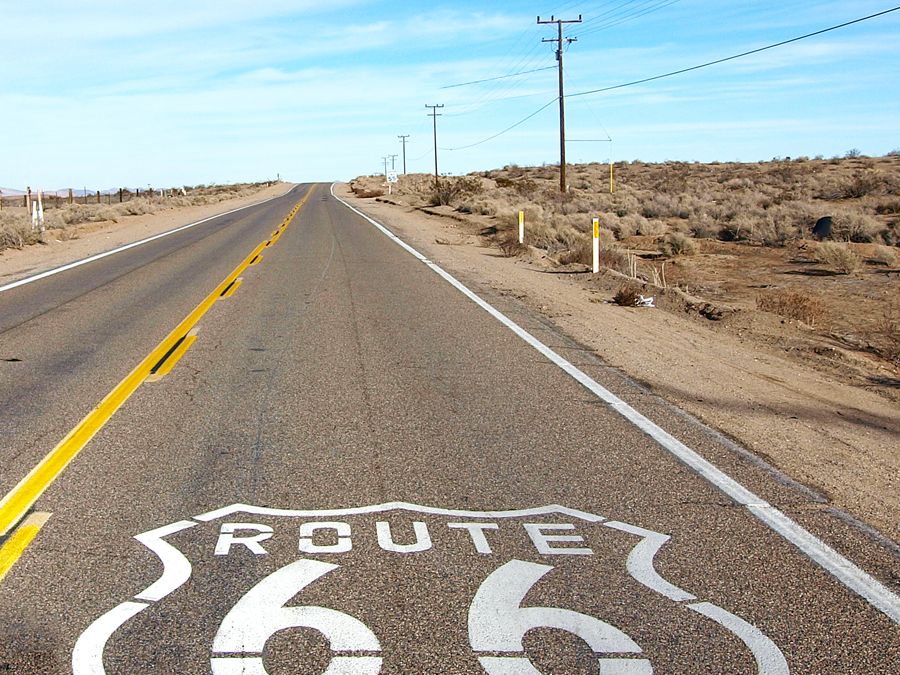
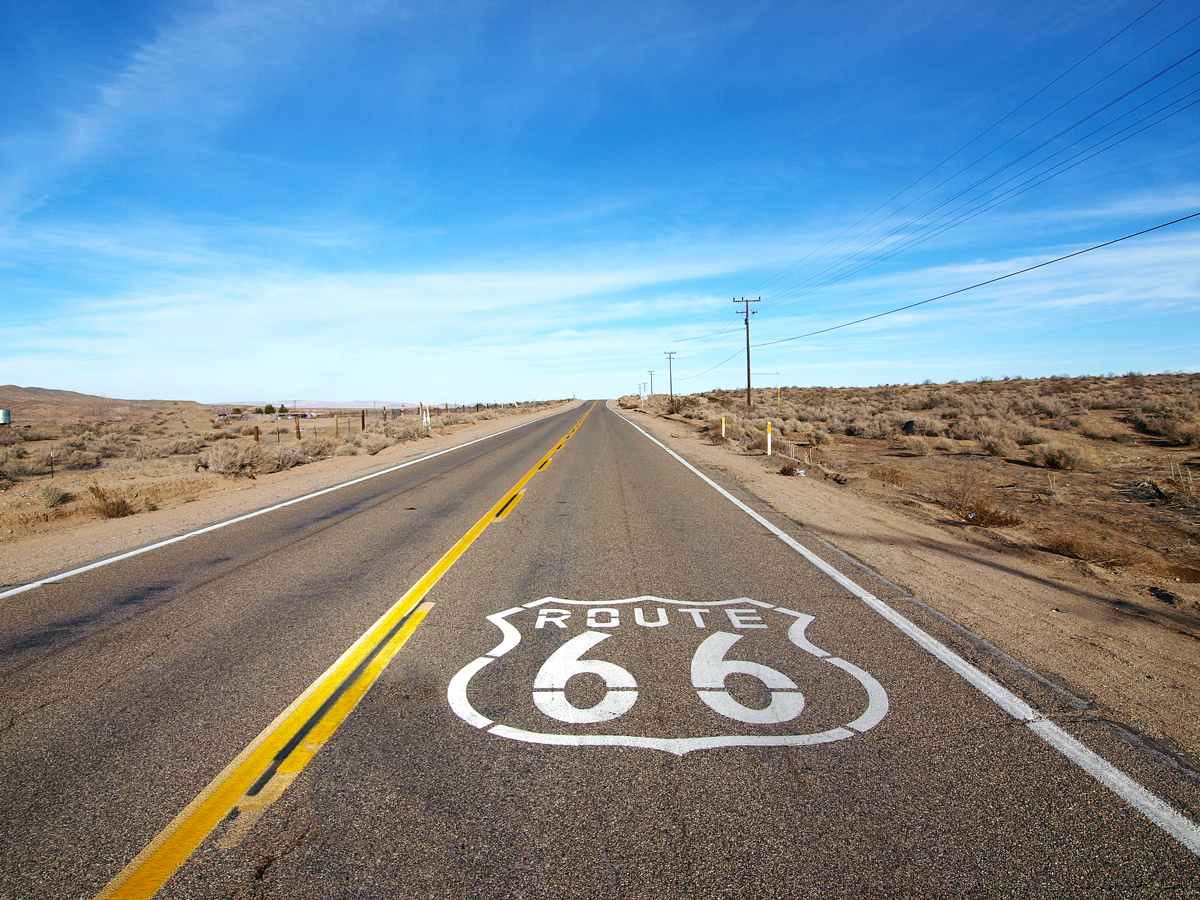
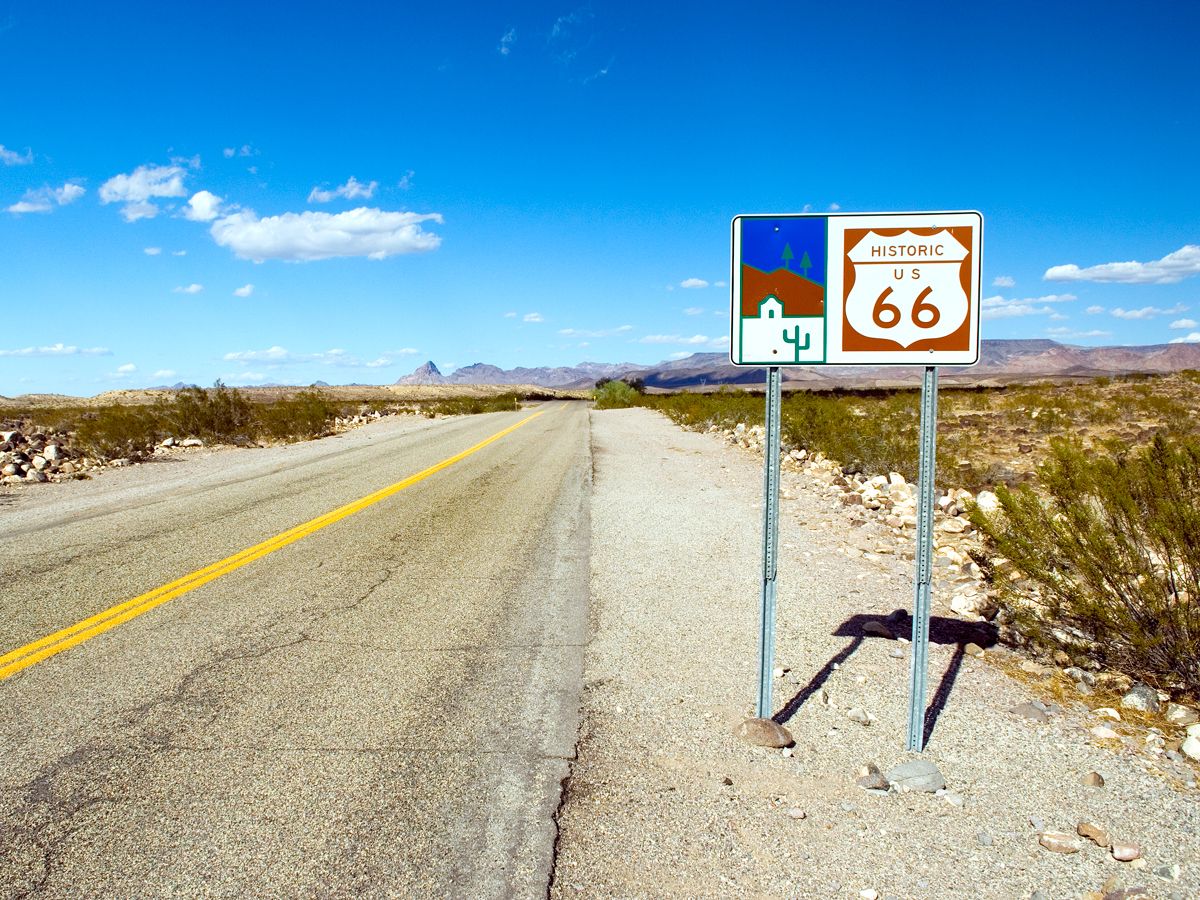
Interstate 40 is one of the top 10 longest interstates in the U.S. The western terminus of I-40 is found in Barstow, California, which was part of the historic Route 66 and is now home to the Route 66 Mother Road Museum. Traveling east, Interstate 40 heads through eight states on its way to Wilmington, a seaside city in North Carolina.

A mix of breathtaking landscapes, bustling cities, and important cultural sites are found along the length of the 2,555-mile highway. Among them are Grand Canyon National Park and Acoma Pueblo, a Native American community set atop a mesa in New Mexico. Interstate 40 also provides easy access to the Blue Ridge Parkway, a 469-mile scenic drive through the Appalachian Mountains that’s billed as “America’s Favorite Drive.”

8. U.S. Route 2

Empty stretch of U.S. Route 12 through mountainous landscape
Credit: David R. Frazier Photolibrary, Inc./ Alamy Stock Photo

Total length: 2,571 miles

Nicknamed the “Great Northern” after the pioneering railroad route that runs parallel to its western section, U.S. Route 2 spans 10 states, plus a segment in Canada. The eastern section begins at the border town of Houlton, Maine, then passes through the lush landscapes of New Hampshire and Vermont to Rouse Point, New York.

The highway continues to Montreal and Ottawa in Canada, before returning to the United States in St. Ignace, Michigan, on the shores of Lake Huron. The western section passes through the wide-open spaces of the Great Plains and over to the Cascade Mountains near Everett, Washington. From bustling cities to Victoria-era villages and national parks, there’s plenty to see along the way, including Glacier National Park and the Hiawatha National Forest

7. U.S. Route 60

Farmland beside U.S. Route 60 in West Virginia
Credit: Jeff Greenberg/ Universal Images Group via Getty Images 

Total length: 2,670 miles

Completed in 1926, U.S. Route 60 meanders for 2,670 miles across the country from Virginia Beach, Virginia, to Brenda, Arizona. The original idea was for the highway to link Chicago with Los Angeles, but that plan later took shape as the famous Route 66.

A trip on U.S. Route 60 offers excellent opportunities for both outdoor adventure and cultural experiences. For example, you’ll find stunning views over the Phoenix valley via the Echo Canyon Hike, which skirts Camelback Mountain. In Oklahoma, Bartlesville is famous for its art deco buildings, including Frank Lloyd Wright’s Price Tower.

6. Interstate 80

Traffic on Interstate 80, seen from above
Credit: PapaBear/ iStock via Getty Images 

Total length: 2,899 miles

Interstate 80 connects two of the largest metropolitan areas in the United States — New York City and San Francisco — located on opposite coasts. This transcontinental route crosses 11 states and retraces historic emigrant routes. One of these is the California Trail, which mountain explorers and fur traders used to travel between Missouri and California during the 1840s and 1850s.

Dozens of interesting and offbeat attractions are scattered along Interstate 80 today. Ohio’s Cuyahoga Valley National Park, the “World’s Largest Time Capsule” in Nebraska, and the Tahoe National Forest in California’s Sierra Nevada Mountains are all worth a detour.   

5. U.S. Route 50

Curving section of U.S. Route 50 in Nevada with sign dubbing in the "Loneliest Road in America"
Credit: Tashka/ iStock via Getty Images 

Total length: 3,019 miles

Stretching from Ocean City, Maryland to Sacramento, California, U.S. Route 50 incorporates some of the country’s most mesmerizing landscapes. Along the highway, road trippers will encounter the Appalachian, Rocky, and Sierra Nevada mountain ranges, in addition to the Great Plains. Noteworthy sights include California’s Lake Tahoe and the rocky wonderlands of Utah’s Arches and Canyonlands National Parks.

In Nevada, one of the top 10 longest states to drive through east to west, a barren 300-mile stretch of the highway through the Great Basin Desert is dubbed “the Loneliest Road in America.” Drivers in Nevada can also discover the historic cowboy culture of Lone Pine, which has been the backdrop for western movies since 1939’s Gunga Din starring Cary Grant, and intriguing natural sites like the speleothem-rich Lehman Caves and singing dunes of Sand Mountain

4. Interstate 90

Curving section of Interstate 90 overlooking Columbia River in Washington, seen from above
Credit: Bonnie Jo Mount/ The Washington Post via Getty Images 

Total length: 3,020 miles

From the shorelines of Lake Erie and Lake Michigan (two of the Great Lakes) to the Great Plains of South Dakota and the Rocky Mountains, Interstate 90 passes through many areas of breathtaking natural beauty. This east-west highway starts in Boston, travels through 13 states in the northern United States and ends in Seattle, Washington.

If you choose to drive the entire length, you will cross spectacular mountain passes like Washington’s Snoqualmie Pass, Lookout Pass on the Idaho-Montana border, and Montana’s Homestake Pass, where the highway reaches an elevation of 6,329 feet above sea level. Other notable places along the way include Minnesota’s 55-foot-tall Jolly Green Giant Statue, Mount Rushmore National Monument, and the Garnet ghost town in Montana. 

3. U.S. Route 30

Hairpin turn on U.S. Route 30, seen from above
Credit: Stefano Politi Markovina/ Alamy Stock Photo

Total length: 3,073 miles

Another highway that connects the country’s Atlantic and Pacific coastlines is U.S. Route 30. This long-distance roadway starts in Atlantic City, New Jersey, and ends in Astoria, Oregon. A significant stretch between Pennsylvania and Wyoming follows the historic Lincoln Highway, including the 200-mile Lincoln Highway Heritage Corridor in Pennsylvania. The Lincoln Highway Experience in Latrobe offers the chance to delve into highway nostalgia. Other standout sights include curious roadside attractions such as The Coffee Pot in Bedford, Pennsylvania, and the Haines Shoe House in York, which can be rented for an overnight stay. 

2. U.S. Route 6

U.S. Route 6 winding up the Donner Summit
Credit: Hank Erdmann/ Shutterstock 

Total length: 3,207 miles

U.S. Route 6 begins in Provincetown, Massachusetts, near the site of the iconic Mayflower landing in 1620. It then traverses 14 states on its way to Bishop, California. In 1953, the route was given the name “Grand Army of the Republic Highway” to commemorate Civil War veterans.

Those traveling on the highway today can discover everything from the dune-clad beaches of Cape Cod National Seashore to the adrenaline-pumping switchbacks of Loveland Pass on the Continental Divide. Popular stops include Pennsylvania’s Cherry Springs State Park for stargazing in a Dark Sky Preserve and Cleveland’s Rock and Roll Hall of Fame.

1. U.S. Route 20

Dual-bridge span of U.S. Route 20 over the Mississippi River
Credit: Trong Nguyen/ Shutterstock 

Total length: 3,365 miles

Linking Kenmore Square in Boston, Massachusetts, with the Pacific coast town of Newport, Oregon, U.S. Route 20 is America’s longest highway. Over its 3,365-mile coast-to-coast journey, it runs mostly parallel to Interstate 90 and passes through 12 states. From the rural pastures of Pennsylvania and Ohio to the Rocky Mountains, U.S. 20 offers a fascinating glimpse of the country’s ever-changing landscapes.

Many natural wonders lay scattered along the longest route in America, including the Mississippi and Missouri rivers, Yellowstone National Park, and Yaquina Bay State Recreational Site. There are plenty of curious roadside attractions, too — namely Carhenge, a replica of Stonehenge made out of half-buried Cadillacs, and the RV Hall of Fame and Museum

Related: Race Through This Quiz on Famous Highways
Post Banner Image
Tips

Why You Should Think Twice Before Moving to That Empty Airplane Seat

By Bennett Kleinman
Read time: 4 minutes
May 28, 2024
Updated: February 19, 2025

Why You Should Think Twice Before Moving to That Empty Airplane Seat

By Bennett Kleinman
Author
Bennett Kleinman
Bennett is a New York City-based staff writer for Daily Passport. He previously contributed to television programs such as the Late Show With David Letterman, as well as digital publications like the Onion. Bennett has traveled to 48 U.S. states and all 30 Major League Baseball stadiums.

If you’re on an airplane and notice an unoccupied row where you’d be able to stretch out and enjoy the rest of the flight in comfort, do you get up and move? Are you even allowed to switch seats? With all of the strict rules and regulations regarding airplane travel, you may be wondering if it’s okay to move to an empty seat on a plane. So, we took a look at the facts to find out.

Don’t Move Without Asking

Flight attendant checking on passengers
Credit: Anchiy/ E+ via Getty Images 

Before standing up and switching seats, you should always check with the flight attendant first, for a number of reasons. Before takeoff, the pilots perform a weight and balance check to make sure that weight is properly distributed in the cabin. While this is less of a concern on large commercial airliners, an unbalanced cabin could create problems for smaller ones. So, if you do notice an empty seat, it may have been left open intentionally to ensure proper weight distribution and a safe takeoff. Don’t just assume it’s there for the taking until you ask a staff member.

Another reason why certain seats may remain empty is for members of the cabin crew. Often, rows toward the back of the plane are left intentionally empty so that flight attendants can sit comfortably during their break periods. With these factors in mind, be sure to flag down a flight attendant before switching seats. If you’re polite, many flight attendants will be happy to accommodate your request so long as there are no valid reasons not to.

Accept Being Told “No”

Flight attendants greeting boarding passengers
Credit: eyesfoto/ E+ via Getty Images 

It’s the job of flight attendants to enforce the policies of each airline, which may include strict rules that prevent passengers from switching seats. Some airlines charge more for specific seat selections, and so switching locations would be unfair to other travelers who paid an extra fee. In the event you’re told that switching seats isn’t feasible, you’ll need to be prepared to accept the answer for what it is. 

Related: 26 Rules for Flying in 2026 Every Traveler Should Follow

Don’t Switch Before Takeoff

Passenger holding cell phone looking out airplane window
Credit: andresr/ E+ via Getty Images 

You never know if additional passengers will board the airplane at the last minute, so it’s best not to jump the gun and move too early. From people waiting on standby to travelers sprinting across the terminal to make their connection, some passengers board the plane seconds before the door closes. This is why you should always wait until the boarding process is complete before investigating any empty seat options that may be available.

Know What’s Off Limits

View of airplane cabin looking from back to front
Credit: keanu2/ iStock via Getty Images 

From first class to basic economy, the cost of a plane ticket can vary substantially. This is true even within the economy section, as some seats may cost more than others due to a preferable location toward the front or an extra couple inches of legroom. If you’re looking to move locations, a good rule of thumb is to look over your shoulder toward the back of the aircraft cabin. Plus, an empty row in the back of economy may be a whole lot more comfortable than a crowded section toward the front.

Consider the Comfort of Other Passengers

Passengers seated in airplane row
Credit: Viktor Cvetkovic/ E+ via Getty Images 

If you see an empty seat next to another passenger, they’re probably thrilled about the fact that they can stretch out and enjoy their flight. So, try to keep a comfortable distance between yourself and others if you choose to move seats. This tip also applies to situations where you could slide over one seat to create room between yourself and another passenger. Let’s say you’re in the middle of a three-seat row, and the seat by the window is unoccupied. You shouldn’t expect any trouble for sliding over in the same row, and your seatmate will likely be thrilled about the additional space you’ve created.

Post Banner Image
Culture

Would You Board This “Mystery Flight” to a Secret Destination?

By Peter Vanden Bos
Read time: 3 minutes
May 28, 2024
Updated: May 28, 2024

Would You Board This “Mystery Flight” to a Secret Destination?

By Peter Vanden Bos
Author
Peter Vanden Bos
Peter is a Toronto-based journalist, editor, content strategist, and self-professed avgeek with 15 years of experience covering all things travel. Prior to joining Daily Passport, he oversaw newsletter publication for Travelzoo. His favorite destinations to explore include Japan, France, Chile, New Zealand, and his adopted home country of Canada.

Before you visit a new destination, it’s likely that you spend a significant amount of time researching it. You plan which famous landmarks to visit, uncover the coolest secret gems, and book reservations at the best places to eat and sleep. But what if you threw all that out the window and embraced your spontaneous side? That’s exactly the appeal of a unique concept recently introduced by Scandinavian Airlines (SAS). A group of adventurous passengers recently boarded a flight to a city only the pilots knew of beforehand — here’s how it played out.

Huge Interest

SAS Boeing 737 on airport tarmac
Credit: Artur Widak/ NurPhoto via Getty Images 

In February 2024, Sweden-based SAS launched “Destination Unknown,” offering members of its loyalty program the chance to book a mystery flight in April to a secret destination. According to a press release from the airline, more than 6,000 people signed up for the chance to participate in the experience, including more than 1,000 within minutes of the announcement. The airline also reserved six seats for a special contest that attracted 20,000 entries.

In the end, 180 lucky passengers were randomly chosen to score tickets for the mystery trip, which could only be booked using the airline’s rewards points and cost just 30,000 points round-trip. Perhaps the huge interest wasn’t all that surprising: As Paul Verhagen, EVP and chief commercial officer at SAS, put it, “The prospect of embarking on an adventurous and mysterious journey with fellow enthusiasts, finding new connections and friendships along the way, is truly exciting.” 

Destination Revealed 

Aerial view of Athens, Greece, with hilltop Acropolis in background
Credit: Dave G Kelly/ Moment via Getty Images

On April 5, passengers boarded an SAS airplane at Copenhagen Airport set to take off at 9:25 a.m. local time, returning on April 8. According to an interview with the Daily Mail, only the pilots knew of the destination beforehand — even the airline’s CEO didn’t know where the plane was headed, and passengers didn’t find out until about two hours into the journey. The airline made special tweaks to its usual processes, including marking boarding passes with “XXX” instead of the typical three-letter airport code.

The mysterious destination turned out to be Athens, Greece. Once there, travelers could explore one of the world’s oldest cities, first settled sometime between the seventh and 11th centuries BCE, and home to iconic landmarks such as the ruins of the Parthenon at the Acropolis of Athens (where the travelers received a VIP tour). The airline also arranged special hotel rates, cocktail parties, dinner reservations, and other tours — promising a memorable getaway for those lucky enough to experience it.

Other Mystery Flights

Passengers boarding jet via air stairs on airport tarmac
Credit: izusek/ E+ via Getty Images 

Though the first foray was clearly a hit, SAS hasn’t said yet if it will offer the “Destination Unknown” program again in the future. Other airlines, including German carrier Lufthansa, have offered similar promotions in the past. There are also companies that specialize in surprise vacations. With Pack Up + Go, for example, you provide a budget and a few other parameters, and the company plans the entire trip for you — all the details are sealed in an envelope you open right before you depart.

Or, if you’re feeling spontaneous, consider taking advantage of an unlimited flight pass. For instance, the Go Wild! All-You-Can-Fly Pass from U.S. budget carrier Frontier Airlines lets travelers book last-minute flights to any destination the airline flies. And there are benefits in waiting to book a hotel room until the last minute, too.