



Post Banner Image
Tips

10 States With the Highest Cost of Living

By Bennett Kleinman
Read time: 6 minutes
July 23, 2025
Updated: July 23, 2025

10 States With the Highest Cost of Living

By Bennett Kleinman
Author
Bennett Kleinman
Bennett is a New York City-based staff writer for Daily Passport. He previously contributed to television programs such as the Late Show With David Letterman, as well as digital publications like the Onion. Bennett has traveled to 48 U.S. states and all 30 Major League Baseball stadiums.

Some states boast a low cost of living, which may appeal to people looking for a change of pace without breaking the bank. But in other U.S. states, you may end up experiencing sticker shock. Here’s a look at 10 U.S. states with the highest cost of living, according to 2025 data from the Council for Community and Economic Research.

10. Maine

Mansion in Kennebunkport, Maine
Credit: OlegAlbinsky/ iStock via Getty Images Plus 

Percentage above national cost-of-living average: 13.4% 

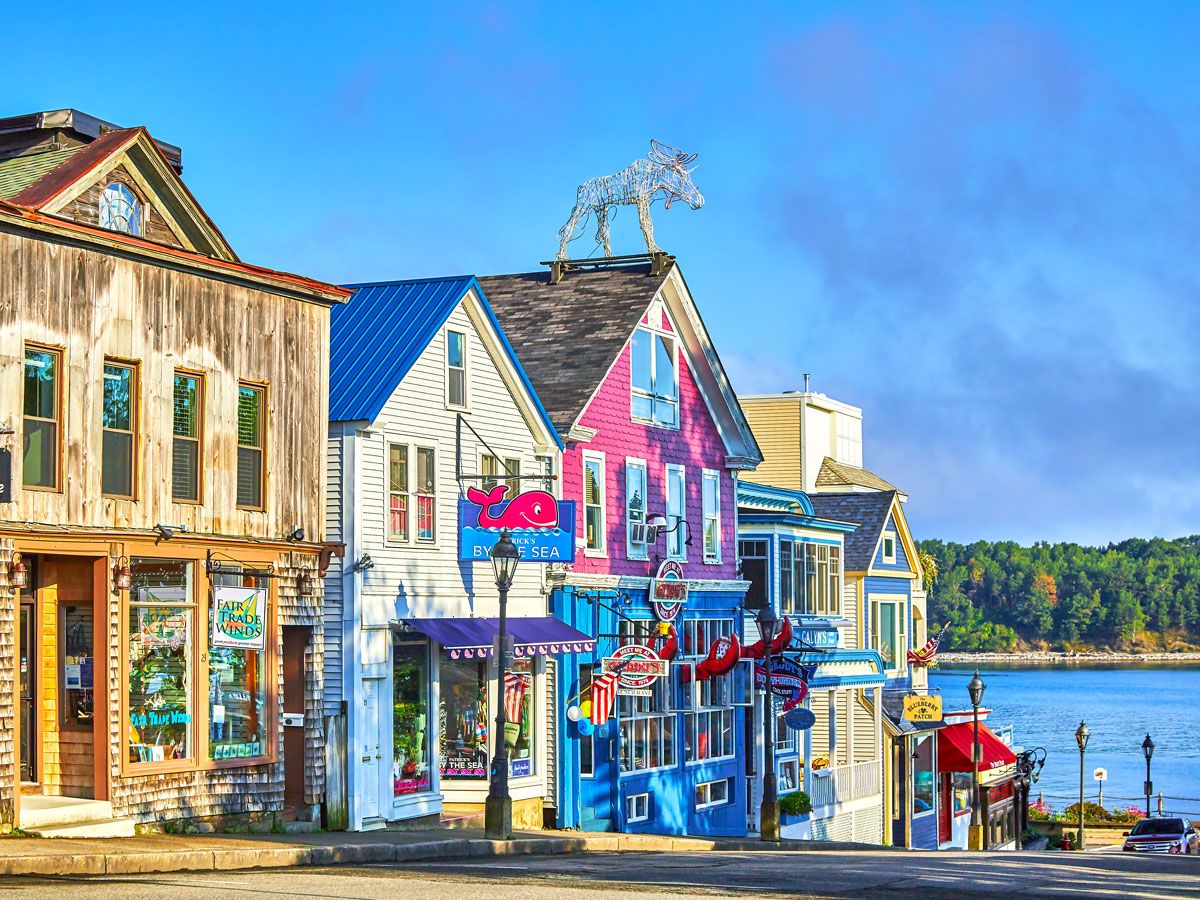
Maine has the 10th-highest cost of living among U.S. states. This is due largely to the Pine Tree State’s high housing costs, as Mainers pay about 33% more for their homes than the average American. Prices are especially high in Kennebunkport: According to Stacker (using data provided by Zillow), homes here average around $1.082 million, making it the most expensive region in Maine to buy property. But despite the state’s high housing prices, other costs are more affordable. Transportation fees are only 4% higher than the national average, whereas groceries are a mere 0.3% pricier.
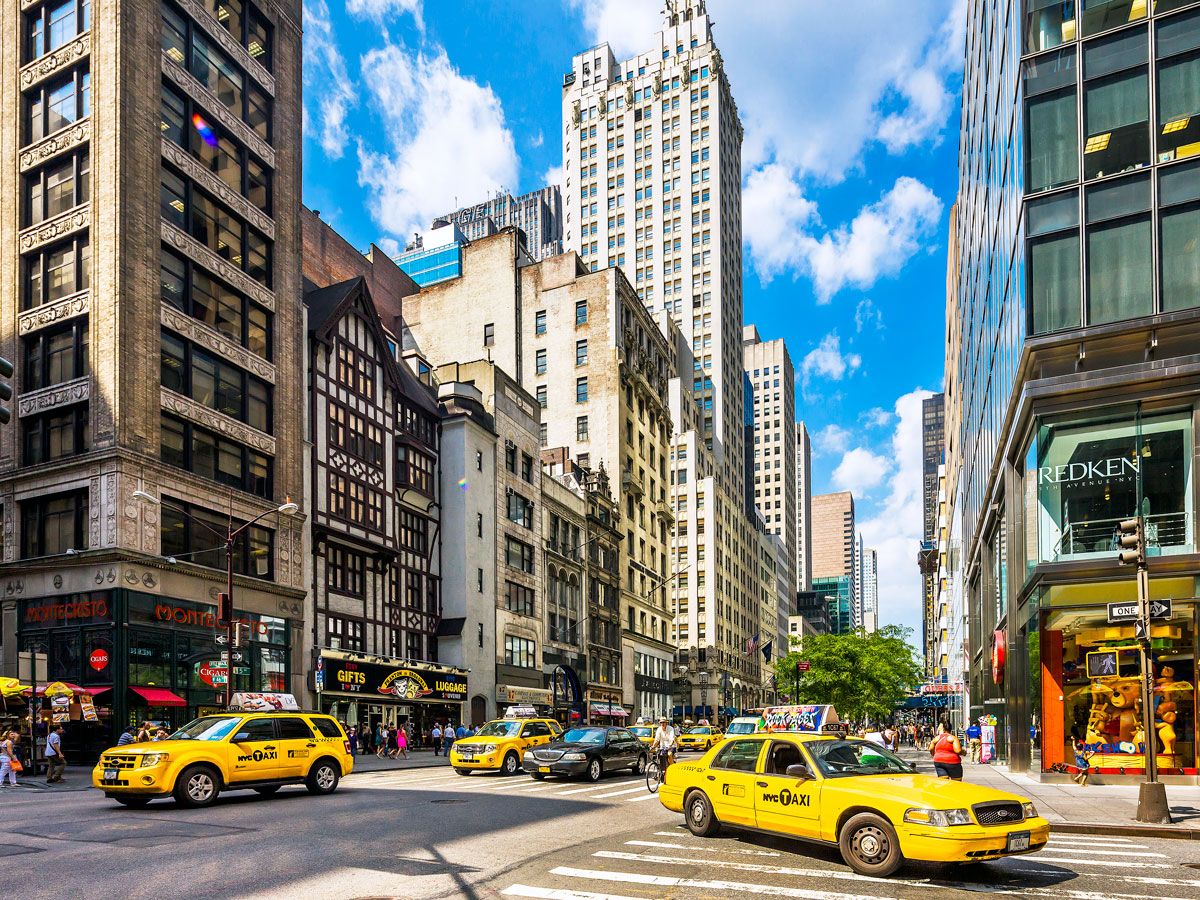
9. Connecticut

Street corner in Greenwich, Connecticut
Credit: DenisTangneyJr/ iStock via Getty Images Plus 

Percentage above national average: 13.5%

Nutmeggers have the ninth-highest cost of living in the U.S. While grocery costs and transportation fees are relatively affordable (ranking just 1.5% and 3.1% higher than the national average), housing prices in Connecticut are over 20% higher than in the rest of the country. Plus, the price of utilities such as electricity and gas is among the highest in the nation — Connecticut residents pay 37.6% more for utilities than average. According to NBC Connecticut, part of the reason for these high costs is the fact that Connecticut’s two major utility companies purchase electricity from out of state rather than produce it themselves, which drives up consumer prices.

8. Vermont

White church tower surrounded by trees in Stowe, Vermont
Credit: J Duquette/ iStock via Getty Images Plus 

Percentage above national average: 13.7%

Sensing a theme? The Northeast housing market is known for being anything but affordable, and that trend holds true in Vermont, where home prices are more than 30% above the national average. According to Forbes, Woodstock is the most expensive ZIP code in the state, with median home values around $967,805; Stowe isn’t too far behind at $942,691. Utilities in Vermont are 14.5% higher than average, and it costs 6.4% more to fill up your grocery cart in the Green Mountain State.

Related: The Most Expensive Small Towns in the U.S.

7. New Jersey

Row homes in downtown Trenton, New Jersey
Credit: Leonid Andronov/ iStock via Getty Images Plus 

Percentage above national average: 14.8%

New Jersey ranks as the seventh-most-expensive state to live in, but as in other Northeast states, the cost of living in the Garden State is heavily skewed by the skyrocketing cost of housing. Your typical New Jersey home will run you 43.3% more than the national average. According to Realtor.com, the median home price in the town of Deal is $6.26 million, and in Alpine, residents pay $5.39 million for an average home. Aside from these high housing prices, groceries, utilities, transportation, and miscellaneous purchases rank anywhere between 1.4% to 4.2% higher than average.

6. Maryland

Residential neighborhood in Forest Park, Maryland
Credit: ferrantraite/ E+ via Getty Images 

Percentage above national average: 14.9%

Maryland has the sixth-highest cost of living in the country, sitting at nearly 15% above the national average. As in many other states on this list, the main culprit for these high prices is housing — the cost of property in Maryland is nearly 34% higher than elsewhere in the country. According to Forbes, the most expensive place to live in Maryland is Chevy Chase Village, where median home values exceed $2 million. Furthermore, utilities cost 14.4% higher than average in Maryland, and groceries will run up a tab that’s just over 5% more than the national average.

5. New York

Fountain in Hudson Yards neighborhood of New York City at night
Credit: francois-roux/ iStock via Getty Images Plus 

Percentage above national average: 27.4%

For as expensive as it is to live in New York, it may surprise you to learn that utilities are nearly in line with the national average, ranking just 0.2% higher. Unfortunately, housing costs 74.2% more in New York state than the average American home. It’s no surprise that many of these more expensive neighborhoods are located in New York City: According to the Hudson Valley Post, the Manhattan neighborhood of Hudson Yards boasts a median home sale price of $7.126 million. Outside the city, housing prices are still quite high on Long Island, especially in the Hamptons — houses in the towns of Sagaponack, Water Mill, and Bridgehampton all command several millions of dollars.

4. Alaska

Waterfront homes in Wrangell, Alaska
Credit: Vipersniper/ iStock via Getty Images Plus 

Percentage above national average: 27.3%

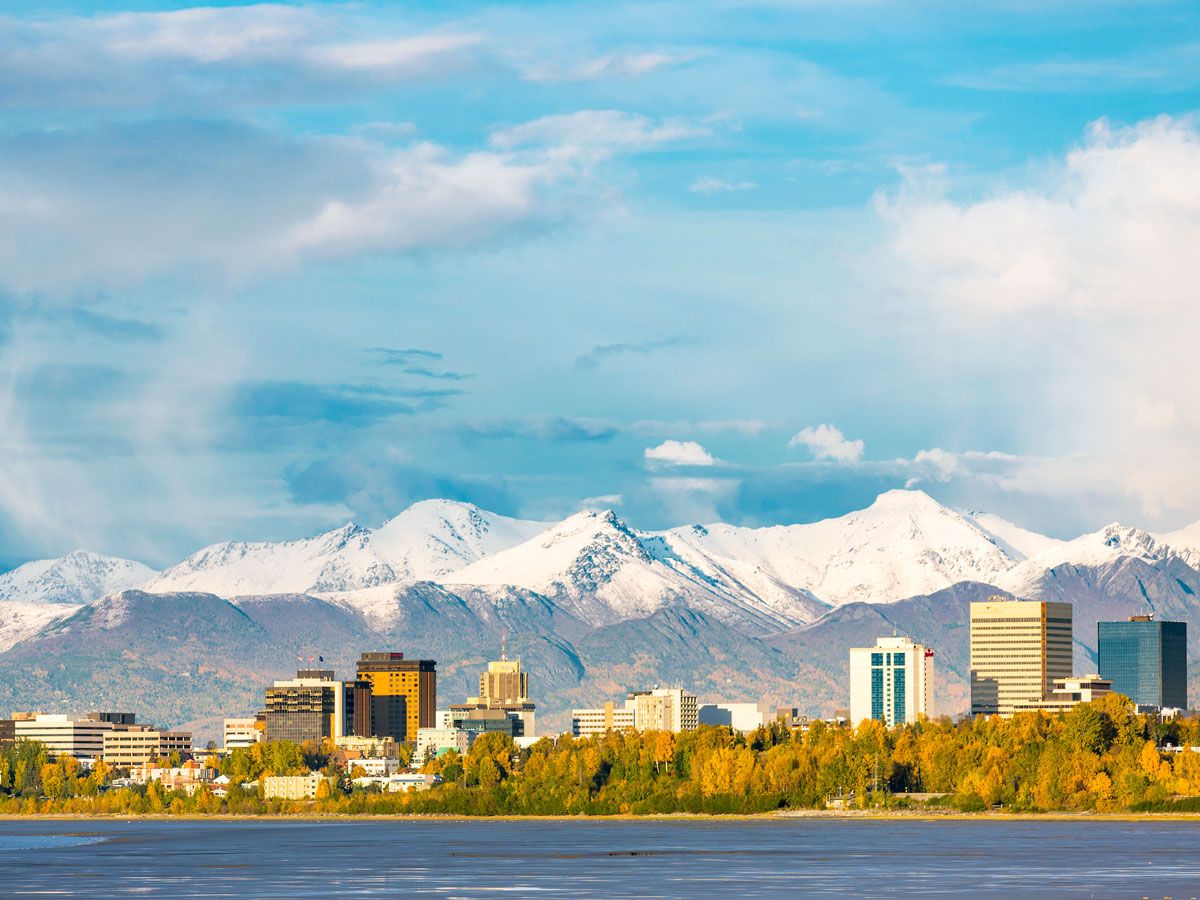
Because of Alaska’s remote location, it costs a considerable amount of money to deliver food and other goods to the state. In the end, this increased shipping cost also means higher prices for the consumer. Grocery, utility, and housing prices in Alaska are all about 30% more expensive than the national average. In fact, Alaska’s grocery costs are the second-highest in the entire country, after Hawaii. But it’s not just food — expect to pay more for furniture, vehicles, and other necessary homewares in Alaska, too.

Related: Why Don’t Alaska and Louisiana Have Counties?

3. California

Waterfront homes in Newport Beach, California
Credit: DenisTangneyJr/ iStock via Getty Images Plus 

Percentage above national average: 41.6%

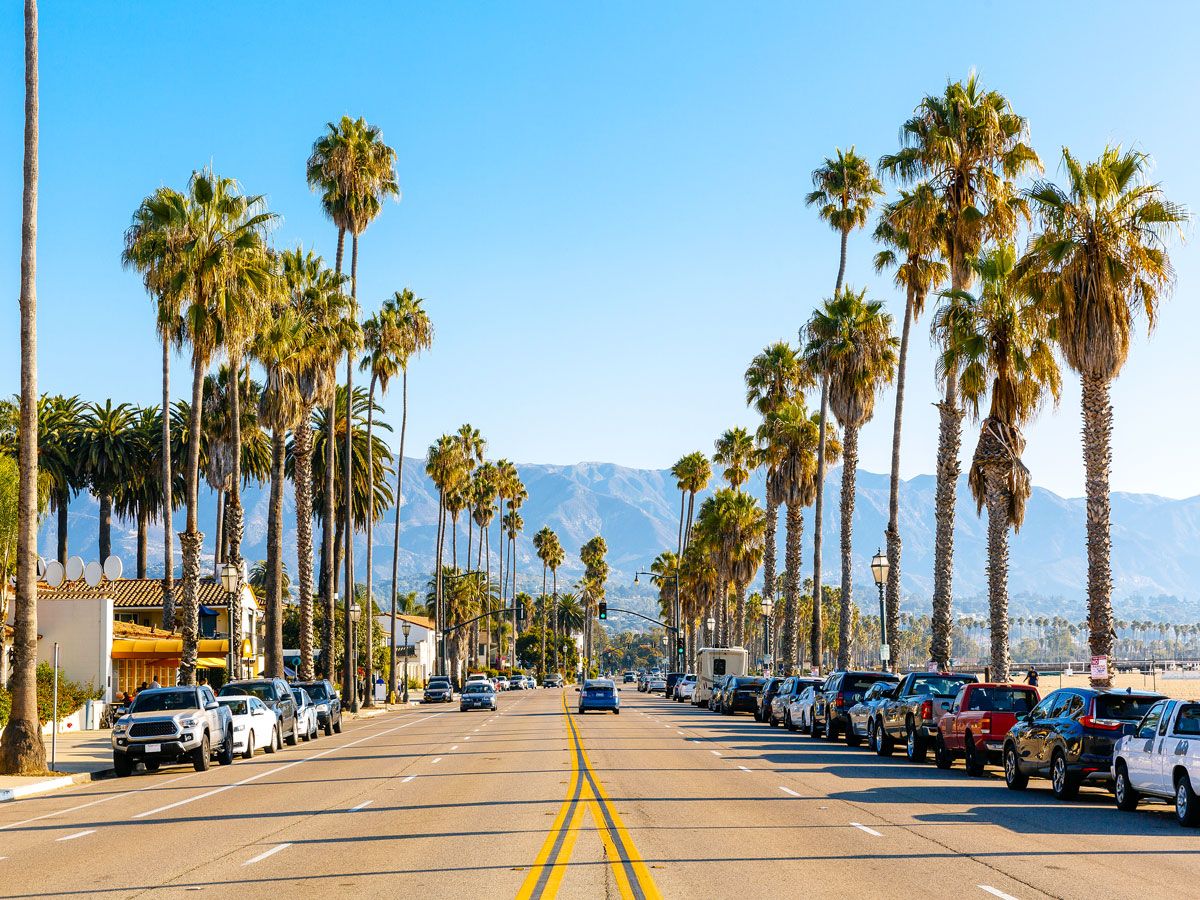
Life in California is significantly pricier than elsewhere in the country. The Golden State has the second-highest transportation cost of any state (38.7% above the national average), and the third-most-expensive utility costs (40.7% higher). Housing prices in California also rank 97.8% higher than average. According to the U.S. News & World Report, this is especially notable in places such as Daly City, Westminster, and Newport Beach, the latter of which ranks as the most expensive place to live in the country.

2. Massachusetts

Waterfront homes in Martha's Vineyard, Massachusetts
Credit: DenisTangneyJr/ iStock via Getty Images Plus 

Percentage above national average: 45.1%

Massachusetts has the highest cost of living of any state in the Lower 48. That said, groceries and transportation cost only 2.7% and 3% more than the national average, respectively. What makes the state of Massachusetts particularly expensive is — wait for it — the sky-high price of housing, with the average price of a home in Massachusetts coming in at 115% higher than the national average. According to the real estate blog Redfin, Edgartown is the state’s most expensive city, where median home sales total $3.305 million. If you’re buying a home in the capital city of Boston, expect to pay an average of $793,819, according to Zillow.

1. Hawaii

Lush valley in Hawaii
Credit: BackyardProduction/ iStock via Getty Images Plus 

Percentage above national average: 82.3%

Despite its reputation as a Pacific paradise, bills in Hawaii are a whopping 82.3% more expensive than the national average. The Aloha State’s remote location makes the cost of goods quite high, as it takes more resources to ship items there, which ends up resulting in a bigger bill for the average consumer. For example, groceries cost 34.6% more, transportation is 43.1% more expensive, and utilities are 107% higher than average. These categories all rank as the highest prices in the nation. The cost of Hawaiian housing is also astronomical, as residents pay 192.1% more for their homes than the American average. 

Related: The U.S. States With the Lowest Cost of Living

About the data: To compile this list, we consulted data from the Council for Community and Economic Research, which looked at the average cost of housing, groceries, utilities, transportation, and miscellaneous purchases in all 50 states in the first quarter of 2025. You can view the full report here.

Post Banner Image
Tips

What Happens When You Flush an Airplane Toilet?

By Daily Passport Team
Read time: 3 minutes
July 23, 2025
Updated: April 30, 2026

What Happens When You Flush an Airplane Toilet?

By Daily Passport Team
Author
Daily Passport Team
Daily Passport writers have been seen in publications such as National Geographic, Food & Wine, CBC, Condé Nast Traveler, and Business Insider. They're passionate about uncovering unique destinations and sharing expert tips with curious travelers.

Mysteries abound in air travel, from how planes stay in the sky to why some people willingly choose the middle seat. Chief among these lingering questions, perhaps, is this: What exactly happens when you flush an airplane toilet? From the brief delay between the push of the button to the actual flush and the many warnings not to toss tissues or paper towels in the toilet, it can feel very different when you use the lavatory at cruising altitude compared with toilets on the ground. Take a look at the interesting science behind airplane lavatories.

Avoiding Blue Ice

Occupied sign on aircraft lavatory door
Credit: Konev Timur/ iStock via Getty Images Plus 

The first, most important thing to know is what doesn’t happen when you flush an airplane toilet. No, the contents of the cruising-altitude commode aren’t merely ejected from the plane and left to crash-land where they may. That would create all kinds of problems for the people going about their lives 30,000 feet below your Boeing 737 — and likely result in well-earned lawsuits for whichever airplane manufacturer was shortsighted enough to design their planes in such a way. However, it does (rarely) happen by accident, and these discharges of waste and disinfectant even have an unfortunate name: blue ice, something you don’t want to ever see falling from the sky.

Under Pressure

Passenger pressing "flush" button in airplane lavatory
Credit: Stock photo and footage/ iStock via Getty Images Plus 

Perhaps the most unusual aspect of airplane facilities is the sound. Loud and abrupt, the flush sounds more like air than the water-based toilets we’re used to on terra firma. There’s a reason for that: Airplane toilets are essentially vacuums that use suction to deposit waste into airtight holding tanks located at either the front or back of the plane for safekeeping. A valve opens when you flush, briefly activating the suction system before the valve closes again. 

Using more water would be troublesome because of the weight restrictions placed on commercial airliners (plus, the heavier a plane is, the more fuel required to fly it). This is why the air-pressure technique first patented by James Kemper in 1975 remains the standard on modern airliners. The blue liquid used to disinfect and deodorize airplane lavatories is manufactured by companies such as SkyKem and Aero Specialties, the latter of which produce theirs under the name Lav Chem Blue.

On the Wagon

Airport employee on truck connecting vacuum pipe to aircraft
Credit: gerenme/ E+ via Getty Images 

Those aircraft waste tanks eventually fill up, of course — hence why “honey wagons” exist. These specialized vehicles, usually small trucks, use vacuum pipes to link to an aircraft’s holding tank before transporting the contents away for good. The process is fairly quick, and the strange moniker is believed to come from the vaguely honeylike color of the removed waste. In addition to removing the tank’s contents, the trucks also pump water and disinfectant into the tank to properly clean it and ready the plane for its next flight.

Related: 7 Secrets of Airplane Cabins Most Passengers Don’t Know

Featured image credit: ThamKC/ iStock via Getty Images Plus 

Post Banner Image
Culture

6 Medieval Taverns Still Pouring Ales Today

By Jersey Griggs
Read time: 5 minutes
July 18, 2025
Updated: July 23, 2025

6 Medieval Taverns Still Pouring Ales Today

By Jersey Griggs
Author
Jersey Griggs
Jersey is a travel and lifestyle writer whose work has appeared in publications such as Condé Nast Traveler, Business Insider, and Bust. When she’s not exploring her adopted home state of Maine, she’s likely planning her next big trip.

In Europe, many breweries aren’t just a place to grab a drink — they’re living pieces of history. They transport us to a time when beer was safer to drink than water and when smugglers, bards, and noblemen alike gathered at the local tavern for some warm food and ale. Featuring original cellars, hidden passageways, and even rumors of a haunting or two, here are six medieval taverns where you can still belly up to the bar today.

Brazen Head – Dublin, Ireland

Irish flag flying over the Brazen Head pub in Dublin
Credit: Sam Mellish/ In Pictures via Getty Images 

Dating back to 1198, the Brazen Head is one of the oldest pubs in Ireland and a fixture on Dublin’s Bridge Street. The pub is situated next to the River Liffey, in the same part of the city where Dublin’s original settlement formed. Interestingly, Dublin’s Gaelic name, which translates to “The Town of the Ford of the Reed Hurdles,” originated from the reeds that were positioned on the Liffey’s riverbed to allow travelers to cross at low tide. One can only guess that many were crossing the river for a much-needed pint at Brazen Head. Although it no longer operates as a hostelry or coaching inn as it once did, today’s guests can still enjoy several Irish ales served along traditional pub fare.

Sean’s Bar – Athelone, Ireland

People gathered on sidewalk outside of Sean's Bar in Athelone, Ireland
Credit: Neil McAllister/ Alamy Stock Photo

With records dating back to 900 CE, Sean’s Bar is the oldest pub in Ireland, as recognized by Guinness World Records. A man named Luain built an inn near a ford on the River Shannon, with the establishment serving as a guide for travelers who needed to cross the river. As the settlement grew around this area, it became known as Áth Luain, which eventually turned into present-day Athelone. 

The pub’s original walls were made using the traditional “wattle and wicker” construction method, involving a lattice of wooden strips woven together with a sticky material. Minted coins from former landlords have even been discovered within its folds. Today, Ireland’s oldest bar is known for distilling its own whiskey, complete with a daily historic talk on the region’s favorite spirit.

The Royal Standard of England – Forty Green, England

People dining on the patio of the Royal Standard of England
Credit: Greg Balfour Evans/ Alamy Stock Photo

With origins as a Saxon alehouse, the Royal Standard of England dates back over 900 years to 1213, making it the oldest pub in England. At the time, the Saxons used the present-day site of the Royal Standard to brew beer, mostly because there was a healthy water supply in this location. When the ale was ready for consumption, alewives would alert the townsfolk by placing a green bush on a pole. At the time, beer was the preferred beverage because the brewing process killed pathogens that might be present in untreated water. 

Over the centuries, the alehouse continued to grow. It became the Ship Inn in the 13th century before taking on its current name in 1663. With the building’s age come rumors of ghosts, with some guests hearing the sounds of a distant drum beating — supposedly the ghost of a drummer boy killed in 1643.

White Hart Inn – Edinburgh, Scotland

Patio and green-painted exterior of the White Hart Inn in Edinburgh, Scotland
Credit: incamerastock/ Alamy Stock Photo

The earliest written records for the White Hart Inn date back to 1516, but only the cellar survives from this time. The inn has roots to medieval times, however, as the legend behind the inn’s name originated around 1128, after King David I allegedly saw a fiery cross between the antlers of a white stag. He then built Holyrood Abbey as a shrine for the creature, the ruins of which still stand in Edinburgh today. 

In its early days, the White Hart Inn was located near the city’s local execution site, which often drew crowds and made the tavern a popular gathering place. Over the years, many famous individuals crossed its threshold, including the poet Robert Burns and the notorious body snatchers William Burke and William Hare, who were regular patrons before being caught in 1829.

Hofbräuhaus – Munich, Germany

Exterior of Hofbräuhaus in Munich, Germany, with flags hanging
Credit: Dukas/ Universal Images Group via Getty Images 

Granted, it was established a bit after the Middle Ages, but the legendary Hofbräuhaus is one of many reasons that beer is so beloved in Germany. During the 16th century, beer was an expensive import and not often enjoyed locally. In 1589, Duke Wilhelm V established this Munich brewery to lower expenditures and make beer more affordable for members of the court. 

As it gained popularity with the public, historical figures were known to spend time downing the tavern’s trademark tankards, including Amadeus Mozart himself. Today, Hofbräuhaus remains one of the most popular places in Munich to drink beer and eat traditional Bavarian food.

The Mermaid Inn – Sussex, England

Exterior of the Mermaid Inn in Sussex, England
Credit: Wojtek BUSS/ Gamma-Rapho via Getty Images 

Though it was originally founded in 1156, the Mermaid Inn had to be rebuilt in 1420 after French raiders destroyed the property. Since then, it’s been home to centuries of history. The inn was the former haunt of the Hawkhurst Gang, a group of notorious British smugglers, and it features several secret passageways, including a hidden panel behind a bookcase that was used to hide priests during religious persecution. 
Throughout the years, many guests have reported paranormal activity at the Mermaid Inn, including hearing phantom footsteps, sensing cold spots, and seeing a mysterious woman in white in Room 1. Many paranormal reports also come from the Giant’s Fireplace Bar, the inn’s cozy, historic pub.

Post Banner Image
Outdoors

Meet America’s First National Park City

By Fiona Mokry
Read time: 5 minutes
July 18, 2025
Updated: July 18, 2025

Meet America’s First National Park City

By Fiona Mokry
Author
Fiona Mokry
Fiona has spent her career exploring the world and working in the travel industry, turning her lifelong passion into a profession. From planning custom trips to sharing stories as a travel writer for publications such as The Discoverer, she’s all about helping others experience the world in a deeper, more meaningful way.

Today, there are 433 sites managed by the National Park System, each one recognized for its natural beauty and historic significance. But in April 2025, Chattanooga, Tennessee, made history as America’s first “National Park City” — a designation you might be surprised to learn has nothing to do with the National Park Service itself. If you haven’t heard of a National Park City, you’re not alone — while the concept is gaining momentum, it’s still relatively new. Learn all about America’s first National Park City and why it’s generating so much buzz.

What Is a National Park City?

Aerial view of Walnut Street Bridge in Chattanooga, Tennessee
Credit: Jonathan Ardila/ iStock via Getty Images Plus 

In 2019, the National Park City Foundation, a U.K.-based grassroots charity organization, introduced the National Park City designation. To be recognized as a National Park City, a city needs to show commitment to incorporating nature and outdoor pursuits into everyday living, which in turn makes life better for residents. These efforts should be driven by the community itself, which entails local involvement, community collaboration, and developing a shared vision for a greener, healthier, more sustainable city. Before Chattanooga joined the list earlier this year, no U.S. city had been recognized by the foundation.
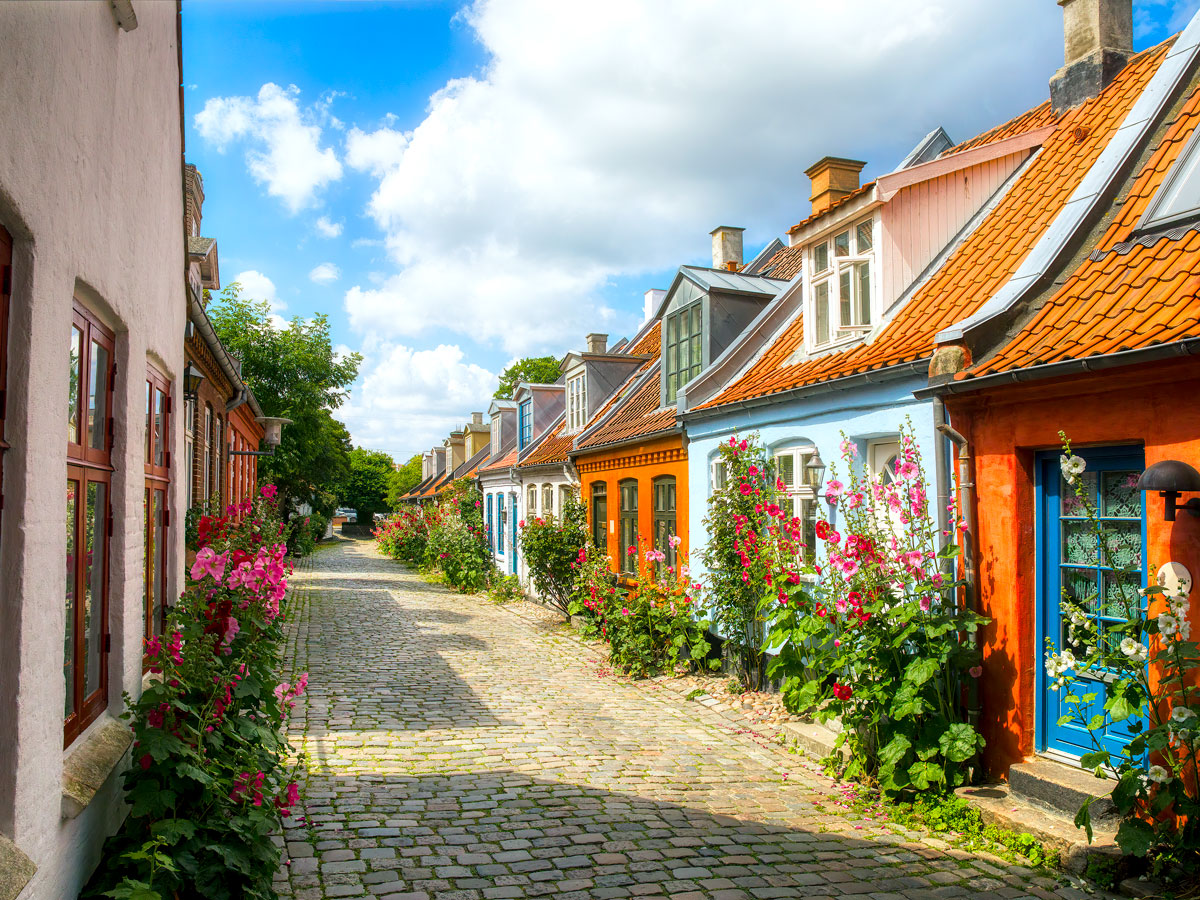
According to the organization’s website, a National Park City is not a type of national park, but rather an entirely new concept inspired by the same ideals. “National parks are defined differently around the world,” the website states. “They are special places where we have a better relationship with nature, culture, and heritage and can enjoy and develop ourselves. Combining the long-term and large-scale vision of national parks with cities has the potential to shift our collective understanding of what and who a city is for.”

Related: The Best National Parks Around the World to Add to Your Bucket List

America’s First National Park City

Fountain in Miller Park in Chattanooga, Tennessee
Credit: robertharding/ Alamy Stock Photo

Chattanooga has come a long way to obtain the coveted National Park City title. Back in 1969, it was considered the single most polluted city in the U.S., largely due to excessive emissions from railroads, coal plants, and factories. Its location in a valley surrounded by mountains only made matters worse, trapping the smog and pollution in the air.

Today, Chattanooga has done more than shed its former reputation — it has outpaced many other U.S. cities when it comes to clean-air projects, sustainable development, and a dedication to green space. Indeed, the same landscape that once compounded the city’s pollution problem is now Chattanooga’s biggest appeal. 

Outdoor adventure is woven into Chattanooga’s identity, with easy access to lakes, waterfalls, and wooded trails on Lookout Mountain, Signal Mountain, and Missionary Ridge — all within reach of the city’s compact, vibrant downtown. The 16-mile Riverwalk, a scenic paved path stretching from Chickamauga Lake into town, perfectly captures the nature-focused spirit of the city, with serene views of the Tennessee River, public bike stations, and plenty of cafes and restaurants where people can stop and recharge along the way. 

Wherever you turn, there’s an opportunity to embrace the outdoors — whether by kayaking or paddleboarding on the river, driving 15 minutes to world-class mountain biking trails, exploring underground caves, bouldering on the edge of town, or tackling a 100-foot sandstone cliff for experienced climbers. We think that Mayor Tim Kelly summed up Chattanooga’s character perfectly when he described it as “a city in a park, rather than a city with some parks in it.”
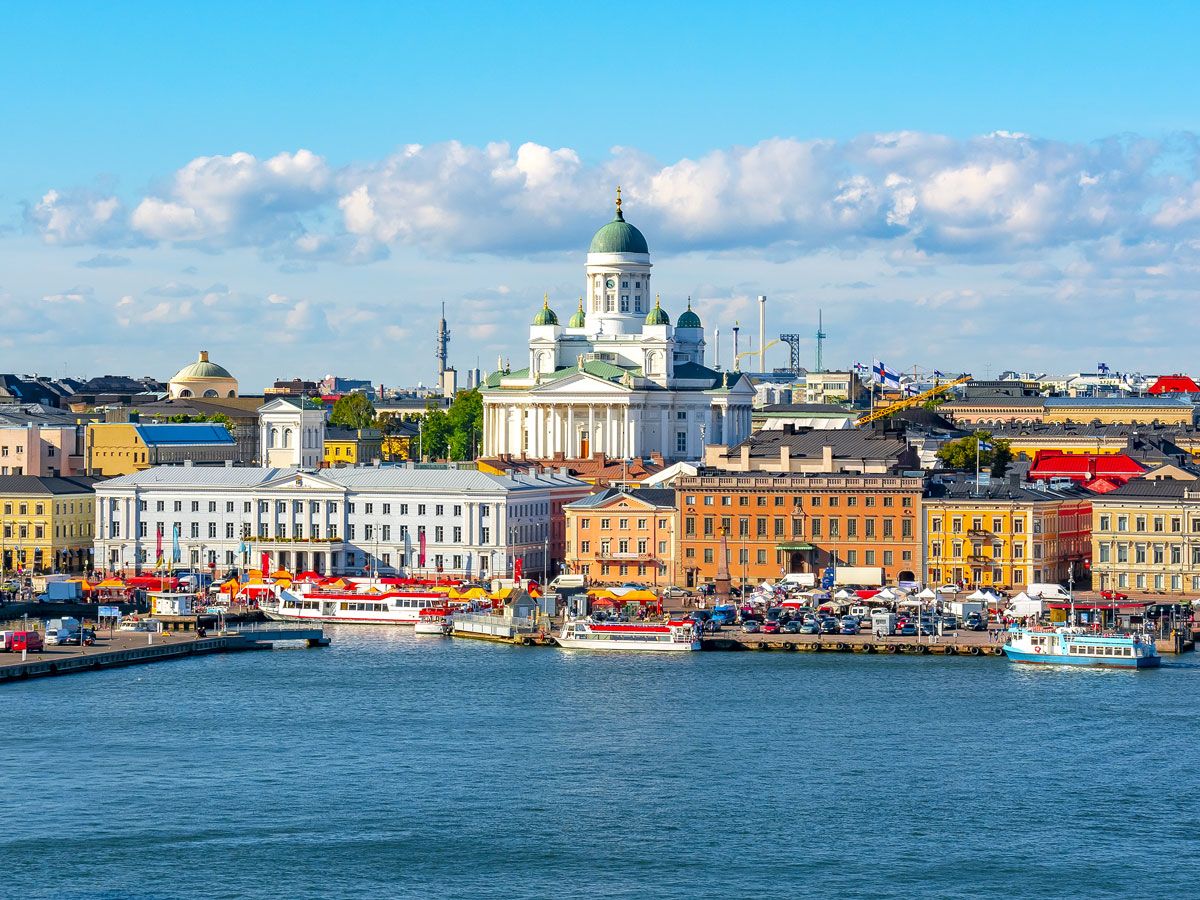
Related: The Greenest Cities in the U.S.

Worldwide National Park Cities

River and church in Breda, the Netherlands
Credit: Wirestock/ iStock via Getty Images Plus 

While Chattanooga is the first of its kind in the U.S., it joins a very exclusive list of National Park Cities around the globe:

  • London, England: In 2019, London became the world’s first National Park City, supported by the mayor and 260 partner organizations. Taking advantage of its many parks, green spaces, and waterways, these city leaders and grassroots community organizations are striving to create more ways in which Londoners can connect with the beautiful outdoors and nature at their fingertips. 
  • Adelaide, Australia: In 2021, Adelaide, Australia’s beautiful coastal capital, earned National Park City status, in part due to its long-standing dedication to green space. This is exemplified by the Adelaide Park Lands, a continuous ring of 29 parks that has shaped the city’s identity and supports its efforts to enhance urban nature and protect biodiversity.

  • Breda, the Netherlands: The newest city to join the list, Breda earned recognition in May 2025 for its commitment to equitable access to nature. Located in the southern Netherlands with green space covering approximately 60% of the city, Breda has embraced community-driven, nature-based solutions to tackle climate challenges like flooding and extreme heat.

How Does a City Apply?

Glass bridge lit in bright colors in downtown Chattanooga at night
Credit: Kruck20/ iStock via Getty Images Plus 

Think your city deserves to be on this list? Anyone can take part in the application process. You’ll need to rally support for the cause, sign the National Park City Universal Charter, and fill out a registration form. The city should also showcase standout projects, accomplishments, and attractions that make it a compelling place for people to visit and explore.

Once the application is submitted, the National Park City Foundation makes the final decision. A team of passionate representatives visits the city to experience it firsthand before determining whether it meets the criteria to earn the title. Stay tuned to find out which cities join the list next!

Post Banner Image
Tips

5 Tips for Traveling With Pets, From Someone Who’s Done It

By Michael Nordine
Read time: 4 minutes
July 18, 2025
Updated: July 18, 2025

5 Tips for Traveling With Pets, From Someone Who’s Done It

By Michael Nordine
Author
Michael Nordine
Michael is a staff writer for Daily Passport and film critic who writes the weekly newsletter Movie Brief. His writing and criticism have also appeared in the Los Angeles Times, Variety, and the Washington Post, among others. A native Angeleno, his favorite countries to visit are Norway and Japan.

Pets, like their owners, can be creatures of habit. They like to eat at the same time of day, have a favorite spot to sleep, and don’t appreciate disruptions to their routine. I speak from experience when I say that can be a challenge when traveling, which brings them out of their comfort zone and into strange, new, and often stressful environments, like cars, airports, and Boeing 737s. The good news is that there are a number of best practices you can follow to make the experience as stress-free as possible for you and your pet. Here are five of my top tips for traveling with pets.

Tell the Airline in Advance

Woman sitting at desk with open notebook talking on phone
Credit: mixetto/ E+ via Getty Images 

Depending on the length of your journey, driving might be the easier option. If you do have to fly, however, don’t simply show up at the airport with your cat or dog in tow and hope for the best. Different airlines have different requirements for flying with a pet, from how much you’ll have to pay for the privilege (usually $100 to $150) to the maximum dimensions of their carrier. You’ll also want to have their vaccine records and other documents handy in case you’re asked for them, so make sure they’re up to date on their shots.

Opinions vary on whether you should allow the airline to put your furry friend in cargo, rather than having them in the cabin with you. Though it might be unavoidable for larger dog breeds, a lot of pet owners simply won’t chance it. It can be more stressful for everyone involved to be separated on a plane, especially since you can’t monitor their well-being and comfort them throughout the flight. Fortunately, cats and smaller dogs can fly in the cabin with you (in a carrier). Even so, book a direct flight whenever possible — the less time you have to spend in the airport and at cruising altitude, the better.

Ask Your Vet for Medication

Cat being treated by vet
Credit: AzmanL/ E+ via Getty Images 

I’ve made two major trips with my two cats: driving from Los Angeles to Denver and then flying back five years later. In both cases, my veterinarian prescribed them Gabapentin, and I can’t imagine having made either journey without it. While it can be scary to medicate your pet, Gabapentin is essentially a mild sedative that will mellow them out for the duration of your trip (and, depending on both the dosage and how long your trek is, a few hours after).

As such, most vets will be comfortable prescribing it without much fear of side effects. It worked perfectly for my two car-hating cats the first time and was equally effective on their first (and, to date, only) flight. Neither of my exceptionally fussy felines so much as meowed once during the ride to the airport, at the airport itself, or during our two-hour flight from Denver to Los Angeles.

Get the Right Carrier

Cat in pet carrier
Credit: Ekaterina Fedulyeva/ iStock via Getty Images Plus 

If you’re driving, you probably already have a carrier that you and your pet like well enough. But if you’re going on a longer road trip and have room for it, consider a larger model that will allow them to move around a bit. And if you’re flying, check your airline’s carrier requirements. There are plenty of airline-approved models available to buy online, many of which will specifically mention which airlines’ standards they meet.

Officially, you’ll have to put your pet under the seat in front of you for the duration of your flight. Between you and me, however, there’s a decent chance you’ll be able to place their carrier on your lap every so often to ensure they’re comfortable — just be mindful of your fellow passengers and the cabin crew, of course.

Don’t Go Alone if You Can Avoid It

Two women with suitcases and small dog in airport
Credit: Su Arslanoglu/ iStock via Getty Images Plus 

This one is especially important for air travel: If you’re the only human on your trip and you have more than one pet, you could run into trouble. Most airlines allow only one pet per person unless both animals are in the same carrier. In my case, that was a no-go because my cats aren’t the biggest fan of one another. You might have to do what I did and convince a friend or relative to make the journey with you, which will require buying another ticket for your helpful companion. This is also beneficial on road trips, as you can alternate between driving and keeping an eye on your pets in the backseat.

Bring the Right Supplies

Dog on leash drinking water out of bowl
Credit: RossHelen/ iStock via Getty Images Plus 

Depending on how finicky or anxious your pet is while traveling, they might not want to eat or drink at all until reaching your final destination. (In my experience, this tends to be truer of cats than it is of dogs.) But you should still ensure you have some water, food, treats, and waste bags. Also consider pheromone sprays for the journey: Brands like ThunderEase for dogs and Feliway for cats can help calm them down; simply spray it on their carrier about 15 minutes before they go in.

Post Banner Image
Tips

Why Tiny Shampoos in Hotels Are Disappearing

By Bennett Kleinman
Read time: 5 minutes
July 18, 2025
Updated: July 23, 2025

Why Tiny Shampoos in Hotels Are Disappearing

By Bennett Kleinman
Author
Bennett Kleinman
Bennett is a New York City-based staff writer for Daily Passport. He previously contributed to television programs such as the Late Show With David Letterman, as well as digital publications like the Onion. Bennett has traveled to 48 U.S. states and all 30 Major League Baseball stadiums.

While you may think those small, free shampoo bottles have been a hotel room staple for pretty much forever, the concept has actually been around only since 1970, when the Four Seasons London at Park Lane pioneered the trend of offering shampoo to guests. But in the past several years, you may have noticed an evolution. It’s not your imagination that these tiny toiletries aren’t showing up as frequently as you remember: Hotels have started to phase out single-guest-use amenities for a number of reasons. Let’s take a closer look at why all those tiny shampoo bottles are disappearing from hotel rooms.

In Some States, It’s the Law

Box of single-use hotel toiletries
Credit: wakila/ iStock via Getty Images Plus 

As mandated by some local laws, hotels in certain states have no choice but to stop providing tiny shampoo bottles to guests. Some of these laws have already taken effect, while others are set to take effect in the near future. 

In 2019, California became the first state to ban travel-size plastic shampoo bottles as part of a larger effort to eliminate single-use plastics and cut down on unrecyclable waste. The bill took effect in 2023, applying to hotels or other establishments with 50 or more rooms; hotels with fewer than 50 rooms were forced to comply by the following year. Violators are subject to a $500 fine for a first violation and $2,000 for subsequent violations.

In January 2025, New York followed suit: Hotels with at least 50 rooms were forced to replace the tiny plastic amenities right away, and all other establishments will have to comply by the start of 2026. The ban applies to bottles sized 12 ounces or less, and includes hospitality personal care products such as shampoo, conditioner, lotion, liquid soap, and more. In Illinois, hotels are subject to the same schedule as in New York, with a statewide ban set to take effect in 2026 regardless of the total number of rooms.

Other states have either passed or started debating similar bans. Washington passed a ban that takes effect on January 1, 2027, while Hawaii debated the idea during the 2023 legislative session, though a law has yet to pass.

Hotel Chains Follow Suit

Bottles of conditioner, shampoo, and shower gel
Credit: olegbreslavtsev/ iStock via Getty Images Plus 

Even if not mandated by law, certain hotel chains have proactively eliminated tiny toiletry bottles from their chains worldwide. After testing out the decision at select properties in 2018, Marriott announced in 2019 that it was eliminating single-use plastic amenities at all properties by the following year. According to a press release, the program was “expected to prevent about 500 million tiny bottles annually from going to landfills; that’s about 1.7 million pounds of plastic, a 30% reduction from current amenity plastic usage.”

To make up for the loss of the tiny bottles, Marriott opted to provide guests with large, pumpable bottles of shampoo, soap, conditioner, and lotion, which are often mounted to the wall to prevent theft. Each larger, recyclable bottle contains the same amount of product as about 10 to 12 tiny, single-use bottles, according to Marriott.

Following Marriott’s lead, Hyatt made an announcement that it would eliminate single-use plastics in its hotels starting in June 2021. IHG made a similar pledge in 2019, with a goal to fully replace single-use plastics by 2030. According to a press release from IHG, this move would save 850 metric tons of plastic from going to waste annually, which is equal to the weight of five fully grown blue whales or 70 double-decker London buses.

Are There Other Financial Motives?

Housekeeping staff pushing cart down hotel hallway
Credit: Dimensions/ E+ via Getty Images 

While many hotels claim to be making these changes for eco-friendly reasons, some experts argue that it’s primarily being done for cost-cutting reasons. Dan Bornholdt, founder of the company Green Suites Hotel Solutions, which provides reusable containers to hotels, shared in a 2023 interview with the industry news site Packaging Dive that hotels save between 30% and 70% if they forgo the single-use amenities and use larger, refillable dispensers instead. Bornholdt estimates that “maybe 20% of hotels are doing this for environmental reasons,” but that “everybody is doing it for environmental marketing.”

Whether these decisions are being made for environmental reasons or to protect the bottom line, the benefits for the environment are clear. In an ever-growing number of states and hotel chains, the days of millions of tiny, half-empty shampoo bottles ending up in a landfill are a thing of the past.

Are Bulk Toiletries Safe?

Reusable travel-sized toiletry containers inside clear plastic bag atop suitcase
Credit: Liudmila Chernetska/ iStock via Getty Images Plus 

For all of the environmental and financial benefits to eliminating tiny plastic bottles from hotels, one question remains: Are these shared, bulk amenities safe to use? Some guests worry about the idea of these larger bottles being contaminated with bacteria or the contents being replaced with lesser-quality products or other fluids that should not be in there.

Studies have backed up some of those concerns. A 2011 study from the National Institutes of Health found that “bulk-soap-refillable dispensers are prone to extrinsic bacterial contamination.” And in an interview with Smarter Travel, Dr. Charles Gerba, a professor of virology at the University of Arizona, said, “Bacterial growth is an issue with refillable dispenser use for soap and shampoos. Most of our studies have been on hand soaps, but we also did studies on shampoos in hotels — all of which can grow bacteria to large numbers.” 

The unfortunate reality is that these bulk bottles may not be cleaned very thoroughly between guests, and there’s always a risk of tampering. If you find yourself worried, try bringing your own refillable, squeezable dispensers that are TSA-approved and fit into any travel bag. Before your trip, fill them up with your favorite shampoo, conditioner, or liquid soap — you won’t have to worry about throwing away the bottle at the airport, and you can rest easy knowing exactly where the products came from.

Featured image credit: Boyloso/ iStock via Getty Images Plus 

Post Banner Image
Culture

5 U.S. Cities With the Most Michelin-Starred Restaurants

By Cynthia Barnes
Read time: 4 minutes
July 18, 2025
Updated: July 18, 2025

5 U.S. Cities With the Most Michelin-Starred Restaurants

By Cynthia Barnes
Author
Cynthia Barnes
Cynthia kicked around the world for a while before landing in Colorado. Her work has appeared in Food & Wine, the Boston Globe, and National Geographic, among others. She loves dives — both scuba and bars — baseball, the Oxford comma, and live music.

In 1889, Eduard and Andre Michelin began making the rubber tires that would later become a household name. In 1900, the French brothers began publishing a pocket-sized guide for motorists, with maps and recommendations, including restaurants and hotels. Today, Michelin is the second-largest tire company in the world, and its guide is the internationally recognized standard of high-quality cuisine. In the U.S., there are more than 18,000 eateries recommended by Michelin across the country, with more than 3,500 earning a star rating. The guide assigns a one-, two-, or (rarely) three-star rating for restaurants it deems worthy. Here are the top five cities in the country for enjoying Michelin-lauded cuisine — along with exciting news for what U.S. cities will be appearing in the Michelin Guide next.

5. Chicago, Illinois

Exterior of Alinea Restaurant in Chicago, Illinois
Credit: Bruce Leighty/ Alamy Stock Photo

Fans of Hulu’s The Bear know that Chicago has no shortage of great eateries. The city boasts 19 Michelin-starred restaurants, including the contemporary cuisine at Alinea and Smyth, both rated three stars. And while, sadly, there’s not a classic Italian beef joint among the recommendations — we pledge allegiance to Roma’s — you will find several pizza places and two superb Mexican offerings from Chef Rick Bayless on the list of 111 Michelin-recommended restaurants in the Windy City. 

4. Washington, D.C.

Bar at Barmini restaurant by José Andrés in Washington, D.C.
Credit: Joseph Victor Stefanchik for The Washington Post via Getty Images

The nation’s capital boasts 111 Michelin-recommended restaurants, 25 of which are rated one or two stars by the guide. While none of them has achieved the coveted three stars, two D.C. eateries have earned two stars — Chef José Andrés’ wildly inventive Minibar and the ambitious Japanese-influenced tasting menu at Ryan Ratino’s Jônt. For slurpable ramen that doesn’t require a senator’s salary, head up the stairs (not down!) to the Michelin-recommended Toki Underground

Related: 7 Historic U.S. Restaurants Worth the Reservation

3. Los Angeles, California

Exterior of Providence restaurant in Los Angeles, California
Credit: Leo Jarzomb/MediaNews Group/ San Gabriel Valley Tribune via Getty Images

In 2025, Los Angeles got its first three-starred restaurants in the Michelin Guide, which join 25 other starred eateries. Hollywood’s seafood-centric Providence was upgraded from two stars to three, and the multicourse extravaganza at the recently reopened Somni, influenced by Spain’s iconic El Bulli restaurant, debuted on the list with three stars. For those who’d rather not spend $500 for a tasting menu, there are 143 other Michelin-recommended restaurants to try in L.A., too — the steak picado tacos at Guisado’s are less than five bucks.

2. San Francisco, California

Waiter pouring wine for diner at Quince restaurant in San Francisco, California
Credit: Melina Mara/ The Washington Post via Getty Images

The City by the Bay is no stranger to great food, and it has 157 Michelin-recommended restaurants to prove it, including 30 that boast a star rating. Only three Bay Area restaurants earn three stars, but the Asian fusion at Benu, the French pescatarian at Atelier Crenn, and the contemporary California cuisine at Quince will not disappoint. Less fancy but no less delicious are the Michelin-recommended Ethiopian offerings at Barcote in Oakland and the Burmese home cooking at Oakland’s Teni East Kitchen.

1. New York, New York

Diners lining up outside Kat'z Delicatessen in New York City
Credit: David Grossman/ Alamy Stock Photo

The Big Apple is the big winner when it comes to Michelin-rated eateries, boasting 72 starred restaurants and 363 other Michelin recommendations in the city and surrounding area. Only five New York City restaurants have earned Michelin’s highest three-star distinction. 

The oldest is Le Bernardin, Chef Eric Ripert’s salute to French seafood, which opened in 1986. Thomas Keller (of French Laundry fame) followed with Per Se, where diners can choose from two tasting menus, one of which is vegetarian. Vegan restaurant Eleven Madison Park, Japanese eatery Masa, and contemporary Korean favorite Jungsik round out the fab five. 

But the list isn’t all fancy — the venerable Katz’s Delicatessen, Kung Fu Little Steamed Buns Ramen, and the diner fare at J.G. Melon also make the guide as recommended restaurants (albeit without star ratings).

What’s Next?

Two people dining at rooftop restaurant
Credit: Fly View Productions/ E+ via Getty Images 

Looking for lauded cuisine a little closer to home? Foodies, rejoice: Michelin has been on a serious North American expansion lately, with new guides debuting in 2025 in Québec, Boston, Philadelphia, and the American South — the latter of which will go beyond major urban centers and cover cuisine in Alabama, Louisiana, Mississippi, North Carolina, South Carolina, and Tennessee, as well as recommendations from the preexisting Atlanta guide. Other recent additions include expanded Colorado and Florida state guides, along with a Toronto city guide.

Post Banner Image
Tips

What To Know Before Renting a Car Abroad

By Marissa Kozma
Read time: 6 minutes
July 18, 2025
Updated: August 6, 2025

What To Know Before Renting a Car Abroad

By Marissa Kozma
Author
Marissa Kozma
Marissa is a cheap airfare aficionado who loves exploring offbeat destinations with her husband. Based in Los Angeles and Joshua Tree, Marissa has been featured in publications such as San Diego Magazine, Palm Springs Life Magazine, 303 Magazine, and Mountain Living.

Renting a car might feel like an intimidating way to explore a new country — especially if you don’t know how to drive stick shift or if you’ll be driving on the left side of the road. Even pumping gas abroad can be an adventure. But there are certain benefits that come with renting a car, from being able to reach offbeat destinations with fewer crowds, to avoiding lugging heavy luggage through train stations and operating on your own schedule. Prepare yourself ahead of your next international trip with these helpful tips for renting a car abroad.

Check if You Need an International Driving Permit 

Person handing driver's license to employee behind desk
Credit: Carlina Teteris/ Moment via Getty Images 

Before you book a vehicle, you should determine if your U.S. driver’s license is enough to get behind the wheel. The country you’re visiting may require an International Driving Permit (IDP), and you run the risk of being turned away at the checkout counter if you don’t have one. Check with the embassy of your destination country before you depart, and if an IDP is required, make plans to obtain one either in person or by mail. 

The U.S. Department of State has authorized the American Automobile Association (AAA) and the American Automobile Touring Alliance (AATA) to issue IDPs. Americans with a valid driver’s license must provide a photocopy of their license (by mail) or supply it in person, have two passport-style photos, and pay a $20 fee. The permit will be valid for up to a year — but, importantly, it must be issued within six months of your trip. Also of note: American drivers abroad should always have their U.S. driver’s license and their IDP when operating a vehicle, as the IDP is not valid without the license (and vice versa).

Double-Check Your Insurance Coverage

Customer using tap-to-pay on portable machine
Credit: ZeynepKaya/ E+ via Getty Images 

Many U.S. auto insurance policies won’t cover collisions, theft, injuries, or damages abroad, so check with your insurance provider to see if you need additional auto insurance when traveling. Some policies do provide coverage when you drive to Canada and Mexico, but if you’re headed overseas, you may want to purchase insurance from the car rental company. 

Before you do, check to see if your travel credit card offers travel insurance that can be used toward rentals. For example, the Chase Sapphire Reserve and Preferred cards and the Capital One Venture X and Venture One cards offer primary coverage for up to 31 days in a foreign country. If you aren’t interested in opening a new travel credit card, buying rental insurance from home ahead of your departure is another option, as many rental companies overseas often will cover only a small amount.

Get a Quote From a Local Agency

Rental car counters at airport
Credit: Stephane ROUSSEL/ Alamy Stock Photo

When you’re selecting a rental company, it might feel like an easier decision to select one of the bigger players you’re more familiar with, whether it’s Avis or Hertz, but many local agencies are just as reliable. Plus, they may offer better deals, especially if you plan to use the vehicle for only a day or two. 

Europcar and Goldcar are two popular European rental companies, while Locauto offers rentals in Italy. Even with local agencies, reserving a car online is advisable if you are in search of a larger vehicle or are in a hurry to get to your hotel. If you can be flexible and spontaneous, though, some of the best bargains might be just steps from your Greek ferry port or a metro ride away in Paris. Leaving the airport to venture into town could save you a few extra euros, but you may have to be flexible on your pick-up and drop-off times. 

Book Long-Term or One-Way Rentals From Home

Person booking car rental on cellphone
Credit: d3sign/ Moment via Getty Images 

If you plan to spend more than a couple of weeks abroad, you may want to book your car rental from the comfort of your own home well in advance, especially if your vacation entails a road trip through multiple countries. One-way reservations will likely incur extra fees, but the cost might be worth it, especially if it’s cheaper to book your return flight from a different city. Major airports in large cities will have more selection in terms of what’s available, but reserving well ahead of your departure can unlock long-term rental discounts.

Pay Close Attention to the Gear Type

Driver using stick shift
Credit: dusanpetkovic/ iStock via Getty Images Plus 

If you are comfortable driving a vehicle with manual transmission, you’re in luck — most manual rental cars are cheaper to rent abroad than those with automatic transmission. However, you should only select this option if you are comfortable driving with a stick shift. If you’re not skilled at driving stick, double-check the car you have booked has automatic transmission. Also be mindful that some vehicles can be “semi-automatic,” which allows the driver to manually select gears, similar to a manual transmission, but without the need to operate a clutch pedal. 

Familiarize Yourself With Foreign Road Rules

Cars driving on highway in France
Credit: drevojan/ iStock via Getty Images Plus 

Many countries — such as Canada, Germany, France, Spain, and most nations in Central and South America — have road rules similar to the U.S. Still, you should take time to research any potential differences that might get you into trouble. There are several countries that drive on the left side of the road, such as the United Kingdom, Japan, Ireland, Australia, New Zealand, and South Africa. 

In some nations, especially in Scandinavia, headlights must be on, even in broad daylight. And when driving on the famous Autobahn in Germany, it’s illegal to stop or pull over on the highway unless it’s an emergency. Meanwhile, you’re not allowed to eat in a car in Cyprus, and it’s considered breaking the law if you accidentally splash a pedestrian with water on a rainy day in Japan. Whether you find the rules unusual (or not), you’ll want to avoid being ticketed or penalized, so make sure you do your homework.  

Related: Take the Wheel for This Quiz on Road Rules and Signs Around the World

Be Prepared for Emergencies

Woman using cellphone next to car with open hood
Credit: RealPeopleGroup/ E+ via Getty Images Plus 

It’s relatively easy to get lost when you’re driving in a foreign country, especially if the traffic signs aren’t in English. Be sure to download GPS apps such as Apple Maps and Google Maps for offline use in case you lose cell reception. It’s also a good idea to have paper maps as well as a pen and notebook in the glove compartment for getting instructions from locals if devices aren’t working. 

You’ll want to carry a spare tire, cash, water, and a flashlight in your car, too, and tell friends and family members where you’re headed and provide them with a local embassy phone number in case of emergency. At the end of the day, it’s best to be prepared for any kind of scenario if you’re out on the open road in an unfamiliar country.

Related: 7 Essential Road Trip Safety Tips Everyone Should Know
Post Banner Image
Culture

The 10 Least-Visited States in the U.S.

By Nicole Villeneuve
Read time: 7 minutes
July 18, 2025
Updated: July 18, 2025

The 10 Least-Visited States in the U.S.

By Nicole Villeneuve
Author
Nicole Villeneuve
Nicole is a writer and researcher with over 15 years of experience seeking out arts, culture, and lifestyle stories in places like remote northern Quebec and the unforgettable streets of Amsterdam. Her work has also appeared in PureWow, Brit + Co, AUX TV, and CBC.

Whether it’s because of remote geography, smaller populations, or simply being overshadowed by their flashier neighbors, some U.S. states see far fewer annual tourists than others. But that doesn’t mean they’re not worth your time — quite the opposite. Check out the 10 least-visited states in the U.S. and why these states often hold surprising appeal.

10. Vermont

A farm in Woodstock, Vermont
Credit: haveseen/ iStock via Getty Images Plus

Annual visitors: 15.8 million

Even though it doesn’t lead in tourism numbers, Vermont punches above its weight in charm. Known for its small towns, maple syrup, and fiery fall foliage, the Green Mountain State is a favorite for autumn leaf peepers and winter skiers alike. Resorts such as Stowe Mountain and Killington welcome seasonal travelers, while summer offers hikes on the Long Trail (the oldest long-distance hiking trail in the U.S.), swims in Lake Champlain, and road trips through postcard-perfect towns like Woodstock and Middlebury.

Still, Vermont’s rural setting keeps its visitor numbers relatively modest. The state is sparsely populated, with just under 650,000 people living there year-round, and for many, the slower pace is exactly the appeal. There are plenty of scenic drives to explore without crowds and a focus on farm-to-table dining from the many family-owned farms, while the capital, Montpelier, feels almost like a small village, with just 7,900 residents.

Related: America's 10 Smallest State Capitals

9. Oklahoma

Turner Falls in Oklahoma
Credit: Khosrork/ iStock via Getty Images Plus

Annual visitors: 15.4 million

Oklahoma tends to fly under the radar when it comes to tourism, but that’s just part of its charm. The state sits at a unique cross-section of American cultures, blending Southern charm, Western heritage, and many Indigenous traditions. Visitors should make sure to explore some of the more than 400 drivable miles of the historic Route 66 in Oklahoma, Tulsa’s Gathering Place park along the Arkansas River, and the poignant National Memorial in Oklahoma City. 

The state is also home to one of the largest Native American populations in the U.S., and cultural centers like the First Americans Museum share the histories of 39 distinct Native American nations in the state. Other museums celebrate Oklahoma’s cowboy and rodeo traditions, as well as hometown folk heroes Woody Guthrie and Bob Dylan at respective Tulsa museums. Outdoor lovers will find unexpected gems, too, including Turner Falls, the state’s largest waterfall, which cascades 77 feet into a natural swimming hole surrounded by rugged hills, caves, and forested trails.

8. South Dakota

Main street in Deadwood, South Dakota
Credit: peeterv/ iStock via Getty Images Plus 

Annual visitors: 14.9 million

South Dakota is perhaps best known for Mount Rushmore, an iconic American landmark that draws 2 million visitors a year, but there’s much more to see beyond the famous granite faces. The rest of the state’s Black Hills region offers hikes (including the highest point in the state on Black Elk Peak), as well as historic sites such as the preserved Wild West town of Deadwood. Nearby, Badlands National Park is a must-visit for its dramatic landscapes of spires, canyons, and colorful layered rock, along with rich fossil beds preserving the ancient life that once lived on the plains.

Events like the Sturgis Motorcycle Rally — one of the oldest and largest of its kind — bring big surges in tourism in the summer, but the state’s sparse population and wide-open prairies mean even its best-known spots don’t often feel overrun. As one of America’s least-visited states, South Dakota is an ideal destination to take in top-tier nature and small-town Americana without the crowds.

7. Maine

A lighthouse in Camden, Maine
Credit: Kelly Berger/ iStock via Getty Images Plus 

Annual visitors: 14.8 million

Maine is often overlooked in favor of its busier New England neighbors. That’s despite having a mostly untouched tidal coastline that stretches for more than 3,400 miles — longer than even California’s. It’s dotted with rustic rocky beaches, more than 60 lighthouses, and an abundance of seafood shacks (a lobster roll is a must).

The state’s crown jewel, Acadia National Park, welcomes upwards of 4 million visitors each year, but inland Maine offers plenty of quiet, forested areas as well. Storybook towns such as Bar Harbor and Camden feature lively dining and shopping areas with plenty of sailboats on the water for that distinct New England charm. 

Related: 6 Quirky Small Towns To Visit in New England

6. Utah

Street with mountain backdrop in Park City, Utah
Credit: Jason Cameron/ Moment via Getty Images

Annual visitors: 14.6 million 

Home to five national parks — known as the “Mighty Five” — Utah is a dream for outdoor adventurers. But it still ranks among the least-visited states, possibly because its awe-inspiring landscapes tend to be far from major urban centers. For those who do make the trek, Utah’s parks, including Zion and Arches, feature breathtaking sights of red rock canyons, sandstone arches, and wide-open desert vistas. In winter, world-class ski resorts like Park City and Snowbird draw snow enthusiasts to the stunning Wasatch mountain range. 

Utah also boasts a deep Indigenous history, which you’ll discover at the cliff dwellings once inhabited by the Ancestral Puebloans, now part of the Trail of the Ancients Scenic Byway. Utah’s natural wonders are just as captivating beyond the national parks, from the vast, otherworldly view of the Bonneville Salt Flats to the towering red rock buttes of Monument Valley — an iconic landscape in Western film. Plus, outside of its national parks, much of Utah remains uncrowded and quiet, making it a haven for those looking for a trip of space and solitude.

5. New Hampshire

Cityscape of Portsmouth, New Hampshire
Credit: DenisTangneyJr/ iStock via Getty Images Plus 

Annual visitors: 14.3 million

New Hampshire has a small footprint and an understated tourism scene. In fall, scenic foliage drives along the Kancamagus Highway are popular attractions, and in winter, ski areas like Loon Mountain and Bretton Woods attract devoted regional crowds. The Granite State also shines in the summer: New Hampshire’s coastline is short (just 18 miles) but scenic, featuring popular Hampton Beach and trendy Portsmouth

With just 9,349 square miles of land, New Hampshire is the fifth-smallest state in the country, and much of it is forest or mountains. But visitors will perhaps find the winding backroads, family-friendly inns and resorts, and vast stretches of unspoiled nature a welcome change of pace. 

4. Montana

Hill overlooking Helena, Montana
Credit: DenisTangneyJr/ iStock via Getty Images Plus 

Annual visitors: 13.8 million

With long stretches between towns and a lack of major cities — Billings, the state’s largest, has just 120,000 residents — Montana keeps crowds at bay. Glacier National Park is the state’s star attraction; its crystal-clear alpine lakes, snow-capped peaks, and dark, stargazing skies draw millions of nature lovers each summer. 

Beyond the parks, visitors can explore Big Sky Resort’s ski slopes, paddle the Missouri River, or simply take in the wide-open views that give the fourth-largest U.S. state its “Big Sky Country” nickname. 

Related: The Top 10 Largest U.S. States by Area

3. Hawaii

Coastline of Maui, Hawaii
Credit: Peter Unger/ Stone via Getty Images 

It may seem surprising that Hawaii ranks among the least-visited states. After all, its lush rainforests, volcanic landscapes, tropical beaches, and relaxed pace of life make it a bucket-list destination for many. But in 2023, tourism dipped following the devastating wildfires that struck Maui, including the historic town of Lahaina, and overall visitation to the state hasn’t recovered to pre-pandemic levels. 

Still, nearly 10 million people made the journey in 2023 — most to Oahu, home to major attractions like Waikiki’s second-to-none surf, the Pearl Harbor National Memorial, and the state capital of Honolulu, rich with shopping, dining, and local cultural experiences. Traveling to Hawaii isn’t cheap or simple, but for those who go, the Aloha State has plenty to offer.

2. Wyoming

Bison grazing with snow-capped mountains in background
Credit: dmathies/ E+ via Getty Images 

Annual visitors: 8.7 million

The biggest draws for visitors to America’s least-populated state of Wyoming are a pair of iconic national parks. Yellowstone, the world’s first national park, remains a major draw thanks largely to its Old Faithful geyser and Grand Prismatic Spring. So does Grand Teton National Park, with dramatic backdrops ideal for hiking, climbing, and, of course, snagging the perfect photo op.

The town of Jackson serves as the state’s main tourist hub, with luxury lodges, art galleries, world-class ski slopes, and the unspoiled backcountry of the Tetons. Much of the rest of Wyoming, however, is wide-open country, dotted with frontier towns framed by endless serene sky and relatively few visitors. 

1. Alaska

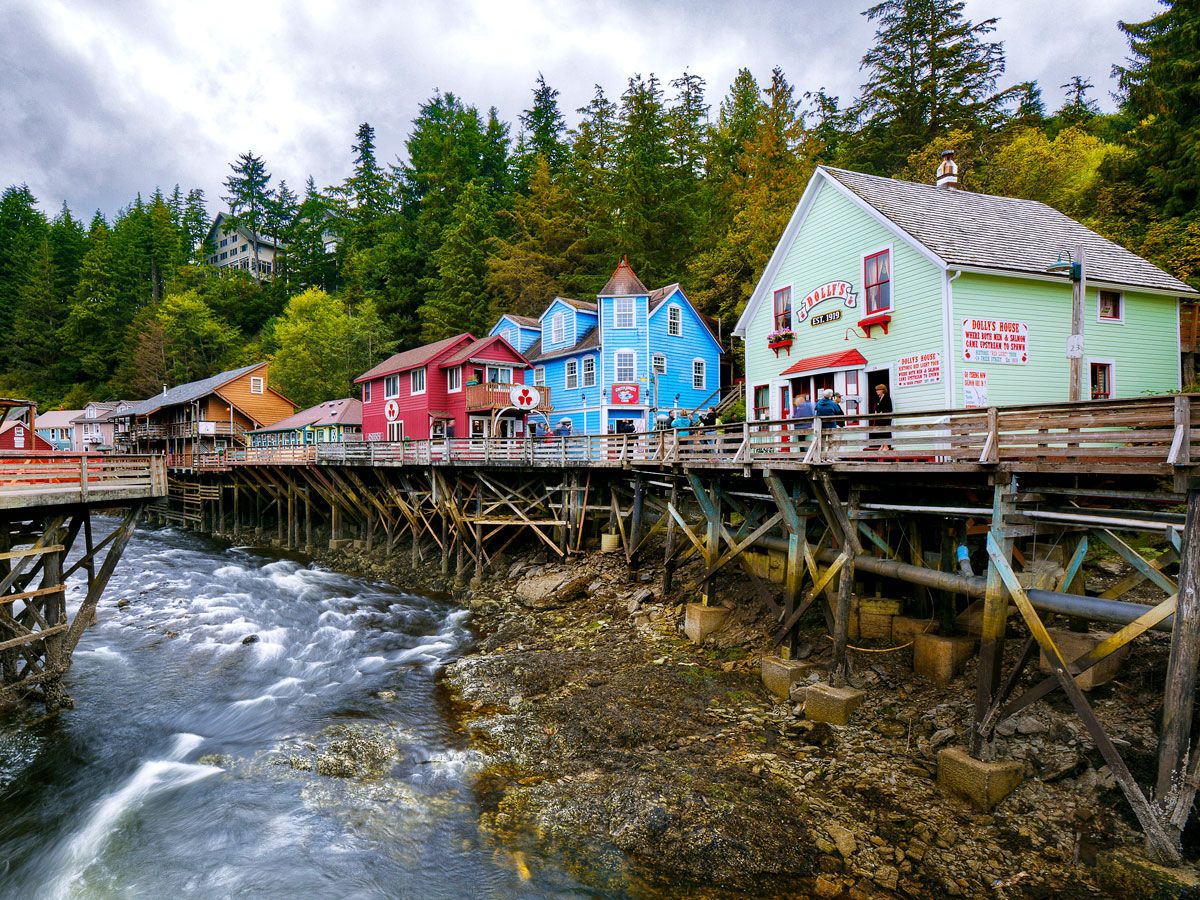
Colorful buildings on pier in Ketchikan, Alaska
Credit: Artie Photography (Artie Ng)/ Moment via Getty Images 

Annual visitors: 3 million

Alaska is America’s least-visited state, but that’s mostly a matter of geography. Its distance from the contiguous U.S. and limited infrastructure outside of major hubs such as Anchorage and Fairbanks keep visitor numbers low. However, tourism does play a major role in the state’s economy — many visitors arrive by cruise ship, especially to southeastern ports like Juneau and Ketchikan. The population can more than triple in Ketchikan during the busy season, when visitors take in the shops and restaurants of Creek Street, a well-known historic boardwalk that sits on stilts over the water.

Visiting Alaska wouldn’t be complete without taking part in some epic wilderness adventures, from hiking Denali to spotting grizzly bears and bald eagles, and kayaking through glacier-studded fjords. These promise to be once-in-a-lifetime moments you won’t soon forget — and ones that relatively few tourists get to experience.

About the data: This ranking is based on the most recently available 2023 or 2024 visitation numbers, as published by official tourism boards and government offices.

Related: Top 10 Most-Visited States in the U.S.
Post Banner Image
Tips

4 Things That Will Help Get You Through TSA Faster

By Bennett Kleinman
Read time: 5 minutes
July 18, 2025
Updated: November 1, 2025

4 Things That Will Help Get You Through TSA Faster

By Bennett Kleinman
Author
Bennett Kleinman
Bennett is a New York City-based staff writer for Daily Passport. He previously contributed to television programs such as the Late Show With David Letterman, as well as digital publications like the Onion. Bennett has traveled to 48 U.S. states and all 30 Major League Baseball stadiums.

A 2024 study found that many U.S. airports have TSA wait times of 30 minutes or more during peak travel periods, with Newark Liberty International having the longest average peak wait time at around 60 minutes. With waits like these, being prepared with TSA-compliant luggage and accessories is more important than ever. We’ve rounded up some of the best gear and services to streamline your experience, ensuring your journey through TSA is smooth sailing.

Services To Enroll In

Traveler presenting passport at airport check-in desk
Credit: d3sign/ Moment via Getty Images 

One of the most effective ways to fast-track your journey through security is to enroll in a Trusted Traveler Program. TSA PreCheck offers expedited screening in dedicated security lines and eliminates the need to remove items such as belts, laptops, liquids, and other personal belongings.

According to the TSA, 99% of PreCheck passengers wait 10 minutes or less at security checkpoints at U.S. airports. As of mid-2025, a five-year TSA PreCheck membership costs $76.25, with discounted renewal rates available. Frequent international flyers may also benefit from Global Entry, which includes a TSA PreCheck membership plus expedited U.S. customs processing. A five-year membership bundle costs $120. 

Another option is CLEAR Plus, which uses biometric identification (eyes and fingerprints) to let you bypass the traditional ID check line. This service costs $209 annually. While it doesn’t include TSA PreCheck, that program can be bundled with CLEAR at a discounted rate. It’s also worth mentioning that all three of these services — TSA PreCheck, Global Entry, and CLEAR — can often be discounted through airline status or premium credit cards, so be sure to check with your provider to see if you’re missing out on these extras.

Related: What's the Difference Between TSA PreCheck, Global Entry, and CLEAR?

TSA-Friendly Packing Accessories

Traveler holding clear plastic bag with travel-sized toiletries
Credit: Liudmila Chernetska/ iStock via Getty Images Plus

One of the most significant slowdowns at security? Liquids. TSA’s strict 3-1-1 rule requires that liquids in carry-on bags be 3.4 ounces or less and stored in a single, 1-quart clear bag per traveler. Investing in a quality quart-size toiletry bag makes it easy to remove your items for screening. 

If you don’t already own travel-size versions of your essentials, consider refillable bottles, such as this 18-pack silicone travel set, all of which fit neatly into a quart-size bag. Magnetic travel capsules, such as the Cadence leakproof containers, are another option. These TSA-compliant capsules are available in customizable sets that are prelabeled for skin care, body care, or hair care. Their matching clear bag, called the Parcel, keeps everything organized and visible.

Another way to stay organized is by using packing cubes, which allow you to fit more items into your carry-on while keeping them easily accessible during security checks. Compression cubes feature a double zipper that expels excess air without the need for a vacuum. For electronics, TSA-friendly backpacks like the ScanSmart Backpacks by Swiss Gear offer lay-flat compartments that allow laptops to remain inside the bag during screening.

Related: Everything You Need To Know About TSA Liquid Rules

Nonliquid Alternatives

Traveler packing toiletry bag
Credit: Miljan Živković/ iStock via Getty Images Plus 

To reduce your time spent waiting in the TSA line even further, consider minimizing the liquids you pack altogether. This also helps mitigate pesky leaks, which can slow you down at any point during your journey. 

Many everyday items now come in solid or wipe form. Try Pedialyte electrolyte powder (suitable for kids and adults) instead of liquid bottles, Purell hand-sanitizing wipes instead of gel, and Tide stain remover wipes for spills. Most toiletries also come in solid forms, such as shampoo and conditioner bars (like those from Kitsch), powdered mouthwash packets (MySmile), and sunscreen sticks (Blue Lizard), all of which are TSA-approved.

Slip-On Shoes

Traveler wearing sandals rolling suitcase down street
Credit: Oscar Wong/ Moment via Getty Images 

Since the TSA starting requiring travelers to remove their shoes in 2006, footwear was one thing that could definitely down at security, especially if you had to untie and retie laces. But we’ve got big news on that front: As of July 2025, the TSA no longer requires you to remove your shoes for standard security screening.

That said, travelers may still be asked to remove their shoes for additional screening if they trigger any alarms or sensors. And if you’re traveling internationally, removing shoes at the security checkpoint is still required in many countries. In that case, it’s advisable to wear a pair of slip-on shoes, which are ideal for hassle-free removal and can also be a more comfortable choice for long travel days. 

According to podiatrists Dr. Ebonie Vincent and Dr. Brad Schaeffer from the TLC show My Feet Are Killing Me, the key is choosing shoes with a stable heel and a rear pull tab for ease and support. Look for footwear made of sturdy yet flexible materials — such as rubber, foam, mesh, and nylon — and avoid stiff textiles like leather and canvas, as these can cause blisters after a long day of walking. “Materials that have a certain amount of give can be beneficial with slip-on shoes as they will allow the ease of use the slip-on shoes can offer,” Dr. Vincent explained to ABC News.

Some of our favorite athletic slip-ons include the Skechers Go Walk 7, available in both men’s and women’s styles. This model features elastic bungee laces that offer the appearance and support of lace-up shoes with the convenience of a slip-on design. Another great option is Dr. Scholl’s Time Off travel sneaker, which is also available in a slip-on version and a variety of colors. 

For a more polished look, consider knit loafers or ballet flats, such as these square-toe loafers from Frank Mully, or Mary Jane-style shoes, like this pair from Arromic, which feature Velcro straps for quick removal at security. With the right gear in your bag and shoes on your feet, you’ll breeze through TSA and be on to your next destination in a jiffy.