


Michael is a staff writer for Daily Passport and film critic who writes the weekly newsletter Movie Brief. His writing and criticism have also appeared in the Los Angeles Times, Variety, and the Washington Post, among others. A native Angeleno, his favorite countries to visit are Norway and Japan.
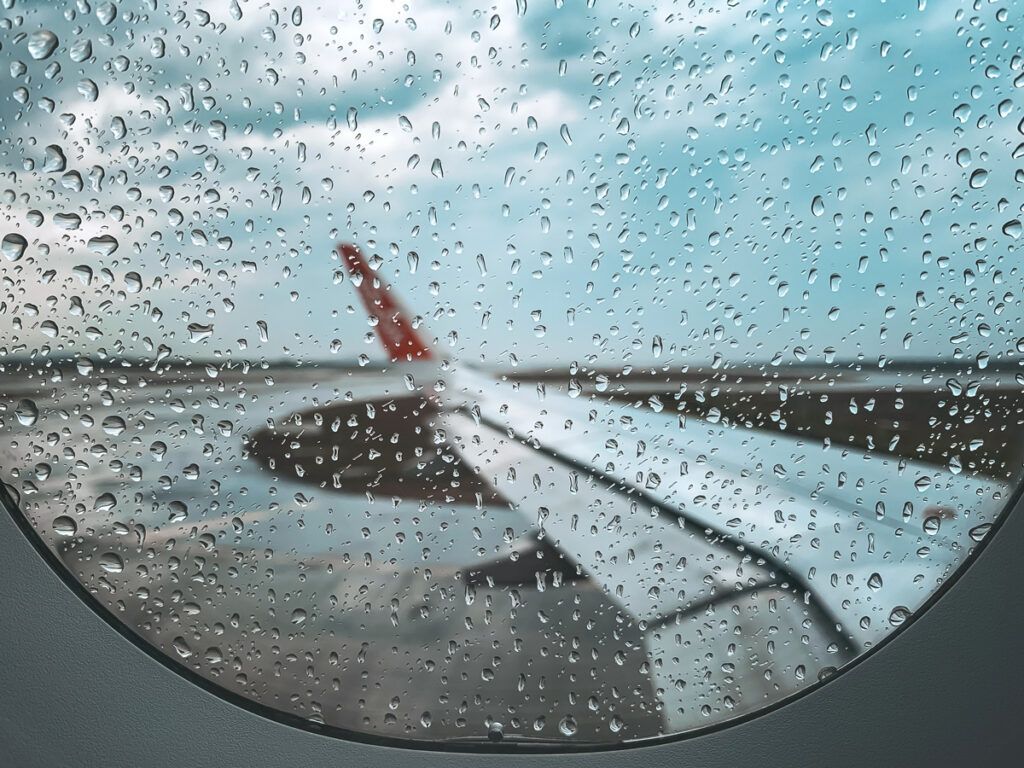
If you’re a nervous flyer, perhaps the only thing worse than getting on a plane is getting on a plane during inclement weather. It’s natural to feel some heightened nerves when a few raindrops start falling before you’re scheduled to depart, doubly so if you think you see storm clouds in the distance. But is it actually dangerous to fly during a thunderstorm? Here’s what the science says — and what it’s really like for pilots.
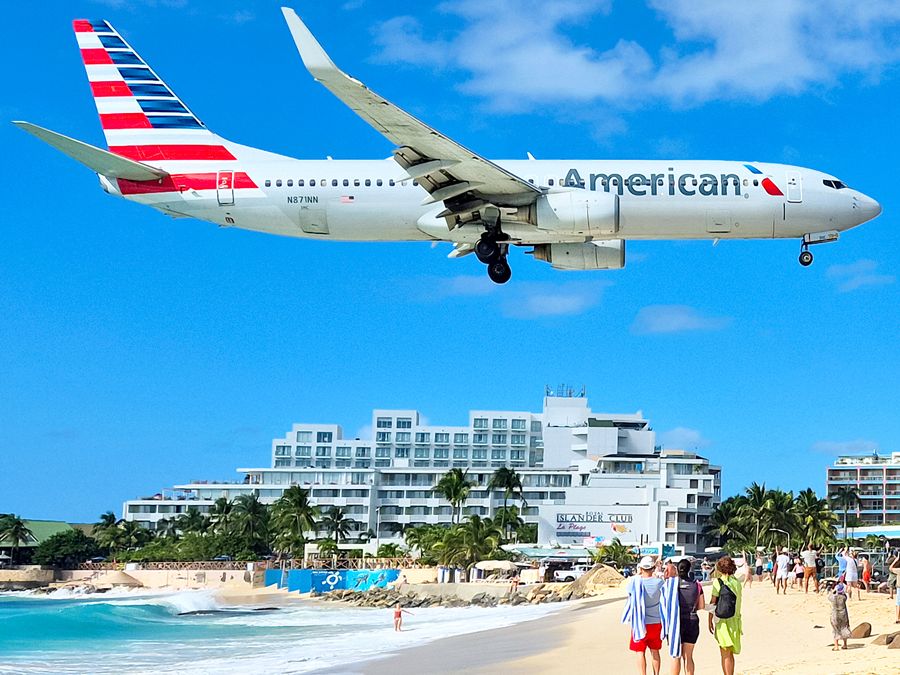
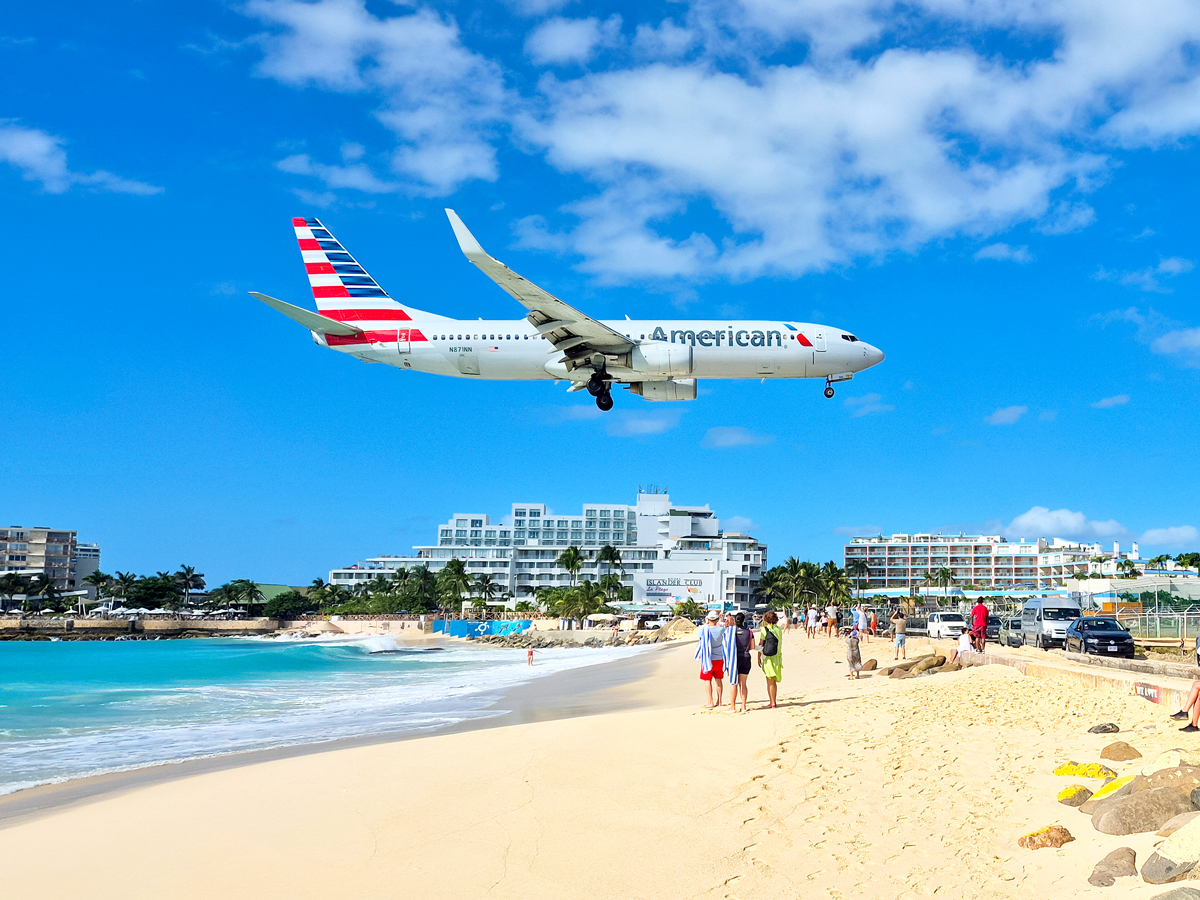
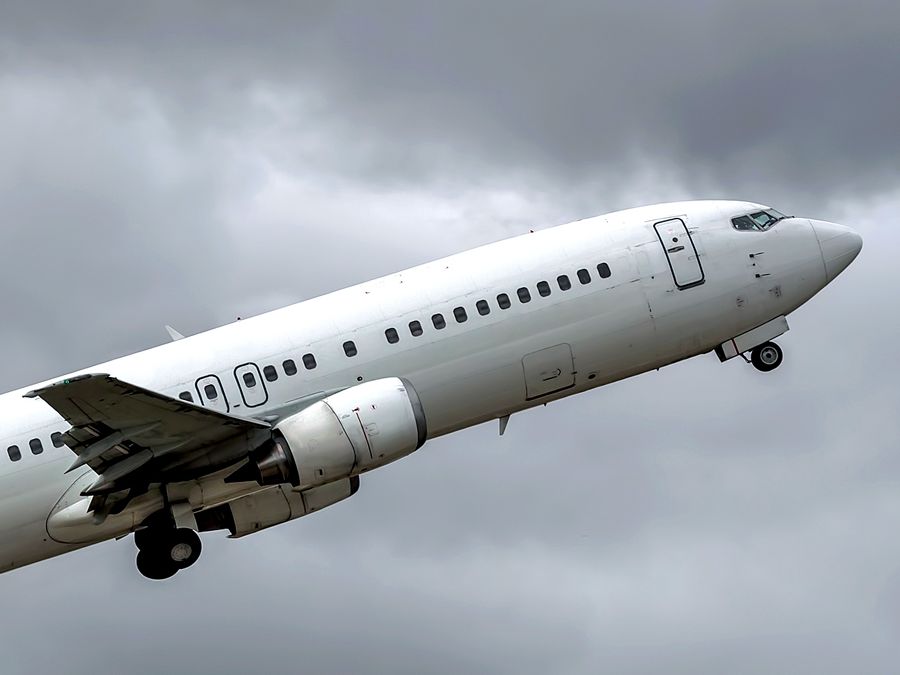
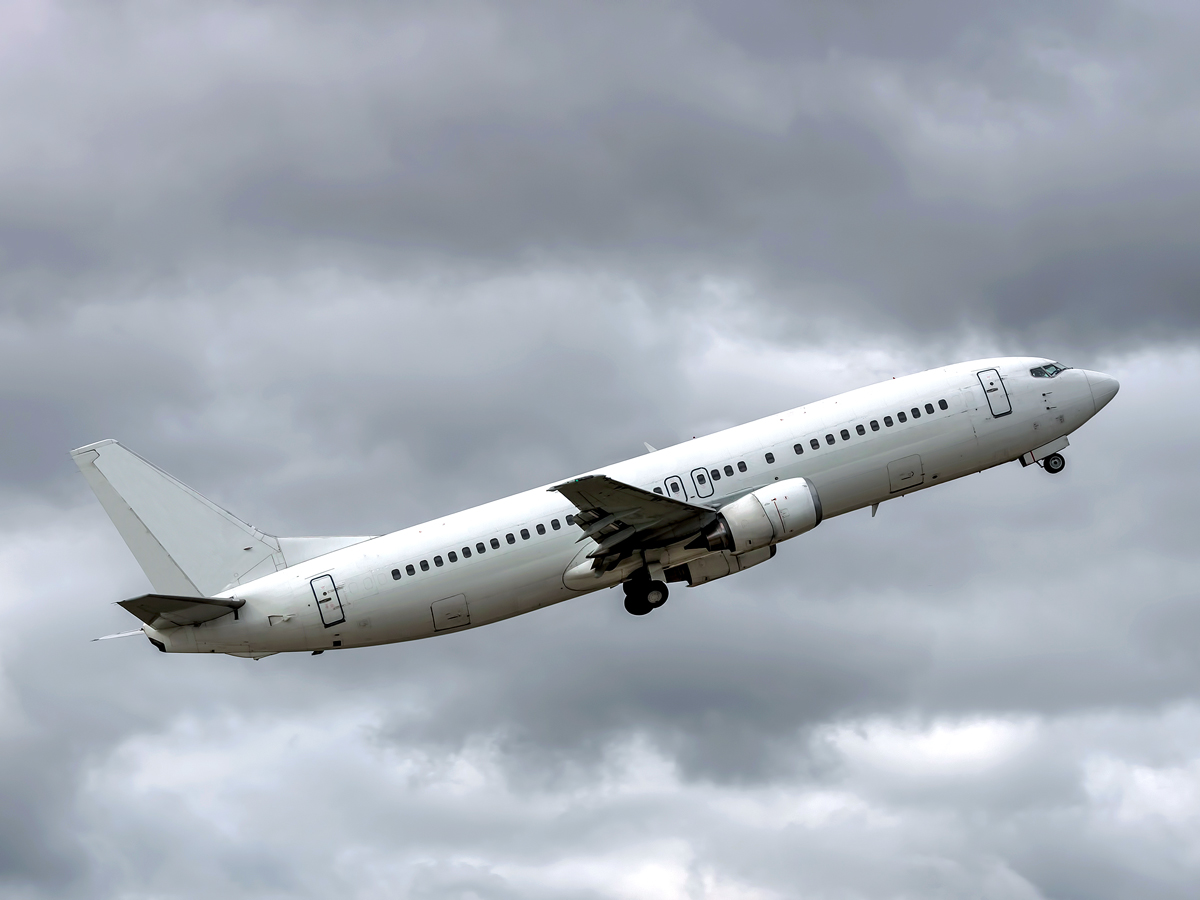
The short answer is that planes don’t actually fly through thunderstorms — they fly around them. According to the National Weather Service, pilots are strongly discouraged from flying in or near thunderstorms.
This is because there are several hazards that can result from a thunderstorm, namely lightning, hail, turbulence, icing, downbursts, and even tornadoes. Some of these are more serious than others, of course, but the good news is that — even if pilots are trained to avoid such threats — modern airliners are built to withstand them.
Lightning, for instance, isn’t much of a danger at all; in fact, the average plane is struck once or twice a year without incident. And turbulence, while unsettling depending on the severity, is a familiar part of flying for passengers and pilots alike. Extreme turbulence that can cause injuries or even damage an aircraft, whether it’s caused by thunderstorms or other factors, is incredibly uncommon.
Hail is more likely to cause damage to an aircraft, especially since it’s larger in the cloud than it is by the time it reaches the ground. Icing is likewise far from ideal, as it causes buildup on the wings that can make it more difficult for pilots to maneuver, which is why it’s safest to avoid flying directly through a storm.
While flying in bad weather does require heightened caution, passengers can take comfort in the fact that flight crews are trained extensively to navigate such conditions. Weather forecasting and aviation are extremely advanced fields with a lot of overlap, making it routine for pilots to avoid storm systems that appear along their flight path by either raising or lowering their altitude or simply changing course.
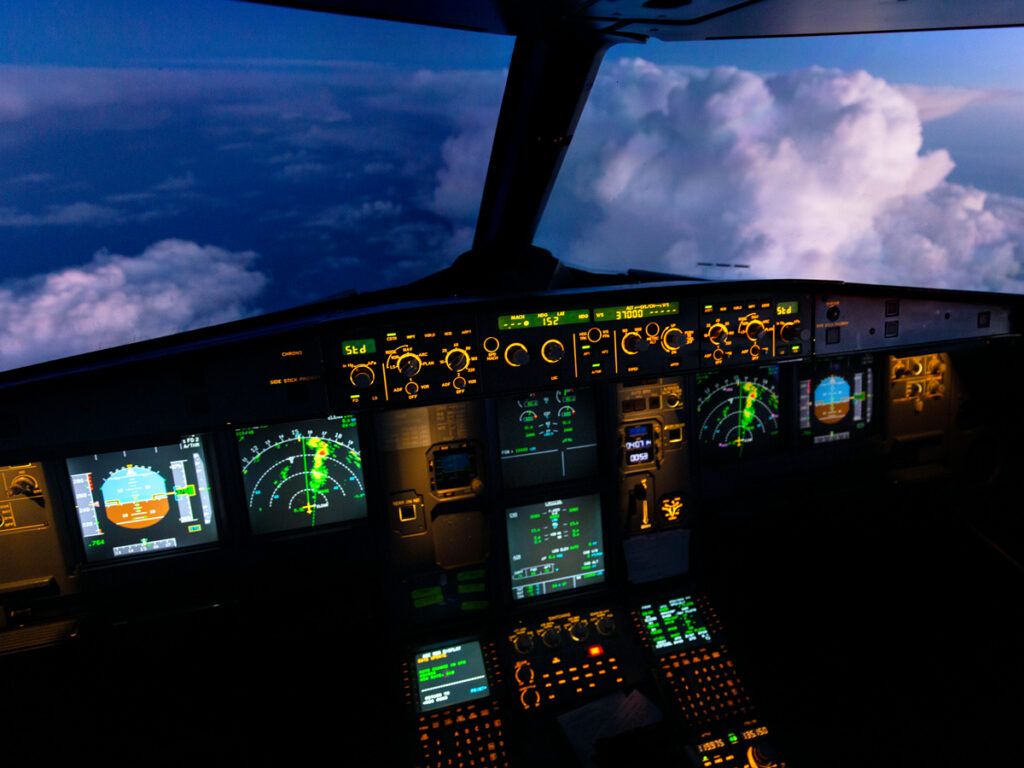
In general, pilots aim to maintain a minimum distance of 10 to 20 miles from storms. They communicate with air traffic control and nearby pilots and make use of radar systems both on the ground and on the plane to get real-time weather information. The one on board the plane is called the Weather Avoidance System (WAS), which shows “where storms are, how high they are, how fast they’re moving, the direction they’re moving and so on,” according to airline captain Patrick Smith, who writes a blog called Ask the Pilot.
In fact, with these systems in place, the biggest inconvenience you’re likely to experience as the result of a storm is a delayed or canceled flight, though of course it’s better not to take off if you can’t do so safely.
Featured image credit: Dragunov1981—iStock/Getty Images
Advertisement
More from our network
Daily Passport is part of Inbox Studio, an email-first media company. *Indicates a third-party property.
Nicole is a writer and researcher with over 15 years of experience seeking out arts, culture, and lifestyle stories in places like remote northern Quebec and the unforgettable streets of Amsterdam. Her work has also appeared in PureWow, Brit + Co, AUX TV, and CBC.
From roomier airplane seats to airport lounges and ocean-view suites, there are many ways to upgrade your vacation. But not every upgrade actually provides the same amount of value. Travel advisors, seasoned jet-setters, and industry experts tend to agree that the best upgrades are not always the most luxurious ones, but instead the ones that help solve a problem. From making you more comfortable to saving you precious vacation time, here are five travel upgrades that experts say are worth paying for, and four you can probably leave behind.
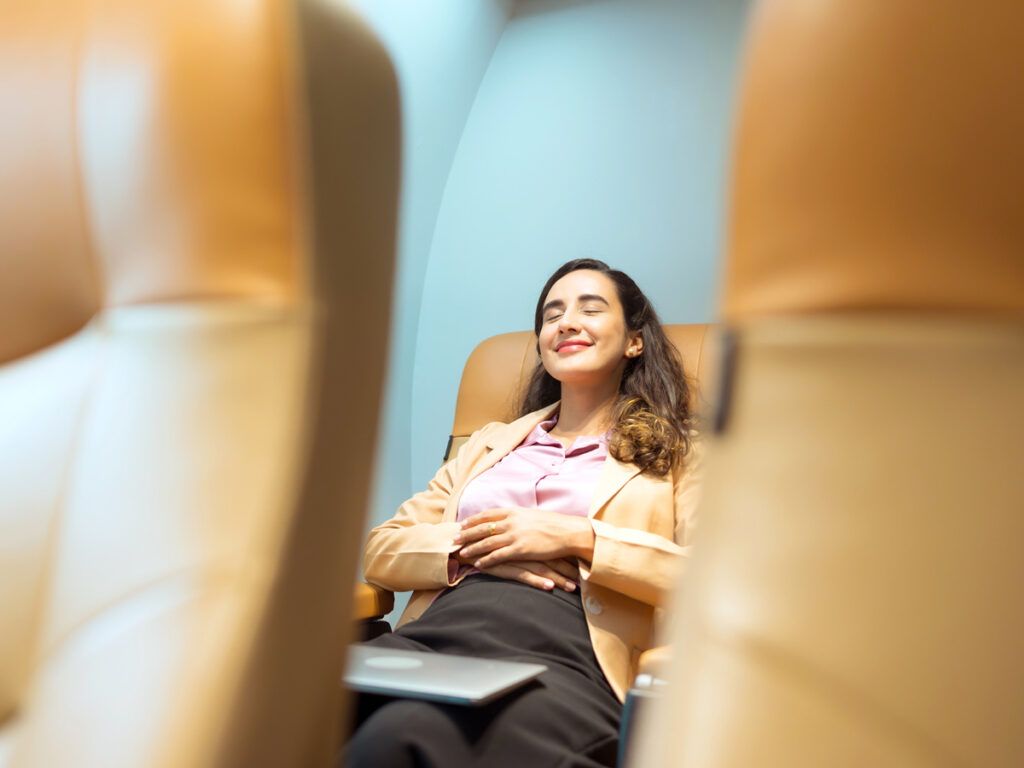
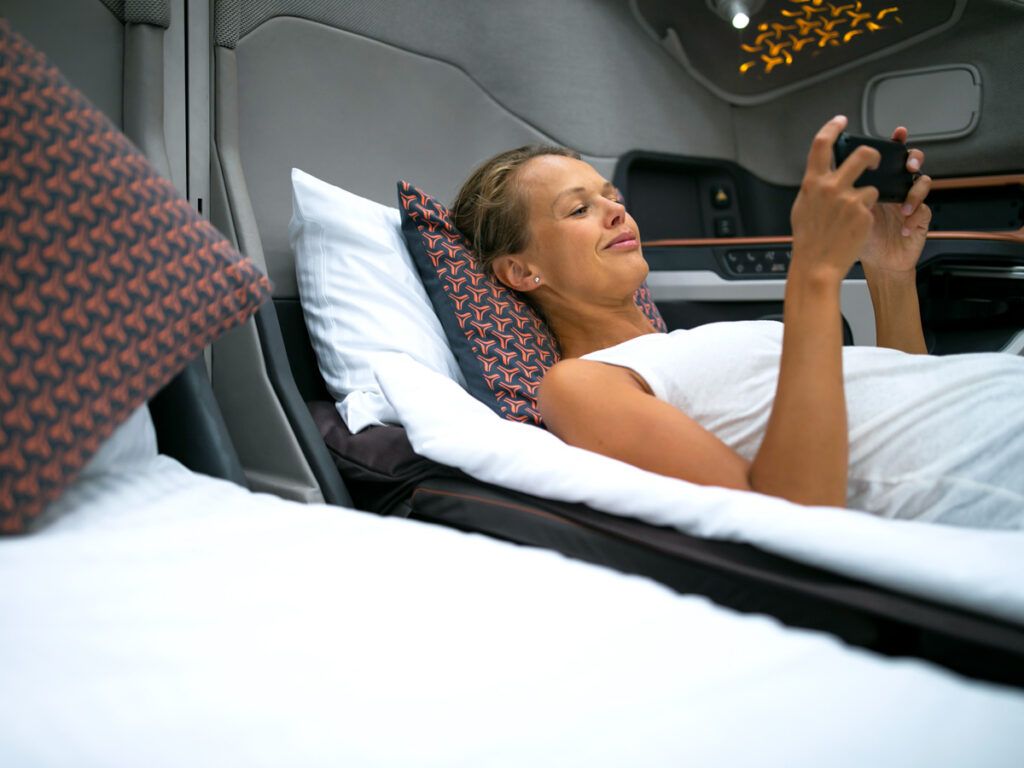
For a short flight, paying extra for a better seat may not make much difference. But for a longer flight — especially an overnight one — springing for a premium-economy seat can make a noticeable difference in your comfort and may genuinely improve your trip.
Luxury travel expert Jill Schildhouse noted in Forbes that the difference is most significant on flights lasting eight hours or more, when extra legroom, a wider seat, and additional reclining space can mean arriving refreshed instead of exhausted. The travel experts at Fodor’s agree that airplane seats are one of the splurges that can be worthwhile, especially when travelers use points or other perks to reduce the cost. (If your budget allows for it, a lie-flat seat up front is even better — and you don’t always have to pay full price.)
When picturing a hotel upgrade, you may think of a bigger room or extra amenities such as complimentary breakfast or parking. But before you consider spending extra for those, think first of your hotel’s location: Spending a little more up front for something closer to the action may be a better use of money. A centrally located hotel can save on time spent commuting, cut back on transportation costs, and make it easier to return for a break during the day.
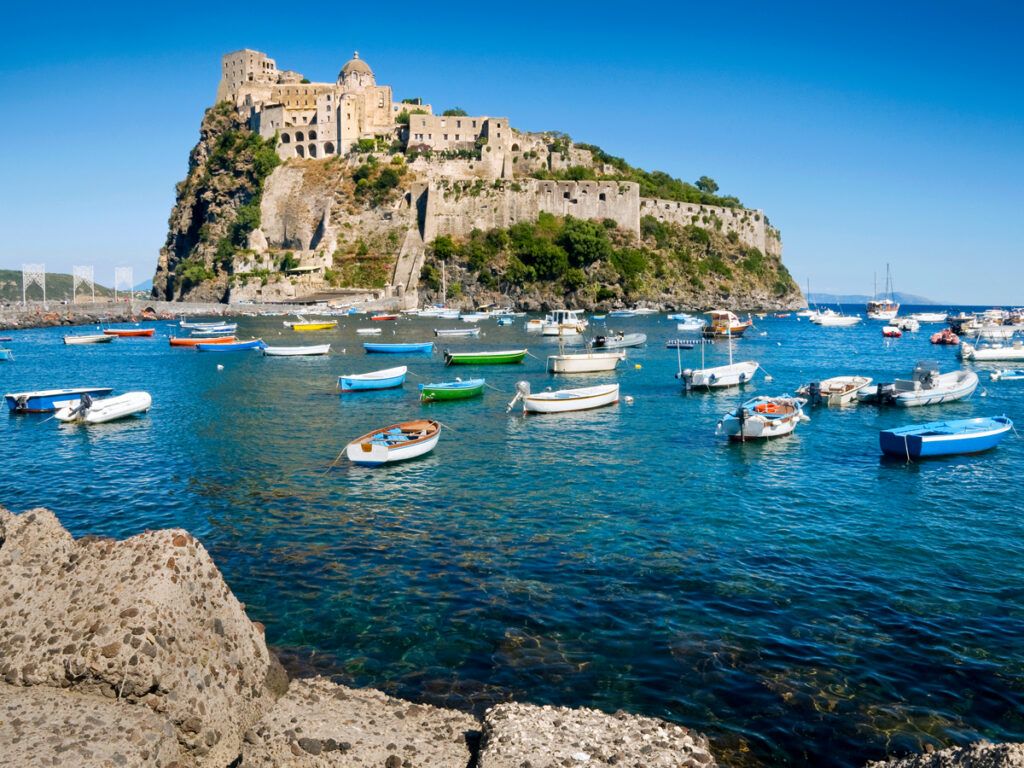
Of course, location often comes at a premium. But Jay Ternavan, CEO and founder of JayWay Travel, told Travel + Leisure that travelers can avoid inflated prices in popular areas by staying in nearby destinations that offer similar scenery and experiences. For example, in Italy, consider the island of Ischia instead of the resort-packed Capri. As Ternavan noted, you can always take a day trip to the prime destination.
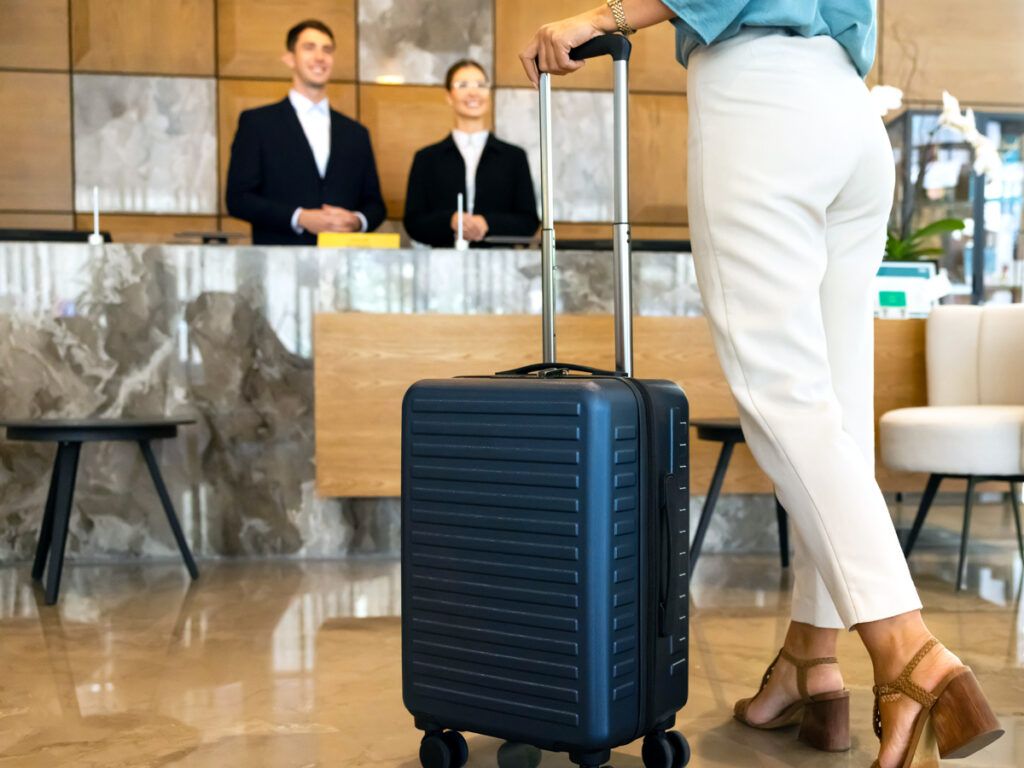
A few extra hours may not sound worth the cost, but many travel experts agree that those hours can make a big difference when it comes to hotel check-in. After an overnight international flight, being able to check in to a hotel when you arrive is a game changer.
Instead of spending those first few groggy hours waiting for your room to be ready, you can unpack, freshen up, and rest if needed, starting your trip on the right foot. In some cases, this can mean paying for an extra night before your arrival the next morning, but it may be worth carving out some room in your travel budget.
Airport lounges may not be a consideration for most travelers, but those who travel often think of them as a practical investment in the right circumstances. Schildhouse, who is on the road 150 nights of the year, toldForbes that lounge access can be especially valuable during long layovers, delays, or busy travel periods. Amenities such as comfortable seating, fast Wi-Fi, complimentary food, and ample charging stations can alleviate an otherwise stressful experience.
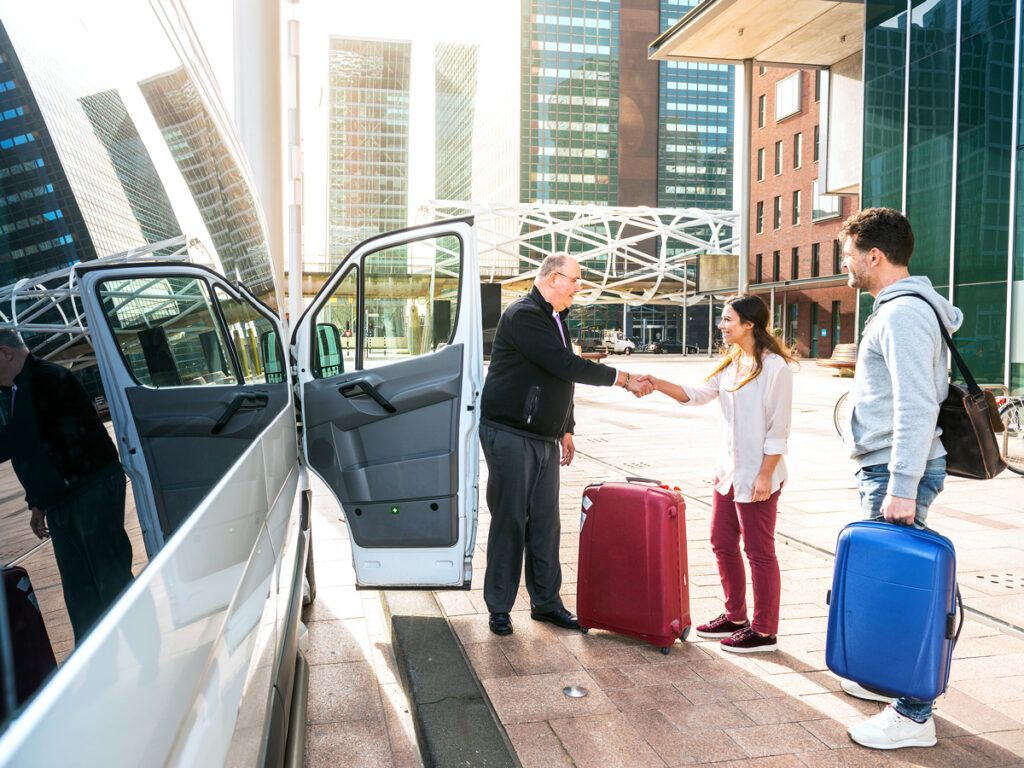
After a long flight, making your arrival as easy as possible is a worthwhile upgrade. Although it may not be something most travelers consider, an airport greeter who meets you as you step off the plane can assist with luggage, help you navigate the airport, and guide you through customs. Jack Ezon, from the luxury travel company Embark Beyond, gold Travel + Leisure that greeters can be especially worthwhile in large, unfamiliar airports, or if you have a tight connection.
Arranging private transportation can offer similar peace of mind. Chantel Lanier, founder and principal travel advisor of Three Times Journeys, told AOL that having a driver waiting with your name on a sign is far less taxing than standing in a taxi line, looking for the rideshare pickup area, or trying to navigate public transportation while managing luggage and other trip details.
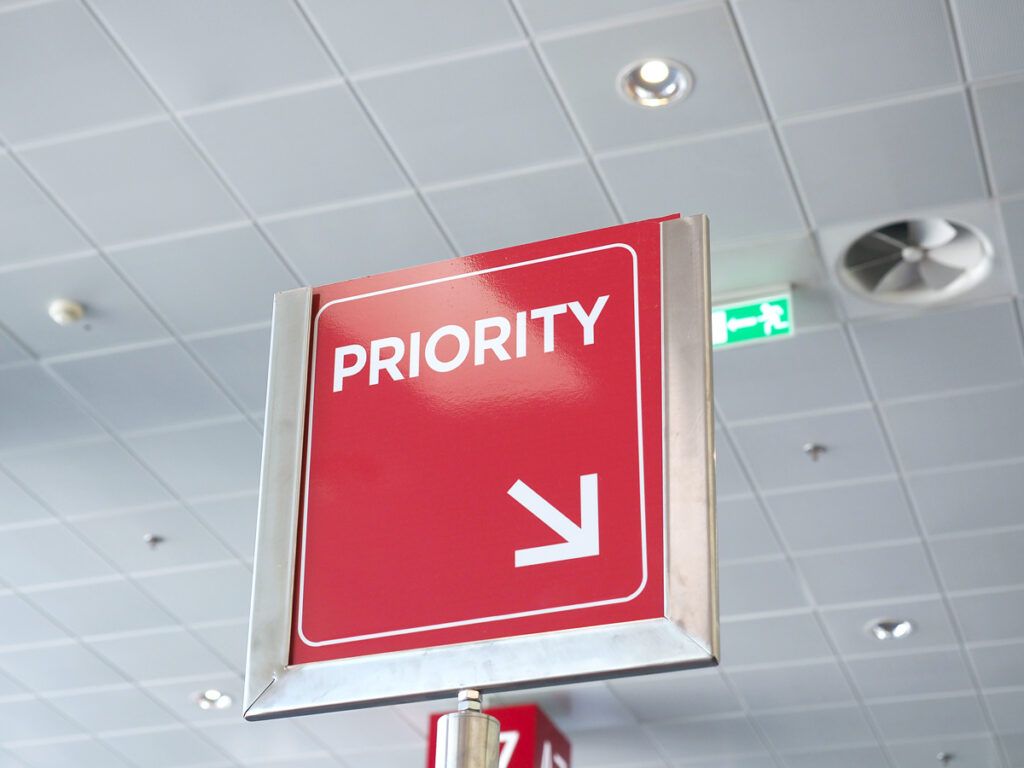
Priority boarding sounds appealing, but unless you’re traveling with large carry-on bags and early boarding guarantees overhead bin space, the only real advantage is simply getting on the plane earlier — which, in the end, just means more time sitting in your seat.
First class can be a worthwhile upgrade on a long flight, but experts agree that it isn’t necessarily worth it for a short one. Schildhouse noted in Forbes that domestic first class on a one- or two-hour flight often means only minor improvements compared with economy, making the higher fare difficult to justify. You may get a wider seat, a few more inches of legroom, and free cocktails (usually not a full meal), but otherwise, the same money could instead be used on an upgrade that could improve the rest of your trip.
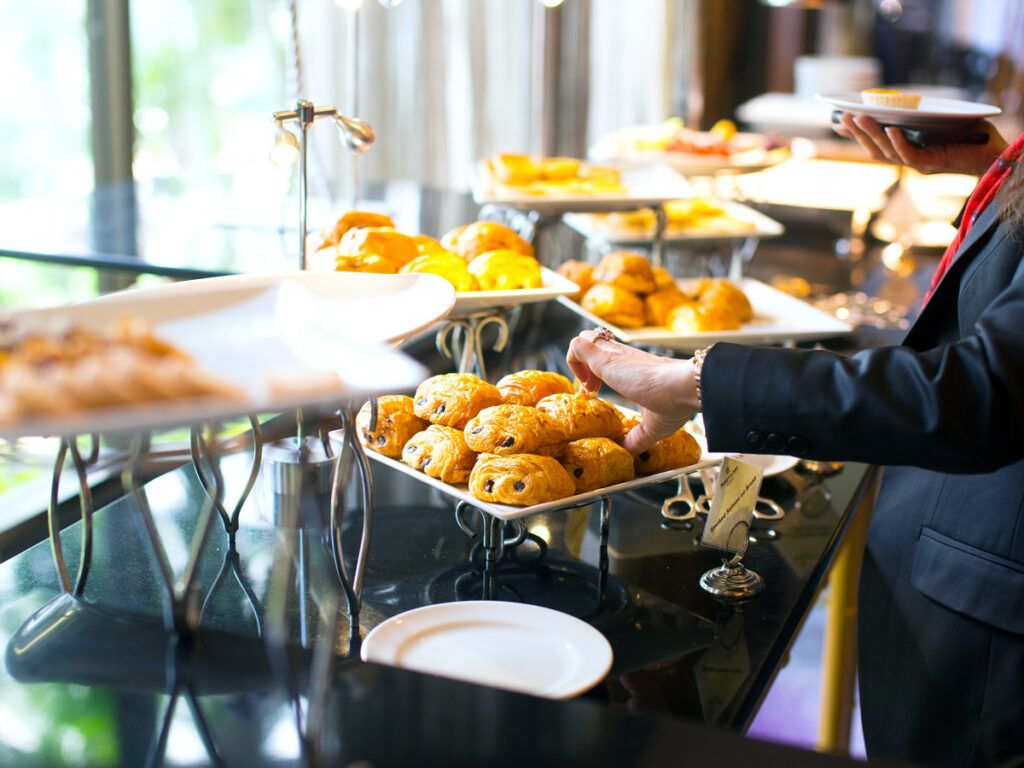
Hotel breakfast is convenient, but convenience doesn’t always mean value (or quality). Hotel breakfast packages can be overpriced compared with nearby cafes and restaurants, particularly in cities where travelers have plenty of local options. That’s especially true if you’ve already paid a little extra to stay in a hotel with proximity to lots of choices.
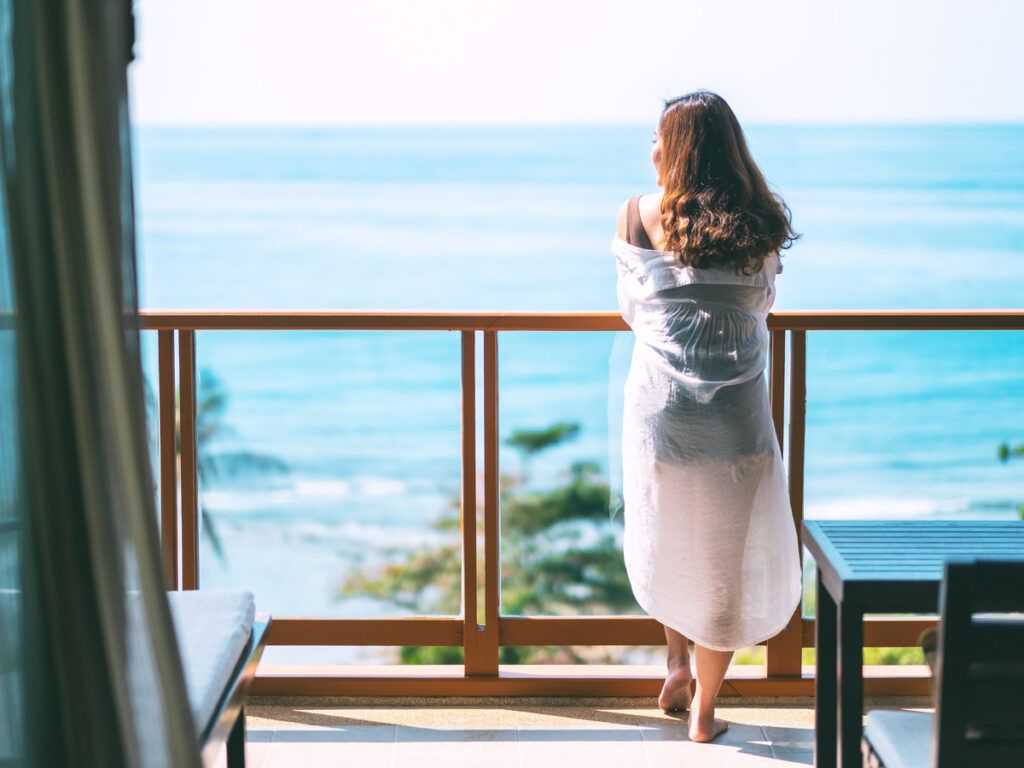
A nice balcony with a picturesque ocean view can be a wonderful splurge — but only if you’ll actually use it. If you’re at a beachfront resort and plan on spending mornings enjoying the scenery, the upgrade could be money well spent. But if you’re in a city hotel where you’re leaving to explore in the morning and possibly not returning until night, it probably isn’t worth the added cost.
Advertisement
More from our network
Daily Passport is part of Inbox Studio, an email-first media company. *Indicates a third-party property.
Bennett is a New York City-based staff writer for Daily Passport. He previously contributed to television programs such as the Late Show With David Letterman, as well as digital publications like the Onion. Bennett has traveled to 48 U.S. states and all 30 Major League Baseball stadiums.
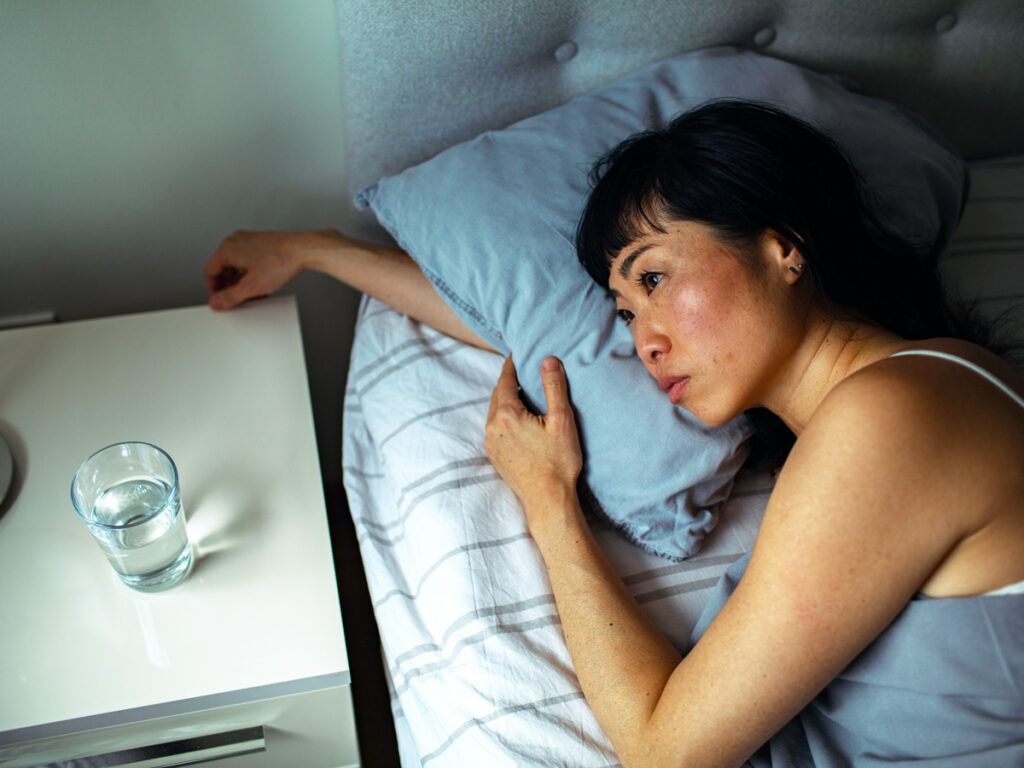
You’ve just stepped off a 10-hour flight, made it to your hotel, and crawled into a plush bed at long last. But instead of conking out immediately after an exhausting day of travel, you find yourself wide awake and unable to sleep. You’re not alone: Many travelers sleep worse on the road than they do at home. And there’s an explanation for that.
When you attempt to fall asleep in an unfamiliar environment, you may suffer from a phenomenon scientists call the “first-night effect.” This typically happens for a night or two after you settle into an unfamiliar environment, particularly while traveling. Although hotels are intended to be safe and comfortable, the human brain is wired to stay on high alert and detect potential threats in less familiar places, even if threats aren’t likely to be present.
Studies have shown the brain remains highly vigilant when sleeping somewhere new for the first time. It’s prone to react to any unusual sounds, light, or other sensory stimuli. Clinical psychologist Dr. Madeleine Jago warned in an interview with Condé Nast Traveler that such hyperactivity in the brain often “leads to more wakings and trouble falling back asleep throughout the night.” All it takes is a rattling air conditioner, a creaky housekeeping cart, or a person speaking in the hallway to trigger the brain into thinking something could be wrong, causing you to spring up, wide awake.
Thankfully, this hyperalert state of vigilance fades the longer you stay in a hotel room, so you should feel more at ease a few days into the trip. But it can be difficult if you’re spending just a night or two in a hotel room before moving to the next destination. You may find that, in those cases, you never really get settled and feel restless for the entire trip.
At home, you probably have your sleep routine down to a science. You can set the temperature precisely to your liking, turn on a sound machine, and use blackout window curtains to keep light at bay. But all those comforting elements are easily disrupted when traveling, and some may be out of your control to remedy.
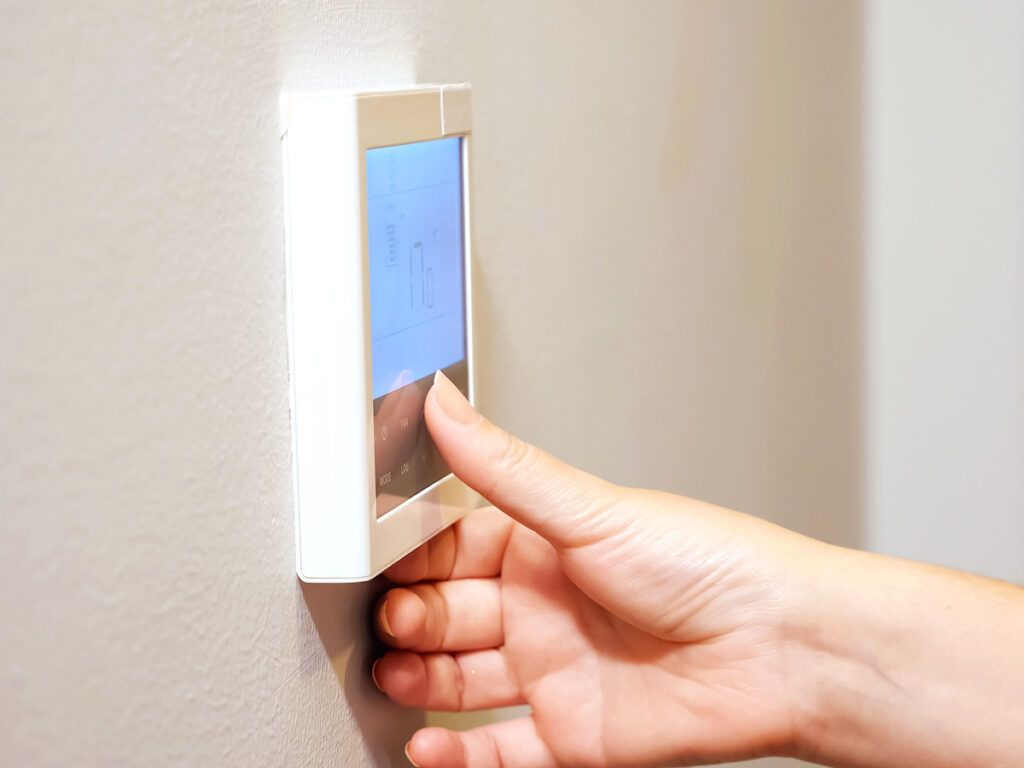
For instance, the hotel thermostat may prevent you from setting the temperature as low as you’d like it to be (though there’s a work-around that may help), or the mattress and pillows may be much firmer than you’re used to. (That’s where pillow menus come in handy.) You may also find that your hotel room overlooks a busy highway or city street, and those noises can be tough to drown out. All of these factors can leave you feeling stressed and unable to decompress.
Even if you’ve spent a few days adjusting to the room, certain anxieties may persist that keep you awake. The reality is that travel can be stressful. If you’re traveling for work, for example, you may toss and turn all night worrying about a big meeting the next day. Or if you’re traveling for pleasure, you may feel so excited for a fun day of activities ahead that you struggle to shut off your brain.
Additionally, jet lag plays a major role when you cross into different time zones. It may be 3 a.m. in the city you’re visiting, but your body may think it’s 1 p.m. (Check out our tips for beating jet lag here.) Plus, getting a proper night’s sleep before a flight can be stressful in its own right, as you may fret over missing your flight.
Fortunately, there are several solutions that can help you get a better night’s sleep on vacation. First, try introducing calming sensory stimuli into the room. Familiar scents, for example, have been proven to break negative thought cycles and can be used to help you relax. Consider bringing a blanket, shirt, or something else that smells like your bedroom back home, and sleep with it close to your body for comfort.
In a similar vein, a travel-sized sound machine can play a role in promoting rest. The simple and consistent sound of rainfall, a flowing river, or a fan, for instance, can mask disruptive noises and help you to decompress. Also consider a sleep mask to block out unwanted light from outside or the hallway.
Importantly, try to stick to your normal bedtime routine as closely as possible. If you meditate or read before bed at home, do the same on the road.
If you still can’t sleep, instead of just tossing and turning in bed, get up and do something calm yet productive to help you wind down. In an interview with National Geographic, Dr. Rebecca Robbins of Harvard Medical School suggested writing down what’s bothering you on a piece of paper, which helps relieve the brain of any stressful thoughts. It may also be helpful to do a low-light, low-impact activity, like breathing exercises or even folding clothing. Robbins said that you should spend time in bed only when you feel tired, as that can “strengthen associations between your bed and a good night’s rest.”
Advertisement
More from our network
Daily Passport is part of Inbox Studio, an email-first media company. *Indicates a third-party property.

Julia is a U.K.-based travel writer whose work has been featured in The Independent, The Telegraph, The New Zealand Herald, and Culture Trip, among others. She’s an enthusiastic advocate for independent travel and a passionate geographer who has had the privilege of traveling to more than 130 countries in search of a story.
Staying safe when away from home is, of course, a top priority for travelers. But have you ever considered how the hotel room you occupy might have an impact? Not every room — or even every floor — of a hotel is the same when it comes to potential risks. In this article, we’ll take a look at how to identify the safest hotel floors to stay on based on a few common scenarios.
Some Floors Are More Prone to Thefts and Break-Ins
According to a recent security report from the American Hotel and Lodging Association (AHLA), “U.S. hotels experienced 12,450 reported thefts from guest rooms, accounting for 62% of all property crimes in hospitality venues” in 2022. It’s not an insignificant number, though in reality a tiny fraction of stays will be impacted.
However, the floor on which your room is located can affect your odds of being a victim of a break-in, according to experts. Lower floors, especially those with direct access onto a street, parking lot, courtyard, or public beach, are the most susceptible. That’s because lower floors help facilitate a quick getaway, while in some hotels, only staff members and those in possession of a room key card can reach rooms on higher floors. Therefore, consider avoiding the first and second floors of a hotel.
It’s tempting to reserve a high-floor room for the best views and a quieter stay away from street noise. However, in the event of an evacuation due to fire in a high-rise hotel building, the lower floors will most likely be safer. Assuming flames or smoke don’t impede guests, occupying a room closer to street level facilitates a speedier exit via a stairwell or fire escape.
Also consider that fire ladders have a finite reach, and this varies across departments and cities. Typically, this is anywhere from 75 feet to 135 feet. So, if you’ve been allocated a room in a high floor of a hotel, there’s a chance a fire truck ladder would fall short. While staying on the ground floor isn’t recommended for the potential theft concerns outlined above, staying too high up, on the other hand, may lead to a slower evacuation.
Severe earthquakes are relatively rare, but if you’re planning a hotel stay in a city that has experienced them in the past, you may wish to consider this unlikely scenario. When one occurs, lower floors can pancake under the weight of those above. When this happens, the higher floors remain vulnerable to collapse when aftershocks occur — even if they make it through the main quake intact.
Therefore, choosing a room on a floor somewhere in between is a safer bet. (However, as the nature of damage varies wildly, it’s impossible to predict.) No matter what, figuring out exit routes up front and familiarizing yourself with earthquake safety drills is a smart way to prepare for the unthinkable.
How Not To End Up With a Room Where You Feel Unsafe
Given the scenarios outlined so far, the general conclusion is that floors 3 to 6 are the safest, according to one travel safety expert interviewed by Smarter Travel. But how do you ensure that’s where your room will be? As is often the case, being proactive is the best strategy.
Book directly with the hotel (versus a third-party site, where you’re likely to get the last pick of rooms) and contact the front desk or reservations team in advance of your stay to discuss your needs. If that’s not possible, try to arrive at the hotel as soon as possible after check-in opens, as the inventory of available rooms will shrink as guests arrive throughout the afternoon and evening. Even the most helpful and empathetic receptionist won’t be able to do much if the hotel’s fully booked and there are no alternative rooms left.
Advertisement
More from our network
Daily Passport is part of Inbox Studio, an email-first media company. *Indicates a third-party property.
Marissa is a cheap airfare aficionado who loves exploring offbeat destinations with her husband. Based in Los Angeles and Joshua Tree, Marissa has been featured in publications such as San Diego Magazine, Palm Springs Life Magazine, 303 Magazine, and Mountain Living.
Have you ever watched a movie and thought to yourself, “Where is that and can I go there?” Now, more than ever, travelers are flocking to locations featured in iconic films and television shows. New York Post writer Gretchen Kelly coined the term “set-jetting” in 2008 to describe the phenomenon, but it has since gained momentum among younger generations of travelers.
According to Expedia’s 2026 travel trend forecast, 81% of Gen Z and millennial travelers are searching for screen-inspired getaways, with some experts estimating the trend has the potential to become an $8 billion industry in the U.S. alone. From the moody moors of Wuthering Heights to the ancient stone fortresses and white-sand beaches featured in The Odyssey, here are six such set locales to spark ideas for your next dream vacation.
The White Lotus
Credit: Image courtesy of the Four Seasons Maui
A dark comedy created by Mike White about wealth and dysfunction among hotel guests, HBO’s hit series The White Lotus generates nearly as much buzz for its five-star set locations as it does for the plotlines. Season 1 was filmed at the luxurious Four Seasons Resort Maui at Wailea in Hawaii, while Season 2 led fans to book stays at San Domenico Palace, a Four Seasons Hotel located in Taormina, Sicily. Season 3, which aired in 2025, enticed viewers to travel to Thailand, where directors filmed scenes at multiple properties in Koh Samui, Phuket, and Bangkok. Fans are already buzzing about what hotels will be featured when Season 4, airing in 2027, hits the French Riviera.
First aired in 2020, Netflix’s Emily in Paris garnered much fanfare for its vibrant portrayal of Parisian life, featuring maximalist costume designs and romantic cafe culture. Fans were swept up in Emily’s dazzling day-to-day as a social media strategist for the fictional marketing firm Savoir, and the series inspired many to live out their own French fantasies. If you want to follow in their footsteps, you can stop at memorable film locations such as Café de Flore, Jardin du Palais Royal, and Terra Nera restaurant, all in Paris.
Filmed primarily across Utah and Montana, Yellowstone (on the Paramount Network) follows the Dutton family’s fight to keep their massive Montana ranch safe from outside forces. Viewers enjoyed the Wild West scenery so much that a University of Montana study estimated the series generated 2.1 million visitors and $750 million in tourist spending in 2023 alone. Popular set locations include downtown Ogden, Utah; the Four Sixes Ranch in Guthrie, Texas; the Chief Joseph Ranch in Darby, Montana; the Crow Indian Reservation in Billings, Montana; and the charming downtowns of Helena and Missoula in Montana.
A new cinematic adaptation of the romantic period drama Wuthering Heights was released in early 2026, and watching the love story unfold between Cathy and Heathcliff has inspired many filmgoers to venture north of London to the wild Yorkshire mores. The rocky outcrops of the Penistone Crags and the manor known as Thrushcross Grange may be fictional locations in Emily Brontë’s classic novel, but travelers can visit real-life shooting locations such as Yorkshire Dales National Park and its old smelt mills, Bridestones Moor, and the Knole estate.
The 2026 adaptation of Homer’s epic, directed by Christopher Nolan and shot entirely on IMAX film, introduced viewers to the striking beauty of Greece’s Peloponnese region and the horseshoe-shaped Voidokilia Beach and Methoni Castle. Also featured are the stunning island of Favignana off the coast of Sicily and the UNESCO World Heritage-listed Medina of Essaouira in Morocco. Following the film’s release on July 17, flight searches to Athens in particular skyrocketed — surging by 153%, according to data from Cheapoair.
Although Amazon Prime’s hit TV series takes place in a fictional beach town called Cousins Beach (inspired by iconic summer destinations such as Cape Cod and Martha’s Vineyard), The Summer I Turned Pretty was shot primarily across North Carolina. Filming locations include the quaint seaside village of Southport in the Brunswick Islands, the city of Wilmington, and the beachside community of Wrightsville Beach. Fans have flocked to the real-life set of the Whale of a Tale Bookshop (which is actually Papercut Books in downtown Wilmington), the Oceanic Restaurant in Wrightsville Beach, and Capt’n Bill’s Backyard Grill in Wilmington.
Advertisement
More from our network
Daily Passport is part of Inbox Studio, an email-first media company. *Indicates a third-party property.

Fiona has spent her career exploring the world and working in the travel industry, turning her lifelong passion into a profession. From planning custom trips to sharing stories as a travel writer for publications such as The Discoverer, she’s all about helping others experience the world in a deeper, more meaningful way.
Picture this: You’ve finally made it to Paris, Florence, or Amsterdam. The weather’s perfect, you’ve got your sightseeing planned, and you’re on your way to the museum you’ve been looking forward to visiting. Then, you see the dreaded sign: “Closed on Mondays.” It’s one of the most common travel surprises, and if you’ve ever wondered why museums around the world seem to have collectively chosen Monday as their day off, you’re not alone. The short answer is that Monday is when museums catch their breath, but there’s more to it than you think.
While many galleries tend to be void of visitors on Mondays, this is often one of the busiest days of the week for museum staff. After welcoming thousands of visitors over the weekend, many museums need time for a weekly reset before doing it all over again. Floors get cleaned, exhibits are repaired, lighting is adjusted, and security systems are tested. New exhibitions are installed, artwork is moved, and staff can work on behind-the-scenes projects that aren’t possible to complete during opening hours.
We all know that museums display art and artifacts. But an equally important role — one that isn’t always as obvious — is preserving them. Many of the pieces on display are surprisingly fragile. Paintings, textiles, manuscripts, and photographs all need regular inspections, and some can only be exposed to light for a certain amount of time before they need to be rotated off display. Having a day without visitors gives conservators the chance to check humidity levels, repair damage, and care for the collections without crowds or distractions.
There’s a practical reason museums chose Monday as the day to close: For many destinations, Mondays are one of the quieter, if not the quietest, days of the week for tourism and foot traffic. Rather than closing during the busy weekend, museums stay open when demand is highest and schedule maintenance for a day that has less of an impact on visitors and the museum’s overall profit. This is also common practice among restaurants and shops, especially across Europe, as well as parts of Asia and North America.
Luckily, not every museum follows the same pattern. So, if you find yourself in a travel destination on a Monday, don’t worry — you’ll likely find a handful of museums that buck the trend, staying open while their competitors shut down and benefiting from the extra visitors.
The Louvre, for example, stays open on Mondays and closes on Tuesdays instead, giving visitors the option to spread their museum touring out over the week. The Art Institute in Chicago is also closed on Tuesdays, while the Met in New York City is closed on Wednesdays.
Meanwhile, many other museums are open seven days a week, including the British Museum in London, the Prado Museum in Madrid, and the Rijksmuseum in Amsterdam. And in Washington, D.C., most Smithsonian museums open their doors to visitors every day except Christmas.
Moral of the story: If museum visits are an important part of your travel itinerary, avoid disappointment and check museum hours before you finalize your trip. Even within the same city, museums often have different schedules, and holiday hours can vary throughout the year. A quick look before you head out can save you from showing up to locked doors — on Monday or otherwise.
Advertisement
More from our network
Daily Passport is part of Inbox Studio, an email-first media company. *Indicates a third-party property.