
Post Banner Image
History

Big Apple? Big Easy? The Origins of 5 Popular U.S. City Nicknames

By Daily Passport Team
Read time: 7 minutes
March 26, 2025
Updated: October 22, 2025

Big Apple? Big Easy? The Origins of 5 Popular U.S. City Nicknames

By Daily Passport Team
Author
Daily Passport Team
Daily Passport writers have been seen in publications such as National Geographic, Food & Wine, CBC, Condé Nast Traveler, and Business Insider. They're passionate about uncovering unique destinations and sharing expert tips with curious travelers.

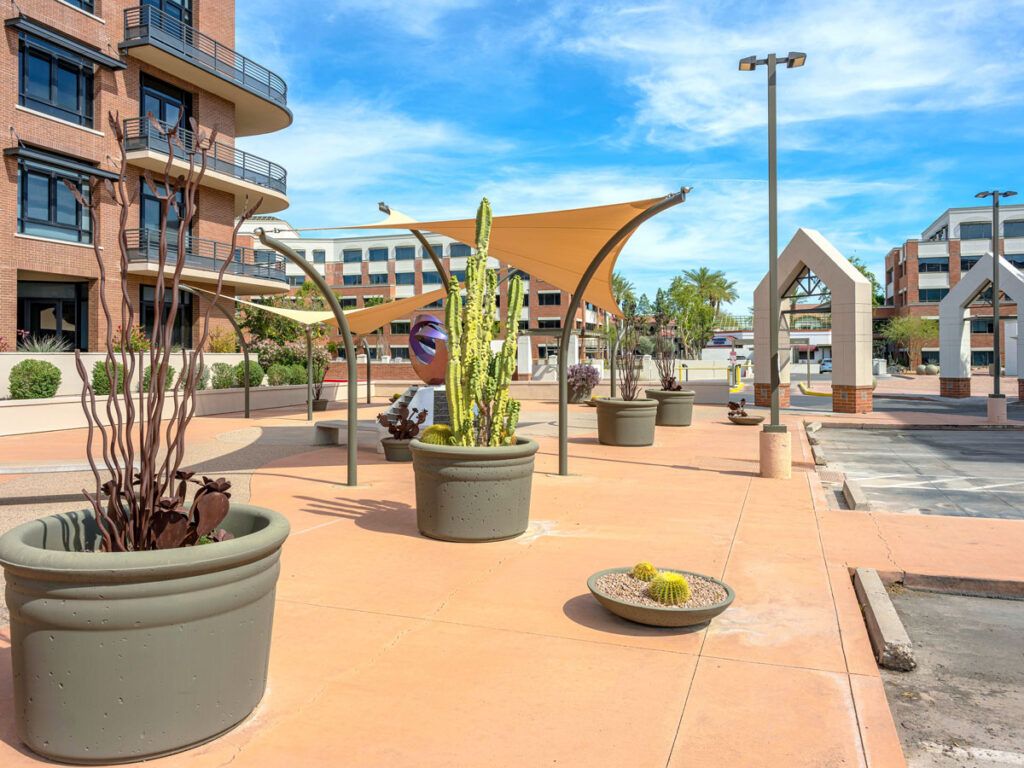
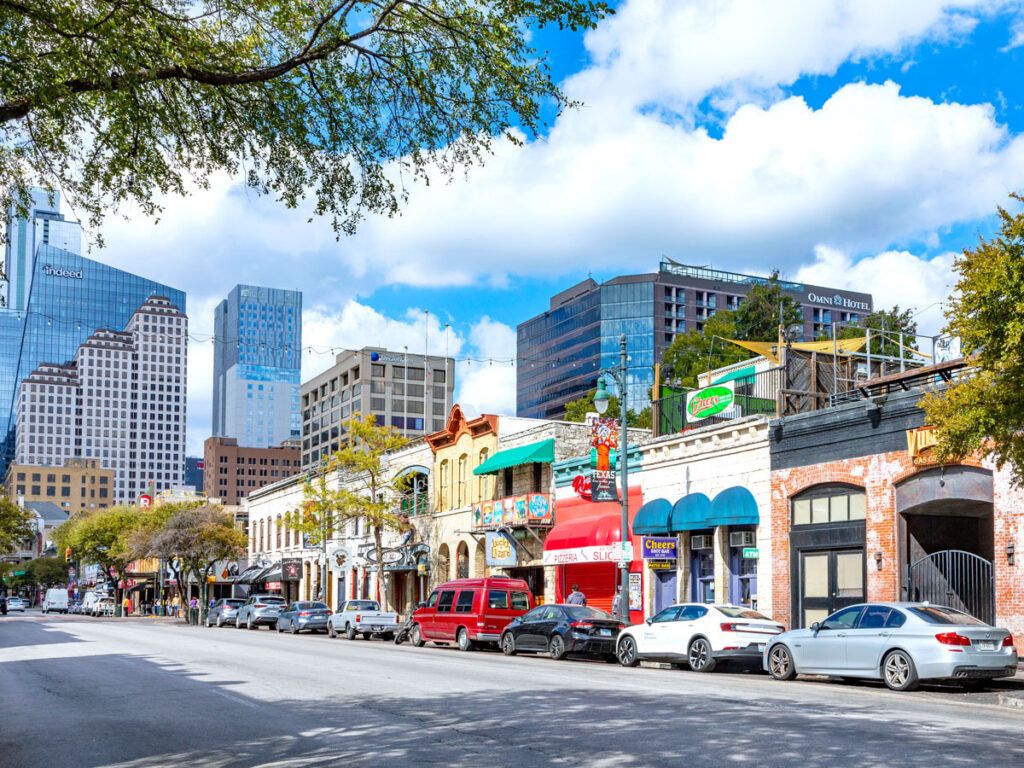
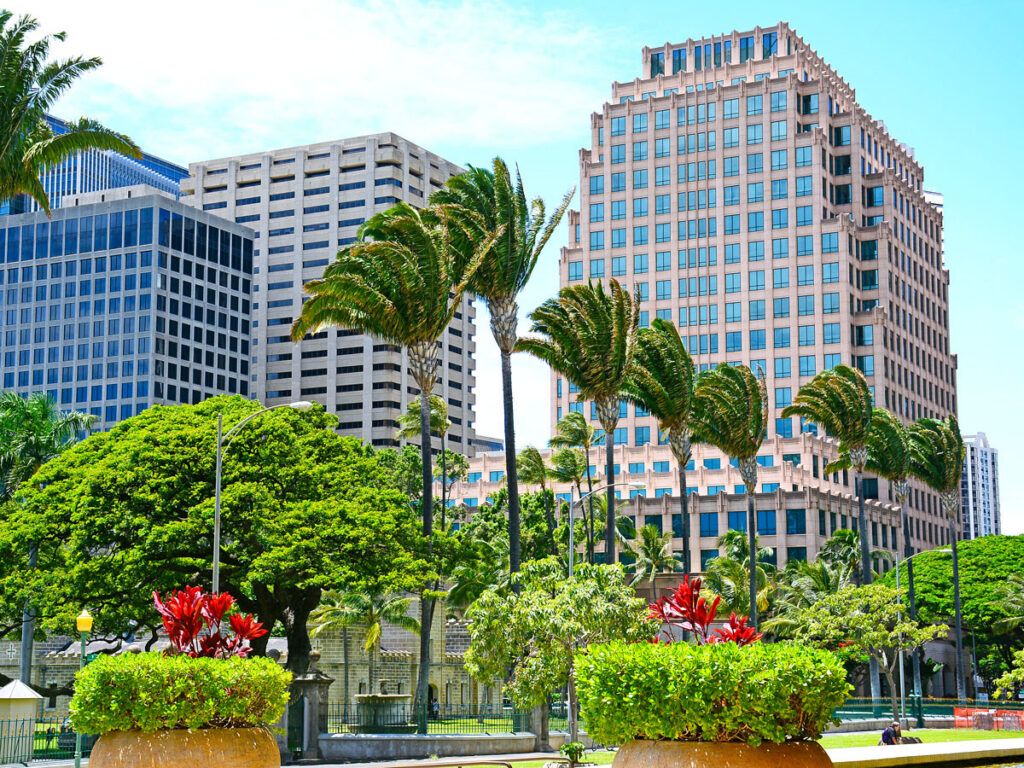
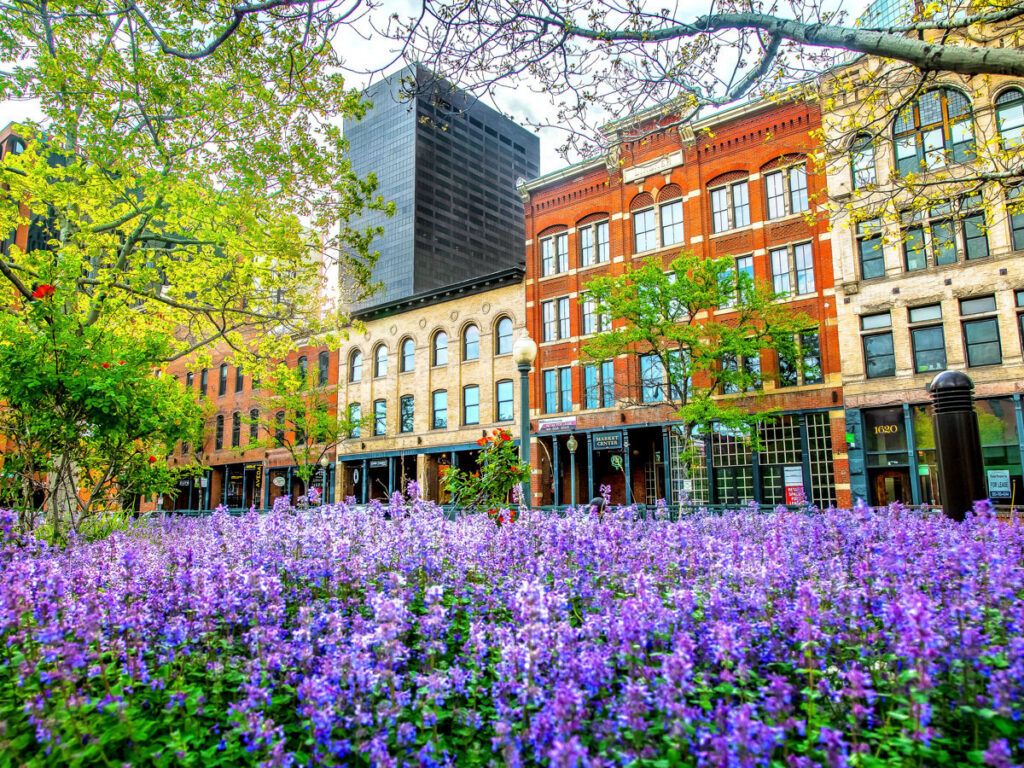
Many cities are known by their famous nicknames. From the Big Apple to Beantown to Sin City, some beloved nicknames have taken on a life of their own, but their origins are often surprising. Learn where five of the most iconic U.S. city nicknames came from. 

The Big Apple – New York, New York

Brooklyn Bridge and Manhattan skyline in New York City
Credit: karandaev/ iStock via Getty Images Plus

New York state ranks second after Washington state for growing apples, but apple production has nothing to do with New York City’s iconic nickname. During the 1800s, the “big apple” was a common colloquial term that meant “something regarded as the most significant of its kind; an object of desire and ambition,” according to the New York Public Library

Most historians trace the city’s nickname to a sports columnist named John J. Fitz Gerald, who wrote for the New York Morning Telegraph in the 1920s and covered horse racing around the country. While in New Orleans, the reporter reportedly overheard some stablehands talking about going to “the big apple,” referring to New York’s revered racetracks.

Fitz Gerald liked the term and used it in one of his columns in 1924, writing, “The Big Apple, the dream of every lad that ever threw a leg over a thoroughbred and the goal of all horsemen. There’s only one Big Apple. That’s New York.” Since the term referred to something ambitious and desirable, readers and racing fans understood the reference.

Fitz Gerald continued to use the term in subsequent columns. Over time, it became popular and spread beyond horse racing into music. In the 1930s, jazz musicians adopted the moniker to refer to New York’s renowned live-music venues and nightclubs, particularly in Harlem where two clubs used the phrase in their names. The nickname even ended up as a 1937 hit song and trendy dance.

Walter Winchell, a wildly popular syndicated newspaper gossip columnist (and later radio broadcaster) from the 1920s through the 1950s, also frequently slipped the nickname into his stories. However, the term faded somewhat after the 1950s. 

During the 1970s, the Big Apple moniker experienced a rejuvenation thanks to New York’s high crime rates and economic woes. The city’s problems were scaring off visitors. To woo them back, the president of the New York Convention and Visitors Bureau launched a bold new ad campaign. Aided by advertising giant Ogilvy and Mather, the successful campaign featured the nickname and images of red apples.

And in 1997, then-Mayor Rudi Guiliani signed legislation to rename the southwest corner of West 54th Street and Broadway “Big Apple Corner” in recognition of Fitz Gerald’s role in coining the nickname — Fitz Gerald lived on the corner from 1934 to 1963. 

The Big Easy – New Orleans, Louisiana

The French Quarter of New Orleans at night
Credit: Sean Pavone/ Alamy Stock Photo

The origins of this famous nickname for the birthplace of jazz aren’t quite as traceable as the Big Apple. While an African American dance hall called Big Easy existed in the 1910s, it burned down in 1911 and the nickname didn’t show up in print until the mid-1960s. But it was likely in use throughout the earlier half of the 20th century.

Black jazz and blues musicians popularized the phrase because, unlike in most U.S. cities, they could easily find gigs in New Orleans. The city had a reputation for racial tolerance and supporting struggling musicians, as well as offering a plethora of venues. Other theories suggest the phrase also refers to the lax laws around alcohol consumption, even during Prohibition.  

One of the earliest “Big Easy” printed references occurred in the publication Inside New Orleans in 1965 from Clinton James Scott Jr., who co-founded Nola Records in the mid-1960s and wrote a column for the magazine called “Scotty’s Whirl.” Scott dropped the term “Big Easy” into his writings frequently, but it really began to stick in 1970.

Author James Conaway published a novel in 1970 titled The Big Easy, and newspaper columnist Betty Guillaud further popularized “Big Easy” in the late 1970s to contrast New Orleans’ laid-back vibe with the more frenzied pace of the Big Apple. And actors Dennis Quaid and Ellen Barkin starred in a movie adaptation of Conaway’s novel in 1987, further cementing the city’s nickname. 

Related: 16 State Nicknames Explained

Sin City – Las Vegas, Nevada

Aerial view of the Las Vegas Strip
Credit: f11photo/ iStock via Getty Images Plus 

You probably don’t have to rack your brain to figure out why Las Vegas has earned the nickname Sin City. Activities that many might consider sinful abound in Vegas — gambling, proliferate booze consumption, speedy divorces, and numerous adult entertainment venues, to name a few. And then there’s the history and influence of organized crime, which includes mobsters Benjamin “Bugsy” Siegel and Meyer Lansky, who opened and operated the area’s first big casino, the Flamingo, in 1946
But surprisingly, the city likely earned its nickname before the mid-20th century heyday of mobsters and massive casino projects. In 1906, Union Pacific Railroad built a depot in an area of the city known as Fremont East. Nearby was a red-light district called Block 16, which train travelers could easily reach. In addition to gambling away their earnings in the area’s gambling halls, workers and travelers spent time in saloons, many of which rented out upstairs rooms to prostitutes.

While the city legalized gambling in 1931, officials cracked down on prostitution in Block 16 in the early 1940s (although it is still legal in parts of Nevada outside of major metropolitan areas). The nickname “Sin City” likely originated because of the Fremont East area’s tolerance for debauchery. The name has stuck since Las Vegas has a reputation for being a place where one can indulge in more than one of the “Seven Deadly Sins.”

Beantown – Boston, Massachusetts

Residential neighborhood in Boston, Massachusetts
Credit: DenisTangneyJr/ iStock via Getty Images Plus 

While many Bostonians dislike the nickname “Beantown” and prefer one of the city’s other nicknames, which include “The Cradle of Liberty,” “The Hub of the Universe,” and “The Athens of America,” there’s no denying this one has stuck. A few reasons for the Beantown nickname are floating around, but many link it to the city’s famous dish — baked beans. 
When colonists first arrived in New England during the 1600s, they learned how to season and cook beans from Native Americans. They added maple syrup and game meat to create a hearty bean dish. Meanwhile, the devout Puritans strictly observed the Sabbath, meaning they did not work or even cook on Sundays. They realized they could bake brown bread and cook beans in a bean pot on Saturday and leave them on the hearth’s hot bricks overnight. Still hot on Sunday, baked beans and brown bread became a traditional Sunday meal for the next few centuries.

In an ironic contrast, the Puritans began substituting molasses for maple syrup in their beans, which was a byproduct of distilling rum — something devout Puritans would have avoided at all costs.

In addition to referencing a historical dish, Boston’s nickname Beantown was further cemented due to a several publicity stunts. First, at a Civil War veterans’ reunion in 1890, a local pottery company supplied thousands of small, decorative bean pots as souvenirs for the troops.

And in 1907, at a homecoming event for residents called Old Home Week, organizers distributed about a million stickers displaying a bean pot surrounded by hands to symbolize welcome. Slogans such as “You don’t know beans until you come to Boston,” popped up on postcards and elsewhere shortly after. Boston has endured the nickname Beantown ever since. 

The Windy City – Chicago, Illinois

Skyline of Chicago, Illinois
Credit: Pgiam/ iStock via Getty Images Plus

The most obvious reason for Chicago’s nickname, the “Windy City,” is the frequent breezes that blow across the city from Lake Michigan. However, Chicago’s weather isn’t the real reason for the nickname, and its origin may be more metaphoric. According to the Chicago Tribune, Chicago earned the nickname due to its long-winded politicians in the late 1800s, who were deemed “full of hot air.” 

A few other theories relate to this idea. During this time, cities such as Cincinnati and St. Louis competed with Chicago for prominence in the Midwest, and their residents often viewed Chicagoans as too boastful. Chicago also competed against New York to host the 1893 World Fair. To garner support, many Chicagoans traveled the East Coast touting Chicago’s superiority for hosting the event (which Chicago later won).

Many credit a New York City journalist named Charles A. Dana with the Windy City nickname, meant as an insult, in an editorial he wrote during the battle to host the fair. However, historians have not found any copies of Dana’s printed editorial.

But they have found multiple written references to Chicago as the Windy City in Midwest newspapers such as the Cincinnati Enquirer throughout the 1870s and 1880s. In 1876, a tornado swept through Chicago, and regional newspapers reported on the “wind storm.” However, the competing Midwest cities likely created the insulting metaphoric meaning of Chicago’s enduring nickname.

Related: From the Big Apple to the Big Easy, Do You Know These U.S. City Nicknames?
Post Banner Image
Tips

Can You Tip Your Flight Attendant?

By Michael Nordine
Read time: 4 minutes
March 26, 2025
Updated: March 26, 2025

Can You Tip Your Flight Attendant?

By Michael Nordine
Author
Michael Nordine
Michael is a staff writer for Daily Passport and film critic who writes the weekly newsletter Movie Brief. His writing and criticism have also appeared in the Los Angeles Times, Variety, and the Washington Post, among others. A native Angeleno, his favorite countries to visit are Norway and Japan.

Tipping culture is more confusing than ever these days, with seemingly every cash register in America equipped with the ability to suggest gratuity for every possible exchange. And that’s just at sea level, where about one-third of Americans believe the practice has gotten out of control. While other countries seem to have it figured out — in some, like Japan, tipping is not only not expected but considered disrespectful — here in the U.S., tipping etiquette seems to be ever-evolving. If you’re a frequent flyer, you might even be wondering whether you can, or should, tip your flight attendant. Here’s what experts have to say.

Is Tipping a Thing at 30,000 Feet?

Flight attendants pouring beverages in aircraft aisle
Credit: Anchiy/ E+ via Getty Images 

For those weary of tipping culture in North America, the good news is that tipping is extremely uncommon at cruising altitude — though you might see a passenger try it in first class from time to time. Many airlines even have specific policies that forbid flight attendants from accepting tips. 

For example, American Airlines allows “promotional items, complimentary tickets, or perishable gifts (candy, fruit, etc.)” so long as their value doesn’t exceed $100, but “cash, gift cards, and gift certificates” are not allowed under any circumstances, according to aviation blog View From the Wing. In the case of the former, crew members who receive such items as gifts from passengers are encouraged to share them with colleagues “when practical.” 

United Airlines officially doesn’t allow tips, according to a report from MarketWatch, while Southwest strongly discourages them — but does allow flight attendants to accept them “if a customer were to insist.”

“It was considered inappropriate and undignified and most airlines forbade tipping or soliciting tipping, although of course it did happen now and then,” George Hobica, founder of Airfarewatchdog.com, told CNBC in 2019. “Most cabin crew would far prefer that a passenger write a letter of commendation to the airline to reward excellent service.”

Related: 5 Things You Don’t Need To Tip for When Traveling in the U.S.

Safety vs. Service

Flight attendant performing safety demonstration in aircraft aisle
Credit: Svitlana/ Adobe Stock 

The biggest reason why some consider tipping flight attendants inappropriate is because it confuses their primary role. While passengers mostly interact with flight attendants when being served food and drinks, the crew members’ main responsibility is safety, not service. 

Passengers tend to perk up when it’s time to get their pretzels and drinks, but the safety demonstration many of us ignore is a much more important part of a flight attendant’s job. If tipping were to become the norm on planes, it could change the dynamic between passengers and flight attendants and incentivize behavior that distracts from their primary duties, according to industry leaders.

Related: Ask an Expert: 9 Things Flight Attendants Want You To Know

Frontier Airlines made waves in 2019 when it began soliciting tips for cabin crew whenever in-flight food or drinks were purchased. Many passengers were unhappy with the development, as was the Association of Flight Attendants (AFA), which represents 50,000 flight attendants across 20 airlines. 

“Flight Attendants are certified for our safety, health, and security work,” AFA president Sara Nelson wrote in a statement. “Safety is not variable and therefore base compensation for a safety job cannot be variable.” That, of course, is an issue with tipping across the board: having customers subsidize low wages.

“Over AFA objections when the function went onboard nearly three years ago, [Frontier’s] Management moved forward with a tipping option for passengers in hopes it would dissuade Flight Attendants from standing together for a fair contract — and in an effort to shift additional costs to passengers,” Nelson added in her statement. Tipping at 30,000 feet may be new, but the issues it brings up are decidedly old.

So far, Frontier remains the only major U.S. airline that explicitly allows flight attendants to accept gratuities. But if you’re flying another airline, that isn’t to say there’s no way to thank them for a job well done. 

Frequent flyers on airlines such as American and Delta receive a set number of certificates each year, which they can award to employees for providing great service. Employees can exchange them for rewards. Many flight attendants also receive a commission when passengers sign up for their airlines’ credit card during a flight. If you feel like getting extra miles and helping out an especially helpful flight attendant, you might be able to do so using their referral code. Or, you can always submit a compliment on the airline’s website to recognize a flight attendant for providing outstanding service.

Related: The Best Travel Perks You Can Get From Credit Cards

Featured image credit: kasto/ Adobe Stock

Post Banner Image
Culture

The Most Expensive Small Towns in the U.S.

By Rachel Gresh
Read time: 6 minutes
March 26, 2025
Updated: April 11, 2025

The Most Expensive Small Towns in the U.S.

By Rachel Gresh
Author
Rachel Gresh
Rachel is a Washington, D.C.–based travel and lifestyle writer with roots in the Great Lakes region. When she’s not writing for publications such as The Discoverer and Interesting Facts, you’ll find her wandering through museums or exploring destinations off the beaten path.

You might picture the average American small town as a sleepy hideaway with one stoplight and a corner store, but that’s certainly not true of all small towns. Some are luxurious, pint-sized cities packed with amenities, from private islands and white-sand beaches to world-class museums and miles of scenic hiking trails. But these perks come at a price. Real estate data platform Property Shark has released their annual ranking of the 100 Most Expensive U.S. ZIP Codes based on median residential real estate sales prices. Here are the top 10 priciest small towns in the U.S. for 2025, each boasting populations of less than 7,000.

10. Gibson Island, Maryland

Sailboats in marina on Gibson Island, Maryland
Credit: coastalpics/ iStock Editorial via Getty Images Plus

Population: 329
Median 2024 sales price: $3.3 million

Just south of Baltimore is Maryland’s most expensive ZIP code — and the most sparsely populated town on our list of America’s 10 priciest small towns. First settled as a private summer community in the early 1920s, Gibson Island is located on the western Chesapeake Bay. Today, it’s home to marinas lined with expensive yachts, sprawling golf courses, and luxurious mansions. 

Not only is Gibson Island expensive, but it’s also very exclusive. The 2-by-3-mile private island can only be accessed by residents or guests of residents. One-third of the island is designated as residential space, while the remaining two-thirds boast nature sanctuaries, parks, and recreation facilities — all within a serene, coastal setting.

9. Alpine, New Jersey

Bluffs overlooking Hudson River in Alpine, New Jersey
Credit: Jim Bogosian/ Alamy Stock Photo

Population: 1,750
Median 2024 sales price: $3.317 million

Alpine, New Jersey, is located along the Hudson River across from the New York City suburb of Yonkers. The 2,500-acre Palisades Interstate Park runs the length of Alpine, boasting 30 miles of riverfront hiking and cross-country ski trails. Residents and visitors alike enjoy cycling through the park or kayaking down the meandering Hudson River during the warmer months. 

While quiet time in the outdoors is abundant in Alpine, this town is just 17 miles from central Manhattan, offering a unique balance of natural beauty and urban amenities — which is reflected in the city’s lofty real estate prices.

8. Amagansett, New York

Lighthouse overlooking sandy beach in Amagansett, New York
Credit: robertcicchetti/ iStock via Getty Images Plus 

Population: 651
Median 2024 sales price: $3.738 million

Amagansett is one of the easternmost villages on Long Island, a few stops on the Long Island Railroad before you reach the popular summer tourist town of Montauk. With the Atlantic Ocean to the south and Napeague Bay to the north, Amagansett is home to some of the priciest real estate in the country. For residents and visitors alike, the town offers ample outdoor activities, including saltwater fishing and wildlife viewing at the Amagansett National Wildlife Refuge.

7. Stinson Beach, California

View of Stinson Beach, California, from lookout
Credit: Gary Saxe/ Moment via Getty Images 

Population: 366
Median 2024 sales price: $3.8 million

Stinson Beach residents don’t have to go far to dip their toes in the sand — some simply walk out their front door. Parts of this California beach community are under the jurisdiction of the National Park Service, ensuring its white sands and ocean waters remain pristine from swimming, and encouraging visitors to respect the local environment. 

In Stinson Beach, residents enjoy activities such as surfing, volleyball, and fishing set against a dramatic backdrop of the Pacific Ocean to the west and the mountains to the east. There are several seaside inns and surf lodges where visitors, too, can relax and enjoy the view.

Image Ad

6. Ross, California

Post office in Ross, California
Credit: Phillip Bond/ Alamy Stock Photo

Population: 2,290
Median 2024 sales price: $3.853 million

Located 20 miles north of San Francisco, Ross is an unassuming town with a hefty price tag. Among its appealing attractions is Mount Tamalpais, with its surrounding hiking trails and parks, including the tranquil Phoenix Lake hiking area, where wildflowers, birds, and scenic views abound. 

Downtown, the Marin Art and Garden Center offers events and community activities, from art exhibits to gardening classes. With access to the world-class wineries of Napa Valley to the north and the amenities of San Francisco to the south, Ross is one of America’s most desirable small towns to live in.

Related: The Most Expensive Neighborhoods in the U.S.

5. Medina, Washington

Dock overlooking bay in Medina, Washington
Credit: july7th/ iStock via Getty Images Plus 

Population: 2,841
Median 2024 sales price: $4 million

Located on the shores of Lake Washington, Medina is one of Seattle’s most exclusive suburbs — and it’s the most expensive ZIP code in the state of Washington. Medina’s prime location, just across the bridge from the Seattle Japanese Garden and the rest of downtown, means it’s not only easily accessible, but it also offers stunning views of the lake and the Seattle skyline in the distance. 

The town itself has a quiet, residential atmosphere, with numerous parks, golf courses, and lakeside walkways. Next door, the suburb of Bellevue boasts a vibrant culture and shopping scene, with museums, malls, and dining, ensuring Medina residents are never too far from big-city amenities.

4. Portola Valley, California

Hiking trail in Portola Valley, California
Credit: (c) Salil Bhatt/ iStock via Getty Images Plus 

Population: 4,204
Median 2024 sales price: $4 million

Tucked away on the eastern slopes of the Santa Cruz Mountains, Portola Valley is a quiet — and expensive — Bay Area suburb. Visitors and residents alike flock to the picturesque Windy Hill Open Space Preserve, known for its miles of hiking and cycling trails. With its proximity to Stanford University and nearby shopping hubs, Portola Valley offers residents both natural beauty and easy access to culture, fine dining, and shopping.

3. Rancho Santa Fe, California

Aerial view of Rancho Santa Fe, California
Credit: Thomas De Wever/ iStock via Getty Images Plus 

Population: 2,574
Median 2024 sales price: $4.55 million

Boasting a mild year-round climate, Rancho Santa Fe is nestled in the foothills of the Santa Fe Mountains, just north of San Diego. It is minutes away from hiking trails, golf courses, and beach activities, all scattered throughout residential neighborhoods featuring lush gardens and impressive estates. 

One of the best places to enjoy a view of the town is from the five-star Rancho Valencia Resort and Spa, situated on 45 acres of gardens and citrus groves. Next door, coastal towns like Del Mar and Solana Beach boast seaside eateries, cozy coffee shops, and miles of sandy beaches to explore. 

2. Sagaponack and Watermill, New York

Vineyard and museum in Watermill, New York
Credit: View Pictures/ Universal Images Group via Getty Images 

Population: 2,954
Median 2024 sales price: $5.885 million, $5.950 million

The neighboring towns of Sagaponack and Watermill are nestled on the idyllic East End of Long Island and have populations of 736 and 2,218, respectively. Sagaponack is home to Gibson Beach, a quiet swath of sand on the Atlantic Coast side of the island, while the town’s Sagg Main Beach is a popular family-friendly respite with facilities and food trucks. 

To the west, Watermill sits on Mecox Bay, a small, protected inlet. It boasts cultural attractions like the Watermill Center for performing arts and the Parrish Art Museum. With their sophisticated yet laid-back coastal living and easy access to New York City, it’s no wonder these neighboring towns are so high-priced.

1. Atherton, California 

Large home in Atherton, California
Credit: Arcaid Images/ Alamy Stock Photo

Population: 6,823
Median 2024 sales price: $7.9 million

For the eighth consecutive year, Atherton, California, reigns supreme as the most expensive ZIP code in the country, regardless of population. But it also happens to be a small town, with fewer than 7,000 residents. What makes Atherton great? Located at the southern tip of the San Francisco Bay, it boasts all of the conveniences and activities of big-city living but with quiet neighborhoods and ample nature.

Town zoning laws permit only one single-family home per acre, creating a rare small-town feel among the more densely populated Bay Area suburbs. Popular local activities include strolling through the sprawling estate at Filoli Historic House and Garden, hiking among redwood trees at Wunderlich County Park, and attending live performances at the Guild Theatre. In this exclusive enclave, residents certainly enjoy a slower pace — but there’s an eye-popping price tag for that, with home prices averaging nearly $8 million in 2024.

Note: Population data is based on the most recent U.S. Census Bureau 2023 report.

Post Banner Image
Culture

10 of the Most Beautiful Places To Visit in Japan

By Daily Passport Team
Read time: 9 minutes
March 26, 2025
Updated: March 26, 2025

10 of the Most Beautiful Places To Visit in Japan

By Daily Passport Team
Author
Daily Passport Team
Daily Passport writers have been seen in publications such as National Geographic, Food & Wine, CBC, Condé Nast Traveler, and Business Insider. They're passionate about uncovering unique destinations and sharing expert tips with curious travelers.

If Japan is at the top of your travel wish list, you’ll be in good company: The country recently set an all-time tourism record, with 36.9 million international visitors in 2024. While those numbers were fueled, in part, by the weak yen as of late, it’s easy to understand the enduring appeal of Japan for travelers. Home to ancient temples, stunning mountains, and vibrant cities — including the largest one in the world — Japan is a place that beckons travelers back, time and again. Whether it’s your first time or fifth visit, make sure you’ve crossed these 10 beautiful places in Japan off your list.  

Arashiyama Bamboo Grove

Pathway through Japan's Arashiyama Bamboo Grove
Credit: vkp-australia/ iStock via Getty Images Plus 

Despite being one of the most photographed locations in Japan, Arashiyama Bamboo Grove is one of those rare spots that photos don’t do justice. There is something magical, even otherworldly about walking through this space as sunlight filters through towering bamboo stalks on either side of you — all the more remarkable considering that it’s only about 30 minutes from central Kyoto. 

The walking path that winds through the forest is sure to be crowded when you enter, but the further you venture into the bamboo grove, the more secluded the experience becomes. It isn’t just a visually arresting journey, either: The actual sound of the bamboo swaying in the wind is so distinct and serene that the Japanese Ministry of Environment has declared it one of the 100 Protected Soundscapes of Japan.

You can complete a walking tour of the forest in around an hour, but a leisurely pace and visits to nearby Tenryu-ji Temple and Kameyama-koen Park can easily make your visit to Arashiyama last several hours. As for the best time to make the trip, that’s entirely up to you — the bamboo grove is open 24/7 and admission is free.

Shirakawa-go

Snow-covered traditional homes in Shirakawa-go, Japan
Photo credit: takuya kanzaki/ Shutterstock

On Japan’s largest and most populous island of Honshu, but far from the bright lights and bustle of Tokyo, visitors can find a fairy-tale example of rustic, rural Japan in Shirakawa-go. In this tranquil and remote mountain region, the traditional architecture is designed to easily shed the many feet of heavy and wet snow that fall each winter. Featuring steeply pitched thatched roofs, these gasshō-zukuri homes are both practical and incredibly picturesque.

The historic villages of Shirakawa-go and Gokayama comprise one of Japan’s UNESCO World Heritage Sites, with 170 valley acres encompassing land in both the Gifu and Toyama provinces. Find one of the best views at the Samurai-era Ogimachi Castle, which offers a panoramic outlook over Shirakawa-go. Afterward, don’t miss a rejuvenating soak at one of the region’s many famed onsen — the baths fed by natural hot springs are thought to have restorative powers.

Miyajima

Itsukushima Shrime on the island of Miyajima, Japan
Credit: AndySmyTravel/ Alamy Stock Photo

The Japanese archipelago is no stranger to odd populations. From the cats of Aoshima Island to the rabbits of Ōkunoshima, it seems there’s an island dedicated to every kind of fuzzy animal. Set in Hiroshima Bay, the island of Miyajima (also known as Itsukushima) is known for its population of over 1,000 Sika deer who cohabitate peacefully alongside humans. 

Utterly indifferent to the humans around them, the spotted deer congregate in parks, on sidewalks, and around many of the island’s tourist attractions. Their thriving existence is thanks to the traditional Shinto belief that deer are spiritual messengers from the gods, so they have been protected by local ordinances for decades. 

But the deer aren’t the only reason to visit Miyajima. The island is perhaps best known for its shrines (Miyajima actually translates to “Shrine Island”), including the UNESCO-protected Itsukushima Shrine, which dates to the 12th century. You can’t miss its famous “floating” torii gate, which at high tide appears to jut straight out of the water. Visitors can explore the shrine’s beautiful grounds, accompanied by the island’s friendly deer, to snap the perfect photo of the heavenly gate. 

Related: 8 Islands Home to Unique Animal Populations

Hemeji Castle

Himeji Castle in Japan
Credit: EOSGent/ Alamy Stock Photo

One of the most famous castles in Japan, Himeji Castle spans 24,000 square feet and rises 152 feet into the skies above this central Japanese city of the same name. UNESCO calls it “the finest surviving example of early 17th-century Japanese castle architecture” and “a masterpiece of construction in wood.” 

The castle — nicknamed the “White Heron Castle” for its size and color — was originally built in 1346. Himeji was continuously enlarged over the centuries by the ruling clans who occupied it. At one point, the grounds featured three moats for maximum protection. In true Japanese fashion, the castle lawn is filled with cherry trees — now that it’s open to the public, it’s a popular place to view the cherry blossoms during spring.

Related: 8 Places Where You Can Witness Epic Cherry Blossoms

Hitachi Seaside Park 

People walking among bright blue flowers of Hitachi Seaside Park in Japan
Credit: koichi/ iStock via Getty Images Plus 

You don’t have to be floral-obsessed to appreciate the vibrant, perpetually-in-bloom beauty of Hitachi Seaside Park, but it certainly helps. Spanning 865 acres just two hours northeast of Tokyo, the park is blanketed in endless fields of flowers that seem to stretch right into the surrounding sea. 

Hitachi’s best-known bloom is the nemophila (or “baby blue eyes”), which drapes Miharashi Hill every spring in such a lively shade of blue, you’ll swear it sprang out of a picture book. But if you can’t make it in spring, autumn is just as arresting — the green kokia bushes turn a deep, brilliant red as temperatures drop. Year-round, everything from narcissuses and sunflowers to ice tulips and cosmos flowers also blossom in the park.

Florals aren’t the only feature of Hitachi Seaside Park, which is also home to more than 25 rides and attractions. Most famous among these is a Ferris wheel offering views of the Pacific Ocean and the city of Hitachinaka — and perhaps a peaceful new perspective on the continuous fields of flowers 200 feet below. 

Iriomote Island

Aerial view of Irimote Island, Japan
Credit: Ippei Naoi/ Moment via Getty Images 

The very thing that makes this island most famous, at least in global conservation circles, is the one you’re least likely to see: the endangered Iriomote yamaneko, which lives only here, and in very small numbers. Beyond being incredibly rare, these mostly nocturnal little wildcats seldom show themselves by day — least of all around humans. 

But even if you don’t manage a sighting, a visit to the smallest endemic habitat in the world to support wildcats — as this island is reputed to be — is still well worth the ferry trip over from Ishigaki (Japan’s southernmost city as well as the transportation hub of Okinawa’s Yaeyama Islands). 

Once you’re on Iriomote, you’ll have your choice of wilderness adventures, as most of the densely jungled island is undeveloped, and much of it belongs to the Iriomote Ishigaki National Park. There’s excellent sea, river, and mangrove kayaking — plus fishing, snorkeling, and sometimes extreme hiking. And divers won’t want to leave the island without exploring Manta Way, where graceful rays congregate each spring and summer, proving infinitely less elusive than the island’s namesake feline.

Related: Do You Know These Country Names in Their Own Languages?

Lake Mashu

Clear waters of Lake Mashu, Japan
Credit: I love Photo and Apple./ Moment via Getty Images 

Though it’s frequently cited among the clearest lakes in the world, Japan’s Mashu-ko (in local parlance) is actually obscured much of the time — and that’s part of the pilgrimage site’s famed appeal. The dense fog that regularly blankets the surface of this caldera — one of three ancient volcanic crater lakes in Hokkaido’s Akan-Mashu National Park — only adds to the mystical beauty of a place long considered sacred by the Indigenous Ainu people, who also use the name “Kamuito,” or lake of the gods, in reference to this female spirit stronghold. 

The lake itself is inaccessible to visitors (no boating, swimming, or fishing is allowed), but various viewing towers serve up sweeping vistas, as does the summit of Mount Mashu — the most dramatic of the viewpoints along the hiking trail on the lake’s eastern edge.

Related: 10 of the Clearest Lakes in the World

Nachi Waterfall 

Natchi Waterfall in Japan
Credit: makafushigi/ iStock via Getty Images Plus 

Despite being one of the tallest waterfalls in Japan, Nachi Waterfall lies off the beaten path for most tourists. This is largely due to the fact that the 436-foot-tall falls are in the Kii Mountain Range, making them difficult to reach. In order to see the plunging falls, travelers must commit to a four-hour drive or an eight-hour train ride from Osaka, plus additional bus routes to the remote site. 

Once there, visitors, for a fee, can drink from the pool at the base of the waterfall to receive a long life with good fortune. The falls have long been considered a sacred place that predated organized religion, with locals worshipping the cascading water as a deity. Since then, Buddhist and Shinto shrines have been erected beneath the falls, surrounded by deciduous cedar trees and coexisting in harmony.

Akasawa Forest

Bridge over creek in Akasawa Forest, Japan
Credit: LITTLE DINOSAUR/ Moment via Getty Images

The birthplace of shinrin-yoku or “forest bathing” can be found in the dense woods of Akasawa National Recreation Forest within the Kiso Valley in the Japanese prefecture of Nagano. In 1982, Akasawa was the site of the first forest bathing event in the world. As an established mindfulness practice, forest bathing requires people to use all of their senses to observe their surroundings and connect with nature. 

As the trees were logged during the Edo Period from 1603 until 1868, Akasawa is not an old-growth forest, but conservation practices have since turned it into one of the most beautiful woodlands in the country. With a mix of evergreen and cypress trees, Akasawa offers six hiking trails for walking or forest bathing, with numerous vistas and resting spots along the way. Another great way to see the forest is on Akasawa Forest Railway — the old logging railway used to haul timber that now carries tourists through the valley’s beautiful woodlands.  

Mount Fuji

Mount Fuji, Japan, covered in snow
Credit: mantaphoto/ E+ via Getty Images 

You’ll find Mount Fuji, the towering stratovolcano that boasts the highest peak in the country, on Honshu, the largest of Japan’s four main islands. While you can see the massive mountain from many locations throughout Japan, the closest city is Fujinomiya, which is located halfway between Tokyo and Kyoto. 

Not only a popular site for recreation, Mount Fuji is one of Japan’s most iconic natural wonders, long a sacred site and source of artistic inspiration. It’s one of Japan’s three Holy Mountains (Mount Haju and Mount Tate finish off the triumvirate), a UNESCO World Heritage Site, and one of Japan’s Special Places of Scenic Beauty. 

Post Banner Image
Tips

Should You Book Travel Packages Through Costco?

By Bennett Kleinman
Read time: 6 minutes
March 25, 2025
Updated: April 21, 2026

Should You Book Travel Packages Through Costco?

By Bennett Kleinman
Author
Bennett Kleinman
Bennett is a New York City-based staff writer for Daily Passport. He previously contributed to television programs such as the Late Show With David Letterman, as well as digital publications like the Onion. Bennett has traveled to 48 U.S. states and all 30 Major League Baseball stadiums.

More than 145 million people worldwide hold a Costco membership. The retail giant is best known for selling bulk food items, homewares, gas, and electronics, but Costco also offers a highly useful vacation planning service. It’s called Costco Travel, and you can use it to book hotels, rental cars, and cruises on their own, as well as all-inclusive vacation packages. But how does Costco Travel stack up to other third-party services such as Expedia and Priceline? And is it better than booking directly with the hotel or rental company itself? Let’s take a look at the pros and cons of using Costco Travel.

Membership Required

Close-up image of person holding Costco membership card
Credit: Kenishirotie/ Alamy Stock Photo

The first thing to note is that using Costco Travel requires a Costco membership, which you can purchase online or in-store. This may be a nonstarter for people who’d rather not pay an up-front fee, especially when you consider all of the other booking services that are free to use. However, a basic Costco membership is priced at $65, and the potential savings — for travel bookings or other home purchases — could be worthwhile, depending on your travel and shopping patterns.

The Perks of Using Costco Travel

Couple dining at table overlooking the water
Credit: nd3000/ iStock via Getty Images Plus 

Using the Costco Travel website is similar in many ways to booking your vacation on another third-party site or directly with the hotel. You’ll plug in the dates of your trip and the location you’re looking to visit and review a list of options. But often, what helps Costco stand out are the add-ons and vacation packages they offer, which you may have difficulty finding elsewhere.

Costco partners with various hotels and resorts around the world to provide guests with added benefits. The company also says on its website that it carefully vets destinations, hotels, cruises, and packages for their quality, “just like items in a Costco warehouse.”

For instance, using Costco Travel may net you a complimentary beverage credit at a luxury Las Vegas hotel or a free breakfast buffet at a Mexican beach resort. Many Costco Travel bookings also include a bonus digital Costco gift card, which can be used for everyday online shopping at Costco. 

Furthermore, if you’re a Costco Executive Member (a higher membership tier that costs $130 annually), you can get 2% back on any qualified Costco Travel purchases. This may result in hundreds of dollars in cash back, depending on the total price of your booking. Members can also take advantage of Costco’s affordable travel insurance provided by Zurich, which offers peace of mind should anything go awry during your vacation.

Related: Do You Really Need To Buy Travel Insurance?

How Much Can You Save Using Costco Travel?

Travelers putting luggage into shuttle at airport curbside pick-up
Credit: AzmanL/ E+ via Getty Images

In addition to added perks, Costco Travel offers potential savings compared with other services. This is especially true if you reserve a Costco Travel package, in which flights, hotels, and car rentals are all lumped together — often at a significantly lower cost than if you were to book individually. The Costco Travel website boasts, “We use our buying authority to negotiate the best value in the marketplace, and then pass on the savings to Costco members.” 

For example, Costco offers an all-inclusive, five-night stay for two adults at the Hyatt Ziva Cap Cana Resort in the Dominican Republic, which included unlimited meals, select drinks, and nightly entertainment. The package also includes flights, transportation from the airport to the resort, and a $359 digital Costco shop card per room. For dates over summer 2026, we found prices from New York City for around $5,750.

Now, what if you were to book that same trip on your own? If you book the hotel directly with Hyatt, the standard rate for the hotel stay alone would run you nearly $1,000 per night. A round-trip flight from JFK to Punta Cana would cost you around $800 per person on top of that, and you’d also need to pay a local cab service for transportation to and from the resort. While these numbers will vary depending on when and where you travel, it goes to show that booking a Costco Travel package can be worthwhile for the savings.

Related: This One Costco Shopping Hack Could Help You Save Hundreds

The Downsides of Costco Travel

Woman using stereo in car
Credit: EMS-FORSTER-PRODUCTIONS/ DigitalVision via Getty Images 

For all of the benefits, there are some downsides to using Costco Travel. First, while flights are included in many travel packages, you can’t book a flight through Costco on its own. So, if you used Costco to book a hotel and rental car individually instead of as part of a package, you’d need to book your flight elsewhere. 

Additionally, even though Costco partners with many major brands, some hotels and car rental companies may opt out of working with the retailer. This includes Hertz and several other brands, so that’s something to be aware of when booking. Some hotel dates or airline seats may also not be available through the platform, or there may be minimum stay requirements.

While there’s always a risk with making travel arrangements through a third-party provider rather than booking directly, if, in the rare case the hotel cannot honor your reservation, you should contact Costco Travel. They can help you find alternate accommodations or a refund. If you need to make any changes or cancel your trip, you can do so online at the Help Center or call to speak to an agent. Cancellation and change policies vary, and fees may apply.

Finally, using Costco Travel may mean sacrificing loyalty points that you’d acquire if booking with the hotel directly. Loyalty points are a fantastic way to earn free nights and other valuable perks during future stays, but the financial savings of booking with Costco Travel may offset the value of those potential points. However, note that if you’re booking a room only at a Hyatt property, Costco does allow you to earn points with the World of Hyatt program. 

Is Costco Travel Worth It?

Credit: damircudic/ E+ via Getty Images 

It depends on what type of trip you’re looking to book, but in general, Costco Travel packages can offer noticeable savings over booking each element individually — not to mention the convenience of not having to figure out a complex itinerary. And perks like digital gift cards and complimentary meals can be icing on the cake. However, a good rule of thumb is to always price out each portion of your trip and comparison shop to see if you can get a better deal by booking direct

But if you’re still on the fence and have any questions about a potential booking, Costco specialists are available to help with planning, which is another potentially valuable tool. Be sure to also check back in for Costco’s limited travel deals, as new ones are regularly added throughout the year.

Related: The Best Costco Finds To Stock Your Freezer With
Post Banner Image
Tips

Will Noctourism Be 2025’s Hottest Travel Trend?

By Cynthia Barnes
Read time: 5 minutes
March 25, 2025
Updated: April 11, 2025

Will Noctourism Be 2025’s Hottest Travel Trend?

By Cynthia Barnes
Author
Cynthia Barnes
Cynthia kicked around the world for a while before landing in Colorado. Her work has appeared in Food & Wine, the Boston Globe, and National Geographic, among others. She loves dives — both scuba and bars — baseball, the Oxford comma, and live music.

Predicting the future — of travel or anything else — isn’t easy. When Forbes said in 2020 they expected “different travel trends to pop up,” they were right — but not in a way anyone could have expected. Nevertheless, industry researchers analyze reams of data to help airlines, hotel operators, cruise lines, and travel advisers get a handle on what their clients will be looking for in the year to come. And topping the travel trendspotters’ lists this year is “noctourism.” So, what is noctourism, and why is it suddenly so popular? Let’s find out.

Shining Light on Dark Tourism

Northern lights over the snowy landscapes of Lapland, Sweden
Credit: Marcus Lindstrom/ E+ via Getty Images 

Nocturnal tourism or noctourism (sometimes called “night tourism”) is a growing travel trend focused on experiences that specifically take place at night. This type of light spectrum-specific travel has gained popularity as travelers search for unique experiences beyond traditional daytime sightseeing. While eco-tourists seek out pristine environments and gastro-tourists fly for the best food, noctourists are drawn like moths to a flame to places lacking light pollution or events that occur when the sun has gone down.

Related: The Best Spots for Stargazing in the U.S.

Why Noctourism, and Why Now?

Tourists taking selfie at night market
Credit: Johnce/ E+ via Getty Images

Reasons for noctourism’s growing popularity include avoiding crowds and sheltering from sweltering daytime temperatures to reveling in the magic of illumination — be it natural or human-made. Post-pandemic “revenge travel” led to ludicrous overcrowding of previously alluring destinations, causing tourists to seek out other destinations with fewer visitors. 

But hidden gems rarely remain hidden for long, and noctourism can offer travelers a way to see the same sites, but at a different time, along with celestial sights that are impossible to view in more populated areas or extravaganzas created specifically to be experienced when the lights are low.

Image Ad

The Rise of Dark Sky Sanctuaries

Starry skies over Wadi Rum Desert, Jordan
Credit: Prystai/ iStock via Getty Images Plus 

The glittering contents of night skies have fascinated humanity since our earliest days. The seasonal movements of the heavens, the cycles of the moon, and astronomical anomalies like comets, eclipses, and meteor showers formed some of the earliest spiritual beliefs of humans, and were seen as omens both auspicious and evil. 

But in modern days, our technological illuminations have the side effect of obscuring our views of the night skies. At the same time, technology has given us powerful telescopes that beam back incredibly detailed and fantastical images from the furthest reaches of the universe. 

A growing appreciation for the splendor of darkness has given rise to dark sky sanctuaries around the world — places that are protected from artificial illumination, allowing the Milky Way and other galaxies to be appreciated in all their glory.

From national parks to observatories to clear-roofed igloos open to the northern lights, noctourism continues to grow. The next big event on the calendar: August 2, 2027, will see an exceptionally long (6 minutes, 23 seconds) total solar eclipse, which will wash over Egypt’s famed Valley of the Kings. 

Related: 8 Fascinating Observatories Around the World

Bright Lights, Big Cities

Junkboat and skyline of Hong Kong at night
Credit: Nikada/ E+ via Getty Images 

Noctourism isn’t dedicated solely to nature’s wonders. From New York City, with its Empire State Building, to Paris and the Eiffel Tower, many skylines are simply much more spectacular when the sun sets and the lights come on. In futuristic Hong Kong, for example, the Symphony of Lights bathes the city’s buildings in the world’s largest permanent light and sound show, while the best evening views of New York City and Chicago can often be found on river cruises past their famous skylines.

Many cities come into their own in the late hours, when the tourist buses have departed and the cruise ships have moved on to their next destinations. With overcrowding and overtourism making headlines, many destinations have sought to diversify their offerings, developing specific nocturnal attractions like evening museum hours, night zoos (when the animals are often more active), and specialized night tour packages to capitalize on this trend. 

Especially in Asia, night markets have long been spots where locals and tourists can mingle, enjoying food, shopping, and entertainment when the workday is done. And with temperatures breaking records seemingly every season, many travelers find that the smart money is on evening explorations, when it’s cooler.

Bright Ideas for Noctourism Trips

People setting lanterns into the night sky in Xishuangbanna, China
Credit: VCG/ Visual China Group via Getty Images 

Abisko, Sweden: With relatively clear skies (given its location) and unparalleled opportunities to catch the northern lights (aka the aurora borealis), this stunning national park in northern Sweden is noticing an uptick in noctourists. 

Chiang Mai, Thailand: Less hectic than Bangkok, Chiang Mai has a plethora of lively night markets, perfect for slurping noodles, scoring handicrafts, and sipping beer into the wee hours. (Avoid “burning season,” from roughly February to April, when farmers set their fields ablaze and the air quality drops sharply.)

Costa Rica: This Central American country — recently named among the world’s happiest — is famed for its healthy, positive pura vida (“pure life”) vibe. It’s also known for its abundant wildlife. See the jungles really come to life on night tours, where you may spot tree frogs, coatimundis, and sloths, to name just a few interesting species.

Big Island, Hawaii: Take a twilight and stargazing tour in Hawaiʻi Volcanoes National Park, home to Kīlauea, one of the world’s most active volcanoes. 

Post Banner Image
Outdoors

8 of the Best Hotels Inside U.S. National Parks

By Marissa Kozma
Read time: 6 minutes
March 25, 2025
Updated: March 26, 2025

8 of the Best Hotels Inside U.S. National Parks

By Marissa Kozma
Author
Marissa Kozma
Marissa is a cheap airfare aficionado who loves exploring offbeat destinations with her husband. Based in Los Angeles and Joshua Tree, Marissa has been featured in publications such as San Diego Magazine, Palm Springs Life Magazine, 303 Magazine, and Mountain Living.

If you’re trying to check off as many national parks as possible to see some of America’s most famous natural landmarks, you may have noticed that finding an accommodation near the park entrance can be a daunting feat. Many roadside inns and motels in these remote areas have limited rooms and parking spots available, and sometimes outdated amenities and spotty service. Luckily, these eight national park hotels are top-rated with prime locations that all but guarantee a great view. (Just be sure to book well in advance since rooms tend to fill up fast!)

Note: All featured products and deals are selected independently and objectively by the author. Daily Passport may receive a share of sales via affiliate links in content.

The Ahwahnee – Yosemite National Park, California

The Ahwahnee hotel framed by mountains of Yosemite National Park in California
Credit: EarthScapeImageGraphy/ iStock via Getty Images Plus

One of California’s most storied properties, the Ahwahnee is a four-star hotel inside Yosemite National Park. The hotel’s rustic design reflects the rugged beauty of the park’s standout natural features, including Yosemite Falls, Half Dome, and Glacier Point.

Inside, the Ahwahnee features a cozy bar, an elegant dining room with floor-to-ceiling windows to highlight the surrounding wilderness, a heated outdoor swimming pool, and a gift shop selling locally made souvenirs. Opened in 1927, the hotel is listed on the National Register of Historic Places and is a National Historic Landmark. 

Kenai Fjords Glacier Lodge – Kenai Fjords National Park, Alaska

Canoes in lake in Kenai Fjords National Park, Alaska
Credit: Niebrugge Images/ Alamy Stock Photo

Roughly 51% of Alaska’s 700,000-acre Kenai Fjords National Park is covered by glaciers, making finding an accommodation around the icefields difficult. So, many visitors who explore the park in the remote Kenai Peninsula stay in the port city of Seward and book boat tours for viewing the glaciers and wildlife from a safe distance.

But the five-star Kenai Fjords Glacier Lodge is a woodsy eco-lodge nestled within a Native American-owned wildlife sanctuary inside the park. Lodge guests take a complimentary cruise from Seward to remote Fox Island, where they can enjoy kayaking, hiking, upscale dining, and wildlife viewing with their stay. 

Related: Chart Your Own Path in This Quiz on U.S. National Parks

El Tovar Hotel – Grand Canyon National Park, Arizona

El Tovar Hotel on the rim of Grand Canyon National Park, Arizona
Credit: Peter Blottman Photography/ iStock via Getty Images Plus 

The magnificent four-star El Tovar Hotel, standing on the rim of the Grand Canyon, first opened its doors in 1905, making it the oldest hotel still operating within the national park. For many years, it was heralded as the most elegant accommodation west of the Mississippi River. 

Built from local limestone and pine, the Swiss chalet-style property at Grand Canyon Village inside Grand Canyon National Park features a grand dining room with epic views of the canyon, a souvenir shop, and a lounge. Notable past guests include Theodore Roosevelt, Albert Einstein, Paul McCartney, Oprah Winfrey, and many other luminaries. 

The Inn at Death Valley – Death Valley National Park, California

The Inn at Death Valley with mountains in background
Credit: Hal Beral/ Corbis Unreleased via Getty Images 

Old Hollywood legends like Marlon Brando and Clark Gable once stayed at this below-sea-level hideaway in Death Valley. Fitting of its glamorous past, the Inn at Death Valley, which has been open since 1927 and was formerly known as the Furnace Creek Inn. Part of the Oasis at Death Valley, the property received a $250 million luxury renovation in 2018

Guests can now enjoy a spring-fed pool with cabanas nestled among breezy date palms, a spa with hot-stone massages, a revamped bar and library lounge area with nods to the park’s historic mining past, and a golf course with views of the valley. Those who book one of the 22 casitas at the four-star inn also receive a complimentary golf cart with their stay, so they can easily navigate the resort grounds before exploring all Death Valley National Park has to offer.

Paradise Inn – Mount Rainier National Park, Washington

Exterior of Paradise Inn in Mount Rainier National Park, Washington
Credit: Wolfgang Kaehler/ LightRocket via Getty Images 

Open mid-May to late September, Paradise Inn boasts some of the best views in Washington state. When you check in, you’ll probably agree it doesn’t get much better than this historic 121-room property if you want to get close to the snowy peaks and alpine meadows of wildflowers within Mount Rainier National Park

Guests at the hotel can enjoy hearty Pacific Northwestern fare at the on-site restaurant or cozy up by the fire in the lounge with a 1920s-inspired cocktail post-hike. With no phone service, television, or Wi-Fi, the lodge emphasizes that it’s ideal for those seeking a true off-the-grid adventure. After all, miles of hiking trails are waiting just outside the inn’s front door, so what more do you need? 

Related: 7 of the Most Beautiful Places To Visit in the Pacific Northwest

Many Glacier Hotel – Glacier National Park, Montana

Many Glacier Hotel with views of lake and mountains in Glacier National Park, Montana
Credit: Buddy Mays/ Corbis Historical via Getty Images 

Located on the shores of Swiftcurrent Lake at the base of Mount Grinnell, Many Glacier Hotel is tailor-made for those looking to explore the remote wilds of Montana. With a location in the heart of Glacier National Park, the five-story lodge is open from early June to late September and offers guests a variety of activities, including horseback riding, boat tours, and ranger-led programs. The historic hote was built by the Great Northern Railway from 1914 to 1915, and was most recently updated in 2016 with modern amenities.

Asticou Hotel – Acadia National Park, Maine

Resort building and grounds of Asticou Hotel near Acadia National Park, Maine
Credit: Seasider53/ Wikimedia 

While there are no accommodations actually inside park boundaries, Asticou Hotel is about as close as you can get to Acadia — the first national park designated east of the Mississippi River in 1929. Set to reopen in summer 2025 following a $28 million restoration that lasted a year, the hotel has a history dating back to 1884. 

The 82-room inn is located a few miles from Acadia National Park’s Northeast Harbor and is one of the few remaining hotels on Mount Desert Island built before World War II. The revamped property will feature manicured azalea gardens, elegant dining options with local seafood on the menu, a pool and fitness center, EV charging stations, and a cabana bar perfect for sipping cocktails at sunset.  

Ma Johnson’s Historical Hotel – Wrangell-St. Elias National Park & Preserve, Alaska

Exterior of Ma Johnson’s Historical Hotel in Wrangell-St. Elias National Park & Preserve, Alaska
Credit: Benny Marty/ Alamy Stock Photo

Many travelers don’t get to witness the jaw-dropping beauty of Alaska’s interior, but a flight to Fairbanks and an off-road vehicle rental are all you need to take the infamous McCarthy Road to Wrangell-St. Elias National Park and Preserve

This once-in-a-lifetime adventure to see the historic mines of Kennecott and Root Glacier is easily accessible from Ma Johnson’s Historical Hotel inside the park. Each room is outfitted with period-specific décor from the town’s glory days, and guests will receive a hearty breakfast before they can catch the shuttle to hike the glacier or explore the historic sites. Bears are common in the area, so it’s also a great place for wildlife viewing from a safe distance. 

Related: 10 Underrated U.S. National Parks
Post Banner Image
Tips

The Best AirTag Alternatives for Android Users

By Peter Vanden Bos
Read time: 4 minutes
March 25, 2025
Updated: April 11, 2025

The Best AirTag Alternatives for Android Users

By Peter Vanden Bos
Author
Peter Vanden Bos
Peter is a Toronto-based journalist, editor, content strategist, and self-professed avgeek with 15 years of experience covering all things travel. Prior to joining Daily Passport, he oversaw newsletter publication for Travelzoo. His favorite destinations to explore include Japan, France, Chile, New Zealand, and his adopted home country of Canada.

In recent years, one tiny gadget has skyrocketed in popularity with travelers — so much so that we here at Daily Passport declared it the “one gadget you should never travel without.” Of course, we’re talking about Apple’s AirTag, a quarter-size device that you can toss into any bag to keep tabs on your luggage in case the airline loses it. But what if you’re one of the many people who swear by the green bubble and use an Android device instead? You’re in luck: A number of devices offer similar capabilities as the AirTag — here are a few of our favorites. 

Note: All featured products and deals are selected independently and objectively by the author. Daily Passport may receive a share of sales via affiliate links in content.

Do AirTags Work With Android?

Close-up image of person holding Apple AirTag tracking device
Credit: Wachiwit/ Alamy Stock Photo

First, you may be wondering if there’s any point in trying to use an Apple AirTag with an Android device. (Don’t worry: We were wondering, too.) To answer that question, Google’s Android magazine has a helpful explainer — long story short, you can technically use an AirTag with an Android phone, but the features are extremely limited.

Essentially, Android users can scan for an AirTag they might have lost, using Android phone’s Near Field Communication (NFC) feature, or search for nearby AirTags that are not registered to you, which Google says can be helpful for ensuring your privacy and security.

That said, you won’t be able to use the AirTag’s most popular feature — precise real-time location tracking — because you cannot pair an AirTag with an Android device. They are designed to work only with Apple’s iOS devices using the Find My network. 

Image Ad

AirTag Alternatives for Android

Person using cellphone outdoors
Credit: Ivan Pantic/ E+ via Getty Images

If you’re in the market for a Bluetooth tracker that’s compatible with Android devices, there are a few worthy options. All of these devices allow you to monitor the location of whatever they’re attached to or inside of — for travelers, that might be a checked bag or a passport cover — from your phone, tablet, or computer.

Chipolo One Point: The standard Chipolo One can be used for both Apple and Android devices by downloading and installing the easy-to-use Chipolo app on your phone. But the manufacturer’s Chipolo One Point is designed specifically to use with Google’s Find My Device network. It’s also water-resistant and has a battery that lasts up to a year.

Buy a 4-pack at Amazon for $63

Mototag: Motorola’s Moto Tag also works with Google’s Find My Device network, with over 1 billion Android devices worldwide, to locate lost items. If you have certain Android models, you can utilize ultra-wideband (UWB) technology for more precise tracking. The device has a multifunction button that you can use to ping a lost phone, provided it’s within range.

Buy a 4-pack at Amazon for $103

Tile Pro: Tile is one of the best-known Bluetooth trackers on the market, and reviewers say the Tile Pro is one of the most durable options available. While you can’t pair it with the Google Find My Device Network, you can use it with the Tile app, with either iOS or Android devices. You can also have the Tile Pro remotely ring your phone, even if it’s on silent.   

Buy a 2-pack at Amazon for $54

Samsung Galaxy SmartTag2: This device only works if you have a Samsung Galaxy phone through Samsung’s SmartThings Find app. But it has a number of useful features Galaxy users will appreciate, including a longer battery life (500 days or more) than the AirTag and a wider Bluetooth range.

Buy a 2-pack at Amazon for $38

Cube GPS Tracker: In addition to Bluetooth tracking, this device offers built-in GPS tracking and a SIM card that you can use to locate a device with cellular service, anywhere you are in the world. However, there’s a monthly subscription fee for the cellular service. 

Buy at Amazon for $70

How To Use Bluetooth Trackers With Android

Woman standing on street with backpack and phone
Credit: LeoPatrizi/ E+ via Getty Images 

With some trackers, you’ll have to install an app on your phone from the Google Play Store and then register and pair your device. However, other trackers integrate directly with Google’s Find My Device network, which is already installed on Android phones. With the Chipolo One Point, for example, just place the device next to your phone, wait for the pop-up to appear, and follow the instructions on the screen to pair. 

Once you’ve paired your tracker, you’ll be able to use the device’s app or Google’s Find My Device to check the location of your tracker in real time (or its last known location) on a map. You can also have the device play a sound to locate it if you’re nearby. If it’s out of range, the tracker will check anonymously with a network of other devices using the app to help you locate your lost item.

Related: What To Do If the Airline Loses Your Luggage on Vacation
Post Banner Image
Outdoors

7 of the World’s Cloudiest Cities

By Bennett Kleinman
Read time: 5 minutes
March 20, 2025
Updated: March 21, 2025

7 of the World’s Cloudiest Cities

By Bennett Kleinman
Author
Bennett Kleinman
Bennett is a New York City-based staff writer for Daily Passport. He previously contributed to television programs such as the Late Show With David Letterman, as well as digital publications like the Onion. Bennett has traveled to 48 U.S. states and all 30 Major League Baseball stadiums.

Some places are famous for seemingly endless sunshine, while others are known for dense cloud cover. Those cloudier locations may experience just two to three hours of sunshine on an average day, if any at all. But this isn’t to say cloudy skies are a bad thing — in fact, clouds can be rather beautiful in their own right. They may even add to the ethereal mystique of a city, making it feel otherworldly. From the mountains of South America to the northern shores of the Atlantic, let’s examine seven of the world’s cloudiest cities, according to a report from World Atlas.

7. Reykjavík, Iceland

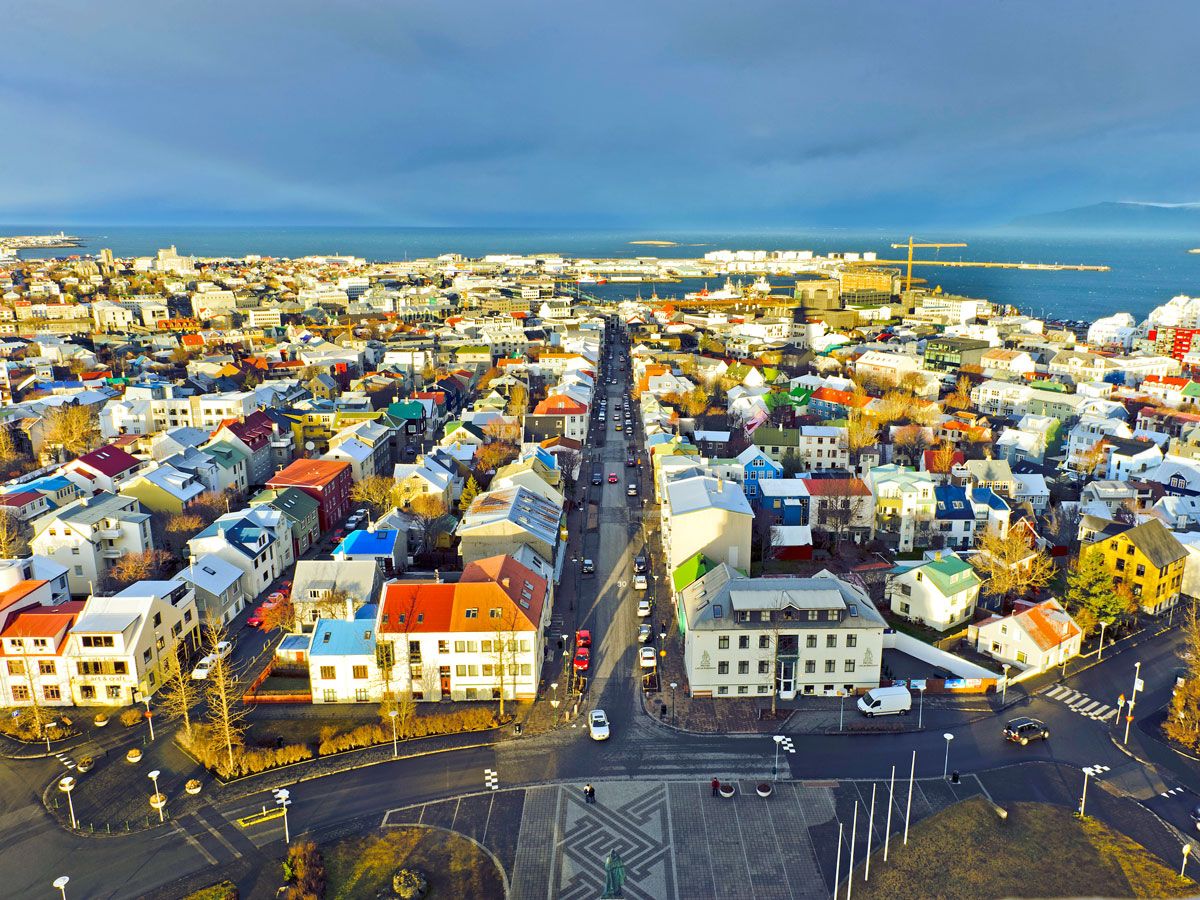
Aerial view of Reykjavík, Iceland, under cloudy skies
Credit: Stefan Tomic/ E+ via Getty Images

Average hours of clear sunshine per year: 1,236

The Icelandic capital city is only sunny for approximately 1,236 hours annually, resulting in just three to four hours of clear skies each day on average. The rest of the time, you’ll find Reykjavik’s skies to be heavily overcast. This is due, in part, to the North Atlantic Current bringing warmer sea temperatures from the Caribbean, which clash with the more frigid air in the North Atlantic. This contributes to the strong winds, inclement weather, and thick cloud cover that Reykjavík experiences almost daily.

Related: Land of Fire and Ice: 7 Breathtaking Landmarks in Iceland

6. Lima, Peru

Central square in Lima, Peru
Credit: atosan/ iStock via Getty Images Plus 

Average hours of sunshine per year: 1,230

With its high average humidity and proximity to the coast, the Peruvian capital is another of Earth’s cloudiest cities. This is especially true during the winter, which occurs from June to September, as Lima is located in the Southern Hemisphere. During the peak of winter, days in Lima may have as little as an hour of direct sunshine. 

No matter the time of year, humidity is often high in the morning, so foggy skies are far more prevalent during earlier hours of the day. This cloud cover isn’t all bad news for those traveling to Peru — it contributes to a spectacle known locally as cielo de brujas (“sky of witches”). This local phenomenon refers to the city’s colorful skies at sunset, when orange, pink, and red colors bounce off the clouds in spectacular fashion.

5. Malabo, Equatorial Guinea

Footbridge leading to small island in Malabo, Equatorial Guinea
Credit: Steve Heap/ The Image Bank via Getty Images 

Average hours of sunshine per year: 1,176

Malabo is, by many metrics, the cloudiest city in Africa, with just over three hours of clear skies each day on average. This capital of Equatorial Guinea is located off the mainland on the island of Bioko in the Gulf of Guinea — a region known for its tropical climate and powerful monsoons. 

The high humidity and proximity to the ocean results in a lengthy wet season that lasts from March to November. During this period, dark and stormy weather is considered the norm, and sunny days are a rarity. But the skies of Malabo continue to be quite cloudy even in the dry season, which runs from December to February.

Related: 16 of Africa's Most Fascinating Ancient Landmarks

4. Dikson, Russia

River and homes in Russia
Credit: petrovval/ iStock via Getty Images Plus 

Average hours of sunshine per year: 1,164

Dikson is the northernmost port in Russia and one of the northernmost inhabited regions on the planet. This settlement lies adjacent to the Arctic coastline, where snowy skies and frigid temperatures are common. Dikson is overcast roughly 98% of the time, with the day with the most hours of clouds each year usually falling sometime in early January. If the dense clouds weren’t enough to obscure the sun, Dikson also experiences near total darkness during the winter months of December and January, adding to the moody aesthetic of this Russian port town.

3. São Joaquim, Brazil

Homes and fields of São Joaquim, Brazil, on cloudy day
Credit: FLAVIO BENEDITO CONCEIÇÃO/ Moment via Getty Images 

Average hours of sunshine per year: 1,065

Located in a mountainous region in southern Brazil, São Joaquim has an elevation of more than 4,400 feet above sea level. As a result, the city occasionally experiences clouds that produce snow — some even argue that it’s the coldest place in Brazil. 

But whether it’s snowing or merely a warm, foggy day, São Joaquim experiences less than three daily hours of direct sunlight on average. Fortunately, the sun’s rays tend to poke through a bit more regularly throughout April, though it’s still a far cry from the sunny beaches that Brazil is known for.

2. Chongqing, China

Elevated train with river, skyline, and clouds above Chongqing, China
Credit: onlyyouqj/ iStock via Getty Images 

Average hours of sunshine per year: 1,054

Chongqing is a sprawling city in central China, located along the confluence of the Yangtze and Jialing rivers. It also sits in the middle of the Sichuan Basin — a region that traps in warmth and humidity, creating a more temperate and subtropical climate within Chongqing than you’d find in other Chinese cities. 

This geography results in gray skies for an average of 21 hours per day, and the city’s tall skyscrapers are indeed often shrouded in cloud cover. The cloudiest time in Chongqing is July, when humidity levels are at their peak. Moderate levels of air pollution thanks to rapid industrialization have also impacted the city’s clear skies.

Related: This Highway in the Clouds Is an Engineering Marvel

Tórshavn, Faroe Islands

Colorful waterfront buildings in Tórshavn, Faroe Islands
Credit: Mahaux Photography/ Photodisc via Getty Images 

Average hours of sunshine per year: 840

Tórshavn, the capital of the Faroe Islands, is often cited as the world’s cloudiest city. According to the World Atlas report, Tórshavn experiences as little as 840 hours of cloudless skies per year, which equates to nearly 22 hours of cloud cover each day. 

The Faroe Islands are located in the North Atlantic Ocean, where warmer ocean currents meet cooler air masses, resulting in widespread overcast skies. While temperatures in Tórshavn are fairly mild for the region, the city is susceptible to heavy winds and dense fog, with the fog typically being thickest in July. 

But while the skies in Tórshavn are generally quite cloudy, the weather may vary just a short drive away. The Faroe Islands are known for having an unpredictable climate, and while it could be dark and cloudy in one location, it may end up being bright and sunny nearby.

About the data: World Atlas compiled data on the average sunshine duration of major world cities over several years to determine the world’s cloudiest places. Read the full report here.

Post Banner Image
Tips

How To Claim Your VAT Refund When Traveling to Europe

By Bennett Kleinman
Read time: 6 minutes
March 20, 2025
Updated: March 21, 2025

How To Claim Your VAT Refund When Traveling to Europe

By Bennett Kleinman
Author
Bennett Kleinman
Bennett is a New York City-based staff writer for Daily Passport. He previously contributed to television programs such as the Late Show With David Letterman, as well as digital publications like the Onion. Bennett has traveled to 48 U.S. states and all 30 Major League Baseball stadiums.

Most European vacations don’t come cheap, and they’re made all the more costly by the various taxes and fees you may encounter along the way. This might include foreign transaction fees, tourist taxes for visiting certain cities, and value added tax (VAT) on goods and services purchased across the continent. While European residents must pay the VAT, the good news is that foreign visitors can seek out a potential refund on certain purchases. Here’s how you can get cash back in your pocket on your next trip to Europe.

What Is VAT?

Woman holding shopping bags on European street
Credit: Oscar Wong/ Moment via Getty Images 

Value added tax (VAT) is an indirect tax levied by 175 world countries, including the 27 member states of the European Union and other nations on the European continent. This is comparable to sales tax in the United States, which is levied on goods instead of a VAT. 

The exact percentage of VAT varies among countries. Hungary levies the highest VAT in Europe at 27%, while Switzerland is on the lowest end at just 8.1%. Throughout the EU, the minimum VAT rate is 15%, and there is no maximum; the average VAT rate is 21.8%.

VAT helps generate government revenue by imposing a flat rate on goods and services at every stage of the supply chain, meaning that VAT is paid several times. Usually, it’s paid first by the manufacturer for acquiring raw materials, then the retailer for buying those manufactured goods, and finally the customer when buying those goods for personal use. 

To better understand how VAT works, here’s a hypothetical example for a T-shirt business in France, where the VAT is set at 20%. At first, the T-shirt manufacturer pays €1 for raw materials, which comes with a 20-cent VAT for a total cost of €1.20. A retailer then buys the shirt from the manufacturer for a cost of €6 (€5 for the shirt itself plus a €1 VAT), which allows the manufacturer to recover the VAT it initially paid, while still passing along 20% of its gross margin to the government. Finally, the retailer sells the shirt for €10 to a consumer, who has to pay an additional €2 VAT. Given this is usually the last step in the supply chain, the consumer is left paying the full amount of the VAT.

VAT Refund Eligibility

Traveler rolling suitcase and shopping bags through airport
Credit: golfcphoto/ iStock via Getty Images Plus 

As a foreign visitor to Europe, there are several considerations to determine whether you’re eligible for a VAT refund. First, it’s worth noting that the European Union has certain rules regarding VAT refunds for all member states, so requirements may differ if you’re visiting a non-EU nation. But despite differences between EU and non-EU countries, there’s generally a similar process to follow.

Rules for VAT Refunds

• VAT refunds only apply to physical goods that you’re taking back home from Europe in your own personal luggage, so this excludes purchases like hotels or meals.

• VAT refunds are applicable only to goods bought within the previous three months. 

• Each individual transaction must surpass a minimum purchase amount (in local currency), and each country can impose a different minimum threshold to determine eligibility. For example, in France, the minimum purchase is €100.

• You must be able to provide proof of current permanent residence outside the EU or Europe, whether you’re a foreign-born tourist or a European national living abroad.

How To Claim a VAT Refund

Shopper making purchase in retail store
Credit: AleksandarNakic/ E+ via Getty Images 

The VAT refund process begins when making an eligible purchase at a European retailer. If you buy something that surpasses the minimum threshold, be sure to request a VAT refund form from the retailer. While some retailers don’t participate in the process, many tourist-oriented shops do. If you’re unsure, just ask a store employee whether or not they provide VAT refund forms. 

In order to fill out the refund form, the retailer will ask for your passport and other pertinent info — so make sure to bring your passport when you shop.

Once the form has been filled out, check that all the information is accurate, and make sure that the form is signed by both you and the retailer. The form will detail the amount of the purchase and how much you will get back. Keep this form in a safe place and hold onto any receipts, as you’ll need them at the airport. 

Some stores may process the VAT refund for you on the spot, on the condition that you mail back stamped customs forms later (we’ll get to that shortly).

In most cases, though, you’ll need to visit the customs or tax refund office at the airport with your VAT refund form that was provided by the retailer. Typically, these are located landside, before you pass through security, and are marked with a sign for tax refunds, but they can also be located behind security. 

Assuming that your documents are in order and that you haven’t already received a refund from the retailer, the customs officer will stamp your form, and the VAT refund will be processed at the airport (though there may be a small service fee). The refund will either be immediately provided to you in local currency or refunded to your credit card in a few business days. 

Helpful Tips for Getting Your VAT Refund

• Make sure you arrive at the airport with plenty of time to locate the office and go through the process to receive your refund.

• The customs officer may ask to see the items you’ve purchased, so you may want to carry your items with you instead of checking them in your bag if the refund office is located post-security.

• Common reasons your form may be rejected include not being signed by the retailer, your goods not being personal in nature, or not being able to physically present your goods to the officer.  

• Be sure to visit the tax refund office before leaving Europe, as there’s no way to retroactively refund you after you get back to the United States (or wherever home is).

• If you’re heading to another EU country before going home, you’ll submit the refund at the last country before you leave the EU. For countries not in the EU, you’ll need to do this in the country where you purchased the goods.

• In the event that you were already refunded by the retailer, you’ll need to mail the stamped customs forms back to the retailer (either from the airport or after you land) within the three-month purchase window. If you don’t mail back the forms, the refund will be canceled and you’ll be charged the full VAT amount.

Related: Buying Duty-Free Abroad? Here Are the Rules for TSA Security