





Post Banner Image
Tips

5 of the Best Countries in Europe for Retirees

By Fiona Mokry
Read time: 5 minutes
December 10, 2025
Updated: December 10, 2025

5 of the Best Countries in Europe for Retirees

By Fiona Mokry
Author
Fiona Mokry
Fiona has spent her career exploring the world and working in the travel industry, turning her lifelong passion into a profession. From planning custom trips to sharing stories as a travel writer for publications such as The Discoverer, she’s all about helping others experience the world in a deeper, more meaningful way.

Thinking about relocating for your golden years? If you’re searching for the perfect mix of comfort, adventure, and peace of mind, Europe may be the answer. The 2025 Global Retirement Index from the Natixis Center for Investor Insights evaluated 44 countries based on 18 key indicators, in categories such as finances in retirement, material well-being, health, and quality of life. Offering superb health care, stunning scenery, and a relaxed pace of life, these are five of the best European countries to retire to in 2026.

5. Denmark

Bicycle parked along canal in Copenhagen, Denmark
Credit: Alexander Spatari/ Moment via Getty Images 

Over the past decade, Denmark has climbed from 12th place to No. 5 in the Global Retirement Index. It’s consistently ranked as one of the safest countries in the world, with low crime rates and a strong sense of social trust. Additionally, Denmark’s attractive pension system and stable economy make it a safe bet for retirees looking for financial peace of mind. And universal health care, great public services, and well-maintained amenities make people feel they really get their money’s worth from the higher taxes. The transition is also made easier for American retirees by the fact that Denmark ranks as one of the top non-native English-speaking countries in the world.

Denmark’s generally mild weather makes it possible to enjoy the outdoors year-round, though winters can be chilly. Strong biking culture in cities like Copenhagen make staying active easy and fun, but for those who don’t cycle, getting around is still a breeze thanks to reliable trains and buses. And the country’s focus on sustainability — clean streets, green parks, and renewable energy — creates a comfortable new environment for retirees to adapt to. 

4. Iceland

Breathtaking waterfall in Iceland with sunset in background
Credit: DieterMeyrl/ iStock via Getty Images Plus 

Iceland is known for its epic terrain and otherworldly landscapes, but it’s also one of the best places in the world to retire. Though Iceland also has a notably high cost of living, the Nordic nation stands out for its exceptional health care, safety, and quality of life — clean air, low pollution, and a strong sense of community make day-to-day living feel calm and connected. 

Retirees can enjoy an active, outdoor lifestyle, with easy access to geothermal hot springs, waterfalls, and dramatic coastal scenery. Meanwhile, Iceland’s capital, Reykjavik, small by international standards, offers world-class dining, art, and culture without the chaos of a big city. Add in reliable public services, friendly locals, and an appreciation for nature and wellness, and it’s easy to see why so many would choose to retire here. 

Related: Land of Fire and Ice: 7 Breathtaking Landmarks in Iceland

3. Switzerland

Snow-covered Alpine village in Switzerland
Credit: Roberto Moiola / Sysaworld/ Moment via Getty Images 

Switzerland may have lost its No. 1 spot in the Global Retirement Index this year, but it’s still one of the best places in Europe — and the world — to retire. The country offers everything you could want for a peaceful, comfortable retirement — world-class health care, top-notch safety, widely spoken English, and a high quality of life. Retirees can spend their days hiking through the Alps, relaxing by crystal-clear lakes, or enjoying cozy cafés and farmers markets in charming villages. Thanks to its central location in Europe, weekend trips to Italy, France, or Germany are easy, and the country’s highly efficient public transport makes getting around stress-free. 

One of the downsides of Switzerland is its high cost of living, so it tends to attract mostly wealthy retirees, who also benefit from certain tax perks, like low rates in select cantons and special “lump-sum” taxation options that allow foreign retirees to pay taxes based on their living expenses rather than total income.

2. Ireland

Aerial view of lush Irish coastline
Credit: grafxart8888/ iStock via Getty Images Plus 

Ireland hasn’t always ranked highly in the Global Retirement Index, but since 2016, it has steadily climbed from 16th place to secure the No. 2 in 2025. Ireland’s rise is largely attributed to an economy that supports retirement security. Ireland’s inflation rate has dropped and remained steady in the last three years, and its GDP has increased. Ireland has a particularly strong ranking in the Global Retirement Index’s category of “Finances in Retirement” — meaning retirees can expect relatively stable costs of living, lower risk of financial shocks, and manageable tax burdens. 
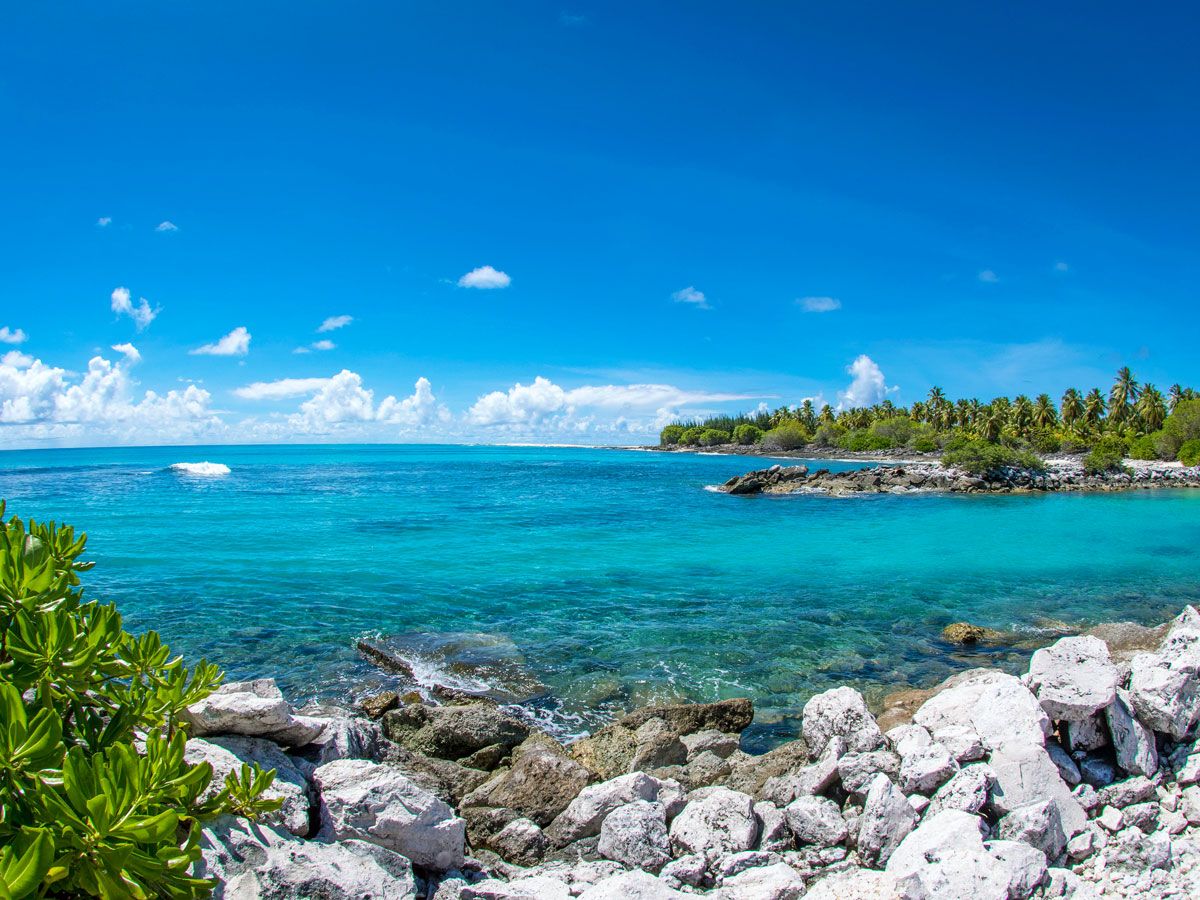

Statistics aside, retirees are also drawn to Ireland for its stunning landscapes, from rugged coastlines and rolling green hills to a charming countryside dotted with quaint villages. Add to that a vibrant culture, fascinating history, welcoming communities, and an overall high quality of life, and it’s clear why the Emerald Isle is such an appealing retirement destination.

Related: 8 Fascinating Facts You Might Not Know About Ireland 

1. Norway

Homes along fjord in Norway
Credit: cookelma/ iStock via Getty Images Plus 

Over the past decade, Norway has consistently ranked among the top three places to retire in the Global Retirement Index, and in 2025, it reclaimed the No. 1 spot from Switzerland. The country stands out for its exceptional public services, including high-quality universal health care and comprehensive social programs, as well as strong social cohesion and economic stability. Low unemployment and high income equality help create a stable society that retirees can depend on, but those looking to relocate should be aware that it’s also one of the world’s most expensive countries to live in. On the plus side, up to 90% of the population speaks English, which helps with the language barrier.

Beyond these fundamentals, Norway offers an outstanding quality of life, with clean air, a strong sense of community, and some of the highest happiness levels in the world. Norway is also stunningly beautiful, offering plentiful opportunities for active retirees to enjoy the outdoors. The Geirangerfjord area, part of a UNESCO World Heritage Site, is famous for its deep blue waters, sky-high cliffs, and the spectacular Seven Sisters waterfalls. Norway’s capital city, Oslo, is equally captivating, with world-class museums, trendy neighborhoods, and easy access to outdoor recreation like biking, swimming, and boating right in the city.

Related: 10 Affordable Coastal Cities for Retirees
Post Banner Image
Culture

7 of the Best European-Style Christmas Markets in the U.S.

By Marissa Kozma
Read time: 5 minutes
December 5, 2025
Updated: December 5, 2025

7 of the Best European-Style Christmas Markets in the U.S.

By Marissa Kozma
Author
Marissa Kozma
Marissa is a cheap airfare aficionado who loves exploring offbeat destinations with her husband. Based in Los Angeles and Joshua Tree, Marissa has been featured in publications such as San Diego Magazine, Palm Springs Life Magazine, 303 Magazine, and Mountain Living.

The most wonderful time of year can be even more magical when you attend a European Christmas market. Popular in cities such as Brussels, Vienna, Cologne, and Prague, these open-air events are held during Advent, the four weeks before Christmas, beginning in late November or early December. Mazes of rustic wooden stalls feature vendors selling mulled wine, traditional foods such as bratwurst or latkes, gingerbread cookies and other sugary treats, toys, handcrafted ornaments, and holiday décor often made of carved wood or blown-glass. But if you can’t jet across the Atlantic to experience the festivities firsthand, these destinations across the U.S. host similar markets so everyone can join in the fun. 

Christkindlmarkt – Frankenmuth, Michigan

Horses and buggies with holiday decorations in Frankenmuth, Michigan
Credit: Joel Lerner/ Xinhua via Getty Images 

Walking the streets of Frankenmuth, you may feel like you’re in Germany, so it’s no wonder this city stages a spectacular European Christmas market. The town was established in 1845 by a group of 15 Lutheran immigrants from the Franconian region of Germany, who brought their Bavarian culture with them. The settlers built a log church-school and developed a community known for its brewing, milling, and cheese-making, and their holiday traditions also remained very much alive. 

Today, the world’s largest Christmas store, Bronner’s Christmas Wonderland, is located in Frankenmuth, and the world’s oldest school for Santa Clauses in training is in nearby Midland. The German settlement also hosts Christkindlmarkt, with more than 100 vendors selling produce and goods from local farms, alongside pastries, Christmas ornaments in all shapes and colors, and other festive treasures. The event features glockenspiel performances, a holiday parade, horse-drawn carriage rides, riverboat cruises, visits with Santa, and an ice-skating rink. 

Julefest – Solvang, California

Horses pulling trolley decorated with lights in Solvang, California
Credit: George Rose via Getty Images News 

Nestled in Southern California’s Santa Ynez Valley, Solvang is known for its Danish heritage, evident from the numerous half-timbered buildings with thatched roofs and windmills across town. Founded in 1911 by three Danish immigrants, the city honors its Scandinavian roots with Julefest, a festive event featuring a tree-lighting ceremony, live caroling, ballet performances, and a maker’s market with local produce, flowers, and Danish pastries and handicrafts for sale.

Christkindlmarkt – Carmel, Indiana

Christmas tree in Carmel, Indiana
Credit: John Ruberry/ iStock via Getty Images News

Come Christmas, this suburban city just outside Indianapolis goes into full holiday cheer mode. Carmel lives up to its sweet name with Christkindlmarkt, a German-inspired market featuring a massive outdoor skating rink and more than 60 huts selling fare such as Bavarian pretzels and almond-filled pastries, along with ornaments and other Yuletide trinkets. Award-winning displays and live demonstrations by artisans ensure this event is one you won’t want to miss if you’re looking to experience Christmas in the Midwest.

Old World Christmas Market – Elkhart Lake, Wisconsin

Santa decorations at the Old World Christmas Market in Elkhart Lake, Wisconsin
Credit: John D. Ivanko/ Alamy Stock Photo 

Indoor festivities are the norm in Wisconsin come winter, which is why the village of Elkhart Lake in Sheboygan County goes all out to give residents a festive place to warm up. Hosted at the Osthoff Resort and Spa, a four-star accommodation on the water, the Old World Christmas Market was inspired by the centuries-old Christkindlesmarkt in Nüremberg, Germany. It features 95 vendors in a heated tent selling goods made by local artisans, with the scent of fresh evergreens and roasting almonds wafting through the air. Attendees can dance to German folk music and be merry while they indulge in traditional German fare, beers, and gluhwein (mulled wine).

Christkindlmarkt – Bethlehem, Pennsylvania

Patrons walking under holiday lights at the Christkindlmarkt in Bethlehem, Pennsylvania
Credit: titoslack/ iStock Unreleased via Getty Images 

Christkindlmarkt in Bethlehem, Pennsylvania, looks a little different from the birthplace of Jesus Christ, which inspired the city’s name. For starters, the event is set against the backdrop of a former steel plant that was converted to an entertainment venue nicknamed “SteelStacks.” There aren’t any donkeys or sheep lying by the manger, either, but the German-inspired market features the chance to have breakfast with St. Nick, a holiday martini tasting, glass-blowing demonstrations, and even holiday speed-dating. Attendees can fill their bellies with beer, mac and cheese, and mashed potato balls before wandering among the many stalls selling some of the most creative Christmas gifts in the region.

The Great Dickens Christmas Fair – Daly City, California

Dancers in costume at the Great Dickens Christmas Fair in Daly City, California
Credit:  Tayfun Coskun/ Anadolu via Getty Images

Located immediately south of San Francisco along the Pacific Coast Highway, Daly City hosts a holiday festival that first launched in 1970 and was inspired by Victorian England. The Great Dickens Christmas Fair is held each season inside the historic Cow Palace, which has been a hub for live entertainment in the Bay Area since 1941. Try the port, chocolate, and Champagne tastings or a pub crawl as you interact with hundreds of costumed performers in Victorian-era garb. Theatrically lit shops reminiscent of London sell handmade gifts as well as books and festive treats like roasted chestnuts.

Christkindlmarket – Chicago, Illinois

Wooden stalls selling gifts and food at Chicago's Christkindlmarket
Credit: Bruce Leighty/ Alamy Stock Photo 

Chicago goes big with its Christkindlmarket. You can experience it at three locations — in downtown Chicago, the Wrigleyville neighborhood on the city’s north side, and the western suburb of Aurora. No matter which one you visit, the Windy City promises an event to remember, with free admission to the magic.

The event dates back to 1995, when the German American Chamber of Commerce of the Midwest was seeking alternative ways to promote bilateral trade between the U.S. and Germany. The outdoor market was officially launched in Pioneer Court the following year. Since then, millions have flocked to the authentic wooden stalls to peruse the array of imported ornaments, mugs, and Bavarian souvenirs from Europe. In addition to Santa Claus, you can take pictures with Krampus, the legendary half-goat, half-monster figure popular around Christmastime in Germany and Eastern Europe. 

Post Banner Image
Tips

How Airlines Make Billions From Loyalty Programs

By Michael Nordine
Read time: 4 minutes
December 5, 2025
Updated: December 5, 2025

How Airlines Make Billions From Loyalty Programs

By Michael Nordine
Author
Michael Nordine
Michael is a staff writer for Daily Passport and film critic who writes the weekly newsletter Movie Brief. His writing and criticism have also appeared in the Los Angeles Times, Variety, and the Washington Post, among others. A native Angeleno, his favorite countries to visit are Norway and Japan.

The airline industry is notorious for its volatility. To say the profit margins are razor-thin might even be an understatement, as they’re typically in the single digits across the board. Last year, it was reported that the four biggest U.S. airlines — American, Delta, Southwest, and United — made $200 billion in combined revenue, but when you break down the results, each of them actually lost money on their core business: transporting passengers. Which naturally raises an important question: How do airlines actually make money? There are several answers, but one of the most lucrative revenue streams may surprise you — it’s the money-printing loyalty program.

Not-So-Hidden Fees

Person shopping for flights on laptop computer
Credit: Oscar Wong/ Moment via Getty Images 

But first, let’s talk fees — another important part of the equation. One of the most universal(ly frustrating) aspects of flying these days is seeing the initial price of your fare balloon by the time you’re actually paying for it. If you aren’t paying extra for a checked bag, you’re being charged for choosing a seat (remember when that was included?) or upgrading to a better boarding group so you don’t have to gate-check your carry-on.

There’s a good reason the airlines do this: As we’ve covered above, the base fare of a ticket doesn’t usually cover the cost of flying you from point A to point B, and — especially for low-cost carriers — the extra fees are how they actually make money. Just as it is at the gas station, fuel is expensive, as are airplanes themselves, labor costs, and airport landing fees.

Related: 6 Sneaky Airline Fees Travelers Should Know About

How Frequent Flyer Programs Became So Valuable to Airlines

Traveler sitting in airport lounge
Credit: Lordn/ iStock via Getty Images Plus 

In 1979, Texas International Airlines (which later folded into Continental Airlines, which merged with United in 2010) started the first mileage-based frequent flyer program. Two years later, American Airlines began the first major frequent flyer program, AAdvantage, which is still around today. Since their humble beginnings, these loyalty programs have grown into core parts of the business strategies of every major airline. And they are only soaring higher and higher: Frequent flyer programs are estimated to have generated $32.2 billion in 2023, 19% more than the year before.

During the pandemic, loyalty programs became a lifeline for airlines. To secure crucial loans as travel demand plummeted, United used its MileagePlus program as collateral. On its own, the airline’s frequent flyer program was appraised at an eye-watering $21.9 billion. American’s AAdvantage program was appraised at a whopping $30 billion.

So, how do the economics work out so favorably for airlines? Though we traditionally think of these loyalty schemes as frequent flyer programs, one expert says they’ve become more like “big spender” programs.

“The airlines create points really out of nothing, and then they sell them for real money to banks that have co-branded credit cards,” Ganesh Sitaraman, author of the aptly named Why Flying Is Miserable, explained on NerdWallet’s Smart Travel podcast. 

For instance, in 2024, Delta made $7.4 billion by selling SkyMiles to American Express, which issues the carrier’s lineup of co-branded credit cards. It’s a lucrative partnership for banks, too, as more than 1 million new people signed up for the cards in 2024, driven by the promise of earning miles toward free flights.

Use Your Miles or Lose ’Em

Traveler on cellphone in business-class seat
Credit: andresr/ E+ via Getty Images 

As Sitaraman explained to NerdWallet, “The result is that airlines, in some ways, are kind of like banks or quasi-banks … Airlines issue currency, the points, and they get to decide how much that currency is worth and what it can be spent on.”

In other words, it’s not unlike the tickets kids receive for playing games at Chuck E. Cheese. The airlines decide how much everything is worth, formulating things in such a way that generates as much income for them (and their bank partners) as possible. 

How much bang for your buck you receive with these programs depends on the airline, as some are more rewarding than others. According to a NerdWallet analysis, most of them are in the range of about 1 cent per point. That means, if you’re looking at buying a $300 flight, it should cost around 30,000 points or miles.

In general, points and miles experts say that it’s better to spend your points regularly rather than hoard them. Airlines can (and often do) reduce how far your points will actually get you, meaning the thousands of points you’ve accrued might be more valuable today than they will be six months from now. And though all this information might make loyalty programs sound like a one-way street, they’re still highly beneficial to travelers — indeed, for many of us, the thrill of paying next to nothing for a flight when you have enough points to do so makes flying far from miserable.

Related: 6 Secret Airline Perks Most Travelers Don’t Know About
Post Banner Image
Tips

Why Some Shoes Still Set Off TSA Scanners

By Bennett Kleinman
Read time: 3 minutes
December 5, 2025
Updated: December 5, 2025

Why Some Shoes Still Set Off TSA Scanners

By Bennett Kleinman
Author
Bennett Kleinman
Bennett is a New York City-based staff writer for Daily Passport. He previously contributed to television programs such as the Late Show With David Letterman, as well as digital publications like the Onion. Bennett has traveled to 48 U.S. states and all 30 Major League Baseball stadiums.

The TSA made a lot of buzz recently by eliminating its 20-year-old rule requiring airline passengers to remove their shoes at security checkpoints. But the screening process since then hasn’t been as simple as some travelers may have hoped. Interestingly, some flyers are still being told to remove their shoes, leaving them confused and curious as to why. Well, it turns out that not all shoes are created equal, and some types of footwear continue to trigger alarms. Here’s a closer look at why certain shoes set off TSA scanners so you know what to avoid wearing (or if you might want to remove yours preemptively).

Different Styles, Different Results

Traveler in high heels rolling suitcase
Credit: milorad kravic/ iStock via Getty Images Plus 

The decision to end TSA’s “Shoes-Off” policy was based, in part, on recent advances in imaging technology. But while these high-tech airport scanners are better than ever, they’re not perfect, and certain accessories may interfere with their ability to function.

According to travel expert Caleb Harmon-Marshall, airport scanners are particularly sensitive to metal, which means that steel-toed boots, loafers with metallic buckles, or metal-tipped high heels may raise some red flags. That list is far from exhaustive, but it goes to show the types of commonly worn footwear that might cause a false alarm. While travelers aren’t prohibited from wearing these styles, they should be aware that if they do wear them, they may still be asked to temporarily remove them for security reasons. (If you know from experience that your shoes set off the alarm, you can flag this to the TSA officer and preemptively remove them to avoid having to go through the scanner twice.)

There’s also a potential issue in wearing shoes made from bulky material, as dense materials can obscure body scanners. When it comes to footwear, thick hiking or work boots may do just that, preventing a detailed scan of the area around your feet. TSA agents might ask you to remove your shoes so they can investigate the matter further. The same concern goes for thick orthotics and platform lifts, both of which could be dense enough to obscure the scanner.

Even if you’re not wearing bulky or metal footwear, officers can still request that travelers remove their shoes for additional screening. Thankfully, it should take only a few moments more for agents to inspect your shoes and confirm there are no issues.

Best Clothing To Wear for Faster TSA Screening

Couple holding hands and rolling luggage through airport terminal
Credit: Prostock-Studio/ iStock via Getty Images Plus 

Most travelers hope to make it through TSA security screening as quickly and efficiently as possible. In that case, we’d recommend steering clear of large boots and anything metallic. Instead, consider slip-on flats, a comfortable pair of athletic shoes, or any other basic footwear less likely to trigger the scanner. The simpler and thinner your footwear is, the likelier it is that you’ll be allowed to keep it on while passing through airport security.

However, if you’re trying to free up luggage space so you can stick to a carry-on and avoid checking a bag, we’ve also recommended wearing your bulkiest shoes on the plane. At the end of the day, it comes down to what’s more valuable to each passenger — additional baggage space or a more efficient security screening process, keeping in mind that not every bulky shoe will set off airport scanners.

Related: 4 Things That Will Help Get You Through TSA Faster
Post Banner Image
Culture

These Are America’s 5 Fastest-Growing States

By Jersey Griggs
Read time: 4 minutes
December 5, 2025
Updated: December 5, 2025

These Are America’s 5 Fastest-Growing States

By Jersey Griggs
Author
Jersey Griggs
Jersey is a travel and lifestyle writer whose work has appeared in publications such as Condé Nast Traveler, Business Insider, and Bust. When she’s not exploring her adopted home state of Maine, she’s likely planning her next big trip.

In recent years, as some states have declined in population, others have attracted a significant number of new residents. At first glance, the country’s fastest-growing states seem to share certain characteristics, like warmer climates and better affordability. But these booming states also offer a host of other benefits that travelers can take advantage of, from beautiful national parks to unique food and art scenes. Check out the five fastest-growing states in America, according to the latest available data for 2024 from the Pew Research Center, and see why they’re great places to both live and visit.

5. Nevada

Truckee River and downtown Reno skyline
Credit: Pgiam/ iStock via Getty Images Plus 

Nevada is the fifth-fastest-growing state in the country, with a year-over-year population growth of 1.65% in 2024. Many new Nevada residents relocated from nearby states; data shows that nearly 42,000 people from California alone moved to Nevada in 2023. 

While Las Vegas, the state’s largest city, is an obvious draw for new residents (and visitors from all over the world), many people — and not just gamblers — are also choosing to live in Reno. The “Biggest Little City in the World” provides an ideal mix of outdoor recreation in the nearby Sierra Nevada, while also serving as a hub for culture with a vibrant Arts District. Many of the art installations from the famous Burning Man festival (which takes place about 120 miles north) have found permanent homes in Reno, and self-led and guided tours of these installations are available to visitors.

4. South Carolina

Tidal marshlands in the South Carolina low country
Credit: makasana/ iStock via Getty Images Plus 

South Carolina has proved to be quite popular in recent years, with a 2024 population growth of 1.69%. (In comparison, just a few states over, West Virginia saw negative growth of -0.03%.) The Palmetto State’s affordability makes it appealing to new residents, with housing costs that remain lower than the national average. In addition to this lower cost of living, South Carolina has plenty to offer in the way of natural beauty — including a diverse coastline of sandy shores, barrier islands, swamps, tidal marshes, and creeks. 

The state’s history is also expansive, from Civil War sites like Fort Sumter to the Gullah Trail, which explores the heritage of Gullah traditions, carried on by the descendants of enslaved West African peoples. If you’re looking to experience a unique regional cuisine, South Carolina’s low-country dishes focus on local and fresh seafood like shrimp, crab, and oysters. 

3. Utah

Sunrise and wildflowers at Red Pine Lake in Utah
Credit: j2chav/ iStock via Getty Images Plus 

An additional 50,000 people moved to the Beehive State between 2023 and 2024, representing a 1.75% increase. About 70% of this growth was spread across three counties near the Wasatch Front, home to Salt Lake City, which may suggest that the mountains are at least partially responsible for the state’s allure. 

The rest of the state continues to offer residents and visitors experiences that simply can’t be found elsewhere. For history buffs, numerous petroglyphs are located throughout Utah, providing a perfect excuse for an anthropology-themed road trip. And since Utah is home to the highest number of International Dark Sky Parks, stargazing in Utah remains unmatched. Don’t skip Dinosaur National Monument, where you can check out the dinosaur fossils by day and see the Milky Way like you’ve never seen it before by night. 

2. Texas

Guadalupe Mountains in Texas
Credit: Mark C Stevens/ Moment via Getty Images

The Lone Star State certainly can’t be described as lonesome, with a 1.83% year-over-year population growth in 2024 and more than 2 million new residents added between 2020 and 2024. A combination of a mild climate and affordable housing seems to be part of Texas’ secret sauce — although good barbecue doesn’t hurt, either. Check out the Burnt Bean Co., about an hour south of Austin, to get a taste of what competitive pitmasters create when they join forces (though be prepared to wait in line). 

With Texas’ increased population, its national parks have also seen notable growth — Big Bend had 61,458 visitors in 2024. If you’re seeking a quieter experience, check out Guadalupe Mountains National Park, which has the same stunning vistas but smaller crowds.

Related: Looking to Avoid Crowds? These Are America’s Least-Visited National Parks

1. Florida

The Florida Everglades
Credit: volgariver/ iStock via Getty Images Plus 

Florida is booming faster than any other state in the country, with a 2.04% growth rate and an estimated population of 23.2 million people in 2024. Warm winters and abundant sunshine are likely Florida’s biggest benefits, and the state’s lack of income tax (like Nevada and Texas) makes it more affordable. 

Many visitors flock to popular destinations like the Florida Keys, which offers up a mix of white-sand beaches, turquoise waters, and laid-back living. But Florida also hosts a wealth of history, with cities like St. Augustine showcasing the state’s unique past through historic architecture, a Spanish military fort, and charming cobblestone streets. And don’t skip the Everglades, one of the largest wetlands and most interesting ecosystems in the country, best explored by airboat.

Related: 9 of the Fastest-Growing Cities in America
Post Banner Image
Tips

Should You Use Luggage Locks While Traveling?

By Julia Hammond
Read time: 3 minutes
December 5, 2025
Updated: December 8, 2025

Should You Use Luggage Locks While Traveling?

By Julia Hammond
Author
Julia Hammond
Julia is a U.K.-based travel writer whose work has been featured in The Independent, The Telegraph, The New Zealand Herald, and Culture Trip, among others. She’s an enthusiastic advocate for independent travel and a passionate geographer who has had the privilege of traveling to more than 130 countries in search of a story.

Nothing ruins a great vacation quicker than being the victim of theft. But when it comes to the thorny question of whether to lock your luggage, there are strong opinions on both sides. Let’s sift through the pros and cons to help you figure out if you should use luggage locks while traveling.

Pro: Locking Your Bags Gives You Peace of Mind

Person locking luggage on bed
Credit: Erdark/ E+ via Getty Images 

Any form of security helps give you peace of mind when you’re away from home, and that extends to transporting your belongings. Using locks, then, might mean you stress less about losing things. Some travelers go one step further, opting to use a bag strap or wrap their bags at the airport to make it harder for anyone to reach what’s inside. Employing an extra level of defense, such as Pac Safe’s metal mesh covers or reinforced luggage, can further protect you against a bag slasher. However, keep in mind that nothing’s foolproof — if someone’s determined enough, they’ll take what they want. So, it’s always a good idea to keep valuables in your personal item or at least in your carry-on, rather than in your checked luggage.

Pro: It Deters Casual Thieves

Luggage on carousel at baggage claim
Credit: Casanowe/ iStock via Getty Images Plus 

As with any kind of anti-theft measure, it’s wise to ensure that you aren’t the easiest target. Using luggage locks while traveling makes it more time consuming for would-be thieves to get to your belongings, so they might move along to someone else. If you’re flying, use a TSA-approved lock (typically marked with a red diamond — the Travel Sentry logo — to distinguish them) so that security checks can be carried out without the need to cause any damage to the lock or the bag itself.

Pro: Zippers Are Less Likely To Come Undone

Close-up view of person zipping up bag
Credit: Ivan-balvan/ iStock via Getty Images Plus 

If your bag or backpack shuts using a zipper, it could potentially snag on something while in transit, causing your bag to open and the contents to spill out. Likewise, pickpockets can easily slide open the zipper without you realizing that the bag is open and missing some of its contents. You can prevent this from happening by fastening the two ends with a luggage lock. If you’re likely to be traveling through a busy transit hub such as a bus or train station, this is an easy way to add a layer of protection in crowded situations.

Con: It Can Signal Your Luggage Contains Something Worth Stealing 

Luggage with red bow to distinguish it
Credit: Alicia Fdez/ iStock via Getty Images Plus 

If you were to travel with an empty bag, would you bother to lock it? The answer is likely no. But if there is something of value inside, then there’s a reason for you to use a lock. However, by this logic, one could reasonably argue that the lock itself is a sign that a thief might be interested in what’s being carried. That’s particularly the case if it’s an external padlock that you’ve added yourself. Some travelers might eschew designer luggage for similar reasons, opting to use a less conspicuous brand or a plain bag.

Con: You Could Get Locked Out of Your Own Bag

Person lying on bed next to suitcase
Credit: bogdankosanovic/ E+ via Getty Images 

Perhaps the strongest argument for not using luggage locks is that you might lose the key or forget the combination, leaving you unable to access your own belongings when you reach your destination. Though this is rare, in such cases you’d most likely end up damaging the suitcase or bag — perhaps even being forced to throw it away. Leaving a note of the combination with a trusted friend or relative back home is one way of overcoming a memory lapse, but you should also spread your valuables among different bags — though not those you plan to check.

Related: 5 of Our Favorite Anti-Theft Bags for Traveling
Post Banner Image
Culture

This State Gives Its Residents a Dividend Check Every Year 

By Bradley O'Neill
Read time: 4 minutes
December 5, 2025
Updated: December 11, 2025

This State Gives Its Residents a Dividend Check Every Year 

By Bradley O'Neill
Author
Bradley O'Neill
Bradley is an English travel writer who’s wandered through 50-plus countries and lived on four continents while chasing waves, the perfect pint, and family adventures. Bradley's work has appeared in publications such as Skyscanner and Matador Network, and he now splits his time between Buenos Aires and Uruguay.

Alaska is known as the “Last Frontier,” a vast wilderness of deep fjords, jagged peaks, majestic glaciers, and remote towns built around the oil industry, fur trading, and fishing. The state also has one of the world’s most unusual economic policies. Every year, Alaska residents receive a slice of the state’s oil wealth — no strings attached. Let’s take a look at the fascinating history of this idea, exactly who benefits, and the knock-on effects for travelers visiting Alaska. 

An Idea That Changed Alaska

Oil pipeline in Alaska
Credit: sarkophoto/ iStock via Getty Images Plus 

In 1867, U.S. Secretary of State William Seward finalized a deal to pay Russia $7.2 million for the Alaskan territory. Many mocked the decision, calling it “Seward’s Folly,” with the view that the remote territory was little more than a barren wasteland. For decades, the region functioned mainly as a fur trading outpost, but that changed in 1896 with the short-lived Klondike gold rush. However, even by the 1960s, Alaska remained sparsely populated, with its economy relying on commercial fishing and a growing military presence.

A huge shift in Alaska’s fortunes occurred in 1968, when an estimated 9.6 million barrels of recoverable crude oil were discovered in Prudhoe Bay, triggering a job boom as well as global interest in Alaska. Oil money became the catalyst for a radical idea: the announcement of the state-owned Alaska Permanent Fund following a 1976 vote. Essentially, it’s a long-term investment fund fueled by oil revenues, with the goal of every Alaskan benefiting from an annual dividend.

The Arrival of the Dividend

Person sorting through mail
Credit: Pheelings Media/ iStock via Getty Images Plus 

Although the concept was simple, the path to the first Alaska Permanent Fund Dividend (PFD) wasn’t altogether straightforward. In 1980, lawmakers approved legislation proposing that all adult Alaska residents should receive $50 for every year they had lived in the state since 1959. However, the U.S. Supreme Court ruled it unconstitutional because it created an unfair preference for long-term residents. In response, the state Legislature passed a law guaranteeing equal payments to anyone living in Alaska for at least six months. In June 1982, qualifying Alaskans were the lucky recipients of a $1,000 check. 

One of the core philosophies behind the dividend fund was to reframe how resource wealth could be shared. Rather than seeing oil riches disappear into government accounts, Alaskans would reap the rewards of the natural resources extracted from their land. For many people, it’s viewed not as a government handout or welfare, but more akin to shared ownership and return on a valuable public asset. The idea is simple: When a place prospers, those who call it home should, too. 

Who Actually Gets a Check? And How Much?

Family sitting on porch
Credit: RyanJLane/ E+ via Getty Images 

Though the original rule required six-month residency, the current eligibility requirement was established in 1990. To receive a dividend, applicants need to be an Alaska resident for an entire calendar year and have intent to remain indefinitely. They must be physically present in the state for 180 days out of the year and not hold any other state or country residency. Everyone from children and adults can claim a dividend check. (Child payments are directed to a nominated custodian until the child turns 18.)  

The annual payout isn’t a fixed amount; rather, it can rise or fall according to several factors. These include how many residents qualify and apply on time, along with the performance of the Alaska Permanent Fund’s investments. The highest dividend amount to date is $3,284, paid in 2022, and the lowest was $331.29 in 1984. In 2025, the amount will be an even $1,000.

The Bigger Picture

Harbor and waterfront buildings in Sitka, Alaska
Credit: John Elk/ The Image Bank via Getty Images 

For many Alaska residents, the PFD is more than just a yearly windfall — it’s a reliable financial boost that can significantly improve their quality of life. In a state where many towns and communities are remote and seasonal work is common, the extra cash can help cover winter heating and travel expenses, among other year-end bills. Local business owners can feel a boost, too, with shops and restaurants able to stock up and potentially serve more customers. Studies have found that it also has helped to reduce poverty levels among Indigenous populations and more vulnerable Alaskans. 

Benefits for Tourism

Mountain goats and glaciers in Alaska
Credit: Jaime Espinosa de los Monteros/ iStock via Getty Images Plus 

While big cities like Anchorage are a big draw, Alaska’s tourism map also runs through small towns that often have to operate in extreme conditions. While the dividend doesn’t directly impact the state’s travel industry, it can provide a welcome bonus to the people and communities who run it, especially in these more remote corners. 

For example, in Seward, a major gateway to Kenai Fjords National Park, local operators might have a stronger financial footing to reopen earlier in spring. Year-round residents in Healy can use the funds to increase the availability of guides for hiking, biking, dog-sledding, and snowmobiling in Denali National Park and Reserve. Similarly, Homer, located on Kachemak Bay, is better equipped for running halibut fishing charters and tours to Kachemak Bay State Park thanks to the dividend checks that local operators receive. 

Related: 10 Epic Experiences You Shouldn’t Miss in Alaska
Post Banner Image
Tips

The Simple Packing Trick That Could Save Your Trip

By Bennett Kleinman
Read time: 4 minutes
December 5, 2025
Updated: December 5, 2025

The Simple Packing Trick That Could Save Your Trip

By Bennett Kleinman
Author
Bennett Kleinman
Bennett is a New York City-based staff writer for Daily Passport. He previously contributed to television programs such as the Late Show With David Letterman, as well as digital publications like the Onion. Bennett has traveled to 48 U.S. states and all 30 Major League Baseball stadiums.

At the end of a long flight to start your vacation, you’re probably excited to grab your bag and start exploring a new destination. But picture this scenario: As you watch suitcases rotate around the baggage carousel, you eventually come to realize your luggage is nowhere to be found. While rare, the unfortunate reality is that bags sometimes get misplaced or lost, leaving you without clothes and other essentials for at least part of your trip. Enter: this simple solution that can help avoid such travel catastrophes.

Go Halfsies

Couple packing for vacation
Credit: blackCAT/ E+ via Getty Images 

With our apologies to solo travelers, this hack works best when venturing out with a friend, loved one, or other trusted companion. (If you’re traveling solo, we have more advice below.) When packing for a big trip, most people put all their clothing and some other essentials into their personal suitcase. The one hiccup with doing this is, if you check that bag and it gets misplaced, you’ve lost 100% of your belongings.

Instead, try the 50/50 rule: Pack 50% of your clothing into your bag and the remaining 50% in a friend or loved one’s bag. The other person does the same, packing 50% of their belongings in their own bag and the remaining 50% in yours.

What’s the logic behind going through all that trouble? While the odds of one checked bag getting misplaced or lost are low to begin with — 1.9 bags per 1,000 travelers on domestic flights and 11.2 bags per 1,000 passengers on international flights — the odds of both you and your travel partner ending up with lost bags are likely even lower. In the event one bag is misplaced, you’ll still have the 50% of clothing you packed in your travel partner’s luggage, which should help you get by for a few days — hopefully long enough until your lost bag is returned.

Related: U.S. Airlines With the Most Lost and Delayed Bags

Utilize Your Carry-On

Traveler with backpack on escalator in airport
Credit: marchmeena29/ iStock via Getty Images Plus 

If you’re traveling solo or don’t feel comfortable sharing space in your luggage, you can utilize your carry-on as a safety net instead. Since your carry-on is with you the entire flight, assuming it meets size requirements and doesn’t have to be gate-checked if overhead space fills up, the odds of it being misplaced are slim to none. This is why you should always — whether you’re traveling with a partner or solo — pack your most important items inside your carry-on, such as travel documents, cash, medicine, and a phone charger.

In addition to those essentials, it’s a good idea to keep a fresh set of clothing in your carry-on. That way, if you arrive at your destination and your bag is missing, at least you’ll have a fresh outfit to wear while you sort everything out and procure replacement clothes.

Related: 8 Things You Should Always Pack in Your Carry-On

Tips for Avoiding Lost Luggage

Roller bag beside carousel at airport
Credit: smolaw11/ iStock via Getty Images Plus 

While you can do only so much to ensure your bag arrives safely, there are steps you can take to boost the odds it’ll be returned if it does get misplaced. First, be sure to include identifying info on both the outside and inside of your suitcase. Always affix a luggage tag to the outside with your name, email, and phone number. You can also place a sheet of paper inside the bag with your contact information in case the tag gets detached from the outside of your bag.

Additionally, consider taking a few photos of your suitcase, which can help airline staff tasked with tracking your bag down. You’ll be able to provide a detailed description of the luggage and make note of the manufacturer, size, and model. The more specific you can be, the better, as there are probably a lot of other flyers who own something as generic as a “big gray suitcase.” 

Lastly, if you’re an Apple user, put an AirTag in your suitcase to track the precise location of your bag. (If you’re an Android user, there are great alternatives to AirTags, which we’ve rounded up here.) This helps both you and the airline zoom in on a specific location where it may have been misplaced. Apple even recently unveiled a new “Share Item Location” feature, where you can share a secure AirTag link directly with over 15 partnered airlines, including Delta and United. 

Related: Lost Bag? This New Apple Feature Will Help Airlines Locate It
Post Banner Image
Culture

8 Iconic Regional Sandwiches From Across the U.S.

By Cynthia Barnes
Read time: 5 minutes
December 5, 2025
Updated: December 11, 2025

8 Iconic Regional Sandwiches From Across the U.S.

By Cynthia Barnes
Author
Cynthia Barnes
Cynthia kicked around the world for a while before landing in Colorado. Her work has appeared in Food & Wine, the Boston Globe, and National Geographic, among others. She loves dives — both scuba and bars — baseball, the Oxford comma, and live music.

Food fads come and go — no one’s lining up for liver and onions or tapioca pudding these days — but the sandwich has remained at the top of the charts since the first human slapped some form of tasty filling between two pieces of bread. And although sandwiches exist around the world, immigrants brought their favorites to American cities over the years, creating what’s arguably the best sandwich culture on Earth. Here are eight great sandwiches and the cities that wouldn’t be the same without them.

Cuban – Miami, Florida

A Cuban sandwich on a plate
Credit: LauriPatterson/ E+ via Getty Images 

Unsurprisingly, the Cuban sandwich originated in Cuba, derived from the popular sandwich mixto. Consisting of roast pork (often marinated in citrusy mojo sauce), ham, cheese, mustard, and pickles (the sole nod to vegetables) and served on buttered pressed Cuban bread, the mixto made its way north with Cuban immigrants from the streets of Havana to Florida

The Tampa version of a Cuban adds salami, a contribution from the city’s many Italian immigrants, while in Key West you’ll often find mayonnaise, lettuce, and tomato added. But Miami proudly claims the title of “Cuban Sandwich Capital,” and it’s hard to find one that’s not simply delicioso. Favorite spots include Sanguich, which cures their own ham, makes their own mustard, and brines their own pickles, and Puerto Sagua, which has been serving them for decades.

Muffaletta – New Orleans, Louisiana

A muffaletta sandwich on a cutting board
Credit: LauriPatterson/ E+ via Getty Images 

Whether you pronounce it “moofaletta” or “muffaletta” (or spell it muffaletta or muffuletta) is a matter of taste, but this scrumptious New Orleans sandwich is a winner any way you say it. It was invented in the early 1900s by Salvatore Lupo, a Sicilian immigrant and proprietor of the French Quarter’s Central Grocery. Italian workers in a hurry would come in and order lunches of bread, cheese, meat, and olives — Lupo invented the time-saving recipe that combines them all.

The classic is served on a round of sesame seed-speckled Italian bread, with layers of ham, salami, mortadella, Swiss cheese, Provolone, and a briny marinated olive salad filled with chopped olives and other pickled vegetables. 

Hot Chicken – Nashville, Tennessee

Hot chicken sandwiches
Credit: Joshua Resnick / 500px/ 500Px Plus via Getty Images 

Legend has it that a lover’s quarrel is responsible for Nashville’s favorite sandwich, made famous by Thornton Prince, who founded Prince’s Hot Chicken Shack in 1945. According to Prince, a jealous girlfriend once fried up chicken dusted with a punishing amount of peppers, and he loved the concoction so much that he opened a restaurant. Typically served on white bread (or occasionally a brioche bun) with pickles and a mayonnaise-based sauce, Nashville Hot Chicken can now be found nationwide. (Don’t tell Prince’s, but we like Hattie B’s, too.)

Kālua Pork – Honolulu, Hawaii

A Kālua pork sandwich on a cutting board
Credit: IslandLeigh/ iStock via Getty Images Plus 

Earthy, smoky, and bursting with sweet and tangy flavors, Kālua pork captures the spirit of Hawaii. Traditionally prepared by slow-roasting a whole banana-leaf-wrapped pig in an imu — an underground oven lined with hot stones — the food is a staple of luaus. Kālua pork is delicious plain on a plate, but in sandwich form, the succulent meat is piled on a soft roll, dressed with crunchy cabbage coleslaw, and drizzled with barbecue sauce. Macaroni salad is the superior side accompaniment, and although you can find the sandwiches all over Honolulu, one of the most beloved places to try it is Helena’s.

Cheesesteak – Philadelphia, Pennsylvania

A cheesesteak on a cutting board
Credit: bhofack2/ iStock via Getty Images Plus 

“You want it ‘wit’ or ‘witout?’” When ordering a cheesesteak sandwich in Philadelphia, the steak is implied. You begin the order by stating cheese preference — prov (provolone), American, or Whiz (yep, that Whiz) — then you indicate if you prefer the sandwich with fried onions or without. Green peppers and mushrooms aren’t traditional, but are optional add-ons.

Wit or witout, the classic Philly cheesesteak consists of thinly sliced ribeye on a soft roll (preferably Amoroso’s) with melted cheese (or “Cheez”), ordered quickly and served briskly with a little attitude. Pat’s (the establishment credited as the inventor of the dish) and Geno’s have a legendary rivalry over who serves the best cheesesteak in town, but we also like John’s

Italian Beef – Chicago, Illinois

A casserole dish with an Italian beef sandwich and fries
Credit: bhofack2/ iStock via Getty Images Plus 

A hundred years before FX’s The Bear swept the Emmy Awards, Chicagoans were happily tucking into Italian beef sandwiches (“beefs”) at joints all over the city. Tough (and thus cheap) cuts of meat are roasted slowly in a well-spiced jus, sliced paper-thin, piled on Italian bread, and garnished with peppers (hot or sweet) and spicy giardiniera, a mix of pickled green olives, peppers, carrots, celery, onion, garlic, and cauliflower. Order it dry (jus shaken off), wet (with a spoon of jus), or dipped (where the whole sandwich is quickly submerged in gravy). Al’s #1 Italian Beef on Taylor Street claims to be the original, but every Chicagoan claims that their neighborhood spot is the best. 

French Dip – Los Angeles, California

A French dip sandwich with fries and side of jus on a plate
Credit: LauriPatterson/ E+ via Getty Images 

“French” refers to the bread, not the birthplace, of this made-in-L.A. sandwich, which (similar to Chicago’s Italian beef) piles thinly sliced roast beef on bread (in this case, French bread) and tops it off with savory beef jus. Two downtown restaurants still duke it out over the invention: Philippe’s claims an accidental sandwich drop led to the creation in 1918, while Cole’s swears they deliberately softened a sandwich for a customer’s tender gums in 1908. Either way, horseradish sauce remains undisputed as the accompanying condiment of choice.

Sonoran Hot Dog – Phoenix, Arizona

A Sonoran hot dog with condiments on a countertop
Credit: etorres69/ iStock via Getty Images Plus 

Argue all day that a hot dog isn’t a sandwich: Arizona remains unbothered. A staple from the Mexican state of Sonora, this tasty dog has now spread throughout the region, with hundreds of dogueros offering the Sonoran at carts and restaurants throughout Phoenix. The sky’s the limit with this version of the hot dog, which starts with a bacon-wrapped dog and then piles on everything your heart could desire. The basics are beans, tomatoes, onions, and mayonnaise, but aficionados often add cheese, jalapeños, mushrooms, and guacamole. Cash-only Nogales is the gold standard. 

Related: 7 Regional U.S. Specialties You Need To Try
Post Banner Image
Culture

The 10 Richest States in America

By Jersey Griggs
Read time: 7 minutes
December 4, 2025
Updated: December 11, 2025

The 10 Richest States in America

By Jersey Griggs
Author
Jersey Griggs
Jersey is a travel and lifestyle writer whose work has appeared in publications such as Condé Nast Traveler, Business Insider, and Bust. When she’s not exploring her adopted home state of Maine, she’s likely planning her next big trip.

In life, “being rich” can mean different things. You can be rich in the traditional, financial sense, but you can also have a wealth of time, knowledge, or experience. The following states are perfect examples — rich in money, yes, but also in history, culture, and natural beauty that make them endlessly appealing places to visit. Here are the 10 wealthiest states in America, ranked by median household income according to the U.S. Census Bureau, along with all the other qualities that make them abundant in riches.

10. Connecticut

Seaport of Mystic, Connecticut
Credit: DenisTangneyJr/ iStock via Getty Images Plus 

Median household income: $91,665

Connecticut ranks as the 10th-wealthiest state in the country, but the Constitution State holds more appeal than just plain economics. Connecticut’s quintessential New England charm is evident throughout the state, from the centuries-old homes and cobblestone streets of towns like Essex and Old Saybrook, to the rolling fields and bucolic vistas in Litchfield Hills. 

For a dose of literary history, visit the historic Mark Twain House and the Harriet Beecher Stowe Center in Hartford. Or check out the Mystic Seaport Museum to learn about Connecticut’s port trading and shipbuilding past, which helped fuel the state’s economic growth, along with the state later becoming a hub for industries such as finance and insurance. In fact, Hartford, the state capital, is nicknamed the “Insurance Capital of the World.”

9. Colorado

Colorado hot springs surrounded by mountains
Credit: krblokhin/ iStock Editorial via Getty Images Plus

Median household income: $92,911

The Centennial State is a great place to visit and an even better place to live — but it will cost you a pretty penny to do so. The state’s wealth boom and early population growth kicked off with the gold and silver mining industries (which you can explore in places like Silverton), and today it boasts a diversified economy and a highly educated population. 

Colorado’s wealthiest residents are concentrated in areas like Pitkin County, home to elite ski resorts such as Aspen and Snowmass. Much of the state’s allure lies in the grandeur of the Rocky Mountains, which provide ample opportunities to ski, bike, camp, hike, or simply soak up the scenic beauty. Resort towns like Glenwood Springs provide respite from outdoor adventures, with hot springs to soak in after a long day outside.

8. Utah

Rock formations of Zion National Park in Utah
Credit: pxhidalgo/ iStock via Getty Images Plus 

Median household income: $93,421

Thanks to a strong, diversified economy (including a burgeoning tech industry), Utah residents aren’t just rich — they’re also happy. Of course, financial stability helps in that regard, but perhaps some of those smiles have to do with the Beehive State offering such a wide variety of outdoor activities set amid some of the most beautiful backdrops in the U.S. 

Adventurous types should check out Utah’s “Mighty Five” national parks — if you plan it right, Zion, Bryce Canyon, Arches, Canyonlands, and Capitol Reef can all be squeezed into one epic road trip. Alternatively, plan a ski trip to top-notch resorts like Alta, Park City, or Snowbird for a taste of Utah’s famous champagne powder.

Related: A Guide to Utah’s “Mighty Five” National Parks

7. Washington

Seattle skyline with Space Needle
Credit: Rob Tilley/ Corbis via Getty Images 

Median household income: $94,605

Home to some of the world’s biggest companies, such as Amazon, Boeing, and Microsoft, the state of Washington has one of the nation’s strongest economies, but some would say it’s even richer in biodiversity. Home to serene marine coastlines, impossibly lush temperate rainforests, dry upland prairies, and one of the tallest mountains in the contiguous U.S., Washington’s national parks showcase a breathtaking variety of natural landscapes. 

For urban types, the city of Seattle has everything you’re looking for — it’s culturally diverse, laid-back, and rich in cuisine, arts, and culture, from the lively market at Pikes Place Market to the glass-blown sculptures at Chihuly Garden and Glass. On the east side of the state, Walla Walla is home to over 120 vineyards, known for their excellent syrahs, merlots, and rieslings.

6. Hawaii

Napali Coast of Kauai, Hawaii
Credit: YinYang/ E+ via Getty Images 

Median household income: $95,322

If you’re wondering how much it costs to live in paradise, it probably won’t come as much of a surprise that Hawaii has a notably high cost of living. However, the Aloha State also has the sixth-highest median household income in the nation, along with some of America’s happiest residents

Hawaii has a laid-back attitude and endless natural beauty everywhere you look. From stargazing on the Big Island’s Mauna Kea, to driving the scenic (and somewhat anxiety-inducing) Road to Hana, to exploring Waimea Canyon (aka the Grand Canyon of the Pacific), Hawaii is wealthy with opportunities for adventure.

Related: 10 States With the Highest Cost of Living

5. California

Joshua trees in California
Credit: Lemanieh/ iStock via Getty Images Plus 

Median household income: $95,521

If California were its own economy, it would be the fourth-largest in the world — which tells you all you need to know about the amount of wealth concentrated in the Golden State, home to both the powerhouse tech hub of Silicon Valley in the north and Tinseltown down south.

But California isn’t too shabby for visitors, either. Nature lovers can take their pick between giant redwood forests, the deserts of Joshua Tree, or the foggy cliffs at Big Sur. The cities are just as unique, depending on your vibe. Whether you prefer the Hollywood glitz and glamour in Los Angeles, the cultural attractions in San Francisco, or the beaches of Santa Barbara, California has you covered.

Related: 11 of the Most Beautiful Stops Along the Pacific Coast Highway

4. New Hampshire

Colorful houses in New Hampshire
Credit: AlbertPego/ iStock via Getty Images Plus 

Median household income: $96,838

Though states like California may steal the spotlight in terms of wealth, New Hampshire is underrated, both as a place to live and as a travel destination. Mountain lovers flock to the indomitable Mount Washington, which can be accessed on foot, by car, or via historic cog train. 

The Lakes Region is also worthy of a visit, with the popular Lake Winnipesaukee or the serene Squam Lake being ideal spots for summer vacations. And a small stretch of eastern New Hampshire provides access to the Atlantic coastline, while seacoast towns like Portsmouth offer visitors a look into the state’s seaport past that helped fuel its wealth during the colonial period and early years of the U.S.

3. Maryland

View of Chesapeake Bay Bridge in the distance
Credit: L. Toshio Kishiyama/ Moment via Getty Images 

Median household income: $98,678

In terms of geography, Maryland might be small, but residents take home big paychecks. Maryland benefits from a highly educated and skilled workforce, along with proximity to federal jobs in Washington, D.C., and a strong presence in industries such as biotech and health care.

For residents and visitors alike, the state’s compact size makes it easy to enjoy all that it has to offer, from the beaches of Chesapeake Bay to the beauty of the Appalachian foothills. Baltimore is known for great food (steamed blue crabs are a must-try), along with an interesting arts and live music scene. Nautical buffs shouldn’t skip Annapolis, home of the U.S. Naval Academy and the infamous Ego Alley, known for its expensive yachts.

2. New Jersey

Victorian homes in Cape May, New Jersey
Credit: S. Greg Panosian/ iStock via Getty Images Plus 

Median household income: $99,781

New Jersey not only has close proximity to high-paying jobs in New York City and Philadelphia, but is also a major hub for the pharmaceutical, information technology, and transportation industries. And while America’s second-wealthiest state may have a reputation for the fist-bumping of Jersey Shore, locals know that the Garden State is home to a variety of lovely beach towns, like the picturesque Avalon (a favorite destination of Oprah Winfrey) and the historic Cape May, the nation’s first seaside resort destination. For a dose of the state’s abundant natural beauty, check out Delaware Water Gap or the Pine Barrens.

1. Massachusetts

Boston Public Garden
Credit: SeanPavonePhoto/ iStock via Getty Images Plus 

Median household income: $99,858

Massachusetts has had a lot of firsts, from the country’s first public park to its first subway system. And with a median household income that just about reaches six figures, it comes in first on the list of richest states in the U.S. 

Affluent Boston is the state’s epicenter of wealth, and it’s also a great place to dive into the state’s rich history. Spend a day on the Freedom Trail to learn about Boston’s role in the Revolutionary War or drive 25 miles to Concord to see where it all began. Farther west, the Berkshires offer a more low-key lifestyle that doesn’t skimp on culture: Check out Tanglewood for concerts in the summer or visit MASS MoCa, a contemporary art museum in a charming small-town setting.

Related: The 10 Wealthiest Countries in the World