This State Gives Its Residents a Dividend Check Every Year
By
Bradley O'Neill
Read time: 4 minutes
December 5, 2025
Updated: December 11, 2025
This State Gives Its Residents a Dividend Check Every Year
Culture •December 5, 2025•Updated: December 11, 2025
By Bradley O'Neill
Author
Bradley O'Neill
Bradley is an English travel writer who’s wandered through 50-plus countries and lived on four continents while chasing waves, the perfect pint, and family adventures. Bradley's work has appeared in publications such as Skyscanner and Matador Network, and he now splits his time between Buenos Aires and Uruguay.
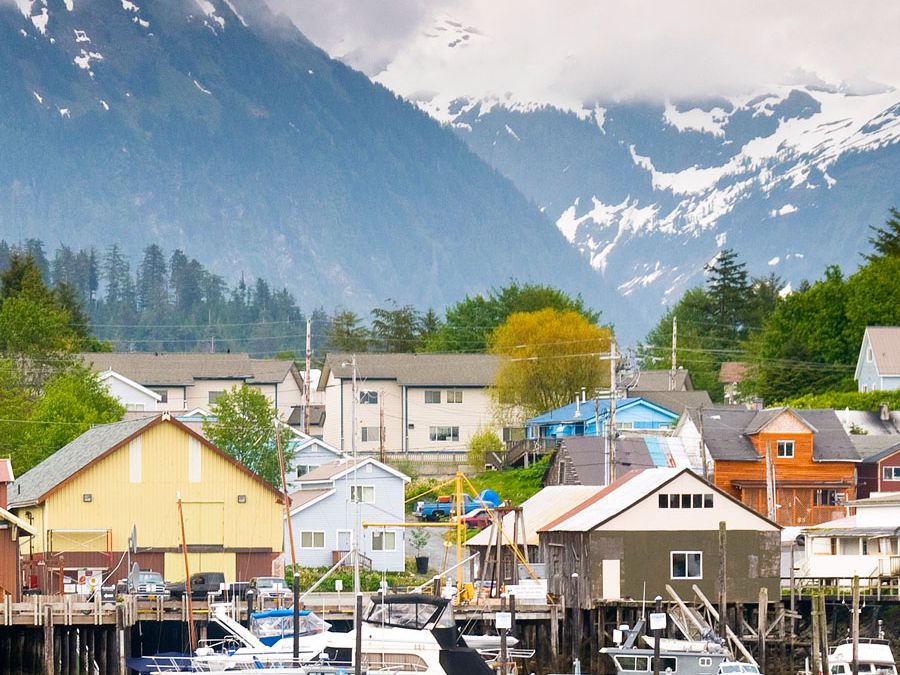
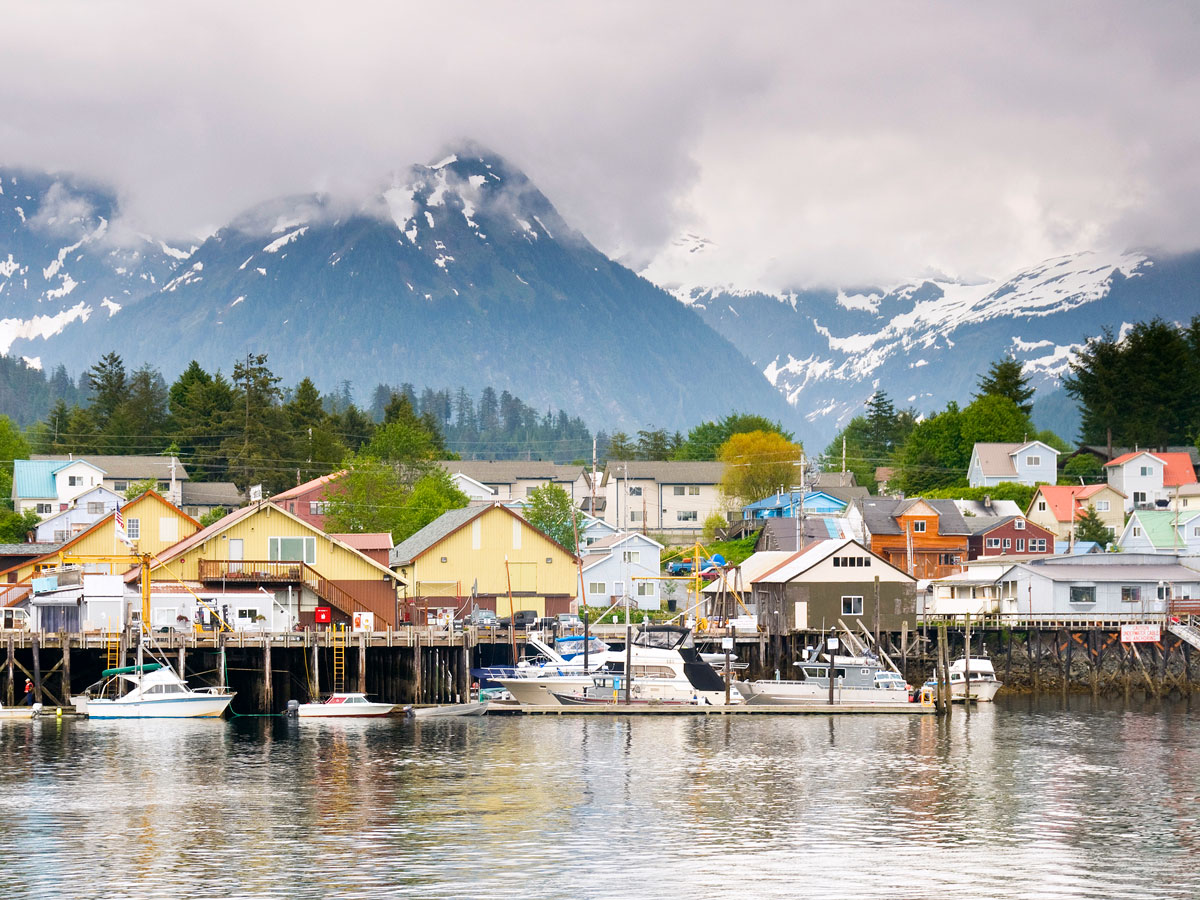
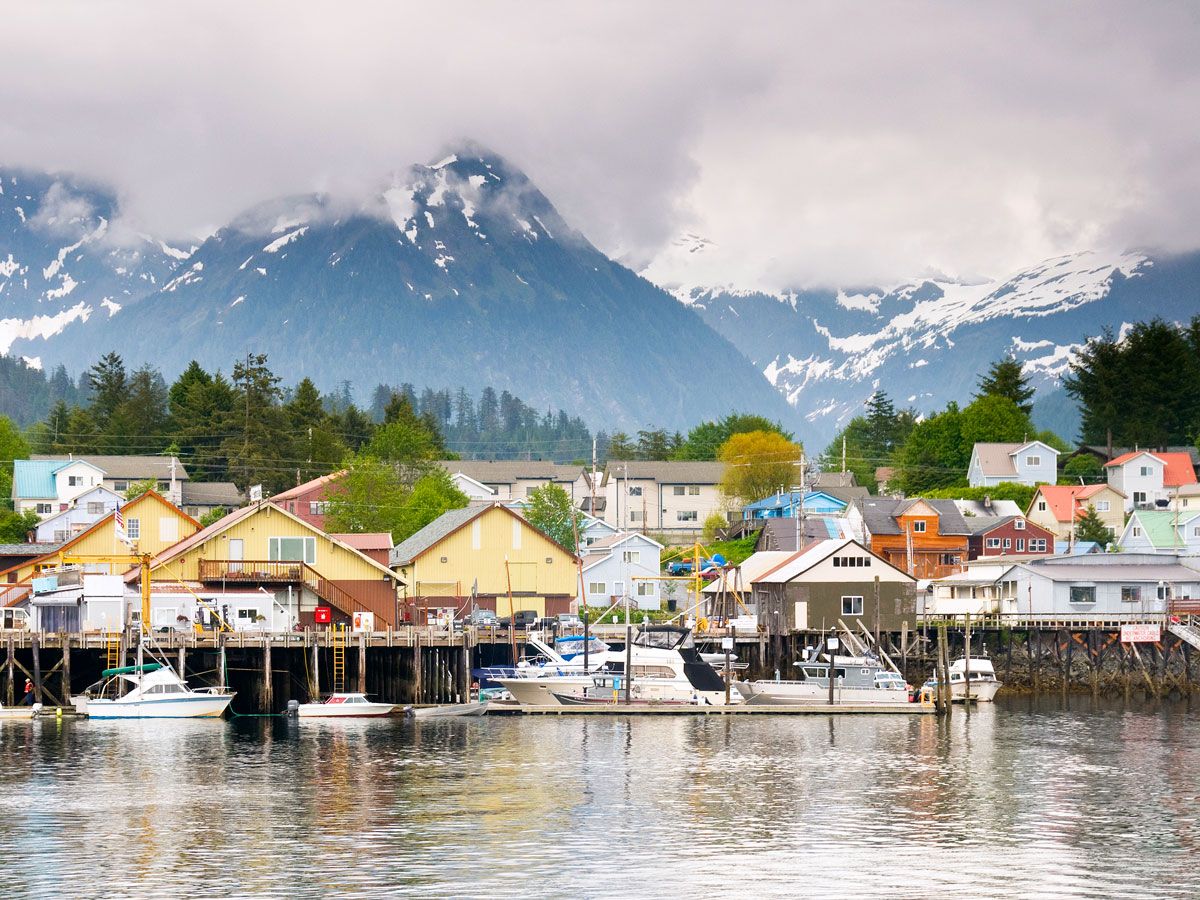
Alaska is known as the “Last Frontier,” a vast wilderness of deep fjords, jagged peaks, majestic glaciers, and remote towns built around the oil industry, fur trading, and fishing. The state also has one of the world’s most unusual economic policies. Every year, Alaska residents receive a slice of the state’s oil wealth — no strings attached. Let’s take a look at the fascinating history of this idea, exactly who benefits, and the knock-on effects for travelers visiting Alaska.
In 1867, U.S. Secretary of State William Seward finalized a deal to pay Russia $7.2 million for the Alaskan territory. Many mocked the decision, calling it “Seward’s Folly,” with the view that the remote territory was little more than a barren wasteland. For decades, the region functioned mainly as a fur trading outpost, but that changed in 1896 with the short-lived Klondike gold rush. However, even by the 1960s, Alaska remained sparsely populated, with its economy relying on commercial fishing and a growing military presence.
A huge shift in Alaska’s fortunes occurred in 1968, when an estimated 9.6 million barrels of recoverable crude oil were discovered in Prudhoe Bay, triggering a job boom as well as global interest in Alaska. Oil money became the catalyst for a radical idea: the announcement of the state-owned Alaska Permanent Fund following a 1976 vote. Essentially, it’s a long-term investment fund fueled by oil revenues, with the goal of every Alaskan benefiting from an annual dividend.
Although the concept was simple, the path to the first Alaska Permanent Fund Dividend (PFD) wasn’t altogether straightforward. In 1980, lawmakers approved legislation proposing that all adult Alaska residents should receive $50 for every year they had lived in the state since 1959. However, the U.S. Supreme Court ruled it unconstitutional because it created an unfair preference for long-term residents. In response, the state Legislature passed a law guaranteeing equal payments to anyone living in Alaska for at least six months. In June 1982, qualifying Alaskans were the lucky recipients of a $1,000 check.
One of the core philosophies behind the dividend fund was to reframe how resource wealth could be shared. Rather than seeing oil riches disappear into government accounts, Alaskans would reap the rewards of the natural resources extracted from their land. For many people, it’s viewed not as a government handout or welfare, but more akin to shared ownership and return on a valuable public asset. The idea is simple: When a place prospers, those who call it home should, too.
Though the original rule required six-month residency, the current eligibility requirement was established in 1990. To receive a dividend, applicants need to be an Alaska resident for an entire calendar year and have intent to remain indefinitely. They must be physically present in the state for 180 days out of the year and not hold any other state or country residency. Everyone from children and adults can claim a dividend check. (Child payments are directed to a nominated custodian until the child turns 18.)
The annual payout isn’t a fixed amount; rather, it can rise or fall according to several factors. These include how many residents qualify and apply on time, along with the performance of the Alaska Permanent Fund’s investments. The highest dividend amount to date is $3,284, paid in 2022, and the lowest was $331.29 in 1984. In 2025, the amount will be an even $1,000.
For many Alaska residents, the PFD is more than just a yearly windfall — it’s a reliable financial boost that can significantly improve their quality of life. In a state where many towns and communities are remote and seasonal work is common, the extra cash can help cover winter heating and travel expenses, among other year-end bills. Local business owners can feel a boost, too, with shops and restaurants able to stock up and potentially serve more customers. Studies have found that it also has helped to reduce poverty levels among Indigenous populations and more vulnerable Alaskans.
While big cities like Anchorage are a big draw, Alaska’s tourism map also runs through small towns that often have to operate in extreme conditions. While the dividend doesn’t directly impact the state’s travel industry, it can provide a welcome bonus to the people and communities who run it, especially in these more remote corners.
For example, in Seward, a major gateway to Kenai Fjords National Park, local operators might have a stronger financial footing to reopen earlier in spring. Year-round residents in Healy can use the funds to increase the availability of guides for hiking, biking, dog-sledding, and snowmobiling in Denali National Park and Reserve. Similarly, Homer, located on Kachemak Bay, is better equipped for running halibut fishing charters and tours to Kachemak Bay State Park thanks to the dividend checks that local operators receive.
The Simple Packing Trick That Could Save Your Trip
By
Bennett Kleinman
Read time: 4 minutes
December 5, 2025
Updated: June 4, 2026
The Simple Packing Trick That Could Save Your Trip
Tips •December 5, 2025•Updated: June 4, 2026
By Bennett Kleinman
Author
Bennett Kleinman
Bennett is a New York City-based staff writer for Daily Passport. He previously contributed to television programs such as the Late Show With David Letterman, as well as digital publications like the Onion. Bennett has traveled to 48 U.S. states and all 30 Major League Baseball stadiums.
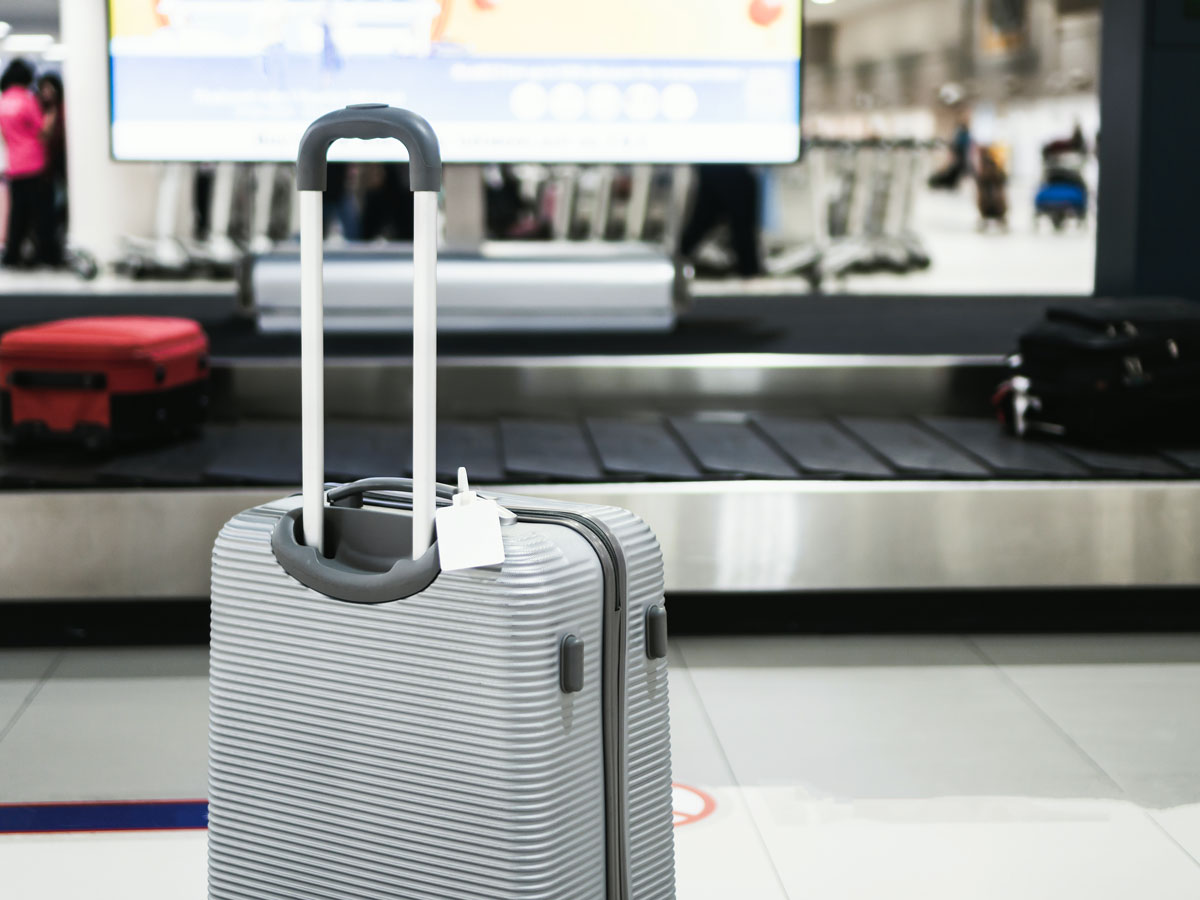
At the end of a long flight to start your vacation, you’re probably excited to grab your bag and start exploring a new destination. But picture this scenario: As you watch suitcases rotate around the baggage carousel, you eventually come to realize your luggage is nowhere to be found. While rare, the unfortunate reality is that bags sometimes get misplaced or lost, leaving you without clothes and other essentials for at least part of your trip. Enter: this simple solution that can help avoid such travel catastrophes.
With our apologies to solo travelers, this hack works best when venturing out with a friend, loved one, or other trusted companion. (If you’re traveling solo, we have more advice below.) When packing for a big trip, most people put all their clothing and some other essentials into their personal suitcase. The one hiccup with doing this is, if you check that bag and it gets misplaced, you’ve lost 100% of your belongings.
Instead, try the 50/50 rule: Pack 50% of your clothing into your bag and the remaining 50% in a friend or loved one’s bag. The other person does the same, packing 50% of their belongings in their own bag and the remaining 50% in yours.
What’s the logic behind going through all that trouble? While the odds of one checked bag getting misplaced or lost are low to begin with — 1.9 bags per 1,000 travelers on domestic flights and 11.2 bags per 1,000 passengers on international flights — the odds of both you and your travel partner ending up with lost bags are likely even lower. In the event one bag is misplaced, you’ll still have the 50% of clothing you packed in your travel partner’s luggage, which should help you get by for a few days — hopefully long enough until your lost bag is returned.
Credit: marchmeena29/ iStock via Getty Images Plus
If you’re traveling solo or don’t feel comfortable sharing space in your luggage, you can utilize your carry-on as a safety net instead. Since your carry-on is with you the entire flight, assuming it meets size requirements and doesn’t have to be gate-checked if overhead space fills up, the odds of it being misplaced are slim to none. This is why you should always — whether you’re traveling with a partner or solo — pack your most important items inside your carry-on, such as travel documents, cash, medicine, and a phone charger.
In addition to those essentials, it’s a good idea to keep a fresh set of clothing in your carry-on. That way, if you arrive at your destination and your bag is missing, at least you’ll have a fresh outfit to wear while you sort everything out and procure replacement clothes.
While you can do only so much to ensure your bag arrives safely, there are steps you can take to boost the odds it’ll be returned if it does get misplaced. First, be sure to include identifying info on both the outside and inside of your suitcase. Always affix a luggage tag to the outside with your name, email, and phone number. You can also place a sheet of paper inside the bag with your contact information in case the tag gets detached from the outside of your bag.
Additionally, consider taking a few photos of your suitcase, which can help airline staff tasked with tracking your bag down. You’ll be able to provide a detailed description of the luggage and make note of the manufacturer, size, and model. The more specific you can be, the better, as there are probably a lot of other flyers who own something as generic as a “big gray suitcase.”
Lastly, if you’re an Apple user, put an AirTag in your suitcase to track the precise location of your bag. (If you’re an Android user, there are great alternatives to AirTags, which we’ve rounded up here.) This helps both you and the airline zoom in on a specific location where it may have been misplaced. Apple even recently unveiled a new “Share Item Location” feature, where you can share a secure AirTag link directly with over 15 partnered airlines, including Delta and United.
Culture •December 5, 2025•Updated: December 11, 2025
By Cynthia Barnes
Author
Cynthia Barnes
Cynthia kicked around the world for a while before landing in Colorado. Her work has appeared in Food & Wine, the Boston Globe, and National Geographic, among others. She loves dives — both scuba and bars — baseball, the Oxford comma, and live music.
Food fads come and go — no one’s lining up for liver and onions or tapioca pudding these days — but the sandwich has remained at the top of the charts since the first human slapped some form of tasty filling between two pieces of bread. And although sandwiches exist around the world, immigrants brought their favorites to American cities over the years, creating what’s arguably the best sandwich culture on Earth. Here are eight great sandwiches and the cities that wouldn’t be the same without them.
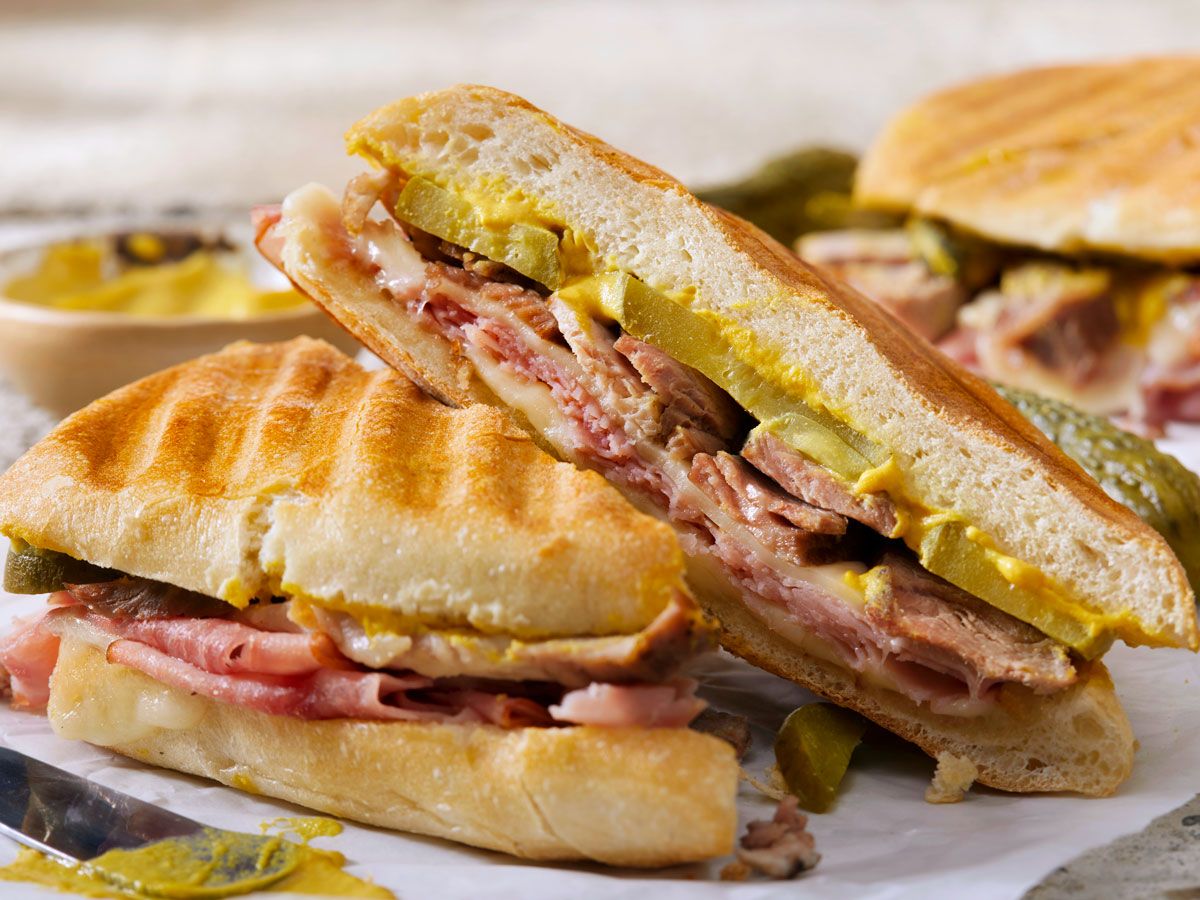
Unsurprisingly, the Cuban sandwich originated in Cuba, derived from the popular sandwich mixto. Consisting of roast pork (often marinated in citrusy mojo sauce), ham, cheese, mustard, and pickles (the sole nod to vegetables) and served on buttered pressed Cuban bread, the mixto made its way north with Cuban immigrants from the streets of Havana to Florida.
The Tampa version of a Cuban adds salami, a contribution from the city’s many Italian immigrants, while in Key West you’ll often find mayonnaise, lettuce, and tomato added. But Miami proudly claims the title of “Cuban Sandwich Capital,” and it’s hard to find one that’s not simply delicioso. Favorite spots include Sanguich, which cures their own ham, makes their own mustard, and brines their own pickles, and Puerto Sagua, which has been serving them for decades.
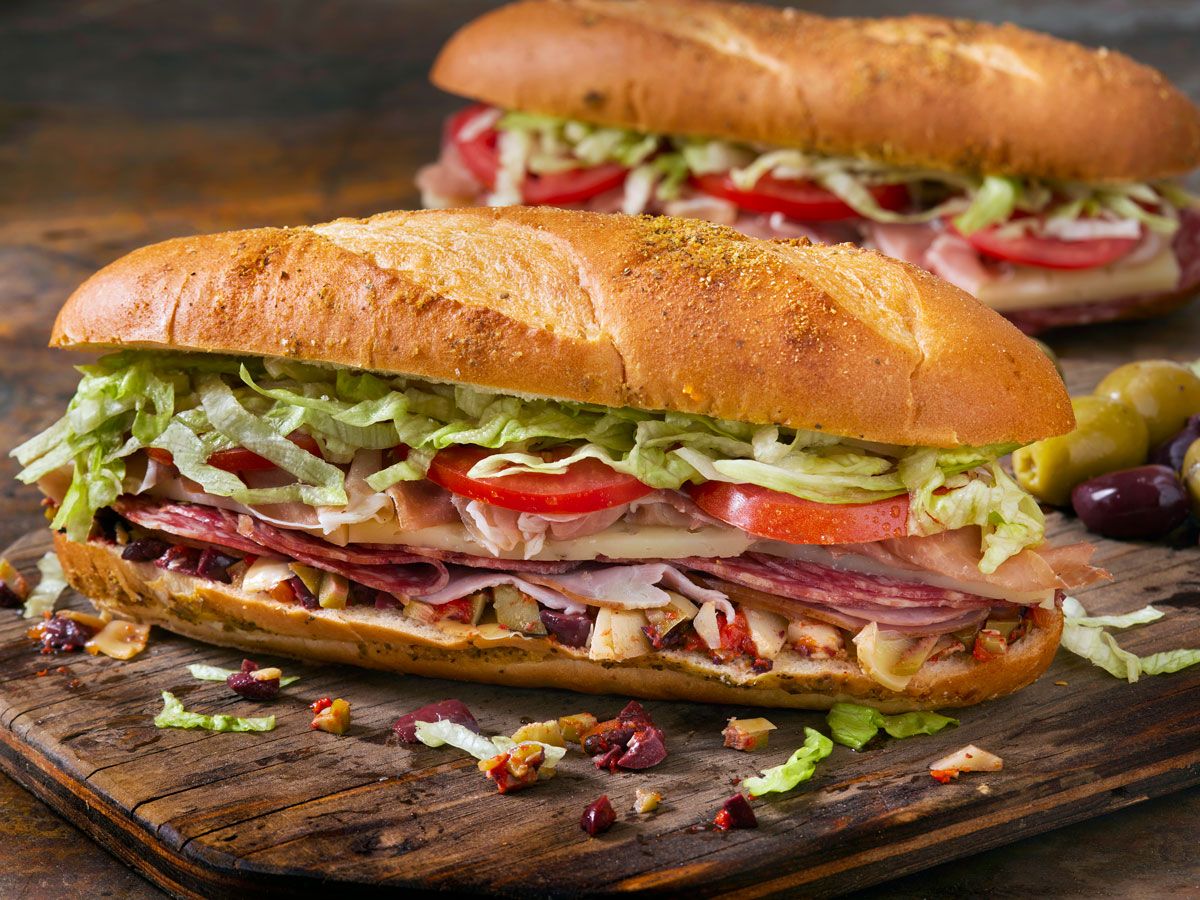
Whether you pronounce it “moofaletta” or “muffaletta” (or spell it muffaletta or muffuletta) is a matter of taste, but this scrumptious New Orleans sandwich is a winner any way you say it. It was invented in the early 1900s by Salvatore Lupo, a Sicilian immigrant and proprietor of the French Quarter’s Central Grocery. Italian workers in a hurry would come in and order lunches of bread, cheese, meat, and olives — Lupo invented the time-saving recipe that combines them all.
The classic is served on a round of sesame seed-speckled Italian bread, with layers of ham, salami, mortadella, Swiss cheese, Provolone, and a briny marinated olive salad filled with chopped olives and other pickled vegetables.
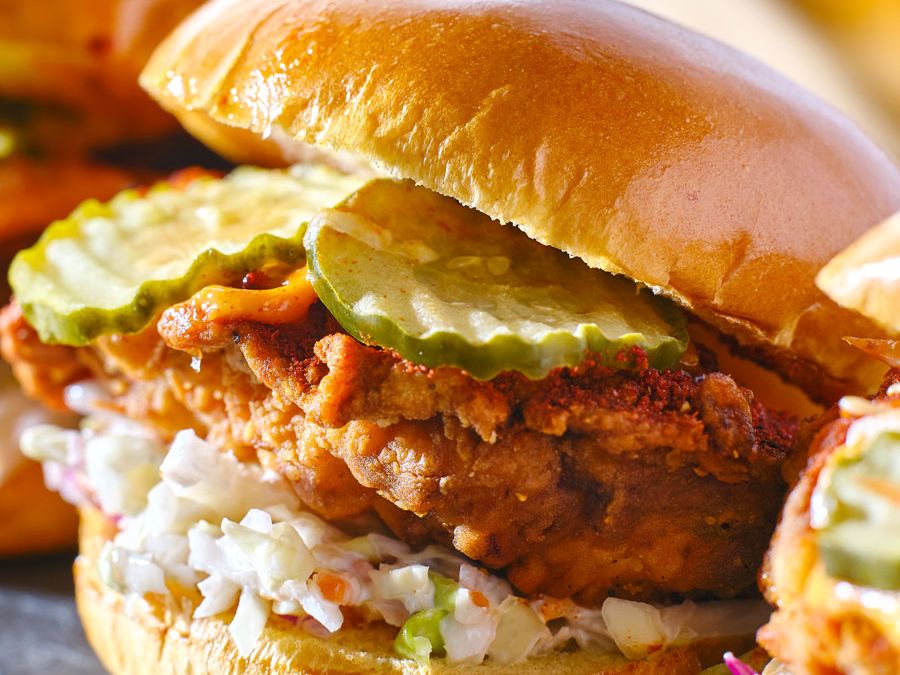
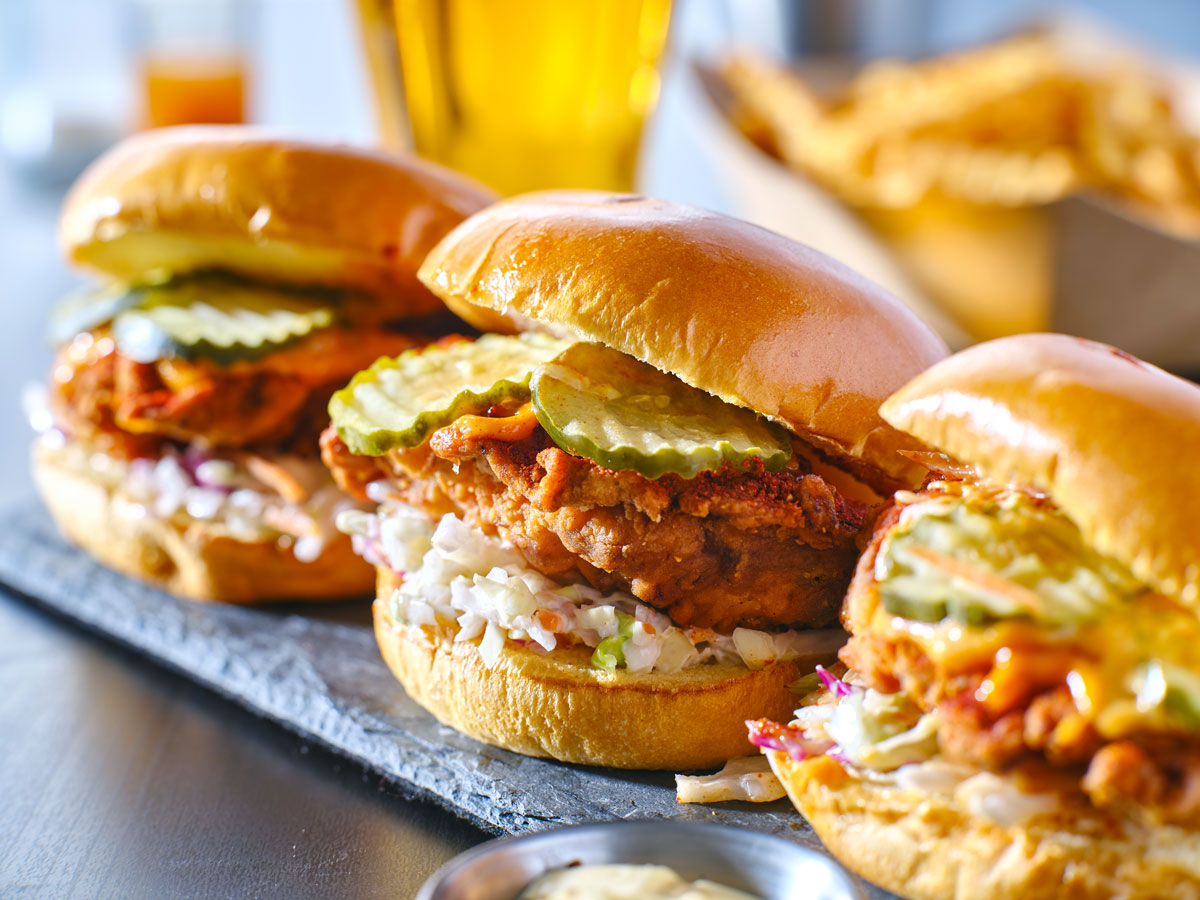
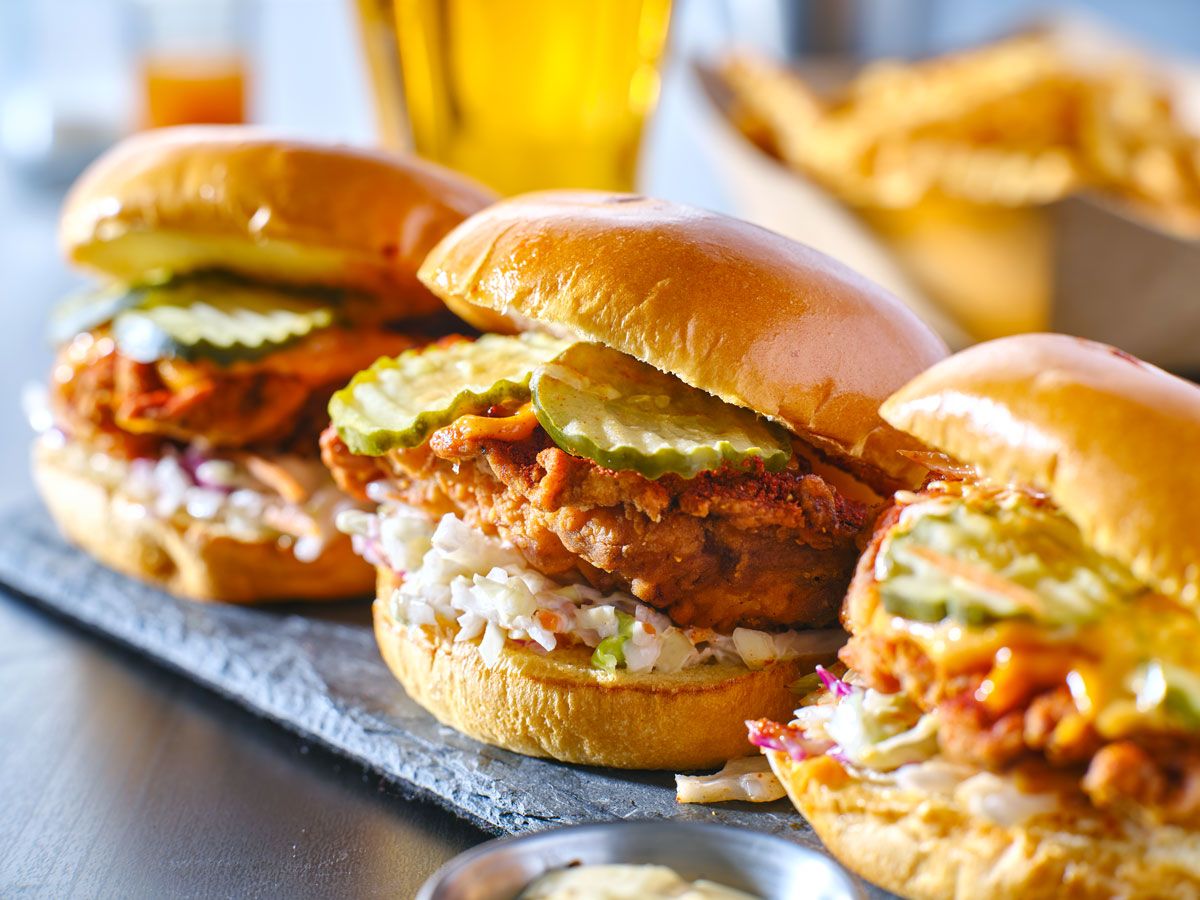
Legend has it that a lover’s quarrel is responsible for Nashville’s favorite sandwich, made famous by Thornton Prince, who founded Prince’s Hot Chicken Shack in 1945. According to Prince, a jealous girlfriend once fried up chicken dusted with a punishing amount of peppers, and he loved the concoction so much that he opened a restaurant. Typically served on white bread (or occasionally a brioche bun) with pickles and a mayonnaise-based sauce, Nashville Hot Chicken can now be found nationwide. (Don’t tell Prince’s, but we like Hattie B’s, too.)
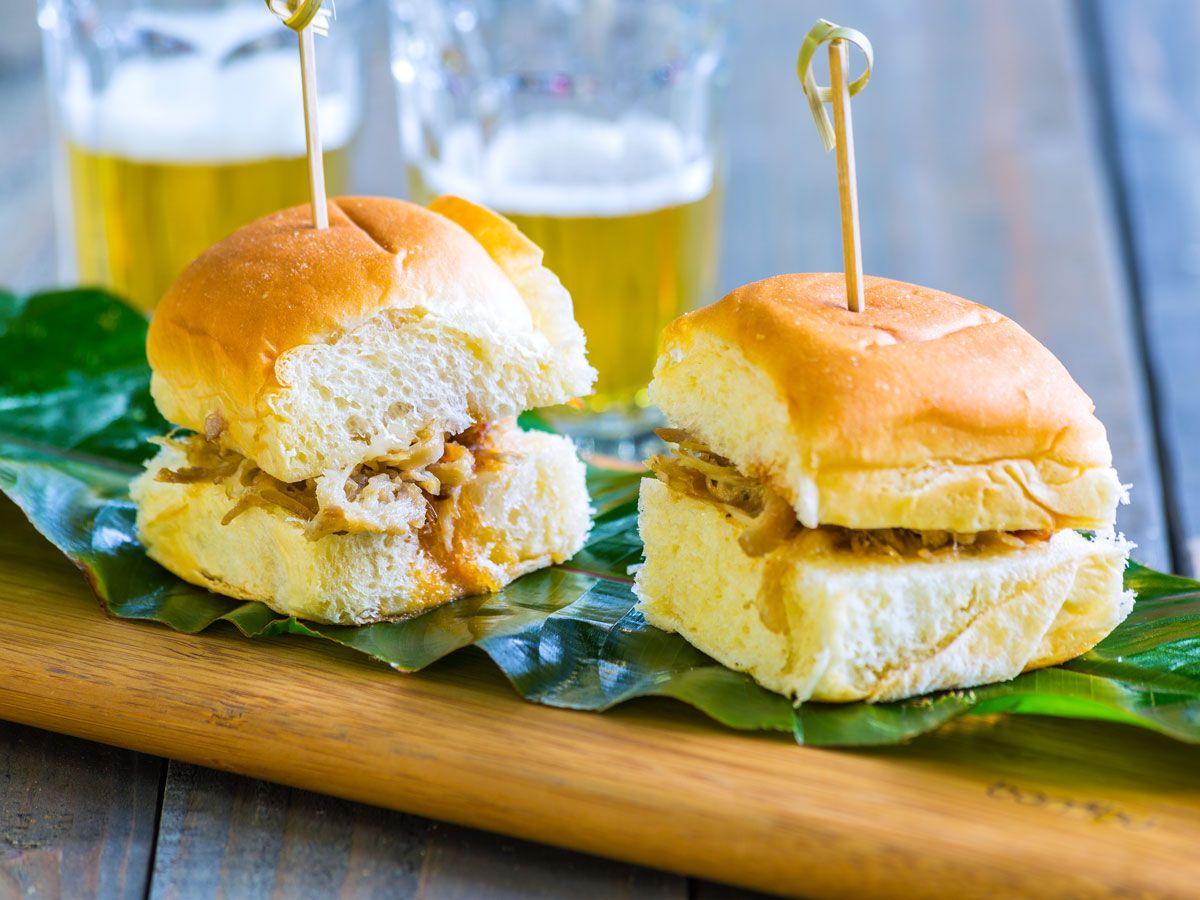
Earthy, smoky, and bursting with sweet and tangy flavors, Kālua pork captures the spirit of Hawaii. Traditionally prepared by slow-roasting a whole banana-leaf-wrapped pig in an imu — an underground oven lined with hot stones — the food is a staple of luaus. Kālua pork is delicious plain on a plate, but in sandwich form, the succulent meat is piled on a soft roll, dressed with crunchy cabbage coleslaw, and drizzled with barbecue sauce. Macaroni salad is the superior side accompaniment, and although you can find the sandwiches all over Honolulu, one of the most beloved places to try it is Helena’s.
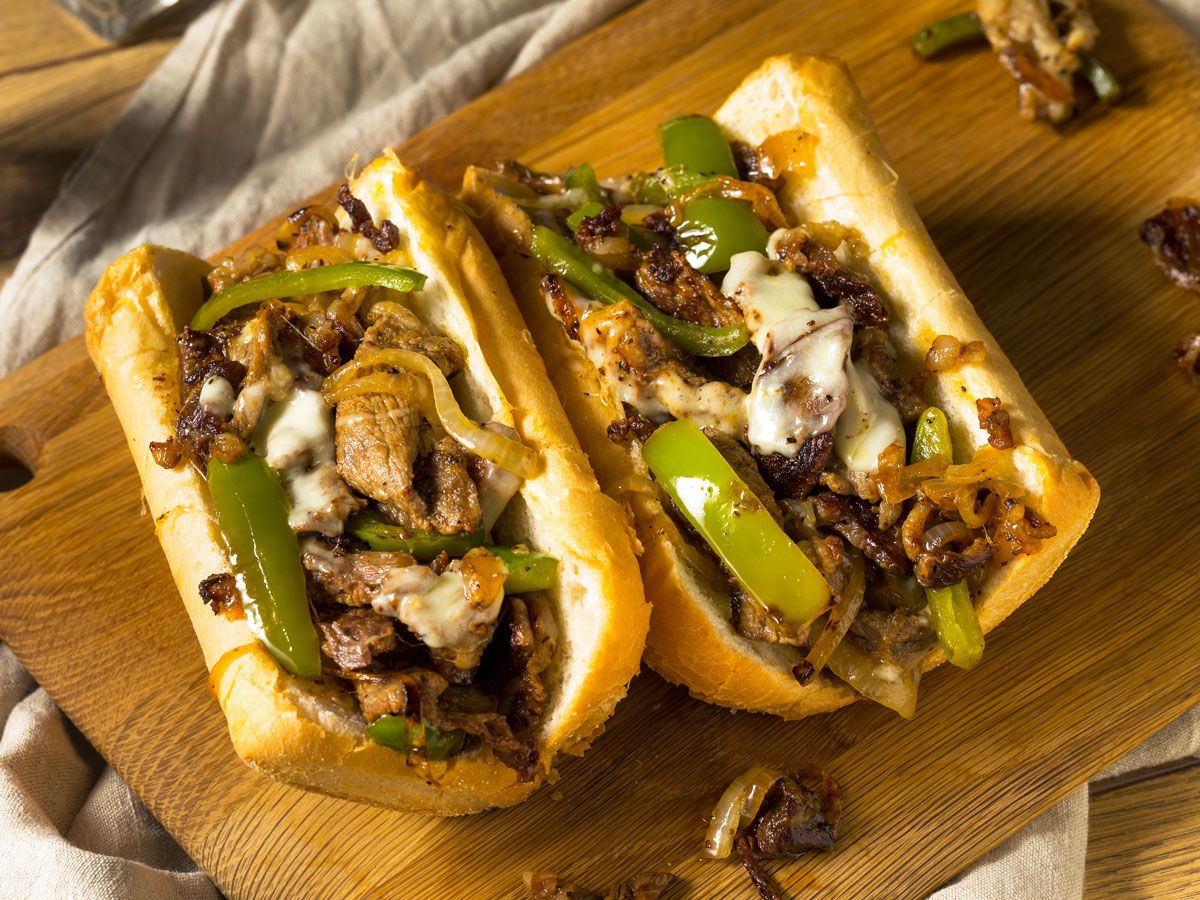
“You want it ‘wit’ or ‘witout?’” When ordering a cheesesteak sandwich in Philadelphia, the steak is implied. You begin the order by stating cheese preference — prov (provolone), American, or Whiz (yep, that Whiz) — then you indicate if you prefer the sandwich with fried onions or without. Green peppers and mushrooms aren’t traditional, but are optional add-ons.
Wit or witout, the classic Philly cheesesteak consists of thinly sliced ribeye on a soft roll (preferably Amoroso’s) with melted cheese (or “Cheez”), ordered quickly and served briskly with a little attitude. Pat’s (the establishment credited as the inventor of the dish) and Geno’s have a legendary rivalry over who serves the best cheesesteak in town, but we also like John’s.
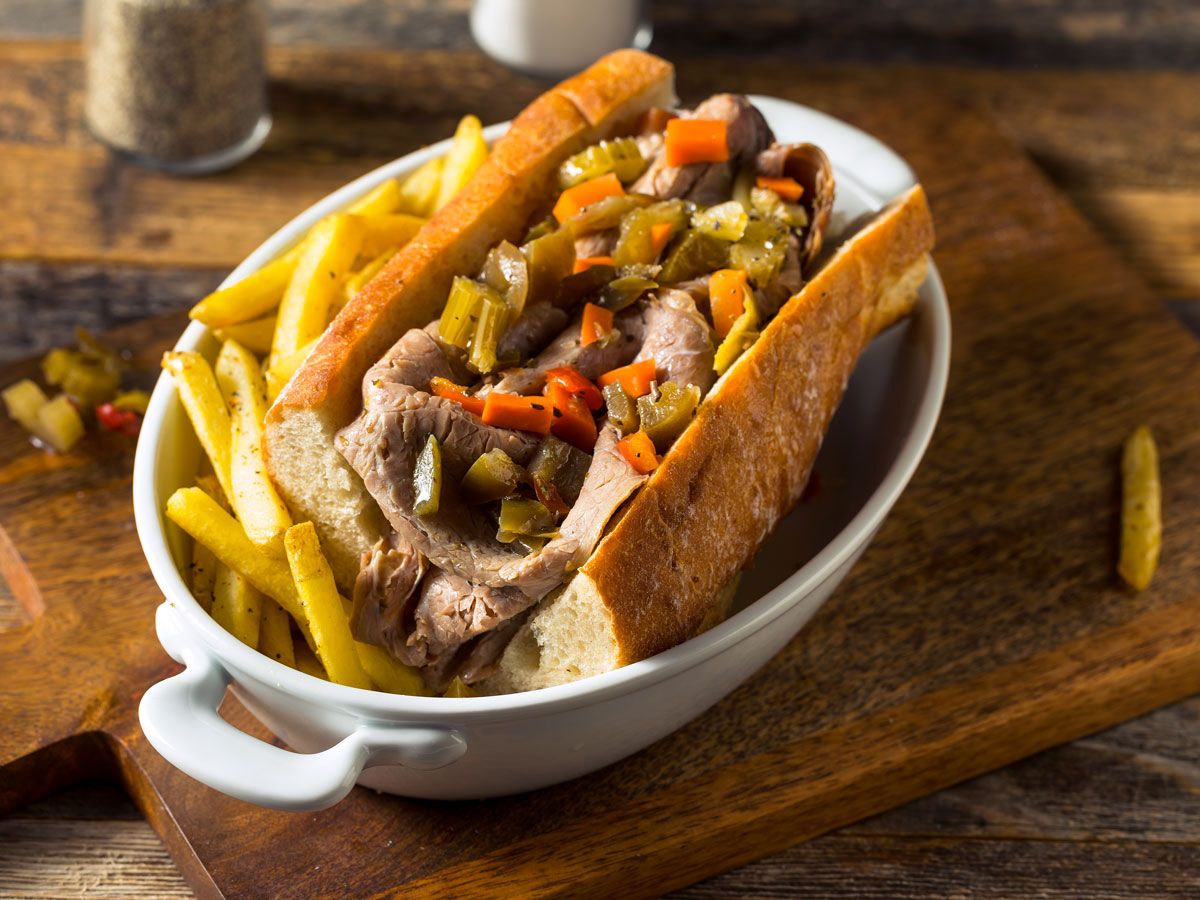
A hundred years before FX’s The Bear swept the Emmy Awards, Chicagoans were happily tucking into Italian beef sandwiches (“beefs”) at joints all over the city. Tough (and thus cheap) cuts of meat are roasted slowly in a well-spiced jus, sliced paper-thin, piled on Italian bread, and garnished with peppers (hot or sweet) and spicy giardiniera, a mix of pickled green olives, peppers, carrots, celery, onion, garlic, and cauliflower. Order it dry (jus shaken off), wet (with a spoon of jus), or dipped (where the whole sandwich is quickly submerged in gravy). Al’s #1 Italian Beef on Taylor Street claims to be the original, but every Chicagoan claims that their neighborhood spot is the best.
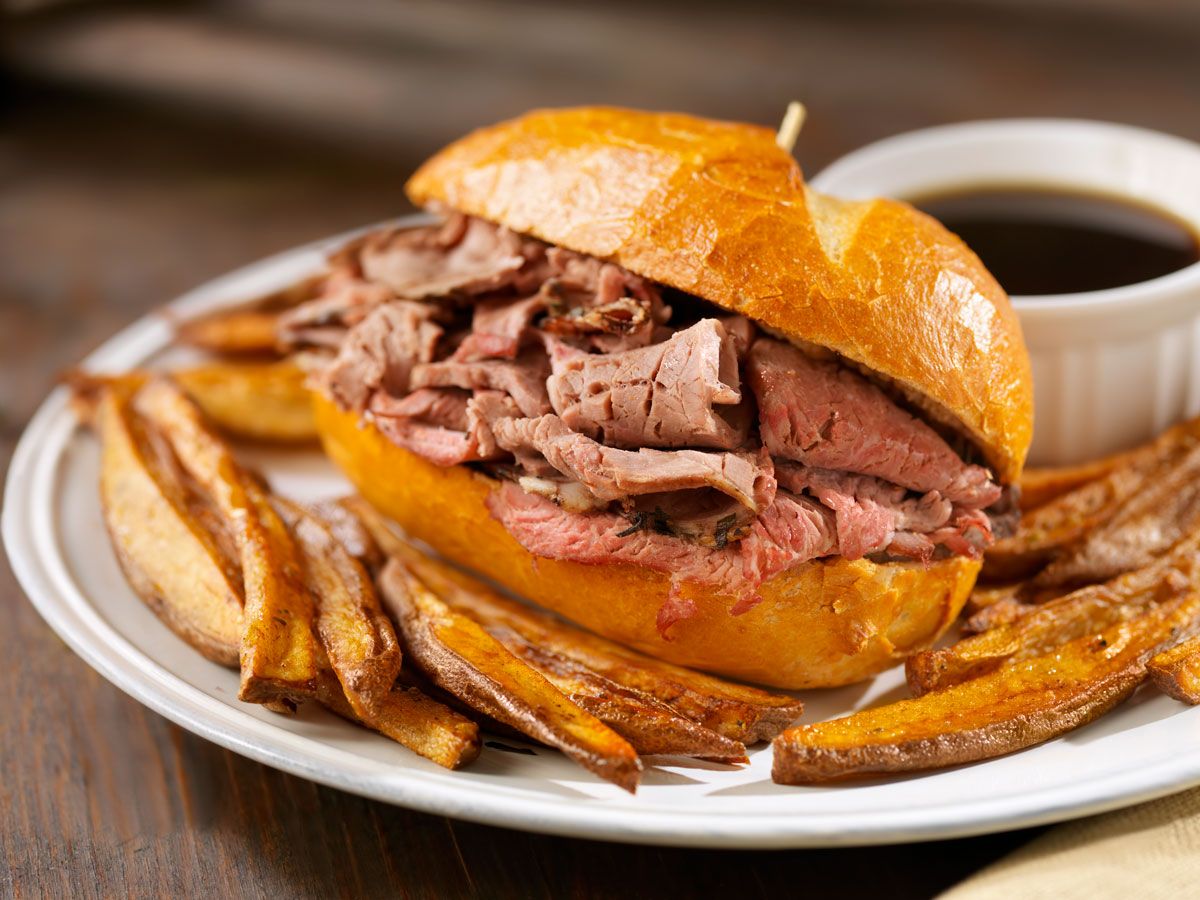
“French” refers to the bread, not the birthplace, of this made-in-L.A. sandwich, which (similar to Chicago’s Italian beef) piles thinly sliced roast beef on bread (in this case, French bread) and tops it off with savory beef jus. Two downtown restaurants still duke it out over the invention: Philippe’s claims an accidental sandwich drop led to the creation in 1918, while Cole’s swears they deliberately softened a sandwich for a customer’s tender gums in 1908. Either way, horseradish sauce remains undisputed as the accompanying condiment of choice.
Argue all day that a hot dog isn’t a sandwich: Arizona remains unbothered. A staple from the Mexican state of Sonora, this tasty dog has now spread throughout the region, with hundreds of dogueros offering the Sonoran at carts and restaurants throughout Phoenix. The sky’s the limit with this version of the hot dog, which starts with a bacon-wrapped dog and then piles on everything your heart could desire. The basics are beans, tomatoes, onions, and mayonnaise, but aficionados often add cheese, jalapeños, mushrooms, and guacamole. Cash-only Nogales is the gold standard.
Jersey is a travel and lifestyle writer whose work has appeared in publications such as Condé Nast Traveler, Business Insider, and Bust. When she’s not exploring her adopted home state of Maine, she’s likely planning her next big trip.
In life, “being rich” can mean different things. You can be rich in the traditional, financial sense, but you can also have a wealth of time, knowledge, or experience. The following states are perfect examples — rich in money, yes, but also in history, culture, and natural beauty that make them endlessly appealing places to visit. Here are the 10 wealthiest states in America, ranked by median household income according to the U.S. Census Bureau, along with all the other qualities that make them abundant in riches.
Connecticut ranks as the 10th-wealthiest state in the country, but the Constitution State holds more appeal than just plain economics. Connecticut’s quintessential New England charm is evident throughout the state, from the centuries-old homes and cobblestone streets of towns like Essex and Old Saybrook, to the rolling fields and bucolic vistas in Litchfield Hills.
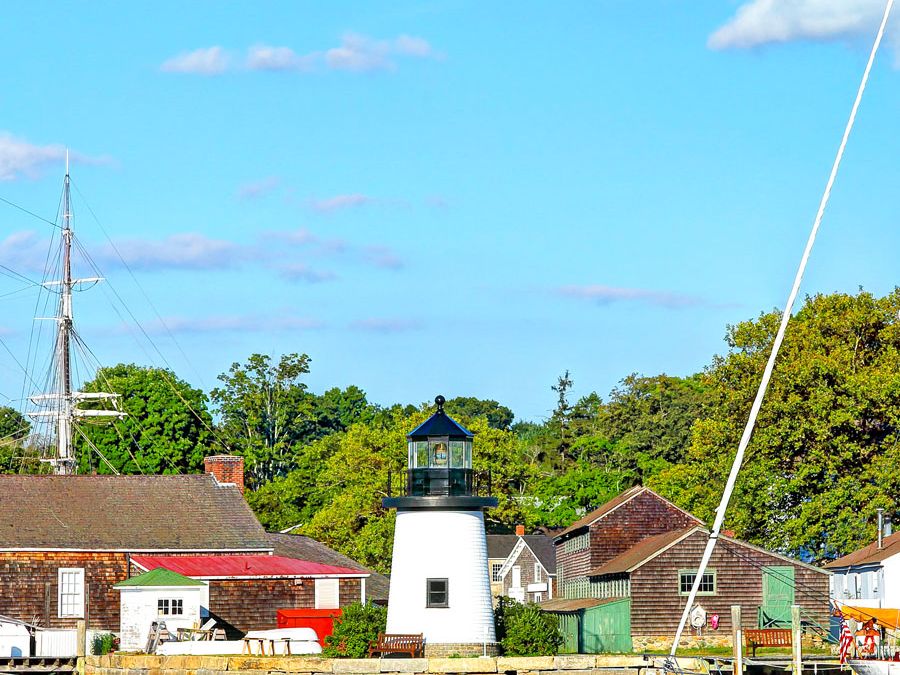
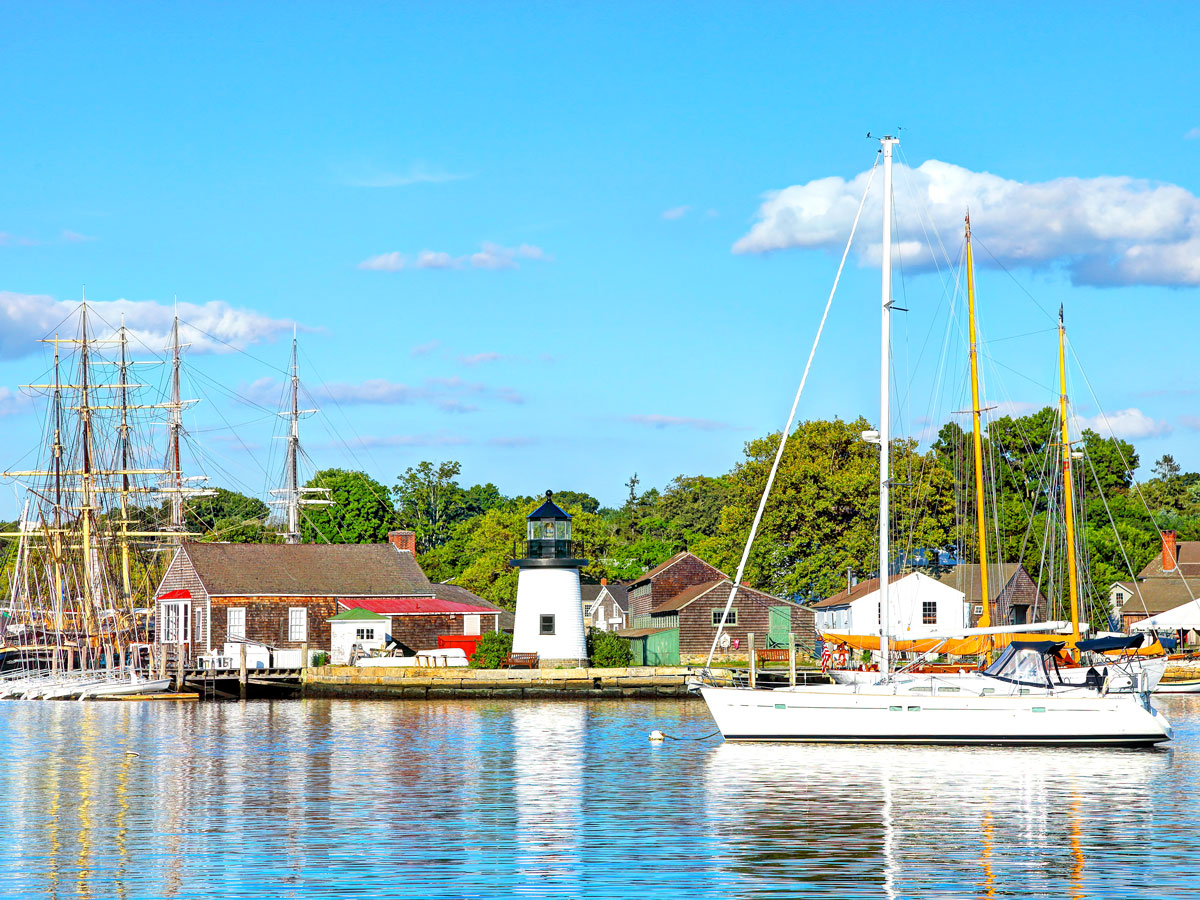
For a dose of literary history, visit the historic Mark Twain House and the Harriet Beecher Stowe Center in Hartford. Or check out the Mystic Seaport Museum to learn about Connecticut’s port trading and shipbuilding past, which helped fuel the state’s economic growth, along with the state later becoming a hub for industries such as finance and insurance. In fact, Hartford, the state capital, is nicknamed the “Insurance Capital of the World.”
9. Colorado
Credit: krblokhin/ iStock Editorial via Getty Images Plus
Median household income: $92,911
The Centennial State is a great place to visit and an even better place to live — but it will cost you a pretty penny to do so. The state’s wealth boom and early population growth kicked off with the gold and silver mining industries (which you can explore in places like Silverton), and today it boasts a diversified economy and a highly educated population.
Colorado’s wealthiest residents are concentrated in areas like Pitkin County, home to elite ski resorts such as Aspen and Snowmass. Much of the state’s allure lies in the grandeur of the Rocky Mountains, which provide ample opportunities to ski, bike, camp, hike, or simply soak up the scenic beauty. Resort towns like Glenwood Springs provide respite from outdoor adventures, with hot springs to soak in after a long day outside.
Thanks to a strong, diversified economy (including a burgeoning tech industry), Utah residents aren’t just rich — they’re also happy. Of course, financial stability helps in that regard, but perhaps some of those smiles have to do with the Beehive State offering such a wide variety of outdoor activities set amid some of the most beautiful backdrops in the U.S.
Adventurous types should check out Utah’s “Mighty Five” national parks — if you plan it right, Zion, Bryce Canyon, Arches, Canyonlands, and Capitol Reef can all be squeezed into one epic road trip. Alternatively, plan a ski trip to top-notch resorts like Alta, Park City, or Snowbird for a taste of Utah’s famous champagne powder.
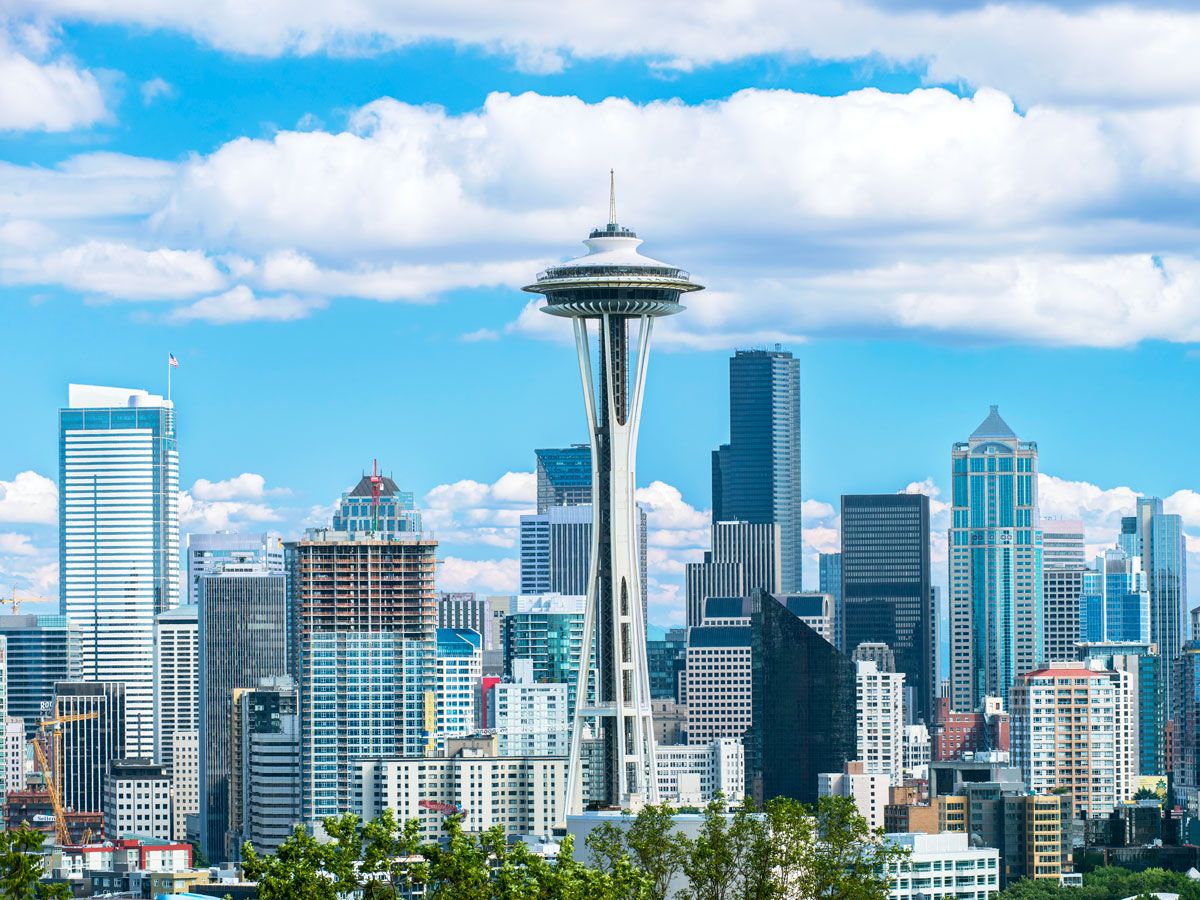
Home to some of the world’s biggest companies, such as Amazon, Boeing, and Microsoft, the state of Washington has one of the nation’s strongest economies, but some would say it’s even richer in biodiversity. Home to serene marine coastlines, impossibly lush temperate rainforests, dry upland prairies, and one of the tallest mountains in the contiguous U.S., Washington’s national parks showcase a breathtaking variety of natural landscapes.
For urban types, the city of Seattle has everything you’re looking for — it’s culturally diverse, laid-back, and rich in cuisine, arts, and culture, from the lively market at Pikes Place Market to the glass-blown sculptures at Chihuly Garden and Glass. On the east side of the state, Walla Walla is home to over 120 vineyards, known for their excellent syrahs, merlots, and rieslings.
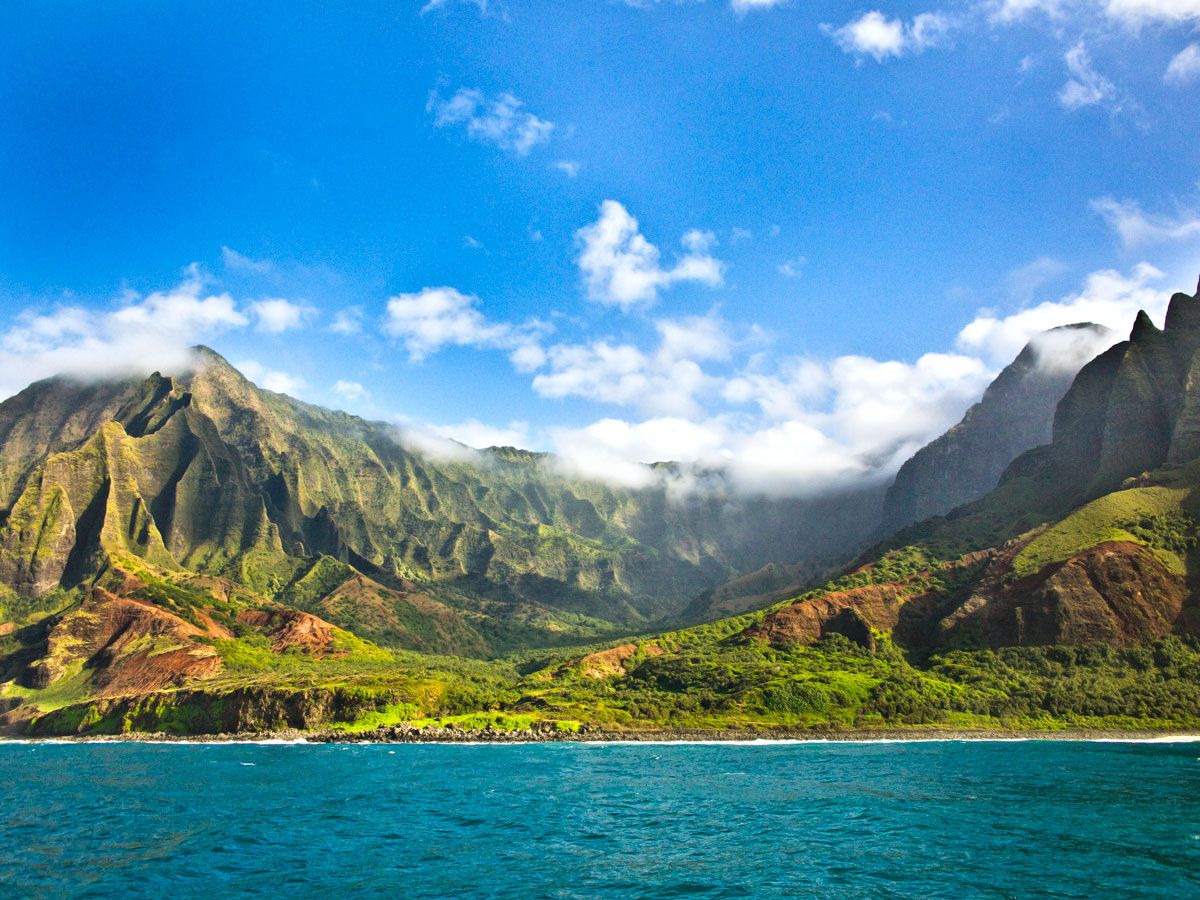
If you’re wondering how much it costs to live in paradise, it probably won’t come as much of a surprise that Hawaii has a notably high cost of living. However, the Aloha State also has the sixth-highest median household income in the nation, along with some of America’s happiest residents.
Hawaii has a laid-back attitude and endless natural beauty everywhere you look. From stargazing on the Big Island’s Mauna Kea, to driving the scenic (and somewhat anxiety-inducing) Road to Hana, to exploring Waimea Canyon (aka the Grand Canyon of the Pacific), Hawaii is wealthy with opportunities for adventure.
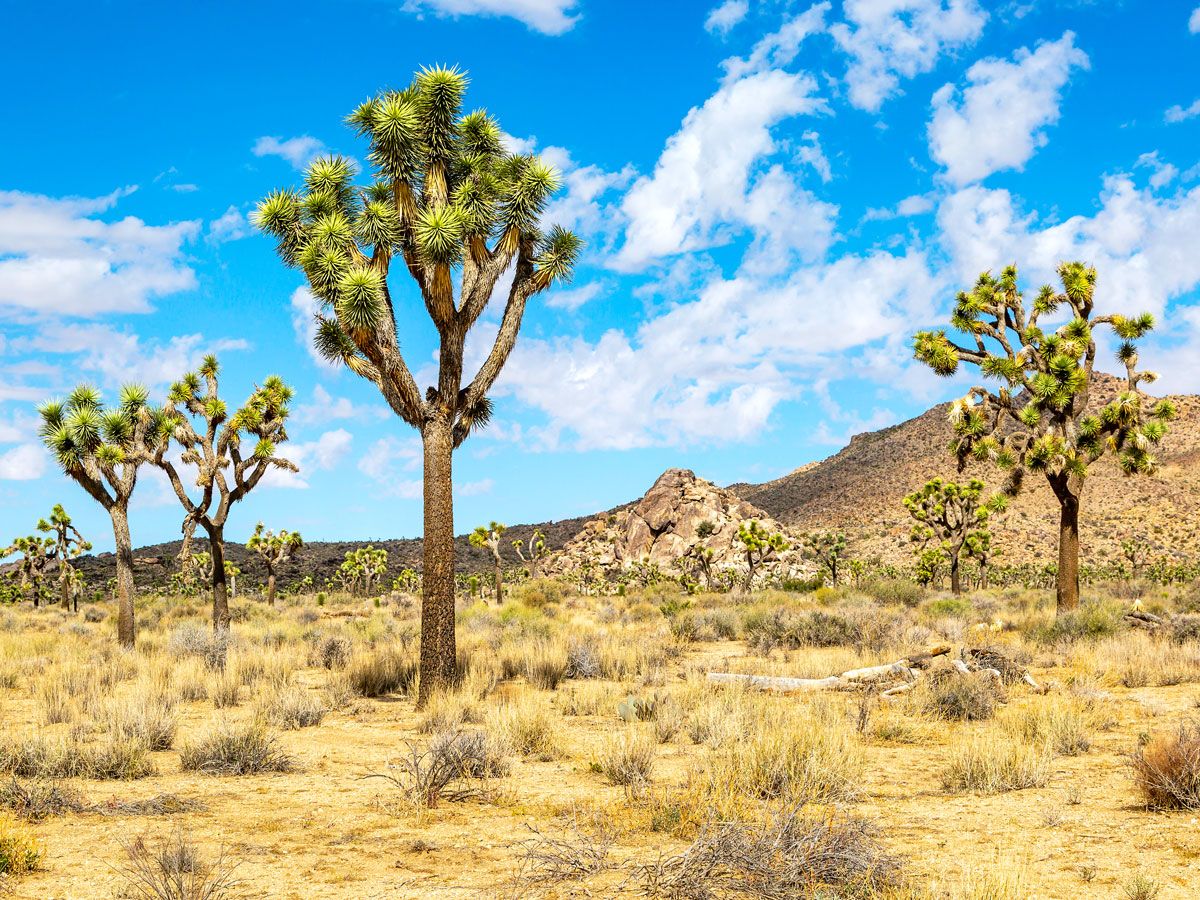
If California were its own economy, it would be the fourth-largest in the world — which tells you all you need to know about the amount of wealth concentrated in the Golden State, home to both the powerhouse tech hub of Silicon Valley in the north and Tinseltown down south.
But California isn’t too shabby for visitors, either. Nature lovers can take their pick between giant redwood forests, the deserts of Joshua Tree, or the foggy cliffs at Big Sur. The cities are just as unique, depending on your vibe. Whether you prefer the Hollywood glitz and glamour in Los Angeles, the cultural attractions in San Francisco, or the beaches of Santa Barbara, California has you covered.
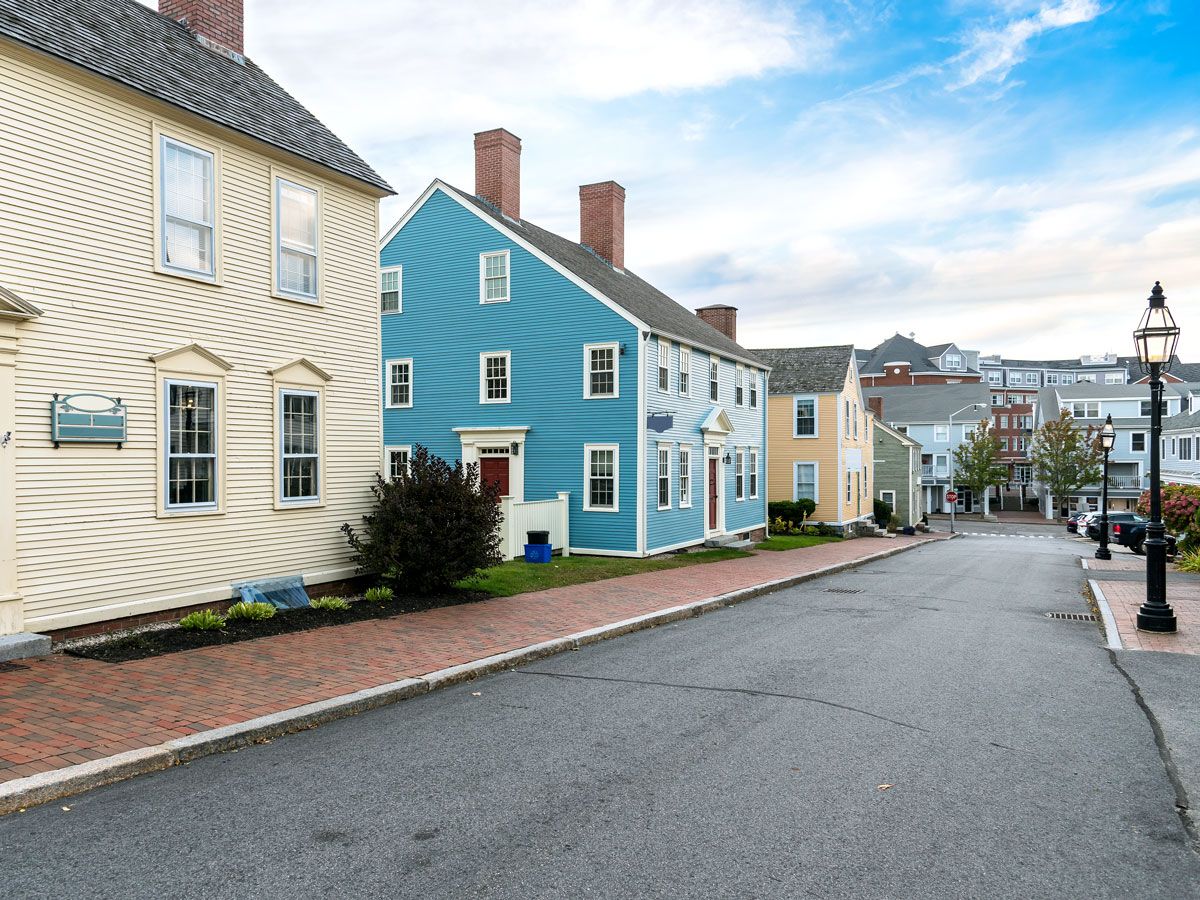
Though states like California may steal the spotlight in terms of wealth, New Hampshire is underrated, both as a place to live and as a travel destination. Mountain lovers flock to the indomitable Mount Washington, which can be accessed on foot, by car, or via historic cog train.
The Lakes Region is also worthy of a visit, with the popular Lake Winnipesaukee or the serene Squam Lake being ideal spots for summer vacations. And a small stretch of eastern New Hampshire provides access to the Atlantic coastline, while seacoast towns like Portsmouth offer visitors a look into the state’s seaport past that helped fuel its wealth during the colonial period and early years of the U.S.
In terms of geography, Maryland might be small, but residents take home big paychecks. Maryland benefits from a highly educated and skilled workforce, along with proximity to federal jobs in Washington, D.C., and a strong presence in industries such as biotech and health care.
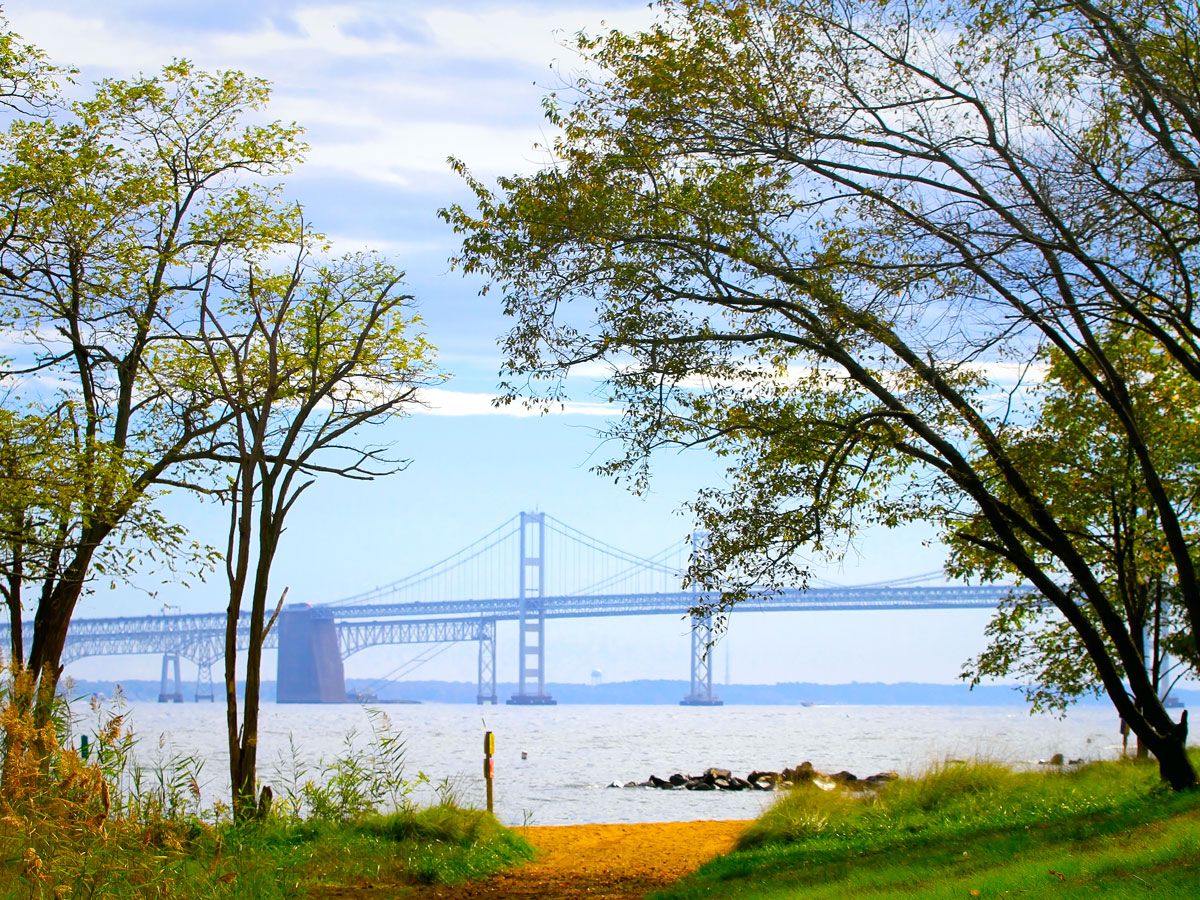
For residents and visitors alike, the state’s compact size makes it easy to enjoy all that it has to offer, from the beaches of Chesapeake Bay to the beauty of the Appalachian foothills. Baltimore is known for great food (steamed blue crabs are a must-try), along with an interesting arts and live music scene. Nautical buffs shouldn’t skip Annapolis, home of the U.S. Naval Academy and the infamous Ego Alley, known for its expensive yachts.
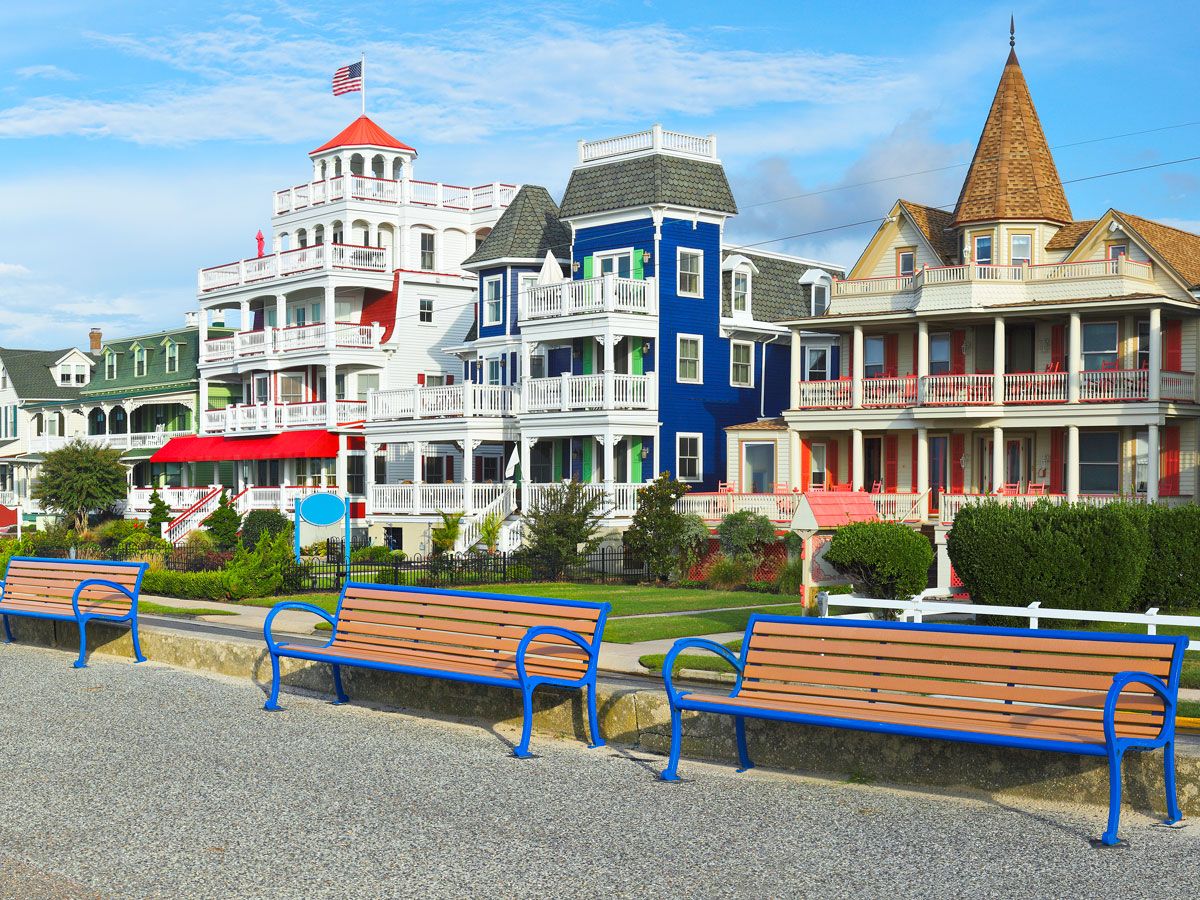
New Jersey not only has close proximity to high-paying jobs in New York City and Philadelphia, but is also a major hub for the pharmaceutical, information technology, and transportation industries. And while America’s second-wealthiest state may have a reputation for the fist-bumping of Jersey Shore, locals know that the Garden State is home to a variety of lovely beach towns, like the picturesque Avalon (a favorite destination of Oprah Winfrey) and the historic Cape May, the nation’s first seaside resort destination. For a dose of the state’s abundant natural beauty, check out Delaware Water Gap or the Pine Barrens.
Massachusetts has had a lot of firsts, from the country’s first public park to its first subway system. And with a median household income that just about reaches six figures, it comes in first on the list of richest states in the U.S.
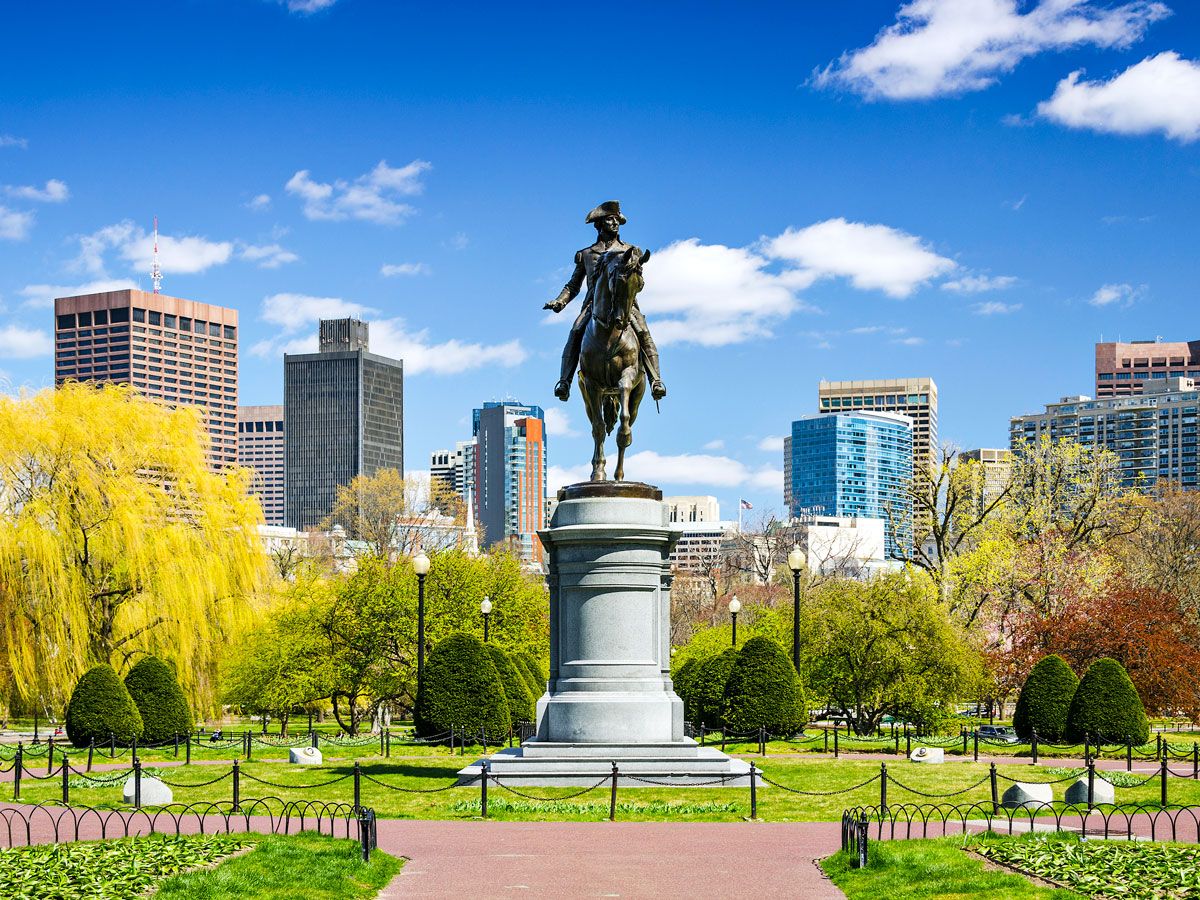
Affluent Boston is the state’s epicenter of wealth, and it’s also a great place to dive into the state’s rich history. Spend a day on the Freedom Trail to learn about Boston’s role in the Revolutionary War or drive 25 miles to Concord to see where it all began. Farther west, the Berkshires offer a more low-key lifestyle that doesn’t skimp on culture: Check out Tanglewood for concerts in the summer or visit MASS MoCa, a contemporary art museum in a charming small-town setting.
History •December 4, 2025•Updated: December 4, 2025
By Peter Vanden Bos
Author
Peter Vanden Bos
Peter is a Toronto-based journalist, editor, content strategist, and self-professed avgeek with 15 years of experience covering all things travel. Prior to joining Daily Passport, he oversaw newsletter publication for Travelzoo. His favorite destinations to explore include Japan, France, Chile, New Zealand, and his adopted home country of Canada.
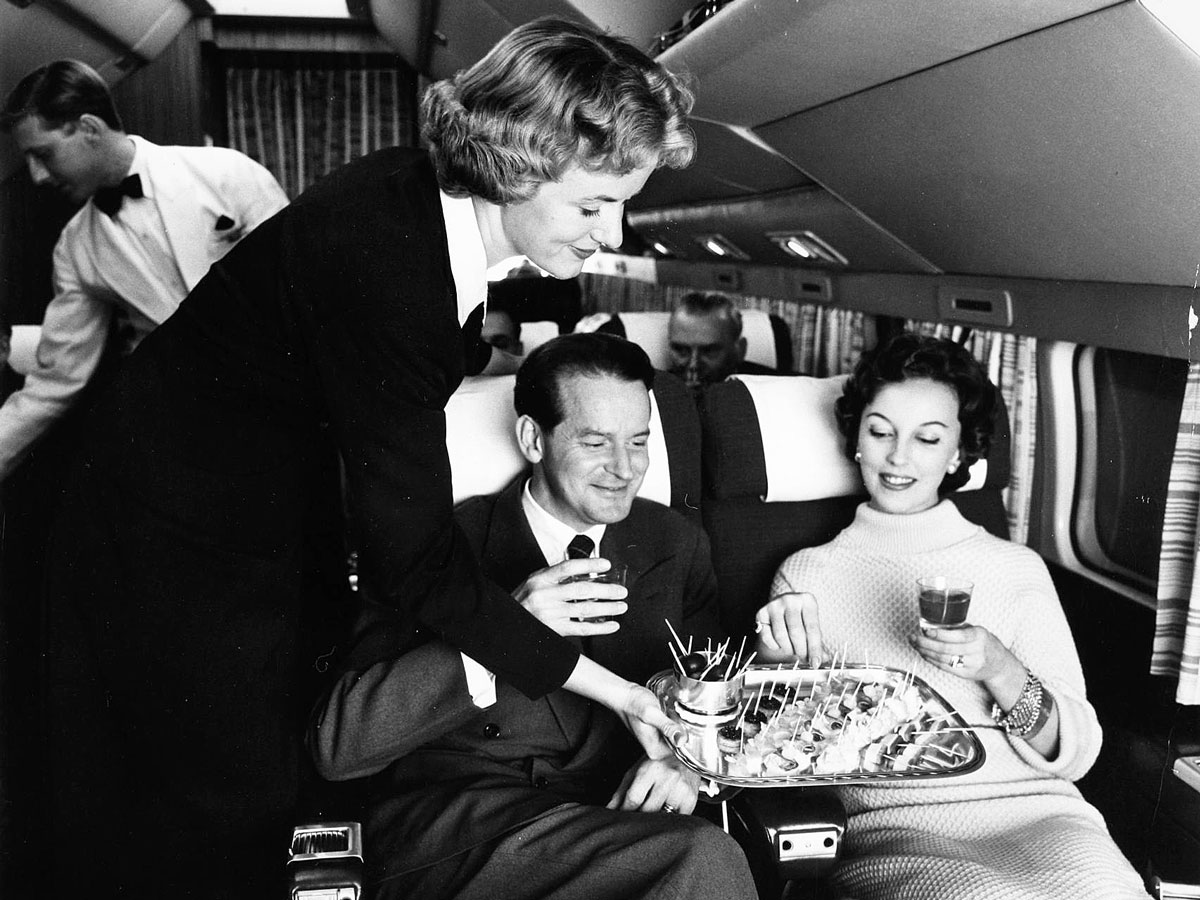
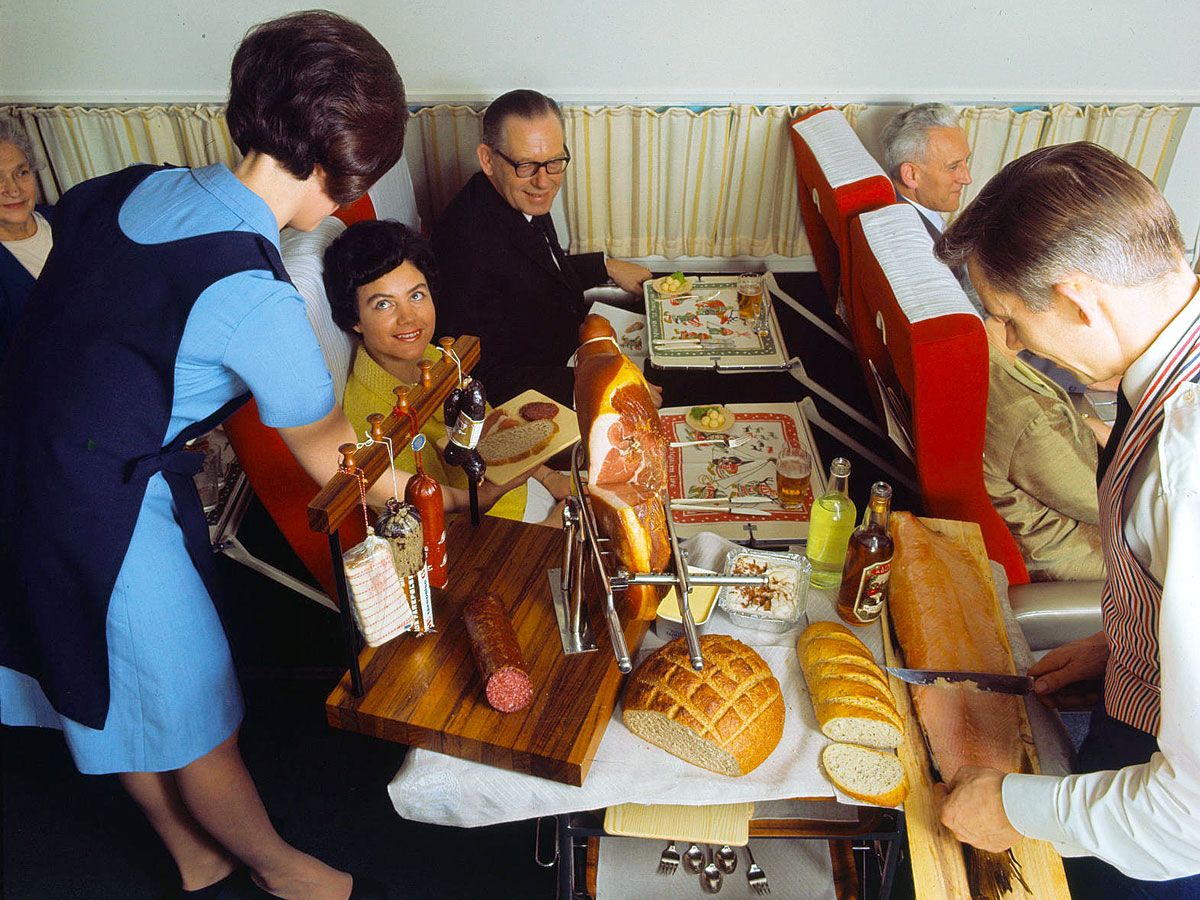
When’s the last time you were served a meal on a flight that was truly memorable? Chances are, the answer is not anytime recently — unless you were fortunate enough to “Book the Cook” when flying first or business class on Singapore Airlines, or to try the famed French cuisine from celebrity chef Daniel Boulud when flying up front on Air France. For most travelers, in-flight dining is a far cry from what it used to be, which had us wondering: What was airplane food really like 50 or 60 years ago? Take a trip back to the golden age of aviation with these retro airline menus from the 1960s and 1970s.
According to Food Network Magazine, the concept of in-flight meal service debuted in 1919 on the now-defunct airline Handley Page Transport. Perhaps surprisingly, the meals on the carrier’s London-to-Paris route were similar to what you might find in economy class today — simple boxed lunches served cold, for a price of three shillings (about $13 USD today). Almost two decades later, in 1936, United Airlines became the first to install kitchens onboard to provide hot meal service to passengers, with a choice of dishes such as fried chicken or scrambled eggs.
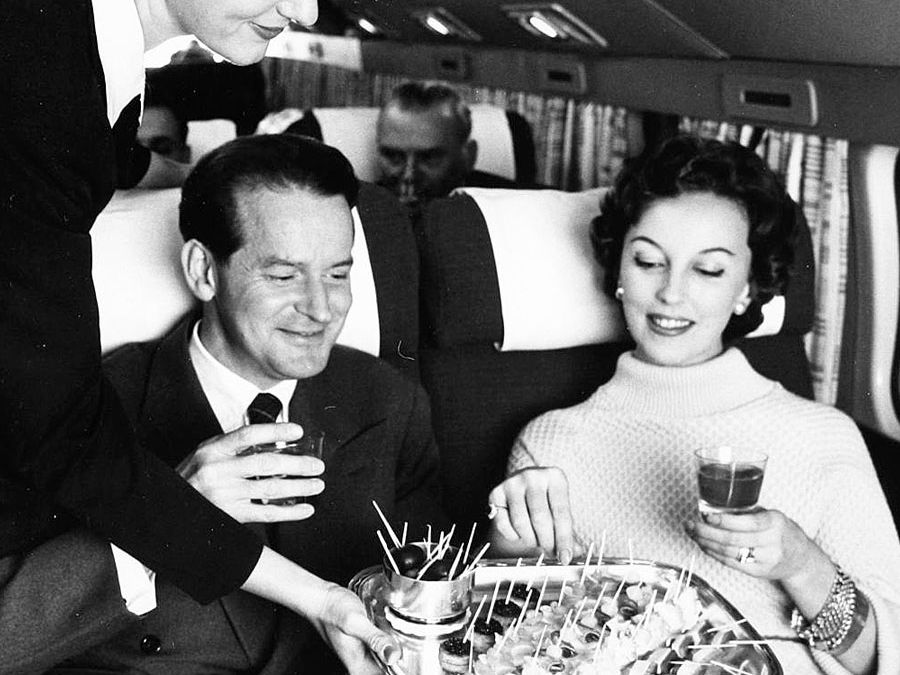
Things continued to improve from there. By the late 1950s, airlines like Pan American World Airways — better known as Pan Am — were flying jets across the Atlantic from New York City to Europe, offering passengers in all cabins complimentary gourmet meals served on white tablecloths and fine china. This marked the beginning of what many consider to be the golden age of air travel — and airline food. Advertisements from the era even touted the quality of the in-flight dining, with one TWA ad bragging about “a meal you’ll talk about for days!”
This was in part because airfares at the time were regulated by the U.S. government, so airlines had to find other ways to set themselves apart from the competition. After the government deregulated the aviation industry in 1978, however, carriers began to compete on price and a new wave of low-cost airlines took to the skies. Most famously, Southwest Airlines offered free peanuts instead of meals on its flights, in exchange for low fares, a model other airlines soon followed. The 9/11 terrorist attacks — and the shock waves they sent through the airline industry — led most U.S. airlines to stop offering meals to economy-class passengers on domestic flights shortly thereafter.
So, what could passengers traveling in the 1960s and 1970s expect to eat onboard? Anne Sweeney, a flight attendant with Pan Am from 1964 to 1975, revealed to CNNthe surprising lengths airlines went to in an attempt to elevate their meal service, noting that eggs were cooked to order for breakfast — including in coach.
Other dishes served to Pan Am economy-class passengers during Sweeney’s time onboard included chicken vol-au-vent, beef bourguignon, Cornish hen, and beef stroganoff. And if you were flying coach on American Airlines in the 1960s, you could expect the “Royal Coachman” menu, with options such as beef consommé starter, chicken breast sautéed in wine, and a fruit tartlet for dessert.
Of course, meal service was even more refined in first class and business class — and not just the food itself. The SFO Museum at San Francisco International Airport features a collection of airline meal service sets with the likes of embossed fine bone china tableware, Swedish glassware, and ceramic teapots. For example, TWA’s Royal Ambassador service (international first class) used those meal sets to plate dishes that wouldn’t be out of place at a fine-dining restaurant — Chateaubriand carved and served from a cart in the aisle, veal piccata, and lobster thermidor are just a few examples.
And while it may come as a shock to younger flyers who don’t remember what it was like to fly in a smoke-filled airplane cabin, not only was smoking permitted onboard, but many airlines also passed around complimentary cigarettes to first-class customers after meal service.
Luckily for aviation fans and foodies who love reading every detail of a menu, the Northwestern University Transportation Library has an extensive collection of vintage in-flight menus that you can browse online.
For instance, if you were flying in coach — yes, coach — to London on TWA in 1978, you could expect:
Dungeness crab meat sauteed in butter, spices, and tomatoes to start
Harvest salad bowl with choice of blue cheese or Canadian bacon dressing
Entree choice of charbroiled filet mignon with sauce Bordelaise, veal scallopini with fettuccine alfredo, or roast pork loin in cherry sauce
A banana split and a cheese platter for dessert
An extensive list of cocktails (such as a martini or a Manhattan), spirits, liqueurs, and other beverages
Even if you were flying the short, 200-mile flight from Pittsburgh to Baltimore on United Airlines in 1963, according to this menu from the New York Public Library, you’d receive:
A lobster cocktail appetizer
Stuffed chicken breast with white wine sauce, diced potatoes, sweet peppers, and buttered green peas
A Parker House roll
Pineapple cheesecake to finish
And in the late 1960s, Alaska Airlines launched its “Golden Samovar” in conjunction with charter flights to the former U.S.S.R. The elaborate Eastern European-themed service offered:
A selection of Russian beverages as Russian music was played to set the mood
Hors d’oeuvres such as Russian pelmeni dumpling, king crab leg, and caviar
A salad course with Siberian dressing and warm black bread on the side
Main course options such as chicken Kiev, veal Orloff, and beef stroganoff
A pecan tart with fruit and cheese for dessert
Clearly, a lot has changed with in-flight dining, unless you’re splurging for the most expensive fares, but the reality is that flying back then was a lot more expensive. In 1979, a basic domestic round-trip airfare cost about $615 in today’s money, compared with $345 in 2026. Though the stale dinner roll and indistinguishable entree mean that meal service is no longer a highlight of air travel, at least it’s more affordable (not to mention safer) than before.
The TSA Just Added a $45 Fee for Travelers Who Don’t Have This
By
Peter Vanden Bos
Read time: 4 minutes
December 4, 2025
Updated: December 5, 2025
The TSA Just Added a $45 Fee for Travelers Who Don’t Have This
Tips •December 4, 2025•Updated: December 5, 2025
By Peter Vanden Bos
Author
Peter Vanden Bos
Peter is a Toronto-based journalist, editor, content strategist, and self-professed avgeek with 15 years of experience covering all things travel. Prior to joining Daily Passport, he oversaw newsletter publication for Travelzoo. His favorite destinations to explore include Japan, France, Chile, New Zealand, and his adopted home country of Canada.
If you traveled a lot this year, you may have found it tough to keep up with all the changes announced by the Transportation Security Administration (TSA). This summer, for example, the TSA abolished the long-standing rule that travelers have to take off their shoes for standard security screening. There were also new bans on certain items in checked luggage, changes to the security process when connecting after an international flight, and new dedicated lanes for family screening. But perhaps the biggest shift was the TSA finally starting to enforce the requirement for travelers to have a REAL ID in order to board their flight — a rule first proposed back in 2005. And for anyone who has yet to make the switch to REAL ID, there’s big news on the horizon.
TSA Announces Fee for Travelers Without REAL ID
Credit: Jeff Greenberg/ Universal Images Group via Getty Images
On December 1, 2025, the TSA announced that airline passengers who present to the security checkpoint without a REAL ID or an equivalent acceptable form of identification will soon have the option to pay a $45 fee for identity verification if they still want to fly. The new, alternative verification process, dubbed “TSA Confirm.ID,” will be available as of February 1, 2026. If travelers don’t choose to pay for the service and don’t have any other form of permitted identification, they won’t be allowed to fly.
The TSA says that it is working with private contractors to establish a web portal to register and pay online for the service prior to arriving at the airport. Once verified, a passenger’s TSA Confirm.ID will be valid for 10 days starting with the first departure date in their itinerary.
The agency shared with USA Today that travelers will also have the option of completing the verification process and paying the fee at the airport, a process that officials expect to take about 10 to 15 minutes or up to 30 minutes in extreme cases. That means travelers who don’t plan on having a REAL ID by the time they travel should budget plenty of extra time at the airport.
While the $45 fee is certainly steep, the good news is that it should affect only a small portion of travelers. The TSA confirmed that, as of December 2025, 94% of passengers already use a REAL ID or another acceptable form of identification.
As the TSA explained in its announcement, “This fee ensures the cost to cover verification of an insufficient ID will come from the traveler, not the taxpayer. The security of the traveling public is our top priority, so we urge all travelers to get a REAL ID or other acceptable form of ID as soon as possible to avoid delays and potentially miss flights.”
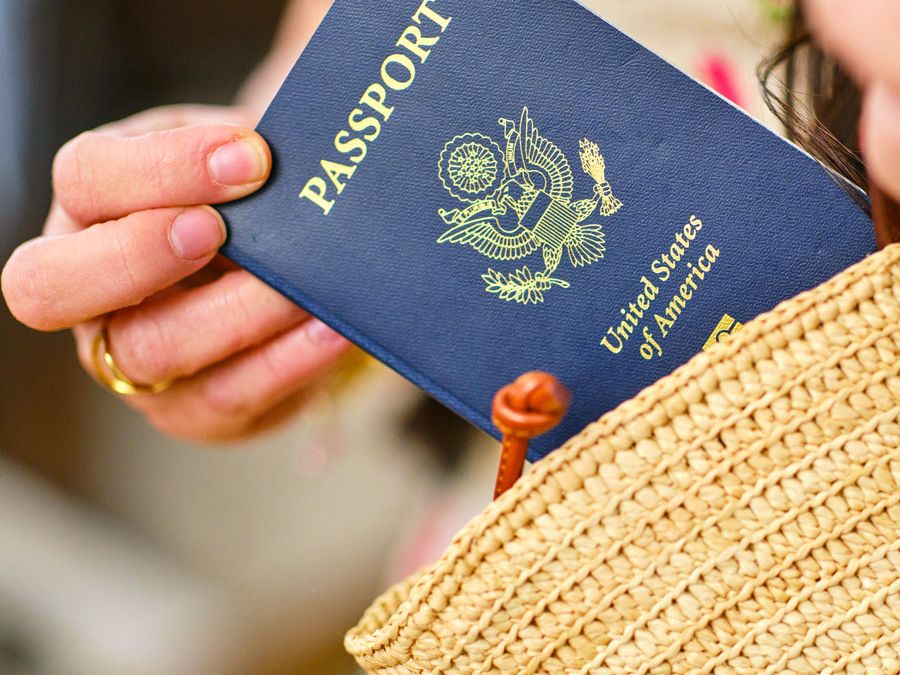
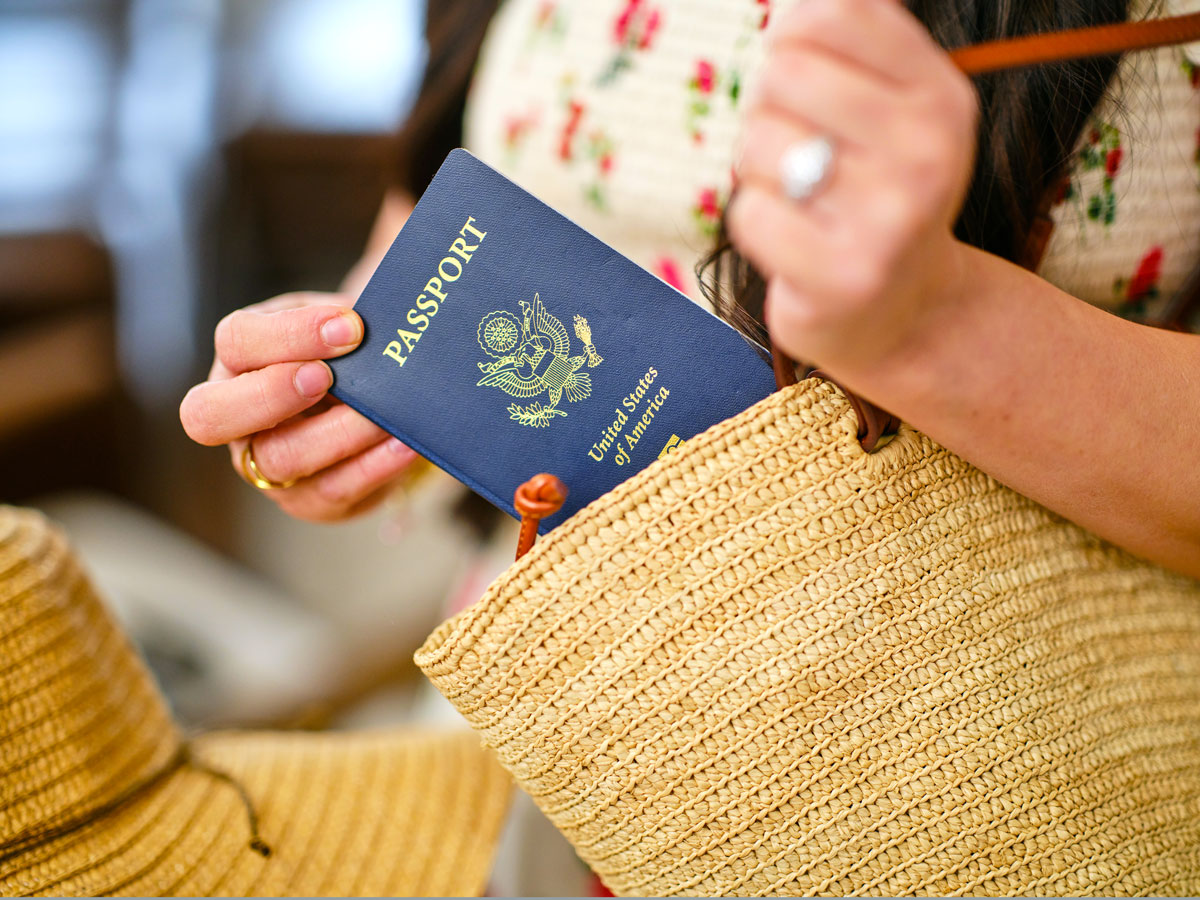
If you don’t have a REAL ID or plan to get one soon, there are many other acceptable forms of identification at TSA checkpoints. These include a U.S. passport or passport card, a state-issued Enhanced Driver’s License, a permanent resident card, a DHS Trusted Traveler (e.g., Global Entry) card, or a foreign-government issued passport. For a full list, check the TSA’s website.
For travelers looking to save even more time at TSA checkpoints this holiday season, there’s good news: You also have the option to use your phone as your ID.
Apple and Android users will be able to create a digital ID on their devices that will be accepted at 250 TSA checkpoints for domestic flights (but, notably, not on international flights). For a full list of participating states, check the TSA website.
Apple’s Digital ID and Google Wallet both require you to upload your passport information to be authenticated. Once approved, your digital ID will be stored on your device. Then, you’ll simply tap your phone on the scanner at the TSA checkpoint.
While this should lead to less time spent fumbling around your bags and pockets, the agency still recommends that travelers always carry a physical copy of acceptable identification as a backup.
Advertisement
More from our network
Daily Passport is part of Inbox Studio, an email-first media company. *Indicates a third-party property.
This U.S. Mountain Town Is 2026’s Top Trending Destination
By
Rachel Gresh
Read time: 7 minutes
December 4, 2025
Updated: December 4, 2025
This U.S. Mountain Town Is 2026’s Top Trending Destination
Tips •December 4, 2025•Updated: December 4, 2025
By Rachel Gresh
Author
Rachel Gresh
Rachel is a Washington, D.C.–based travel and lifestyle writer with roots in the Great Lakes region. When she’s not writing for publications such as The Discoverer and Interesting Facts, you’ll find her wandering through museums or exploring destinations off the beaten path.
Still searching for inspiration for your 2026 getaway? Expedia has unveiled its annual Destinations of the Year list, compiled from the travel firm’s global search data. The report highlights the destinations travelers are most excited about based on the increase in search growth compared to the previous year. One thing is clear: Travelers today value variety. From historic Japanese temples and quaint English cottages to tranquil Canadian forests and UNESCO-recognized Mexican architecture, 2026’s top trending destinations offer unforgettable travel experiences. Can you guess which U.S. spot claimed the top honor?
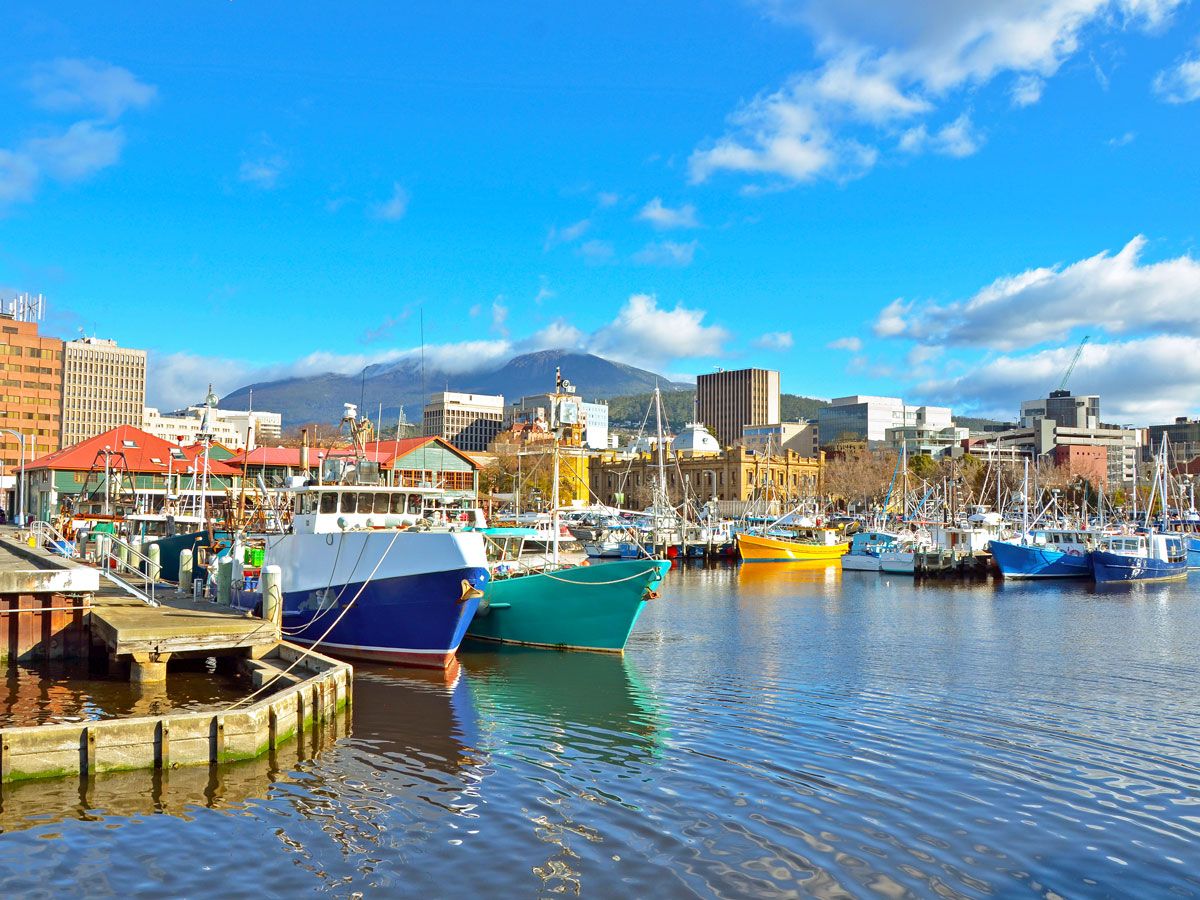
Popular Aussie cities like Sydney and Melbourne usually steal the spotlight, but a new star is rising Down Under: Hobart, the capital of Tasmania. The harborfront city is home to an eclectic mix of markets, boutiques, and museums — most notably, the Museum of Old and New Art (MONA), the largest privately funded museum in the Southern Hemisphere. MONA is known for its cutting-edge art exhibits, but it also hosts live music events and has an on-site winery.
Hobart’s restaurant scene embraces farm-to-table dining, focusing on seasonal ingredients that deliver an authentic taste of Tasmania — and provide fuel for exploring the surrounding region. Hiking nearby Mount Wellington, kayaking to fish punts (floating restaurants), and encountering Tasmanian devils at Bonorong Wildlife Sanctuary are just a few of the many appealing activities here.
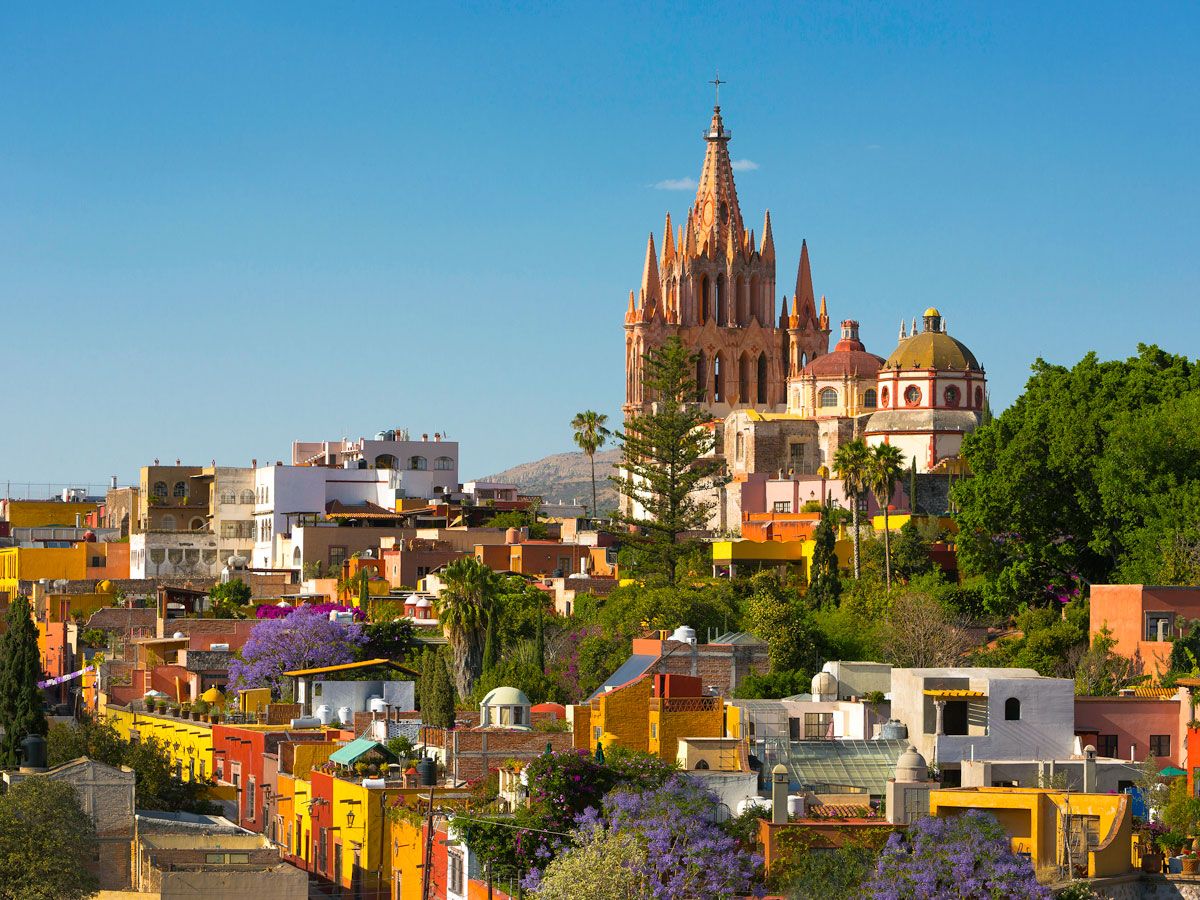
9. San Miguel de Allende, Mexico
Credit: Danny Lehman/ The Image Bank via Getty Images
30% increase
The colorful colonial-era city of San Miguel de Allende, located in the Mexican state of Guanajuato, is home to impressive baroque Spanish architecture that has earned it UNESCO World Heritage status. Visitors from around the world are drawn to its well-preserved churches, civic buildings, and murals — a trend that shows no signs of slowing in 2026. At the heart of the city stands Parroquia de San Miguel Arcángel, a striking neo-Gothic church from the 17th century that bears a unique pink hue. The city also boasts a lively entertainment and cultural scene, including many festivals that blend Catholic and local Indigenous traditions.
Plus, the central highlands surrounding San Miguel de Allende are home to a burgeoning wine region dotted with vineyards, tasting rooms, and restaurants. Rolling hills draped in lavender fields and olive groves only add to the region’s enchanting atmosphere.
The Cotswolds span over 800 miles, encompassing five counties west of London: Gloucestershire, Oxfordshire, Warwickshire, Wiltshire, and Worcestershire. Each village and town has its own identity and offers endless opportunities for exploration and discovery. No matter which you explore, the many castles, inns, gardens, pubs, farm shops, and teahouses create a cozy, old-world atmosphere that make this one of England’s top tourism destinations.
Tourists can tailor their vacation to their preferences, from glamping among rolling hills (while exploring more than 3,000 miles of footpaths) to unwinding at a spa getaway in a historic manor. One of the best times to visit the region is during the Christmas season, when twinkling lights and festive markets make these storybook villages particularly magical.
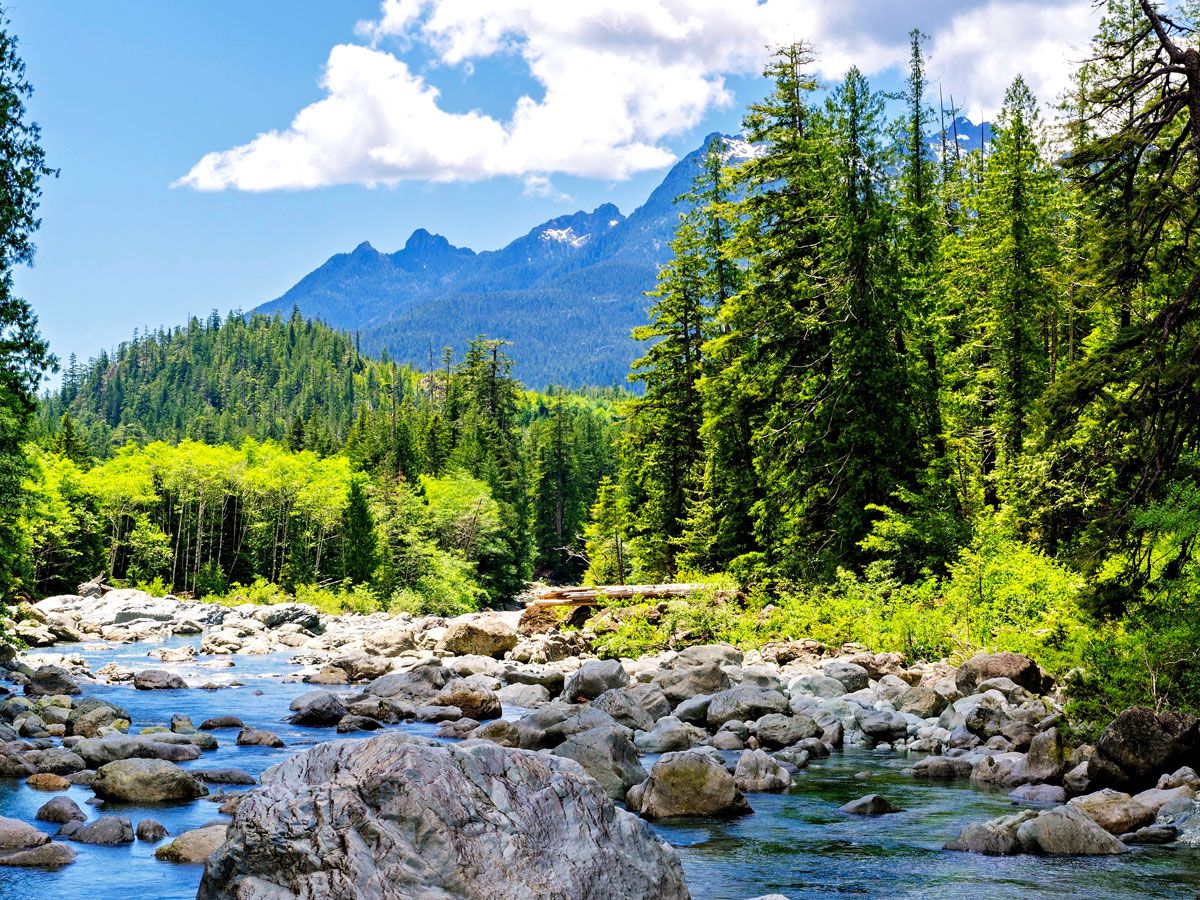
The rugged coastal beauty and deep Indigenous heritage of this peninsula make it an unforgettable place to learn more about British Columbia’s cultural roots while enjoying time in nature. Situated on the west coast of Vancouver Island, Ucluelet — pronounced “you-clue-let” — is a Nuučaanuł word meaning “People of the Safe Harbor.”
Outdoor recreation and ecotourism are driving factors in making Ucluelet a top trending destination for 2026. With a location on the famous Wild Pacific Trail, it’s a great home base for outdoor explorers. Nearby, the Pacific Rim National Park Reserve is home to temperate rainforests and coastal inlets, where activities such as surfing, kayaking, and biking are popular. And during the summer and fall, the downtown Sunday Market showcases local artisan goods, including jewelry, pottery, artwork, and food.
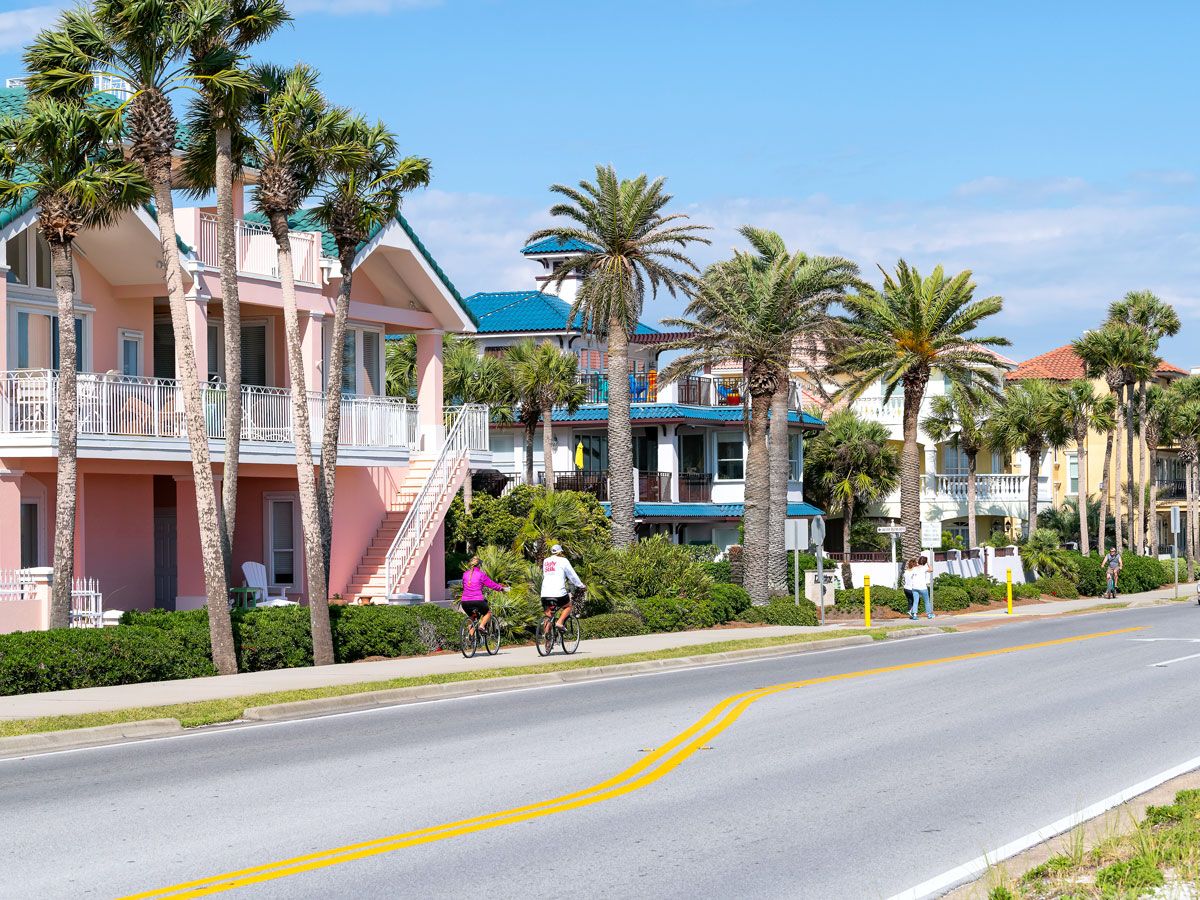
6. Fort Walton Beach, Florida
Credit: ablokhin/ iStock Editorial via Getty Images Plus
45% increase
The Emerald Coast of Florida is a 100-mile stretch on the Gulf of Mexico known for its pristine white-sand beaches and turquoise water. One of the region’s most charming cities, Fort Walton Beach, features more than 580 artificial reef sites that make up the most robust artificial reef program in the country, creating a premier diving and snorkeling destination.
Water sports rentals and fishing charters are other favorite Fort Walton pastimes, and the city’s many “Gulf-to-table” restaurants feature some of the freshest seafood in the country. Nearby, Crab Island is a submerged sandbar and boater’s paradise, where hundreds of vessels anchor to soak up the sunshine.
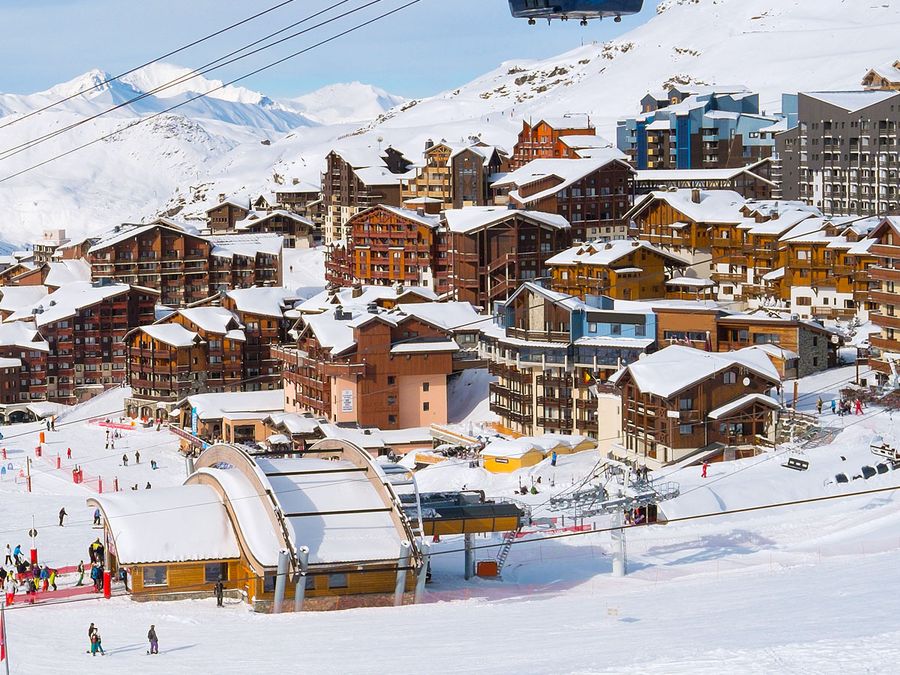
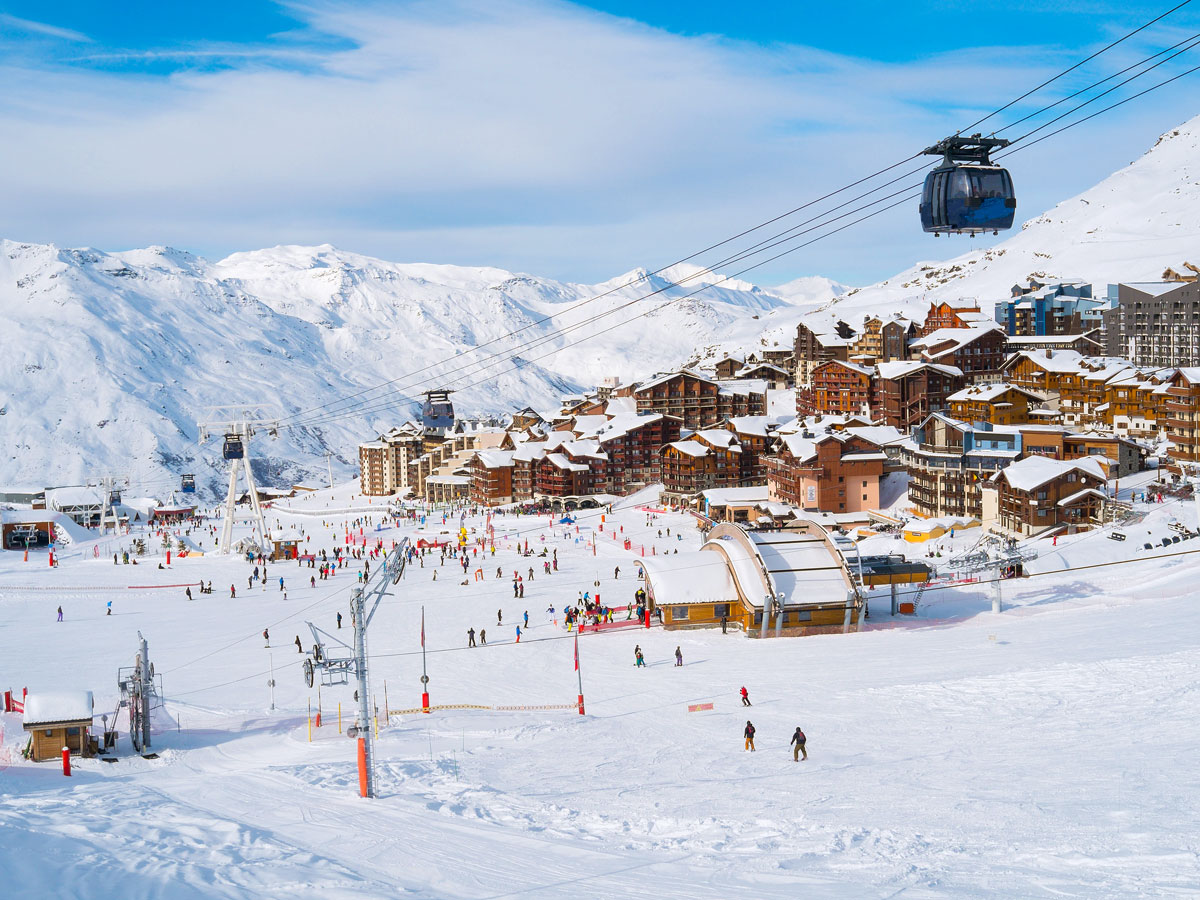
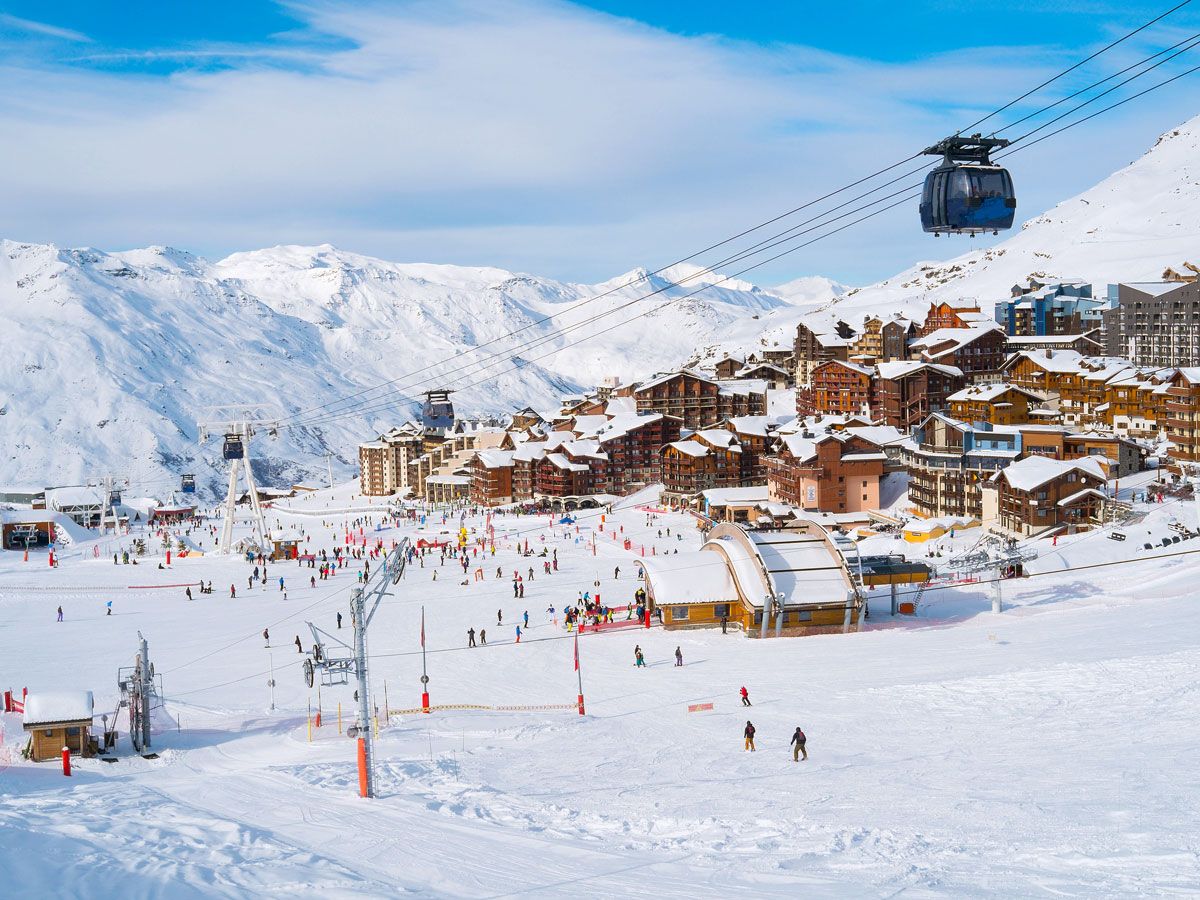
Tucked away in the French Alps, just south of Geneva and Chamonix, is Savoie, a region renowned for its ski resorts, stunning views, and traditional cuisine — especially fondue savoyarde (melted cheese infused with wine). Savoie’s biggest cities are Annecy and Chambéry, and Les 3 Vallées is the world’s largest ski area.
The region is also home to Vanoise National Park, France’s first national park, where ibex roam freely in the largest protected natural area in the Western Alps. Nearby, Lac de Bourget is France’s largest natural lake, offering unforgettable hiking trails and views. For one of the best vantage points of the lake, head to Hautecombe Abbey, a 12th-century royal abbey that overlooks its shores.
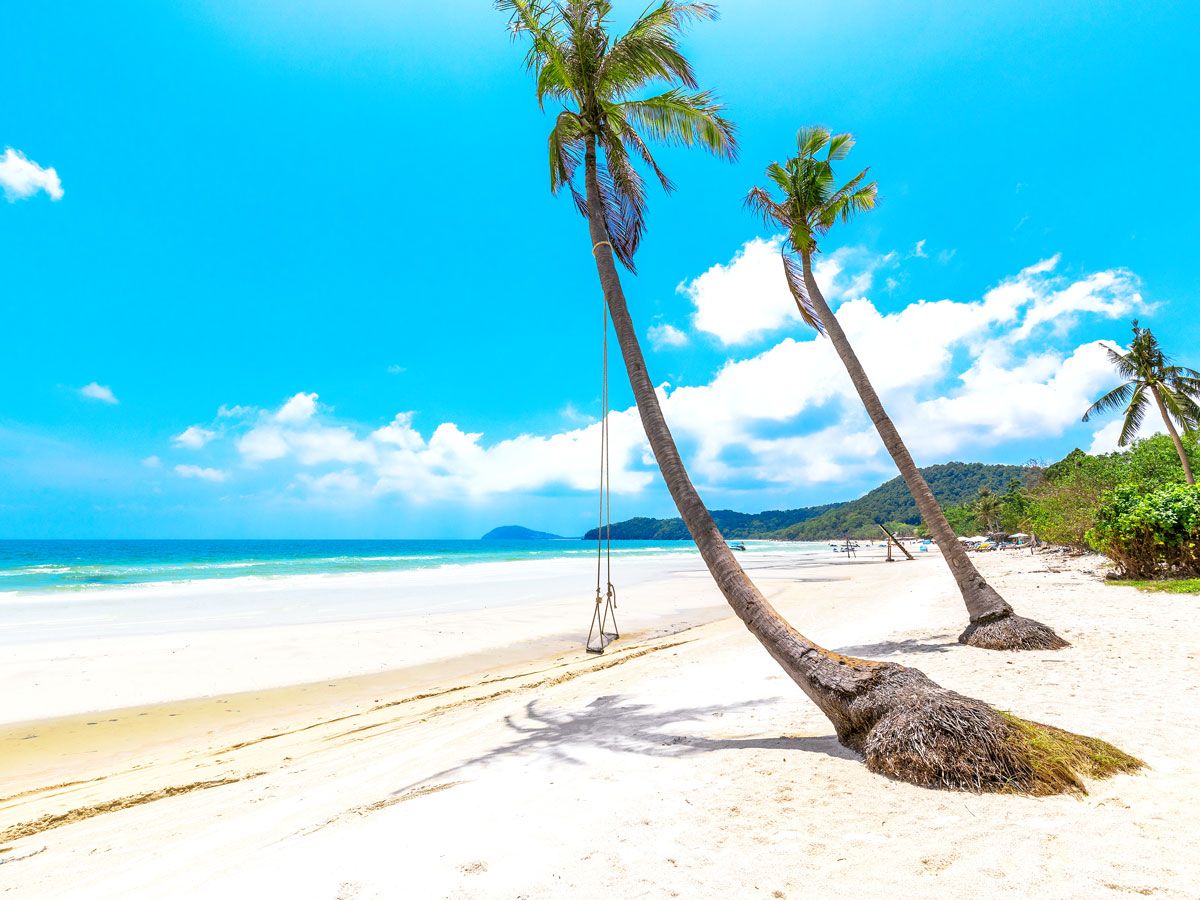
Floating in the turquoise waters of the Gulf of Thailand is the Vietnamese island of Phu Quoc. The island’s white-sand beaches, swaying palm trees, and seaside eateries create a laid-back atmosphere that’s perfect for a tropical getaway off the radar of most American tourists — although that may be set to change in 2026.
Phu Quoc is famous for its fish sauce, a staple that you can sample at local restaurants or during a tour of a factory. More than half of the island is a UNESCO Biosphere Reserve, offering plenty of dense jungles and hiking trails, where you can find a diverse array of wildlife, including several endangered species such as the silvered langur, slow loris, small-clawed otter, and fruit bat. The coral reefs on the southern end of the island are also home to a diverse ecosystem with more than 100 species of fish.
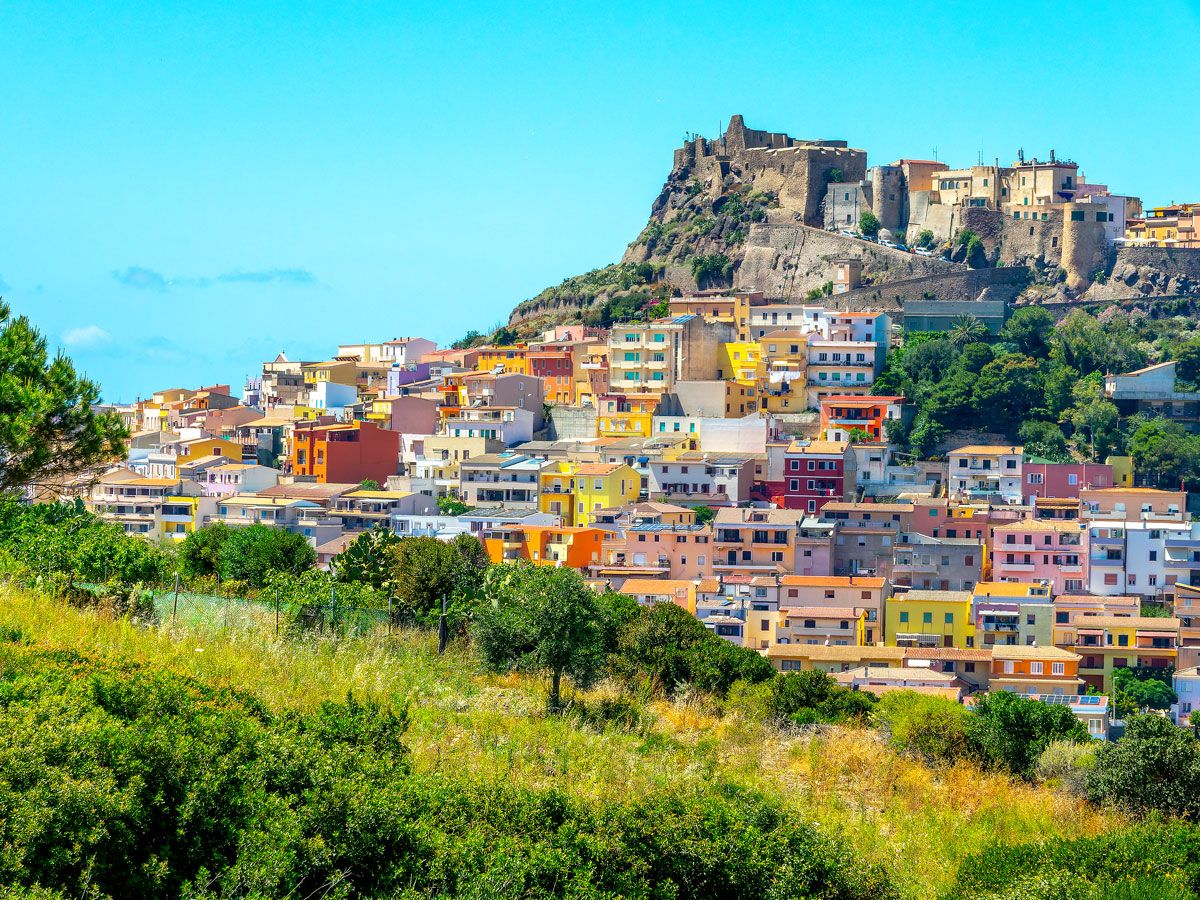
Some 3 million sheep outnumber the human population (1.6 million) on Sardinia, Italy’s second-largest island, a thriving agricultural hub that accounts for 13% of sheep milk production in the European Union. Among the most renowned is pecorino cheese — one of the region’s specialties — a must-try during your visit.
But Sardinia isn’t all sheep farms — it’s also home to stunning Mediterranean beaches and historic villages that more and more tourists are catching onto. The island’s culinary scene features a blend of locally caught seafood, freshly farmed dairy, and homemade pasta, best paired with a glass of local wine, such as Cannonau or Vermentino. Sardinia is also home to a cluster of villages that comprise the world’s first recognized Blue Zone, where people live longer than anywhere else in the world.
2. Okinawa, Japan
Credit: Sean Pavone/ iStock Editorial via Getty Images Plus
71% increase
The beaches of Okinawa provide a warm, sunny welcome to visitors from around the globe, but you’ll find that there’s much more to this tropical Japanese island than sand and surf. For starters, Okinawa — which, like, Sardinia, is considered a Blue Zone — was the birthplace of karate, and today, the Okinawa Karate Kaikan hosts international tournaments and seminars. Many travelers also bring home yachimun, traditional pottery from Okinawa that’s decorated in bold, hand-painted designs.
The island’s historical significance also draws many visitors to see the remnants of the Ryukyu Kingdom (1429 to 1879), including nine gusuku“(castles) located around the island, which represent five centuries of Ryukyu culture. Later, the island was the site of World War II’s Battle of Okinawa (1945); today, history buffs flock to see sites such as Hacksaw Ridge, the Japanese Imperial Army Headquarters (located at Shuri Castle), and Okinawa Peace Memorial Park.
According to the search data, the most dreamt-of destination for 2026 is Montana’s Big Sky, a mountain resort town in the Rockies known for its outdoor living, ski resorts, and Western charm. In the late 19th century, Big Sky saw its first ranches and homesteads emerge, but those quiet cattle farms were soon overshadowed by Big Sky Resort, which opened for its first winter season in 1973.
Since then, the town has dramatically expanded around the resort, and it now offers spas and wellness centers, Montana-made boutique shopping, performing arts venues, and numerous local festivals. But most visitors still come to Big Sky for its outdoor activities, which include horseback rides, fly fishing, white water rafting, dog sledding, and snow sports, to name a few. Big Sky is also a perfect home base for day trips to Yellowstone National Park, located about an hour south of the city.
Advertisement
More from our network
Daily Passport is part of Inbox Studio, an email-first media company. *Indicates a third-party property.
History •December 1, 2025•Updated: December 2, 2025
By Bennett Kleinman
Author
Bennett Kleinman
Bennett is a New York City-based staff writer for Daily Passport. He previously contributed to television programs such as the Late Show With David Letterman, as well as digital publications like the Onion. Bennett has traveled to 48 U.S. states and all 30 Major League Baseball stadiums.
You’re probably quite familiar with the symbolism behind the flag of the United States. Its 13 red and white stripes pay homage to the original colonies, while the 50 white stars represent the individual states. But the 50 states also have unique flags of their own, and you may not be as familiar with the many colors and symbols that hold significance in each of those states. So, let’s take a look at the fascinating meanings and histories behind all 50 state flags.
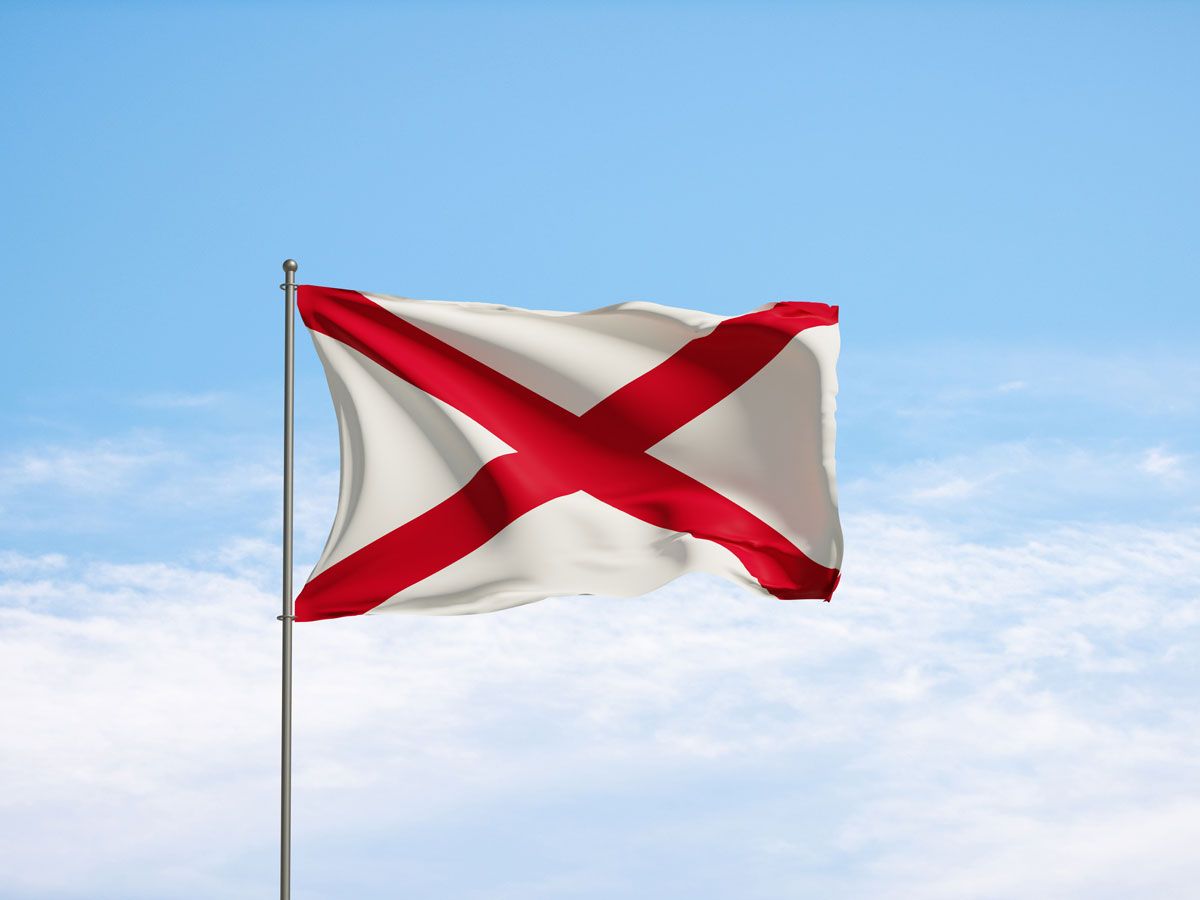
Alabama’s state flag was formally adopted in 1895. Designed by state Attorney General John W. A. Sanford Jr., the flag features a white background with a red saltire (an X-shaped cross, also called a St. Andrew’s cross). There isn’t much on record as to the intended symbolism of Alabama’s flag, but many believe that its design is a subtle reference to the Battle Flag of the Confederate States of America, as Sanford served as a Confederate officer during the Civil War. While there have been calls to update the flag, it remains in official use.
In 1926, back when Alaska was still a territory, 14-year-old Alaska resident Benny Benson won a competition to design a new territorial flag. It was adopted by the territorial legislature the next year and remained the official flag when Alaska achieved statehood in 1959. The design features a dark blue background, symbolizing the vast Alaskan skies, and also contains depictions of the Ursa Major constellation and the North Star, which is appropriate given Alaska’s status as the northernmost state.
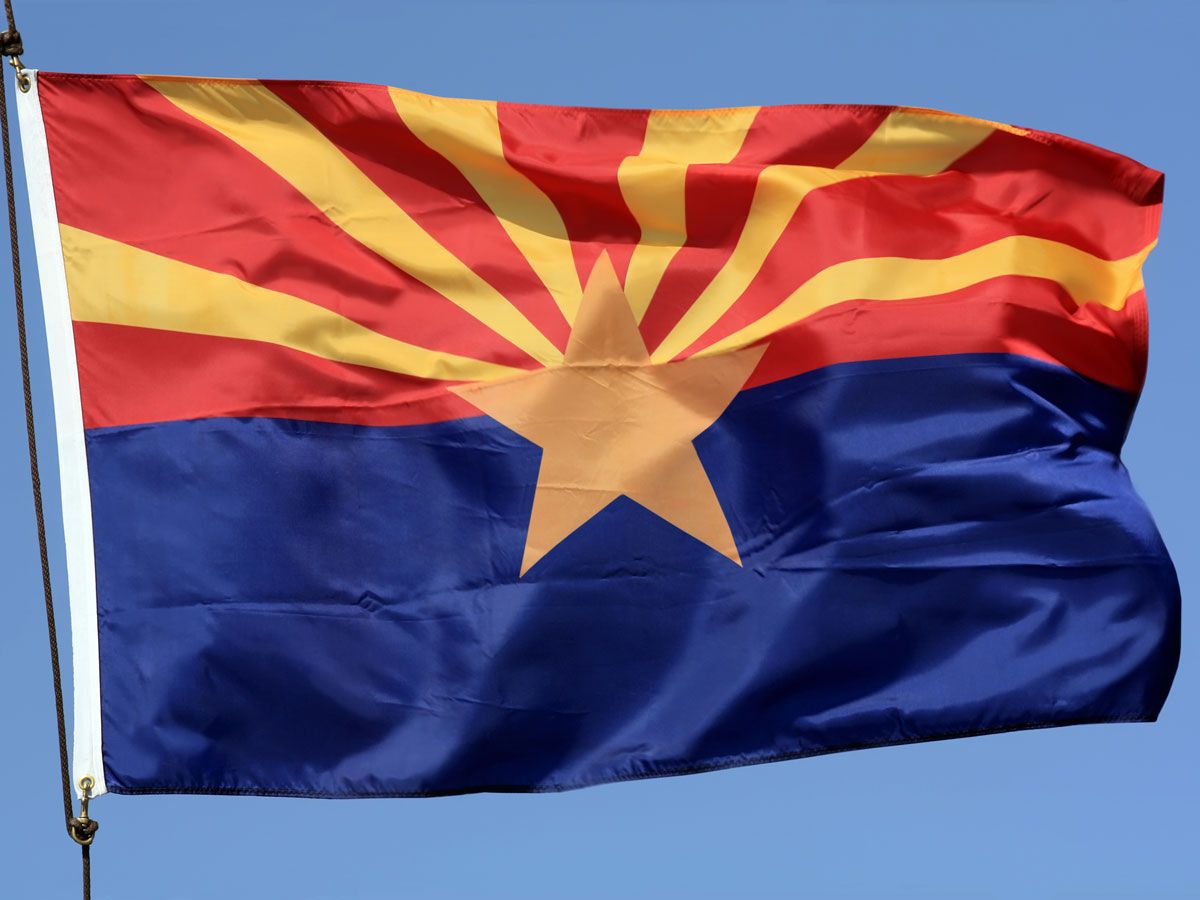
Charles Harris, a colonel in the Arizona National Guard, designed a flag in 1910 that would later inspire the Arizona state flag, adopted in 1917. The top half of the design features 13 alternating yellow and red beams of light, representing the sun setting over the horizon. The 13 beams also pay homage to the original colonies. In the center of the flag is a single star that signifies the state’s rich copper industry. The field of blue at the bottom matches the color of the national flag.
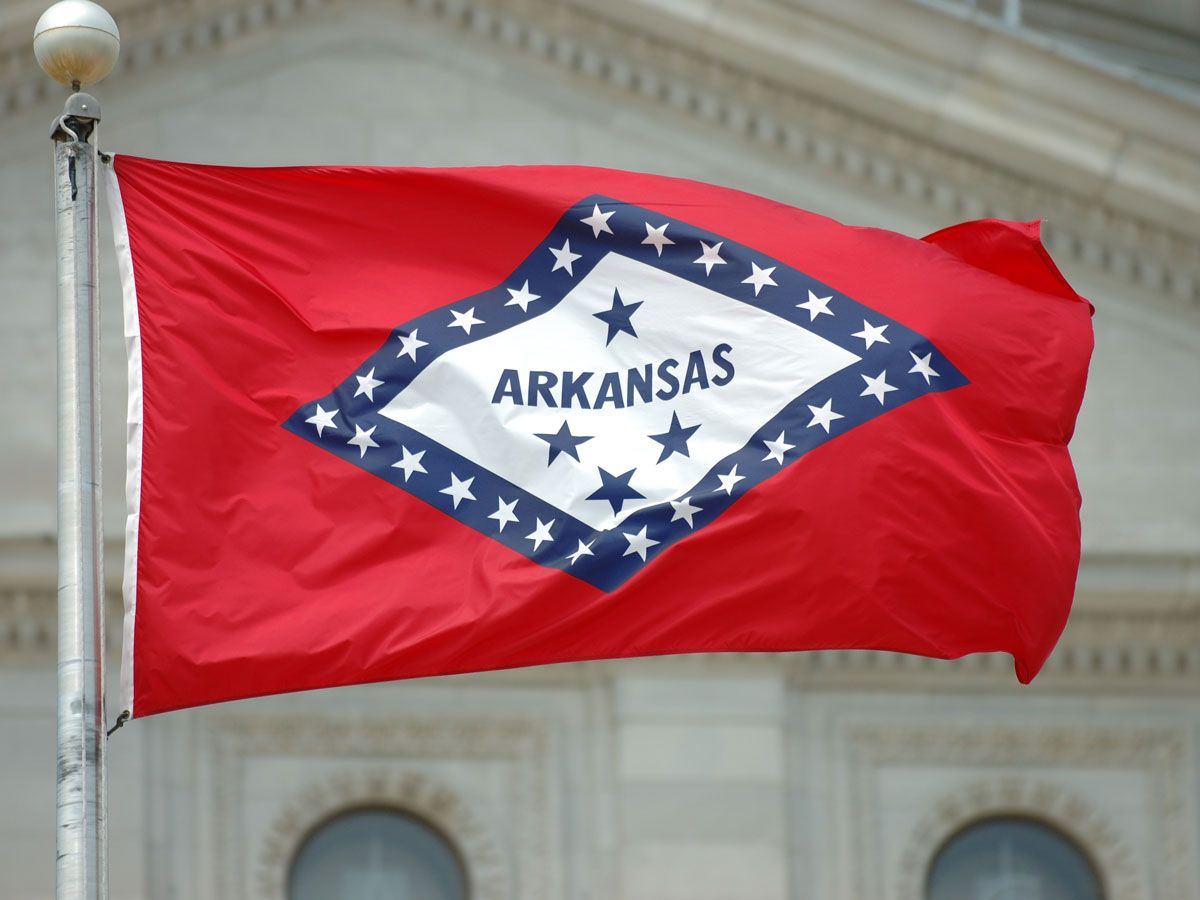
In 1912, the Daughters of the American Revolution launched a statewide competition to create a new flag for Arkansas. The following year, the committee selected a red, white, and blue flag designed by state resident Willie Kavanaugh Hocker. It originally featured three blue stars, an homage to the three countries that the Arkansas territory once belonged to before statehood (the U.S., France, and Spain). A fourth star was later added symbolizing the Confederacy, and it remains today despite calls to remove it. The flag also features 25 white stars symbolizing Arkansas as the 25th state.
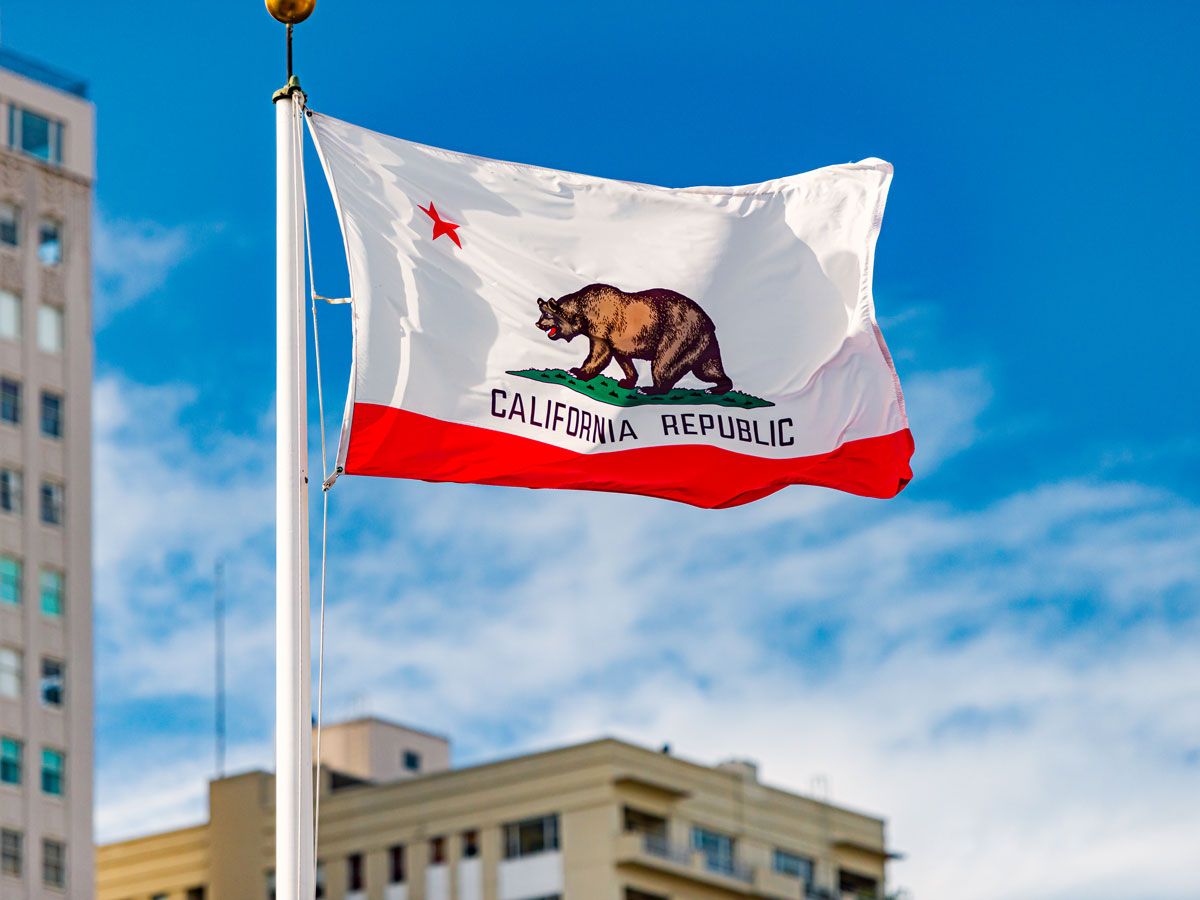
California officially adopted a state flag for the first time in 1911, 61 years after achieving statehood. The design was inspired by an unofficial flag that flew during the 1846 Bear Flag Revolt. That flag was designed by Peter Storm and William L. Todd (cousin of Mary Todd Lincoln) and featured a grizzly bear, portraying strength, looking toward a red star, symbolizing courage. With some minor tweaks, California adopted this design as the state flag, which was updated again in 1953.
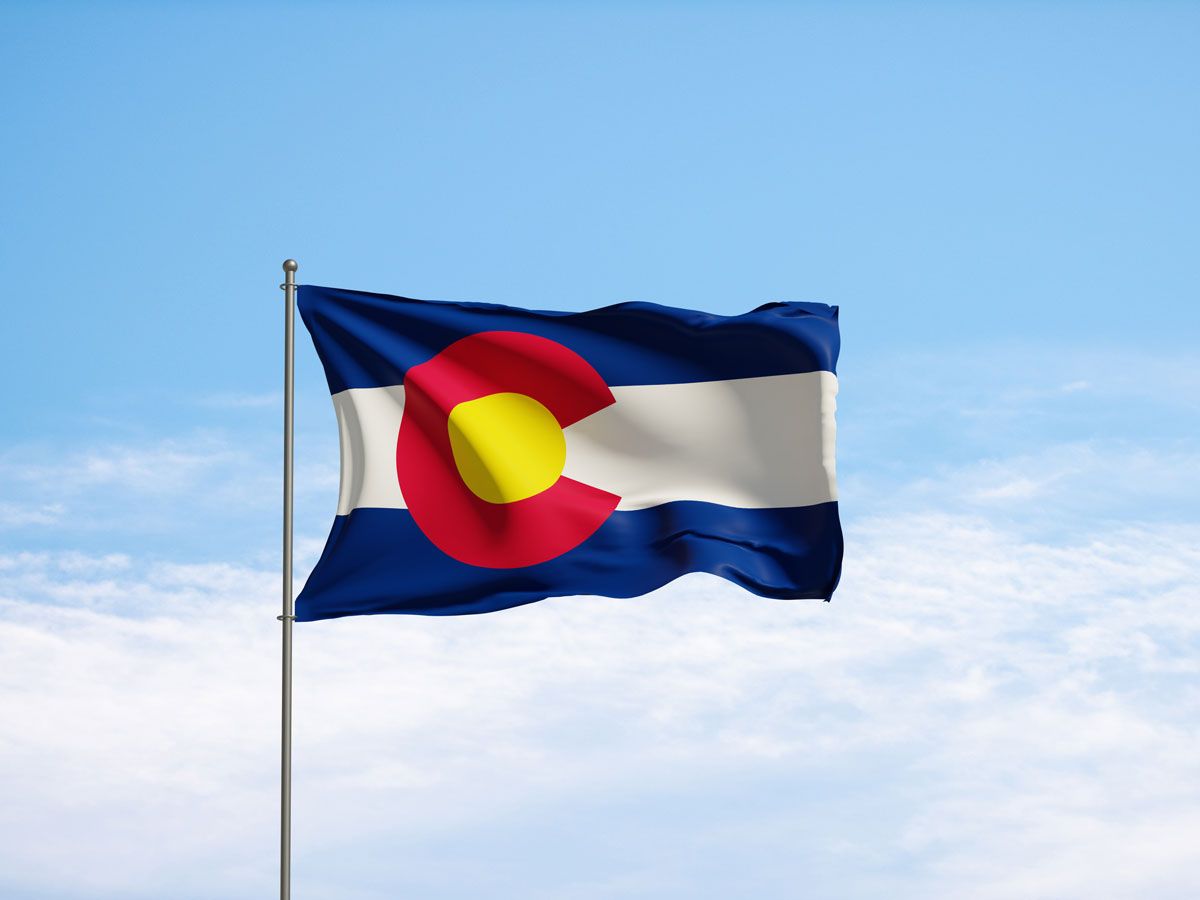
The state flag of Colorado was designed by Andrew Carlisle Johnson and adopted in 1911. It features three alternating blue and white stripes with a circular red “C,” which match the colors on the national flag. The “C” stands for the name of the state (which comes from the Spanish word colorado, meaning “red”) and contains a golden disc inside. The gold color represents the state’s gold mining history, while the white on the stripes reflects its silver deposits, both of which drew many early settlers to Colorado.
Credit: Derek Brumby/ iStock via Getty Images Plus
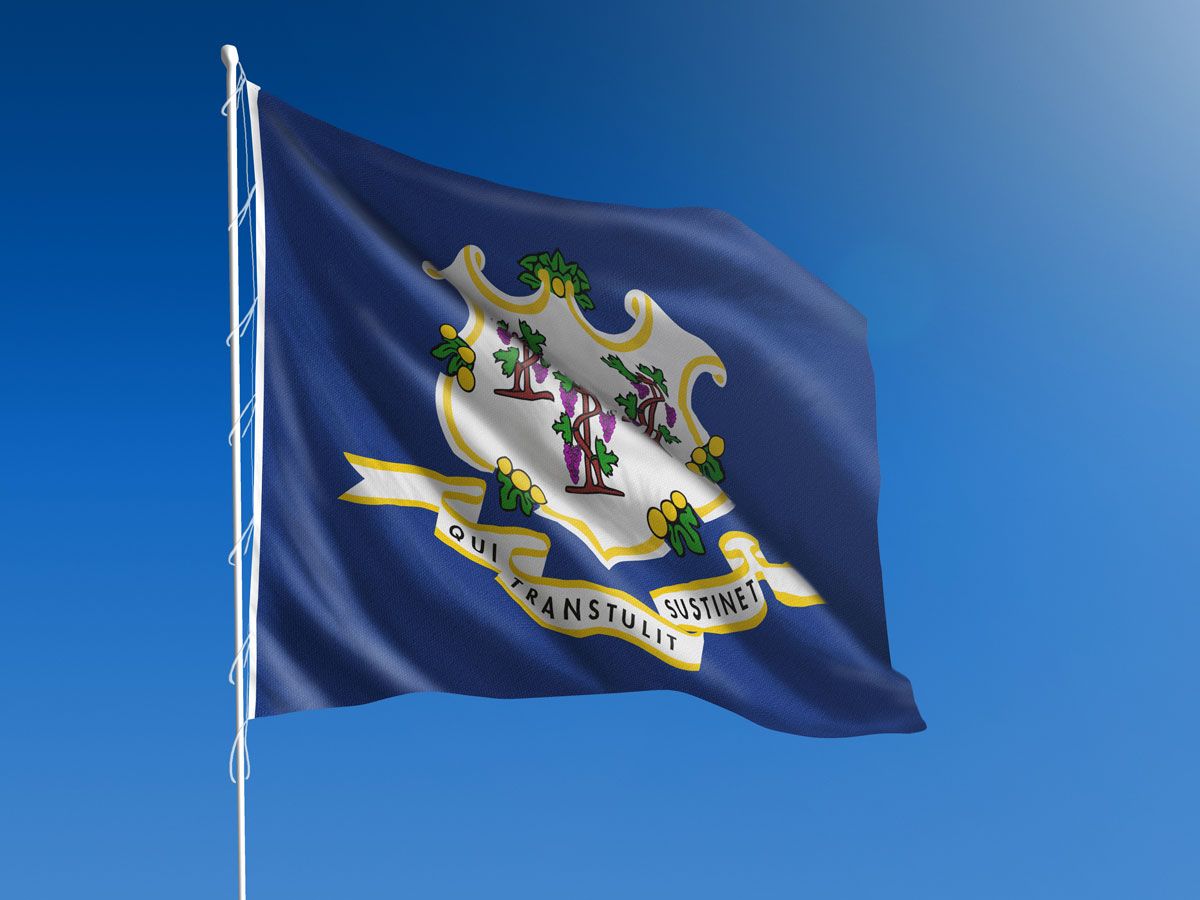
Adopted in 1897, Connecticut’s flag features the state’s Latin motto, “Qui transtulit sustinet” (“He who transplanted still sustains”), on a ribbon below a coat of arms based on the 1711 colonial seal. The coat of arms features three grapevines that are believed to represent either the original colonies of Connecticut, New Haven, and Saybrook that merged to form the state, or its three oldest settlements (Hartford, Wethersfield, and Windsor).
Delaware
Credit: Derek Brumby/ iStock via Getty Images Plus
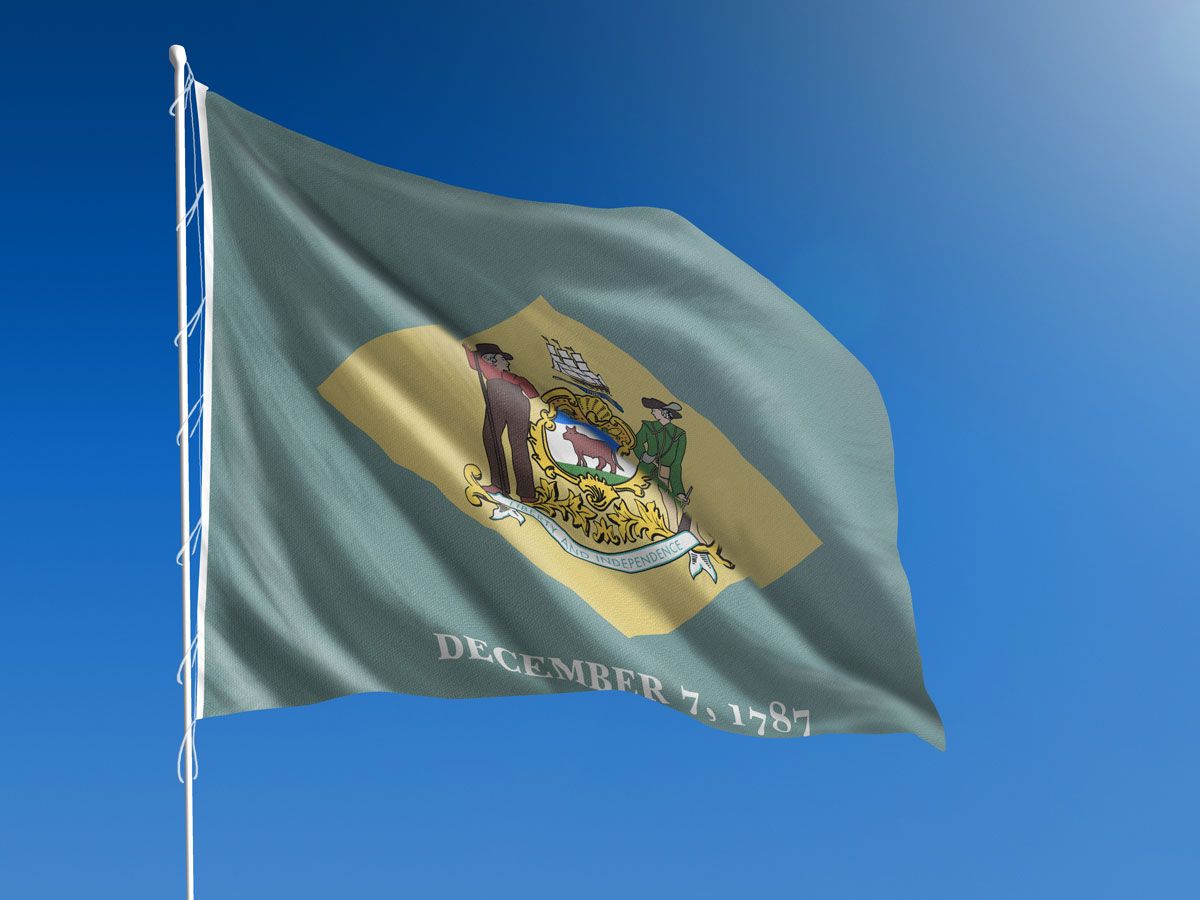
Introduced in 1913, the Delaware state flag features the date December 7, 1787 — the day that Delaware became the first U.S. state to ratify the Constitution. The design also includes the state’s coat of arms at its center, which contains images of a ship that represents commerce, as well as wheat, corn, and a farmer to symbolize agriculture. The coat of arms is overlaid atop a colonial blue background, which is based on the color of the uniform worn by George Washington.
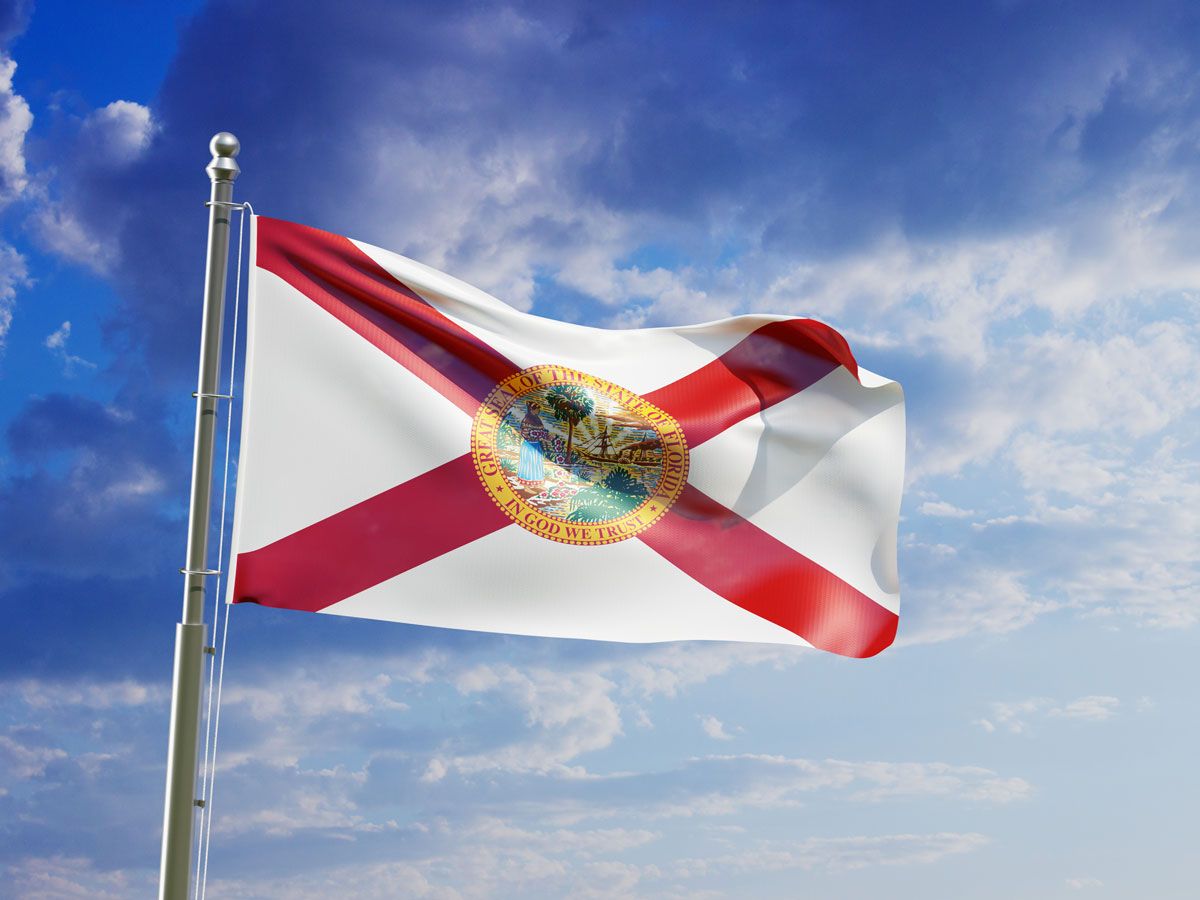
Florida’s current state flag design was adopted in 1900. Prior to that, the flag featured a simple white background with the state seal in its center. In the 1890s, Governor Francis P. Fleming suggested that the flag was too similar to a white flag of surrender. To remedy this, he proposed the red diagonal cross that was later added to the design. The state seal depicts the sun shining over a Seminole woman standing beside a sabal palm (Florida’s state tree) and a steamboat representing commerce and progress.
Georgia
Credit: Derek Brumby/ iStock via Getty Images Plus
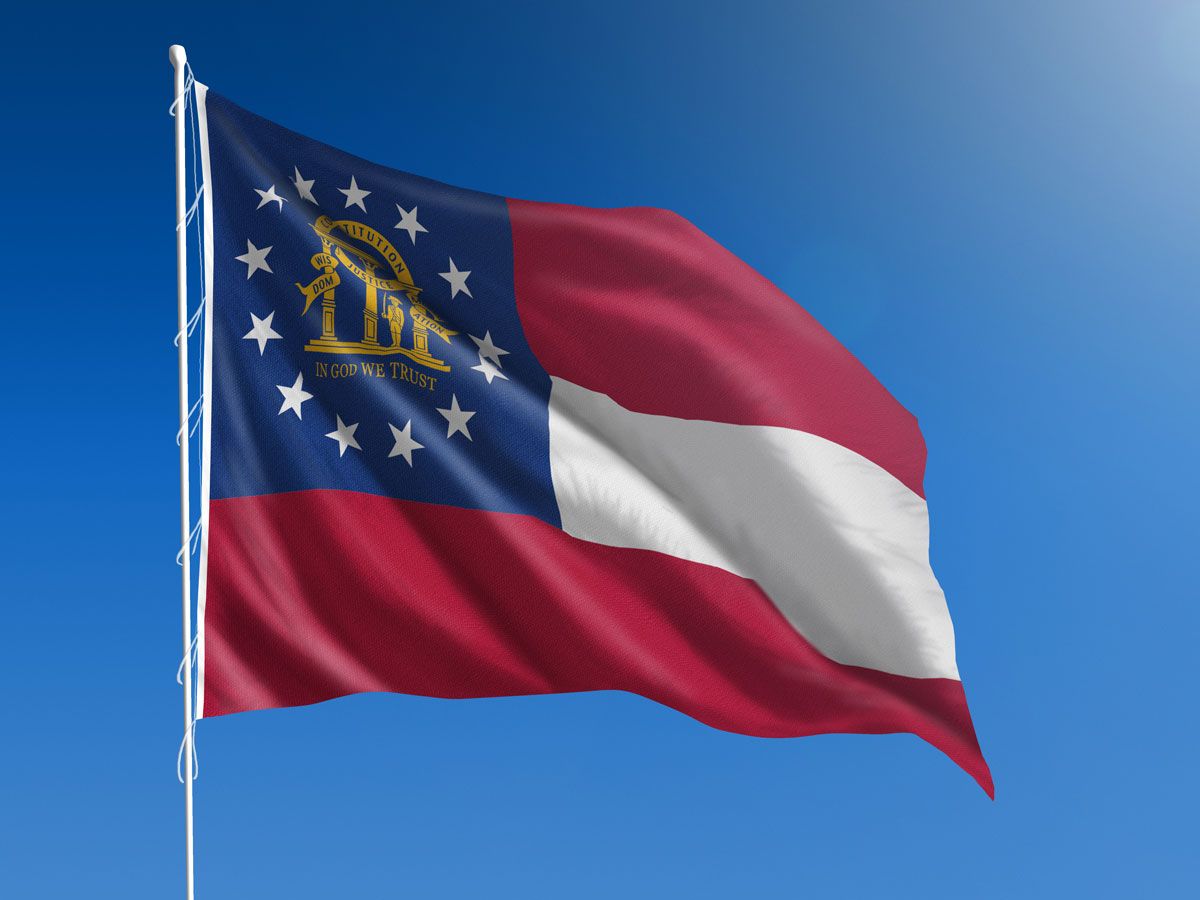
The current state flag of Georgia was adopted in 2003. It contains three alternating red and white stripes with a blue square in the upper left corner, similar to the national flag. The blue square contains the state’s coat of arms surrounded by 13 stars, symbolizing Georgia being one of the 13 original colonies, along with the state motto, “Wisdom, Justice, Moderation.”
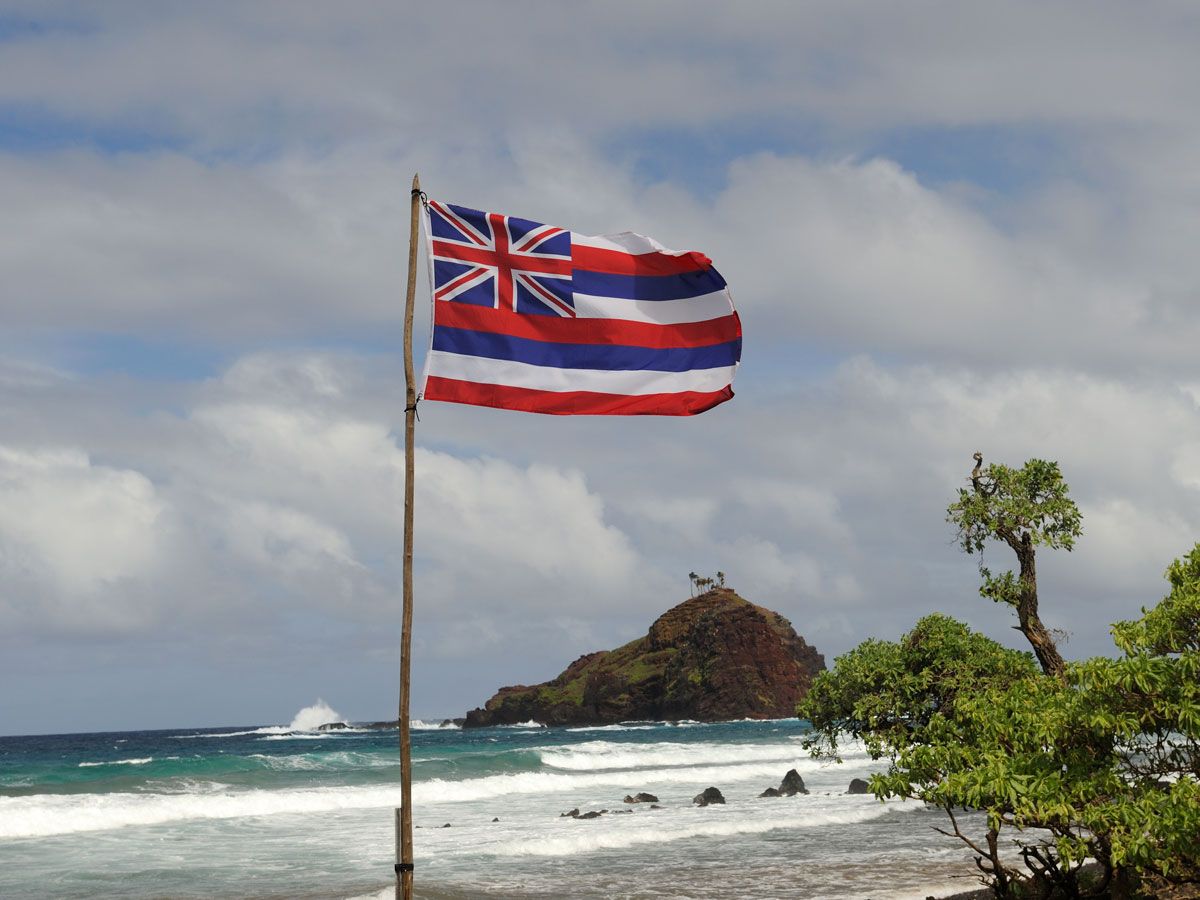
Hawaii’s flag was designed by King Kamehameha I, who ruled over the islands in the late 18th and early 19th centuries. It has eight red, white, and blue stripes, which symbolize the eight major Hawaiian islands. Britain’s Union Jack also features in the upper left corner as a nod to Hawaii’s historical ties to Great Britain, which makes Hawaii’s flag the only state flag to incorporate the flag of a foreign nation. The flag was adopted in 1845 and remained in use when Hawaii became a state in 1959.
Idaho
Credit: Derek Brumby/ iStock via Getty Images Plus
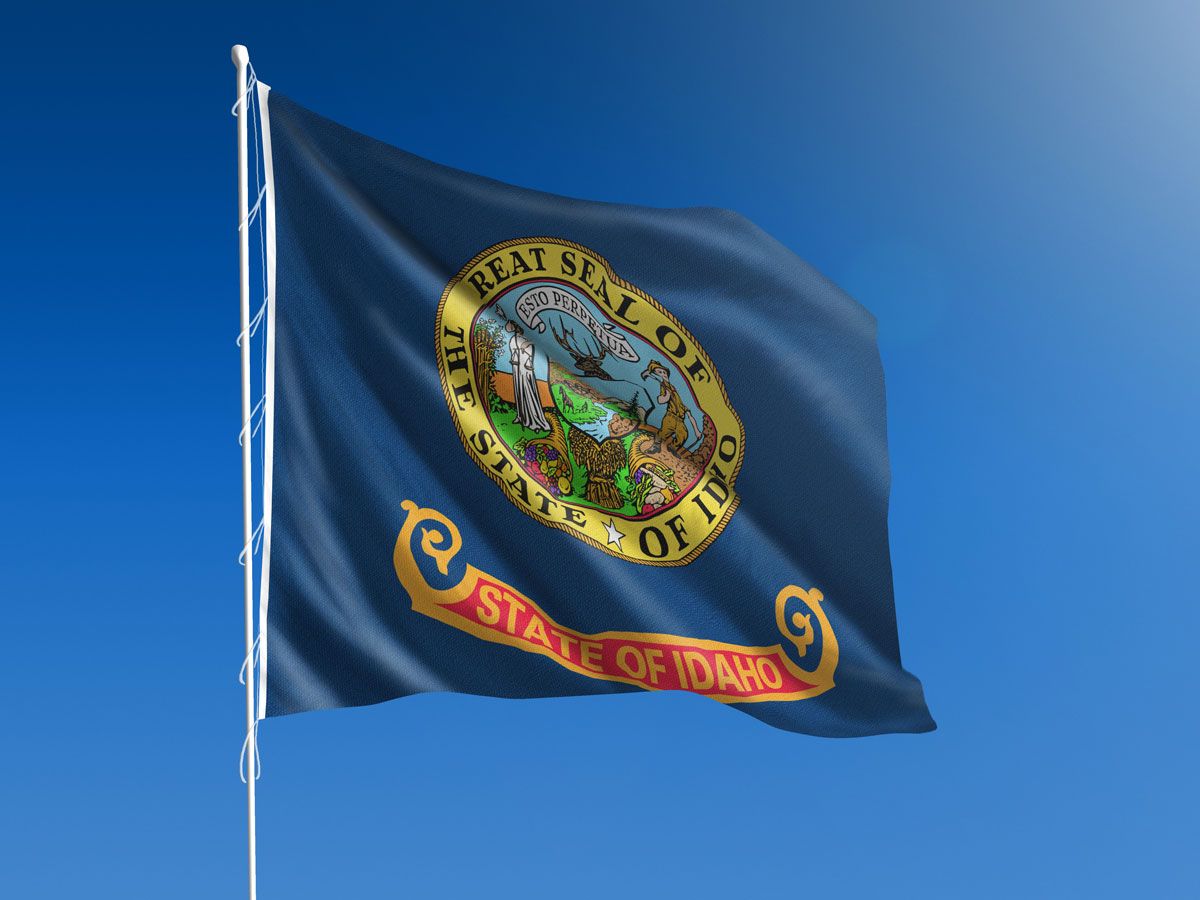
The Idaho Territory seal, adopted in 1891, is the only U.S. seal created by a woman, painter and designer Emma Edwards Green. It incorporated symbolic imagery such as the state’s Shoshone River, an elk’s head, a woman holding scales to symbolize justice and liberty, and a miner to represent the state’s biggest industry at the time. This seal became the centerpiece of the Idahoan flag in 1907, with a blue background featuring the name of the state.
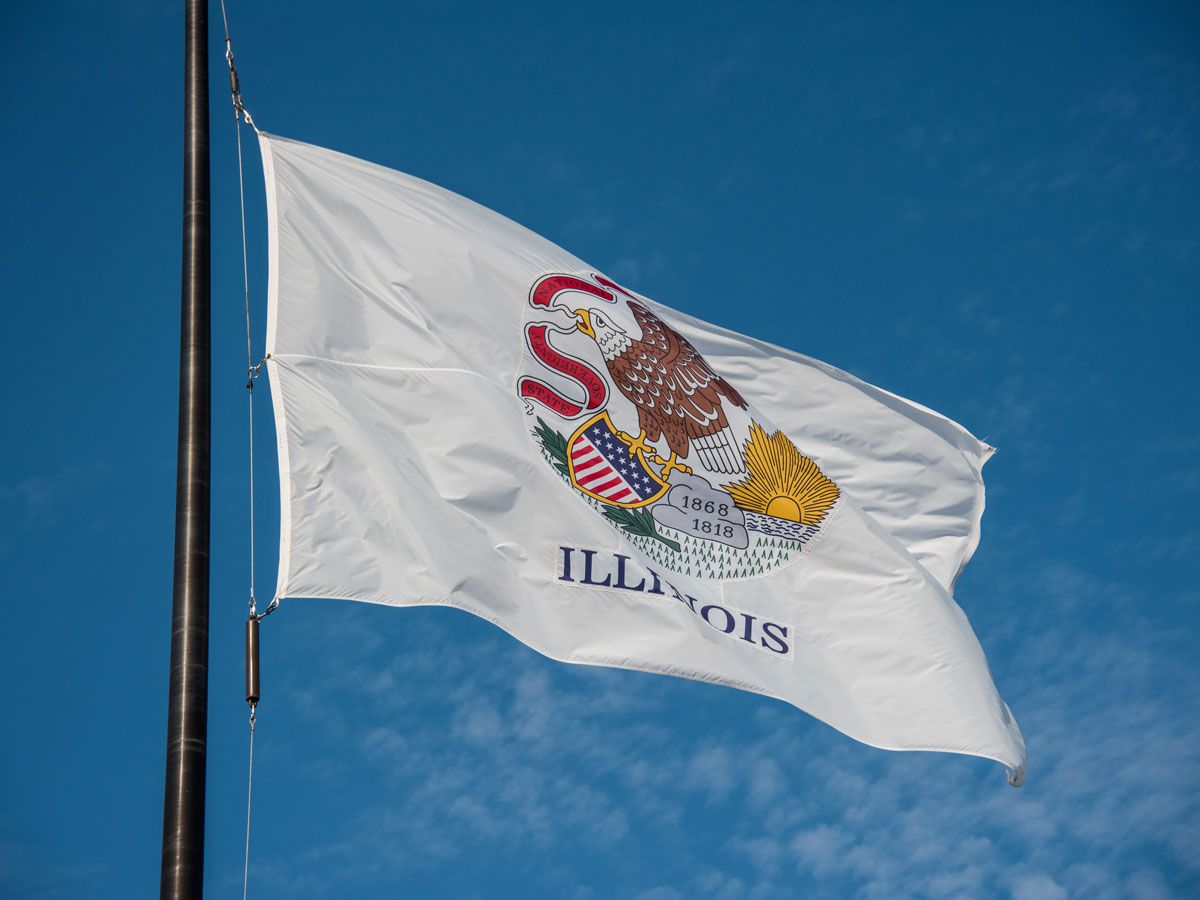
Introduced in 1915 and updated in 1970, Illinois’ state flag resulted from a contest sponsored by the Daughters of the American Revolution. It features a white background with elements of the state seal emblazoned in the center. The design includes a rock etched with the years 1818 and 1868, representing the years Illinois achieved statehood and the first year that the state seal was used, respectively. The flag also features a bald eagle, rising sun, and the state motto: “State Sovereignty, National Union.”
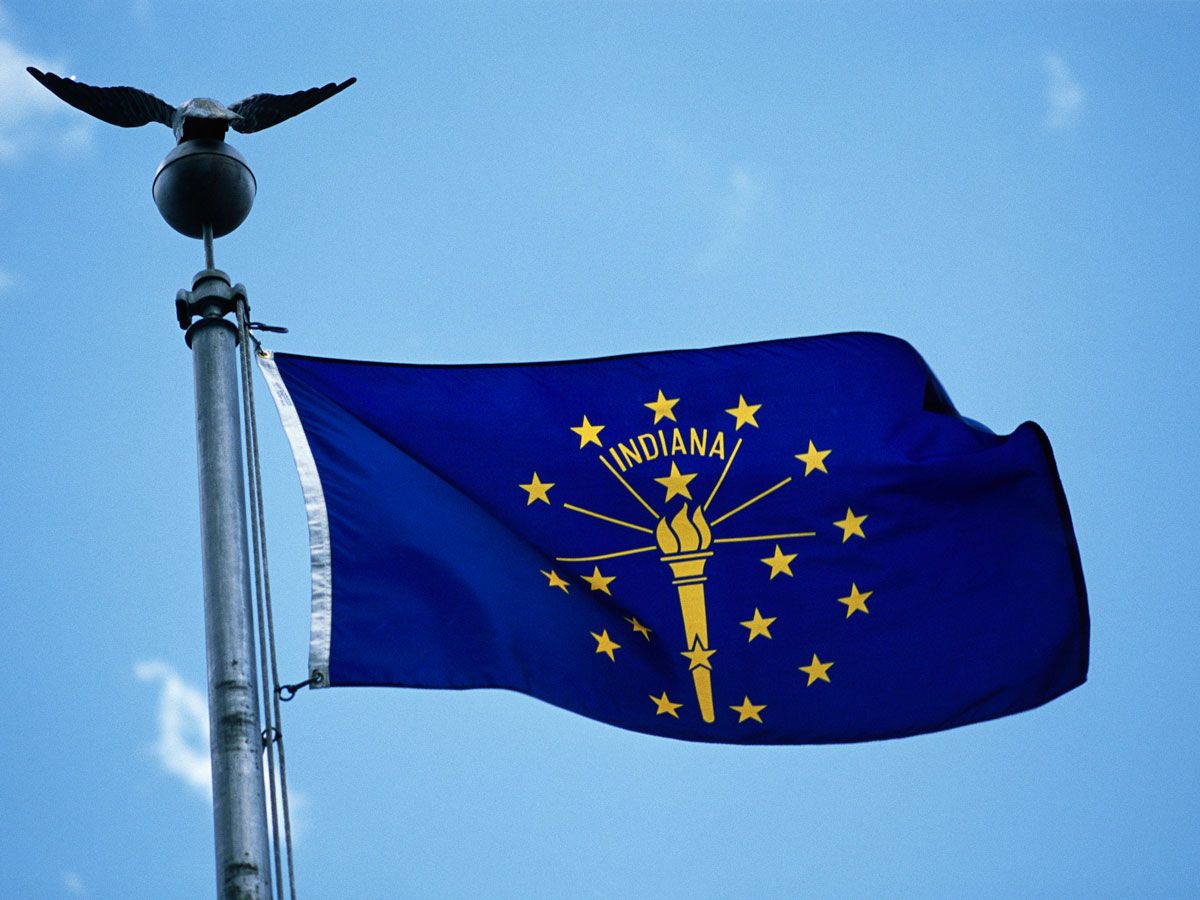
The Indiana state flag showcases a gold torch on a blue background with the rays of 19 stars radiating outward. Designed by Indiana artist Paul Hadley, it was adopted in 1917 and then updated to feature the name of the state in 1955. The 19 stars commemorate the fact that Indiana was the 19th state to join the Union, while the torch stands for liberty and enlightenment and their far-reaching influence.
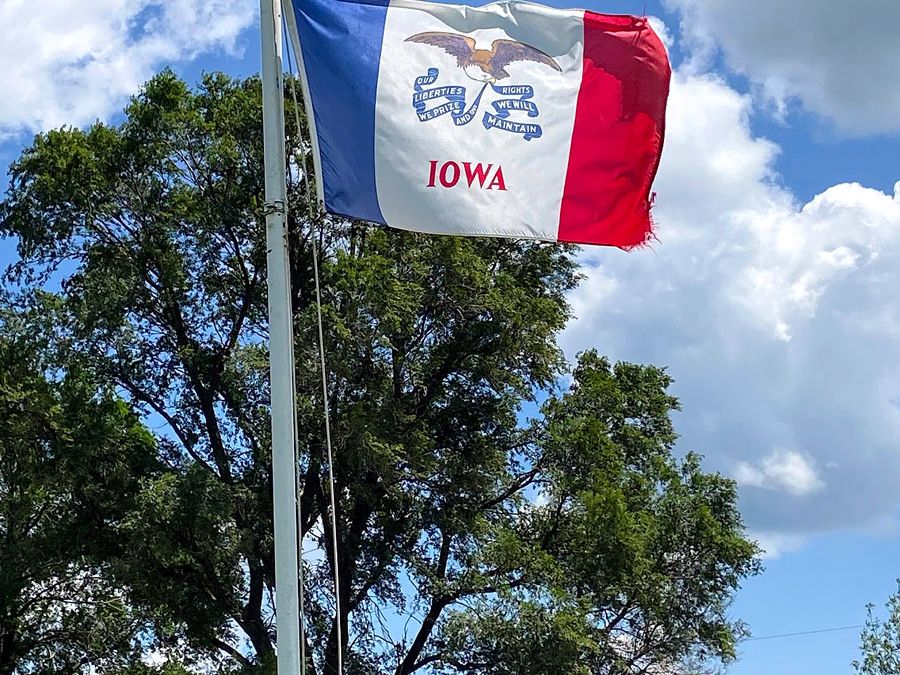
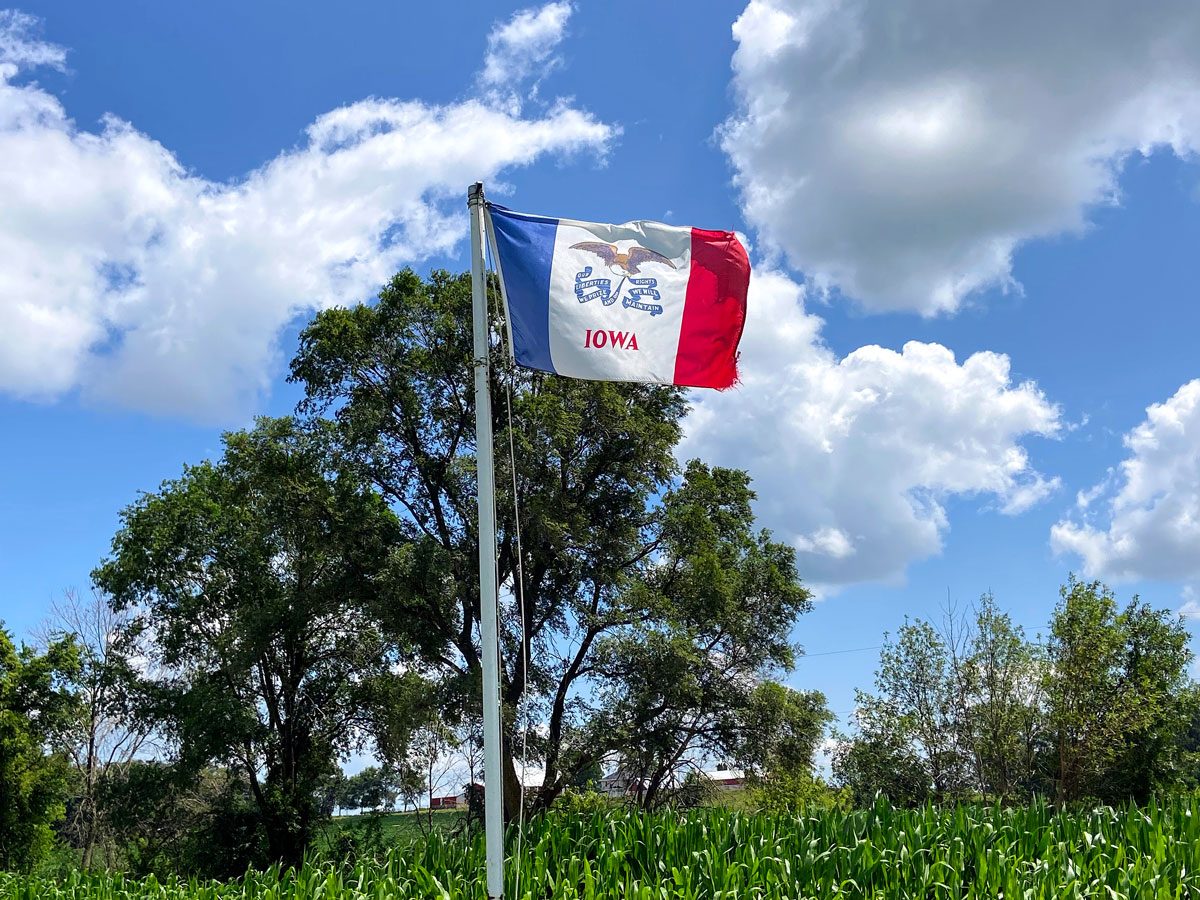
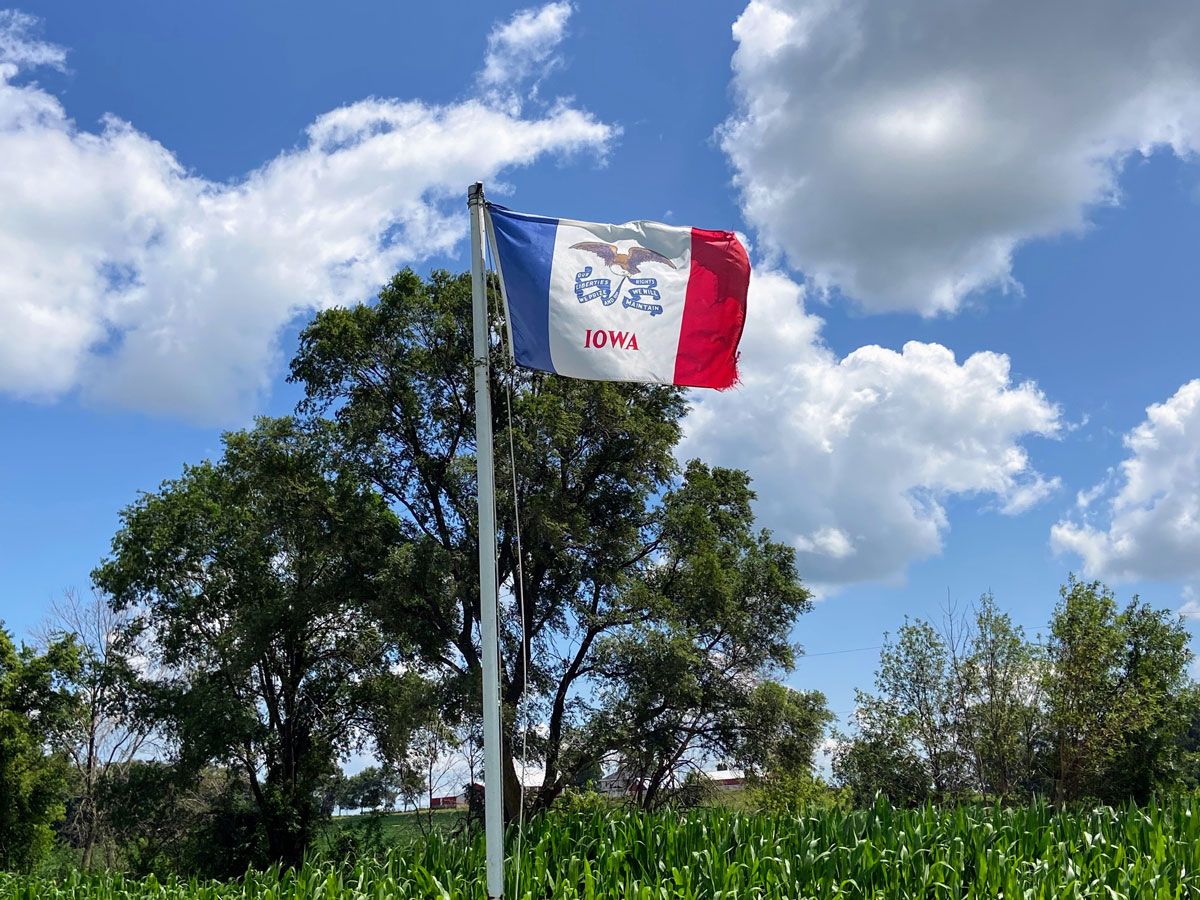
Iowa’s flag was developed in tandem with the Daughters of the American Revolution. The flag features vertical blue, white, and red stripes from left to right, with an eagle in the center holding a banner with the words of the state motto: “Our liberties we prize and our rights we will maintain.” The color blue represents loyalty, white is for purity, and red stands for courage. The flag was approved by the state Legislature in 1921.
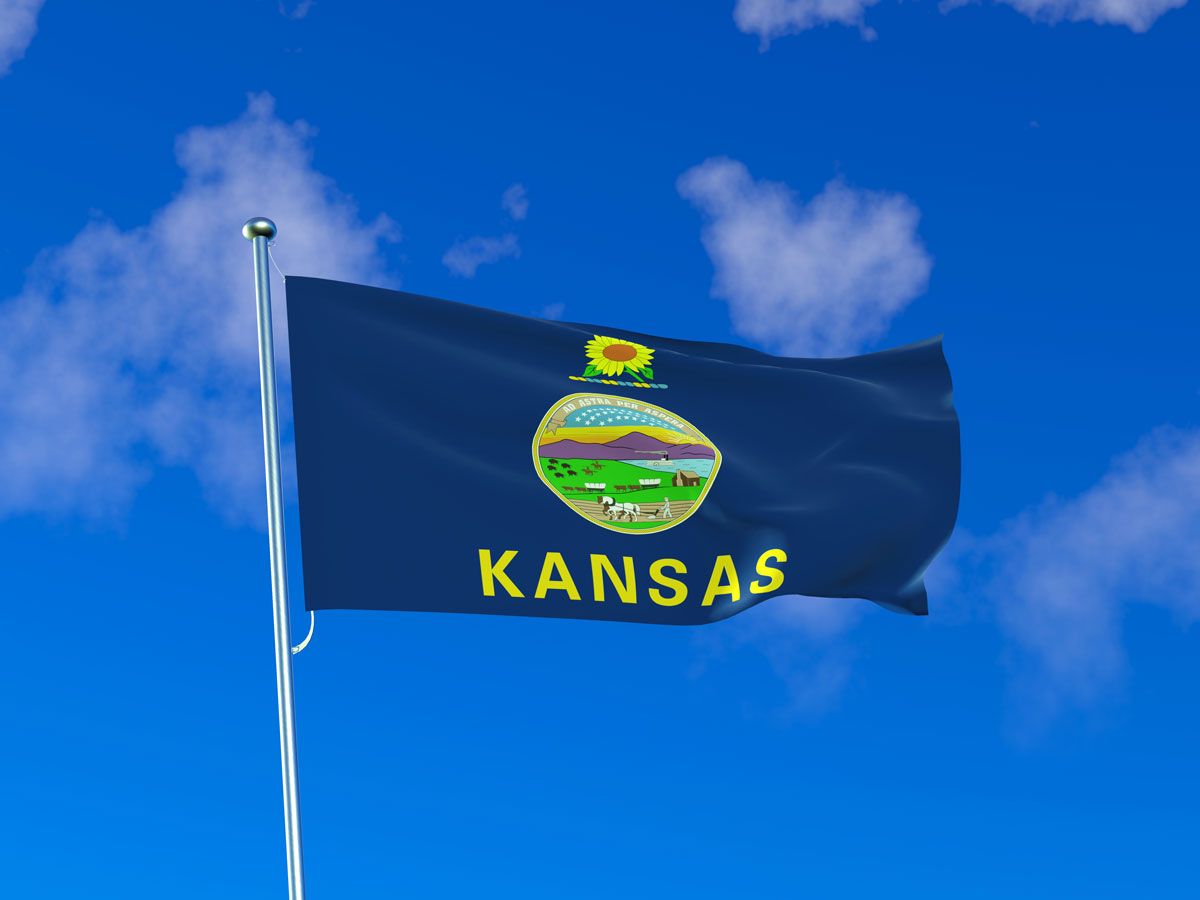
The state flag of Kansas, introduced in 1927, was designed by Lincoln seamstress Hazel Avery. It includes the state name below the state seal, which features a rising sun, a steamboat on a river (symbolizing commerce), and a cabin, settler, and horses (together representing agriculture). A sunflower — the official state flower of the Sunflower State — is featured above the seal.
Kentucky
Credit: Derek Brumby/ iStock via Getty Images Plus
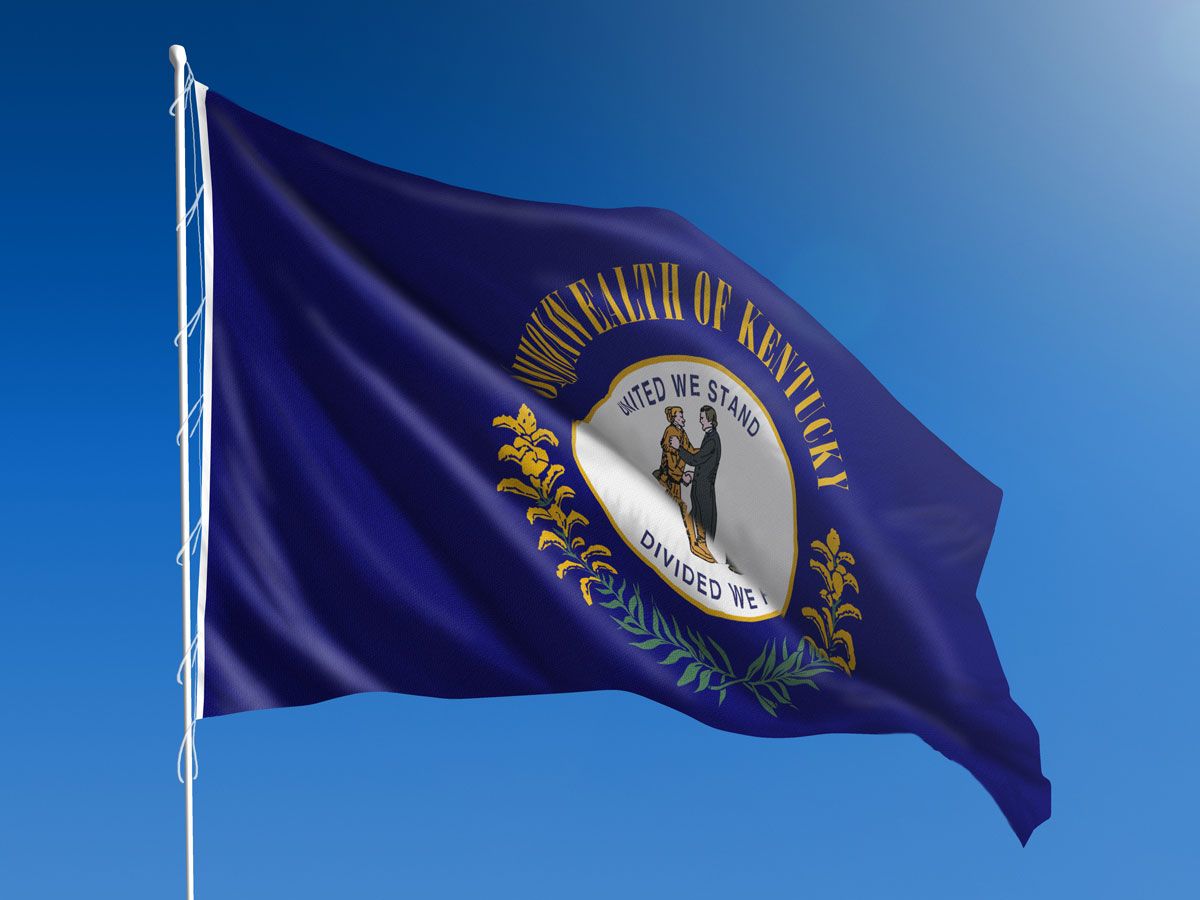
Kentucky’s state flag has a dark blue background featuring the words “Commonwealth of Kentucky” and the state seal, which itself reads, “United we stand, divided we fall.” The seal also contains the image of a frontiersman shaking the hands of a gentleman dressed in formal attire, which, along with the state motto, symbolizes the meeting of east and west, as Kentucky joined the Union as part of the state’s western frontier in 1792. The flag, adopted in 1918, was designed by Frankfort art teacher Jesse Cox Burgess.
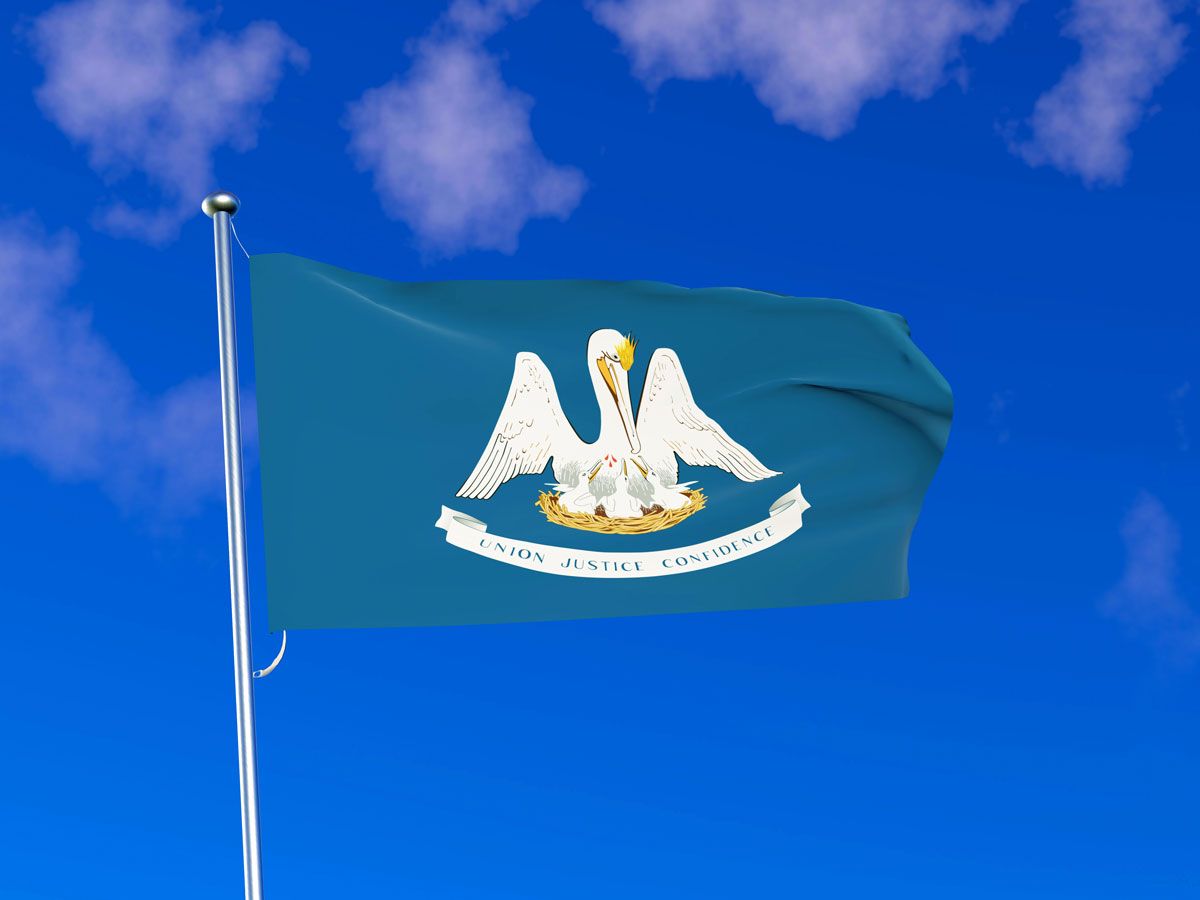
The pelican has been a symbol of Louisiana since 1812, when it first appeared on the state seal, and a pelican feeding its three young hatchlings is the focal point of the Louisiana state flag. The image symbolizes self-sacrifice and caring for the young, along with Louisiana’s commitment to its people. It appears above the state motto, “Union Justice Confidence,” atop a dark blue background. While a pelican-themed flag has been in use since Louisiana’s centennial celebration in 1912, the pelican was updated to a more realistic design in 2010.
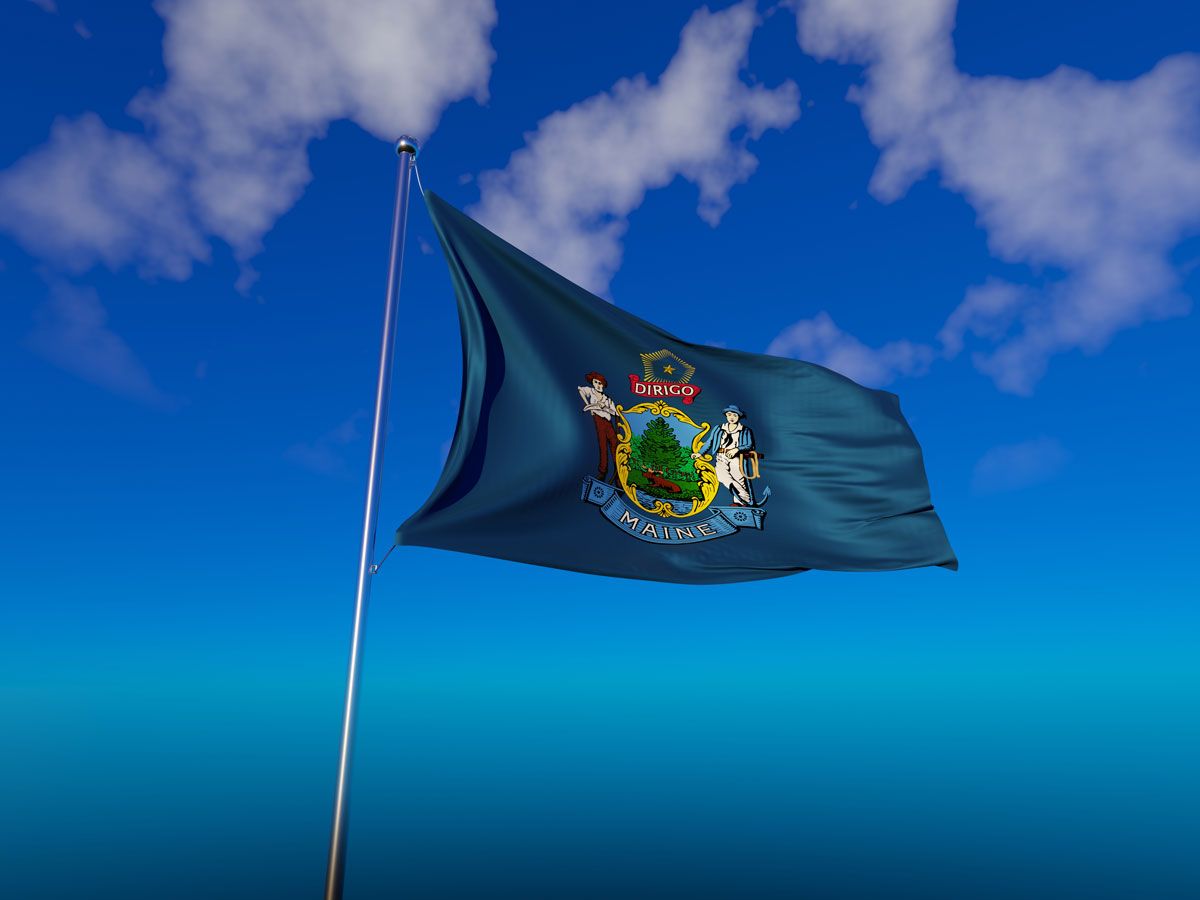
Adjutant General John T. Richards designed an early version of the Maine state flag that was adopted in 1901, but it was updated to its current design in 1909. The flag features a coat of arms that shows a moose sitting under a pine tree (the official state tree and the source of its nickname), flanked by a sailor and a farmer representing the sea and agriculture, respectively. The flag also features the state name and the Latin motto “Dirigo,” which means “I direct.”
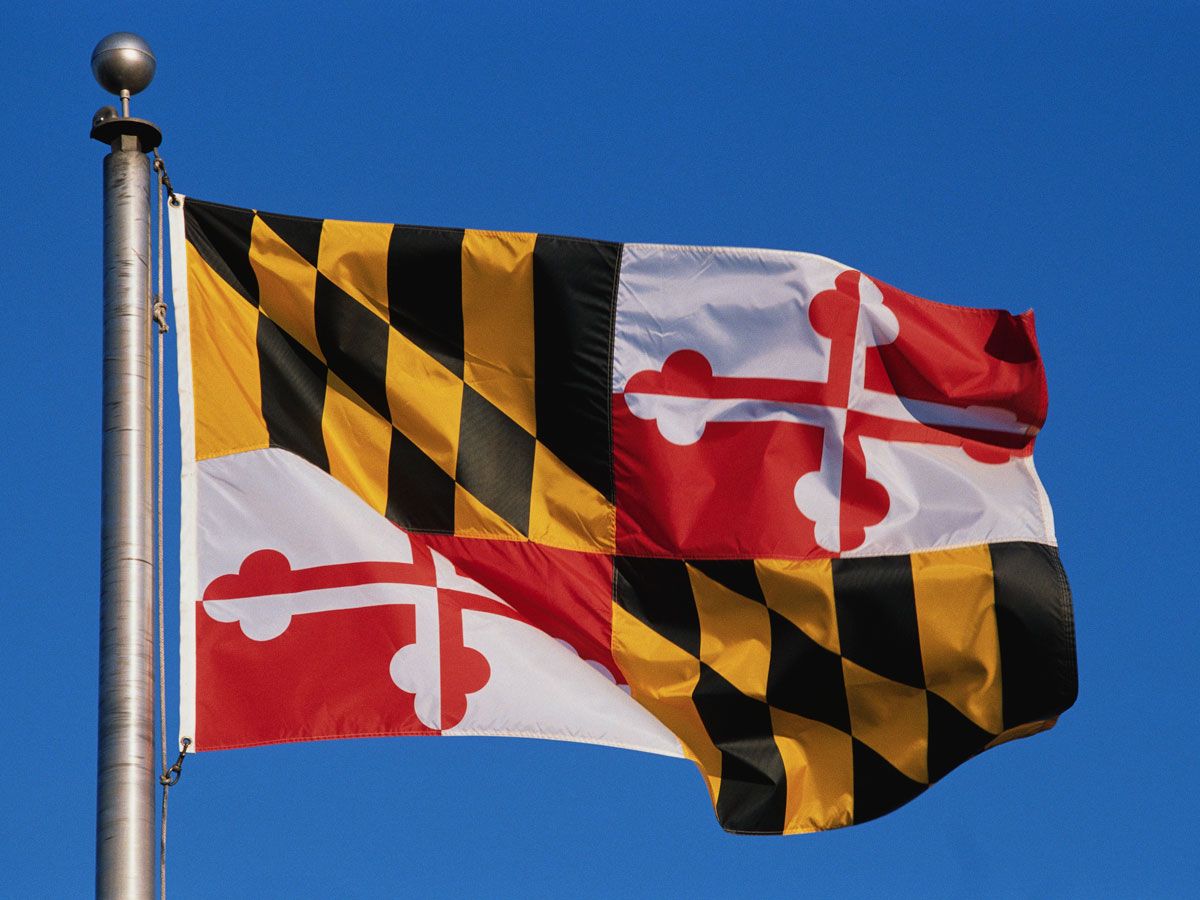
Maryland’s unique state flag features alternating quadrants based on the coats of arms of the Calvert and Crossland families. The black-and-yellow quadrants are the paternal family colors of George Calvert, the first Lord Baltimore who founded Maryland, while the red-and-white ones are the colors of Calvert’s maternal family. The flag was based on one flown under British rule that fell out of use after the American Revolution, but it was reintroduced in the late 19th century and later adopted by the Maryland General Assembly in 1904.
Massachusetts
Credit: Derek Brumby/ iStock via Getty Images Plus
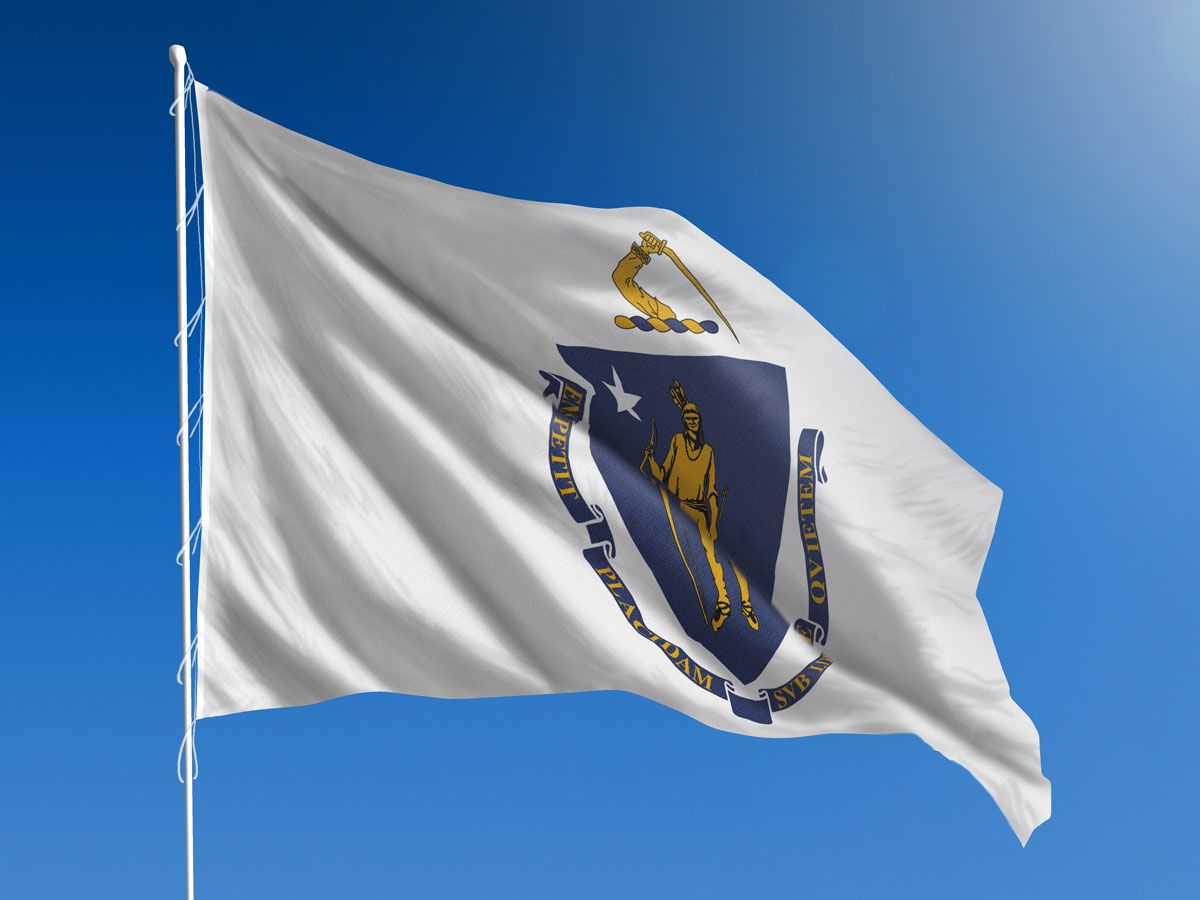
Designed by illustrator Edmund Garrett, the state flag of Massachusetts was adopted in 1908. It features an all-white background with a blue coat of arms at the center, containing a likeness of a Native American figure holding an arrow pointing downward, symbolizing peace. The flag also features the state’s Latin motto, “Ense Petit Placidam Sub Libertate Quietem,” which translates to “By the Sword We Seek Peace, but Peace Only Under Liberty.” As of 2025, the state is reviewing submissions for a new state flag, seal, and motto.
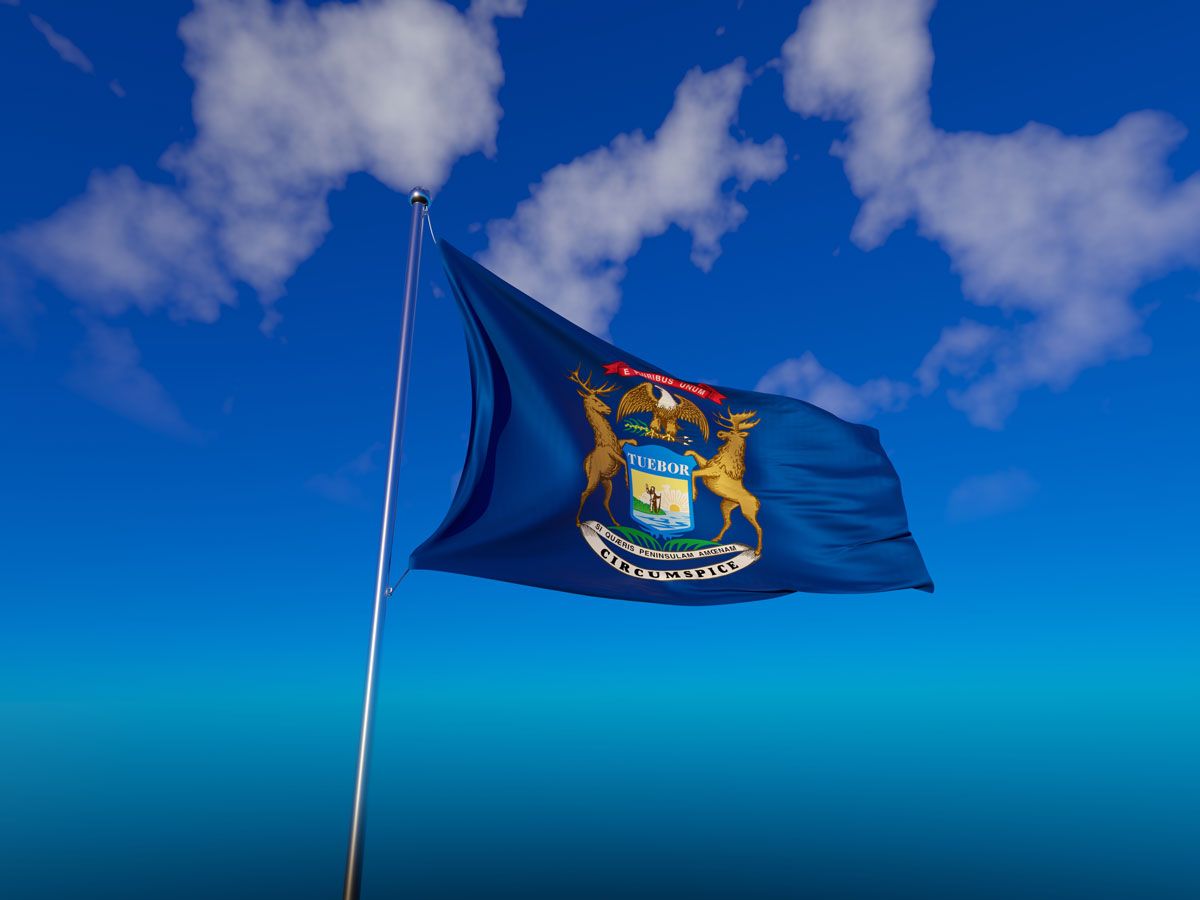
In 1835, Michigan adopted a coat of arms with three Latin mottos that reflect the state’s values and geography: “E Pluribus Unum” (“Out of many, one”), “Tuebor” (“I will defend”), and “Si quaeris peninsulam amoenam circumspice” (“If you seek a pleasant peninsula, look about you”). The coat of arms also features images of an eagle (to represent the United States), an elk and a moose as representative animals of Michigan, and a man with a rifle standing on a peninsula, symbolizing the defense of the frontier. This coat of arms serves as the centerpiece of the state flag, which was formally adopted in 1911.
The state flag of Minnesota is the newest in the country. Adopted on May 11, 2024, it contains two sections. On the left, there’s a dark blue indented portion that takes the stylized shape of Minnesota. The lighter part on the right represents water, as Minnesota is known as the “Land of 10,000 Lakes.” The design also includes a white eight-pointed star, with one point directed due north in reflection of the state motto, “L’étoile du Nord” (“The Star of the North”). Luverne resident Andrew Parker’s winning design was selected from 2,218 submissions.
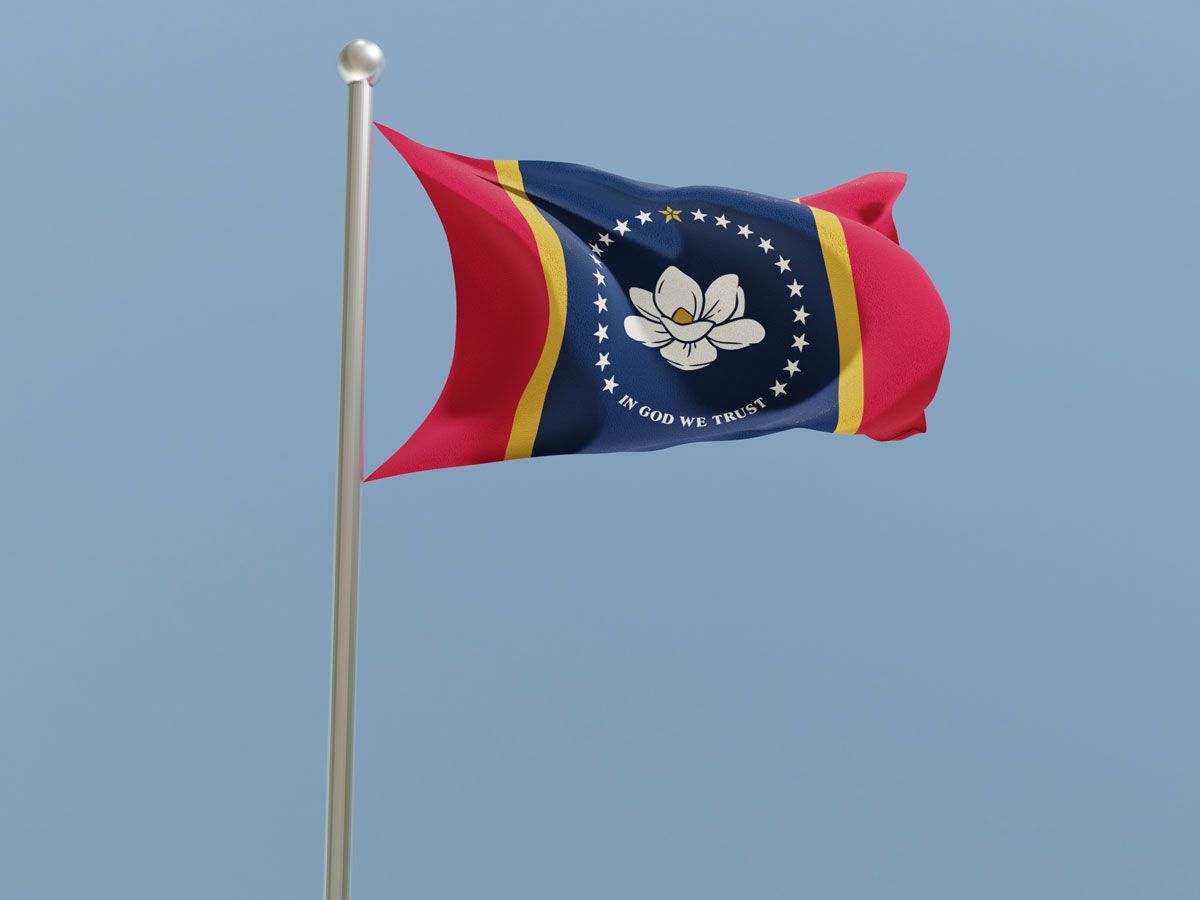
In 2021, Mississippi adopted a new flag to replace its previous design. The current flag features vertical stripes of red, gold, and blue, along with a magnolia bloom (Mississippi’s state flower) in its center, representing hospitality, hope, and rebirth. The flag also has 20 stars, symbolizing the fact that Mississippi was the 20th state to join the Union. The additional gold star at the top center represents the Native American people who originally inhabited the state.
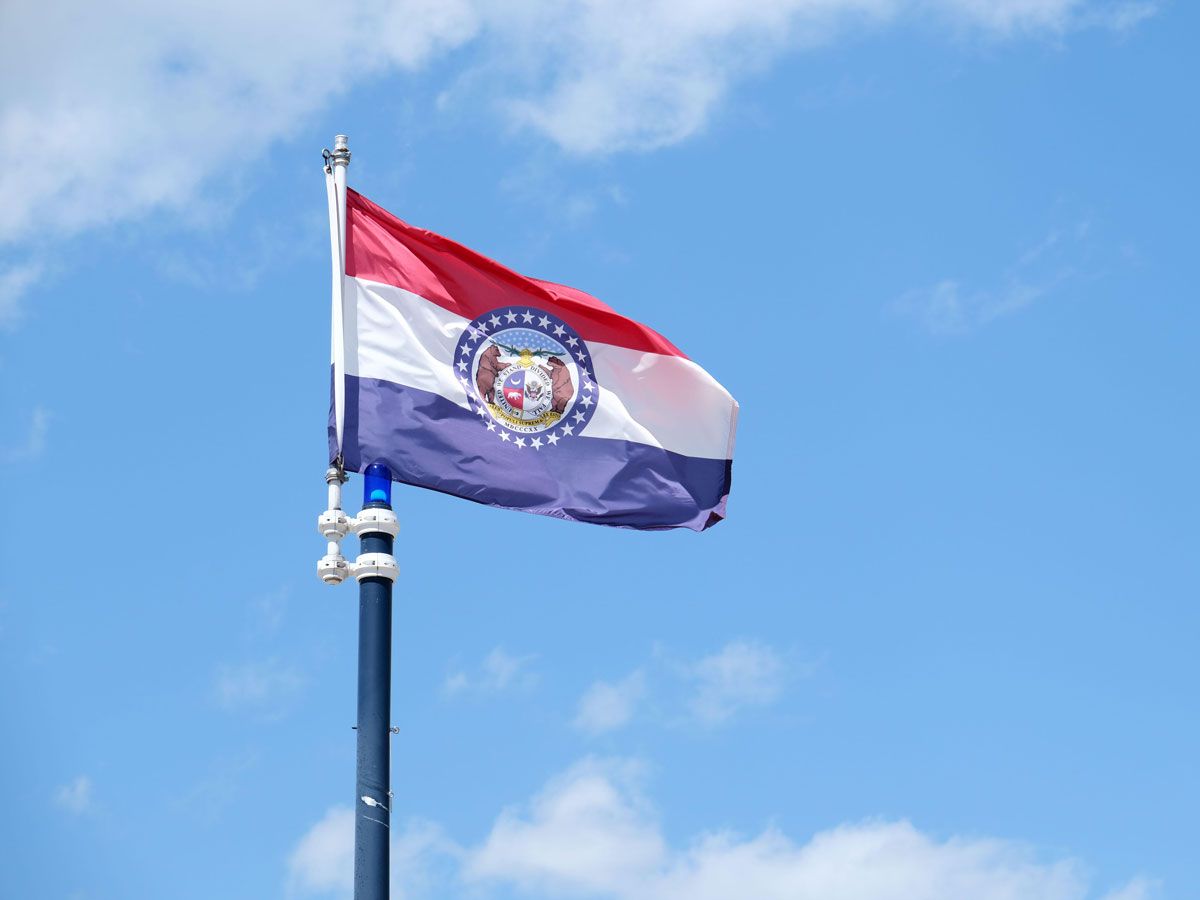
The Missouri state flag was designed by Marie Elizabeth Oliver, wife of senator Robert Burett Oliver, in 1909. The large blue stripe symbolizes vigilance, the red stripe represents valor, and the white stripe represents purity. At the center is the Great Seal of Missouri, which contains two bears symbolizing the strength of the state and its people. There are also 23 white stars surrounding the seal, signifying the fact that Missouri joined the Union as the 24th state after 23 others. It became the official state flag in 1913.
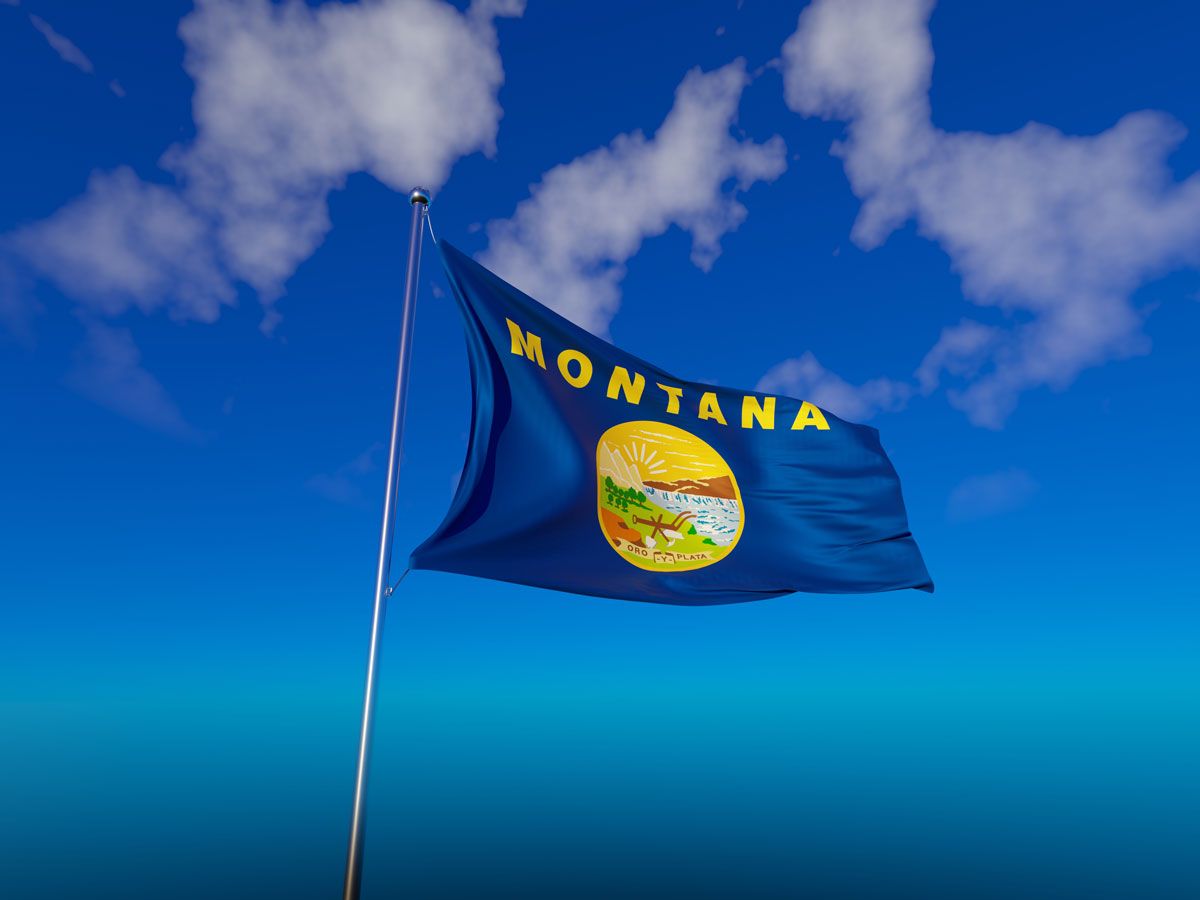
With a dark blue background and the state name written in gold, the flag of Big Sky Country was originally adopted in 1905. It’s based on a design for the First Montana infantry regiment used during the Spanish-American War. The flag features a visual representation of the Rocky Mountains, which define Montana’s landscape, and the state’s Spanish motto “Oro y Plata,” which means “gold and silver” — a nod to its mining industry.
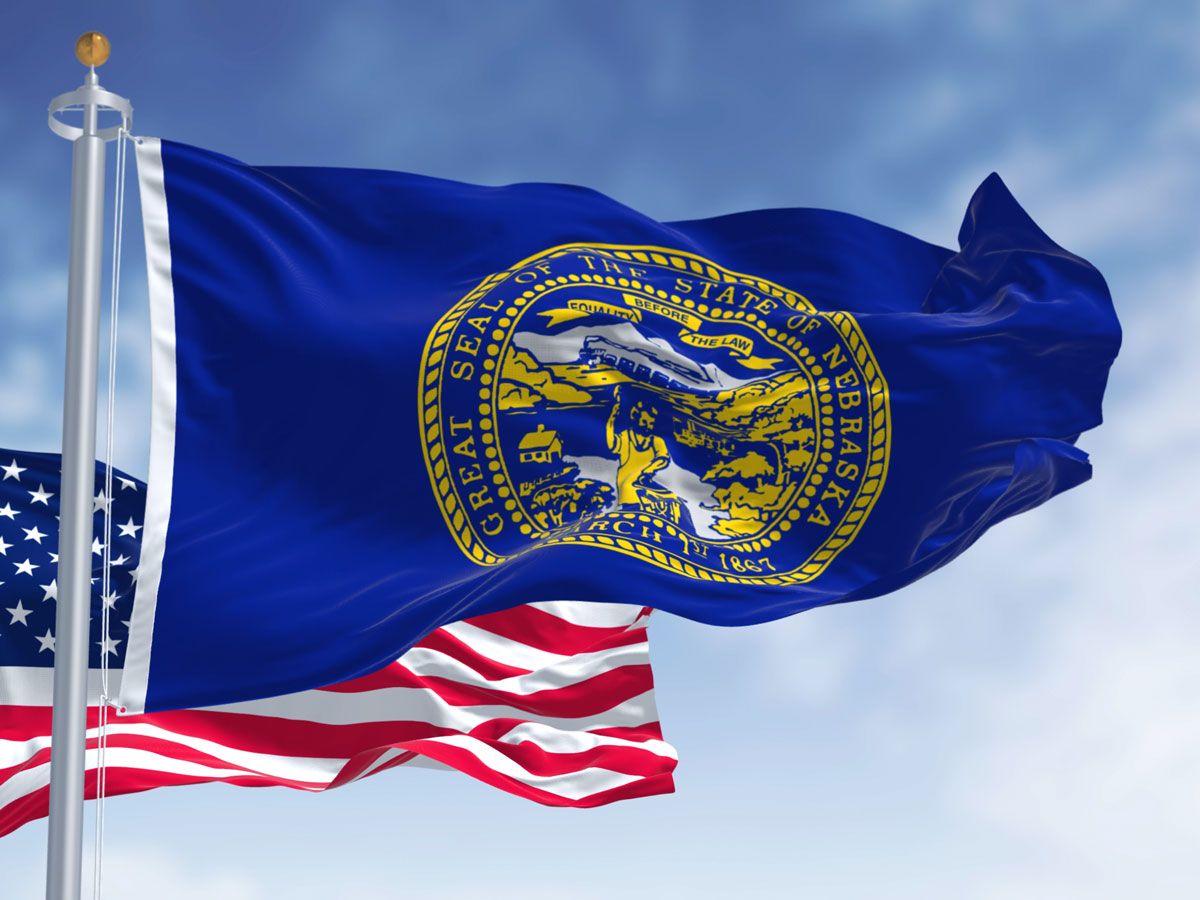
In 1925, Nebraska became the last of the contiguous 48 states to adopt a state flag. It depicts the state seal, originally designed by state Representative Isaac Wiles in 1867 when Nebraska first became a state. The flag is colored gold, silver, and blue, and features the state motto, “Equality Before the Law.” It depicts the image of a blacksmith working with a hammer and anvil in the foreground and a steamboat on the Missouri River in the background — representing the state’s agricultural and industrial prowess.
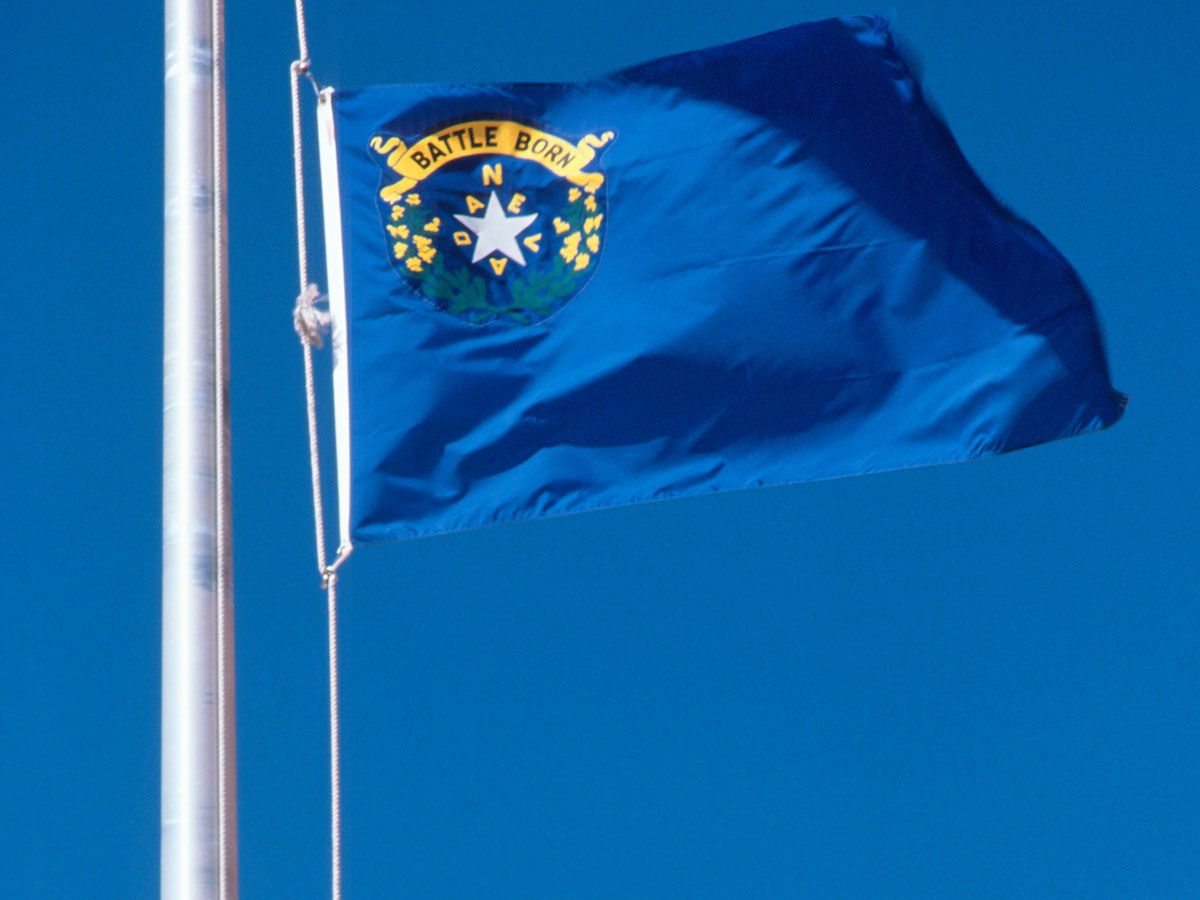
Nevada’s fourth and current state flag dates to 1991. Against a blue background, you’ll find a symbol in the upper left corner with the words “Battle Born,” referencing the fact that Nevada became a state during the Civil War. Under those words is a silver star, paying homage to Nevada’s “Silver State” nickname.
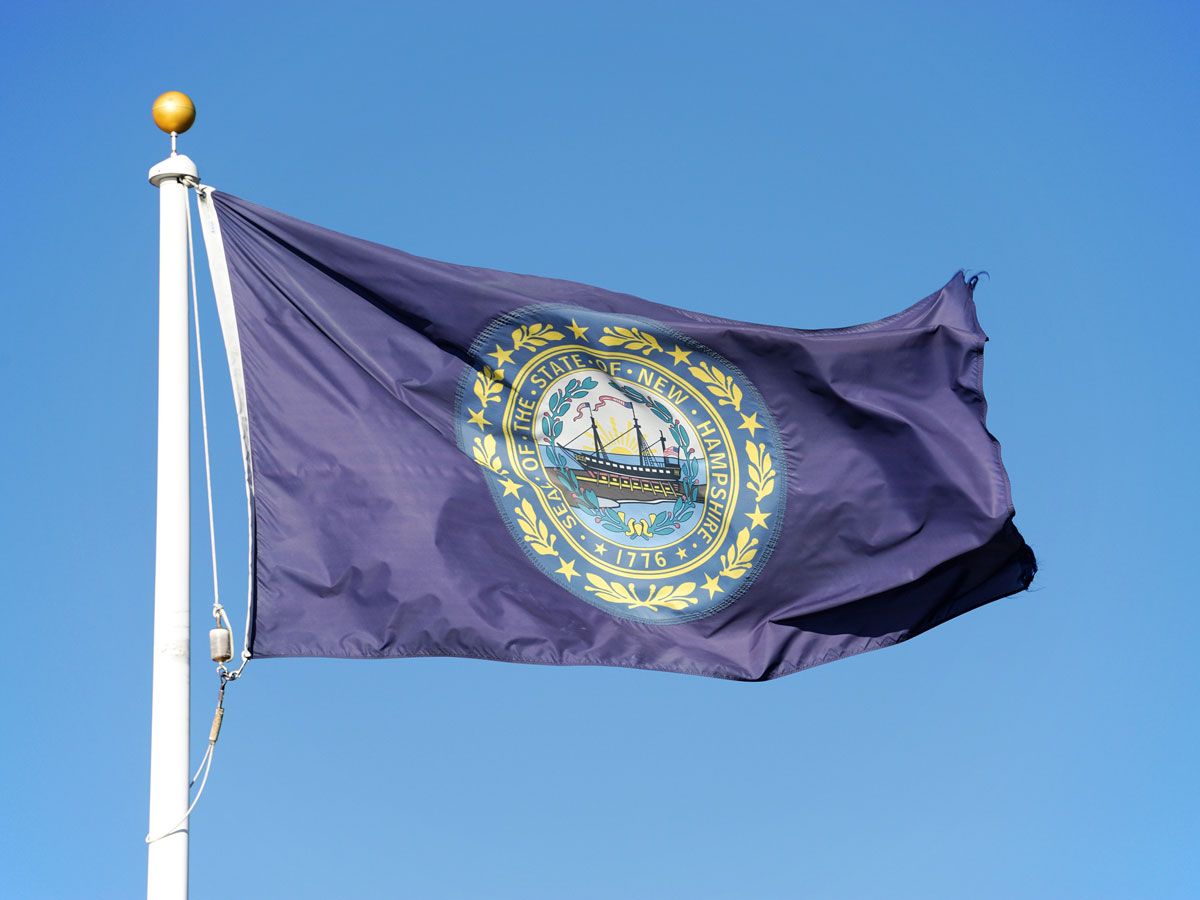
The New Hampshire state flag was introduced in 1909. It has a blue background with the state seal in the center. The seal was updated in 1931 to depict the USS Raleigh; built in Portsmouth, New Hampshire, it was one of the first 13 warships authorized for the Navy by the Continental Congress. The seal is encircled in a series of wreaths and nine golden stars, symbolizing New Hampshire being the ninth state.
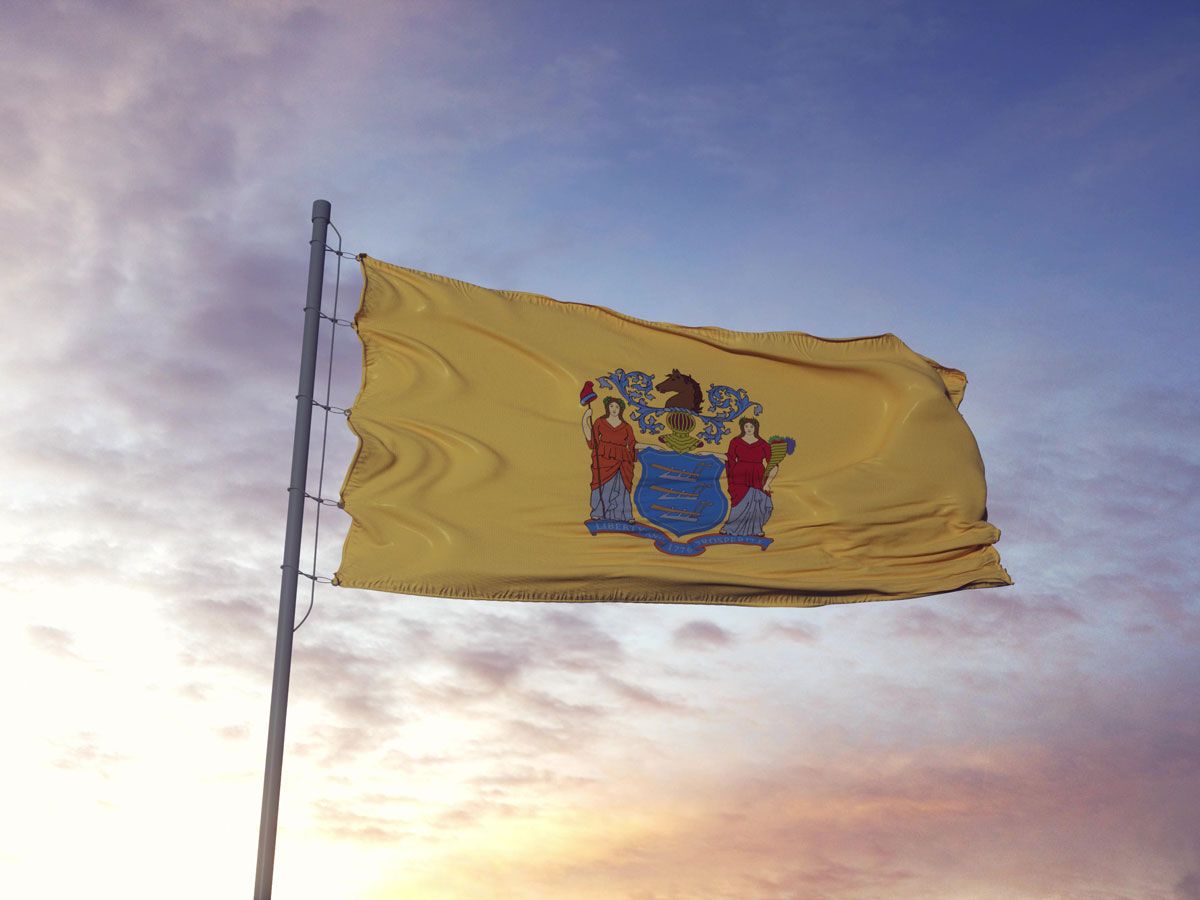
Adopted in 1896, New Jersey’s state flag features the state’s two official colors — buff (a yellowish hue) and a dark Jersey blue — originally selected by George Washington when he was headquartered in New Jersey during the Revolutionary War. At the center of the flag is the state seal, which features a horse’s head symbolizing speed and strength, a knight’s helmet representing sovereignty, and a shield with images of plows that reflect the state’s rich agricultural industry. The flag also depicts Liberty and Ceres, the Roman goddess of grain.
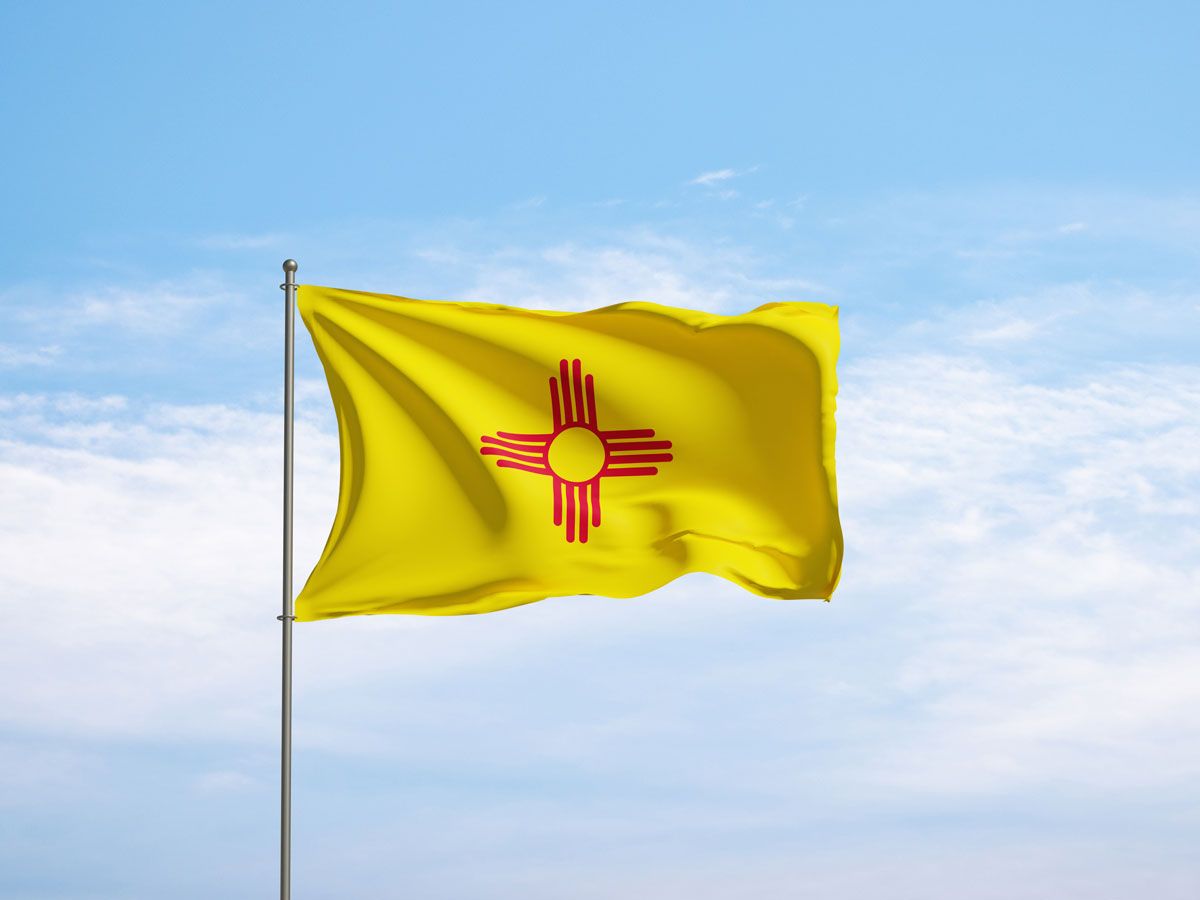
In 1920, the New Mexico chapter of the Daughters of the American Revolution helped spearhead the design of a new state flag, which was formally adopted in 1925 based on a winning proposal from archaeologist and physician Dr. Harry Mera. The flag features a red Zia sun symbol of the state’s Zia Pueblo peoples atop a yellow background. The flag is a modern interpretation of the ancient symbol, which also inspired the design of New Mexico’s Capitol building in Santa Fe. The red and yellow color scheme matches Isabel of Castilla’s colors, which Spanish conquistadors introduced to the Americas.
New York
Credit: Derek Brumby/ iStock via Getty Images Plus
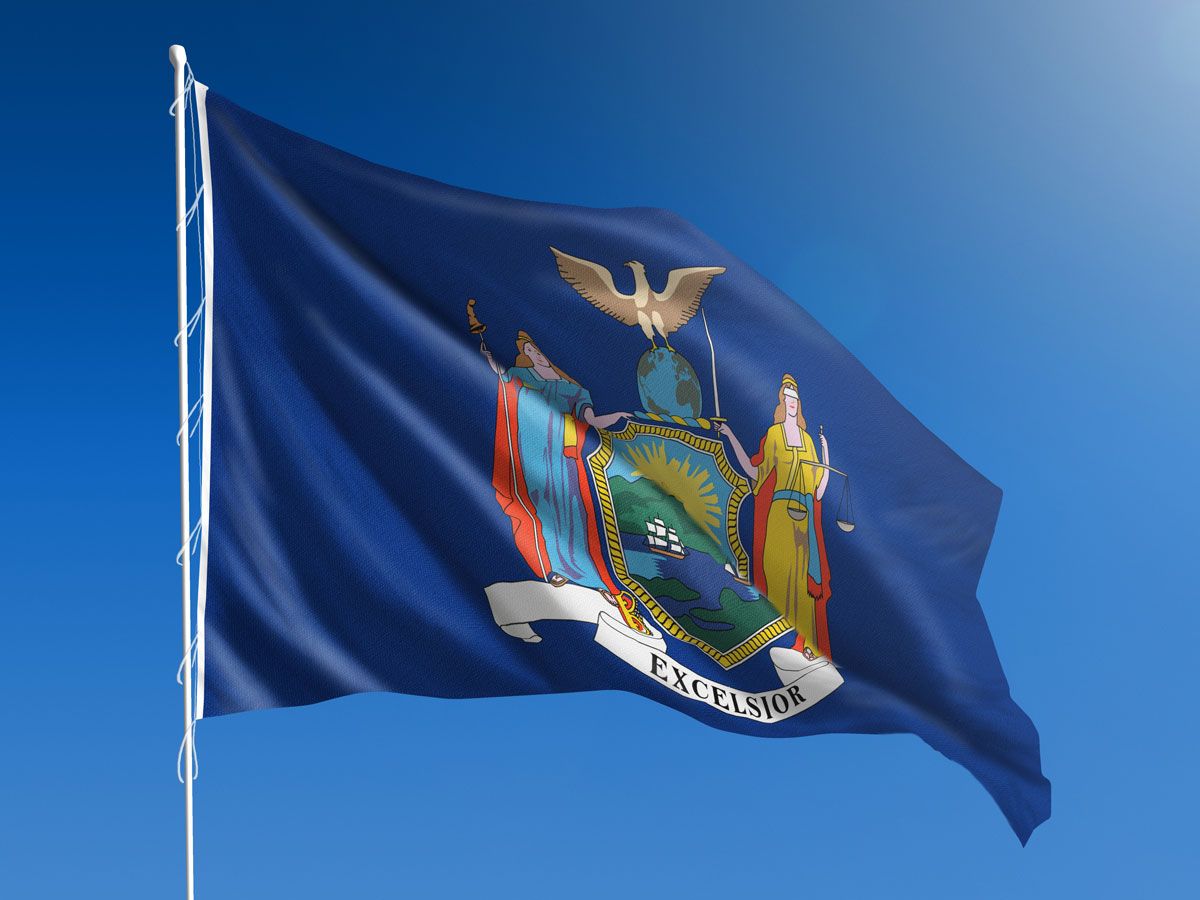
The state flag of New York was first adopted in 1882 and underwent slight modifications several times thereafter. It contains a seal that may have been inspired by the coat of arms of Jonas Bronck, a 17th-century settler who resided in the present-day Bronx. The flag depicts the figures of Liberty and Justice standing beside an image that shows the sun rising over the Hudson River, with an eagle perched atop a globe. The banner below shows the state motto, “Excelsior” (“Ever Upward”), and “E Pluribus Unum” (“Out of many, one”).
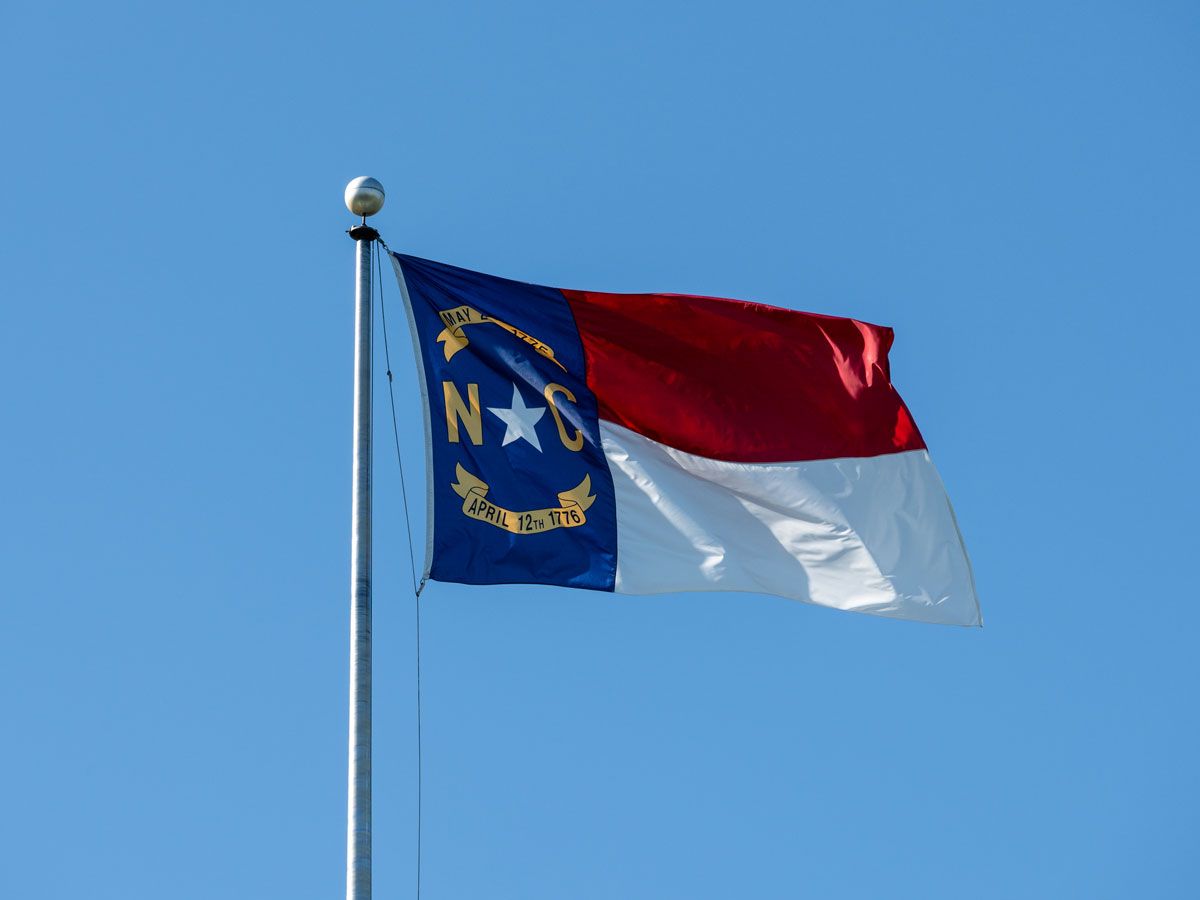
North Carolina’s flag is divided into three bars — horizontal red and white bars and a vertical one with a dark blue background. On the blue bar are the letters “N” and “C” for the state’s name. There are also two dates: May 20, 1775, which honors the Mecklenburg Declaration, when North Carolinians informally declared independence from Great Britain; and April 12, 1776, the date of the Halifax Resolves, which was the first official colonial action calling for independence from Great Britain. North Carolina’s flag was officially adopted in 1885.
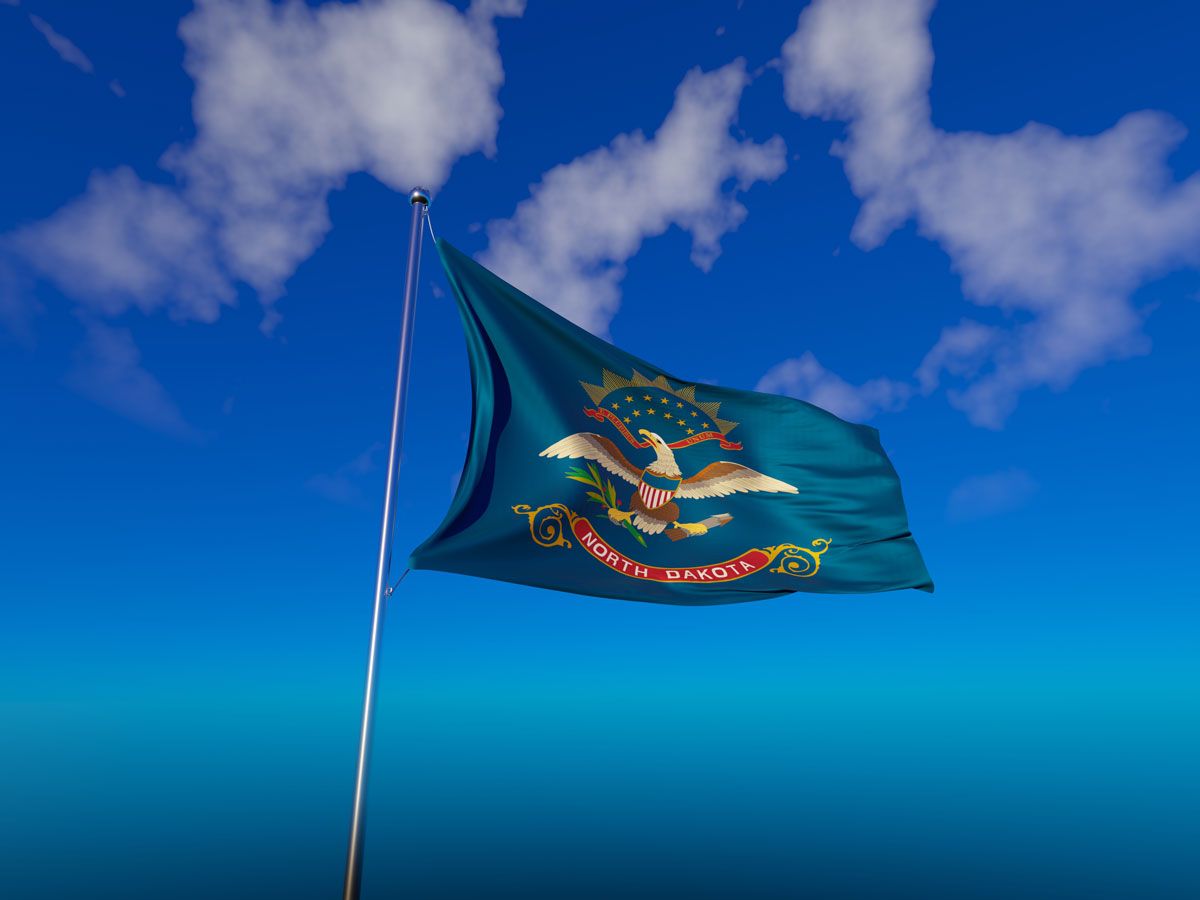
The state flag of North Dakota is based on the design of the flag used by the Dakota Territorial Guard in the late 19th century. It was formally adopted as the state flag in 1911. The flag depicts a bald eagle holding a banner in its mouth that reads “E Pluribus Unum” (“Out of many, one” — North Dakota’s state motto). It also features 13 stars representing the original colonies and has the state’s name written at the bottom.
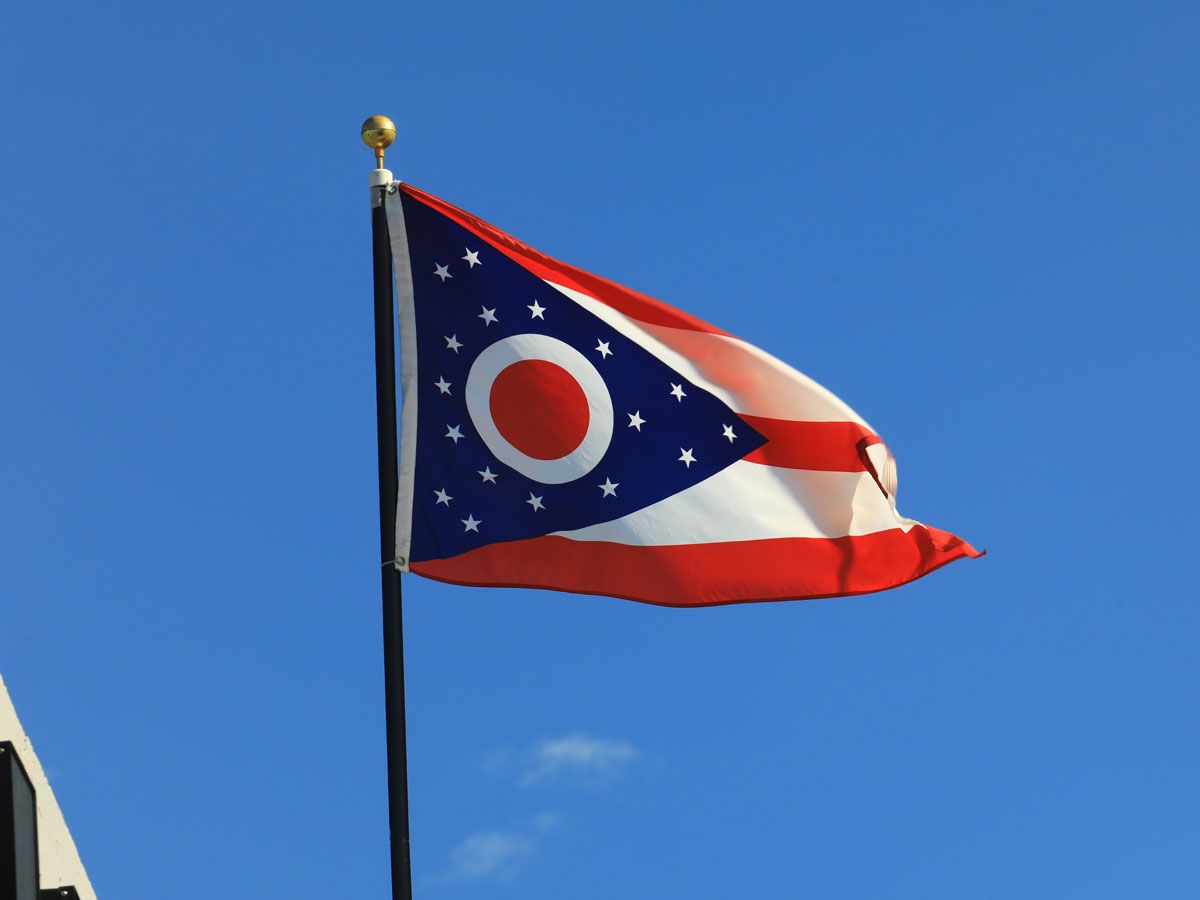
Ohio’s state flag has existed since 1902. Designed by Cleveland architect John Eisenmann, it’s the only state flag in the country without a rectangular shape. Instead, the flag is a swallow-tailed burgee, which means that it’s triangular with a V-shaped indent at one end. It contains a red and white circle symbolizing both the letter “O” for Ohio, as well as the buckeye, which is a state symbol. The flag contains 17 stars, symbolizing Ohio being the 17th U.S. state.
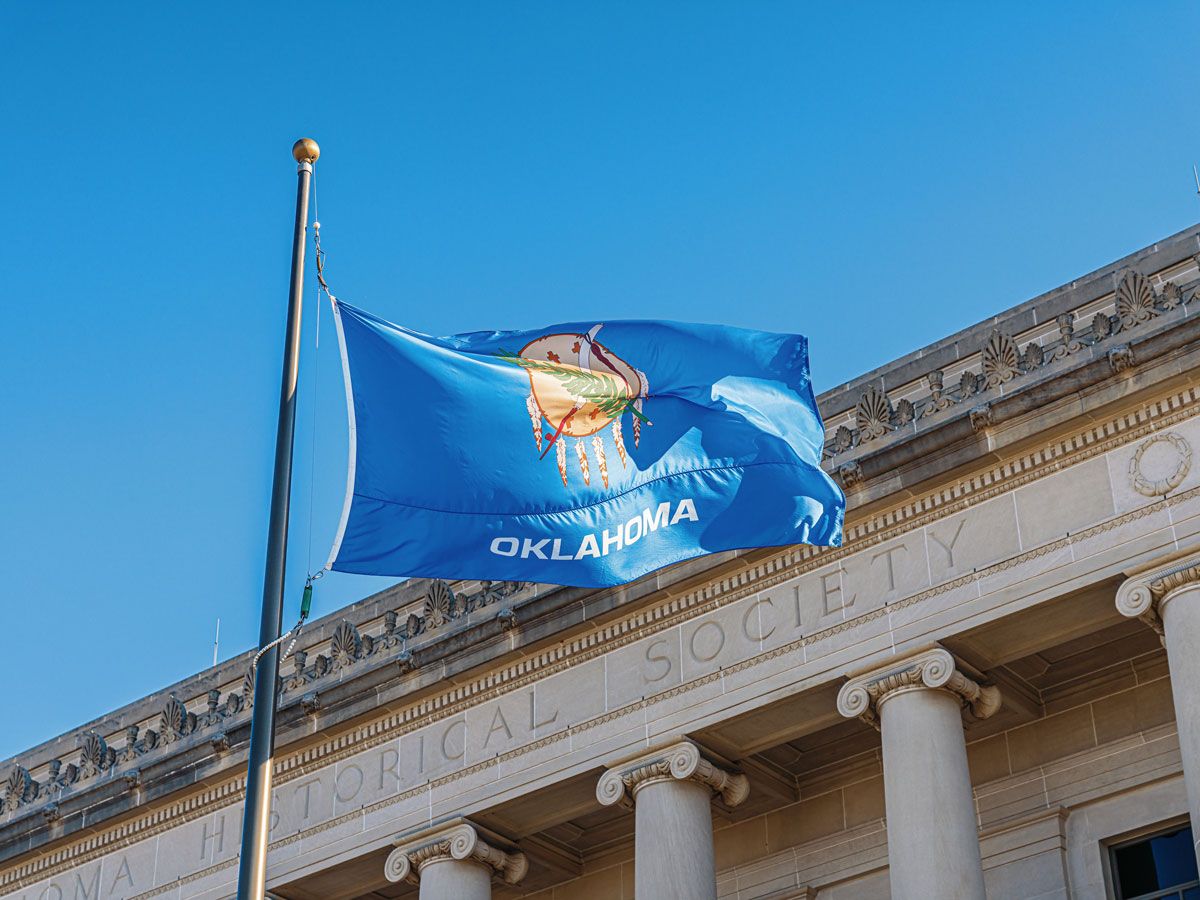
Oklahoma adopted its current state flag in 1925, based on the results of a competition held by the Oklahoma Society Daughters of the American Revolution. Shawnee resident and artist Louise Funk Fluke designed the flag, which features a blue background and the bison hide shield of the Osage Nation, symbolizing themes such as loyalty, devotion, and peace. The state name was added to the flag in 1941.
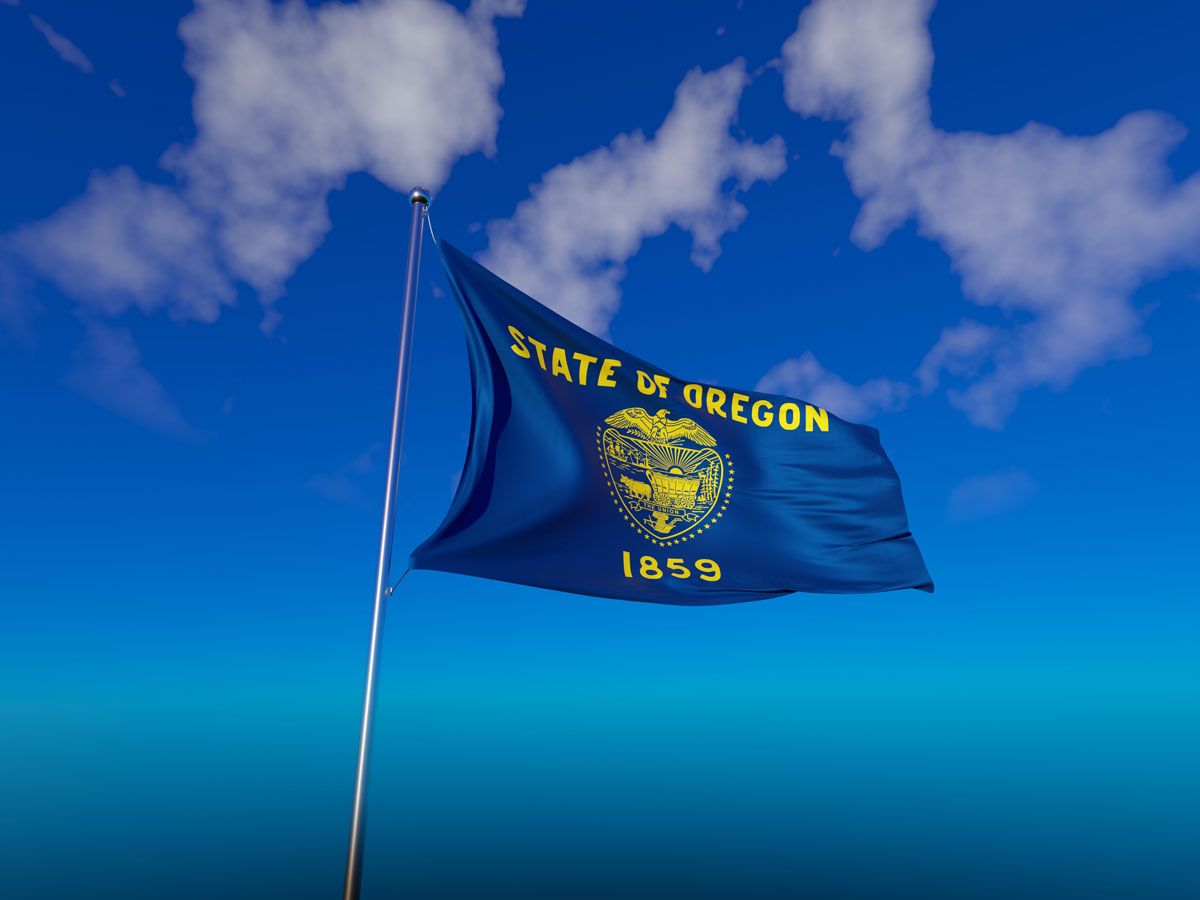
Adopted in 1925, the Oregon state flag is the only U.S. state flag to feature different images on the front and back. On the front, you’ll find the words “State of Oregon” above a shield that contains mountains, forests, elk, a wagon, and the Pacific Ocean, each representing the state’s history and natural beauty. Surrounding the shield are 33 stars, pointing to Oregon being the 33rd state to join the Union. The year Oregon became a state (1859) is also written on the front, while the back of the flag features an image of a beaver, the official state animal.
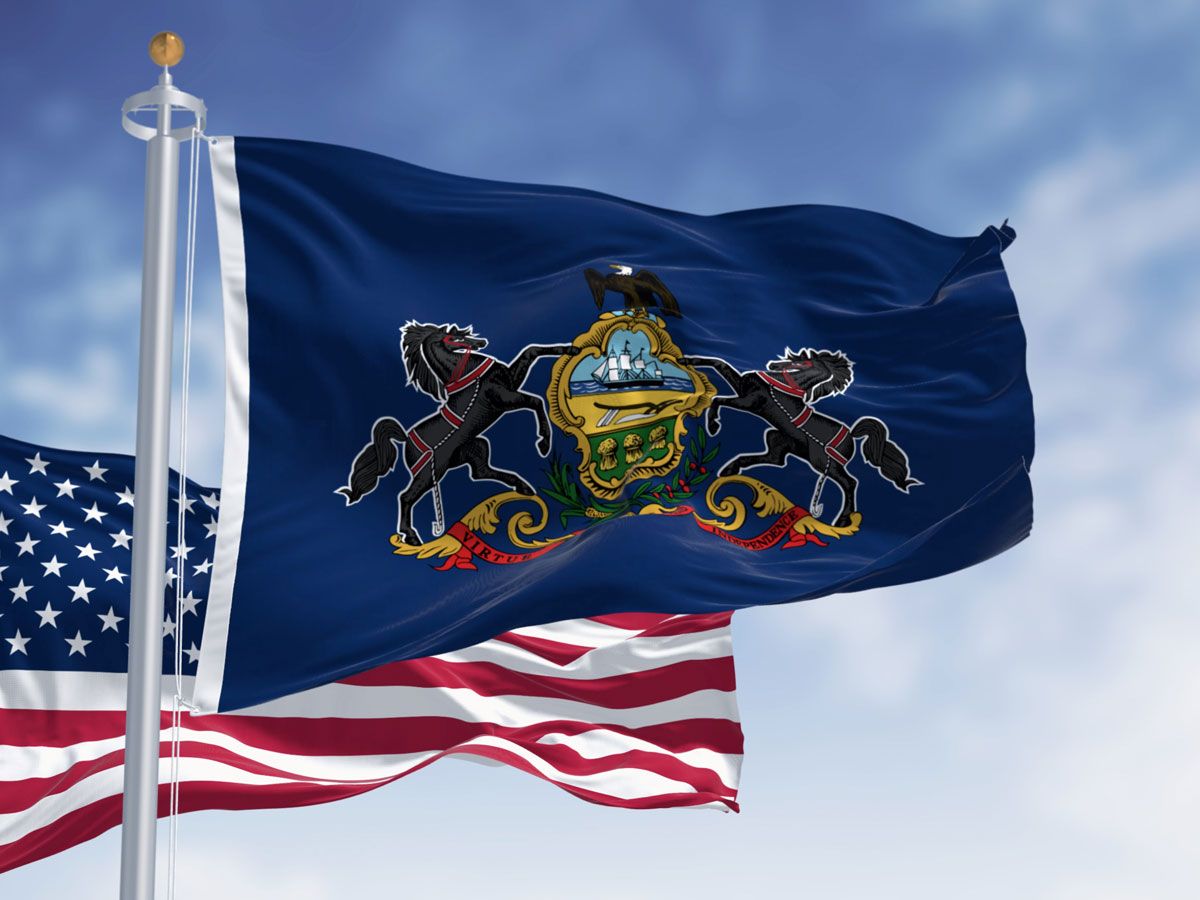
The Pennsylvania General Assembly authorized the official state flag in 1907, mandating that the blue background be the same shade as the blue on the flag of the United States. In the flag’s center is the state’s coat of arms, which has a shield depicting a ship, a plow, and sheaves of wheat, symbolizing Pennsylvania’s commerce and agriculture. Surrounding the shield are two horses, a bald eagle, and the state motto, “Virtue, Liberty, and Independence.” The flag also has a yellow-knotted silk trim around its border.
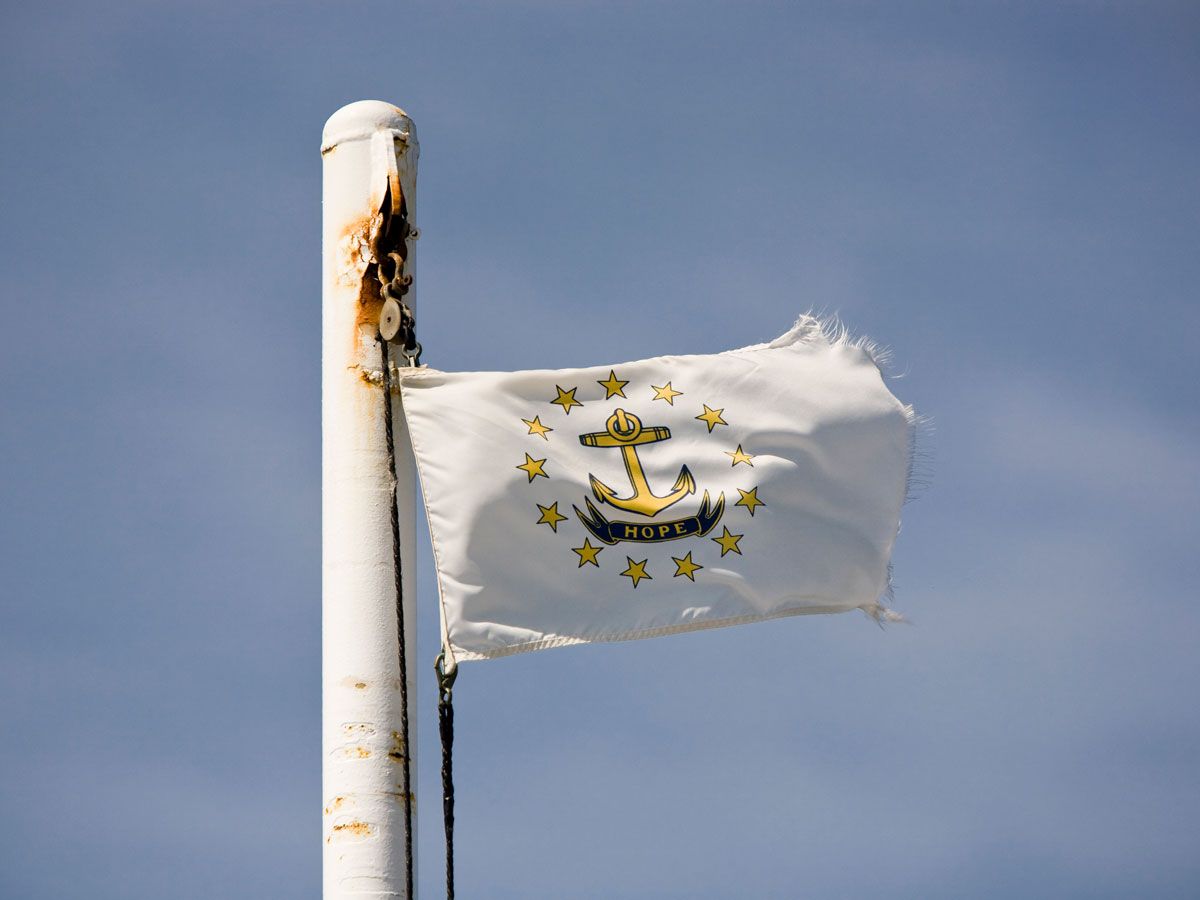
Rhode Island’s current flag, introduced in 1897, depicts a yellow anchor at its center with the state motto, “Hope,” below it. This anchor served as the colonial seal as far back as 1647. In 1882, 13 yellow stars were added, symbolizing the fact that Rhode Island was one of the original 13 colonies and the 13th state to ratify the U.S. Constitution.
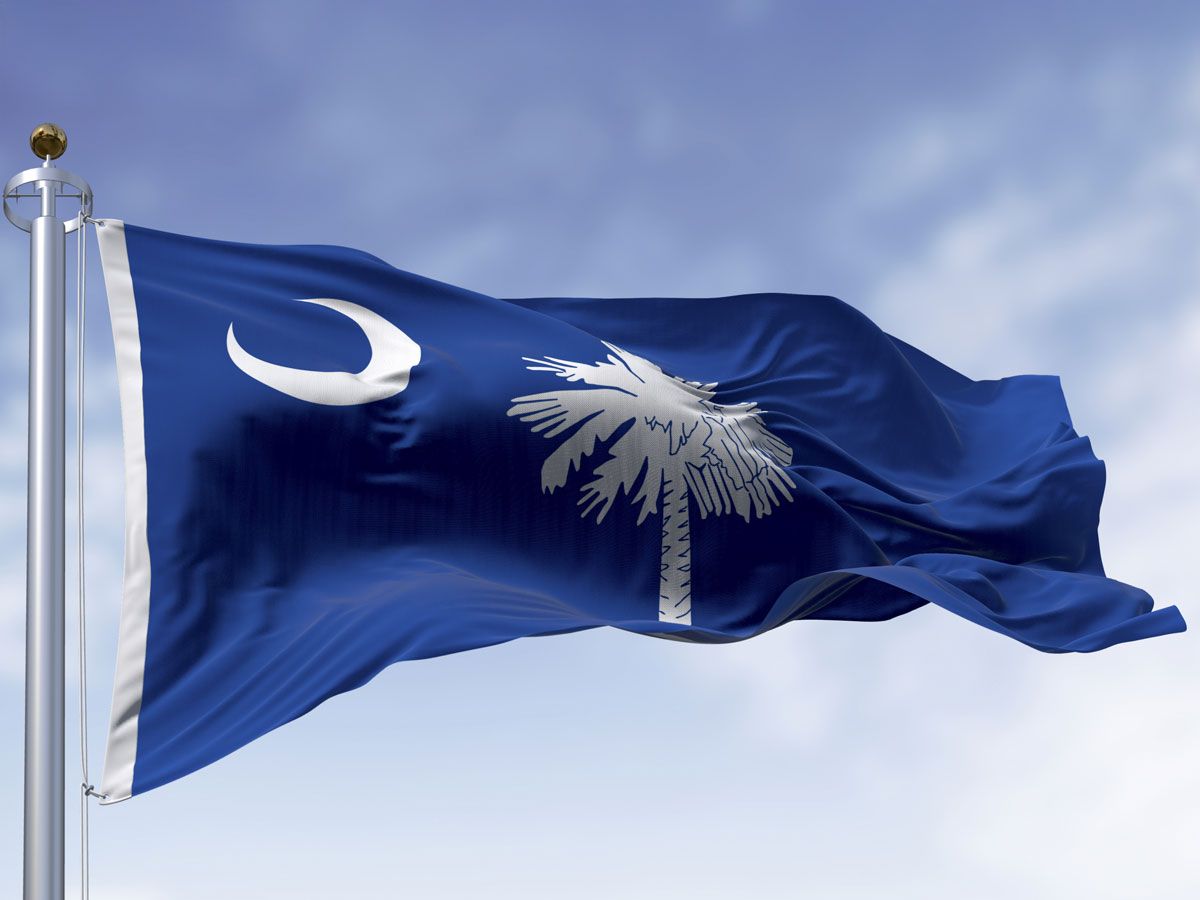
Although it can be traced back to an earlier design from 1775, the current South Carolina flag was adopted in 1861. It has a white crescent in the upper left corner on a dark blue background, which pays homage to a similar flag used by Colonel William Moultrie and his troops during the American Revolution. The design of the flag was based on the blue uniforms and white crescent badges on the caps of the fort’s patriot guards. In 1861, a palmetto tree, the official state tree of South Carolina, was added to the center.
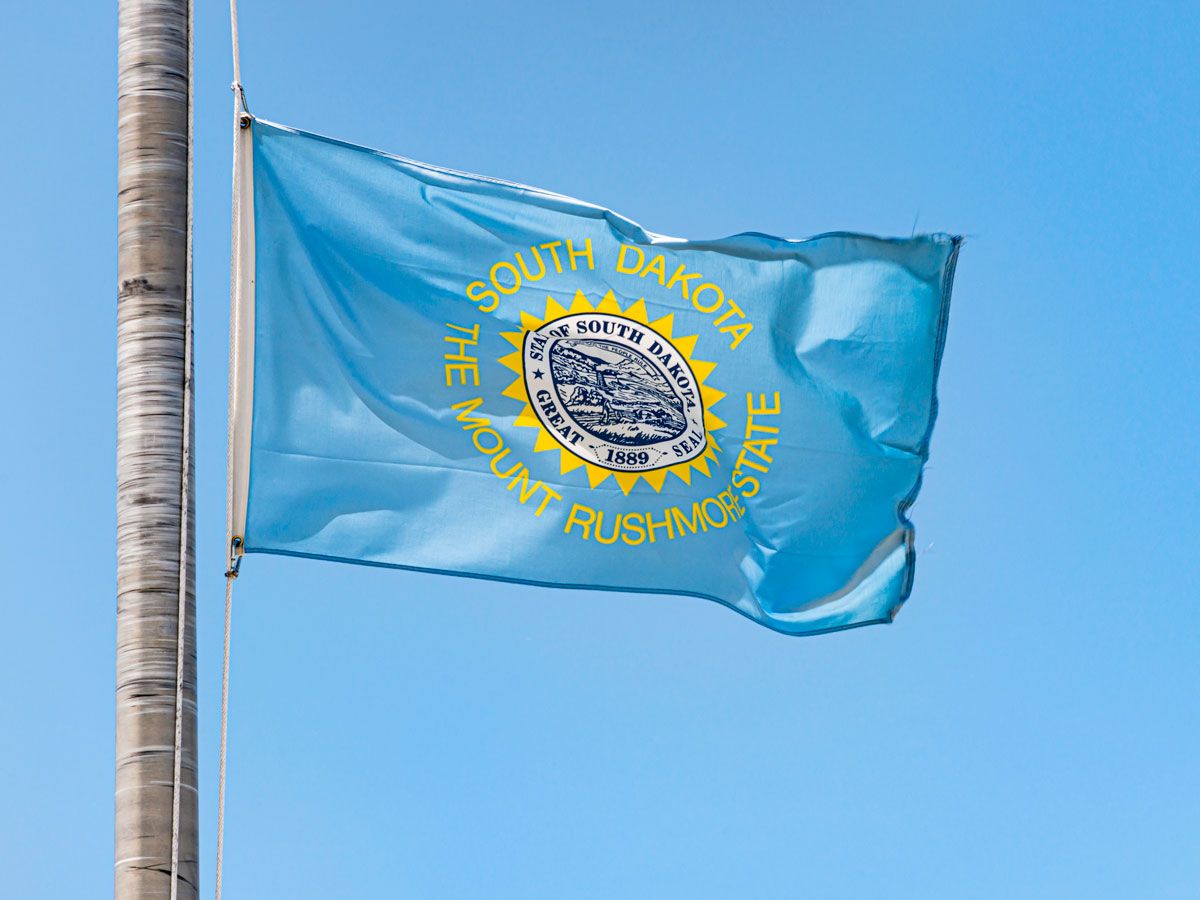
South Dakota adopted its current state flag in 1992, which updated the wording of the previous flag. It depicts the state seal surrounded by a shining sun. The seal contains symbols of commerce, industry, and the state’s natural resources. It also includes South Dakota’s motto (“Under God the people rule”), the year it joined the Union (1889), and the state nickname (“The Mount Rushmore State,” after its most famous landmark). ”
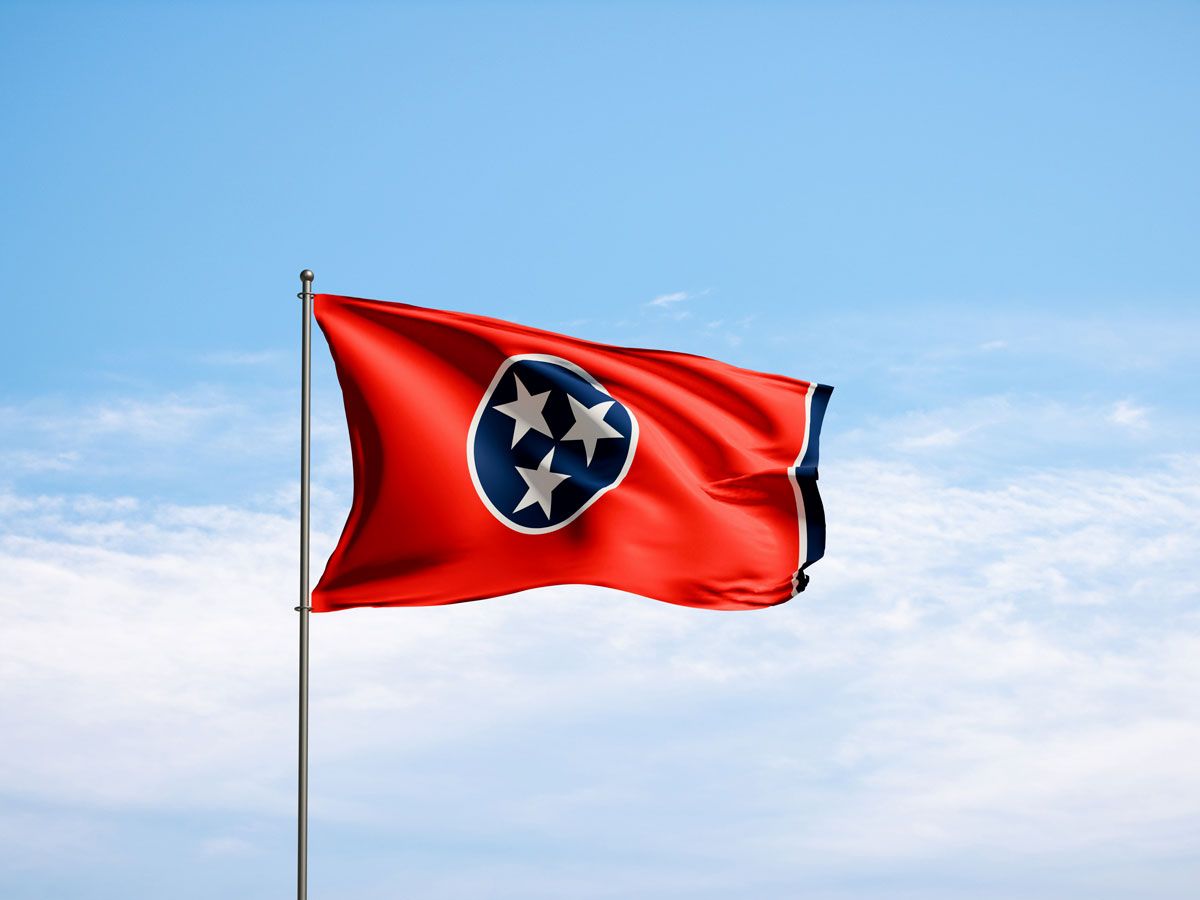
Designed by LeRoy Reeves of the Third Regiment, Tennessee Infantry, the flag of Tennessee dates back to 1905. It contains three white stars inside a blue circle, which represent the three Grand Divisions of the state: East, Middle, and West Tennessee. The background is crimson red, though there’s also a vertical blue bar at the right end. According to Reeves, “The final blue bar relieves the sameness of the crimson field and prevents the flag from showing too much crimson when hanging limp.”
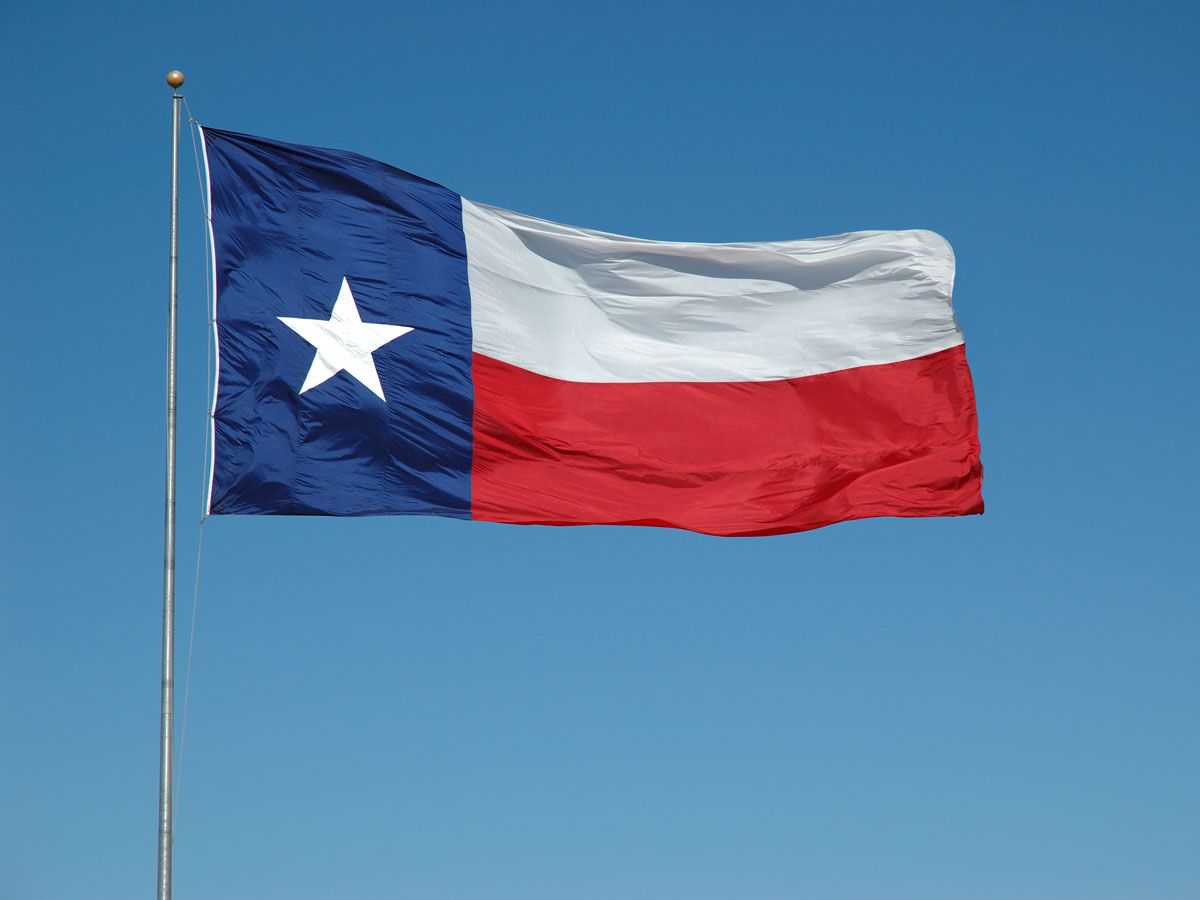
Introduced in 1839, the Texas state flag once served as the national flag of the short-lived Republic of Texas. Colored red, white, and blue, it contains a single five-pointed star atop the blue bar, which pays homage to Texas’ nickname of “the Lone Star State.” Each of the colors represents a different ideal: blue for loyalty, white for purity, and red for bravery.
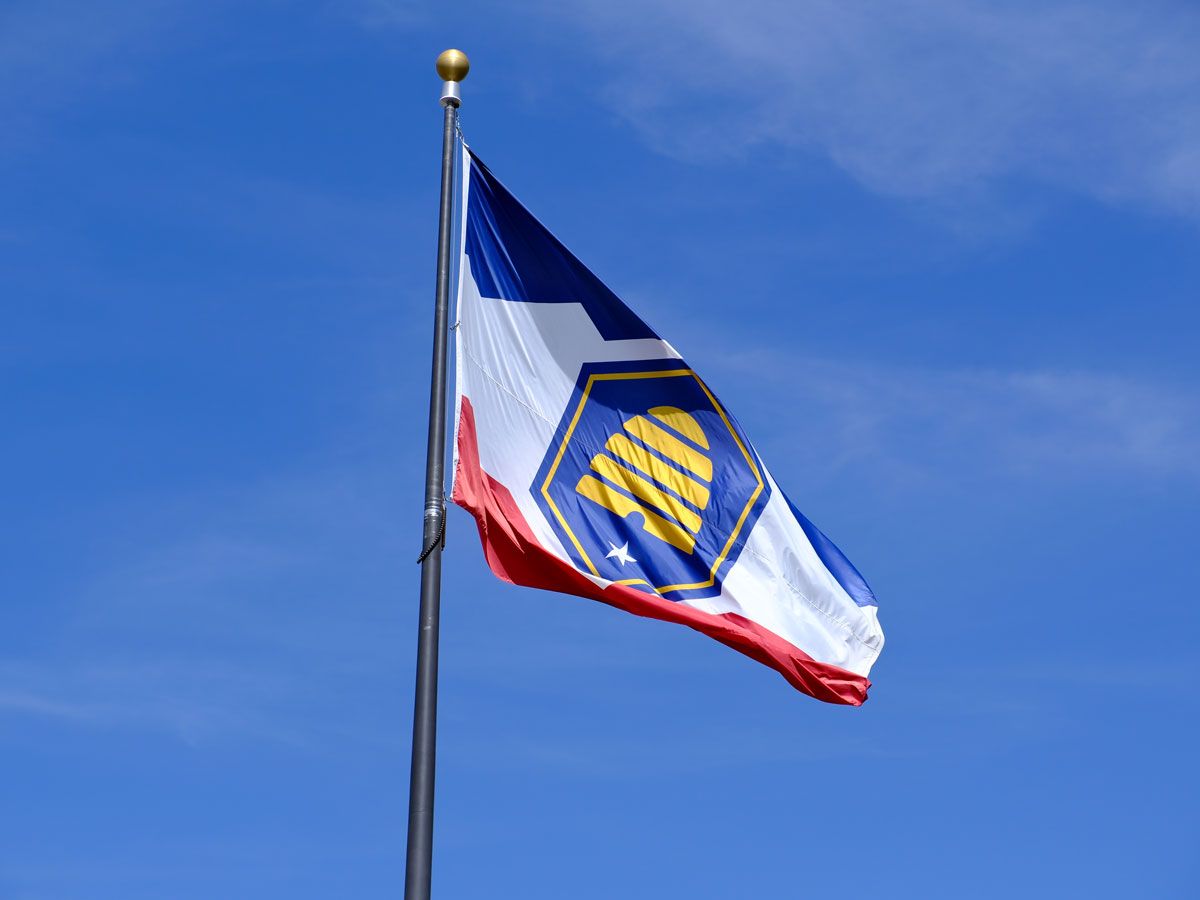
Utah’s current state flag is one of the newest on this list. Adopted in March 2024, the flag is layered in symbolism. The blue field represents Utah’s skies and lakes, the rugged white stripe recalls the state’s snowy mountains, and the indented red stripe symbolizes the dramatic canyons the state is known for. There’s also a gold-rimmed hexagon symbolizing prosperity, a beehive paying homage to the state emblem (signifying hard work and the pioneering spirit of its people), and a single white star on top representing hope.
Vermont
Credit: Joseph Sohm/ The Image Bank Unreleased via Getty Images
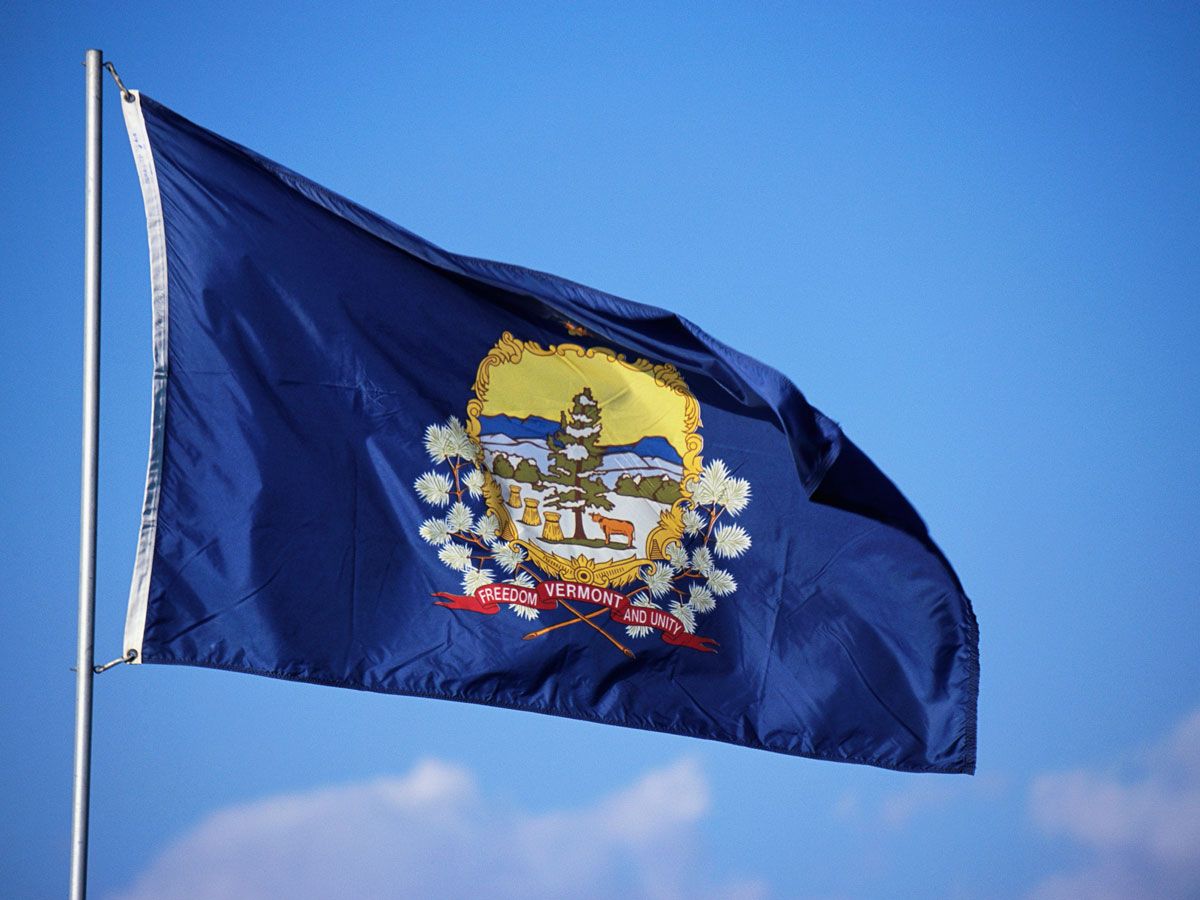
Dating to 1923, the flag of Vermont showcases the state coat of arms against an azure background. The seal depicts the Green Mountains in the background and a cow and a large pine tree in the foreground, representing the state’s natural landscapes. It also has the words “Freedom and unity,” as well as a deer head, signifying Vermont’s wildlife, situated atop the crest.
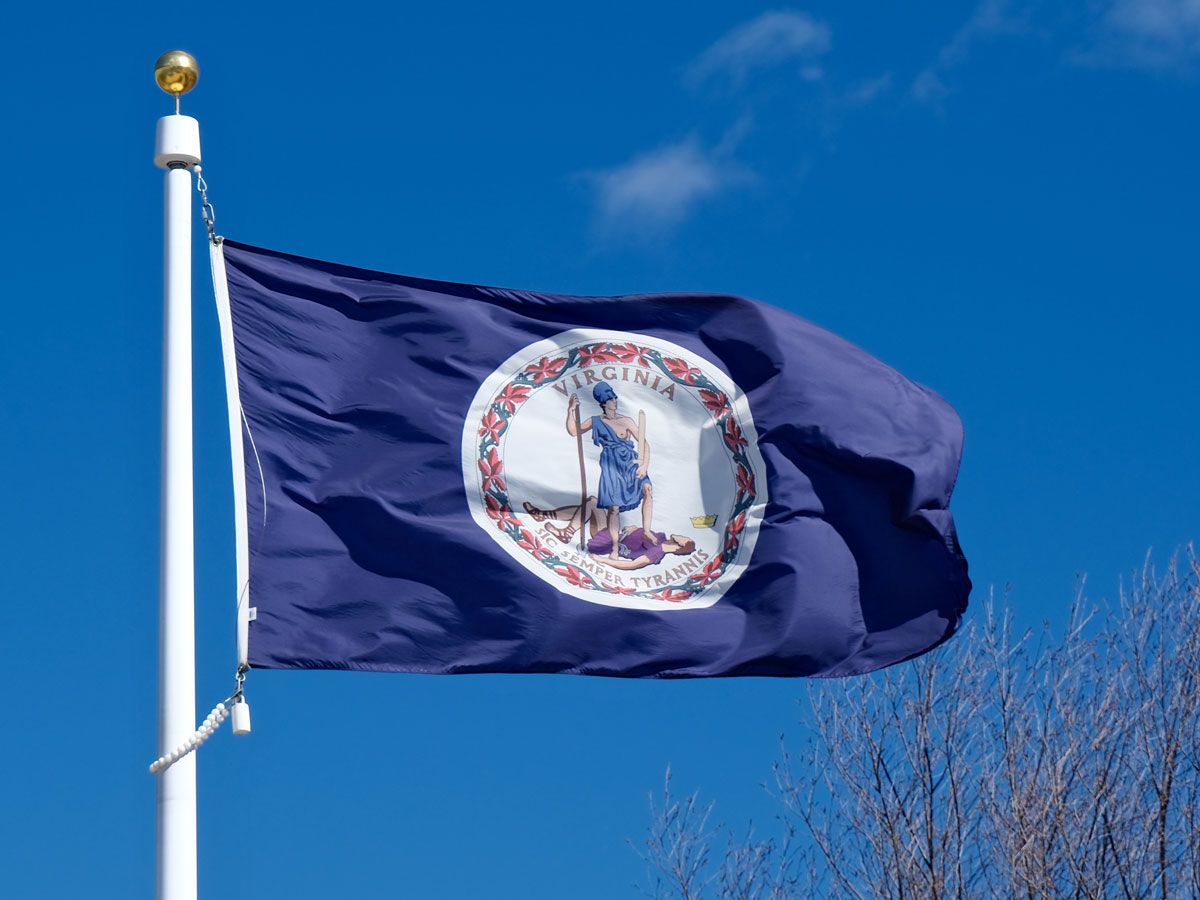
Virginia’s state flag was introduced in 1912 and depicts the state seal on a dark blue background. It shows a woman dressed as an Amazon in Greek mythology and depicting virtue. With her breast exposed, it’s the only U.S. state flag to depict nudity. The woman is standing over a slain tyrant, with the state’s Latin motto, “Sic semper tyrannis” (“Thus always to tyrnats”), written below.
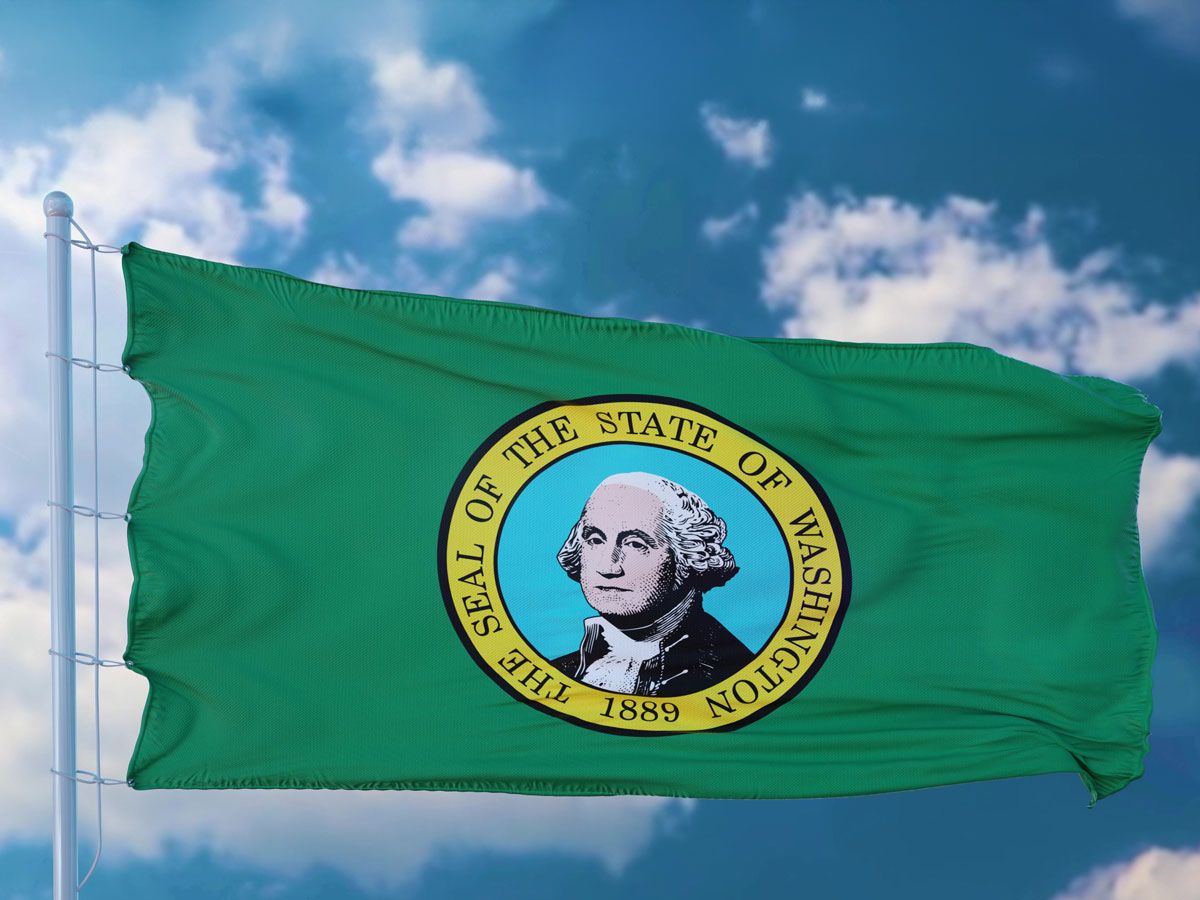
Adopted in 1923, the Washington state flag was based on a 1915 design created by a local chapter of the Daughters of the American Revolution. It is the only U.S. state flag with a green background. In the center is a seal designed by Olympia jeweler Charles Talcott, which denotes the year 1889, when Washington became a state. The seal also features the likeness of George Washington, making it the only state flag with the image of a U.S. president.
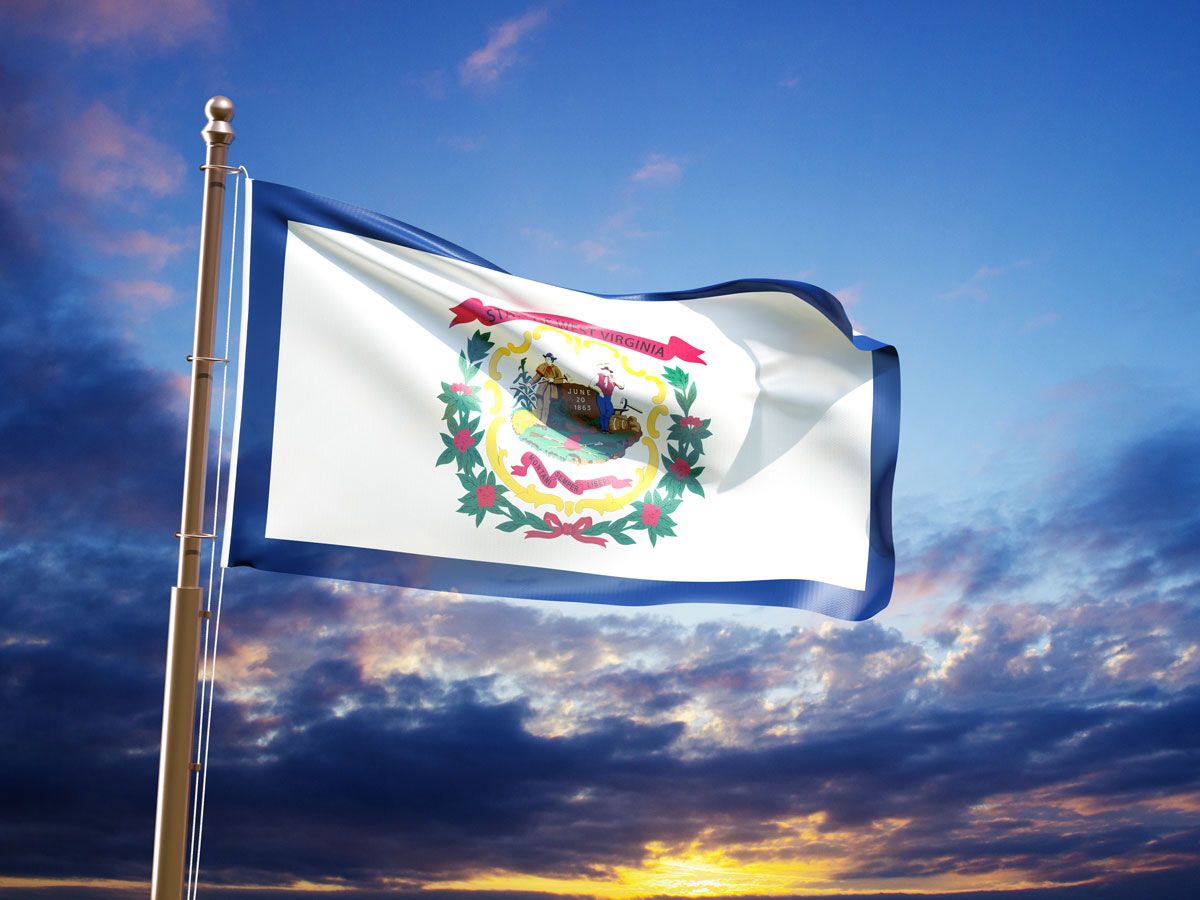
West Virginia’s flag, adopted in 1929, features a blue border, white background, and the state coat of arms at its center. The seal depicts a farmer and miner flanking a rock, and on that rock is the date West Virginia achieved statehood: June 20, 1863. The design also features the Latin motto “Montani semper liberi,” meaning “Mountaineers are always free.” The seal is surrounded by a laurel of Rhododendron maximum, which has been the state flower since 1903.
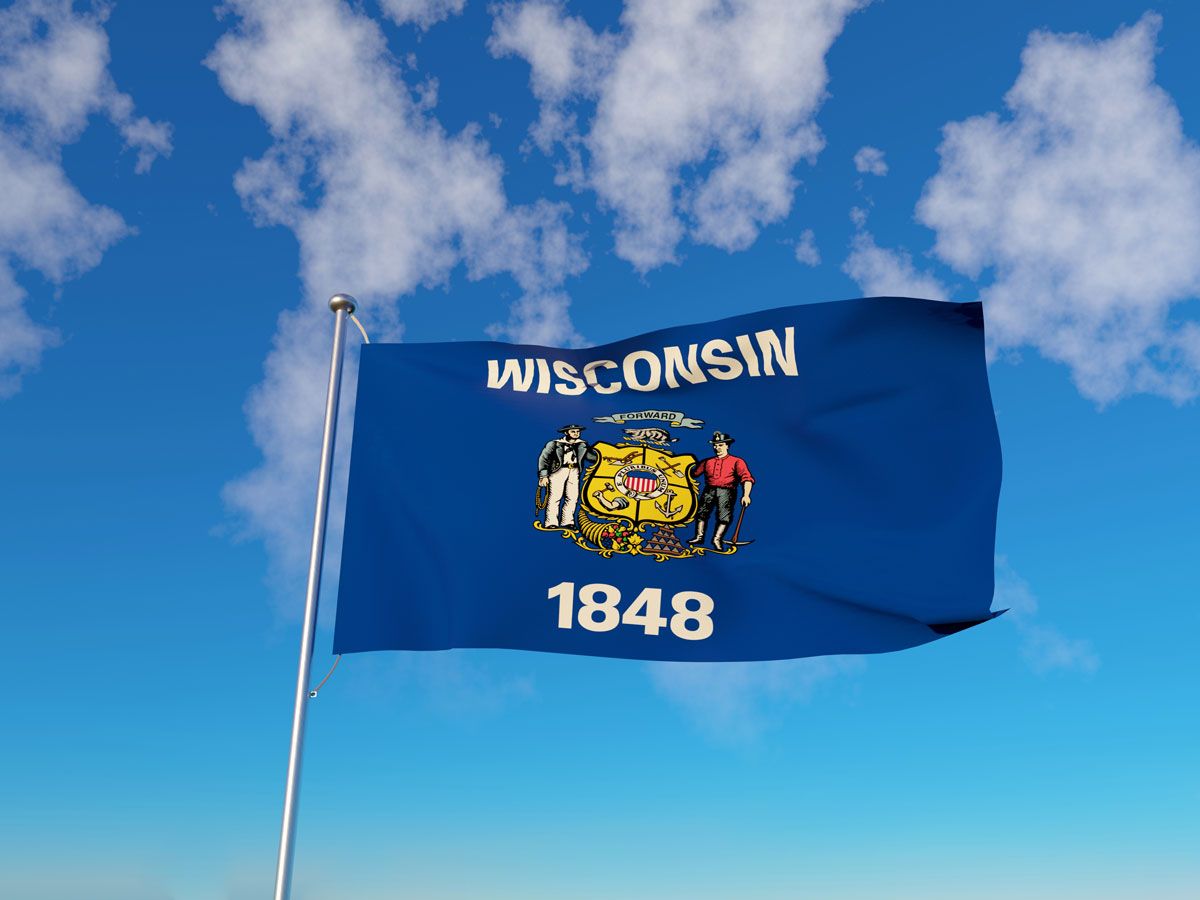
The Wisconsin state flag features the state name at the top and the year 1848 below, which denotes the year that the Badger State achieved statehood. While the current design was officially adopted in 1981, it dates back to 1863. The coat of arms at the center features a sailor and a miner, representing common professions during the era. There’s also a badger, which is the official state animal.
Wyoming
Credit: RiverNorthPhotography/ iStock via Getty Images Plus
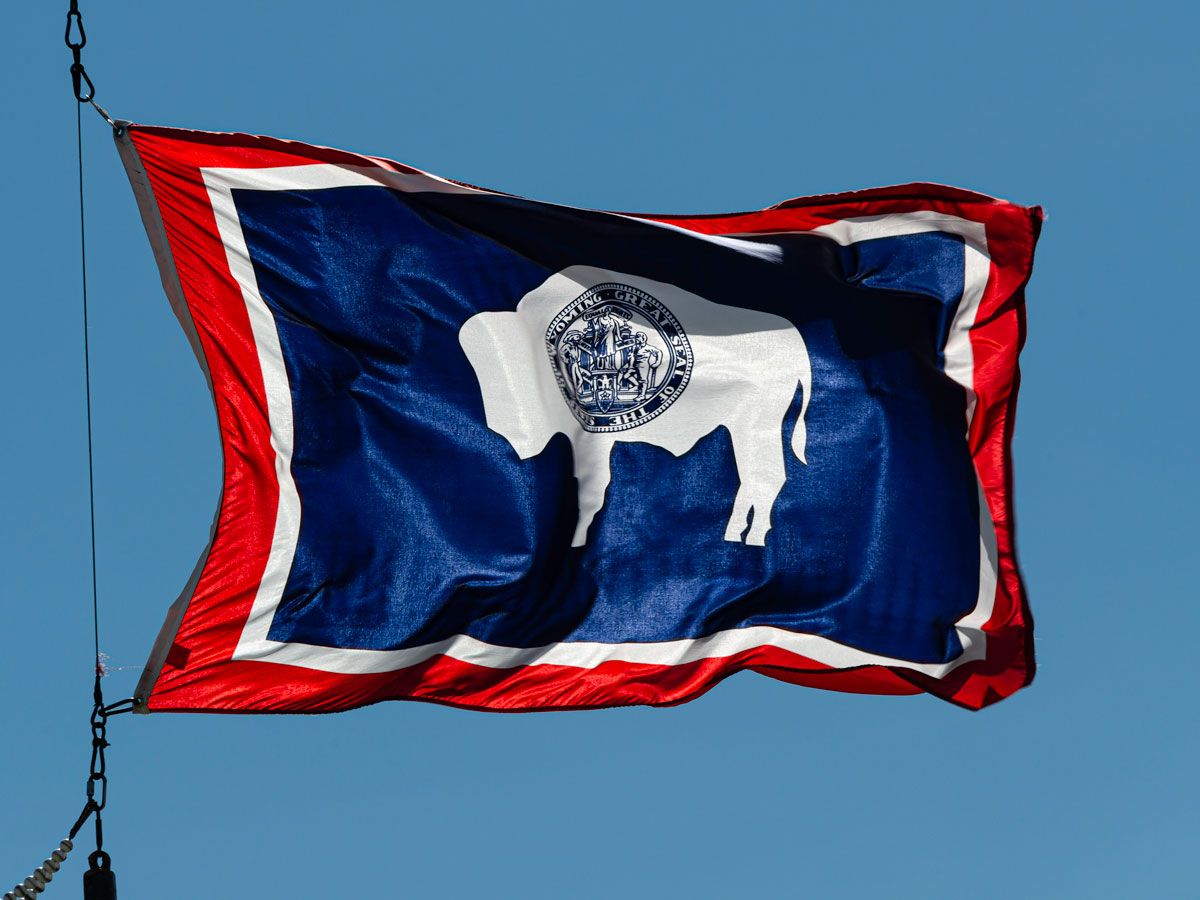
Wyoming adopted its state flag in 1917. Designed by Casper resident A.C. Keyes, it features a blue background bordered by white and red. The red represents both local Native American tribes and the pioneers who fought to claim the soil. The color white symbolizes purity, and blue is for the sky and mountains. At the center of the flag is the outline of a bison — many of which you can find in Wyoming’s Yellowstone National Park — and inside the outline is the state seal.
Rachel is a Washington, D.C.–based travel and lifestyle writer with roots in the Great Lakes region. When she’s not writing for publications such as The Discoverer and Interesting Facts, you’ll find her wandering through museums or exploring destinations off the beaten path.
All-inclusive vacations are often touted as hassle-free and cost-effective. From the price of lodging to meals, drinks, on-site activities, and entertainment, everything is seemingly taken care of. But for all the benefits, there are a few pitfalls to all-inclusive packages — namely, the hidden costs that many travelers are unaware of. Here are nine common expenses that aren’t included when staying at an all-inclusive resort.
Dining can be a highlight at all-inclusives, but not all restaurants, menus, or specialty dishes are included in all packages, so it’s important to read the fine print. Some resorts have tiered dining access. For example, Sandals guests with a “Club Sandals” package may order from a select menu at restaurants throughout the resort, while “Butler Elite” guests enjoy unrestricted dining at all venues. Other resort brands might charge a per-person reservation fee for certain restaurants, such as steakhouses, sushi bars, and fine-dining options.
Alcohol follows a similar structure. Champagne, top-shelf liquor, and other premium beverages may cost extra. At Sandals, only “Butler”-level guest packages include premium brand liquors; all other guests are charged accordingly per drink. At Club Med resorts, Champagne and certain premium liquors are always an add-on. These costs can quickly exceed expectations — and budgets.
Off-site excursions — like catamaran cruises, horseback riding, guided tours, and sunset sailing — are among the biggest potential hidden costs of all-inclusive vacations. Even activities listed on the website or marketed at the resort can come with added fees. For this reason, some travelers look for excursions from third-party tour operators, which may offer lower prices. Other savvy travelers might find all-inclusive packages that include an excursion or two, often as part of a special offer. One resort brand that stands out is Sandals, which offers guests one complimentary snorkeling trip per visit.
Resort spas are often marketed as a highlight of the resort experience, but treatments are rarely included in your base cost. While some facilities allow complimentary access to certain spa areas, such as saunas, pools, or relaxation lounges, services almost always cost extra. Massages, facials, body scrubs, hairstyling, and nail treatments are some of the most common offerings, and prices can be significantly higher than at home because you’re paying a premium for location. Guests who like to indulge in extra pampering should be sure to budget for these services.
Fitness Classes
Credit: Drazen Zigic/ iStock via Getty Images Plus
All-inclusive resorts are known for their array of on-site fitness activities and classes, but check to see if they are included in your package. At Sandals Resorts, for example, guests can use the fitness center and join complimentary group classes like cardio, water aerobics, and yoga. Private training sessions and lessons, however, usually cost extra. At Sandals Barbados, for example, a couples yoga session runs about $70. For some guests, the individual instruction is worth it, while others may prefer the social aspect of the free group classes.
Many travelers love all-inclusive resorts for the variety of sports they offer, but be aware that any sports that require equipment or space rental — such as tennis, pickleball, and golf — can come with additional fees. If your resort is on the water, chances are that basic activities like paddleboarding and kayaking are free, but motorized equipment such as jet skis, as well as specialty experiences like parasailing, snorkeling, or scuba diving, typically cost extra.
While most all-inclusive resorts offer airport transportation, it usually costs extra unless guests meet specific conditions. At Club Med, for example, visitors will have to pay an additional fee for their airport transfer unless they book their airfare through Club Med. In this case, the transfer fee is waived. Other resorts might include transfers if guests book a premium room or suite package. The cost difference between shared transfers, private transportation, and taxis can also be significant, which is why travelers should always check these details before booking to avoid last-minute surprises.
Packing light can be tricky for vacations filled with beach days, pool time, sports, and spa activities. Utilizing resort laundry services may help you avoid overpacking, allowing you to stay fresh and clean with a minimal packing list. However, most all-inclusive resorts charge per item for laundry and dry cleaning. At Sandals Resorts, for instance, both 24-hour laundry and 72-hour dry cleaning are available, but each piece of clothing has its own price point. These charges add up quickly, especially for longer stays. Some travelers find it worth the cost for convenience, while others prefer to pack more clothing to avoid these fees.
It’s important to read the fine print when it comes to gratuities at all-inclusive resorts. Some have strict no-tipping policies because tips are included in the overall price, while others leave gratuities entirely up to guests. Sandals is one brand that has a no-tipping policy: Servers, bartenders, concierges, housekeepers, and the entertainment team are not allowed to accept gratuities. The only exceptions are butlers (for “Butler Elite” guests) and massage therapists. Other resorts may encourage tipping for certain services, such as shuttle drivers or private dining experiences. When in doubt, you can always ask about the tipping policy at check-in.
To help guests capture wonderful vacation memories, many all-inclusive resorts employ professional photographers, who might snap photos of you posing on the beach at sunset or enjoying a romantic candlelight dinner. While these images may be better quality than a phone selfie, they usually aren’t included in your package. Travelers can often purchase physical copies at the resort gift shop or buy digital copies online, but the package prices can be surprisingly high. Because of this, allotting some photo money in your travel budget is a good idea if you want professional-grade images to commemorate your getaway.
Tips •November 26, 2025•Updated: November 26, 2025
By Fiona Mokry
Author
Fiona Mokry
Fiona has spent her career exploring the world and working in the travel industry, turning her lifelong passion into a profession. From planning custom trips to sharing stories as a travel writer for publications such as The Discoverer, she’s all about helping others experience the world in a deeper, more meaningful way.
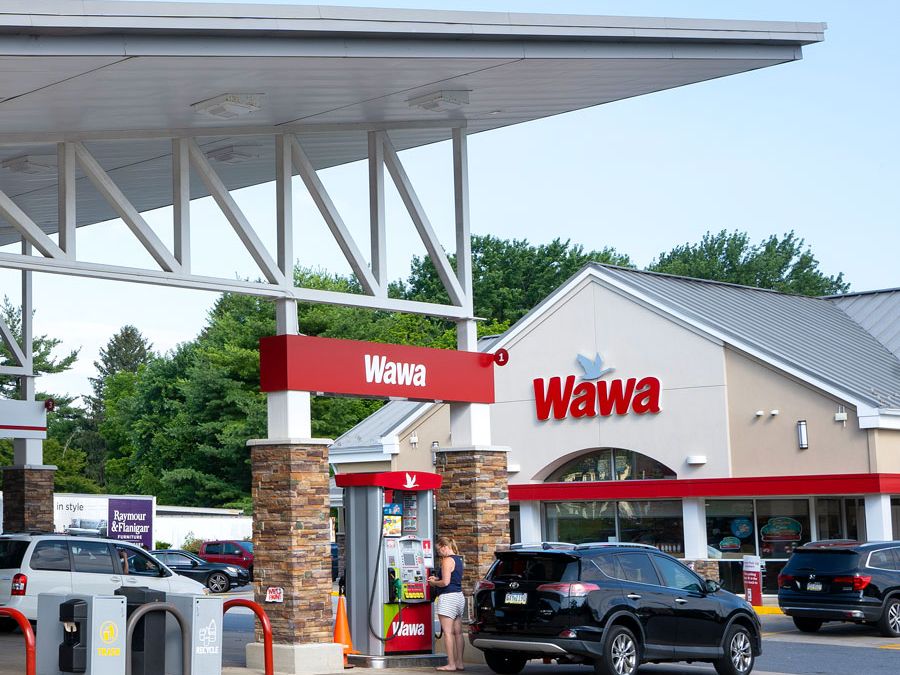
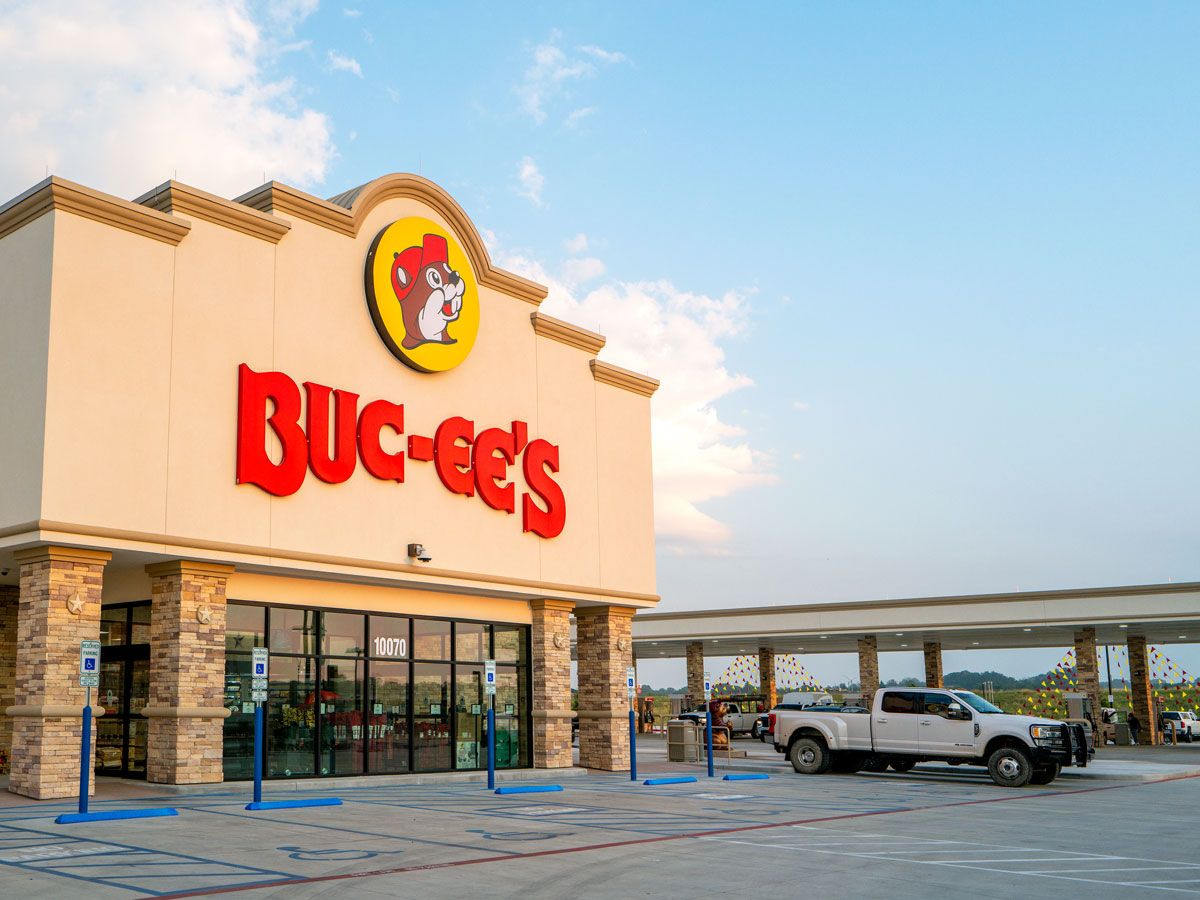
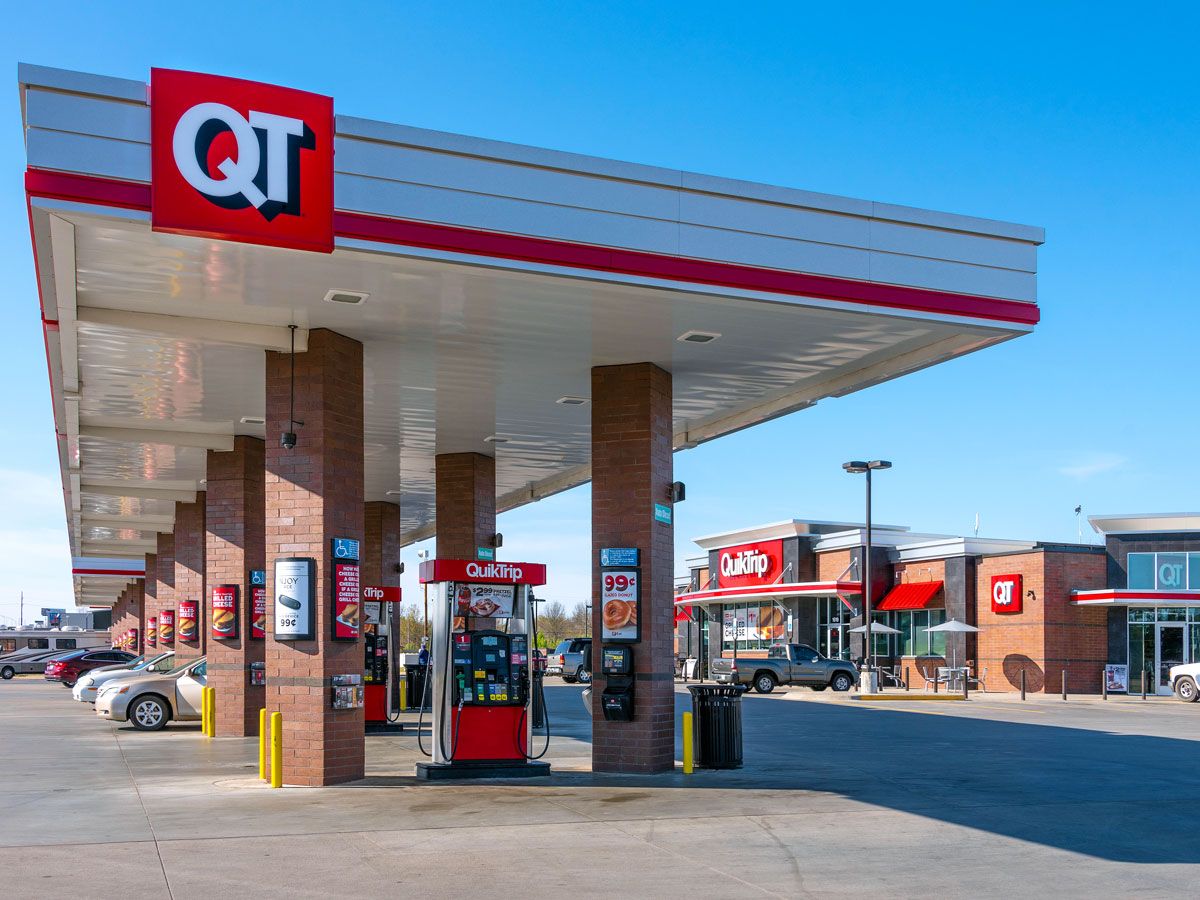
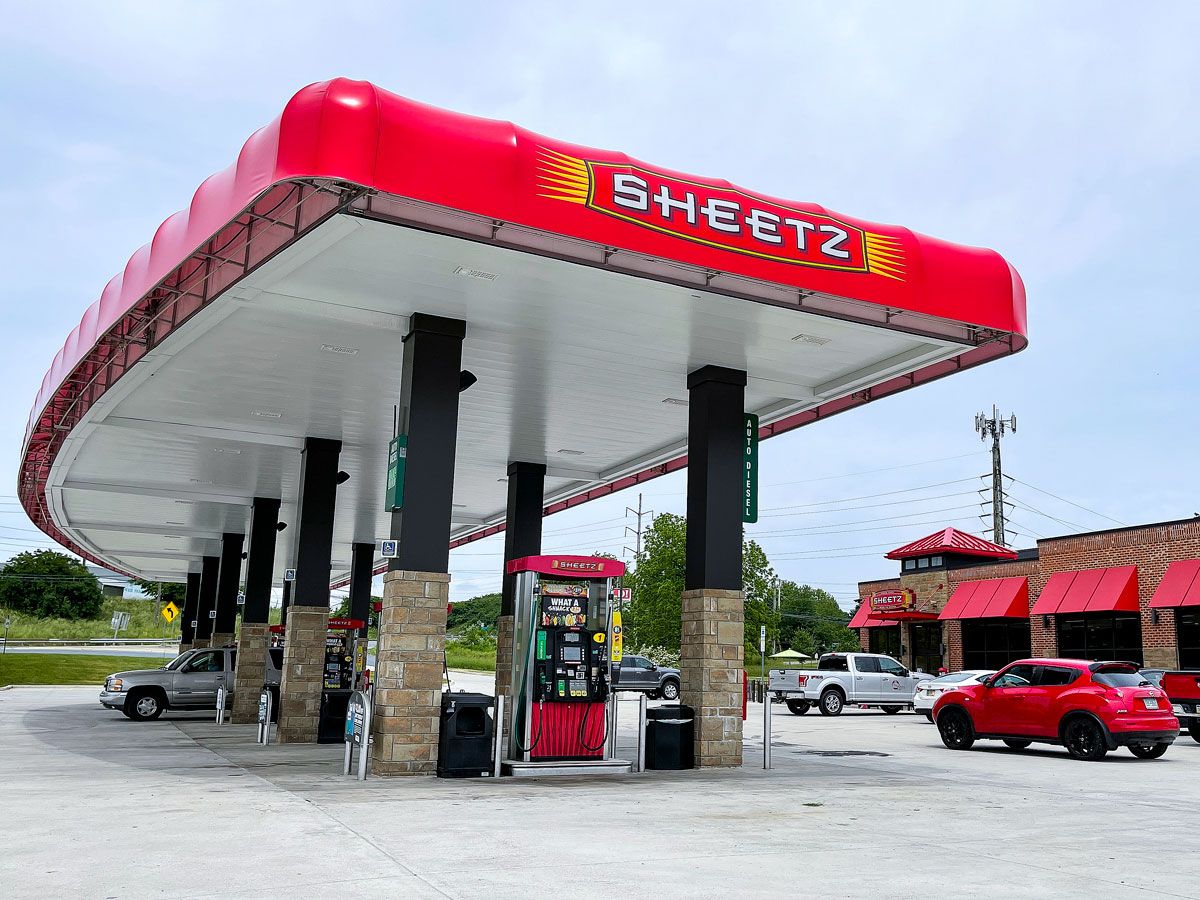
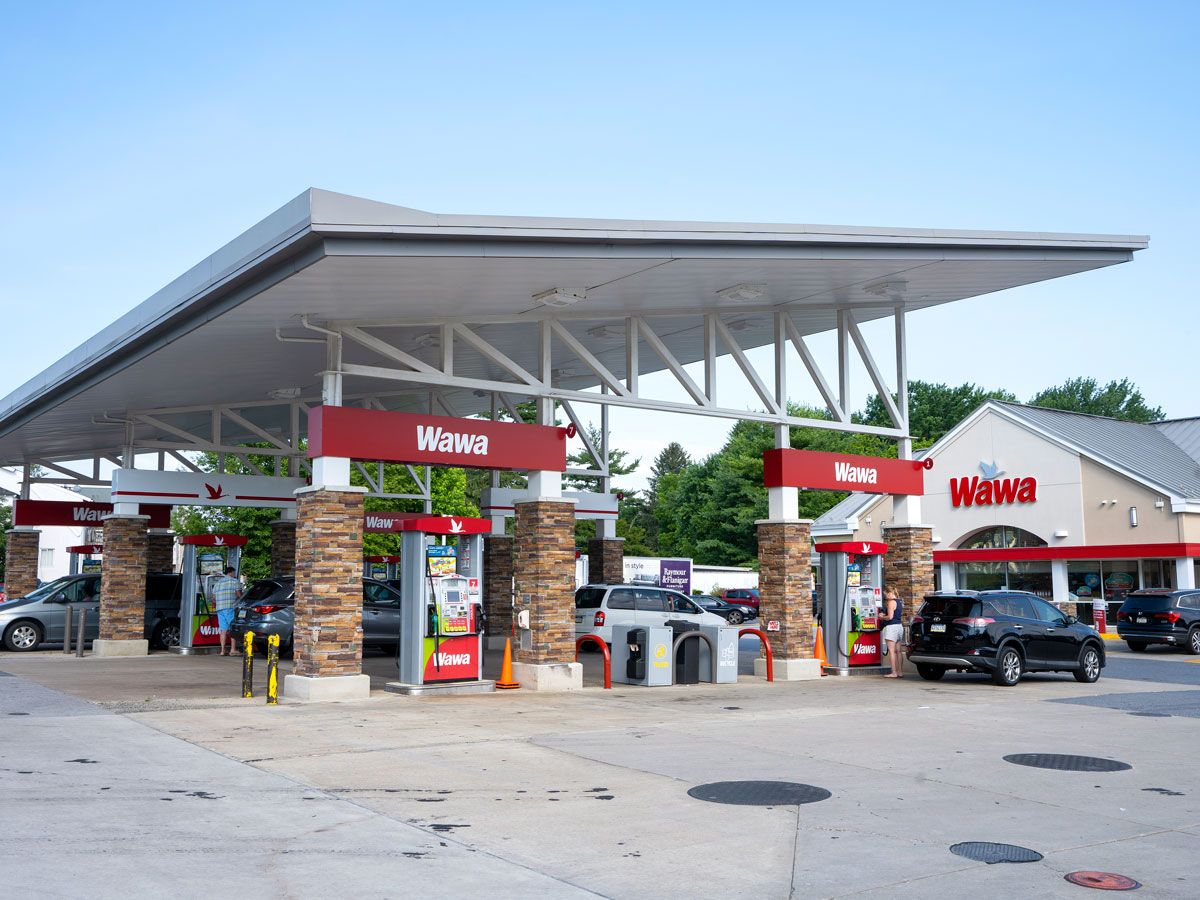
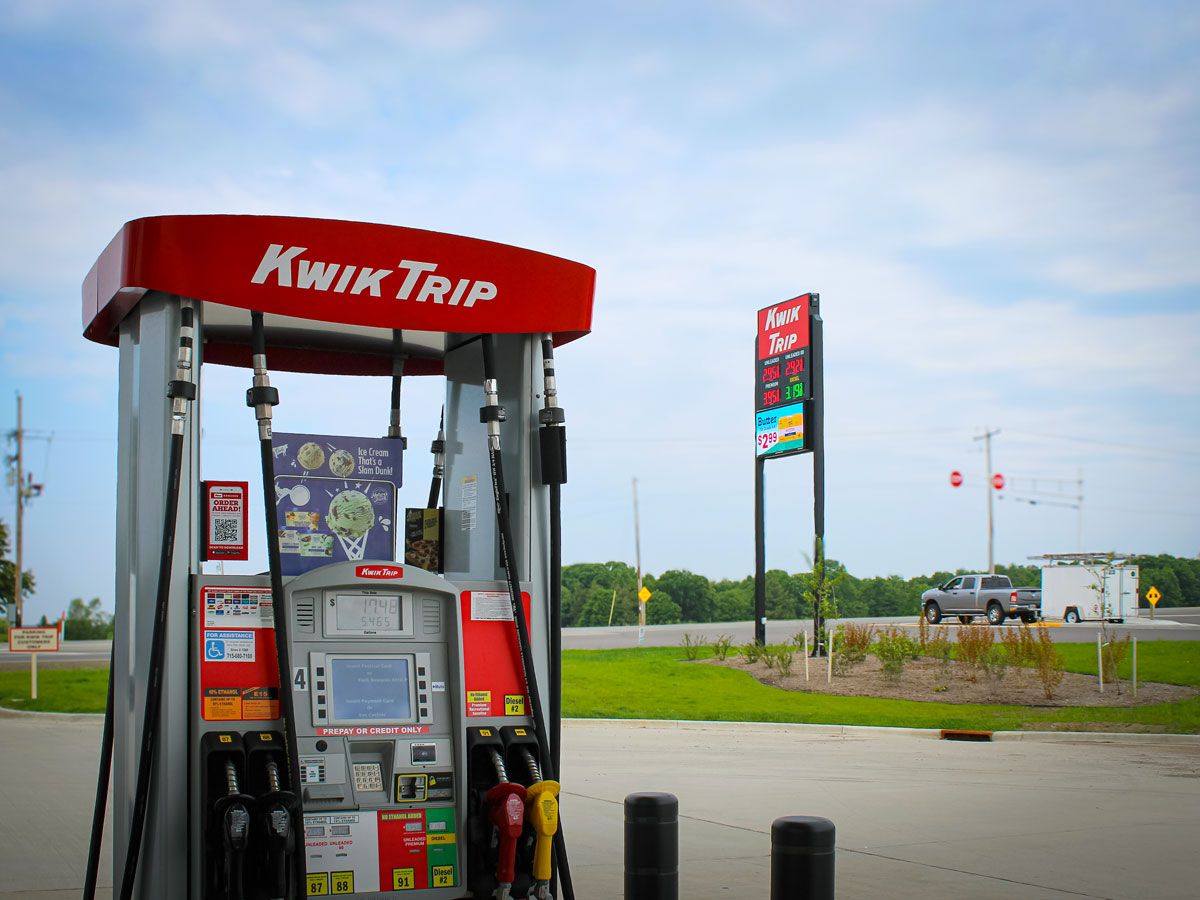
Think all convenience stores are the same? Think again. Once just quick stops for gas and a few snacks, many of today’s stores have evolved into destinations in themselves, with fresh food, local specialties, and unique souvenirs that make them a memorable part of any road trip. So, the next time you hit the open highway, make a point to stop at one of the top five convenience stores in the U.S., as ranked in a 2025 study by the American Customer Satisfaction Index.
Buc-ee’s is a roadside destination designed with travelers in mind. With massive locations — including the largest convenience store in the world — featuring dozens of fuel pumps, clean bathrooms, and aisles packed with snacks, it’s a haven for road-trippers. One of the biggest draws of Buc-ee’s is the store’s unique treats, like the famous Beaver Nuggets, a sweet, caramel-coated corn puff snack that has become the brand’s signature. The stores also offer homemade fudge, Texas-style jerky, kolaches, and fresh barbecue, all made in-house or sourced from local suppliers, giving travelers a taste of regional flavors along the way.
In addition to its food offerings, Buc-ee’s is known for its quirky merchandise, including beaver-themed hats, T-shirts, mugs, home decor, and even camping gear. The smiling beaver mascot was inspired by the founder’s childhood nickname, and it creates a fun, recognizable brand that keeps customers loyal and makes a visit to Buc-ee’s feel like part of the adventure rather than just a pit stop.
Headquartered in Tulsa, Oklahoma, where the first store opened in 1958, QuikTrip now operates more than 1,000 stores across the Midwest, South, and Southeast. Arizona, Missouri, Georgia, Oklahoma, and Texas are home to the most locations, so if you’re planning a road trip through those states, one shouldn’t be far away. Known for its company culture and generous benefits, QuikTrip (along with Sheetz) has appeared on Fortune magazine’s list of the best companies to work for. Every year, the chain also donates 5% of its net profits to local charities.
Stores are spacious and well laid out, featuring QT Kitchens for made-to-order meals. The “Guaranteed Gasoline” program ensures high-quality fuel with 300% more engine-cleaning detergents than required by the government. For road-trippers from Georgia to Arizona, QuikTrip is more than a gas stop — it’s a convenient place to grab a hot meal, refill coffee, stretch your legs, and refuel for the journey ahead.
2. Sheetz (tie)
Credit: Ben Hasty/MediaNews Group/ Reading Eagle via Getty Images
Sheetz was ranked fourth in last year’s convenience store satisfaction report, but it climbed the ranks to tie for second place in 2025. Pennsylvania, where the store was founded, has the highest number of Sheetz locations, but the brand now operates in seven states across the Mid-Atlantic and Appalachian regions, including North Carolina, Virginia, and Ohio.
Similar to the other stores on this list, Sheetz offers restaurant-quality food, a drive-thru option, and 24/7 operating hours (including its specialty coffeehouse). But Sheetz stands out for its indulgent snack menu, with comfort foods like breakfast pizza, loaded fries, mac and cheese bites, and sliders. That, combined with its lively, colorful store atmosphere and robust late-night menu, creates a memorable experience that keeps “Sheetz Freakz” (as its loyal fans are called) coming back time and time again.
2. Wawa (tie)
Credit: hapabapa/ iStock Editorial via Getty Images Plus
The former convenience store champ fell to a second-place tie this year, but it’s still a favorite of many road-trippers, especially with newly opened stores in states including Ohio and Indiana. Wawa started primarily as an East Coast convenience store chain, with a strong presence in Florida, New Jersey, Pennsylvania, and Virginia. Today, there are Wawa locations in 14 states, and the store is known for fresh, made‑to‑order food like hoagies, salads, wraps, and breakfast sandwiches, plus a full bar of coffee, tea, and specialty drinks.
Open 24/7 year-round, Wawa also offers fee-free ATMs, complimentary air for tires, and competitively priced gas. When you’re road-tripping up or down the East Coast, Wawa is a convenient stop before visiting attractions like New York City’s landmarks, Washington, D.C.’s monuments, or Orlando’s theme parks.
In 2025, Kwik Trip edged out Wawa, last year’s winner, for the top spot in customer satisfaction in the ACSI convenience store study. Founded in La Crosse, Wisconsin, this family-owned chain has expanded to more than 850 locations across Wisconsin, Minnesota, Iowa, Illinois, Michigan, and South Dakota.
Kwik Trip earned top marks for its friendly staff, strong company culture, convenient mobile ordering, and fresh, high-quality food — most of it made in-house or delivered daily. Customer favorites include glazed doughnuts, pizza, sandwiches, and soups. You’ll find Kwik Trip stations scattered along scenic routes in the Midwest, so whether you’re cruising through Wisconsin’s farmland, Minnesota’s lake country, or South Dakota’s wide-open plains, a Kwik Trip is never far away.