Marissa is a cheap airfare aficionado who loves exploring offbeat destinations with her husband. Based in Los Angeles and Joshua Tree, Marissa has been featured in publications such as San Diego Magazine, Palm Springs Life Magazine, 303 Magazine, and Mountain Living.
Images of the world’s most iconic landmarks are familiar to travelers all over the world, but some were even more magnificent when they were first built. For instance, it may seem strange to envision the Eiffel Tower being any shade other than brown, but if you lived in Paris back in the early 1900s, you’d have a different view of the famous monument. Here are five enduring structures around the world whose original appearances may surprise you.
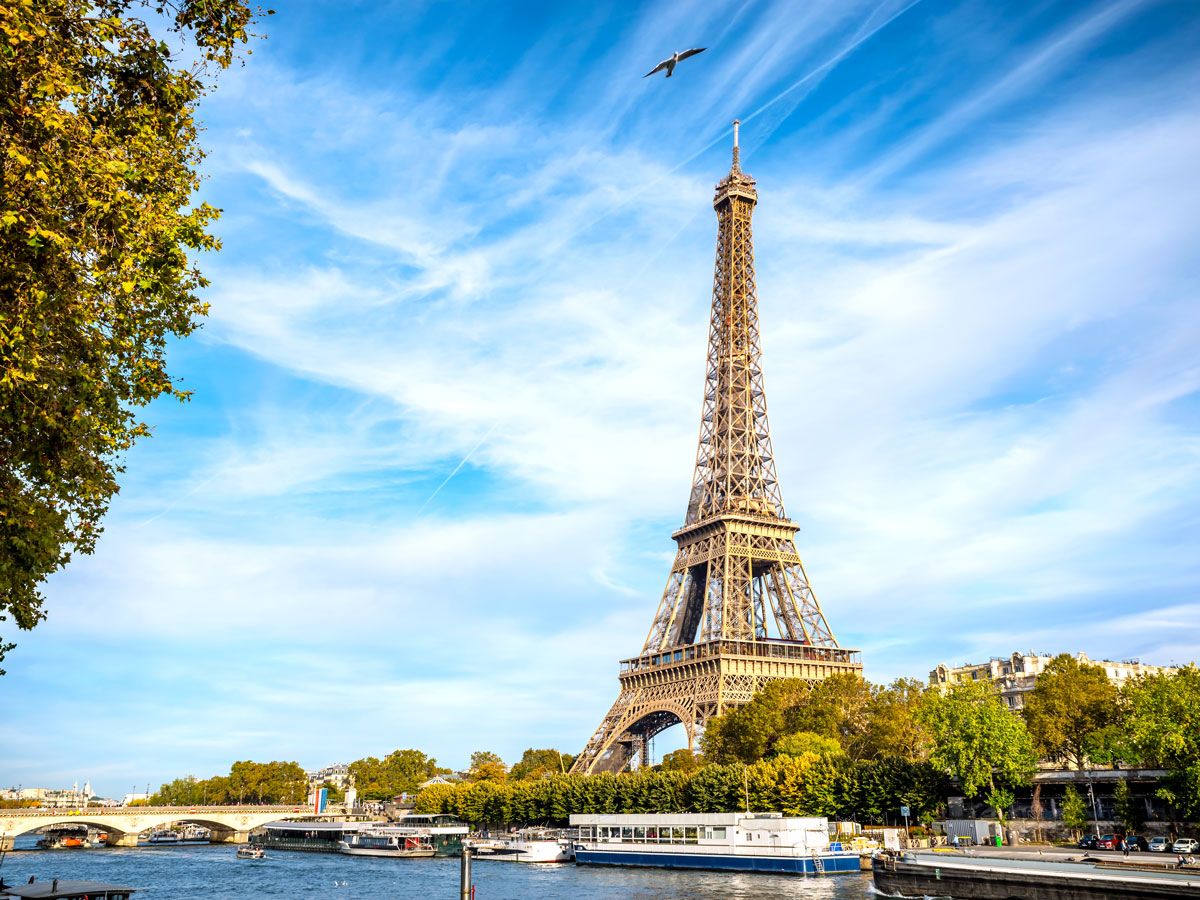
Did you know that the Eiffel Tower has donned eight different shades since it was first constructed? In 1888, the iconic structure was painted a vivid hue called Venetian red, which was applied at the workshop of its namesake designer, Gustave Eiffel. The next year, however, it was painted a different reddish-brown color for the 1889 world’s fair. In 1892, the tower received a coat of ochre-brown, and in 1899, just before the 1900 world’s fair, Gustave Eiffel decided it should be yellow — five gradient shades to be exact, ranging from light yellow at the top to orange-yellow at the base.
Interestingly, the Eiffel Tower was also designed to be temporary. When plans changed and it became a permanent fixture in 1907, Gustave Eiffel chose another yellow-brown hue that lasted for 47 years, until a reddish-brown color was chosen in 1954. In 1968, the iconic “Eiffel Tower Brown” was born. The bronze-like hue lasted 50 years and harmonized with the iconic Haussmann-style apartment buildings that are popular across Paris.
The tower got its most recent makeover in 2019 in anticipation of the 2024 Summer Olympics, changing back to the yellow-brown color that Gustave Eiffel decided to use when it became a lasting beacon of Paris at the turn of the 20th century.
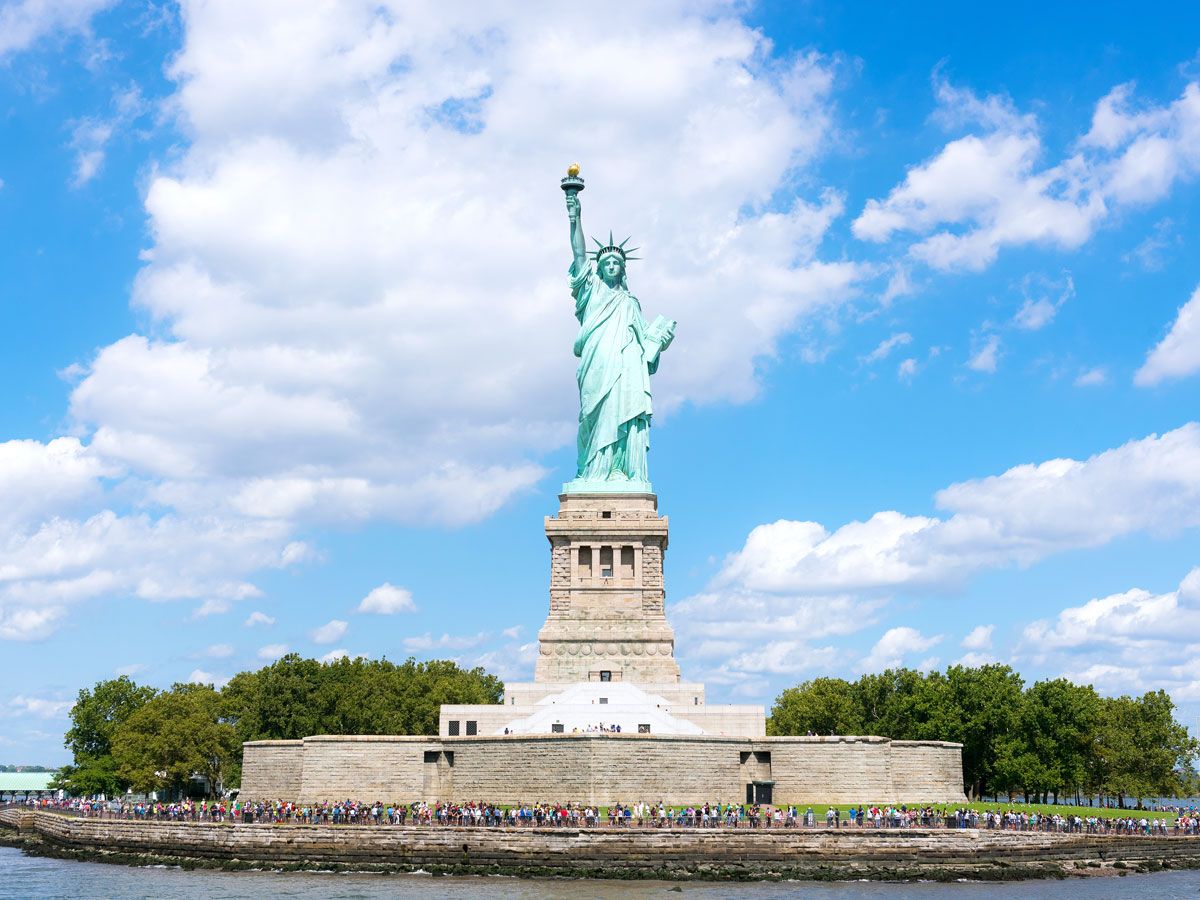
The Statue of Liberty is arguably America’s most treasured landmark, but it didn’t always have its famous green patina. Designed by French sculptor Frédéric-Auguste Bartholdi, Lady Liberty was gifted to the United States to commemorate a friendship with France and the two nations’ shared ideals of liberty.
When she was unveiled in 1886, the copper-clad statue was simply the color of copper — a glimmering reddish-brown, similar to the color of a penny. When the statue was placed on Liberty Island in New York Harbor, the copper coating began to oxidize as it was exposed to the elements, resulting in the blue-green hue we recognize today. The patina actually acts as a protective layer, preventing further corrosion of the copper beneath.
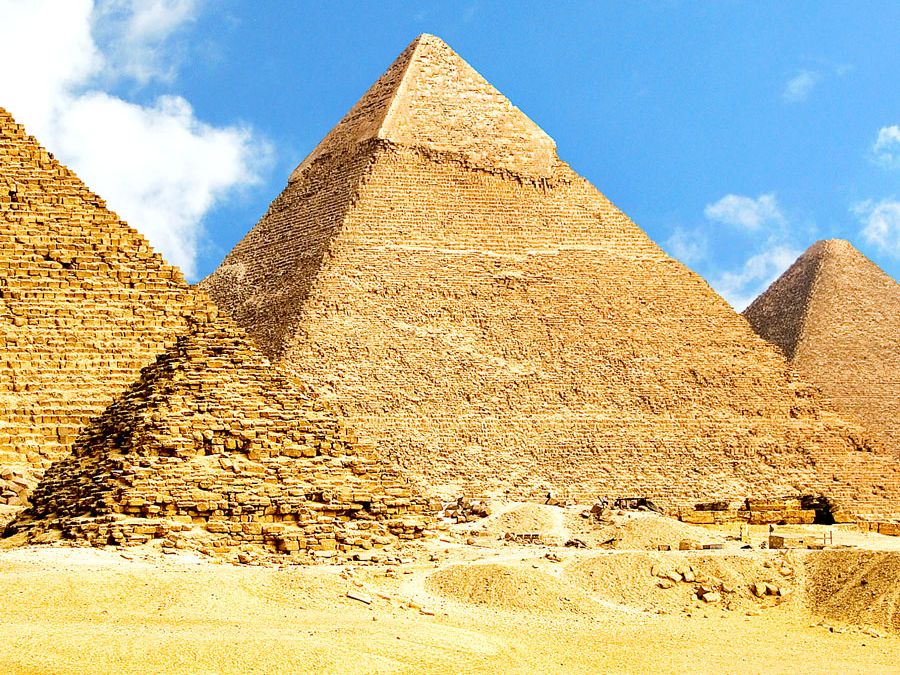
On the west bank of the Nile River near Al-Jīzah (Giza) in northern Egypt, travelers can still witness one of the original Seven Wonders of the World — the only one that remains standing. For nearly 4,000 years after its completion in approximately 2560 BCE, the Great Pyramid was the tallest human-made structure in the world. It’s one of three magnificent pyramids on the site that date back to Egypt’s fourth dynasty.
Today, the pyramids are so old and weathered that they have the same sandy appearance of the surrounding desert. Many visitors don’t realize that the pyramids were once a gleaming white. They were originally encased in smooth, polished white limestone blocks, which have faded over time. Historians also speculate that the Great Pyramid once had a pyramidion or capstone made of gold or covered in gold or electrum (a gold and silver alloy).
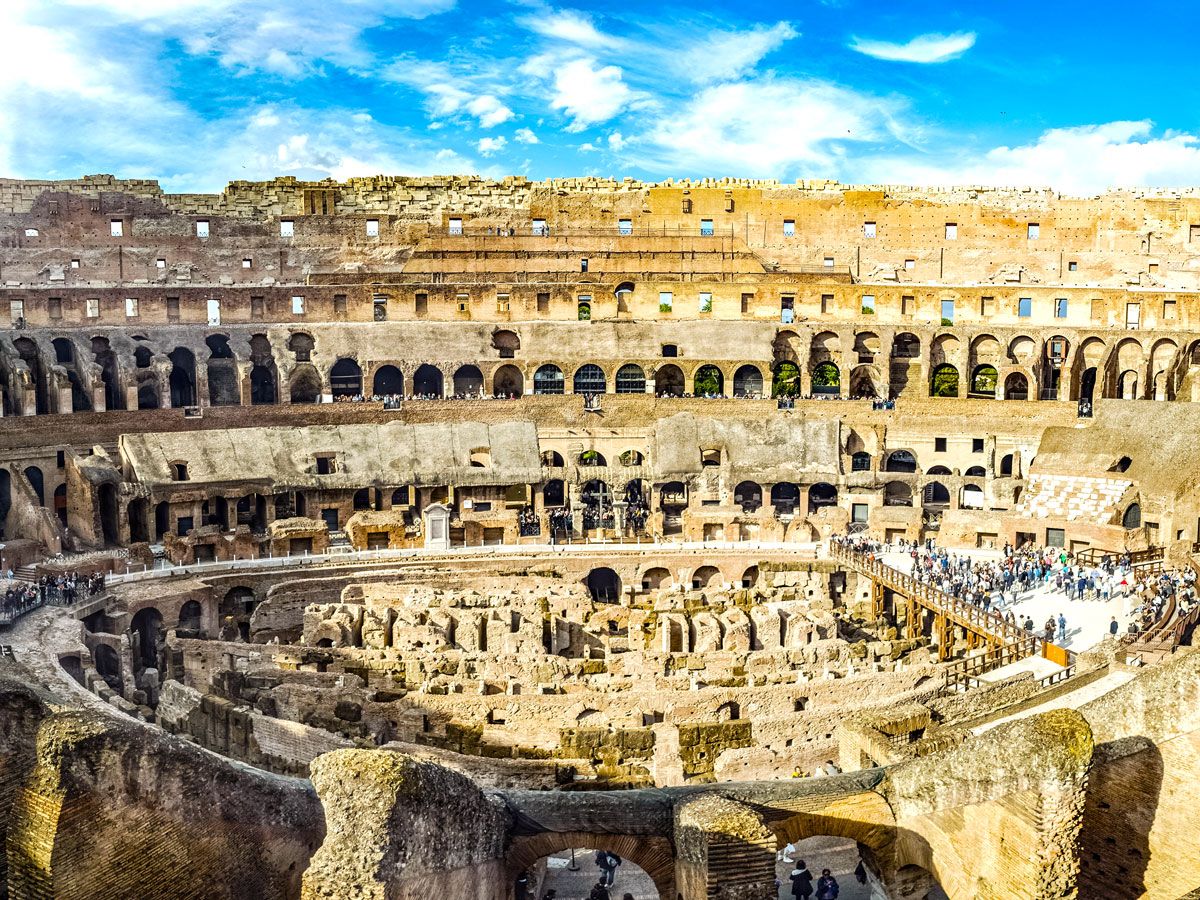
The Colosseum of Rome, another weathered ancient ruin, also once had a more opulent appearance. Though the landmark was originally encased in glistening white travertine marble, it was removed over time and used for other construction projects, such as St. Peter’s Basilica in Vatican City.
The marble was attached to the underlying structure with iron clamps and pins, which were also removed — leaving the holes that we see today. Inside the Colosseum were intricate carvings, statues, precious stones, and gold accents that were looted over time. Interestingly, on several occasions dating back to the third century BCE, the Colosseum was also filled with water to host mock naval sea battles.
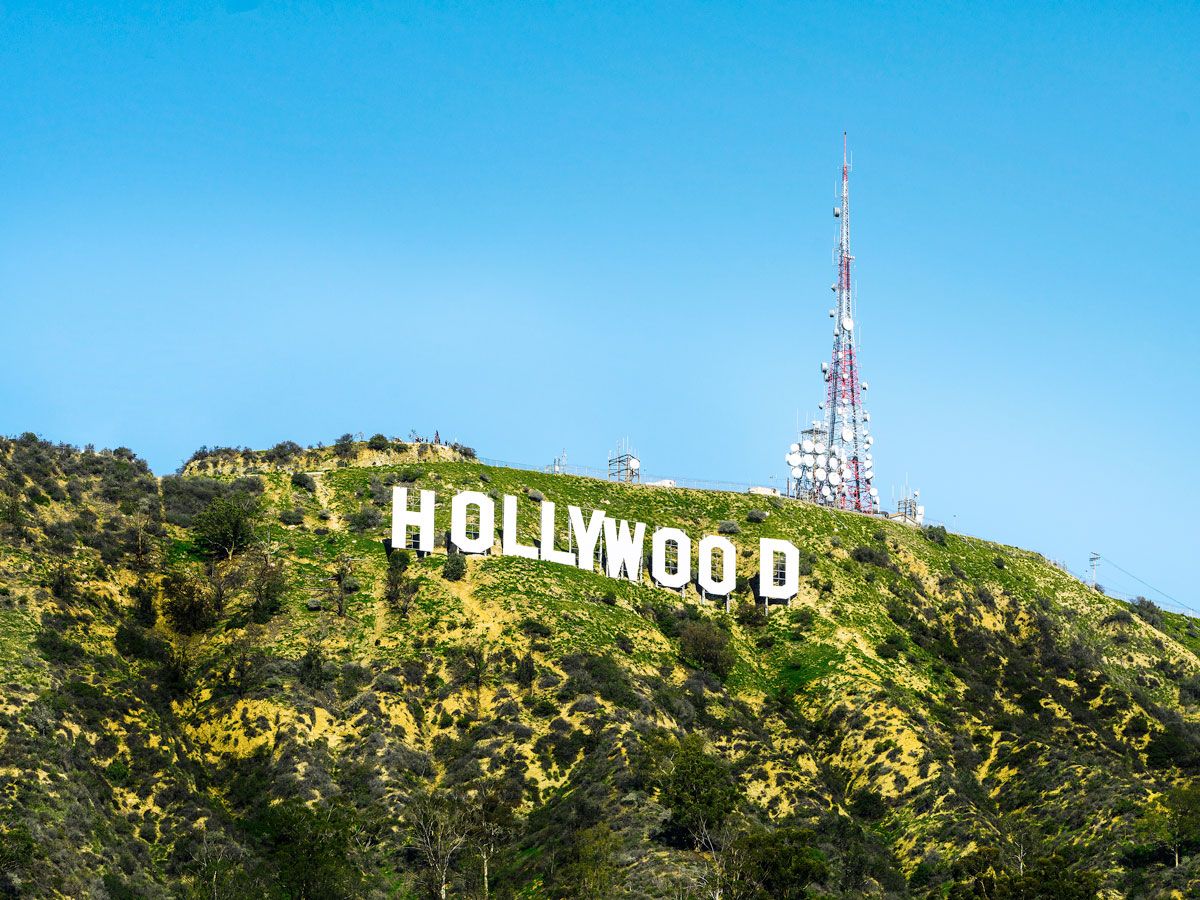
Hollywood Sign – Los Angeles, California
Credit: Christian Adams/ The Image Bank Unreleased via Getty Images
Although it’s now one of California’s most famous landmarks, the Hollywood Sign wasn’t intended to be a permanent fixture in the Hollywood Hills. In 1923, a company called Hollywoodland Property started selling homes and plots of land in the Santa Monica Mountains and created the sign, which originally read “Hollywoodland” as an advertisement. The original sign was 800 feet long and 50 feet tall and featured 4,000 light bulbs to illuminate the letters at night.
The sign was only supposed to remain standing for a year and a half, but it towered over the hills until 1949, when residents complained of its disrepair and demanded it be removed. Instead, the Hollywood Chamber of Commerce repaired and modified the sign, dropping the “land” in Hollywoodland. It became damaged yet again and almost came down permanently in 1978, but thanks to famed Playboy publisher Hugh Hefner, who helped raise $250,000 for its refurbishment, the beloved landmark has stayed in Tinseltown ever since.
Advertisement
More from our network
Daily Passport is part of Inbox Studio, an email-first media company. *Indicates a third-party property.
Rachel is a Washington, D.C.–based travel and lifestyle writer with roots in the Great Lakes region. When she’s not writing for publications such as The Discoverer and Interesting Facts, you’ll find her wandering through museums or exploring destinations off the beaten path.
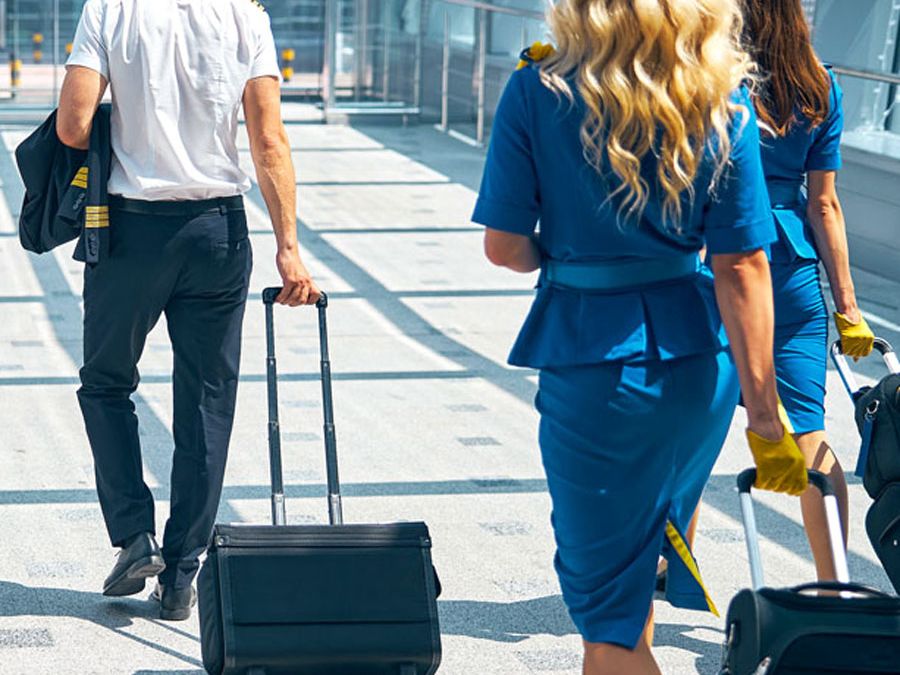
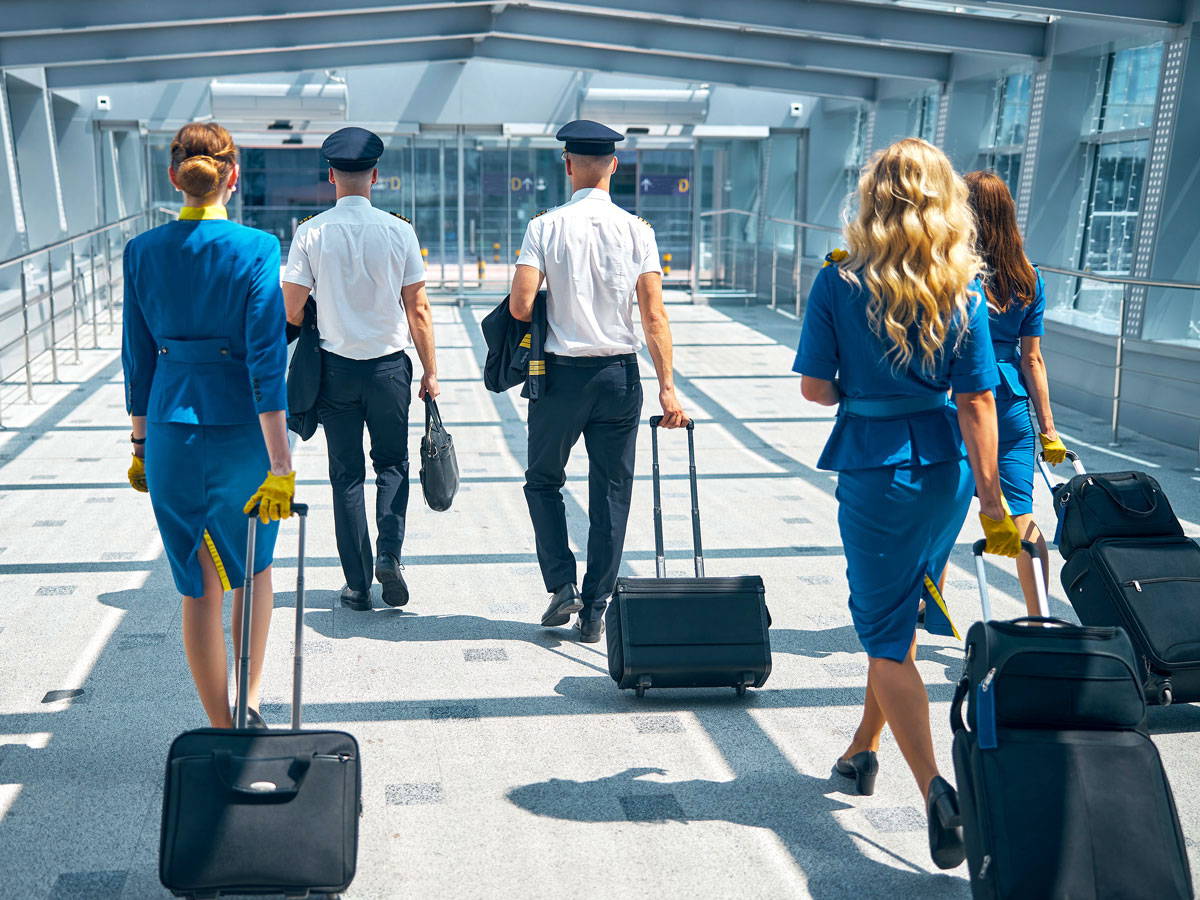
Luggage mishaps — broken wheels, bent handles, busted zippers — are all too common in airport terminals. But while ordinary travelers wrestle with worn-out bags, pilots and flight crews seem to glide through airports with ease. Their secret? Durable, no-nonsense luggage designed to survive the rigors of frequent air travel. While they often come at a higher price tag, they’re built to last — and yes, you can buy them, too.
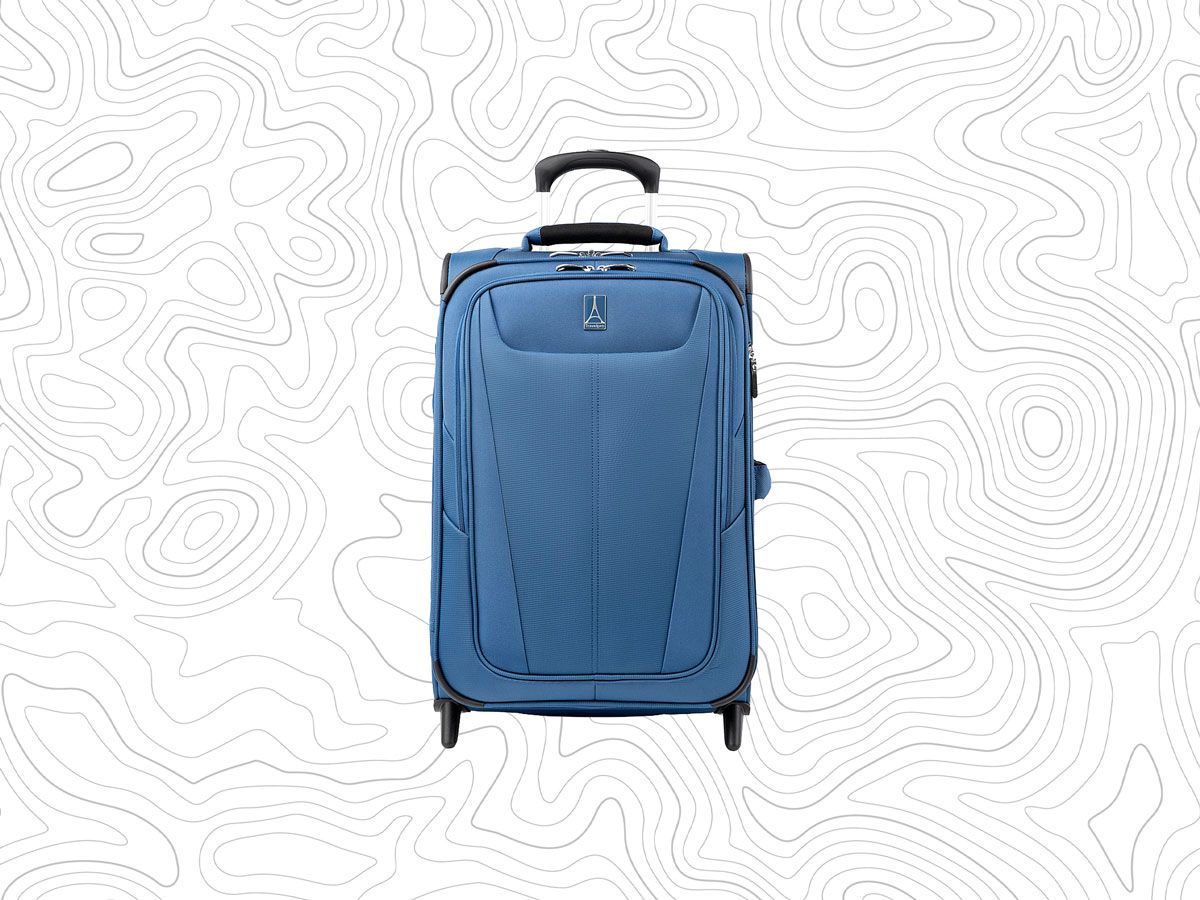
In 1987, pilot Robert Plath invented the first upright, wheeled luggage with a telescoping handle to make travel easier for pilots and flight crews, forever changing the luggage game. Today, Travelpro, the company he founded, offers over a dozen variations of the original Rollaboard, including backpacks, garment bags, and the classic wheeled carry-on.
Travelpro, renowned for its durability and timeless design, is trusted by crews from over 90 airlines around the world, according to the company’s website. Many pilots favor the FlightCrew Professional Collection, but it’s not just for crew — it’s a favorite among avid travelers, too. All Travelpro luggage features the brand’s patented Precision Glide system, with 360-degree magnetic spinner wheels and an airline-grade aluminum handle for smooth maneuverability.
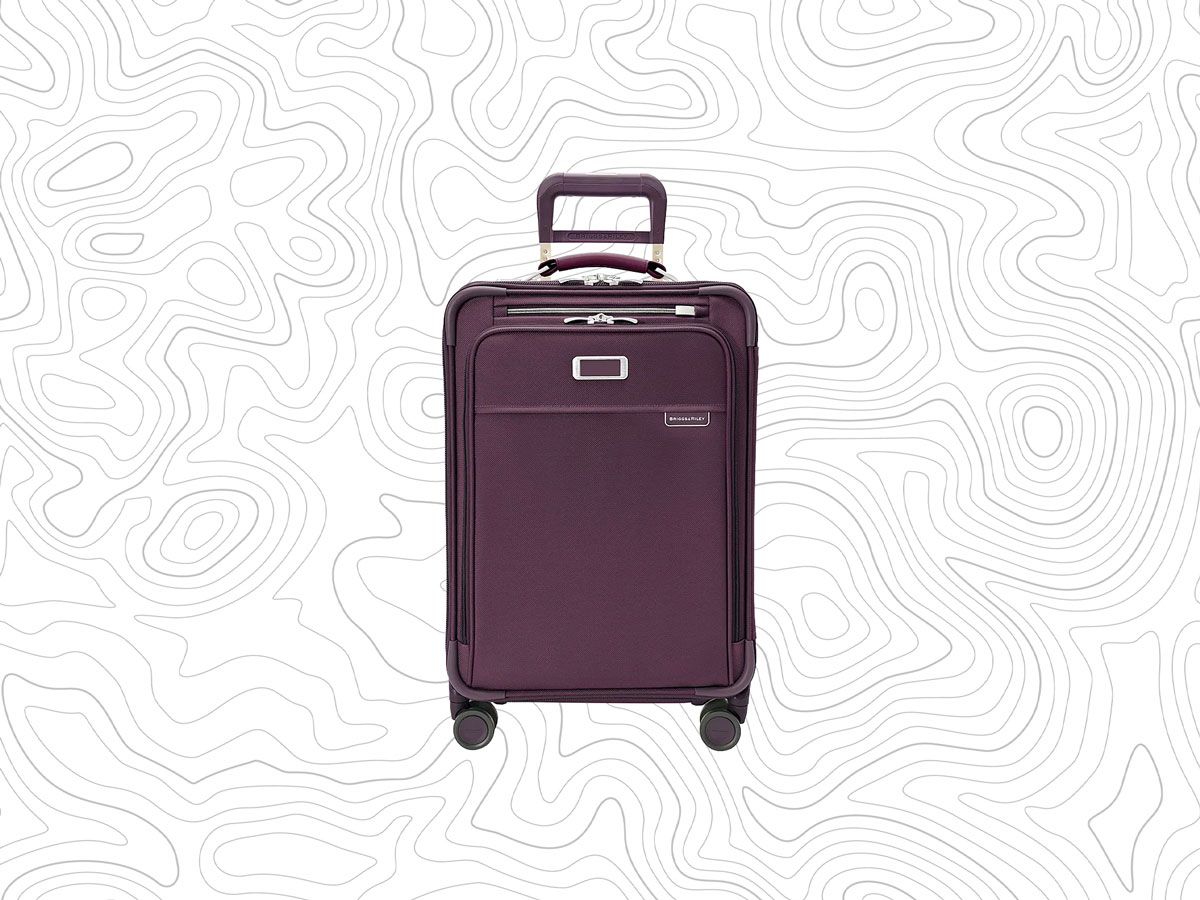
Briggs & Riley is known for its thoughtful designs and modern features. One standout is the brand’s CX expansion feature, a luggage compression system designed for fitting carry-on luggage into tight overhead bins. Another signature feature is the “outsider handle,” mounted on the exterior of the bag to create a flat interior packing space with no bumps or bars.
The brand’s Aircrew Essentials line is designed with flight crews in mind, but is also available to everyday travelers. The line offers a range of carry-on expandable spinners, including the popular Essential 22″ Carry-On Expandable Spinner, which fits the carry-on size requirements for most U.S. airlines. Backed by a lifetime guarantee that covers repairs or replacements, Briggs & Riley is often a top choice for flight crews for both design and durability.
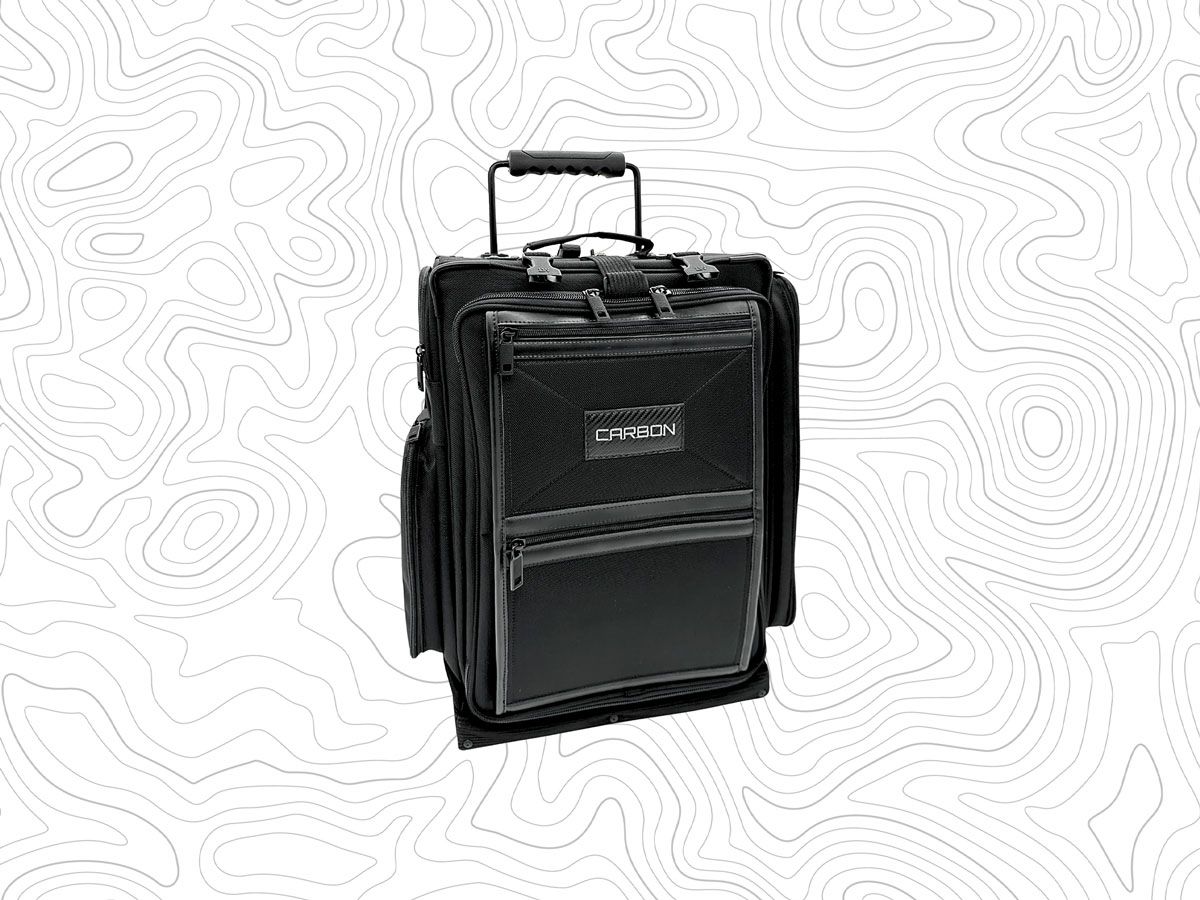
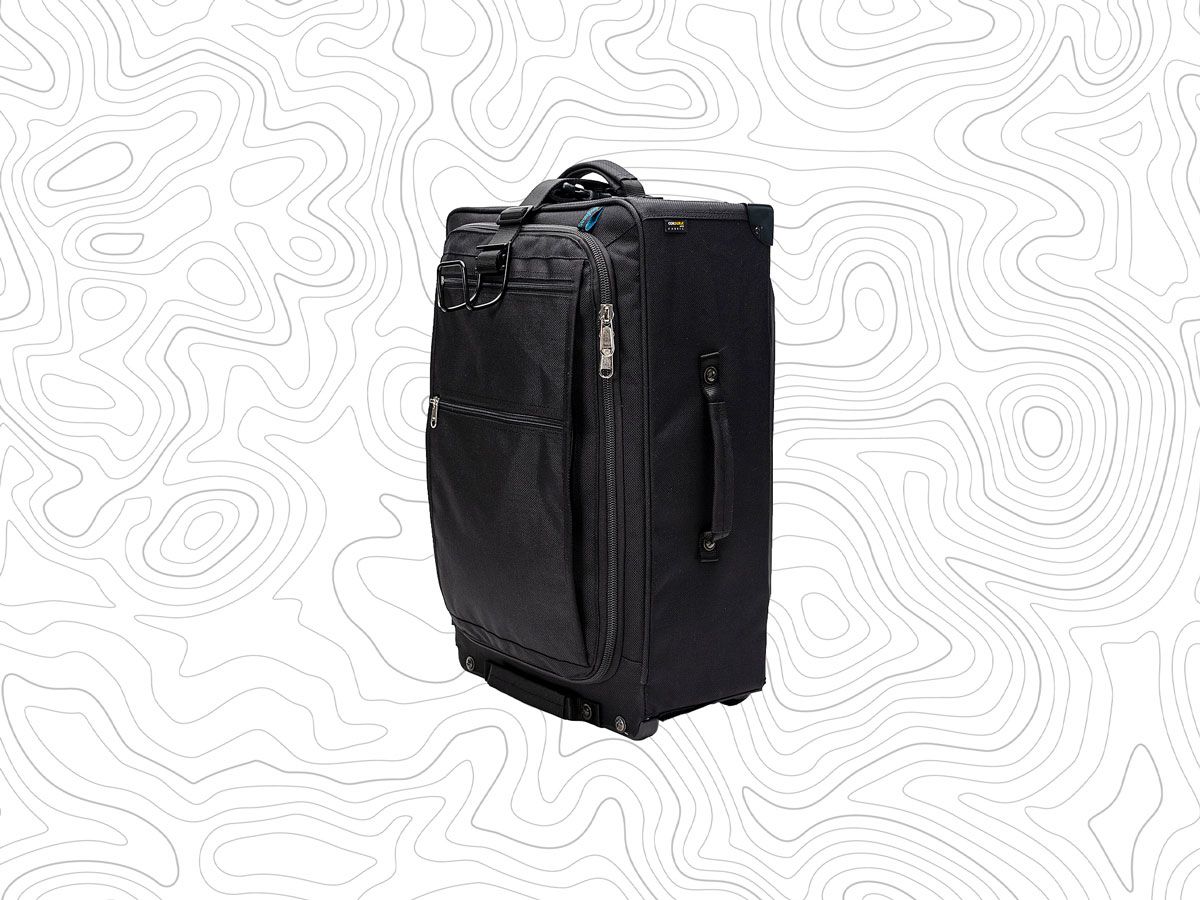
Instead of bold colors or trendy designs, the luggage favored by flight crews tends to focus on function and durability, with useful compartments, expansion options, and sturdy handles. That’s certainly true of LuggageWorks, a crew luggage staple since 1989.
You’ll often see airline pilots carrying luggage from the brand’s Stealth Series. With strong aluminum frames, stainless steel handles, and ballistic nylon fabric shells, bags in this line are designed to last for over a decade. LuggageWorks also offers other collections, such as the sleek Aurora Series and the ultra-lightweight Carbon Series, plus custom monogramming, three-year warranties, and an in-house repair department.
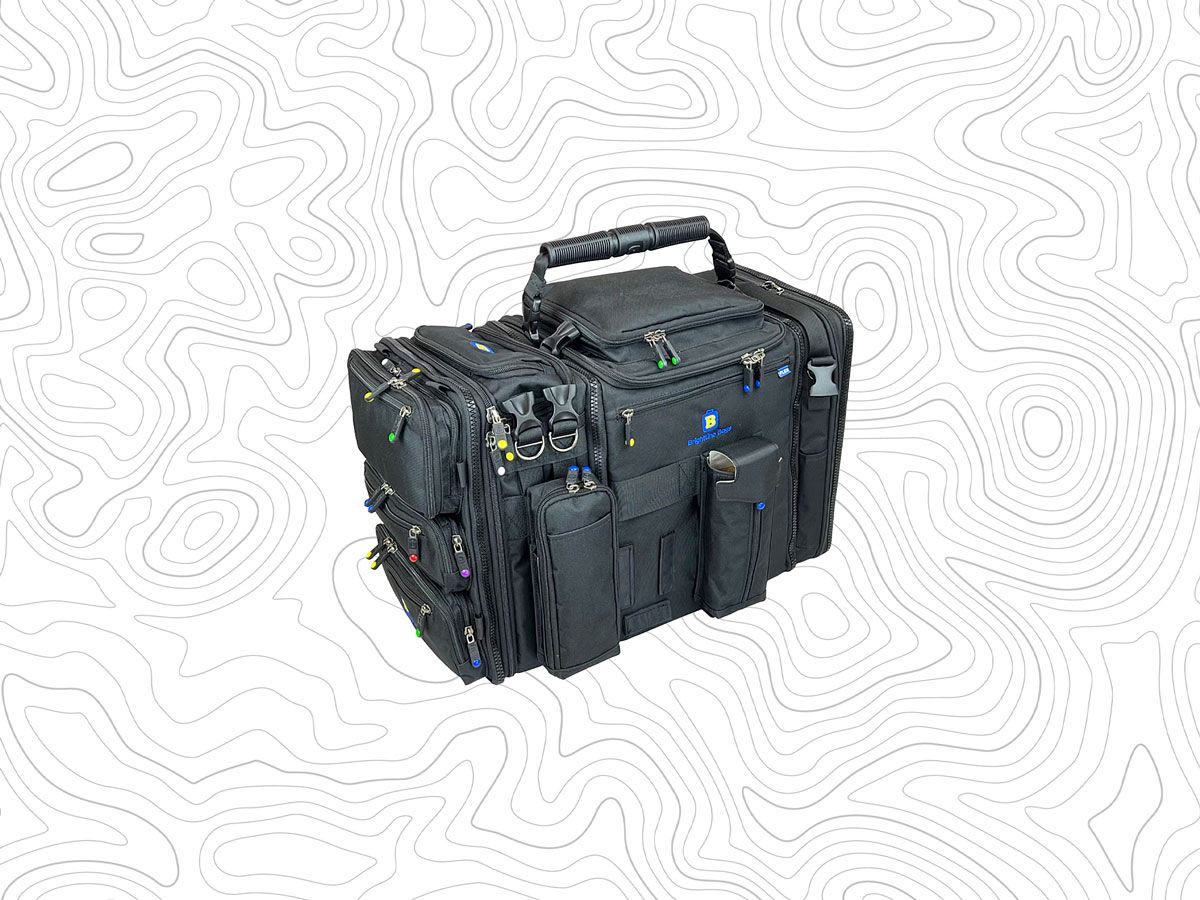
BrightLine Bags is another go-to choice among pilots and flight crews seeking a customizable carry-on bag. The brand’s FLEX System is a modular design that lets users build their own bag by attaching or detaching zippered compartments based on the needs of each trip. It’s essentially multiple bags in one.
The B18 HANGAR Modular Gear Bag was originally designed as an overnight flight bag for aviators. This set can be configured into eight different bag combinations using the included modules, with even more options available by adding extra components. With special modules for cameras, drones, and other travel equipment, BrightLine’s modular system offers impressive versatility for carry-on bags.
Southwest Airlines pilot Ethan Fisher created StrongBags when he kept finding that his travel gear wasn’t up to his rigorous travel schedule. Customers are encouraged to take StrongBags on the road to see if they meet their needs with the company’s 30-day risk-free guarantee. While the brand offers exclusive discounts to airline employees, its gear is available to all travelers.
StrongBags roller luggage is available in multiple sizes, ranging from compact 20-inch carry-ons to spacious 25-inch checked bags. The popular Vortex Voyager 22 Flight Crew Roller Luggage is built to withstand even the most demanding flight schedules. Its exterior fabric is made from Cordura Ballistic Nylon, initially developed for military body armor. Other key features include smooth-gliding wheels, stainless steel zippers, and optional custom embroidery. The brand’s carry-on cooler bags — designed to stay cold for up to 48 hours — are also popular with pilots and flight crew.
Featured image credit: Svitlana Hulko/ iStock via Getty Images Plus
Advertisement
More from our network
Daily Passport is part of Inbox Studio, an email-first media company. *Indicates a third-party property.
Michael is a staff writer for Daily Passport and film critic who writes the weekly newsletter Movie Brief. His writing and criticism have also appeared in the Los Angeles Times, Variety, and the Washington Post, among others. A native Angeleno, his favorite countries to visit are Norway and Japan.
If red is the color of passion and black is the color of mourning, what about yellow and green? The answer depends on where you live. Different colors have different connotations across the globe, with some having completely different meanings elsewhere than what Americans are used to. Here are five colors with fascinating symbolisms abroad.
Yellow – Royalty
Credit: zhaojiankang/ iStock via Getty Images Plus
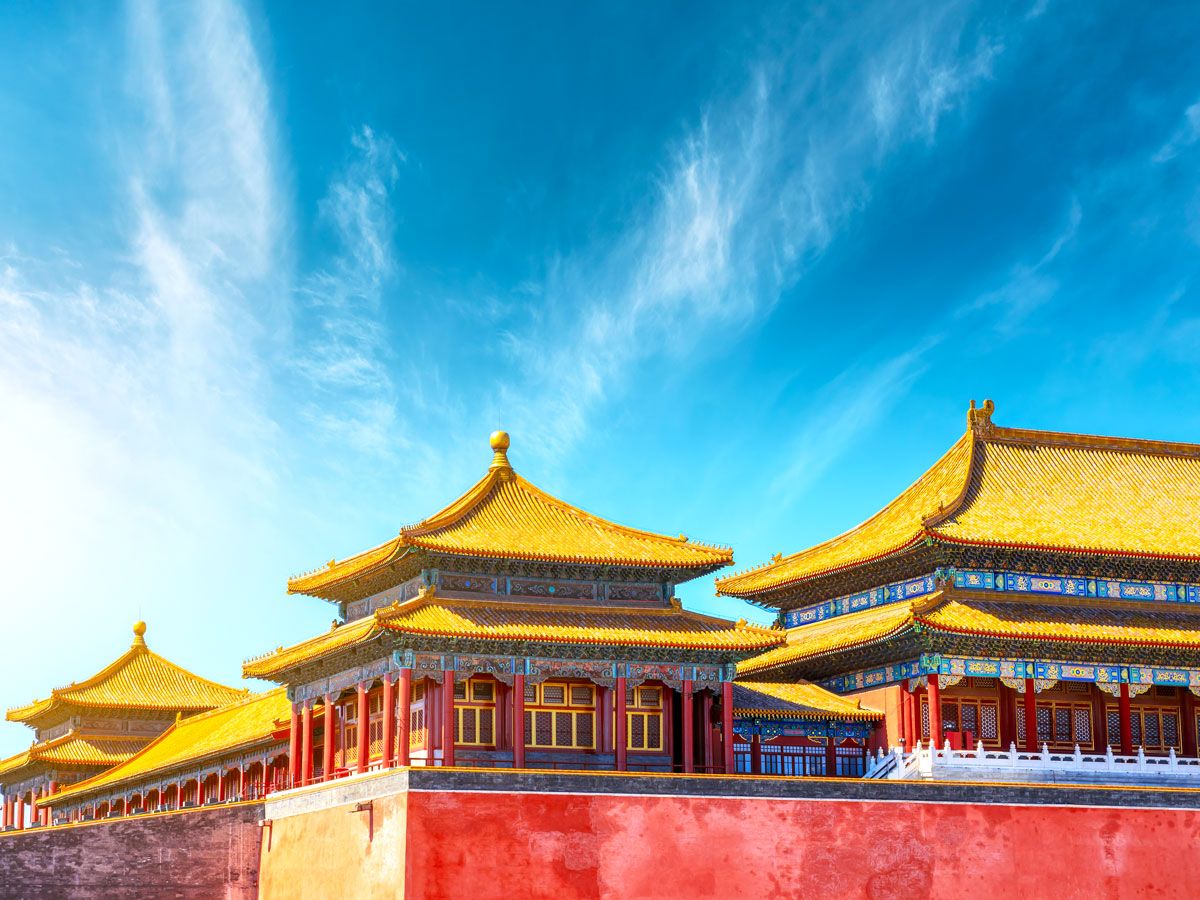
Because of its association with royalty in general and the emperor in particular, yellow used to be forbidden among regular Chinese people — commoners weren’t allowed to wear it at all. Huangdi, a mythological sovereign and folk hero who is credited with leading the country toward civilization, is also known as the Yellow Emperor. An emperor’s long pao (dragon robe) was often yellow, as were the imperial palace’s glazed tiles, utensils, and other objects. The royal color still receives pride of place at traditional festivals, not least because it’s no longer forbidden to wear.
Red – Weddings
Credit: PeopleImages/ iStock via Getty Images Plus
Red has many different associations around the world. In the former Soviet Union, it’s tied to communism, while in China, red signifies good luck and prosperity (hence the iconic envelopes you’ve seen at Lunar New Year parties and other celebrations). It’s also the color brides traditionally wear to their weddings in China, Taiwan, India, Pakistan, and Sudan, among other countries. The reason for wearing red is the same: It’s considered the most auspicious color and therefore the one you want associated with your nuptials. Suffice to say that certain Game of Thrones viewers probably had a very different idea of what the Red Wedding entailed.
In Javanese and Sundanese mythology, Nyi Roro Kidul — the Queen of the Southern Sea — is sometimes depicted as a mermaid and other times portrayed as having the lower half of a snake. She represents the Indian Ocean in all its majestic power. Because green is her favorite color, wearing green is considered not only bad luck but also an insult on some parts of Java’s southern coast. To do so is, according to legend, to risk being swallowed by the sea or conscripted as part of Nyi Roro Kidul’s unwilling army.
The world’s favorite color has countless connotations, with one of its most spiritual associations being especially prevalent in Central and South America. In Christianity, blue evokes the purity of the heavenly skies as well as that of the Virgin Mary, who’s often depicted cloaked in blue. Because the color is rare in nature on land but omnipresent in the sky, it has an elusive quality befitting the queen of heaven.
There’s even a specific shade known as Marian blue, which has been the Virgin Mary’s “official color” since the fifth century. The blue pigment used for it in medieval and Renaissance art was originally derived from lapis lazuli, a stone imported from Afghanistan that, at the time, was more valuable than gold. To portray Mary in blue was therefore to glorify her in a way that few other figures were worthy of.
Though black is the traditional color of mourning in much of the Western world, the opposite is true elsewhere. One example is Korea, where white symbolizes grief and is the color of traditional funeral attire, especially for family members. It’s also the color of mourning in China, where white is associated with death and purity.
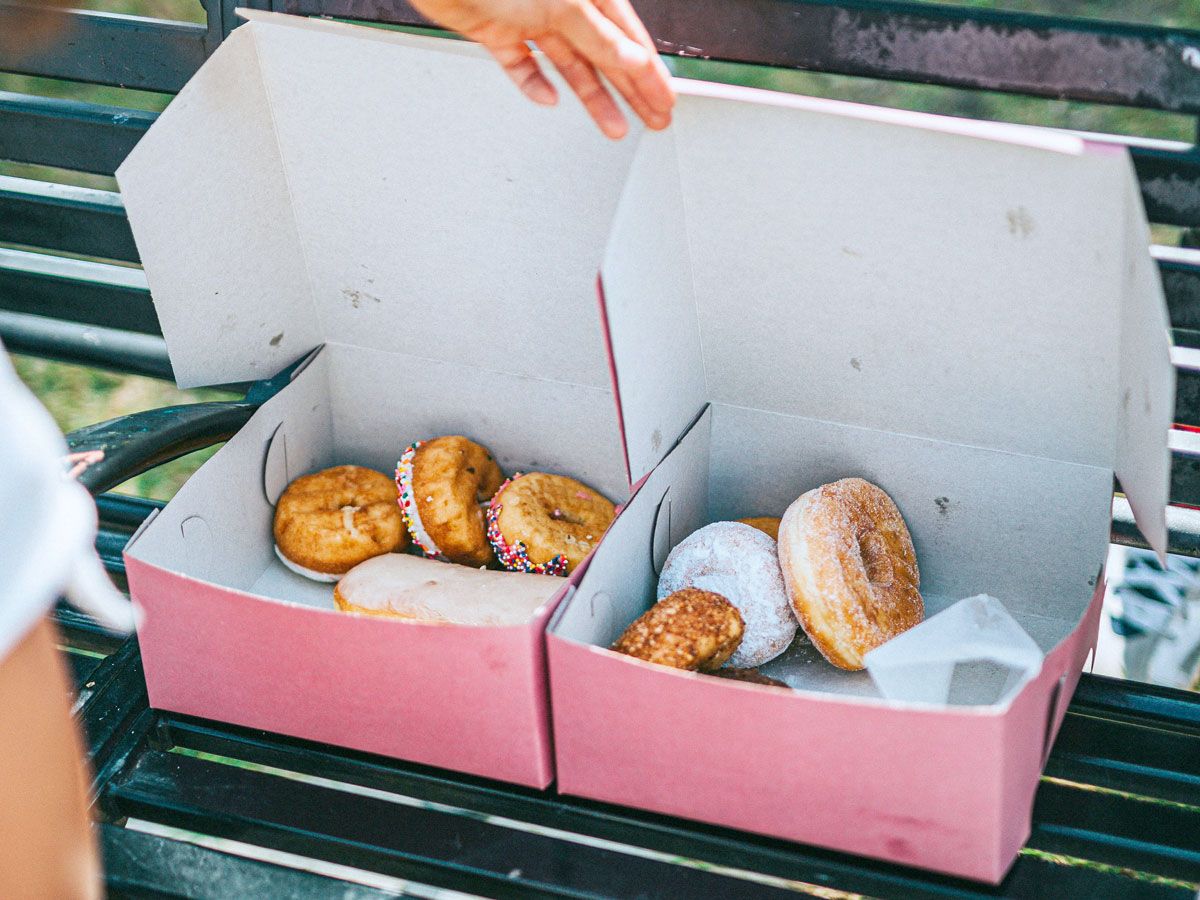
This one is admittedly quite specific and may seem strange to anyone not familiar with Southern California, but its fascinating cultural history warrants an honorable mention. Donut boxes are traditionally pink in SoCal, thanks largely to the Cambodian refugees who fled the Khmer Rouge in the 1970s and arrived in Los Angeles and Orange County, where a number of them opened donut shops. One of the owners, seeking a cheaper alternative to the standard white boxes they used, asked their supplier if anything else was available. It turns out, pink boxes were, which was auspicious for two reasons: They were less expensive and close in hue to red, which, as mentioned above, is considered lucky in some cultures.
Advertisement
More from our network
Daily Passport is part of Inbox Studio, an email-first media company. *Indicates a third-party property.
Outdoors •August 13, 2025•Updated: August 19, 2025
By Marissa Kozma
Author
Marissa Kozma
Marissa is a cheap airfare aficionado who loves exploring offbeat destinations with her husband. Based in Los Angeles and Joshua Tree, Marissa has been featured in publications such as San Diego Magazine, Palm Springs Life Magazine, 303 Magazine, and Mountain Living.
Meandering trails with mountain vistas and pebbled coves surrounded by sandstone cliffs probably don’t come to mind when you think of the Midwest. This region of the United States is better known for its historic homesteads, rolling farmland, and mom-and-pop restaurants and shops, but the heart of America is also an incredible place to experience the great outdoors — if you know where to look. From steep canyons to cascading waterfalls, here are seven must-see Midwestern natural wonders, from Minnesota to Ohio.
With sand bluffs that tower up to 450 feet above Lake Michigan on Michigan’s Lower Peninsula, Sleeping Bear Dunes National Lakeshore is home to the world’s largest collection of freshwater sand dunes. The dunes were shaped by glaciers over millions of years and are a stunning sight in any season. One of the park’s highlights is the famous Dune Climb, a strenuous yet rewarding climb up a 284-foot-tall sand dune that can take up to four hours to complete. The lakeshore is also popular for its beautiful campgrounds, Pierce Stocking Scenic Drive, canoeing on the Crystal and Platte rivers, and forested trails for hiking, cross-country skiing, biking, and snowshoeing.
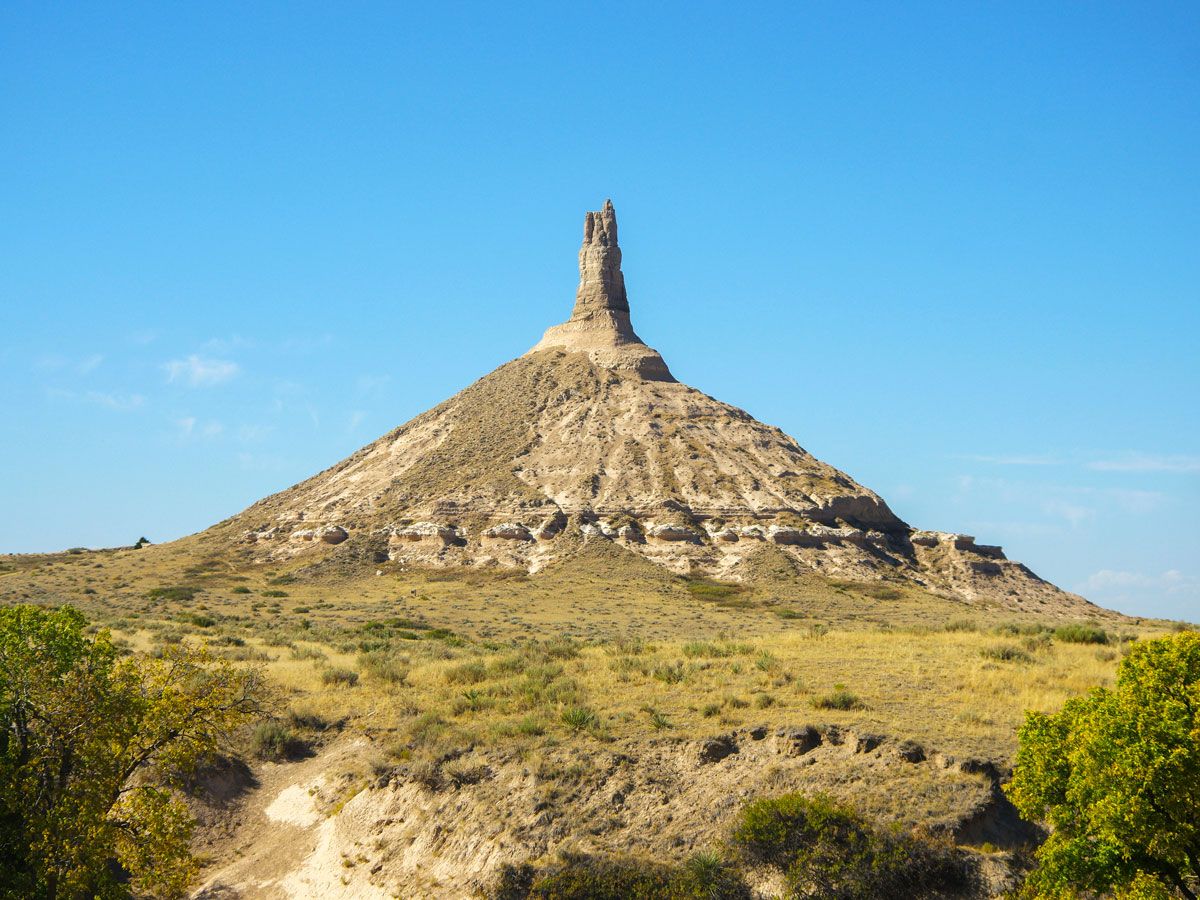
Jutting out from the flat plains of Nebraska is Chimney Rock, one of the most historically significant natural landmarks in the Midwest. Rising 325 feet above the North Platte River valley, the stone spire is visible for miles and was an important marker for travelers on the Oregon, California, and Mormon trails in the 19th century. According to the National Park Service, the landmark was mentioned in more emigrant diaries than any other landmark on the journey to the American West. And long before westward expansion, the area around Chimney Rock was home to Indigenous groups such as the Lakota and Cheyenne peoples, whom you can learn more about at the adjacent visitor center.
One of Iowa’s most unique attractions, Maquoketa Caves State Park features a winding 6-mile trail system that welcomes first-time and experienced spelunkers alike. A popular destination for hikers since the 1860s, the state park features a number of unusual geologic formations, including a 1,100-foot cavern nicknamed “Dancehall Cave” and a scenic natural bridge hovering 50 feet over a creek. If you’re planning a trip, keep in mind that the caves in the park are closed every year from October 15 to April 15 as they are a hibernaculum for overwintering bats.
Located at the northern tip of Wisconsin’s Bayfield Peninsula, the Apostle Islands are located within the ancestral homeland of the Indigenous Ojibwe peoples. With 21 islands in total and a 12-mile shoreline along Lake Superior, the park is ideal for kayaking, boating, camping, and even exploring ice caves in winter. Established in 1970, the national lakeshore has the largest collection of lighthouses in the National Park System (with a total of nine). Visitors flock to its sandy coves and stunning caves on the water, which are particularly mesmerizing at sunrise and sunset.
At more than 1 million acres, Boundary Waters Canoe Area Wilderness has so much to offer that it’s nearly impossible to cover it all. Located on the border between Ontario, Canada, and Minnesota, the pristine park comprises woodlands, rocky coves, glacial lakes, towering cliffs, and canyons in the Superior National Forest. The area contains more than 1,200 miles of canoe routes, 12 hiking trails, and more than 2,000 designated campsites, which means those seeking solitude in nature have plenty of options. Just be sure to pack bear spray, as wildlife encounters are common.
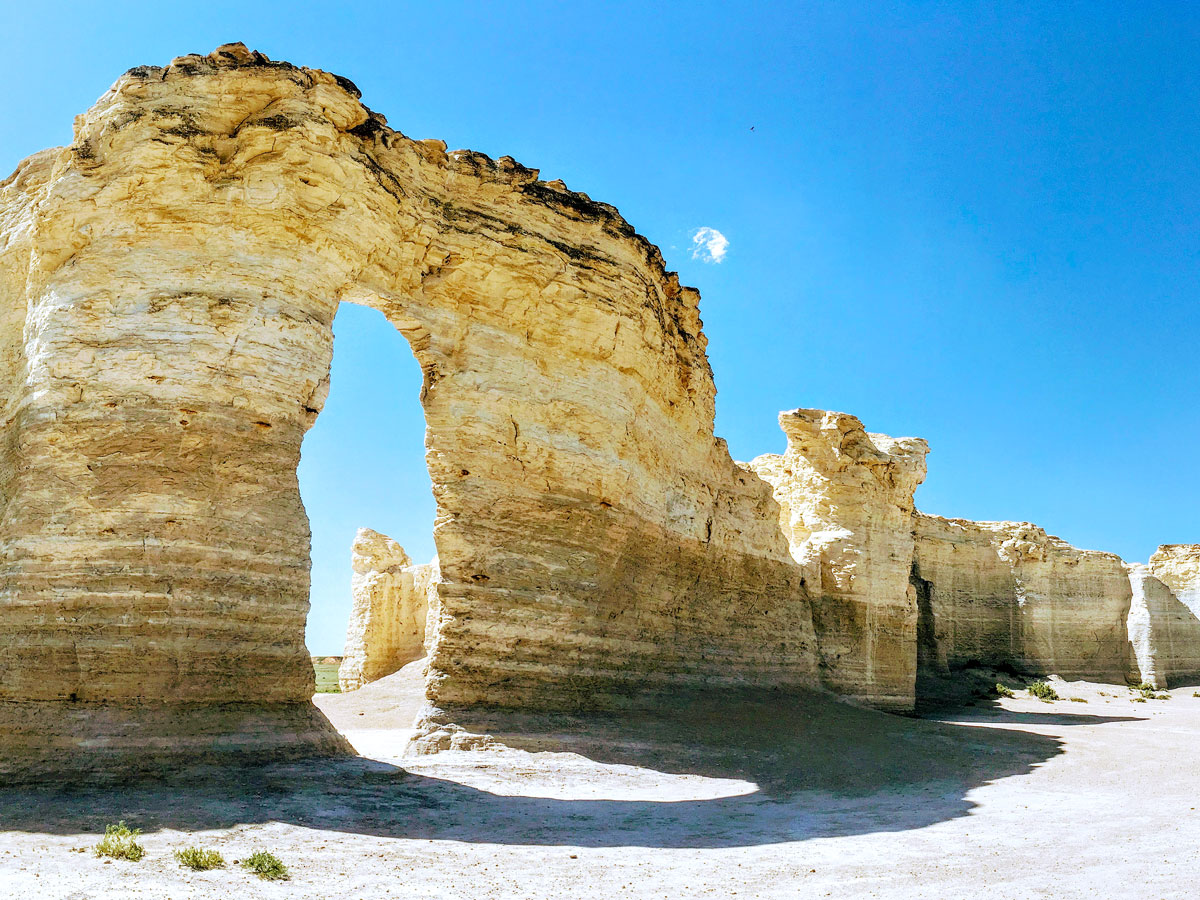
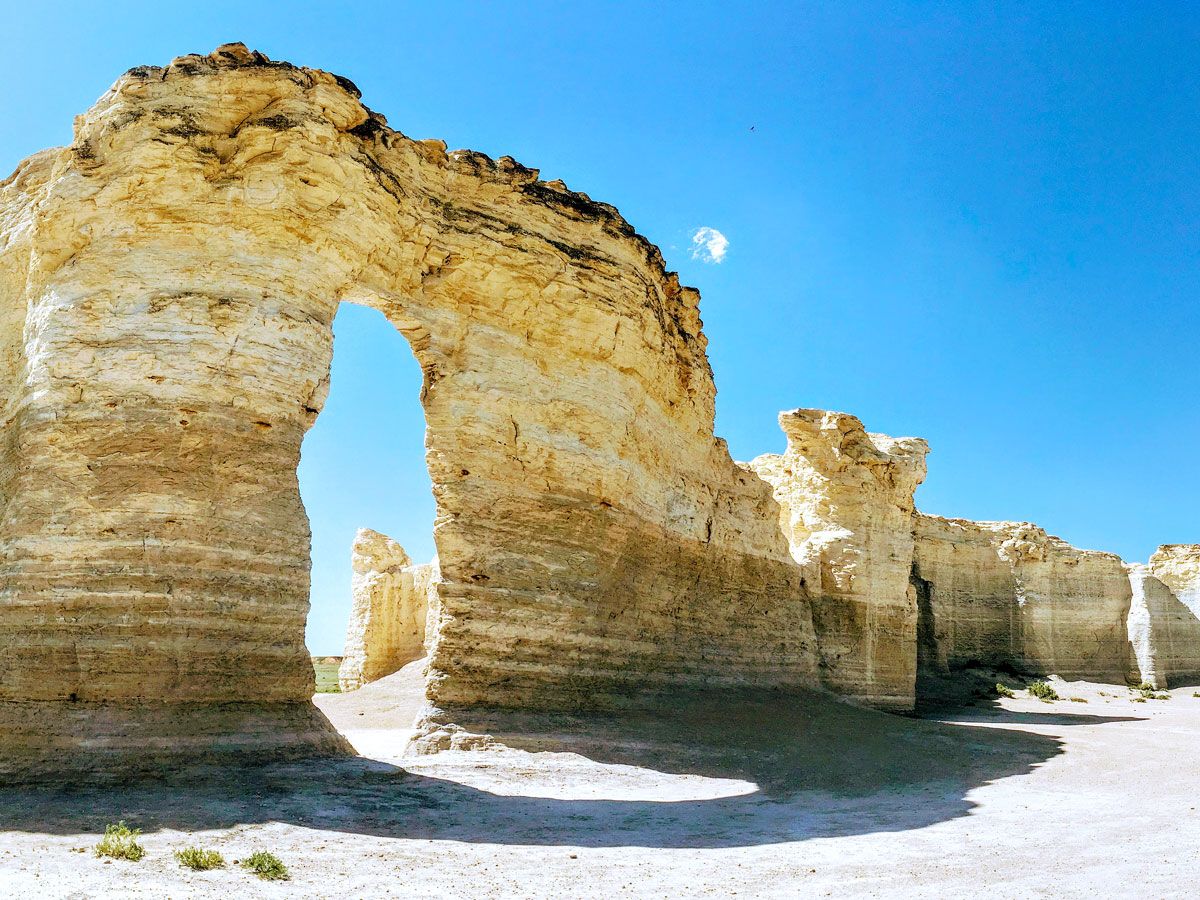
Monument Rocks – Kansas
Credit: Jessica Snow/ iStock via Getty Images Plus
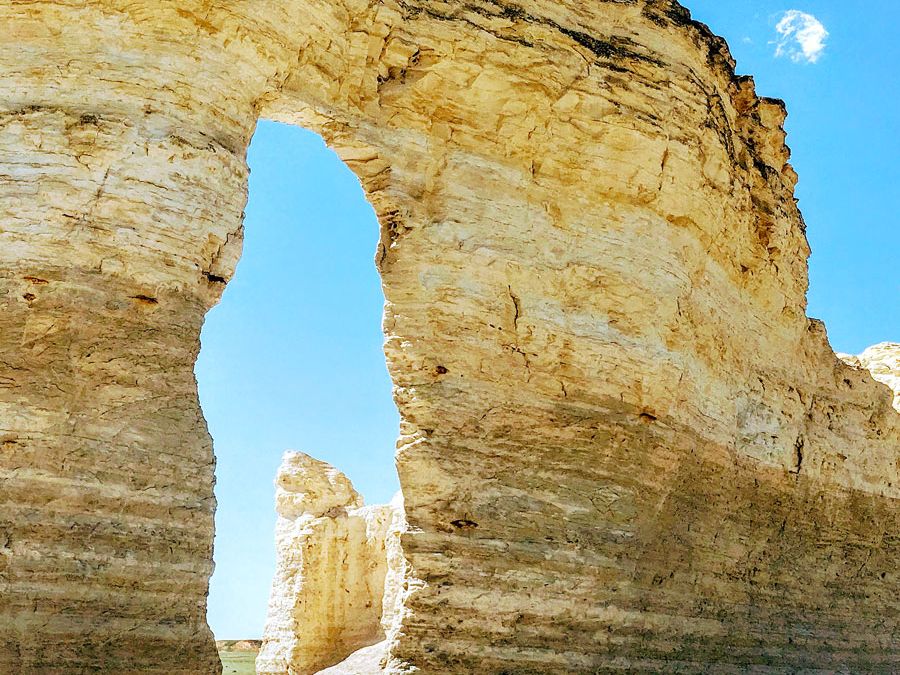
It’s not every day that you’ll come across massive chalk formations in the middle of the Midwest. But, indeed, the Monument Rocks in Gove County, Kansas, are an otherworldly sight — particularly at dawn and dusk, when the pale limestone formations stand out on the Kansas prairie. If you’re driving through the Sunflower State, it’s well worth stopping to take a look at this unusual natural wonder, but be aware that climbing on the rocks is not permitted.
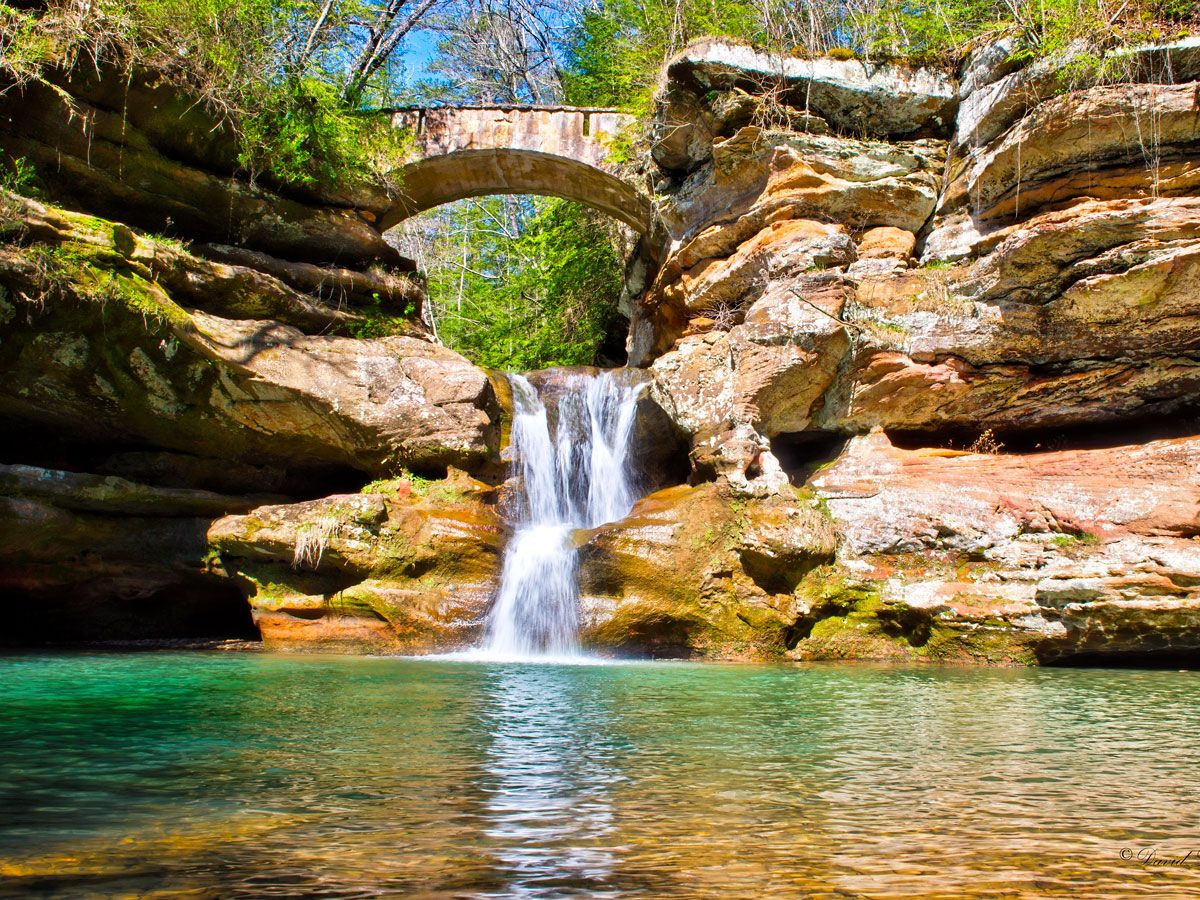
Hocking Hills State Park – Ohio
Credit: David Arment/ iStock via Getty Images Plus
Picturesque in every season, from ice formations in winter to vivid fall foliage, Hocking Hills State Park is an Ohio gem that locals love. Featuring a series of cascades ranging in size, the park is popular for waterfall hikes through ravines and hemlock-shaded gorges. Other activities include stargazing at John Glenn Astronomy Park, rock climbing, zip-lining, kayaking, canoeing, fishing, and rappelling. The park’s Ash Cave is the largest recess cave in the state; another highlight is the “Rock House,” a tunnel-like corridor situated up a 150-foot cliff.
Advertisement
More from our network
Daily Passport is part of Inbox Studio, an email-first media company. *Indicates a third-party property.
The TSA Warns Against Making These Two Mistakes in Airports
By
Bennett Kleinman
Read time: 3 minutes
August 13, 2025
Updated: June 12, 2026
The TSA Warns Against Making These Two Mistakes in Airports
Tips •August 13, 2025•Updated: June 12, 2026
By Bennett Kleinman
Author
Bennett Kleinman
Bennett is a New York City-based staff writer for Daily Passport. He previously contributed to television programs such as the Late Show With David Letterman, as well as digital publications like the Onion. Bennett has traveled to 48 U.S. states and all 30 Major League Baseball stadiums.
The TSA is responsible for ensuring airport safety, but their duties extend beyond the realm of X-ray screening and security pat-downs. The agency also monitors cybersecurity within the transportation sector, and recently, the TSA flagged two common mistakes that flyers make when using their electronic devices at airports. Take a look at how the TSA recommends protecting yourself against hackers and keeping your data safe while at the airport.
In March 2025, the TSA issued two cybersecurity warnings to travelers. The first tip: “Don’t use free public Wi-Fi, especially if you’re planning to make any online purchases. Do not ever enter any sensitive info while using unsecure Wi-Fi.”
The warning concerns the unsecured nature of most public Wi-Fi networks, which puts your personal data at risk of theft. Many unsecured networks — even ones officially managed by an airport — feature loopholes that knowledgeable hackers can exploit. Cybercriminals can steal your personal information, or even install malware on your phone or computer. Some hackers may even create fake Wi-Fi hot spots that seem legitimate, and by the time you enter your sensitive data, your information may have already been stolen.
Instead of using public Wi-Fi, there are several simple alternatives to keep your information safe. First, if possible, use your phone’s data rather than connect to the internet, as cybercriminals can’t access these networks as easily. If you have to use Wi-Fi, consider using a VPN (virtual private network). VPNs connect you to a remote server, which in turn encrypts your data, masks your IP address, and protects any sensitive personal data such as your bank or credit card details.
Some airports offer USB charging ports to easily power up any electronic device. But according to the TSA, these ports are susceptible to what’s known as “juice jacking,” in which hackers can steal your data or install malware on a connected device, so you should avoid plugging your phone directly into a USB port.
Thankfully, as long as you’re aware of this problem, it’s easily avoidable. There’s a simple alternative for charging your device: Just use normal wall outlets. Unlike USB ports, a standard wall outlet doesn’t allow for the transfer of data, so your information is kept safe. If you need to use the public USB ports for any reason, consider buying a USB data blocker. These small, handy tools prevent the transfer of data when plugged into a USB port, keeping your data secure from theft.
Airports Are Also at Risk
Credit: Nate Hovee/ iStock Editorial via Getty Images Plus
Unfortunately, it’s not just the general public who’s at risk of being targeted by cybercriminals — it’s also the airports themselves. Last year, hackers targeted the Seattle-Tacoma International Airport, which temporarily derailed its operations and left roughly 1,400 travelers stranded.
In June 2025, the FBI issued a warning about cybercriminal groups who have intricate ways of bypassing an airport’s cybersecurity system and gaining access to sensitive information. This could include personal data about crew members and passengers, internal details about scheduling, and more sensitive information regarding the day-to-day operations of an airport. While such threats do exist and could lead to potential disruptions for travelers, for now the FBI continues to investigate the matter in an effort to ensure everyone’s security.
Bennett is a New York City-based staff writer for Daily Passport. He previously contributed to television programs such as the Late Show With David Letterman, as well as digital publications like the Onion. Bennett has traveled to 48 U.S. states and all 30 Major League Baseball stadiums.
From the streets of Paris to the heart of Manhattan, the world’s most popular museums attract millions of visitors each year. These revered institutions are known for their fine art, priceless artifacts, and outstanding cultural relics that are well worth the price of admission. The only drawback of visiting such renowned museums? Working your way through the large crowds so you can get close enough to see the art and artifacts for yourself. Using data provided by The Art Newspaper and other industry sources, we’ve ranked the top 10 most-visited museums in the world in 2024.
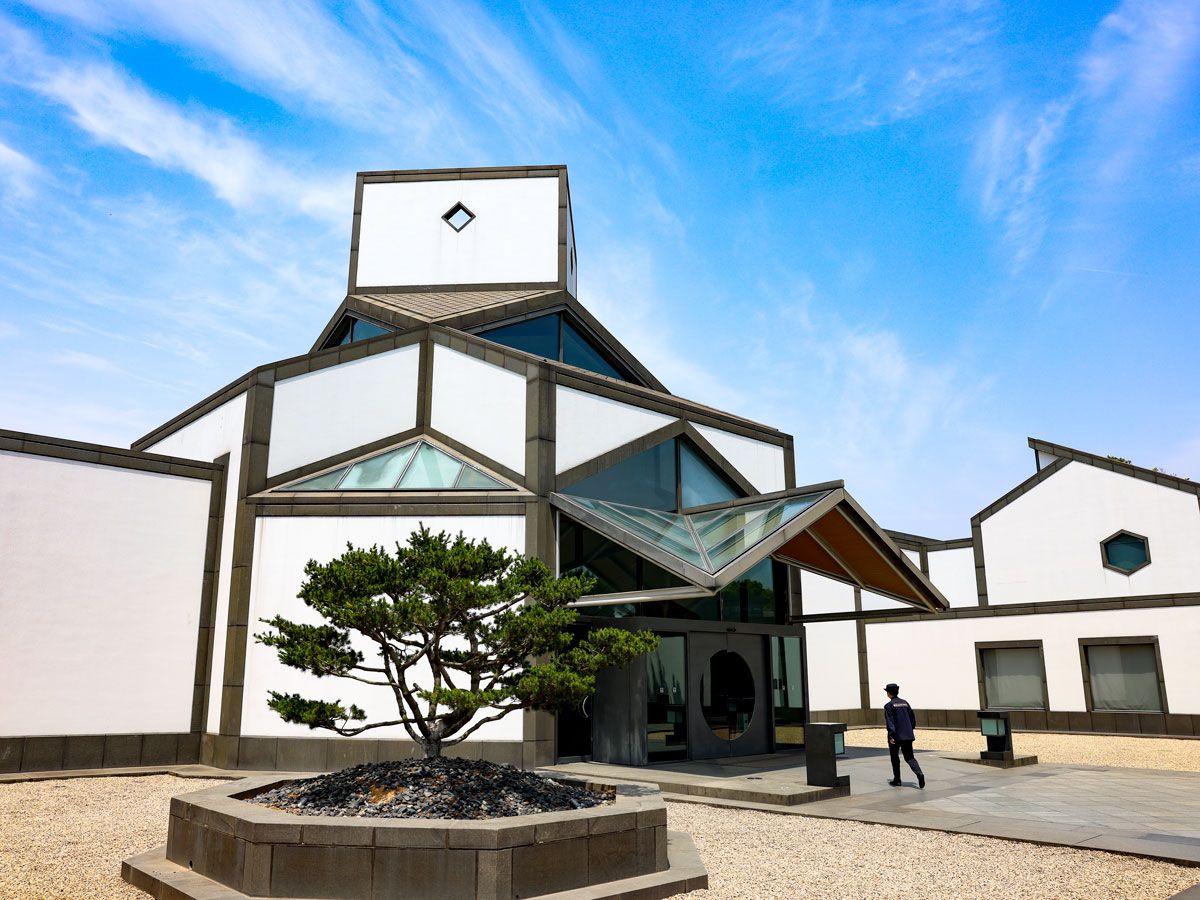
Founded in 1960, the Suzhou Museum was redesigned in 2006 by world-famous architect I.M. Pei, the same man responsible for the glass pyramid outside the Louvre. The redesigned museum sits atop a historic Chinese landmark known as the Zhong Wang Fu palace complex. Pei incorporated much of its traditional Chinese architecture into his final museum design, which has been a hit with visitors. The museum’s attendance rose from 2 million in 2017 to nearly 5 million people in 2024.
Located in eastern China about an hour’s drive from Shanghai, the Suzhou Museum’s collection contains roughly 30,000 pieces, including ancient Chinese art, paintings, and handicrafts that showcase China’s rich history and culture. Interestingly, while the Suzhou Museum is the 10th-most-popular museum in the world, it ranks as only the fourth-most-visited museum in China.
9. American Museum of Natural History – New York City
Credit: Barry Winiker/ The Image Bank Unreleased via Getty Images
Number of annual visitors: 5 million
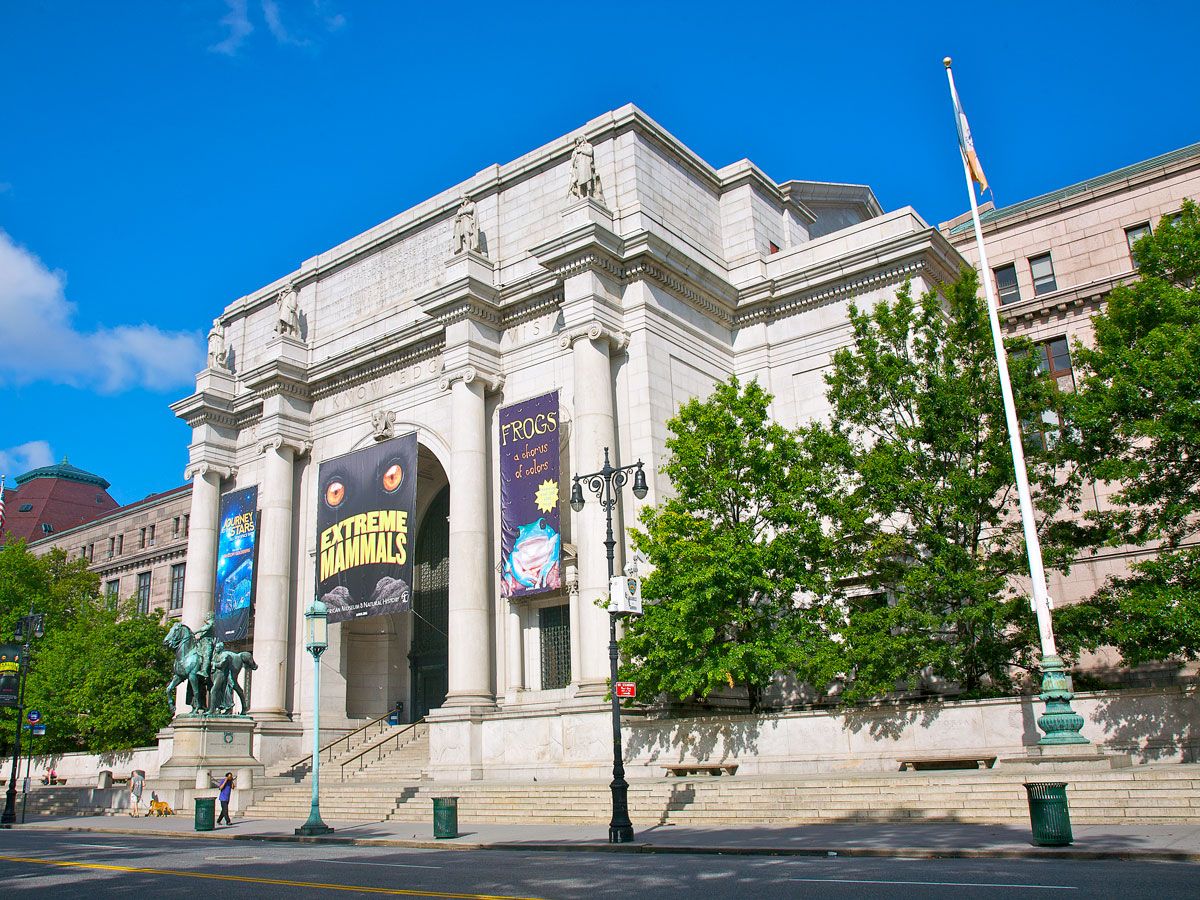
The American Museum of Natural History welcomes around 5 million visitors annually, which makes it the second-most-visited museum in the U.S. This famed institution on Manhattan’s Upper West Side was founded in 1869 “to discover, interpret, and disseminate… knowledge about human cultures, the natural world, and the universe,” according to the museum’s official website.
One of the most popular attractions at the American Museum of Natural History is the Hayden Planetarium, which opened in 1935. Here, you’ll find the 429-seat Space Theater, a spherical venue where guests can gaze upward to enjoy daily, educational, hyperrealistic films about the universe and all its contents.
The museum is also known for its many dioramas depicting past cultures and animals in their natural habitats. Perhaps the most impressive of these is the 94-foot-long blue whale model that looms overhead in the Hall of Ocean Life. This accurate replica of the world’s largest animal was constructed in the mid-1960s using limited knowledge of blue whales at the time. It was updated in 2001 for accuracy. The 21,000-pound model is made of both foam and fiberglass, and it has become a symbolic mascot for the entire museum.
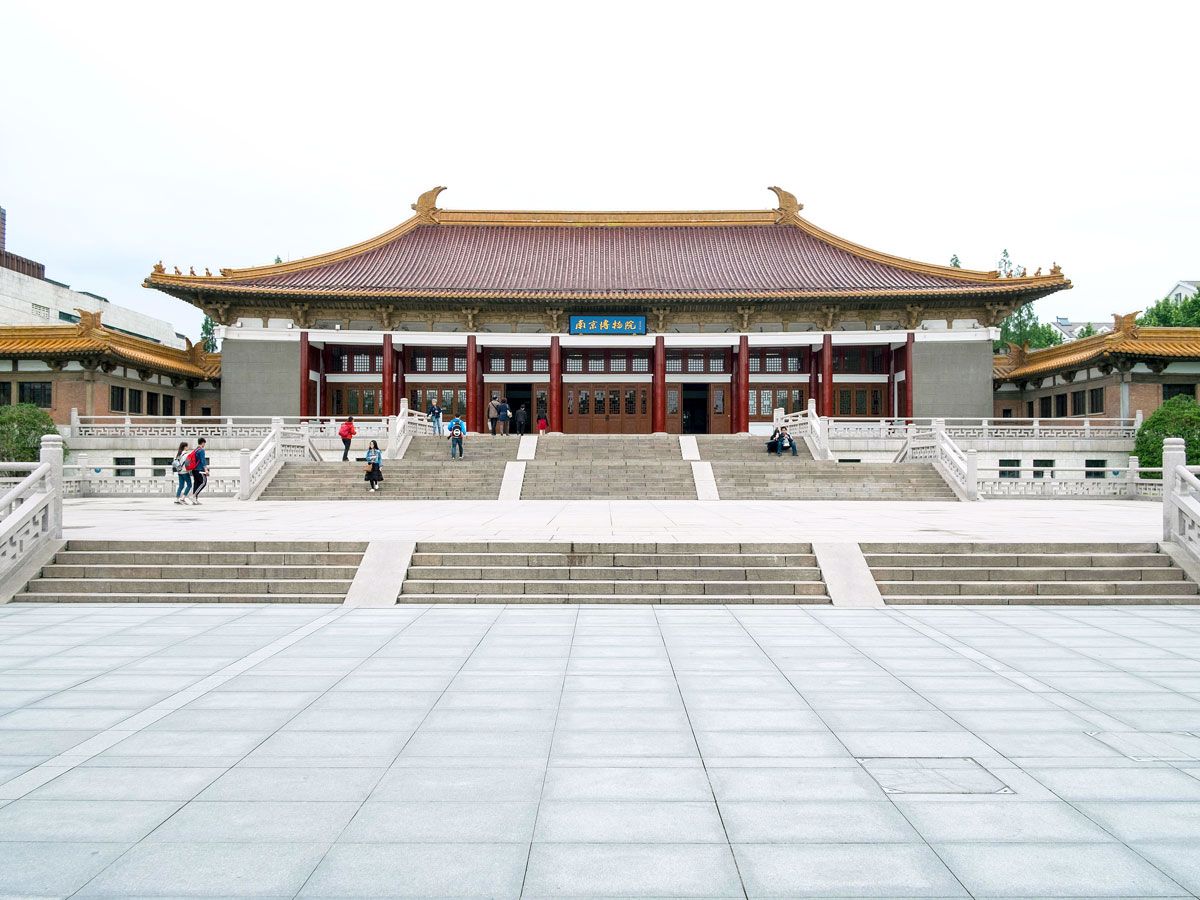
Located in the capital of China’s Jiangsu province, the Nanjing Museum covers more than 750,000 square feet, placing it among the largest museums in the world and just a few thousand square feet shy of the Louvre in Paris. The museum was established in 1933 and contains several halls dedicated to topics such as Chinese history, art, and cultural heritage. Some of the more remarkable items in the vast collection date back centuries, if not millennia. This includes a Han dynasty-era jade burial suit from around 25 to 220 CE and colorful neolithic pottery made as far back as 4300 BCE.
7. China Science and Technology Museum – Beijing, China
The China Science and Technology Museum is the country’s second-most-popular museum. Located along the Yanghsan River in northern Beijing, it opened in 1988. While many other museums in China were (and still are) dedicated to art and culture, this museum was specifically founded with science and technology in mind. According to the Beijing government’s website, it’s the “only comprehensive museum of science and technology at a national level in China.”
The CSTM features interactive exhibits at the Science Paradise Hall, where children can learn more about science and tech in an immersive environment. There’s also the Glory of China Hall, which showcases the country’s technological advancements over the years with exhibits on irrigation, urban planning, and other topics.
6. Metropolitan Museum of Art – New York City
Credit: peterspiro/ iStock Editorial via Getty Images Plus
Number of annual visitors: 5.73 million
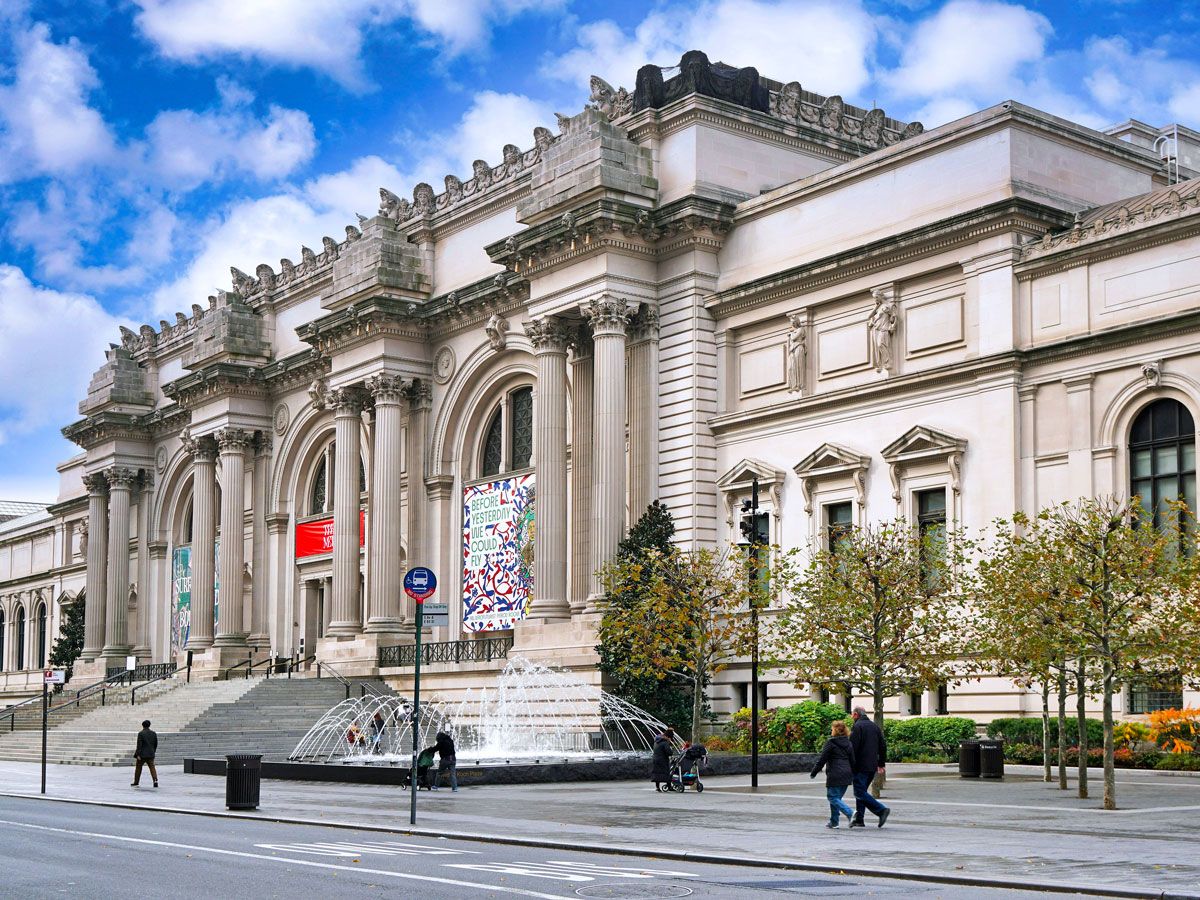
Located on the eastern edge of New York City’s Central Park, the Metropolitan Museum of Art — or the Met, for short — is the most-visited museum in the United States. More than 5.7 million people flocked to the Met in 2024, a 7% increase from the previous year. The Met opened in 1870 with three private collections of European art, totaling just 174 paintings. Today, that number has grown significantly — you’ll find the works of numerous famous artists, such as Van Gogh, Picasso, Monet, and Leutze.
But the Met isn’t just an art museum; its halls also contain many ancient artifacts. This includes the Temple of Dendur: The authentic Egyptian temple, constructed around 15 BCE, was gifted to the United States by the Egyptian government in 1965 amid threats of potential flooding in the region. Over a 10-year-period, the temple was delivered and reconstructed in the Met, finally opening to the public in 1978.
Credit: Peng Wang/ iStock Editorial via Getty Images Plus
Number of annual visitors: 6.3 million-plus
Though we’ve ranked the National Museum of China at No. 5 given the most recent data available, those numbers don’t paint a complete picture. In 2024, the institution recorded 6.3 million visitors from January 1 to November 28. Given an average daily attendance of around 20,000 people, it’s fair to assume that the museum likely drew in closer to 7 million attendees by the end of the calendar year.
Whatever the exact visitation number may be, the museum is the most popular one in China — a country in which a whopping 1.49 billion people visited museums in 2024. The National Museum is located in the heart of Beijing near the Forbidden City and Tiananmen Square. Established in February 2003, it merged the former National Museum of Chinese History and the National Museum of Chinese Revolution into a new, combined entity.
Today, the museum contains a variety of ancient artifacts that exemplify the rich cultural heritage of China. This includes a 2,000-year-old burial suit made from 4,248 pieces of jade sewn together with gold thread, which is believed to have been worn by a Han dynasty-era king.
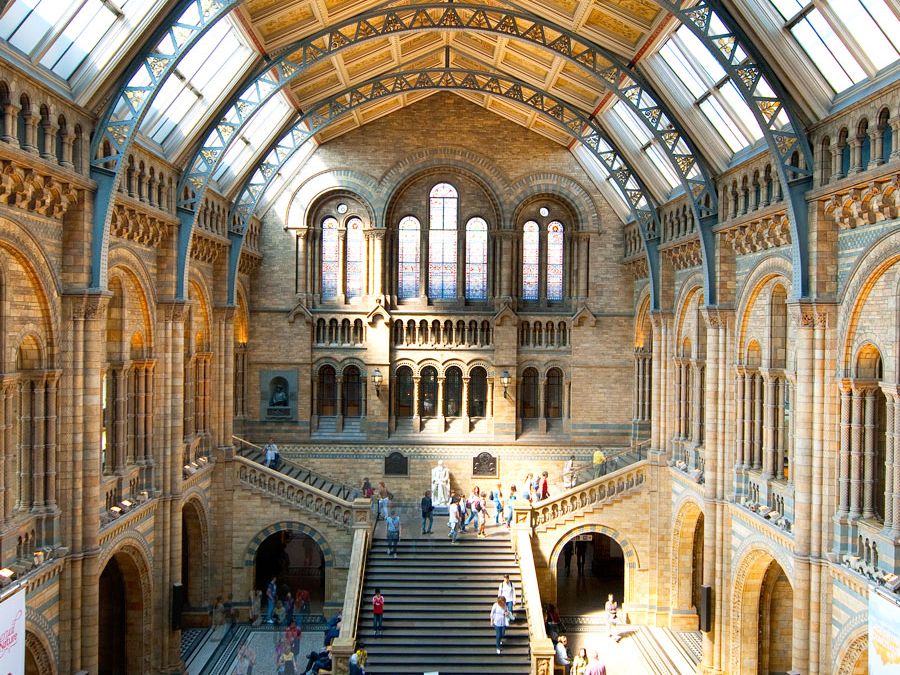
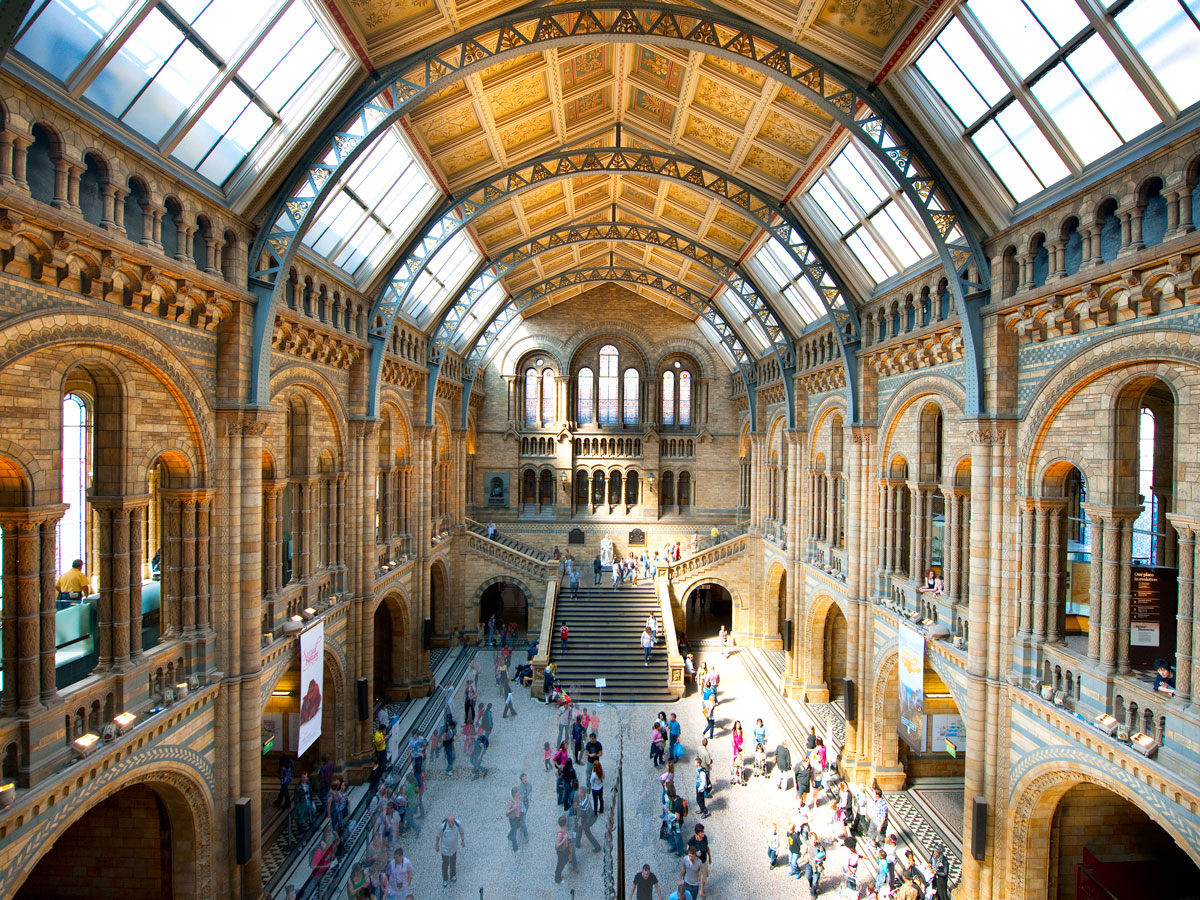
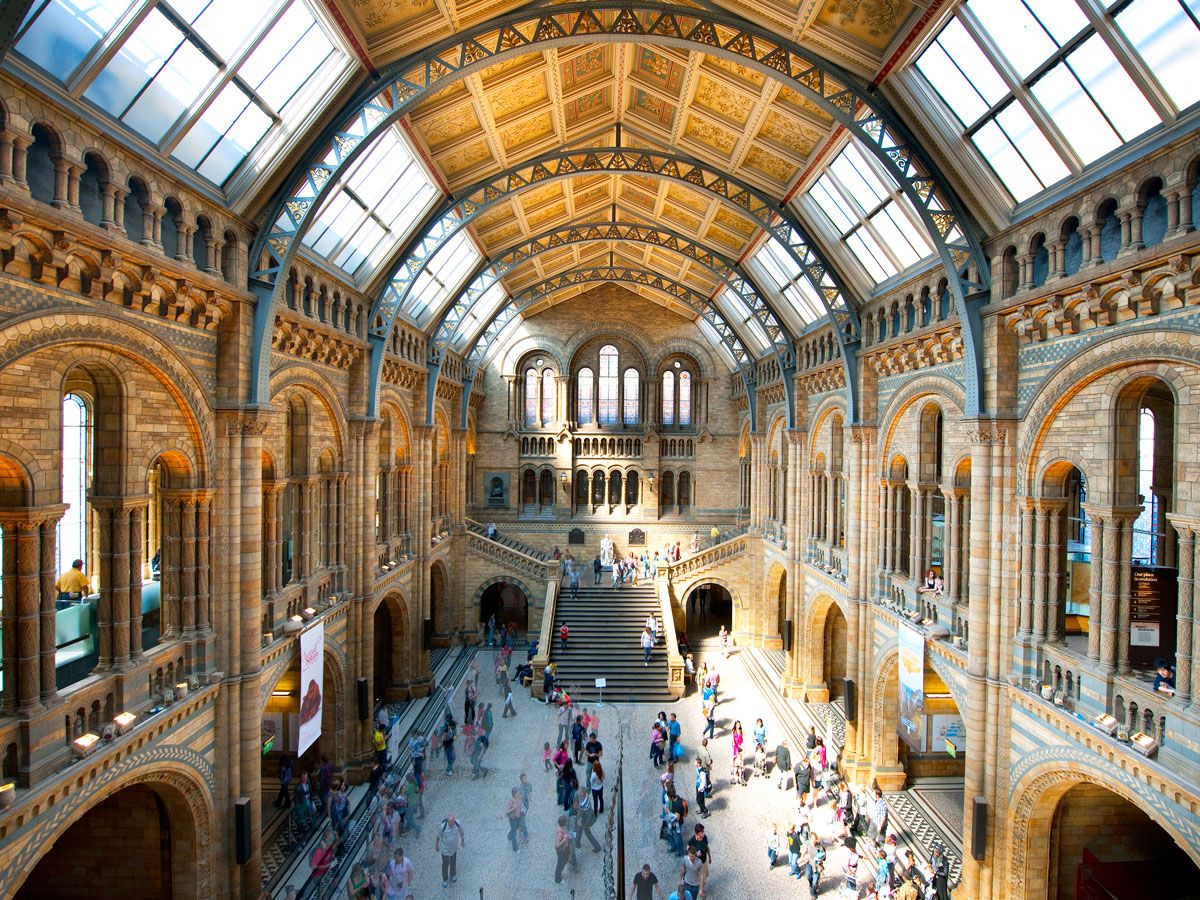
In 2024, 6.3 million folks explored the halls of London’s Natural History Museum, an 11% increase over the previous year. This world-class institution was founded by naturalist Richard Owen in 1881. (Fun fact: It was Owen who coined the term Dinosauria in 1842, which gave us the modern English word “dinosaur.”) During the museum’s construction, terra-cotta was chosen to protect the building’s exterior, as it was resistant to the smog that was common in Victorian times.
Inside the museum today, you’ll find around 80 million objects, including part of the first T. rex skeleton ever discovered, along with many additional sets of dinosaur bones. The collection also features 478 editions of Charles Darwin’s On the Origin of Species, including an extremely rare first edition from 1859. Other exhibits are more modern in nature, including a moon rock that was gifted from the U.S. to the United Kingdom in 1972 after the final Apollo mission.
3. British Museum – London, England
Credit: coward_lion/ iStock Editorial via Getty Images Plus
Number of annual visitors: 6.48 million
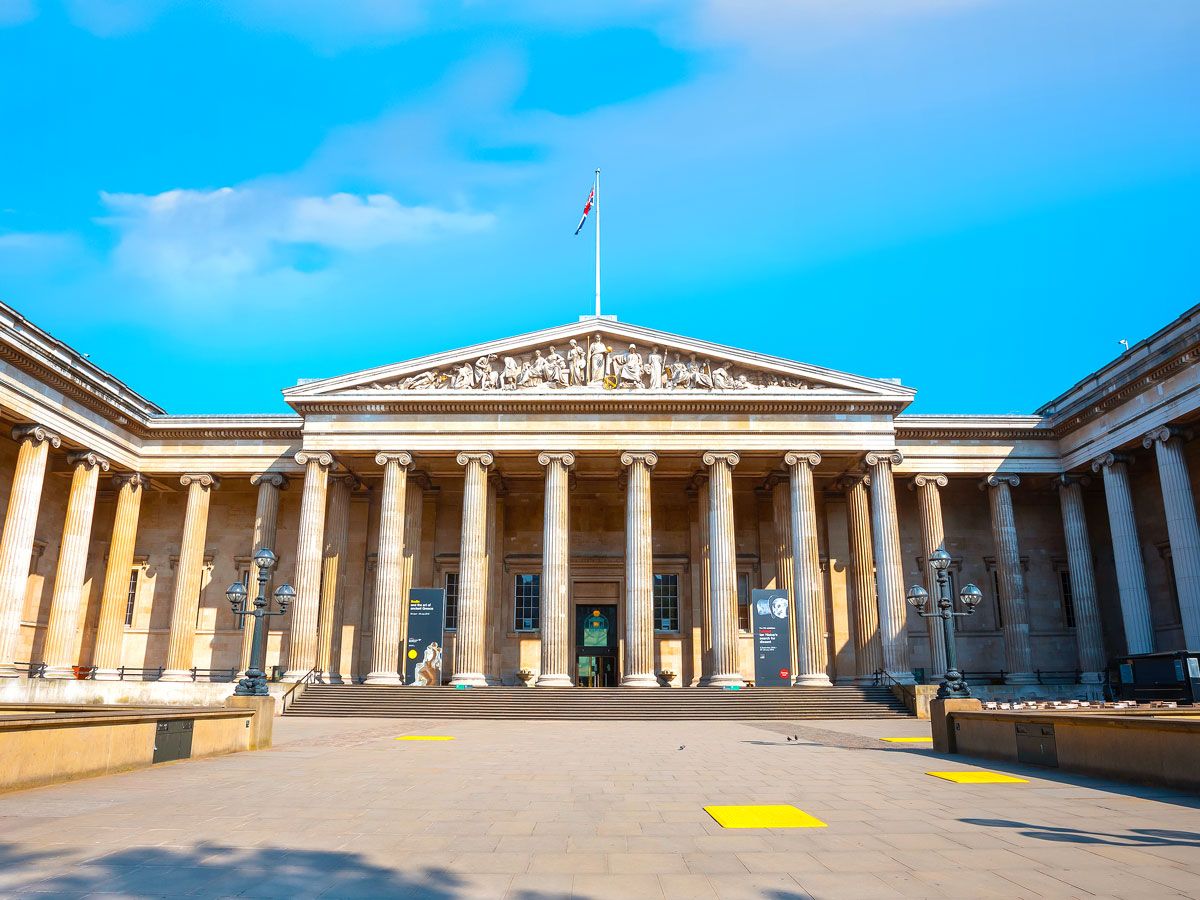
The British Museum also saw an 11% attendance increase in 2024 over the previous year, bringing its visitor total to nearly 6.5 million annual guests. Opened in 1753, the museum now houses around 8 million works of art. Highlights of its collection include ancient antiquities such as the Rosetta Stone, which was discovered in 1799 and helped researchers decipher Egyptian hieroglyphics, as well as a 7.5-ton statue of the head of Egyptian pharaoh Ramesses II, which was carved in Egypt around 3,000 years ago and brought to London in 1818.
The British Museum’s vast collection also includes 2,500-year-old statues from the Parthenon in Greece, moai heads from the Rapa Nui people of Easter Island, and ceramic figurines from China’s Tang dynasty (circa 728 CE), among other highlights. The collection isn’t without its controversy, however — many of these items have been taken from elsewhere around the globe, and at times, the British Museum has been accused of stealing pieces from other cultures. To learn about this ongoing issue, you can read more here.
2. Vatican Museums – Vatican City
Credit: Sylvain Sonnet/ The Image Bank Unreleased via Getty Images
Number of annual visitors: 6.83 million
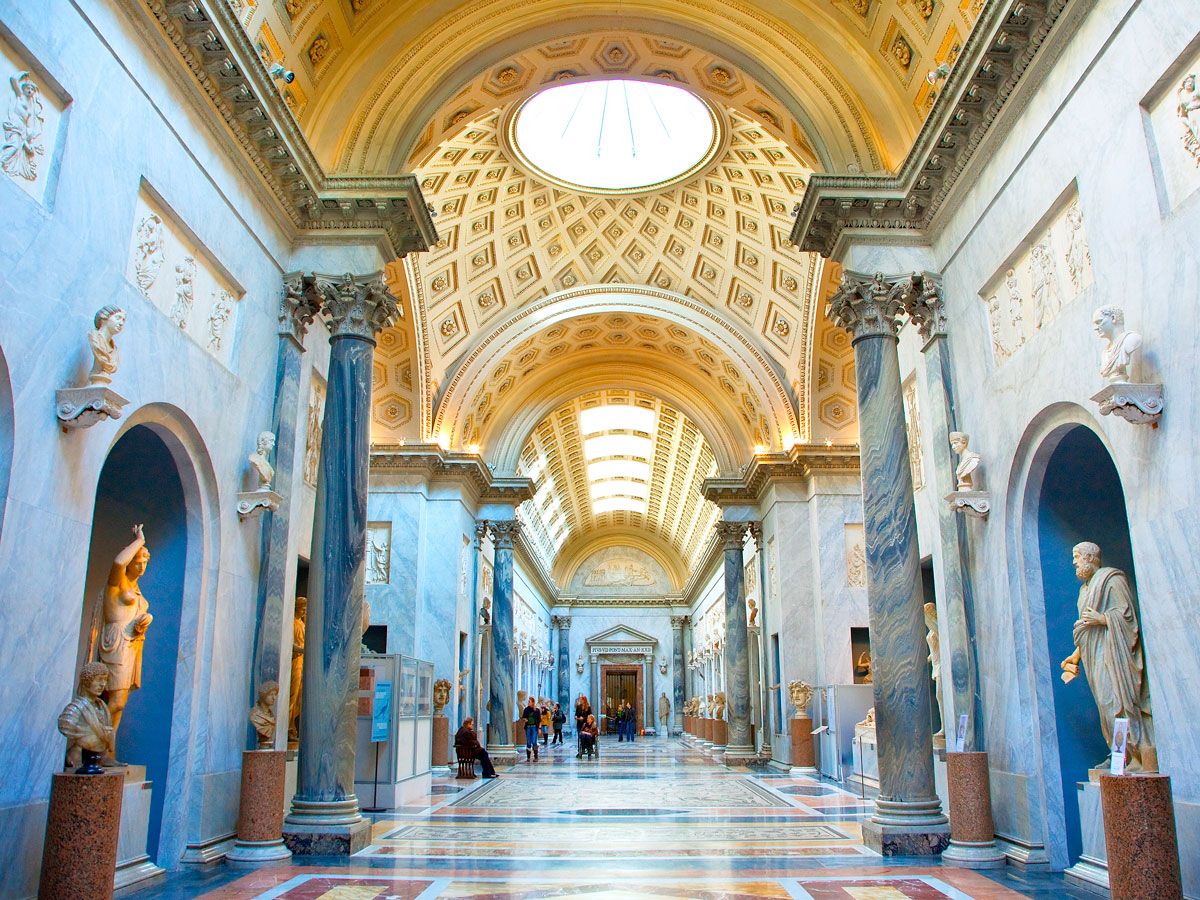
Despite the fact that only around 800 people live full-time in Vatican City, its museums attract nearly 7 million annual visitors. There are 26 individual museums and galleries that fall under the Vatican Museums umbrella, some of which have existed since the 15th century. These museums contain a stunning collection of priceless art, archaeological relics, and other artifacts with great cultural value.
One of the most popular individual museums is the Pinacoteca, an art gallery opened in 1932 that contains pieces by Leonardo da Vinci, Raphael, Caravaggio, and other famous artists. There’s also a world-class sculpture collection contained within the Pio Clementino.
But the most popular of all the Vatican Museums is the Sistine Chapel, which welcomes 25,000 daily visitors and around 5 million per year. The chapel showcases ancient Greek sculptures, Renaissance-era art, and most famously, a fresco painted by Michelangelo from 1508 to 1512. This ceiling is where you’ll find “The Creation of Adam,”one of the most famous artworks in history.
Credit: Wirestock/ iStock Editorial via Getty Images Plus
Number of annual visitors: 8.74 million
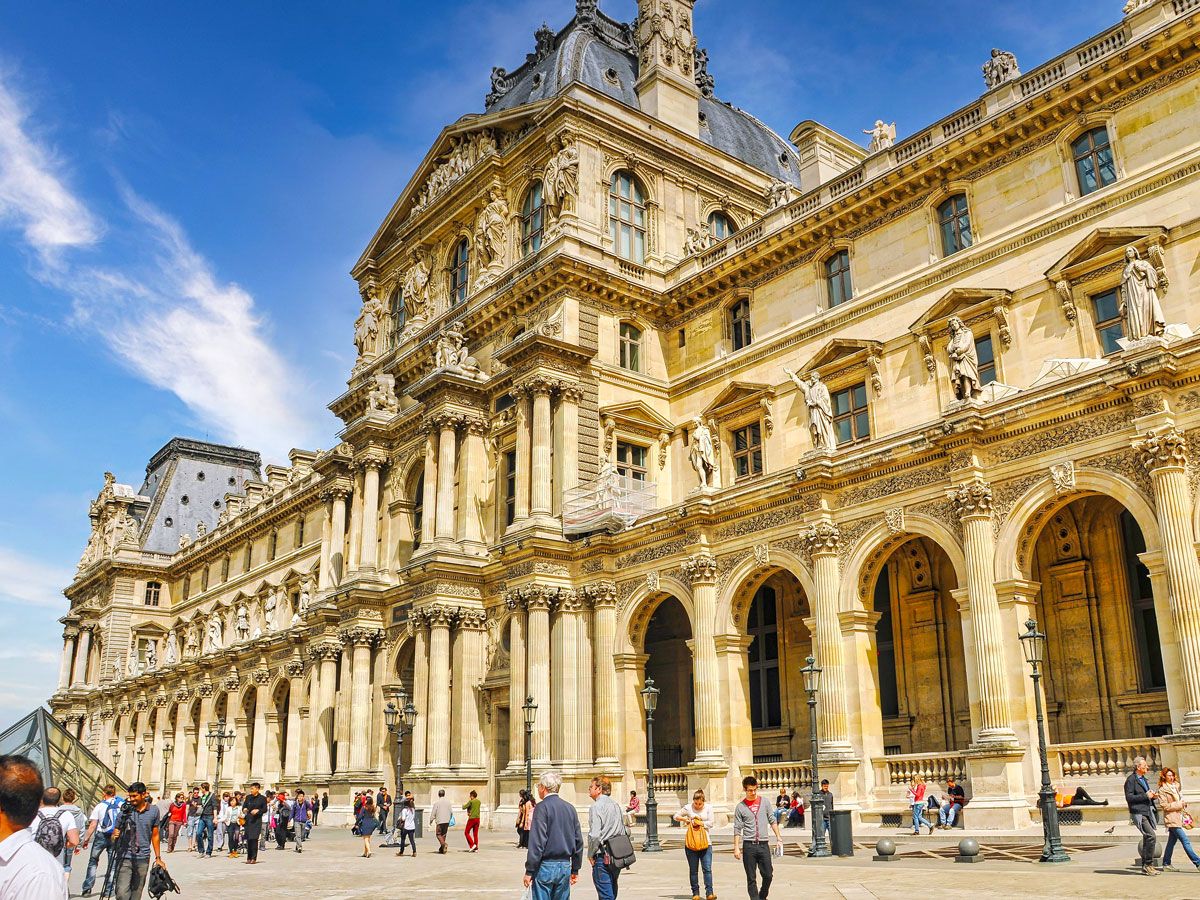
The Louvre is the world’s most-well-attended museum. This famed institution, located along the banks of the Seine, opened on August 10, 1793, with just 537 paintings in its collection. Today, the Louvre displays 35,000 artworks across 400 rooms, with hundreds of thousands of additional artifacts contained within its collection. This includes indelible works of art such as da Vinci’s “Mona Lisa,” the Venus de Milo statue, and the ancient Greek sculpture Winged Victory of Samothrace. The “Mona Lisa” alone attracts an estimated 30,000 daily visitors.
The Louvre’s incredible popularity isn’t without its drawbacks. Overtourism has affected this revered institution to the point that it was forced to spontaneously shut its doors in June 2025, as staff members cited exhaustion due to the unmanageable crowds. According to a CNN report, the museum’s 8.7 million visitors in 2024 are “more than double what its infrastructure was designed to accommodate.” While the museum has since reopened, these issues persist, and officials continue to seek out solutions for overcrowding.
Advertisement
More from our network
Daily Passport is part of Inbox Studio, an email-first media company. *Indicates a third-party property.
This Is Why Your Flight Always Seems To Arrive Early
By
Peter Vanden Bos
Read time: 5 minutes
August 7, 2025
Updated: August 7, 2025
This Is Why Your Flight Always Seems To Arrive Early
Tips •August 7, 2025•Updated: August 7, 2025
By Peter Vanden Bos
Author
Peter Vanden Bos
Peter is a Toronto-based journalist, editor, content strategist, and self-professed avgeek with 15 years of experience covering all things travel. Prior to joining Daily Passport, he oversaw newsletter publication for Travelzoo. His favorite destinations to explore include Japan, France, Chile, New Zealand, and his adopted home country of Canada.
On a recent flight, a late inbound aircraft led to us boarding and pushing back from the gate behind schedule. However, once we finally departed, the pilot announced that we could “make up some time in the air” — and sure enough, we arrived at our gate early, despite the late pushback. I wondered, did we fly faster than usual to account for the delay? It’s not likely. Instead, most airlines these days “pad” their schedules, adding a few extra minutes to the anticipated flight time. Learn more about this practice and why your flight seems to arrive early (even when it leaves late), along with which U.S. airlines pad their schedules the most.
It goes without saying that air travel is incredibly complex. Each time a plane pushes back from the gate, it requires careful coordination among pilots, air traffic controllers, ramp agents, dispatchers, and many other people and systems to ensure the flight operates safely and smoothly.
When airlines schedule flights, they account for not only the time in flight — based on how many miles the route is, how fast the particular aircraft flies, and the prevailing winds — but also the time taxiing on either end, after pushback and before pulling up to the arrival gate. For instance, some airports may be busier or have fewer runways, requiring planes to queue for takeoff longer, or some routes may face frequent traffic congestion, requiring planes to take circuitous paths.
Schedule padding, also known as block time inflation or schedule creep, allows airlines to account for all the variable factors of air travel.
“Padding schedules is a common practice across all modes of transportation, especially in the airline industry where external factors like air traffic control, aircraft maintenance, and weather conditions can significantly impact the departure and arrival times, leading to constant changes,” Jeff Price, an aviation and aerospace science professor at the Metropolitan University of Denver, explained to FinanceBuzz. “Padding is nothing more than programming in extra time to the actual flight time to account for variables. It’s just like a person driving to a location early to account for unexpected traffic or delays.”
In an interview with TheWashington Post, Max Barrus, vice president of planning and revenue at Breeze Airways, concurred. He shared, “The reality is you can’t fix every single potential problem that could occur on a given day of travel, but you can build a little bit of padding into the schedule. If you didn’t do that, nobody would ever be on time.”
Barrus also said that, thanks to “a lot of inefficiencies in the system,” flights now take longer on average. Over the past decade, the average time airlines schedule for the same flight has increased 8% to 9%, according to Barrus, mainly due to busier airports and skies.
For many airlines, schedule padding creates a useful buffer for when things go wrong. But boosting on-time statistics isn’t just about appearances — late flights cost airlines money, too.
Each time a flight arrives behind schedule at a hub, for example, passengers may miss their connections, and there’s often a domino effect that can create further delays as the day goes on. Adding a few extra minutes into the block time — the time between pushback and when the aircraft pulls up to the arrival gate — often leads to smoother operations overall. And for passengers, it might mean you’re more likely to make your connection.
The buffers still need to be reasonable, however. A spokesperson for the Department of Transportation shared with TheWashington Post that the law prohibits “unrealistic or deceptive scheduling of flights by airlines.” Plus, one could argue that airlines are incentivized not to overpad because, in general, they want to maximize profits by flying planes as many hours as possible each day.
And yes, there are sometimes downsides to schedule padding for passengers. We’ve all been there before when a flight lands 30 or 40 minutes early, only to taxi over to a waiting area because the arrival gate is still occupied by another aircraft. No one likes to spend extra time in a cramped economy seat.
Airlines take different approaches to scheduling, based on a variety of complex factors, which leads to some padding flight times more than others. A report from FinanceBuzz analyzed millions of flights scheduled in the U.S. in 2022 and found that, on average, airlines added around 9% of the scheduled flight time in the form of padding. On a typical two-hour flight, this translated to an extra 11 minutes in the scheduled block time.
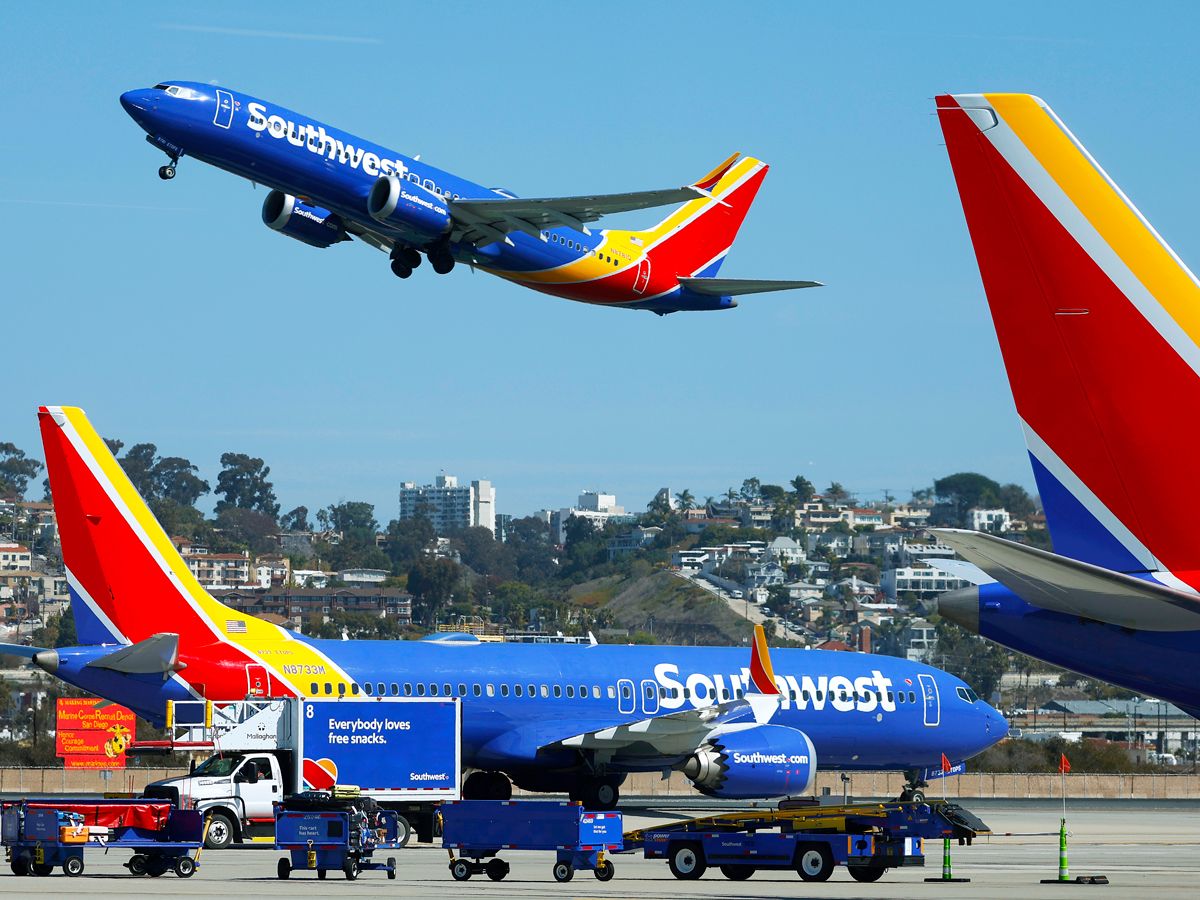
The report also found that Southwest Airlines inflated flight times the most (by an average of 13.9%), followed by Alaska Airlines (11.3%) and United Airlines (10.2%). The airlines that padded schedules the least were Frontier Airlines (6.8%), Allegiant Air (6.4%), and Hawaiian Airlines (4.7%). American, Delta, JetBlue, and Spirit were in the middle of the pack.
Despite the fact that airlines are padding schedules, over 20% of flights in the U.S. experienced a delay in 2024, according to the Bureau of Transportation Statistics. But, as is the case for adding a few extra minutes to the scheduled flight time, there’s more than meets the eye when it comes to on-time data.
Some flights that arrive at the gate a few minutes late technically still arrive on schedule, at least according to the DOT. That’s because, for reporting purposes, the department defines “on time” as either departing or arriving within 15 minutes of the scheduled time. So, even if your next flight takes off late and doesn’t “make up time” in the air, you might still end up arriving “on time.”
10 Things You Didn’t Know You Could Bring on a Flight
By
Michael Nordine
Read time: 4 minutes
August 7, 2025
Updated: June 26, 2026
10 Things You Didn’t Know You Could Bring on a Flight
Tips •August 7, 2025•Updated: June 26, 2026
By Michael Nordine
Author
Michael Nordine
Michael is a staff writer for Daily Passport and film critic who writes the weekly newsletter Movie Brief. His writing and criticism have also appeared in the Los Angeles Times, Variety, and the Washington Post, among others. A native Angeleno, his favorite countries to visit are Norway and Japan.
For years, the answer to whether or not the TSA will let you bring a given item on a flight has usually been “no.” Some of these are based on common sense — it’s probably not a good idea to have fireworks or bear spray in an airplane cabin — while others feel more arbitrary. (Did you know that the TSA considers peanut butter a liquid, for instance?) And yet, many unexpected items can be placed in your carry-on or personal item, some of which will surprise you more than others. Here are 10 of the most shocking things you didn’t know you could bring on a plane.
If and when actual lightsabers are invented, it’s highly unlikely that the TSA will be cool with Jedi or Sith placing them in the overhead bin (assuming they can stop them, that is). For those of us having as much fun as possible not living in a galaxy far, far away, however, the toy variety is A-OK.
Though they come with size and weight restrictions, air mattresses are indeed allowed in your carry-on bag. Just don’t try inflating them in the aisle to take a nap.
The vast majority of pets that come aboard flights are cats and dogs, but that doesn’t mean they’re the only ones allowed past security. And while it’s probably not a good idea to bring your goldfish or coral with you from Phoenix to Minneapolis, you are technically allowed to. The only requirement is that they be in a “clear transparent container,” which seems reasonable given the fact that they tend to live in one anyway.
Though the vast majority of computers coming through security are of the laptop variety, perhaps the only thing stopping hardcore gamers from bringing their custom-built rigs on their next flight is the size of their carry-on bags. Just know that if you do bring a desktop, you will have to remove it from your bag and place it in a separate tray at security just as you would a laptop.
Yes, Harry Potter wands are an actual approved item on the TSA’s website. And yes, it’s probably because so many self-proclaimed Gryffindors (or Ravenclaws or Hufflepuffs or Slytherins) brought them back from the Wizarding World of Harry Potter that the Muggles at the TSA decided to make it official and no longer have to be asked about them.
Anyone whose commitment to holiday decorations rivals that of Clark Griswold will be relieved to know that they don’t have to check their Christmas lights when flying home for the holidays. Most of us won’t be bothered to devote limited space to them, perhaps, but there’s something festive about knowing we can if we want to.
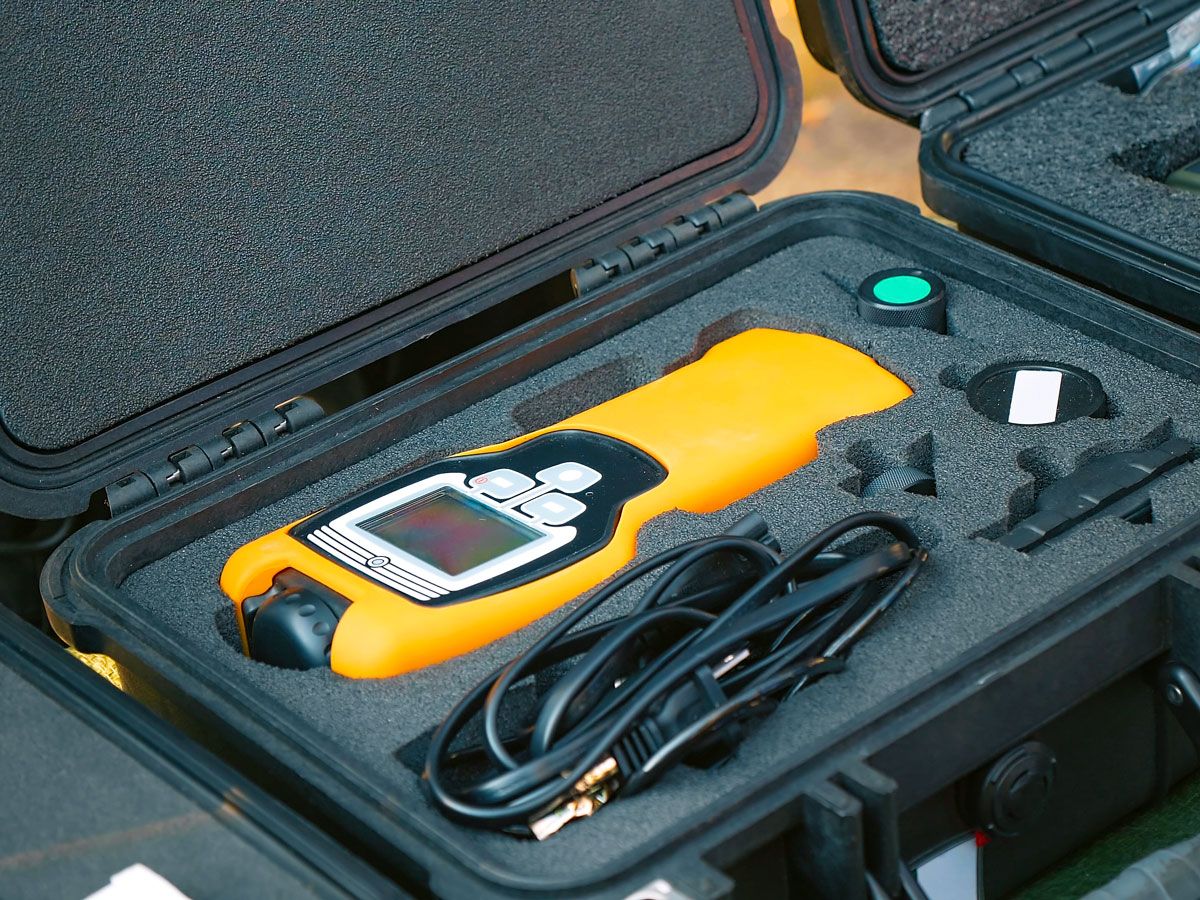
You might think, given the sensitive nature of these electronic devices used for measuring radiation, that they’re a no-no in the cabin. You’d be mistaken, however, as the Transportation Security Administration is happy to have hobbyists and experts alike carry on their Geiger counters for their next scientific expedition.
On the off chance that you’re traveling back in time from the early 2000s, when seemingly every adolescent in America had one of these ubiquitous gizmos, know that you can still bring one on your flight. Just don’t shine one at the other planes (or people) at the airport (or in the sky).
If you aren’t obsessed with tortillas, you’ll probably never understand the urgency of having your own press on your person at all times. Fortunately for those who are, the TSA understands this need. Now that you know you’re not only allowed but, perhaps, encouraged to bring your tortilla press with you to cruising altitude, the only question that matters is: corn or flour?
Architecture •August 7, 2025•Updated: August 7, 2025
By Daily Passport Team
Author
Daily Passport Team
Daily Passport writers have been seen in publications such as National Geographic, Food & Wine, CBC, Condé Nast Traveler, and Business Insider. They're passionate about uncovering unique destinations and sharing expert tips with curious travelers.
Around the world, concert halls stand out not just for the performances they host, but also for their stunning design and acoustics. From Vienna to Tokyo, these five venues are among the most beautiful (and historic) places to experience live music and events.
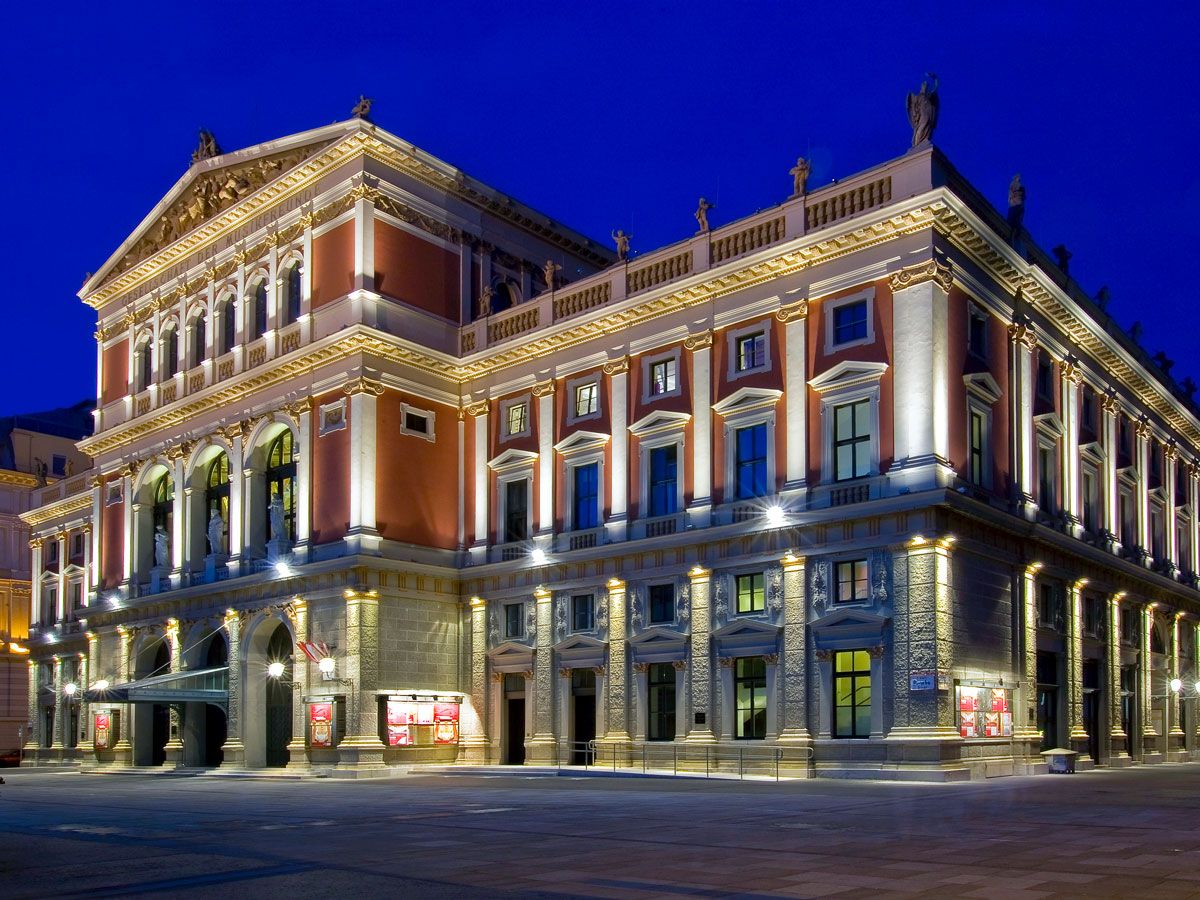
Vienna’s Musikverein is widely regarded as one of the finest concert halls in the world. Designed by Danish architect Theophil Hansen and completed in 1870, the building features six performance spaces, the most famous of which is the Golden Hall. Constructed in the Greek Revival style and modeled after a Greek temple, it features golden caryatids, ceiling frescoes, and an opulent, gilded interior.
But the beauty of the Musikverein is more than skin-deep — the hall’s rectangular shape, sunken ceiling panels, balconies, and golden statues all contribute to its exceptional acoustics, celebrated for their richness and perfect balance. Each year, the Musikverein’s most prestigious event is the New Year’s Concert, performed by the Vienna Philharmonic, one of the world’s premier orchestras.
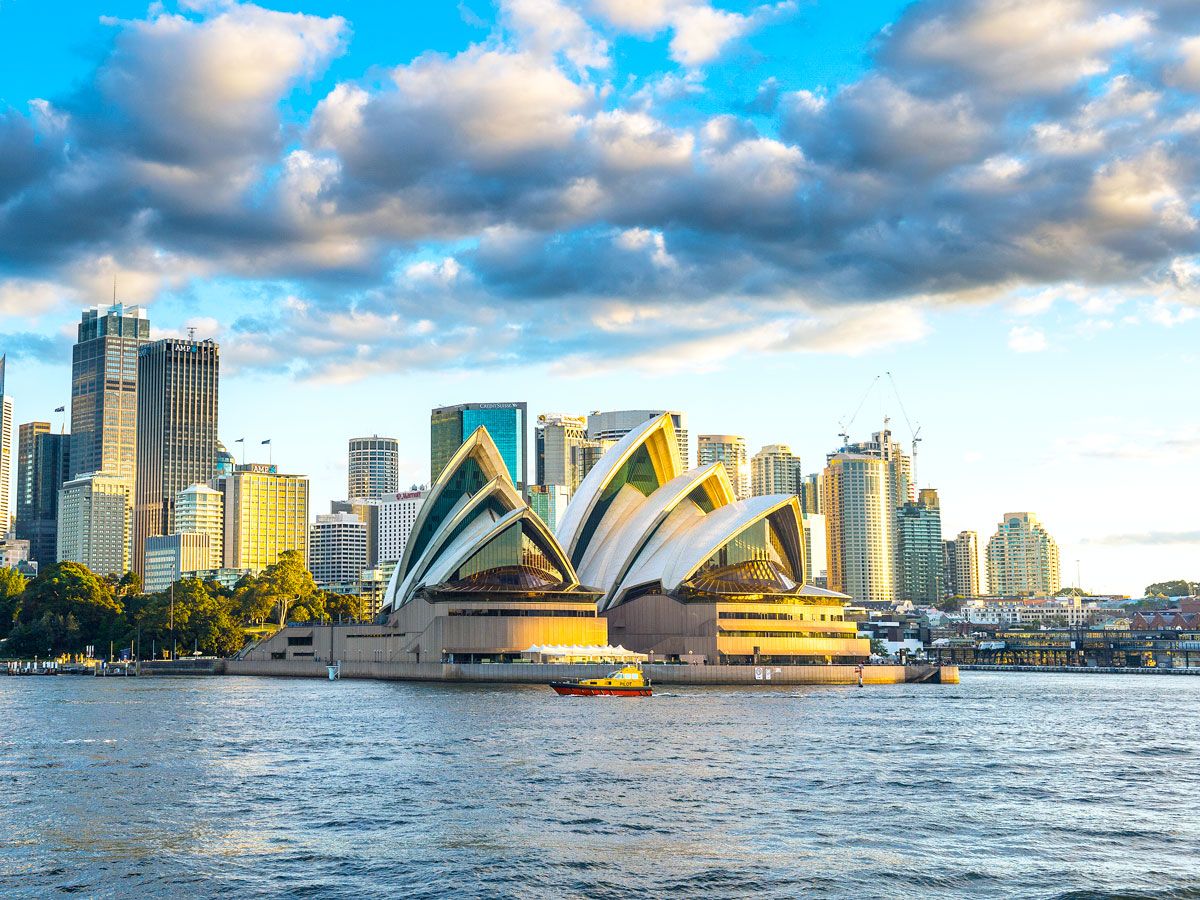
The Sydney Opera House is one of the most recognizable buildings in the world, thanks to its striking roof made up of 14 tile-covered “shells,” an impressive architectural and engineering achievement. Danish architect Jørn Utzon claimed to draw inspiration from nature — bird wings, clouds, seashells, and even orange slices — for his design, which is appropriate considering its location right on Sydney Harbour.
Unfortunately, what was supposed to be a four-year, $7 million project ended up taking 14 years and costing $104 million. But on October 20, 1973, the Opera House finally opened its doors, with Queen Elizabeth II herself leading the opening ceremony. Since then, it has become a global cultural mecca, hosting everything from orchestras and opera to pop concerts and ballet — and welcoming nearly 11 million visitors each year.
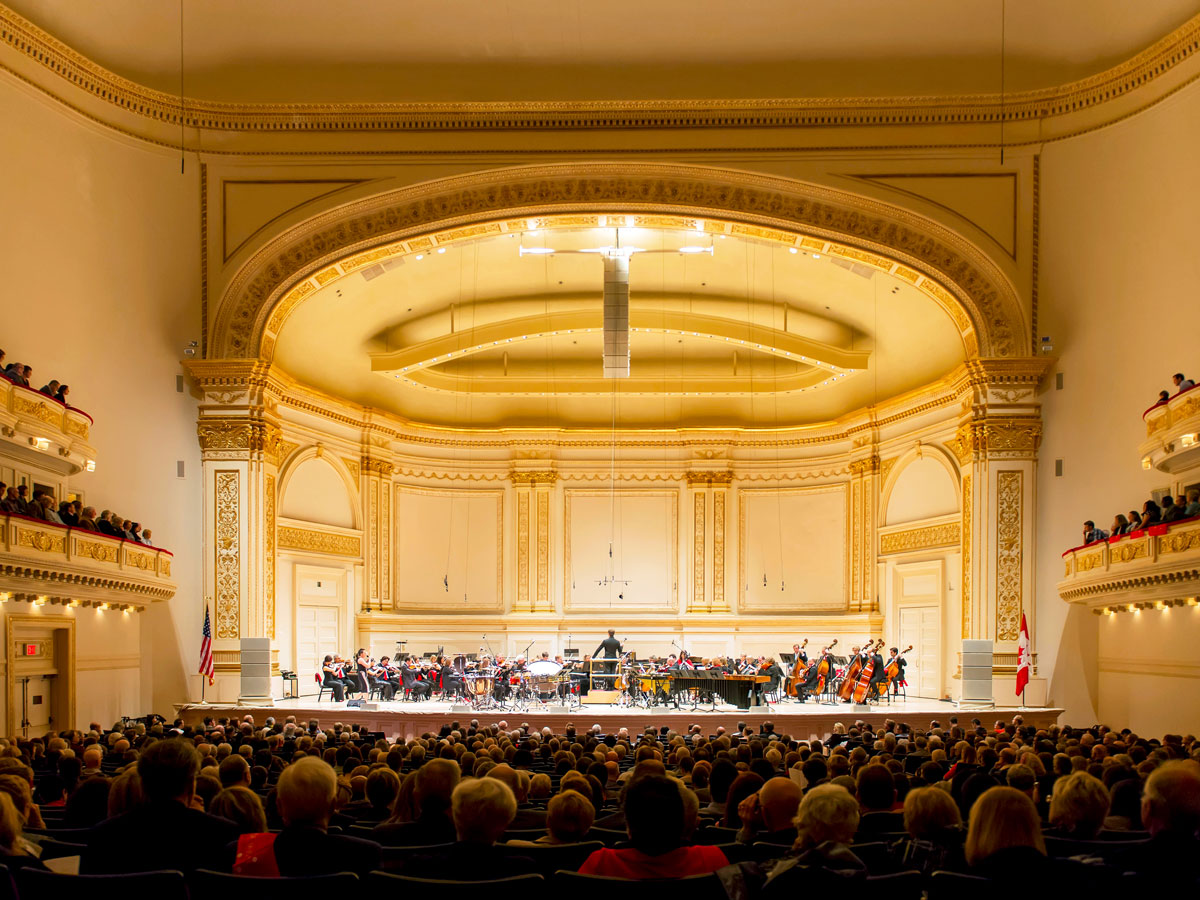
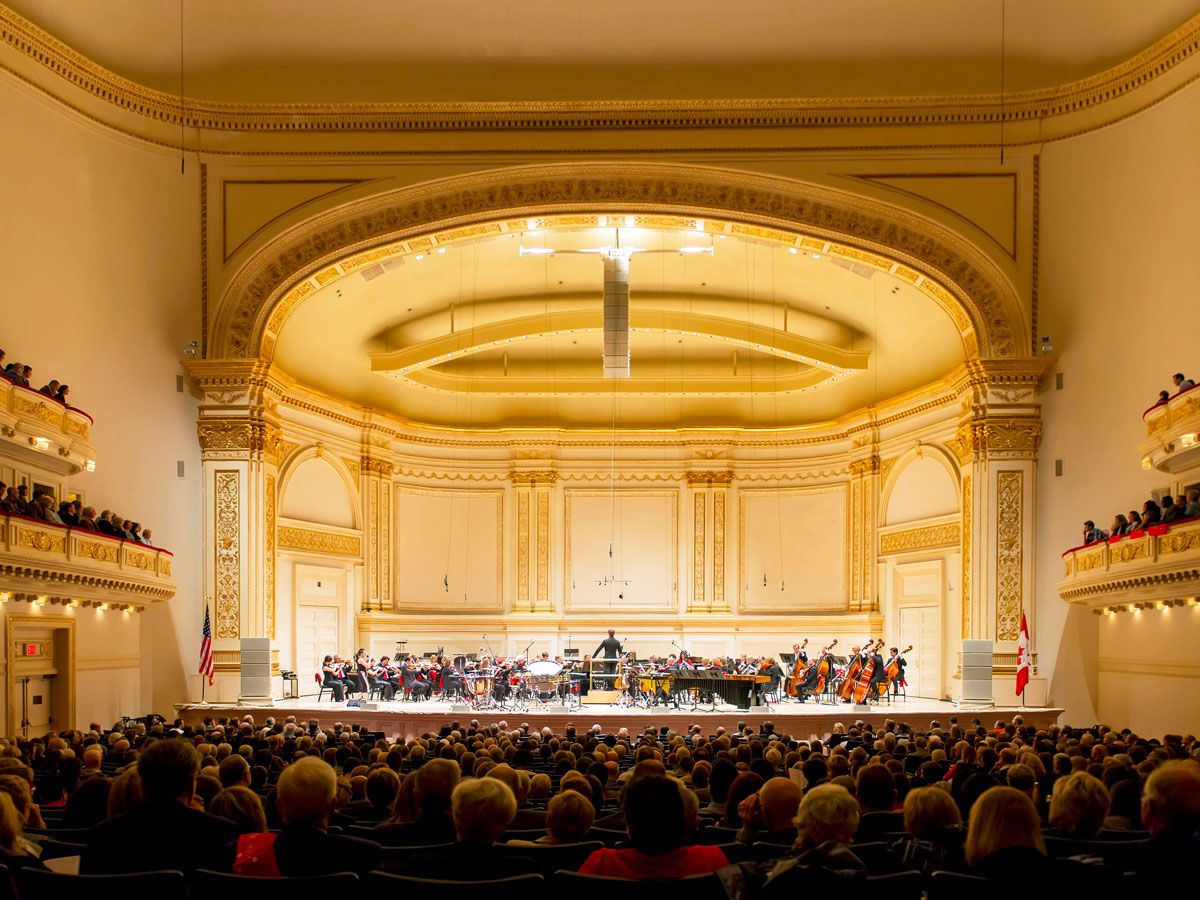
Located in midtown Manhattan a few blocks from Central Park, Carnegie Hall is one of the most prestigious concert halls in the world. Since its opening in 1891, the venue has welcomed international stars including Tchaikovsky, Billie Holiday, Judy Garland, and the Beatles. Composed of three separate concert halls — Stern Auditorium/Perelman Stage, Zankel Hall, and Weill Recital Hall — Carnegie Hall boasts stunning historic architecture and exceptional acoustics.
Famed industrialist and philanthropist Andrew Carnegie commissioned architect and cellist William Burnet Tuthill to construct the hall. Carnegie hoped the venue would elevate New York’s status as a cultural hub, and it did from the very start, with the American debut of Russian composer Pyotr Ilyich Tchaikovsky. Since then, Carnegie Hall has welcomed not only world-class musicians and composers, but also famous comedians, authors, and orators across generations.
Hungarian State Opera House – Budapest, Hungary
Credit: Wirestock/ iStock Editorial via Getty Images Plus
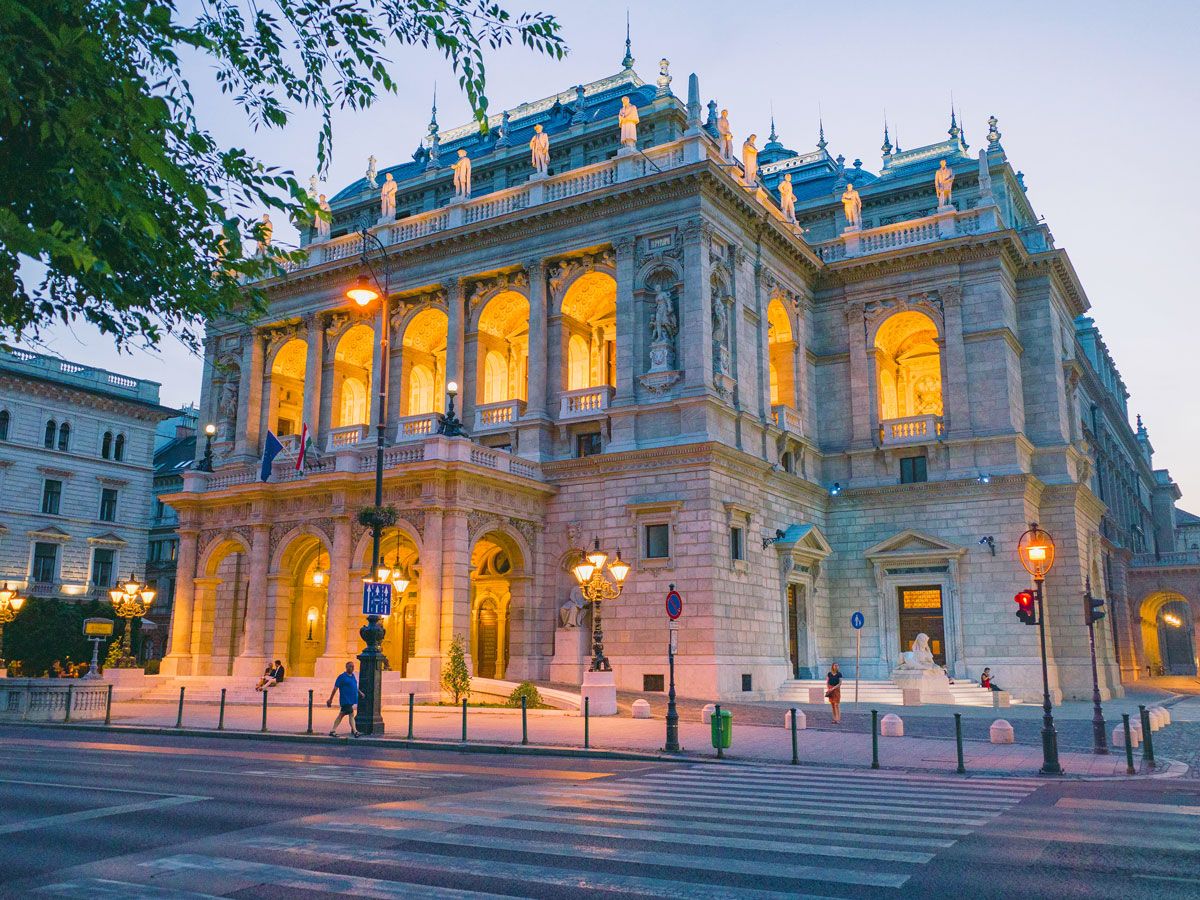
Opened in 1884, the Hungarian State Opera House was constructed in the neo-Renaissance style and designed by Hungarian architect Miklós Ybl — and it’s widely regarded as his best work. The opera house may not be the biggest in the world (or even the biggest in the city), but what it lacks in size, it makes up for in beauty, which is evident both inside and out.
The grand façade is adorned with multiple archways and statues of famous composers such as Mozart, Beethoven, and Verdi. The interior is equally breathtaking, featuring a horseshoe-shaped auditorium flanked by sweeping staircases and highlighted by ornate, gilded details and frescoes from some of Hungary’s most renowned painters. The opera house’s centerpiece — a massive bronze chandelier — draws the eye toward a stunning ceiling fresco depicting the Greek gods on Mount Olympus.
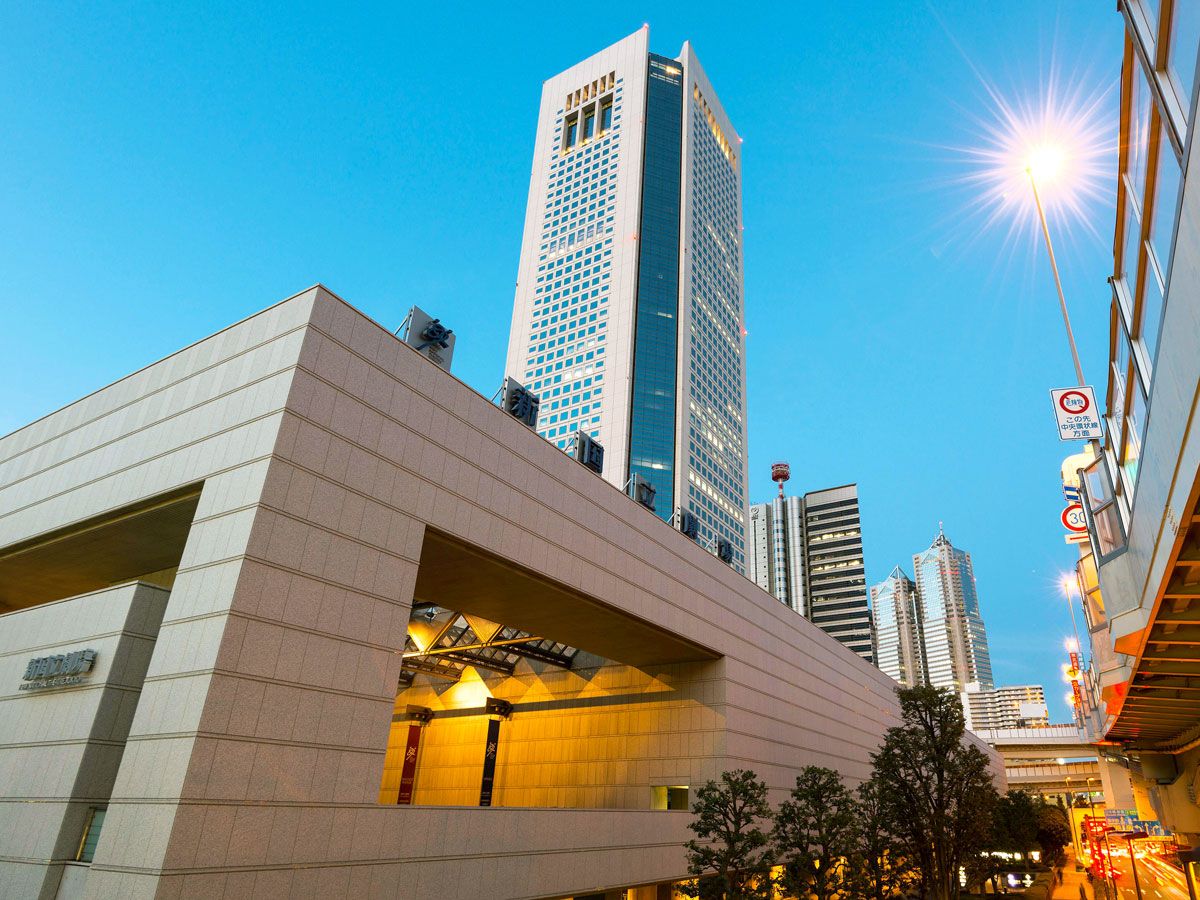
Constructed almost entirely from oak and topped with a soaring pyramidal ceiling, the Tokyo Opera City Concert Hall is tucked away in an unexpected setting. Located within the 54-story Tokyo Opera City Tower — a sleek glass-and-steel skyscraper that also houses art galleries, shops, and restaurants — the hall isn’t visible from the outside. It may seem like an unlikely home for an opera venue, but it ranks among the world’s finest for both its stunning design and exceptional acoustics.
Completed in 1997, the opera hall was a collaboration between renowned acoustician Leo Beranek and architect Takahiko Yanagisawa. The shoebox-shaped venue is just 66 feet wide and can accommodate up to 1,632 guests. The hall hosts regular performances by the Tokyo Philharmonic Orchestra and the Tokyo Symphonic Orchestra, along with many domestic and international orchestras, chamber musicians, choirs, vocalists, organists, and pianists.
The States With the Most (and Least) Expensive Groceries
By
Rachel Gresh
Read time: 6 minutes
August 7, 2025
Updated: August 7, 2025
The States With the Most (and Least) Expensive Groceries
Tips •August 7, 2025•Updated: August 7, 2025
By Rachel Gresh
Author
Rachel Gresh
Rachel is a Washington, D.C.–based travel and lifestyle writer with roots in the Great Lakes region. When she’s not writing for publications such as The Discoverer and Interesting Facts, you’ll find her wandering through museums or exploring destinations off the beaten path.
Thinking about popping into the local grocery store on your next vacation? The cost of groceries varies widely across all 50 states. Some areas are abundant in agriculture, while others are geographically remote, requiring a bit more effort to deliver even the essentials. Other factors include taxes, supply chains, and the presence of national retailers. Using data from the first quarter of 2025, the Missouri Economic Research and Information Center (MERIC) determined the average cost of groceries in each state compared to the national average. Let’s explore the five most expensive and five cheapest states to buy groceries.
Cost of groceries: 6.4% higher than the national average
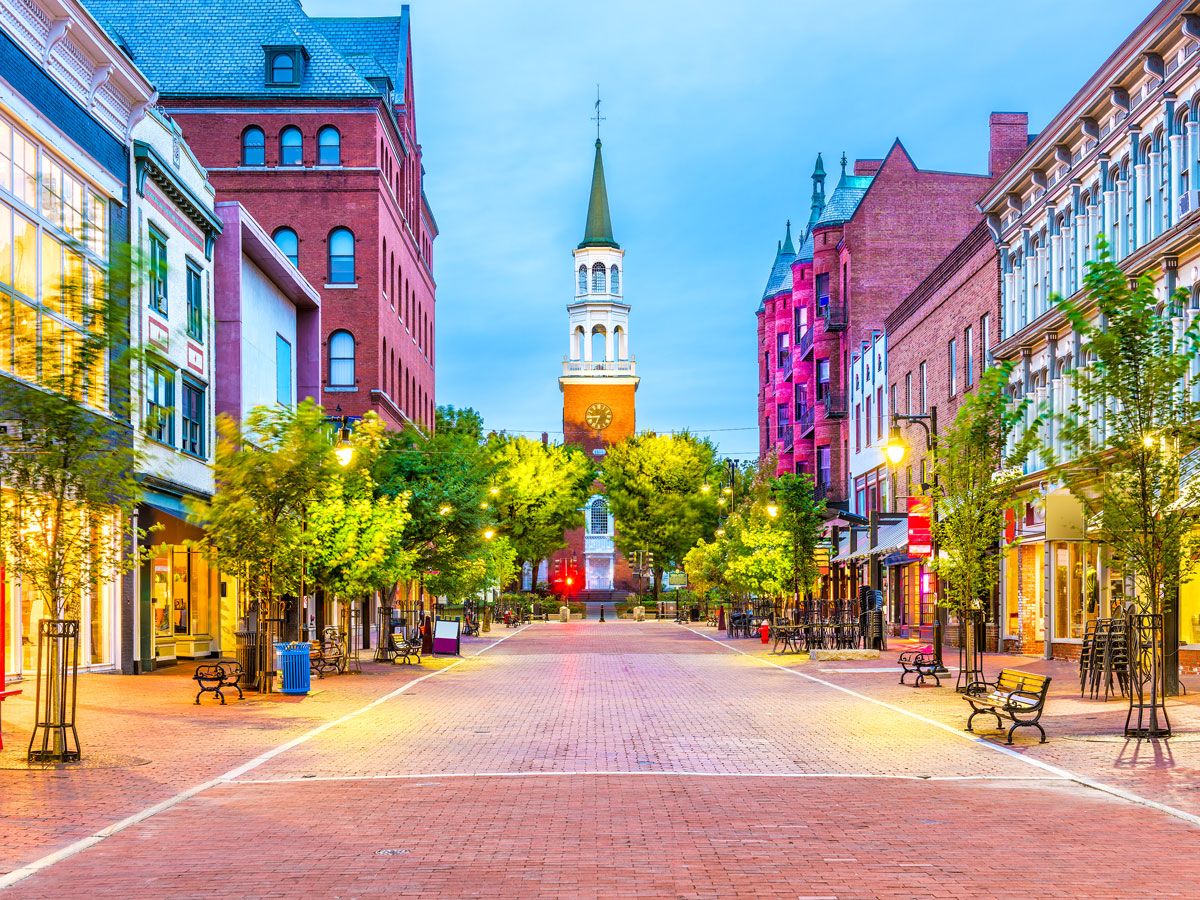
Vermont is the fifth most expensive state to buy groceries for several reasons: a higher-than-average cost of living across the board, a strong market for organic foods, and high transportation costs due to its rugged and rural landscape (which also happens to be a key driver in tourism).
Despite the high costs, Vermont is an agricultural and culinary powerhouse. Its most famous products — maple syrup, cheese, ice cream, and craft beer — are exported nationwide and help promote food tourism. For example, visitors to Ben & Jerry’s ice cream factory in Waterbury can skip the grocery store and enjoy their favorite flavor straight from the source.
Cost of groceries: 8.2% higher than the national average
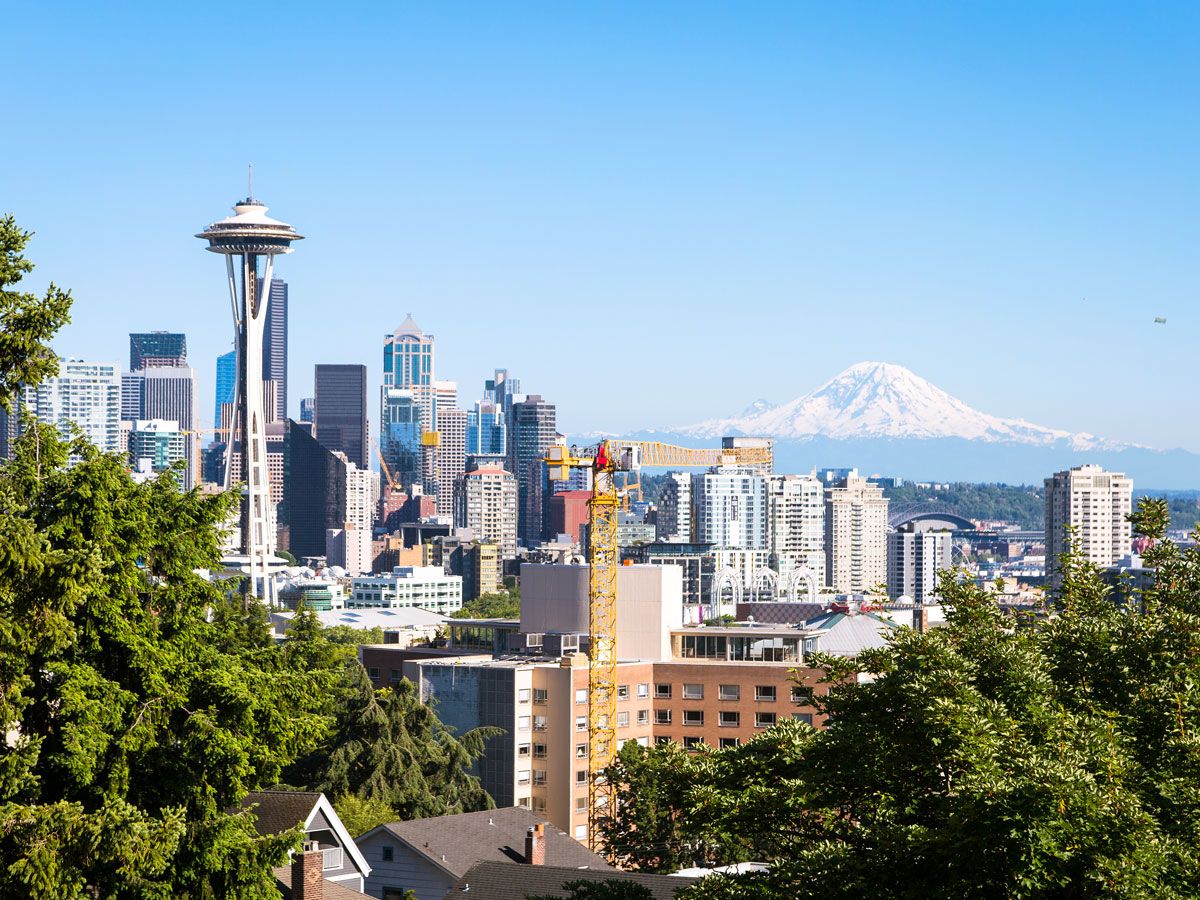
Grocery bills are also quite steep in the Evergreen State. In 2024, the average household spent nearly $290 per week on grocery store trips. These rising costs are due to supply chain disruptions, a high cost of living, and increased feed costs for farmers. According to local radio station KEYW-FM, many grocery store staples — including soda, eggs, flour, sugar, and beef — saw significant price hikes in 2024.
That said, Washington state offers plenty of opportunities to enjoy fresh food and lower prices by eating local. Programs like Eat Local First help residents and visitors find nearby farm stands, markets, and restaurants that source farm-to-table meals. From bagels and coffee to wine and seafood, locally sourced food is one way Washingtonians (and visitors) try to manage costs.
Cost of groceries: 8.8% higher than the national average
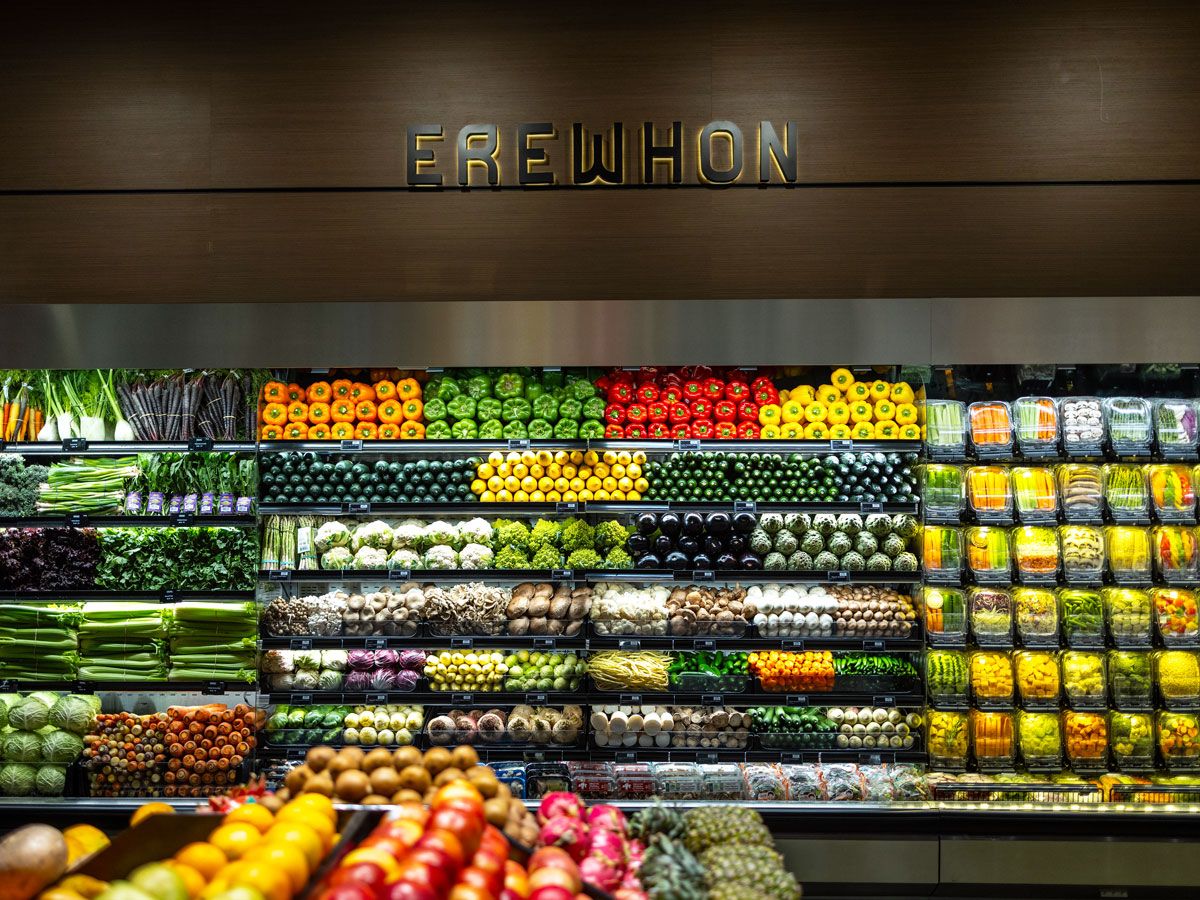
California is notorious for its high cost of living, and that extends to groceries, which are nearly 9% above the national average. However, many locals and tourists are willing to pay a premium. One standout is Erewhon, a trendy organic grocery chain known for ultra-premium items — like $15 pasture-raised eggs — and smoothies co-branded with celebrities. Another way to eat like the locals is to try California crops and produce. The state produces 99% or more of the nation’s almonds, artichokes, figs, olives, pomegranates, and walnuts.
Cost of groceries: 30.3% higher than the national average
Grocery shopping in Alaska often comes with sticker shock. Its remote geography means that nearly everything must be imported, and that’s reflected in the prices. In rural parts of the state, a gallon of orange juice can run $15, and a frozen pizza costs nearly $20. Still, Alaskans find ways to save money. Many opt for locally sourced, in-season food, including seafood (especially salmon), wild berries, root vegetables, and even local specialties such as reindeer. For visitors, food tours such as Juneau Food Tours highlight the importance of regional cuisine, offering a chance to try everything from king crab bisque to locally foraged teas.
Cost of groceries: 34.6% higher than the national average
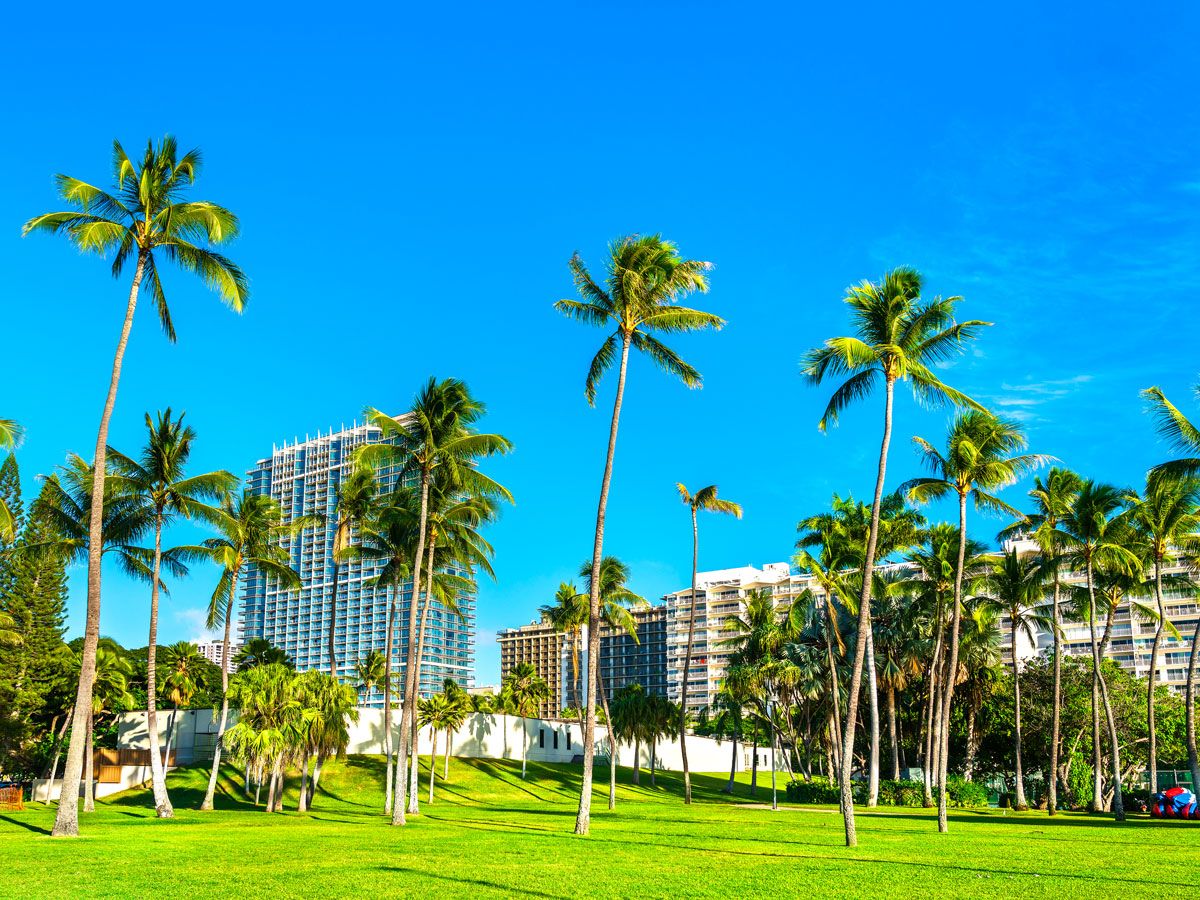
Topping the list for the state with the most expensive groceries in 2025 is Hawaii, with costs more than 34% higher than the national average. The average weekly grocery bill in the Aloha State is more than $333, primarily due to the high cost of importing food. Even basic items are pricey: A gallon of milk costs nearly $6, while the national average hovers around $3.
Due in part to these high grocery costs, many locals frequently dine out — Honolulu residents spend more on restaurant meals (as a percentage of total annual spending) than residents in any other U.S. city. For visitors, however, grocery stores can be great spots for Hawaiian souvenirs, including Kona coffee, dried mango, macadamia nuts, and local honey.
Cost of groceries: 4.1% lower than the national average
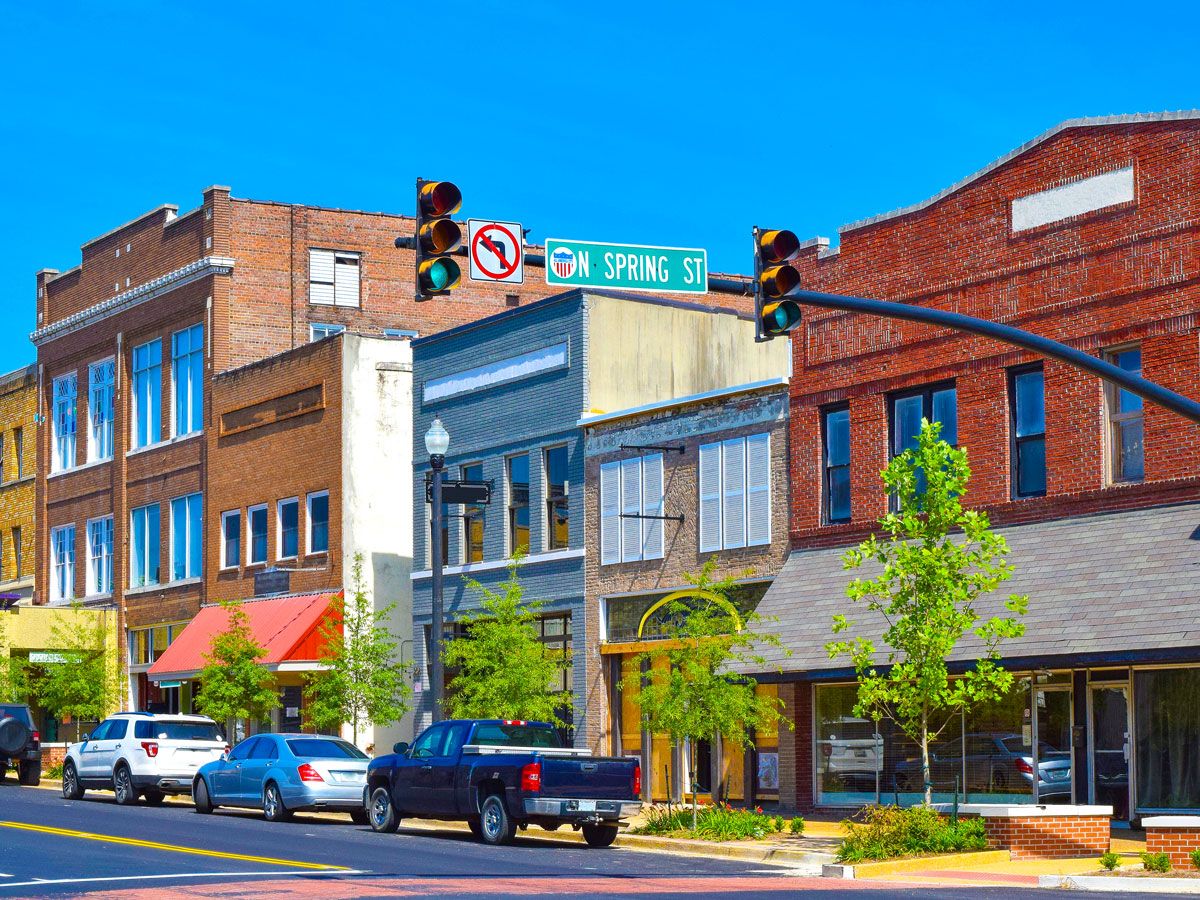
The Magnolia State is one of the least expensive places in the country to buy groceries, thanks to its overall low cost of living and a recentreduction in the sales tax on groceries from 7% to 5%. Moreover, agriculture is Mississippi’s top industry, bringing in $9 billion annually, led by poultry and eggs. Other crops such as soybeans, corn, rice, and peanuts are also abundant. According to a recent study by WalletHub, Mississippi residents eat less fast food than folks in any other state, suggesting that they prefer home-cooked meals thanks to their affordability.
Cost of groceries: 4.2% lower than the national average
Everything’s bigger in Texas — with the exception of grocery bills. The state combines a low cost of living, a lack of sales tax on food items, and an expansive agricultural economy to keep prices low. In fact, Texas leads the nation in number of farms and ranches. King Ranch, one of the world’s largest and most renowned ranches, offers daily tours that allow visitors to explore its extensive agricultural endeavors.
But if you want to find the best grocery deals in the Lone Star State, head to Walmart. According to a recent study, Texas Walmarts have the lowest average prices among Walmarts in all 50 states, about 5% cheaper than the national Walmart average.
Cost of groceries: 4.3% lower than the national average
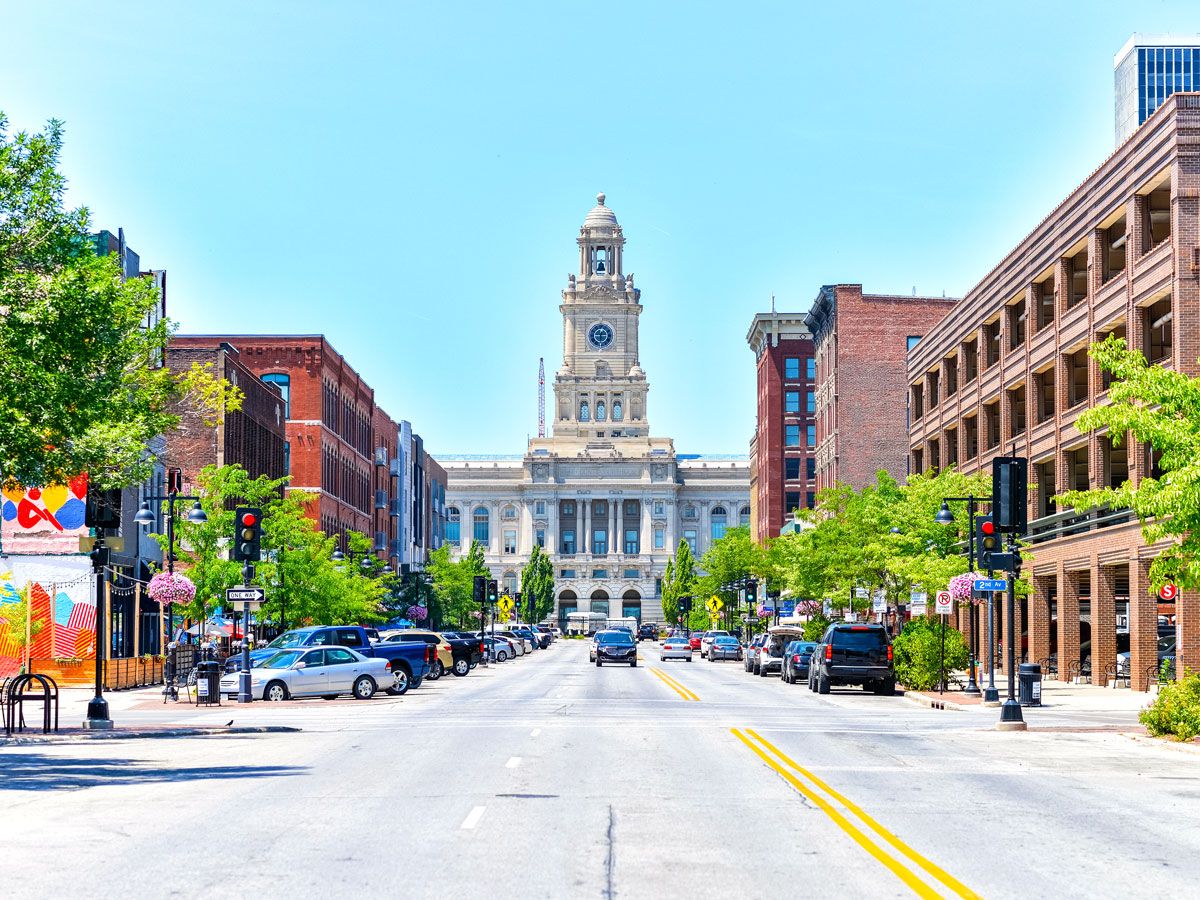
More corn is produced in Iowa than in any other state in the U.S. — to the tune of 2.6 billion bushels in 2024. More than 85% of Iowa is dedicated to farmland, and the state is also a leader in pork and egg production. This local output cuts down on transportation costs, keeping grocery bills low. Additionally, Iowa is home to budget-friendly chains like Aldi, whose first U.S. store opened there in 1976. Known for its no-frills, cost-saving approach with private-label goods, Aldi remains a favorite for bargain shoppers.
2. Oklahoma (tie)
Credit: Dee Liu/ E+ via Getty Images
Cost of groceries:4.3% lower than the national average
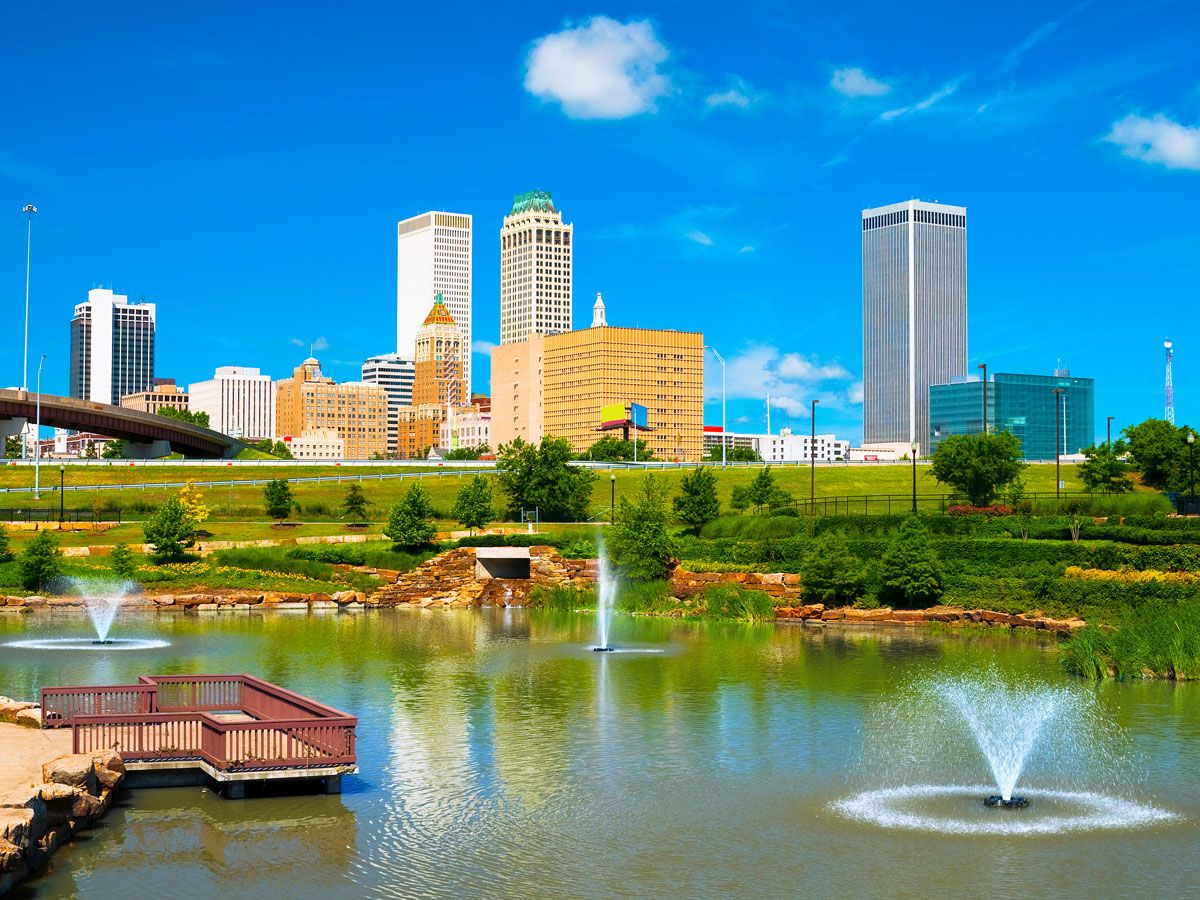
The Sooner State boasts the second lowest grocery prices in the country. And as of 2024, groceries are tax-free due to a new statewide tax elimination. Combined with a low cost of living and proximity to agriculture, Oklahoma benefits from reduced transportation costs and a wide range of fresh goods. The state also has strong retail competition among grocery chains, further driving down prices while offering local products such as beef, pecans, blueberries, and peaches.
Cost of groceries: 4.9% lower than the national average
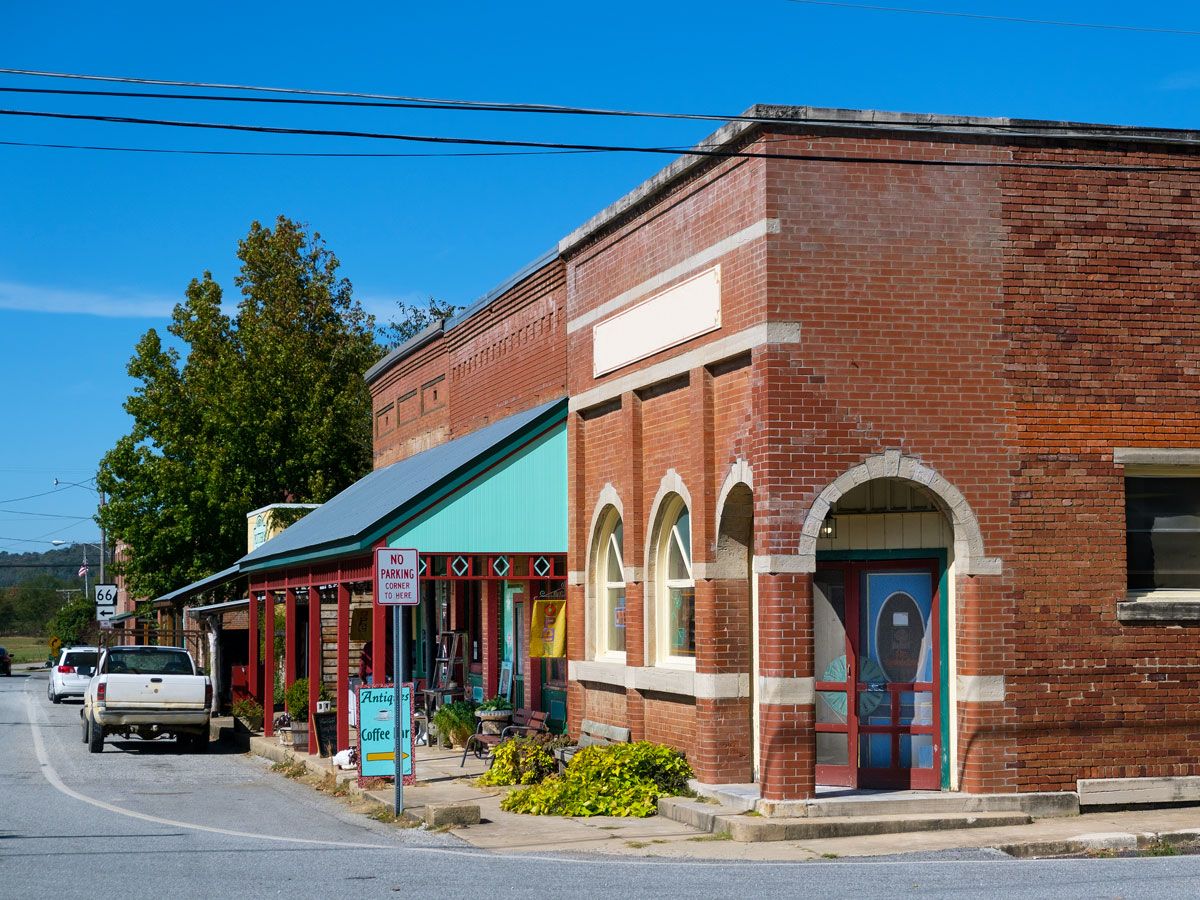
Shoppers in Arkansas are paying nearly 5% less for groceries than the national average. Weekly grocery bills in Arkansas averaged about $260 in 2024. Its short supply chains, low cost of living, and strong agricultural economy — especially rice, poultry, and eggs — help keep prices low.
Arkansas is also the birthplace of two major grocery chains. Walmart was founded by Sam Walton in Rogers, Arkansas, in 1962, and is now the largest grocer in the world. Harps Food Stores, another major U.S. grocer, was founded in Springdale, Arkansas, in 1930. Even better, Arkansas groceries are about to become even less expensive: The Arkansas grocery tax is set to be eliminated in 2026.
Advertisement
More from our network
Daily Passport is part of Inbox Studio, an email-first media company. *Indicates a third-party property.