



What To Do if Your Suitcase Gets Damaged While Traveling
By
Julia Hammond
Read time: 5 minutes
January 9, 2025
Updated: January 9, 2025
What To Do if Your Suitcase Gets Damaged While Traveling
Tips •January 9, 2025•Updated: January 9, 2025
By Julia Hammond
Author
Julia Hammond
Julia is a U.K.-based travel writer whose work has been featured in The Independent, The Telegraph, The New Zealand Herald, and Culture Trip, among others. She’s an enthusiastic advocate for independent travel and a passionate geographer who has had the privilege of traveling to more than 130 countries in search of a story.
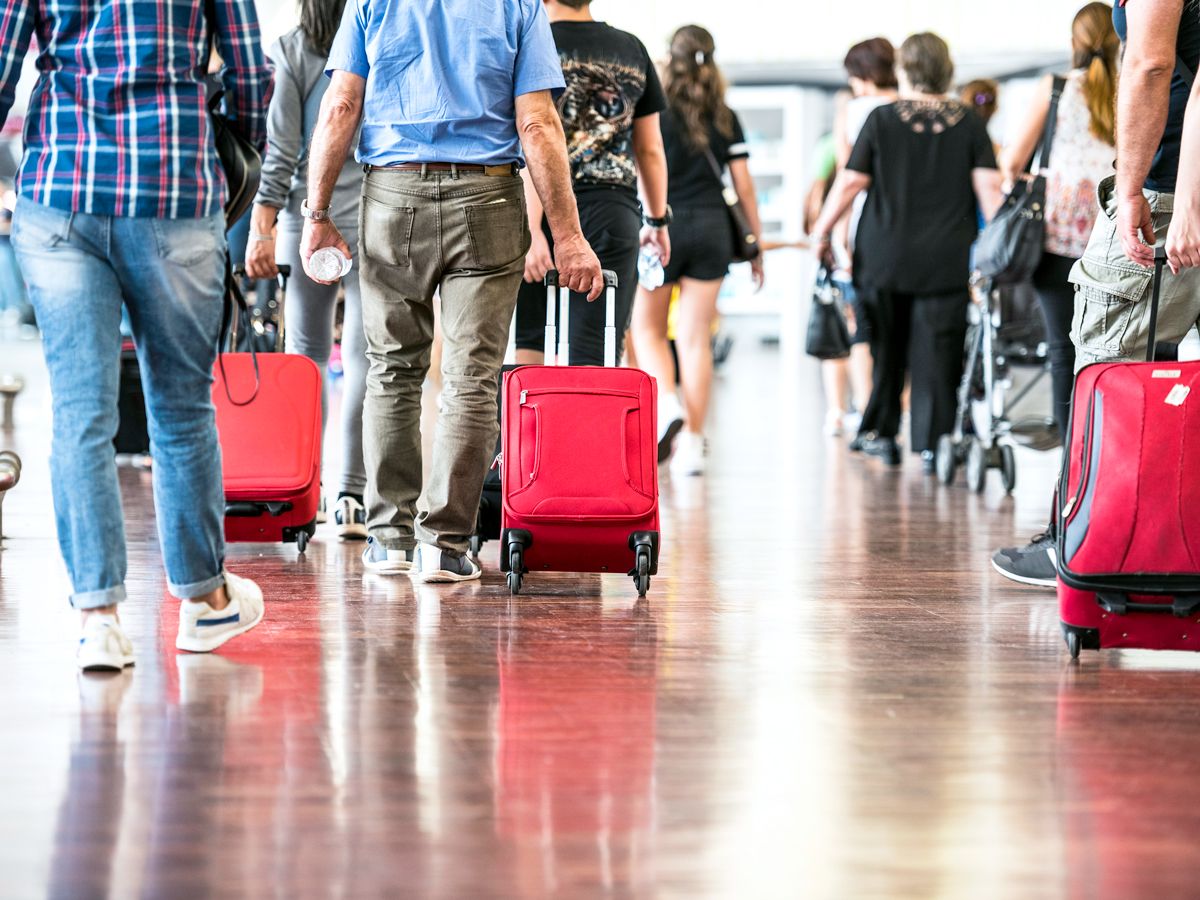
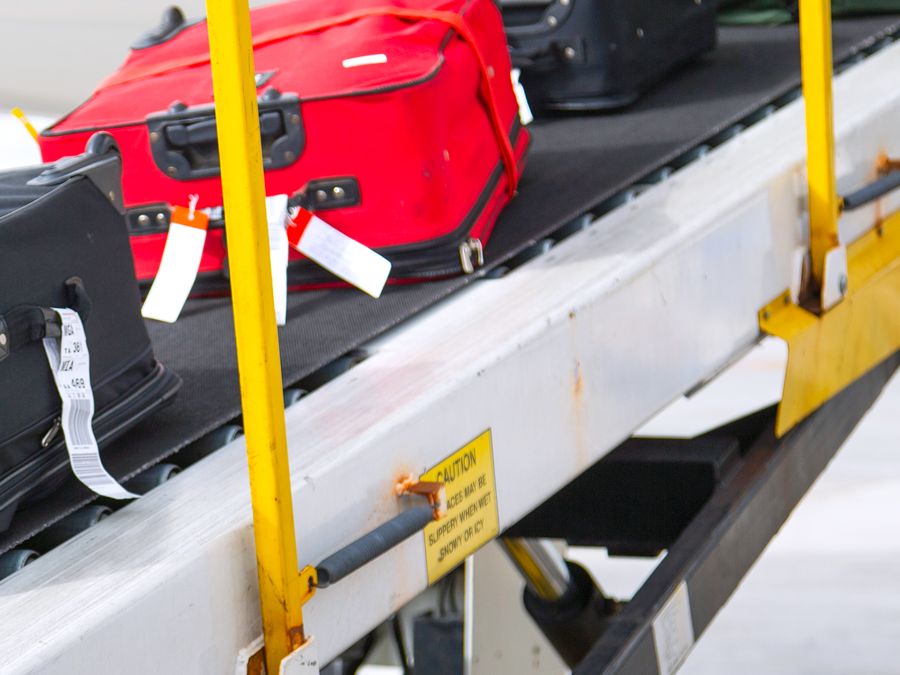
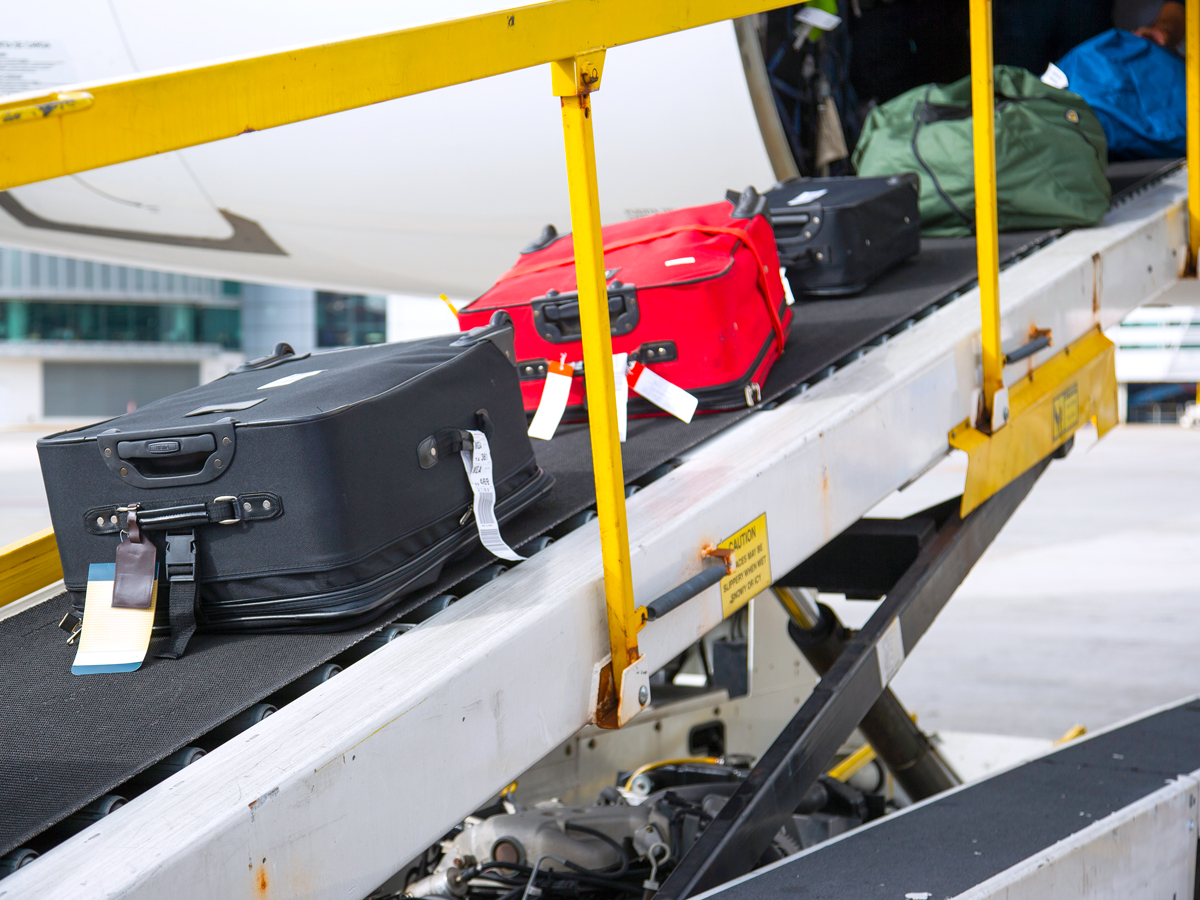
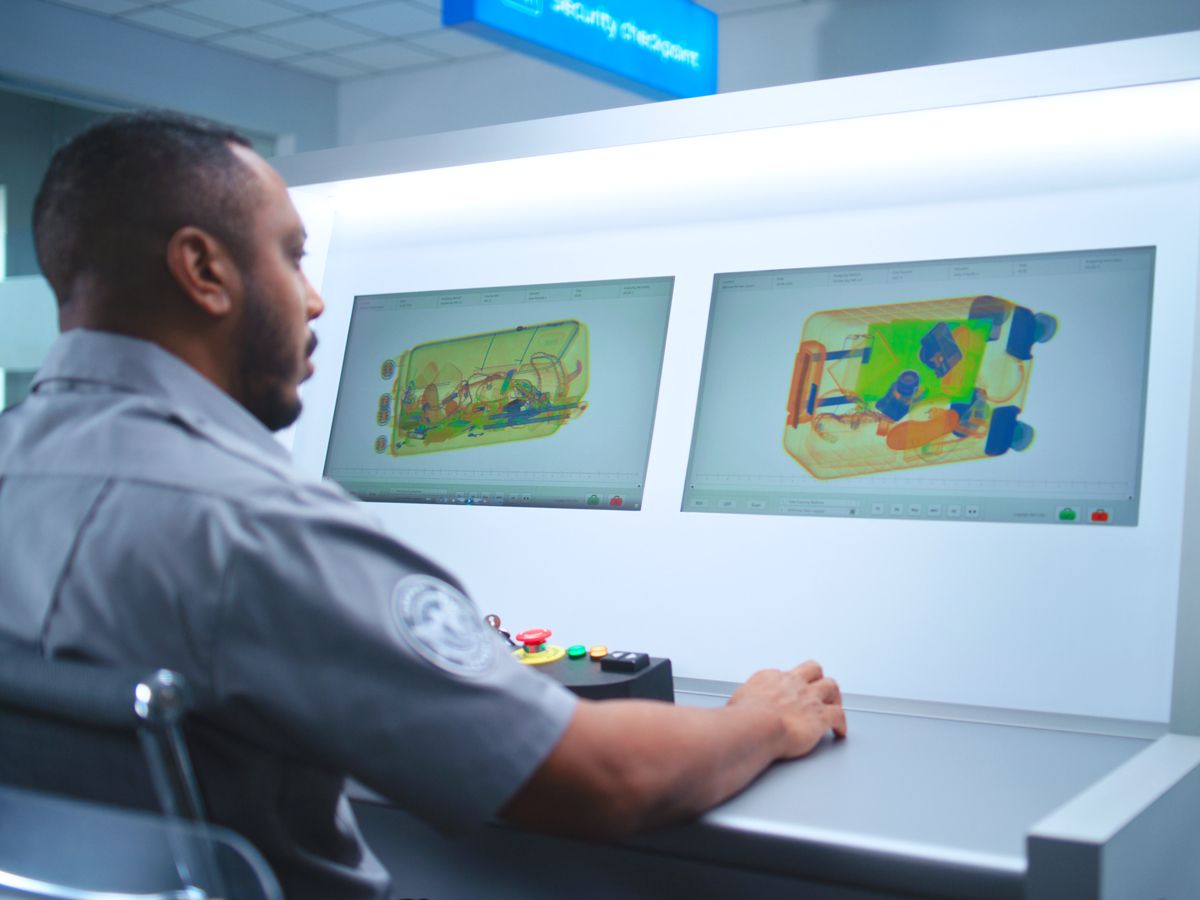
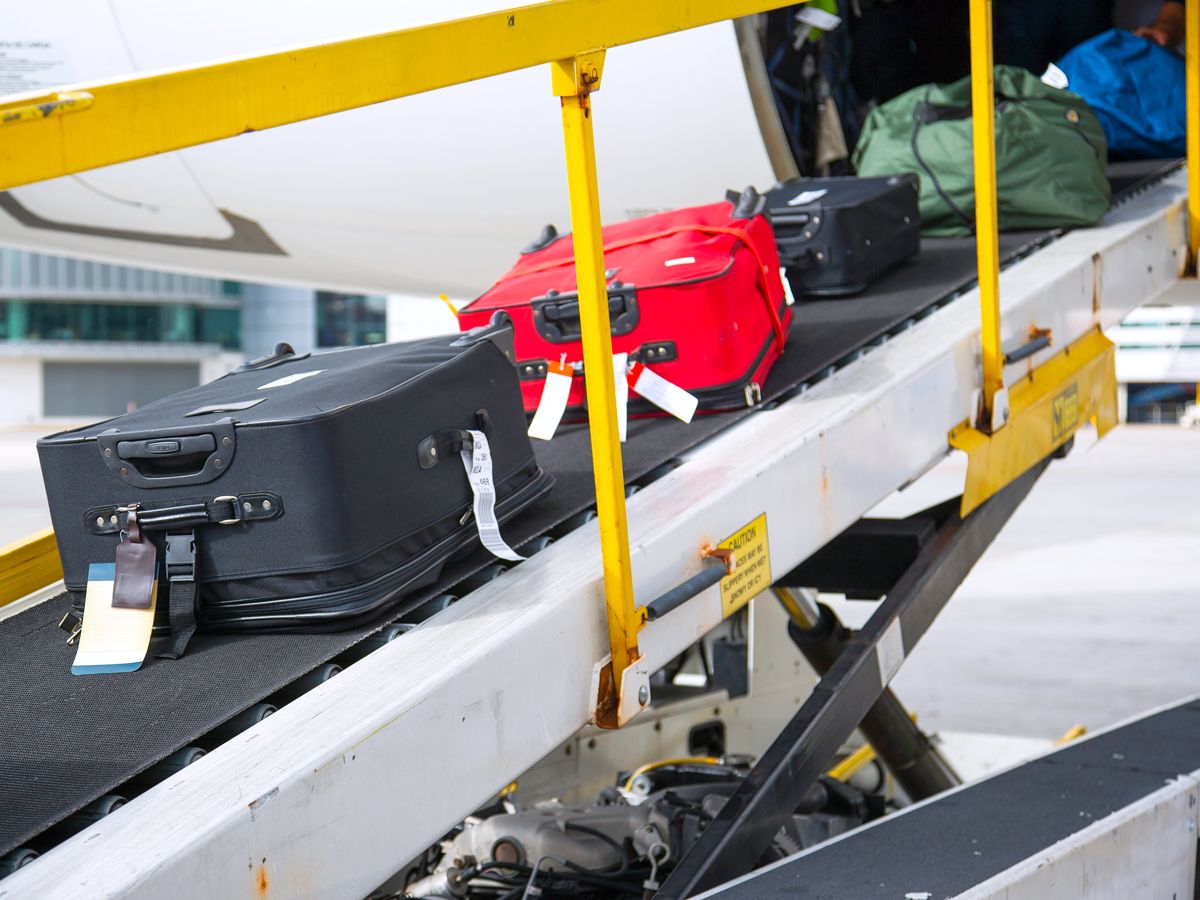
It’s not something any traveler wants, but occasionally bags get lost or damaged while in transit. If it happens to you, knowing your rights is essential. Under DOT regulations for domestic travel and the Montreal Convention of 1999 for international journeys, air passengers have specific rights in relation to damaged baggage. Different rules apply if you’re traveling by road or rail. Below, take a look at your rights and responsibilities and find helpful tips on what to do if your suitcase gets damaged while traveling.
When traveling by air, the airline is responsible for any damage caused while it was carrying your baggage. In the event of damage, the airline can offer to repair it, but if that’s not possible, they must provide reimbursement. If you’ve traveled within the U.S., DOT regulations stipulate that the maximum a passenger can claim is $3,800.
For most flights overseas, the Montreal Convention comes into play. It currently sets the airline’s maximum liability at about $1,700 USD per passenger. In theory, an airline can offer more than this, but it’s not required to by law. Note that the basis for compensation is the current state of the bag and its contents, not the value of the bag as new. If you believe the TSA has damaged your bag during an inspection (opened bags will be stickered), you should contact the agency instead.
What Kind of Damage Can You Claim?
Credit: simon2579/ E+ via Getty Images
Claims can be made only for damage that is not deemed natural wear and tear. Preexisting damage is also not considered the airline’s responsibility, so make sure you are able to prove what the condition of your bags was before they left your sight. You’ll also need to demonstrate that you packaged any fragile items in such a way that it should have been possible to transport them without damage.
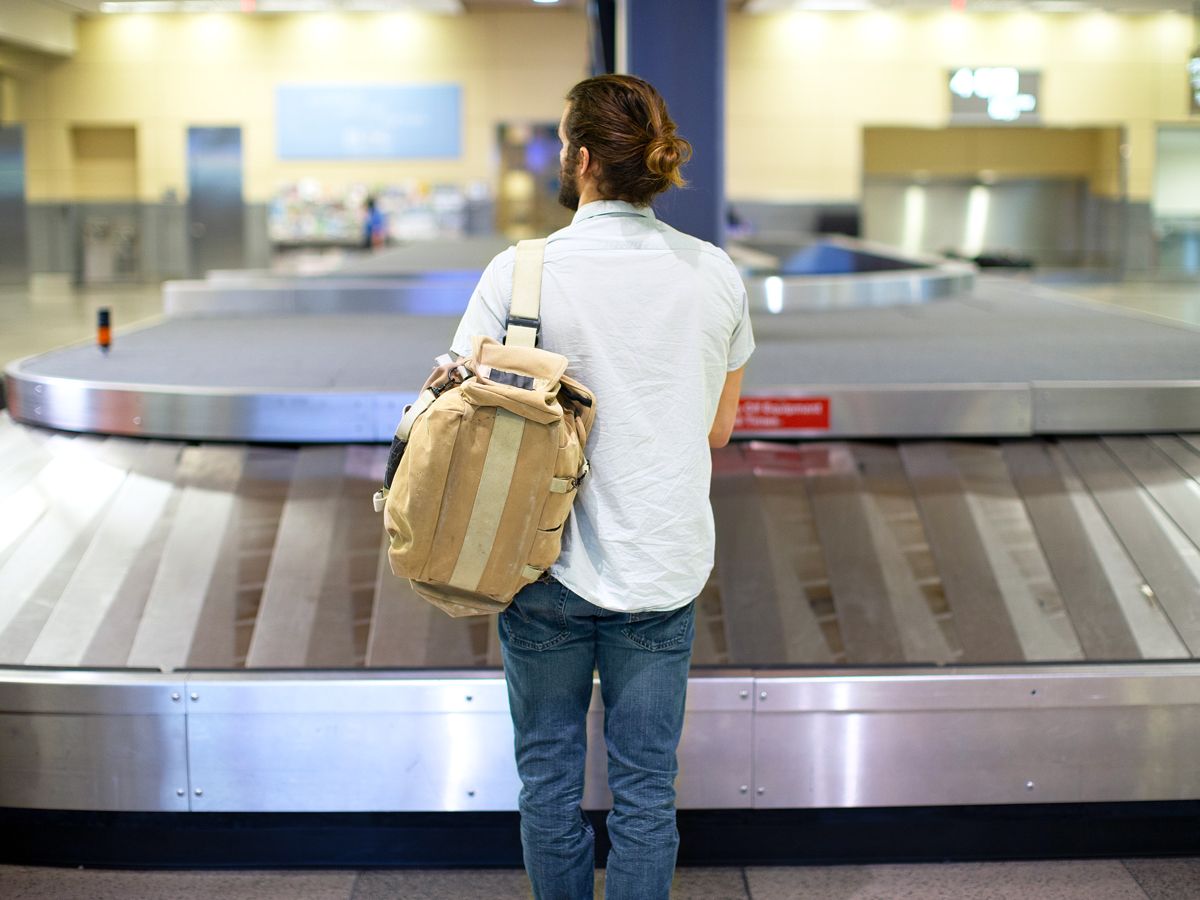
Airlines generally have a physical customer service desk near the baggage claim where you can report damage to your bags and fill out a report. Once you’ve completed this form, you will receive a reference number, which you can use for status updates about the reimbursement process.
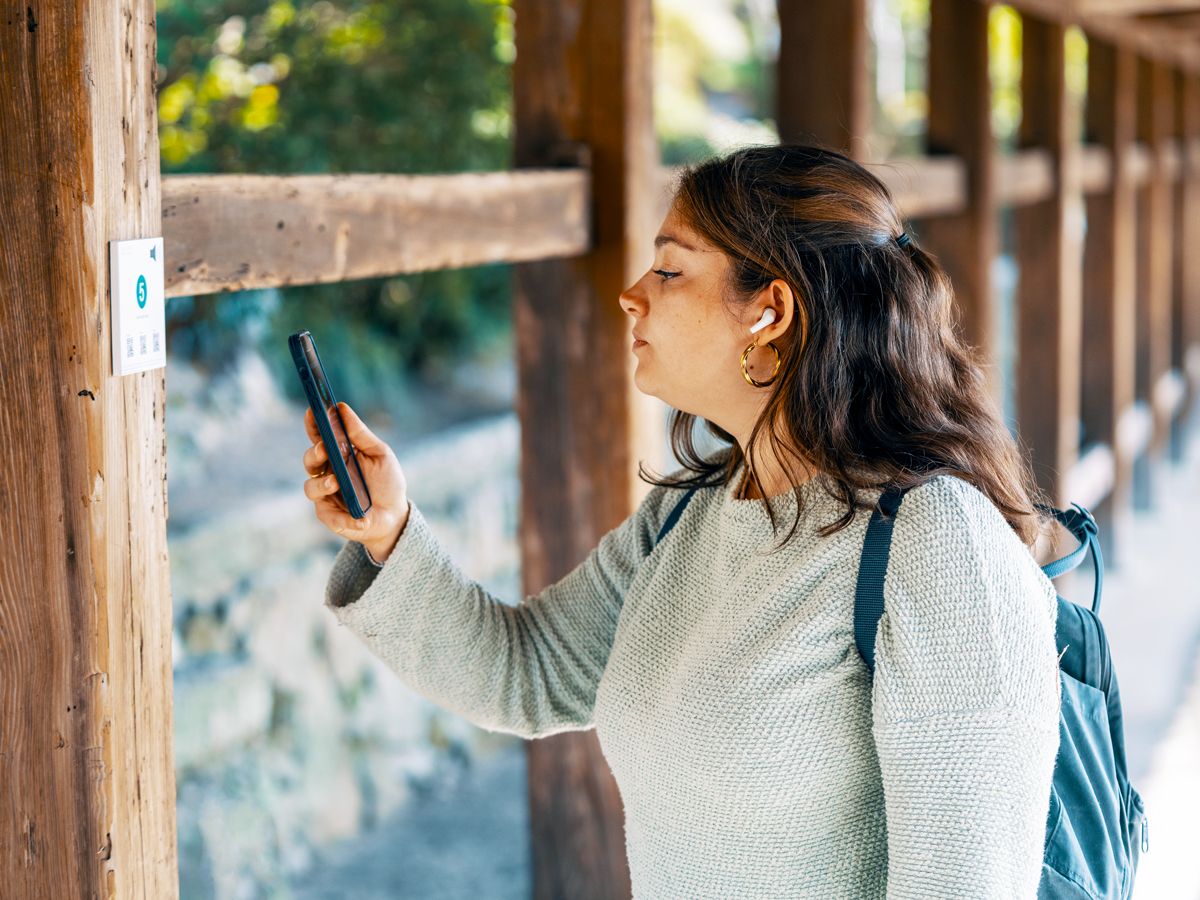
In some cases, there may be an alternative method for filing a report online. For instance, if you are flying with American Airlines in the U.S. (including Puerto Rico or the U.S. Virgin Islands), look for a QR code displayed near the baggage carousel. Scan the code on your smartphone and log the damage either using the number on your bag tag or your AA confirmation code. United Airlines offers passengers the option of reporting a damaged bag by calling the Baggage Recovery Center at 1-800-335-2247 (International 1-281-821-3526) or by texting “BAGS” to 32050.
Typically, you have 24 hours to report damage that occurs within the U.S. and seven days to do so for international travel. However, in some parts of the world, if you leave the airport without reporting any damage, it is assumed under law that the bag was intact and therefore the airline has no obligation to process a subsequent claim. Regardless of where the damage has been spotted, it’s prudent to always act promptly.
What About Bus or Train Travel?
Credit: Maskot via Getty Images
Greyhound, which operates the largest intercity bus service in North America, takes a single-minded approach to transporting bags: They’re not liable. The company’s terms and conditions state that passengers must take full responsibility for the items they carry, whether they load them into the luggage compartment or bring them on board.
Amtrak’s policy is a little more generous. However, if you take any item as a carry-on, the company accepts no liability for any damage. While you may choose to check larger items, you won’t be able to claim compensation for any damage that could be considered the result of regular wear and tear.
For baggage handled by the Red Cap service, Amtrak’s free baggage assistance, you could receive a maximum of $50 per damaged item, while checked baggage claims typically max out at $500 per ticketed passenger. To be able to file a claim, make sure you report any damage before leaving the station and submit the necessary paperwork within 30 days.
It’s worth taking a few additional steps prior to your trip that could prove helpful if you are unlucky enough to experience a damaged suitcase while traveling. First, keep the receipt from your suitcase and significant items you’re carrying in it, especially if it’s relatively new or expensive. This may help you prove its value.
Second, check your empty bag carefully before you start to pack. Ensure that handles are securely attached and wheels are in full working order. Carry out any repairs before leaving for your trip, or swap it out for a different bag.
You also should take care not to overpack, as this can place stress on zippers, fastenings, and seams. And it’s a good idea to photograph your suitcase or bag before you check it so that you have proof of the condition it was in before you handed it over. Doing so will help if you need to seek compensation or make an insurance claim.
Advertisement
More from our network
Daily Passport is part of Inbox Studio, an email-first media company. *Indicates a third-party property.
When Is a Town Big Enough To Be Considered a City?
By
Julia Hammond
Read time: 4 minutes
January 9, 2025
Updated: January 9, 2025
When Is a Town Big Enough To Be Considered a City?
Geography •January 9, 2025•Updated: January 9, 2025
By Julia Hammond
Author
Julia Hammond
Julia is a U.K.-based travel writer whose work has been featured in The Independent, The Telegraph, The New Zealand Herald, and Culture Trip, among others. She’s an enthusiastic advocate for independent travel and a passionate geographer who has had the privilege of traveling to more than 130 countries in search of a story.
What’s the difference between a town and a city? The answer depends on where you are. In some countries, for instance, the status of a settlement is determined by its population. Even so, there’s no standard measure to define an urban area. According to the World Bank, “That size can be 200 (as in Denmark), 2,000 (Argentina), 5,000 (India), 50,000 (Japan), or even 100,000 (China).” Others don’t base the definition around population at all. In the U.K., for example, a city would historically have had to contain a cathedral; now it requires official recognition in the form of a letters patent issued by the monarch. But what about urban areas closer to home? Take a look at when a town is big enough to be considered a city in the U.S. and three interesting examples across the country.
Types of Incorporated Places in the U.S.
Credit: Briana Ingram/ E+ via Getty Images
In the U.S., the Bureau of the Census makes the distinction between legally incorporated settlements and census designated places (CDPs). On a basic level, incorporated places have a legally defined boundary and are entitled to receive specific services from the state. In contrast, CDPs have no functioning governmental structure. Often, the latter places receive services from county governments on an unofficial basis, though in some states they may have limited representation.
Incorporated places can take a variety of forms, including cities, towns, villages, and boroughs. Interestingly, New Jersey is the only state to have all four. In 11 states (among them Alaska, Iowa, Minnesota, and Rhode Island), incorporated places can only be cities.
Even when comparing each type of incorporated place, the minutiae involved in such categorization differ from state to state. For example, while states such as Colorado and Mississippi set a population of 2,000 for a place to be considered a city, this figure can be 10,000 or more in places like Pennsylvania and Massachusetts, and as low as 125 in Idaho.
In South Carolina, the definition of a city is generally calculated by population density, but it varies according to whether you live near the ocean or not. Meanwhile, in Ohio, not only is the population requirement for new cities relatively high (25,000), but any candidate would also need to meet specific criteria in terms of area, population density, and assessed property values.
Some states set no population requirement at all. California, for example, doesn’t differentiate between cities and towns, while Hawaii doesn’t have incorporated settlements — everywhere is simply classified as a Census Designated Place.
A New York Village That Wants To Become a City
Credit: Alex Potemkin/ E+ via Getty Images
The way urban areas are incorporated sometimes results in some curious anomalies. Take, for instance, the case of the village of Hempstead, New York, which forms part of the town of Hempstead on Long Island.
It was originally settled by the Dutch in 1664. More recently, nearby Roosevelt Field was where Charles Lindbergh took off for his historic first solo, nonstop transatlantic flight to Paris in 1927.
Interestingly, the population of Hempstead village was 59,169 at the last census, making it larger than many other cities in New York, including Niagara Falls (population 48,671) and Poughkeepsie (31,577). According to the Rockefeller Institute of Government, the village is revisiting earlier discussions about converting to cityhood. Benefits would include civic prestige and access to greater state funding. As of early 2025, Hempstead has appointed a City Charter Commission Advisory Board to steer the process.
The Massachusetts Town That Decided It Was Time for a Change
Framingham was formerly Massachusetts’ largest town. But in 2017, this settlement, with a population of about 70,000 people, voted by a narrow margin to become a city. Those in favor of the change argued that, by replacing the town’s manager with a mayor and city council, there would be more accountability, and financial decision-making would become more effective. Opponents to change feared that centralizing power would make it harder for local voices to be heard.
Though it officially transitioned to a city in 2018, Framingham is still a place where it’s easy to immerse yourself in the outdoors. Visit the Garden in the Woods, a botanical garden with more than a thousand species of wildflowers, or hike the scenic trails of the 820-acre Callahan State Park.
A New Mexico Municipality That Chooses To Be a Town
Though neighboring Taos Pueblo is significantly older, the town of Taos can trace its history back to 1540 and the arrival of Capitan Hernando Alvarado, part of the expedition led by Spanish conquistador Francisco Vasquez de Coronado. By 1615, it had become a formal settlement, part of the Spanish colony.
In 1848, Mexico formally ceded the territory to the U.S. under the Treaty of Hidalgo, though New Mexico didn’t achieve statehood until 1912. In 1934, Taos was incorporated as a town.
According to the Bureau of the Census, New Mexico doesn’t differentiate between cities, towns, and villages. There’s a minimum population requirement in place of 150, coupled with the need for a population density of at least one person per acre. As of the last census, Taos is home to 6,567 people, and it considers itself a town. Taos is a magnet for visitors thanks to its adobe buildings, nearby ski area, and proximity to Taos Pueblo.
Advertisement
More from our network
Daily Passport is part of Inbox Studio, an email-first media company. *Indicates a third-party property.
5 of the Best U.S. National Parks To Visit in Winter
By
Michael Nordine
Read time: 3 minutes
January 9, 2025
Updated: January 9, 2025
5 of the Best U.S. National Parks To Visit in Winter
Outdoors •January 9, 2025•Updated: January 9, 2025
By Michael Nordine
Author
Michael Nordine
Michael is a staff writer for Daily Passport and film critic who writes the weekly newsletter Movie Brief. His writing and criticism have also appeared in the Los Angeles Times, Variety, and the Washington Post, among others. A native Angeleno, his favorite countries to visit are Norway and Japan.
There are 63 national parks in the United States. From Yellowstone, the first national park, to Gateway Arch, the smallest national park, all 63 parks are worth seeing. But some are best visited at certain times of year, and a handful of them are especially lovely when temperatures drop and the sun sets early. Here are five of the best national parks to check out in winter.
The red rocks of Arches National Park are striking any time of year, but never more so than when contrasted with white snow. There are more than 2,000 of the natural sandstone arches that give one of Utah’s most beautiful spots its name, and there’s no time like the winter to see them.
All manner of formations can be found there, from windows and spires to natural bridges and balanced rocks, and protecting them is the park’s official purpose. It’s a delicate ecosystem — despite how sturdy they look, many of these features are actually quite fragile — so tread carefully when taking in their splendor.
Death Valley National Park – California
Credit: 4kodiak/ iStock via Getty Images Plus
Death Valley is hot — really hot. The highest temperature ever recorded, a sizzling 134.1 degrees Fahrenheit, took place here on July 10, 1913, and triple-digit temperatures are the norm throughout the summer. But it’s a much milder story during the winter months, which makes Death Valley National Park an ideal park to visit when cold weather descends on much of the U.S. In January, the average high temperature in Death Valley is 60 degrees Fahrenheit, while February is 73 degrees.
The largest national park in the lower 48, Death Valley is also the lowest, hottest, and driest park in the country. Badwater Basin, which at 282 feet below sea level is the lowest point in America, is an essential stop, and there are few better places to stargaze.
If you don’t need an abundance of daylight to enjoy yourself, consider visiting Denali National Park. You can expect about 4.5 hours of sunlight in mid-December, but that isn’t to say that a trip to one of Alaska’s most scenic spots will be gloomy. It’s there you can see Denali itself, which at 20,310 feet is the tallest peak in North America. There’s also the aurora borealis (aka the northern lights), sled dogs who will give you a ride, and a range of wildlife best seen from afar — namely bears, wolves, and moose.
If you prefer warm weather year-round, Hawaii may be the place for you — particularly Maui, which is home to Haleakalā National Park. The park is named for the eponymous volcano, which forms some 75% of the island. Its name means “house of the sun,” and its highest peak stands at 10,023 feet.
There are few better places to watch the sunrise, which is such a beloved attraction that it requires a reservation. Meanwhile, the Sliding Sands, or Keonehe’ehe’e Trail, is a must for experienced hikers. It takes you from the volcano’s peak down to its crater, which is otherworldly in both color and formation. Once there, you can even camp if you’re lucky enough to secure a cabin.
Acadia National Park – Maine
Credit: Douglas Rissing/ iStock via Getty Images Plus
Though it might not have the name recognition of Yellowstone or Yosemite, Acadia National Park is actually one of the 10 most-visited national parks in the country. More than 4 million people descend upon Maine to see it each year, and for good reason: It’s uniquely gorgeous, situated as it is against the Atlantic and home to more than 158 miles of hiking trails.
Spread across Mount Desert Island, the Schoodic Peninsula, Isle au Haut, and 16 smaller islands, Acadia was first established as Lafayette National Park in 1919 — the first national park east of the Mississippi River — before taking its current name in 1929.
Advertisement
More from our network
Daily Passport is part of Inbox Studio, an email-first media company. *Indicates a third-party property.

Rachel is a Washington, D.C.–based travel and lifestyle writer with roots in the Great Lakes region. When she’s not writing for publications such as The Discoverer and Interesting Facts, you’ll find her wandering through museums or exploring destinations off the beaten path.
According to a 2018 survey by YouGov, nearly two-thirds of Americans bring home souvenirs from their travels. While grabbing the first trinket that catches your eye at the airport gift shop is tempting, many travelers opt for something more thoughtful that captures the essence of their vacation. For instance, I once brought home a small cactus from Arizona (I checked airline guidelines first!), a quirky yet memorable reminder of my adventure. Souvenirs are a great way to embrace different cultures, support local artisans, and invest in your own memories. As a travel writer and frequent traveler, here are a few of my tips to help you choose meaningful keepsakes you’ll cherish for years to come.
Instead of resorting to last-minute souvenir items like airport keychains, set aside some time in your itinerary for shopping. Make exploring local boutiques, artisan markets, and flea markets part of your vacation experience. Search for places that offer authentic, one-of-a-kind treasures — when in doubt, ask a local for recommendations on where to shop.
Avoiding tourist trap markets allows you to interact with vendors and learn about the history or craftsmanship behind your purchases. You’ll gain a better understanding of the culture than you would at a commercial retailer, and you’re helping the local economy by shopping at a small business. Whether it’s a handwoven scarf, a locally sourced soap, or handmade pottery, these souvenirs often carry a much richer story than anything you’d find in a chain store.
Another fun way to enhance your souvenir hunt is to start a collection. This can take the stress out of the search, since you already know what you’re looking for. Consider starting a collection of something small but meaningful, like postcards, magnets, ornaments, mugs, or coasters. Some travelers opt for artwork from local artists, such as paintings, sketches, or photographs.
Though they don’t typically fall into the above category of one-of-a-kind treasures, I enjoy collecting magnets from all the cities I’ve visited, as they’re a relatively easy-to-find keepsake. From a Dublin shamrock to a Dubai skyline, these souvenirs transport me back to those places anytime I look at them. Whether you’re admiring your wall art, putting ornaments on your Christmas tree, or picking a mug for your morning coffee, a collection offers a tangible way to relive those fond travel memories.
Focus on Functionality
Credit: d3sign/ Moment via Getty Images
While ornaments and magnets make lovely souvenirs, you might prefer something more functional to use in your everyday life. Edible souvenirs — such as locally produced coffee, tea, jams, chocolates, or unique alcoholic drinks — are great options. Some favorite foodie finds from my travels have included Greek olive oil, Scottish shortbread, and Vermont maple syrup.
Wearable souvenirs — like scarves, sweaters, hats, and perfumes — are among my favorite keepsakes, too. Whenever I put on the sweater I purchased during a birthday trip to London, I recall all the happy memories from my adventure. If you’re short on luggage space, consider jewelry. One way to make this option more affordable is to curate your own travel charm bracelet, adding a new charm for each place you visit.
Try Do-It-Yourself Souvenirs
Credit: krisanapong detraphiphat/ Moment via Getty Images
To really immerse yourself in the local culture, consider partaking in a hands-on traditional experience. There are plenty of amazing traditions around the world that also give you a take-home keepsake at the end — a DIY souvenir, if you will.
Some unique experiences include a gold panning adventure in Alaska, a bean-to-bar chocolate-making class in Peru, or learning the Japanese art of kintsugi, an ancient pottery technique. Not only are you learning something new, but you’re also receiving a unique, personalized memento — and a fun story to tell.
Save Your “Junk”
Credit: benedek/ iStock via Getty Images Plus
Sometimes, the best souvenirs are free. A growing trend among travelers is junk journaling. This unique type of scrapbook utilizes relics from everyday life that would ultimately end up in the landfill. This could include anything from restaurant receipts to subway tickets, maps, brochures, hotel cards, or disposable menus.
Once you’re home, use the “junk” along with pictures from your trip to create a unique keepsake journal as a visual record of your travels. You might be surprised at how many extra memories you recall by preserving the small, often overlooked items from a trip.
As tempting as it may be to collect keepsakes from every stop on your journey, remember that packing space is limited. Avoid bulging bags and excess airline fees by being mindful of your purchases. Focus on quality over quantity — what you’ll truly cherish and use over time, whether it’s a drawing of your favorite city or a jar of locally sourced honey.
If you pick up something delicate or bulky, such as a bottle of local wine or a handmade vase, ask the store if they offer shipping services. Many specialty shops are happy to help mail your purchase to avoid packing mishaps. This way, these tangible memories arrive safely home for you or your loved ones to enjoy.
Advertisement
More from our network
Daily Passport is part of Inbox Studio, an email-first media company. *Indicates a third-party property.

5 Winter Festivals You Need To Experience at Least Once
By
Fiona Mokry
Read time: 4 minutes
December 20, 2024
Updated: December 20, 2024
5 Winter Festivals You Need To Experience at Least Once
Outdoors •December 20, 2024•Updated: December 20, 2024
By Fiona Mokry
Author
Fiona Mokry
Fiona has spent her career exploring the world and working in the travel industry, turning her lifelong passion into a profession. From planning custom trips to sharing stories as a travel writer for publications such as The Discoverer, she’s all about helping others experience the world in a deeper, more meaningful way.
Sure, the cold weather gets a little old — but why not embrace the chill this season and experience all its possibilities? From awe-inspiring ice sculptures north of the border to captivating snow-carving competitions in the U.S., winter festivals transform the chilly season into a celebration of creativity and community, offering something unforgettable to look forward to during the colder months. Here are five of the most unique winter festivals in the world.
In winter, this corner of the Canadian Rockies comes alive with intricately carved snow sculptures at the annual SnowDays Festival. Over several weeks in late January and early February, visitors can admire larger-than-life sculptures that are scattered through downtown Banff in Canada’s first national park.
Just a few miles away on Lake Louise, the Ice Magic Festival features world-class carvers who skillfully craft stunning ice sculptures before the eyes of awestruck onlookers. The event transforms the iconic lake into an outdoor museum showcasing extraordinary ice art creations.
In addition to snow and ice sculptures, festivalgoers can enjoy live entertainment — from music and dancing to hula hooping and circus acts. Perhaps the most captivating event is Skijoring, in which athletes perform circus-style tricks on skis and snowboards, soaring off human-made jumps set up right in the heart of the town.
Fire & Ice Festival – Canandaigua, New York
Photo credit: Image courtesy of Fire & Ice Winter Festival Facebook
The Fire & Ice Festival in the Finger Lakes region of upstate New York gets a lot of attention for its unique attractions. Ice sculpting and speed carving competitions result in impressive displays around the town of Canandaigua, while live fire performers keep visitors riveted and the Winter Market features local vendors offering unique crafts and seasonal treats. And what would a winter festival be without a frozen T-shirt contest?
Other activities on offer at 2025’s festival — taking place the weekend of February 22 to 23 — include candlemaking, axe throwing, and glass flaming. Or for a more mellow vibe, kick back with a hot beverage in the back of a horse-drawn carriage and take in the dazzling seasonal displays illuminating the winter landscape after dark.
International Snow Sculpture Championships – Breckenridge, Colorado
Breckenridge’s renowned International Snow Sculpture Championships is a five-day event that attracts international artists who excel in the craft of snow sculpting. From January 20 to 24, 2025, 12 teams of skilled sculptors from around the world will work on a 25-ton block of snow. Most teams plan to carve around the clock to maximize their time. After a grueling 96 hours with just hand tools (no power tools allowed), the competition ends with a stunning display of snowmanship artistry in downtown Breckenridge.
Reservations are required for admittance into the sculpting area to watch the action, but the finished sculptures are open to the public and free to view from January 24 through January 29. While in Breckenridge, save time to wander the historic downtown area, lined with charming Victorian architecture, boutique shops, art galleries, and delicious restaurants.
In February 2025, Sapporo will celebrate the 75th annual Sapporo Snow Festival. The cherished event got its start back in 1950, when a group of schoolchildren created six snow sculptures in Odori Park. Since then, the festival has grown considerably, and now spans three sites throughout the city: the original Odori Site, the Susukino Site, and the Tsu Dome Site.
Odori is home to the largest collection of snow sculptures, with some towering over 80 feet tall. It hosts a variety of concerts and events that attract crowds eager to revel in the festivities. The best vantage point of the impressive display is from the Sapporo TV Tower, where visitors can gaze upon the illuminated sculptures as they light up the night.
A few blocks south, in Sapporo’s lively entertainment district, the Susukino Site showcases nearly 100 ice sculptures, which are beautifully illuminated after dark. Last but not least, the nearby Tsu Dome Site offers a fun-filled experience with snow slides for sledding and snow rafting, making it an appealing destination for families.
Each January, the capital of this Baltic country comes alive with vibrant light displays as the city hosts the spectacular Vilnius Light Festival. The annual event, which first took place in 2019, features remarkable light installations and digital art created by both international and local artists.
The historic Old Town, one of the largest and most beautiful medieval old towns in Europe, is the hub of the festival, with installations ranging from cosmic depictions to abstract shapes and mesmerizing light projections on the city’s most famous buildings.
Around 200,000 attendees come to experience the magic, which celebrates the city’s birthday on January 25. While in Vilnius, be sure to visit Gediminas Castle Tower, which offers views over the city, as well as the Vilnius Cathedral, one of Lithuania’s most important religious landmarks, and the Gates of Dawn, a significant pilgrimage site with a 16th-century chapel.
Advertisement
More from our network
Daily Passport is part of Inbox Studio, an email-first media company. *Indicates a third-party property.

Tips •December 20, 2024•Updated: December 20, 2024
By Bennett Kleinman
Author
Bennett Kleinman
Bennett is a New York City-based staff writer for Daily Passport. He previously contributed to television programs such as the Late Show With David Letterman, as well as digital publications like the Onion. Bennett has traveled to 48 U.S. states and all 30 Major League Baseball stadiums.
Travel is expensive enough, even if you stick to the basics and forgo any upgrades. So when it comes to renting a car on your trip, you’re left with an often difficult choice: Is it worth it to pay more for rental insurance? On one hand, insurance provides peace of mind, but on the other, it may seem like an unnecessary expenditure that rarely comes in handy. Before you book your next rental vehicle, here’s how to decide whether adding car rental insurance is truly worth it.
When you rent a car, you may be offered a number of upsell options such as satellite radio, GPS, toll coverage, and of course, insurance. There are several variations of car rental insurance to understand:
• Collision Damage Waiver: While sometimes included in the basic rental agreement, collision damage waivers (sometimes called loss damage waivers) provide coverage in the event of any damage to the bodywork of the rental car while it is in your possession. The CDW is not technically insurance, but rather an agreement for the rental company to waive your liability for the total cost of the damages.. Be sure to read the fine print carefully as to what is covered under the CDW — damage to features like the windows or wheels is sometimes excluded (but coverage may be available for an additional daily cost).
• Theft Protection: In the event a vehicle is stolen, you won’t be responsible for paying the entire value of the car. Just be sure to check your agreement carefully, as there are ways you can invalidate this coverage, such as by leaving the keys in the ignition.
• Personal Accident Insurance: If you or anyone traveling in your rental car is injured in an accident, this option provides coverage for medical costs, such as ambulance transportation to a hospital.
• Personal Effects Coverage: While standard theft protection covers the car itself, you can also pay for personal effects coverage in order to protect your personal belongings inside the vehicle. If this is not offered by the car rental company, you can buy it through a third-party service provider.
• Third-Party Liability: This type of coverage partially protects you against any claims filed for damaging another person’s vehicle or property, or for injuring another person with your rental vehicle. Many companies offer a basic tier plus supplemental liability protection, which ups your coverage.
• Roadside Assistance: In the event your car breaks down, buying roadside assistance from the rental company can provide you with direct service to help you get back on your way.
If you have either a credit card or insurance for your personal vehicle, then you may be afforded certain protections that extend to your rental car. As Consumer Reports notes, many personal automobile insurance plans will cover incidents with your rental car.
The amount of coverage varies from plan to plan, so contact your personal insurance provider for more details. You may still end up paying a deductible in the end, which is an additional factor to consider when weighing the daily cost of coverage from the rental company.
While most credit cards don’t offer primary rental car coverage (though there are exceptions, such as the Chase Sapphire Reserve), many card issuers provide card holders with a supplemental benefit known as secondary coverage. Once you’ve maxed out personal auto insurance coverage, your credit card company will cover some, but usually not all, additional claim charges.
Check with your credit card provider to see if your plan allows you any type of primary or secondary coverage on rental vehicles. Note that typically, you’ll have to pay the entire cost of the rental with your card and decline coverage from the car rental agency in order for your credit card coverage to take effect.
If you don’t have personal car insurance or a credit card that offers car rental coverage, then buying insurance from the car rental company may be a good option. Without any coverage to fall back on, you could be left on the hook for thousands of dollars in the event of theft or an accident.
Another circumstance in which you should purchase rental insurance is if the car you’re renting is worth considerably more than the one you own. Insurance provider Geico notes that “if you’re renting a car in the U.S. of similar value to your personal car, it is likely that your auto insurance coverage will be adequate for the rental.” However, expensive luxury vehicles such as sports cars wouldn’t be covered by your personal plan, unless you own a luxury car back home.
Additionally, while your existing insurance may provide adequate coverage if you’re renting in the U.S. or Canada, it can be a different story when renting a car abroad. Some countries, such as Italy, even require foreign renters to purchase a collision damage waiver. In some cases, your personal auto coverage may not be valid outside the U.S. or Canada, so it may be a good idea to add the collision damage waiver or other insurance options from the car rental provider to make sure you’re covered.
At the end of the day, while it’s an additional cost to consider, the most obvious benefit to purchasing additional rental coverage is the peace of mind that it provides. Without rental insurance, you may be left in a constant state of panic worrying about getting even the smallest scratch on your rental car. But if you do your due diligence, you may already be covered with your existing options and can forgo the extra cost.
Advertisement
More from our network
Daily Passport is part of Inbox Studio, an email-first media company. *Indicates a third-party property.

5 Destinations That Are Even Better in the Off-Season
By
Nicole Villeneuve
Read time: 5 minutes
December 20, 2024
Updated: December 20, 2024
5 Destinations That Are Even Better in the Off-Season
Tips •December 20, 2024•Updated: December 20, 2024
By Nicole Villeneuve
Author
Nicole Villeneuve
Nicole is a writer and researcher with over 15 years of experience seeking out arts, culture, and lifestyle stories in places like remote northern Quebec and the unforgettable streets of Amsterdam. Her work has also appeared in PureWow, Brit + Co, AUX TV, and CBC.
Peak tourism seasons are popular for a reason, but they also come with drawbacks — namely, crowded spaces, long lines, and premium prices on flights and accommodations. If you’re looking to avoid these downsides, consider traveling during the off-season or the shoulder season. “Off-season” refers to the time of year when a destination experiences its lowest levels of tourism (usually dictated by school calendars and weather patterns), while “shoulder season” refers to the time just before or after peak season. Depending on the destination, the benefit to both periods can be thinner crowds but still-favorable weather — and if you’re lucky, it might mean some significant savings, too. Here are five places worth checking out in the off-season.
During peak summer season in Venice, upwards of 110,000 tourists visit its historic city center a single day — more than double its population of about 50,000. But the Floating City dazzles year-round, and visiting in the off-season means you’ll not only avoid the majority of the crowds, but also help to mitigate the effects of overtourism that have been plaguing Venice for years.
Crowd numbers and sweltering summer temps start to drop come October, but the true off-season runs from about November to May. Winter in Northern Italy brings cooler temps, ranging from about 30 to 50 degrees Fahrenheit, and it might also feature a notorious Venice rite of passage: winter flooding, known as acqua alta (high water).
The flooding typically occurs between October and early spring, when tides are high and Venice’s natural state of sinking causes the city’s streets and squares to fill with water. In recent years, though, dams have reduced the amount of flooding. A winter visit might mean a chance to see the city sprinkled with a dusting of snow, too.
Come winter, major attractions like St. Mark’s Square and its exquisite Basilica, the Doge’s Palace, and a gondola ride on the iconic canals will be less crowded. And so will local shops and restaurants, offering a chance to fall in step with the local day-to-day rhythm. The city comes back to life during January and February for Carnival season, which might not be the best time to score travel deals, but is certainly a European experience to remember.
Kyoto’s autumn foliage rivals its famous cherry blossoms in both beauty and visitor numbers, so visiting during these peak periods from March to May and October to mid-December is going to be busy — and pricey. In contrast, the off-season is a serene but no less memorable time to experience Japan’s former capital.
While snow is rare in Kyoto, it dusts the city a few times throughout the winter, transforming landmarks like the Golden Pavilion (Kinkaku-ji) and the bamboo groves of Arashiyama into tranquil, dreamlike scenes. There are also fewer crowds at popular spots like the Fushimi Inari shrine’s famous red torii gates and the centuries-old tea houses and famous Hanamikoji Street in Gion.
In winter, visitors can warm up with bowls of nourishing ramen or seasonal, multicourse kaiseki dinners. It’s also the perfect time to visit the many onsen (hot springs) in Kyoto’s nearby rural areas, such as Kurama or Funaoka. If you really want to see blossoms, try instead for February, when thousands of plum trees come to life at the Kitano Tenmangu Shrine.
Summer months see tourists flock to Iceland’s capital for its midnight sun and cultural life, but if you visit from late fall to early spring, you can discover a quieter, if not equally magical side of the Land of Fire and Ice.
There is no lack of spectacular sights in the off-season: Winter transforms the city into a postcard-worthy wonderland, with snow-dusted colorful rooftops and the twinkling Festival of Lights. It’s also the perfect time to chase the northern lights, best viewed just outside the city limits on clear nights.
Warm up afterward in one of Reykjavík’s many geothermal pools, and finish with people watching and a nightcap along the Laugavegur strip. Fewer tourists during the quieter months also means more opportunities to enjoy iconic landmarks such as the Hallgrimskirkja Church, a walk along Rainbow Street, or a stop at one of Reykjavík’s many cozy cafes and storied folklore sites.
Sandy beaches, lobster rolls, and classic coastal charm are all part of what makes Cape Cod a perennially popular summer destination. But visiting in the off-season, from late fall to early spring, reveals a side of the seaside spot that’s just as enchanting.
As the summer rush gives way to calm, uncrowded streets, make your way to quaint towns like Provincetown, Chatham, and Sandwich — the oldest town on Cape Cod. Landmarks such as the Cape Cod National Seashore and historic lighthouses showcase a wild, windswept winter beauty that will be all yours.
While many restaurants close during the off-season, acclaimed cuisine is still available from local favorite restaurants such as the Pheasant. The off-season also brings unique events including the Wellfleet Oyster Fest in October and Provincetown’s beloved Holly Folly, the country’s largest and oldest LGBTQ+ holiday celebration, in December.
If a brisk winter beach walk isn’t exactly your thing, push your off-season trip to early spring to see Cape Cod come alive with hydrangeas — and to go on an unforgettable whale-watching tour.
Summertime in Argentina runs from December to February. While that might be the perfect time to visit if you live in a colder climate, it does mean you’ll be faced with high prices and huge crowds — especially in the capital city of Buenos Aires.
The off-season, from May to August, is still relatively warm, and makes for a much more laid-back time to explore the historic cobblestone streets of the elegant San Telmo and trendy Palermo neighborhoods. In the latter, you can feel more like a local, lingering in cafes, relaxing in lush green spaces, and shopping in hip boutiques without the summer crowds.
Winter is also ideal for savoring the rich local cuisine — a bowl of the city’s traditional locro stew is a must, as is the Buenos Aires Tango Festival in August for dance and culture lovers.
Advertisement
More from our network
Daily Passport is part of Inbox Studio, an email-first media company. *Indicates a third-party property.

7 of the Most Anticipated New Hotels Opening in 2025
By
Marissa Kozma
Read time: 5 minutes
December 20, 2024
Updated: February 19, 2025
7 of the Most Anticipated New Hotels Opening in 2025
Tips •December 20, 2024•Updated: February 19, 2025
By Marissa Kozma
Author
Marissa Kozma
Marissa is a cheap airfare aficionado who loves exploring offbeat destinations with her husband. Based in Los Angeles and Joshua Tree, Marissa has been featured in publications such as San Diego Magazine, Palm Springs Life Magazine, 303 Magazine, and Mountain Living.
According to the International Air Transport Association (IATA), a record-breaking 5.2 billion travelers are expected to fly in 2025, which is a 6% increase year over year. Many U.S. travelers are skipping tour buses and passes to well-known attractions in major cities for under-the-radar excursions, and new hotels on the horizon are following suit. These seven highly anticipated accommodations opening their doors this year will celebrate the culture, natural surroundings, and history unique to their location.
Trailborn Surf & Sound – Wrightsville, North Carolina
Photo credit: Image courtesy of Brian Ferry
Opening: January 2025
The site of the new Trailborn Surf & Sound has a storied past in the coastal community of Wrightsville, North Carolina. Known for hosting grand balls and welcoming beachcombers, the Seashore Hotel and Ocean Terrace Hotel once stood on the property, before natural disasters hit and the Blockade Runner Beach Resort was built in its place in 1964.
In 2025, the Blockade Runner will be rebranded as Trailborn Surf & Sound. The coastal landmark was reimagined with massive upgrades to the lobby, suites, and facilities. Guests will be able to rent kayaks or paddleboards to island hop on the Intracoastal Waterway, sunbathe by the new pool, or take surf lessons on the beach.
The Trail Hotel – Bardstown, Kentucky
Photo credit: Image courtesy of The Trail Hotel
Opening: Spring 2025
Thirsty patrons looking to explore Kentucky’s Bourbon Trail can soon check into this bourbon-themed hotel in Bardstown, known as the bourbon capital of the world.
With 95 rooms, including eight suites, the Trail Hotel encapsulates the history of Kentucky’s distilling past and present with a cozy bourbon library lounge and a “bourbon butler” who can arrange tours, tastings, and transportation for guests. The property will also include a golf simulator, speakeasy, and a swim club.
Orient Express La Minerva – Rome, Italy
Photo credit: Image courtesy of Orient Express La Minerva
Opening: April 2025
The luxurious Orient Express rail service connecting Paris and Istanbul captivated travelers from around the world in the late 19th and 20th centuries, inspiring Agatha Christie’s 1934 murder mystery novel and other books and films. Service was halted in 1977, but in spring 2025, the art deco-inspired train will be back up and running in Italy.
In addition to the rail relaunch, the first Orient Express luxury hotel will be opening in the historic Piazza della Minerva in Rome. The palatial former residence dates back to 1620 and originally belonged to the Portuguese Fonseca family.
Orient Express La Minerva will offer a Roman bath-inspired spa, an upscale rooftop restaurant serving Mediterranean fare, and marble-clad suites. A second Orient Express hotel is also planned to open in Venice, and the three-masted Orient Express Silenseas — set to become the world’s largest sailing ship — will take to the seas in 2026.
Mandai Rainforest Resort by Banyan Tree – Singapore
Photo credit: Image courtesy of Mandai Rainforest Resort by Banyan Tree
Opening: April 2025
Nestled within the 126-hectare Mandai Wildlife Reserve in northern Singapore, Mandai Rainforest Resort by Banyan Tree will feature 24 eco-friendly treehouses for an immersive wildlife and nature experience. Each treehouse has a private patio and was constructed with sustainability at its core.
The sustainable vision behind 1 Hotel’s first Australian offering has garnered a lot of press, but the modern waterfront property also has an attractive exterior that’s hard not to notice. Situated on the Yarra River, 1 Hotel Melbourne features breathtaking views of the skyline and harbor, a 1,000-seat conference hall, and a high-tech wellness center.
The hotel will also incorporate original wharf timbers, roof trusses, purlins, and columns into its blueprint — a nod to the sustainable sourcing of building materials that Aussie designers believe is the future of eco-friendly architecture.
Luxury hotel group Faena is well known for its colorful couture properties in Miami Beach and Buenos Aires, and in spring 2025, a swanky and sophisticated high-rise in West Chelsea joins the lineup.
The Faena New York will feature 120 rooms and suites decked to the nines in stylish wallpaper, gallery walls, chandeliers, and eclectic artwork. Around every corner, guests should expect showstopping pieces akin to Faena Miami Beach’s enormous 24-karat gold woolly mammoth installation by artist Damien Hirst. Buzzy dining offerings will also be the perfect place for guests to experience the thrill of New York nightlife, just steps from the famous High Line.
One&Only Moonlight Basin – Big Sky, Montana
Photo credit: Image courtesy of One&Only Moonlight Basin
Opening: Summer 2025
Travelers headed to Big Sky, Montana, to ski next winter can start reserving rooms at One&Only Moonlight Basin — the first One&Only resort in the United States. The hotel line carefully chooses sites for their natural beauty and cultural charm, but the Montana property will be the first winter resort in the mix — among sunnier locales in Mexico, the Mediterranean, the Middle East, and Africa.
The 8,100-acre Big Sky ski resort in the property’s backyard. Blanketed by snow for skiing in winter, it also offers world-renowned fly-fishing, hiking, biking, and kayaking in summer. After a day outdoors, guests can warm up by the indoor fireplaces while still enjoying the floor-to-ceiling windows with views of the Rocky Mountains, taking a dip in the indoor pool, relaxing in the sauna, or indulging at one of six restaurants and bars on-site.
Advertisement
More from our network
Daily Passport is part of Inbox Studio, an email-first media company. *Indicates a third-party property.

10 of the Most Beautiful Amtrak Stations in America
By
Jersey Griggs
Read time: 8 minutes
December 20, 2024
Updated: August 5, 2025
10 of the Most Beautiful Amtrak Stations in America
Architecture •December 20, 2024•Updated: August 5, 2025
By Jersey Griggs
Author
Jersey Griggs
Jersey is a travel and lifestyle writer whose work has appeared in publications such as Condé Nast Traveler, Business Insider, and Bust. When she’s not exploring her adopted home state of Maine, she’s likely planning her next big trip.
During the golden age of rail travel, trains were the ultimate form of luxury transportation, outfitted with plush furnishings, sleeping cars, and dining amenities. At the time, boarding a train was the most desirable way to see the country. And it was fitting for a train station to match the elegance of its cars, with over-the-top architecture that oozed opulence. Although train travel isn’t as grand as it once was, these 10 Amtrak stations remain as beautiful as ever.
At the turn of the 20th century, architect Daniel Burnham was tasked with designing a station worthy of our nation’s capital. The end result was Washington, D.C.’s Union Station, a magnificent building that combined classical Roman architecture with the popular Beaux Arts style of the time. Burnham was particularly inspired by the size, scale, and vaulted ceilings of Roman bathhouses. Built in 1907 during the City Beautiful movement, a nationwide urban planning reform led by architects and landscape designers, Union Station remains one of the most elegant train stations in the country.
The original station featured a Presidential Suite that was often employed by elite travelers and dignitaries, including President William Howard Taft and Queen Elizabeth II. Although the Presidential Suite no longer serves its intended purpose (it is now available as a venue to rent), D.C.’s Union Station continues to host 40 million travelers annually.
William H. Gray III 30th Street Station – Philadelphia, Pennsylvania
Credit: JHVEPhoto/ iStock Editorial via Getty Images Plus
Philadelphia’s 30th Street Station was built during the Great Depression, but it is no less grand despite being constructed under difficult circumstances. The Beaux Arts style can be found in the massive exterior columns and interior coffered ceilings, while art deco is reflected in the vertical lines, symmetrical proportions, and geometric details.
At one time, 30th Street Station was one of the most important railway stations in the country, especially during World War II, when it served as a hub for departing soldiers. This history is memorialized by an interior bronze sculpture of an angel lifting a fallen soldier, bearing the names of the 1,307 railroad employees who died in the war. Much of the station’s original build remains intact, although the famous flipping departure board was replaced in 2019. The original is currently on display at the Railroad Museum of Pennsylvania in nearby Strasburg.
A masterpiece in the art deco style, Cincinnati Union Terminal is regarded as one of the last great American train stations. Before it was built in 1933, the train network in Cincinnati was highly inefficient, with tracks scattered across the city. To amend the situation, the city hired an architectural firm to create a magnificent railway station that housed seven different railways in one location.
The building’s standout feature is a 180-foot-wide half-dome, one of the largest in the Western Hemisphere. Other ornate details include mosaic art, marble floors, and bas-relief sculptures depicting transportation scenes. Although it no longer has tens of thousands of daily passengers like it did in its heyday in the 1940s, Union Station offers continued Amtrak service, two museums, and a theater.
Los Angeles Union Station – Los Angeles, California
Plans for a single L.A. train station were in the works for nearly 30 years before Los Angeles Union Station finally opened its doors in 1939. At the time of its opening, the grand station offered consolidated railway service for three separate railways and cost a cool $11 million (about $240 million today). Designed in art deco, Mission Revival, and Spanish Colonial styles, the L.A. train station effortlessly blends California’s classic architectural aesthetics.
In the 1980s, the train station was renovated for Amtrak service, and great care was taken to keep the historical design intact. Today, Union Station still features red clay tile roofs, white stucco walls, wooden beams, and decorative chandeliers. Visible from a distance, the Mission-style Grand Bell Tower continues to be a key feature in the architectural design and a historic L.A. landmark.
At the turn of the century, Kansas City was a bustling Midwestern city and a crucial stop in the transcontinental railway system. Officials realized that a centralized railway station would streamline the shipping of goods across the country and boost Kansas City’s economy as well. After over a decade of planning and building, Union Station opened in 1914 as the second-largest train station in the country at the time. By 1945, it handled a record 678,363 passengers annually, thanks largely to World War II.
Designed in the Beaux Arts architectural style, the train station has an imposing exterior with columns, arched windows, and a limestone facade. Inside, the focal point is the Great Hall, a massive room measuring 36,000 square feet. Hanging from intricately coffered ceilings are three chandeliers that are 12 feet in diameter and each weigh approximately 3,500 pounds. Along with the Amtrak station, the historic building is home to a science museum and planetarium.
San Diego’s Union Station was built in 1915 to replace the city’s first railway station. Originally known as the Santa Fe Depot, the station was the southernmost railroad terminus in California and part of the Atchison, Topeka, and Santa Fe Railway, a network of railways that linked the Midwest to the West. The brainchild of San Francisco architects Bakewell and Brown, who also designed San Francisco City Hall, Santa Fe Depot was inspired by Spanish and Mission Revival styles, with Mission-style archways, stuccoed walls, and matching twin bell towers reminiscent of Moorish design.
Although it was almost destroyed in 1972 due to disrepair, the historic train depot was ultimately saved from being razed and eventually added to the National Historic Register. Many of its original designs can be found in the Amtrak station, including the inscribed blue and yellow tile, historic ticket counters, and century-old benches. Built in the center of downtown, the train station is still an active hub for travelers, connecting to the city’s trolley and bus system.
It took about a decade to complete Chicago’s Union Station, but it was well worth the wait. After delays brought on by World War I, the gorgeous train station finally opened its doors in 1925. The brainchild of a group of prominent architects, the station was built to accommodate four railroads that passed through this centralized Midwestern hub.
Designed in the Beaux Arts style, Union Station’s limestone exterior, marble interior, and decorative moldings contribute to its grandeur. The building’s 115-foot-high coffered ceiling was built of translucent glass, allowing natural light to brighten up the Great Hall. When construction halted during the war, the ceiling was blacked out to avoid potential attack from enemy aircrafts. As of late, the Amtrak station’s renovations have added several modern comforts to the historical design, including restaurants, retail spaces, and up-to-date accessibility features.
Located across the street from Penn Station, one of the busiest transport hubs in the world, Moynihan Train Hall combines modern design and historic architecture. The expanded Amtrak station — housed in the historic James A. Farley Post Office Building — opened to the public in 2021. The Beaux Arts building it occupies dates back to 1912 and is famous for its symmetrical Corinthian columns that run the length of its exterior.
The western half of the post office was expanded upon to create Moynihan Train Hall, which serves as New York City’s Amtrak station. The sleek station provides modern comforts for train travelers, including a full-service metropolitan lounge with a bar and restaurant. The central 92-foot-high skylight allows natural light to penetrate the space, while the design incorporates the steel trusses originally used in the Farley Post Office Building.
Although the railroad first came to Colorado in 1870, it wasn’t until 1881 that Denver’s original Union Station was constructed. After a chandelier fire partially destroyed the new station, it was subsequently replaced by a grand Romanesque Revival building. In 1914, the train depot was rebuilt a third time to reflect a more modern style for the time, with architects designing a brand-new, three-story Beaux Arts marble building sandwiched between the original Romanesque wings.
It’s this version of Union Station that still stands today. The building features intricate original details, such as a carved motif of Colorado’s state flower in the Great Hall, towering clocks, and a few of the original ticket windows. Its prominent “Travel by Train” sign was added in the 1950s, a marketing ploy to boost sales when train travel was on the decline. Today, the iconic station is home to regular Amtrak service, in addition to restaurants, shops, and hotel accommodations.
After a fire destroyed Worcester’s original train station in 1911, the city rebuilt a new Union Station within a year. Combining Beaux Arts and Spanish Revival elements, the building’s architecture was intended to impress. And it worked — Union Station was considered one of the most beautiful buildings in the state of Massachusetts at the time of its completion. Its most renowned architectural feature was the set of twin towers encased in white marble, which eventually had to be taken down due to the vibration of the trains leading to structural instability.
Union Station sadly fell into disrepair in the 1970s, but extensive renovations in the late 1990s brought it back to its full glory. Today, train travelers continue to enjoy the building’s stained glass ceiling, exquisite marble flooring, and mahogany trim. Best of all, the twin towers were rebuilt using modern materials that allowed them to withstand the station’s oscillations.
Editor’s note: This story was updated and expanded with additional content.
Advertisement
More from our network
Daily Passport is part of Inbox Studio, an email-first media company. *Indicates a third-party property.
Architecture •December 20, 2024•Updated: December 20, 2024
By Julia Hammond
Author
Julia Hammond
Julia is a U.K.-based travel writer whose work has been featured in The Independent, The Telegraph, The New Zealand Herald, and Culture Trip, among others. She’s an enthusiastic advocate for independent travel and a passionate geographer who has had the privilege of traveling to more than 130 countries in search of a story.
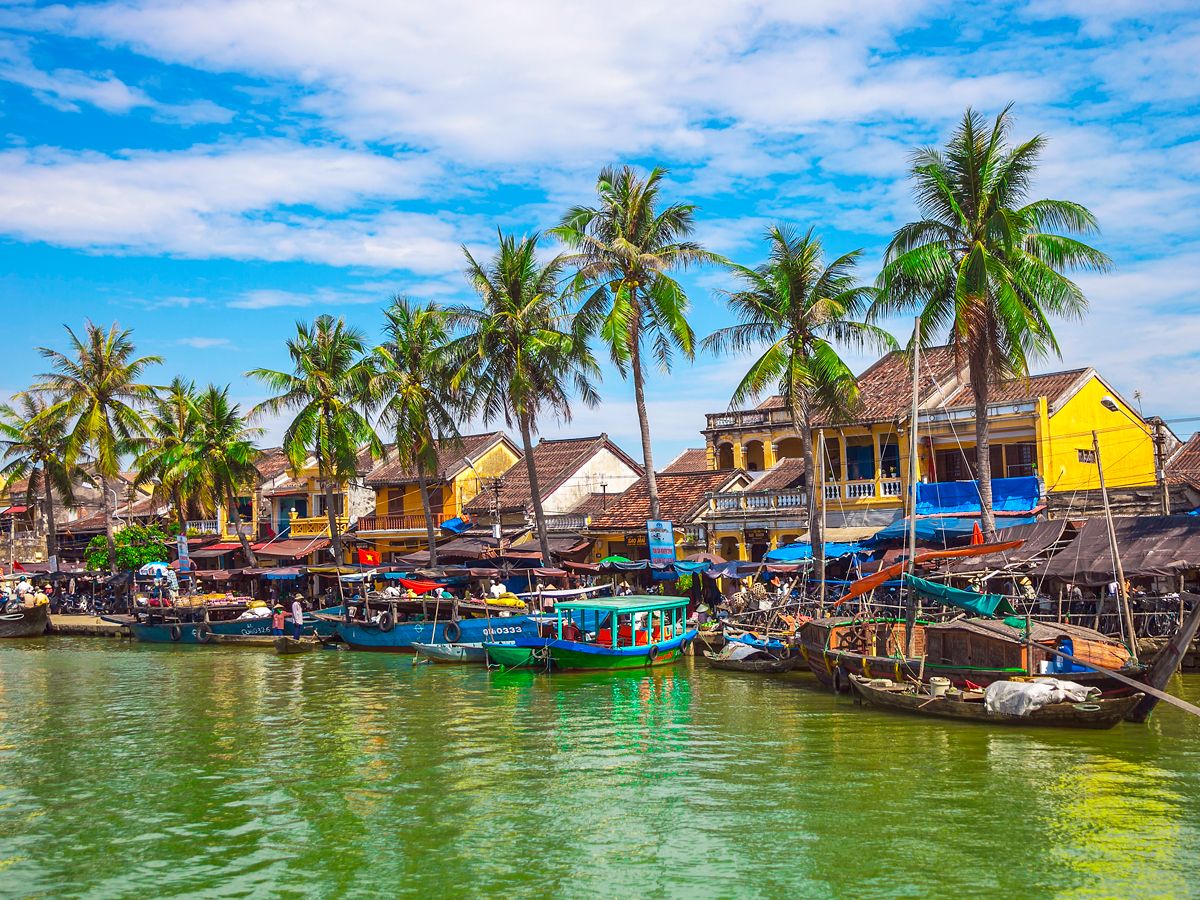
How expensive can it be to lay a road? The answer is likely more than you think. Along with the construction of the roadways themselves, there are many other factors to take into consideration, such as the price of the land and the cost of carrying away excavated earth. Then, there are the bridges and tunnels required to span any waterways or railroads along the route, as well as the need to divert utilities such as water pipes and electricity cables. And getting the project approved in the first place involves planning costs and fees for engineering consultations, not to mention funding for architect-drawn plans. It’s little wonder, then, that the final cost for the world’s greatest highway projects runs in the billions of dollars. Here are five of the most expensive highways ever built.
Singapore’s 3-mile-long Marina Coastal Expressway took five years to complete, opening in 2013. The main reason for the lengthy build is that a significant proportion of this five-lane highway consists of a 1,378-foot-long tunnel, part of which is underwater. At its deepest point, the road runs 66 feet beneath the seabed south of the Marina Barrage. The unpredictable currents and soft ground — comprising marine clay, alluvium, and infill material — made the build difficult.
Techniques employed to keep it stable and watertight didn’t come cheap, which helps to account for the road’s high price tag. An article inThe Straits Times stated it totaled $4.3 billion, making it the most expensive road in Singapore when calculated per mile. However, the build quality of the Marina Coastal Expressway is reported to be exceptional, with the smoothness of the surface achieved by cutting-edge laser technology.
The goal of this ambitious project was all about linking western Turkey’s major cities. The Gebze-Orhangazi-İzmir Motorway was built to reduce distances and travel times between Istanbul, Bursa, Balikesir, Manisa, and Izmir, as well as to improve connectivity between the Aegean coastline and Istanbul. Construction cost an estimated $7 billion, with an additional $4 billion to cover operating and maintenance costs until 2035.
This toll road, the most costly of its type in the country, is referred to locally as the O-5. It has been fully open since 2019 and carries about 40,000 vehicles each day. Along its 264-mile length, there are 38 viaducts and several miles of tunnels, but the most spectacular aspect is the Osman Gazi Bridge, a 5,085-foot suspension bridge over İzmit Bay. It is one of the longest bridges in the world when measured by its central span.
Coping with the mountainous terrain also had a significant effect on the costs of the Egnatia Odos Motorway in Greece, also known as the A2. The final bill is estimated to be about $8.4 billion. Half the money came from the European Union’s coffers, while the rest was funded by the Greek government, the European Investment Bank, and the European Commission’s Community Support Framework. The project was started in 1994 and finished in 2009.
Supporters argue that the highway brings multiple benefits to the region, including improving connectivity with the rest of the EU, attracting investment and further industrial development, and tapping into the emerging Balkan market. It is also hoped that the motorway will further open up this part of northern Greece to tourism and reverse the trend of rural depopulation.
The Adler-Krasnaya Polyana Highway was a crucial part of the 2014 Sochi Olympics infrastructure build, linking the coastal city with inland ski resorts more than 1,600 feet higher in elevation. The project ended up costing an estimated $9.4 billion to construct a road that was just 25 miles long.
The challenging terrain of the Caucasus Mountains proved to be a headache for engineers tasked with tackling issues relating to the local geology. Six boring machines and 14 vehicles to carry out the rock that had been excavated added to the mounting costs. However, in green-lighting its construction, the Russian government hoped it would act as a catalyst for further development in the region and make the interior more accessible. Nevertheless, opponents remain critical of its soaring costs and also its negative impact on the local ecology.
1. Boston’s Central Artery/Tunnel Project – Massachusetts
Boston’s Central Artery/Tunnel Project, nicknamed the Big Dig, is widely considered to be the most expensive highway ever built. Official sources put the total cost at about $14.8 billion, though some commentators argue the figure could be as much as $24.5 billion.
The original Central Artery was an elevated highway that ran directly through downtown Boston. It became no longer fit for purpose: Congestion was the norm, and the road experienced an accident rate four times the U.S. national average.
Construction began in 1991 on a new underground expressway leading to two bridges that span the Charles River. One of them is the 10-lane Leonard P. Zakim Bunker Hill Bridge, one of the widest cable-stayed bridges in the world. In addition, links to Logan International Airport were improved with the extension of Interstate 90. Once the project was complete, the old elevated highway could be demolished. In its place, a broad swath of parkland was developed, reconnecting Boston residents to their waterfront.
Advertisement
More from our network
Daily Passport is part of Inbox Studio, an email-first media company. *Indicates a third-party property.