

Post Banner Image
Tips

20 Best Gifts for Anyone Who Loves To Travel

By Peter Vanden Bos
Read time: 7 minutes
November 13, 2024
Updated: January 24, 2025

20 Best Gifts for Anyone Who Loves To Travel

By Peter Vanden Bos
Author
Peter Vanden Bos
Peter is a Toronto-based journalist, editor, content strategist, and self-professed avgeek with 15 years of experience covering all things travel. Prior to joining Daily Passport, he oversaw newsletter publication for Travelzoo. His favorite destinations to explore include Japan, France, Chile, New Zealand, and his adopted home country of Canada.

If you’re reading this, chances are high that someone in your life loves to travel as much as you do. So why not surprise your favorite globetrotter with a gift that will make their travels smoother and more enjoyable? From handy gadgets to keep tabs on their luggage to items that promise to make any long flight more comfortable, these are 20 of the best travel gifts to give this year.

Note: All featured products and deals are selected independently and objectively by the author. Daily Passport may receive a share of sales via affiliate links in content. Prices accurate at time of publish; subject to change.

Apple AirTags

Product image of four Apple AirTags
Photo credit:  Image courtesy of Amazon 

If your recipient is checking luggage on an upcoming trip, there’s one item they should always pack: an Apple AirTag. These quarter-sized devices use ultra-wideband technology so your loved ones can always know the location of their luggage in case the airline loses it

Buy a 4-pack at Amazon for $73

AirFly Bluetooth Adapter

Product image of AirFly Bluetooth Adapter
Photo credit: Image courtesy of Amazon

Staying entertained on a long flight is the easiest way to pass the time, but not with cheap airline earbuds. With the AirFly Bluetooth Adapter, travelers can seamlessly pair their Apple AirPods or other Bluetooth headphones with the in-flight entertainment screen.

Buy at Amazon for $55

Travel Water Bottle

Product image of ONTA Collapsible Water Bottle
Photo credit: Image courtesy of ONTA  

Drinking plenty of water during a flight is essential to combating jet lag. Pack a portable water bottle, fill it up for free in the terminal, and you’re on your way to hydration. For a stocking stuffer, we recommend the ONTA Collapsible Water Bottle, which is lightweight and leakproof. For an upgraded pick, the LifeStraw Go Series is designed to filter out contaminants (particularly useful for camping trips) and improve the taste of tap water.

Buy the ONTA bottle at Walmart for $11
Buy the LifeStraw at Amazon for $42

Travel Skin Care Essentials

Product image of Grace & Stella Rose Spray
Photo credit: Image courtesy of Amazon

Keeping skin hydrated while traveling is equally important. The facial Rose Spray from Grace & Stella promises to refresh and cool skin, reduce puffiness, and give your traveler a much-needed boost of hydration after they land. When they get to the hotel, they can pop on this Marine Collagen Facial Mask from Marée, which moisturizes and soothes skin with hyaluronic acid.

Buy the Rose Spray at Amazon for $17
Buy a 6-pack of the Facial Mask at Amazon for $20

Packing Cubes

Product image of Well Traveled Compression Packing Cubes
Photo credit: Image courtesy of Amazon 

Checking a bag can be a hassle. If they’re looking for ways to maximize packing space, packing cubes are a game changer. Featuring a durable and versatile design in multiple sizes, these Compression Packing Cubes from Well Traveled will help them fit everything they need in their carry-on.

Buy at Amazon for $40

RFID-Blocking Wallet

Product image of Buffway Men's Slim Wallet
Photo credit: Image courtesy of Amazon 

Using an electromagnetic shield, an RFID-blocking wallet keeps credit cards and other valuables safe from pickpockets while your recipient is exploring a new city. The Buffway Men’s Slim Wallet is compact and lightweight, perfect for those who prefer a minimalist style.

Buy at Amazon for $10

Anti-Wrinkle Travel Outfit

Product image of Women's Merino Travel Dress from Unbound
Photo credit: Image courtesy of Unbound

The best travel outfits combine style with practicality, and are made with materials that help prevent wrinkles. Merino wool is a comfortable option, which is why we love this Women’s Merino Travel Dress from Unbound. Meanwhile, Athleta’s Endless High-Rise Pants are made of a polyester and spandex blend that wicks away moisture and stays wrinkle-free. And the Cropped Wide-Leg Pants from Quince are supersoft, stretchy, and made with sustainable materials. Any of these outfits will have them ready to go as soon as they arrive — not reaching for the nearest ironing board.

Buy the Merino Travel Dress at Unbound for $139
Buy the High-Rise Pants at Athleta for $109
Buy the Wide-Leg Pants at Quince for $40

Travel Sleep Mask

Product image of 3D Sleeping Mask from MZOO
Photo credit: Image courtesy of Amazon 

A sleep mask will block out unwanted airplane cabin light, helping the traveler in your life fall asleep easier. The 3D Sleeping Mask from MZOO is made from comfortable memory foam and has a patented design that reduces pressure on the eyes with a wider eye space.

Buy at Amazon for $23

Airplane Footrest 

Product image of memory foam hammock from Delfori
Photo credit: Image courtesy of Amazon 

It’s no secret that airplane cabins are getting tighter. To ease the pain that often comes with cramped seating, give them a foot hammock to elevate their feet and legs and reduce swelling. The memory foam hammock from Delfori is compact, sturdy, and easily adjustable.

Buy at Amazon for $17

Compression Socks

Product image of Sockwell compression socks
Photo credit: Image courtesy of Amazon

Another handy item for reducing swelling and improving blood flow on long flights, compression socks are made from flexible fabric that forms a tight seal around the leg without being too restrictive. Sockwell’s compression socks use a mix of fine merino wool and rayon, and come in an array of fun colors and patterns. 

Buy at Amazon from $21

Noise-Canceling Headphones 

Product image of Bose QuietComfort headphones
Photo credit: Image courtesy of Bose 

Sadly, not everyone follows the rules of airplane etiquette. To drown out distractions on their next flight, consider giving them the Bose QuietComfort headphones, which offer excellent audio quality and some of the best noise-cancellation capabilities on the market.

Buy at Bose for $199

Away Carry-On Suitcase

Product image of Away Carry-On suitcase
Photo credit: Image courtesy of Away 

Upgrade their carry-on game with the eye-catching aluminum edition of the popular Away Carry-On. Designed to fit into most overhead bins, it features a durable aluminum hard shell, spinner wheels, and a handy compression packing system.

Buy at Away for $625

Portable Charger 

Product image of Anker Portable Charger
Photo credit: Image courtesy of Amazon

Whether they’re scanning their boarding pass or looking up directions, staying connected on the go is essential. Don’t let them run out of juice — gift them this slim-design Anker Portable Charger, which can even charge two devices at once. 

Buy at Amazon for $40

Travel Adapter

Product image of Newvanga adapter

Photo credit: Image courtesy of Amazon

If they frequently travel internationally, an all-in-one travel adapter lets them plug in wherever they are. The lightweight Newvanga adapter has both USB-A and USB-C capabilities and works in 150 countries.

Buy at Amazon for $17

2-in-1 Travel Pillow and Blanket

Credit: Image courtesy of Amazon

Bringing both a pillow and blanket onboard can take up valuable space in your carry-on. Enter this 2-in-1 travel pillow and blanket. It easily tucks into any carry-on, but it also has a built-in sleeve that you can strap around a suitcase handle while navigating through the airport. 

Buy at Amazon for $30

Silk Travel Pillowcase

Product image of Blissy silk pillowcase
Photo credit: Image courtesy of Blissy

Hotels typically use harsh detergents to clean sheets, which may cause irritation for people with sensitive skin. Your loved ones can swap out the bedding in their next hotel room with the Blissy Silk Travel Pillowcase, which has built-in antiviral and antimicrobial properties — plus, it’s made with natural materials that promote hair and skin health.

Buy at Blissy for $108

Waterproof Travel Sneakers 

Product image of Woll Runner Mizzles from Allbirds
Photo credit: Image courtesy of Allbirds 

Have them leave the bulky boots at home in favor of these lightweight and waterproof travel sneakers. The Wool Runner Mizzles from Allbirds machine washable and feature merino wool uppers for added warmth and comfort.

Buy at Allbirds for $125

Weekend Bag

Product image of Béis Convertible Mini Weekende
Photo credit: Image courtesy of Béis

Ideal for short getaways, the Béis Convertible Mini Weekender is stylish and packed with useful features, like a padded laptop packet, key leash, removable bottom compartment, and trolley pass-through that lets them secure it to a larger roller bag. 

Buy at Béis for $108

Travel Coffee Press

Product image of AeroPress Go Plus portable coffee maker
Photo credit:  Image courtesy of Amazon 

There’s one thing you or your loved one should probably never use in the hotel room — the coffee maker. They’re never quite as clean as they should be. This portable coffee maker from AeroPress features a unique brewing method that combines French press, pourover, and espresso. Plus, it’s lightweight and easy to pack, ensuring they never have to settle for mediocre hotel room coffee ever again. 

Buy at Amazon for $64

Tech Organizer

Product image of Calpak Tech Organizer
Photo credit:  Image courtesy of Calpak

We all travel with a lot of tech these days, and it’s easy to lose track of it. This handy Calpak Tech Organizer promises to keep their gear sorted, with padded pockets to protect electronics and handy mesh panels to keep cords and chargers within easy reach.

Buy at Calpak for $42

Featured image credit: LightFieldStudios/ iStock via Getty Images Plus

Post Banner Image
Tips

This Popular Country Just Tripled Its Tourist Tax

By Peter Vanden Bos
Read time: 3 minutes
November 8, 2024
Updated: November 8, 2024

This Popular Country Just Tripled Its Tourist Tax

By Peter Vanden Bos
Author
Peter Vanden Bos
Peter is a Toronto-based journalist, editor, content strategist, and self-professed avgeek with 15 years of experience covering all things travel. Prior to joining Daily Passport, he oversaw newsletter publication for Travelzoo. His favorite destinations to explore include Japan, France, Chile, New Zealand, and his adopted home country of Canada.

More than 60 destinations around the world have implemented some form of a tourist tax, and that number is only expected to increase. These fees are used to boost revenue for tourism promotion efforts, fund infrastructure improvements, and in a growing number of cases, combat the effects of overtourism by discouraging casual visitors to destinations experiencing a surge in demand, like Amsterdam or Venice. In 2024, one country announced that it would be nearly tripling its tourist tax — find out why and discover all the details below.

Why It Will Soon Cost More To Visit New Zealand

Waterfall along the Milford Sound in New Zealand
Credit: MOAimage/ Moment via Getty Images 

In 2023, more than 300,000 American travelers visited the South Pacific island nation of New Zealand. They went to considerable lengths to get there, as flight times from Los Angeles or San Francisco to Auckland are around 13 hours. But it’s easy to see why it’s so popular: With a landscape that contains volcanoes, fjords, and lush rainforests, visitors have ample opportunities to embark on nature adventures throughout the country. From cosmopolitan cities such as Auckland to adventure sports in Queenstown to Marlborough wine country, the real-life Hobbiton, and the otherworldly Waitomo glowworm caves, there’s plenty to do and see once there. 

On October 1, New Zealand increased its tourist tax — called the International Visitor Conservation and Tourism Levy (IVL) — from $35 (about $21 USD at time of publication) to $100 (about $60 USD). International visitors will pay this flat rate when they apply for a tourist visa or a New Zealand Electronic Travel Authority, which is required for citizens of visa-waiver countries such as the United States. 

“International tourism also comes with costs to local communities, including additional pressure on regional infrastructure and higher upkeep and maintenance costs across our conservation estate,” explained Matt Doocey, New Zealand’s minister for hospitality and tourism, in a statement. “Increasing the IVL means we can continue to grow international tourism to support economic growth while ensuring international visitors contribute to high-value conservation areas and projects, such as supporting biodiversity in national parks and other highly visited areas and improving visitor experiences on public conservation land.”

While no one likes to pay more in taxes, it certainly helps that this one will go to conservation efforts in one of the world’s greenest countries. With a nationwide initiative to reach net zero in greenhouse gas emissions by 2050, New Zealand maintains a steady commitment to sustainability.

Other Destinations With Tourist Taxes

Flowers and traditional white Greek homes overlooking the sea on the island of Santorini
Credit: Ihor_Tailwind/ iStock via Getty Images Plus 

New Zealand is far from the only destination charging a tourist tax these days. Many charge a flat rate with a visa application like New Zealand, while others — including Iceland and Greece — impose a per-night charge added to your hotel bill. Meanwhile, tourists arriving by air in Thailand will find a 300 baht (about $8.50 USD) fee built into their ticket as of 2024, while those in Japan are required to pay a departure tax of 1,000 yen (about $7 USD). 

Other cities impose so-called “day tripper” tariffs to boost revenue and buffer the effects of mass tourism. Few places have suffered as much from overtourism as Venice, the famed Italian city of canals. Since 2011, Venice has charged overnight visitors tax on the first five nights of their stay (between 1 and 5 euros per person a night). But starting in spring 2024, day visitors also pay a 5 euro access fee to enter the city. 

Amsterdam, another tourism hot spot, now has the highest tourist tax in Europe. Taxes on room rates have increased from 7% to 12%, and in 2024, the fee for “day trippers” for sea and river cruise passengers who disembark in Amsterdam increased from 8 euros to 14 euros per person.

Featured image credit: Martin Vlnas/ iStock via Getty Images Plus

Post Banner Image
History

9 of America’s Oldest Hotels

By Daily Passport Team
Read time: 6 minutes
November 8, 2024
Updated: August 30, 2025

9 of America’s Oldest Hotels

By Daily Passport Team
Author
Daily Passport Team
Daily Passport writers have been seen in publications such as National Geographic, Food & Wine, CBC, Condé Nast Traveler, and Business Insider. They're passionate about uncovering unique destinations and sharing expert tips with curious travelers.

According to Guinness World Records, the oldest continuously operating hotel in the world is the Nishiyama Onsen Keiunkan in Hayakawa, Japan, which was founded in 705 CE. While you won’t find an accommodation that old in the United States, many historic properties established in the original 13 colonies date back to the 1700s, offering the same antique charm and bucolic scenery that early American settlers from England once relished. From Massachusetts to South Carolina, these storied inns are reminders of our nation’s formative years. Discover the fascinating histories of nine of the oldest continuously operating hotels in the continental U.S.

9. Publick House Historic Inn – Sturbridge, Massachusetts

Sign and lawn decorations for the Publick House in Sturbridge, Massachusetts
Credit: Gordon Mills/ Alamy Stock Photo

Year built: 1771

Established on the eve of the American Revolution, the Publick House in Sturbridge, Massachusetts, features just 17 cozy rooms. The magnificent elm trees outside were planted by the original founder, Colonel Ebenezer Crafts, in 1791. Guests can settle in front of the open-hearth fireplace at the historic tap room, set in the inn’s original 18th-century dining room, and enjoy dishes such as old-fashioned “Yankee” pot roast. The beautiful country homestead is a landmark in this small, yet vastly charming New England town, which is only about 60 miles from Boston.

8. Omni Homestead Resort – Hot Springs, Virginia

Exterior of Omni Homestead Resort in Hot Springs, Virginia
Credit: krblokhin/ iStock Editorial via Getty Images Plus

Year built: 1766

The four-star Omni Homestead Resort, founded in Hot Springs, Virginia, in 1766, has hosted 24 U.S. presidents over its storied history. Nestled in the Allegheny Mountains, the property recently underwent a $170 million renovation, so guests can continue to enjoy golf at the Old Course (home to the nation’s oldest first tee in continuous use), a 2-acre water park, bathhouses fed by natural mineral springs, and eight on-site restaurants. The accommodation is a must-visit in Bath County, a region famous for its dark skies, scenic rolling mountains, and quaint villages.

7. Beekman Arms Delamater Inn – Rhinebeck, New York

Exterior of Beekman Arms Delamater Inn in Rhinebeck, New York
Credit: Stan Tess/ Alamy Stock Photo

Year built: 1766

Located in the Hudson Valley north of New York City, the Beekman Arms Delamater Inn has been continuously operating since 1766 and is steeped in American history. Formerly known as the Traphagen Tavern, Bogardus Tavern, and Potter’s Tavern, the accommodation in Rhinebeck, New York, was once a traveler’s inn that hosted Revolutionary War leaders such as George Washington, Benedict Arnold, Alexander Hamilton, and Philip Schuyler. The inn’s lawn was even used for regiment drills during the American Revolution in 1775. 

President Franklin Delano Roosevelt was also a frequent guest at Beekman Arms, concluding each of his four political campaigns for governor and president with speeches from the front porch. Today, the property has been updated with modern amenities but still retains its colonial character — including the original oak beams, plank floors, and famous tavern serving patrons since 1704.

6. John Rutledge House Inn – Charleston, South Carolina

Exterior of John Rutledge House Inn in Charleston, South Carolina
Credit: Fotogro/ Shutterstock

Year built: 1763

The John Rutledge House Inn is one of the most stunning — and historic — accommodations in the Holy City. Boasting teal ironwork and a black-and-white checkered sidewalk, the Rutledge House features 19 guest rooms that are steps away from bustling Broad Street, home to many seafood restaurants, art galleries, antique shops, and boutiques. The three-story, Georgian-style inn was built by John Rutledge for his wife, Elizabeth Grimke, and has a long history of entertaining elite members of society, such as President William Howard Taft in the 1920s. Legend also has it that Charleston’s favorite dish, She Crab Soup, was invented here, and that the spirit of a young girl haunts the property. 
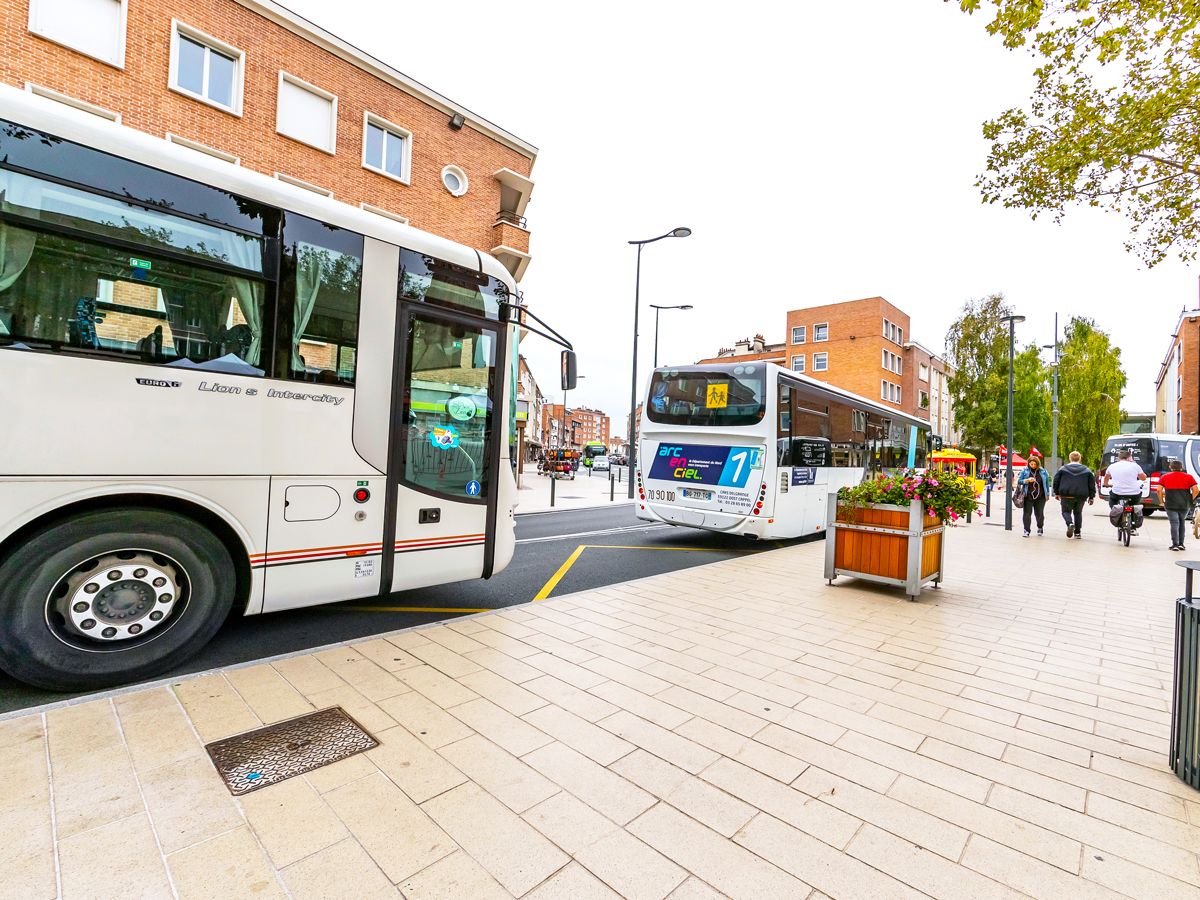
5. 1754 House – Woodbury, Connecticut

Exterior of 1754 House in Woodbury, Connecticut
Photo credit: Photo courtesy of 1754 House

Year built: 1754

Connecticut’s oldest inn, 1754 House is located in the town of Woodbury in the western Berkshires. Once known as the Curtiss House, the white, colonial-era roadside property has been welcoming guests since the 18th century, and it’s still a great place to see the gorgeous foliage in the region come fall. With just nine rooms, the inn has all the modern amenities you might need, but it also features its original tavern and parlor, as well as thoughtful reminders of the past — such as the handwritten list of previous owners who once served as stewards for the building.

4. Kelley House at Faraway Martha’s Vineyard – Edgartown, Massachusetts

Sign for the Kelly House inn in Edgartown, Massachusetts
Credit: Susan Pease/ Alamy Stock Photo

Year built: 1742

The Kelley House is one of the oldest buildings on Martha’s Vineyard, a Massachusetts island south of Cape Cod, known for its historic properties that have long made it a sought-after summer resort destination. The Kelley House is now part of the Faraway Martha’s Vineyard hotel, which opened in 2023. The grounds include a private pool and state-of-the-art fitness center, as well as three on-site restaurants, including a craft coffee bar. The historic building has been completely renovated to include modern touches, while the three suites inside are the perfect retreat after a day exploring nearby coastal communities

3. Red Fox Inn and Tavern – Middleburg, Virginia

Exterior of the Red Fox Inn and Tavern in Middleburg, Virginia
Credit: NJphoto/ Alamy Stock Photo

Year built: 1728

The Red Fox Inn and Tavern is a treasured property in Middleburg, Virginia, that features a lovely outdoor garden terrace, a charming stone façade, original beamed ceilings, and a cozy tavern serving local wine and hearty game. The inn has hosted many famous guests in its nearly 300 years of existence. They include President John F. Kennedy and Jacqueline Kennedy Onassis, who liked to visit during fox-hunting season in the fall; Elizabeth Taylor; U.S. Senator John Warner; and actors Tom Cruise, Robert Duvall, and Paul Newman. The Red Fox was also a pivotal stop for traveling colonists, as it was the halfway point between Alexandria and Winchester, Virginia. George Washington himself stopped here in 1748.  

2. Historic Inns of Annapolis – Annapolis, Maryland

Sign for the Maryland Inn at the Historic Inns of Annapolis
Credit: Alex Potemkin/ iStock Unreleased via Getty Images 

Year built: 1727

Those exploring the picturesque Chesapeake Bay in Maryland can discover another one of America’s oldest accommodations in Annapolis. The Maryland Inn, Governor Calvert House, and Robert Johnson House comprise the Historic Inns of Annapolis. Each of the inns has its own storied past tied to Annapolis’ golden age as a meeting place for future Revolutionary War dignitaries such as Alexander Hamilton, George Washington, Thomas Jefferson, Benjamin Franklin, Samuel Adams, and John Adams. A few steps away is the Maryland State House, where George Washington resigned as commander in chief of the Continental Army, paving the way for the new nation to elect him as its first leader.

1. Concord’s Colonial Inn – Concord, Massachusetts

Snowy sidewalks and exterior of Concord Colonial Inn in Concord, Massachusetts
Credit: Everyday Artistry Photography/ Alamy Stock Photo

Year built: 1716

The oldest inn in the 50 states is the Colonial Inn in Concord, Massachusetts. Located 20 miles from downtown Boston, the property dates back to 1716. Henry David Thoreau stayed at the inn while he attended nearby Harvard University from 1835 to 1877, and the small hotel was aptly named the Thoreau House before it was renamed at the turn of the 20th century and expanded to include more wings. Today, the inn is celebrating over 300 years of welcoming guests to one of the nation’s most beloved establishments from a bygone era. 

Post Banner Image
Architecture

5 U.S. Airports With Extremely Short Runways

By Bennett Kleinman
Read time: 4 minutes
November 8, 2024
Updated: November 20, 2024

5 U.S. Airports With Extremely Short Runways

By Bennett Kleinman
Author
Bennett Kleinman
Bennett is a New York City-based staff writer for Daily Passport. He previously contributed to television programs such as the Late Show With David Letterman, as well as digital publications like the Onion. Bennett has traveled to 48 U.S. states and all 30 Major League Baseball stadiums.

Many of today’s wide-body commercial airliners require runways of at least 8,000 feet in length, but some runways are much longer, like Denver International Airport’s 16,000-foot runway, the longest in the U.S. However, not all airports have the space or resources available to construct long runways. In some cases, these unusually small runways are thousands of feet shorter than the ones you’d find at most larger airports. Here are five commercial airports with some of the shortest commercial runways in the United States.

Hollywood Burbank Airport – California

Terminal building at Hollywood Burbank Airport in California, with jet taking off behind
Credit: AaronP/Bauer-Griffin/ GC Images via Getty Images 

Shortest runway length: 5,802 feet

Hollywood Burbank Airport was formerly known as Bob Hope Airport, after the famed comedian who kept his private jet there. The airport has served the greater Los Angeles area since 1930 and has two asphalt runways, both of which are significantly shorter than those you’d typically find at busier airports

There’s Runway 15/33, which is 6,886 feet long. Then there’s the smaller runway 08/26, which only measures 5,802 feet long. (For more information on how runways are numbered, check out this explainer.) This shorter-than-average length has resulted in several nonfatal, and thankfully rare, accidents over the years, in which airplanes have skidded past the runway. Boeing 737s are the most frequent type of commercial aircraft to land here, and larger models avoid the airport entirely due to the short runway length.

John Wayne Airport – California

Aerial view of John Wayne Airport in Orange County, California
Credit: Jeff Gritchen/Digital First Media/ Orange County Register via Getty Images

Shortest runway length: 5,700 feet

Located in Orange County, California, a few miles south of Anaheim, John Wayne Airport has two runways, though only one services commercial aircraft. Runway 2R/20L, which is only 2,886 feet long, primarily serves general aviation aircraft. The main landing strip, Runway 2L/20R, handles commercial flights despite being a mere 5,700 feet long. Interestingly, Runway 2L/20R was even shorter when it was originally built, measuring just 4,800 feet long. Its length was extended by 900 feet during airport renovations in 1964, thus allowing it to handle larger jets.

Due to the short runway length and strict noise regulations in the surrounding communities, John Wayne Airport has a reputation for being one of the country’s scariest airports, with pilots required to make a steep incline during takeoff. While most planes take off at around a 10-degree angle, planes depart John Wayne Airport at an angle closer to 15 degrees.

Key West International Airport – Florida 

Traveler standing in front of mural outside Key West International Airport in Florida
Credit: Zoonar GmbH/ Alamy Stock Photo

Shortest runway length: 5,076 feet

Key West International Airport is located at the southern tip of the Florida Keys, where there’s little land space available. The airport has a single runway — Runway 09/27 — which is only 5,076 feet long. The abbreviated length of this runway means that strict weight restrictions are in effect on any aircraft flying into and out of the airport. 

Many major airlines — such as Delta, United, and American — offer flights from Key West International, but despite the name, there are currently no international routes. However, there is a U.S. customs facility on site, which would allow for international flights. Due to the restrictive runway, though, no plane larger than a Boeing 737 or an Airbus A319 can arrive at Key West International Airport.

Hilton Head Island Airport – South Carolina

Private plane parked on tarmac at Hilton Head Island Airport in South Carolina
Credit: Images-USA/ Alamy Stock Photo

Shortest runway length: 5,000 feet

The runway at Hilton Head Island Airport in South Carolina requires precise landing and takeoff due to both its length and width. Here, Runway 03/21 is only 5,000 feet long and 100 feet wide, a width that’s 50 feet thinner than a standard commercial runway. To complicate the approach even further, nearby trees limit the actual landing distance to just 4,703 feet or 4,597 feet, based on the direction the aircraft is flying. 

That said, Hilton Head’s runway was extended from 4,300 feet to 5,000 feet in 2008, and there are ongoing efforts to increase that by an additional 400 feet. The airport, located 35 miles from Savannah, mostly offers flights to East Coast cities such as Atlanta, New York, and Washington, D.C. 

Washington National Airport – Virginia 

Airplane taking off from Ronald Reagan Washington National Airport
Credit: Neal McNeil/ iStock Editorial via Getty Images Plus

Shortest runway length: 5,000 feet

One of the country’s shortest commercial runways is found at one of its busiest airports, Ronald Reagan Washington National Airport, which is located in Virginia just outside of Washington, D.C. Upon opening in 1941, the airport had four runways, ranging from as long as 6,855 feet to just 4,100 feet. In 1956, the airport’s shortest runway was closed to make room for parking, leaving three runways that remain. 

Today, Runway 1/19 is 7,169 feet long, Runway 15/33 measures 5,204 feet, and Runway 4/22 is 5,000 feet. The airport is surrounded on three sides by the Potomac River, thus making it quite difficult to extend the length of the runways any further. Despite these limitations, the airport sees upwards of 300 flights fly in and out daily, making it one of the 20 busiest airports in the country.

Post Banner Image
Culture

Not Just a Road: 10 Names for Streets and Squares Around the World

By Rachel Gresh
Read time: 6 minutes
November 8, 2024
Updated: November 8, 2024

Not Just a Road: 10 Names for Streets and Squares Around the World

By Rachel Gresh
Author
Rachel Gresh
Rachel is a Washington, D.C.–based travel and lifestyle writer with roots in the Great Lakes region. When she’s not writing for publications such as The Discoverer and Interesting Facts, you’ll find her wandering through museums or exploring destinations off the beaten path.

One of the most exhilarating parts of international travel is exploring the subtle nuances of everyday life in different countries. Street naming conventions are a prime example. Consider the Avenue des Champs-Élysées in Paris, a world-famous thoroughfare leading to the Arc de Triomphe. Its name is instantly recognizable, especially to English speakers, thanks to the French loanword “avenue.” However, not all names are as familiar, which can make navigating international streets a challenge. From the vibrant hustle of London’s Piccadilly Circus to the efficiency of the German Autobahn, here are 10 names for streets and squares around the world that reflect fascinating cultural differences. 

Circus

Piccadilly Circus in London, England
Credit: Apostolos Giontzis/ iStock Editorial via Getty Images Plus

While the name “circus” might evoke images of acrobats and clowns, Piccadilly Circus in London’s West End is actually a vibrant traffic junction and public gathering space dating to the early 19th century. Famous for its neon signs, billboards, and theaters, Piccadilly Circus also transforms into a festive spectacle during the holiday season. For those unfamiliar with British terminology, the word “circus” refers to a circular area where multiple roads converge, derived from the Latin word circus, meaning “ring.” 

Paseo

Paseo del Pardo in Madrid, Spain
Credit: Sergio Delle Vedove/ iStock Editorial via Getty Images Plus

In Spanish, the terminology for streets and walkways varies based on their size and function, much like in English. Among the most common routes are paseos, which are public walkways or boulevards often adorned with trees. A stunning example is Madrid’s Paseo del Prado, a boulevard that is also a UNESCO World Heritage Site due to its cultural importance. This route is a gateway to some of the city’s most famous attractions, including the Prado Museum, the Royal Botanical Garden, and the Fountain of Neptune. 

Chowk

Aerial view of busy traffic circle in Delhi, India
Credit: Subodh Agnihotri/ iStock Editorial via Getty Images Plus

No trip to Old Delhi, India, is complete without a visit to Chandni Chowk, which translates to “Moonlight Square.” This famous street market is one of the oldest and busiest in the city, built by the Mughal emperor during the 17th century. The Hindi term chowk translates to “square” or “courtyard” in English. The historical square earned its name from the canals that once reflected moonlight through the market, though they no longer exist. However, the cultural significance of Chandni Chowk is still apparent centuries later. The market stalls are brimming with spices, dried fruit, handmade jewelry, essential oils, and brightly colored saris. 

Close

Entrance to Mary King’s Close in Edinburgh, Scotland
Credit: Alexander Hogg/ Alamy Stock Photo

Edinburgh, Scotland’s capital, is home to Mary King’s Close, a historic alleyway with a sinister reputation. In the Scots language, “close” (pronounced “klohs”) is a term for a narrow alleyway, typically no wider than 4 feet. This particular close is named after Mary King, a merchant who resided there during the 17th century. Today, the cobbled pathway is open for tours led by costumed guides telling ghastly tales of the alleyway’s eerie past. Most of the dead-end alleyways that extend from Edinburgh’s famous Royal Mile — Old Town’s main street — are also called “closes.” Visitors looking for a thoroughfare should search for a “wynd.” These narrow roadways connect to more prominent streets in the capital city.

Platz

Aerial view of central platz in Salzburg, Austria
Credit: Joaquin Ossorio-Castillo/ iStock Editorial via Getty Images Plus

In Germany and other German-speaking countries such as Austria, Belgium, and Switzerland, platz refers to a town square. These squares are culturally significant across Europe, serving as community focal points for events, markets, and holiday celebrations. Many of these squares are centuries old, such as Residenzplatz in Salzburg, Austria. Meaning “Residence Square,” Residenzplatz is a 16th-century forecourt adjacent to the magnificent Salzburg Cathedral in the heart of Salzburg’s Old City. This historical square hosts various public events, from musical performances to festive holiday markets.

Gracht

Street and homes along canal in Amsterdam, Netherlands
Credit: Alexander Spatari/ Moment via Getty Images 

Many cities around the world were built on a canal system, but few still utilize them as much as the Dutch. In the Netherlands, canals are just as vital as streets, so in cities like Amsterdam, roadways are often named after the canal, or gracht, they parallel. Brouwersgracht, one of central Amsterdam’s most scenic streets, runs along the Brouwersgracht, a canal that translates to “Brewer’s Canal” for the breweries that once lined its banks. Known for their charming atmosphere and historical significance, the street and canal are dotted with scenic stone bridges, Dutch shops and bakeries, and various museums and art galleries.

Crescent

Royal Crescent in Bath, England
Credit: doublelee/ Shutterstock 

The Royal Crescent in Bath, England, is famous for its row of terraced houses lining a curved street. In the U.K., any street that curves into a crescent or semicircle can be designated as a “crescent” rather than a “street.” At the address No. 1 Royal Crescent in Bath, visitors can explore a townhome beautifully converted into a museum, depicting what life was like in this fashionable 18th-century spa town. The historical facades of the Royal Crescent are popularly used in film and television today, including the hit show Bridgerton and a recent adaptation of Jane Austen’s Persuasion.

Scramble Crossing (Sukuranburu-kōsaten)

Crowded scramble crossing at night in Tokyo, Japan
Credit: Nikada/ E+ via Getty Images 

In the U.S., they’re known as “crosswalks,” while in the U.K., they’re called “zebra crossings.” However, in Tokyo, there’s a pedestrian crossing so massive (and chaotic) that only one name is appropriate: “scramble crossing.” During peak traffic, the Shibuya Scramble Crossing sees thousands of pedestrians crossing simultaneously in every direction. Flanked by the Shibuya Station, shopping centers, and entertainment venues, this bustling intersection epitomizes urban life in Tokyo. At a “scramble crossing,” vehicles stop in all directions, giving pedestrians full command of the intersection. These crossings are common in Japanese cities that feature heavy foot traffic. 

Rue

Empty Rue de Rivoli in Paris, France
Credit: legna69/ iStock Unreleased via Getty Images 

English speakers will readily recognize many street names in France, as several street suffixes are borrowed from the French language. Terms like “avenue,” “boulevard,” “promenade,” and “route” are familiar loanwords. However, one popular naming convention often gets lost in translation: rue, the French word for “street.”

The term is commonly used in France and other French-speaking nations, including Belgium, Luxembourg, Monaco, Switzerland, and even parts of Canada. One well-known example of this is the Rue de Rivoli, named after the Battle of Rivoli, a notable victory for Napoleon Bonaparte. The street runs parallel to the Tuileries Garden and Seine River, passing landmarks such as the Louvre Museum and the Place de la Concorde, in which place is French for “square.”

Autobahn

Cars on the Autobahn in Germany
Credit: acilo/ iStock via Getty Images Plus 

The Autobahn is perhaps the world’s most prominent high-speed highway system. It connects many of Germany’s major cities — including Berlin, Munich, Frankfurt, and Hamburg — and expands into parts of neighboring countries. Some sections of the Autobahn have no federally mandated speed limit as long as weather permits, allowing users to travel across regions at high speeds.

The term Autobahn has the same meaning as “expressway” in English — it is a combination of the German words auto, meaning “car,” and bahn, meaning “road” or “way.” Since 1953, The official term for this road system is Bundesautobahn (“federal motorway”), though it’s commonly shortened to Autobahn

Post Banner Image
Outdoors

7 of the Most Beautiful Places To Visit in the Pacific Northwest

By Daily Passport Team
Read time: 6 minutes
November 8, 2024
Updated: October 21, 2025

7 of the Most Beautiful Places To Visit in the Pacific Northwest

By Daily Passport Team
Author
Daily Passport Team
Daily Passport writers have been seen in publications such as National Geographic, Food & Wine, CBC, Condé Nast Traveler, and Business Insider. They're passionate about uncovering unique destinations and sharing expert tips with curious travelers.

The Pacific Northwest stretches across three states — Idaho, Oregon, and Washington — and into Canada’s British Columbia province. Bordered by the Pacific Ocean and the Rocky Mountains to the east, the region is home to some of the most stunning scenery in North America. That makes it nearly impossible to narrow down a list of the Pacific Northwest’s most beautiful sites, but here are seven of our favorite gems to visit. 

Orcas Island – Washington

Waterfront home on Orcas Island, Washington
Credit: Wolfgang Kaehler/ LightRocket via Getty Images 

More than 170 islands make up the lush San Juan archipelago between Washington state and British Columbia. The largest island in the chain, Orcas, also happens to come with the most misleading name.

Yes, the island is a whale-watching hotspot. And yes, you may well see orcas in the waters off its coast. In this case, however, the name derives not from the beloved black-and-white cetacean, but rather from Horcasitas — or more accurately, Juan Vicente de Güemes Padilla Horcasitas y Aguayo, the Viceroy of New Spain who dispatched an expedition to the Pacific Northwest in 1791. 

While traces of that voyage have mostly vanished from these parts, the Orca Island Historical Museums house many objects that predate it, thanks to the millennia of Indigenous settlements on the island. Besides exploring the island’s laid-back beauty (there are no traffic lights anywhere in the San Juans) and other abundant wildlife, you’ll want to do a tasting tour of Orcas. Many of its 57 square miles are dedicated to farming, to say nothing of the fantastic sea-to-fork feasting options. 

Multnomah Falls – Oregon

Benson Bridge overlooking Multnomah Falls in Oregon
Credit: Anna Gorin/ Moment via Getty Images 

This remarkable 611-foot cascade draws around 2 million tourists each year. Located about 30 minutes outside Portland in the Columbia River Gorge National Scenic Area, these spring-fed, forest-ensconced, and reliably flowing falls are the most-visited natural recreation site in the Pacific Northwest, according to the U.S. Forest Service. The name of the falls derives from the Multnomah peoples; according to local lore, they were created for a young princess in search of a secluded bathing spot.

To take in the full scale of Multnomah Falls, head to the viewing area carved out of the rock face, where both tiers of the falls are on view. For an even better perspective, walk up the trail to Benson Bridge — so named for the businessman who owned the site in the early 20th century — where you’ll get a surreal dual view of the top tier’s 542-foot height in one direction, paired with the bottom tier’s 69-foot drop opposite.  

Crater Lake – Oregon

Overview of Crater Lake in Oregon
Credit: Brayan Rivera/ iStock via Getty Images Plus 

Before Crater Lake plunged to depths of almost 2,000 feet in the Cascade Mountains of south-central Oregon, a 12,000-foot-tall volcano called Mount Mazama loomed in its place. When Mount Mazama burst approximately 7,700 years ago, its walls collapsed inward and left a cavernous basin that filled up with water — resulting in the deepest lake in the United States (and ninth-deepest in the world). 

Without inlets or outlets that bring in sediment or mineral deposits, Crater Lake is fed only by precipitation, which gives it an incredibly clear blue hue — and the nickname “Lake Majesty.” It is the centerpiece of a namesake national park that welcomes around 700,000 revelers per year. In the summer, visitors can drive around the rim of Crater Lake, with its dozens of scenic lookouts, or take boat tours around the two small islands that punctuate the lake’s smooth surface. 

Craters of the Moon National Monument – Idaho

Lunarlike landscape of Craters of the Moon National Monument in Idaho
Credit: Michael Runkel/ Collection Mix: Subjects via Getty Images 

Located in the Snake River Plain of Central Idaho, the volcanic landscape of Craters of the Moon is like few other places on Earth. In fact, it’s so suggestive of the lunar landscape that Apollo 14 astronauts Alan Shepard, Edgar Mitchell, Joe Engle, and Eugene Cernan visited in 1969 on a geology training mission, and the area is still used for space science research. 

Volcanic activity dating back about 20,000 years has left three major lava fields in the area, as well as 25 cinder cones, tree molds (which preserve the remains of living trees overcome by lava), craters, and more. Fascinating features among the more than 53,000 acres include lava tube caves and the Blue Dragon lava flow, named for its striking color and resemblance to a prehistoric reptile.

Three Fingers Lookout – Washington

Observation center at Three Fingers Lookout in Washington
Credit: All Canada Photos/ Alamy Stock Photo

Constructed in the 1930s to spot fires in Washington’s Mount Baker-Snoqualmie National Forest, this weather-beaten, one-room observation center sits atop Three Fingers mountain, Washington’s 12th-most-prominent peak. Abandoned for years, the outpost was placed on the National Register of Historic Places in 1987 and is now maintained by volunteers.

The 360-degree mountain views are the star of the show — particularly at dusk, as the sun sinks into Puget Sound. Getting these views, however, is not for the faint of heart. The lookout is the culmination of a strenuous 15-mile hike, and the final part requires mountaineering tools and expertise, including ice axes. (Ropes and crampons are also recommended for traversing the glacial snowfield.) Hikers then need to ascend ladders that are bolted into the rock. 

Cannon Beach – Oregon

Haystack Rock off Cannon Beach, Oregon, with reflection in water
Credit: Martina Birnbaum/ iStock via Getty Images Plus 

Fans of the 1985 film The Goonies will likely recognize Oregon’s Cannon Beach and its shimmering sand that beckons visitors toward a 235-foot-high sea stack, aptly named Haystack Rock. The towering basalt rock and its three smaller neighbors — nicknamed the Needles — are by-products of lava that settled in the Pacific Ocean approximately 17 million years ago, then surfaced due to plate tectonics and sea level changes. 

During low tide, you can approach Haystack Rock’s tidepools on horseback to glimpse marine life such as orange and purple sea stars and furls of green anemone, all while eavesdropping on the coos of puffins, pelagic cormorants, and occasional bald eagles nesting in the sea stack’s crevices. If you book a trip in December or January, you can also witness the migration of up to 20,000 gray whales along the coast. As spectacular as the natural scenery is, Cannon Beach is located just 90 minutes northwest of Portland.

Shoshone Falls – Idaho

Rainbow over Shoshone Falls in Idaho
Credit: NNehring/ iStock via Getty Images Plus 

Despite playing second fiddle in its nickname — the “Niagara of the West” — Idaho’s Shoshone Falls actually stands taller than Niagara, reaching a height of 212 feet with a rim spanning 900 feet wide. The falls were an early “roadside” attraction as a popular detour for settlers along the Oregon Trail in the mid-19th century. And long before then, the falls provided sustenance for the Lemhi Shoshone peoples (for which it’s now named), who relied on the Snake River’s salmon population as their primary food source. 

Though Shoshone is stunning any time of year, water flow varies depending on the season. The falls experience peak flow in the spring months as temperatures rise, caused by snowmelt in the nearby Rocky Mountains. Throughout the summer, however, water is diverted to irrigate nearby farmland, leaving Shoshone Falls a relatively dry — albeit still impressive — rock formation.

Post Banner Image
Culture

I Visited These Underrated NYC Attractions — Here’s Why You Should, Too

By Bennett Kleinman
Read time: 8 minutes
November 8, 2024
Updated: November 11, 2024

I Visited These Underrated NYC Attractions — Here’s Why You Should, Too

By Bennett Kleinman
Author
Bennett Kleinman
Bennett is a New York City-based staff writer for Daily Passport. He previously contributed to television programs such as the Late Show With David Letterman, as well as digital publications like the Onion. Bennett has traveled to 48 U.S. states and all 30 Major League Baseball stadiums.

I’ve lived in New York City for over 16 years, and in that time, I’ve stepped foot on Liberty Island, strolled through the halls of the Museum of Modern Art, and stood in the shadows of the Empire State Building. But for all these eminently recognizable landmarks, New York City contains many hidden treasures that are often overlooked by those who visit. Some of these off-the-beaten-path attractions are arguably even more enjoyable due to the lack of long lines and giant crowds. Here are five of my favorite underrated NYC attractions — one in each borough — and why you should visit them on your next Big Apple getaway.

The Met Cloisters – Manhattan

Exterior of the Met Cloisters museum in New York City
Credit: John Twynam/ iStock Editorial via Getty Images Plus

Tucked away in Fort Tryon Park at the upper end of the island of Manhattan, The Met Cloisters is a museum unlike any other in New York City. It’s operated by the Metropolitan Museum of Art, which is better known for its main museum on the east side of Central Park. But this off-the beaten-path alternative is a true hidden treasure you won’t find elsewhere, as it proudly claims to be the only museum in the country dedicated exclusively to art from the Middle Ages. 

When I first visited this stunning site, I was dreading the idea of taking a 45-minute-long subway ride to some museum I’d never heard of. But soon after I arrived, those concerns were put to rest. The first thing that struck me was the beautiful nature of the surrounding park. In fact, it doesn’t even feel like you’re in a major city — the trees block out all of the surrounding tall buildings nearby, opening up toward the west for unobstructed views of the glistening Hudson River down below. You can spend hours staring out toward the water, but then you’d miss exploring the museum itself, which is just as fulfilling.

Architect Charles Collens designed the Cloisters, modeling his grand vision on medieval-era structures. The museum opened its doors in 1938, welcoming visitors to gaze upon a collection of art that’s since expanded to over 2,000 pieces. For me, the highlights were an array of stunning stained glass windows from the 13th century and the collection of ornately decorated religious artifacts that are gilded with gold and other embellishments. I also enjoyed the peace and serenity that comes from winding through the museum’s medieval-style gardens, which make the Cloisters feel like a little piece of classical Europe tucked away in Manhattan. 

Van Cortlandt Park – The Bronx

Overview of Van Cortlandt in the Bronx, New York City
Credit: Jose Terrero/ iStock via Getty Images Plus 

While Central Park is undoubtedly the most famous greenspace in New York City, it’s far from the only one worth visiting. In fact, the Bronx has the most greenery of any New York City borough. This includes the 1,146 acres that make up Van Cortlandt Park, which is one of my favorite natural preserves in the city. Van Cortlandt is the city’s third-largest park, with over 20 miles of hiking trails that take you through dense woodlands and over rocky crags. But it’s also renowned for its history, cultural significance, and entertainment options.

Most of my visits to Van Cortlandt Park have been spent at Van Cortlandt Golf Course, which opened in 1895 as the first public municipal golf course in the United States. Yes, I’m one of those delusional golfers who keeps trying to break 100 even though it’s seemingly impossible, and Van Cortlandt Golf Course is one of the best places in the city to attempt my lofty goals. It’s long been a popular spot among New York celebrities, too, including Yankees slugger Babe Ruth, groundbreaking athlete Jackie Robinson, and the Three Stooges. 

Even if you’re not much of a golfer, there’s plenty more to love about the park. It’s packed with unique hiking experiences, with many of the trails combining untouched nature with urban development. And if you’re an American history buff like I am, I’d recommend popping into the Van Cortlandt House Museum, which is the oldest building in the Bronx. Dating back to 1748, it remains almost exactly as it was prior to the American Revolution. 

There’s also Riverdale Equestrian Center for those who love horses, an Olympic-sized swimming pool to beat the heat during summer, and tons of biodiversity if you’re a nature lover. Best of all, the park is easy to get to from midtown Manhattan — it’s about a 40-minute ride along the 1 train from Times Square to 242nd Street.

Ganesha Temple – Queens

Exterior of Ganesha Temple in Queens, New York
Credit: Robert K. Chin – Storefronts/ Alamy Stock Photo

The Šri Mahã Vallabha Ganapati Devasthãnam — better known as the Ganesha Temple — is a Hindu temple in Flushing, Queens, that opened in 1977. Although I’m not of the Hindu faith, I still often think back to my first visit to the temple in early 2020 for a wedding. 

Exhibiting spectacular architecture, the temple was built by Indian immigrants using granite stones imported from India, making it one of the most historically important and architecturally accurate Hindu temples in the West. The temple’s intricate exterior design is reminiscent of temples found in southern India, with significant religious iconography etched into the giant stone pillars that loom high above. 

What makes this temple particularly memorable are the colors. Upon arrival, you’ll be welcomed by a vibrant golden arch. Then, as you wind through the halls, you’ll see vibrant artwork around every corner, depicting important figures from the Hindu religion. The temple is also known for offering exciting cultural activities like dance classes and vocal music classes taught by skilled experts to anyone who’s looking to broaden their cultural perspective.

After a long walk through the temple, you might build up an appetite. That’s when it’s time to head to the Temple Canteen, which has some of the most delicious vegetarian Indian food found anywhere in the city. The canteen catered the wedding I attended, and I fondly remember those plentiful portions as being some of the most delectable wedding food I’ve ever eaten. The Temple Canteen isn’t just for big events, though. The restaurant operates year-round — stop in for a bite, even if you’re not a vegetarian, and your stomach will thank you.

Staten Island Ferry – Staten Island

Staten Island Ferry cruising in New York Harbor with Statue of Liberty in background
Credit: MarkusBeck/ iStock Editorial via Getty Images Plus

It may seem odd for me to suggest a commuter ferry as an attraction worth seeing. But the Staten Island Ferry is, by far, one of my favorite experiences in the city — and it’s also one of the few things you can do here that’s 100% free. The Staten Island Ferry operates 117 trips between lower Manhattan and Staten Island on an average day, and it has been in operation since 1905. For anyone looking to explore New York’s smallest borough, the ferry runs multiple times an hour from lower Manhattan.

I took the Staten Island Ferry for the first time in 2001, and the memories of that trip are still etched into my mind — it was the last time I ever saw the World Trade Center’s Twin Towers, where my father once worked. A couple of aspects of the ferry journey stood out to me. First, there were the views of New York Harbor, which can’t be beat. Whenever I ride the ferry now, I head down to the lower front portion of the boat, where I can look out on the water without any obstructions.

Second, the ferry provides great photo ops for the Statue of Liberty. While other ferries to Liberty Island cost upwards of $20 per person, the Staten Island Ferry takes you right by Lady Liberty, which is especially majestic when it’s lit up in the evening.

Once I disembark in Staten Island, my favorite thing to do — as a big baseball fan — is to attend a Staten Island FerryHawks baseball game. It’s just a five-minute walk from the ferry, but be sure to venture further into the borough for more culinary options. In particular, Staten Island is known for delicious Sri Lankan food, and many of the restaurants are only a 25-minute walk or so from the ferry terminal.

After returning to Manhattan, I like to grab a drink at the historic Fraunces Tavern, just a short walk from the terminal on the other side of New York Harbor. This bar and eatery was a favorite of George Washington back in the 18th century, and it continues to offer delicious libations to customers who flock there for the uniquely historic vibe and decor.

Green-Wood Cemetery – Brooklyn

Tombstones at Green-Wood Cemetery in Brooklyn, New York
Credit: Steven Greaves/ Stockbyte Unreleased via Getty Images 

Green-Wood Cemetery isn’t as glamorous as Broadway or as exhilarating as a trip to the top of the Empire State Building. But it is one of the most fascinating, albeit macabre attractions in the city. The cemetery dates back to 1838, and it ushered in a new era of building public greenspaces around the city. In fact, the success of Green-Wood Cemetery, located near Park Slope and Prospect Park in Brooklyn, is what inspired the city to hold a contest to design Central Park, which opened two decades later.

The cemetery combines historic architecture, natural beauty, and cultural significance, and it all begins with the Green-Wood Cemetery Arch at the main entryway. This Civil War-era structure, made of gorgeous brownstone, is one of the most recognizable attractions in the borough. As you wind along the many cemetery paths, you’ll find countless buildings and monuments that are designed in the classical or Romanesque styles, as well as a Gothic-style church that dates to the early 20th century.

I also find it fascinating to think about the historic figures located on park grounds. With 570,000 or so permanent residents, Green-Wood is the final resting place of many New York City legends, including Jean-Michel Basquiat, whose work redefined the art scene and continues to inspire countless artists today.

You’ll also find the gravesites of composer Leonard Bernstein, notorious New York politician Boss Tweed, and Henry Chadwick, the latter of whom popularized baseball as the country’s national pastime. I’d suggest visiting all of the spots and reminiscing about the ways in which these people shaped both New York City and American history. I have yet to find another spot in the city that is so historically significant and serene.

Post Banner Image
Culture

This Is the Most European City You Can Visit in North America

By Nicole Villeneuve
Read time: 6 minutes
November 7, 2024
Updated: November 7, 2024

This Is the Most European City You Can Visit in North America

By Nicole Villeneuve
Author
Nicole Villeneuve
Nicole is a writer and researcher with over 15 years of experience seeking out arts, culture, and lifestyle stories in places like remote northern Quebec and the unforgettable streets of Amsterdam. Her work has also appeared in PureWow, Brit + Co, AUX TV, and CBC.

Cobblestone streets, old fortress walls, port views, public squares — while these could easily be used to describe a trip to Spain or Belgium, they also apply to Québec City. The beautiful eastern Canadian city is often overlooked in the shadow of metropolitan neighbors like Montreal or Toronto, but as the heart of French-speaking Canada, it offers visitors a unique blend of Old World charm and modern energy. Not up for a flight to Europe? Learn more about Québec City’s rich past and current attractions that make it a must-visit (and much closer) destination to add to your travel list.

New France, New Beginnings

Park facing Old Québec City and 
Fairmont Le Château Frontenac hotel
Credit: DenisTangneyJr/ iStock via Getty Images Plus 

In 1608, French explorer Samuel de Champlain founded Québec City as a key settlement in the New France colony in North America. Its prime location on the banks of the St. Lawrence River meant the settlement quickly became a hub for the fur trade and an important point of defense for the French. It wasn’t the first time the French had tried to claim the area — Jacques Cartier first arrived in 1535 but abandoned his settlement after a particularly harsh winter. 

When Cartier landed, he encountered the Iroquoian village of Stadacona, where around 1,000 Indigenous inhabitants fished, hunted, and cultivated corn. By the time de Champlain arrived in 1608, the Stadaconans had vanished and been replaced by nomadic Algonquians. The city’s name is believed to have come from an Algonquian word meaning “narrowing of the river.” 

Despite its deep French roots and strong Francophone culture today, Québec City was also shaped by its British history. In 1759, during the famous Battle of the Plains of Abraham, the British captured Québec City. In 1867, the province of Québec became one of the original four provinces of Canada, with Québec City being one of the oldest cities in North America.

If Walls Could Talk

Narrow cobblestone lane in Québec City, Canada
Credit: stockphoto52/ iStock Editorial via Getty Images Plus

Québec City’s geography is a big part of its European essence. The riverside city is divided into two sections: Upper Town (Haute-Ville) and Lower Town (Basse-Ville), which together form the heart of Old Québec (Vieux-Québec). Upper Town is perched atop Cap Diamant, a promontory overlooking the St. Lawrence River that, in the colonial era, provided a strategic defensive advantage.

Today, the stone fortifications that still surround the Upper Town make it the only walled city in North America north of Mexico — a feature that helped earn its UNESCO World Heritage designation. Upper Town is also home to some of Québec City’s other key landmarks, including the aforementioned Plains of Abraham, the Citadelle, Dufferin Terrace, the Place d’Armes park and its popular public square, and the iconic Château Frontenac, a historic 1893 hotel whose spectacular medieval look defines the city’s skyline. 

The Lower Town, right on the banks of the St. Lawrence, is a bustling spot full of old-world charm. The postcard-perfect Rue du Petit-Champlain and the Place Royale square are famous for their European village feel, with cobblestones underfoot and vibrant storefronts, restaurants, and stone architecture — like the 17th-century Notre-Dame-des-Victoires — at every turn. 

The upper and lower parts of the city are connected by steep, winding streets and the famous Breakneck Steps (Escalier Casse-Cou). Or, for a more continental experience, try the funicular, one of only a few that operates in a historic city setting in North America.

French Traditions

European-inspired architecture in Québec City, Canada
Credit: NicolasMcComber/ iStock via Getty Images Plus

True to its French settler origins, Québec City’s French culture remains strong today. The city predominantly speaks French but also embraces its English-speaking community and tourists. Still, it doesn’t hurt to learn a few French words or phrases before visiting, such as bonjour for “hello” and merci for “thank you.” Asking “Parlez-vous anglais?” (“Do you speak English?”) will do well in a pinch.

The city’s must-try dishes also highlight its traditions. Poutine, a beloved Quebecois classic made of fries piled with cheese curds and gravy, can be found just about anywhere. Locals will direct you to simple versions from any casse-croûtes (Québec’s version of a small snack bar or diner), but it’s best to sample as many versions from as many places as possible. 

Maple syrup, another iconic product of the region, features prominently in many dishes and desserts in the city. At La Bûche, maple taffy is cooled on a snow bar, then twirled onto a stick for the next best thing to an authentic sugar shack experience.

Year-Round European Magic

Holiday light decorations with view of Château Frontenac in background
Credit: Hemis/ Alamy Stock Photo

Québec City’s European atmosphere extends through world-class festivals and celebrations throughout the year. In winter, the picturesque city turns into a snow-covered wonderland that wouldn’t be out of place in the Alps. The highlight of the season is the famous Winter Carnival, which debuted in 1894 and now draws some 500,000 visitors annually. The spectacle features snow baths, ice canoe races, live music, and more festivities, all while the city’s historic beauty twinkles with lights and ice sculptures. 

In summer, the Plains of Abraham welcome over 1 million people for the Festival d’été de Québec music festival, while the city’s outdoor cafes conjure the streets of Paris. And each June, Saint-Jean-Baptiste Day celebrates the city and province’s rich Francophone heritage with parades, outdoor concerts, and lively block parties.

How To Visit Québec City

View of Montmorency Falls near Québec City, Canada
Credit: WorldStock/ Shutterstock 

Québec City is easily accessible, with regular flights arriving and departing from Jean Lesage International Airport. The airport is only 10 miles from downtown Québec City, meaning a short rental car, cab, or bus ride. (The latter departs every 30 minutes and costs $3.75 CAD.) Trains also frequent Québec City through Canada’s Via Rail. Visitors from the U.S. can take Amtrak to Montreal, where transfers to Via Rail trains into Québec City are available. 

Once in the city, the best way to explore is on foot — yes, even with all the hills — although if you’re traveling by car, the city offers handy driving and parking tips. For unique views of the city’s sights, consider a horse-drawn carriage ride or a guided river cruise, with unparalleled views of the Château Frontenac, the nearby Montmorency Falls, and Ile D’Orléans, a charming island village well worth its own excursion. 

The climate in Québec City varies greatly depending on the season, so packing appropriately is key. In winter, prepare for snow and cold temperatures, while in summer, the weather is warm and perfect for outdoor exploration. Either way, bring something nice: Even if you’re not staying there, Château Frontenac’s elegant Bar 1608 will make you one of the best cocktails — and certainly provide one of the best views — in the city. 

Post Banner Image
Tips

What To Know Before Driving Over the U.S.-Canada Border

By Bennett Kleinman
Read time: 5 minutes
November 7, 2024
Updated: November 7, 2024

What To Know Before Driving Over the U.S.-Canada Border

By Bennett Kleinman
Author
Bennett Kleinman
Bennett is a New York City-based staff writer for Daily Passport. He previously contributed to television programs such as the Late Show With David Letterman, as well as digital publications like the Onion. Bennett has traveled to 48 U.S. states and all 30 Major League Baseball stadiums.

Stretching 5,525 miles long, the border between the United States and Canada is the longest land border of any two nations in the world. Along that vast stretch, there are more than 100 locations where you can legally drive across the boundary. Crossing the border by car is simple, as long as you come prepared with the necessary documentation and an awareness of all the rules and regulations. Here’s what you need to know before driving over the U.S.-Canada border.

Prepare Your Travel Documents

Driver in car holding U.S. passport
Credit: FTiare/ Shutterstock 

Having the proper travel documents on hand is essential no matter which direction you’re going. A passport is generally considered to be the gold standard for crossing the border, whether by car or otherwise. But when crossing into Canada, there are some differences depending on if you’re a resident of the United States or elsewhere. 

U.S. citizens can use a passport card or enhanced driver’s license to enter Canada, so you can leave your bulky passport at home in favor of these wallet-sized IDs. Children under 16 require only proof of U.S. citizenship, such as a birth certificate, and there are other considerations for minors traveling without both parents or legal guardians, which you can review here.

If you’re not a U.S. citizen, you may need to acquire a visa before coming in — check here to determine your personal visa requirements and eligibility. There’s also an exception for Indigenous peoples entering Canada. The Indian Act allows entry for those who show a status card  or other documents proving membership in a federally recognized tribe. If you’re a Canadian citizen returning to the country, you will need to show your Canadian passport upon reentry.

When heading the other direction, into the U.S., the process is largely similar. Passport or passport cards are the quickest way to prove your identity to the border agent. Canadian citizens under the age of 15 who don’t yet possess a passport should come prepared with a birth certificate or Canadian citizenship card, but anyone 16 years or older must travel with a valid passport.

Provide Accurate Info and Declare Goods

Border officer checking traveler's form
Credit: kzenon/ iStock via Getty Images Plus 

When crossing the border, expect to be asked several questions about your citizenship status, where you’ll be visiting, how long you plan to spend there, and who you’ll be meeting. As long as you respond truthfully and accurately, your answers should be enough to satisfy the border guard. 

One question that often throws people off is declaring goods. U.S. citizens must declare all goods they bring with them. When returning to the United States, purchases made in Canada up to $800 USD remain duty-free, while any goods with a value between $800 and $1,800 USD are subject to a 4% duty rate. For those returning to Canada, you can claim goods valued up to $200 CAD without having to pay duties or taxes for visits of at least 24 hours, and up to $800 CAD for visits longer than 48 hours. However, there are additional rules to be aware of regarding items such as alcohol and tobacco. 

You’ll also need to declare any items that could be prohibited by the country you’re entering; if you don’t, you may be subject to significant fines or jail time. Plants, animals, food, and drinks must be declared, as there are concerns over the potential for bringing in parasites and disease. You also must announce any firearms or explosives; if you don’t, these items can be seized and you may be denied entry. Lastly, be sure to declare any currency in excess of $10,000 CAD or USD. A list of further restrictions for traveling into Canada can be found here, while a list of prohibited items in the United States can be found here.

Check Wait Times and Hours

Canada-U.S. border crossing with signage indicating "Bridge to USA"
Credit: The Bold Bureau/ iStock Editorial via Getty Images Plus

During peak hours or on busy days of the year, border crossings may become clogged with traffic. That’s why you should check wait times at the border before hitting the road, so you can switch up your route and choose a less congested option if need be. 

It’s also important to be aware that some crossings, especially those in less trafficked areas, are not open 24 hours a day or seven days a week. Check this map to learn more about the border crossings that are closest to you and when they’re expected to be open. Additionally, travelers can enroll in the NEXUS program, which is designed to reduce wait times at land border crossings for prescreened travelers.

Traveling With a Pet?

Dog sitting on car seat
Credit: Ulrika/ iStock via Getty Images Plus 

Both the U.S. and Canada have strict guidelines for bringing pets into the country. Rules depend on the type of animal, the purpose it’s being transported for, and other factors such as age and vaccination status. The Canadian government provides a helpful online tool where you can input information about the specific animal you’re traveling with. Depending on the information you provide, you may be told to bring certain veterinary records. 

The United States Animal and Plant Health Inspection Service provides a similar set of guidelines with information regarding each specific animal that you may be hoping to bring over the border. Be truthful when filling out the forms, as there will be no leniency at the border if you fail to follow the required guidelines.

Inadmissibility Into Canada

Canadian and American flags flying over International Blue Water Bridge Crossing
Credit: ehrlif/ iStock via Getty Images Plus 

Like in other countries, Canadian border agents may deny anyone entry for security reasons or if they pose a threat to others. However, Canada is especially strict for certain past offenses. For instance, border agents may deem you inadmissible if you’ve ever been convicted of driving under the influence of alcohol or drugs.

Even if the offense occurred decades ago, you may still be denied entry into Canada for a past DUI or DWI conviction. That said, there are several courses of action you can take to possibly gain entry, including applying for a temporary resident permit or criminal rehabilitation. Be aware that both of those applications come at a financial cost and neither is guaranteed to be successful. 

Post Banner Image
Tips

You’re a Travel Expert if You Know These 13 Insider Terms

By Rachel Gresh
Read time: 7 minutes
November 7, 2024
Updated: January 21, 2025

You’re a Travel Expert if You Know These 13 Insider Terms

By Rachel Gresh
Author
Rachel Gresh
Rachel is a Washington, D.C.–based travel and lifestyle writer with roots in the Great Lakes region. When she’s not writing for publications such as The Discoverer and Interesting Facts, you’ll find her wandering through museums or exploring destinations off the beaten path.

During your next vacation, you might book a “codeshare” or “open jaw” flight through a “co-terminal” airport before arriving at your “half board” accommodations, where, hopefully, you won’t be “walked” upon arrival. If this sounded like travel gibberish, you’ve come to the right place. For the uninitiated, these are standard travel industry terms, and learning them will help your future trips go smoothly. Here are 13 terms only travel insiders know.

Codeshare

Traveler booking flight on laptop
Credit: d3sign/ Moment via Getty Images 

“Codesharing” permits airlines to sell seats on flights operated by their partner airlines. In turn, travelers can seamlessly create an itinerary using one purchase point rather than purchasing through multiple airlines. Suppose you book an itinerary from Pittsburgh to New York City to London through American Airlines. Your first flight could be operated by American Airlines, but the second leg, from New York to London, might be operated by British Airways, a partner of American Airlines. Thanks to codesharing, you can book both flights together (and earn one set of frequent flyer miles for the entire journey).

Folio

Hotel front desk receptionist handing customer folio
Credit: FlamingoImages/ iStock via Getty Images Plus 

If you overhear hotel staff mention a “folio,” they’re referring to your bill. This includes items such as the nightly rate, food and beverage charges, upgrades, and services like spa treatments. This itemized list of charges makes things easier for everyone, allowing for faster checkout and payment. Seasoned travelers always ask to see a copy of their folio at checkout to ensure they were billed accurately.

Bed Tax

Guest working in hotel room
Credit: Drazen Zigic/ iStock via Getty Images Plus 

Have you ever been surprised with extra fees upon receipt of your folio after a hotel stay? Unless you raided the mini bar, that price increase is likely due to a “bed tax” or state lodging tax. This varies by location, causing some travelers to be unaware of tax hikes in certain states or counties. Connecticut, for example, adds 15% to the final bill, which is the most expensive state lodging tax in the U.S. Other states, such as Oregon, don’t impose state lodging taxes, but local authorities can impose lodging taxes in individual counties.

Full Board and Half Board

Diners interacting with server at restaurant
Credit: monkeybusinessimages/ iStock via Getty Images Plus 

When booking an overnight stay, some hotels offer a “full board” (FB) or “half board” (HB) option. This denotes how many meals you’d like included with your nightly rate. Half board consists of two meals, usually breakfast and dinner. Full board consists of three meals: breakfast, lunch, and dinner. However, snacks, hotel amenities, and drinks (especially alcoholic beverages) are typically not included in full board pricing. For this, you’ll want to look for “all-inclusive” plans. Accommodations that provide breakfast only are aptly called bed-and-breakfasts or B&Bs. 

Skiplagging

Tourist crossing street in New York City
Credit: andresr/ E+ via Getty Images 

“Skiplagging” or “hidden city ticketing” is the practice of booking a flight itinerary with a connection but getting off early in the layover city. The intention is not to reach the final destination but to save money by booking this flight instead of the more expensive direct flight. Suppose a flight from Miami to Philadelphia is twice the price of an itinerary from Miami to Chicago with a layover in Philly. Skiplaggers book the latter itinerary, debarking in Philadelphia and never setting foot in Chicago. Travelers should be aware that while skiplagging is not illegal, many major airlines do not allow it, and you can face penalties if you get caught.

Getting Walked

Hotel guests at check-in
Credit: Anchiy/ E+ via Getty Images 

While rare, hotels sometimes turn guests away at check-in, even if they have a reservation. Hotels occasionally overbook due to administrative errors, group events, or faulty third-party booking systems. When this happens to a customer, it’s called being “walked.” Legally, all a hotel has to do is refund prepaid reservations, but some responsible hotels go above and beyond to correct their mistakes. For example, Hyatt’s policy is to provide a free night at a comparable hotel and even offer transportation to and from the property. You might be familiar with a similar term for being taken off a flight: getting “bumped.”

Fam Tours

Travelers in airport with luggage
Credit: jacoblund/ iStock via Getty Images Plus 

If you see someone in the travel industry embarking on a “fam tour,” they aren’t spending quality time with their family — they’re on a familiarization trip. These tours or trips are provided to industry workers, including travel agents and tour operators, to familiarize them with a particular experience, hotel, or destination. This allows them to promote new experiences to travelers.

Rack Rate

Hotel room guest working on laptop and phone
Credit: Thomas Barwick/ DigitalVision via Getty Images 

“Rack rate” might sound like you scored a discount, but it’s actually the opposite — it’s the default maximum price for that given date. This is the official price of a hotel stay before any discounts or offers are applied. Nowadays, it’s rare to pay the rack rate given the frequency of specials, holiday deals, and member discounts available for hotel patrons. Whether you book online or over the phone, be sure to search or ask for discounts to avoid paying the rack rate.

Open Jaw

Passenger boarding train with luggage
Credit: Karlos Garciapons/ iStock via Getty Images Plus 

An “open jaw” itinerary involves travelers flying or taking a train to one destination and returning from another. For example, you might fly from Boston to Paris, enjoy some sightseeing throughout Western Europe, and return to Boston from Munich. Some travelers take this a step further with an even more complicated itinerary called a double open jaw. Suppose someone flies from their home airport of Los Angeles to Sydney, Australia, for vacation. After sightseeing, they fly from Melbourne, Australia, to Seattle, Washington, for a business trip instead of heading home. This is known as a double open jaw itinerary, and it’s more common than you think.

Co-Terminal Airports

Aerial view of Chicago O'Hare International Airport
Credit: Pears2295/ iStock via Getty Images Plus 

Co-terminal airports have been the downfall of many unknowing travelers, making this an important consideration when booking flights. When a major city is served by more than one major airport, they’re called “co-terminals” — and some are easily confused. For example, Chicago is served by Chicago Midway International Airport (MDW) and Chicago O’Hare International Airport (ORD). These airports are only 30 miles apart. Similarly, New York City’s John F. Kennedy Airport (JFK), LaGuardia Airport (LGA), and Newark Airport (EWR) are co-terminals. To avoid showing up at the wrong place, always double-check the airport you’re booking through.

Shoulder Season

Ponte Vecchio bridge over Arno River in Florence, Italy
Credit: Apostolos Giontzis/ iStock via Getty Images Plus 

Travel insiders prefer to visit trendy or popular destinations during “shoulder season.” Busy season (typically during school summer vacation) is just that: busy. On the other hand, there’s a reason why the slow season is slow, whether because of inclement weather or limited activities. Shoulder season is the travel season that lies between busy and slow seasons. For example, fall and spring are considered the shoulder season in Italy, when streets are less crowded and temperatures are mild.
Hub and Spoke

Passengers in terminal at Chicago O'Hare International Airport
Credit: Leila Melhado/ iStock Editorial via Getty Images Plus

If you hear that an airport is a “hub,” you can expect two things: It has a fantastic selection of flights, and it is very crowded. Traditional “hub-and-spoke” airlines focus their route networks on a few select airports or “hubs,” which offer flights to “spokes.” This allows the airline to offer a greater selection of itineraries by selling connections through hubs. For example, Delta Air Lines has nine hub airports around the U.S., with Atlanta (ATL) as its primary hub (and the largest hub in the country). 

Single Supplement

Traveler on Thai long-tail boat taking photo of islands
Credit: Sam Spicer/ Moment via Getty Images 

For those new to solo travel, a single supplement surcharge might surprise you. This additional fee is added for travelers not sharing a room in a hotel, on a cruise ship, or during a multiday group tour, because most travel packages are based on double occupancy. With a single supplement, a solo traveler will pay as much as 50% to 100% of the nightly cost or daily fare. Sometimes, there is a discount on the single supplement charge, so solo travelers should shop around to see where the best deal is before booking.